They lost their homes to Helene — but they still want to stay. What comes next?
READ MORE
Hurricane Helene Aftermath
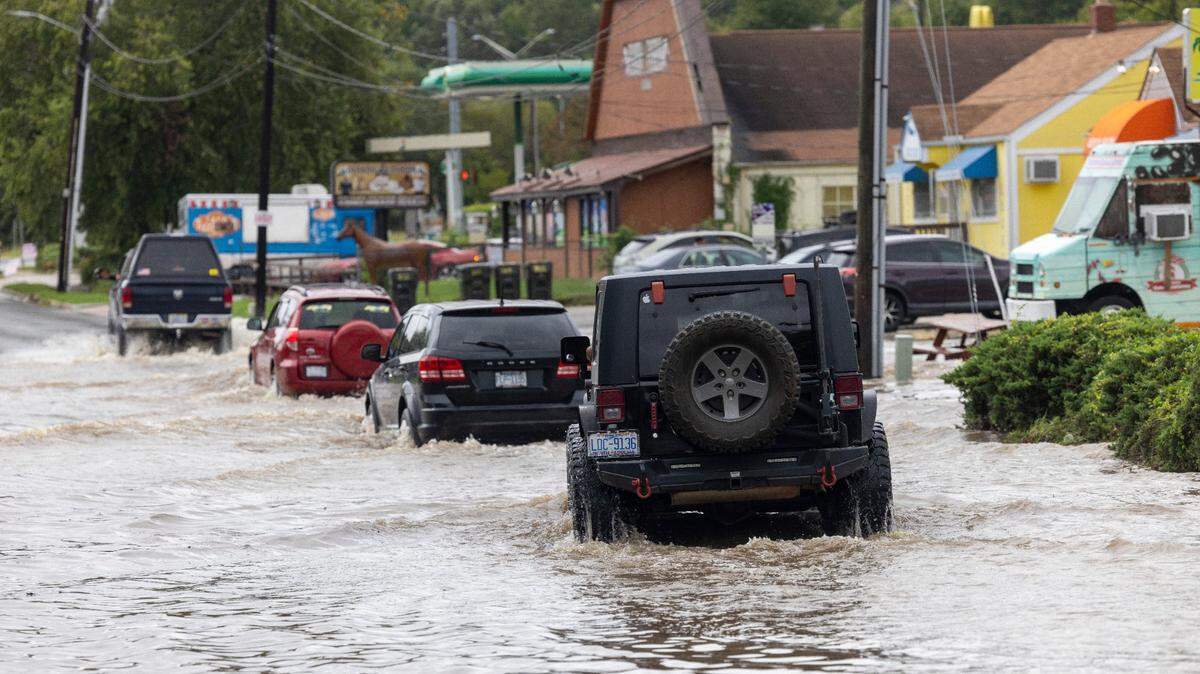
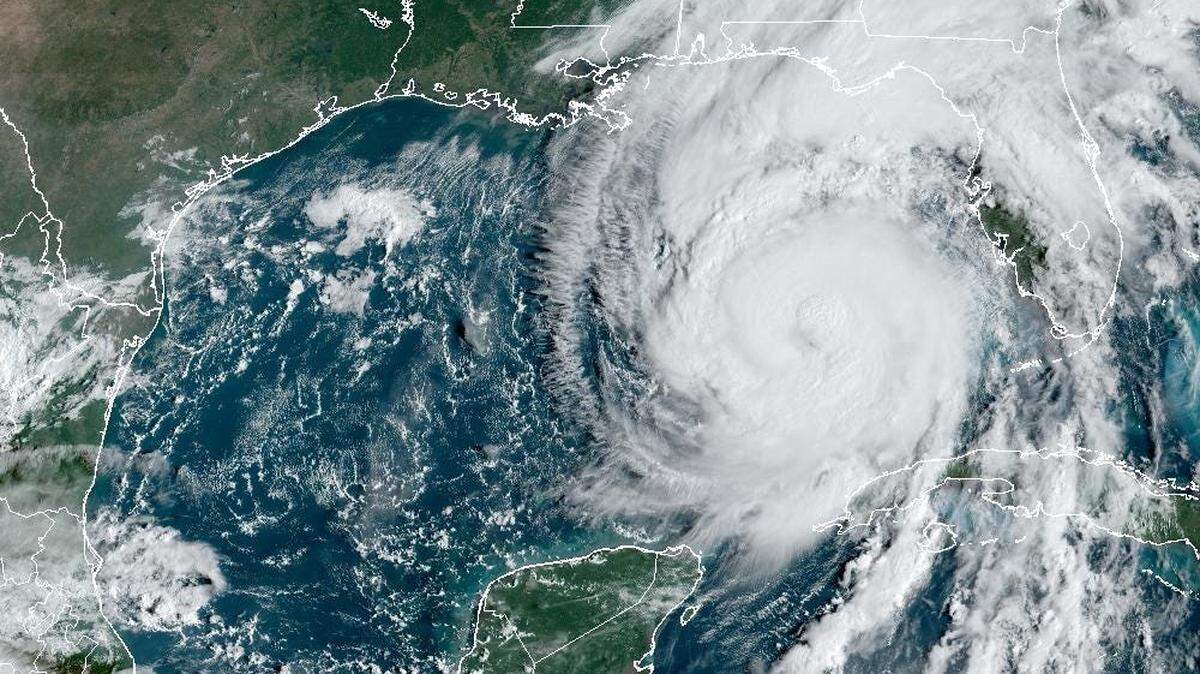
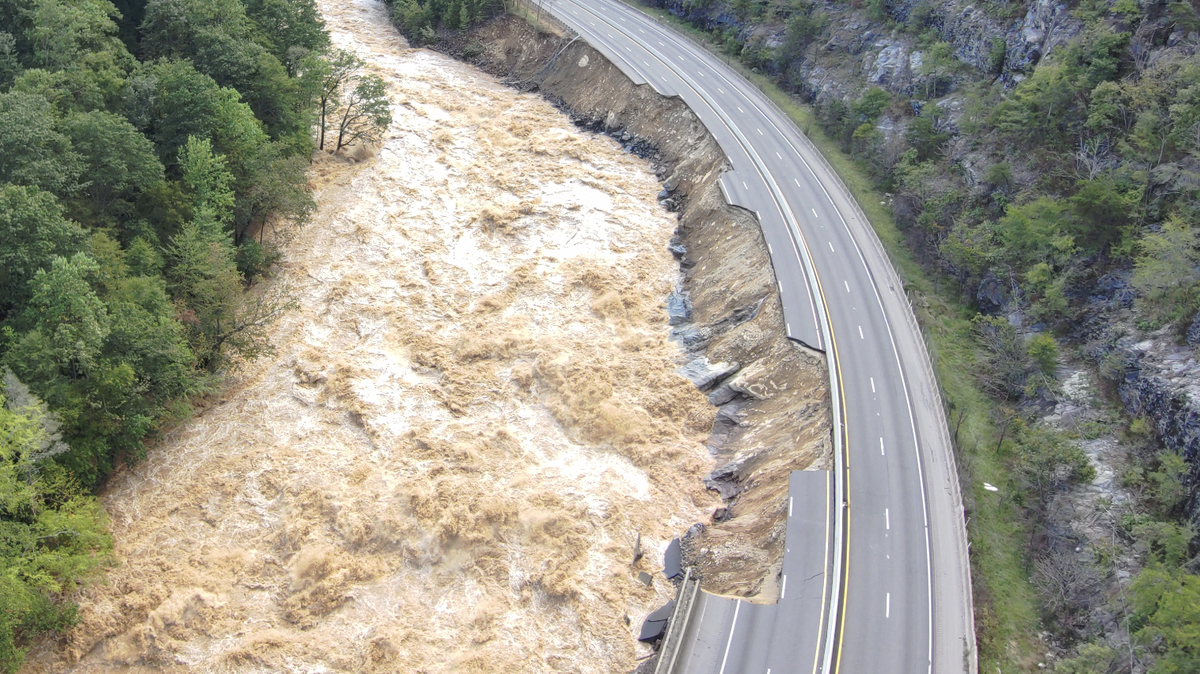
Hurricane Helene swept across the Southeast, causing major flooding and destruction throughout North Carolina. Here is ongoing coverage from The News & Observer and The Charlotte Observer about Hurricane Helene and the aftermath, particularly in Western North Carolina.
Expand All
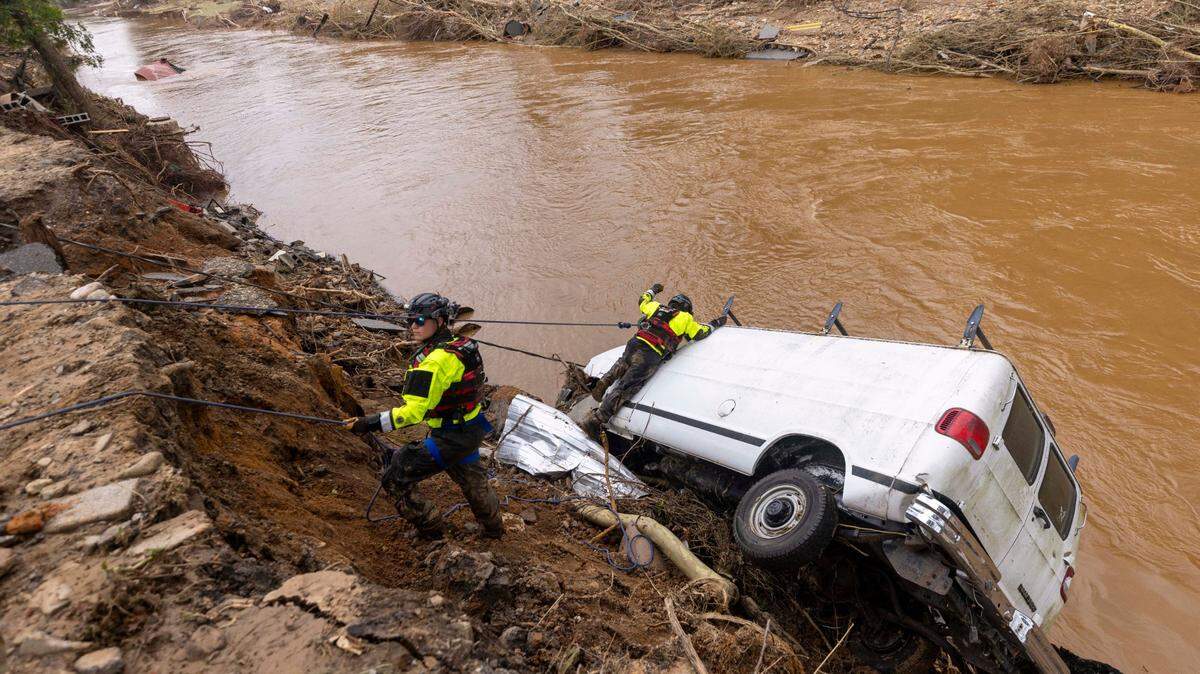
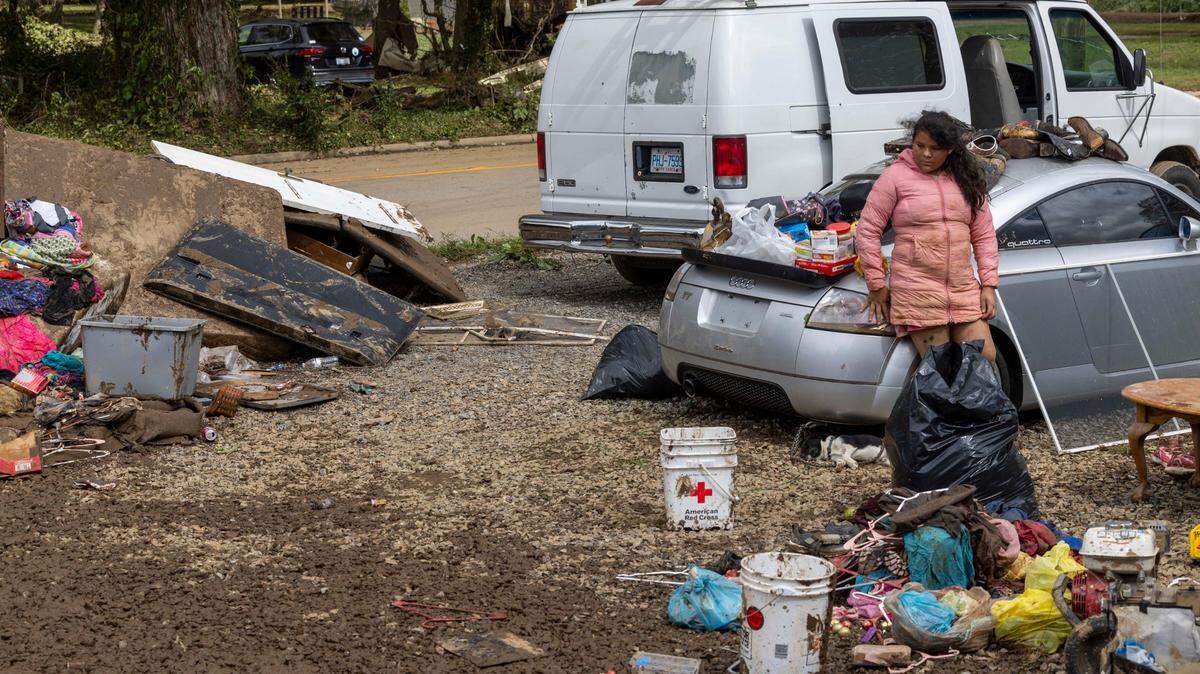
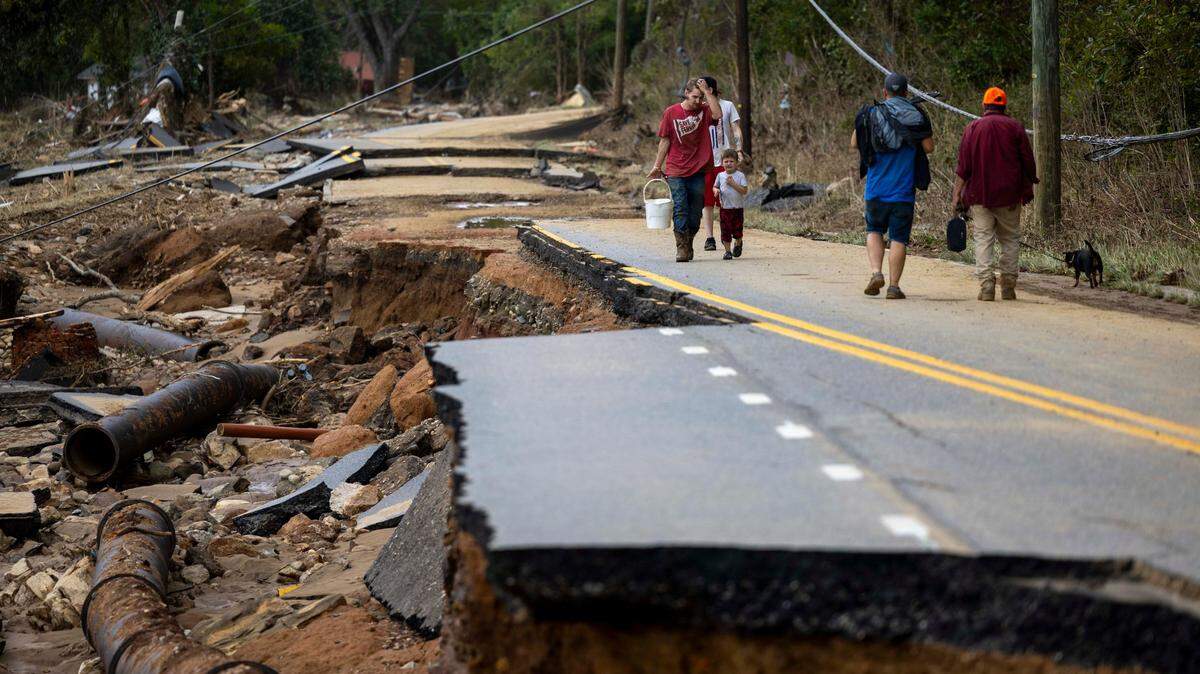
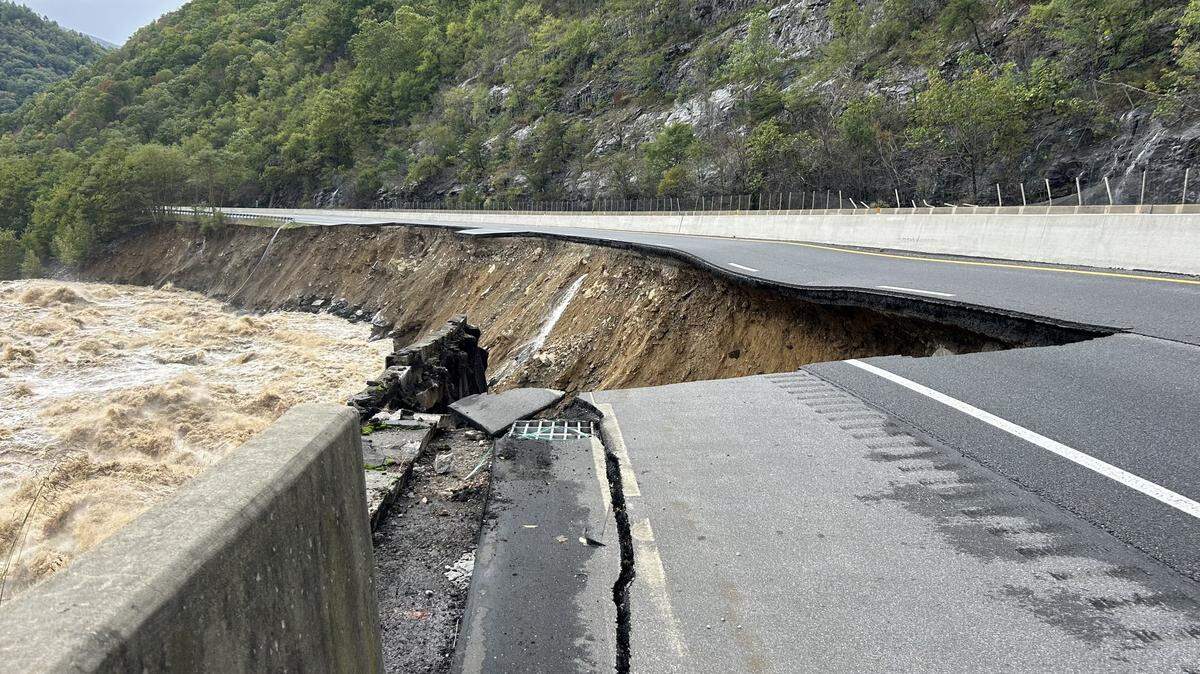
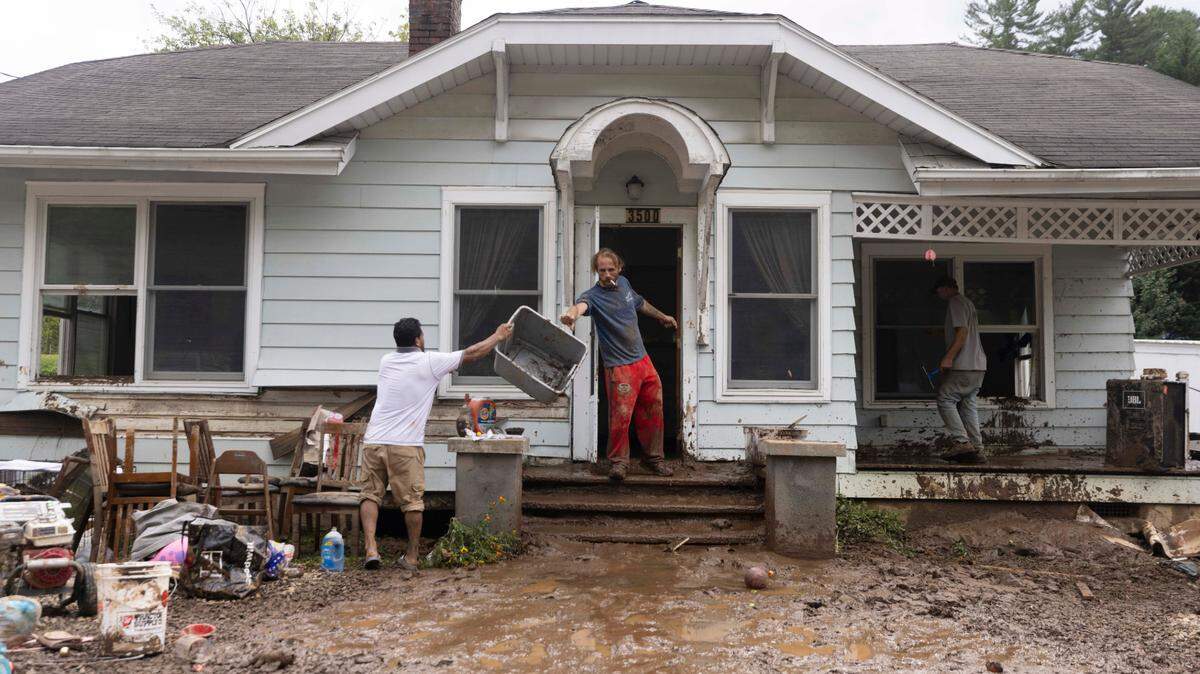
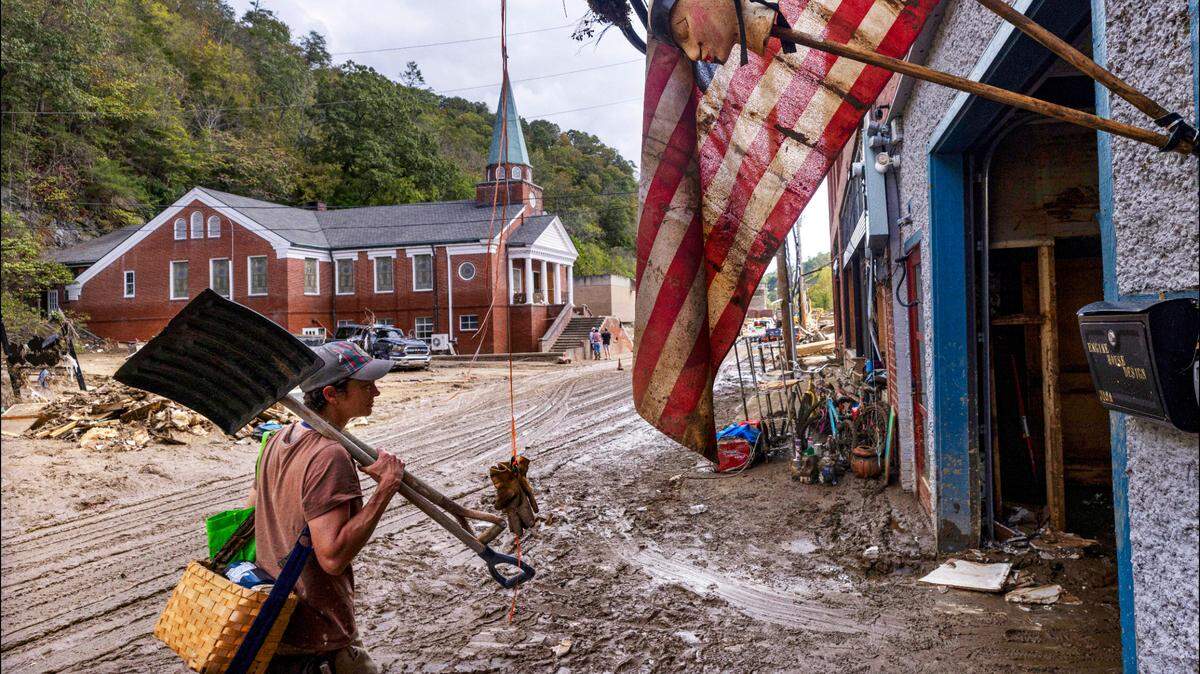
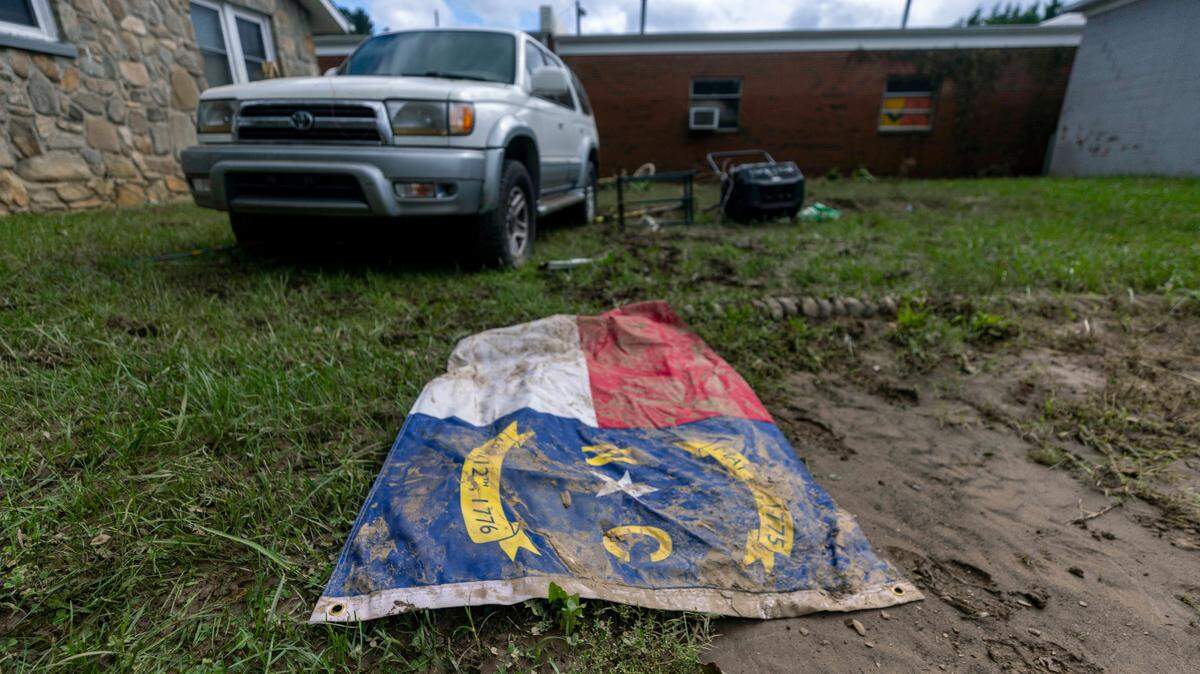
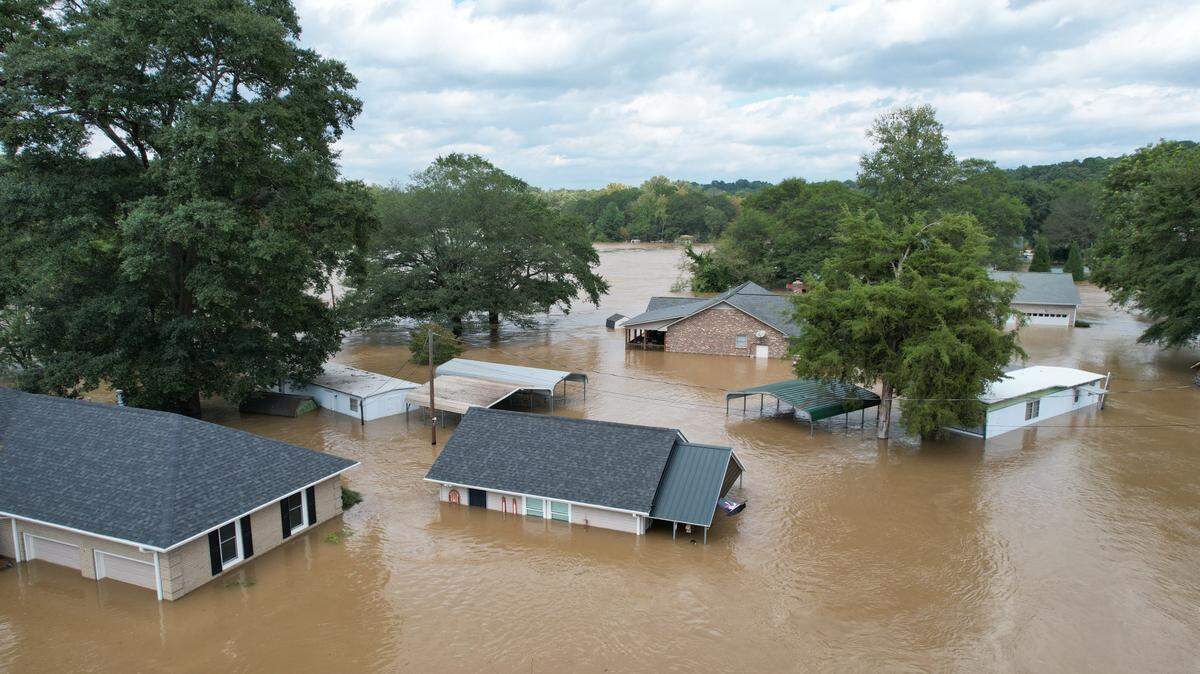
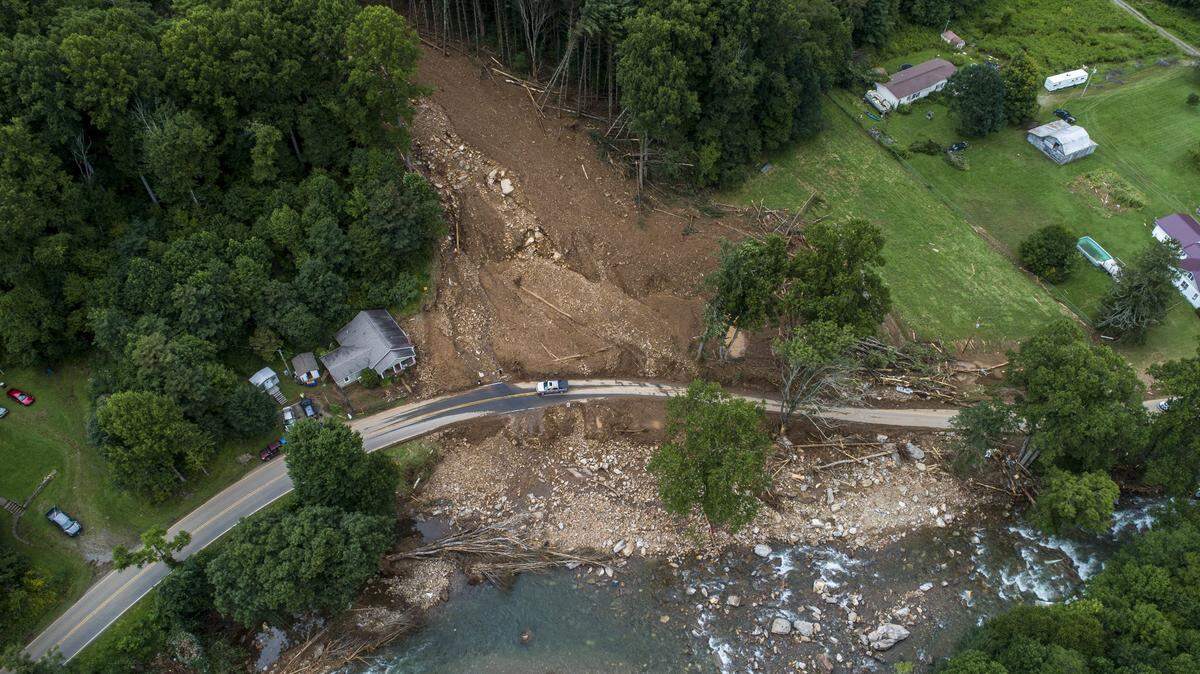
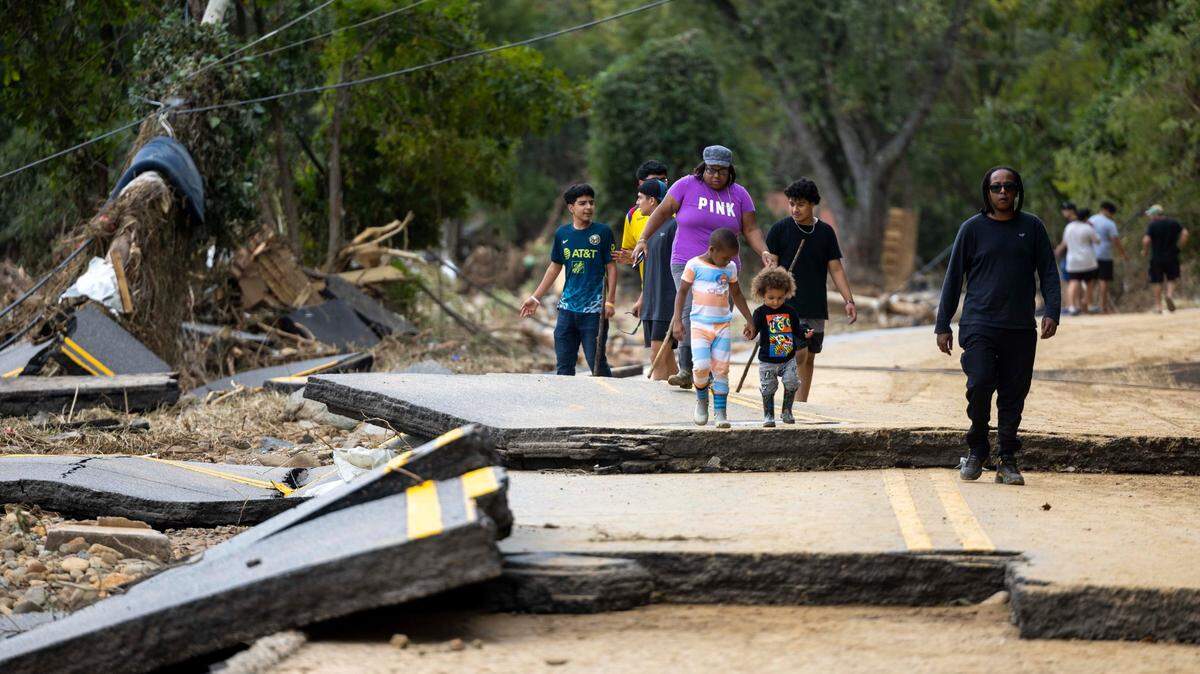
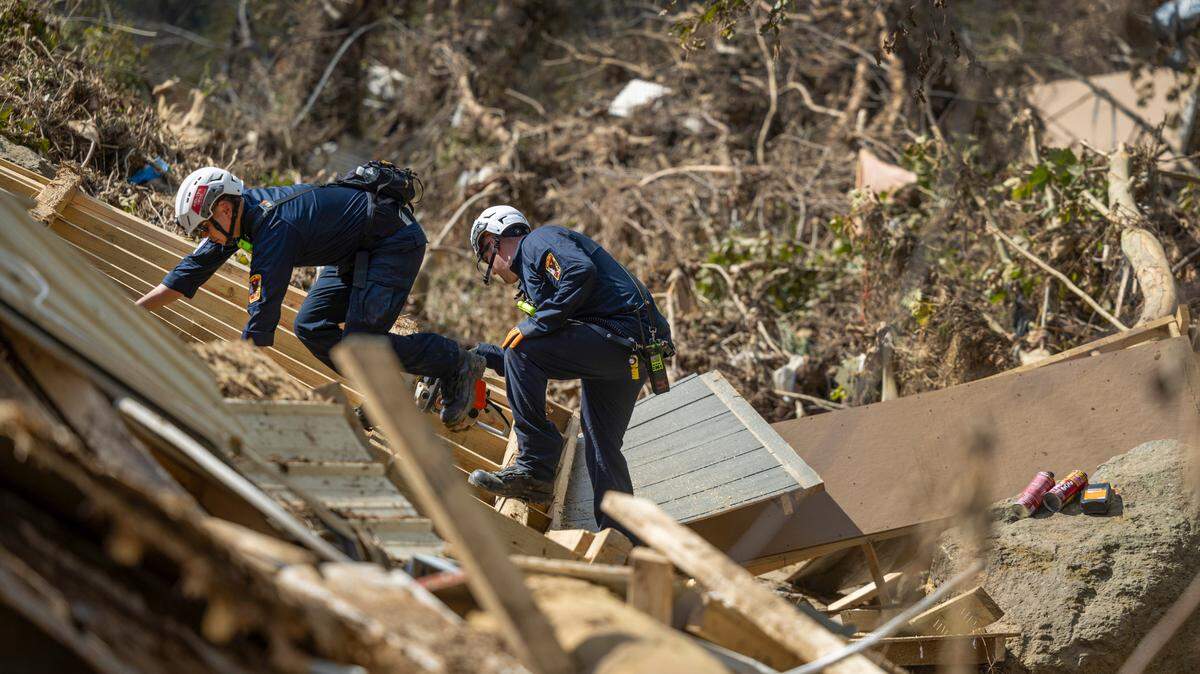
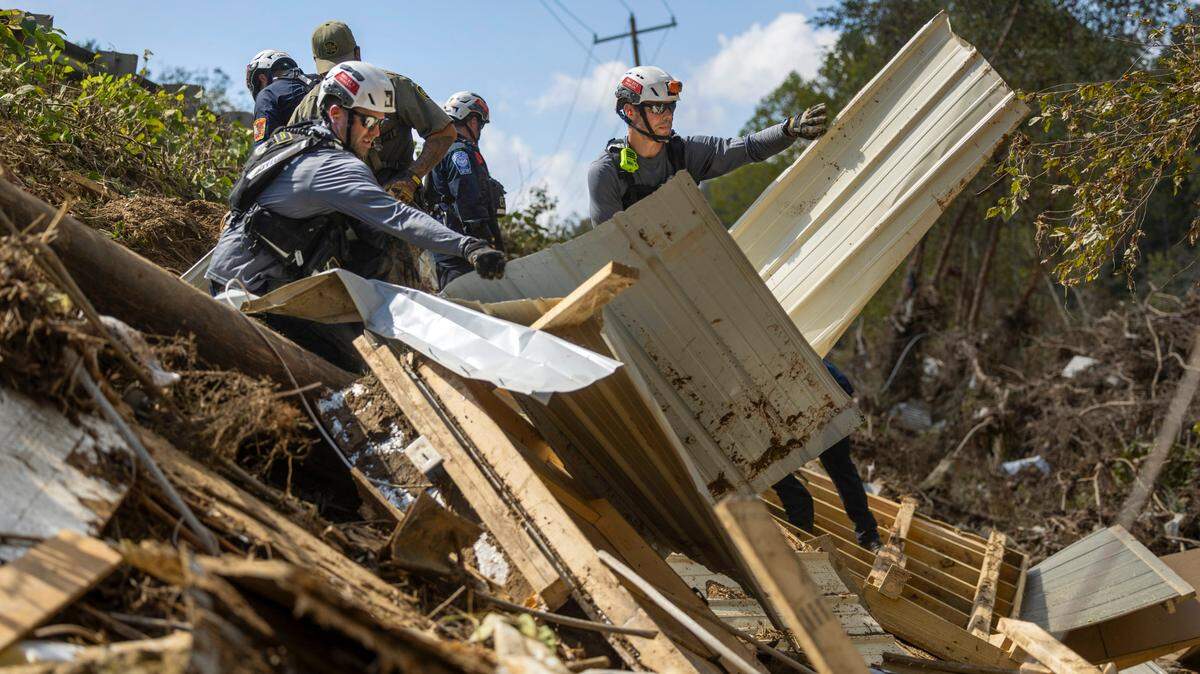
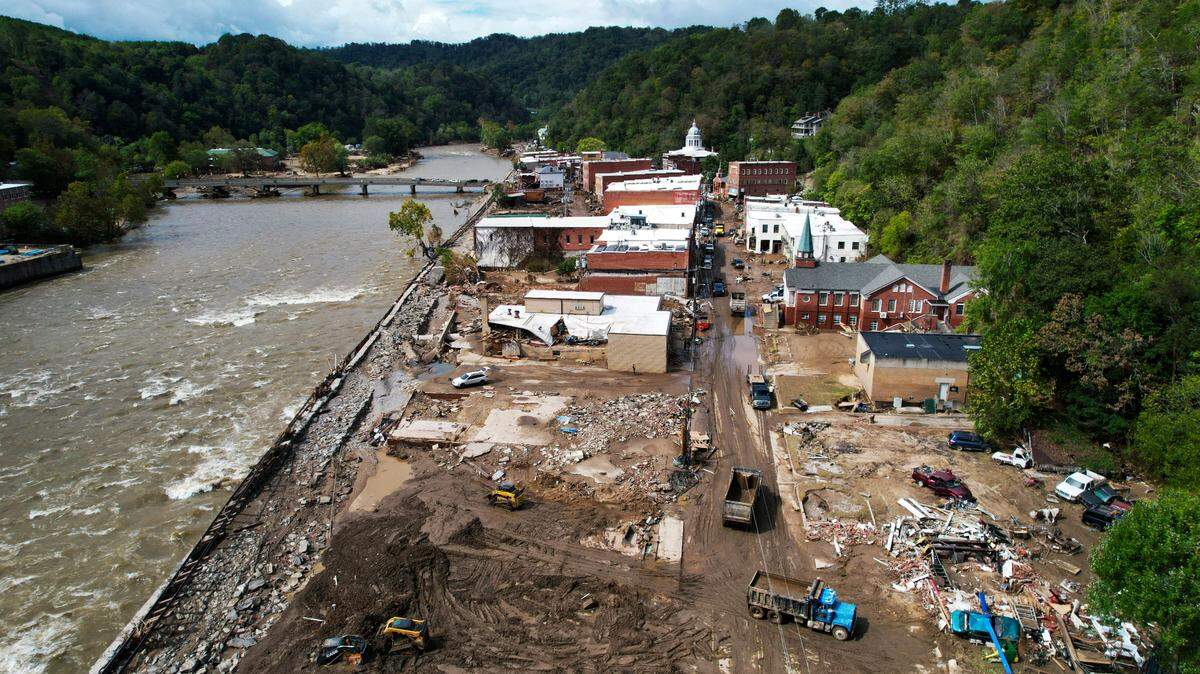
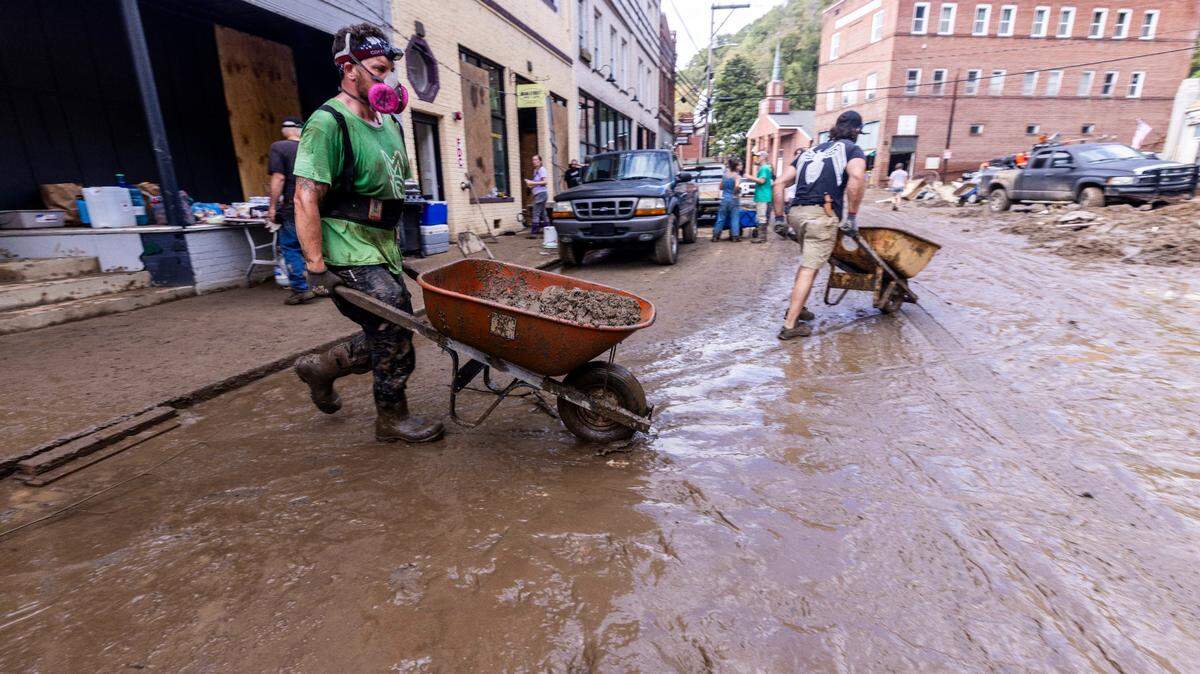
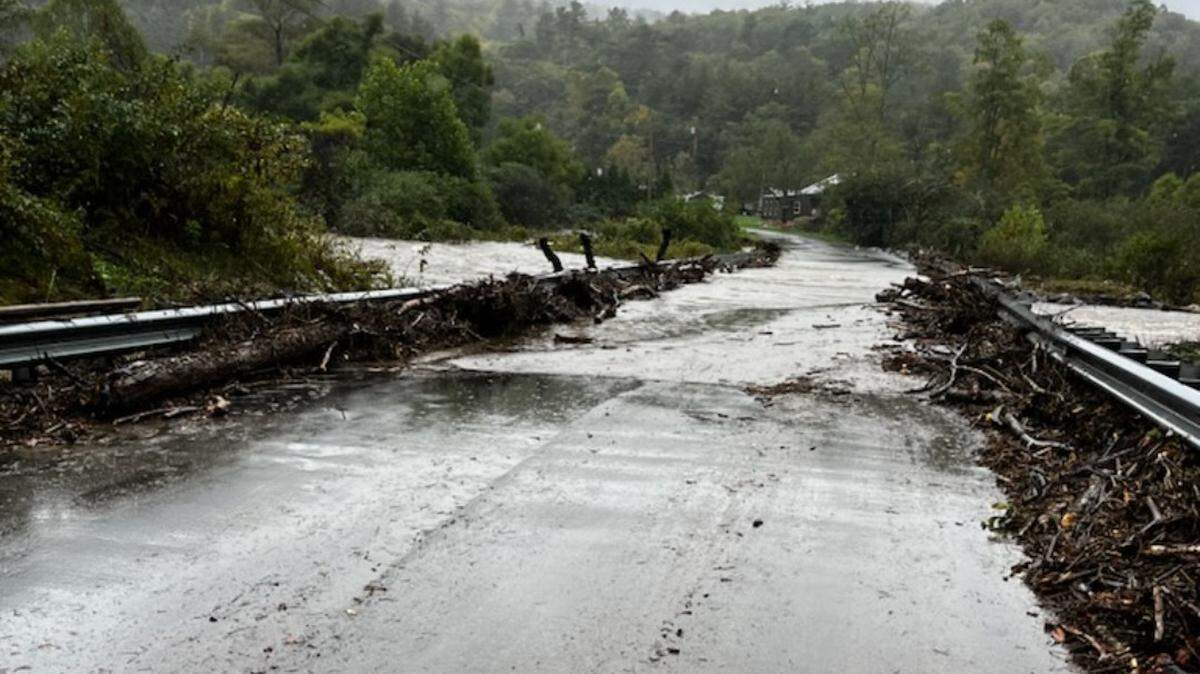
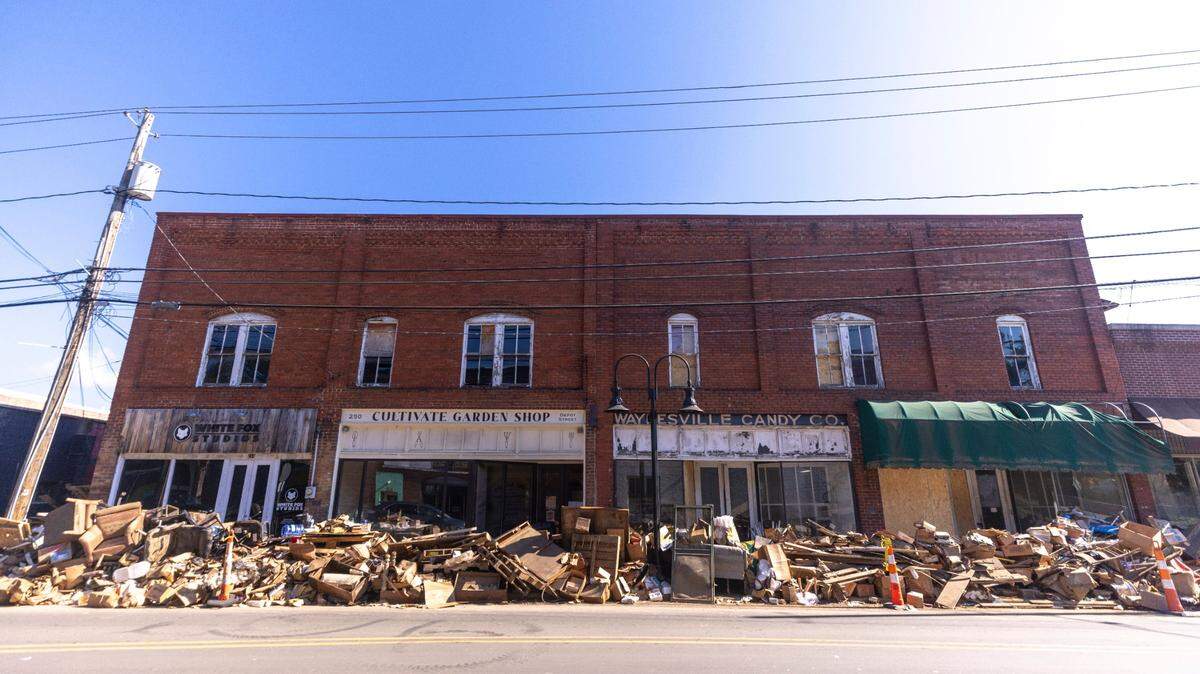
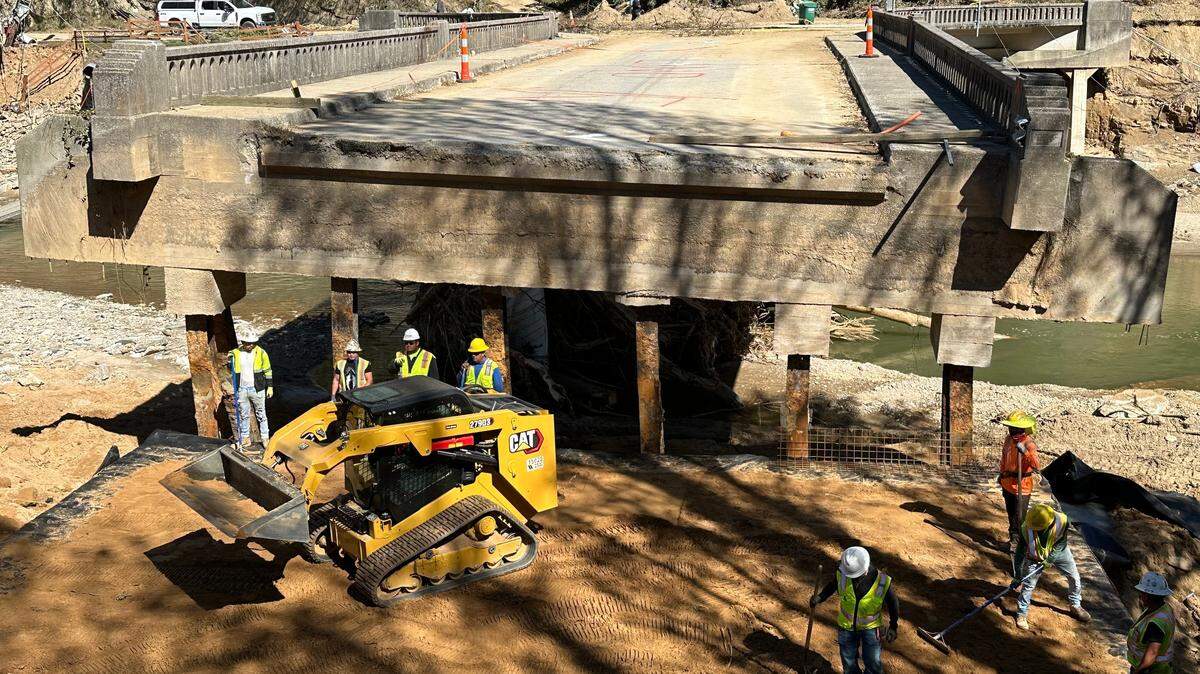
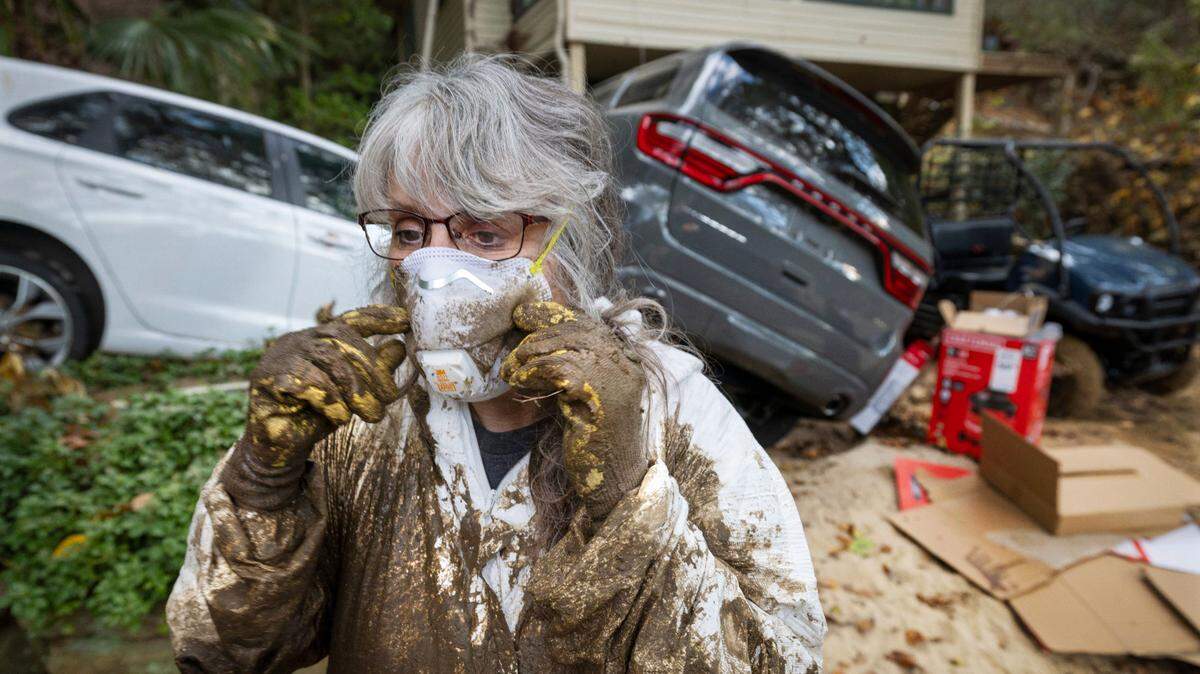
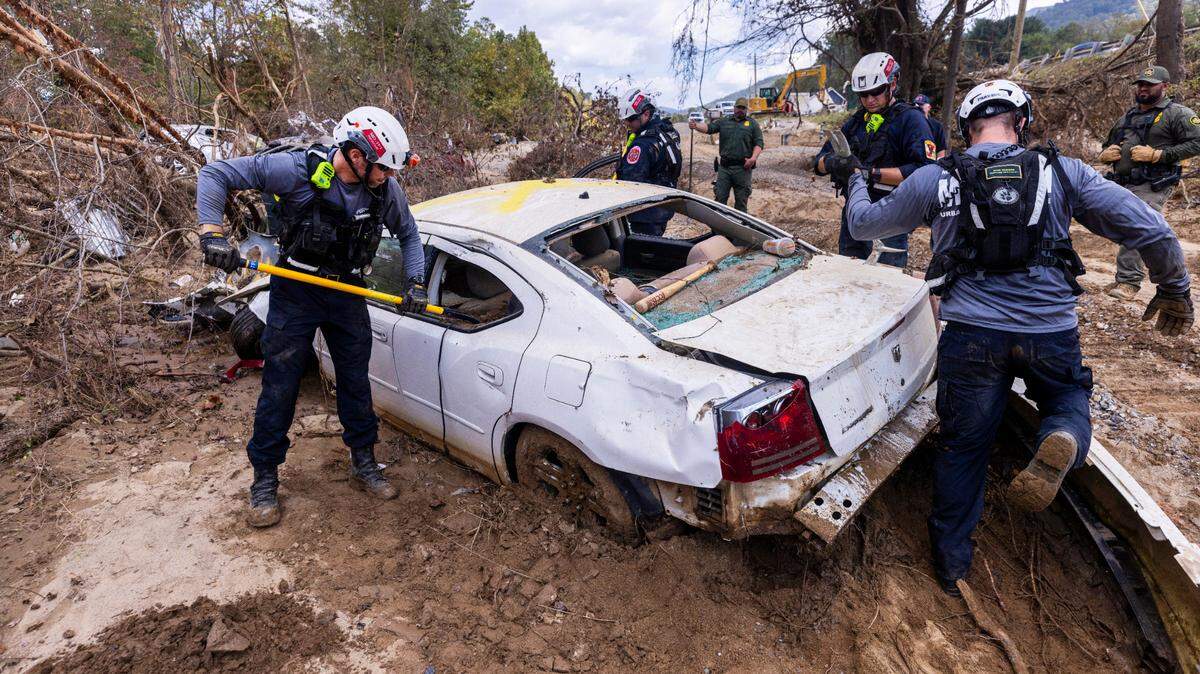
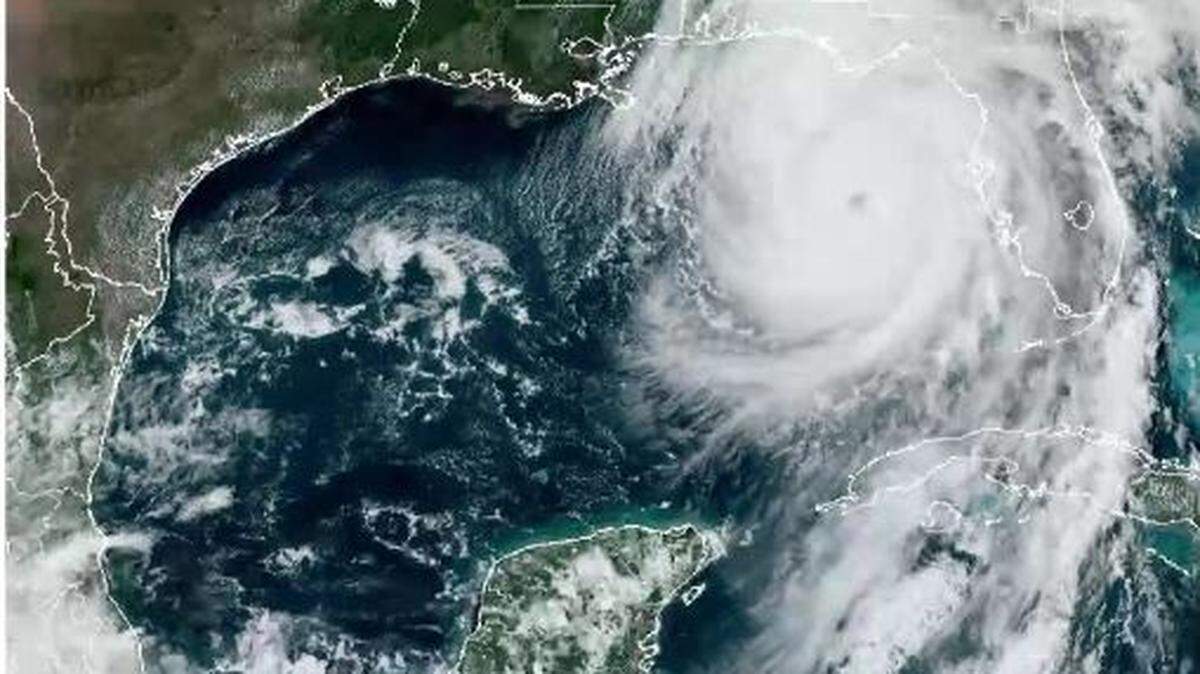
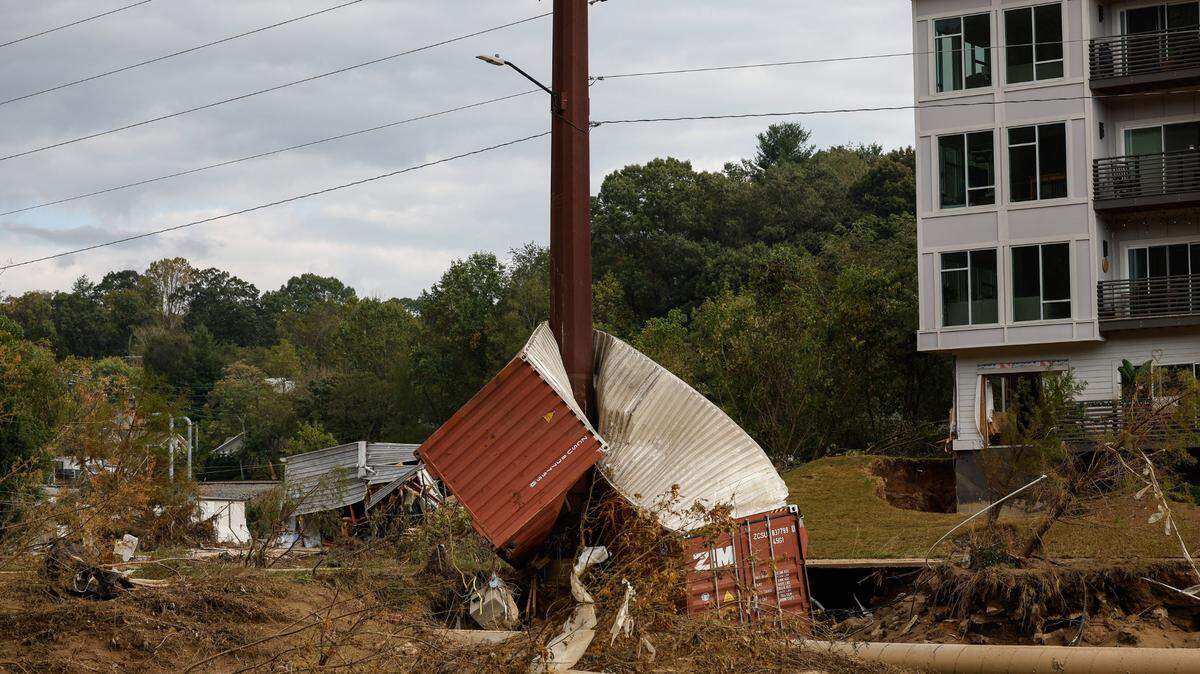
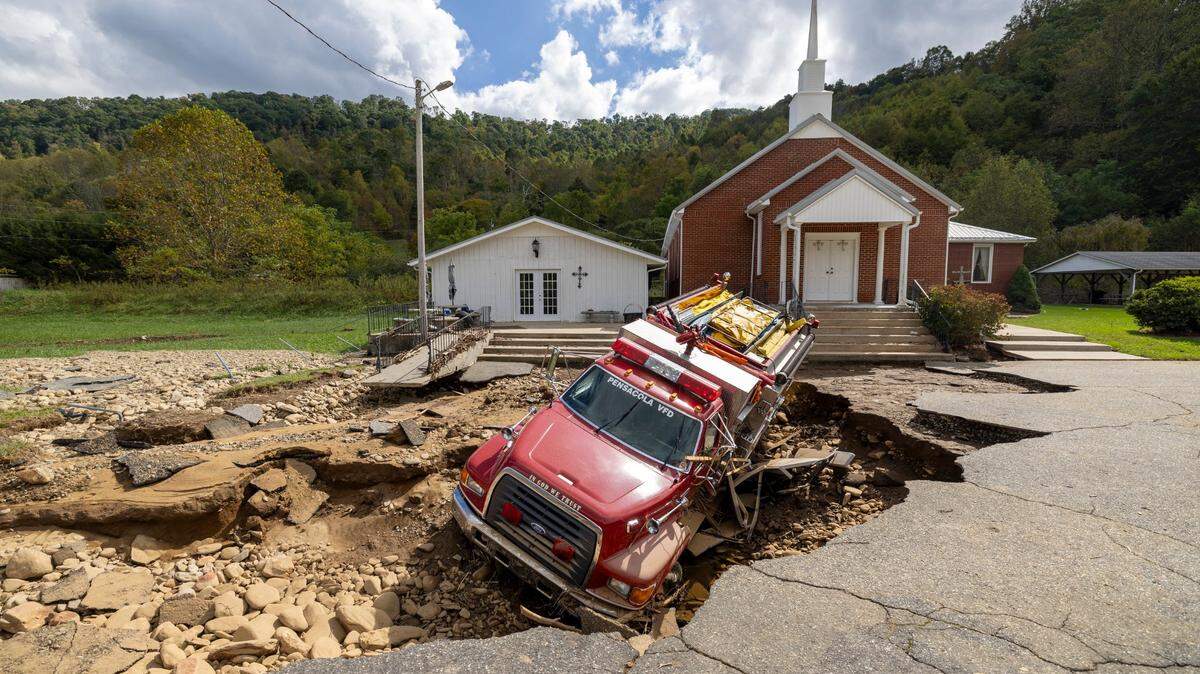
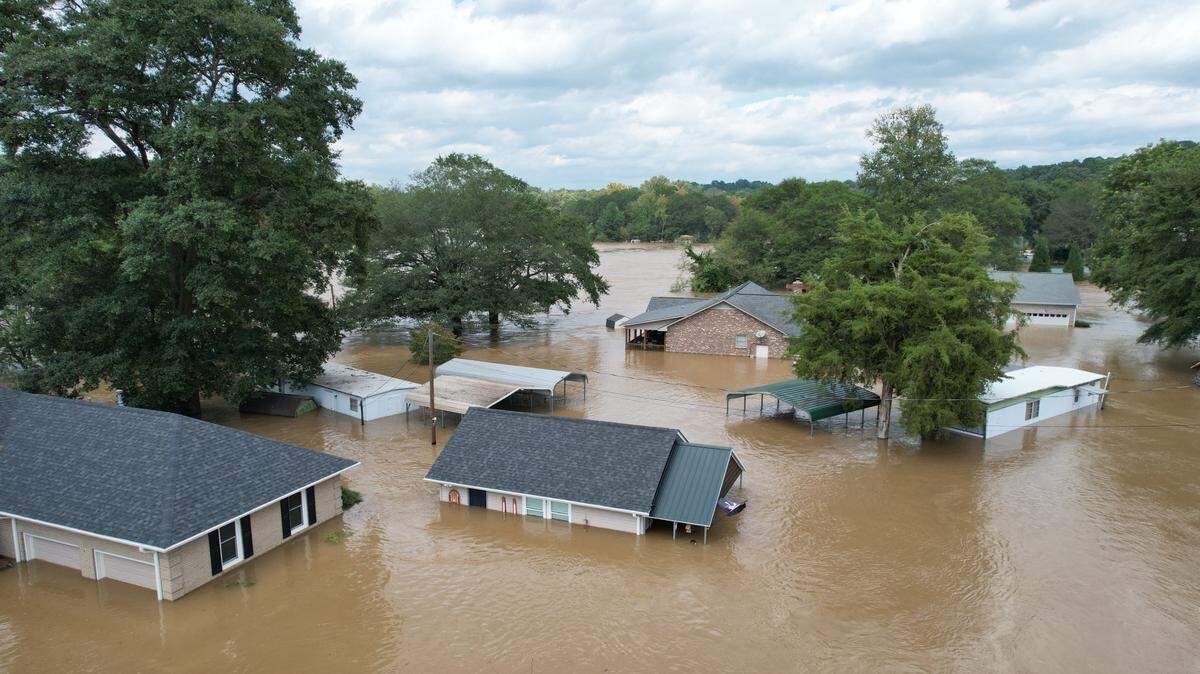
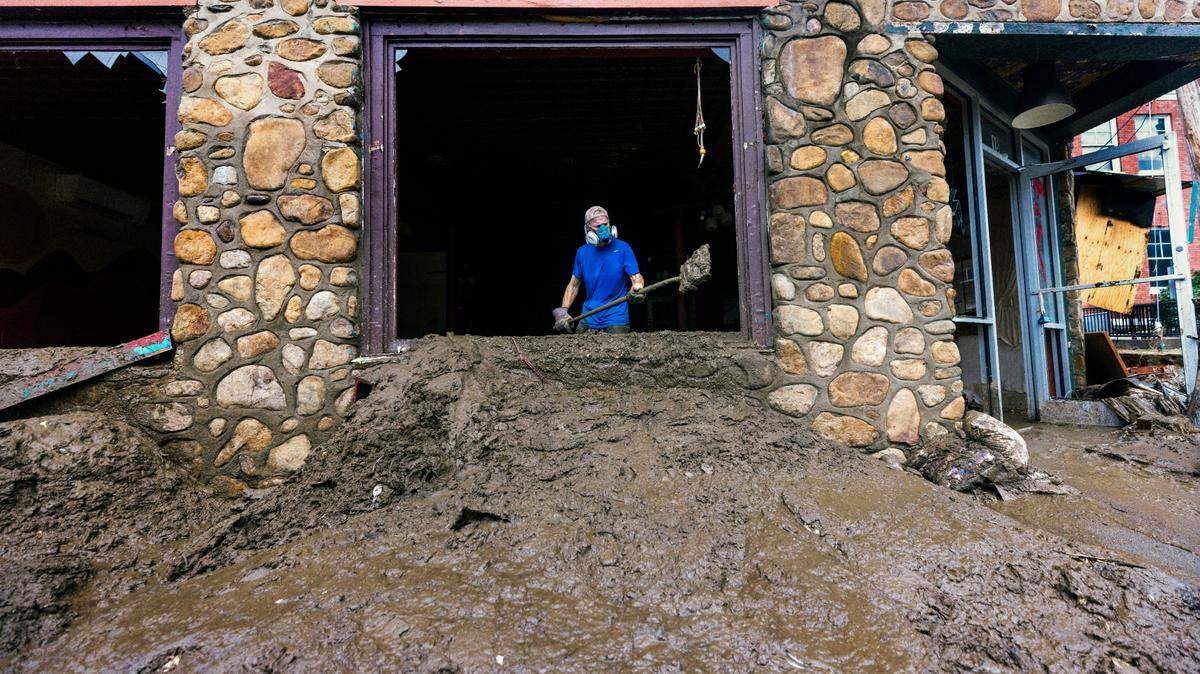
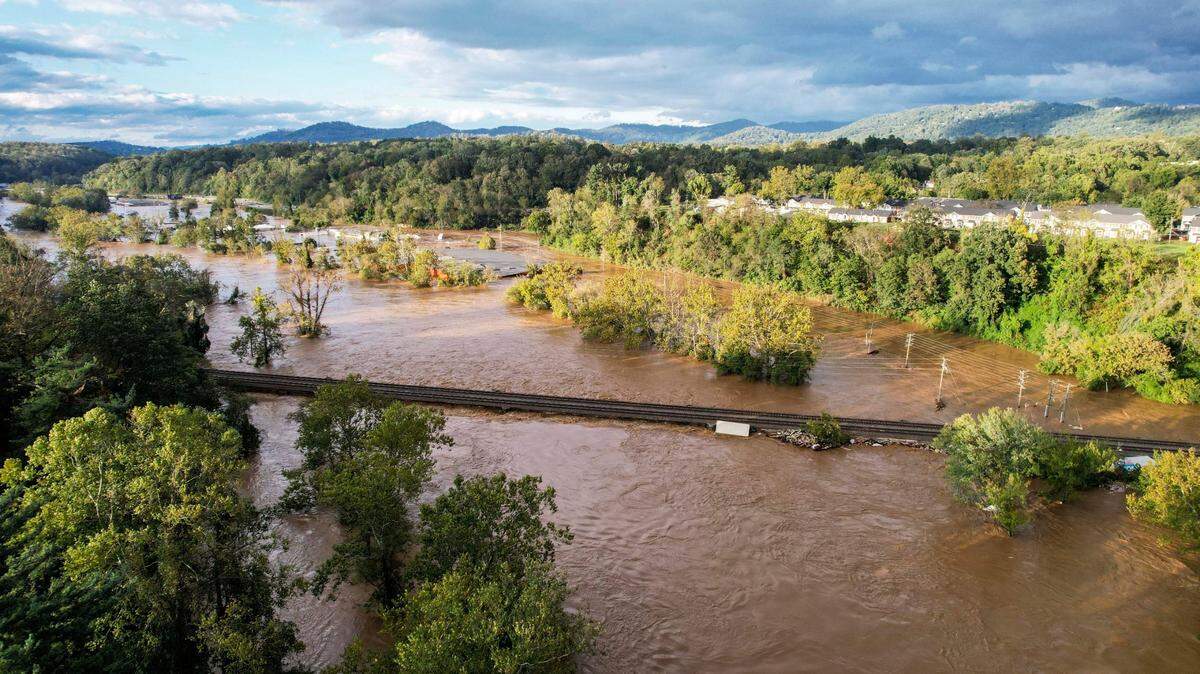
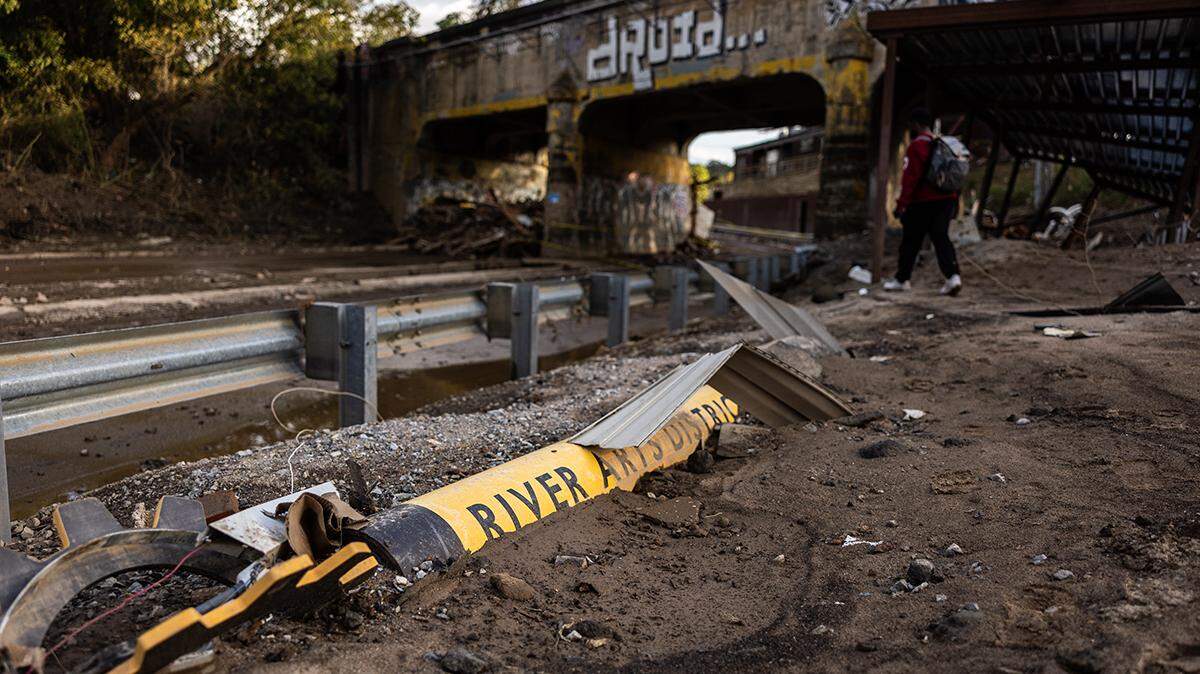
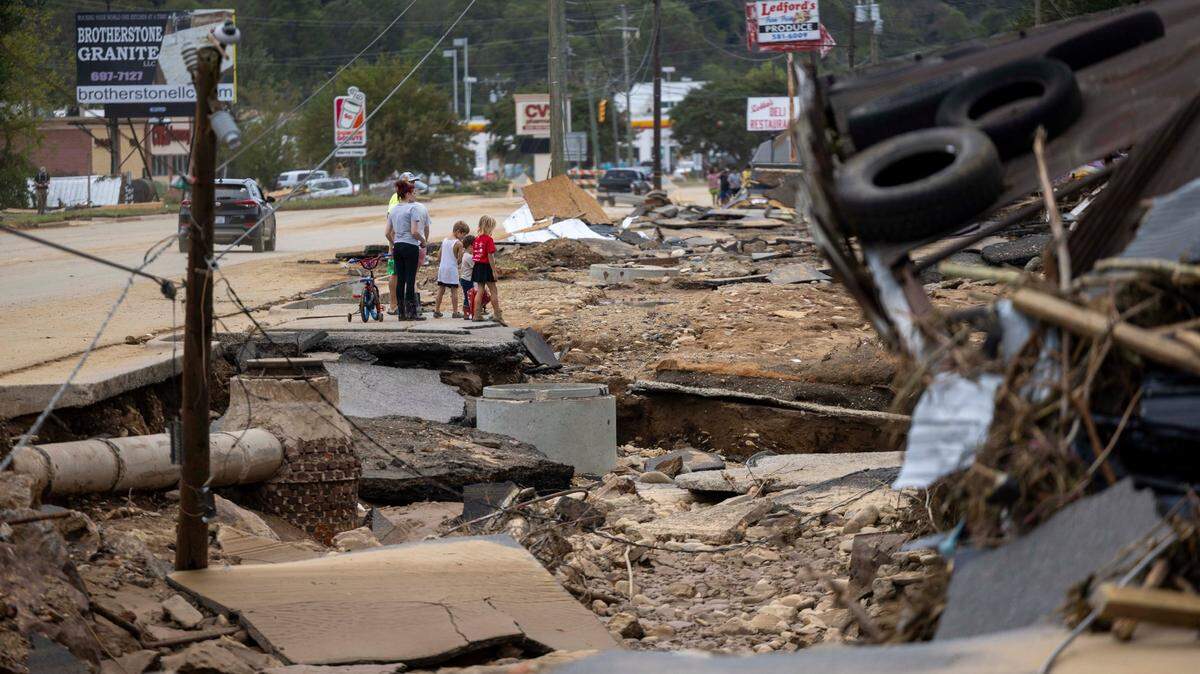
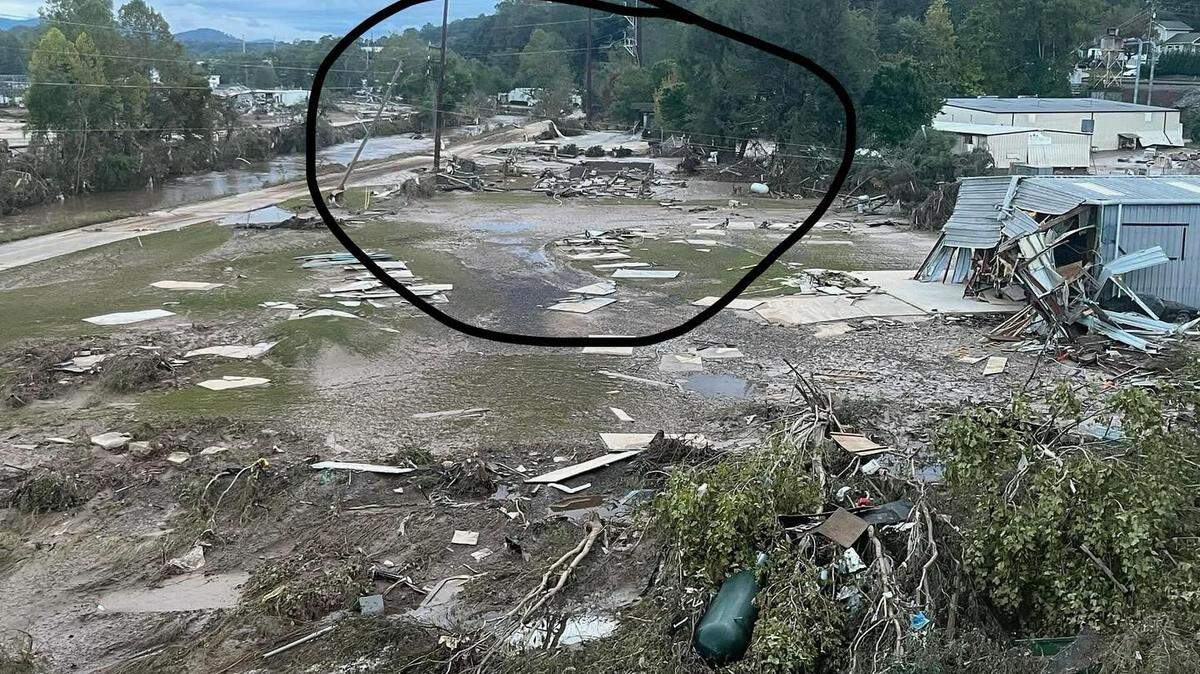
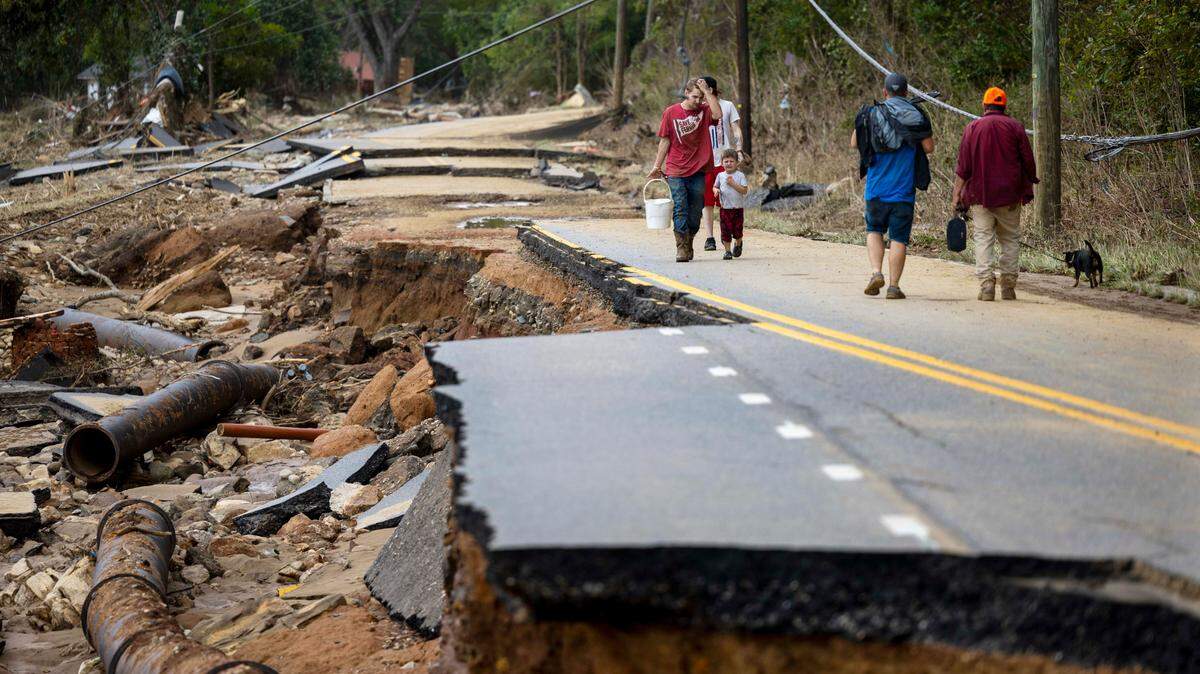
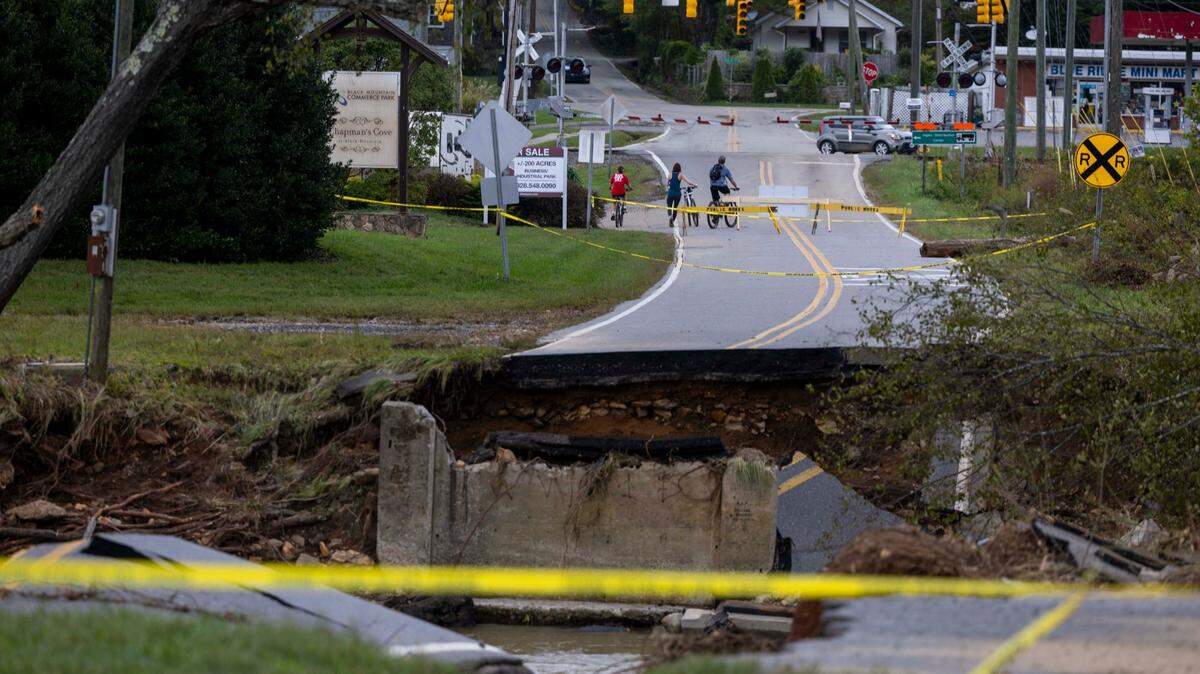
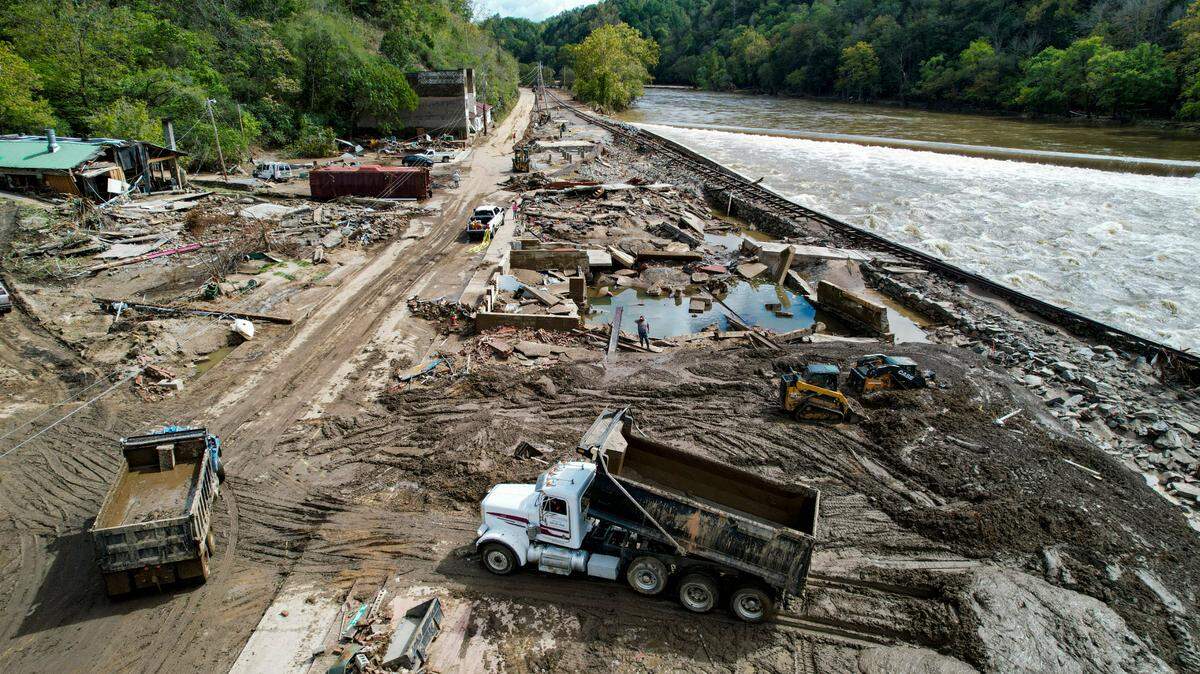
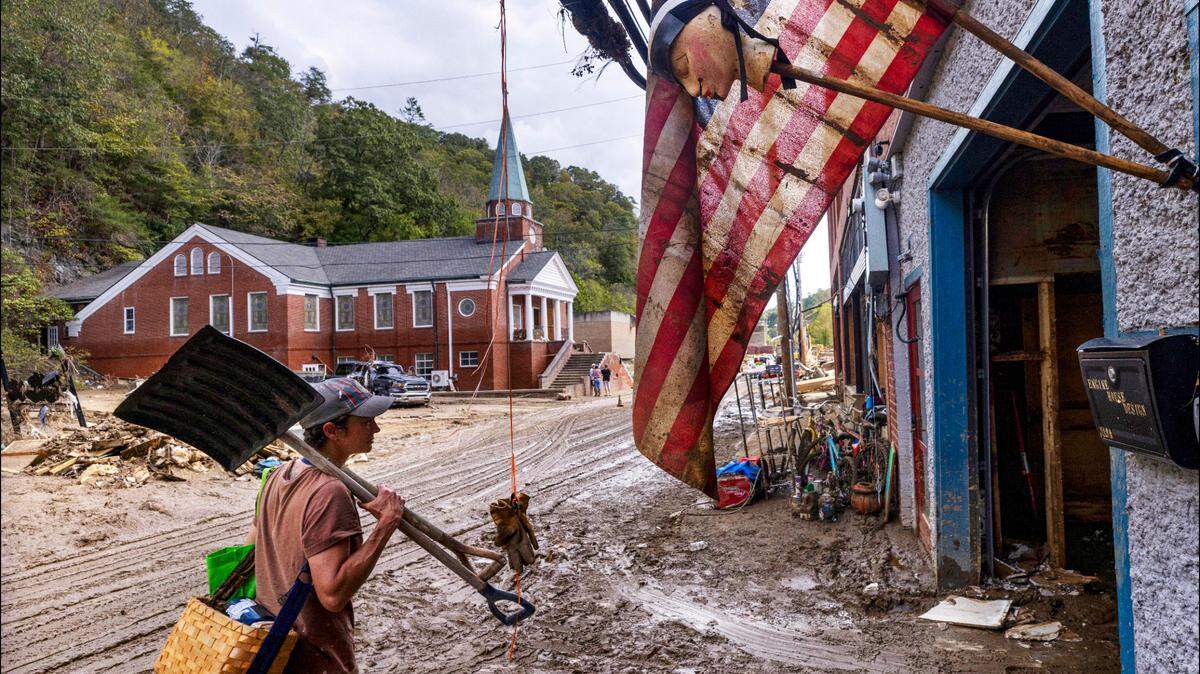
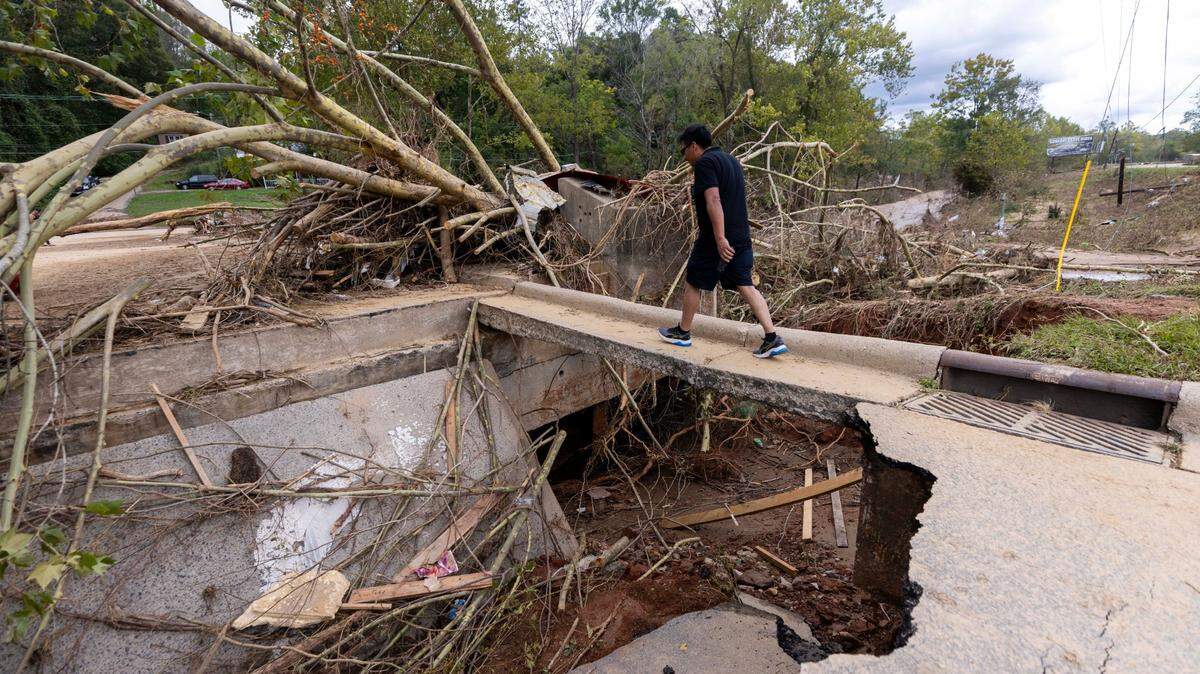
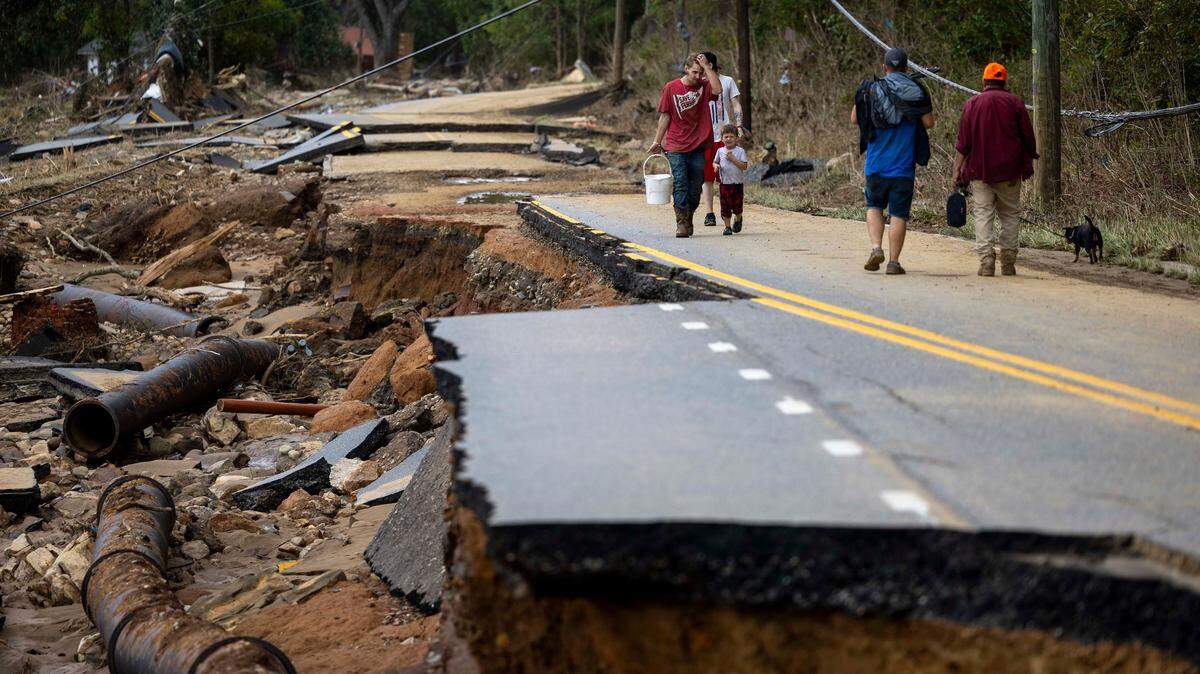
In the three weeks since Hurricane Helene tore through Western North Carolina, it’s not yet clear how many of the more than 3 million people in its path can go home, in some cases to communities where their families have lived for generations.
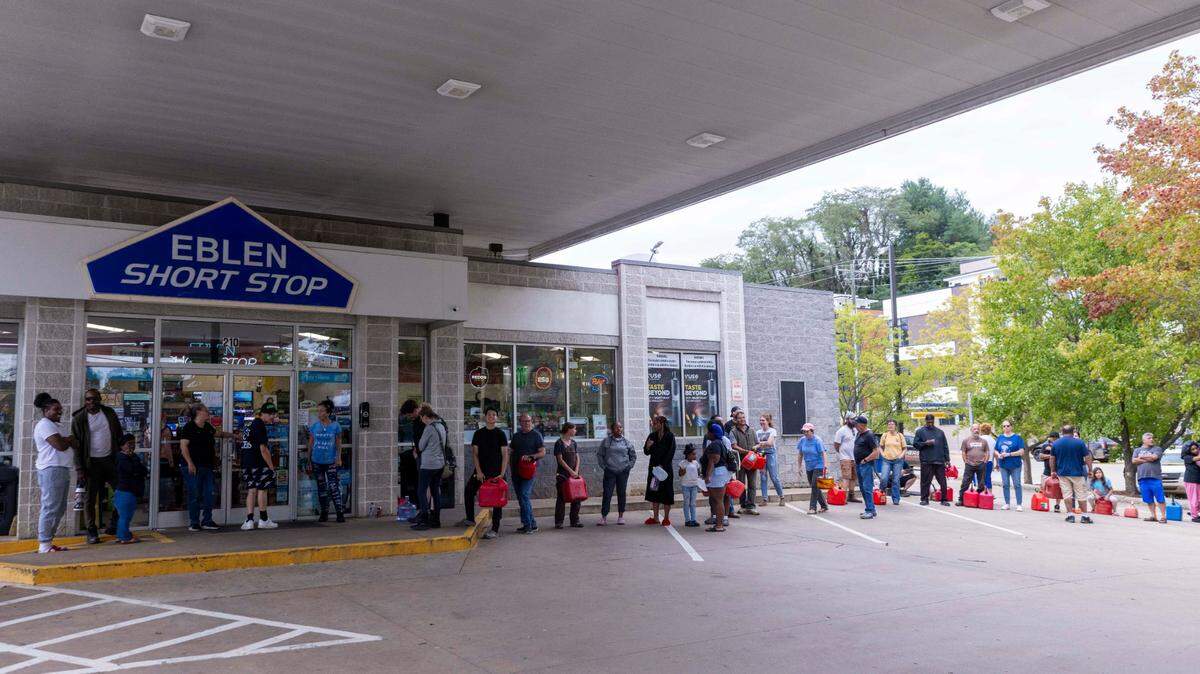
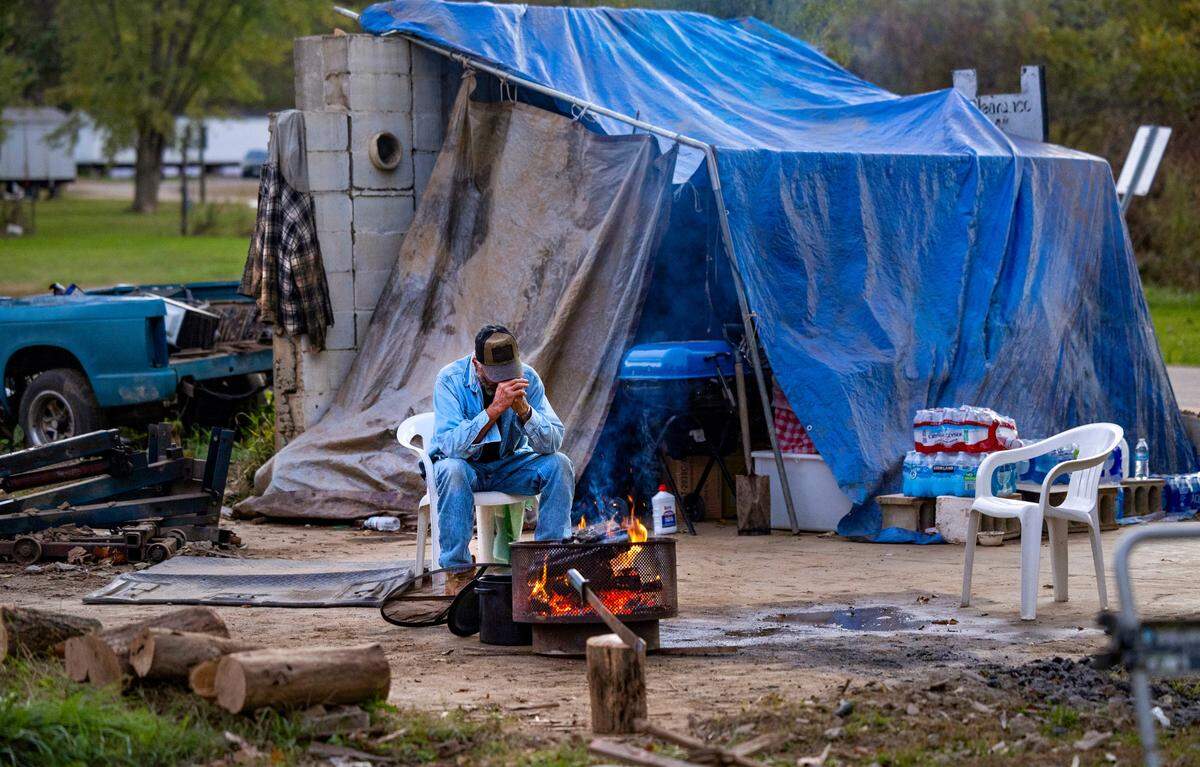
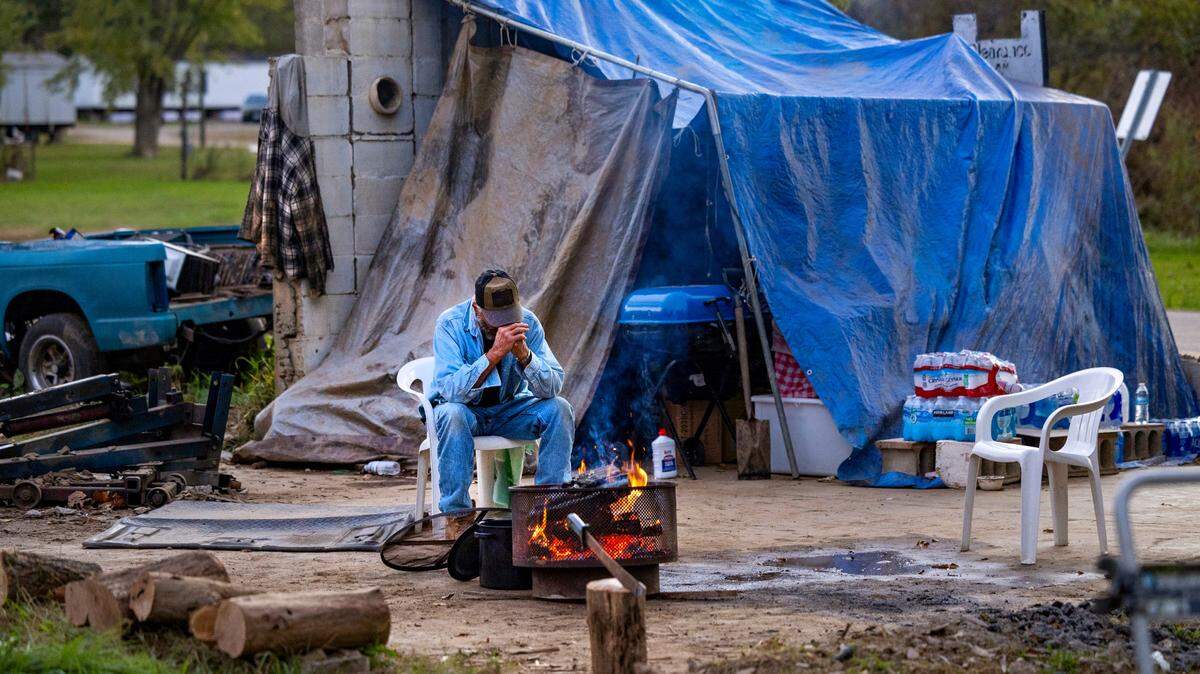
As residents in mountain communities survey the destruction, shock has given way to anger and frustration for some. People are staying where they can, some even in tents, at a time when temperatures are dropping. Yet there’s resilience in the face of the seemingly insurmountable.
Some Avery County residents interviewed by The News & Observer still aren’t certain of the full scale or cost of damage done to their homes.
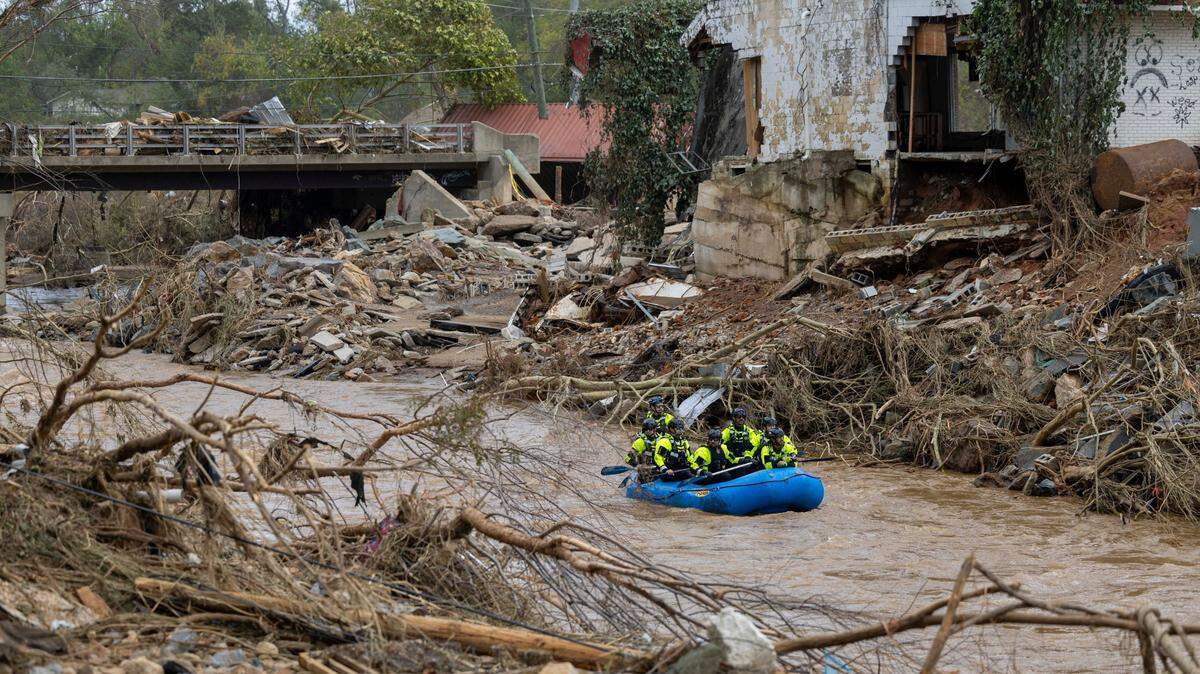
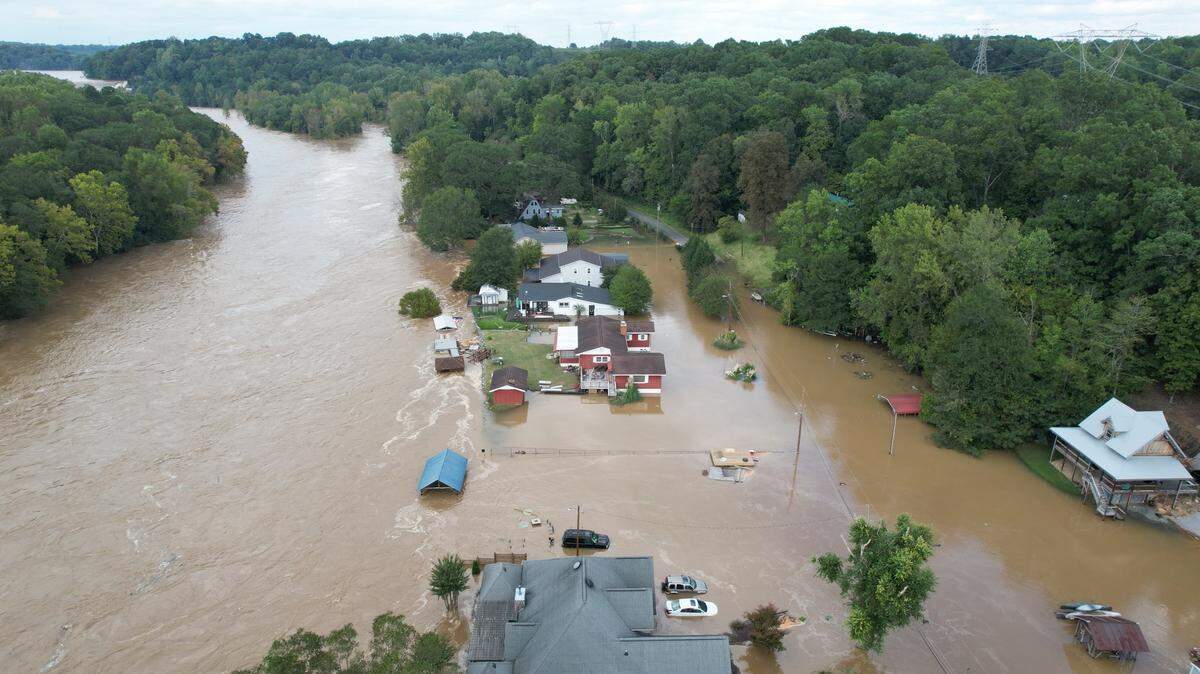
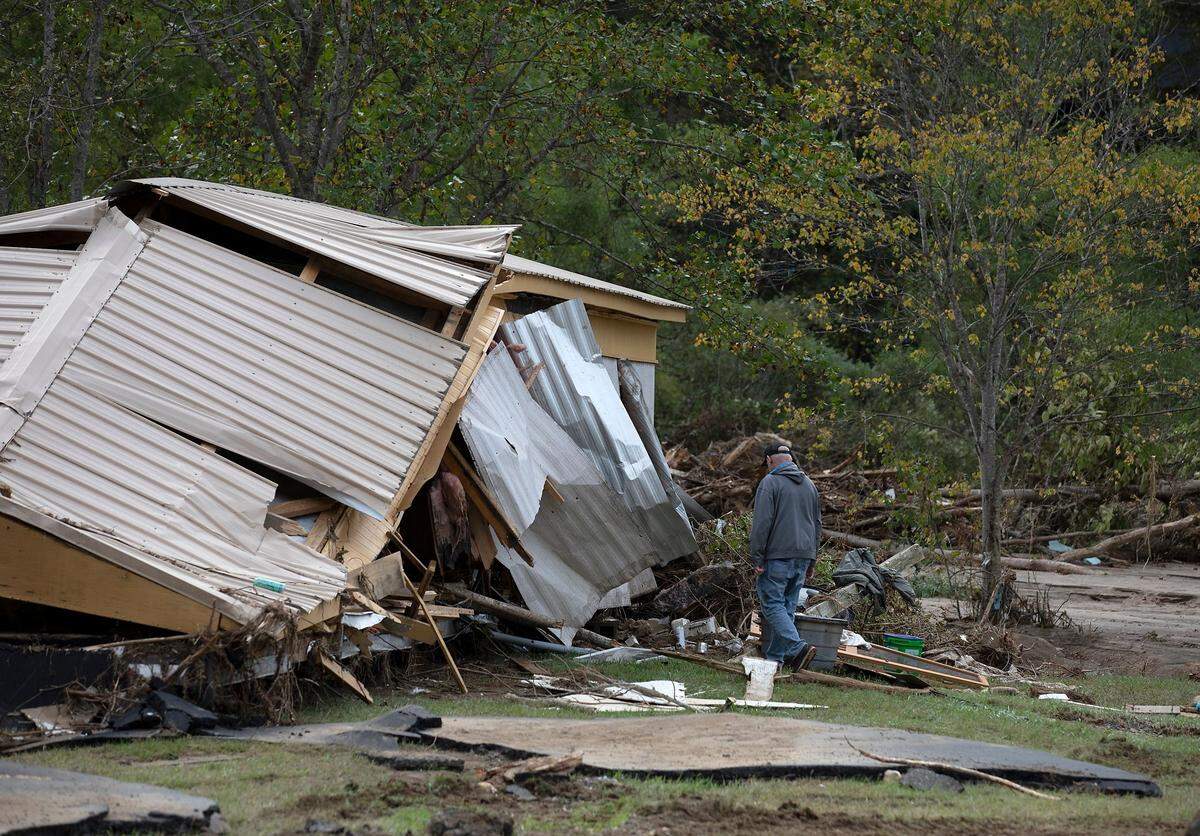
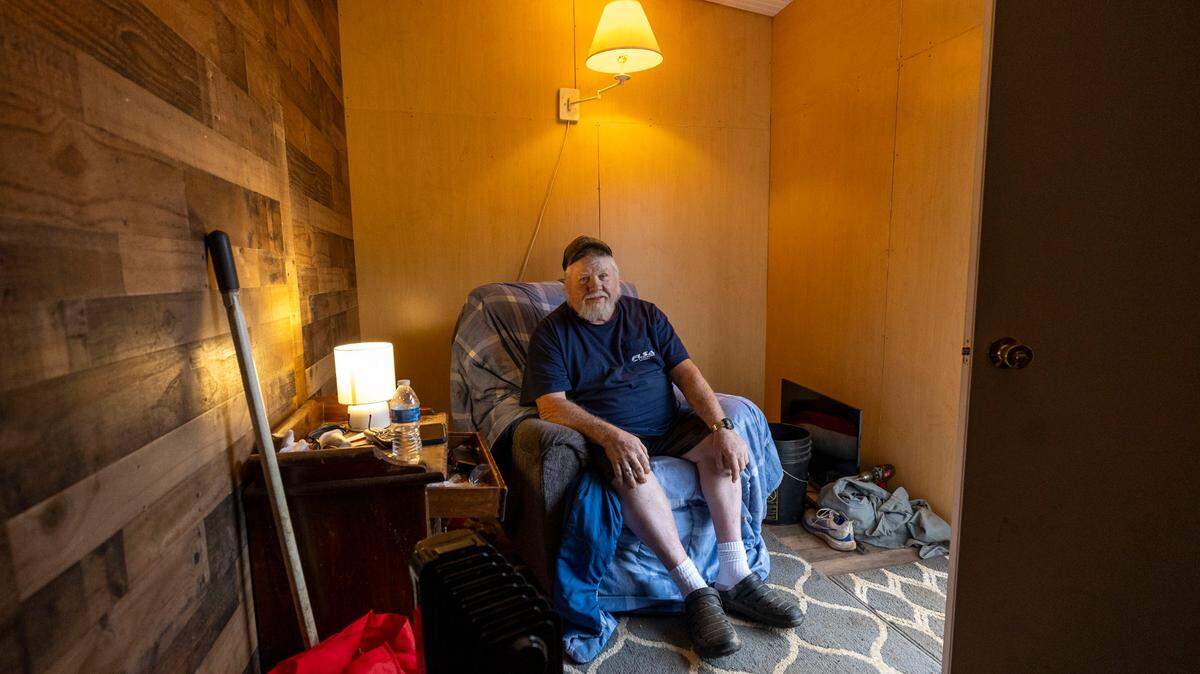
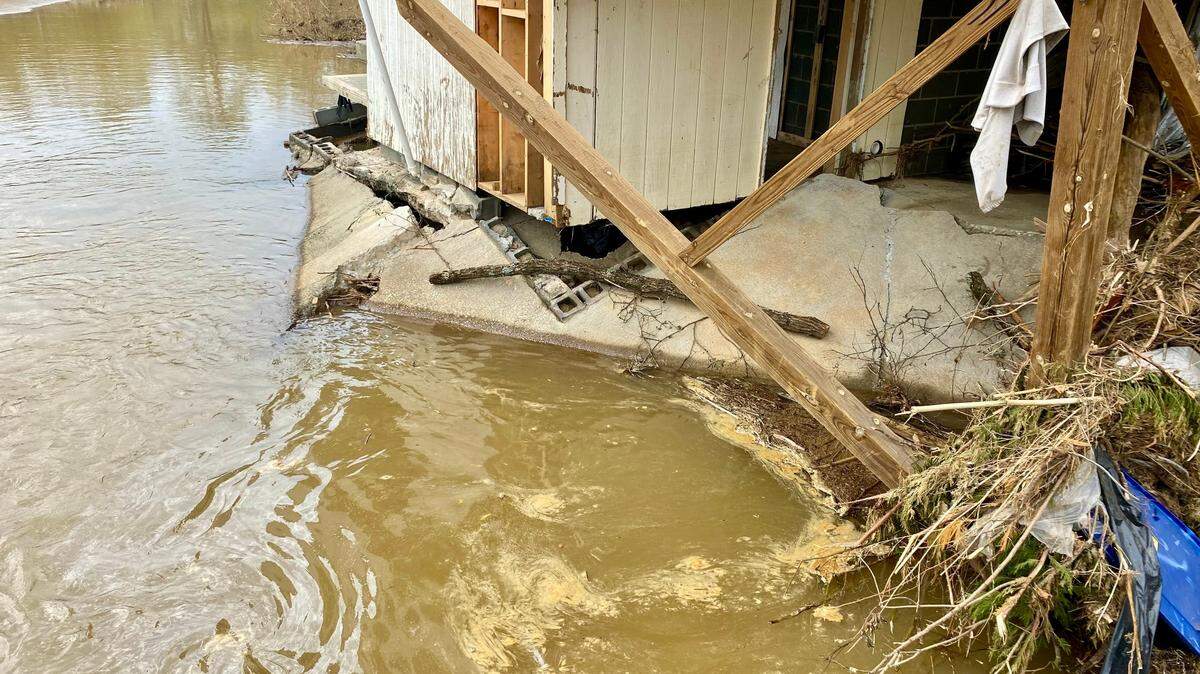
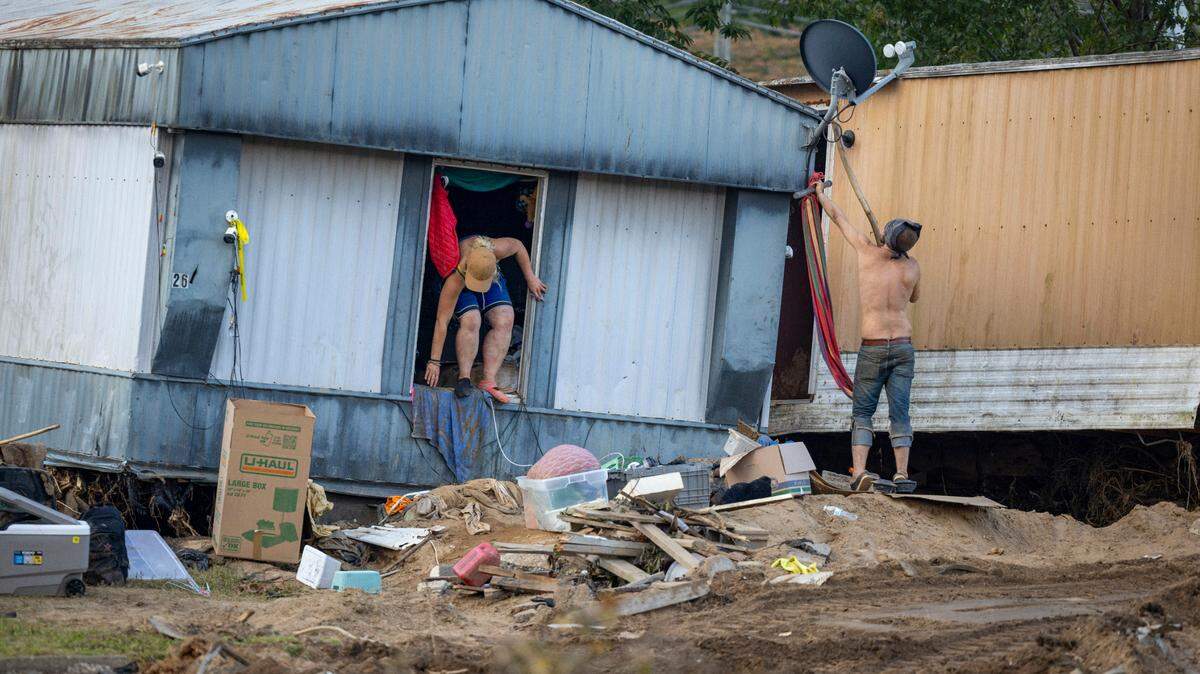
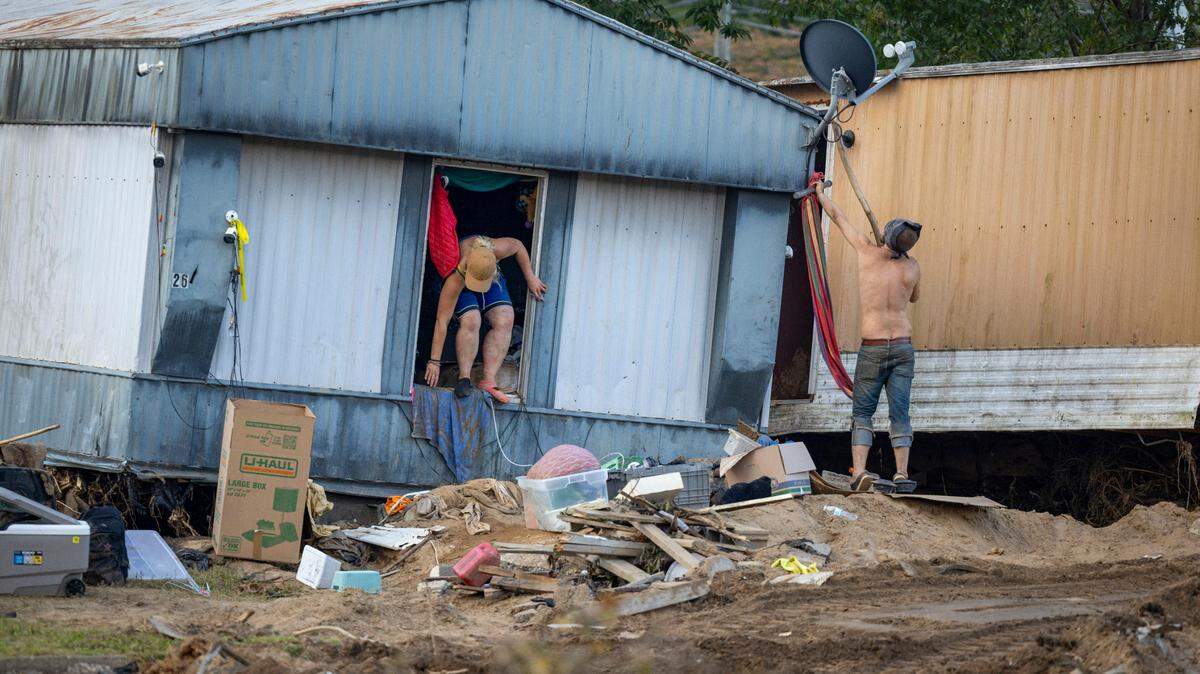
Joyce and David Lyons lived in their Avery County mobile home on the Elk River since 1992, then watched it bob downstream like a toy after barely escaping with their lives.
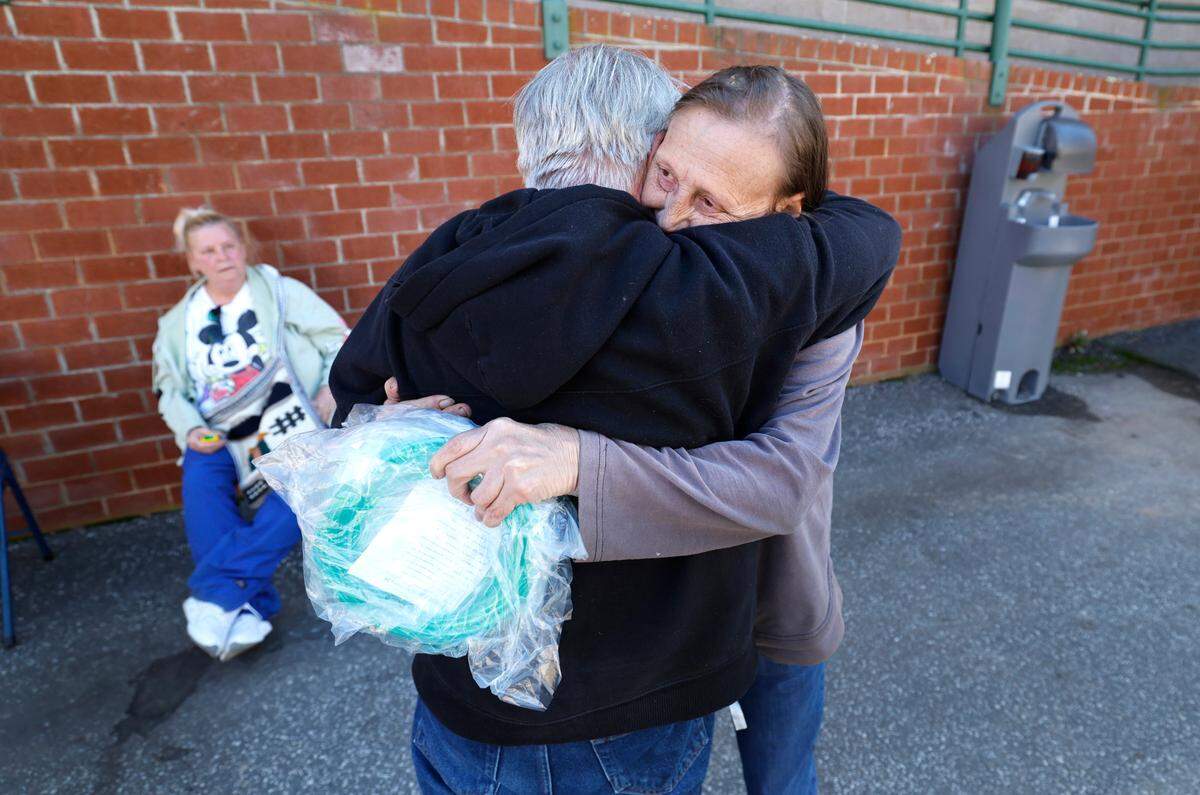
“It just looked like a child had picked it up,” David Lyons said while sitting outside the American Red Cross shelter on Shady Street in Newland.
They lost all possessions except for David’s 60-pound oxygen tank, which Joyce hauled out during their escape, and the clothes on their backs. Not even Joyce’s engagement ring survived the storm.
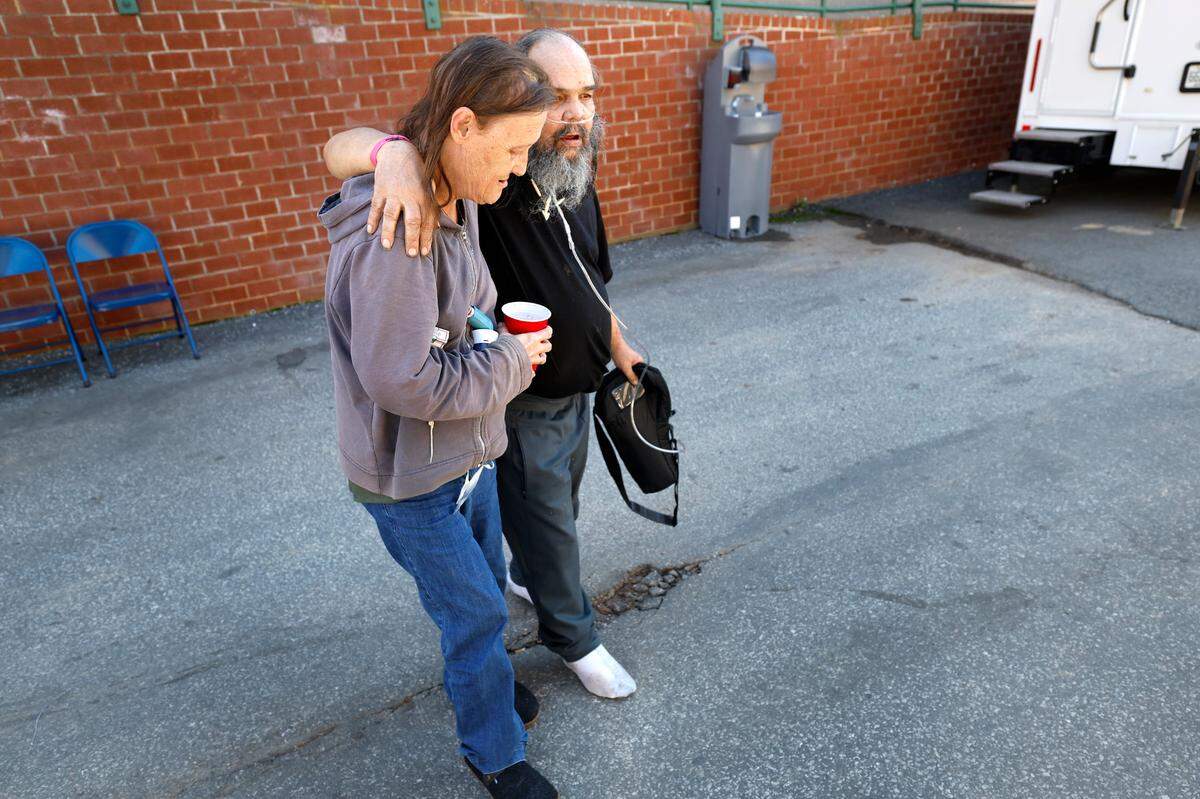
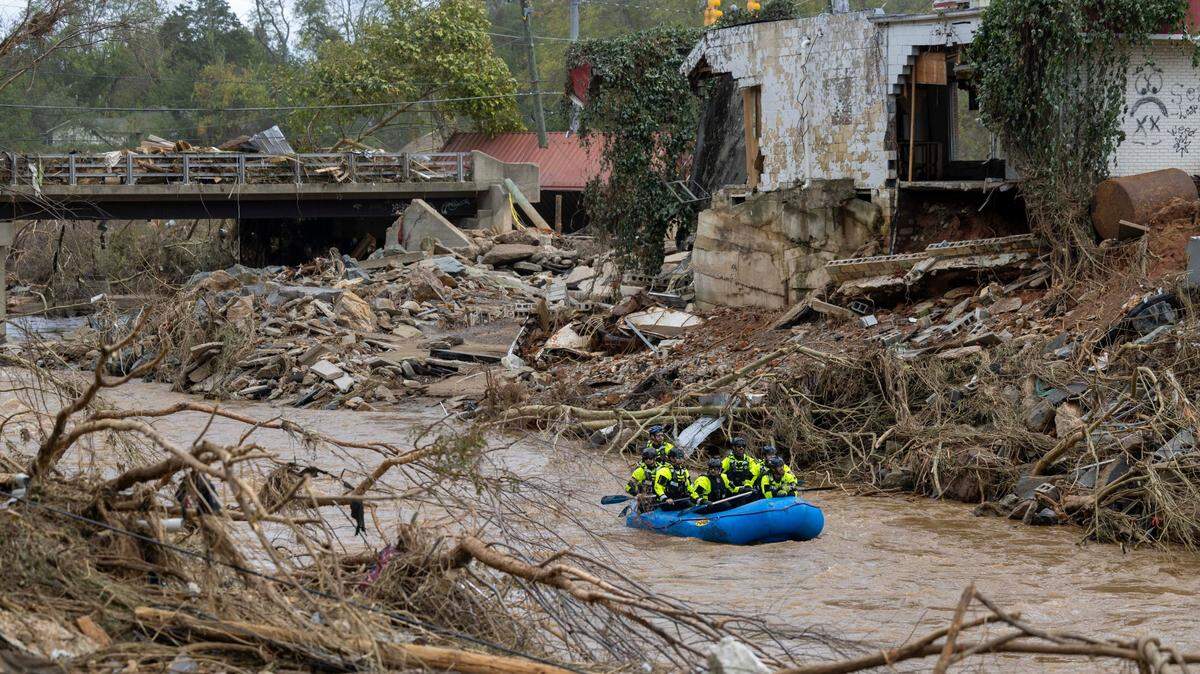
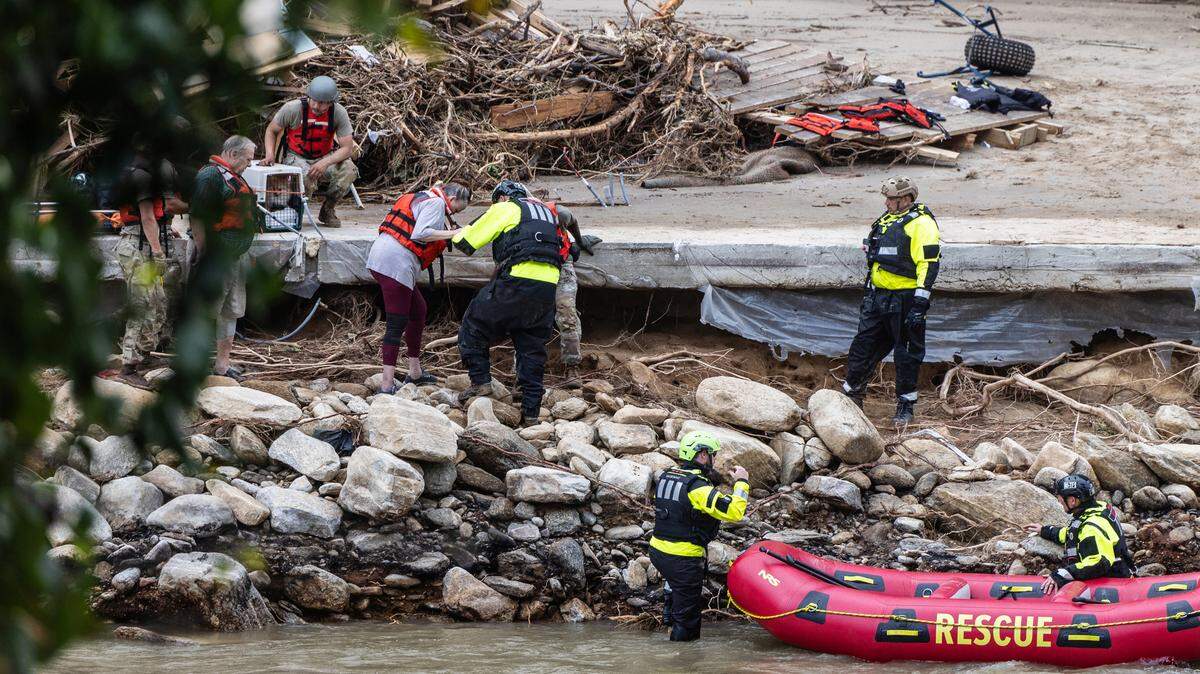
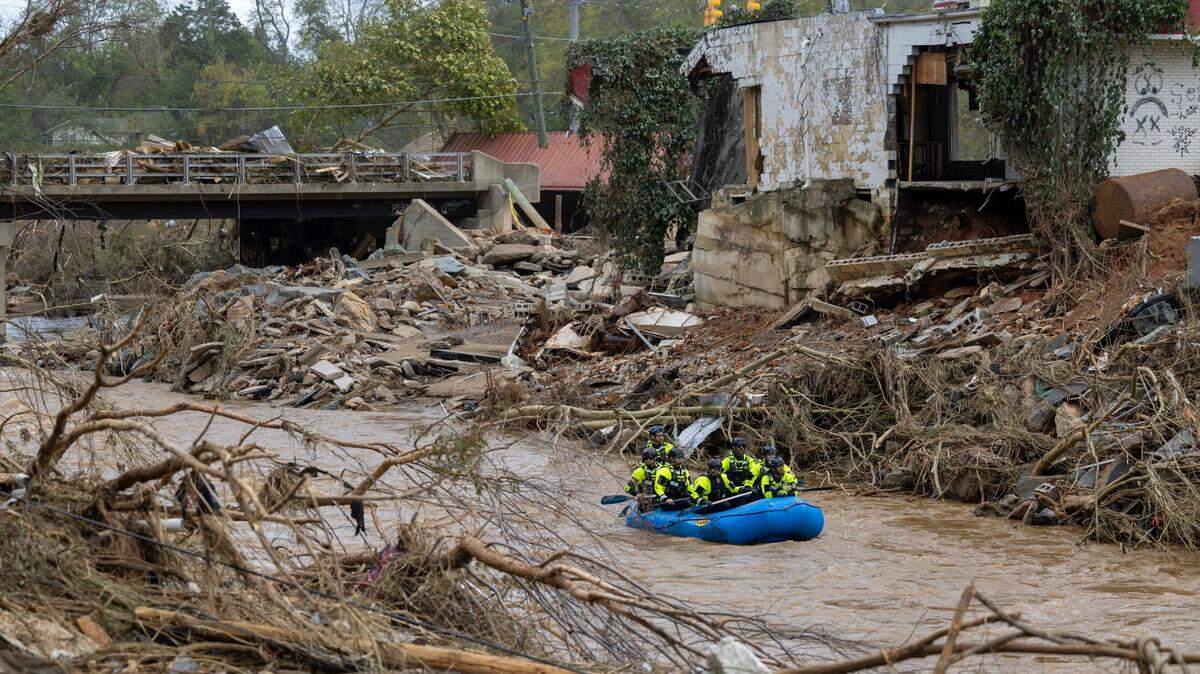
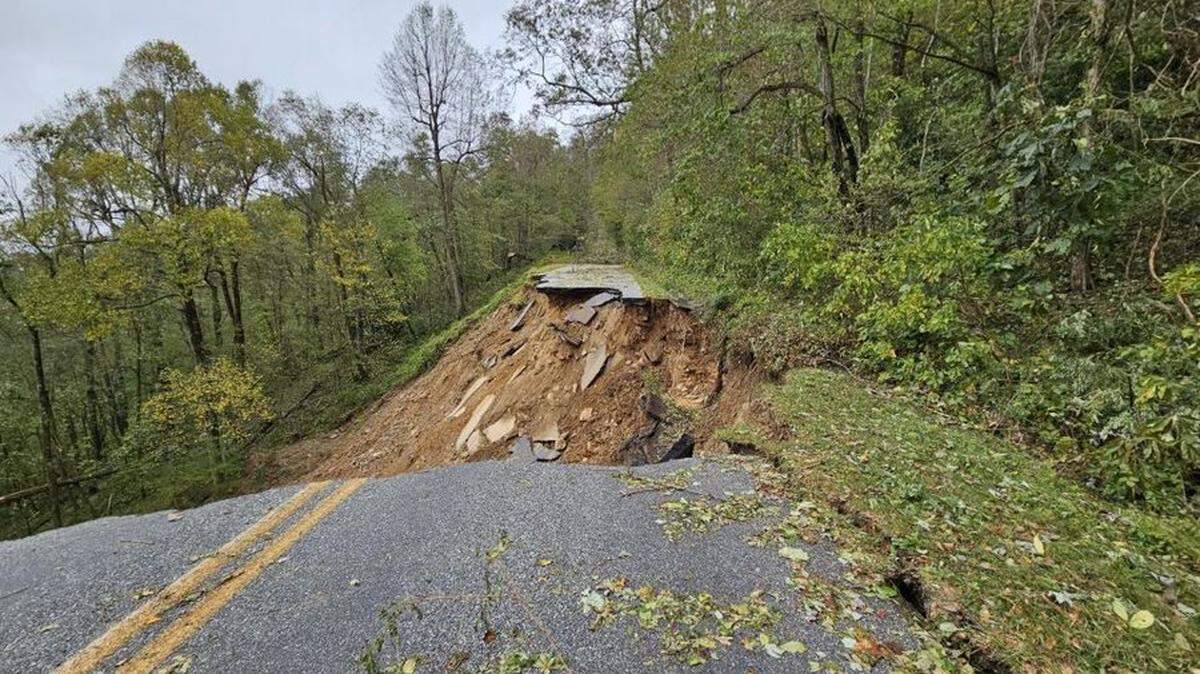
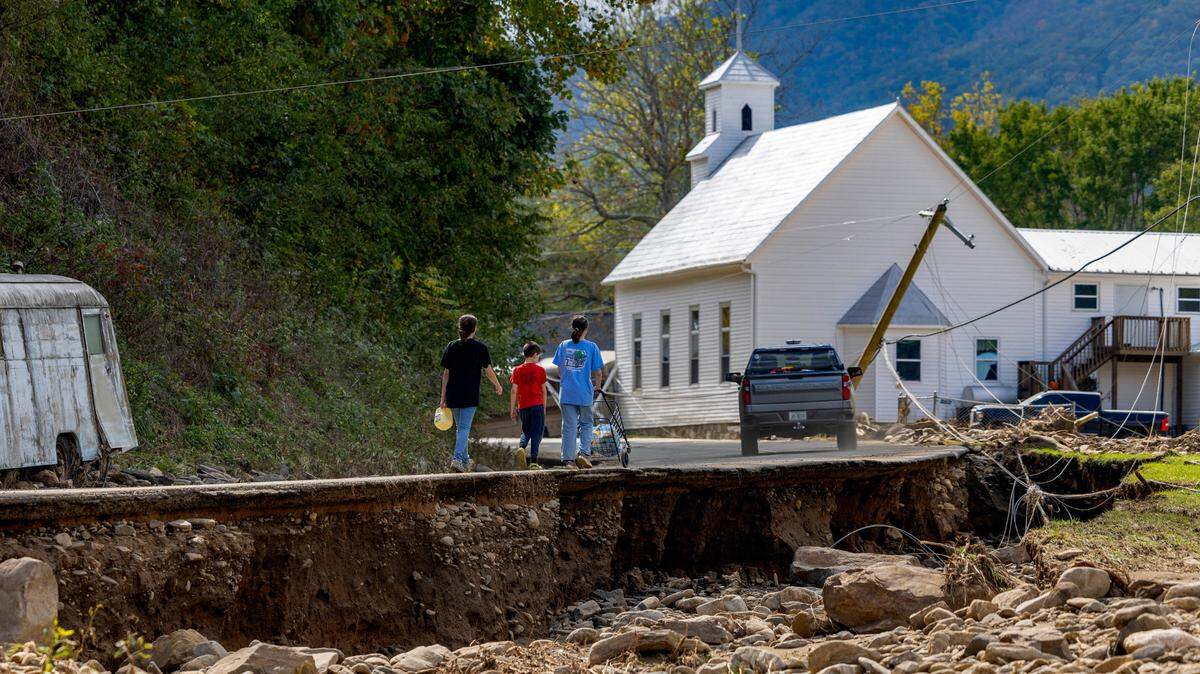
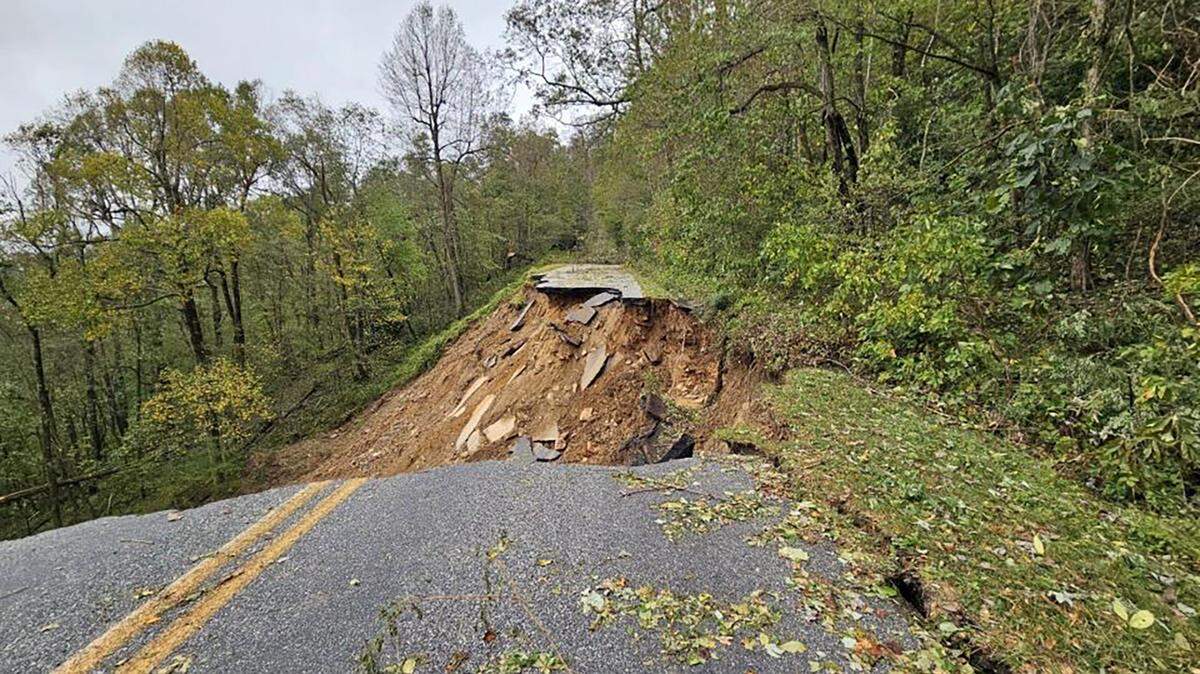
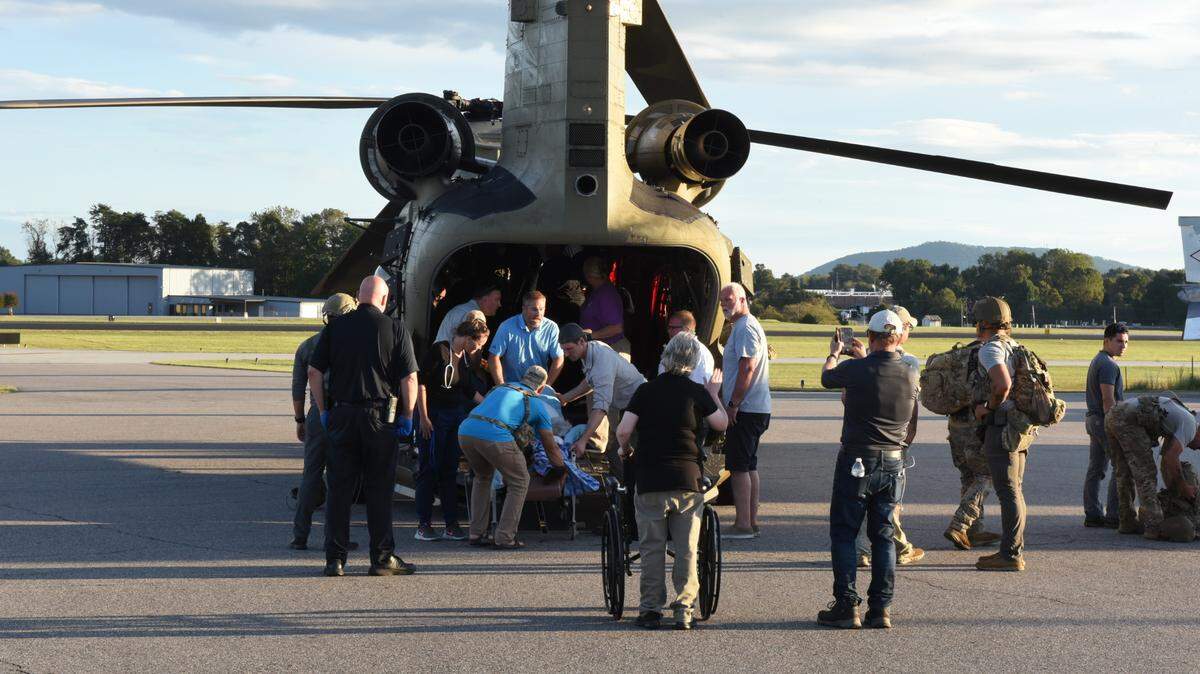
With the road to their property destroyed, the couple hadn’t returned since Helene. They stayed with a neighbor for two nights, then left there on a raft manned by a swift water rescue team.
After that, they called the shelter their home, then a motel in Banner Elk paid for by FEMA. It wasn’t easy being in an environment where you have so little control, especially after losing so much.
The shelter’s bathroom cleaning products aggravated David’s COPD, leaving him coughing many nights.
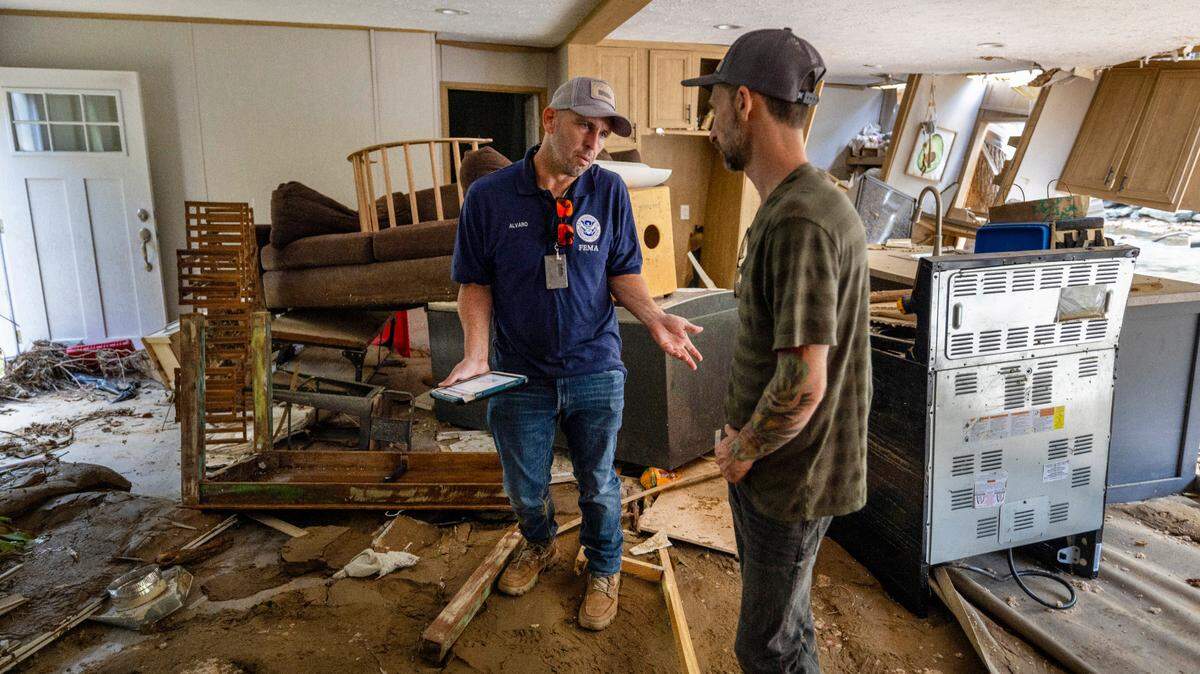
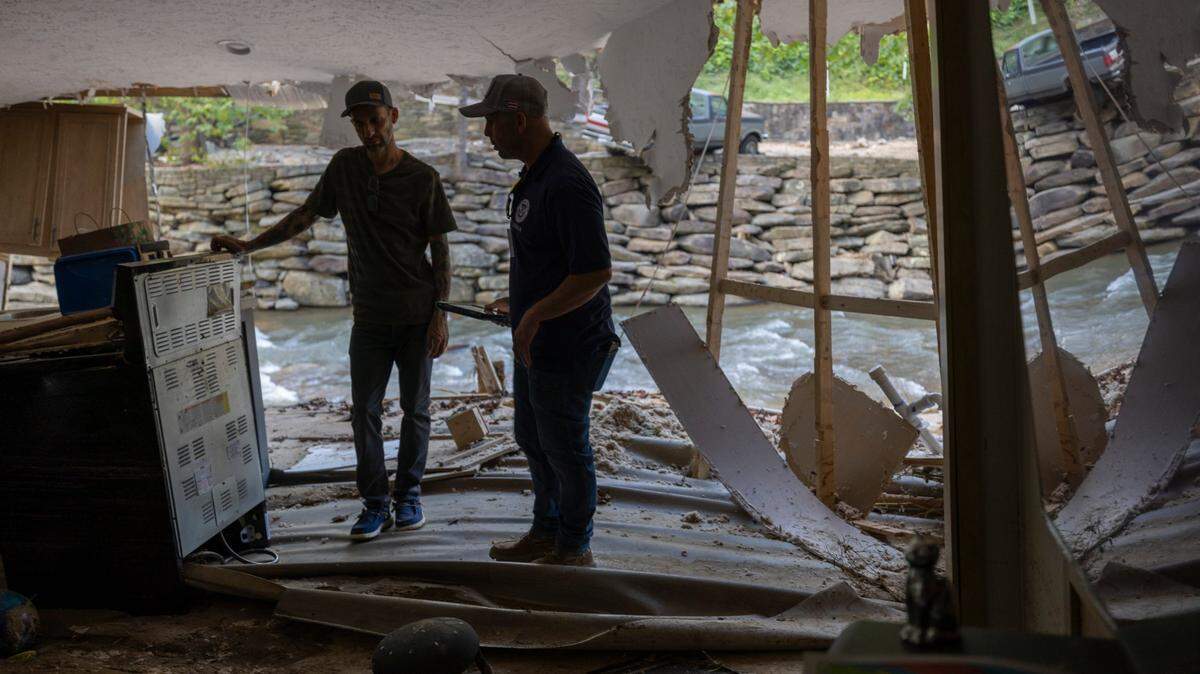
A FEMA worker floated the idea of buying a camper. But there’s no way to tell what they’ll be able to purchase until FEMA can assess the damage to their trailer – wherever it ended up – and calculate how much aid they’ll receive.
They hoped it would happen within days, Lyons said, though assessments were briefly delayed earlier this month after workers had to pull out of the field because of threats.
‘I don’t understand it’
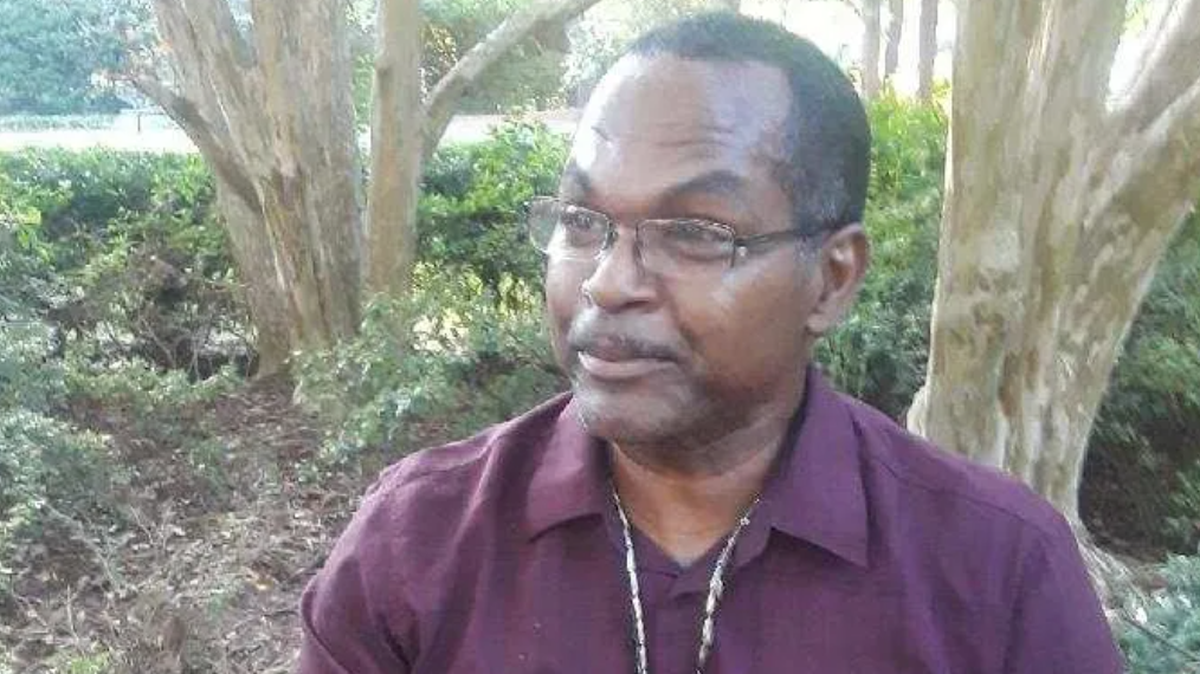
For Paul Laws, 52, there’s no question as to what he and his family want, but it’s unclear whether they can have it.
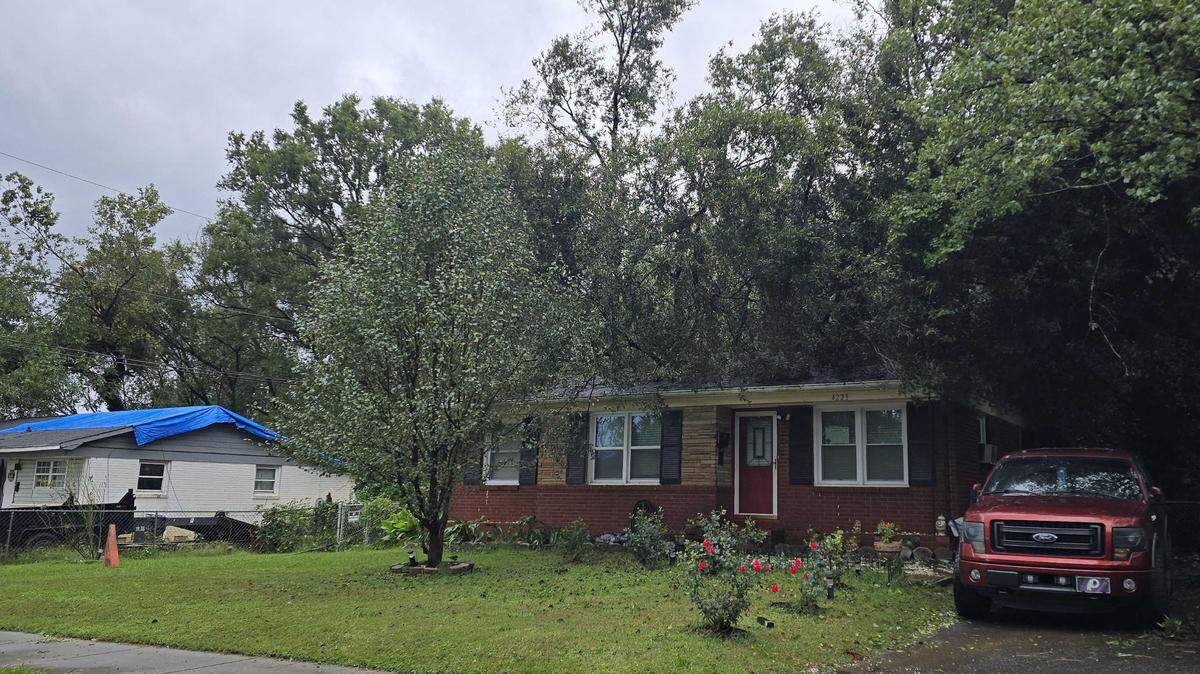
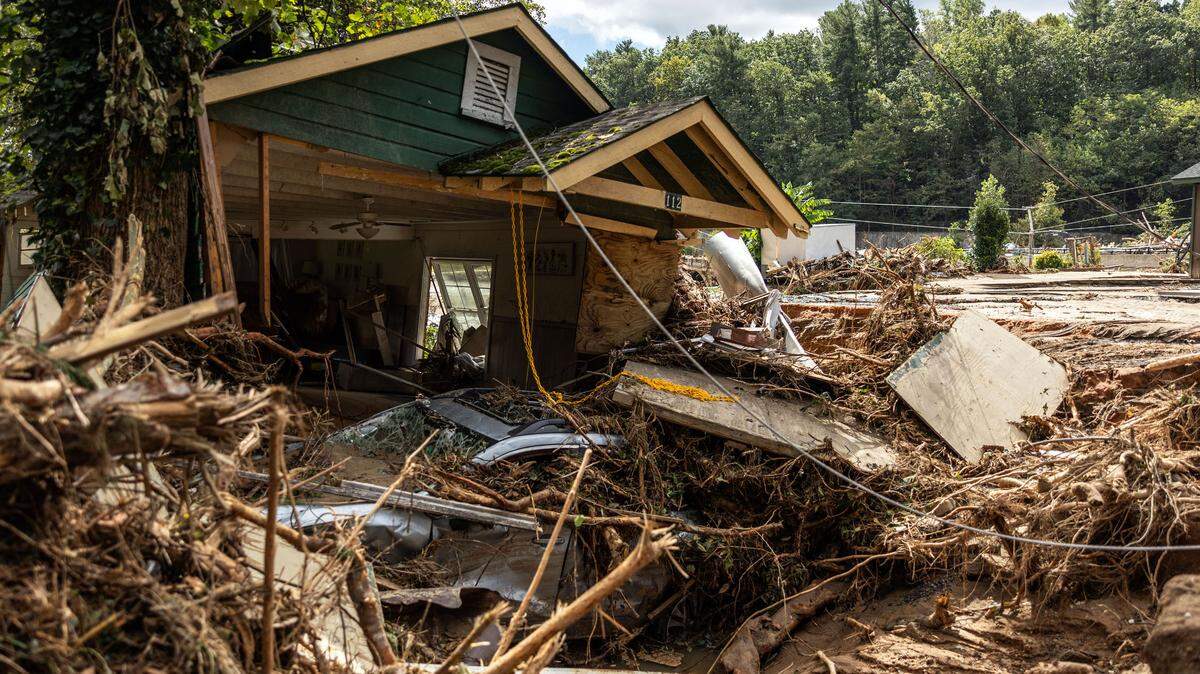
Though their little blue house on the street named after his father is still standing in Avery County, Helene rendered it unlivable. Laws, a former prison guard and law enforcement officer, shared the home with his wife, a pharmacist at a local hospital, and their 15-year-old daughter.
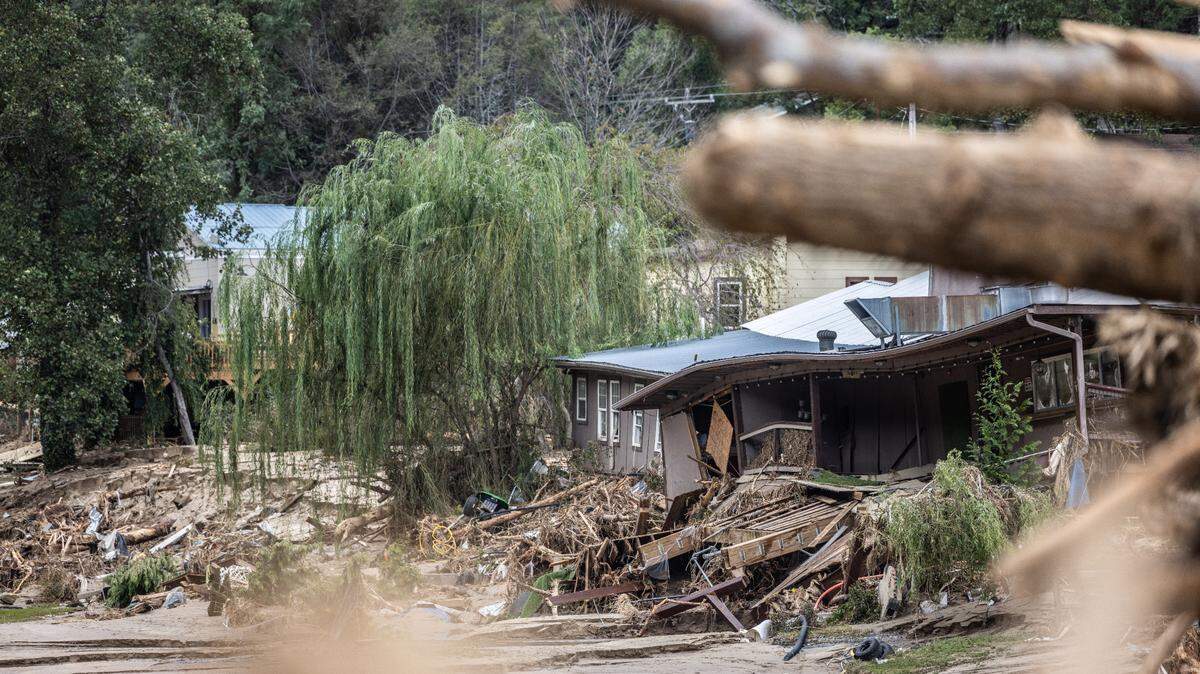
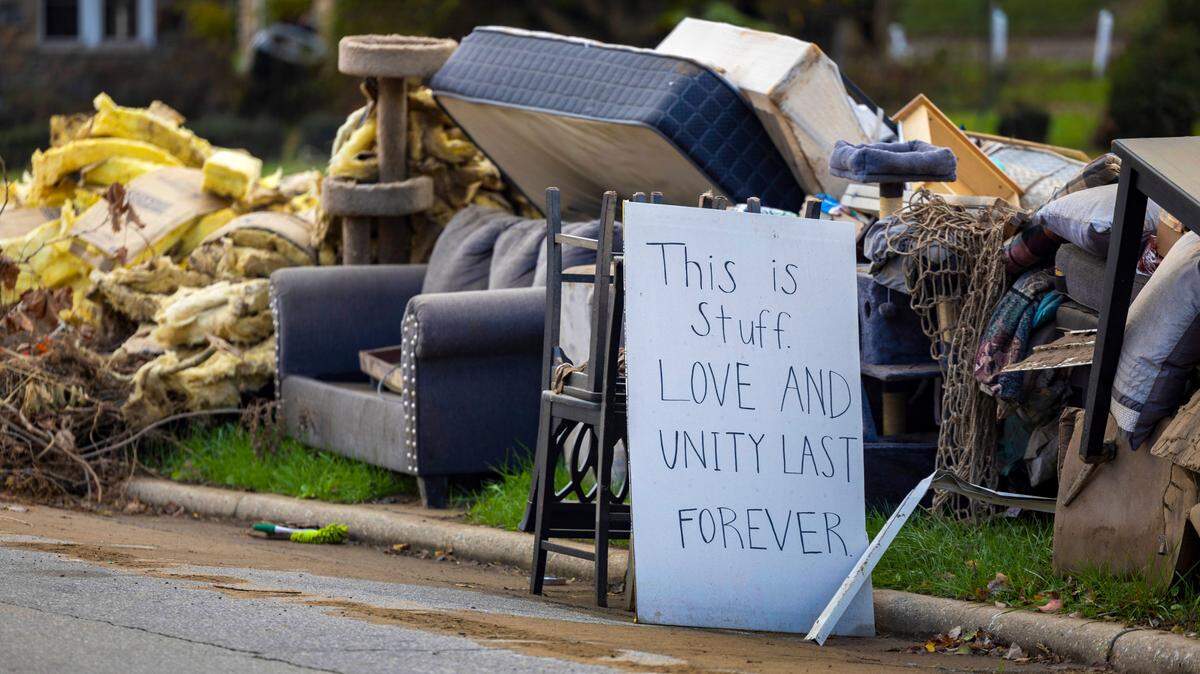
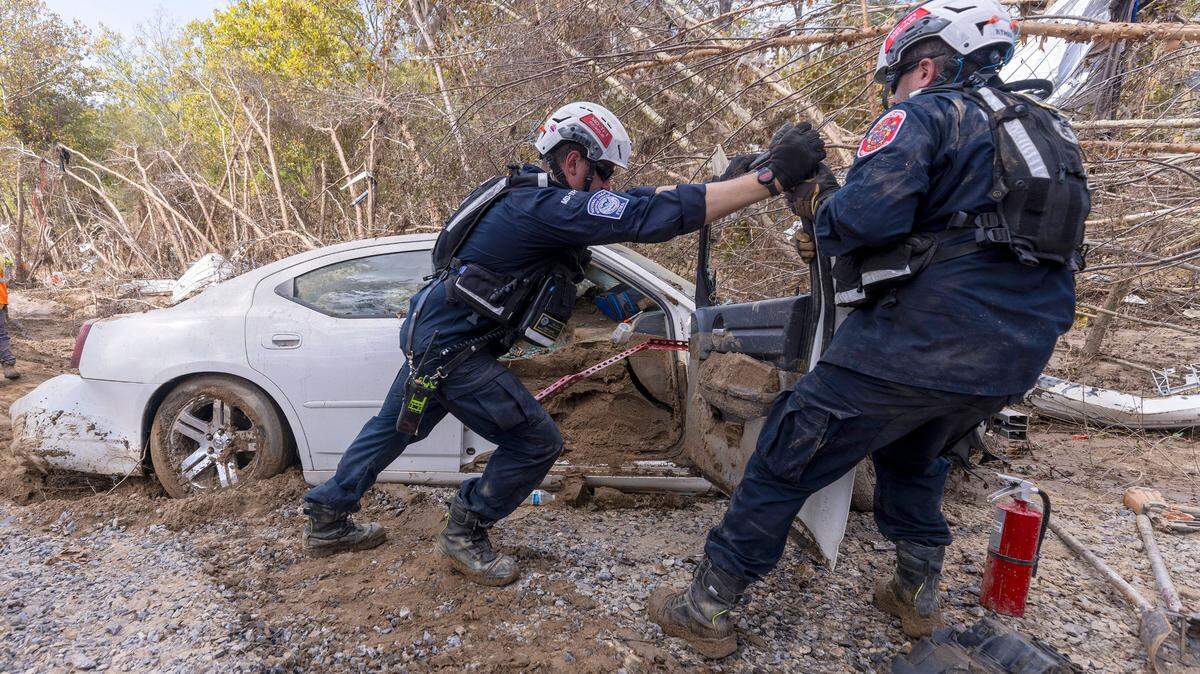
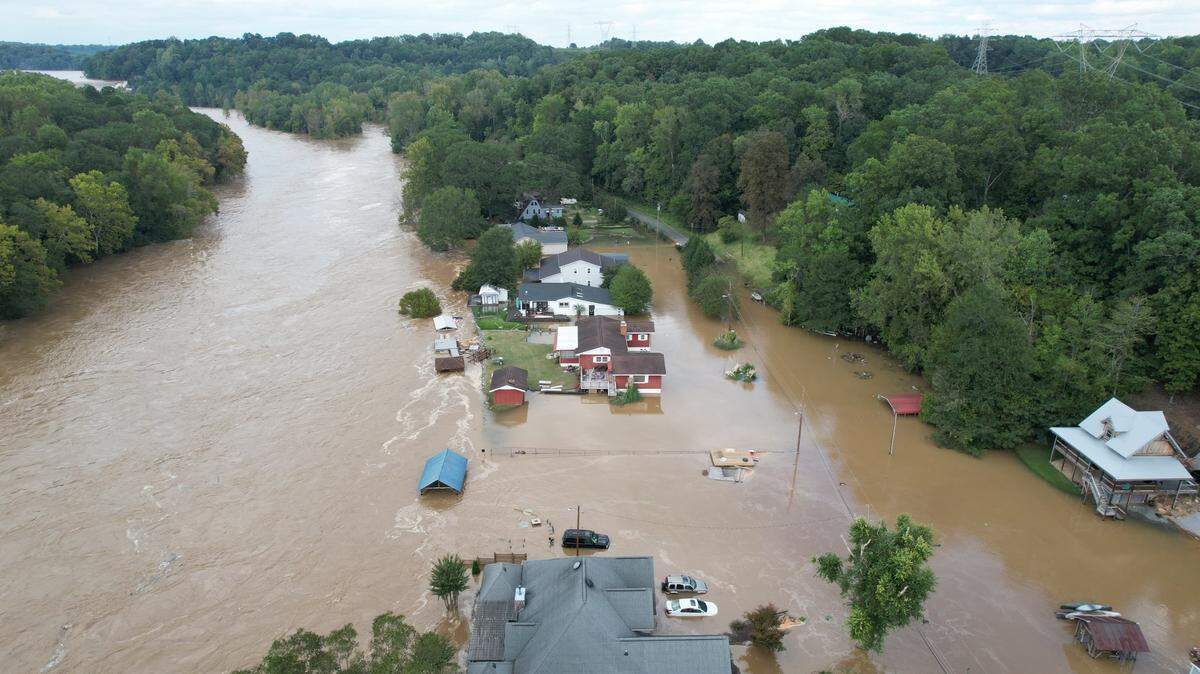
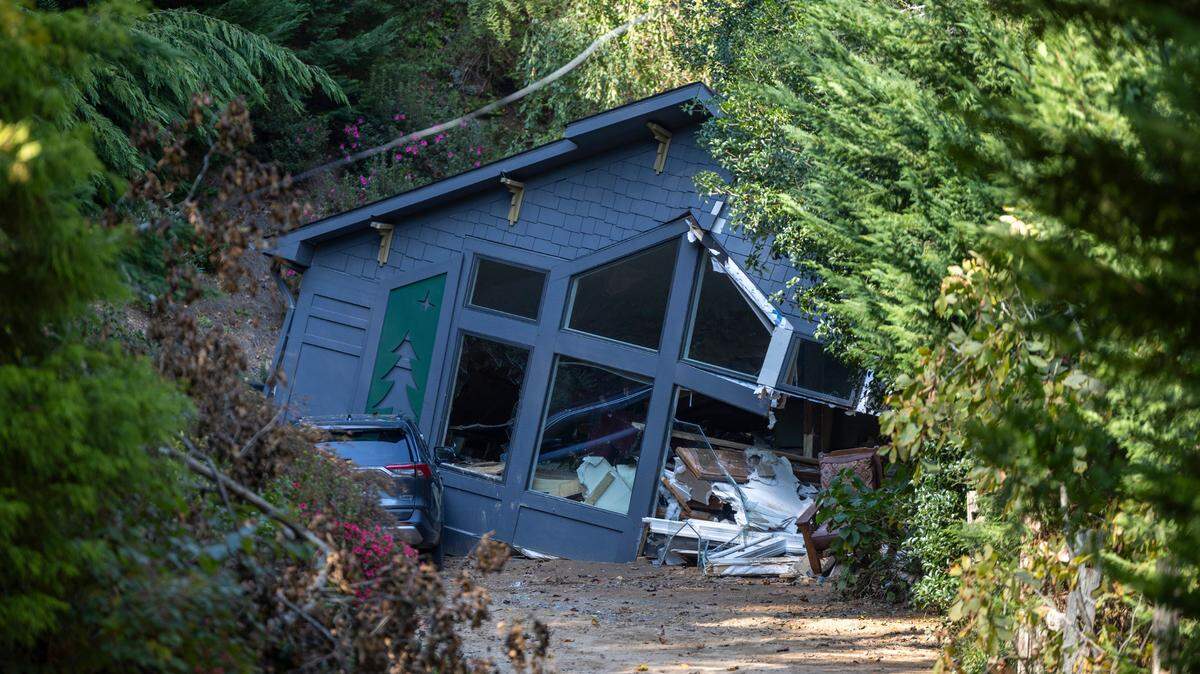
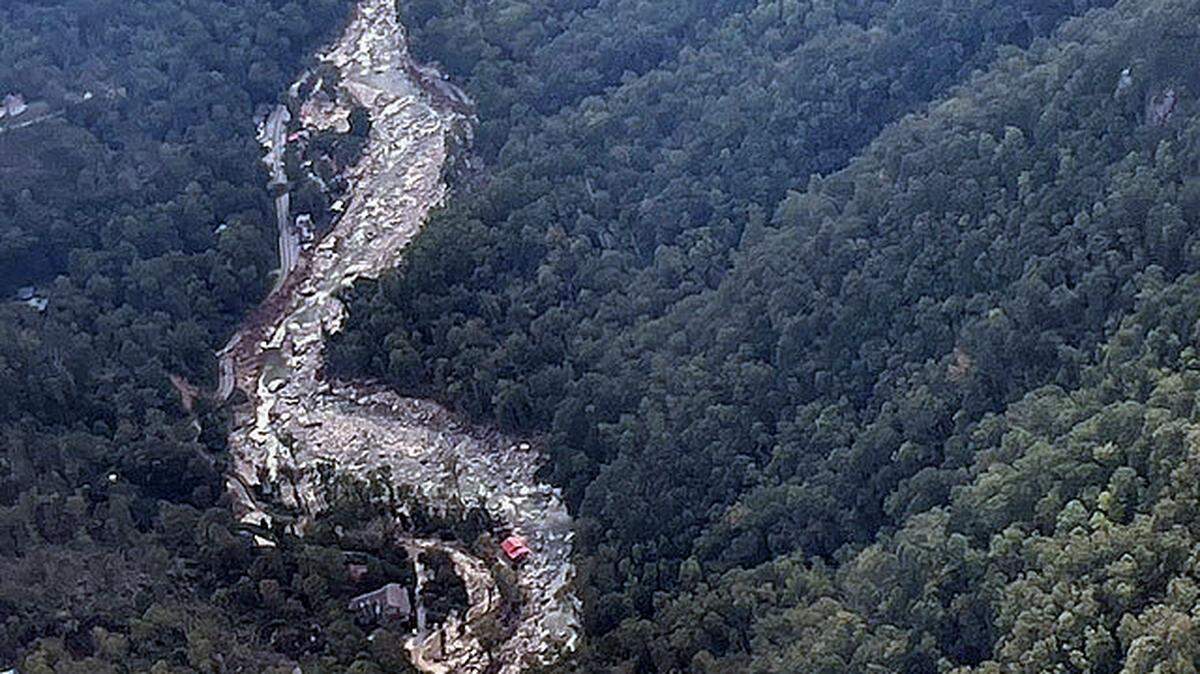
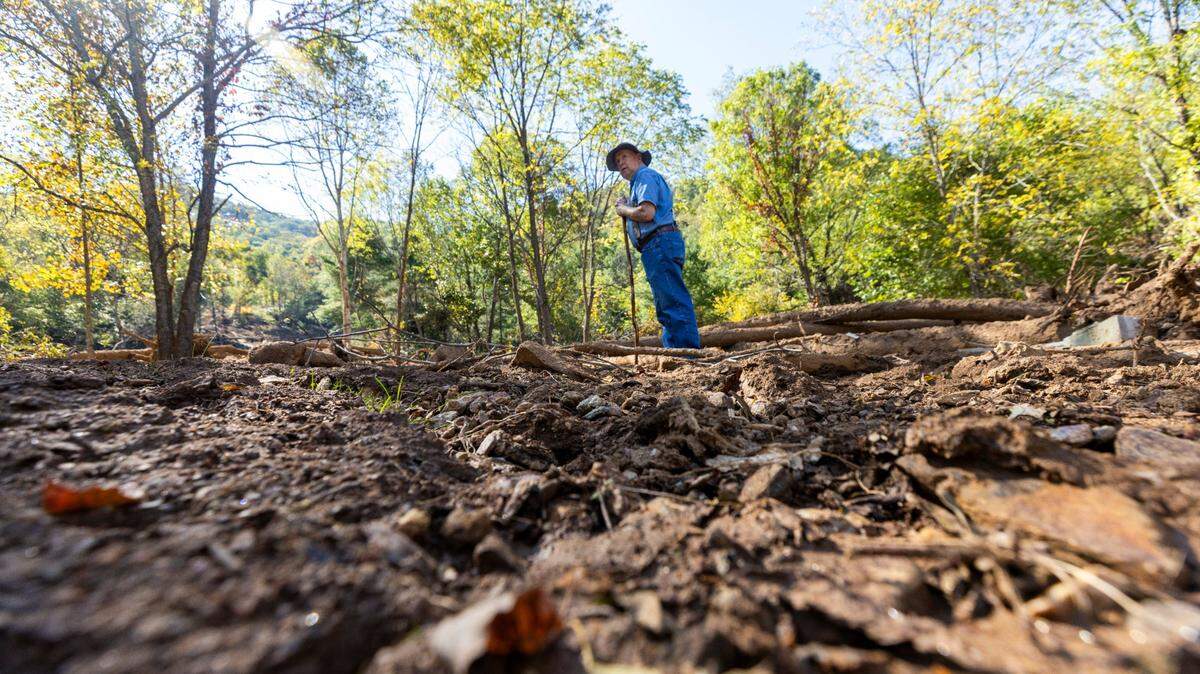
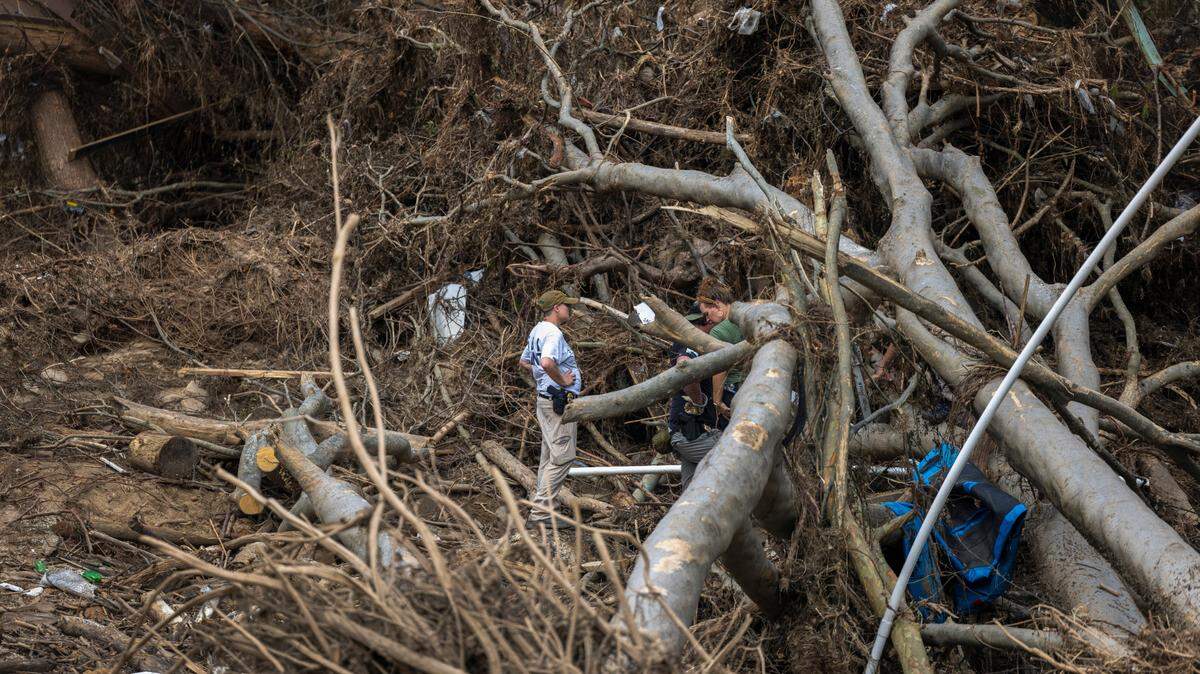
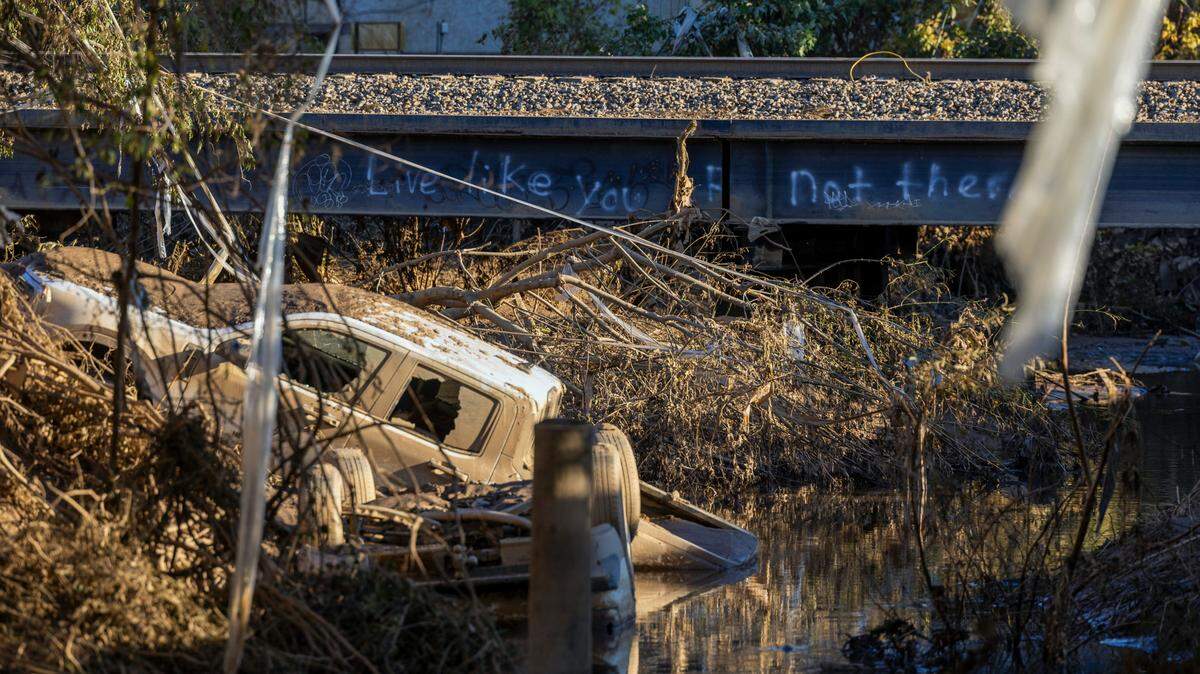
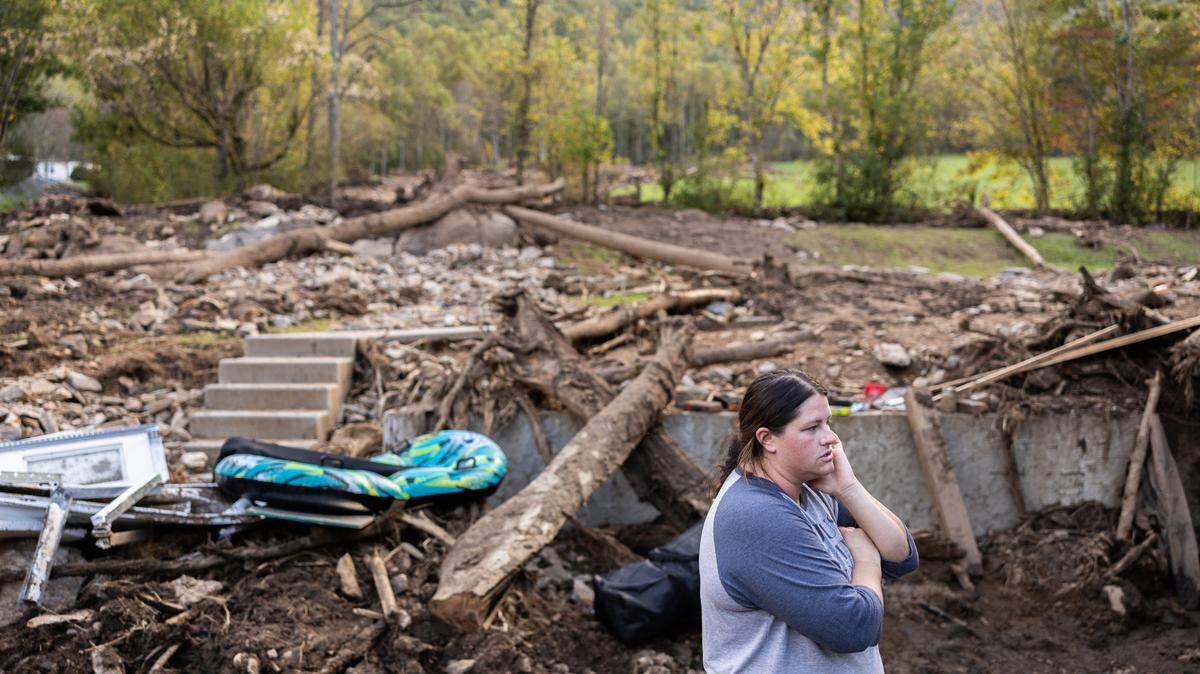
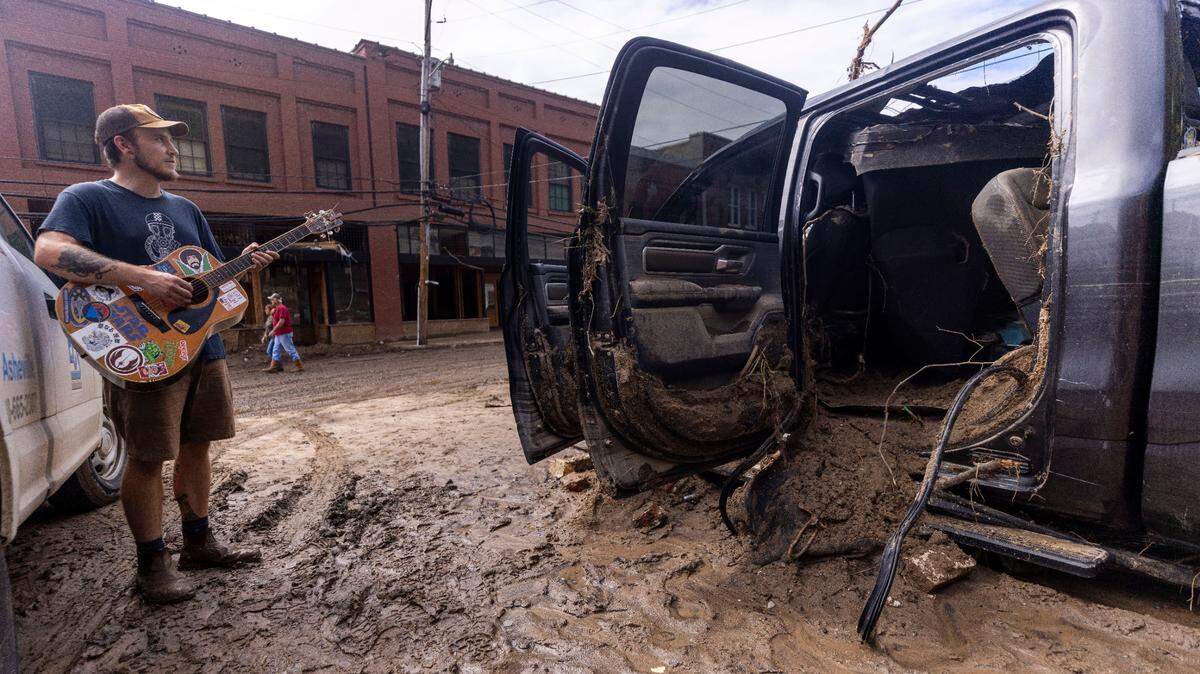
The powerful waters of the Elk River carried his teenager’s brand-new car, a gift for when she got her license, and his beloved pick-up truck 500 yards down the gorge, crushing them among trees and rocks. Those same waters swept through the home Laws built from scratch in 2016, taking furniture and treasured belongings with it.
Initial assessments indicate the home’s foundation, flooring, insulation, drywall, cabinetry and trim all need to be repaired or replaced, Laws said. The family also lost most of their furniture to the flood.
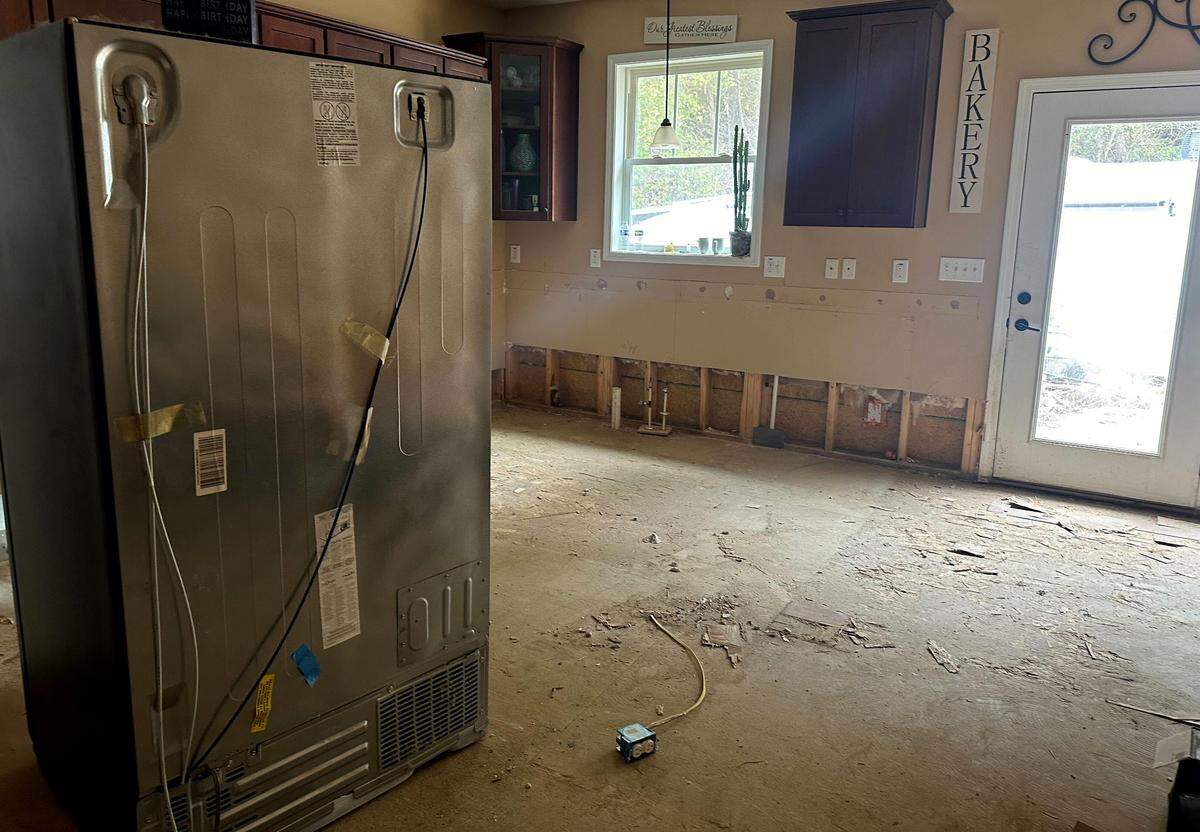
Disappointment that aid from FEMA won’t cover repairs to all the damage done to homes is adding to the anger and frustration, say some in Avery County.
“We’re barely going to get $31,000,” Paul Laws said he was told.
“FEMA is here to help; the man we had was really nice, and it’s not the FEMA representatives that are the problem. It’s the regulations that are the problem,” Laws said.
Laws said he can’t understand why North Carolina’s members of Congress aren’t rushing to increase funding for FEMA, which has provided $129 million in assistance to North Carolinians as of Monday.
He reached out to Rep. Virginia Foxx, who grew up in Avery County and lives in Banner Elk, more than a week ago, he said, but never heard back.
“I don’t understand it, and why our representatives and legislators haven’t said a word about more FEMA funding is beyond me,” he said.
‘This is where their entire lives are’
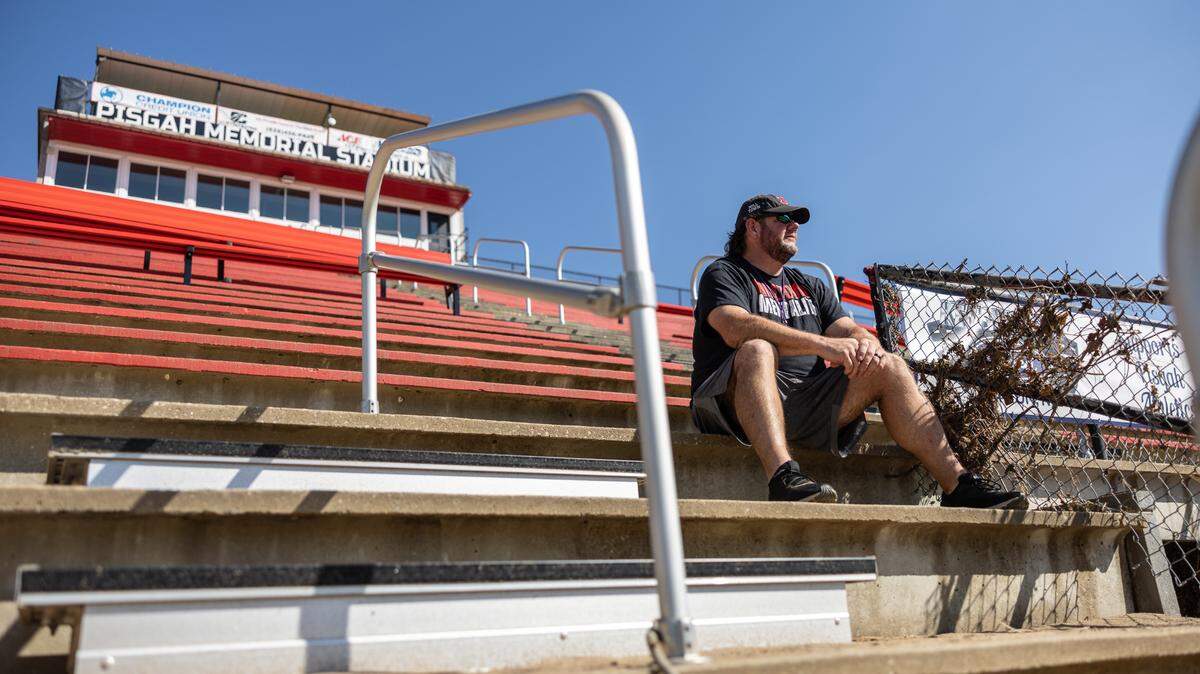
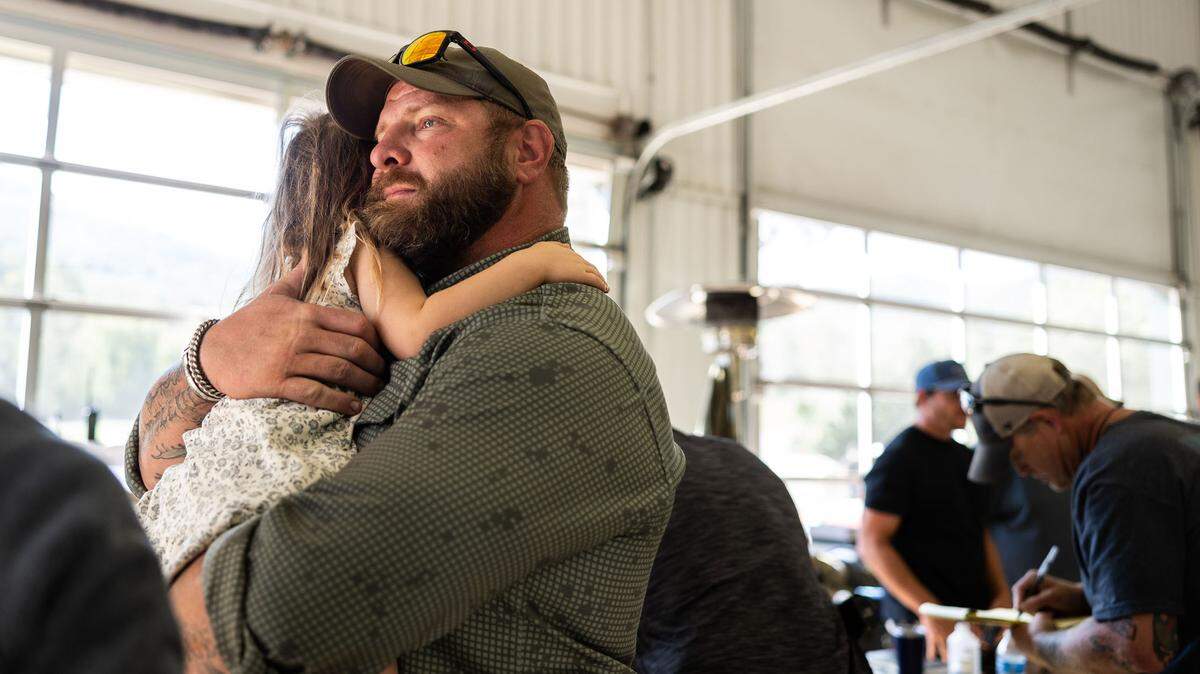
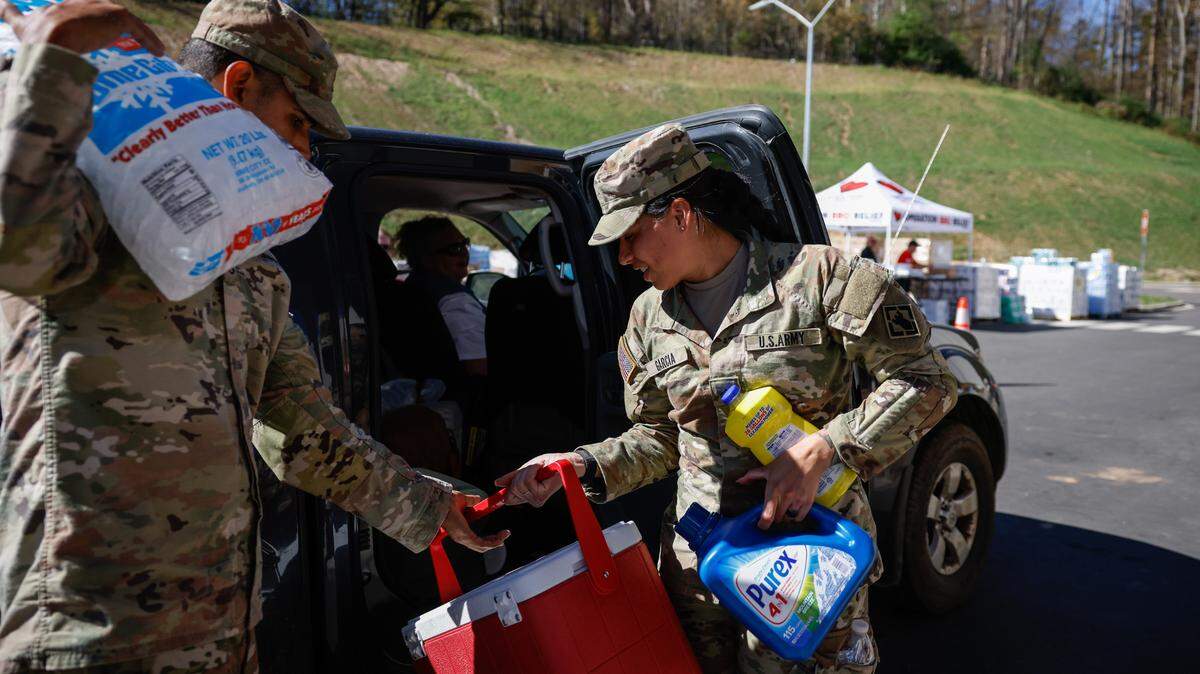
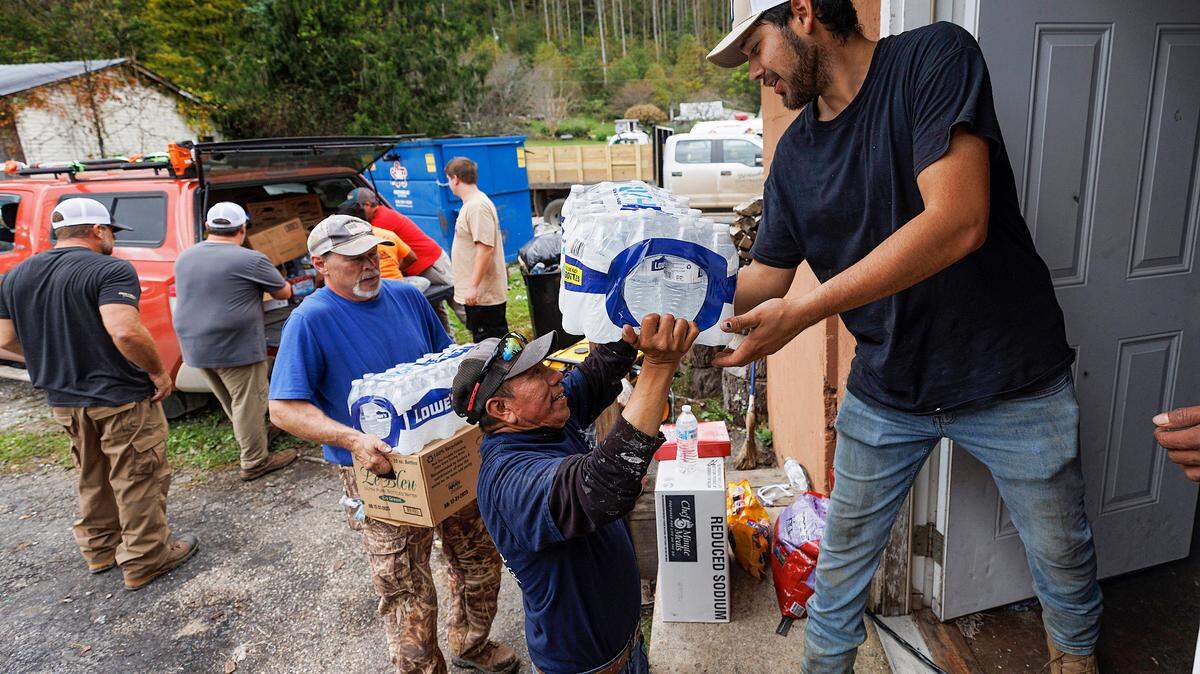
Heather Bender, 42, didn’t lose her home, but knows many in Avery County who did, including five of her coworkers at Wheels Contracting. Since the storm hit, she’s handed out supplies at Spear Country Store in Newland, and what she hears from community members has been consistent.
“They’re gonna stay,” Bender said. “This is where their entire lives are. This is where generations of their family have been.”
In a county with a 14.8% poverty rate, it’s sometimes not so much a choice as a reality, she noted.
“When they say evacuate or go somewhere else, these people don’t have that option,” Bender said. “They don’t have that luxury. They can’t go and get a hotel somewhere else.”
And even if they could, many wouldn’t want to.
David and Joyce Lyons, for example, are intent on staying in their community where they’ve lived for most of their 39-year relationship.
“I want to go back to Elk River,” David Lyons said. “I love it down there.”
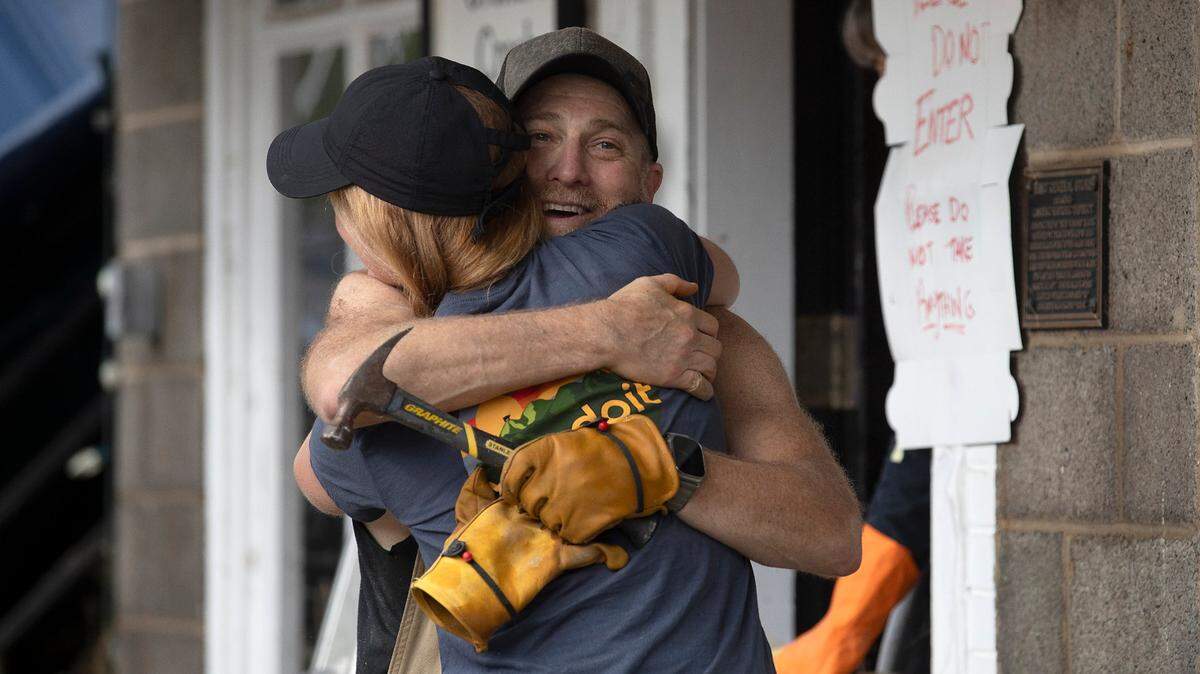
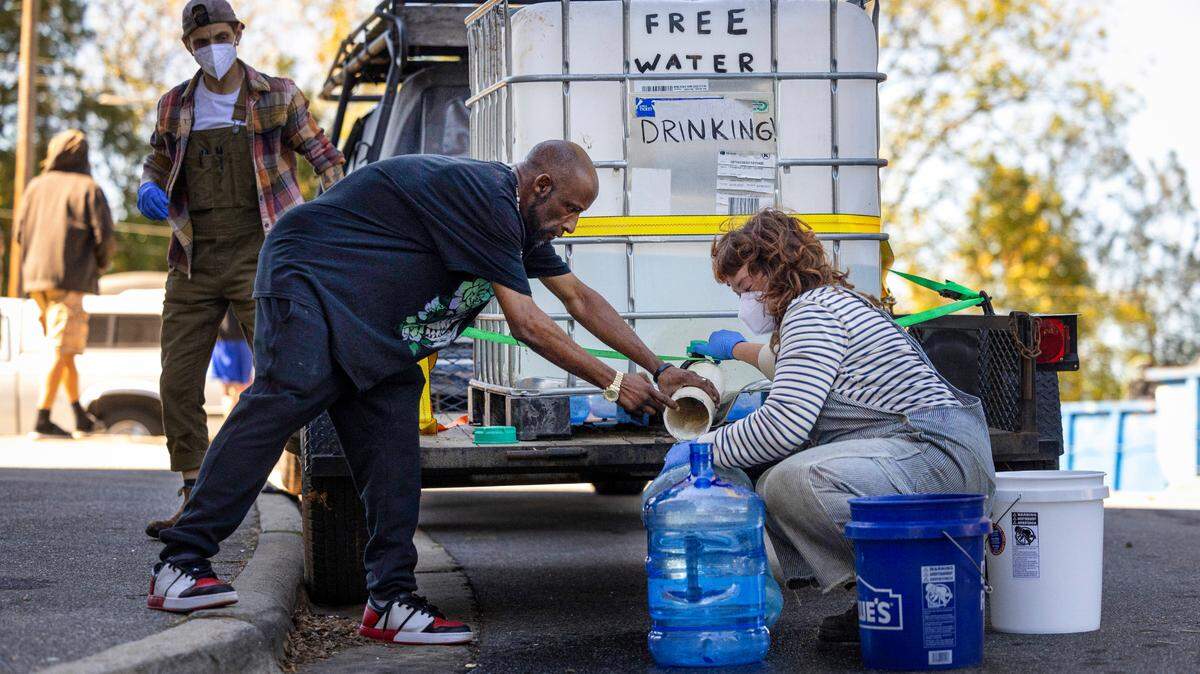
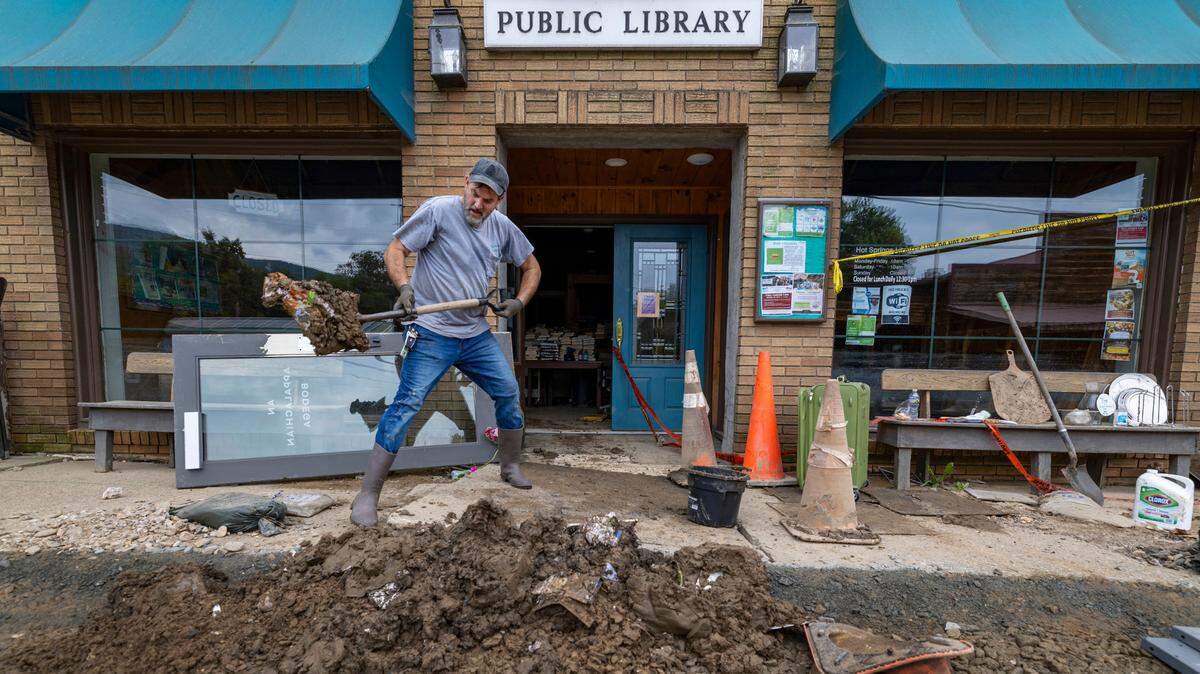
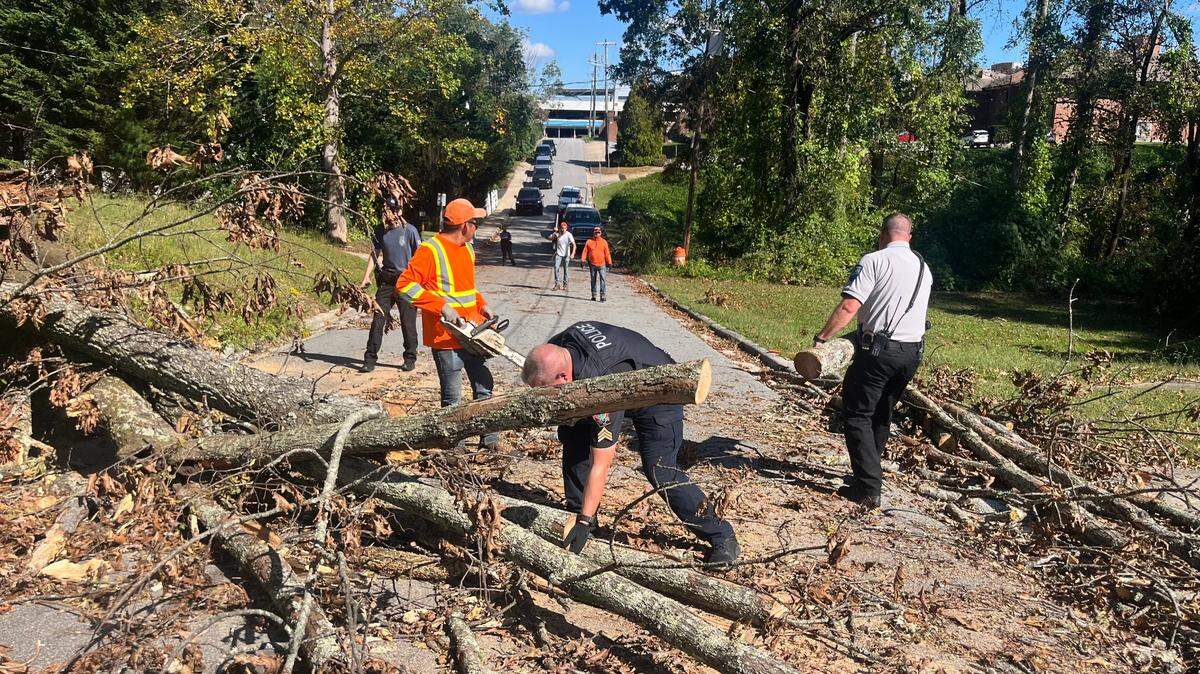
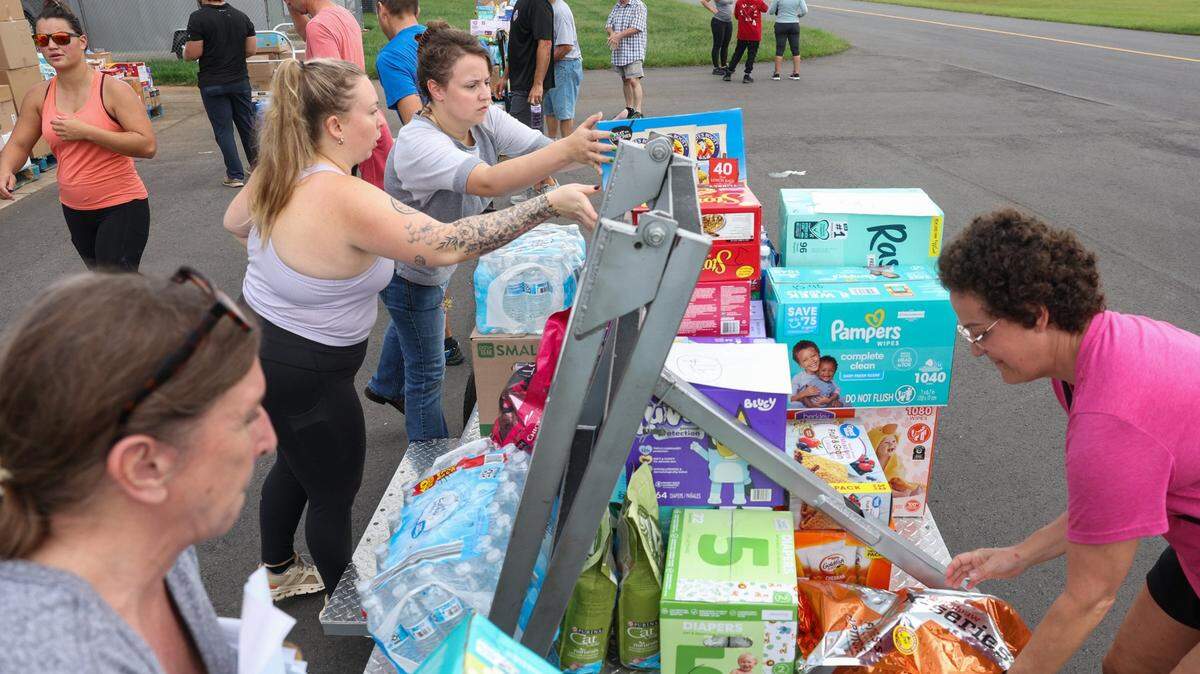
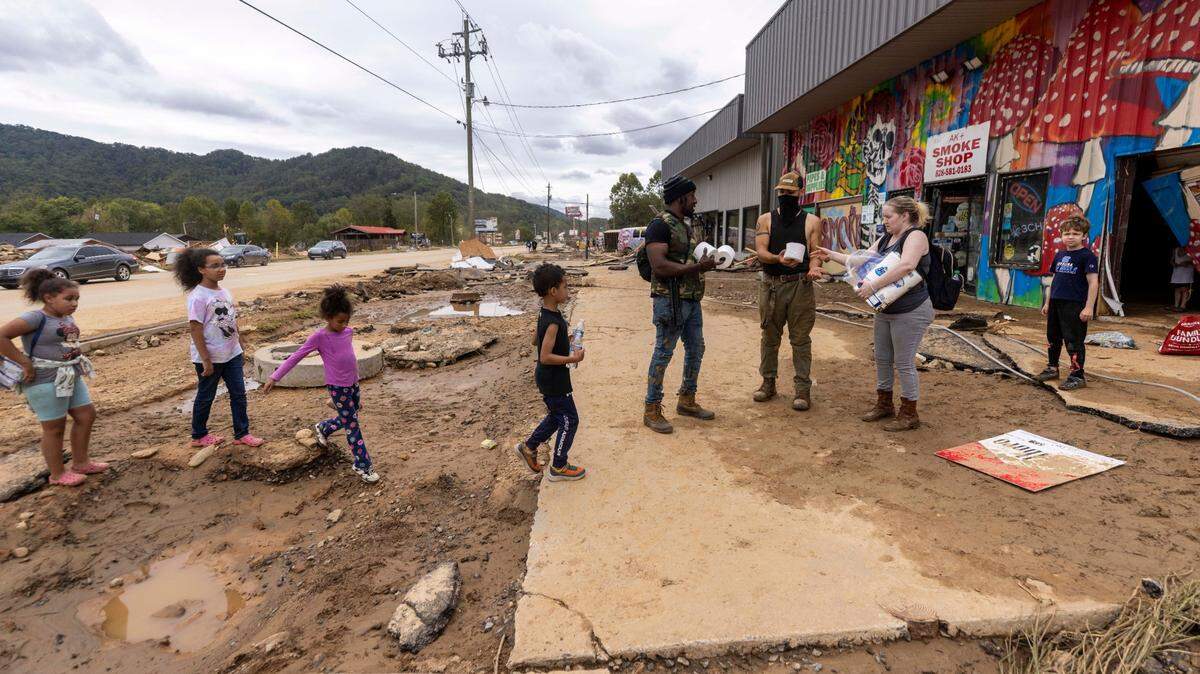
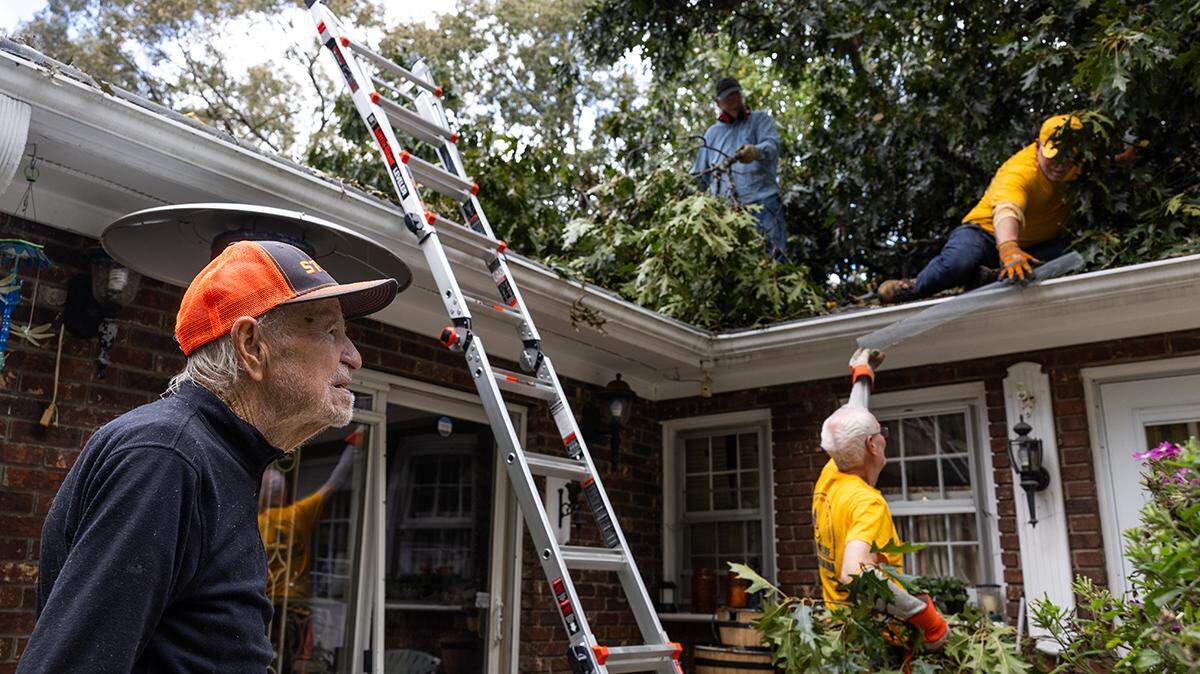
To try to help people return to their homes, locals and many others from beyond the storm’s path have pitched in. In Avery County, a van filled with volunteers from Michigan crossed the county, offering to help people clean up.
Laws is working with the Wake Forest-based Living Stone Building Company, which is soliciting donations to help his family repair their home for free.
That kind of generosity has been a balm as Laws and others in Avery County combat the uncertainty of the future.
“That’s who I would really like to thank. God bless them, because they didn’t hesitate,” Paul Laws said.
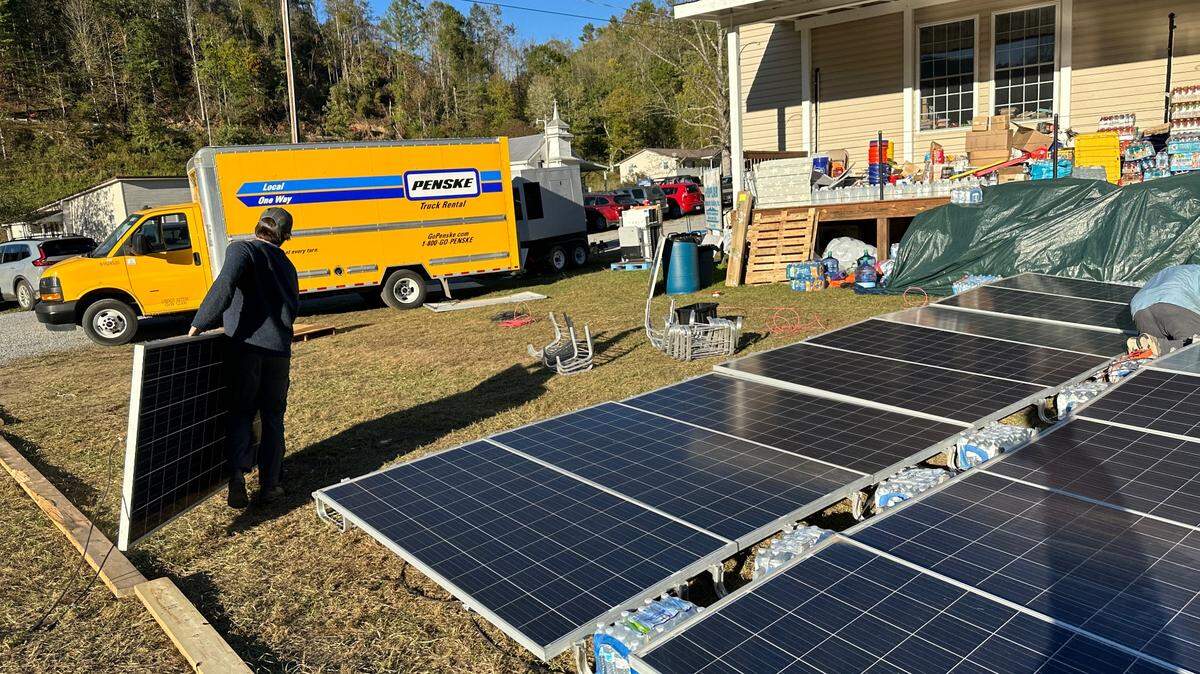
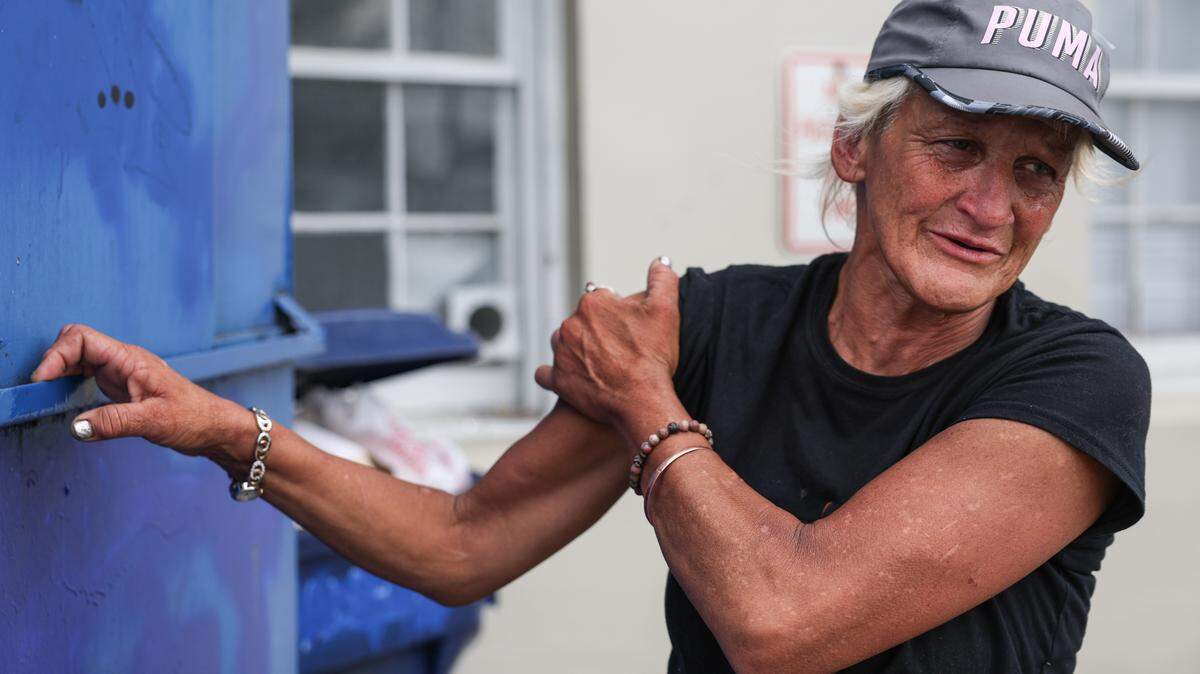
Stevie Thomas, 42, lost the tiny home she shared with her boyfriend in Minneapolis. She works at the Baxter IV fluids factory in North Cove, which was damaged in the storm, keeping her and her coworkers out of work for several weeks.
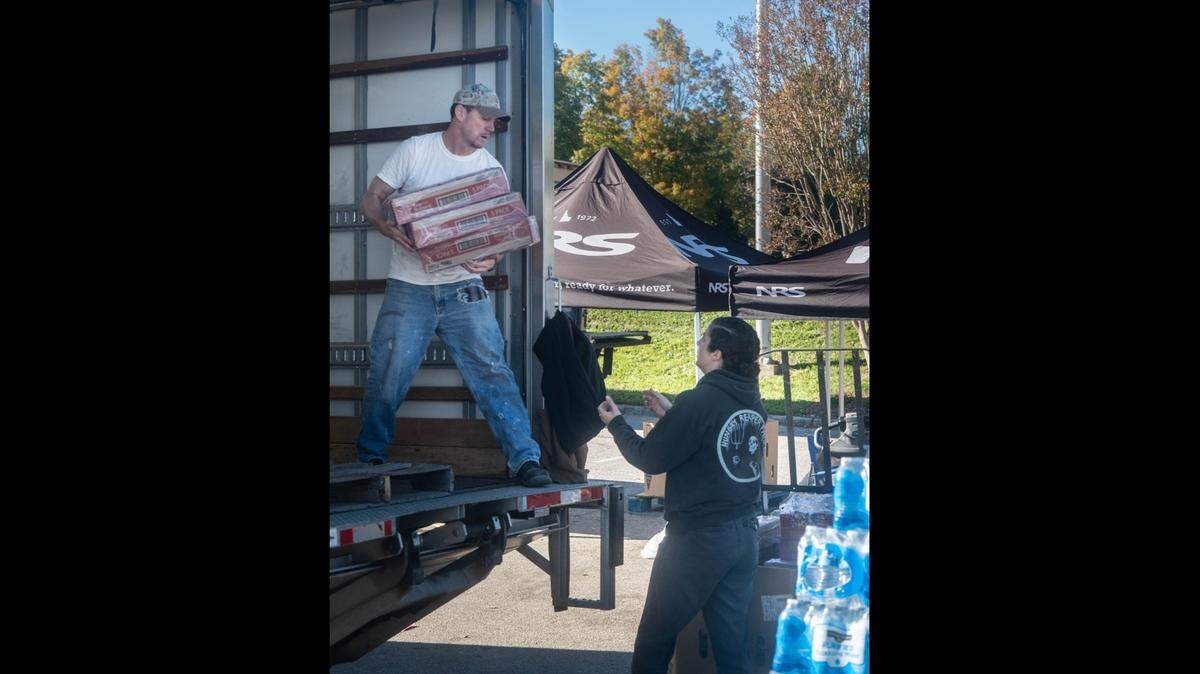
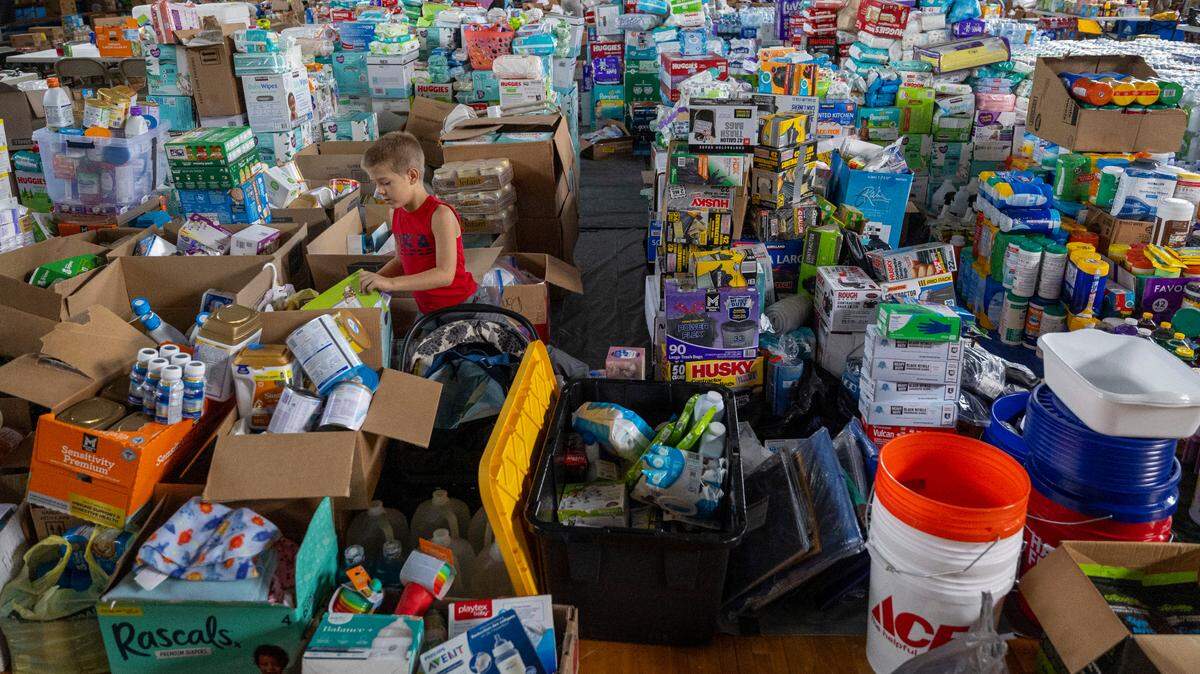
The company has paid her and other workers, she said. But instead of spending her time looking for housing, she’s been organizing the handout of winter coats, portable heaters and other needed things at a makeshift distribution center that three local churches set up in her town.
“This community is amazing,” Thomas said. “Everybody comes together and works together.”
“It’s our town,” she said, tearing up. “We grew up here.”
Grieving what was lost before Helene hit
Looking forward, Paul Laws is frustrated by what happened before the most extreme local flooding in his lifetime.
Flood insurance would have provided additional financial help, and Laws had it for several years before it became inaccessible to him, he said. He canceled after payments skyrocketed from $500 to $2,700 a year around 2019, he said.
“I tried my best to insure it, I did, but we could not afford it,” Laws said. “It went up so much.”
As of June, only 17 households in Laws’ ZIP code had flood insurance, and just 155 households in Avery County were insured, FEMA data shows.
“Considering the worst hurricanes we ever had were Hugo and the one in ’04, [where] the water was 40 yards from ever even getting close to our house, it was nothing to worry about at that point,” Laws said. “It was really nothing to worry about until now.”
State flood plain maps sat his property in a spot with only a 1% annual chance of flooding.
“I think nobody really knew just how bad this was gonna be,” Laws said.
News & Observer photojournalist Ethan Hyman contributed to this reporting.
This story was originally published October 21, 2024 at 11:33 AM.





.jpg)



.jpeg)
.JPG)














.JPG)