
We take you inside internet cafes, detail a political breakup and offer money tips
AI-generated summary reviewed by our newsroom.
- N&O staff members recall unregulated Triangle internet cafes and a Duke football hero.
- Distressed sales of homes in the Triangle increased after damage from Chantal.
- Our Price Check series helps you find the cheapest pizza and save money on groceries.
READ MORE
Moments we’ll remember from 2025
As 2025 comes to a close, The News & Observer staff looks back at the stories that will stick with us from this year. In this five-part series, editors, reporters, photojournalists and more remember the stories that brought a smile, made us angry, gave us hope and caused us to shed a tear.
Expand All
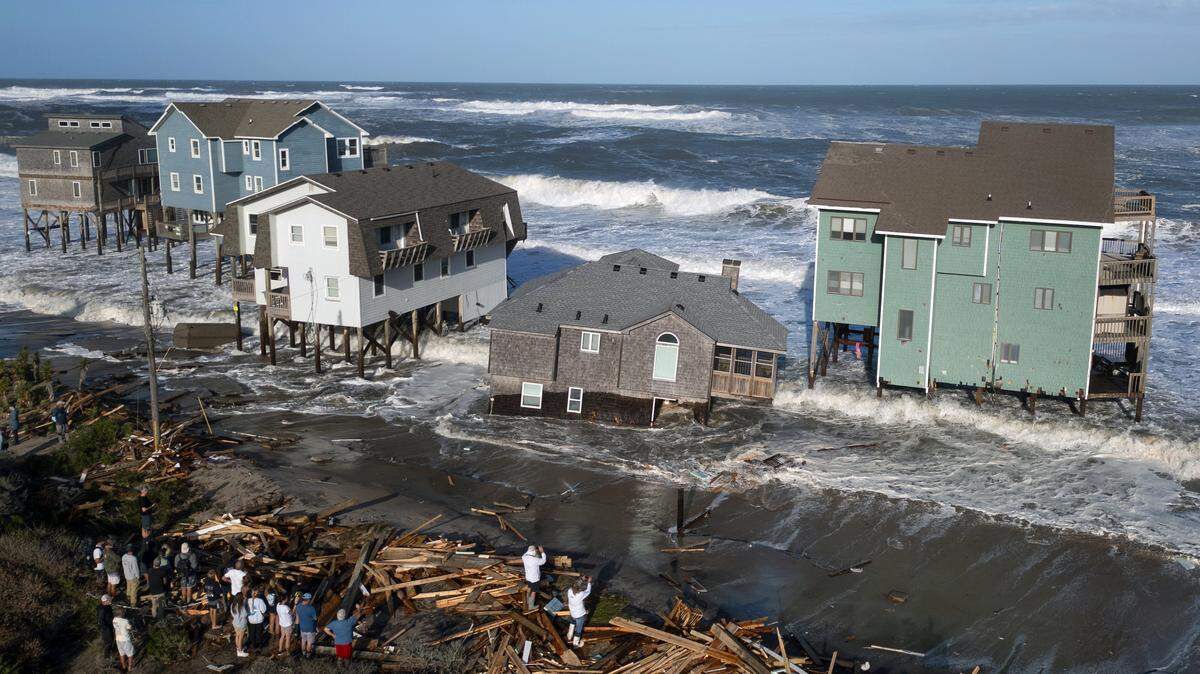
We’ll remember nature’s fury, an endless election and off-the-field football drama
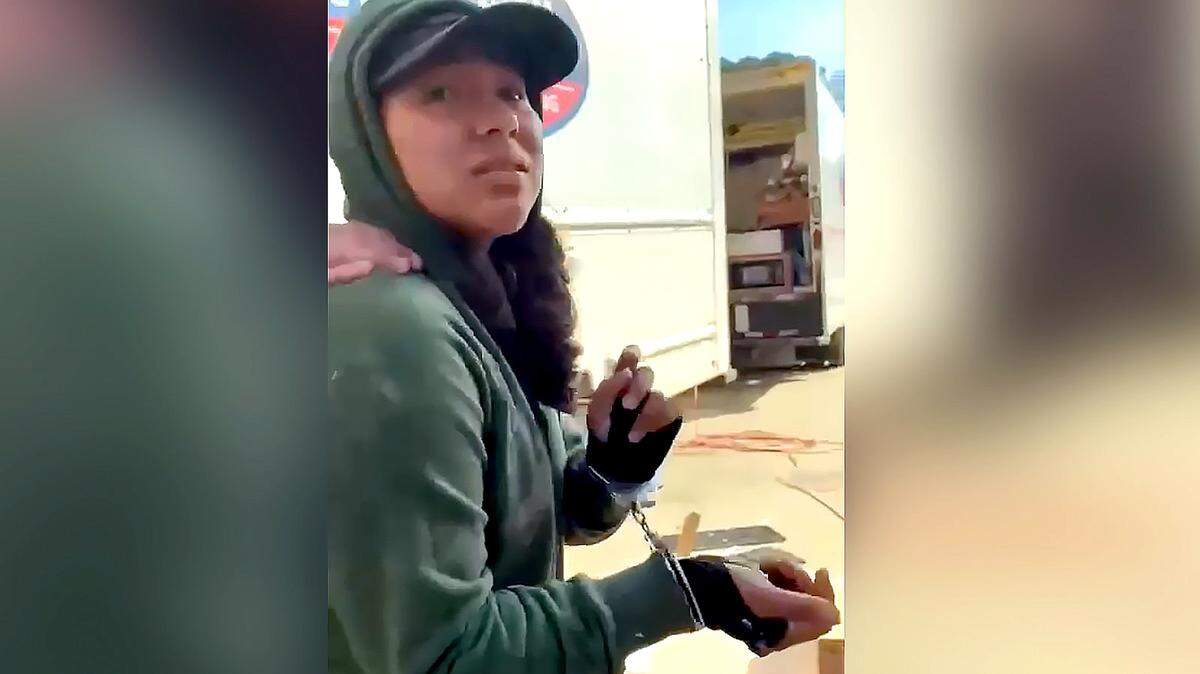
Border Patrol sweep, angry shrimpers and a lot of fair food among our 2025 memories
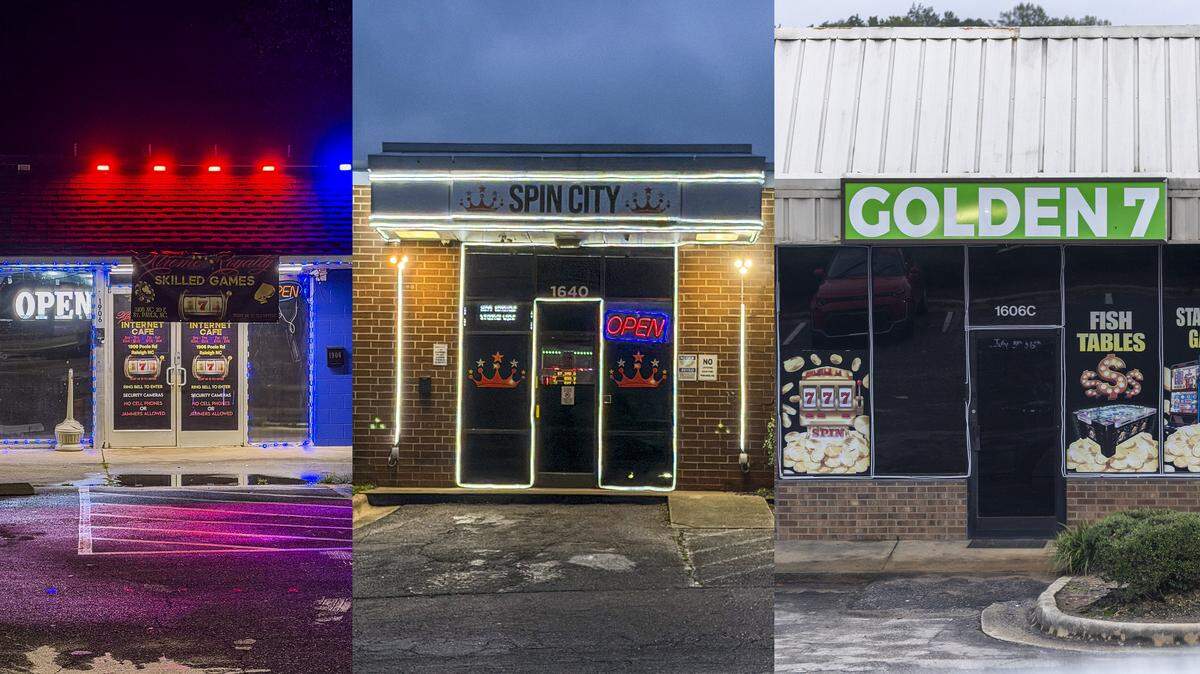
We take you inside internet cafes, detail a political breakup and offer money tips
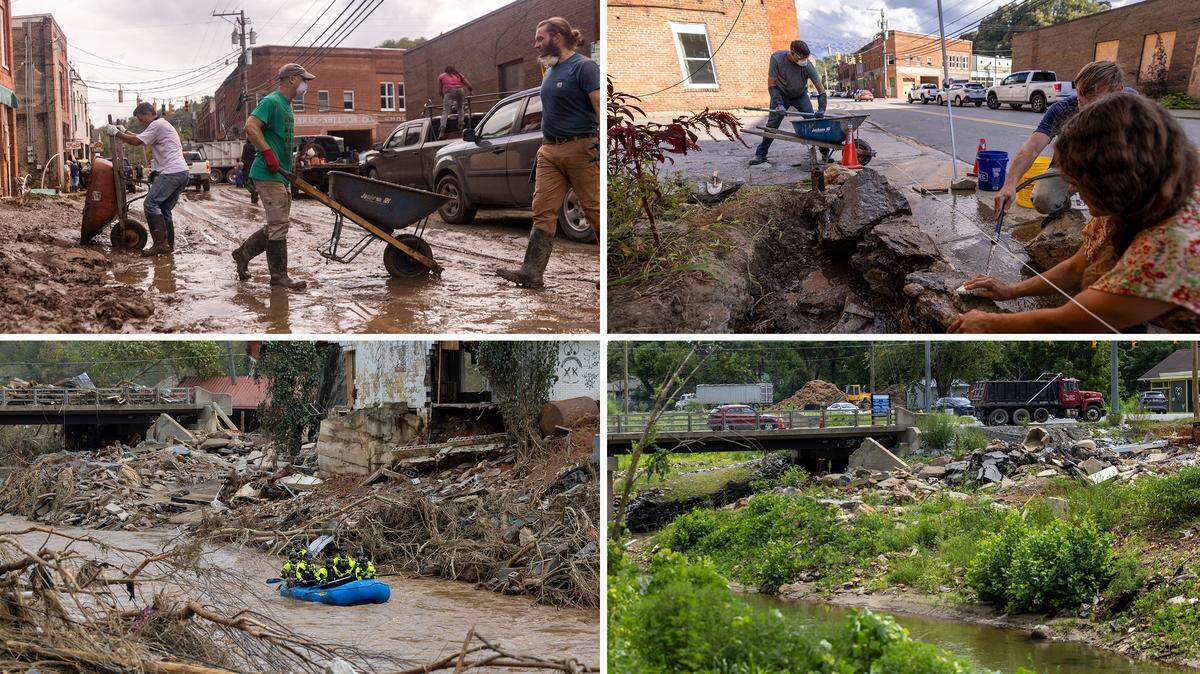
Stories of mountain resilience, a jail death and an ageless band member stay with us
We celebrate joy on the gridiron, honor past champions on ice and visit a new hotspot
This is part 3 of a five-part package revisiting the moments that The News & Observer’s staff members will remember long after 2025 is over.
‘Internet cafes’ may not have internet. They do have slot machines
It was thrilling to enter the Triangle’s many “internet cafes” and witness something illegal. These were mini casinos in all but name, storefronts filled with colorful slot machines, fish tables and complex sweepstakes games that rely on pretense to obscure their chance-based underpinning. And the internet rarely worked.
I didn’t enter undercover, per se. I would always identify myself as a reporter if asked — it was just that no one ever did. I went at night, midday and the morning. I bet a few dollars across cafes in Raleigh, Durham and Cary.
It is (thankfully) not my job to say whether local law enforcement should put resources toward stopping the unlawful gambling I witnessed. Do these games exploit Triangle residents who regularly play? They are unregulated, so the answer could be yes. Do the gaming halls also give people a diversion on par with the growing list of legal gambling across society — from sports betting to the mobile state lottery to the new casino in Danville, Virginia? I saw that too.
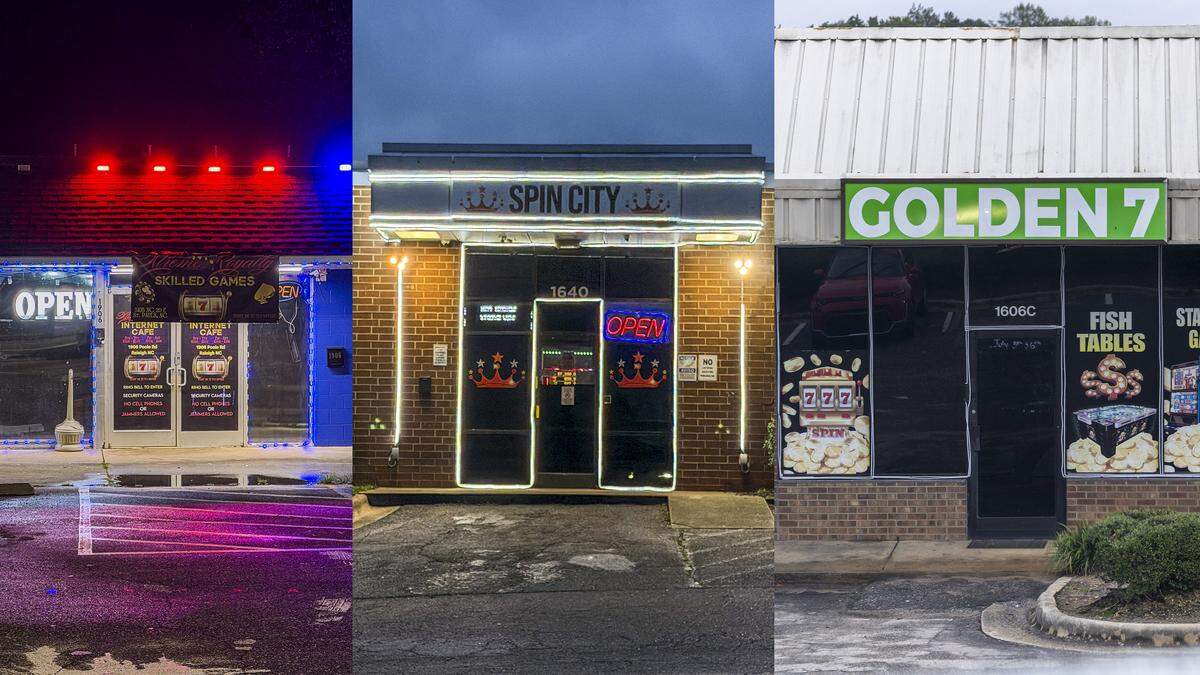
My job is to give context to a unique business model that persists openly in the Triangle. Hopefully people will read my reporting and think about what it would mean if we start shutting down these cafes or if we made them legal.
Brian Gordon is a tech and business reporter.
In his own time of need, he’s caring for others
Mitch Mason, the UNC football team chaplain, has long been the program’s spiritual center. So, it shouldn’t have been a surprise when, during our interview, it felt like he was preaching to me.
First of all, Mason called me for our interview — he called me — and in the condition he’s in as he manages several debilitating health diagnoses, that alone would have been enough. But then he started asking how I was. He asked about my family. He asked about my recent graduation and my new job. He told me he was proud of me.
“It’s awesome that you write for the News & Observer, amen. But I want to know how Shelby’s family is doing.”
Again, I was supposed to be interviewing him.
But that’s Mitch. His instinct is to care for those around him — even a reporter calling to ask him about his suffering.
Writing this story was a blessing. I spent time with former players who told me how Mason kept them grounded when they wanted to quit. I spoke with his family, who have watched him fight and helped him battle. I listened as he insisted that, no matter what his body loses, his spirit remains untouched.
Through the process of writing my story, Mitch definitely touched my spirit.
Shelby Swanson is a sports reporter.
When Thom Tillis and Donald Trump broke up
I was sitting in my grandmother’s dining room in Los Angeles in June when alerts on my phone notified me of a social media spat between President Donald Trump and North Carolina Sen. Thom Tillis over passage of the One Big Beautiful Bill Act. For months, I had questioned how long Tillis could carry on before he and Trump found themselves at odds. Many of the decisions Tillis made in the first six months of Trump’s presidency seemed atypical of the man I’ve now spent years covering.
I wasn’t surprised to see this fallout playing out on social media. What did surprise me was Tillis’ abrupt decision to end his reelection campaign. A disagreement about affordable healthcare for North Carolinians turned the Senate race on its head and led to a likely matchup between former Democratic Gov. Roy Cooper and former Republican Party Chairman Michael Whatley to succeed Tillis.
What has yet to be seen is whether this could make the difference on whether Republicans can maintain their Senate majority.
Danielle Battaglia is the congressional impact reporter.
A year later, mountain residents still hold each other up
A year after the remnants of Hurricane Helene tore through Western North Carolina, I returned to some of the same places I photographed in the storm’s aftermath. I wanted to see what recovery looked like through the same cameras and lenses, standing in the same spots I stood a year earlier. What I found was not a clean ending, but progress — uneven and hard-earned.
Helene was different from the roughly 20 named storms I’ve covered in my career, not because of the wind, but because of the water. Water doesn’t just knock things down — it can erase them. In those early days, isolation, lack of communication and shortages of vital resources were as dangerous as the destruction itself.
We cannot forget that 108 people lost their lives to Hurricane Helene in North Carolina alone. The North Carolina mountains are among the oldest in the world, shaped by water and wind over eons. The people who live there, often for generations, have faced hardship before. They know how to hold each other up. I saw it then. I saw it again a year later. And it’s something I will never forget.
Travis Long is a photojournalist.
We help you save money on your food bill
This year, The N&O’s service team renewed its focus on covering the topic of affordability. We did this in a lot of ways, including a series we call Price Check. We typically price check grocery stores and grocery items, but sometimes we venture out and get a little more creative.
One of the coolest Price Checks we did in 2025 was determining the cheapest takeout pizza in the Triangle. Food writer Drew Jackson called 100 local pizza places and got prices for 97 large one-topping pizzas. He then put the data in a spreadsheet and with the help of data editor David Raynor, they calculated the cost per inch — or cost per bite — of the pizzas to determine the winner.
We published that story alongside two others by Drew — how to fancy up a frozen pizza with stuff already in your fridge and 5 money-saving fast food hacks — and one by Renee Umsted on grocery stores that charge a fee to get cash back at checkout.
News you can use.
Brooke Cain is the national service journalism editor for McClatchy.
Journalism lessons from Duke University and a Chilean mountaintop
I know that journalism isn’t football, but if it was, Duke University’s First Look watch party would’ve been my “Welcome to the NFL” moment.
This past summer, I took a break from my biomedical sciences Ph.D program to intern at The News & Observer. Though I had written science articles before, this internship was my first journalism experience. Duke’s First Look watch party, spotlighting images from an observatory on a mountaintop in Chile, was my first big event.
Astronomers, physicists and journalists gathered at Wallace Wade Stadium to see the first images from the telescope at the Vera C. Rubin Observatory. Duke’s watch party was one of hundreds worldwide.
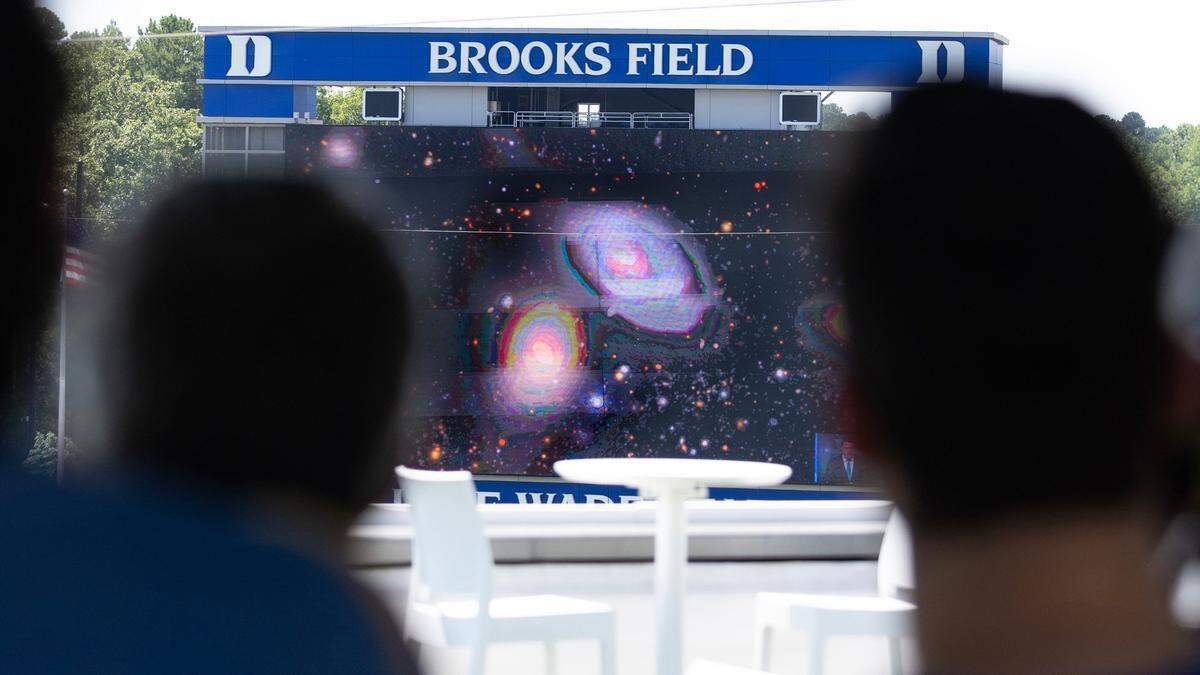
Honestly, I was pretty intimidated by the other “real” journalists, but I decided to follow their lead. I spent the rest of the day, most of that night and some of the next day furiously trying to write that story.
This experience stands out to me because I realized journalism moves faster than anticipated … and I came into the internship knowing it moved pretty quickly.
Amber Hazzard was a Mass Media Fellow from the American Association for the Advancement of Science in summer 2025.
After Chantal’s major damage, distress home sales in the Triangle
I learned the hard way that sharing your name with a major storm is not all that it’s cracked up to be.
In the days and weeks after Tropical Storm Chantal hit Central North Carolina in early July, I witnessed firsthand the catastrophic damage left behind. In Carrboro’s Weatherhill Pointe neighborhood, flash floods triggered 57 water rescues alone, displacing dozens indefinitely.
Most didn’t have flood insurance.
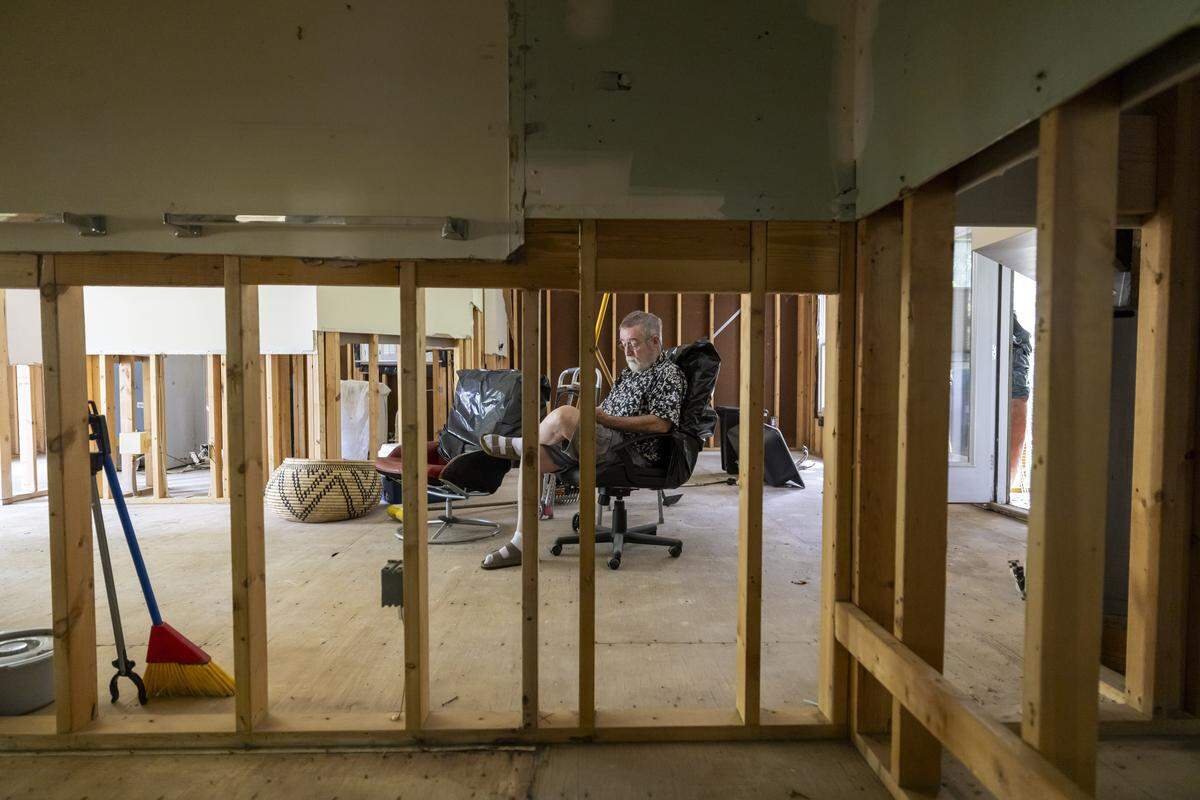
In the storm’s aftermath, distressed sales surged. Scrolling through Orange County’s Register of Deeds, I discovered at least six homes sold in wholesale transactions, totaling over $212,000 in profit for five investors.
It’s hard not to feel the weight of these losses. The threat of climate change is no longer abstract. It’s here, and the Triangle is feeling its impact. My job is to call out the hidden dangers, expose outdated maps and confront the gaps in our insurance system.
Chantal Allam is a real estate reporter.
A grieving mother’s search for answers
The story I remember most involves a mother’s years-long effort to learn about how her son died, buckled into a Highway Patrol car on a dark rural road in Pitt County. It followed two stories about Highway Patrol officials shielding themselves from scrutiny.
In this one, Michael Higgins, a senior at East Carolina University and a Highway Patrol intern, died in a high-speed crash in August 2020. His mother, Lisa, launched her long fight for answers and accountability.
Her battle is still playing out in North Carolina courts.
Virginia Bridges is a criminal justice reporter.
Eight seconds that sparked a new Blue Devil hero
As Duke’s Todd Pelino lined up his field-goal attempt against North Carolina, the senior place kicker was looking to give the Blue Devils the lead late in a rivalry game.
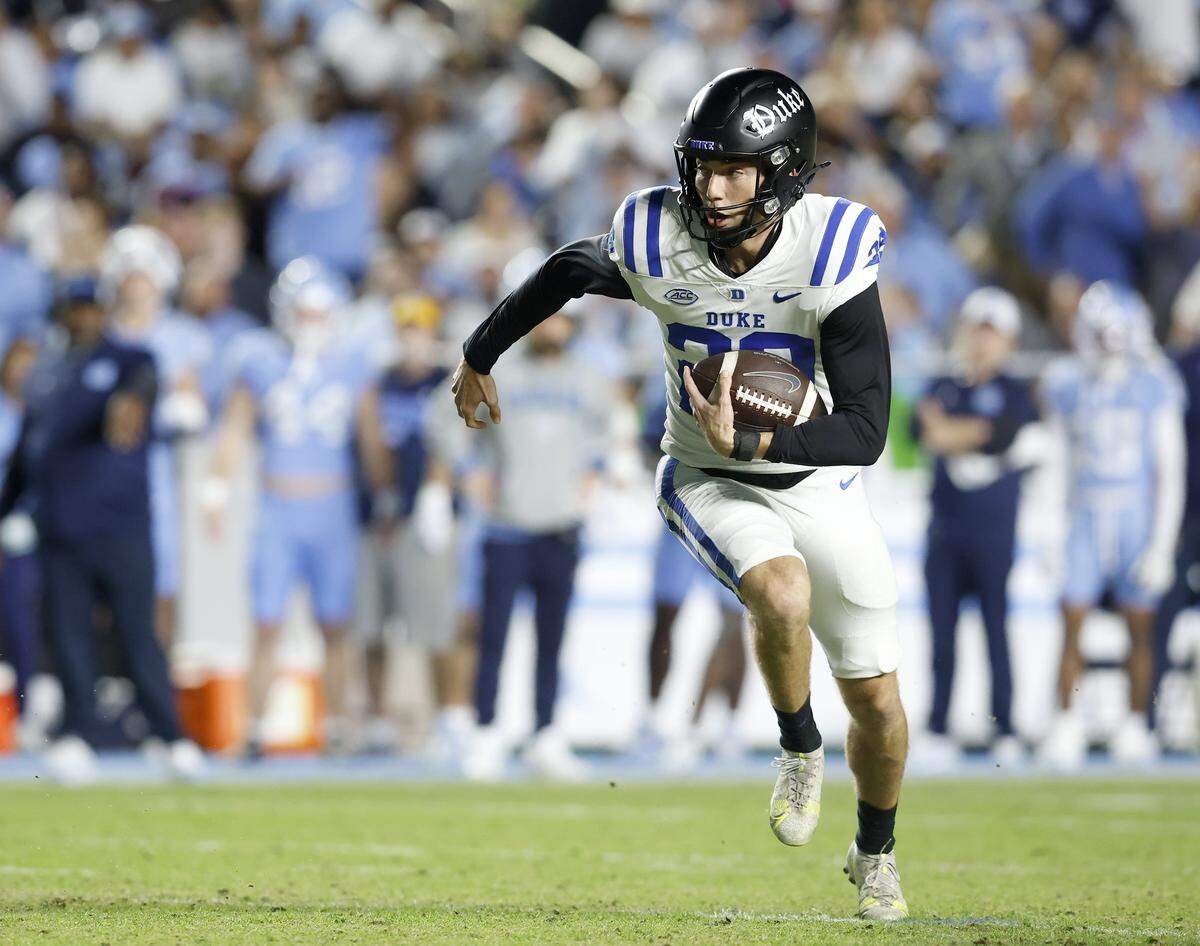
In eight seconds, Pelino became a Duke folk hero. Taking a quick pitch from holder Kade Reynoldson and a block on the left side of the line from Kevin O’Conner, Pelino suddenly had running room to the outside – “A lot of green grass,” he later said, smiling.
Needing three yards for a first down, Pelino got 26. Duke scored a touchdown on the next play from the 1-yard line and soon had won, 32-25. The Blue Devils again rang the Victory Bell, and the win at Kenan Stadium in Chapel Hill helped propel them to the ACC championship.
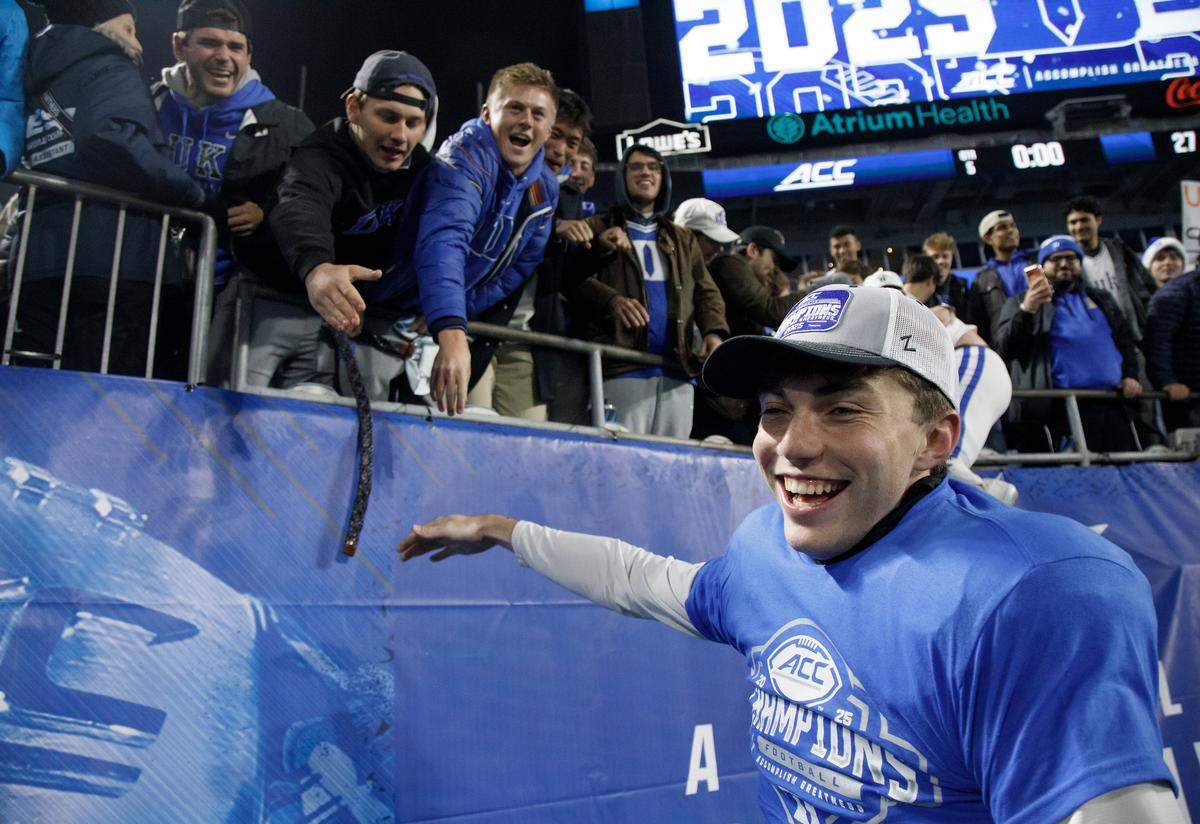
Pelino’s mad dash was the essence of college athletics and rivalry games — so unexpected, so exciting. He may never play in the NFL but his name will live in the annals of the Duke-Carolina football series.
And all in eight seconds.
Chip Alexander is a sports reporter.
Next: See this story for Part 4 of the 2025 moments we remember.