
We celebrate joy on the gridiron, honor past champions on ice and visit a new hotspot
AI-generated summary reviewed by our newsroom.
- A UNC tennis star won an NCAA title. She’s also lead plantiff in a suit against the NCAA.
- After a Raleigh sci-fi fan died, his wife sent his ashes into space on a rocket.
- The N&O and Charlotte Observer are Pulitzer Prize finalists for Hurricane Helene work.
READ MORE
Moments we’ll remember from 2025
As 2025 comes to a close, The News & Observer staff looks back at the stories that will stick with us from this year. In this five-part series, editors, reporters, photojournalists and more remember the stories that brought a smile, made us angry, gave us hope and caused us to shed a tear.
Expand All
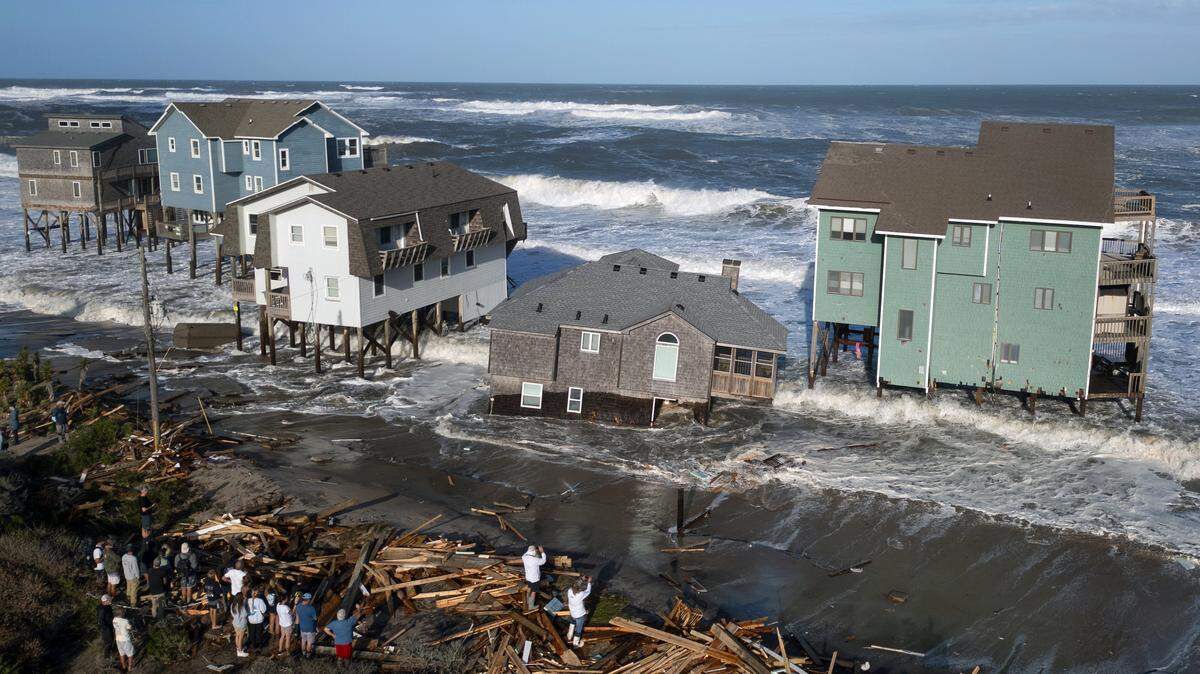
We’ll remember nature’s fury, an endless election and off-the-field football drama
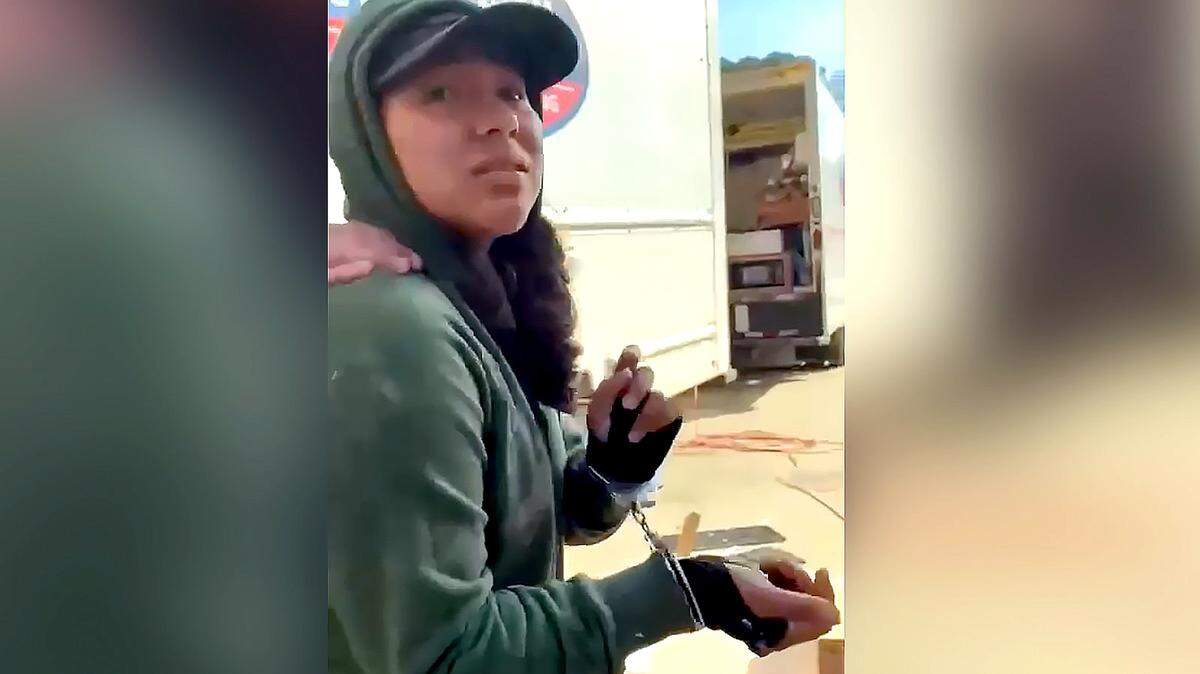
Border Patrol sweep, angry shrimpers and a lot of fair food among our 2025 memories
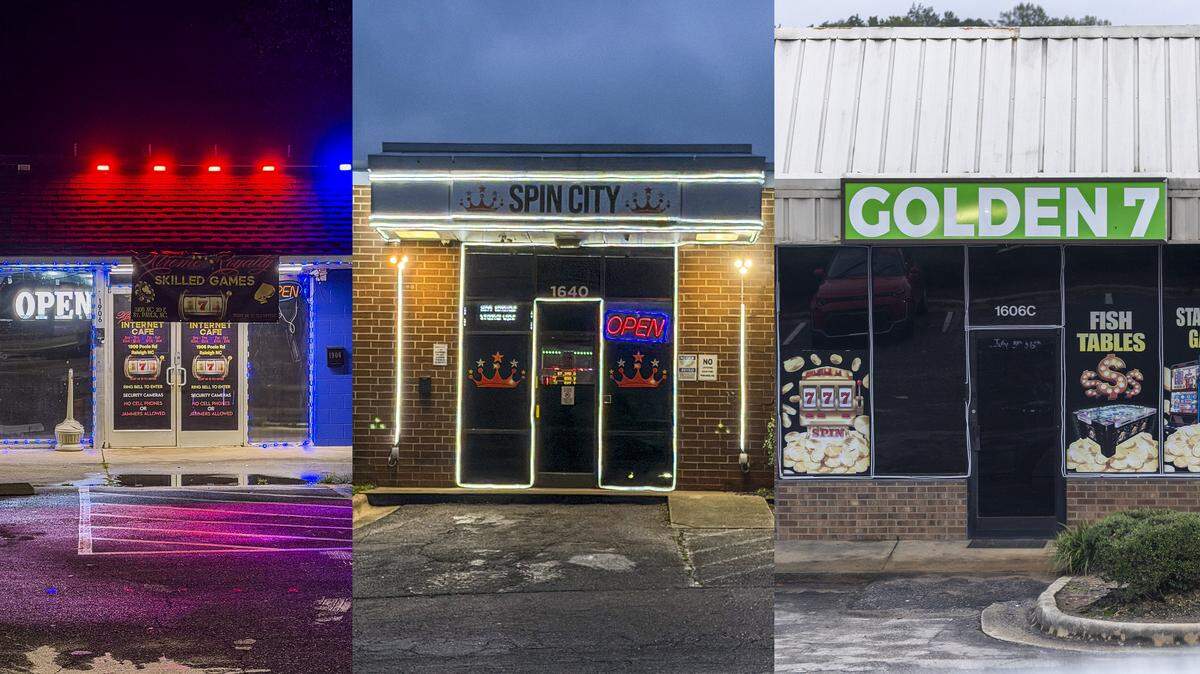
We take you inside internet cafes, detail a political breakup and offer money tips
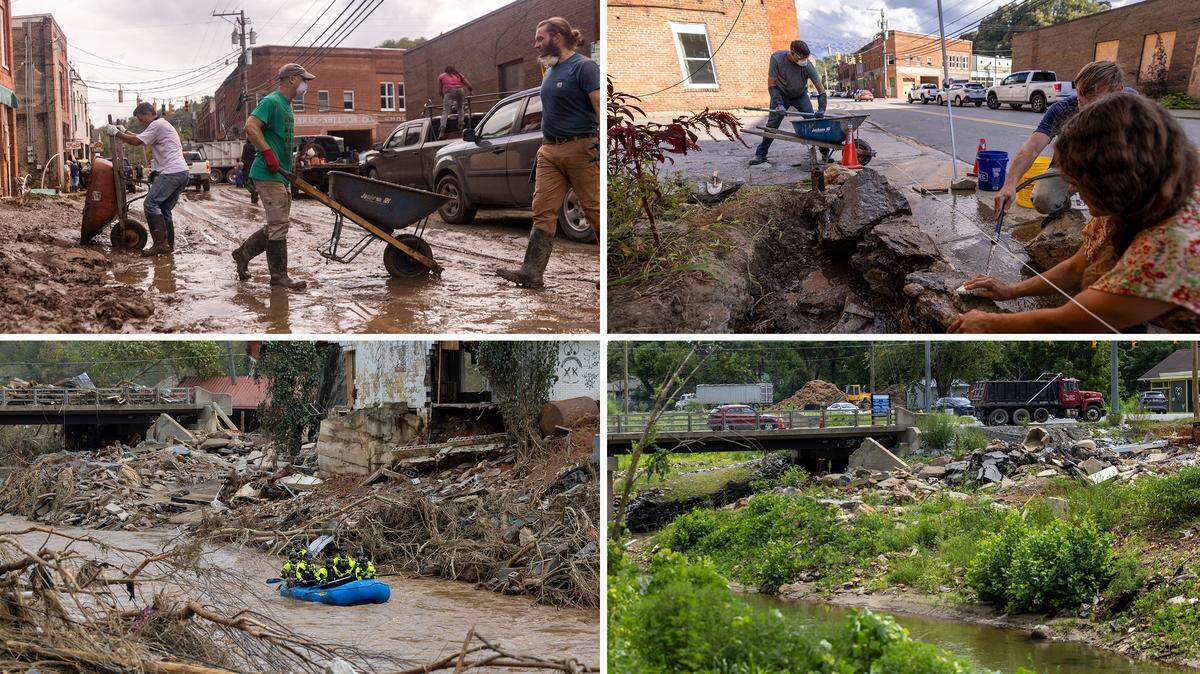
Stories of mountain resilience, a jail death and an ageless band member stay with us
We celebrate joy on the gridiron, honor past champions on ice and visit a new hotspot
This is part 5 of a five-part package revisiting the moments that The News & Observer’s staff members will remember long after 2025 is over.
A college athlete on the court and in court
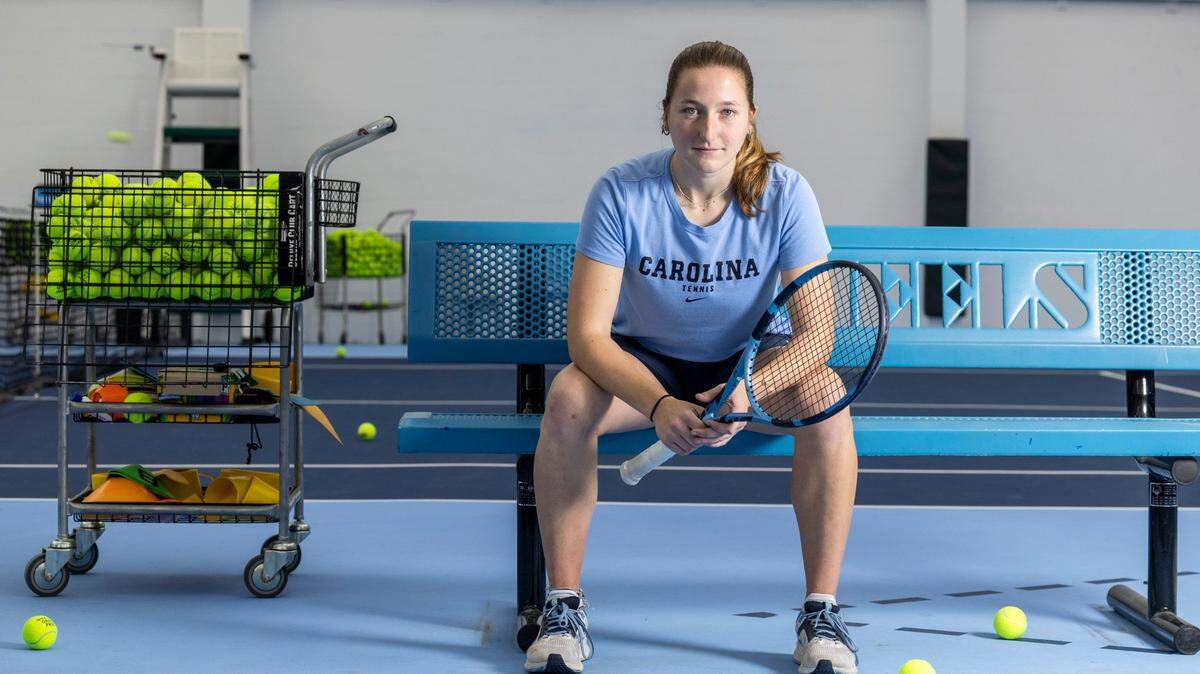
Of the thousands of athletes playing intercollegiate athletics around the country, a UNC tennis player best represents the changing landscape of the enterprise.
Reese Brantmeier is the lead plaintiff in a class action lawsuit against the NCAA, fighting a rule that prevented her from accepting prize money she won after qualifying for the U.S. Open.
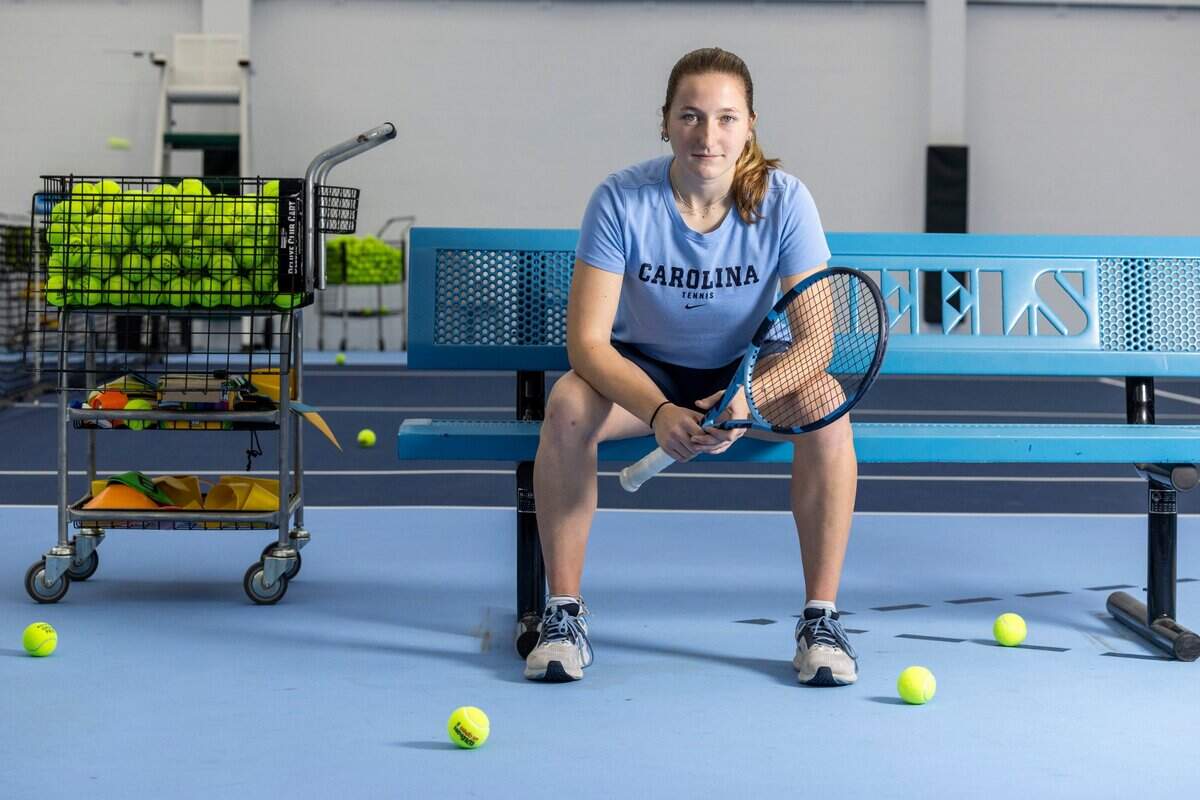
At the same time she’s fighting the NCAA, Brantmeier continues competing for the Tar Heels. This year alone, she battled back from a career-threatening knee injury to help UNC repeat as ACC women’s tennis champions, as she played No. 1 singles and was part of the No. 1 doubles tandem.
A few weeks later, though, while competing in the NCAA tournament, Brantmeier re-injured the surgically repaired knee. The Tar Heels dream of a national championship disappeared, and her career appeared in danger again.
A summer of grueling rehabilitation allowed her to return to the court last fall. She slowly got better and was ready to play her best when the NCAA singles tournament arrived in November. There, despite never having won an NCAA match, Brantmeier rolled to the championship, topping California’s Berta Passola Folch, 6–3, 6–3.
The N&O has been covering Brantmeier’s story. Sports intern Caroline Wills told her complete backstory in August, and sports reporter Shelby Swanson talked to her recently after the NCAA championship.
It’s a fascinating story that continues to unfold.
Stephen Wiseman is the sports editor.
Helping the homeless in a new way
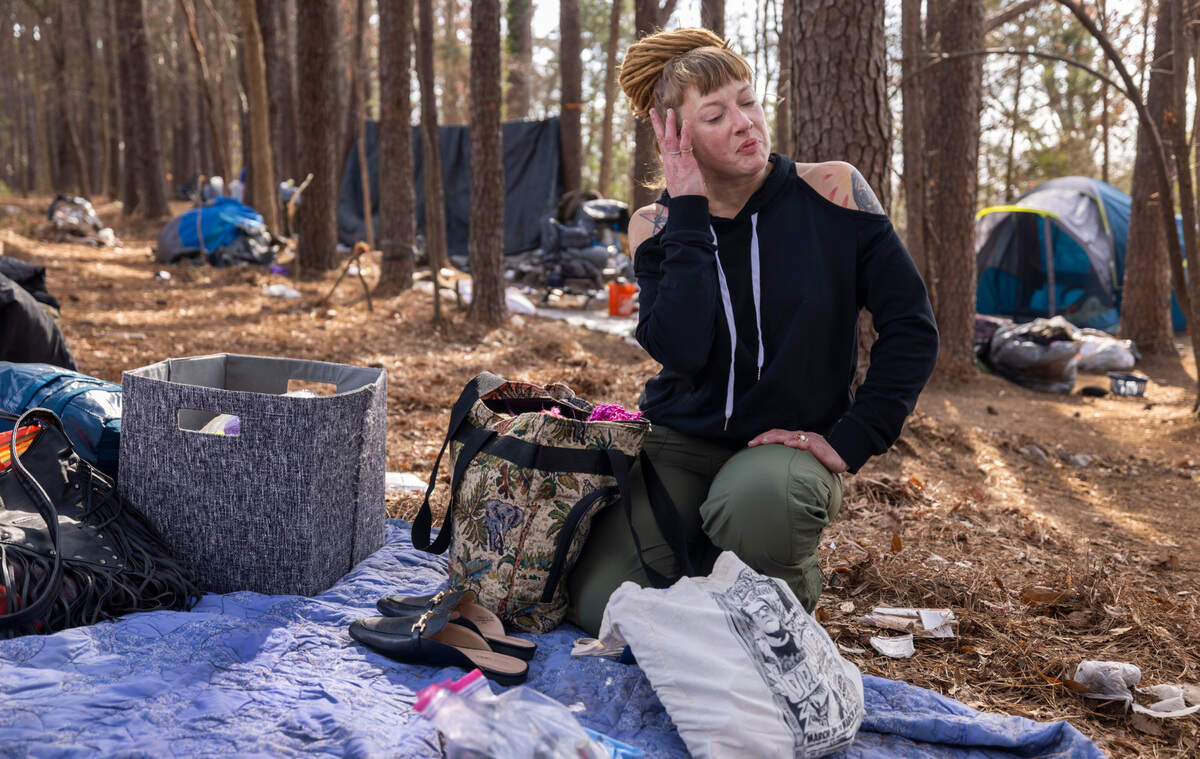
The first time I met Nicole Reynolds was at a homeless encampment at the border of Garner and Raleigh. She lost her home during the COVID-19 pandemic, and was one of several people forced to vacate the encampment by the Raleigh Police Department in 2024.
It was almost a year later when I saw her again, this time forced to leave a homeless encampment near Dix Park. I was there reporting on a new, first-of-its-kind program in Raleigh that pays 45 families and individuals experiencing homelessness at least $1,450 every month to spend however they want over two years. Reynolds was one of those people accepted into the program.
This pilot program, and others like it, can be controversial, but research shows they’ve been successful.
“We know through years of research and practice that a large majority of people, 80% to 90% of people, just need that two years of assistance, and then they’re able to stabilize after that time,” said Emila Sutton, the city’s Housing and Neighborhoods director, in a previous interview with The News & Observer.
As of mid-year, 90% of the participants were no longer homeless.
Anna Roman covers Raleigh and Wake County.
A sci-fi farewell for a devoted fan
From boyhood, Steve Garner Nielson qualified as the fiercest sci-fi geek in the galaxy, so devoted to all things space that he loved “Star Wars” and “Star Trek” equally — a heresy in nerd circles.
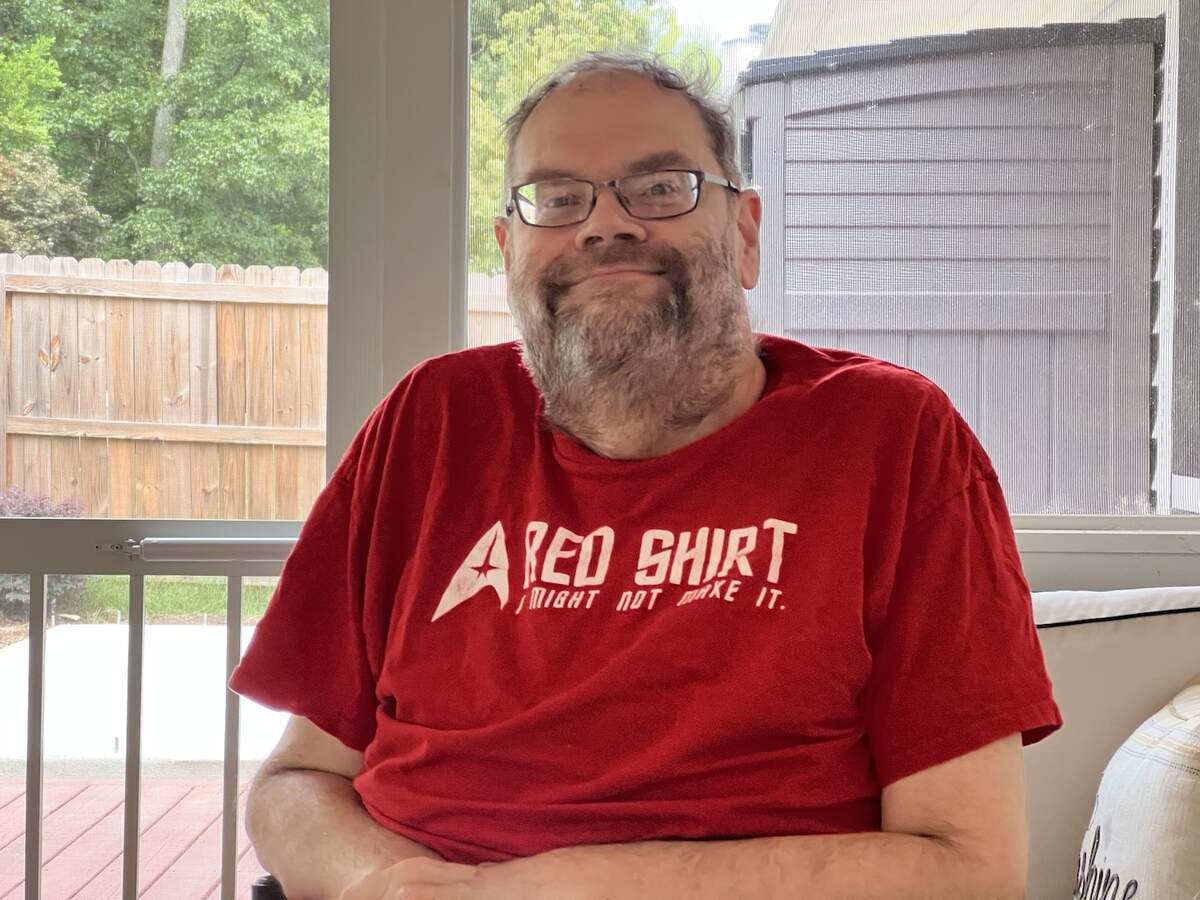
He kept Yoda and R2D2 statues in his backyard garden rather than gnomes, and he could rattle on for hours about the evolution of Tribbles.
So when he died, his wife, Karin, gave him the ultimate send-off: a ride through space aboard a private rocket, which would carry his ashes around Earth three times and then return.
But Raleigh, we had a problem: Rather than land gently back on solid Earth, Nielson’s space capsule crash-landed into the Pacific Ocean.
Now he watches the stars pass over from deep beneath the sea.
Josh Shaffer is a reporter and columnist.
Remembering the team that achieved greatness
In a community where college sports fandom reigns, the Triangle’s first — and, so far, only — “Big Four” professional sports franchise is responsible for North Carolina’s only major professional championship. The Carolina Hurricanes accomplished that feat in winning the Stanley Cup 20 years ago — exploding out of the NHL lockout to capture the oldest trophy in professional sports, while cementing the franchise’s legacy in the Southeast.
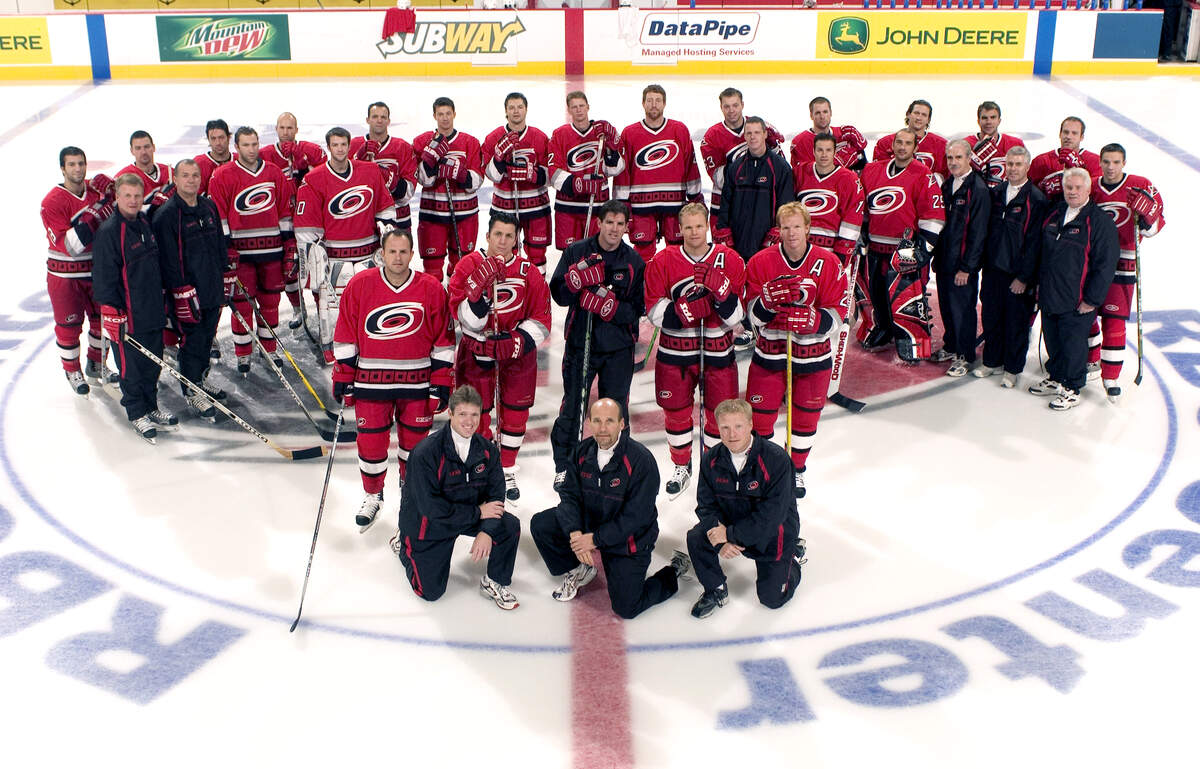
Amid the anniversary fanfare, The News & Observer tracked down everyone on that 2005-06 team — except for one. Anton Babchuk was missing.
But then columnist Luke DeCock was able to find Babchuk, and told the remarkable journey the former Hurricane and his family have endured while awaiting a peaceful resolution to the war in his home country of Ukraine.
The Hurricanes are a key piece of the sports fabric in the Triangle, at the pro sports level and also among the area’s youth, and the Canes continue to foster a burgeoning hockey culture at the grassroots level.
Justin Pelletier is deputy regional sports editor.
Heavy rain and flooding ‘seemingly out of nowhere’
I had no idea that the thunderstorm that blew through the Triangle on June 5 was anything out of the ordinary until one of my reporters told me she was stuck in her house because her yard was flooded. She lives in Sanford.
Another reporter drove out that way, and we found that much of downtown Sanford and parts of Lee County were underwater. A particularly powerful cell within that ordinary storm had dropped more than six inches of rain at the Lee County Regional Airport between 1:30 and 5 p.m. Two inches of that fell in a cloudburst between 3:30 and 4 p.m.
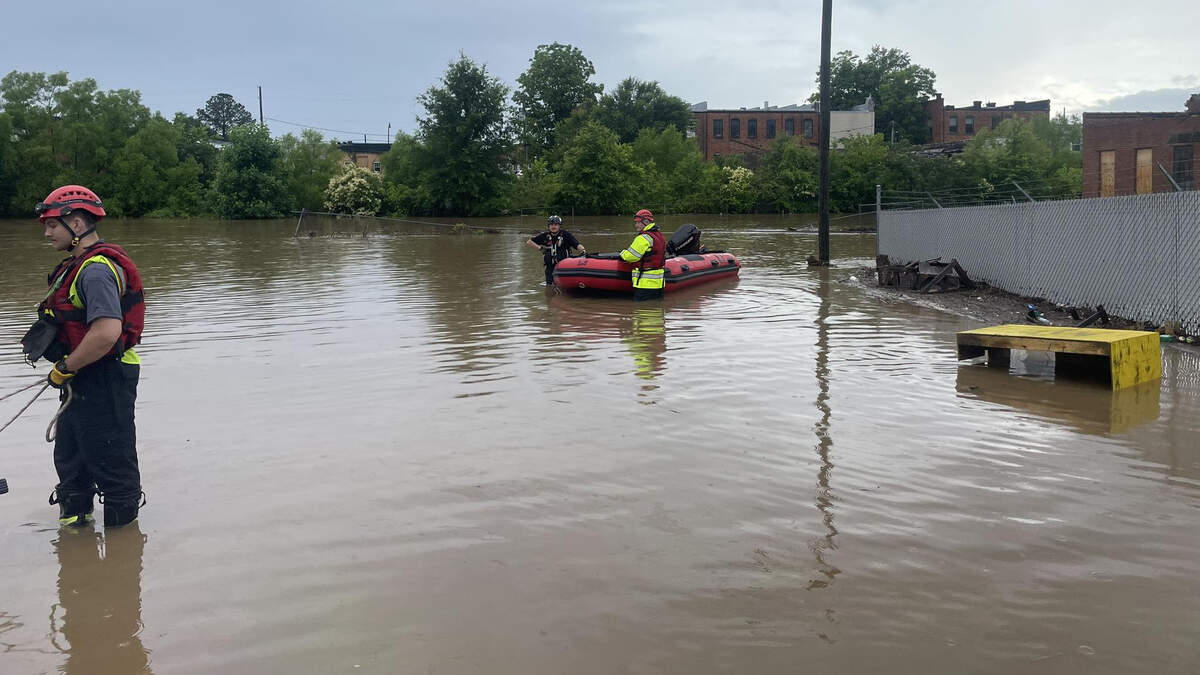
I don’t know if this was an official “microburst” as defined by the National Weather Service, but that intense, extremely localized rainfall was something we saw frequently this year. In July, heavy rainfall overtopped a dam and flooded a single neighborhood in Carrboro, leaving many homes uninhabitable.
Climate scientists agree that climate change and global warming will lead to more extreme weather in the years ahead, and that we’re starting to see those effects now. And the dangers reach far beyond official flood zone maps
“We’re seeing these micro-storms ... come out of seemingly nowhere,” a spokesman for the state Department of Insurance told one of our reporters. “Just because your home isn’t in a floodplain, doesn’t mean you won’t incur flood damage. If it rains where you live, you probably need flood insurance.”
Dave Hendrickson is a business, environment and local news editor.
I’ve just got to try this
Reporter Chyna Blackmon’s story and video on our News & Observer cocktail bar winner over the summer was something that really stuck out to me.
She captured the newness of Nightingale Rooftop Restaurant & Bar, since it hadn’t been open very long, mixed with the co-owner’s clear love for classic cocktails. She captured the brightness and the exciting decor with such cheer.
And she was right — I wouldn’t have expected the best cocktail bar in the Triangle to be “nestled downtown of the suburban” Holly Springs.
I still haven’t been, but she made me REALLY want to go.
Drew Hill is an audience growth editor.
Joy on the sidelines
Staff photographer Ethan Hyman captured the joyful moment when a young, shirtless fan ran up to hug N.C. State football coach Dave Doeren after the Wolfpack’s win over Florida State in November.
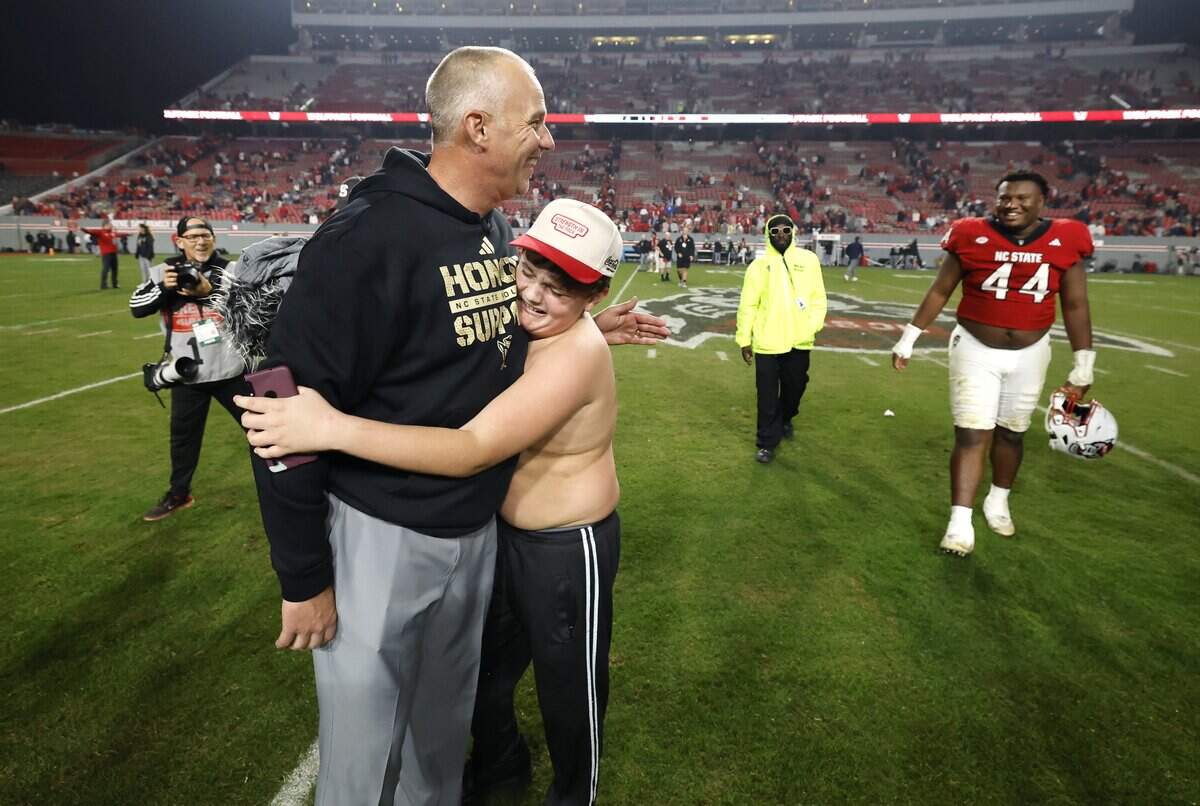
This moment of genuine joy hit home for me in a time when college sports has seemingly been eclipsed by money and NIL concerns.
Scott Sharpe is the visuals editor.
When one word jumps out at an editor
As an editor I read tens of thousands of words a day. Sometimes I move them around. Sometimes I take a few out, and sometimes I replace them with better words. Recently, one word stopped me: sad.
It was in a story reporter Dan Kane wrote about Fatima Issela Velasquez-Antonio, the Wendell woman picked up by the Border Patrol in the Triangle last month.
“Velasquez-Antonio looked sad as she sat with her arms folded throughout much of the hearing,” Dan wrote as the young woman from Honduras was ordered to remain in a federal detention center in Georgia. (She was released in December.)
.JPG "IMG_Fatima_3_1_RFQE3U2J_L893365408 (1).JPG")
Fatima was 14 when she came to the United States. Her father was murdered by gang members. Her mother died of cancer. Raised by relatives, she and her boyfriend had recently bought a house. She had two traffic tickets on her record.
The editor in me paused because the word sad is subjective. How do we know she was sad? I asked Dan what physical details he observed. Was she crying? Were her eyes downcast? Maybe that’s when he put in the folded arms; I don’t remember.
But I left the word in. I thought about it and I think no matter how you feel about people here illegally, we all know what sad means. Being sad makes us human.
That’s another choice editors have.
Mark Schultz is the metro editor.
Serving our community when it mattered most
For my selection this year, I need to cheat a little: I’m choosing a story not just published by this newsroom, but about this newsroom — when the Pulitzer Prize board announced that The News & Observer and The Charlotte Observer were named finalists for breaking news for our joint coverage of Hurricane Helene.
When Hurricane Helene struck North Carolina, our newsroom faced a simple but urgent call: to provide accurate, timely information our community could trust. As journalists, we worked around the clock to report life-saving updates on safety, power and recovery. We debunked rampant disinformation so that residents had news they could trust. We laid bare the vulnerability of these North Carolinians, and their resilience.
Our coverage wasn’t about awards; it was about our responsibility to serve. That’s why being named a Pulitzer finalist meant so much. This honor affirmed that our work met journalism’s highest ideals: holding power accountable, supporting neighbors, and telling the stories that matter.
I’m incredibly proud to know our team lived up to the profession’s best ambitions, serving North Carolina residents during one of their hardest moments. The recognition was a sign that we did our job when it mattered most — and that rigorous, local reporting remains vital, especially in times of crisis.
Nicole Stockdale is the executive editor.
This story was originally published December 23, 2025 at 5:15 AM.
.JPG)