3 Raleigh monkeys are city’s first pets registered under ‘dangerous wild animal’ rules
READ MORE
Snake scare in Raleigh, and the aftermath
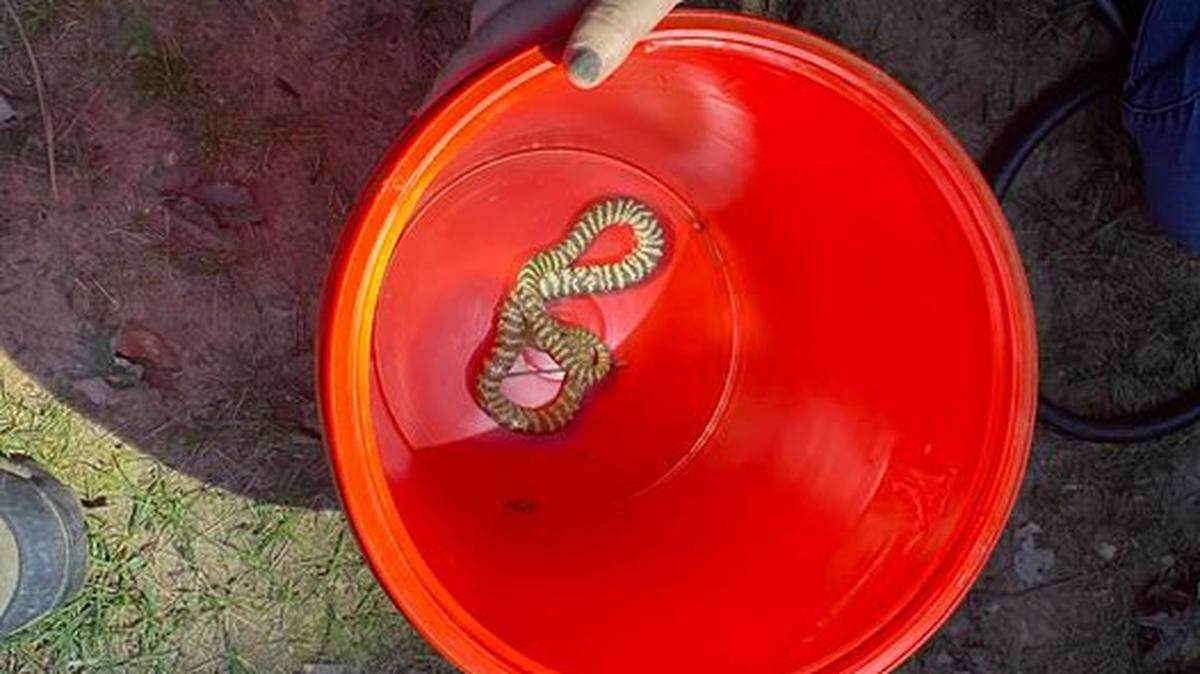
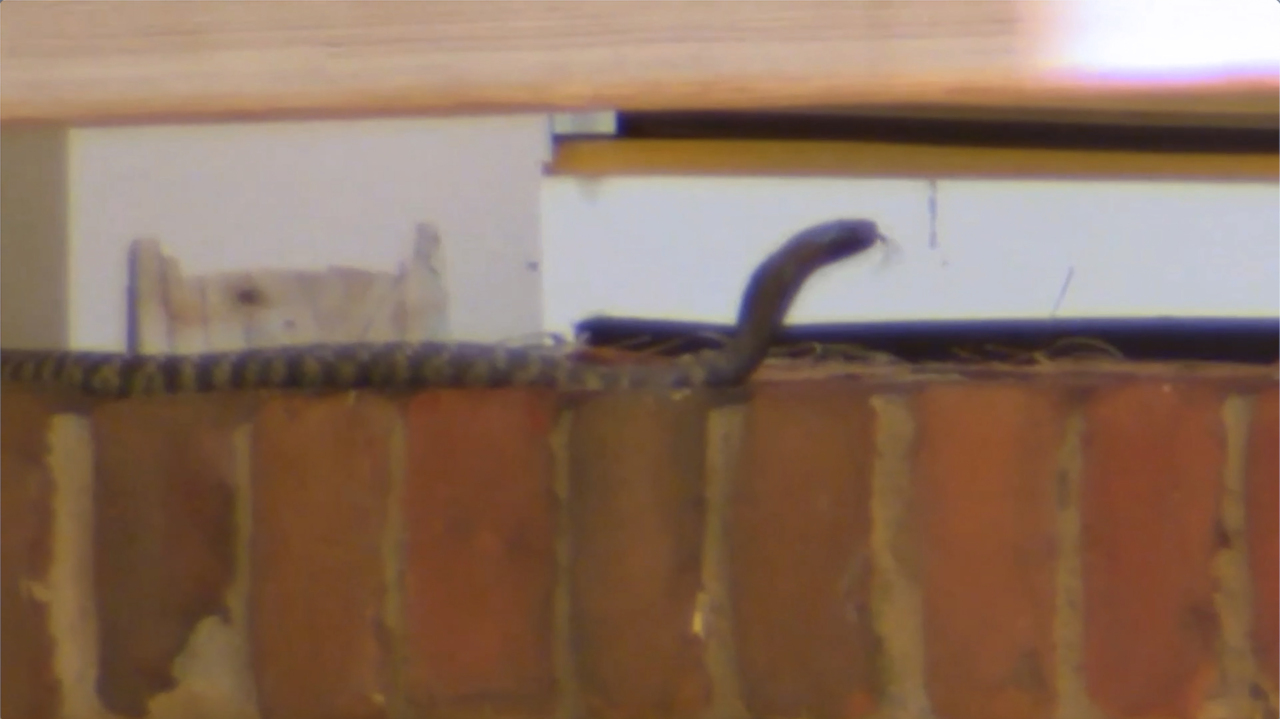
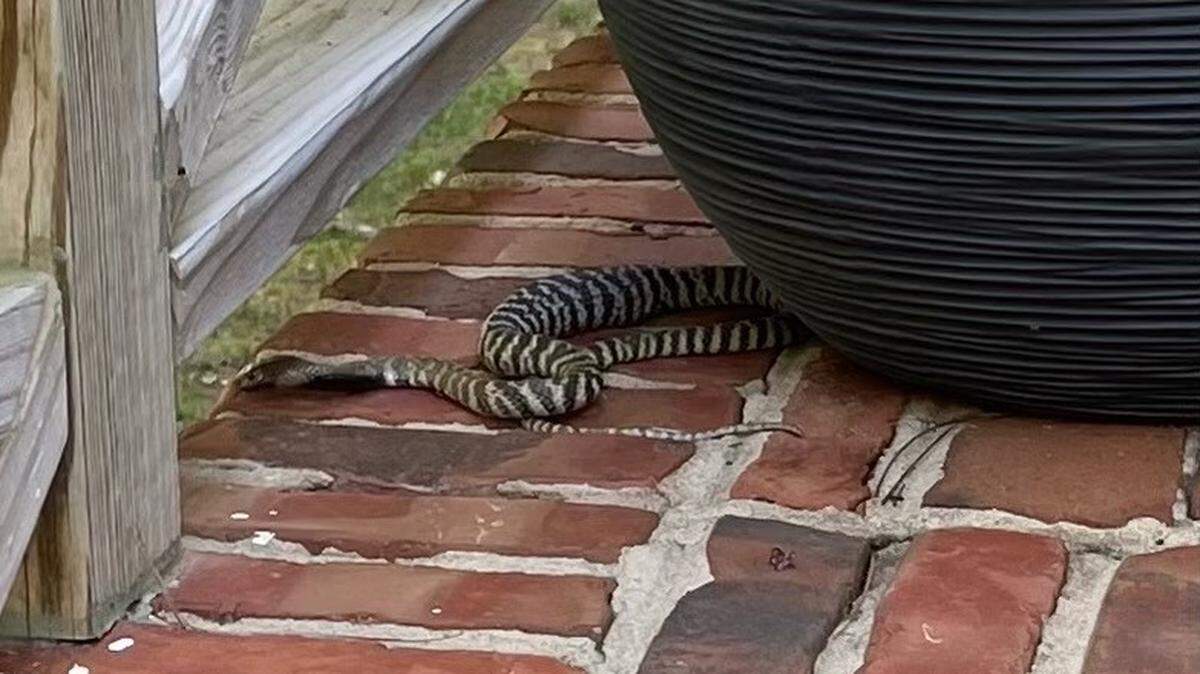
In the summer of 2021, a venomous zebra cobra was on the loose in a North Raleigh neighborhood, an incident that captured the region’s attention. The incident prompted the city of Raleigh to enact a new exotic animal ordinance. Here is coverage from The News & Observer.
Expand All
Three monkeys are now registered under the city of Raleigh’s new rules for “dangerous wild animals.”
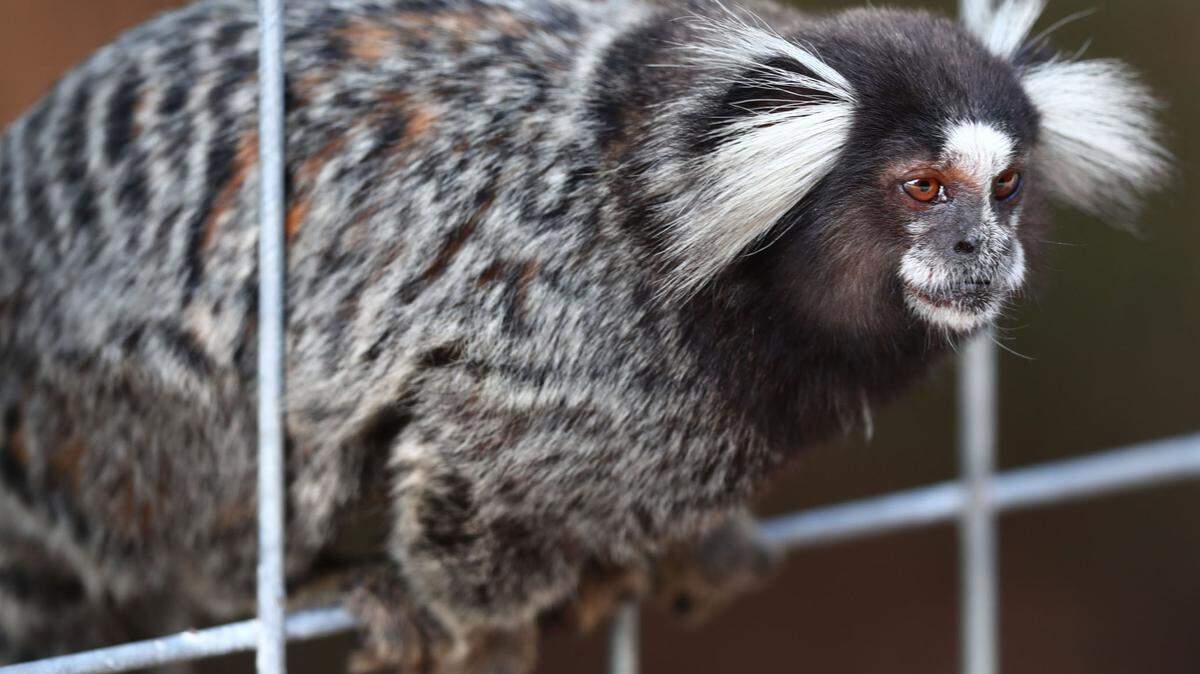
A Raleigh woman registered a 4-year-old common marmoset called “Leo” and a 11-month-old common marmoset called “Mateo Sailor.”
The small monkeys, averaging less than 8 inches tall, are sometimes called white-tufted marmosets because of the white hair on the sides of their head.
A third monkey, a male Rhesus Macaque, was also registered as of this week. These monkeys, about 20 inches tall, are often used in medical and biological research.
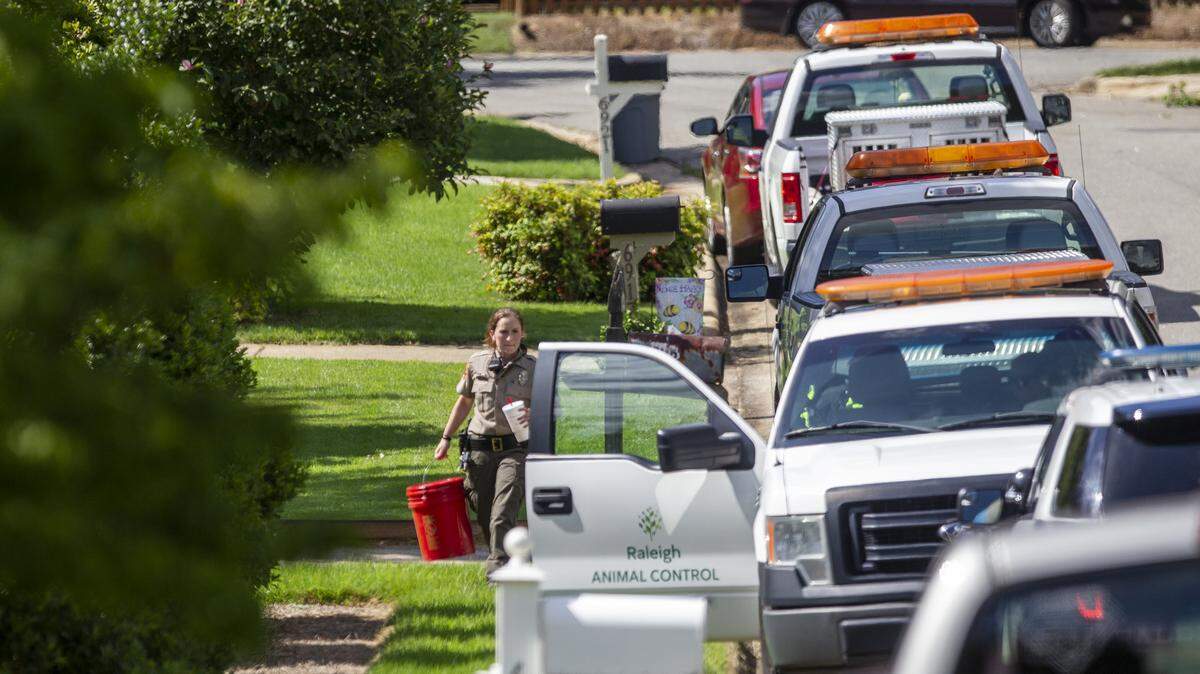
The city banned “dangerous wild animals” after a zebra cobra escaped from its enclosure in November 2020 but was not reported to the authorities. The escaped snake made local and international headlines after it was spotted in a northwest Raleigh neighborhood June 2021. It was captured two days later.
The rules banned owners from acquiring a new “dangerous wild animal” as of Sept. 3, 2022. But people who owned their pets before that date could keep the pet for the rest of its life as long as they registered it with the city.
What are considered ‘wild dangerous animals’?
“Wild dangerous animals” are animals usually found in the wild, are “inherently dangerous” and do not live in the habitation of humans. The city specifically mentions lions, tigers, leopards, wolves, non-human primates, medically significant venomous snakes and crocodiles.
“A medically significant venomous snake means a venomous or poisonous species whose venom or toxin can cause death or serious illness or injury in humans that may require emergency room care or immediate care of a physician,” according to the city’s website.
The rules do not apply to accredited zoos, scientific research laboratories, veterinarians, educational or scientific institutions and wildlife rehabilitators.
Anyone who violates the rules can be fined $500.
A Raleigh Police Department spokesperson said there are no “education and outreach events planned at this time.”
What happened to zebra cobra in Raleigh?
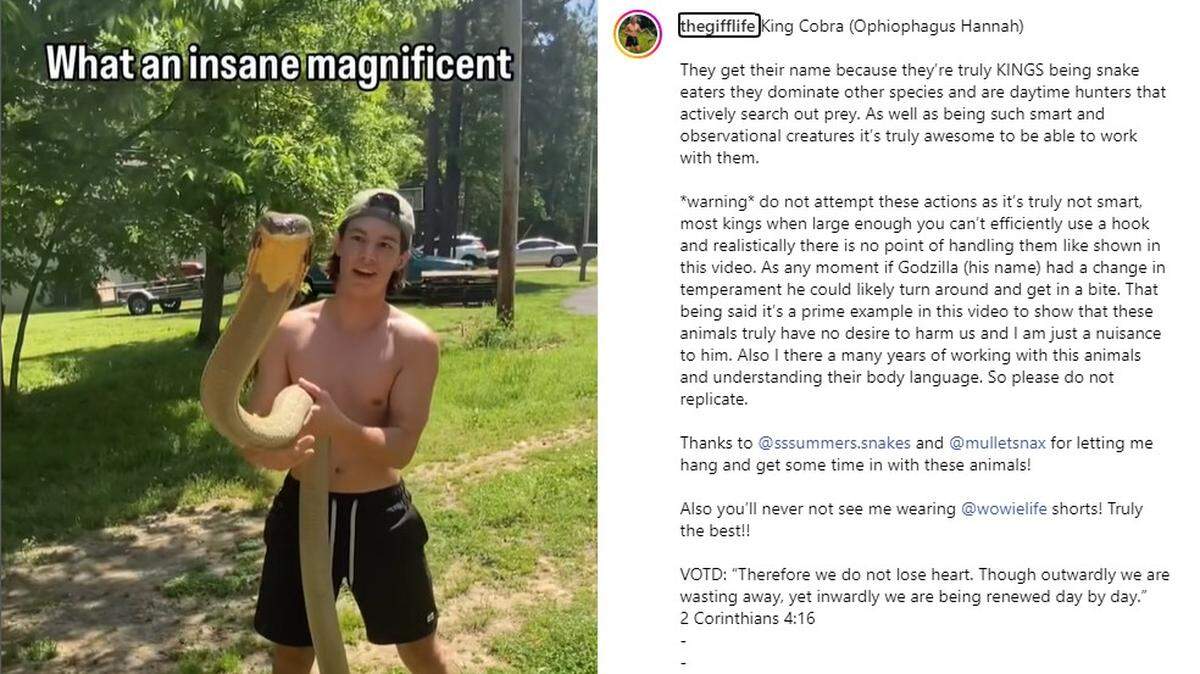
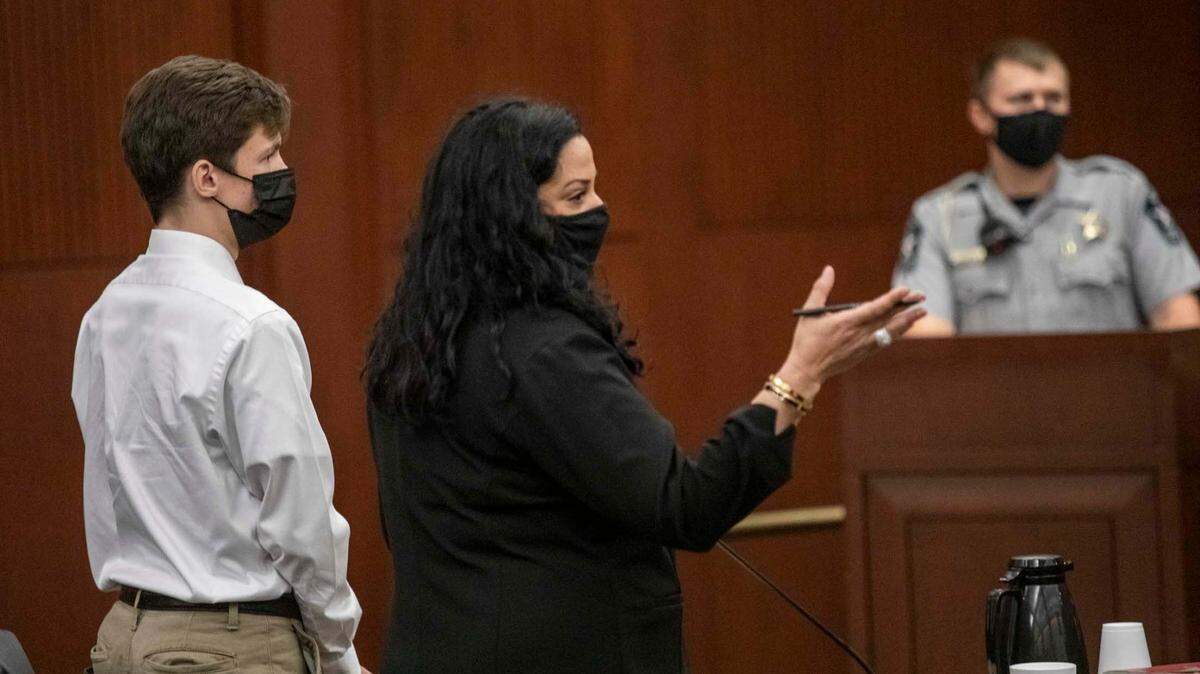
The owner of the zebra cobra, Chris Gifford, pleaded guilty to failing to report the missing snake and was ordered to pay $13,100 in restitution in August 2021. He also agreed to relinquish his snakes and was not allowed to keep venomous snakes during his year probation.
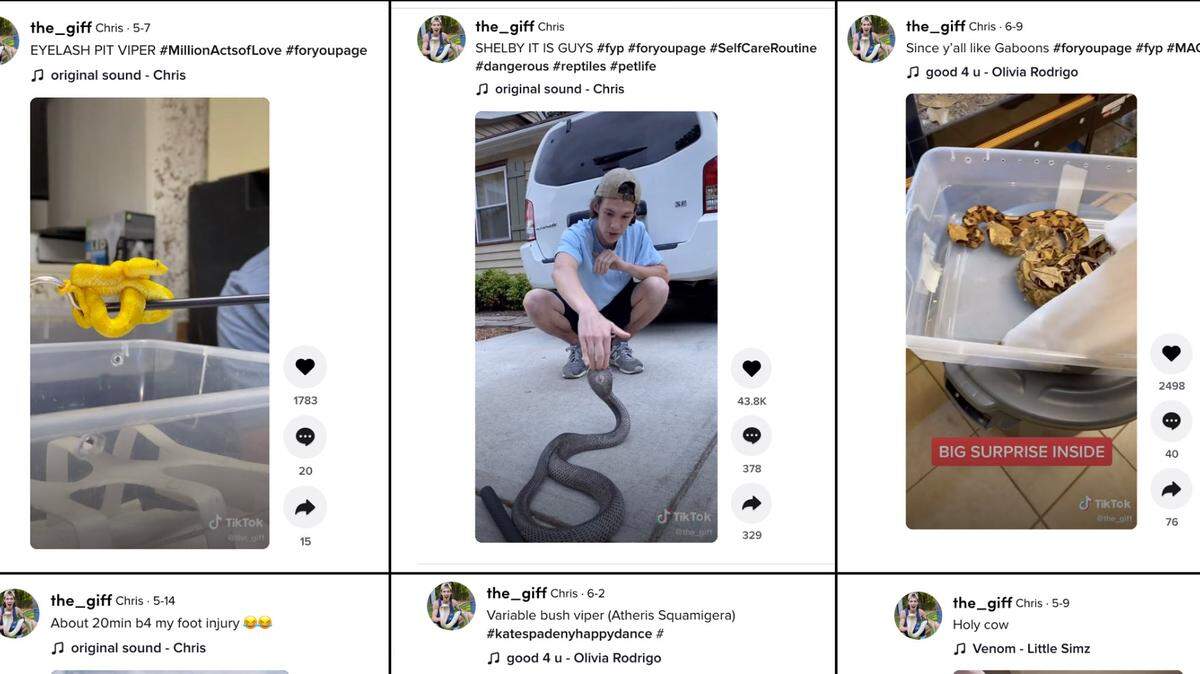
In an interview with WRAL, Gifford said he planned to “get back into the snake ownership business” but not at his parent’s house, once his court-imposed ban ended. In April and May, he posted videos holding a mildly venomous mangrove snake, showing off its iridescent scales, on his TikTok account.
This story was originally published July 24, 2023 at 9:00 AM.