How new NC abortion law has ‘taken away’ complex abortion care at a Chapel Hill clinic
READ MORE
Abortion in North Carolina
State lawmakers voted to override Democratic Gov. Roy Cooper’s veto of the 12-week abortion bill. It now takes effect July 1. Meanwhile, clinics, anti-abortion groups, and future doctors are trying to prepare for the future of abortion despite their unanswered questions about the new law.
Expand All
For years, Planned Parenthood’s Chapel Hill clinic had taken each new challenge it faced in stride.
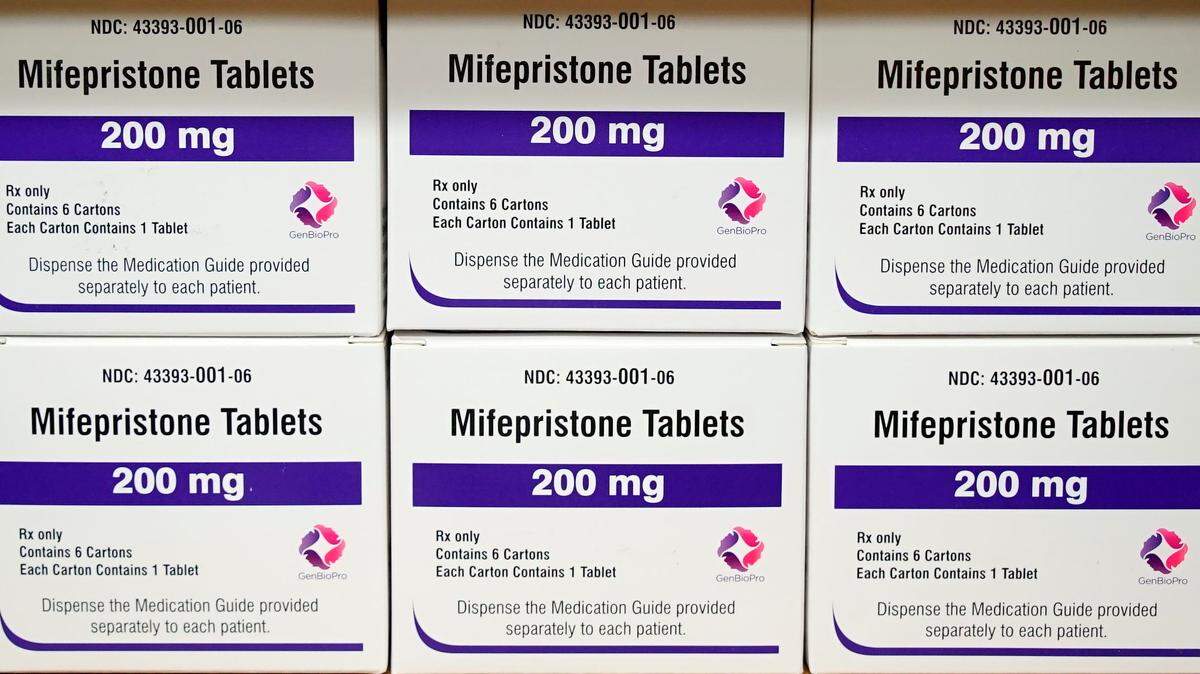
When the legislature passed new regulations for abortion clinics, it spent millions making doors bigger and hallways wider. When the pandemic cut off access to critical medications, the office manager learned to finesse FedEx to open up new supply lines. When surrounding states began peeling back abortion access, sending hoards of patients into North Carolina, clinic staff worked longer hours to meet demand.
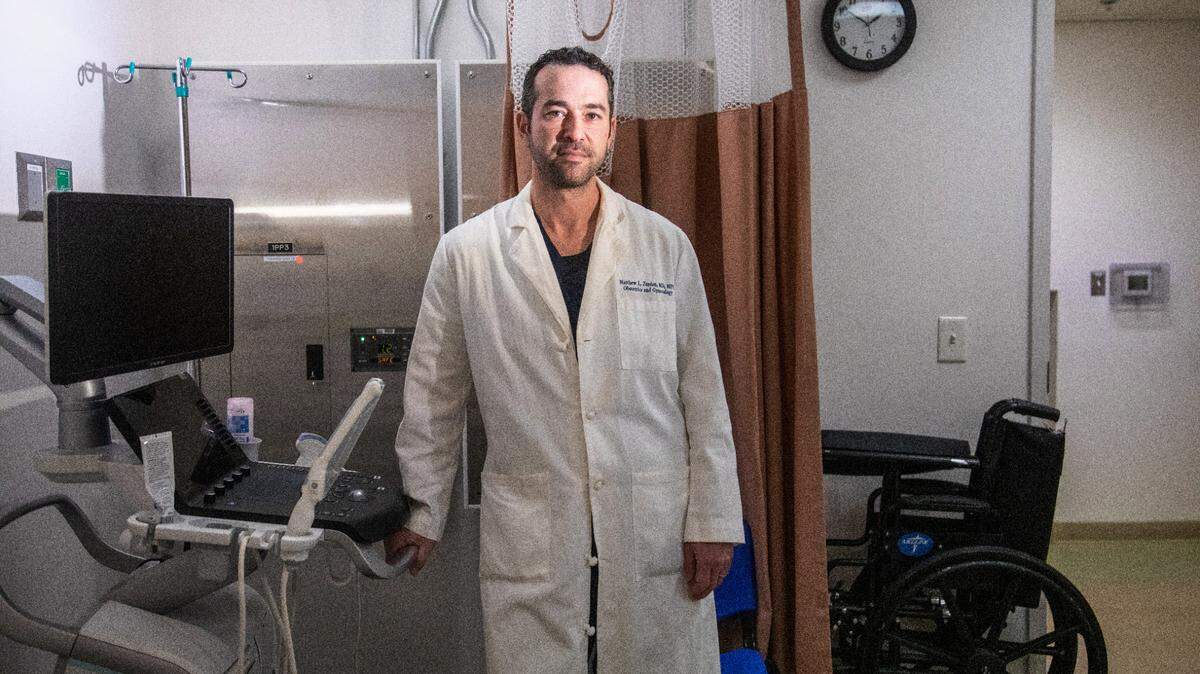
But it was difficult for Dr. Matthew Zerden, an OB-GYN and family planning specialist at the clinic, to see how they would weather the most recent set of abortion restrictions.
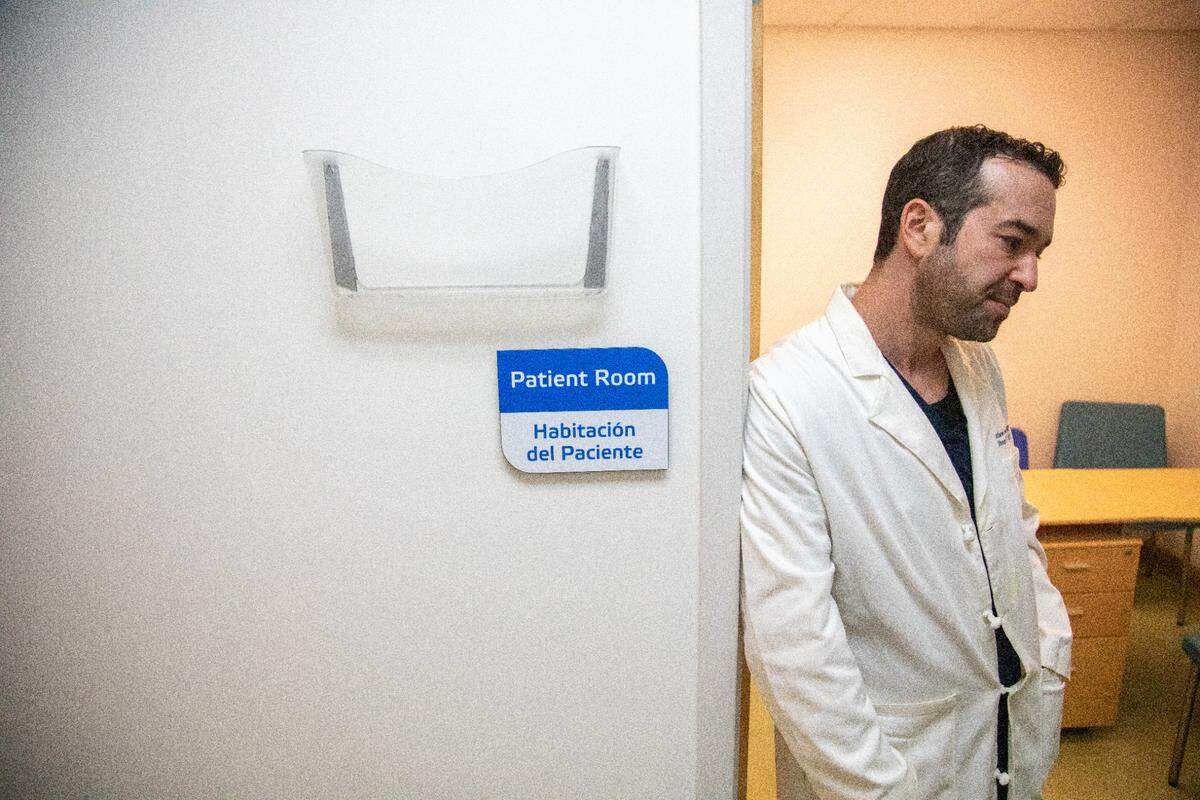
For the last eight years, he had helped transform the Chapel Hill site into a respected clinic with the expertise and amenities to care for patients who needed complex, second-trimester abortions.
The clinic has become a vital resource for women with medical complications, like bleeding disorders or abnormal placentas, who can’t afford — or don’t want — abortion care at a hospital.
Women were referred to the clinic from across North Carolina and from as far away as Georgia and Florida.
The state’s new law, which bans most abortions after 12 weeks, meant he could no longer care for the “high-acuity” patients the clinic had spent years working to accommodate. Even if a patient has an exception for rape or certain fetal abnormalities, the legislation requires that they go to a hospital, not a standalone clinic, for an abortion.
The gravity of the new situation hit Zerden during a Zoom meeting with other members of the Planned Parenthood South Atlantic leadership.
For the first time, he began to talk about the clinic in the past tense: It wasn’t the care his clinic provides. It was the care the clinic provided.
Zerden, whose wife describes him as “more analytical than intuitively emotional,” began to cry.
“That was the only time I openly wept about the impact of this,” he said. “I know that we were doing something special and unique and it just can’t be turned on and off.”
New law will affect all NC clinics
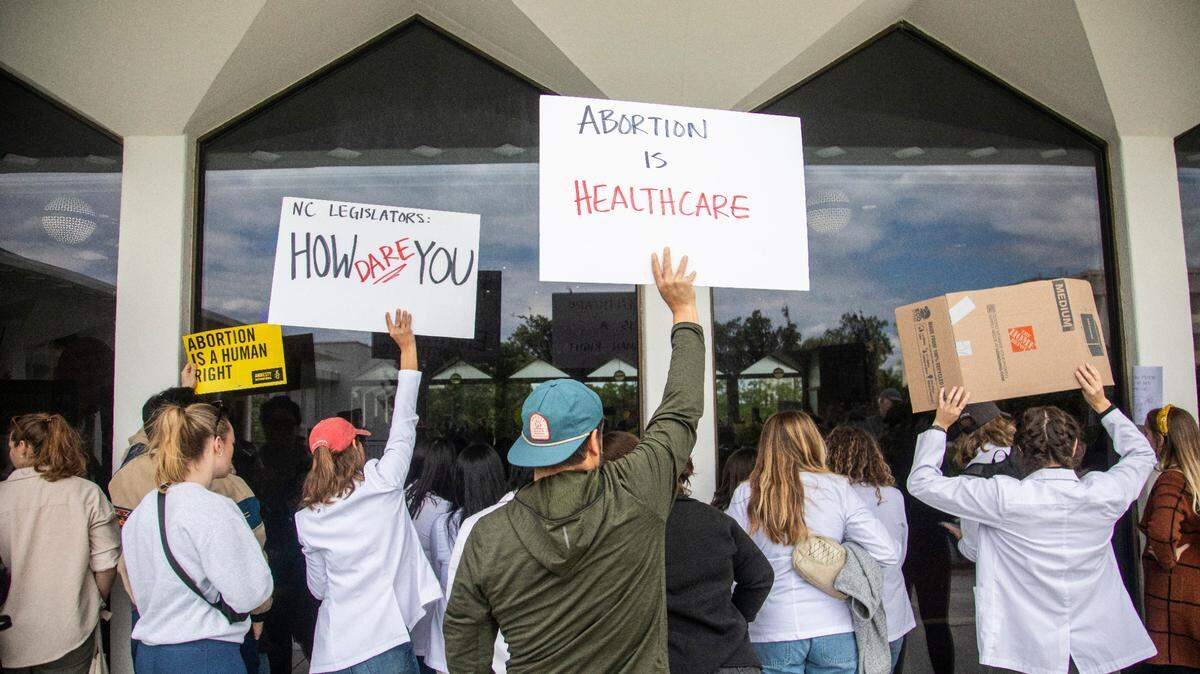
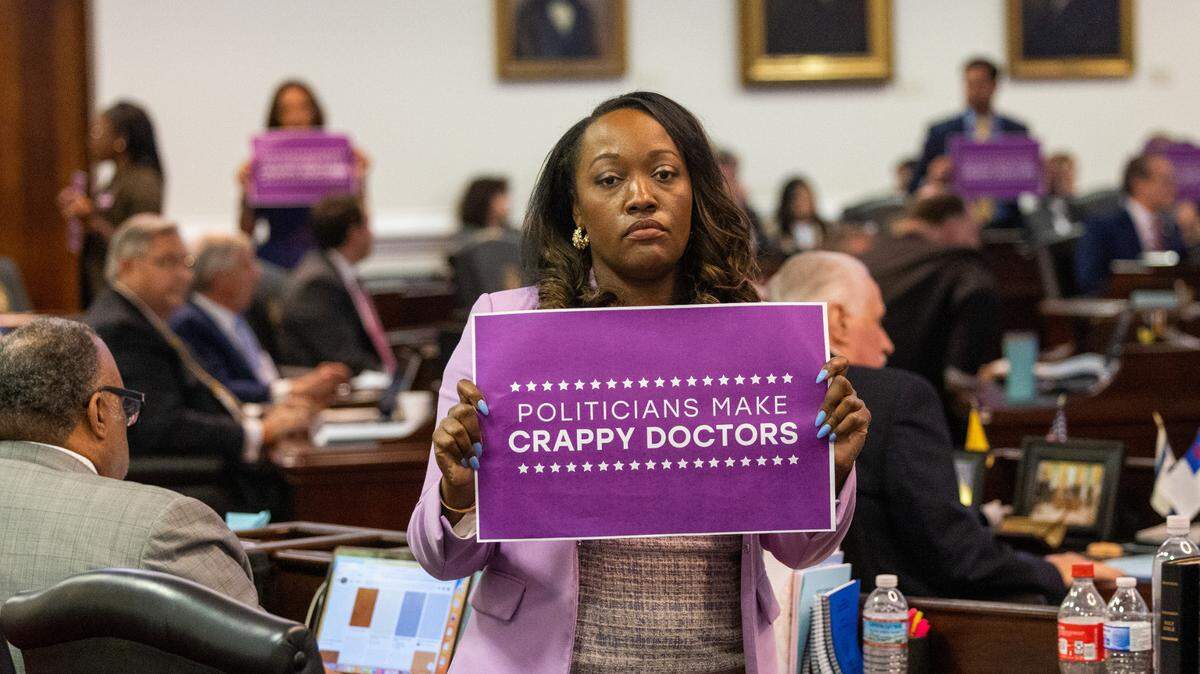
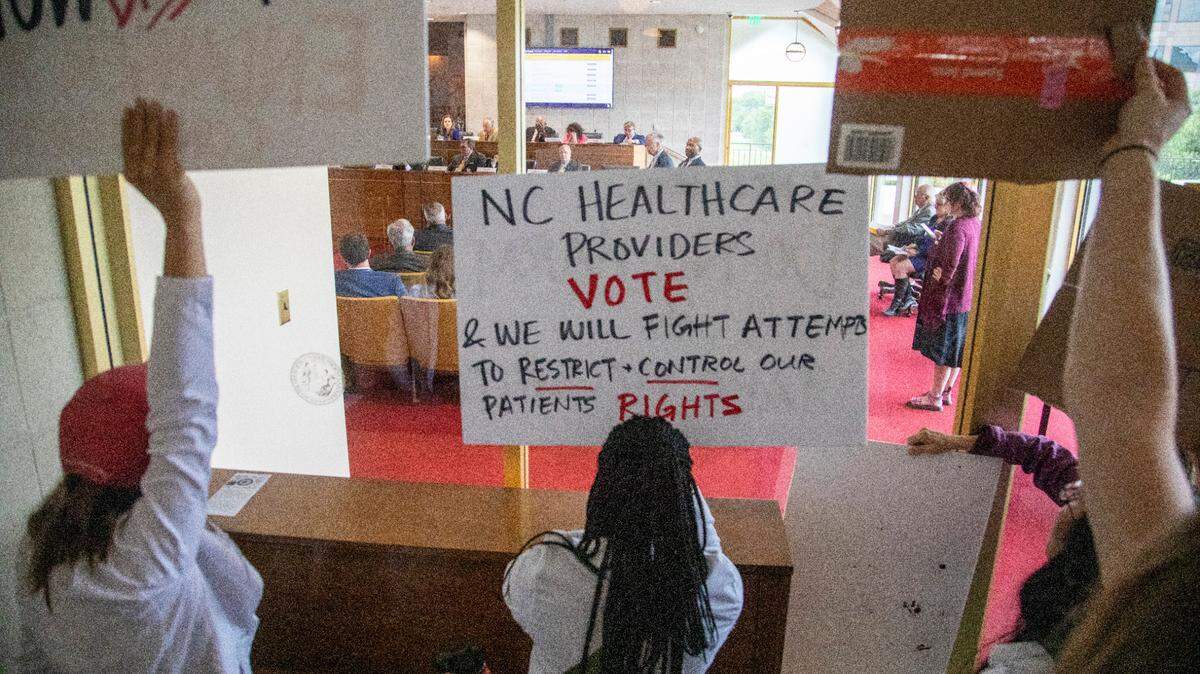
Last month, against a backdrop of angry protesters, Republican lawmakers narrowly overrode Gov. Roy Cooper’s veto of North Carolina’s most restrictive abortion law in more than 50 years.
The new law — if it survives legal challenges — will impact all abortion clinics in the state, even those that rarely perform second-trimester abortions, beginning on July 1.
In addition to dropping the gestational cutoff from 20 weeks to 12, the legislation introduces mandatory in-person appointments and onerous new paperwork requirements (or “death by a thousand paper cuts,” as one doctor put it).
Planned Parenthood’s Chapel Hill clinic is likely to feel the impacts the most dramatically.
The site’s staff will continue to see all of the patients North Carolina law allows them to. But the health center, which had developed a reputation for accepting second-trimester cases deemed too complicated by other clinics, will soon be legally obligated to turn them away as well.
“I’ve never felt such a professional loss,” Zerden said. “We had this tremendous capacity to care and it’s been taken away from us.”
What clinics will lose
When the clinic was up and running, staff zipped from room to room like “a well-oiled machine.”
Unlike the chaotic groups of protesters that often swarmed outside their brick building, staff inside abided by an orderly system of whiteboards, laminated magnets and folders that allowed them to care for patients four days a week.
After nearly a decade, the clinic had built up processes and expertise that allowed it to care for patients other abortion clinics turned away.
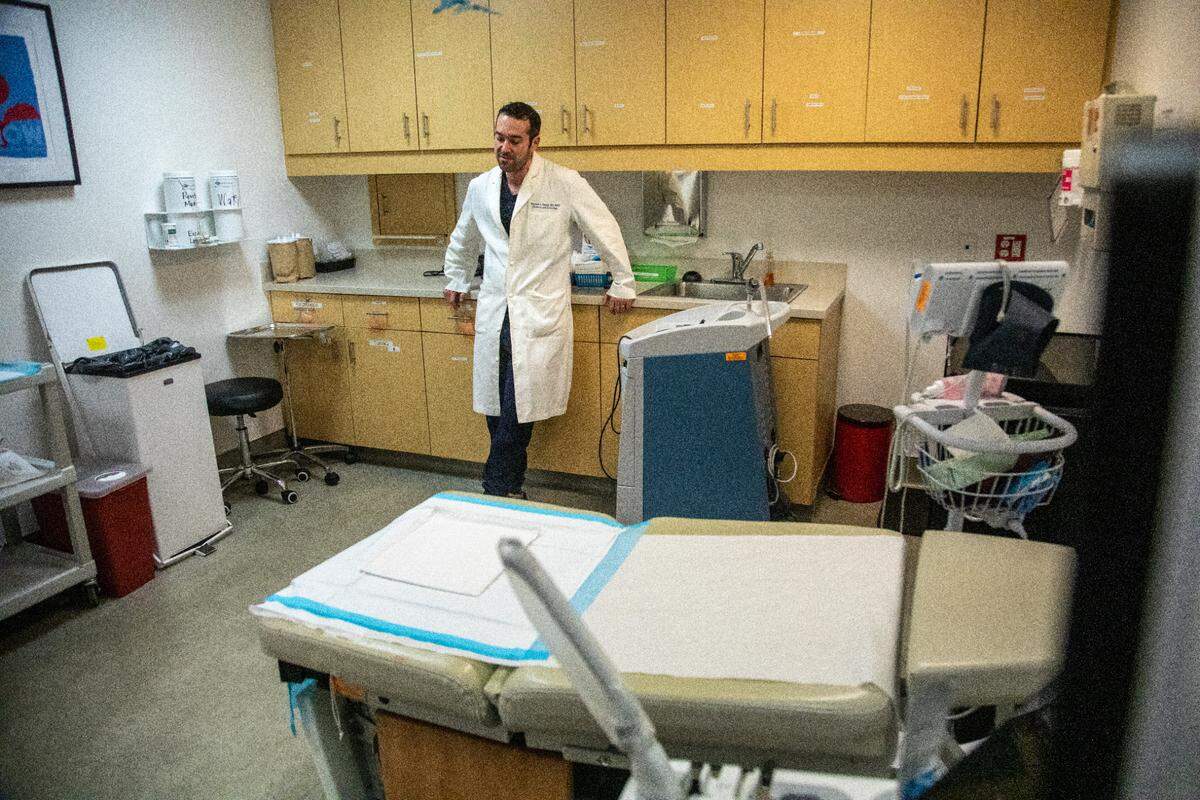
It amassed a rotation of doctors who completed not only a four-year OB-GYN residency program but also an additional two years of more specialized training. The procedure room had been renovated and equipped with top-of-the-line equipment.
Within each of their individual roles, staff had learned the invisible rules of caring for high-acuity patients. Sonographers knew how to make clear images emerge from difficult ultrasounds. Nurses knew when to bide their time and when a complication was pressing enough to interrupt the doctors.
Maybe most importantly, the staff had a knack for making their patients feel cared for and comfortable. Even though they didn’t always know the details of each patient’s journey, they knew many of them had made difficult decisions and overcome tremendous barriers to be there.
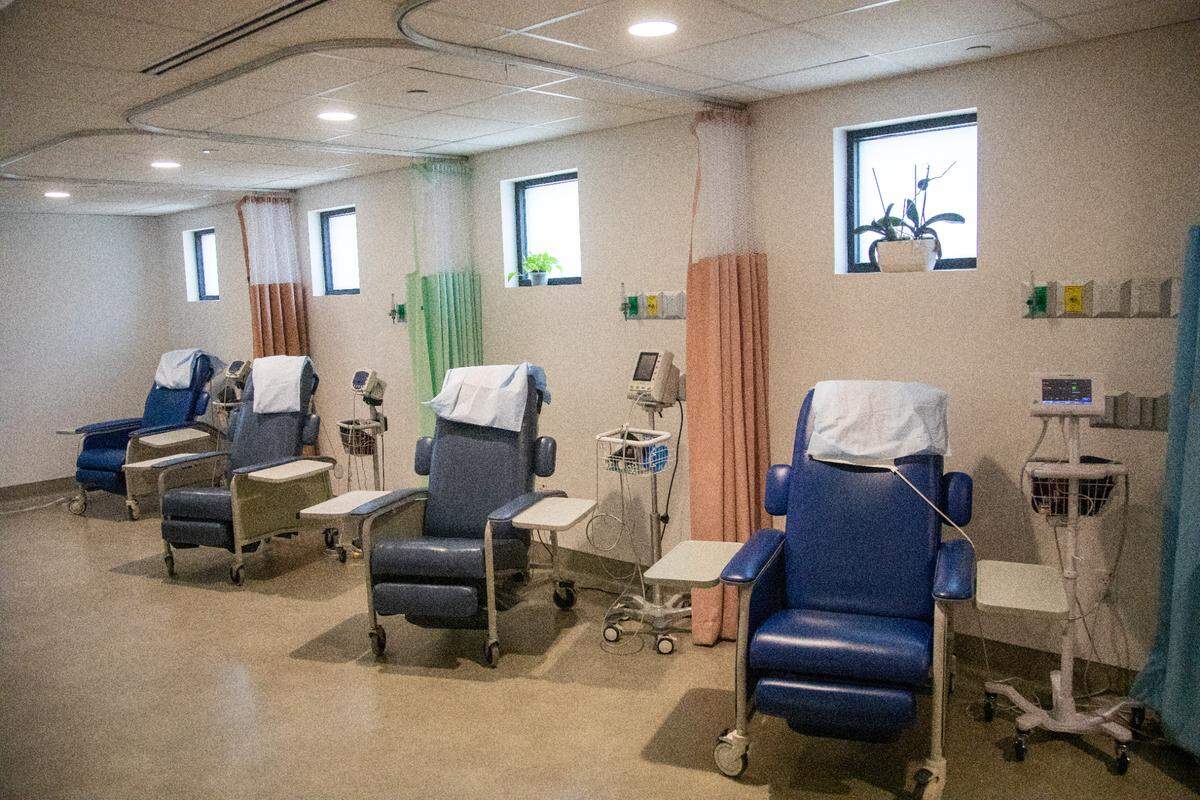
They placed hardcover notebooks beside each blue vinyl chair in the recovery room, a place for patients to share their stories and their feelings, leaving them behind for other women to draw strength from before adding words of their own.

There was the woman who almost died during childbirth six months earlier and couldn’t bear the thought of risking her life again.
There was the woman who was assaulted while immigrating to the United States and, in order to end the resulting pregnancy, took a 29-hour bus ride from South Florida to Chapel Hill to get a second-trimester abortion.
“I wanted to have a baby, but not from rape,” another woman wrote. “This was the hardest decision of my life and my heart is shattered today but the staff are so amazingly kind… a few of them have even made me laugh.”
It was the kind of institutional knowledge that couldn’t be taught — the kind that Zerden knew would eventually be lost once the clinic cut off its services at 12 weeks.
New law already causing change
The fallout from the legislation began in the Chapel Hill clinic in the first week of June, a month before it was legally scheduled to take effect.
Zerden said he saw almost double the number of patients he would see during a normal week.
The people coming in for appointments didn’t necessarily understand the intricacies of the law and how exactly their access to abortion would change — but they knew they didn’t want to be stuck seeking care in North Carolina after June.
“Unless you’re really savvy and willing to get really in the weeds, the message you hear is abortion is going to be taken away,” he said.
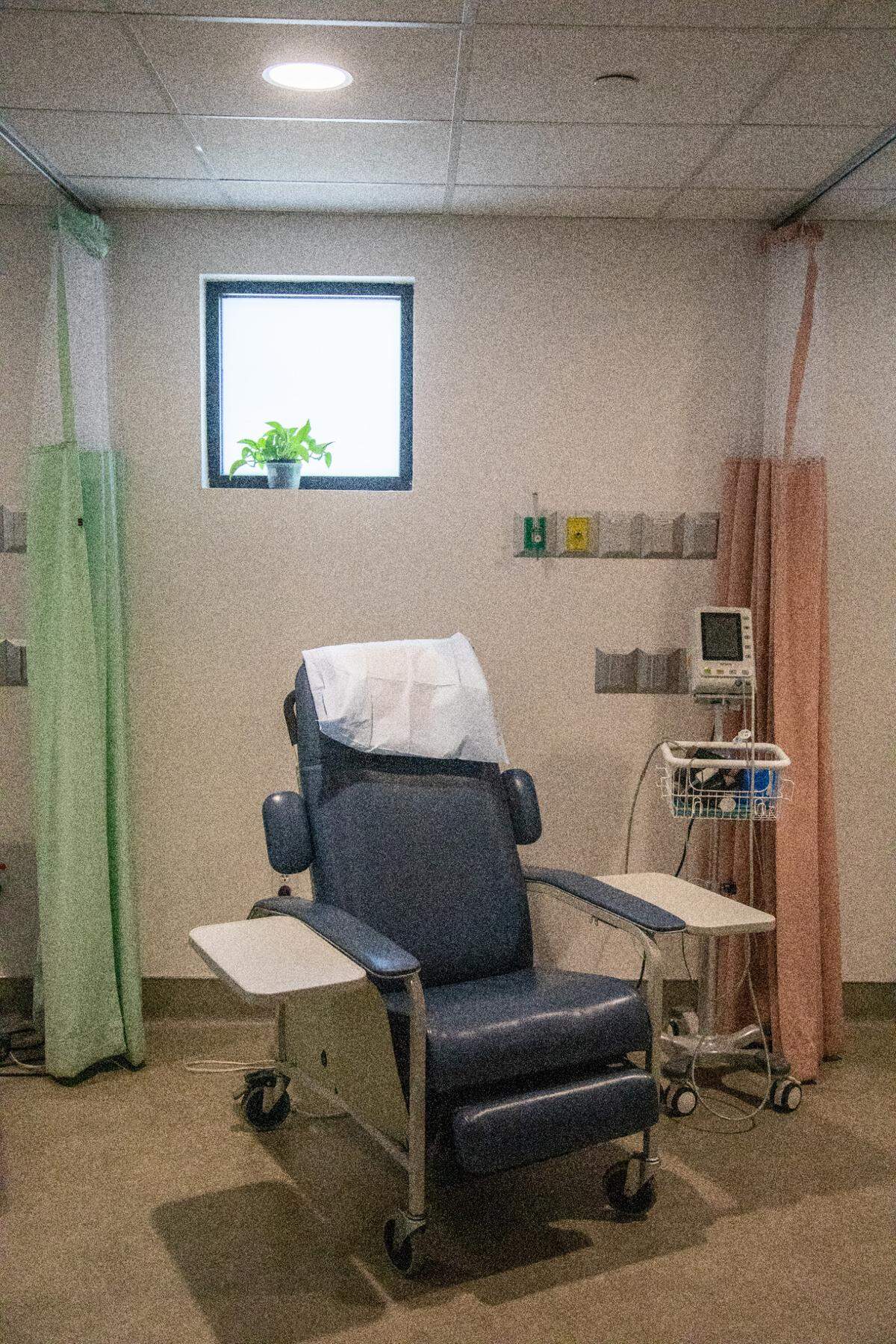
Patients were showing up to the clinic so early in their pregnancy that it was barely detectable on scans.
The clinic opened its doors wider to accommodate the influx of patients, even though nurses were tired and Zerden’s own voice was worn hoarse.
In between appointments, he spent hours on the phone with teams of doctors and lawyers sifting through the details of the 47-page law. They were determined to comply with the legislation, though it wasn’t always obvious how they could.
The law is “riddled with inconsistencies,” said Susanna Birdsong, the vice president of compliance at Planned Parenthood South Atlantic.
For example, the document says that if a doctor provides an abortion to someone younger than 18, they must submit a report to the state within three days of the procedure.
But the law also says doctors must note whether the patient showed up for a follow-up appointment — which must take place “approximately seven to 14 days” after the procedure.
Birdsong said this type of confusion would typically get resolved during committee meetings, where lawmakers would hear public comments and debate specifics over the course of weeks or months.
But this bill was not considered by any committees.
Republican lawmakers took an entirely separate piece of legislation that had already been approved by House and Senate committees, hollowed it out, and inserted the abortion law in its place. It then went straight to the full legislature for floor votes.
All told, the bill was introduced and passed through the House and Senate in about 48 hours. Abortion-rights advocates point out that is less time than women are required to wait before getting an abortion in North Carolina.
A new lawsuit filed by Planned Parenthood South Atlantic, ACLU of North Carolina, and an NC OB-GYN seeks to resolve some of those disputes.
But until that legal battle is resolved, Zerden would have to leave.
A long drive north
When Zerden graduated from Harvard Medical School in 2008, North Carolina wasn’t an obvious next step.
Most of his peers had scattered to northern cities with name-brand medical centers for residency. Zerden, whose family’s ties to North Carolina date back to the early 1900s, wanted to come home.
He liked the idea that not all of his patients would share his same progressive values. Hopefully, he thought, his expertise could make a larger impact in North Carolina than in a state that was overwhelmingly pro-choice.
Fifteen years later, he was applying for a medical license in Virginia.
Planned Parenthood leadership ultimately decided that the best way to preserve access to the kind of care offered at the Chapel Hill clinic was to try to recreate it at a Roanoke clinic about 120 miles north.
It would be a challenge. Chapel Hill staff volunteered to drive up to help train the new employees. They volunteered to work some shifts, even if it meant a five-hour commute.
But Zerden knew getting the clinic up to speed would take years.
“We’re starting from a much more basic level,” he told The N&O from the Virginia clinic. “I viscerally feel it in this moment. It’s just like I’m trying to get through quicksand today.”
Even if his team was successful, the new clinic wasn’t guaranteed to last. The governor of Virginia has told the press he would push for a 15-week abortion ban if Republicans gain a majority in the General Assembly. The Virginia election is in November, just four months away.
Zerden couldn’t worry about that yet. There were patients who needed care now.
“I didn’t envision having to put my skills in the car and to go with it where I can deliver care,” he said.
But next month, Zerden will do exactly that.
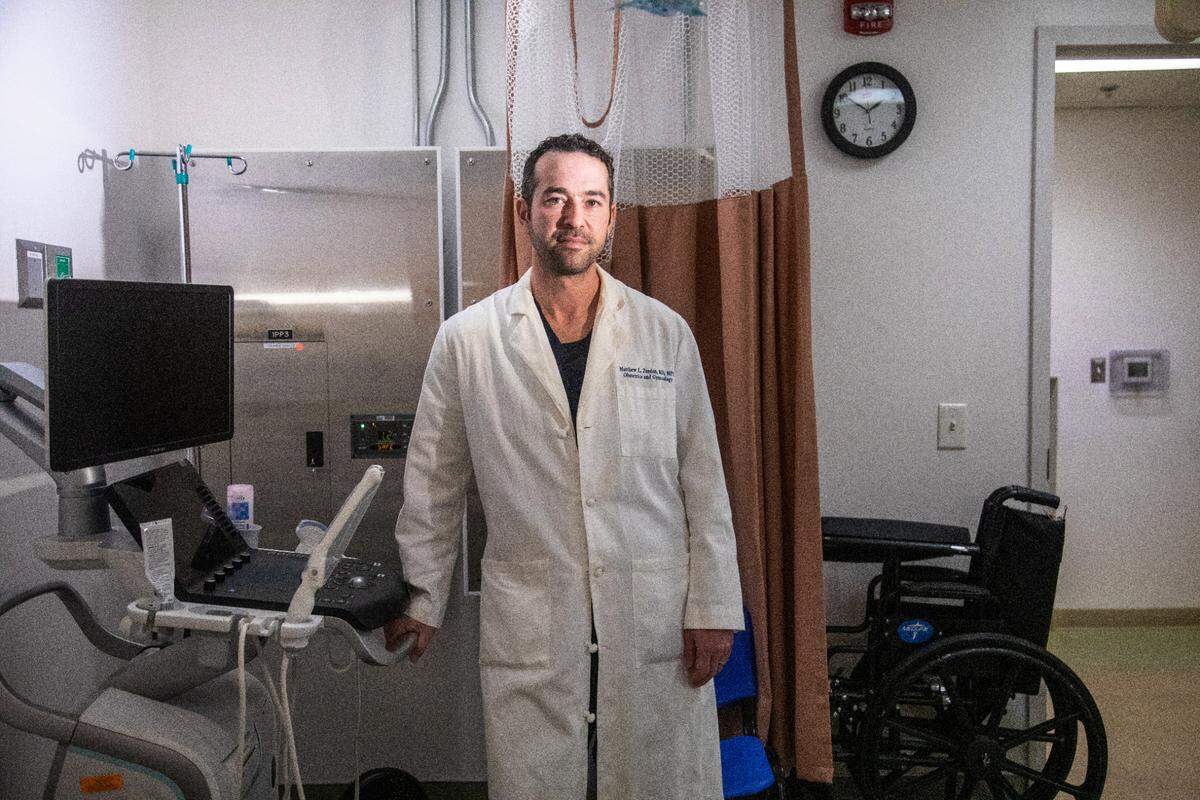
He will wake up before it gets light, before his kids wake up, and start driving north.
He will fill his two-and-a-half-hour trip — along the same route he imagines many of his patients will drive — with podcasts and work calls. He’ll trade breakfast with his family for coffee breaks at truck stops.
At night, he’ll arrive home long after dinner has been cleared away and his youngest child has gone to bed.
“It’s a long, lonely day,” he said.
This story was originally published June 22, 2023 at 6:00 AM.