‘Just breaks my heart’: Activists brace for impact of NC’s abortion ban | Opinion
READ MORE
Abortion in North Carolina
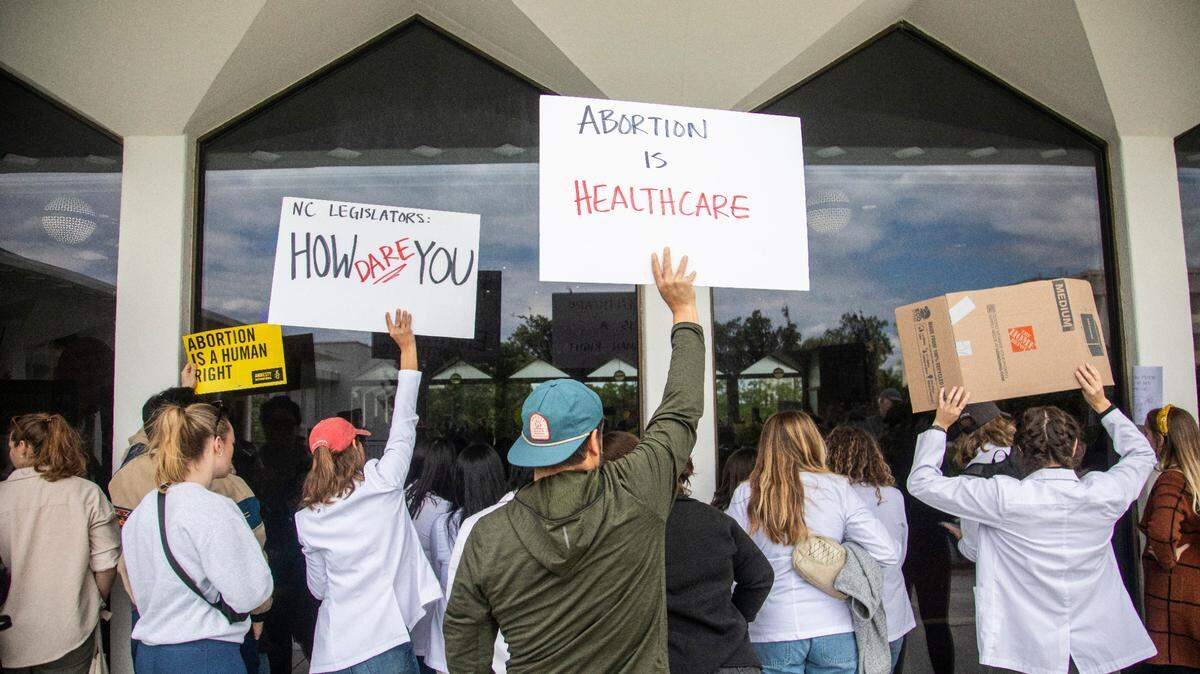
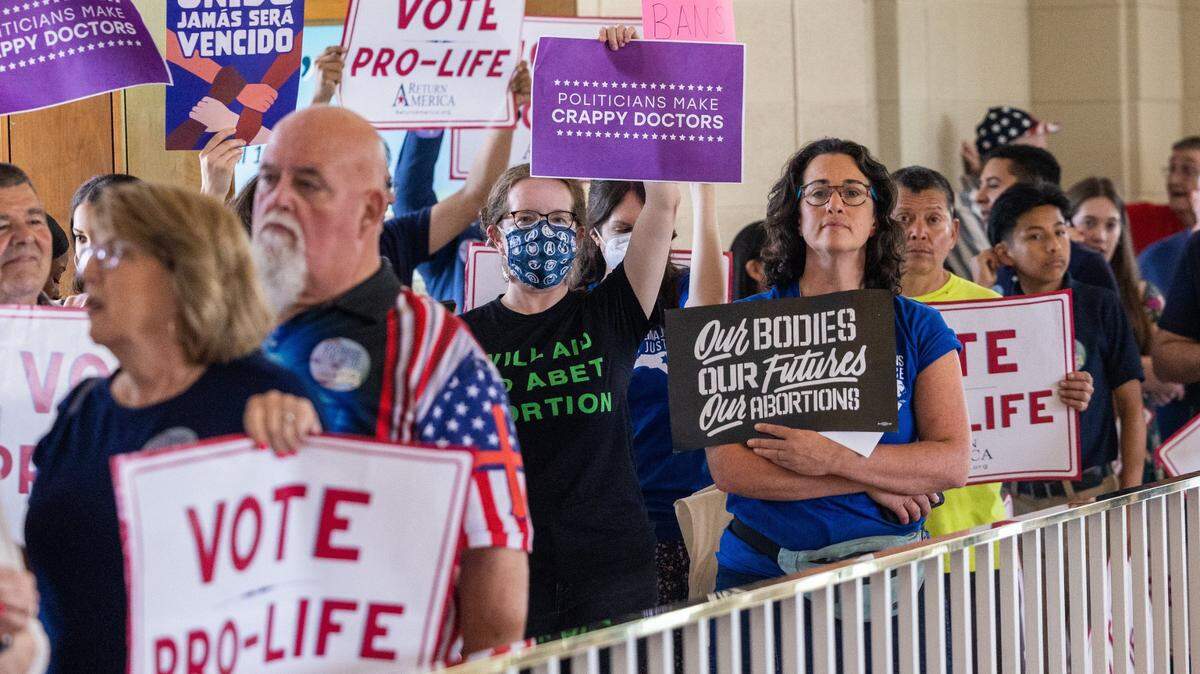
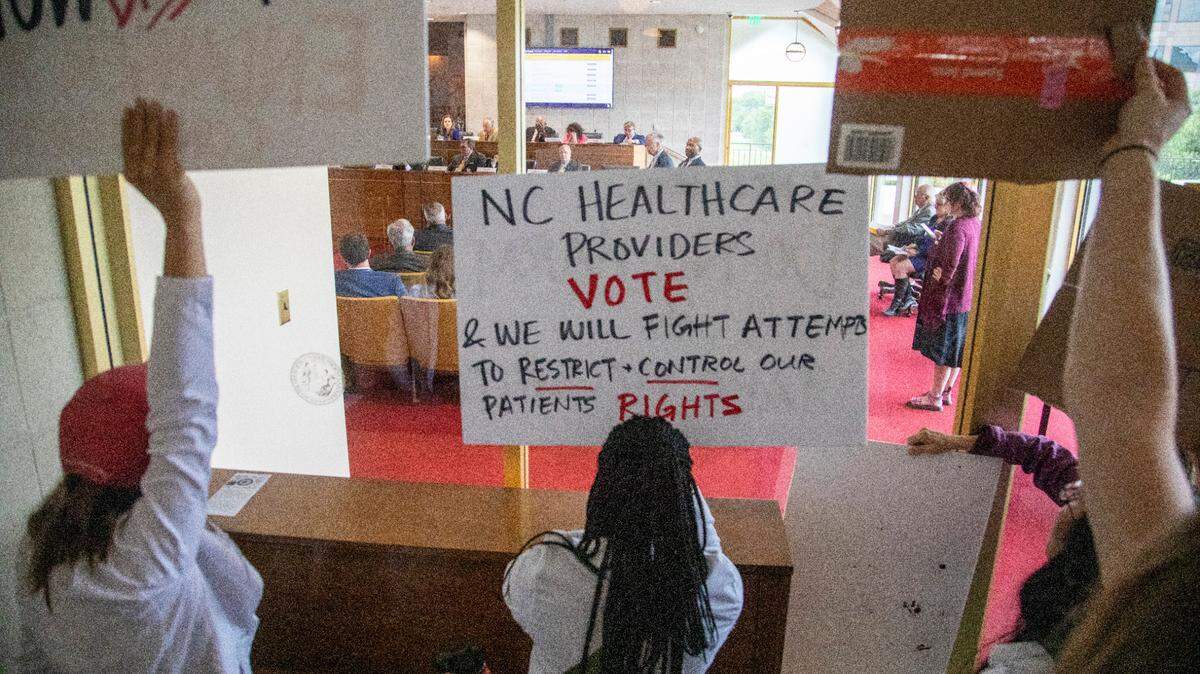
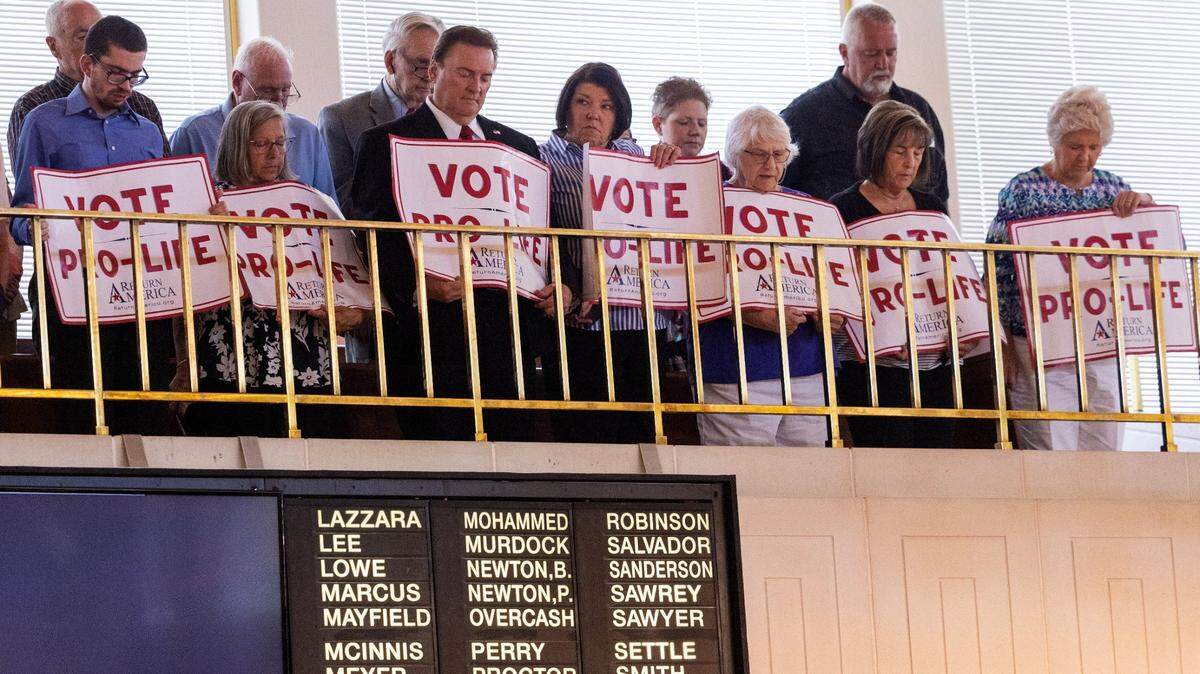
State lawmakers voted to override Democratic Gov. Roy Cooper’s veto of the 12-week abortion bill. It now takes effect July 1. Meanwhile, clinics, anti-abortion groups, and future doctors are trying to prepare for the future of abortion despite their unanswered questions about the new law.
Expand All
For the better part of a year, Kristen Havlik has supported people who come to North Carolina for an abortion.
Havlik is a volunteer for Carolina Reproductive Action Network, a network of organizations that in part helps provide transportation, child care and other services to those seeking abortions in the Carolinas. Until now, North Carolina has been a destination state for abortion in the Southeast, with abortions increasing by 37% in the months after Roe v. Wade was overturned — the biggest percentage increase in any state.
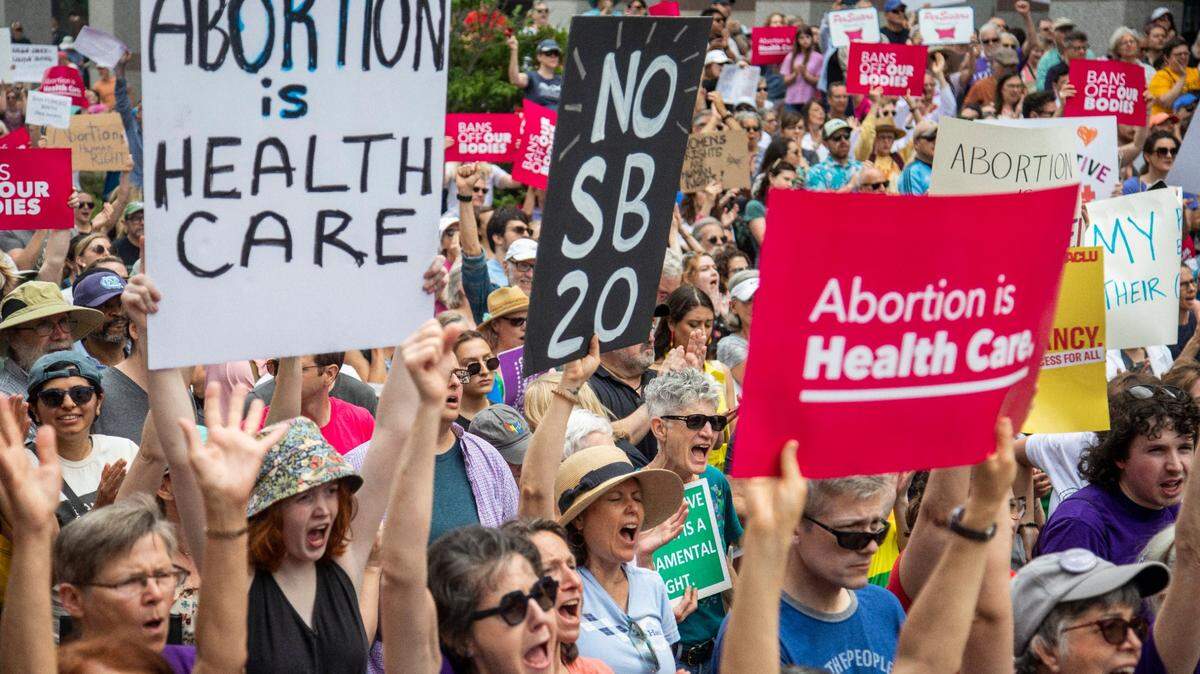
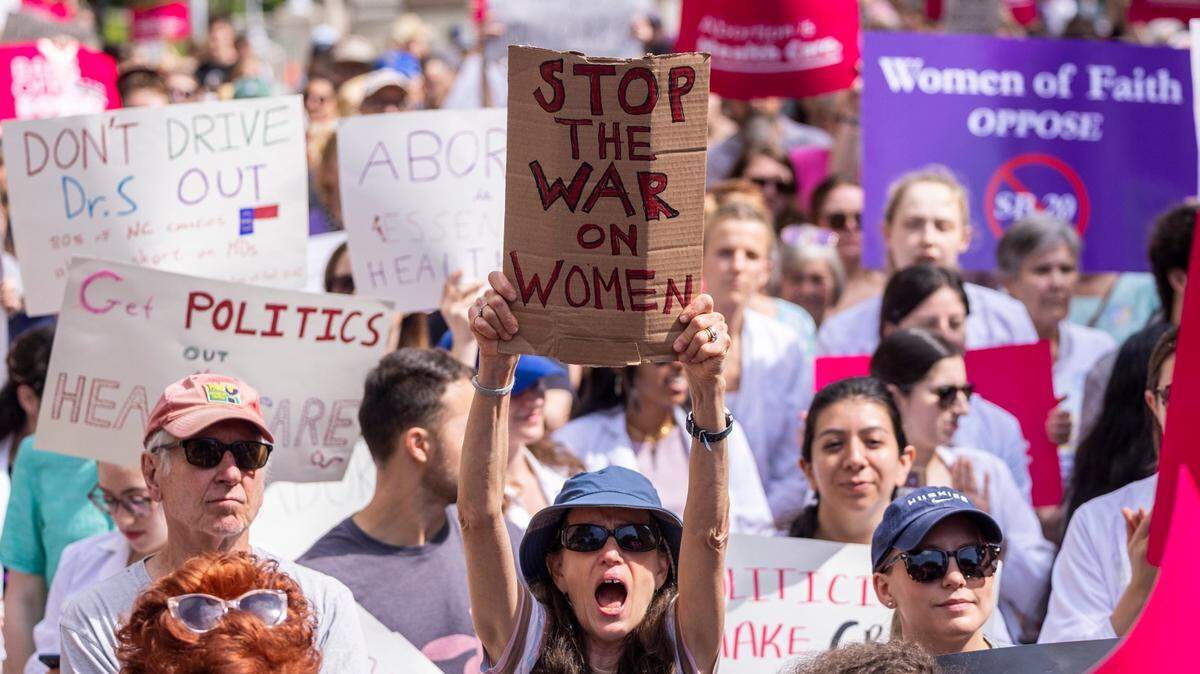
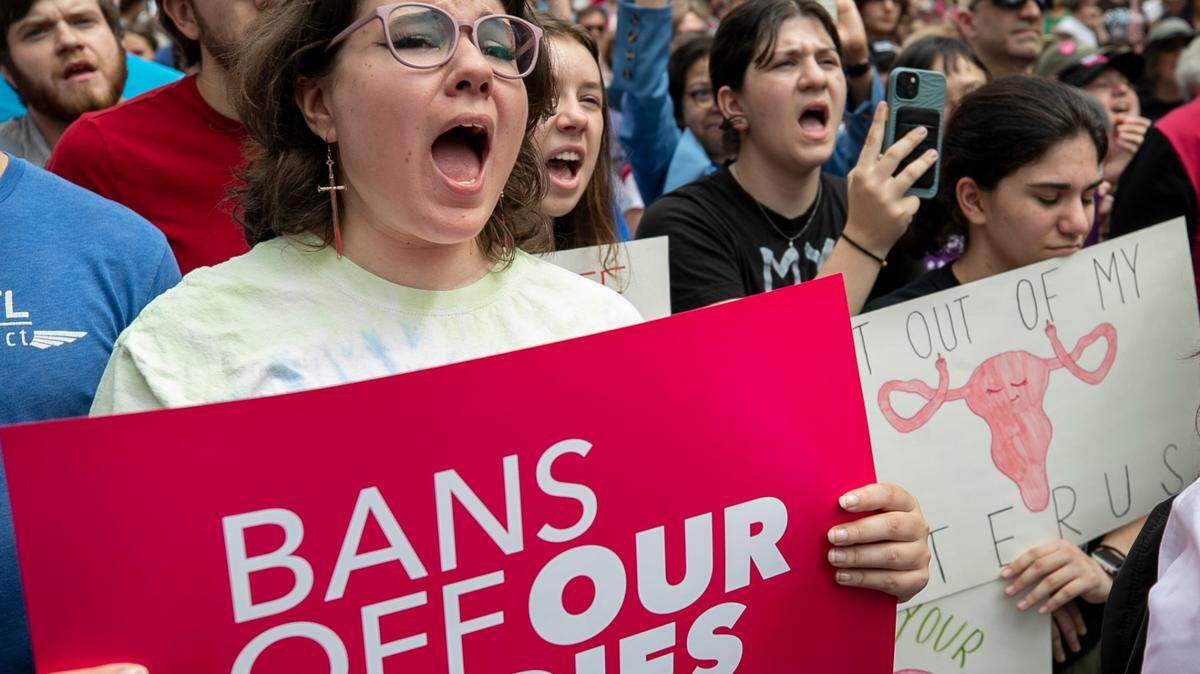
But with North Carolina’s new abortion laws poised to go into effect on July 1, Havlik and other abortion rights activists are preparing for that to change. The law will ban most abortions after 12 weeks of pregnancy, with some exceptions. But it’s more than just a 12-week ban, as the bill imposes restrictions that will make it more difficult to terminate a pregnancy even during the first trimester.
“We are going to do as much as we can now to aid and abet abortion,” Havlik said. “And to me, that just means helping people access care in a hostile environment and in a hostile state.”
How abortion access in NC could change
There’s a lot we don’t know about states that restricted abortion after Roe v. Wade was struck down, Rebecca Kreitzer, an associate professor of public policy at UNC-Chapel Hill who specializes in reproductive politics, told me.
Kreitzer said some early data indicates an increase in both sterilizations and attempts to decrease unintended pregnancy, and reporting from those states indicates that many people have been denied abortions and now have children because of it.
The majority of abortions happen before the 10th week of pregnancy — and only a tiny percentage happen after the 12-week mark — so it may seem like the law will have a marginal impact. But the changing abortion landscape across the U.S. means it’s not as easy to get an abortion early in a pregnancy, Kreitzer said.
Now that they’re the primary access point for an entire region, the 14 abortion clinics in North Carolina are overwhelmed by people seeking abortions — it can take as long as a month to even get an appointment. The restrictions that will become law in July will stretch clinics even further.
Shifting efforts
Long before Republican lawmakers introduced Senate Bill 20 to the public in early May, activists were preparing for a future in which access to safe, legal abortion within the state could be limited.
“We have known that this is coming for a while,” Havlik said. “And we’ve tried to network with people accordingly so that when it did happen, we would have the resources and the knowledge in place to know where to send people.”
Advocates expect they’ll have to direct more people to clinics in the Virginia, Maryland and D.C. areas, either because there aren’t any appointments available in North Carolina or because they are more than 12 weeks pregnant. Even those who learn of their pregnancy relatively early may have to wait weeks to get an abortion, and those who find out closer to the end of the first trimester may not have enough time to get one at all.
But traveling further will come at a much higher cost. Even transporting patients to and from clinics in North Carolina would drain Havlik’s car of half of a tank of gas in a single day.
“We’re no longer going to be a hub. And so all of these efforts of transportation and housing will have to move, probably, to Virginia, which is going to pretty fundamentally change the way that we have been doing activism,” Simran Singh Jain, an activist with SisterSong Women of Color Reproductive Justice Collective, said.
Bans and restrictions inevitably make abortion more difficult, but they won’t make it impossible for everyone. It requires a certain amount of privilege, of course — those with the financial ability to travel, take off work and pay out-of-pocket for the procedure are the ones who are least affected.
But activists are ready to step up and fill that gap as much as possible. Support for abortion funds is higher than ever, and there are networks of people ready to provide housing to those traveling across state lines. One organization, Elevated Access, has volunteer pilots who can transport people from one state to another at no cost.
“I think that it is more rare that people who don’t want to be pregnant carry a pregnancy than it is that they find a way to get an abortion,” Jain said. “If people don’t want to be pregnant, there are resources available.”
An abortion underground?
No matter how hard politicians try to ban abortion, the procedure is here to stay. And as abortion access is increasingly restricted, people will find ways to skirt the law — most often through self-managed abortions.
The typical definition of self-managed abortion is a medication abortion that happens without medical supervision, typically in cases where abortion is either illegal or inaccessible. While the prevalence of self-managed abortions is extremely difficult to quantify, tens of thousands of abortion pills have likely been shipped across the U.S. undetected since Roe was overturned, according to VICE News.
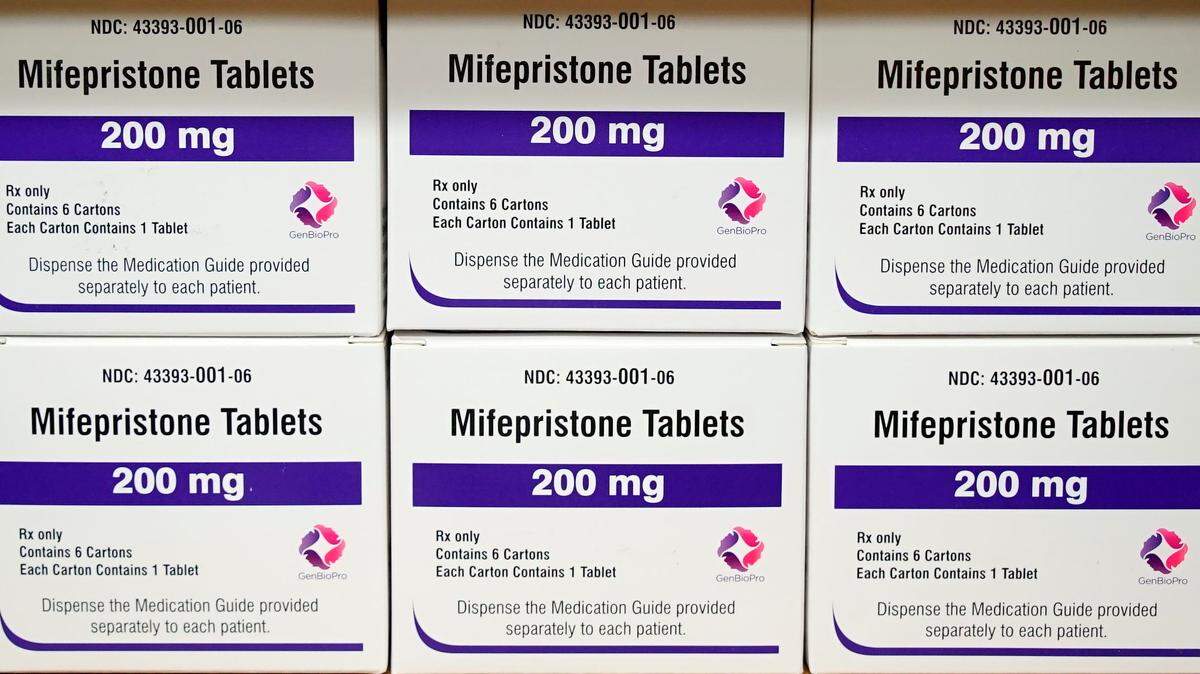
Websites like Plan C and Aid Access help people discreetly receive the abortion pill by mail even in states where abortion is restricted, but it can be expensive and take weeks to arrive. Multiple abortion activists and doulas told me that some organizations in North Carolina have begun stockpiling doses of mifepristone and misoprostol, the two drugs typically used for a medical abortion, to distribute to people who need it.
“There are so many doctors who want to help but are afraid of losing their license,” one abortion doula who supports clients through self-managed abortions told me. “It would be amazing if you could just go to your doctor, but there’s a fear tactic that makes it so you can’t.”
While North Carolina’s new law places a $5,000 fine on anyone who helps people obtain abortion pills illegally, there is no criminal penalty. It’s a risk that many activists seem willing to take, underscoring a fierce blend of desperation and defiance that Republican politicians perhaps didn’t anticipate.
“It is an act of resistance to be breaking the law,” another activist said. “Technically, in North Carolina, it is illegal to receive abortion pills in the mail. But, you know, it’s also illegal for people to censor your mail as an American citizen.”
But not everyone is comfortable with a self-managed abortion, and many people do not know how to access it, Kreitzer said. There will still be people forced to carry a pregnancy that they do not want or cannot afford, and there may be people who are denied life-saving care as a result of vague “life of the mother” exceptions that place doctors in an impossible position.
‘Breaks my heart’
Activists have prepared for this moment as much as they can. And because of their efforts, many people will still be able to exercise some degree of control over their bodies and their lives.
But it shouldn’t have to be this way — and they can’t help everyone who needs it. The new law will decimate abortion access for millions of people, and North Carolina will be a hostile place for people with the ability to get pregnant.
“The people that I’ve helped get care in the last nine months or so, those same people cannot get access now because of this new law that’s about to be in place,” Havlik said. “And that just breaks my heart in a society and in a country that does not take care of people.”
This story was originally published June 22, 2023 at 6:00 AM with the headline "‘Just breaks my heart’: Activists brace for impact of NC’s abortion ban | Opinion."