Planned Parenthood files federal lawsuit to stop abortion law from taking effect in NC
READ MORE
Abortion in North Carolina
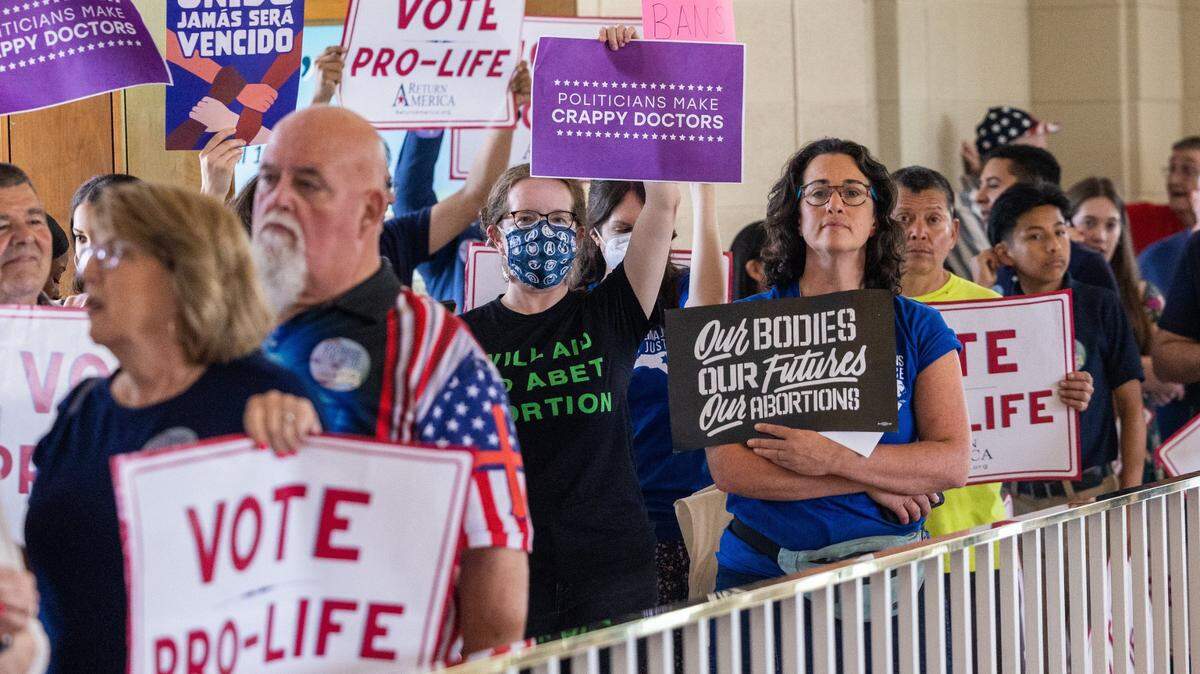
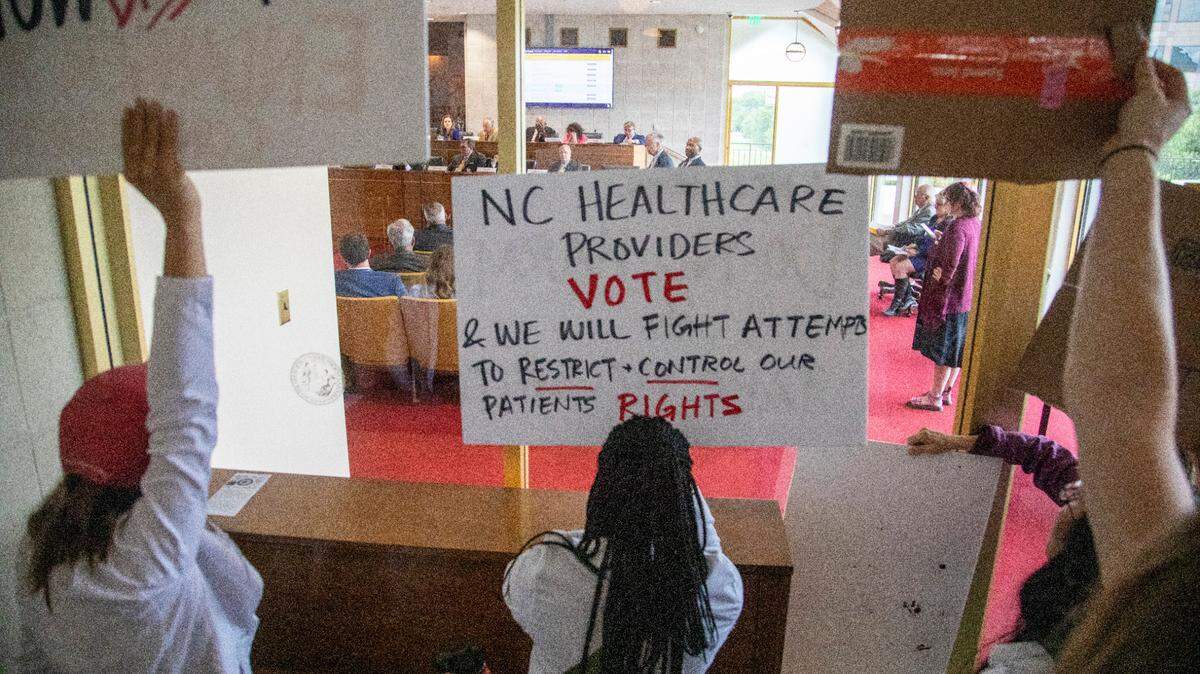
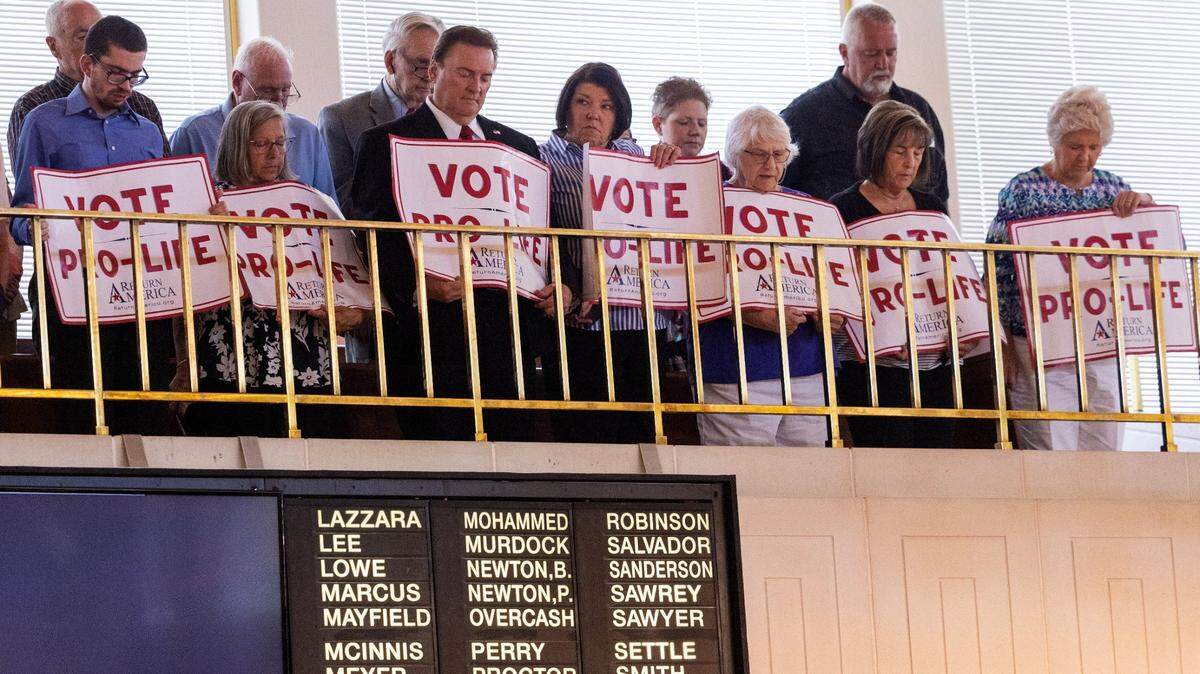
State lawmakers voted to override Democratic Gov. Roy Cooper’s veto of the 12-week abortion bill. It now takes effect July 1. Meanwhile, clinics, anti-abortion groups, and future doctors are trying to prepare for the future of abortion despite their unanswered questions about the new law.
Expand All
Update: On Wednesday, June 21, Planned Parenthood asked the court to “immediately” issue a temporary restraining order, which would prevent the law from being enforced while the lawsuit seeking a permanent injunction progresses.
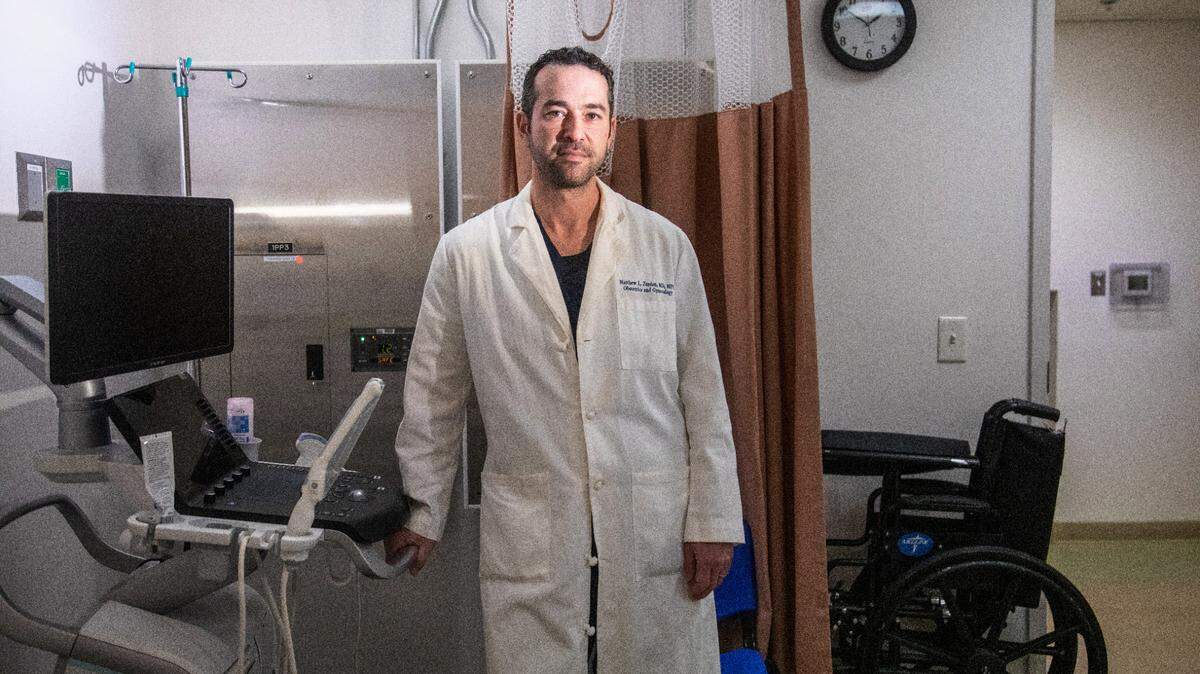
Planned Parenthood South Atlantic and a North Carolina OB-GYN filed a lawsuit Friday asking a federal court to declare Senate Bill 20 unconstitutional and to block it from taking effect.
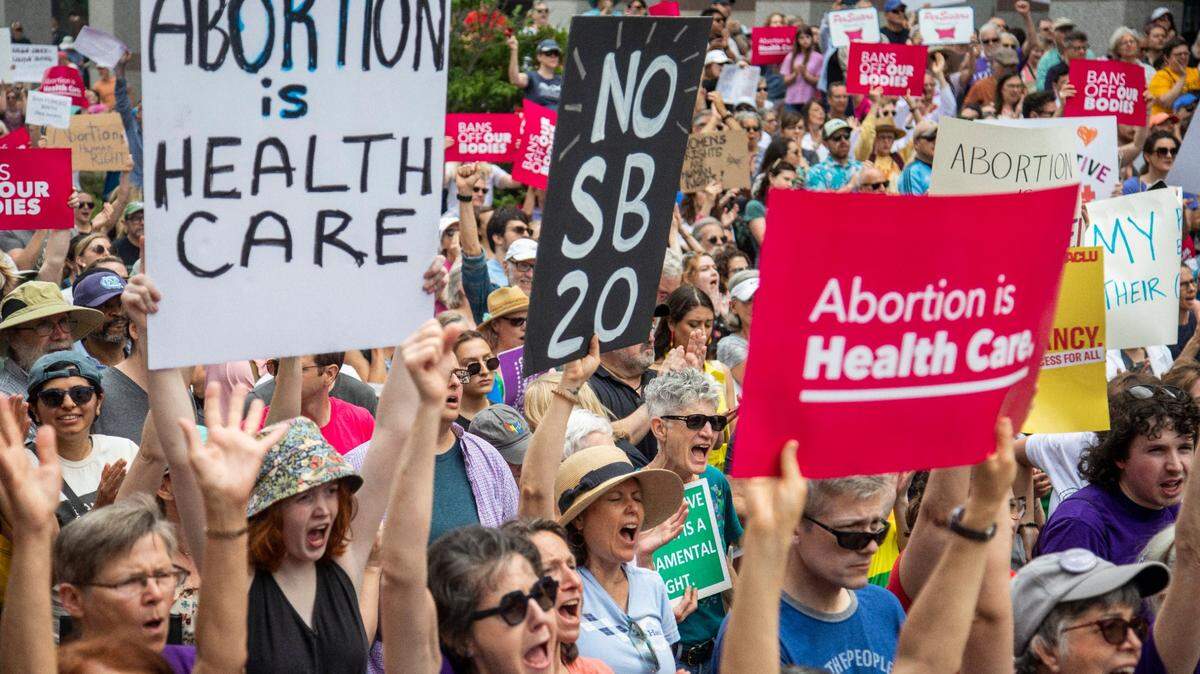
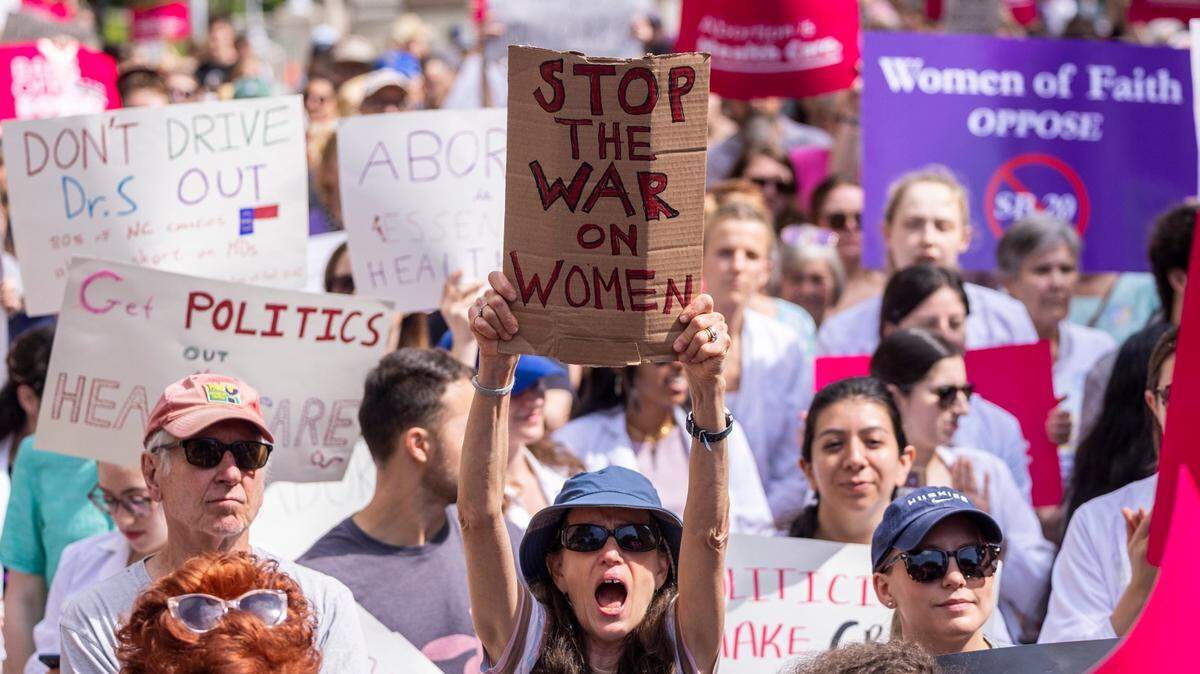
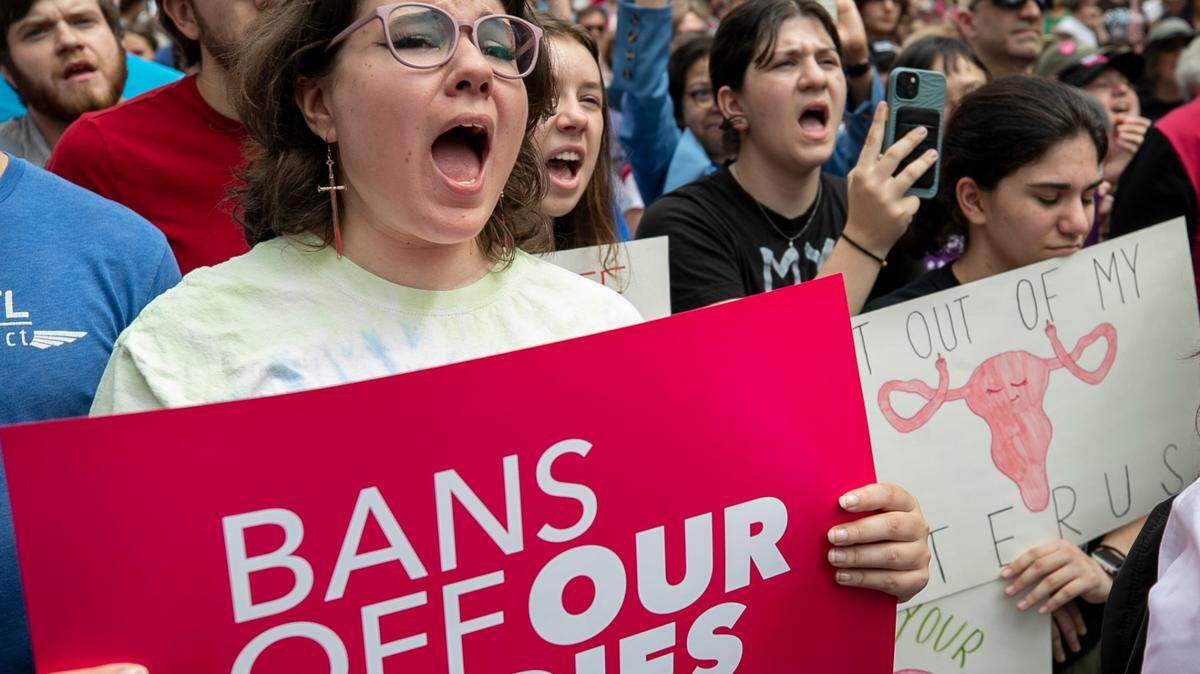
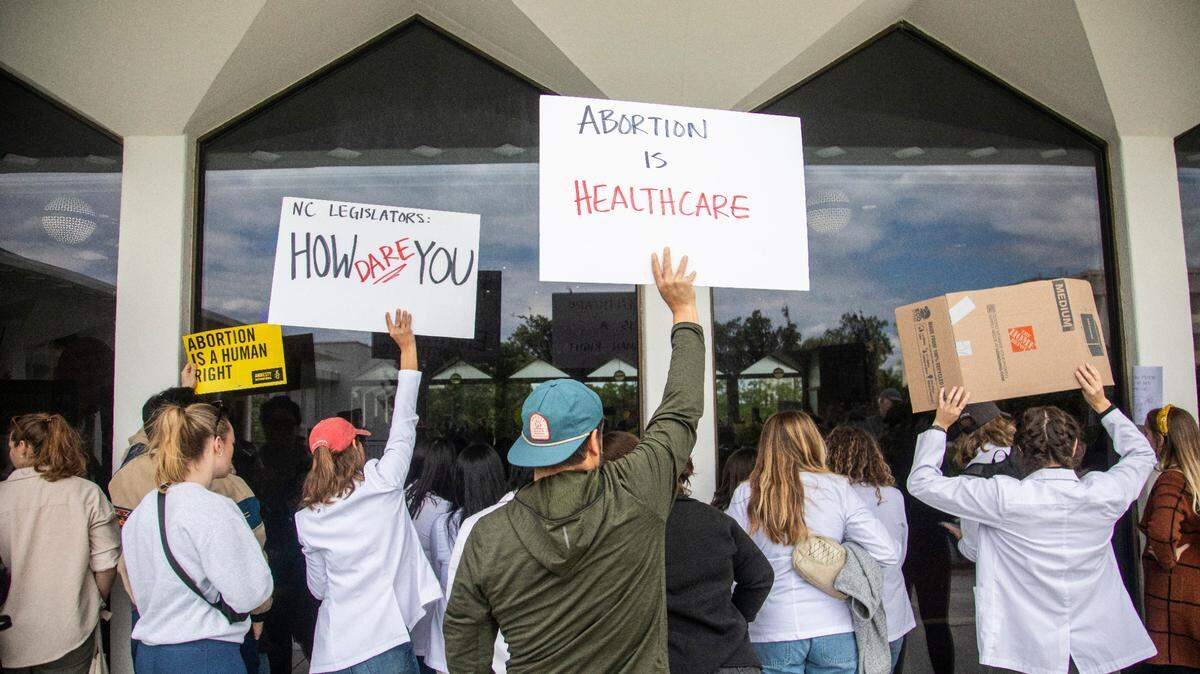
The legislation bans abortion in the state at 12 weeks of pregnancy in nearly all circumstances. Though the bill was met with fierce opposition from abortion advocates, it was approved by both the House and Senate about 48 hours after it was introduced.
The bill was introduced as a complete replacement of a bill that had already been through the committee process and approved by both houses and had moved on to a conference committee, which is supposed to resolve any differences between the two versions. Because it was technically a revision when it went back to both houses, no amendments were allowed.
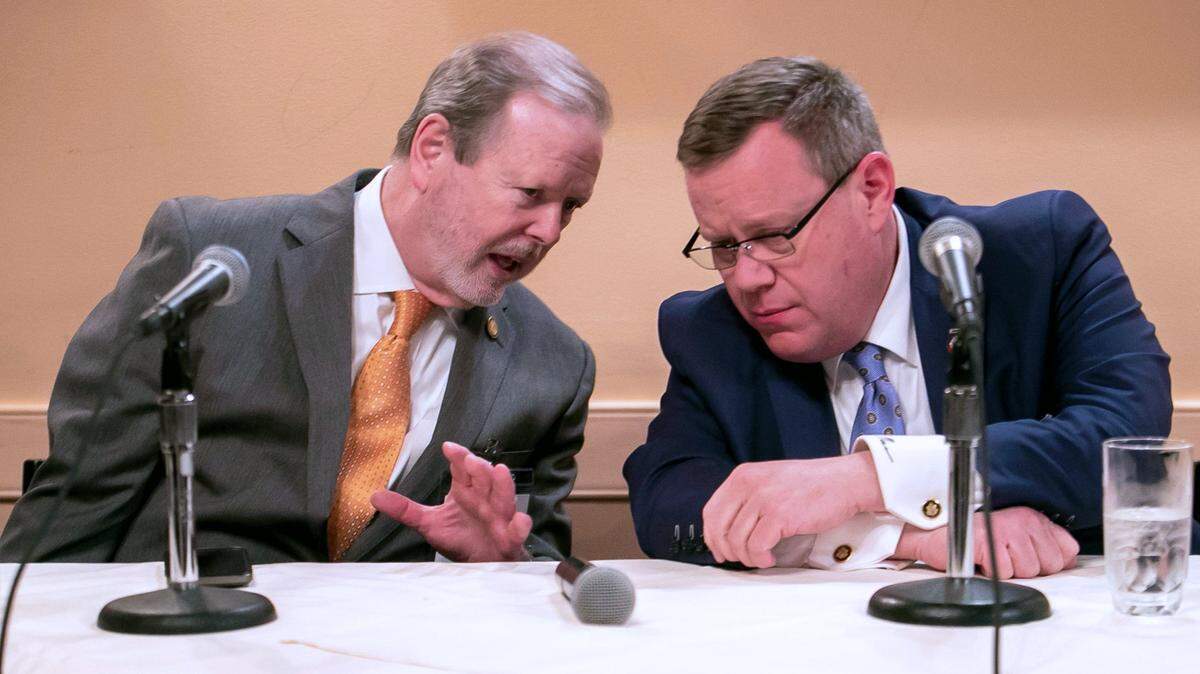
The Republican supermajority in both houses voted to override Gov. Roy Cooper’s veto of the bill on May 16.
Cooper called the bill an “egregious, unacceptable attack on the women of our state.”
The lawsuit asks the court to overturn or clarify several provisions in the bill that it says clearly contradict each other or make no sense.
Bill provisions in the lawsuit
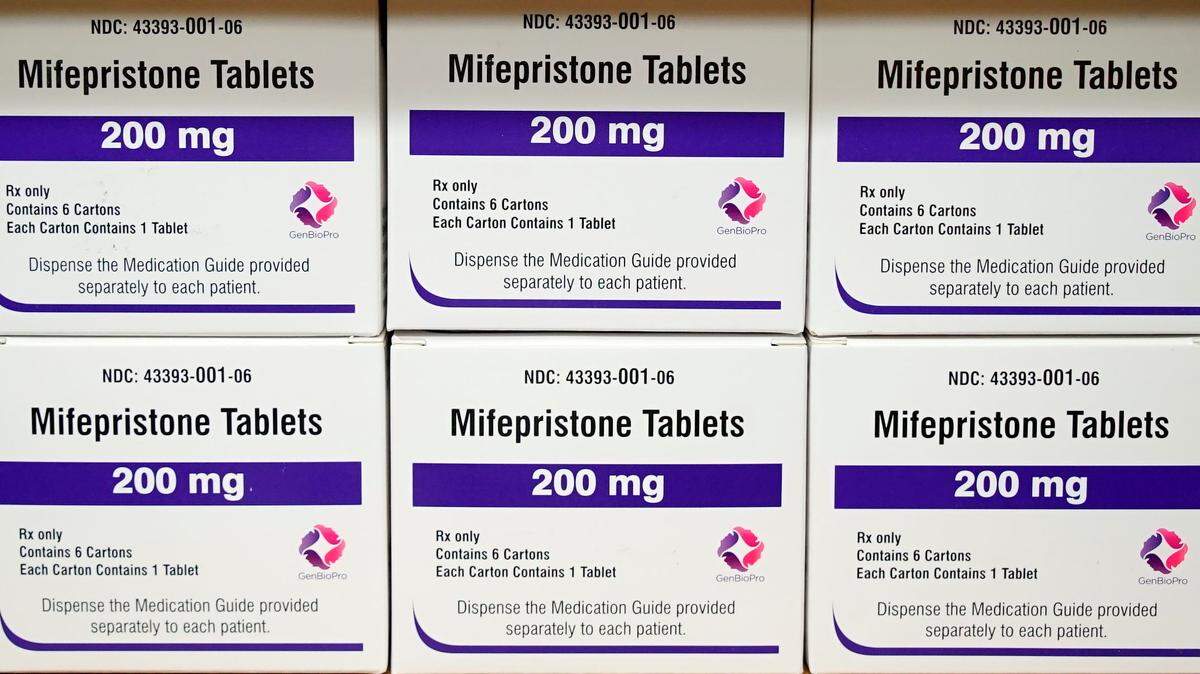
One provision prevents health care providers from providing medical abortions after 10 weeks of pregnancy. But a separate portion of the bill says medication abortion is allowed through 12 weeks.
The lawsuit also asks the court to address the bill’s requirement that sexual assault or incest survivors who get abortions after 12 weeks of pregnancy have the procedure done in a hospital instead of a clinic. The plaintiffs say that requirement has “no rational basis” and argue that “procedural abortion is far safer than, for example, colonoscopies, and has been provided in an outpatient setting in North Carolina for decades.”
The bill also includes a provision that requires patients to be provided with certain information about their pregnancy within 72 hours before an abortion, the mandatory waiting period in the state, with no exception for medical emergencies. Other sections of the bill say a medical emergency is an exception to the three-day delay.
These questions would typically get resolved as the bill worked its way through the legislative process. But this bill was not considered by any committees.
The bill was introduced as a complete replacement of a bill that had already been through the committee process and approved by both houses and had moved on to a conference committee, which is supposed to resolve any differences between the two versions.
Because it was technically a revision when it went back to both houses, no amendments were allowed. Though the bill was met with fierce opposition from abortion advocates, it was approved by both the House and Senate about 48 hours after it was introduced.
Only took hours to introduce, pass SB20
Some patients in North Carolina would have to travel outside the state for care after the new law takes effect, but the lawsuit says the new law seems to make it illegal for medical professionals to discuss those options with patients. That, the plaintiffs argue, violates the First Amendment.
“The time between S.B.20’s introduction of abortion restrictions and its passage was less than 72 hours, which is the mandatory waiting period for abortion in North Carolina,” the lawsuit reads.
“Likely as a result of this hurried process, S.B. 20 has injected requirements that are unintelligible, inherently contradictory, irrational, and/or otherwise unconstitutional into every part of the abortion process.”
The law is expected to take effect next month.
North Carolina was one of the few states where access to abortion was not as restrictive, allowing the procedure up to 20 weeks. Now, the state will join South Carolina, Kansas, Georgia, Nebraska and Florida, where abortion is allowed through 12 weeks.
Fourteen states have entirely banned abortion under any circumstance.
Dave Hendrickson contributed to this report.
This story was originally published June 16, 2023 at 1:39 PM.
CORRECTION: An earlier version of this story incorrectly said no debate was allowed when S.B. 20 was returned to the House and Senate. Debate was allowed, but no amendments could be proposed or considered.