Here’s what was in the ‘Leandro plan’ that the NC Supreme Court killed this week
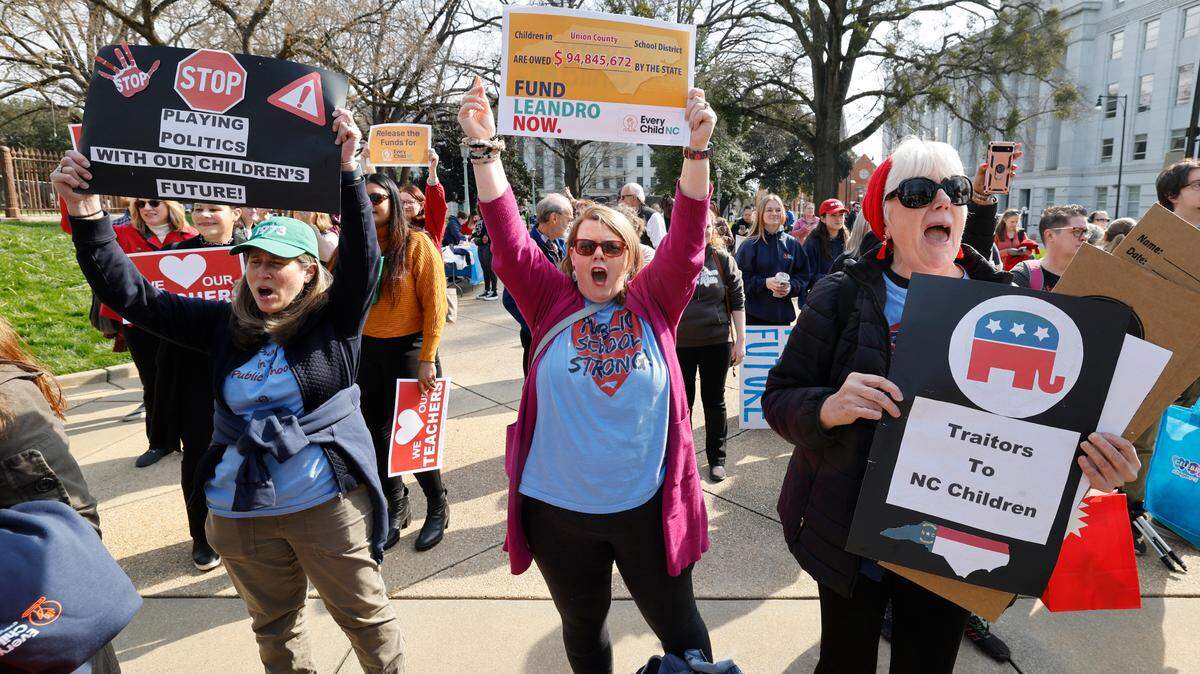
AI-generated summary reviewed by our newsroom.
- Plan called for $5.6B over eight years; $3.7B targeting equitable resources.
- Plan allocated $1.4B to expand high‑quality early childhood programs.
- In addition to funding, the plan called for school metrics beyond test results.
READ MORE
The Leandro case & NC public schools
Since 1994, the long-running Leandro school lawsuit has seen the courts go back and forth about what it means when the North Carolina constitution says “equal opportunities shall be provided for all students.” Meanwhile, state leaders have grappled with how to provide a “sound basic education” for North Carolina’s 1.5 million public school students.
Expand All
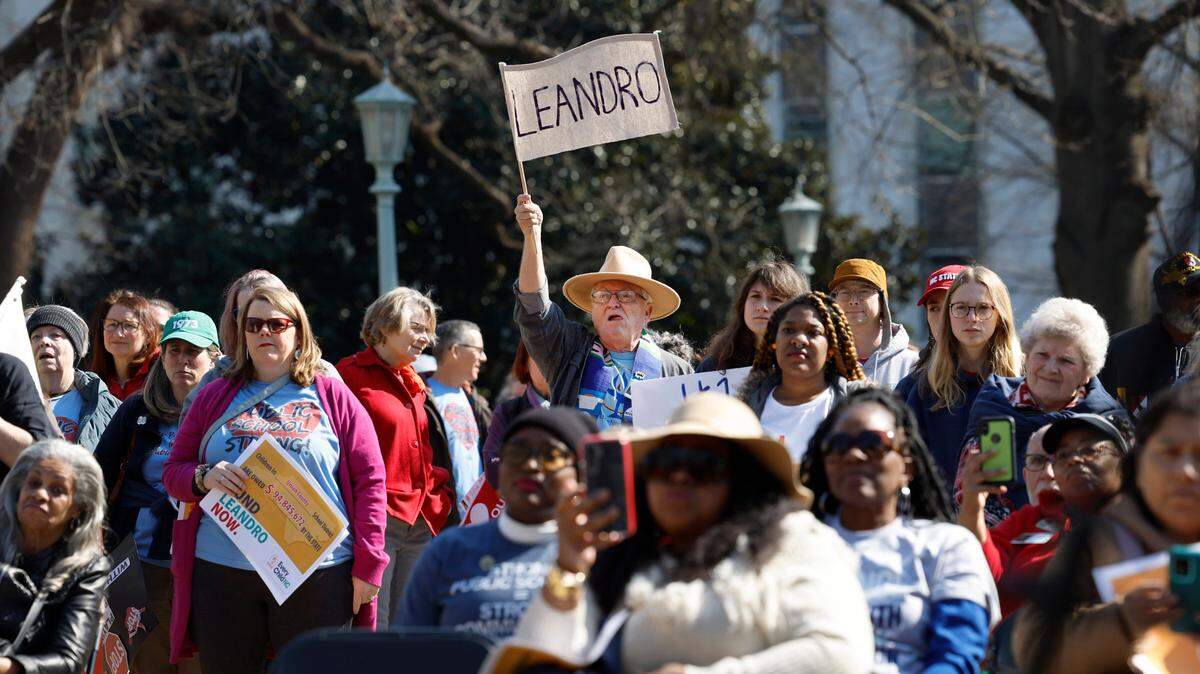
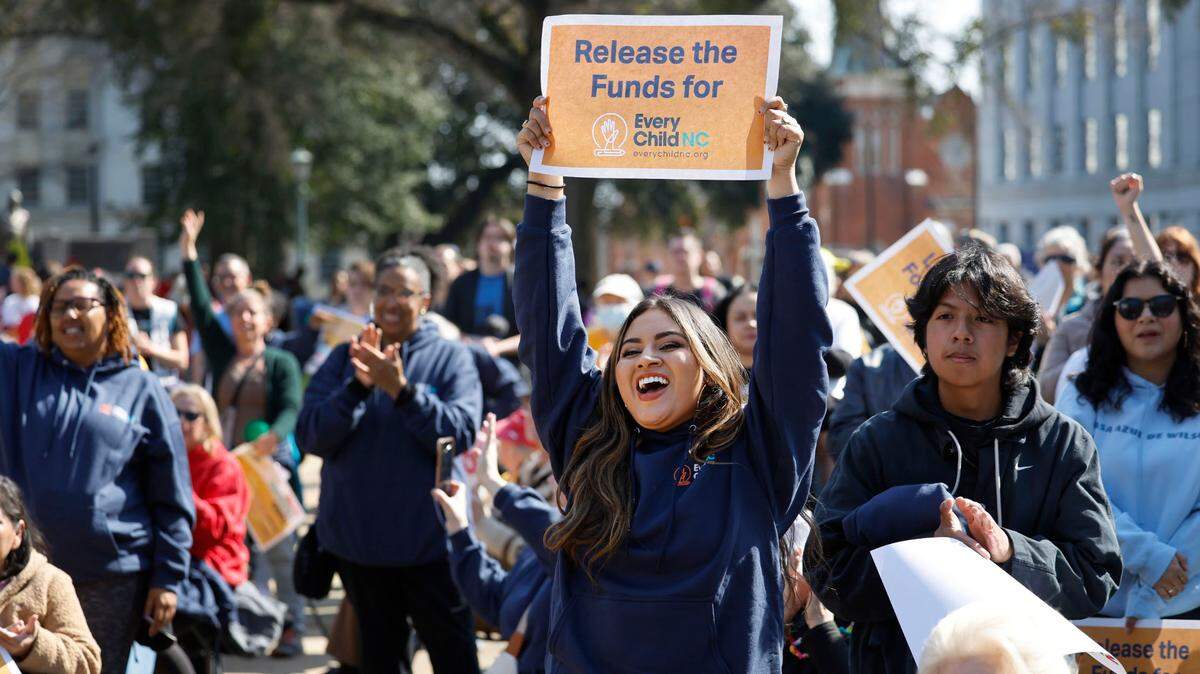
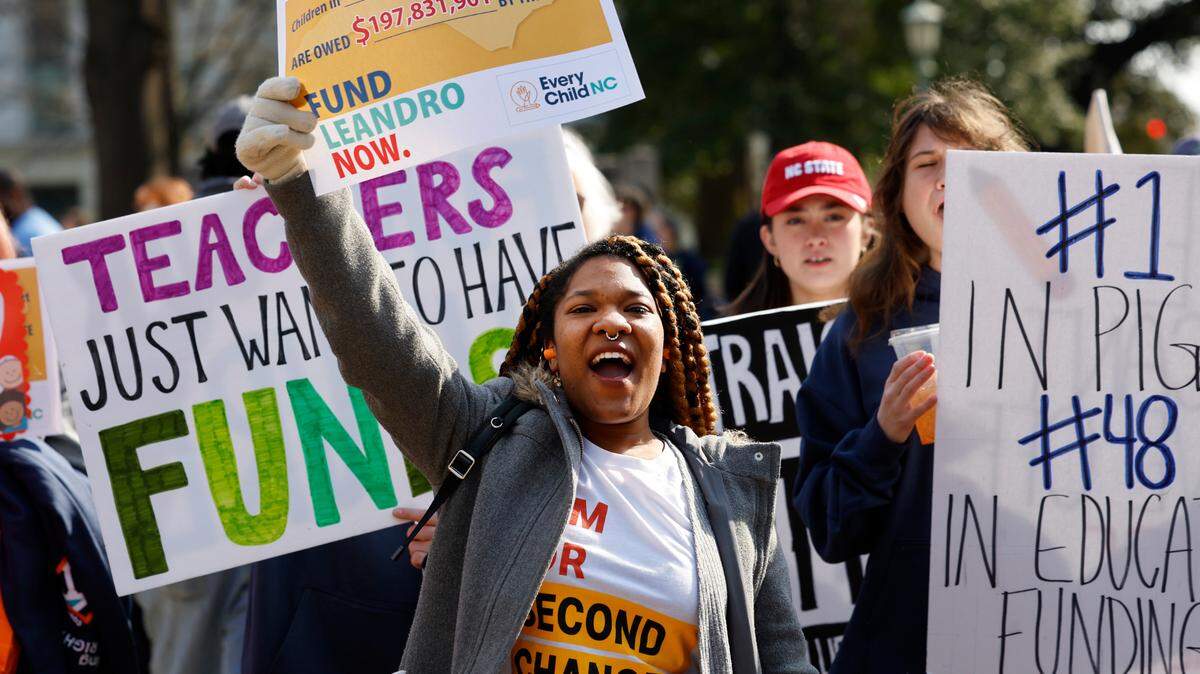
For years, public education supporters in North Carolina have advocated for the “Leandro plan,” a 301-page document with recommendations on how to provide students with a sound basic education.
The plan was at the center of the long-running Leandro lawsuit, which was first filed in 1994 and the N.C. Supreme Court dismissed on Thursday.
Released in 2019 by education consulting firm WestEd, the Leandro plan offered a wide range of recommendations designed to provide every child with a highly competent principal and highly competent teachers. It had an estimated price tag of $5.6 billion over eight years.
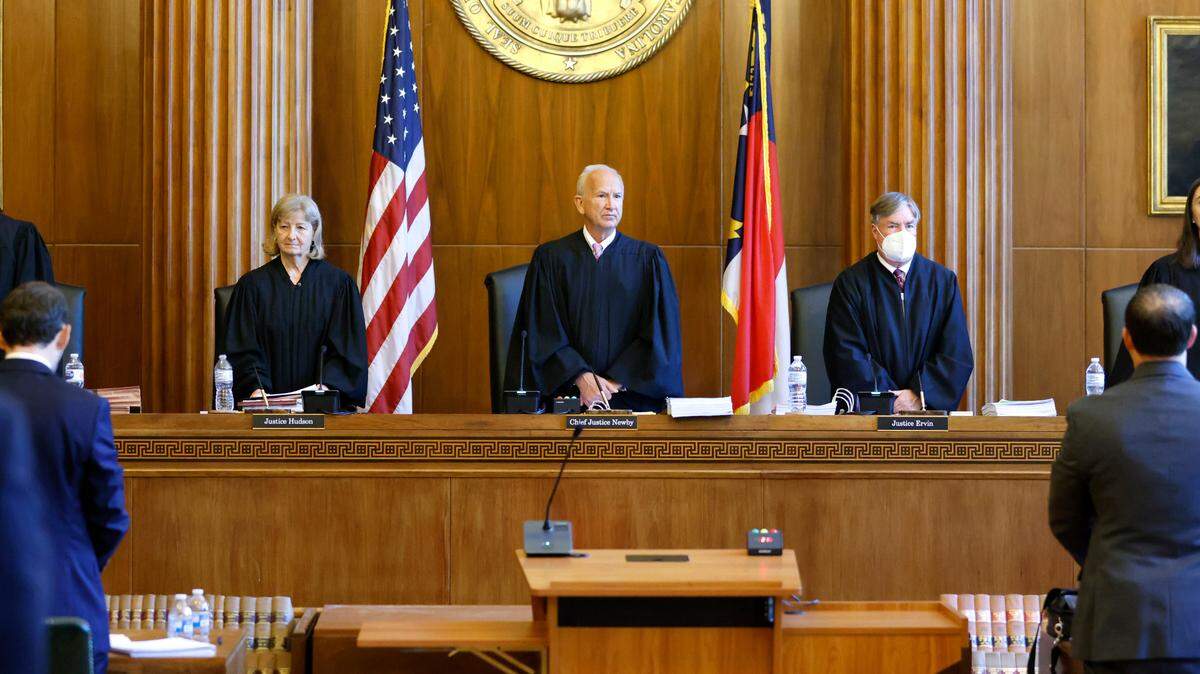
In 2021, the late Superior Court Judge David Lee adopted the plan and ordered state officials to transfer enough money to fund the second and third years of the plan. On Thursday, the N.C. Supreme Court threw out the plan, saying judges are not experts on education policy.
Here’s a look at what was in the plan:
Revise the school finance system
The report recommended $3.7 billion to implement “a finance system that provides adequate, equitable and efficient resources” to public schools. This included:
- $1.2 billion to increase funding for disadvantaged and at-risk students.
- $808.1 million to increase the investment in overall spending for public education over eight years. That included increases in funding for professional development, teacher assistants, non-instructional support, classroom supplies, textbooks, classroom teachers, assistant principals and central office staff.
- $743.2 million for additional student support personnel, such as school nurses, psychologists, counselors and social workers, to meet the academic, physical and mental health needs of students.
- $561.8 million for additional funding for students with disabilities.
Increased access to early childhood education
The Leandro plan recommended $1.4 billion over eight years to expand access to high-quality early childhood learning opportunities to ensure that students who are at-risk for failure enter kindergarten on track. This included:
- $532 million to fully fund Smart Start.
- $421 million to expand NC Pre-K to serve 75% of eligible children in every county.
- $216.7 million to increase early intervention services for children from birth to age 3 for 10,000 children per year.
Teacher recruitment and principal training
Other financial categories in the plan were:
- $161.7 million to provide “a well-prepared, high quality, and supported teacher in every classroom.” This included funding expansion of the N.C. Teaching Fellows program and supporting programs in high-needs districts to help them recruit teachers.
- $150 million for alignment of high school to post-secondary and career expectations for all students. Much of the money would go toward adding career development coordinator positions around the state to work with students.
- $14.7 million to provide a well-prepared, high-quality and supported principal in every school by expanding the N.C. Principals Fellows program.
School calendar flexibility
The plan would have given calendar flexibility to school districts to let them start classes earlier in August. That would have let schools align their calendars with community college and university schedules.
The state’s traditional public schools can’t open sooner than the Monday closest to Aug. 26 or close later than the Friday closest to June 11. The state’s school calendar law was adopted in 2004 amid concerns from the tourism industry that schools were cutting into the summer tourism season.
School districts have lobbied for calendar flexibility for more than 20 years, saying it will help high school students academically by letting them take fall semester final exams before Christmas. Bills approved in the state House to provide calendar flexibility have all died in the Senate.
Last year, the Senate passed legislation that would allow school districts to start a week earlier in August if they end by Memorial Day and accept penalties for violating the calendar law. The House hasn’t acted on the bill.
Many school districts are concerned the Senate’s bill would force them to sharply cut the school year to take advantage of the earlier start.
Revising school accountability model
The plan also called for changing how the state grades the academic performance of schools.
Currently, schools get an A through F grade that is based 80% on passing rates on state exams and 20% on student growth rates on exams. Critics complain the formula stigmatizes high-poverty schools because they tend to have the lowest performance grades.
The report called for changing state law to revise the accountability system to give more weight to growth instead of proficiency rates. It also called for adding measures beyond test results to assess schools.
In March, Gov. Josh Stein, Senate leader Phil Berger and House Speaker Destin Hall announced the formation of a bipartisan Blue Ribbon Commission on Public Education. The commission will examine teacher training and student advancement, administrative operations, educational leadership, and accountability.
The State Board of Education formed a new task force that held its first meeting in November to recommend changes to the accountability model.
How did the Leandro case start in NC?
In May 1994, school districts in five low-income counties (Hoke, Halifax, Robeson, Vance and Cumberland) and families sued the state, claiming that children were not receiving the same level of educational opportunities as students in higher-income counties.
The lawsuit is officially known as Hoke County Board of Education vs. State of North Carolina. It’s become known as the Leandro case because the Leandro family was the first one listed as a plaintiff in the lawsuit.