NC fatal wrecks likely to reach highest level in 20 years, despite more speeding tickets
READ MORE
Death in the Fast Lane
The Charlotte Observer and News & Observer in Raleigh wanted to know how often extreme speeding was happening on North Carolina’s roads — and whether the COVID-19 pandemic had made highways deadlier. They found that nearly 92% of extreme speeders get breaks in the courts that allow them to avoid the full penalties.
Highway Patrol troopers, meanwhile, acknowledged they were stretched thin. Experts say that helps explain why highway deaths have increased — and why people who drive 90, 100 mph or more routinely get away with it.
Expand All
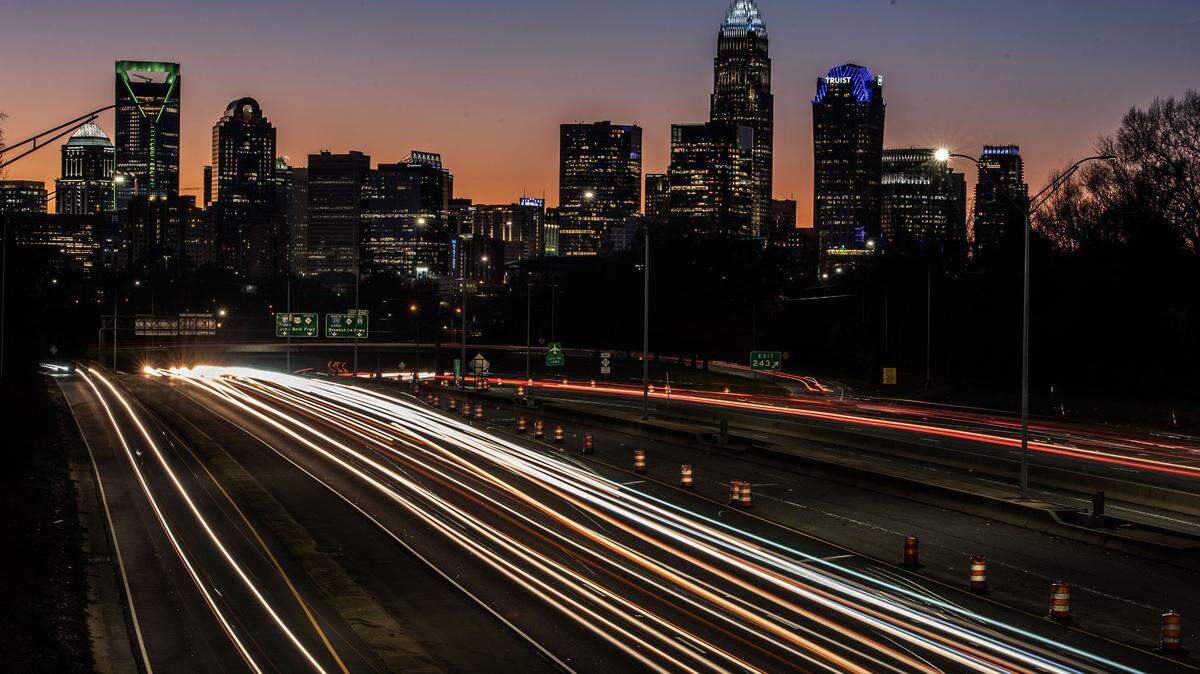
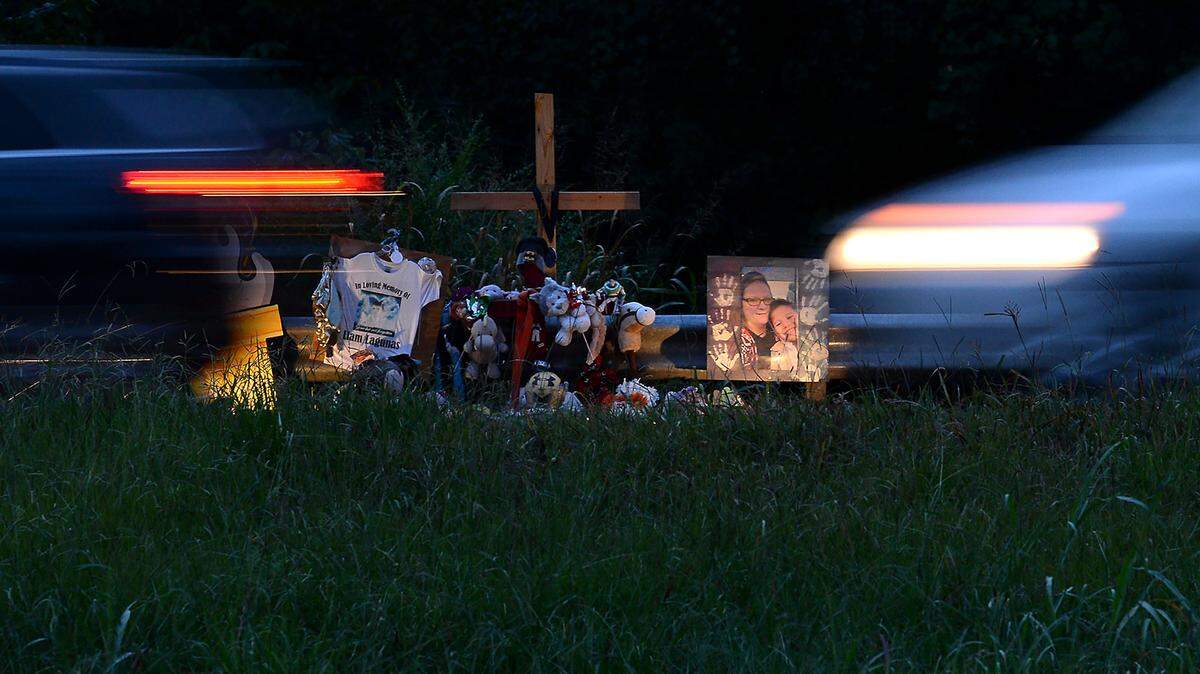
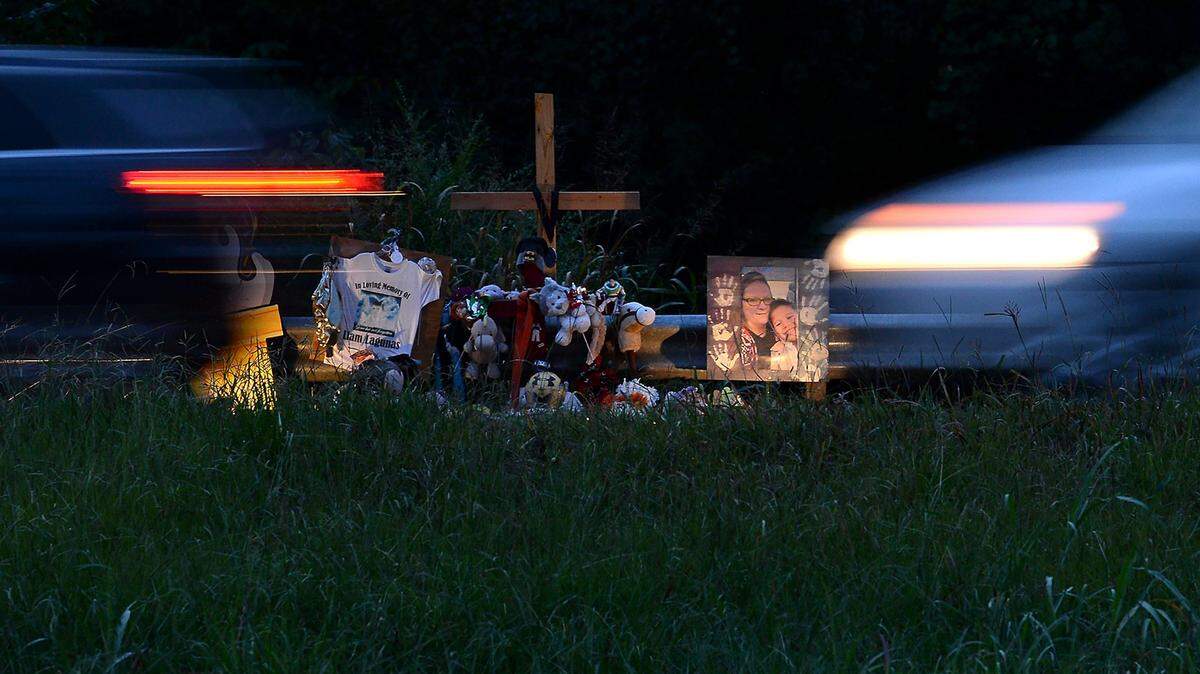
The death toll on North Carolina’s highways this year is expected to be the highest in more than two decades, new data shows.
Speeding has contributed to about a quarter of the 1,404 roadway fatalities through Oct. 22, playing a larger role in the loss of life than alcohol.
That’s true even though the state Highway Patrol dramatically increased the number of citations issued to extreme speeders this year.
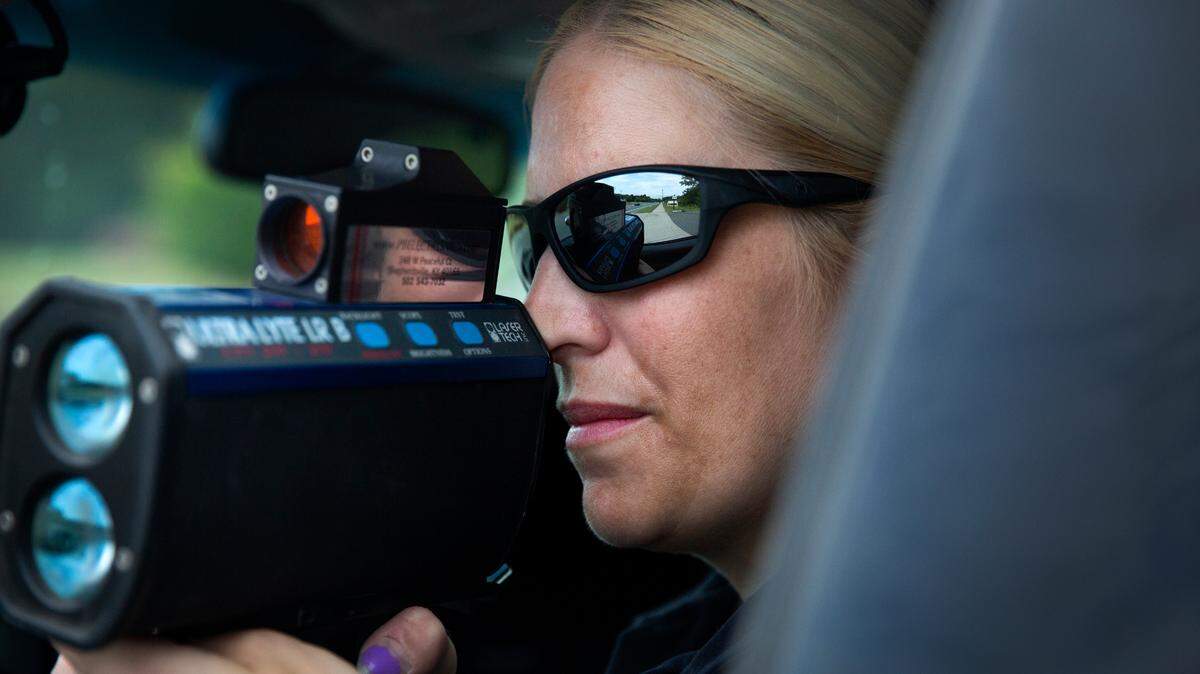
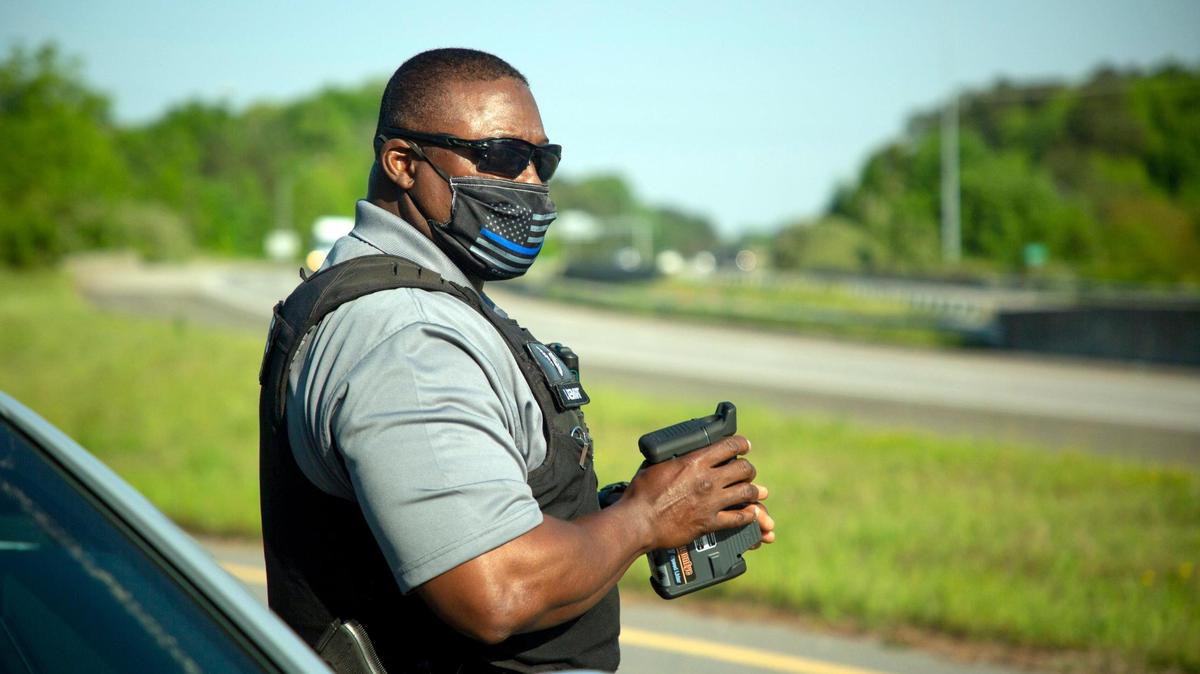
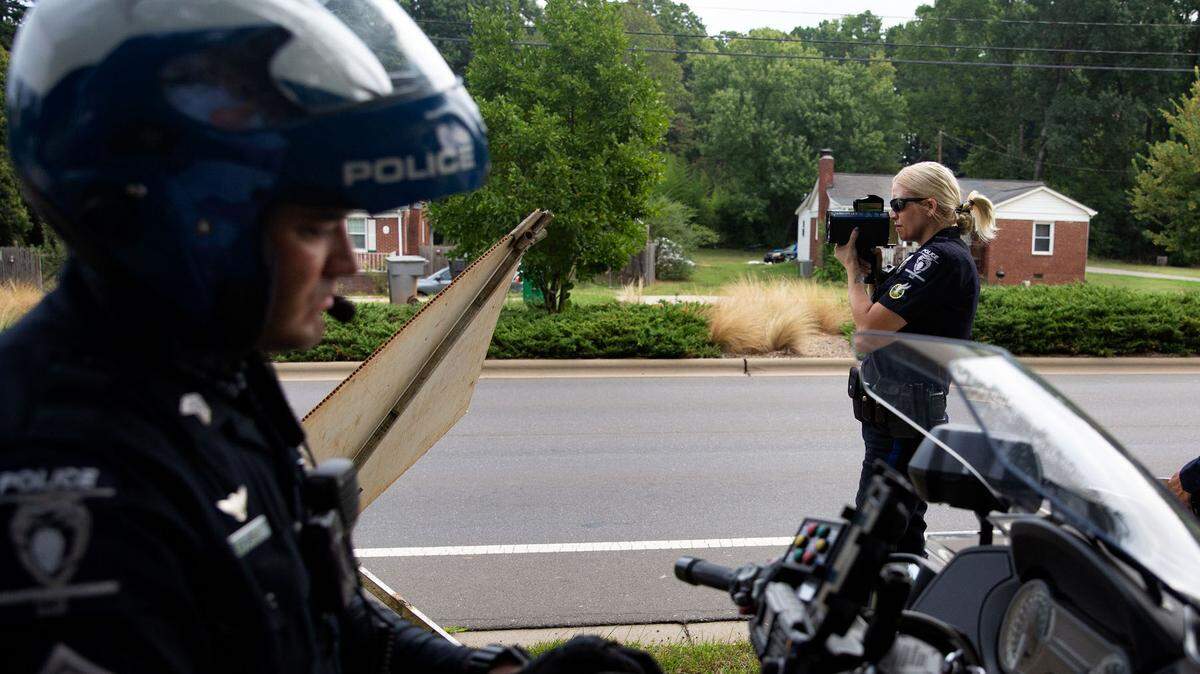
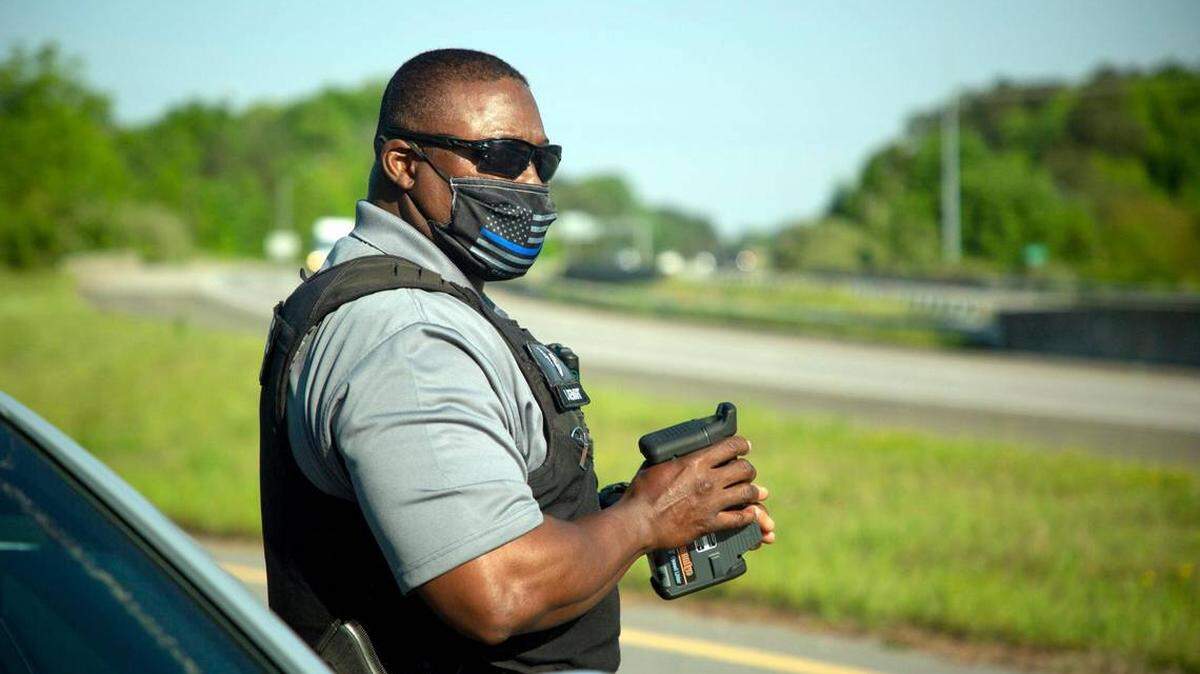
From Jan. 1 to Nov. 2, state troopers issued 47,368 tickets to people found to be driving more than 25 mph over the speed limit. That exceeds the number of such citations in all of 2020.
The rising number of tickets simply reflects what troopers are seeing on roadways: tens of thousands of motorists driving at dangerous speeds, said Sgt. Chris Knox, a spokesman for the Highway Patrol.
“By stopping that person, we know we may have just saved that person’s life,” he said. “And we may also have saved the life of someone down the road.”
Deaths from speed-related crashes have surged since the COVID-19 pandemic began.
“Death in the Fast Lane,” an investigation by the Charlotte Observer and Raleigh News & Observer, found that extreme speeding — where drivers fly 20, 30, even 50 mph over the speed limit — has become rampant in North Carolina.
And the state’s overwhelmed courts let most speeders off easy. As a result, many in North Carolina are able to drive at dangerous speeds, avoid punishment and remain behind the wheel.
The fatal crashes — and the incidents of dangerously high speed — are not limited to major highways. Most fatalities are occurring on secondary roads, Knox noted. “Our roads are not designed to be driven at some of the speeds we’re seeing,” he said.
Other major contributors to roadway deaths: older drivers, motorists who didn’t wear seatbelts, and drivers who departed from their lanes.
The newspapers’ investigation, published in June, found that despite the state’s rapid growth over the past decade, speeding enforcement actually declined over that period. That’s largely because workloads for law enforcement agencies have been increasing far faster than staffing.
Col. Freddy Johnson, appointed in April to lead the Highway Patrol, noted in an interview earlier this year that his agency has not had a significant increase in troopers since 2003, when the state’s population was considerably smaller.
Johnson has directed his agency to do a detailed study of Highway Patrol call volumes and staffing, with an eye toward demonstrating the agency’s staffing needs to the General Assembly, he said.
Charlotte officials confront speeding
Charlotte leaders are working to reduce speeding, too.
Members of a City Council committee on Nov. 9 asked the Charlotte Department of Transportation to identify traffic corridors where speeding and reckless driving contribute to many crashes.
The city intends to focus traffic enforcement in those areas, a list of which is expected to be made public in January.
At the same meeting, CDOT officials floated the idea of using new technology to alert drivers, pedestrians and bicyclists about speeders and other real-time traffic hazards, via a free app on their smart phones.
The “TravelSafely” app would give people audible warnings about speeding drivers and drivers who appear unlikely to stop at intersections. It would also warn motorists if they are driving too fast in work zones or school zones, or if they are approaching emergency vehicles, a dangerous curve, a cyclist, or a pedestrian on a crosswalk.
The city of Cary has recently launched a pilot project to try out the technology, and Charlotte transportation officials say they will be looking to see how it works there.
Council member Dimple Ajmera said she would also like to see the city push for new legislation to allow Charlotte to use other potentially life-saving technology: speed cameras and red-light cameras.
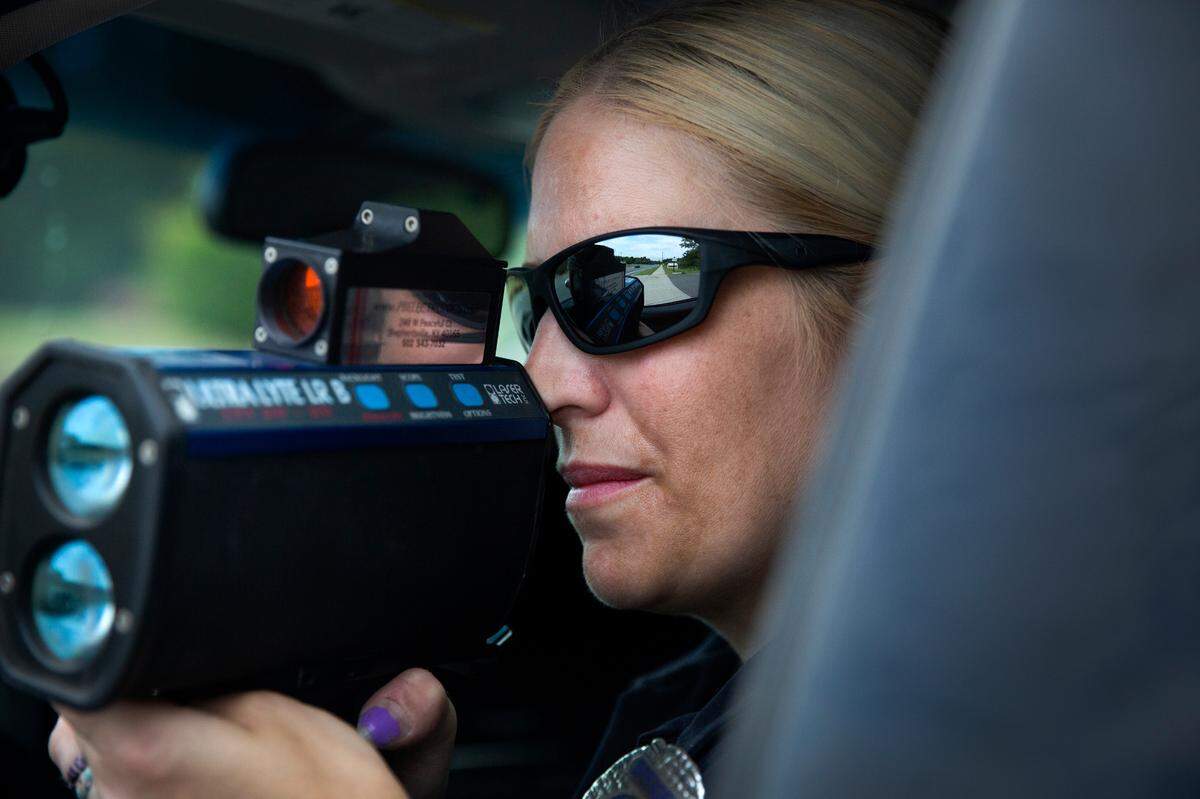
In places such as Montgomery County, Maryland, lasers and sophisticated radar systems detect and take photos of speeding cars. Citations are mailed to the owners of those cars, who generally must pay fines. But they aren’t hit with points on their driver’s licenses or heftier insurance premiums.
Speed cameras are used in more than 160 communities in 17 states — including Alabama, Georgia and Tennessee, according to research by the Insurance Institute for Highway Safety.
But the North Carolina General General Assembly has not passed legislation authorizing the use of speed cameras. Among those opposed to the idea: Sen. Danny Britt, who co-chairs the judiciary and justice and public safety appropriations committees. Britt, an attorney by trade, heads a law firm in Lumberton that handles speeding cases, among other things.
“I’m not in favor of speed cameras,” he told the Charlotte Observer in June. “Is that really going to slow people down? … It also takes out the discretion of the prosecutor.”
Charlotte City Council members spoke of the need to act quickly to address speeding and drag racing — behavior that Ajmera has witnessed on streets such as W.T. Harris Blvd.
“You see people driving at 90 mph, 100 mph. No street lights. No sidewalks. Pedestrians are walking,” Ajmera said. “There are times when I am holding my breath for the next disaster.”
Charlotte Observer Staff Writer Gavin Off contributed.
This story was originally published November 14, 2021 at 6:00 AM with the headline "NC fatal wrecks likely to reach highest level in 20 years, despite more speeding tickets."
.JPG)