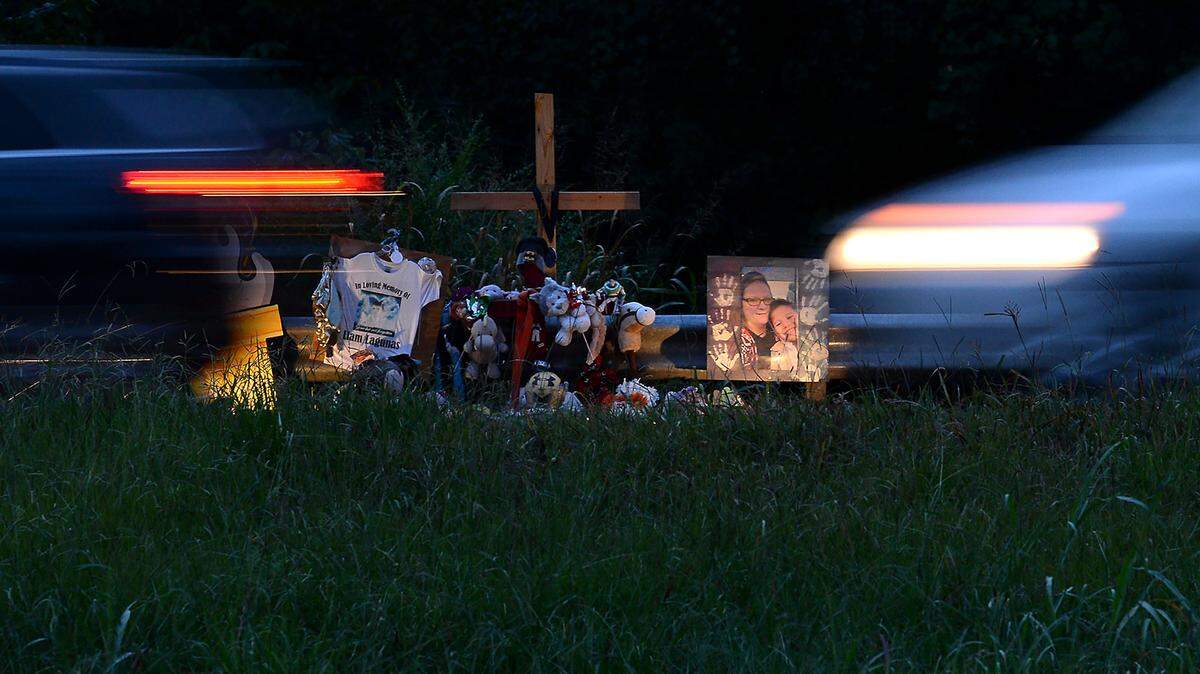
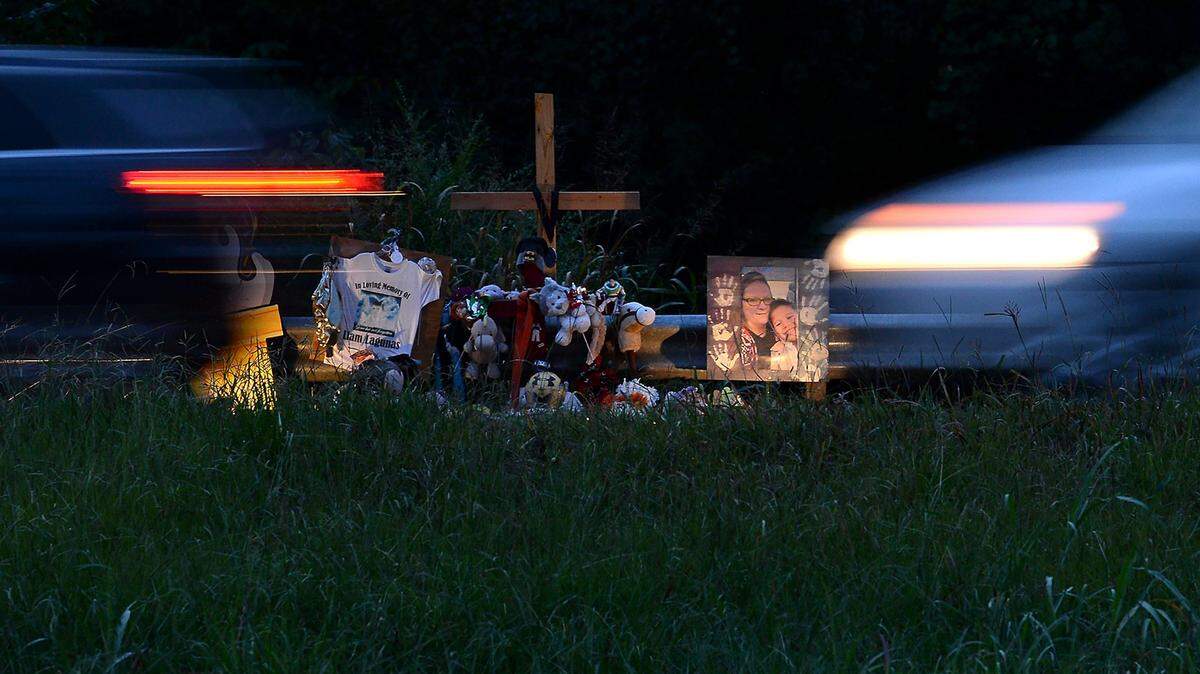
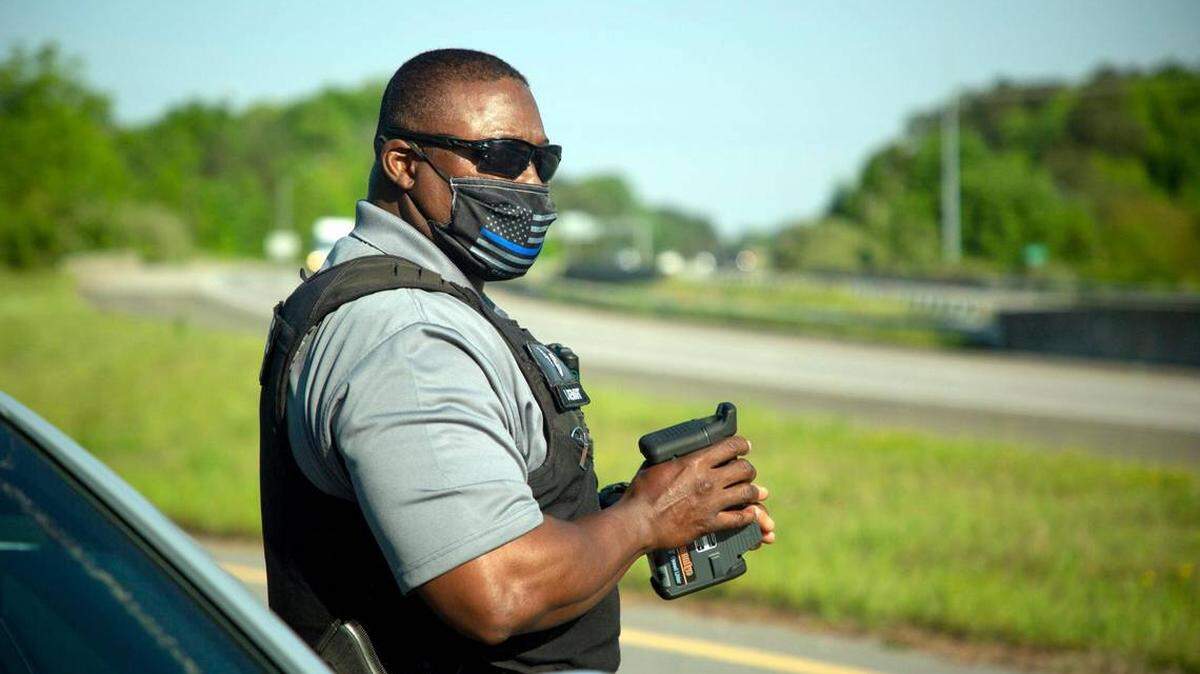
NC courts let extreme speeders off easy. ‘They can go out there and do it again.’
READ MORE
Death in the Fast Lane
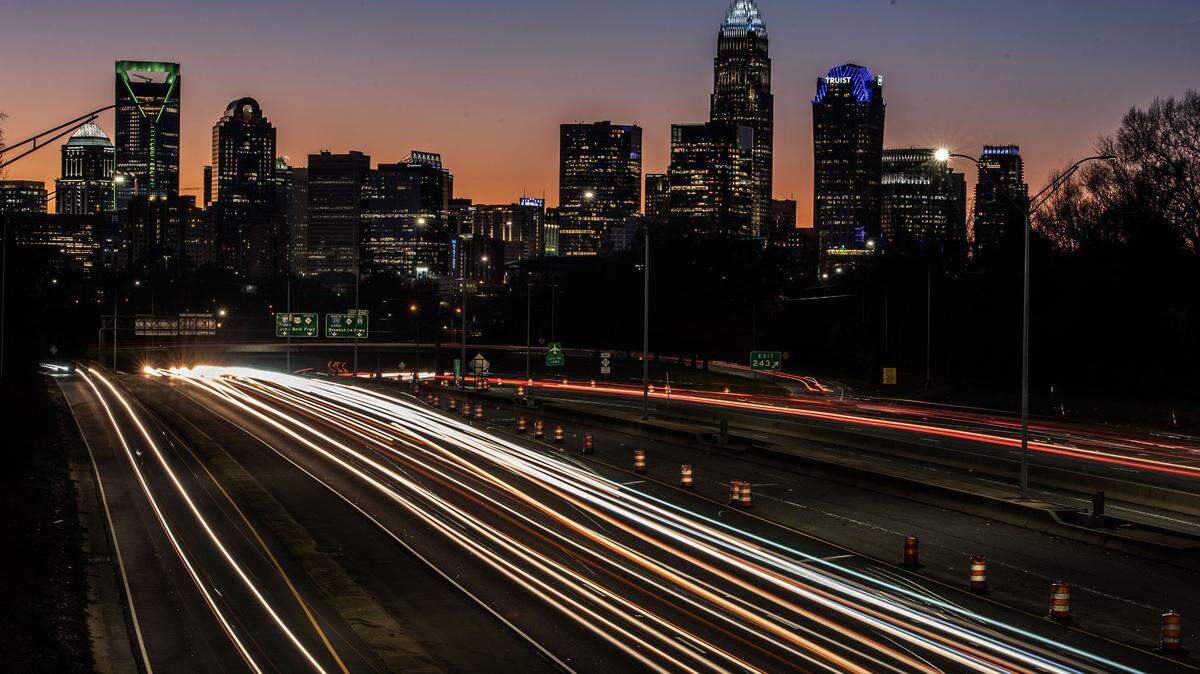
The Charlotte Observer and News & Observer in Raleigh wanted to know how often extreme speeding was happening on North Carolina’s roads — and whether the COVID-19 pandemic had made highways deadlier. They found that nearly 92% of extreme speeders get breaks in the courts that allow them to avoid the full penalties.
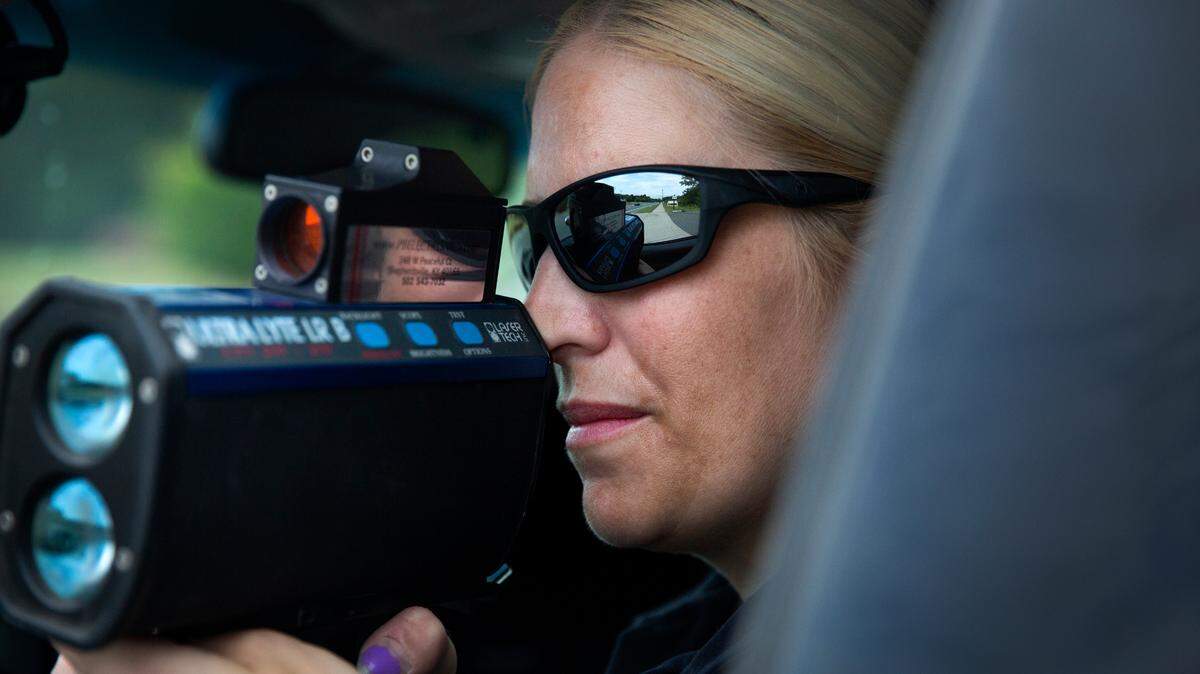
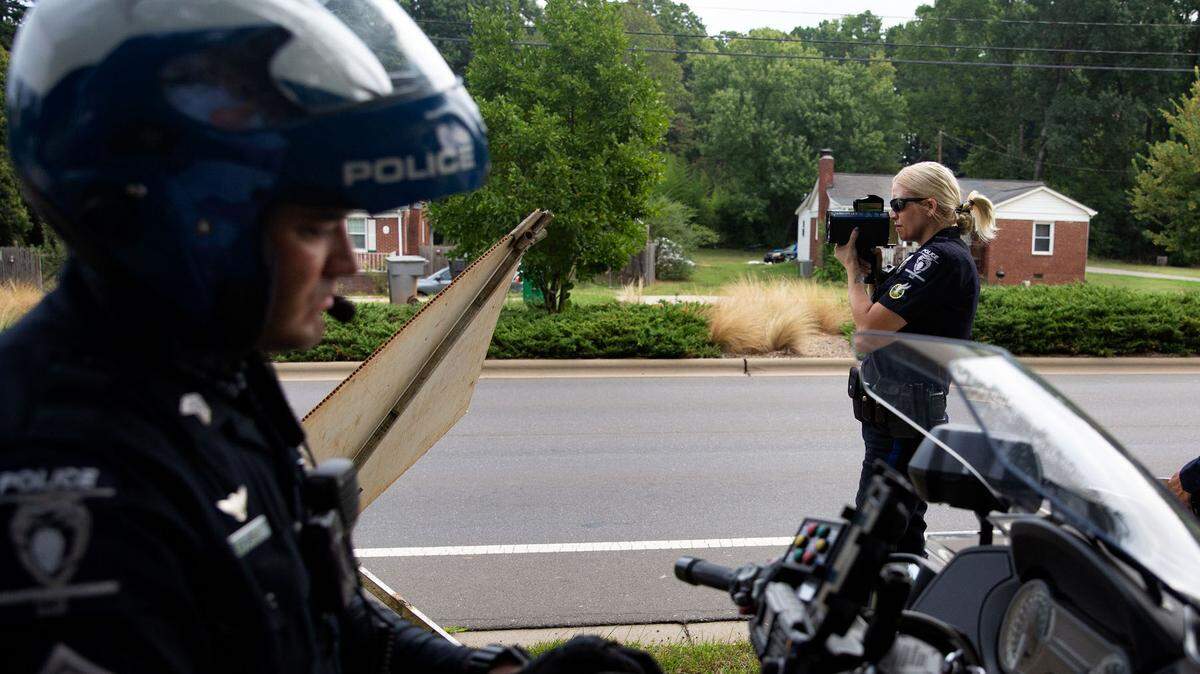
Highway Patrol troopers, meanwhile, acknowledged they were stretched thin. Experts say that helps explain why highway deaths have increased — and why people who drive 90, 100 mph or more routinely get away with it.
Expand All
In hindsight, Willie Lee Washington’s driving record should have been a warning sign.
Since the early 1990s, authorities in North Carolina have charged the 48-year-old Fayetteville man with more than 50 offenses — including more than a dozen speeding charges. In most of those speeding cases he was accused of driving 20 mph or more over the speed limit, records show.
But prosecutors reduced or dismissed all but three of the speeding charges.
Then one night in November 2019, on a two-lane road in Cumberland County, Washington was driving about 110 mph when he lost control of his car and went over the center line, according to a State Highway Patrol report.
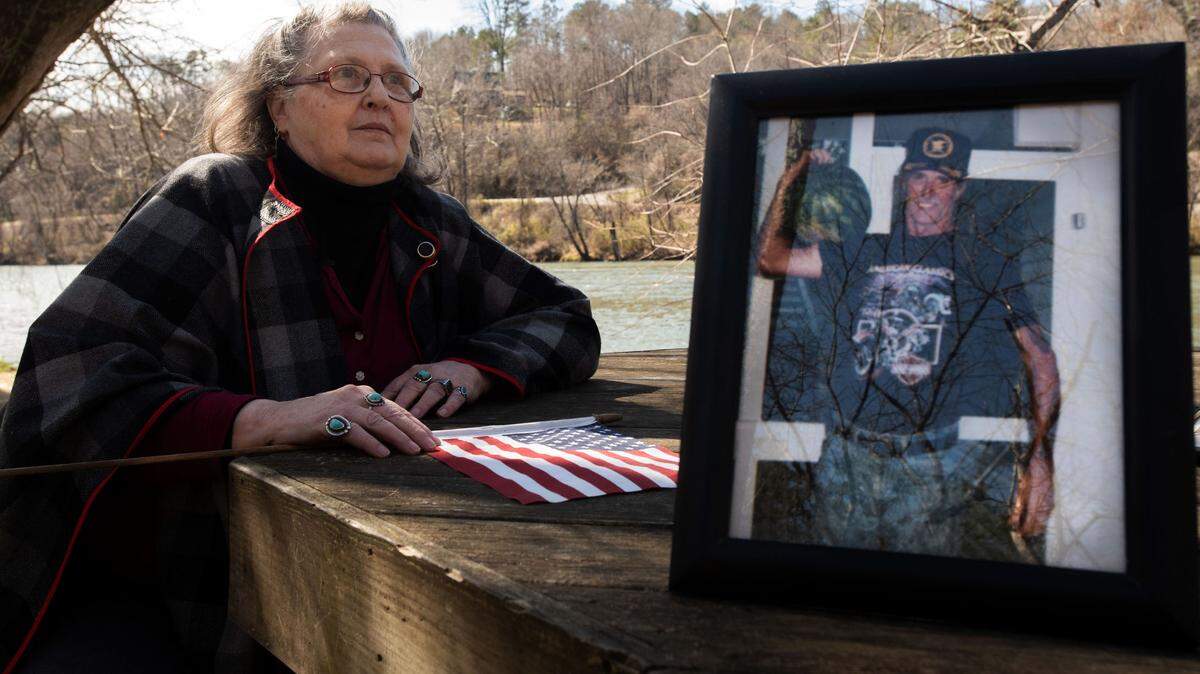
Washington’s Acura slammed head-on into a motorcycle ridden by Randy Padgett, an Army veteran who loved to fish, rebuild motorbikes and apply his razor-sharp mind to the New York Times crossword puzzle. Padgett, 65, died from his injuries.
Washington survived and, this month, pleaded guilty to second-degree murder.
Padgett’s family and friends wonder why officials weren’t able to get Washington off the road before he brought tragedy to their lives.
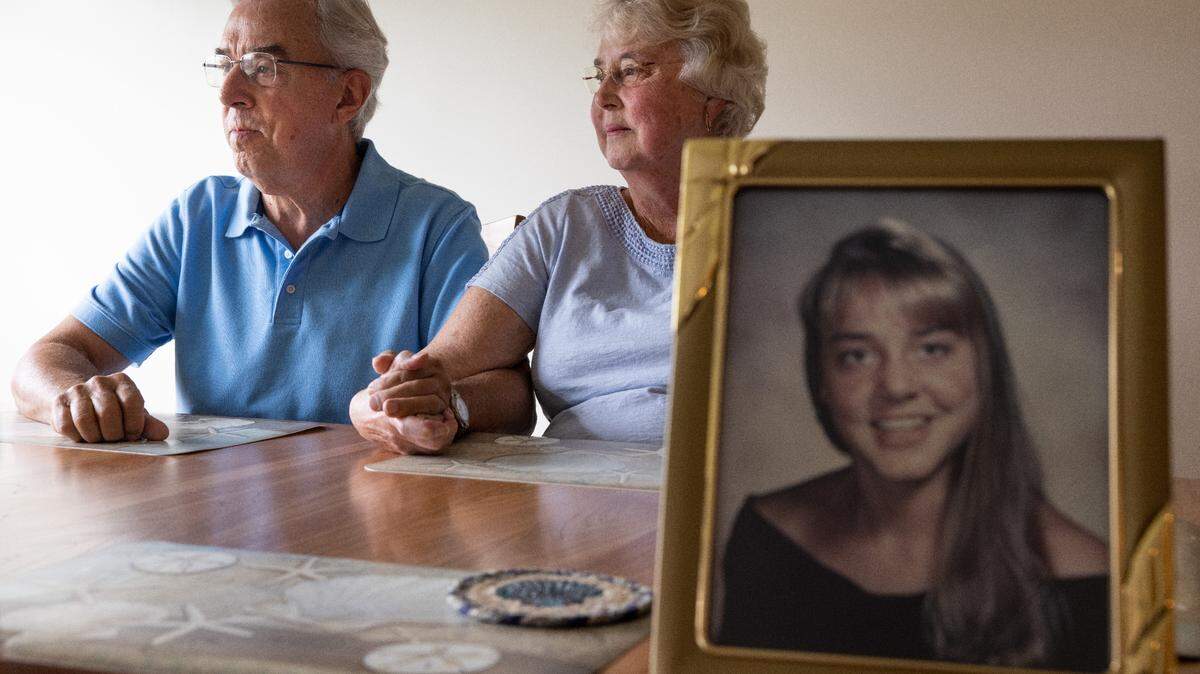
“At some point, I would have hoped somebody would have looked into his record and said ‘enough is enough’ and not wait until he killed somebody,” said Janet Frye, Padgett’s older sister. “Even if you do everything right, there may be a Willie Washington coming around the next curve.”
Such stories are all too common in North Carolina.
Each year, more than 140,000 drivers in the state are charged with going 20 mph or more over the speed limit. But in the past five years, fewer than 5% were convicted as originally charged, an analysis of state courts data by The Charlotte Observer and the News & Observer in Raleigh found. Another 3% were found guilty on other charges, such as reckless or impaired driving, related to the same speeding incident.
The rest got plea deals, had their charges dismissed or got breaks from judges that allowed them to avoid higher insurance rates and points on their driver’s licenses.
The news organizations examined extreme-speeding charges — those in which people were charged with driving 20 mph or more over the limit — from 2016 to 2020. They found:
▪ The outcomes of such speeding cases varied widely from county to county. In some areas, including Richmond and Anson counties, fewer than 2% of extreme speeders were convicted as charged or on another charge related to the same case. In other counties, including Cleveland, Haywood and Rowan, that was true for more than 17%.
In Mecklenburg, about 3% of these extreme speeders were convicted as charged or on a related charge. In Wake County it was about 11%.
▪ Even those charged with driving more than 100 mph frequently avoided full punishment. Statewide, fewer than half of those charged with driving that fast since 2016 were convicted as charged.
▪ Some speeding drivers who got breaks in court later went on to be involved in fatal wrecks. Over the five-year period studied, more than 75 drivers who had extreme-speeding charges reduced or dismissed later became involved in fatal crashes.
▪ During the same period, prosecutors let almost 218,000 extreme speeders take advantage of a loophole in state law that allows them to claim, without providing proof, that their speedometers weren’t working properly. These “improper-equipment” deals given by prosecutors let drivers resolve their speeding cases without any license or insurance penalties.
And some speeders get those breaks time and again. One serial speeder from Fayetteville got at least 18 improper-equipment deals from 2005 to 2020. And after each one, he kept on speeding, records show.
Responding to stories in the News & Observer, the legislature in 2007 amended state law in an effort to get tougher on super speeders. Among other things, the changes were intended to prohibit improper-equipment pleas for people driving faster than 25 mph over the speed limit. But such deals continued nonetheless.
During the five-year period studied, prosecutors gave more than 12,000 improper-equipment pleas to people who were driving more than 25 mph over the limit, the newspapers found.
“If you’re going 30, 40 or 50 mph over the speed limit, you’re a loaded gun getting ready to kill somebody,” said Cheryl Jones, a former member of CharMeck Court Watch and the N.C. Governor’s Highway Safety Program. “And any DA who lets people plead to improper equipment at those speeds needs to be held accountable.”
Former House Rep. Rick Glazier, D-Fayetteville, who was the floor manager on the 2007 bill, said the legislation was clearly intended to prevent improper-equipment pleas in cases where people drive more than 25 mph over the limit, and that he was surprised to learn prosecutors are still offering so many of those deals.
“People doing that rate of speed are a substantial threat to public safety,” said Glazier, who now serves as executive director of the North Carolina Justice Center. “There really needs to be serious consequences for people engaging in that kind of behavior.”
Over the past five years, prosecutors in Mecklenburg County offered about 2,200 improper-equipment pleas to drivers charged with going more than 25 mph over the limit. Wake County offered fewer than 50 of those pleas to people who were driving that fast, data shows.
Bruce Lillie, Mecklenburg’s deputy district attorney, noted that those pleas make up just 4% of such high-speed cases.
Still, he said, he and other prosecutors were surprised to learn how many improper-equipment pleas had been offered to people driving that fast. After learning of the newspapers’ findings, office leaders reminded prosecutors that improper-equipment pleas aren’t for every high-speed driver, Lillie said.
“As an office, we need to take a closer look at these cases and make sure we are consistently making appropriate offers,” he said. “When high speeds are involved, we must consider the seriousness of the charge as we determine the plea offer. An improper equipment is a more appropriate offer for a more run-of-the-mill speeding case.”
Prosecutors in Wake County offer improper-equipment pleas less often than most other counties. There, fewer than 10% of drivers charged with going 20 mph or more over the limit get such deals, compared to about 34% statewide. County District Attorney Lorrin Freeman said those pleas allow prosecutors to settle the cases of drivers with generally good driving records without taking up scarce time in court.
An early version of the 2007 legislation would have prohibited drivers from getting more than two improper-equipment deals in a five-year period. But lawmakers killed that provision before passing the bill.
Today, many drivers continue to get multiple improper-equipment deals, records show. The Observer/N&O investigation found that at least 660 high-speed drivers have gotten such deals three or more times in the past five years.
Terrance Morrison has learned how the system works. The 42-year-old Fayetteville man has been charged with speeding at least 25 times since 2005, court records show. And in 19 of those cases, prosecutors allowed him to plead to improper equipment instead. That meant he paid fines and court costs but was able to avoid points on his driver’s license and insurance hikes.
‘Not enough time to prosecute’
In North Carolina’s overwhelmed courts, speeding charges often take a back seat to offenses that prosecutors view as more serious.
Prosecutors interviewed for this story said that if they didn’t offer plea deals to thousands of speeders, those cases would eat up trial time urgently needed for other cases. And they pointed out that they dismiss some speeding cases in exchange for guilty pleas on what they see as more serious charges, such as impaired or reckless driving.
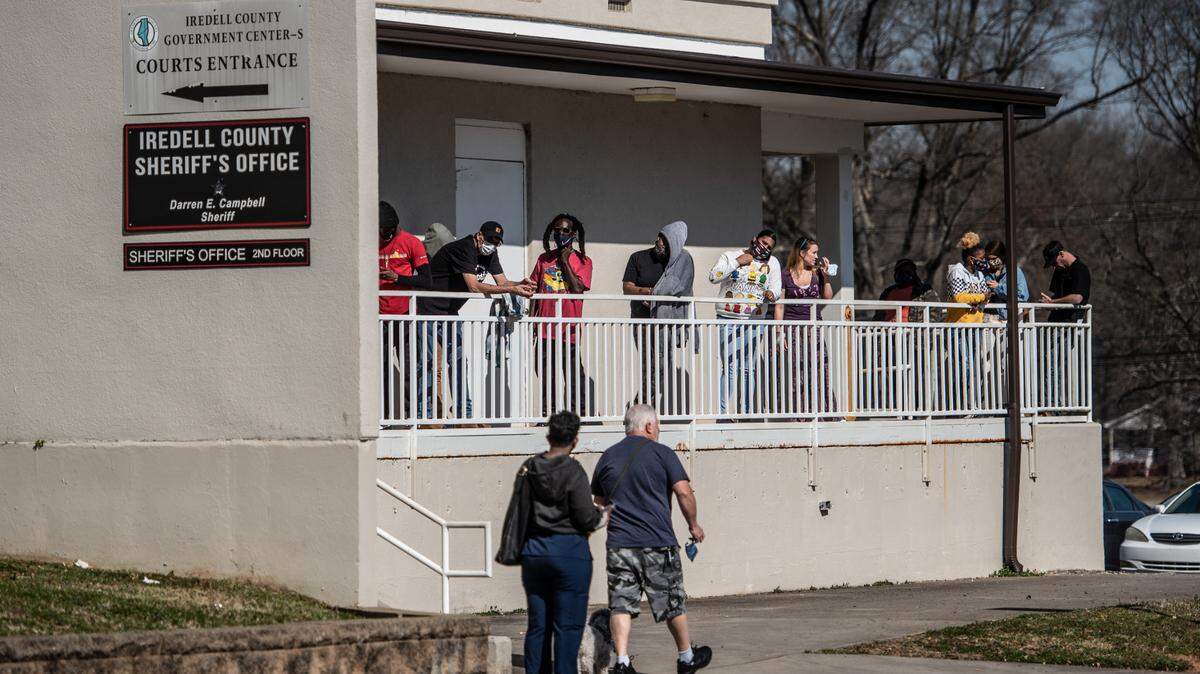
In Iredell County, where 500 to 1,200 cases typically crowd the administrative court docket each Wednesday, prosecutor Regina Manoney said in an interview: “I’ll make you the best offer I can. I’m looking to resolve the matter.”
Said Cleveland County District Attorney Michael Miller: “The system is just not set up to try everything. It’s designed to have negotiations. … You move cases as quickly as possible.”
Johnston County District Attorney Susan Doyle said prosecutors must prioritize their court time for more serious crimes, such as driving while impaired. A single DWI case can take three hours to try in court, Doyle said, and she had 1,172 pending as of Dec. 30.
“There simply is not enough time to prosecute the thousands of speeding cases as charged that come through our courts every year,” Doyle wrote in an email. “We must reserve the very limited available time that we do have for trials in our district courts for cases like driving while impaired, assaults, larcenies, drug offenses, etc.”
‘No fear in the drivers’
Law enforcement officers worry that those who repeatedly get breaks in court will eventually cause mayhem.
In short, they worry about people like Adelbert Redo.
By late 2017, Redo had at least four prior speeding charges reduced, and a fifth one dismissed.
Then, on the night of Dec. 18 of that year, a state trooper pulled Redo over for driving 87 mph in a 60-mph zone on Interstate 85 in Charlotte. He reportedly resisted arrest, got back in his Lexus, took off and led police on a high-speed chase.
While exiting at Little Rock Road in west Charlotte, he lost control of his car and went airborne. When the car landed, it hit three other vehicles. Teresa Villanueva Ortuno, a 45-year-old mother of four, was killed in the collision.
.jpg "Adelbert Redo mug shot (1).jpg")
Redo was charged with murder, felony death by vehicle and other offenses, but he died before facing those charges. Police say the 32-year-old mechanic shot and killed himself last year as officers tried to take him into custody on separate charges.
Lillie, the Mecklenburg prosecutor, noted that the penalties for speeding rarely allow prosecutors to keep drivers like Redo off the road for years. Still, he said, most prosecutors take such cases hard.
“When you see … the defendant in a case went out and caused someone to lose their life, it’s devastating,” he said. “But we can’t see into the future.”
Former state trooper Robin Benge, who retired from the State Highway Patrol in 2018, said that when super speeders get breaks in court, “they’re just like, ‘We got by with it this time. We’ll do it again.’ … The next time, what are they going to do? They may get in a wreck and kill somebody.”
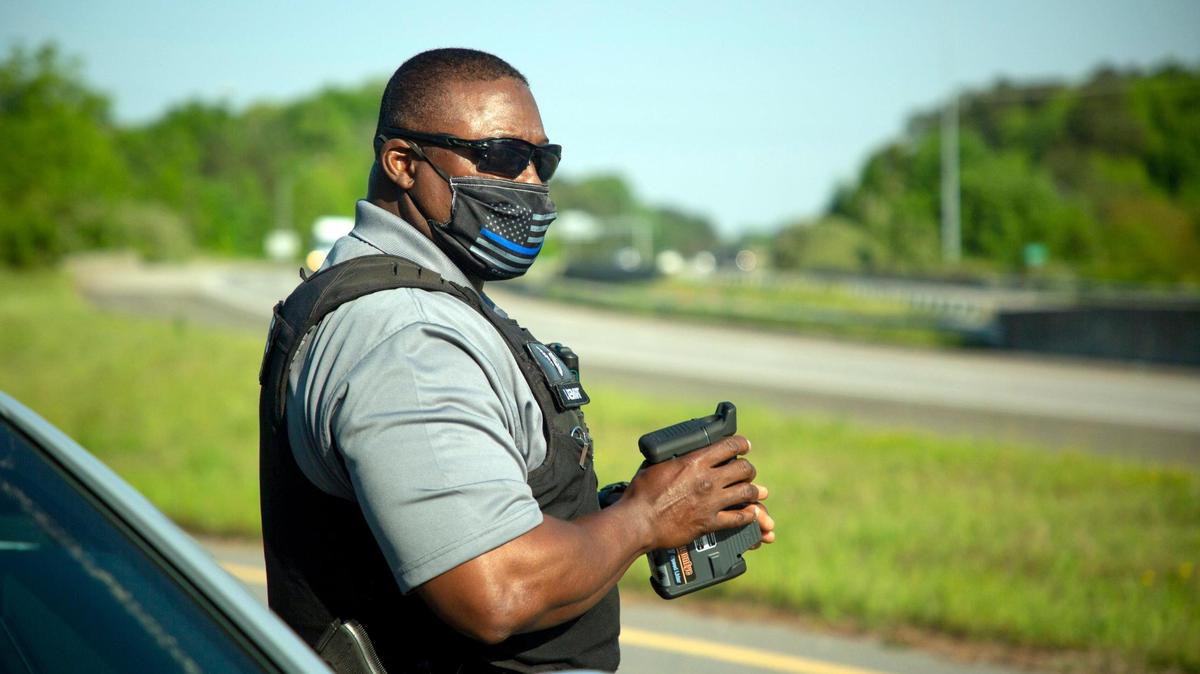
Other law enforcement officers agreed. First Sgt. Ben Miller, who has worked for years with the State Highway Patrol, said the system isn’t doing enough to hold speeding drivers accountable.
“I’m putting my life on the line if I pull someone over,” said Miller, who has worked in Mecklenburg and Cabarrus counties. “...You dismiss a case and you’re telling people they can go out there and do it again. It’s no big deal. That’s definitely not what we want to see.”
Trooper Mitch Geracz said the courts give so many deals that “there’s no fear in the drivers.”
“I’ve had individuals who’ve openly stated, ‘I’m not worried. I know this will get reduced,’” he said.
Prosecutors interviewed for this story said that in North Carolina’s underfunded district courts, speeding cases must compete with many other misdemeanor crimes. While that’s a problem in many states, it’s particularly acute here. North Carolina spent less per resident on its courts than any other state-funded system, according to data collected by the National Center for State Courts in 2012, the most recent available.
Mecklenburg prosecutors noted that the number of courtrooms available for handling speeding cases and other misdemeanors hasn’t changed in nearly 30 years, despite the county’s growth. On most days, in this county of more than 1 million people, there are just three trial courtrooms available to handle such cases.

“You can’t try them all,” Lillie said. “So you look for the priorities.”
Mecklenburg prosecutors say they rarely dismiss charges against those cited for extreme speeding. They do offer many plea deals, though.
“It’s a manner in which we can make someone slow down, hold them accountable and at the same time use that court time for other things,” Lillie said.
‘We’re just overwhelmed’
East of Charlotte, in Anson and Richmond counties, District Attorney Reece Saunders acknowledged that his prosecutors plea bargain most speeding cases because “we’re understaffed — and we don’t have time to get bogged down with speeding cases.”
On a recent Tuesday in the Richmond County Courthouse, there were more than 570 traffic cases on the docket for administrative court. Typically, Saunders’ prosecutors offer plea deals in more than 80% of those cases.
“We’re just overwhelmed with the numbers and the lack of staff,” Saunders said. “If we had more, we’d do more.”
In Richmond and Anson Counties, fewer than 2% of extreme speeders are convicted as charged — a lower percentage than all other counties, the newspapers’ analysis found.
“If that information is correct, I need to tighten up,” Saunders said. “It sounds like I need to focus more on those (extreme-speeding cases) than I have.”
What’s happening in Richmond and Anson counties is pervasive statewide, court records and interviews show.
In about three quarters of North Carolina’s counties, fewer than 10% of those cited for extreme speeding are convicted as charged or on a companion charge, the newspapers’ investigation found.
Ike Avery, a retired top lawyer for the State Highway Patrol, said North Carolina’s courts aren’t equipped to deal effectively with speeding.
“I don’t think the prosecutors and the judges want to let the bad guys get away with it,” said Avery, who now teaches a traffic law class at Campbell University. “But the system doesn’t have the resources to prevent that.”
State officials, he said, need to ask themselves a question: “How much money — and court time — are we willing to spend on these really bad folks?”
Speeders keep their licenses
On paper, North Carolina’s laws call for stiff consequences when people drive at extreme speeds.
One law, for instance, stipulates that drivers face a mandatory loss of driving privileges for 30 days if they are convicted of driving over 80 mph or going more than 15 mph over the limit while driving above 55 mph. Such drivers can also be hit with steep hikes in their insurance premiums.
But the large majority of speeding drivers get plea deals that allow them to avoid tough penalties, the newspapers’ analysis shows. In many cases, prosecutors simply drop the charged speeds to less than 15 mph over the limit.
Douglas Portnoy, a Raleigh attorney who has represented thousands of people charged with traffic offenses since 1991, said prosecutors will often negotiate with drivers who have decent records because they understand how losing a license for even 30 days can make it hard to get to work or can lead to more legal trouble.
Portnoy said 80% to 90% of the cases he handles get negotiated to a lesser charge, often to a speed of under 80 mph or less than 15 mph over the limit, in exchange for a small fine and court costs of about $200.
“Which is tough enough, because they’re paying the court costs, they’re paying me,” Portnoy said. “You add all that up and a lot of people feel very hard done by — very suppressed by — that type of system.”
Portnoy said most states don’t take away a driver’s license for speeding, but rather fine drivers “almost like glorified parking tickets.”
“In North Carolina, if you’re convicted of going 81 in a 70 zone, you lose your license for 30 days,” he said. “Think about how many times you might have driven on Interstate 540 and gone 81 mph. Probably every single person who has driven on 540 has done that.”
In Wake County, where Portnoy practices, the district attorney’s office handles about 30,000 speeding cases a year, on average. Like other district attorneys, Lorrin Freeman said her office and the courts don’t have the time or employees to try them all, so they make deals with people who have relatively clean driving records.
Freeman said her office has a policy of reviewing the driving records of anyone accused of going over 90 mph and doesn’t reduce the charges if it uncovers a habitual speeder.
“I’m sure that in a system with the volume that we have that we miss some,” she said. “But largely if we are going to look at reducing something, we want to make sure that this is an aberration and not a pattern.”
In thousands of other cases, the state’s judges give speeding drivers breaks that allow them to avoid license penalties and insurance hikes altogether.
In about 44,000 cases over the past five years, drivers charged with extreme speeding avoided license and insurance penalties when judges granted them “prayers for judgment continued,” the newspapers found. Those deals, known as PJC’s, essentially suspend the sentence, meaning that while defendants must pay court costs, they aren’t punished in any other way.
‘This … makes the system look bad’
On the night of Nov. 2, 2019, authorities said Willie Lee Washington made a trip to a supermarket to pick up ingredients for tacos.
Despite his many prior speeding charges, Washington was driving with a valid license. In most of his previous speeding cases, he’d been charged with driving so fast that his license would have been suspended if he’d been convicted as charged.
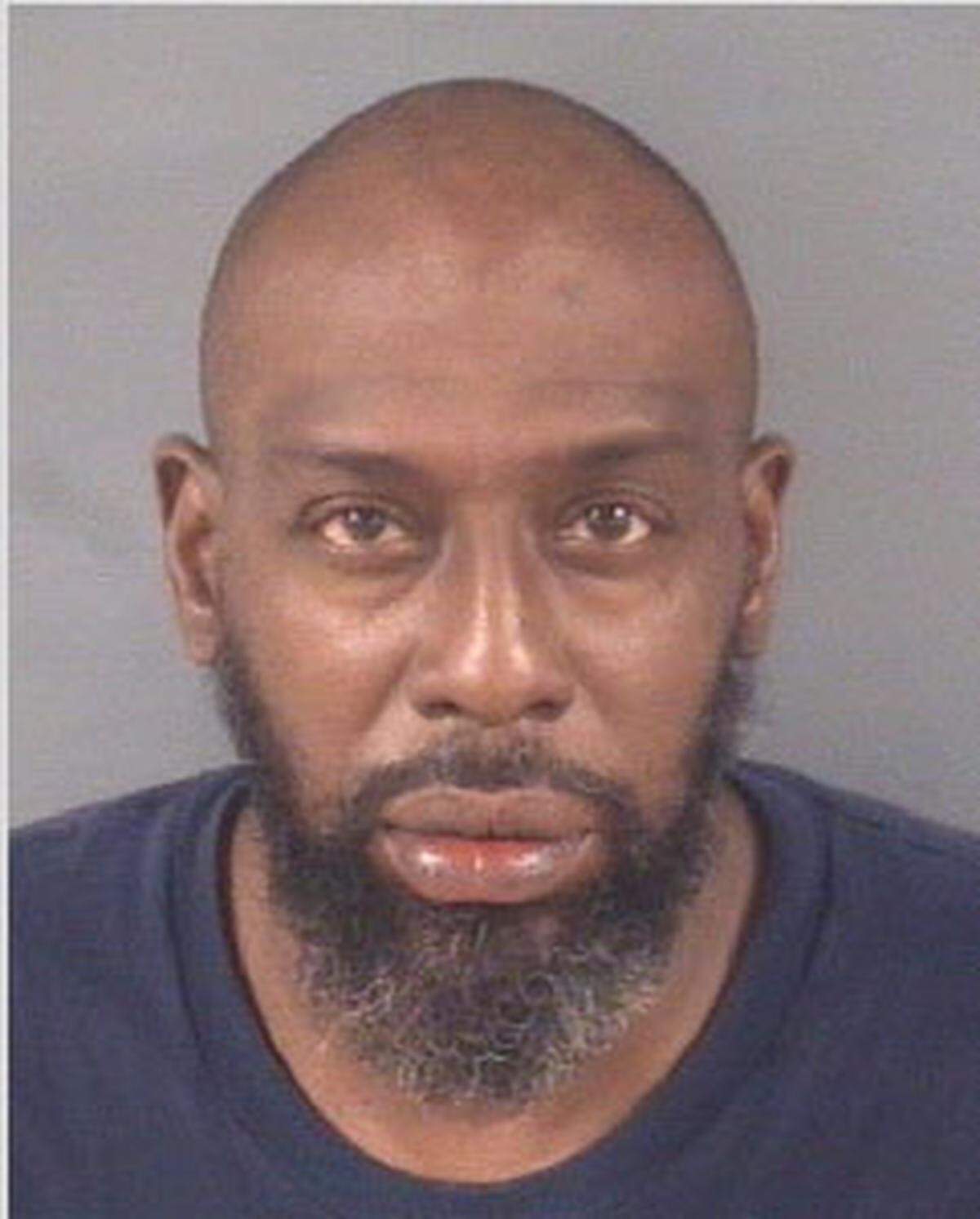
But in all but two cases, prosecutors in six separate counties allowed him to plead guilty to lesser charges or dismissed the charges altogether. In three cases, they let him plead to having a defective speedometer instead.
Heading home from the supermarket, Washington was traveling about 110 mph — and was driving while impaired — when his car veered over the center line, authorities said.
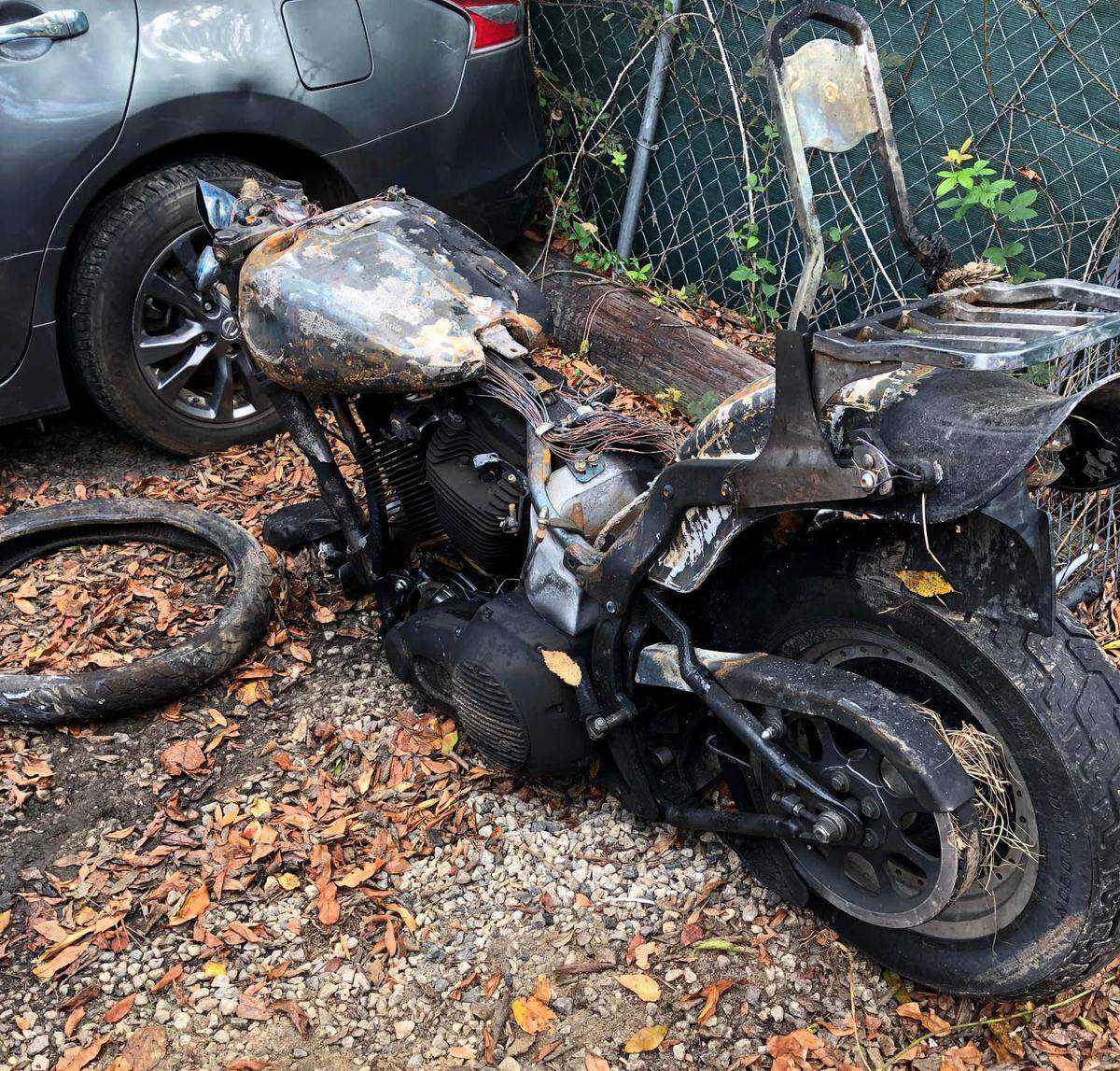
When Washington’s car hit Randy Padgett’s Harley Davidson, the impact was explosive.
“When he hit that bike, there was not a whole lot left of it.” said Cumberland Assistant District Attorney Ernest Freeman, who is handling the case.
Scott Brafford, a close friend of Padgett’s, said he had a sinking feeling that night after learning there had been a bad motorcycle wreck on a nearby road. He tried to call Padgett.
No answer.
So Brafford went to the scene. There, he found Padgett’s boots on opposite sides of the road, 40 yards apart. Pieces of Padgett’s motorcycle were strewn about 40-50 feet from the spot where Washington’s car smashed into it.
Grieving friends and family members say the wreck cut short a remarkable life.
In the 1970s, Padgett served as a military police officer in the Army, stationed in Korea. In his younger days, he belonged to a motorcycle club and his wild ways earned him a nickname: “Mad Dog.”
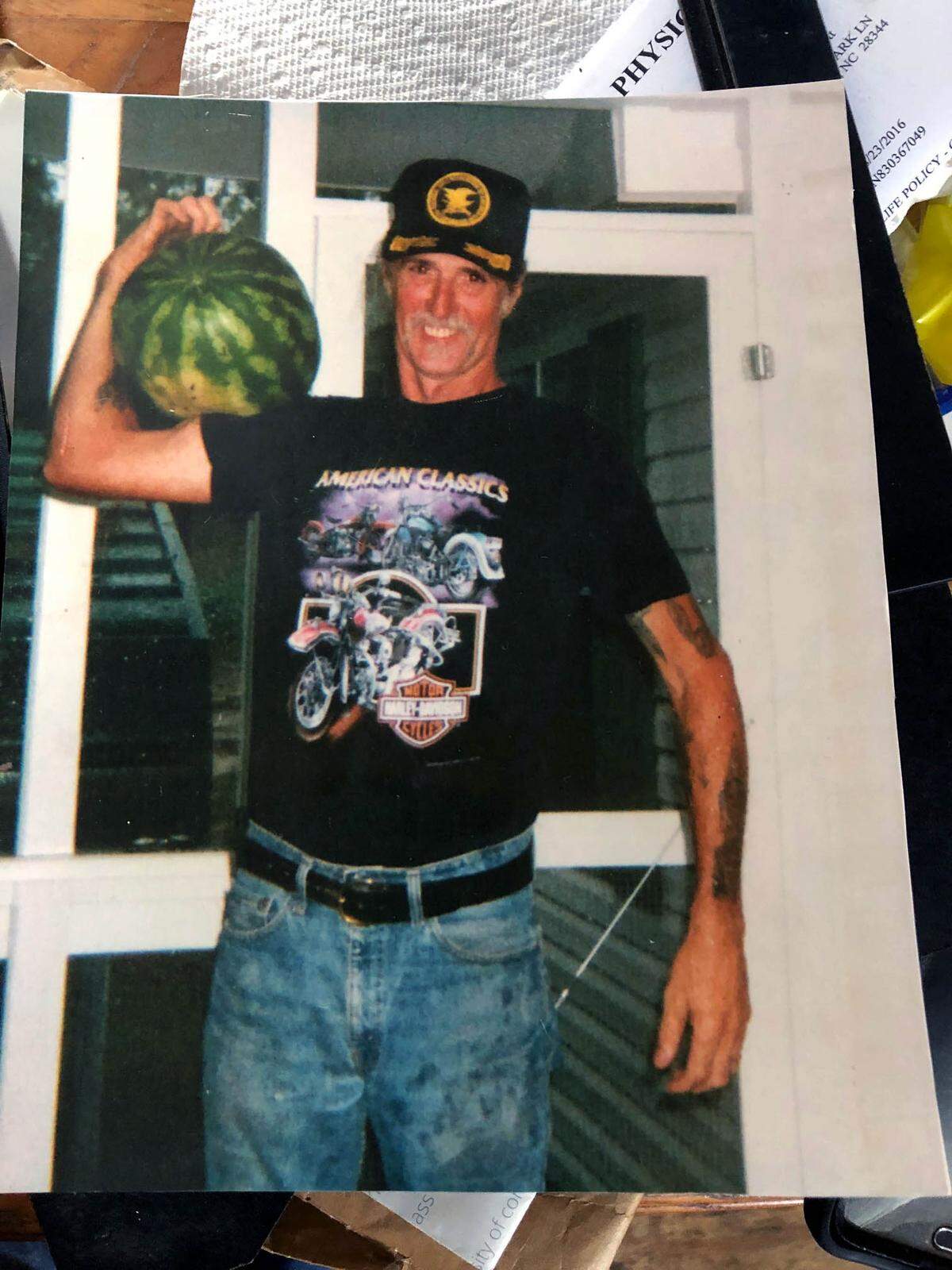
But as he got older, he mellowed, maturing into a hard-working carpenter and iron worker. He did welding and other iron work on buildings across the country. He could read blueprints and build elaborate pieces of furniture without plans, Brafford said.
And when people needed help, Padgett was there for them, Brafford said. About four years ago, Padgett saw a car with a flat tire and stopped to lend a hand, Brafford recalled. The stranded woman didn’t have a spare tire, so Padgett gave her the spare from his own car and put it on for her.
Washington could not be reached for comment. In June, he pleaded guilty to second-degree murder and was sentenced to a minimum of nine years in prison.
But Padgett’s friends and family members wish authorities had found a way to keep Washington from getting behind the wheel earlier.
“It’s aggravating to see how people like that keep on and on and get a slap on the wrist until they actually kill people,” Brafford said.
Janet Frye noted that Washington’s family will still be able to visit him in prison.
“But I can’t visit my brother,” she said, her voice quavering with emotion. “I can’t call him and have conversations.”
Ernest Freeman, the prosecutor who handled the murder case against Washington, said he understands why friends and family members are angry.
“If we would have taken a tougher stance with (Washington), would that have made a difference?” he asked. “You can’t help but wonder. Would Mr. Padgett still be with us today?”
“This,” Freeman acknowledged, “is one that makes the system look bad.”
Read Part 3 of Death in the Fast Lane:
Click here if you’re a Charlotte Observer subscriber.
Click here if you’re a Raleigh News & Observer subscriber.
Click here if you’re a Durham Herald-Sun subscriber.
Click here if you’re a Rock Hill Herald subscriber.
This story was originally published June 3, 2021 at 7:54 AM with the headline "NC courts let extreme speeders off easy. ‘They can go out there and do it again.’."