A day in NC traffic court: With 1,001 cases on docket, almost every driver gets a deal
READ MORE
Death in the Fast Lane
The Charlotte Observer and News & Observer in Raleigh wanted to know how often extreme speeding was happening on North Carolina’s roads — and whether the COVID-19 pandemic had made highways deadlier. They found that nearly 92% of extreme speeders get breaks in the courts that allow them to avoid the full penalties.
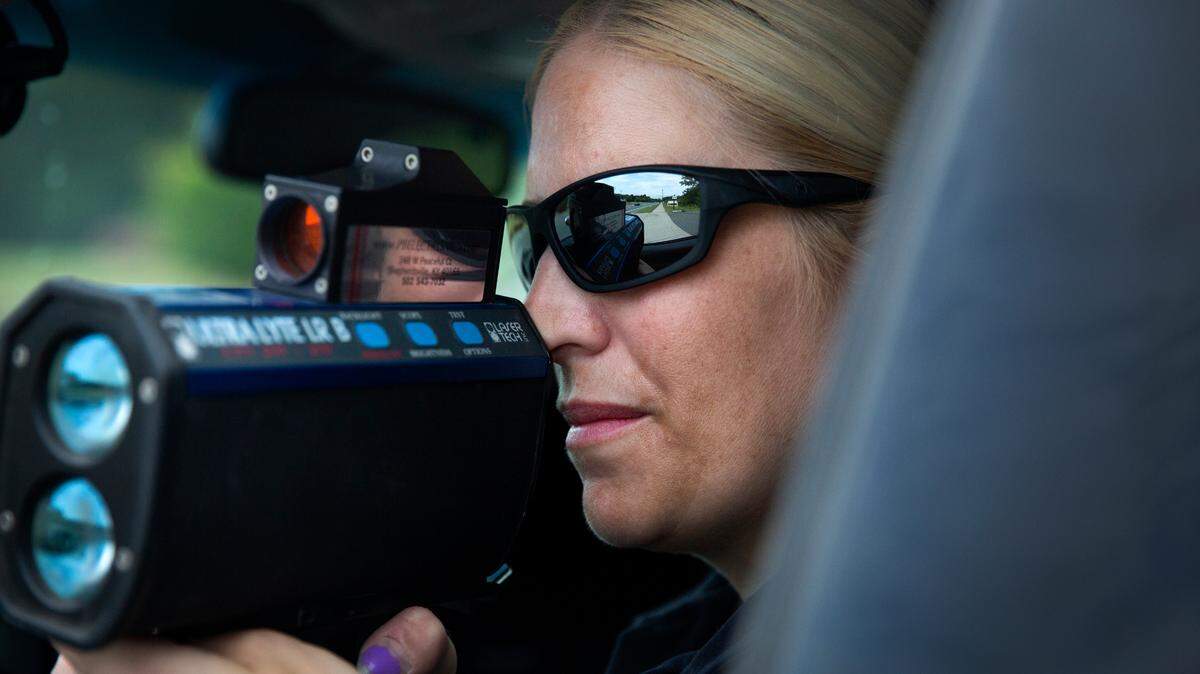
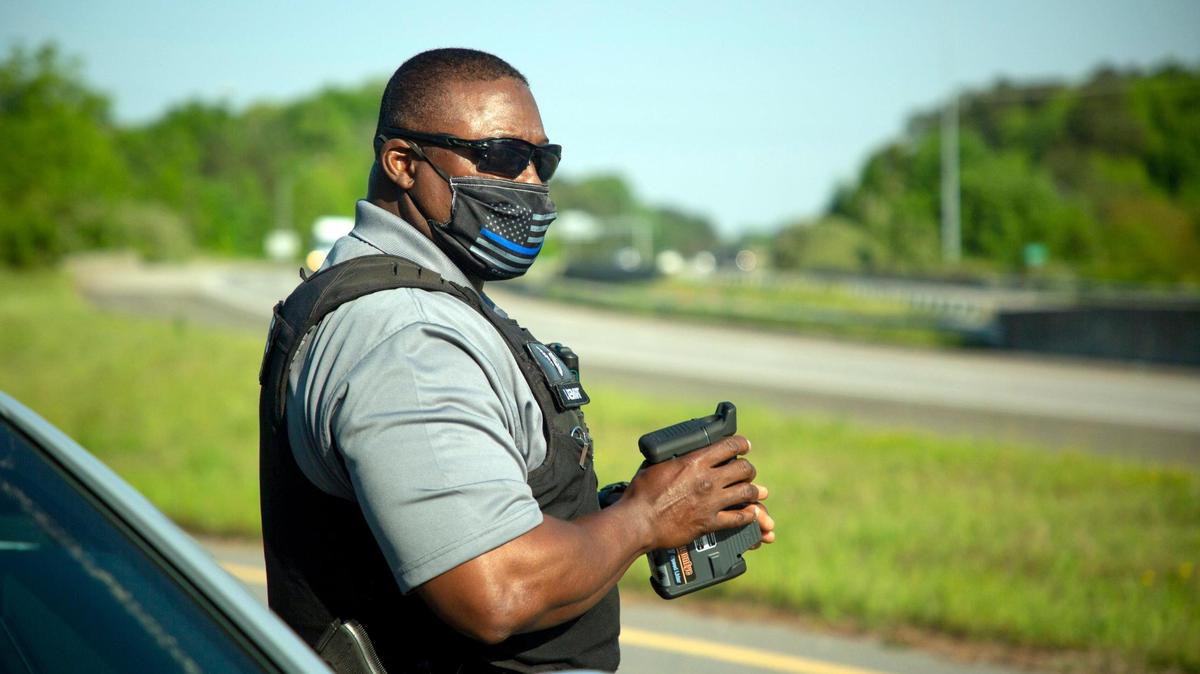
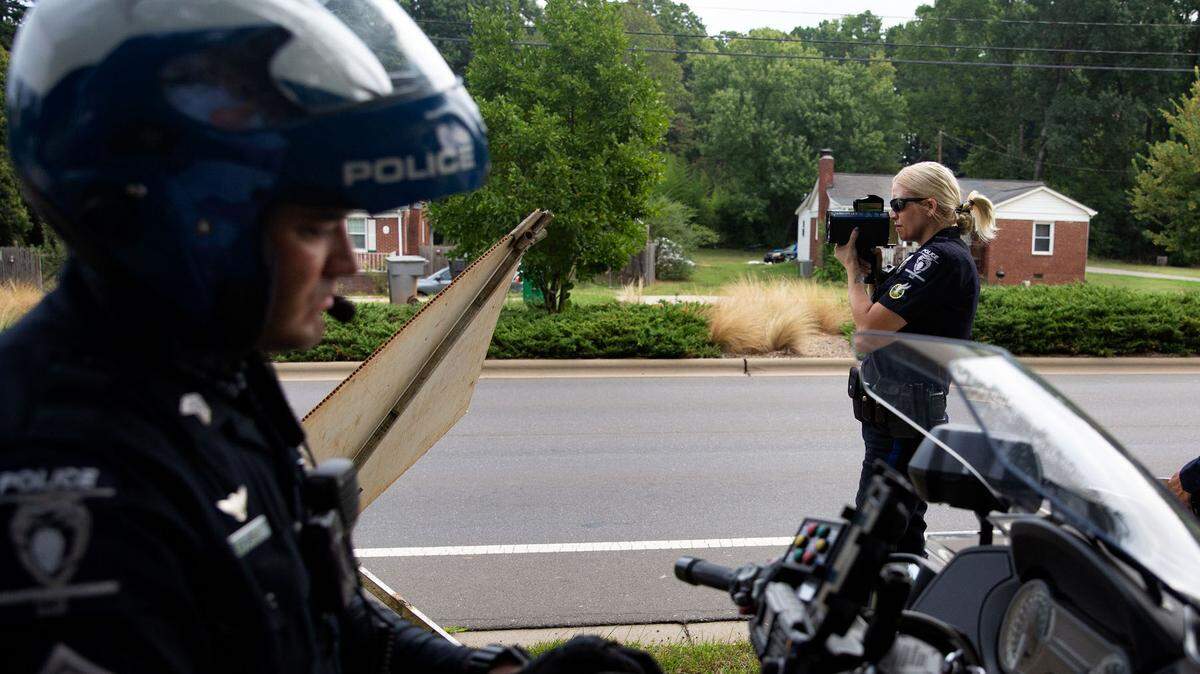
Highway Patrol troopers, meanwhile, acknowledged they were stretched thin. Experts say that helps explain why highway deaths have increased — and why people who drive 90, 100 mph or more routinely get away with it.
Expand All
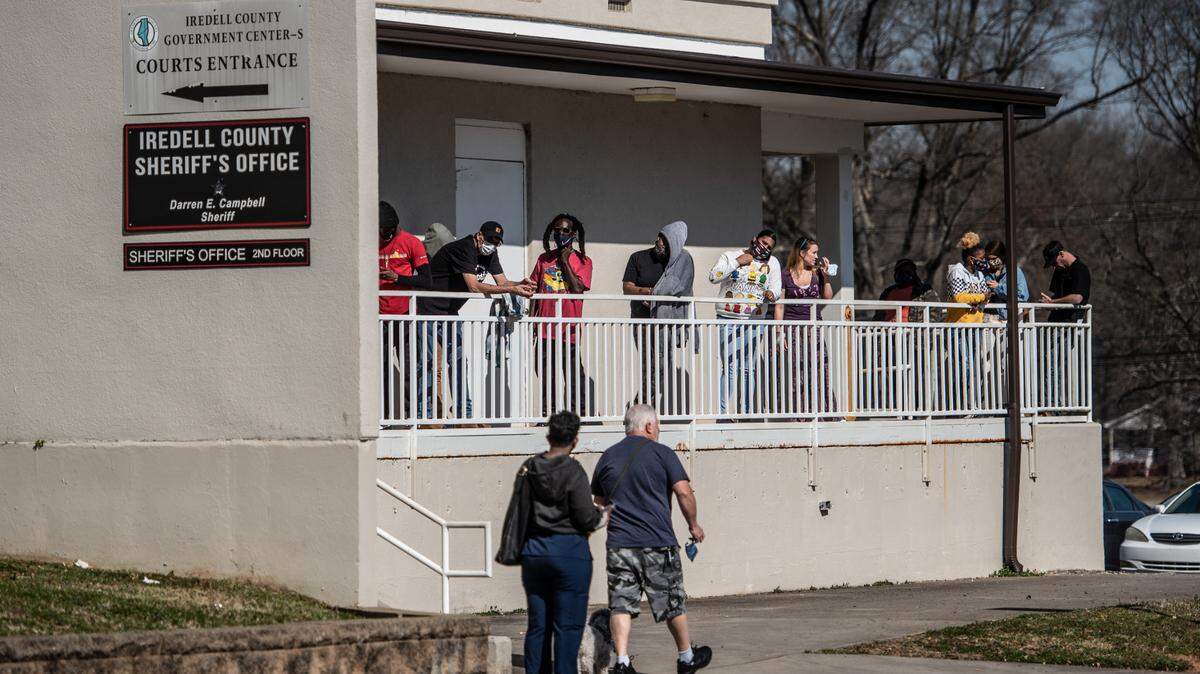
By 8:15 a.m., dozens of traffic defendants are already lining up outside the Iredell County Courthouse.
Inside, prosecutor Regina Mahoney is preparing for another blur of a day in administrative court. There are 1,001 traffic cases on the docket, a massive workload that will soon leave prosecutors feeling exhausted.
From 8:30 a.m. to well past 1 p.m. on this recent Wednesday, Mahoney personally handles the cases of 266 people who come to the courthouse looking to resolve speeding charges and other traffic violations. Courteous, quick and efficient, Mahoney offers deals to almost all of them. Prosecutors say that’s the only way to handle such a high volume of traffic cases.
Mahoney, a prosecutor who has been with the Iredell DA’s office for two and a half years, dispenses justice at factory speed. She resolves most cases in less than a minute. There’s no time to examine the driving records of each defendant, prosecutors say, so they use an honor system, asking drivers whether they’ve had recent speeding tickets in the county.
“We’re relying on them being honest,” Mahoney says.
Prosecutors in Iredell County aren’t the only ones who handle such huge caseloads. Each week, in courtrooms across North Carolina, versions of this play out. Prosecutors say the state’s overwhelmed and underfunded courts would simply grind to a halt if they didn’t offer deals to most people charged with speeding.
“It’s always ‘let’s make a deal time’ in district court because you can’t litigate them all,” said Ike Avery, a retired top lawyer for the N.C. State Highway Patrol.
‘I’ll work faster’
With most speeders, Mahoney has a short routine. She asks the driver’s name and searches through alphabetized rows of yellow envelopes for the correct file. She asks the drivers whether they’ve had any other moving violations in Iredell County in the previous three years. And after a quick glance at the officer’s citation, she makes her offer:
“I can reduce it to improper equipment if you’d like. It’s a non-moving violation. You’ll have 90 days to pay the fine.”
Mahoney agrees to reduce the charges for many who are caught driving 19 mph or more over the speed limit, and for many who have recent speeding tickets.
But she gives her best deals to those who were driving less than 19 mph over the limit and who had no recent speeding tickets in the county. They are allowed to plead to the lesser charge of “improper equipment.”
On paper, that charge appears to be designed for those whose speedometers aren’t working properly. But in reality, prosecutors across the state regularly use it to give drivers breaks and clear court dockets. While prosecutors in Iredell don’t give such deals to those caught driving 20 mph or more over the limit, those in all 99 of the state’s other counties do, the Charlotte Observer and News and Observer of Raleigh found.
During the recent Wednesday at the Iredell courthouse, more than three dozen drivers got “improper-equipment” deals. They are ordered to pay $266 in court costs and fines, but they avoid something much worse: points on their driver’s license and the steep insurance premium hikes that can accompany them.
Several defendants that day are charged with driving more than 90 mph. Mahoney tells them she can’t reduce their charges, so they will instead need to face the charges in district court on a later day.
Some speeders, however, do get a big break.
One young mother is charged with driving 90 mph in a 65-mph zone — an offense that under the law could cause her to lose her license for 30 days and cause her insurance premium to skyrocket. She tells District Court Judge Dale Graham she wasn’t paying attention to her speed, but acknowledges “that’s no excuse.”
The judge grants her request for a prayer for judgment continued, or PJC. That means she’ll be required to pay $193 in court costs but won’t lose her license or be hit with higher insurance premiums.
In North Carolina, only judges can grant PJCs.
One after another, the cases fly by. One man, charged with driving 24 mph over the limit, is allowed to plead to 14 mph over — a deal that allows him to avoid a license suspension. Another, charged with going 17 mph over is allowed to plead to “improper equipment.” A woman, charged with going 87 in a 65, gets a PJC. And so it goes.
By 10:30 a.m., the line of defendants waiting to get into the courthouse stretches to the parking lot. Mahoney has already dealt with 118 defendants by then. “Is it 10:30 or 2:30?” she says, eliciting laughter from her courtroom colleagues.
Shortly after noon, a bailiff tells Mahoney that many defendants are still outside, waiting to get their cases heard. “OK, I’ll work faster,” she says.
At 1:24 p.m., the morning session of administrative court finally ends. Except for one 10-minute break, Mahoney has been handling cases non-stop for nearly five hours.
Mahoney, wearing a face mask adorned with images of coffee, is asked how she feels. “Exhausted,” she replies.
But her work isn’t done. That afternoon, she and another prosecutor handle scores of additional plea requests sent in by attorneys. They also tackle the mound of paperwork that resulted from the morning’s court session.
At 6:30 p.m, they finally wrap up their day.
And in seven days, the traffic court marathon will begin all over again.
This story was originally published June 3, 2021 at 8:00 AM with the headline "A day in NC traffic court: With 1,001 cases on docket, almost every driver gets a deal."
.JPG)