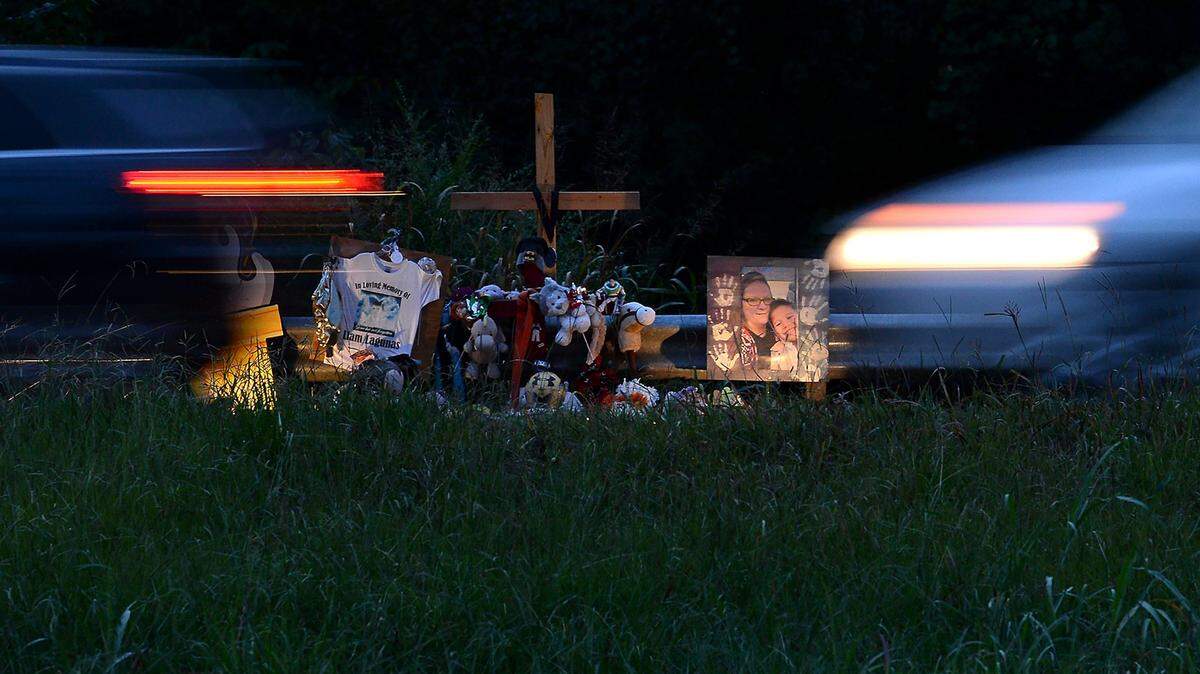
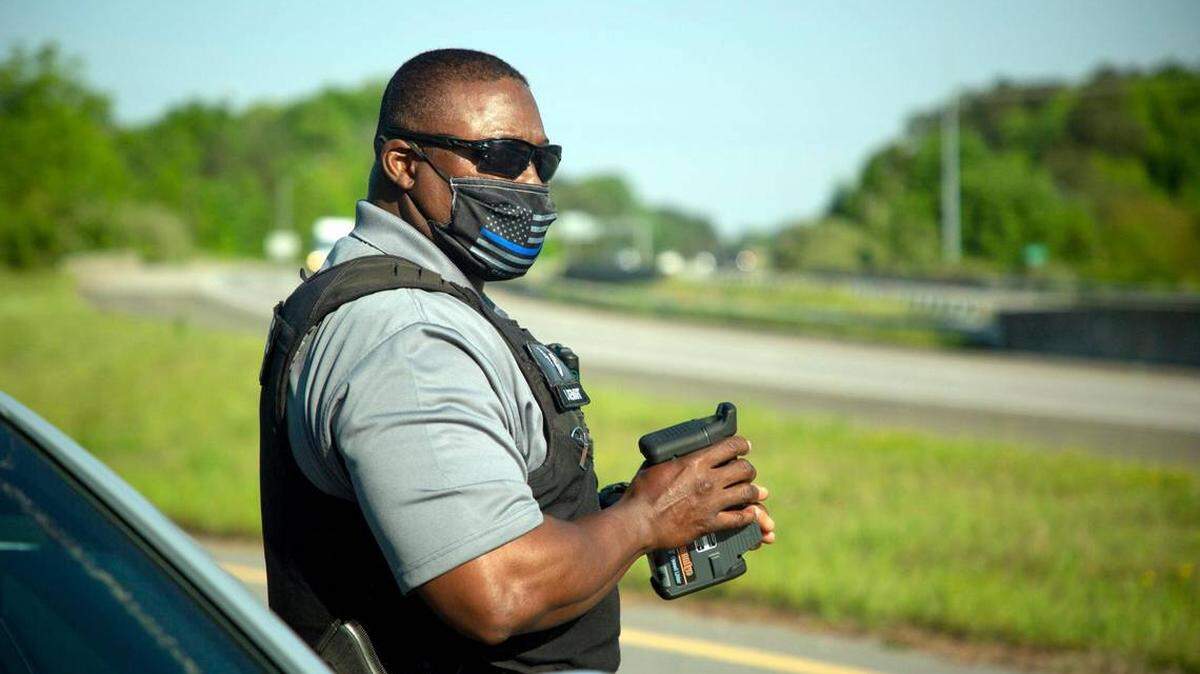
How can NC stop speeders and reduce deaths? Safety advocates lay out possible solutions.
READ MORE
Death in the Fast Lane
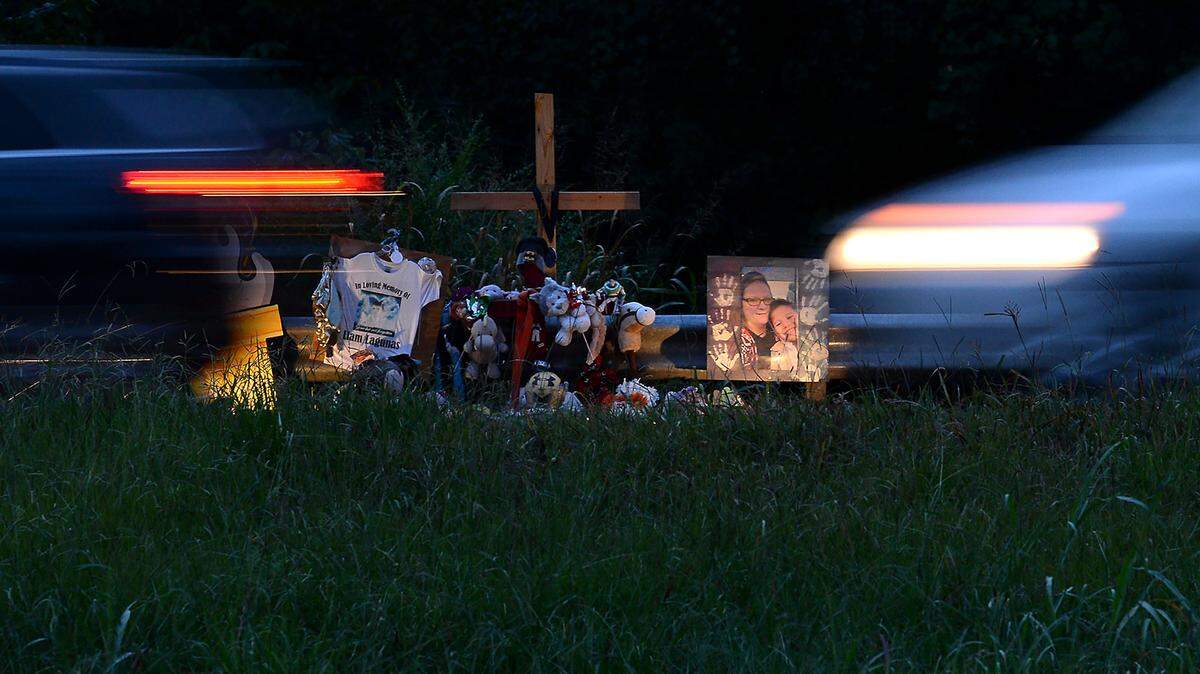
The Charlotte Observer and News & Observer in Raleigh wanted to know how often extreme speeding was happening on North Carolina’s roads — and whether the COVID-19 pandemic had made highways deadlier. They found that nearly 92% of extreme speeders get breaks in the courts that allow them to avoid the full penalties.
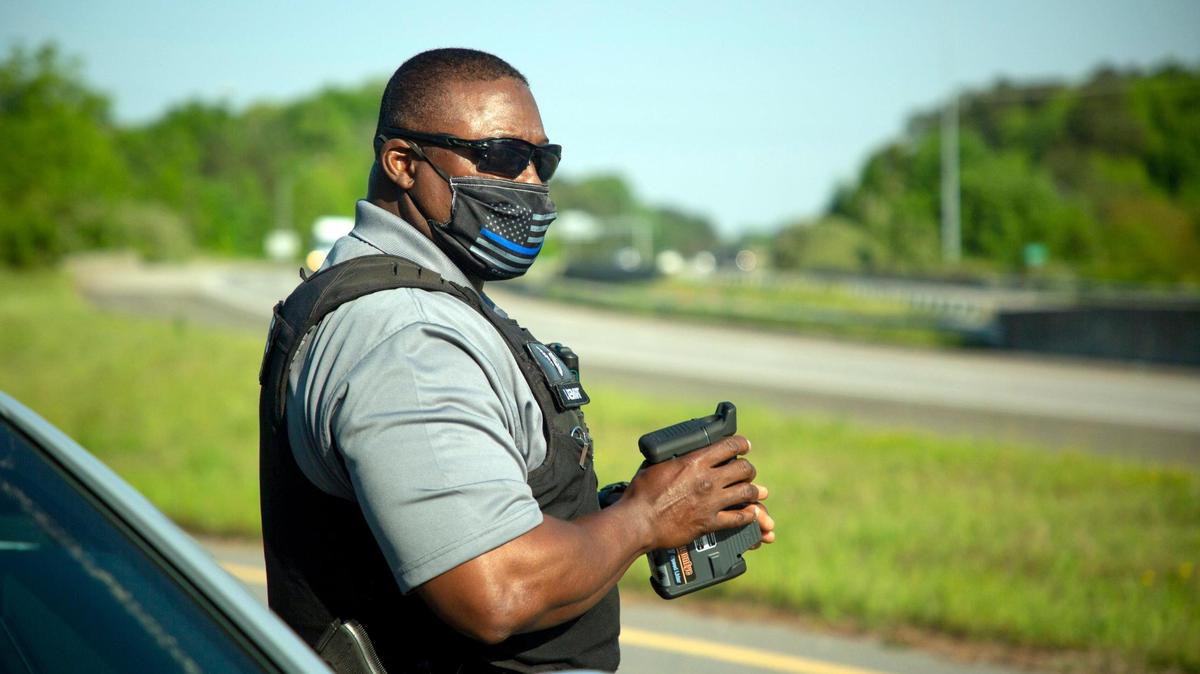
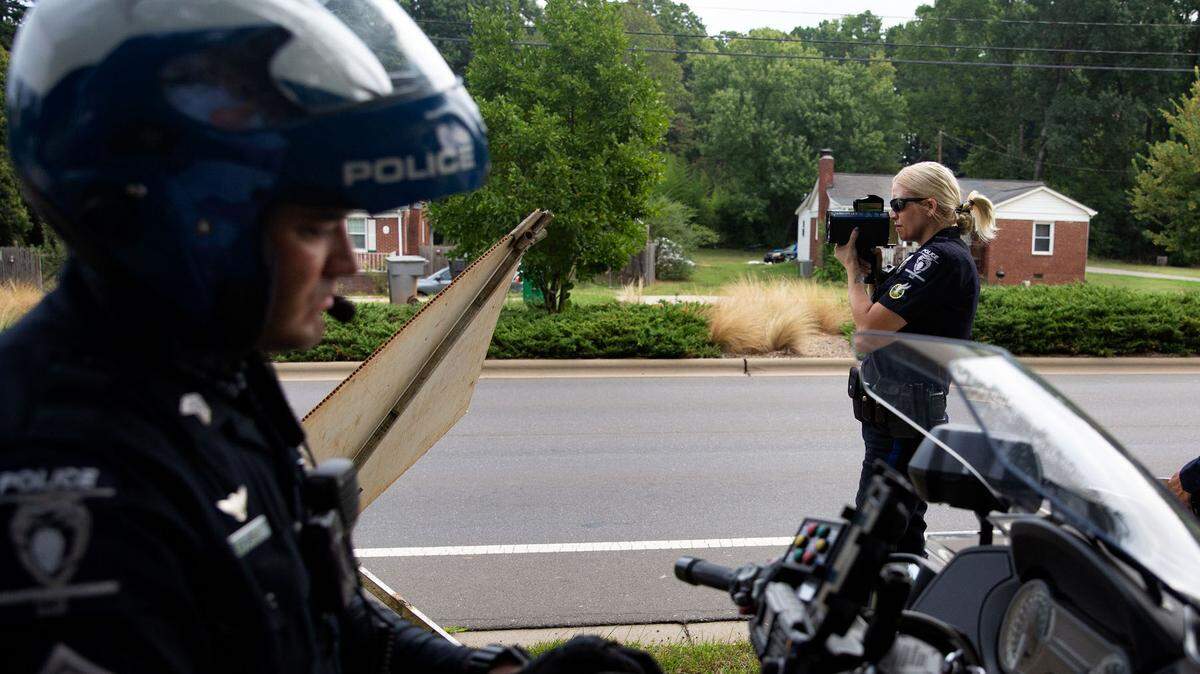
Highway Patrol troopers, meanwhile, acknowledged they were stretched thin. Experts say that helps explain why highway deaths have increased — and why people who drive 90, 100 mph or more routinely get away with it.
Expand All
In 2003, North Carolina lawmakers gave the city of Charlotte permission to try out traffic enforcement technology that had been shown to save lives.
Under the three-year pilot program, the city used speed enforcement cameras to detect speeding drivers on 14 corridors where crashes were common.
Like many other automated speed enforcement programs worldwide, this one proved a success, leading to a sharp reduction in speeding and collisions. On the corridors where the speed cameras were used, the percentage of vehicles found to be exceeding the speed limit by 10 mph or more dropped by 55%, according to a study by North Carolina State University’s Institute for Transportation Research and Education.
The N.C. State researchers recommended Charlotte expand the initiative and that other cities across the state consider implementing similar programs.
But that didn’t happen.
The Charlotte program ended after three years, and the state legislature failed to approve funding for cities to use automated speed enforcement.
While speed cameras aren’t a panacea, they have been shown to save lives and get drivers to slow down. Experts say that’s mainly because drivers know the cameras are out there. But such programs generally don’t provide the sorts of stiff sanctions — such as the loss of driver’s license or insurance — that law enforcement officers say are needed to teach the most egregious speeders a lesson.
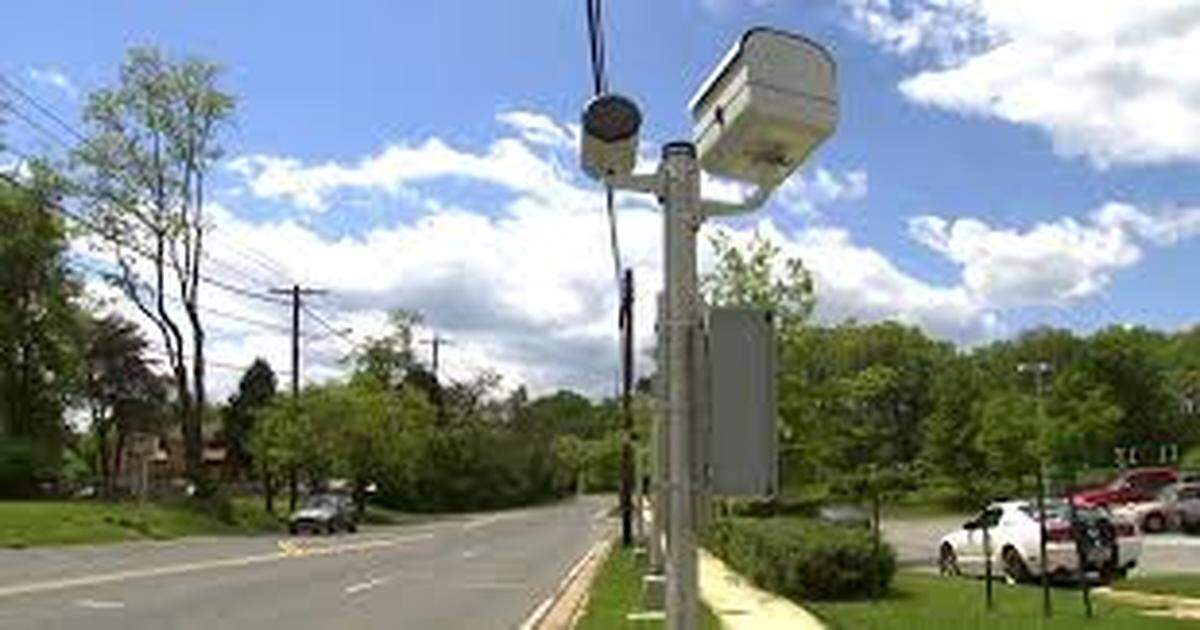
Speed camera tickets often carry fines of $100 or more, which are set by local governments, but because those tickets generally don’t go through the court system, there’s little to stop habitual speeders.
A 2005 ruling by the North Carolina Court of Appeals made it all but impossible for cities here to recover the cost of running the automated enforcement programs. That ruling set the precedent that 90% of the revenue from such programs must help fund local schools.
Across the globe, numerous studies have shown that automated speed enforcement curbs speeding and reduces serious crashes.
“Everywhere it has been evaluated, it has been shown to slow people down,” said Libby Thomas, senior research associate for the UNC Highway Safety Research Center. “Automated speed enforcement works because it provides assurance that you will be caught if you speed.”
Speed cameras are used in more than 150 cities in 16 states — including Georgia, Tennessee, Ohio and Illinois — but not California, Florida or North Carolina, according to research by the Insurance Institute for Highway Safety. Their use has often been politicized.
“The General Assembly has not been supportive of electronic enforcement,” North Carolina Department of Transportation traffic engineer Kevin Lacy said.

State lawmakers proposed bills this year that would have created a pilot program to use speed cameras around schools in Durham and Greensboro to deter speeders and make walking to school safer for children. Speeders would have been issued a $250 civil fine, but generally would not have faced license or insurance penalties. The bills did not pass in either chamber before the crossover deadline. That means they have a slim chance of being passed this biennial session.
Similar legislation was introduced in 2019 by Sen. Mike Woodard and then-Sen. Floyd McKissick. That bill died before making it to the Senate floor.
“There is a technological solution to a real issue in our communities,” said Woodard, a sponsor of this year’s legislation. “Anything that makes our streets safer … is something I’d support. Let’s let technology help us enforce our traffic laws.”
One place where most drivers have supported speed cameras is Montgomery County, Maryland, a suburb of Washington, D.C., where speed cameras have been used in residential areas and school zones since 2007.
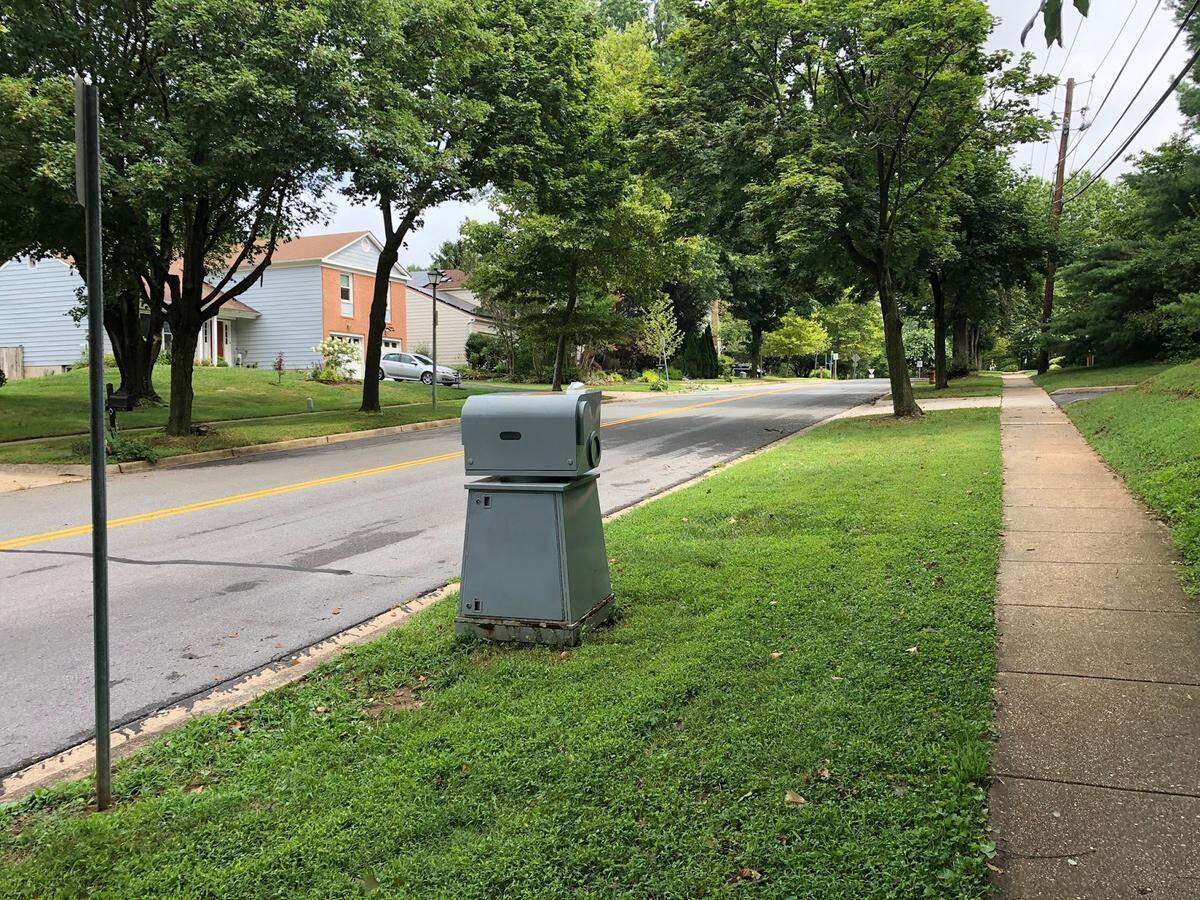
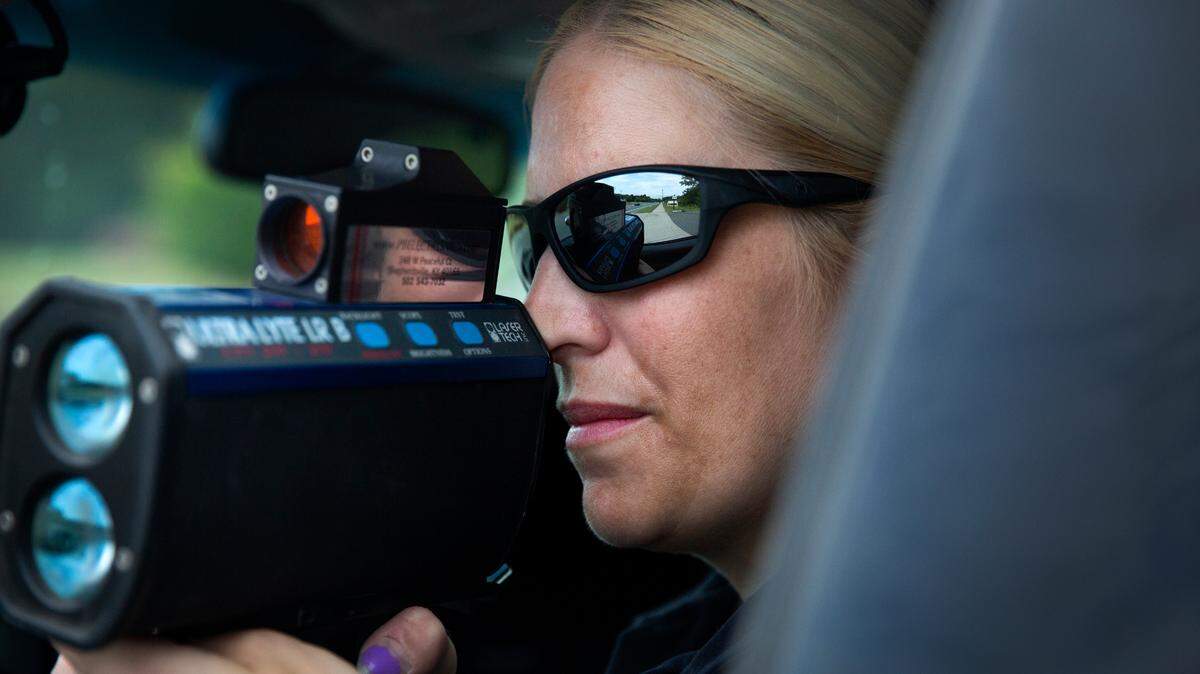
Placed along streets where speeding and wrecks are prevalent, the 75 cameras use lasers and a sophisticated radar system to detect and take photos of speeding cars. The owners of cars that travel 12 mph or more over the speed limit are sent citations in the mail.
The owners then have the option of paying the $40 ticket or requesting a hearing. It’s a civil violation, similar to a parking ticket, so motorists don’t see points on their drivers’ license or increases in their insurance premiums. Revenue from these tickets pays for the program, along with other public safety initiatives. Montgomery County pays about $7,500 per month for each camera.
There’s little question the program has saved lives. A 2016 study by the Insurance Institute for Highway Safety found speed cameras in Montgomery County led to dramatically lower speeds at camera sites, along with a 19% reduction in the likelihood that a crash would result in injuries that were fatal or incapacitating.
In 2008, there were 50 fatal crashes in Montgomery County. Since 2013, the annual number of fatal crashes has remained below 40 each year.
Thomas Didone, assistant chief of the county police department, attributes the decline largely to the use of speed cameras. The program has been so successful that the county plans to add more than 50 additional speed cameras over the next five years.
Montgomery County is in good company. A number of large cities — including New Orleans, Seattle, Chicago, Baltimore and New York City — also use speed cameras.
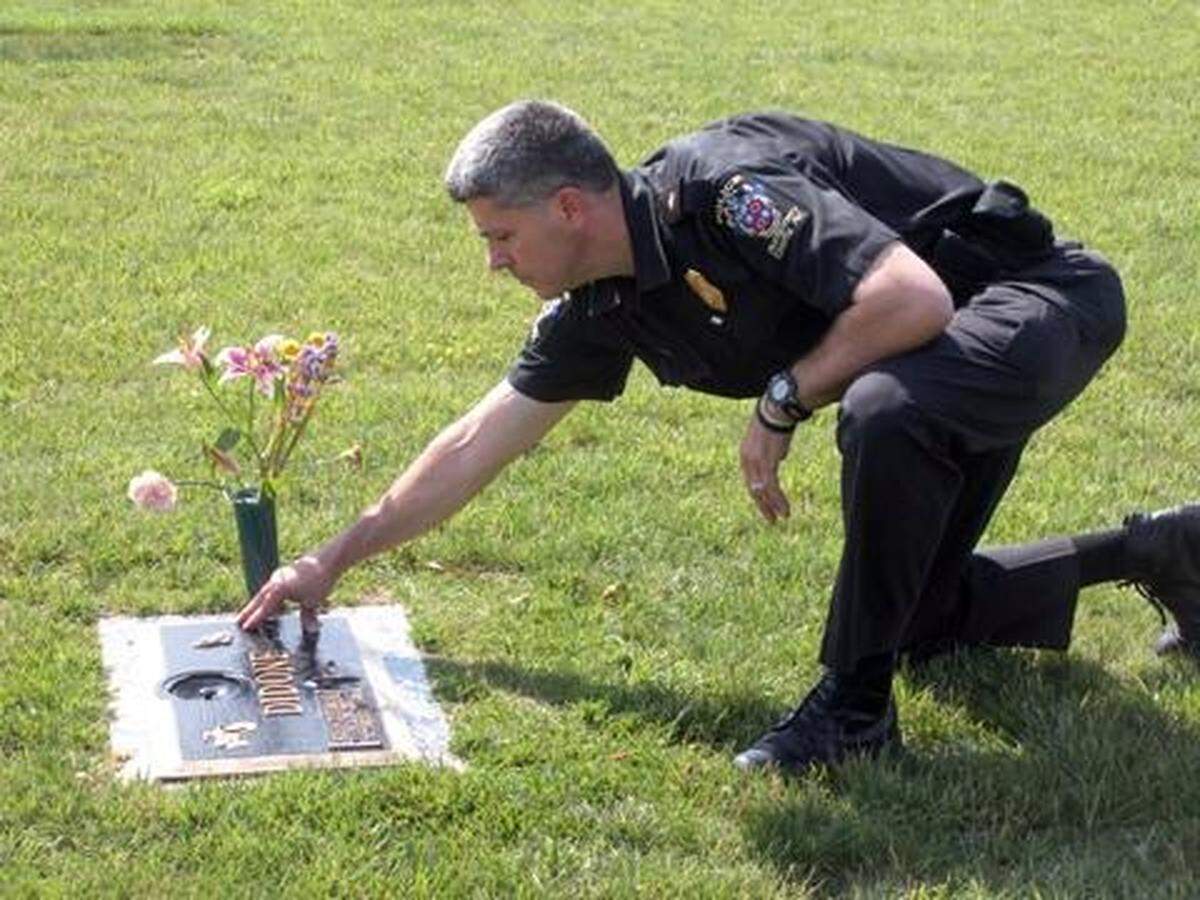
A little over 12 years ago, Didone became even more passionate about his quest to reduce speeding. That’s when his 15-year-old son, Ryan, climbed into a car driven by a 17-year-old companion. Ryan died after the driver lost control of his speeding car and hit a tree.
“I’ve seen how important this work is,” Didone said. “So when I talk to people about speed cameras, it’s based on personal tragedy as well as professional awareness.”
Slowing drivers down
Other possible ways to try to curb speeding range from tougher laws to expanding the court system. Here are some of them:
MORE MONEY FOR COURTS
North Carolina spent less per capita on its courts than any other state-funded system, according to data collected by the National Center for State Courts in 2012, the most recent available.
As a result, the state’s courts here aren’t equipped to deal effectively with the multitude of speeding cases. Prosecutors must churn through hundreds of traffic cases in a single day of court, leaving them with no time to try speeding cases or even review driving records. So almost every speeding defendant who comes to court gets a deal. Many are able to avoid points against their license and higher insurance premiums by pleading their cases down.
Consequently, law enforcement officials say, too few speeders change their ways. That could change if the state provided money for more prosecutors, judges and other court personnel, experts agree.
State Sen. Kevin Corbin, a Republican who represents seven western North Carolina counties, said he has requested money for two additional judges and prosecutors in his counties.
“It’s a larger problem than just speeding tickets,” Corbin said. “The whole court system is just clogged. It takes months and months for cases to be heard. It’s not really the fault of the judges or the DAs. They’re just overwhelmed.”
TOUGHER LAWS
The state legislature could make sure that more habitual speeders face stiff penalties, such as loss of their driver’s licenses, by closing the so-called “improper equipment” loophole that allows tens of thousands of speeding drivers each year to claim — without proof — their speedometers weren’t working properly. Critics contend that makes it too easy for North Carolina motorists to speed.
A bill in 2007 would have prohibited drivers from getting more than two improper-equipment deals in a five-year period. But lawmakers killed that provision before passing the legislation. Today, hundreds of drivers continue to get multiple improper-equipment deals, records show.
The legislature did implement changes in 2007 that were intended to prohibit improper-equipment pleas for people driving more than 25 mph over the speed limit.
But many prosecutors continued providing such deals. Since 2016, prosecutors across the state have allowed more than 12,000 improper-equipment pleas for people who were driving more than 25 mph over the limit, a Charlotte Observer and Raleigh News & Observer investigation found.
Some states levy stiff financial penalties on those who drive at extremely high speeds. In Virginia, those caught driving more than 85 mph, or more than 20 mph over the speed limit, can face fines as high as $2,500 and up to a year in jail.
“You start hitting people’s pockets, they start thinking twice about it,” N.C. Highway Patrol Trooper Mitch Geracz said.
MORE MONEY FOR ENFORCEMENT
Speeding enforcement has declined in North Carolina in recent years, despite growth in the state’s population.
One reason is that workloads for enforcement agencies, such as the N.C. State Highway Patrol, have been increasing far faster than staffing.
Many law enforcement agencies have struggled to attract and retain officers. Better pay would help change that and would help make the state’s roads safer, experts say.
While North Carolina has increased pay for Highway Patrol troopers in recent years, troopers here still earn less than those in many other states, including Virginia and Texas. Starting pay for North Carolina troopers is about $37,000 for cadets and $46,000 for troopers who’ve completed training.
NARROWER LANES
By narrowing urban roads, or reducing the number of lanes on them, traffic engineers can reduce the feeling of openness, making drivers less likely to speed, traffic experts say.
A 2015 study by a transportation planner for the city of Toronto found that people tend to drive less aggressively in urban areas when lanes are narrower.
Replacing some intersections with traffic circles also tends to reduce speeds and the likelihood of crashes, according to a 2013 study by the UNC Highway Safety Research Center.
While reducing the number of lanes isn’t always feasible on high-volume roads, the Charlotte Department of Transportation has used this approach on some streets in order to slow speeds and make the roads safer for bicyclists and pedestrians, according to Angela Berry, the department’s traffic safety program manager.
East Boulevard, for instance, used to be two lanes in each direction. But about 10 years ago, the city redesigned the road so that it is now one lane in each direction, with a left turn lane in the middle. The city made the same changes last year on The Plaza, between Central and Parkwood avenues.
“We, in fact, saw the speeds (on The Plaza) go down,” Berry said. “It was a noticeable change.”
GOVERNORS ON CARS
The European Parliament has voted to require that all new cars feature a speed control system by 2022. That system will restrict the flow of fuel to engines once the car reaches a certain speed. For more than a decade, Ontario, Canada, has also required speed limiters that prevent cars from exceeding 68 mph. There is currently no such requirement in the U.S.
Observer database reporter Gavin Off and News & Observer staff writer Richard Stradling contributed to this report.
This story was originally published June 3, 2021 at 8:00 AM with the headline "How can NC stop speeders and reduce deaths? Safety advocates lay out possible solutions.."
.JPG)