
Peggy Wall didn’t have to die, her son says. Was short-staffed nursing home to blame?

A nationwide struggle to hire and retain caregivers is causing North Carolina nursing homes to reach a crisis point — a trend that endangers thousands of residents, our investigation has found. An influx of for-profit nursing homes and fewer regulations during the pandemic are compounding the crisis. So what should families do to protect their loved ones?
- Part 1: ‘People can die.’ Staffing crisis endangers thousands inside NC nursing homes
- Part 2: Do some for-profit NC nursing homes cut corners on staffing and quality?
- Part 3: Need to find a high-quality nursing home in North Carolina? Here are some tips
- Part 4: At the worst time, North Carolina nursing home residents lost key protections
- Part 5: She didn’t have to die, her son says. Was short-staffed nursing home to blame?
- Part 6: Troubled NC nursing home failed to protect residents from abuse, investigation finds
- Part 7: ‘You just can’t give good care.’ Nursing home aides struggle with daunting caseloads
- Part 8: ‘Outside the box’ solutions helped this nursing home excel, despite staffing challenges
- Tell us your thoughts: What have you experienced or witnessed inside NC nursing homes?
Tim Wall said his mother deserved better.
An outgoing mother of three, Peggy Wall and her husband had fostered 16 kids. She was known for her baking - particularly for her delectable pies. Young mothers were always calling her for advice on recipes, caring for children and what to do when their cakes fell, her son said.
But age eventually took its toll. Suffering from anemia, dementia and other problems, Peggy Wall entered a nursing home in late 2018.
By 2020, her nursing home — Summerstone Health and Rehabilitation Center in Kernersville — had developed serious staffing problems, federal data show.
Tim Wall, now a business analyst, served as a chaplain at a long-term care facility in the 1980s. So he understood the challenges nursing homes face. But he was troubled by what he saw at Summerstone: evidence of neglect ranging from basic hygiene lapses to failures to obtain urgent medical care.
A single nurse aide was sometimes left in charge of as many as 30 residents — a near impossible task, he said. Once, he found the ring on his mother’s finger encrusted in feces, something staff members had apparently not paid close enough attention to see.
In July 2020, the facility’s medical director ordered a fecal blood test because of Peggy Wall’s chronic anemia. But a state inspection found no indication that the test was ever performed.
Six months later, Peggy Wall was living in a wing staffed by temporary nurse aides who appeared to know little about her care needs, her son said.
When Wall visited his mother there on Jan 5, 2021, he found her toilet full of bloody stool. Wall asked the temporary nurse aides about that, but they seemed to know nothing about it, he said.
Wall called 911. An ambulance carried his mother to the hospital, where doctors found internal bleeding caused by a tumor in her colon. The nursing home’s staff might have discovered the tumor if they had ever conducted the fecal blood test ordered by the doctor, Wall said.
Peggy Wall died of blood loss from the tumor six weeks later. She was 86.
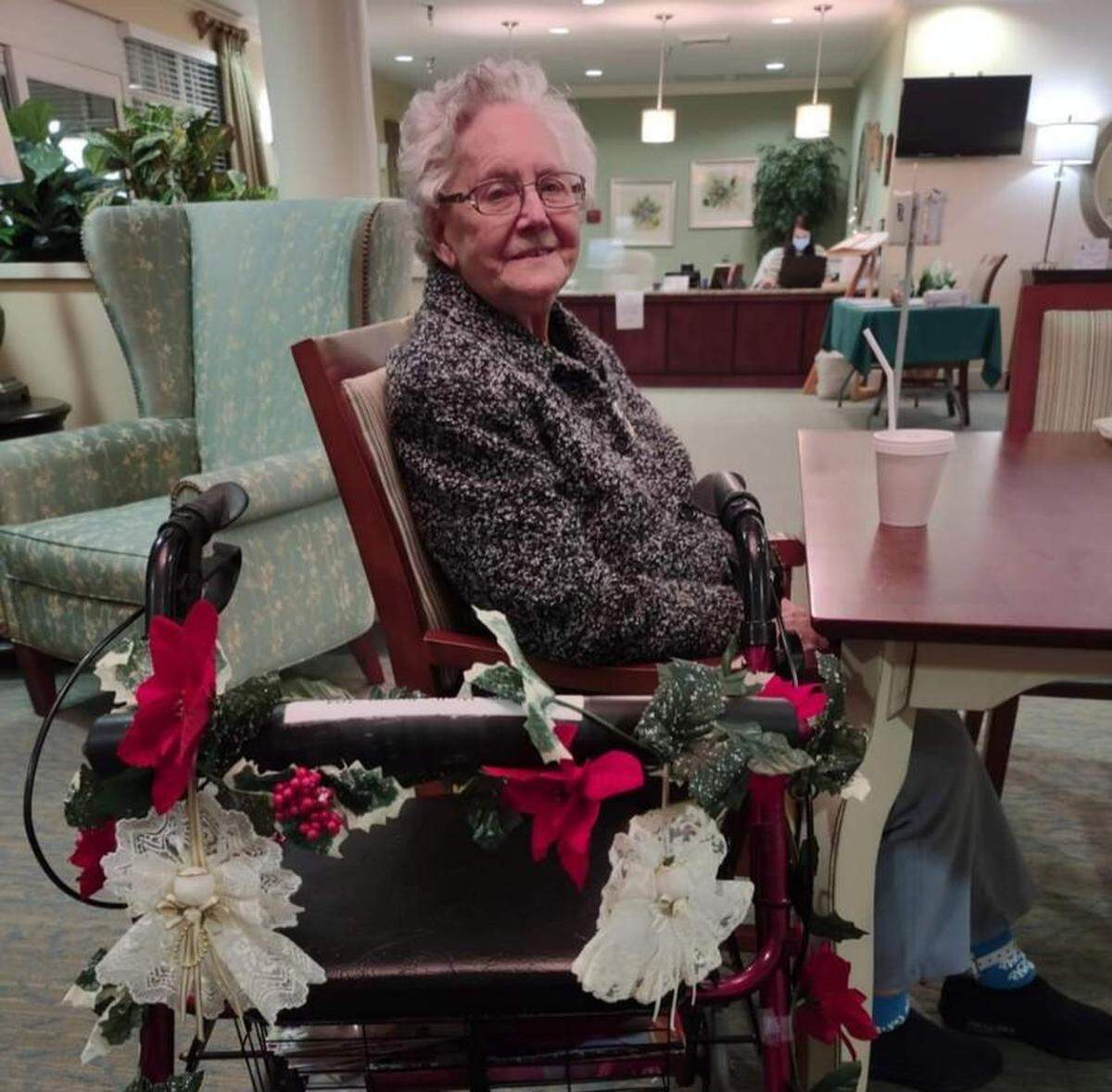
Wall believes the nursing home’s “systemic” staffing problems led to her death.
Responding to the findings of state inspectors, the nursing home said it improved its processes to ensure that it performs all fecal blood tests ordered by doctors.
Summerstone’s interim administrator, Felton Wooten, said he can’t address what happened to Peggy Wall because he was not working at the nursing home at the time.
But he said Summerstone is doing what it can to attract and retain qualified staff. The home is paying sign-on bonuses for new employees, as well as referral bonuses to employees who recommend them. But he acknowledged the difficulties that nursing homes face in attracting qualified caregivers.

The average pay for nurse aides there is about $13 an hour, he said.
“Sometimes we find a pizza place or a Wendy’s will pay more than we pay the nurse aides,” Wooten said. “...Caregiving is not an easy job. When you can make the same or more money and not have the challenges of being a caregiver, people may say, ‘I’ll do that.’ ”
Inspection records indicate the facility’s staffing problems continued in the months that followed Wall’s death. In interviews with a state inspector, a staff member said there were some nights when a single nursing assistant had to cover two full hallways — and that staff shortages during the night shift “made it difficult to provide care for the residents.”
In such circumstances, Wall said, caregivers may lose sight of what’s most important.
“It’s easy to forget that this is someone’s mother,” he said.
This story was originally published March 28, 2022 at 6:00 AM with the headline "Peggy Wall didn’t have to die, her son says. Was short-staffed nursing home to blame?."
.JPG)