Did you know an NC snake can still bite you after it’s dead? What to know
AI-generated summary reviewed by our newsroom.
- Beheaded venomous snakes like copperheads may still bite hours after death.
- Snake bite cases are rising as weather warms, Triangle hospitals report.
- Experts advise avoiding and not handling snakes to prevent injury.
People may think that killing a venomous snake like a copperhead makes them safer.
But decapitating a snake doesn’t kill it instantly. And a venomous snake head could still inject venom into a bite victim.
“It’s best to just leave them be,” said Jeff Beane, a collections manager for herpetology at the North Carolina Museum of Natural Sciences.
How can snakes still bite after they’ve been beheaded?
Even after a snake has been beheaded, its neurons continue to fire, and its tissues work, Beane said.
Reptiles including snakes don’t need as much oxygen as mammals to keep their tissues alive, so they can still move after they are functionally dead, he said.
The length of time that a snake would be able to bite after it has been “killed” varies.
“If you throw the head in boiling water, it’s going to be dead instantly,” Beane said. “But if it’s in a cool, shady place, it could be hours.”
In a way, Beane said, decapitating a snake makes it more dangerous, because people don’t realize that the snake is still able to move, and then people try to handle the snakes.
In 2018, a Texas man was bitten in the hand by a rattlesnake, just after he lopped off its head with a shovel. The rattlesnake injected venom into the man, ABC News reported, who received antivenom to treat the bite.
How dangerous is a copperhead bite?
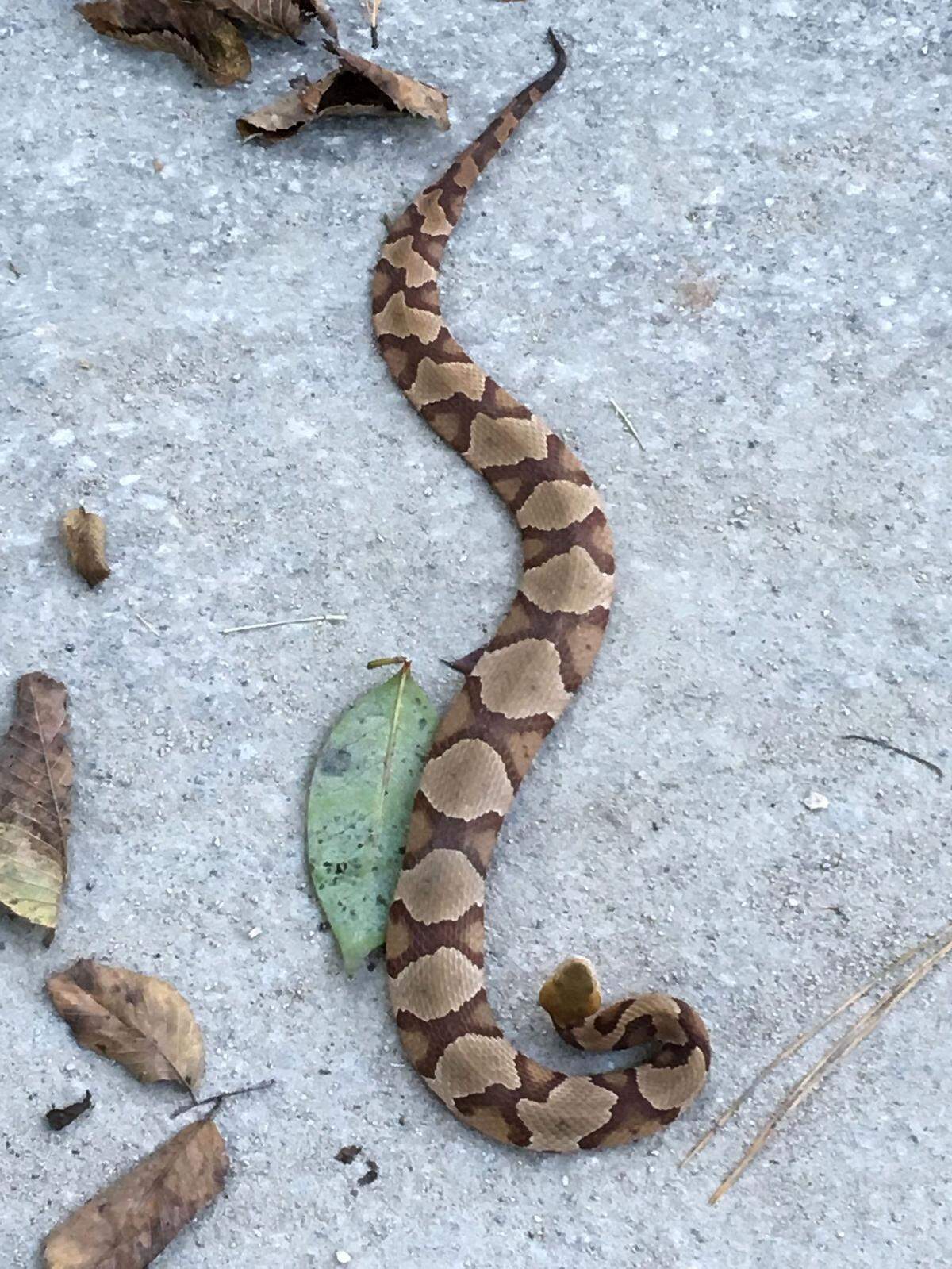
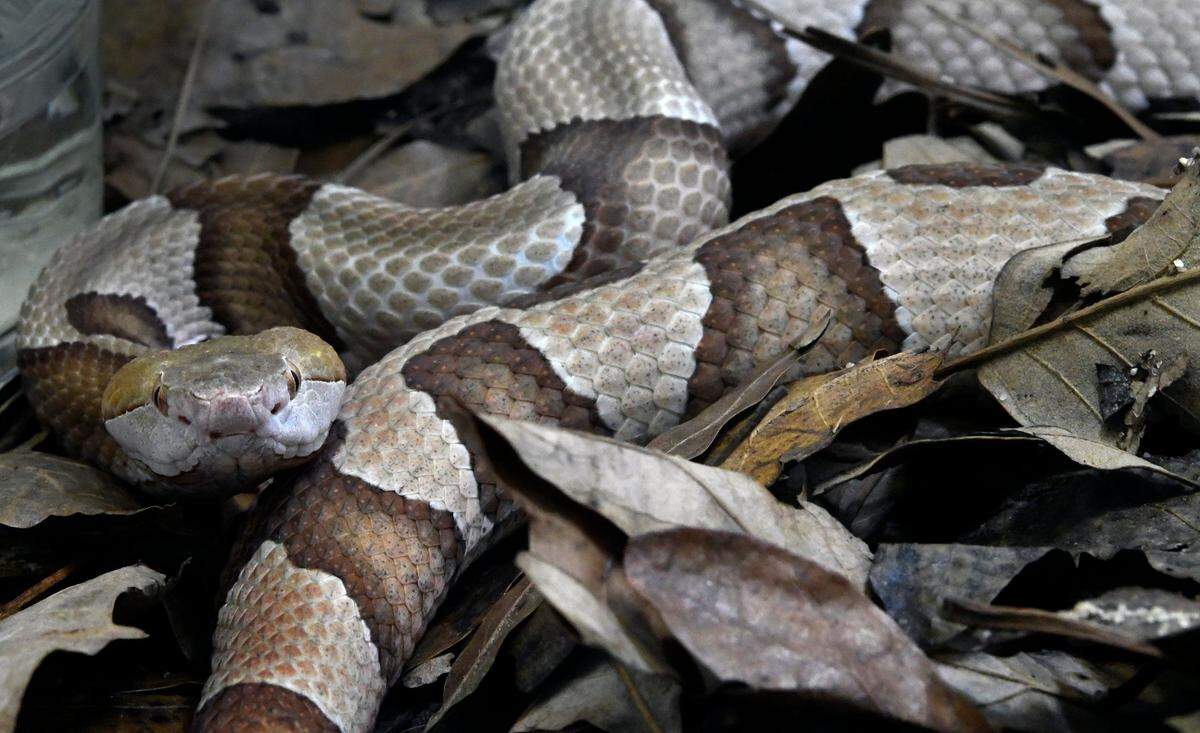
While there are several venomous species of snakes that live in North Carolina, the one most common in the Raleigh and Charlotte areas is a copperhead, characterized by their brown, Hershey’s Kiss-shaped pattern along their bodies.
Their bites are rarely fatal for humans or pets, but could be painful and cause swelling. Doctors and veterinarians recommend seeking medical attention for copperhead bites. At the very least, bite victims could receive pain medication and monitoring, but other tests and antivenom may be required.
Triangle hospitals have reported an increase in visits from snake bite patients this year, as temperatures have risen. Snakes become more active in warmer months, which is also when people tend to spend more time outdoors — one reason that may contribute to the trend, Dr. Ben German, an emergency department physician at WakeMed, previously told The News & Observer.
How to avoid snakes
This time of year, in this part of the world, snakes are just a part of life. But there are strategies North Carolina residents can take to help protect themselves and their pets from snake bites.
▪ Keep an eye open for snakes while outside, and bring a flashlight if it’s dark.
▪ Watch where you step.
▪ Wear protective footwear.
▪ Wear gloves if reaching into weeds or yard debris.
▪ Keep an eye on dogs, and don’t let them poke their nose into areas where snakes may be hiding.
▪ If you do see a snake, leave it alone.
This story was originally published July 16, 2025 at 10:40 AM.