Is that a snake or one of NC’s 3 legless lizards? How to tell them apart
AI-generated summary reviewed by our newsroom.
- North Carolina is home to three legless lizard species, often mistaken for snakes.
- Glass lizards differ from snakes with ear openings, eyelids and more rigid bodies.
- Glass lizards eat insects and small animals, but pose no threat to humans or pets.
When you think of a lizard, you probably think of a scaly reptile with a tail and four visible limbs.
The thing is, not all lizards have legs. These lizards, called glass lizards because their tails shatter like your mother’s china, look more like snakes.
Three kinds of glass lizards live in North Carolina: the Eastern glass lizard, the slender glass lizard and the mimic glass lizard.
The News & Observer previously spoke with wildlife experts to learn more about these reptiles and how to tell them apart from snakes.
Where to find glass lizards in NC
Glass lizards are often found around bodies of water but live throughout the coastal plain.
Falyn Owens, a wildlife biologist for the North Carolina Wildlife Resources Commission, previously told The N&O you’re not likely to find them unless you’re really looking for them — digging in the dirt or turning over rocks and logs.
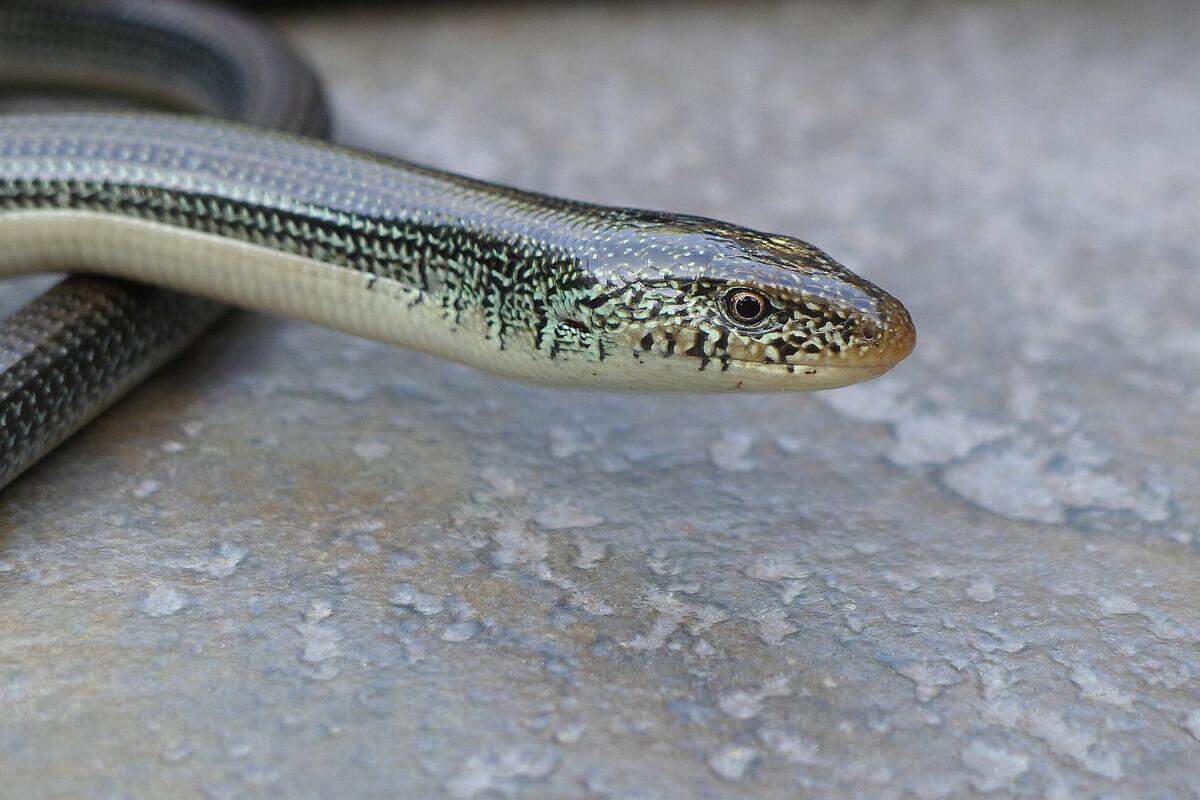
The mimic glass lizard is rare. The slender glass lizard is the one most likely to be found in the Triangle, and according to the Savannah River Ecology Laboratory at the University of Georgia, these glass lizards are also found throughout South Carolina and Georgia.
What do glass lizards look like?
▪ Eastern glass lizards are tan to greenish and color and have small black spots along their bodies, according to the South Carolina Partners in Amphibian and Reptile Conservation. They are the longest lizards in South Carolina, ranging 18 inches to about 42 inches.
▪ Slender glass lizards are usually thinner than Eastern glass lizards, according to Amphibians and Reptiles of North Carolina. They have a dark, longitudinal stripe down the middle of their bodies, with a brown or yellowish background.
▪ Mimic glass lizards are the smallest of the three, usually tan or brown and may or may not have pale and dark speckling.
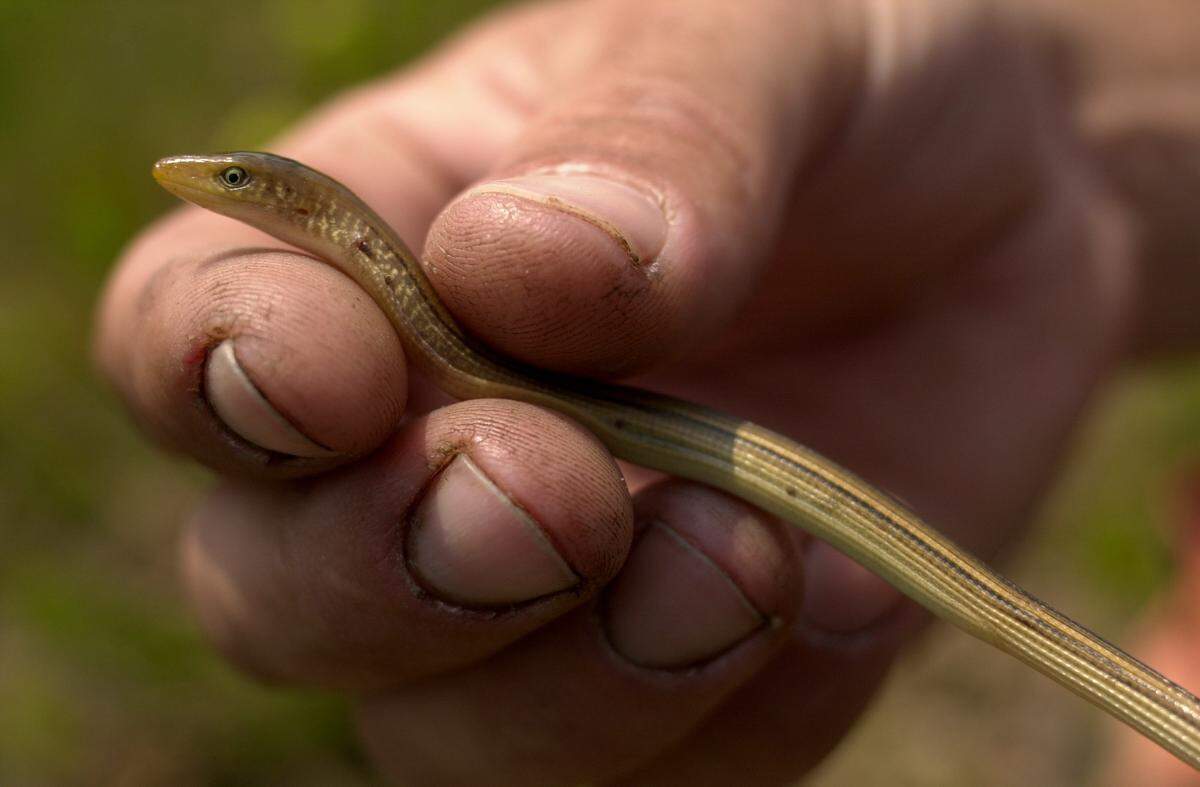
Differences between snakes and legless lizards
The N&O previously reported on how to tell a snake from a glass lizard.
Here are some ways that glass lizards differ from snakes:
▪ North Carolina’s glass lizards have ear openings on the sides of their heads. Snakes typically listen through vibrations in the ground.
▪ Glass lizards can blink their eyelids, but snakes have immovable, transparent scales and can’t blink.
▪ Glass lizards can’t unhinge their jaws, but snakes can, which allows them to swallow large prey.
▪ If you picked up a glass lizard, it would feel more rigid and inflexible than a snake.
▪ Glass lizards typically have relatively larger tails, compared to snakes — up to three-quarters of their body length. However, when tails break off — and they often do — they grow back, just not as large as the original, and with different colored flesh, Jeff Beane, a collections manager for herpetology at the North Carolina Museum of Natural Sciences, previously told The N&O.
What glass lizards eat and what eats them
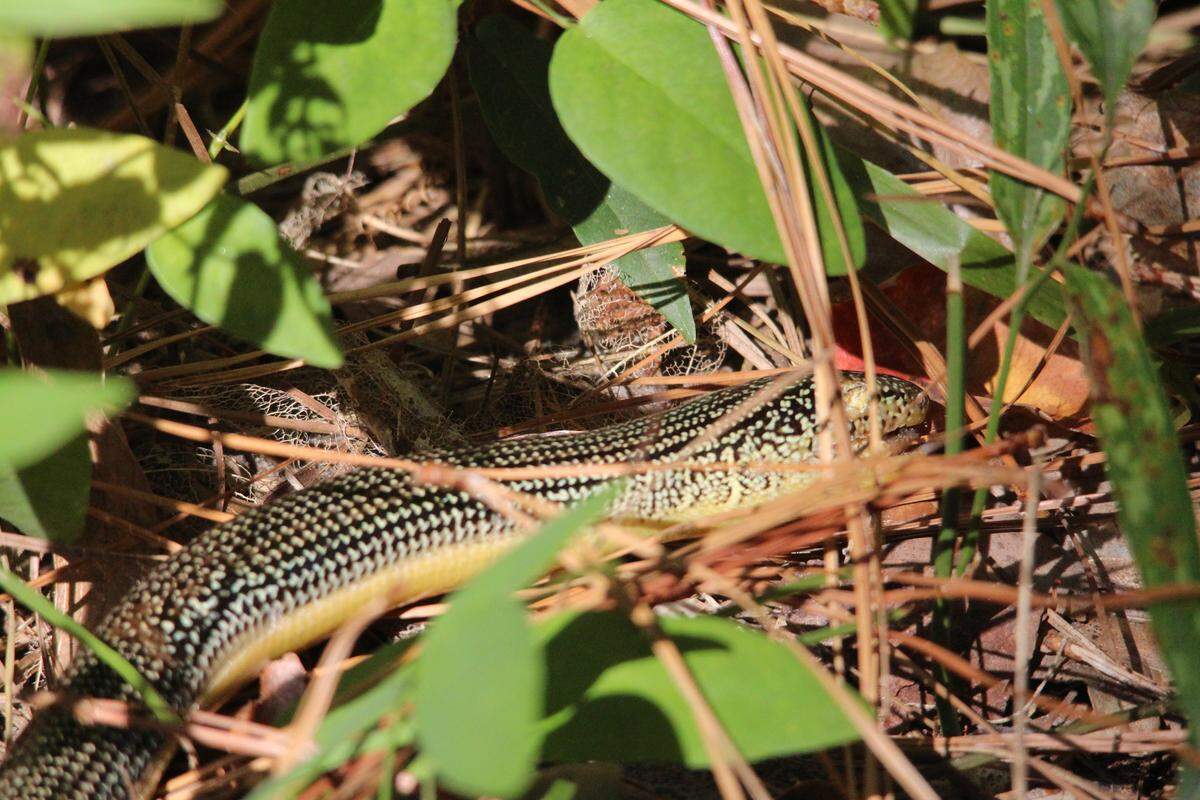
The diet of a glass lizard includes insects such as grasshoppers, crickets, earthworms and spiders, snails, other lizards and small vertebrates such as newborn mice, The N&O previously reported.
Many animals eat glass lizards. Snakes, hawks, opossums and raccoons are just a few examples.
Are glass lizards dangerous to humans or pets?
No, they won’t hurt you or your animal companion.