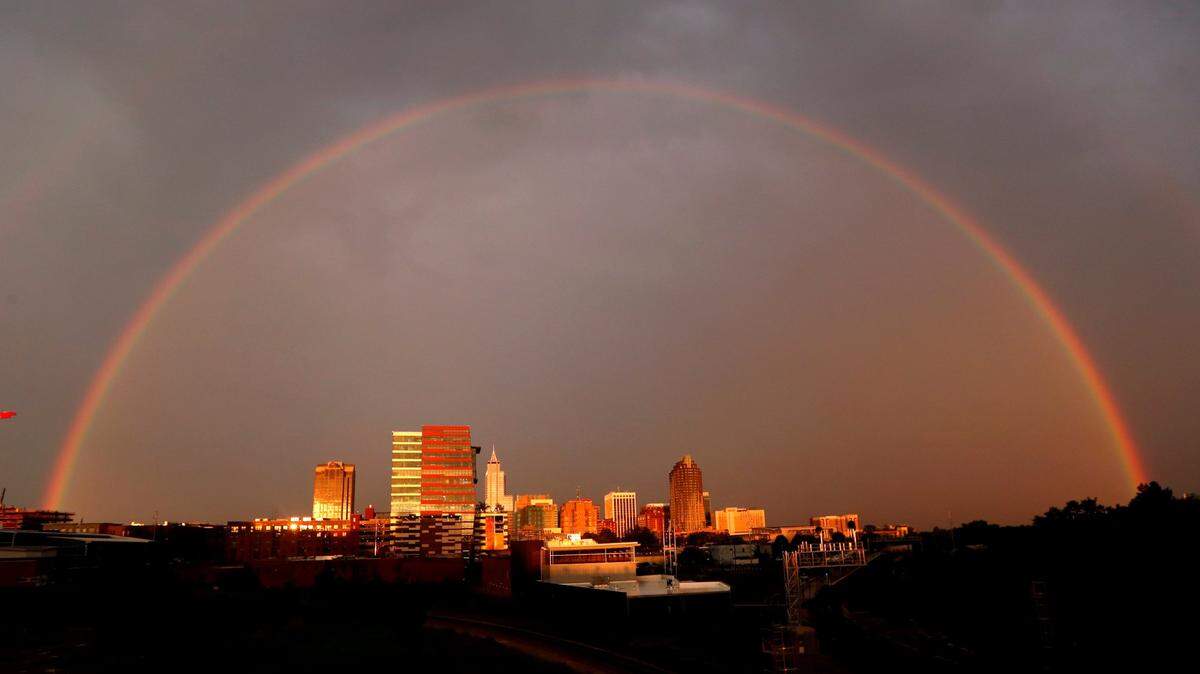
Triangle weather: Hurricanes, ice storms and the heat-to-AC-back-to-heat whiplash
READ MORE
A newcomer’s guide to the Triangle
We want to help you navigate life in the Triangle, whether you’re new here or you’ve been here a bit and just need a refresher on some aspects. So we’ve compiled tips to navigate the area’s roads, survive the constantly changing weather (including the truly dangerous stuff), find the best food and entertainment, use our education system to excel, learn to respect our history (good and bad), pronounce local icons properly and — most importantly — understand just what “the Triangle” is, anyway.
Expand All
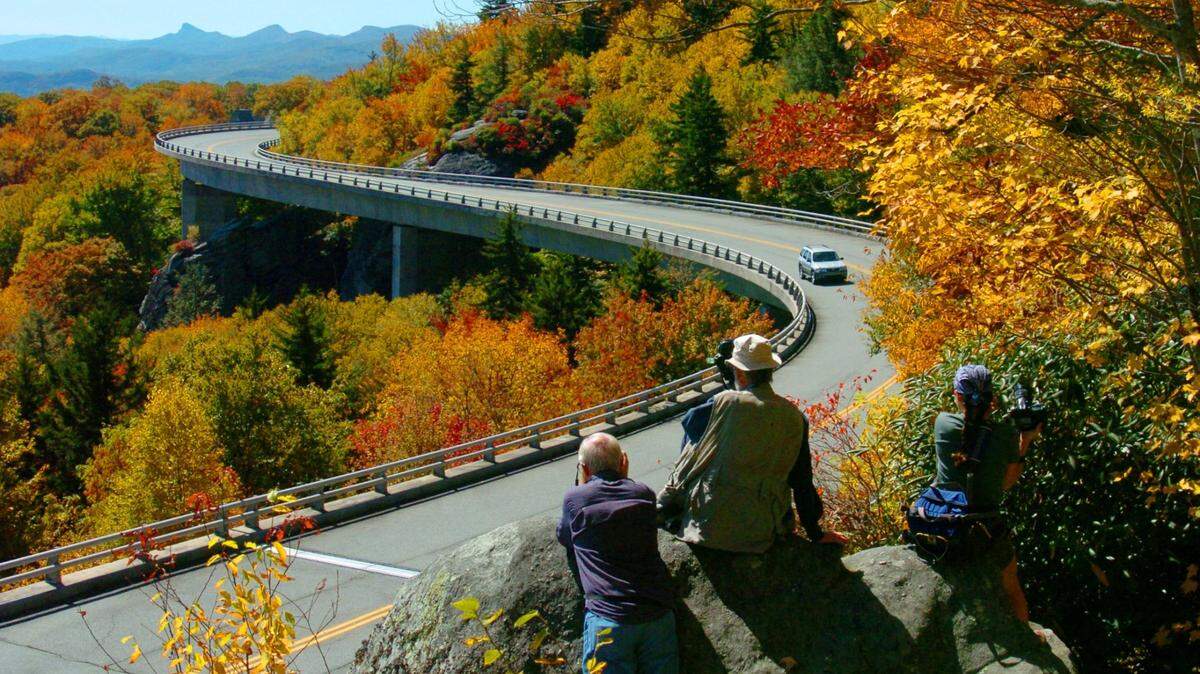
If you happened to move to North Carolina from a perpetually warm (or cold) part of the country and you were hoping to experience all four seasons of the year, you really lucked out.
We have all the seasons, all the time.
Overachievers that we are, we actually experience 12 seasons in most parts of North Carolina, accurately described in a popular meme:
Winter
Fool’s Spring
Second Winter
Spring of Deception
Third Winter
The Pollening
Spring
Summer
Hell’s Front Porch
False Fall
Second Summer
Actual Fall
And since we have all the seasons, all the time, you’ll need all your clothes, all the time.
If you start thinking about “switching out your summer clothes,” don’t bother. North Carolina’s official motto is “Esse Quam Videri,” which means “To be, rather than to seem” — but it should be “Never pack your summer clothes away” (we couldn’t get the Latin translation).
FACT: If you live here long enough, you will absolutely wear shorts on Christmas Day, and then be bundled up in a sweatshirt and toboggan* the next day.
FACT: At least once, you will strip the gears in your HVAC system switching from air conditioning to heat, and then back again. Perhaps multiple times in one week.
FACT: Most of July and August (who are we kidding, it will start in May) will not just be hot, it will be like living inside a sauna. The humidity will be so thick some days you’ll have to brush the air away from your face to breathe. And the mosquitoes? They will feast. It’s a whole swamp vibe.
(*See the first story in our Guide to Triangle Living for the North Carolina definition of “toboggan,” which is a knit cap that you wear when it’s cold.)
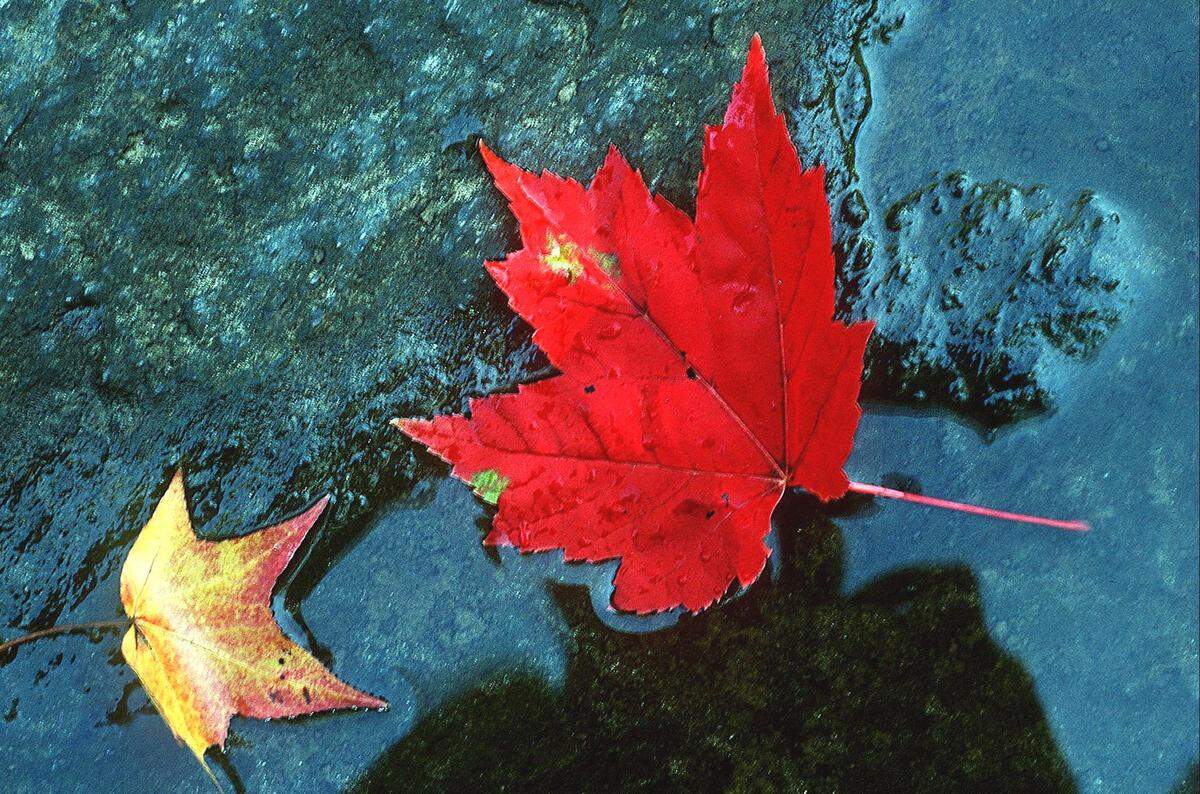
The Pollening
While we’re on this 12 Seasons thing, let’s address The Pollen.
The Pollening actually just ended, so if you’ve lived here more than four weeks and you’re reading this, you survived. Congratulations.
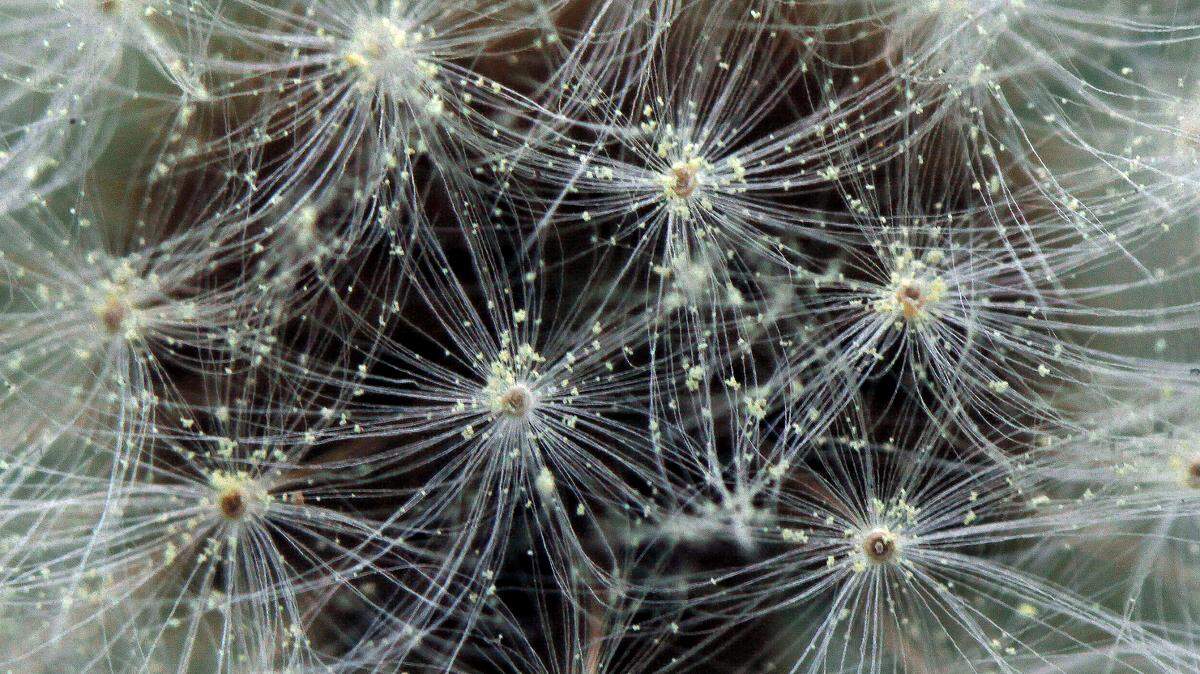
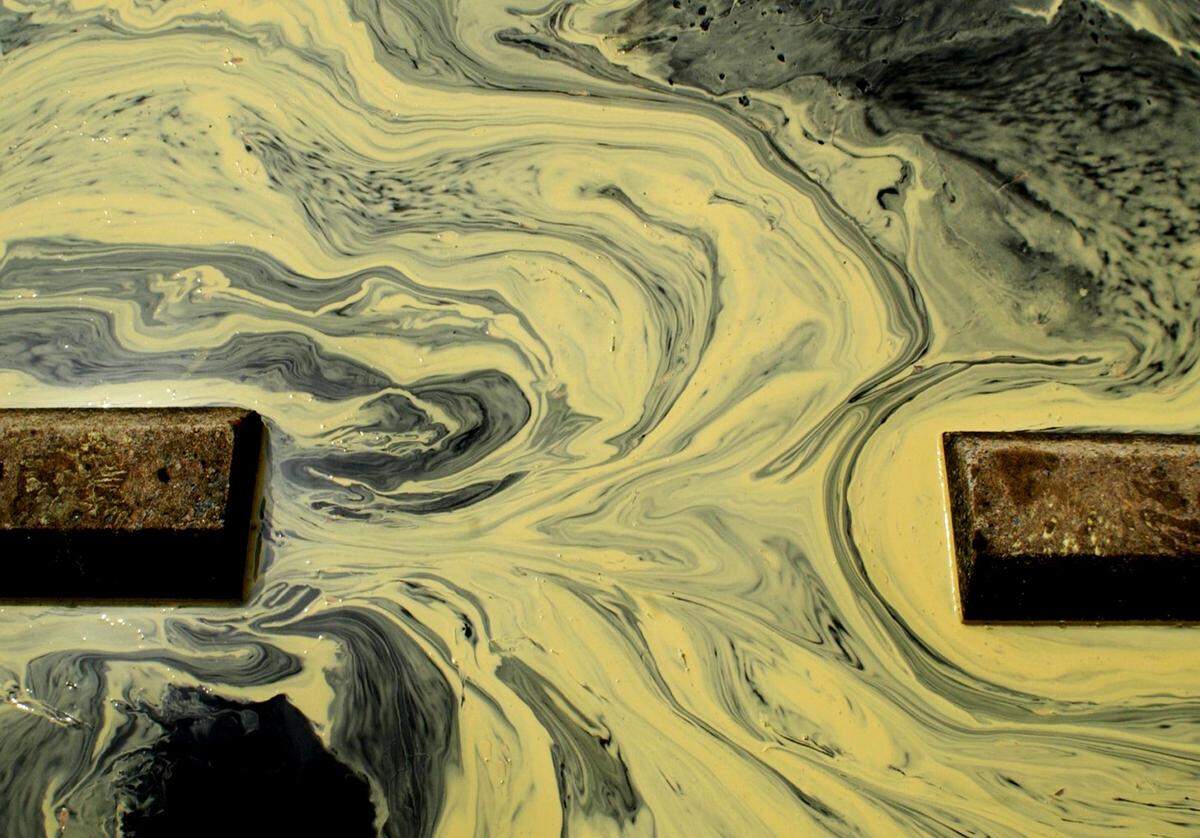
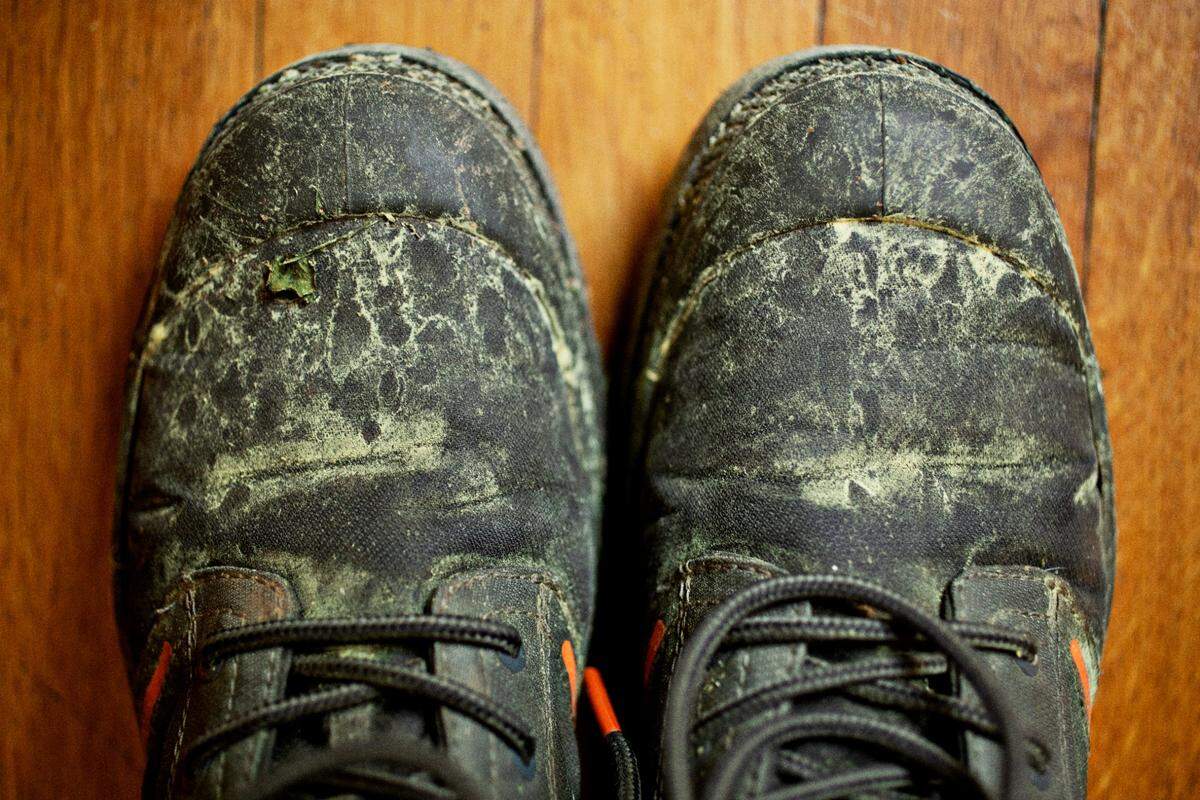
If you’re brand new or reading this from another locale, here’s what happens. We get all excited about spring and then by mid-April, everything we own is covered in a layer of fine yellow powder. This means it’s pine tree mating season, and the pine trees take this very seriously.
The Pollen completely coats our cars (inside and out), our decks and everything outside. And when it rains, it doesn’t so much wash away as it becomes a swirly mess of Vincent van Gogh-esque goo.
The Pollen even gets inside our houses, either through a window foolishly cracked open or tracked in on our shoes.
It covers our cats and dogs.
The Pollen even has its own Twitter account, where it announces itself daily: @NCpollen
The good news about spring’s thick yellow pollen is that it’s generally not the kind that makes you feel really sick. (The worst pollens for allergies in North Carolina – which are from American beech, river birch and hickory oak trees – are also out there, but sneakily invisible.)
If you must brave the outdoors for any prolonged period during The Pollening, here are some tips:
Pollen levels peak midday to early evening, so do outdoor activities early in the day or at night.
Avoid being out when it’s windy, because the pollen will be blowing all over the place.
Take off your shoes at the door to avoid tracking pollen inside.
Take a shower at night to rinse the day’s worth of pollen out of your hair.
Bathe your pets (if they go outside) before letting them snuggle with you in bed.
Brace for hurricanes and tornadoes
We had a little fun with pollen, because while it’s aggravating and awful, it’s not actually dangerous.
Hurricanes and tornadoes, on the other hand, very much are.
Hurricane season officially runs June 1 to Nov. 30 on the Atlantic basin, but storms can happen before or after those dates. Most Atlantic hurricane activity happens from mid-August to mid-October, with the peak being around Sept. 10, according to the National Oceanic and Atmospheric Administration.
And while our coastal counties and areas east of the Triangle are more at risk during these storms, serious hurricanes have been known to come inland. (Hurricane Hugo devastated Charlotte in 1989, and Hurricane Fran went right through Raleigh in 1996.)
Even when hurricanes don’t come directly inland, their effects are felt here.
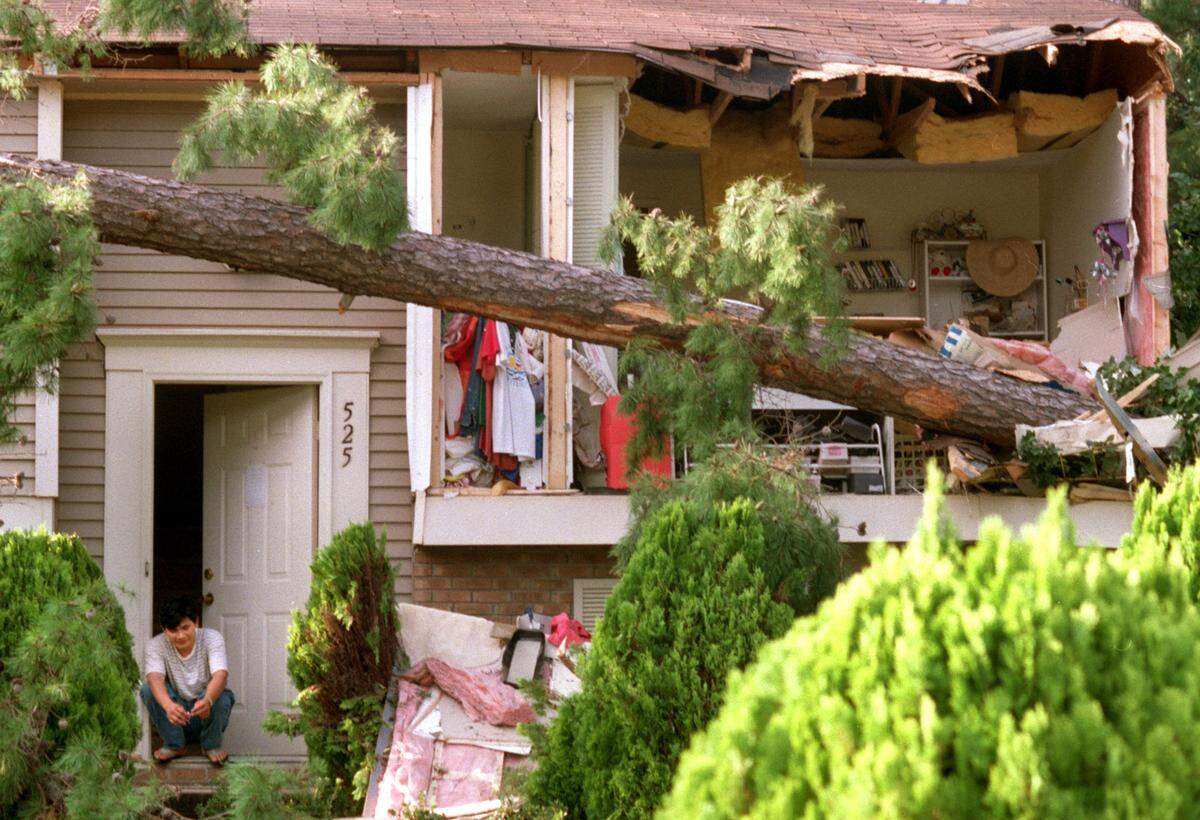
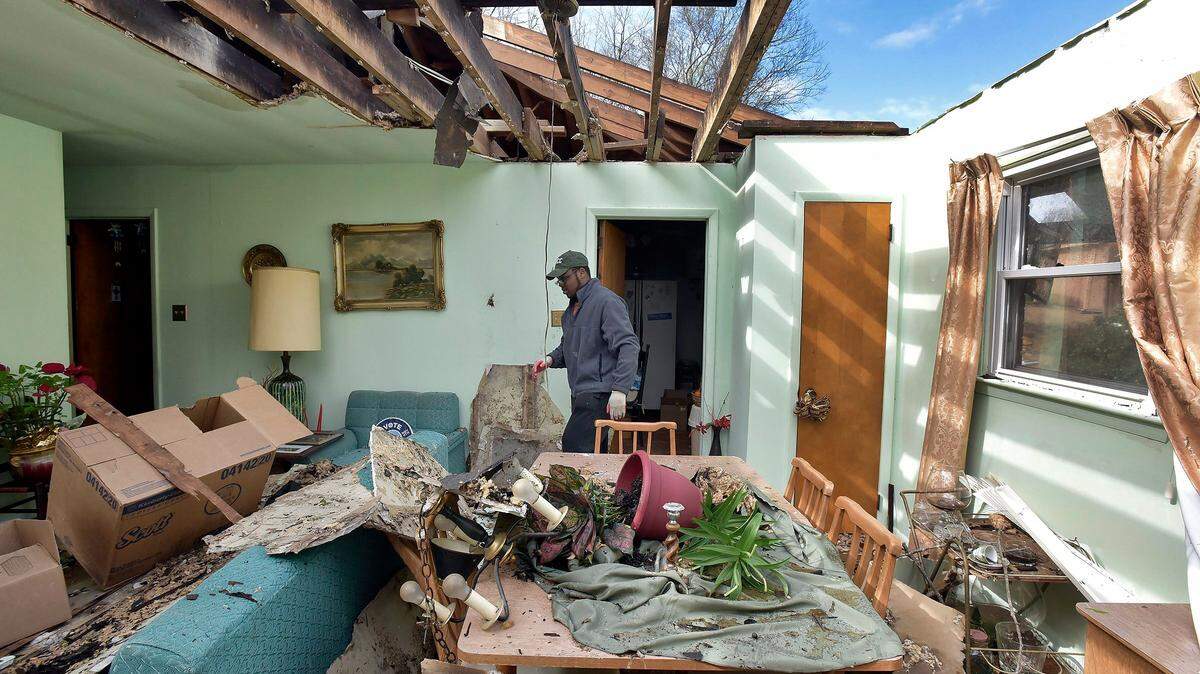
Hurricanes that make landfall on the coast will still cause heavy rain and winds this far inland, which can cause flooding and downed trees. Downed trees can cause serious damage to your home and also power outages, because they take out power lines. Downed trees also are responsible for deaths on highways, so always take shelter during a storm.
These powerful storms can also spawn tornadoes – and note that tornadoes might be possible during severe thunderstorms any time of year, not just during hurricanes.
Those who live at the coast — and those vacationing there — might be asked to evacuate in the days before a major storm is expected. The state will set up emergency shelters for those who are unable to find hotel rooms or other lodging. (You’ll want to check for shelters that allow pets.)
No matter where you live in North Carolina, it’s a good idea to have an emergency plan in place ahead of hurricane and tornado season.
▪ Know the safest spot in your home to hunker down during a tornado warning. (And know the difference between a tornado watch and a tornado warning). You’ll want to be in an interior room or hallway on the lowest level of your home (a basement if you have one).
▪ Keep a reserve of emergency supplies on hand in case the power goes out or in case you have to evacuate your home. The short list for hurricane prep would look something like this:
Flashlights and batteries + battery powered radio
Non-perishable food and bottled water
Medications
Supplies for pets
Snow? DID YOU SAY SNOW!?!
Even though we’re in the South, we still have a winter storm now and then.
And depending on what part of the country you’re originally from, you might laugh at what we call a “snowstorm.” But after you’ve been stranded in your car for 12 hours and your kids had to spend the night inside their classrooms at school because one-half of an inch of snow caused citywide gridlock in Raleigh, you won’t laugh.
OK, maybe you’ll still laugh.
The year was 2005. The month was January. The forecast was “flurries.”
But those flurries immediately froze to the untreated roadways just as every individual in Wake County got in their cars (and school buses) at the exact same time to try to get home. It was a disaster. And it’s why many of us longtimers have Snow Traffic PTSD and refuse to leave our homes during a so-called flurry. (As I once told my boss: “After you’ve had to spend the night in the RTP Ramada Inn on I-40 with a stranger because you couldn’t get home from work, then you can talk to me about driving to the office on ice.”)
Other Great Moments in Recent Raleigh Snow History
▪ In 2000, all local meteorologists except for one (shout out to Steve Swienckowski) called for a couple of inches of snow in the Triangle. It snowed, and snowed and snowed. And then it snowed some more. We ended up with around 20 inches of snow, and schools were closed for two weeks. It was glorious. It will likely never happen again.
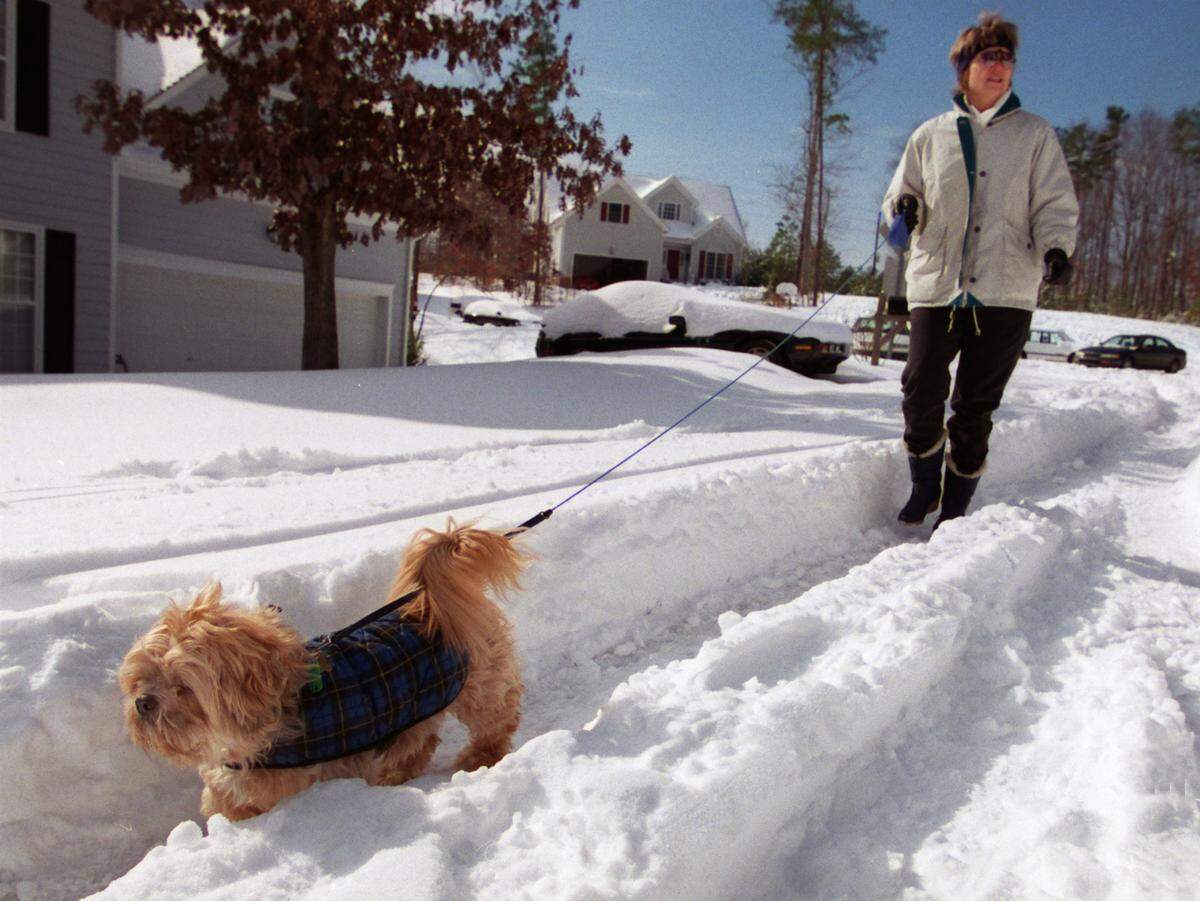
▪ In 2014, a smallish snow event (around 3 inches) took up permanent residence in our hearts and minds because of a viral photo of snow-induced mayhem on Glenwood Avenue in Raleigh. The photo captures the physical and emotional vibe surrounding the slightest trace of snowfall in the Triangle. (The greatest part of this legendary snapshot came with the photoshops that followed. Google “Raleigh snow meme” for a sample.)
FACT: If you simply whisper the word “snow” in the Triangle, bread and milk will magically disappear from the shelves of your local Food Lion. Ditto beer, eggs and PopTarts.
FACT: We know you might be from Buffalo and they do it differently there, but you’re not there now. We don’t have lots of snowplows here so the streets aren’t going to be cleared immediately. Get your bread and milk early and then sit tight.
FACT: Even when you can get out and drive around in the slushy snow, it will trick you and turn into “black ice” overnight, causing crash after crash for morning commuters.
FACT: Oh, they are totally going to cancel schools when there is bad weather. But keep in mind that just because your street is clear, it doesn’t mean all the streets in all the neighborhoods — or in all parts of a large, mostly rural county — are safe for school buses. Be patient.
Ice storms don’t play
Most of us get super excited about a potential snowstorm, but the threat of an ice storm is a very different matter.
An ice storm means even worse driving conditions. As in, don’t even try it.
FACT: Driving on ice isn’t the same as driving on snow, no matter what part of the country you’re originally from or what kind of SUV you drive.
Also, ice storms usually mean power outages.
Ice will accumulate on tree limbs, making them heavier and causing them to break and fall onto power lines.
To prepare for a potential ice storm, you’ll want to have an emergency supply kit similar to the one we mentioned in the hurricane section, but you’ll want to add things like:
Rock salt to melt ice on walkways
Sand to create traction on walkways
Snow shovel
Warm clothing
Extra blankets
A supply of dry, seasoned wood for your fireplace or wood-burning stove, if applicable
Here are some very important safety precautions for dealing with winter power outages:
If you have a generator, never run it inside your home or garage. Carbon monoxide fumes can build up and become deadly.
You should also never use a charcoal grill or camp stove inside, for either cooking or heating. Like generators, they can produce toxic fumes.
If you smell gas at any point during a power outage or otherwise, leave your home immediately and call your utility provider.
During an outage, do not open refrigerators or freezers unless absolutely necessary. Cold air can escape, allowing food to thaw and spoil more quickly.
We’ve dropped a lot of info on you here — some of it a little scary — but please don’t start perusing job listings in San Diego just yet. It’s all very manageable.
This story was originally published May 11, 2022 at 6:00 AM.