Open Source: The world’s most popular video game was created in Cary, NC. Here’s how.
.jpg "An aerial view of Epic Games headquarters in Cary on Monday, Sept. 23, 2024.")
I’m Brian Gordon, tech reporter for The News & Observer, and this is Open Source, a weekly newsletter on business, labor and technology in North Carolina.
Fortnite happened very slowly, then suddenly. And it almost didn’t happen.
The irreverent video game that pits players against 99 others in an animated fight for survival is now 7 years old. Along with perhaps Red Hat Enterprise Linux, Fortnite is the most widespread piece of technology to come out of the Research Triangle. It is certainly among the most fun.
I set out to tell the story of how an idea inside the Cary headquarters of Epic Games became a video game with more than 800 million player accounts. Fortnite popularized dance moves, pioneered IP crossovers, monopolized countless hours of (mostly young) people’s lives, and made a handful of Epic employees wildly wealthy. It was initially called Fortress, a kernel of a concept in a developer’s sketch book. Multiple near-cancellations followed.
Epic Games developed Fortnite over more than five years — then rapidly reimagined it during a fateful few weeks. It took hold of the gaming world in late 2017 and hasn’t quite released its grip. Now, Fortnite is the portal for Epic CEO Tim Sweeney’s metaverse ambitions, a reality that both inspires and confounds former employees.
Ultimately, this four-part series is about the Triangle company behind Fortnite — its history, its founder and its future. The layout for each section is distinct, a dynamic format with moving avatars and vibrant displays. Big thanks to our visualization team for that. And thank you to the many former Epic employees who shared their stories.
- Intro: From a bus in the sky, players descend into the world’s most popular game
- Part 1: Fortnite’s first battle was for its own survival
- Part 2: Fortnite was flailing. Then Epic Games raced to emulate a rival.
- Part 3: Jaw-dropping success. What it was like inside Epic as Fortnite went meteoric.
- Part 4: Fortnite enters the metaverse. What that means divides former employees.

In the chip of time
Wolfspeed needed funding and got it in a big way this week. The Durham semiconductor company announced a preliminary agreement with the U.S. Department of Commerce for a CHIPS Act grant worth $750 million. Along with this award, Wolfspeed also secured a $750 million loan from a consortium of investment firms.
This $1.5 billion will support the company’s expansion in Chatham County, where it has begun producing silicon carbide inside its massive new multibillion-dollar factory.
Investors have been quite down on the company, driving its share price from above $100 two years ago to under $10 in recent weeks. Liquidity concerns hovered amid production delays and competitor growth. A prominent activist investor lurks. At least Wall Street welcomed the latest CHIPS news; Wolfspeed stock rose 60% on the week to above $16 a share.
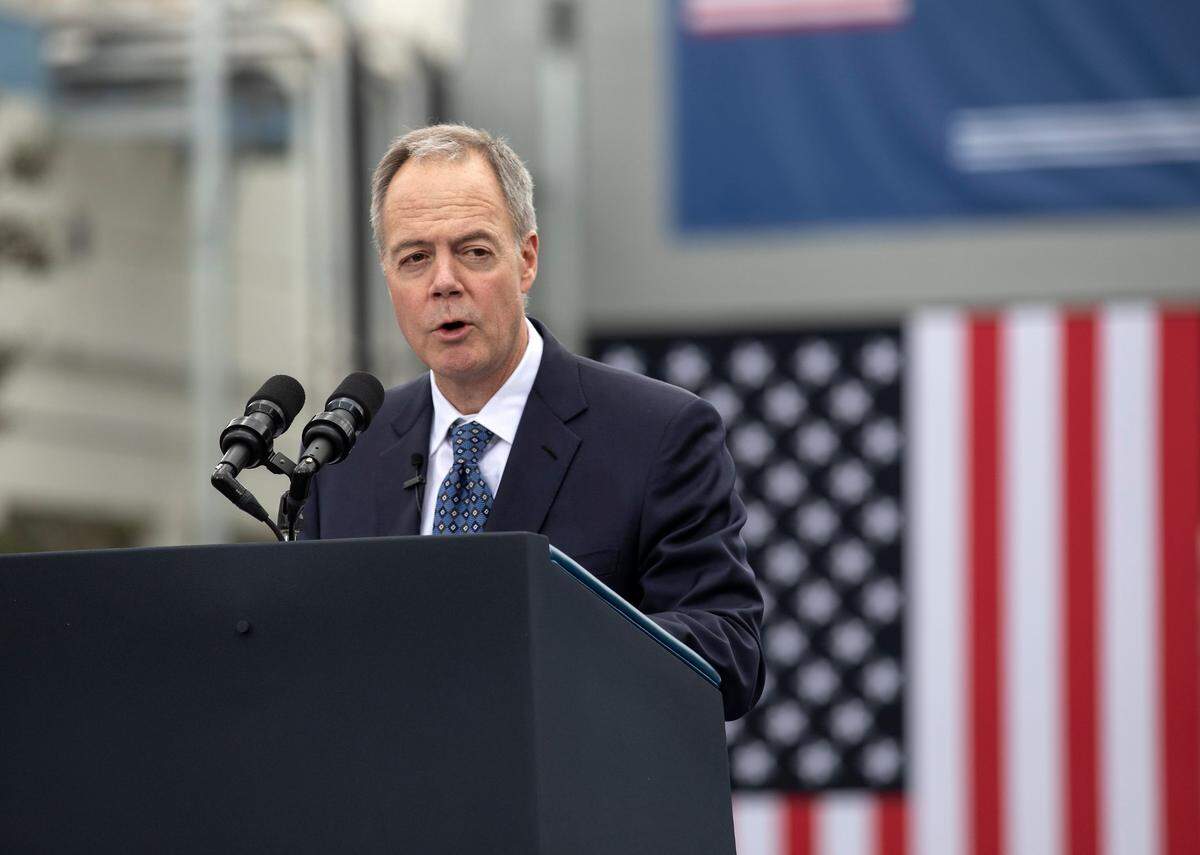
“The (CHIPS) grant will be made to help us produce 200-millimeter silicon carbide crystals and process those crystals into wafers, and then wafers into semiconductor chips,” Wolfspeed CEO Gregg Lowe said in a phone interview on Monday.
Wolfspeed believes it can regain investor trust. CHIPS dollars are a strong, if not unexpected, start.
“We know that one area of investor concern has been our liquidity and capital structure and our ability to fund our long-term strategic plan,” Wolfspeed’s head of investor relations, Tyler Gronbach, said in an email last month, adding the company will weigh “additional potential areas to reduce costs and improve profitability across all aspects of the business.”
Clearing my cache
- Pink and profitable. I caught up with Pendo CEO Todd Olson to discuss “founder mode,” going public, his unicorn software company recording its first profit and why the two letters investors care most about right now are A and I.
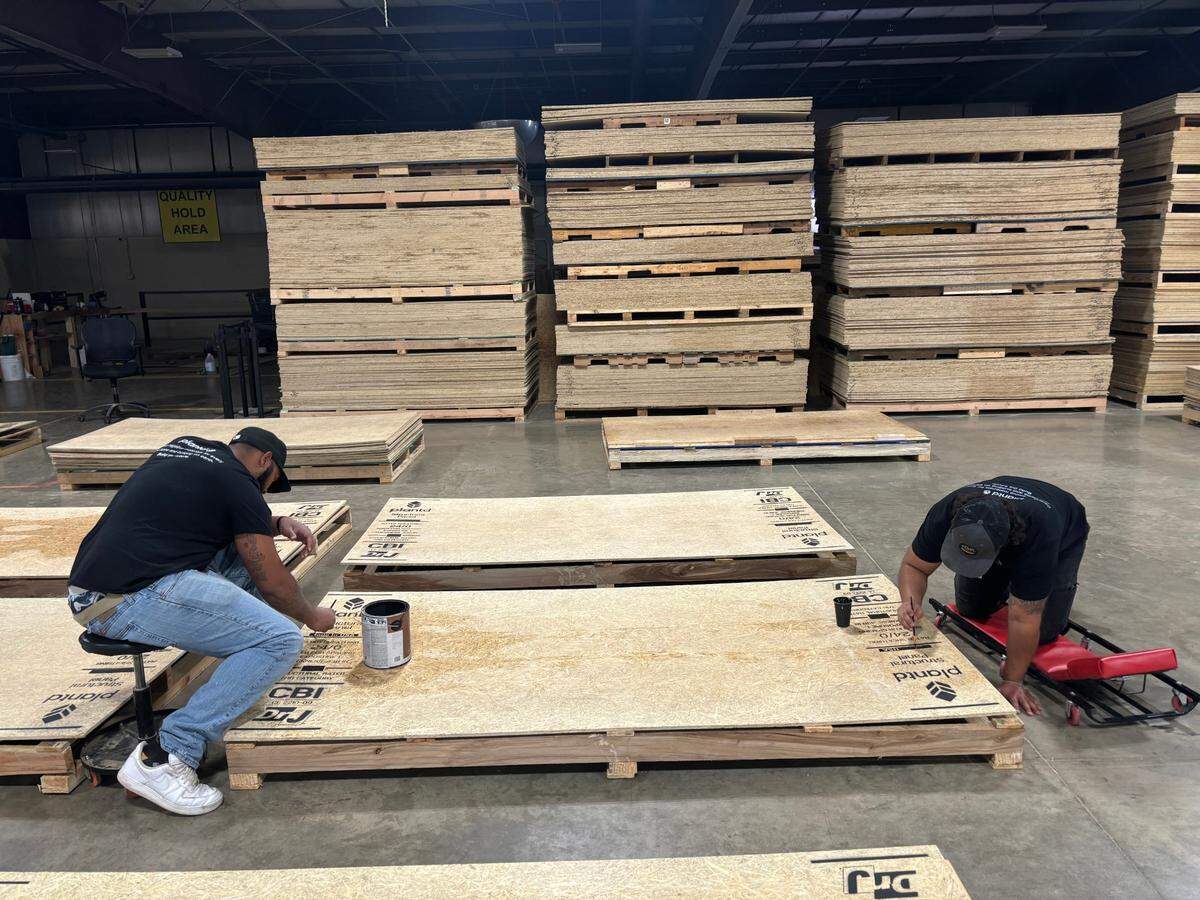
- Building homes from grass. On Wednesday, I visited the Granville County headquarters of Plantd, a fast-growing startup that converts 20-foot-tall perennial grass into wood panels for new houses. The company, started in 2021 by two SpaceX alum, has 120 employees and operates out of a former tobacco factory. And it just signed an agreement with H.R. Horton, the largest U.S. home builder, to provide 10 million home panels.
- Meta, the parent company of Facebook, confirmed layoffs this week. Some cuts impacted Meta’s virtual reality and augmented reality division Reality Labs, The Verge reported. Reality Labs has operations in Durham, and in early 2023, Meta confirmed it had an office at the American Tobacco Campus where it planned to eventually employ around 100 engineers.
On Thursday, I reached out to Meta to ask about its current plans in Durham — and whether any local employees lost their jobs — but have not heard back.
National Tech Happenings
- Amazon is developing nuclear power in Virginia to support its energy-intensive data centers. Microsoft and Google have recently gone nuclear for this reason, too.
- The last large Kmart in the country is closing. It’s been a slow death for the big box retailer, which once had more than 2,000 U.S. stores.
- Kroger is expanding its use of digital price tags, prompting concerns the grocery chain (which owns Harris Teeter) could implement dynamic pricing based on time of day and even the specific customer. The company has denied it will do so.
Thanks for reading!
This story was originally published October 18, 2024 at 8:35 AM.