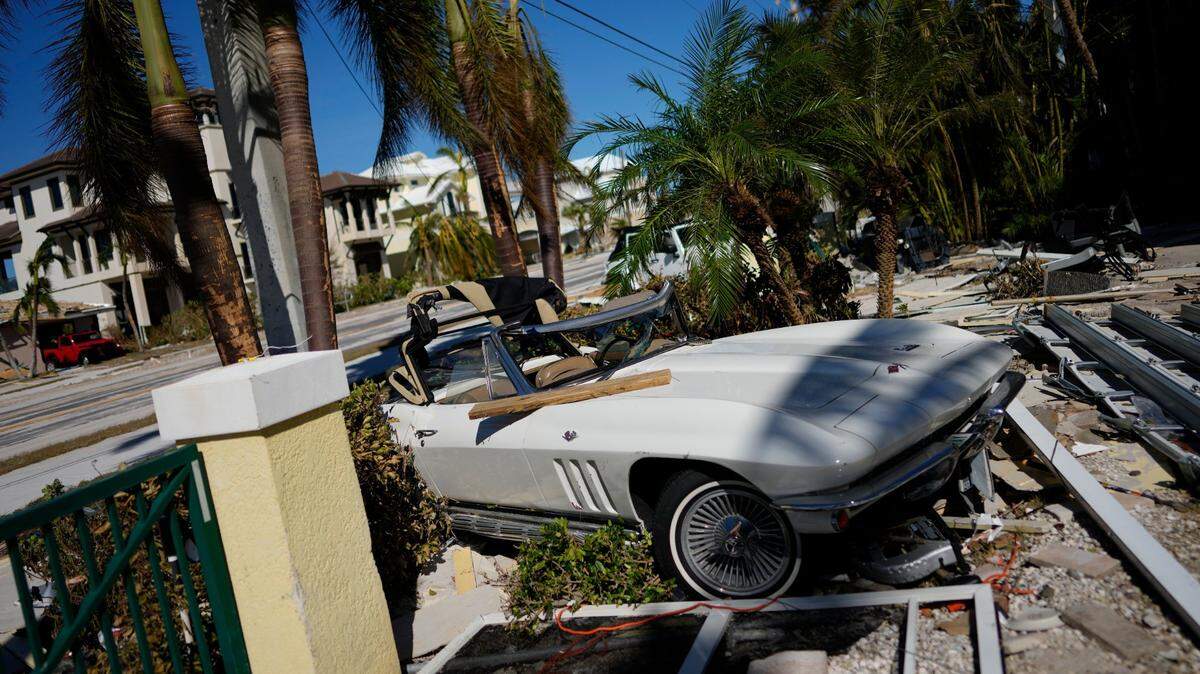
Coastal NC rebuilds and rebounds, but always keeps a wary eye out for the next hurricane
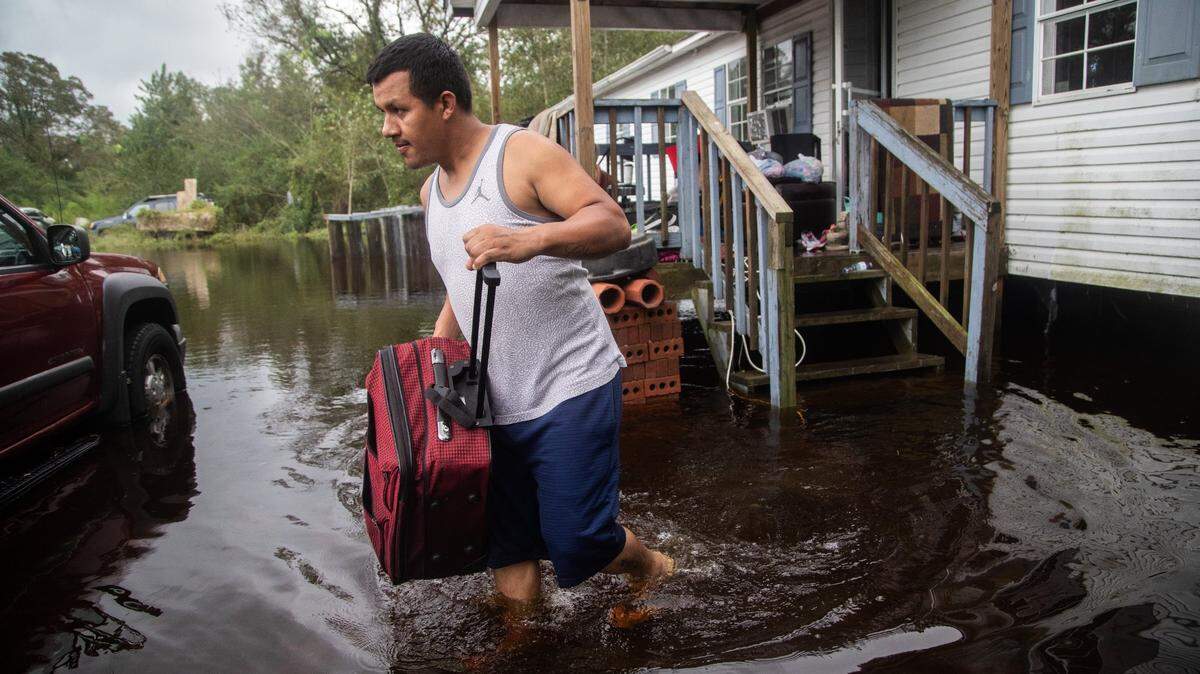
.JPG "Monroe Gaskill, a native Ocracoke resident, describes on Sept. 13, 2019, how he waded in water up to his neck across the street from his mothers home when he came to get her last Thursday morning.")
READ MORE
Your Storm Watch Guide
June marks the beginning of the Atlantic Hurricane Season, and that means preparations are underway across the Gulf and Atlantic Coast states. In North Carolina, weather is already a big deal, but the threat of powerful cyclones marks a new level of danger. While we cannot predict the future, we do know that preparation is key. Use this guide to get ready before storms arrive.
Expand All
On a quick trip to Ocracoke Island in May, Trey Clayton and Micah Stewart of Asheville were pulling beach gear out of the trunk when they learned that less than three years ago, the place where they were standing had been under several feet of water from the Pamlico Sound.
“Here?” Clayton asked. “That’s hard to imagine.”
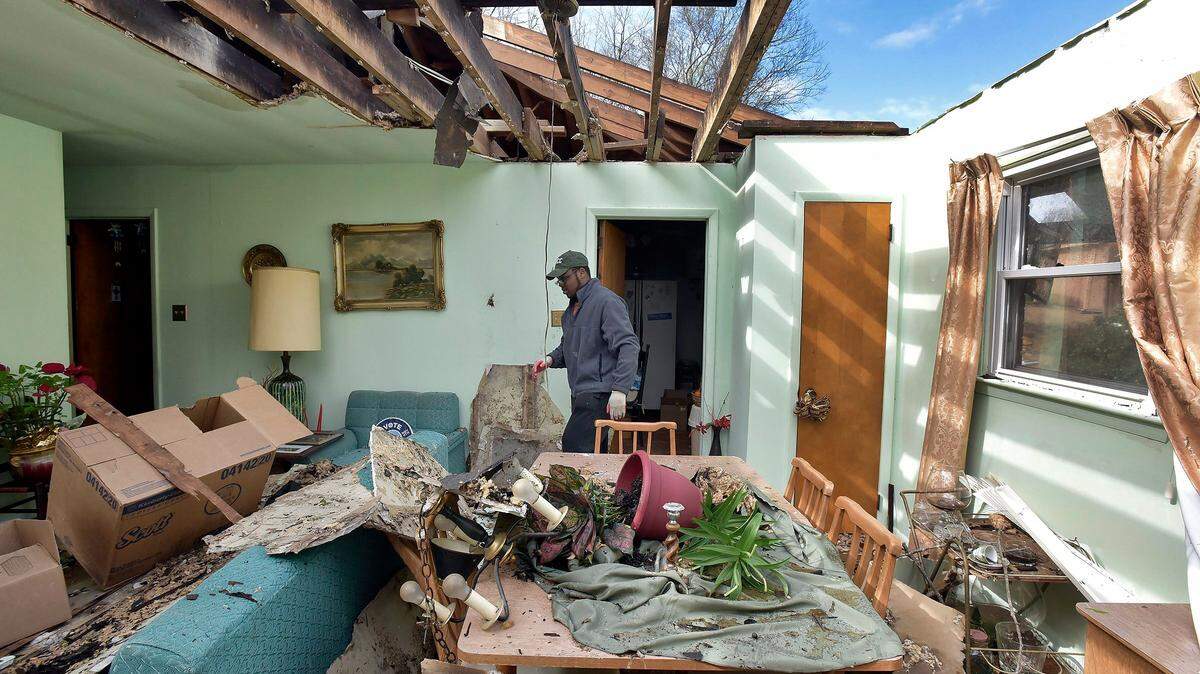
It would be hard for most of the half-million or so visitors who will come to Ocracoke this year to imagine if they didn’t see the photos of the flooding wrought by Hurricane Dorian in September 2019.
The island has been swept by dozens of hurricanes since it was first occupied in the 1700s, but the severity of the flooding from Dorian rivaled or exceeded the worst that most current residents had seen or heard about.
As the summer tourism season — and the Atlantic hurricane season — go into full swing this month, most hotels, inns, rental cottages, restaurants and shops on Ocracoke have been repaired and reopened and much of island life appears back to normal.
That’s both a testament to islanders’ resiliency and a cautionary tale: In North Carolina, a lot of hard work can make it easy to forget the state is one of the most hurricane-prone in the country.
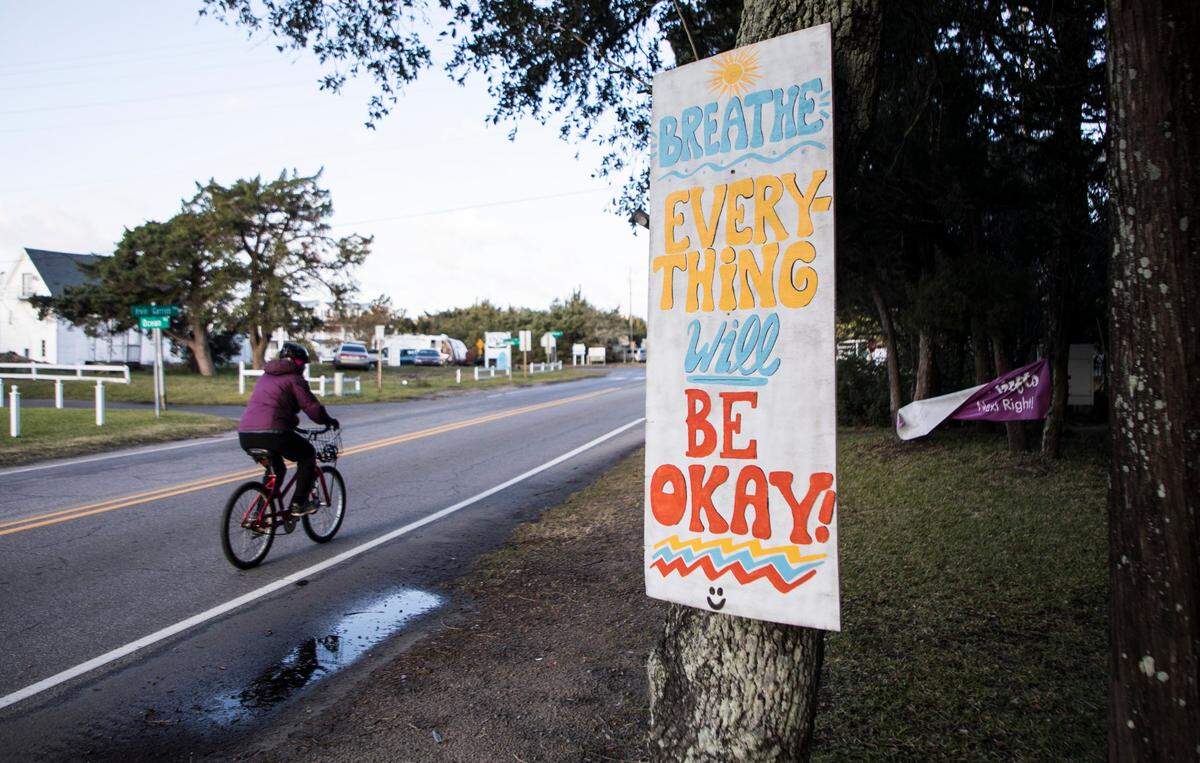
Busy hurricane season expected
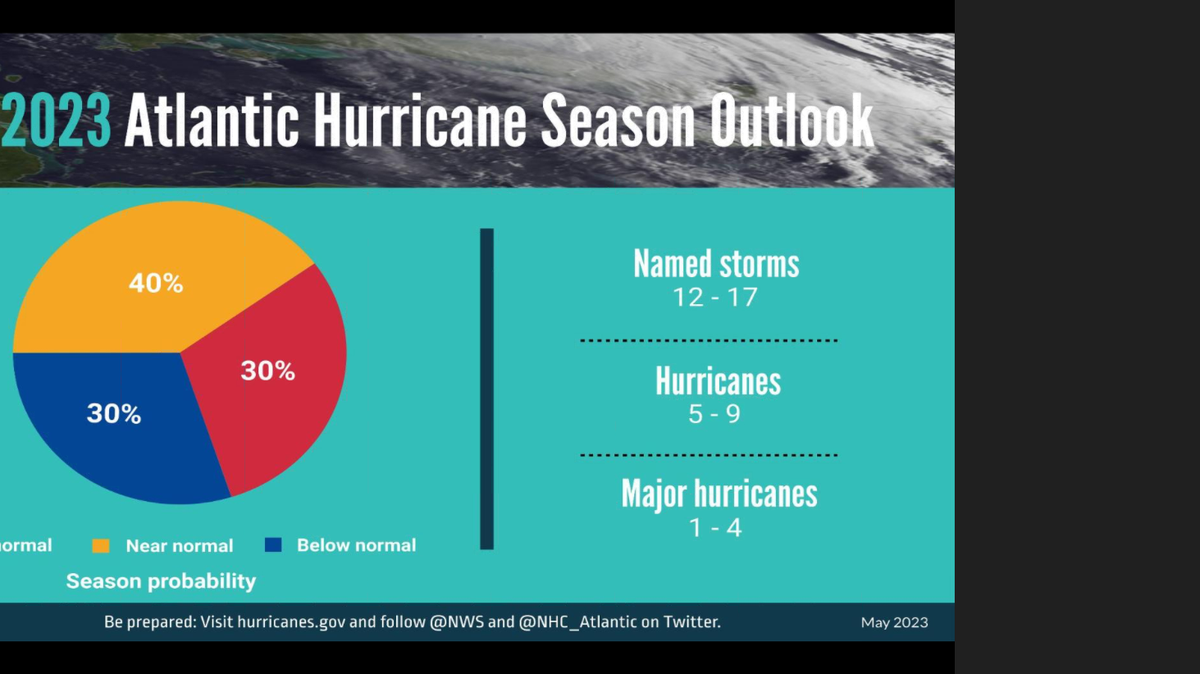
The National Atmospheric and Oceanic Administration recently predicted that 2022 also will be a busier-than-normal Atlantic hurricane season, which would make it the seventh consecutive year of above-average storm activity.
This year, NOAA predicts a range of 14 to 21 named storms in the Atlantic, with six to 10 becoming hurricanes. Three to six of those could be “major” hurricanes, ranked Category 3, 4 or 5, based on wind speeds.
Between 1950 and 2021, North Carolina was hit by 30 hurricanes, and areas of the state still are recovering from Hurricane Matthew in 2016, Florence in 2018, Dorian in 2019 and Isaias in 2020. At least three beach communities — Carolina Beach, Holden Beach and Ocean Isle Beach — have spent tens of millions of local, state and federal dollars this year renourishing beaches that were washed away by one or more of those storms.
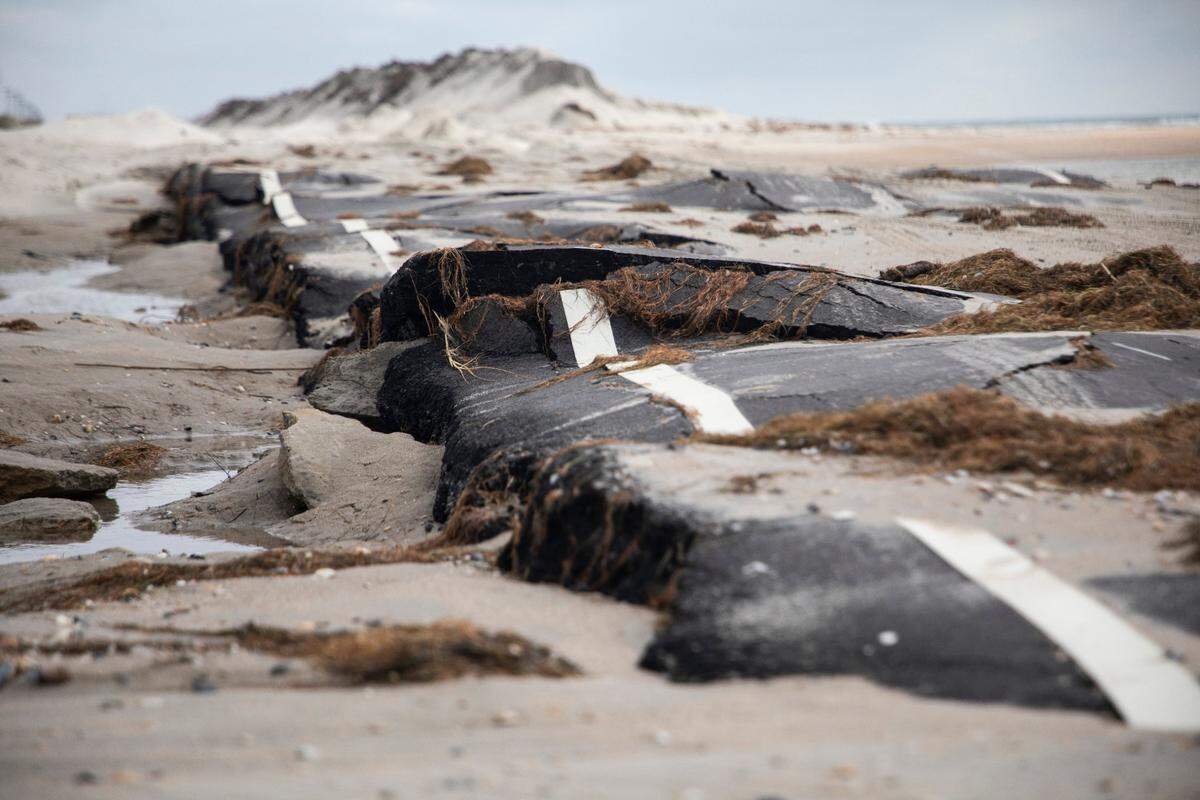
Inland NC can be threatened
People who have moved from other parts of the country often are surprised to learn that in North Carolina, hurricanes sometimes track north from the Gulf of Mexico all the way to the mountains, or come in from the Atlantic Ocean as far as Charlotte. Even if the eye of the storm stays along the coast, wind and rain can cause power outages and flooding far inland.
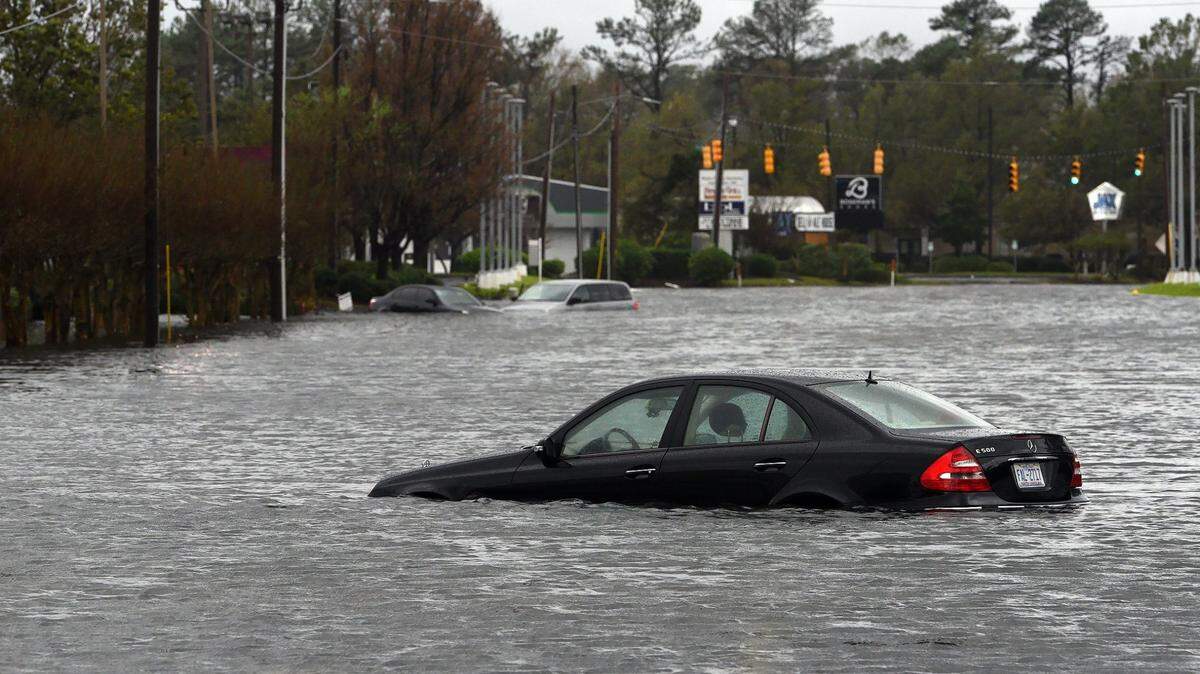
Every year, public safety officials urge residents across the state to prepare for the worst by making hurricane kits, learning when and how to evacuate if they live or are vacationing along the coast when a hurricane approaches, and vowing never to drive through standing water because it only takes a few inches to lift a vehicle and sweep it away.
“I had 51 inches of water,” Clayton Gaskill said, pointing to a mark on a piling of a house he uses as a rental property on Ocracoke.
.JPG "RAL_Ocracoke_JMW_04 (3).JPG")
Gaskill is descended from an early “O’cocker” who sold the land for the Ocracoke Light Station that includes the lighthouse and keepers quarters — popular tourist stops on the island today. Though he grew up near Greensboro, Gaskill began visiting the island as a child and took his first job working a summer at the Pony Island Motel.
The motel, like most others on Ocracoke, was flooded by Dorian but has rebuilt and reopened.
Rebuild and recoup
Gaskill moved to the island permanently in 2000.
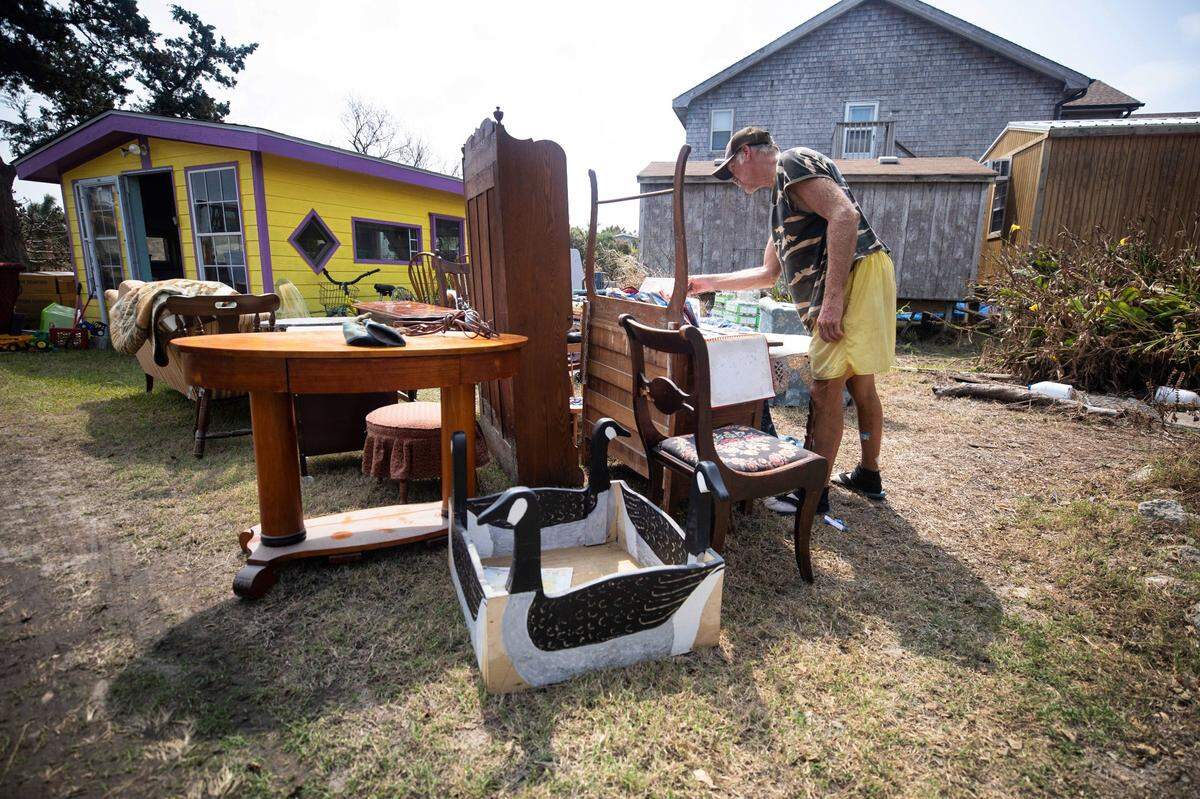
He lives in the house where his father was born, on a slightly elevated bit of land that came within an inch of getting flooded in Dorian. But his rental house, built in 1975, got more than two feet of water inside.

Like many island property owners, Gaskill raised the house several more feet off the ground to prevent future flooding. In May, he and his brother were rebuilding the structure while a hired tech worked on the installation of a new HVAC system. Gaskill hoped to have the cottage available for guests this season to start recouping the rental income he lost since Dorian hit.
To visitors, it will look like a brand new house.
Along the coast, every community has its storms: the biggest, the last, the most costly.
At Ocracoke, the benchmark will be Dorian.
But only until the next one comes along.
This story was originally published June 5, 2022 at 6:00 AM.

.jpg)
.JPG)
.JPG)
.JPG)