
After a storm: Tips for assessing damage and filing insurance claims
READ MORE
Your Storm Watch Guide
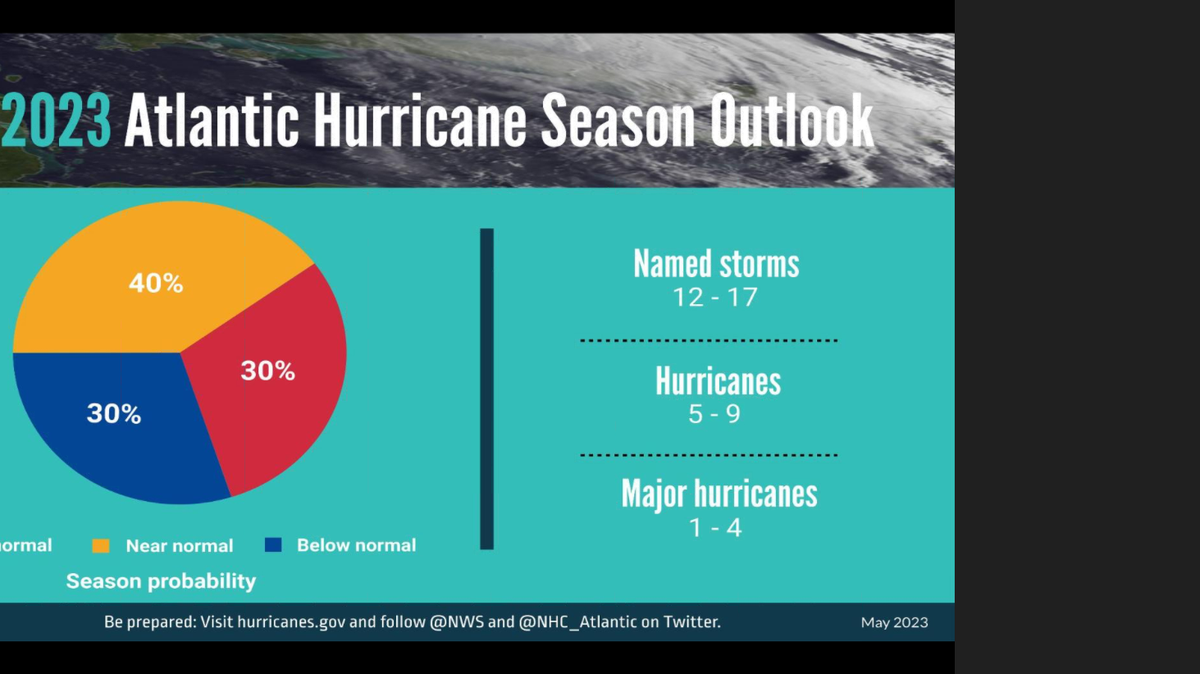
June marks the beginning of the Atlantic Hurricane Season, and that means preparations are underway across the Gulf and Atlantic Coast states. In North Carolina, weather is already a big deal, but the threat of powerful cyclones marks a new level of danger. While we cannot predict the future, we do know that preparation is key. Use this guide to get ready before storms arrive.
Expand All
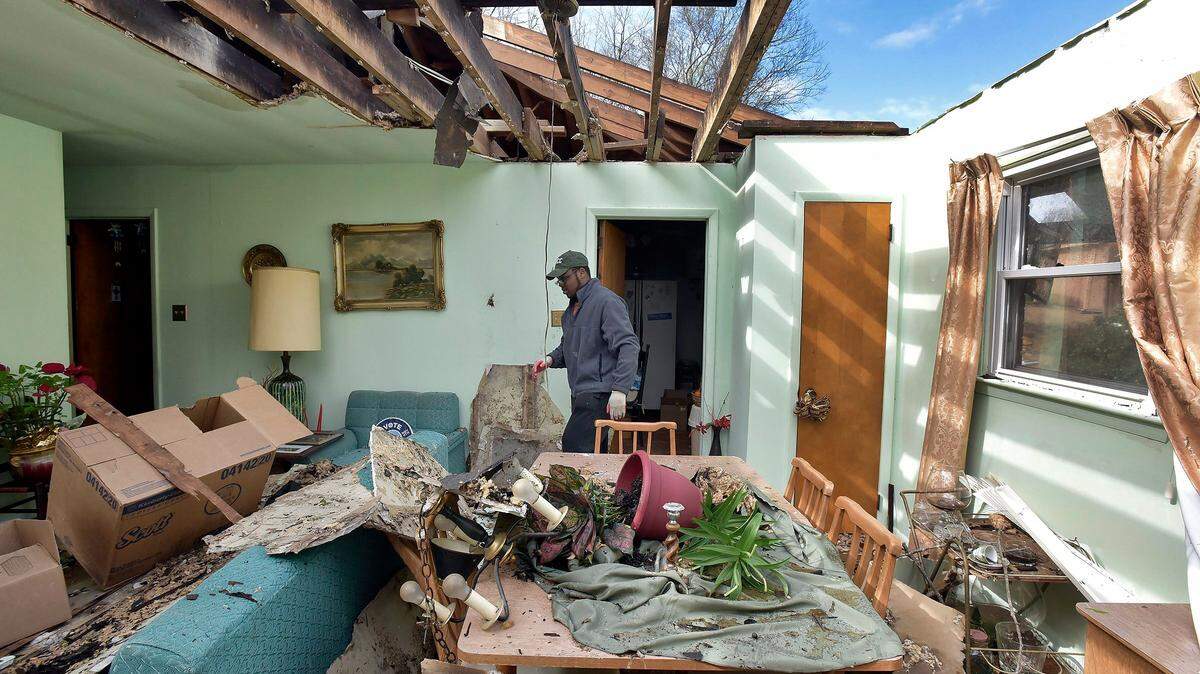
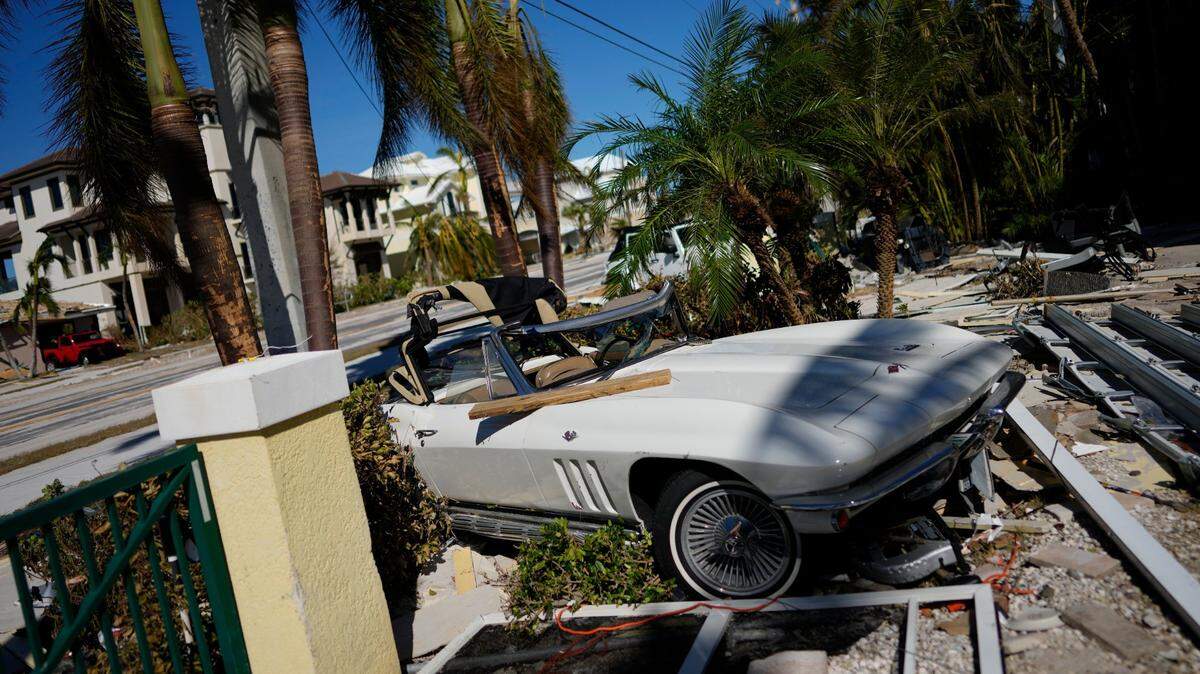
Following a hurricane, major storm or disaster, it’s time to assess damage to your home or property, plan for clean-up and repairs, and consider filing an insurance claim.
The N.C. Hurricane Guide offers the following tips, which can apply to any home that suffered damage, regardless of whether you evacuated for the storm or stayed put.
▪ Follow directions. Local and state officials will determine when it’s safe to return home and will advise the public on the safest routes. A staged re-entry process may be used to facilitate a safe and orderly return. Watch your local government’s website or social media channels for re-entry instructions after an evacuation.
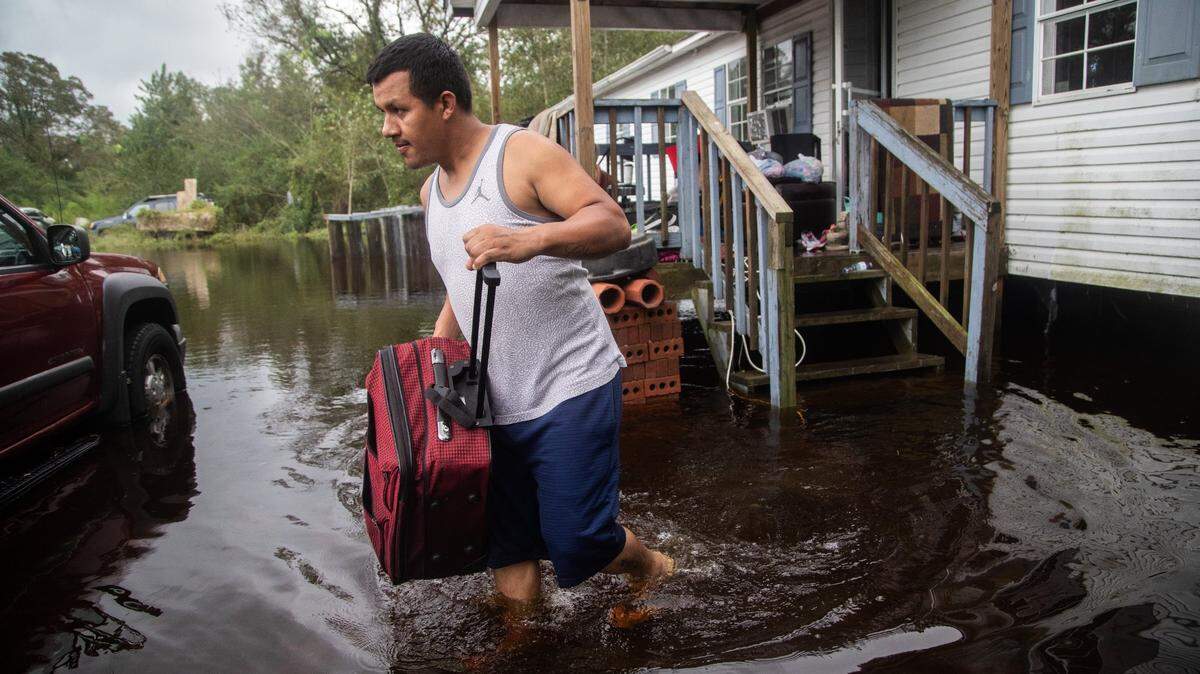
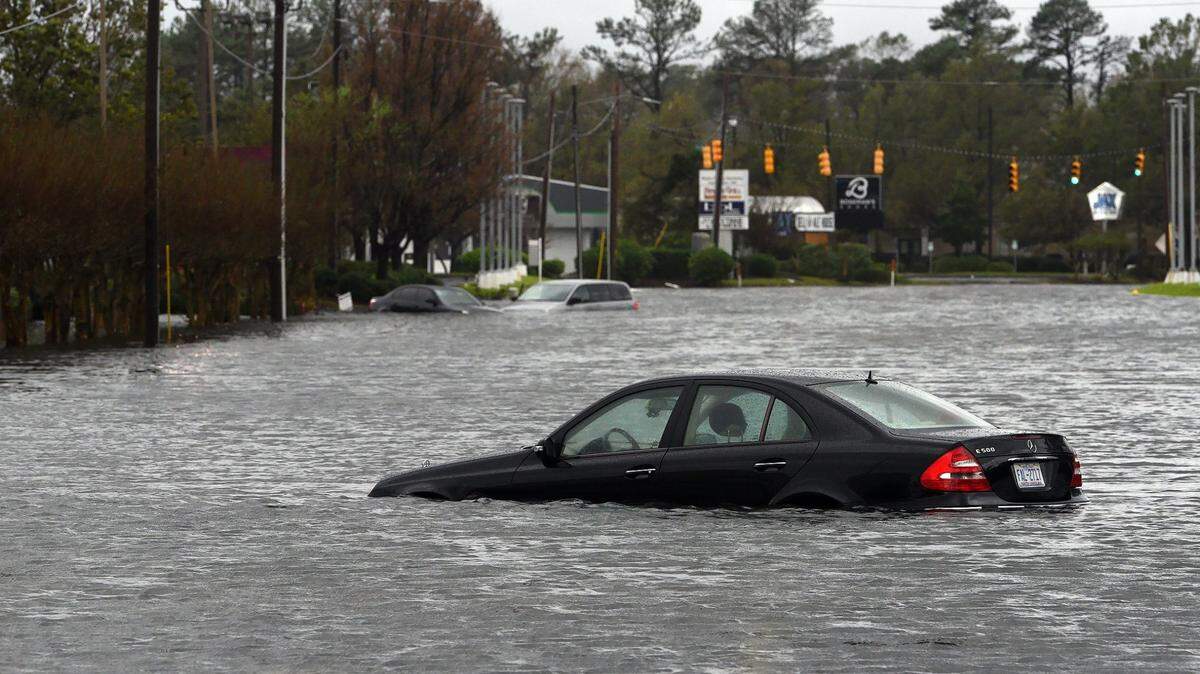
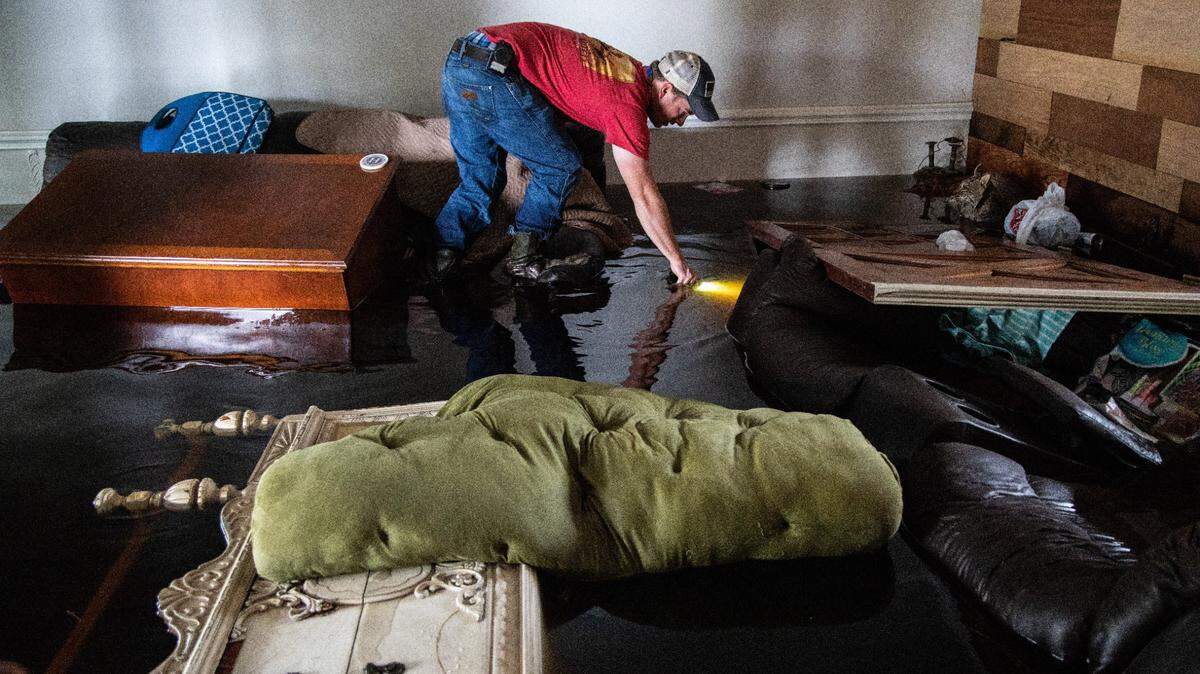
▪ Watch out. Avoid walking or driving through flood waters, which may hide additional hazards. Never drive through flood waters or around barricades, as streets and bridges may be washed out.
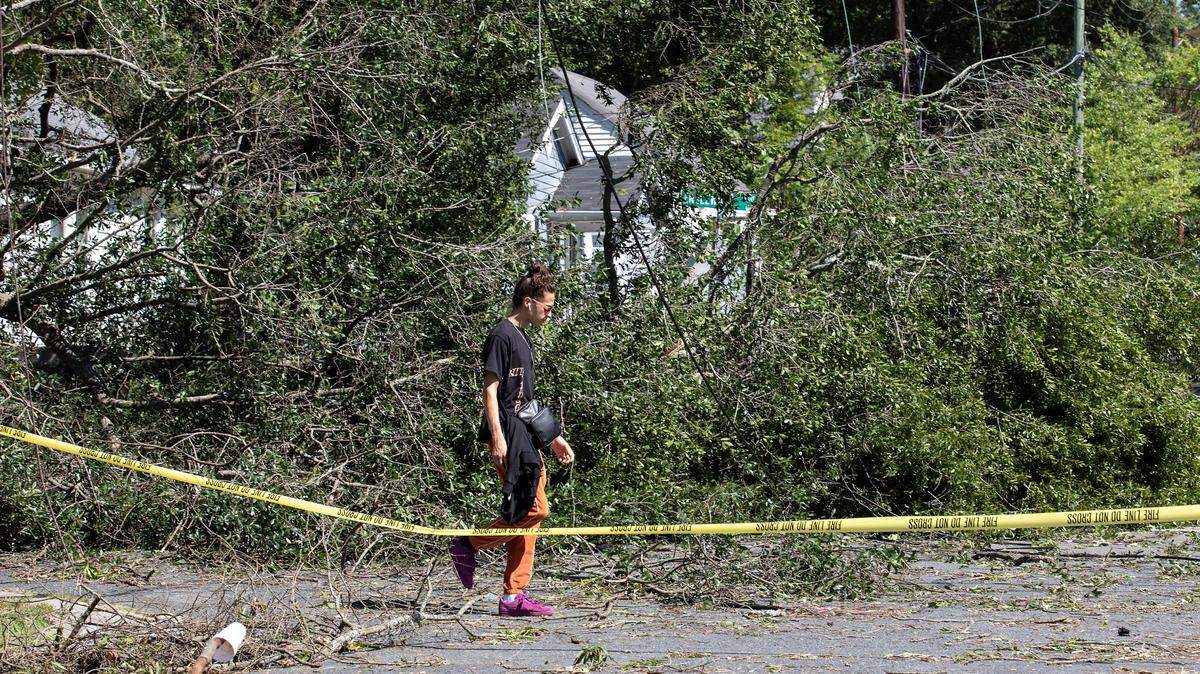
▪ Inspect carefully. Walk around the outside of your house to check for loose power lines (but do not touch them), gas leaks and structural damage. If you smell gas or if there is structural damage, do not enter the area until local officials have declared it safe.
▪ Dispose of storm debris. If you are clearing debris, be careful not to block roadways, fire hydrants and utility boxes. Local officials will provide information on how to properly dispose of debris, but in general, use these tips:
Separate debris into separate piles: limbs and brush; household trash; and other materials, such as construction debris.
Place debris at the curb for trash pickup, or haul waste to a permitted landfill.
Limit open burning and never burn trash, lumber, tires, plastics and other man-made materials.
▪ Beware of drinking water safety. Following a storm, drinking water can become contaminated and may cause illness. Listen for public announcements about the safety of the public water supply. If you are on well water and extensive flooding has occurred near your home, do not drink the water and do not turn on the electricity to your pump until flood waters recede. Use bottled water until your well has been disinfected and your water has been tested.
Need to file an insurance claim from storm damage?
The N.C. Hurricane Guide offers the following insurance tips if you have damage to your home due to a storm:
Contact your insurance agent as soon as possible to arrange a visit. Be patient as insurance companies are likely handling a very large volume of requests.
Before making repairs to your home, take photos and prepare a detailed inventory of all damaged property.
Make only those repairs necessary to prevent further damage. Do not make permanent repairs without first consulting your agent. Unauthorized repairs may not be reimbursed.
Save receipts for materials purchased for temporary repairs.
Before renting temporary shelter, check with your insurance company or agent to determine what expenses will be reimbursed.
This story was originally published October 1, 2022 at 8:15 AM with the headline "After a storm: Tips for assessing damage and filing insurance claims."

.jpg)

.JPG)
.JPG)
.JPG)
.JPG)