In reversal, NC State and CDC agree on new Poe Hall health investigation, chancellor says
READ MORE
Health concerns at NC State University’s Poe Hall
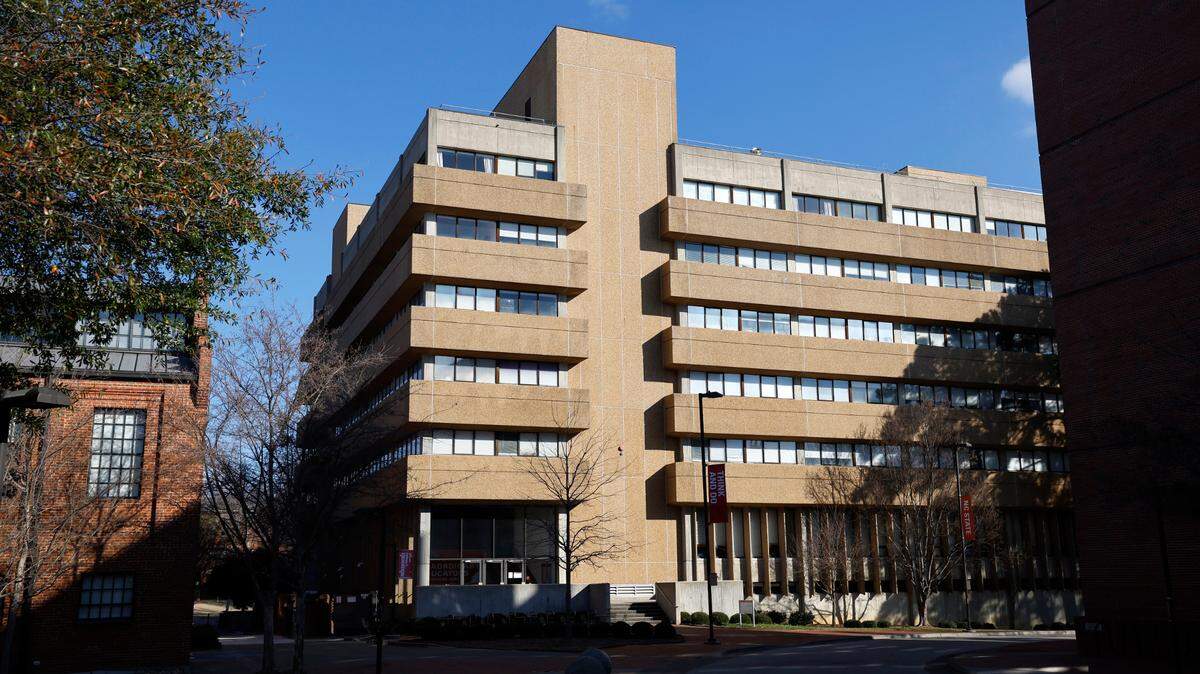
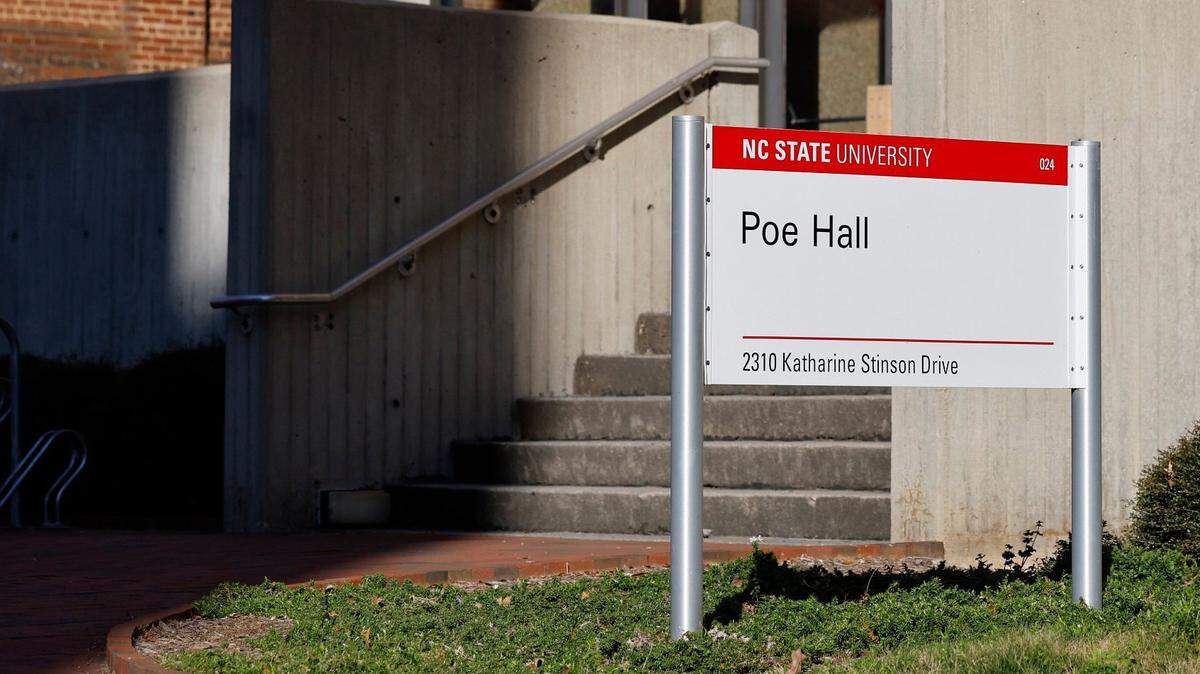
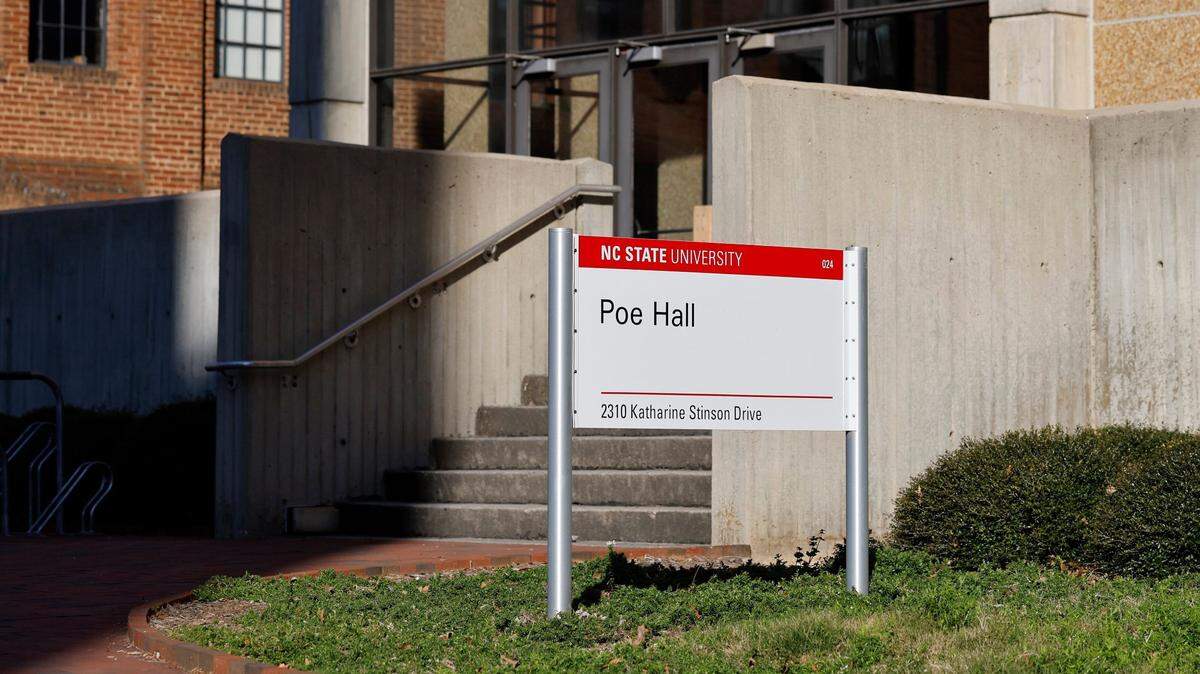
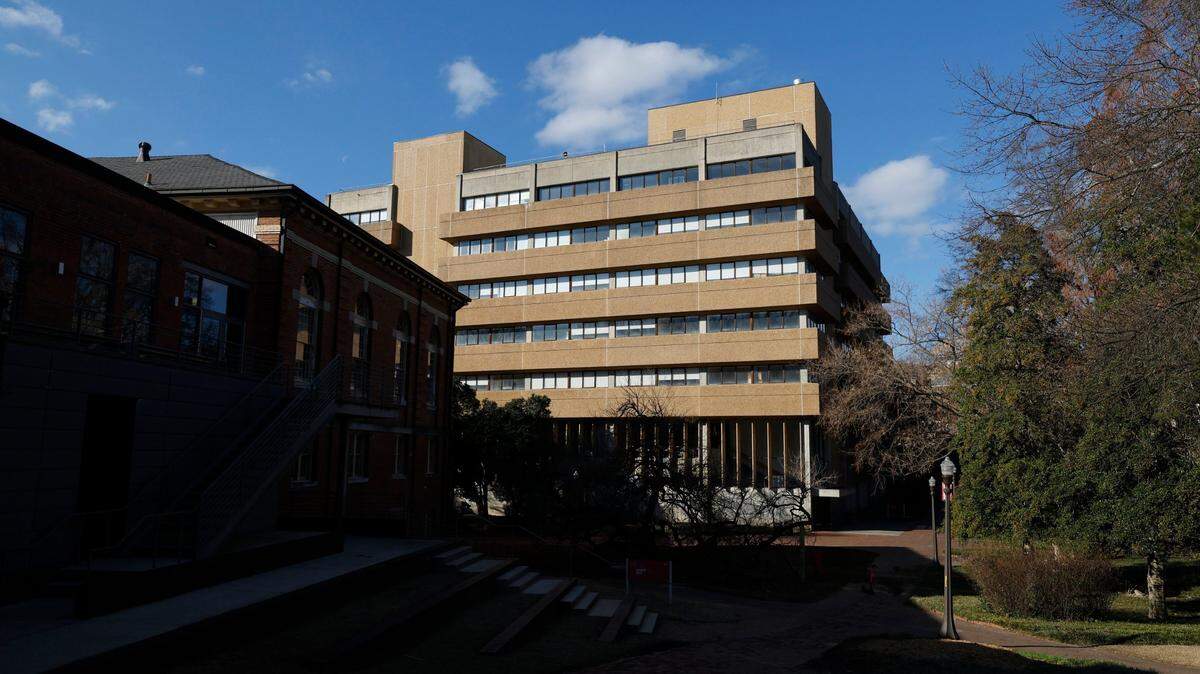
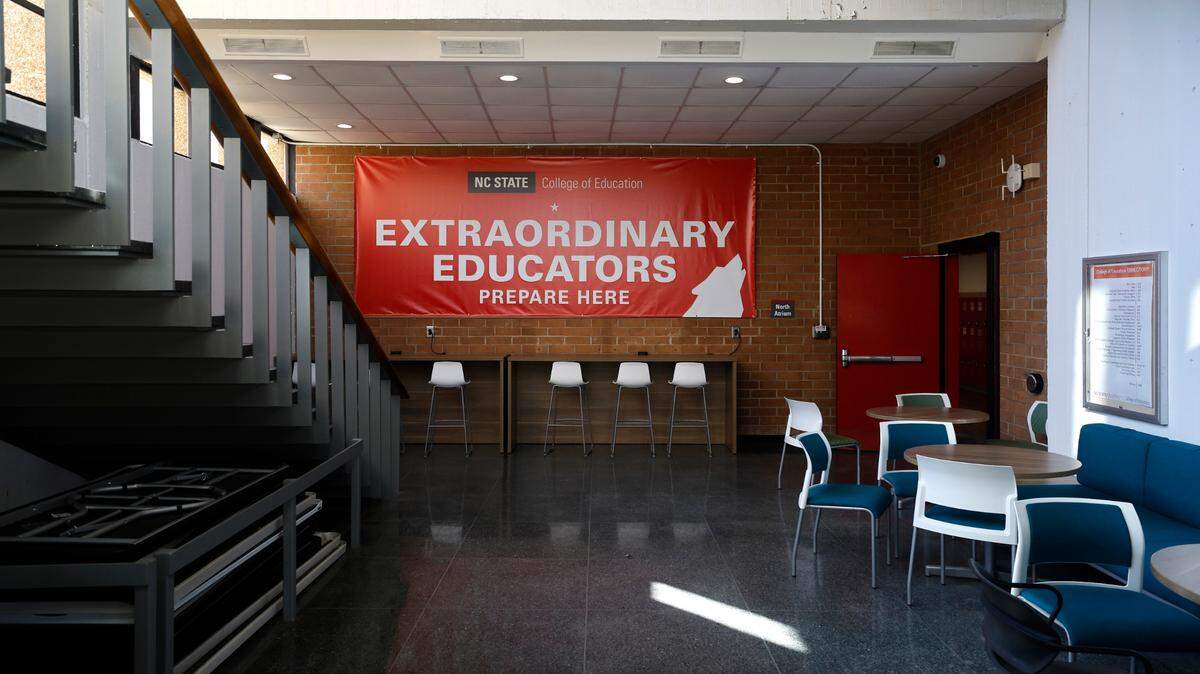
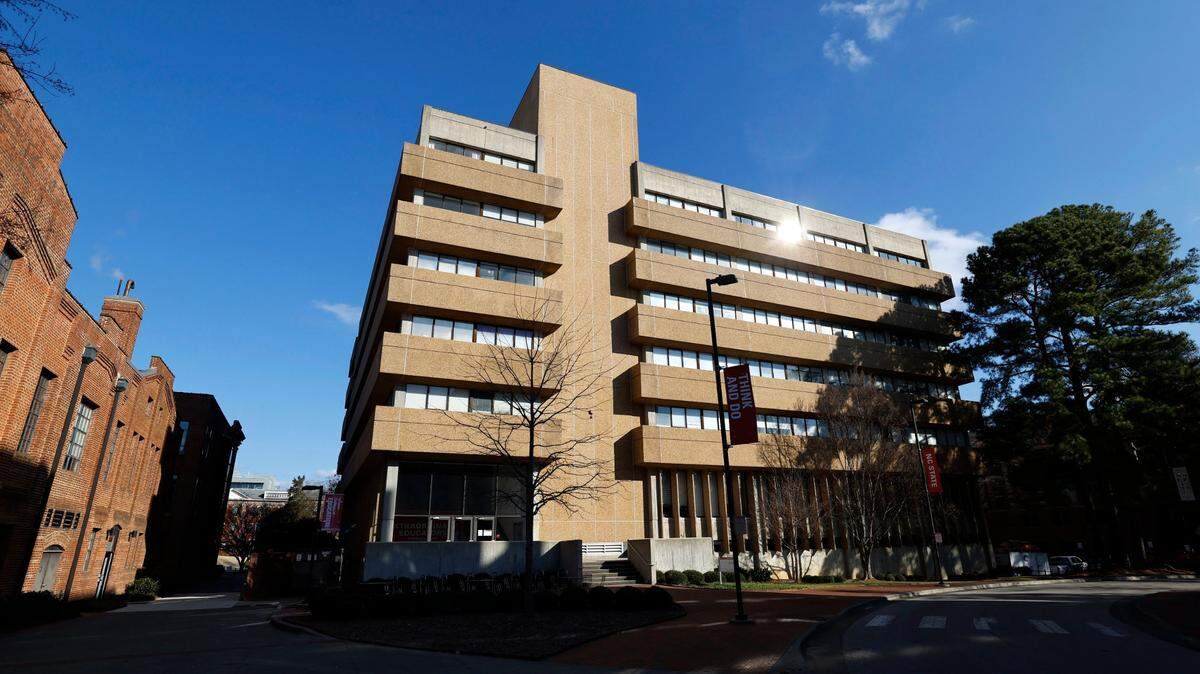
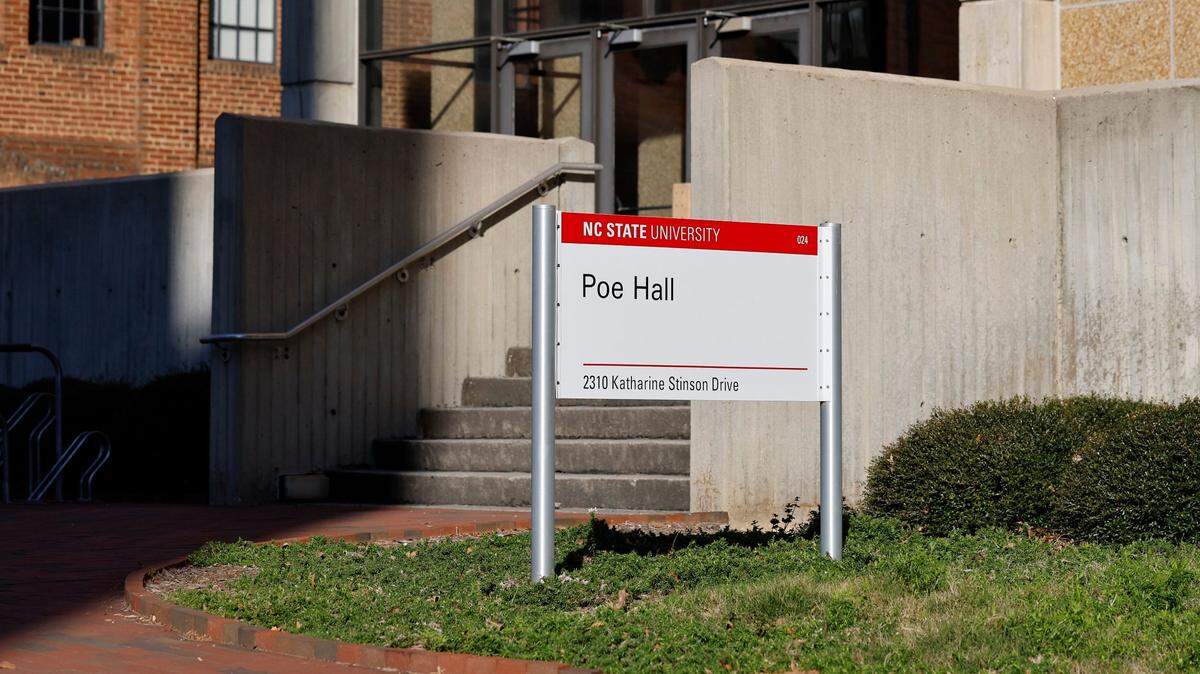
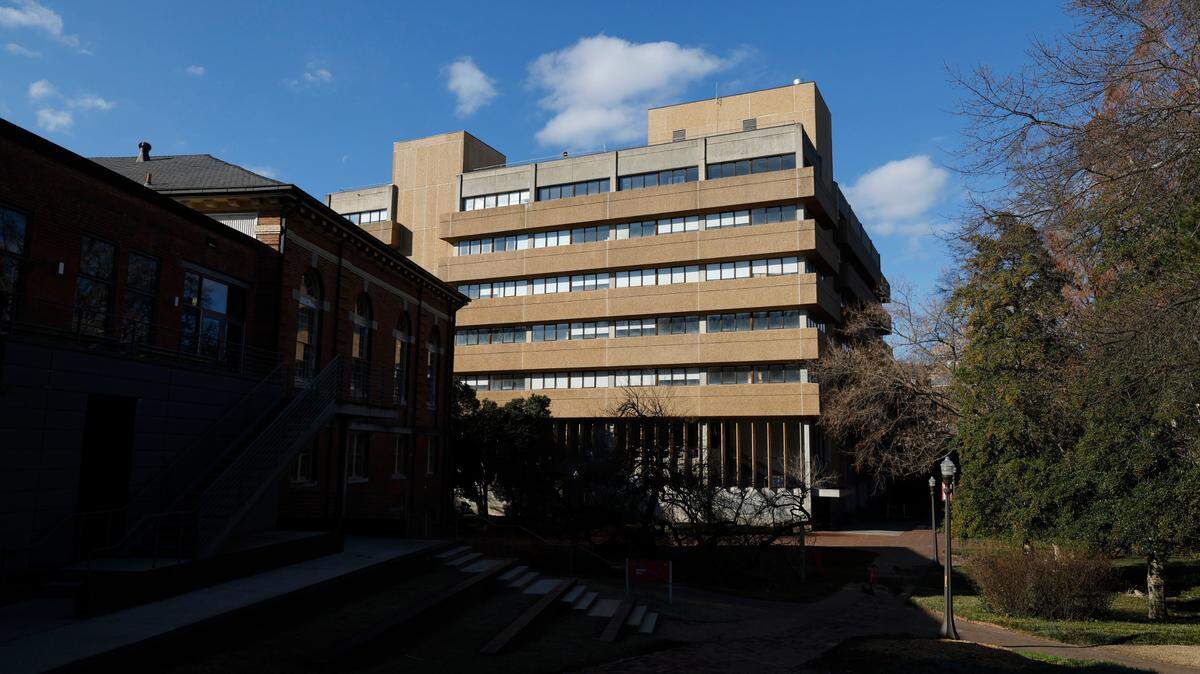
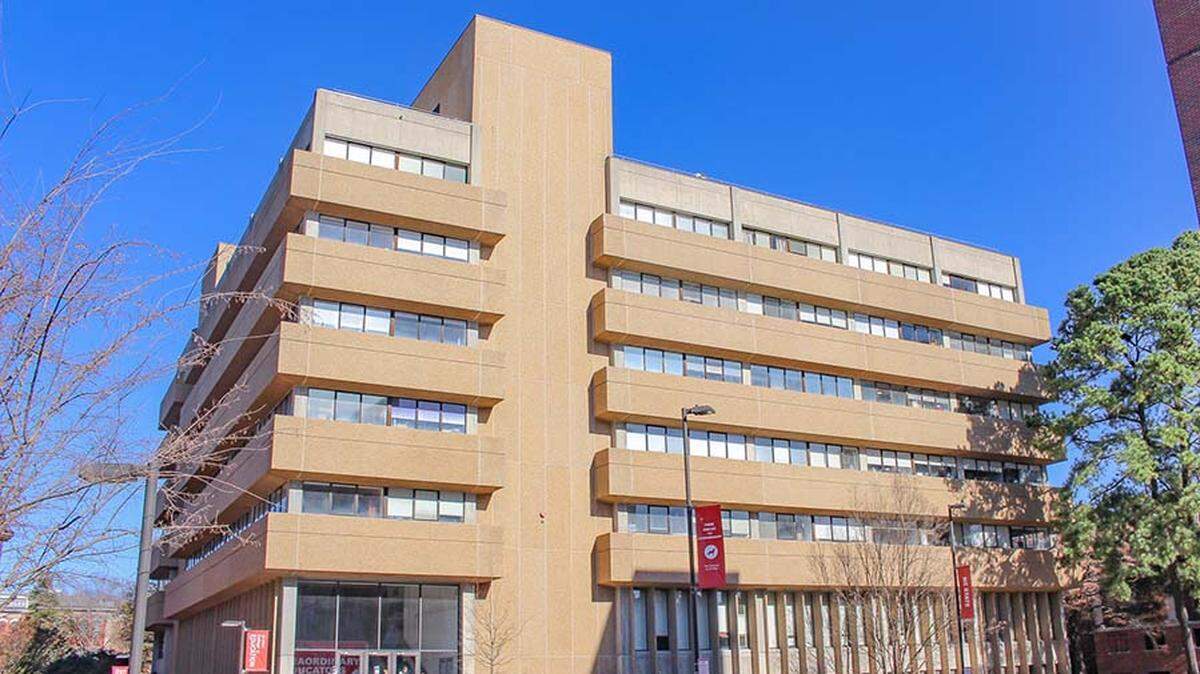
NC State University closed Poe Hall, home of the College of Education and Department of Psychology, in November 2023 after tests detected toxic chemicals. The university and federal health officials are studying the presence of toxic PCBs and potential health effects on those who were exposed to them. Here is ongoing coverage from The News & Observer.
Expand All
A new federal investigation could help determine whether exposure to toxic chemicals at NC State University’s Poe Hall is responsible for employee illness.
The university and the National Institute for Occupational Safety and Health (NIOSH) reached a “mutual agreement” to open a new Health Hazard Evaluation, NC State Chancellor Randy Woodson told The News & Observer Thursday.
A prior federal evaluation was closed, despite health concerns and news reports citing cancer cases among former and current employees at Poe Hall.
That decision to close the initial investigation, and NC State’s overall handling of the toxic chemical situation, have faced scrutiny. Faculty members in the NC State University College of Education, which is housed within Poe Hall, voted Friday to express “no confidence” in Woodson and Provost Warwick Arden.
A spokesperson for the Centers for Disease Control and Prevention, Lisa George, said the agency had an open Health Hazard Evaluation request concerning Poe Hall.
The university confirmed this, with spokesperson Mick Kulikowski saying it formally requested the National Institute for Occupational Safety and Health, which is within the CDC, open a new evaluation on Monday.
According to George, a health hazard evaluation is a no-cost evaluation of a workplace “to determine whether workers are exposed to hazardous materials and whether these exposures are responsible for health risks, illness or injury, or harmful conditions.”
She said that NIOSH “may provide assistance and information by phone and in writing or may visit the workplace to assess exposures and employee health.” Based on findings, NIOSH investigators will recommend ways to reduce hazards and prevent work-related illnesses and injuries, she said.
What happened to the first investigation?
The state’s Department of Health and Human Services said it was first contacted by the university in October regarding concerns about breast cancer cases in people who spent time in Poe Hall.
DHHS suggested gathering basic information about cancer cases being reported, to better understand the concern, DHHS spokesperson Kandice Scarberry said in an email. The agency “recommended that NCSU work with NIOSH for the investigation since they have specialized expertise in cancer concerns in occupational settings,” Scarberry said in an email.
And according to George, the CDC did conduct an initial meeting to discuss the HHE program and answer questions.
The university closed the building in November after preliminary test results showed the presence of PCBs, or polychlorinated biphenyls, on various surfaces throughout Poe Hall. A month later, the university began working with Geosyntec Consultants, an independent consultant with expertise in environmental building assessment, to conduct further testing and data collection in the building.
Meanwhile, the federal health investigation was closed. WRAL reported last week that the CDC claimed NC State withdrew its request for the investigation, and that the federal agency said three NC State employees requested an evaluation but the CDC could not proceed without the university’s cooperation.
After NC State disputed that version of events, the CDC said NC State had requested that NIOSH pause its investigation due to its own ongoing internal one and that NIOSH made the decision to close it rather than pause it.
Woodson told The N&O Thursday that NIOSH closed the evaluation because the agency does not “have a mechanism to pause” HHEs as data is collected. The university felt a need to contract with Geosyntec to collect information about the building’s environment because there is not a federal agency that does so, he said. The university had the Environmental Protection Agency’s approval in selecting a vendor to complete those tests, Woodson said.
“We had told NIOSH from the beginning that we were doing this environmental assessment, and they had suggested that when we get the data, then they’d reopen the case,” he said.
The evaluation will use all of the data and test results Geosyntec collects, Woodson said, noting that the private company is following federal guidelines in collecting that information. The company is in the process of conducting testing with Poe Hall’s ventilation systems turned on after conducting a previous phase of testing with the systems turned off. The results from that stage of testing generally showed concentrations of PCBs in the building at either undetectable levels or below EPA recommendations of exposure.
This story was originally published February 15, 2024 at 4:50 PM.