NC State found toxic chemicals in Poe Hall. Should the university test other buildings?
READ MORE
Health concerns at NC State University’s Poe Hall
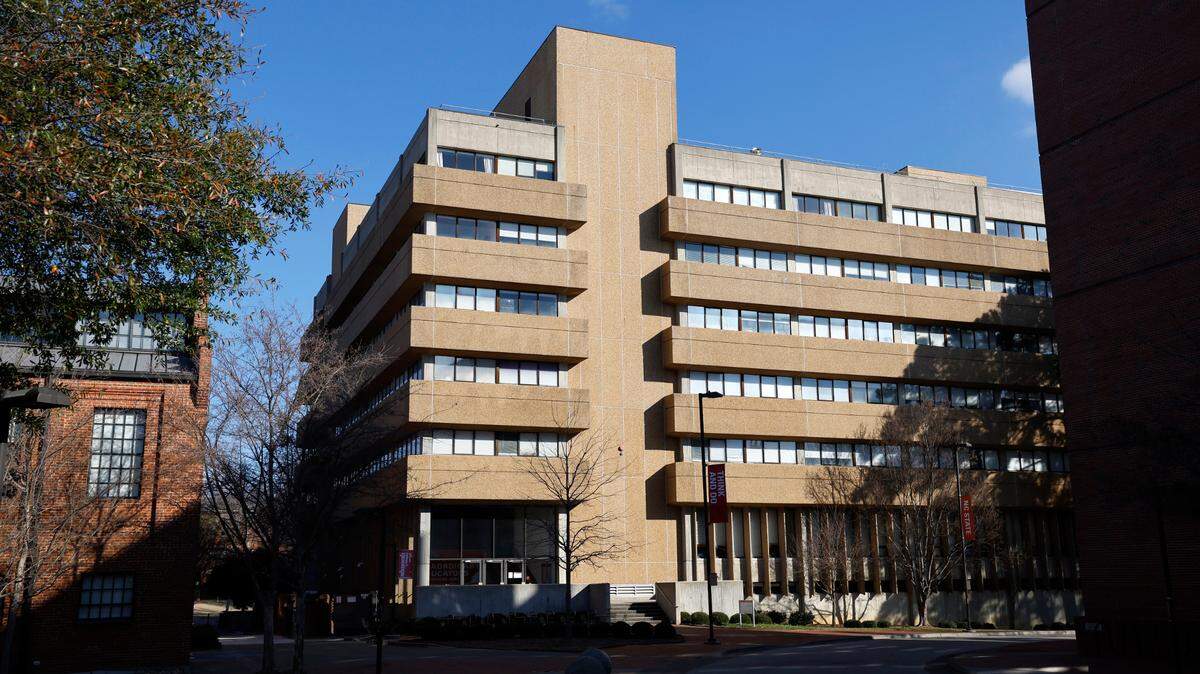
NC State University closed Poe Hall, home of the College of Education and Department of Psychology, in November 2023 after tests detected toxic chemicals. The university and federal health officials are studying the presence of toxic PCBs and potential health effects on those who were exposed to them. Here is ongoing coverage from The News & Observer.
Expand All
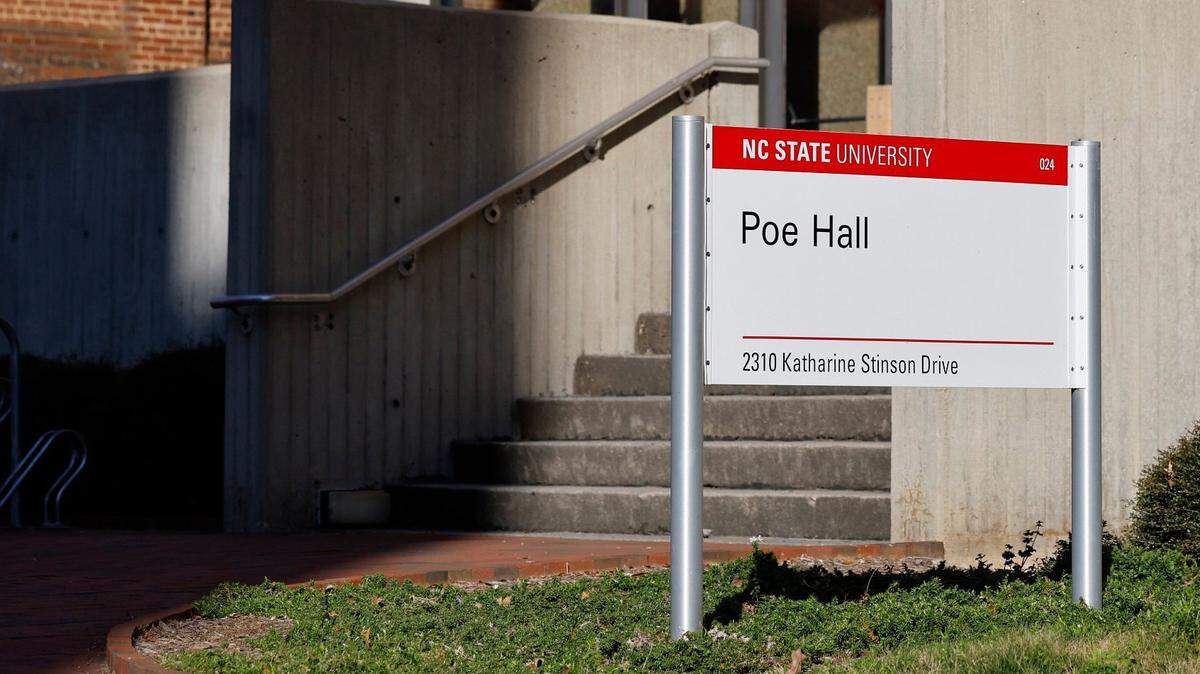
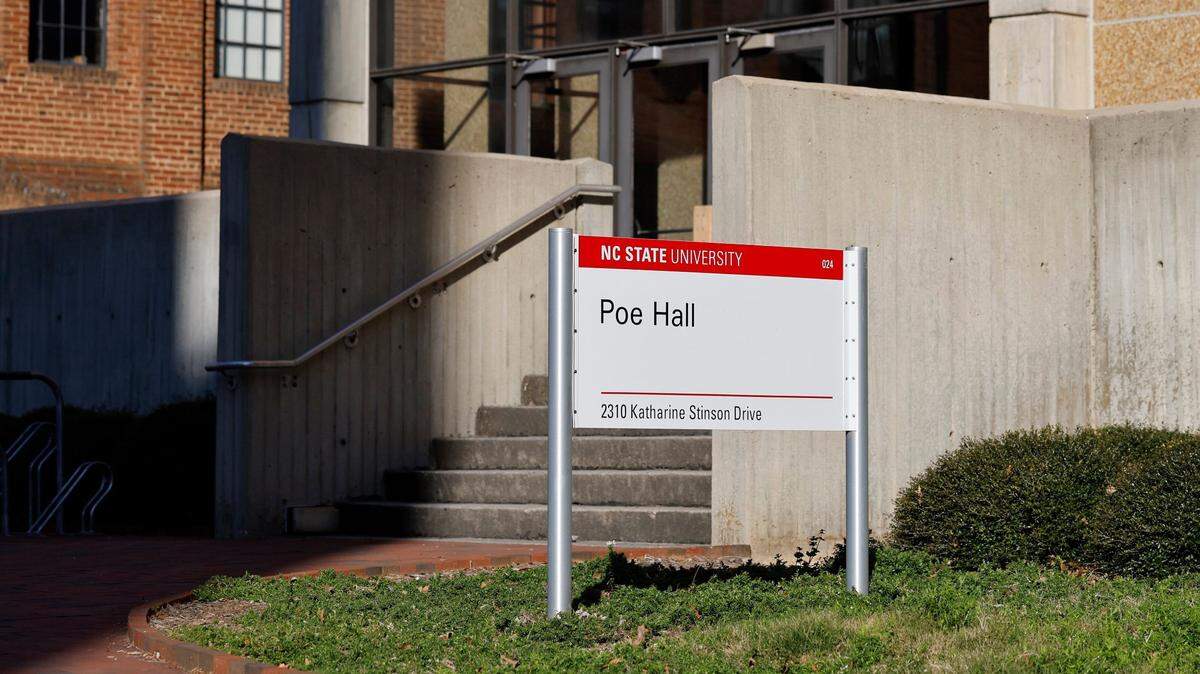
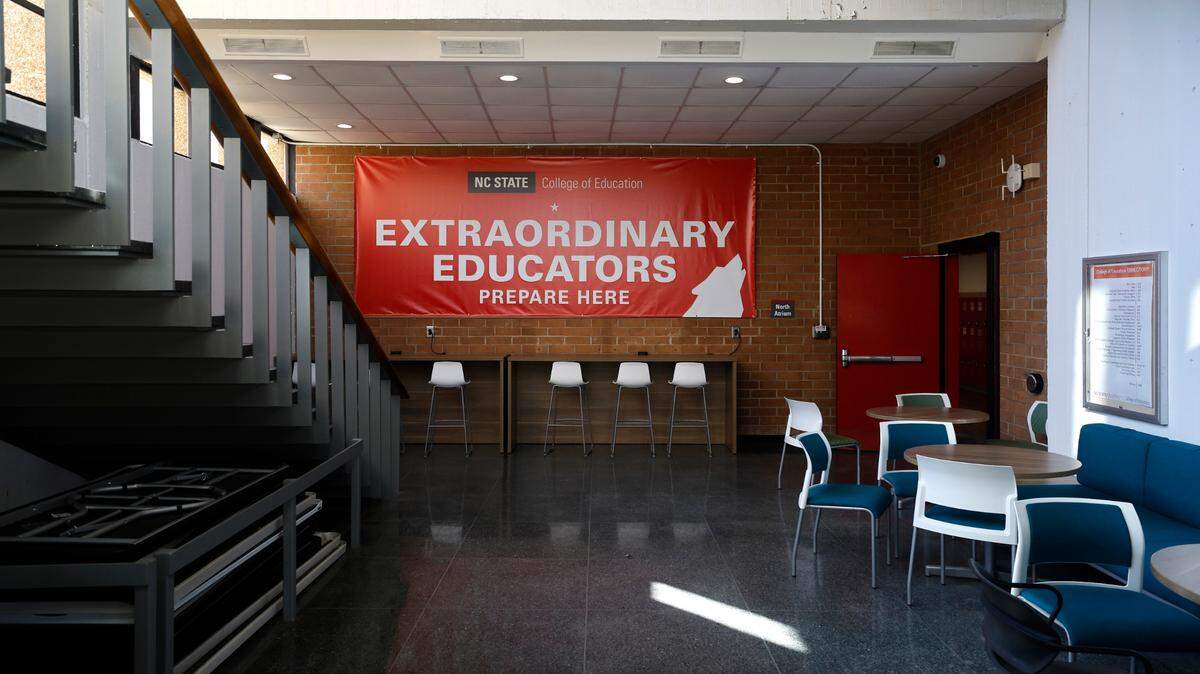
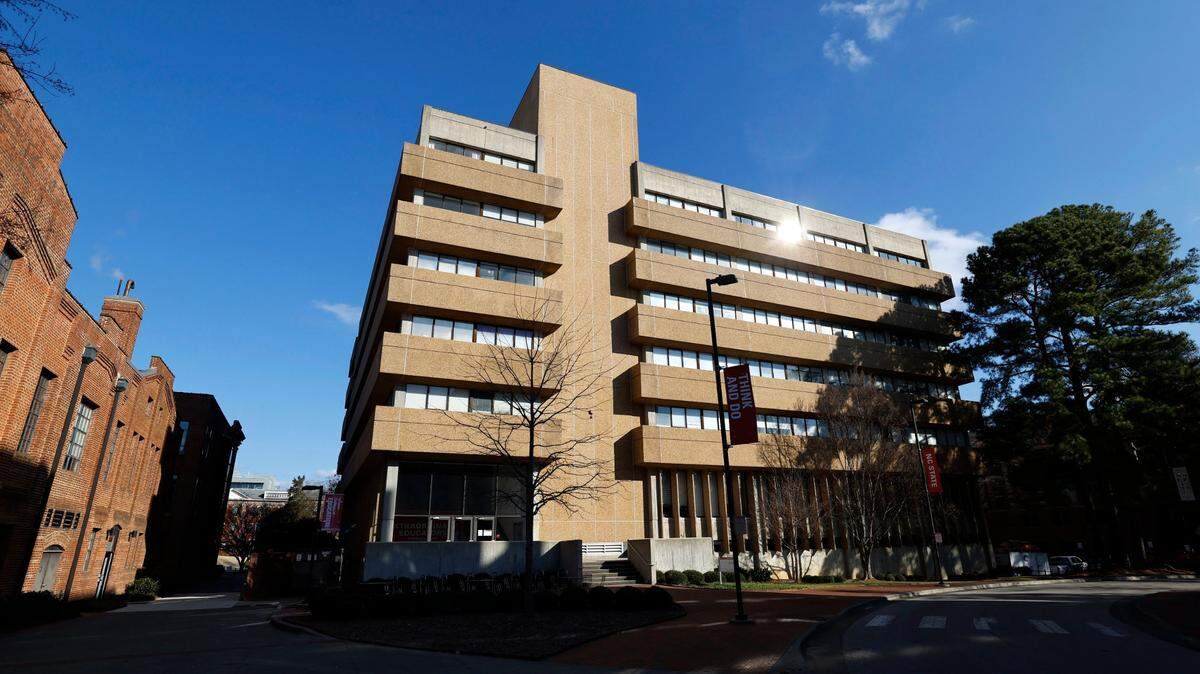
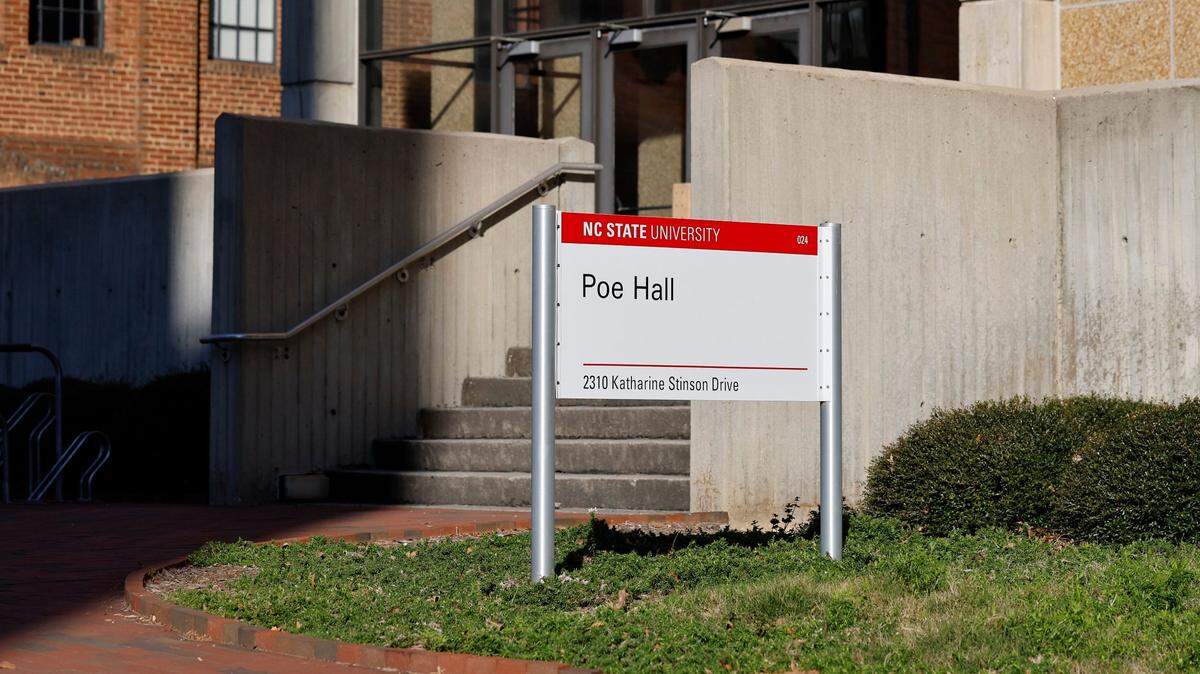
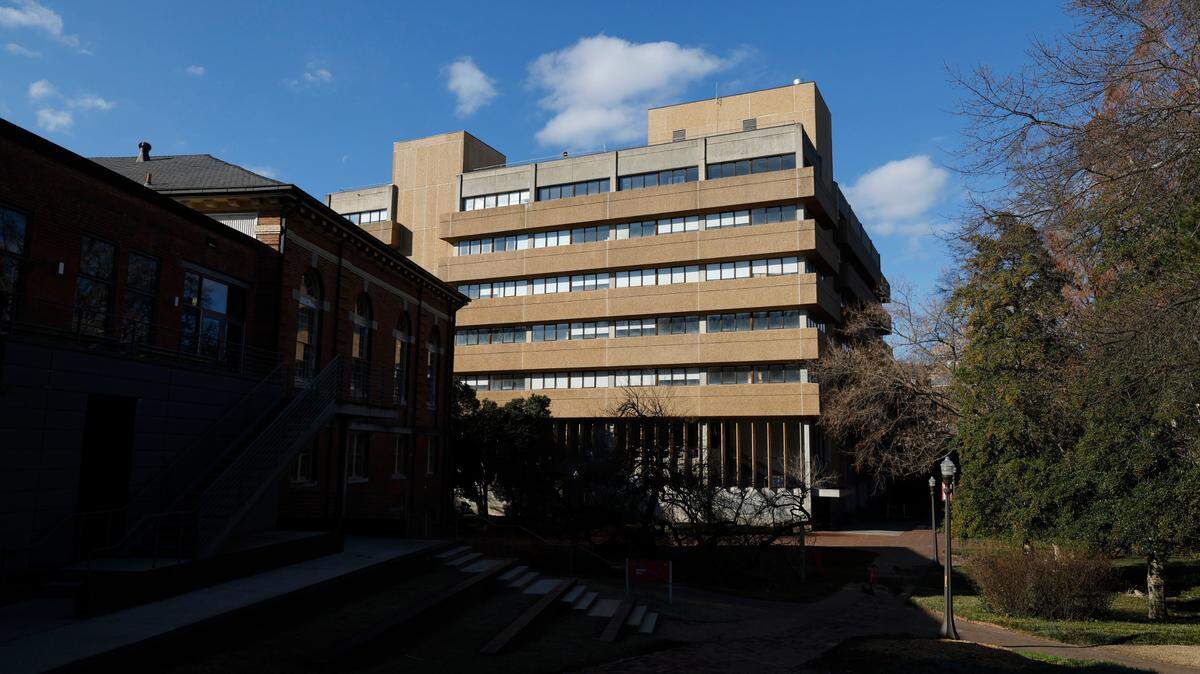
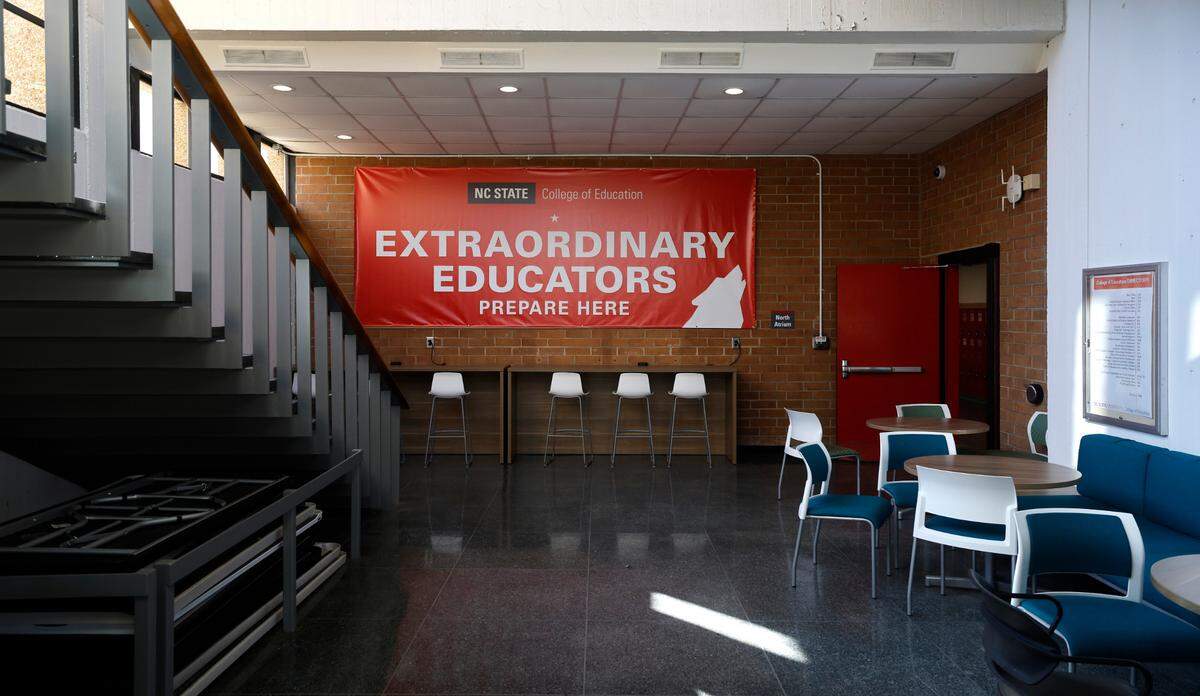
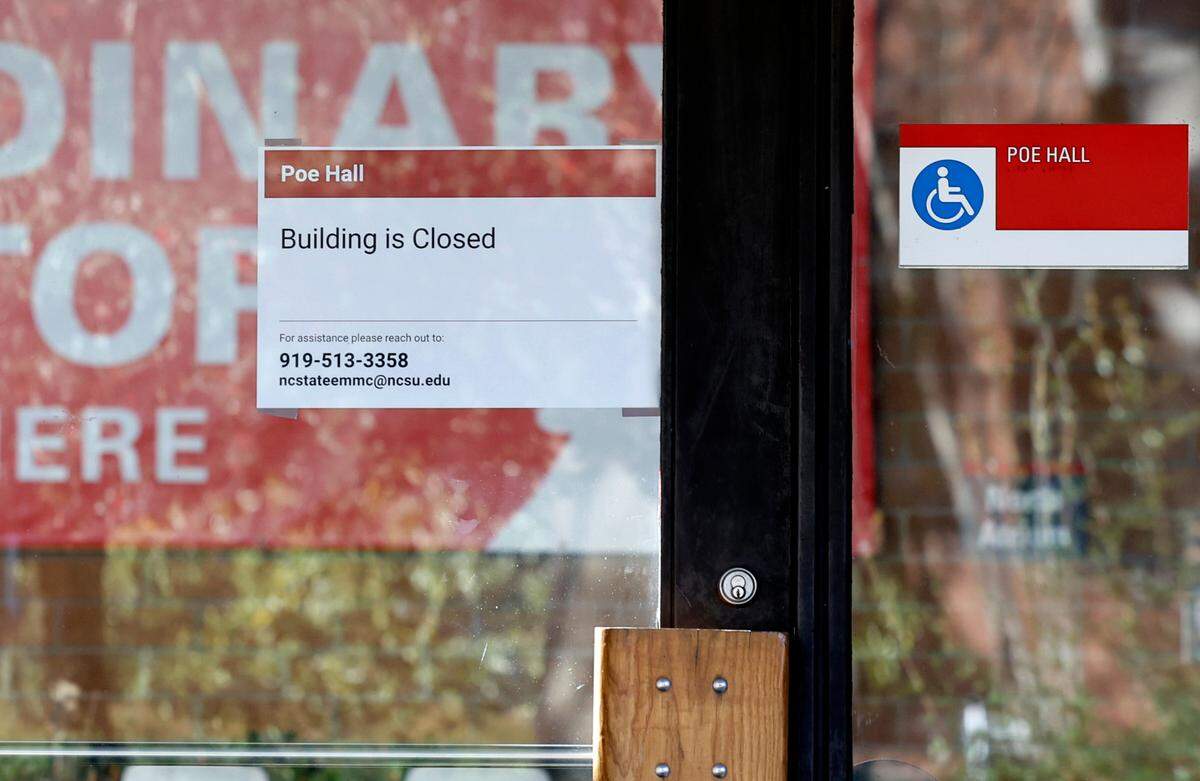
As spring semester classes began this week at NC State University, Poe Hall remained closed for further environmental testing, forcing the temporary relocation of faculty offices and classes that were originally scheduled to be held there.
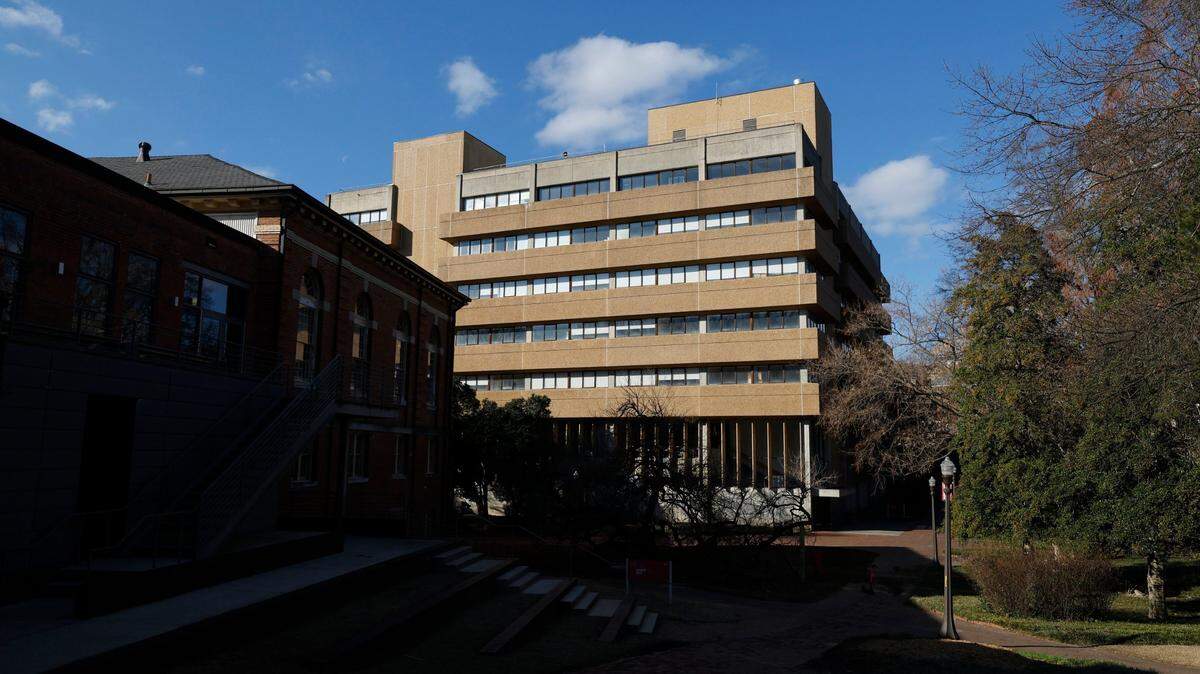
The university closed the building, which houses the College of Education and the psychology department, in November after test results showed the presence of PCBs — toxic, man-made chemicals that were banned from being produced in the United States in 1979 — on various surfaces throughout the building.
The university says the decision to close the building was made “out of an abundance of caution,” and has provided little context about the test results or potential impacts — including possible health effects — of the materials in the building, citing a need for additional testing and information to understand “the overall building environment.”
The situation has stirred frustration among faculty and staff — primarily those who have worked in Poe Hall, but also those who work in other campus buildings of similar age, who wonder whether they could be exposed to similar materials.
“The health of those who worked in Poe is, by far, the most important issue,” professor David Ambaras, who is the president of the campus American Association of University Professors (AAUP) chapter, told The News & Observer by email. “We are also concerned about the risk of similar problems in other campus buildings.”
But is it feasible for the university to test additional buildings? And how would the university be expected to remedy potential findings beyond those in Poe Hall?
Keri Hornbuckle, a professor at the University of Iowa College of Engineering who researches PCBs in school environments, told The N&O that because PCBs were commonly used in commercial construction for nearly 40 years, it is highly likely that the chemicals could be found in other campus buildings if the university tested for them.
“Finding them in solid materials and buildings that were built between 1950 and 1980 is incredibly common,” Hornbuckle said.
The more important question, Hornbuckle said, is how and where the chemicals are found in those buildings — and how the university might prioritize future testing.
What the test results showed
People generally have the greatest risk of being exposed to PCBs when they volatilize, or disperse, in the air, Hornbuckle said — not necessarily from the chemicals sitting undisturbed in building materials.
“It’s my opinion that you should consider air, first of all, because exposure to high levels in the air, a person can’t really protect themselves from it,” Hornbuckle said. “And it’s direct exposure. Even though you’re just sitting there, not touching the PCBs or bothering them, you’re still being exposed.”
NC State provided the initial test results from Poe Hall to media outlets, including The N&O, in response to public records requests. The results are primarily from solid surfaces and building materials, such as insulation and an air handling unit, with fewer results from air sampling.
Results for some building materials showed the presence of Aroclor 1262, a specific PCB mixture produced by Monsanto, at levels several times higher than the threshold — 50 parts per million (ppm) — at which federal regulations require PCB materials to be removed from buildings. For example, duct insulation in room 520E was found to have Aroclor 1262 in it at a level of 940 ppm, almost 19 times higher than the threshold for removal.
Aroclor 1262 was commonly used “in caulking and other sort of semisolid materials,” Hornbuckle said.
Asked by The N&O whether the university would remove materials from Poe Hall above the 50 ppm limit, spokesperson Mary Cole Pike said the university would work with the environmental consultant it has hired, Geosyntec Consultant, on mitigation strategies “once the broader environmental testing is complete.”
When evaluating indoor air samples of PCBs in schools, the U.S. Environmental Protection Agency offers reference doses, or levels of exposure that are estimated to be “without an appreciable risk of harmful effects during a lifetime.”
“EPA recommends that the concentrations of PCBs in indoor air be kept as low as reasonably achievable, and the total PCB exposure be kept below the [reference dose] level,” guidance from the federal agency states.
Results of the air sampling in Poe Hall, which tested for eight different PCBs, did not appear to indicate concentrations higher than those EPA recommendations. The samples do not appear to have included testing for Aroclor 1262, as that compound is not listed in the results.
Will NC State test additional buildings?
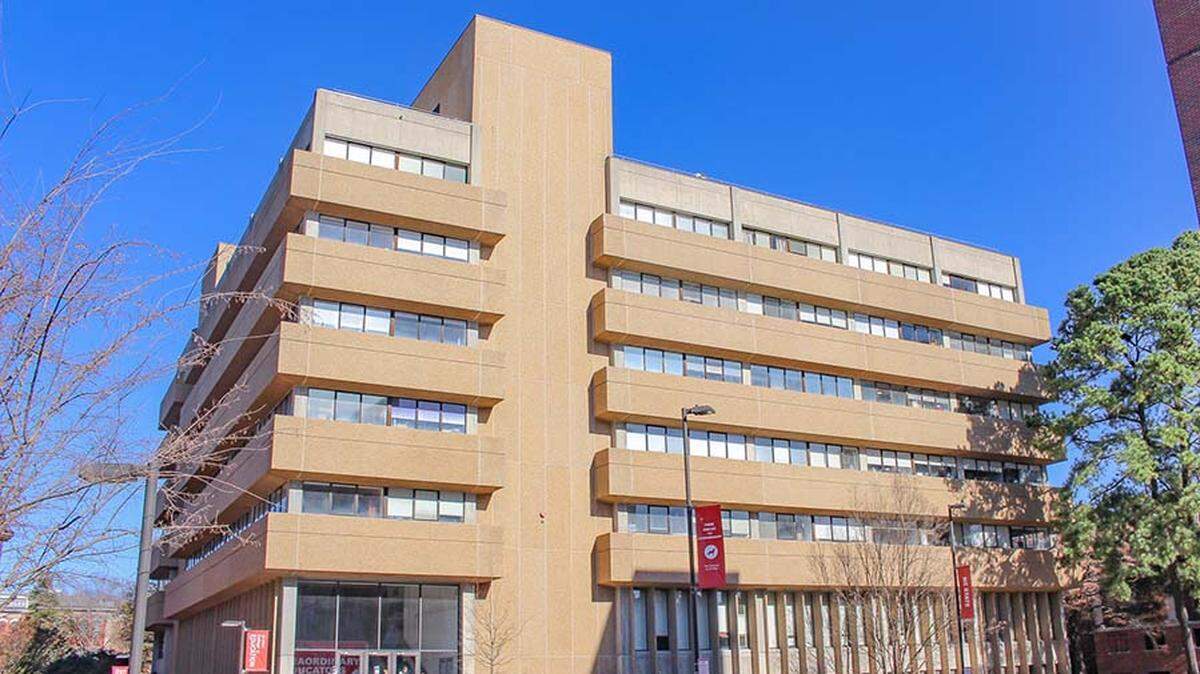
According to a university timeline available online, several buildings across NC State’s campus were built around the same time as Poe Hall, which was completed in 1971, and throughout the broader 40-year period in which PCBs were commonly used in building materials.
It is unclear if any of those buildings contain PCBs, and there are no regulations that require buildings to be tested for the chemicals at regular intervals. But given the prevalence of PCBs in buildings from that time, Hornbuckle said testing would likely reveal additional buildings with the chemicals present.
Asked by The N&O if the university would test additional buildings for PCBs, or if there was a timeline by which that would be decided, Pike said NC State is “working with our environmental consultant to determine any recommendations for additional testing beyond Poe Hall.”
If the university were to test additional buildings, “pretty soon, you’re going to figure out that it’s in all of the buildings,” Hornbuckle said. “And so then you’ve got to figure out what’s the worst case.”
Hornbuckle said it is important, then, to prioritize testing and removal of PCBs based on the likelihood and severity of potential exposure.
The process to remove and remedy the presence of PCBs depends on a variety of factors, Hornbuckle said, but it can be “very expensive.” It might be enough to replace fluorescent light ballasts, which commonly contained PCBs, for example, or it might require replacing all of the windows in a building or even more extensive work.
In 2022, when students completing a summer project at UNC-Chapel Hill detected lead in campus drinking fountains, the university eventually tested more than 250 buildings for the toxic substance, finding some amount of lead in more than 400 individual water fixtures.
Comparing the processes used to identify and remedy lead and PCBs, Hornbuckle said the latter is “a little more complicated,” partly due to the wide range of “nasty outcomes” associated with the chemicals and because “the route of exposure” is not always as clear as it is with lead.
The university’s Poe Hall website recommends faculty and staff reach out to their primary care providers if they have health concerns related to potential PCB exposure, while students are encouraged to contact Campus Health.
“It’s not logistically possible to remove PCBs from all these places they were used in,” Hornbuckle said. “We need to think about, how are people going to be exposed to them? Where is the risk, and what’s the worst exposure scenario?”
This story was originally published January 12, 2024 at 6:00 AM.