Sickened NC State alumni sue Monsanto over Poe Hall ‘profit-driven scheme’
AI-generated summary reviewed by our newsroom.
- Plaintiffs allege Monsanto knowingly sold PCB-laden building materials to NC State.
- Lawsuit names Matrix for failing to recommend Poe Hall indoor air testing.
- Plaintiffs seek a jury trial; 12 claim illnesses, three estates represent decedents.
READ MORE
Health concerns at NC State University’s Poe Hall
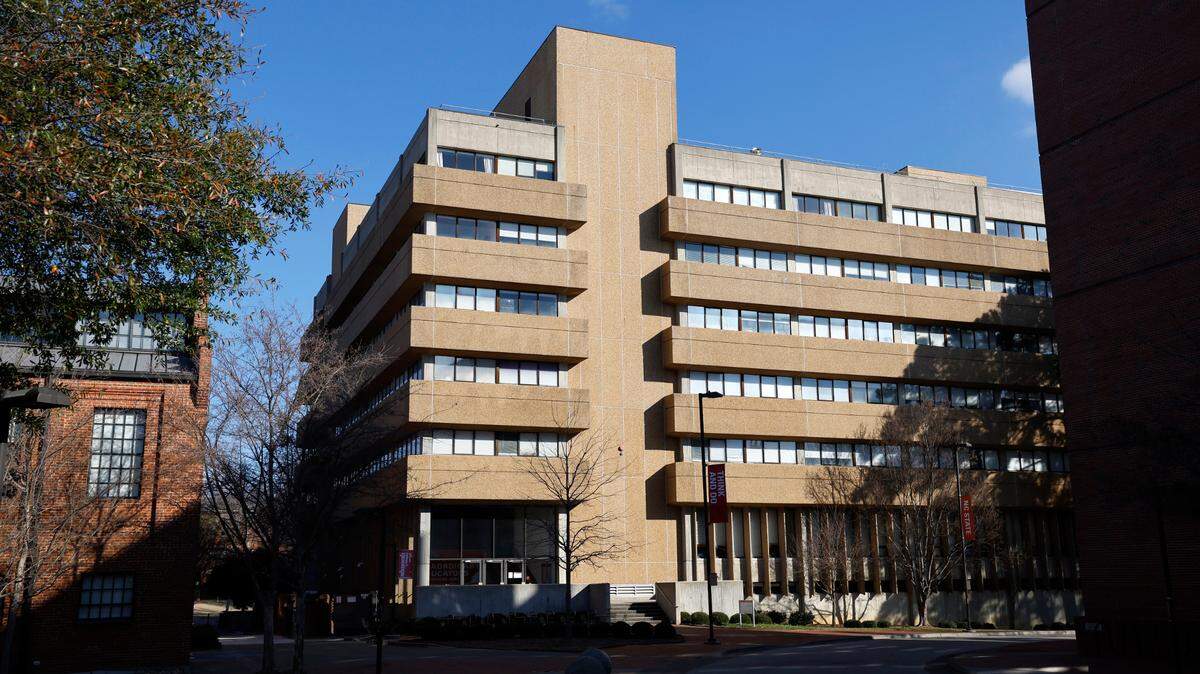
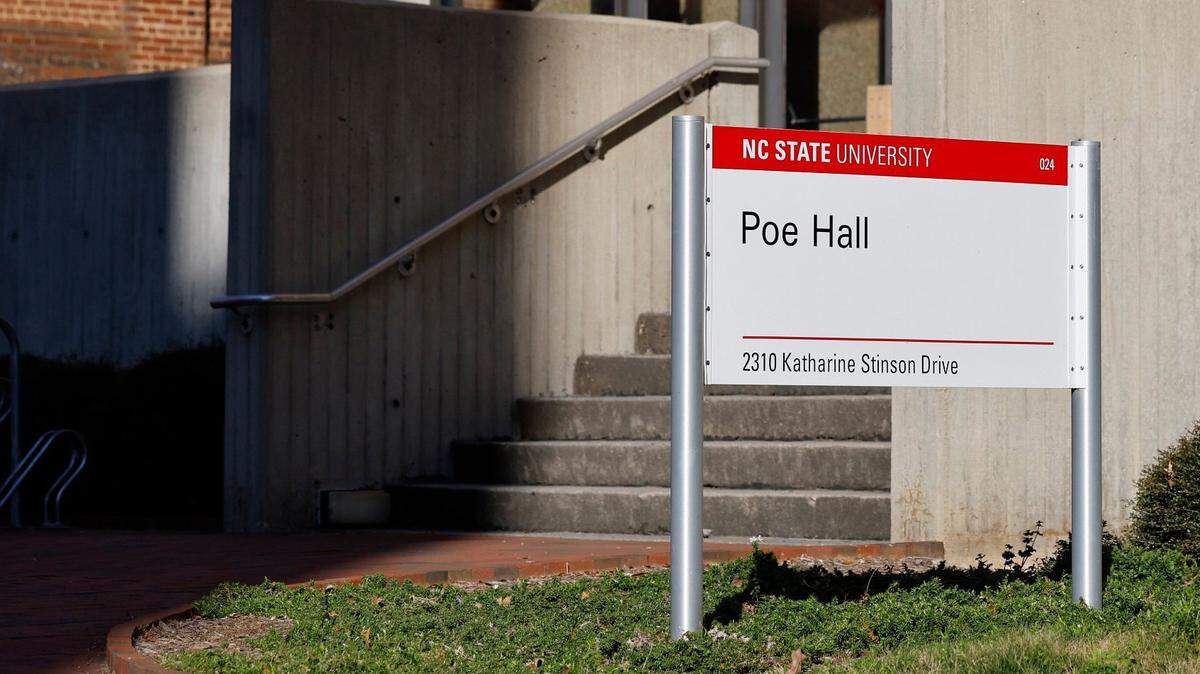
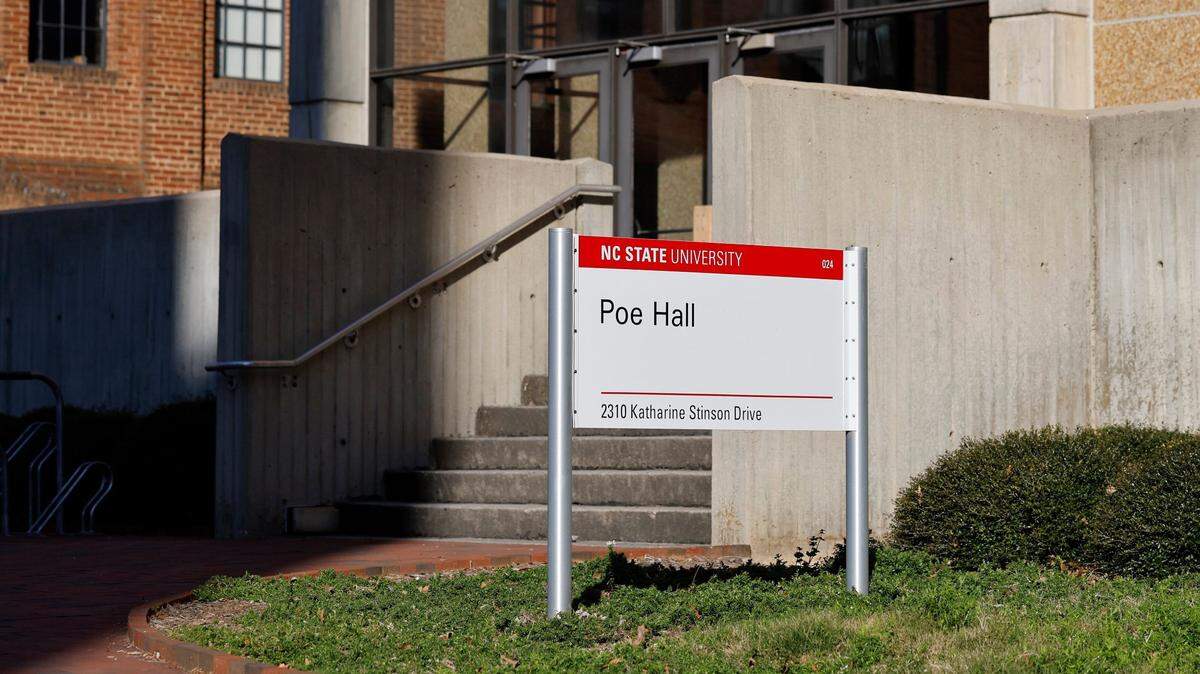
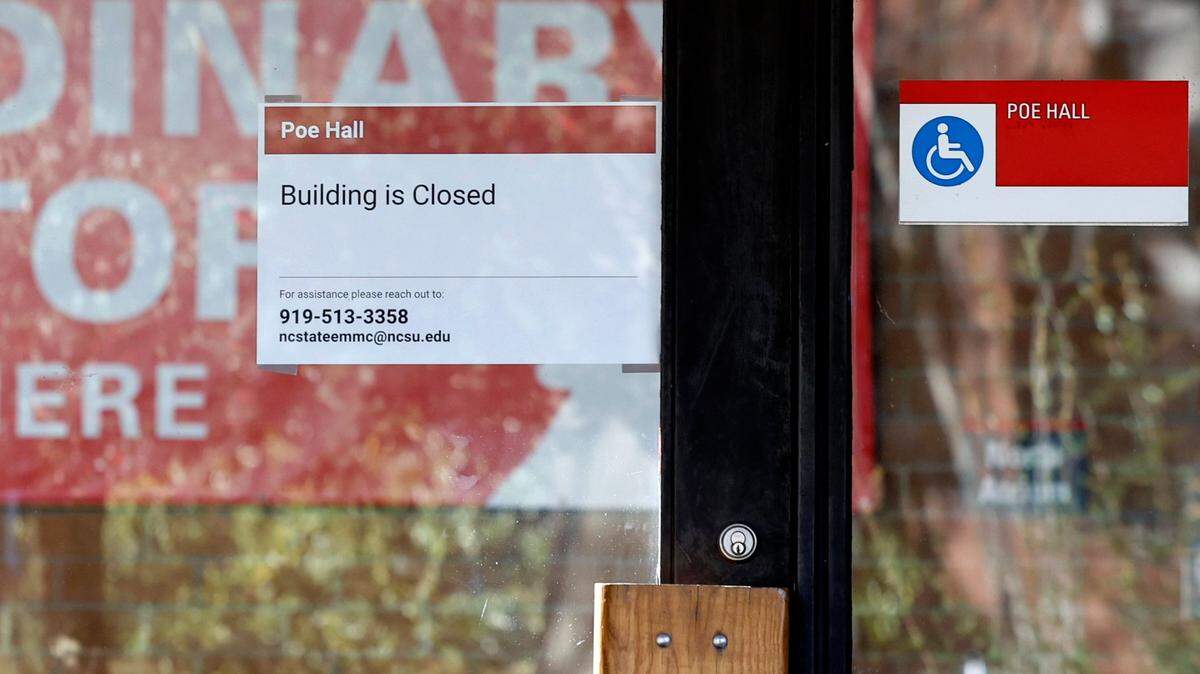
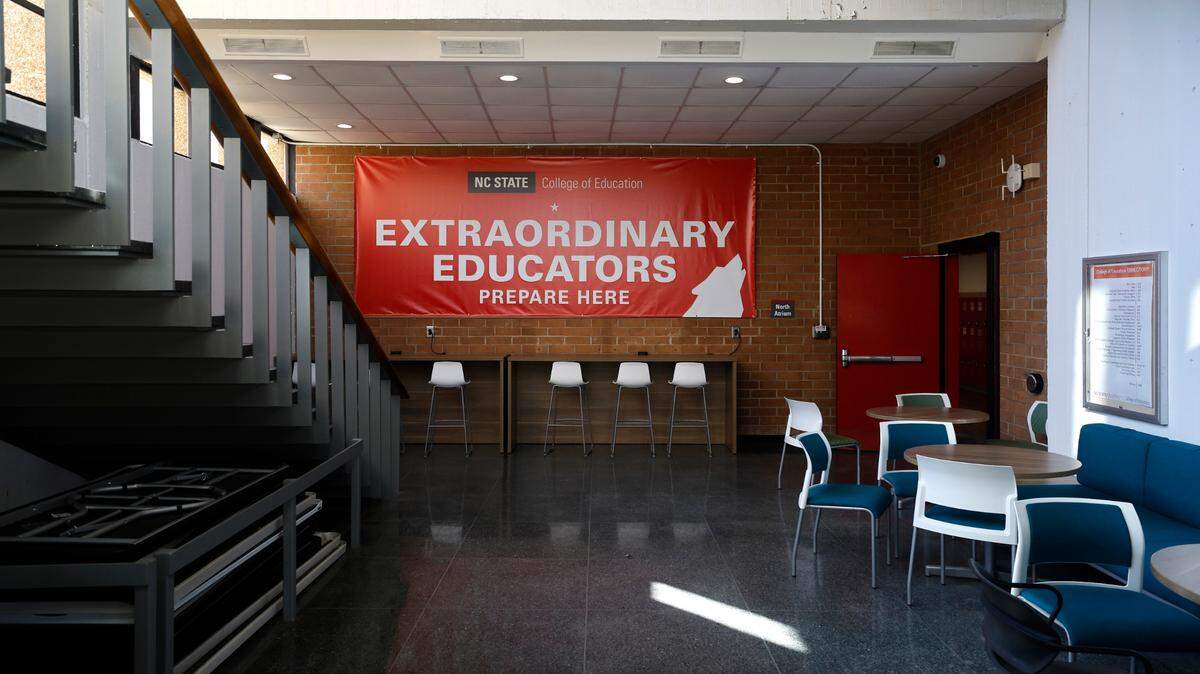
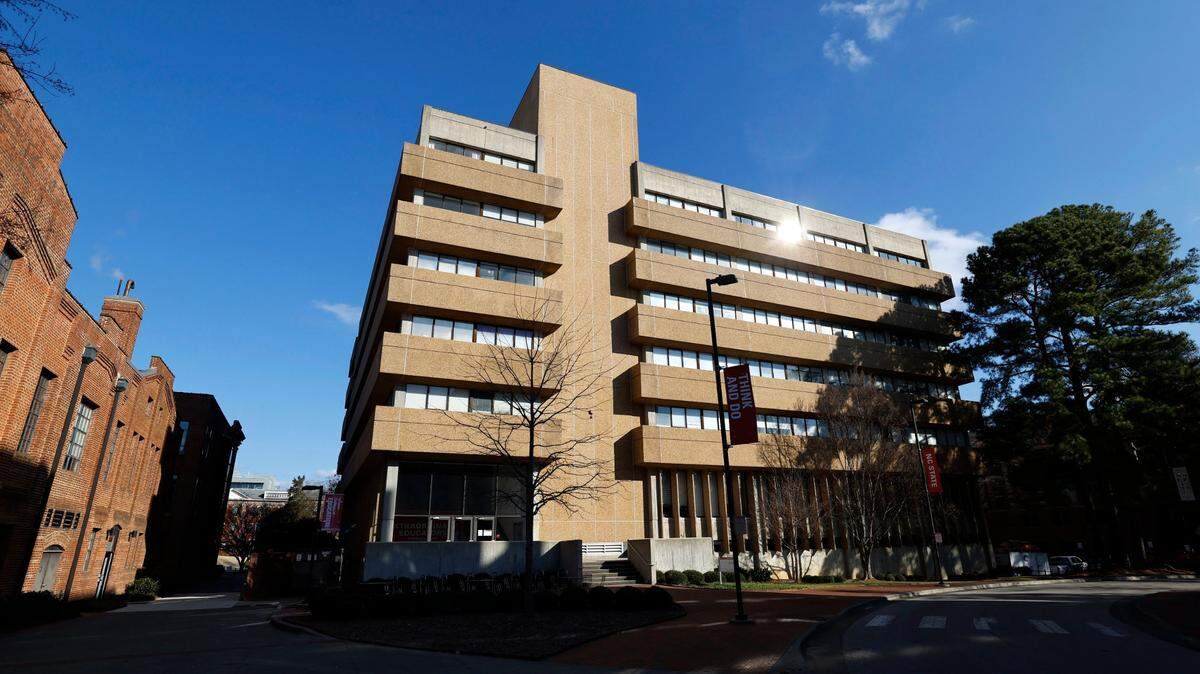
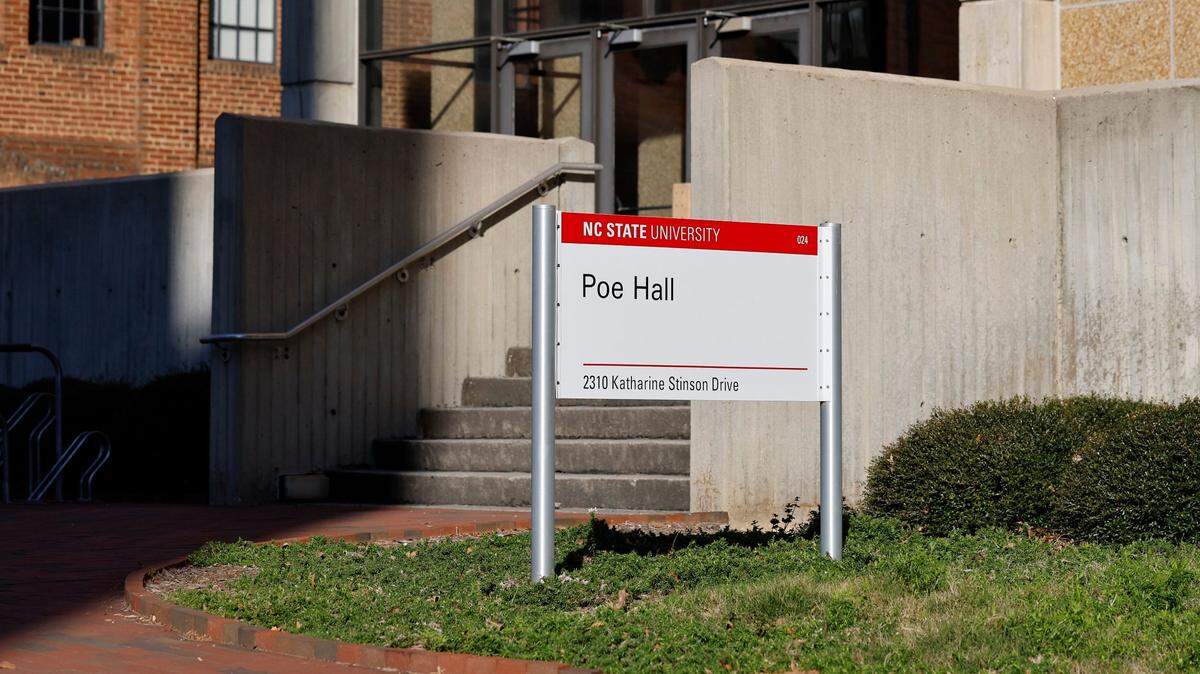
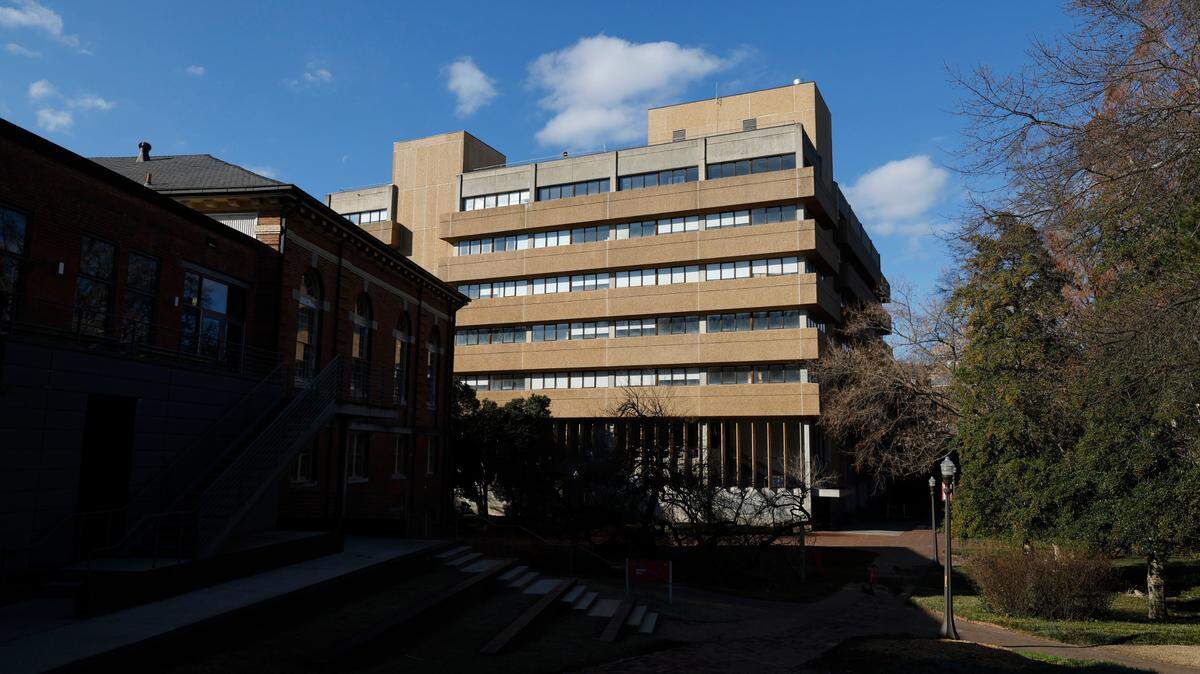
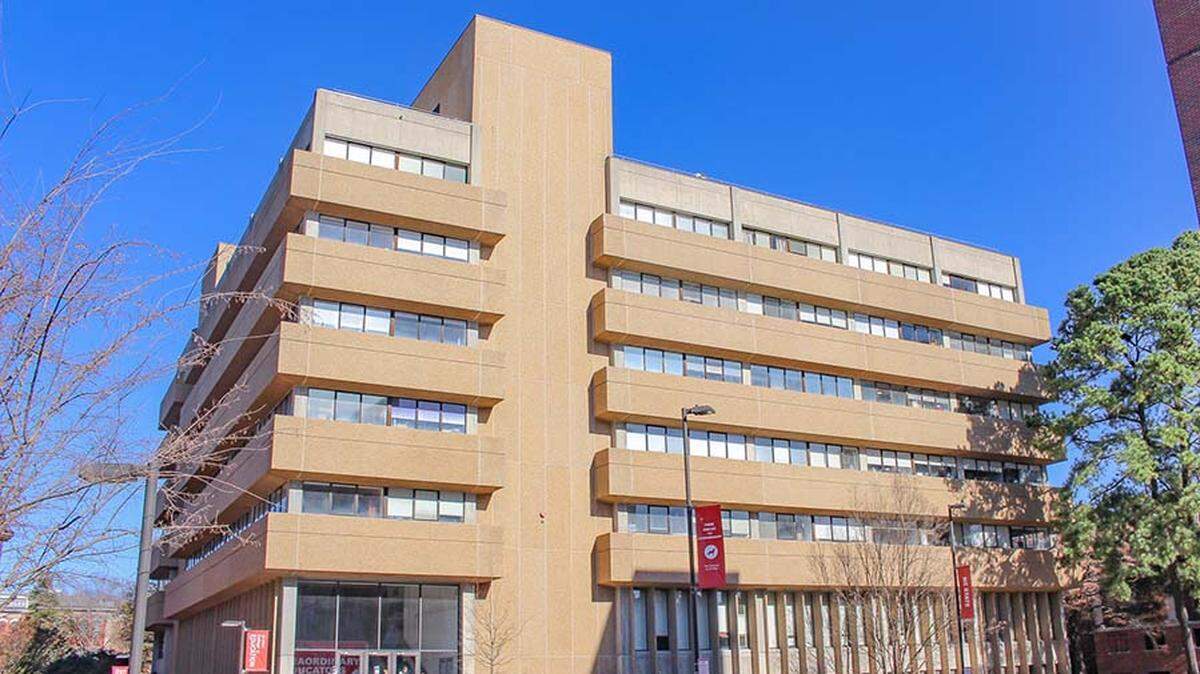
NC State University closed Poe Hall, home of the College of Education and Department of Psychology, in November 2023 after tests detected toxic chemicals. The university and federal health officials are studying the presence of toxic PCBs and potential health effects on those who were exposed to them. Here is ongoing coverage from The News & Observer.
Expand All
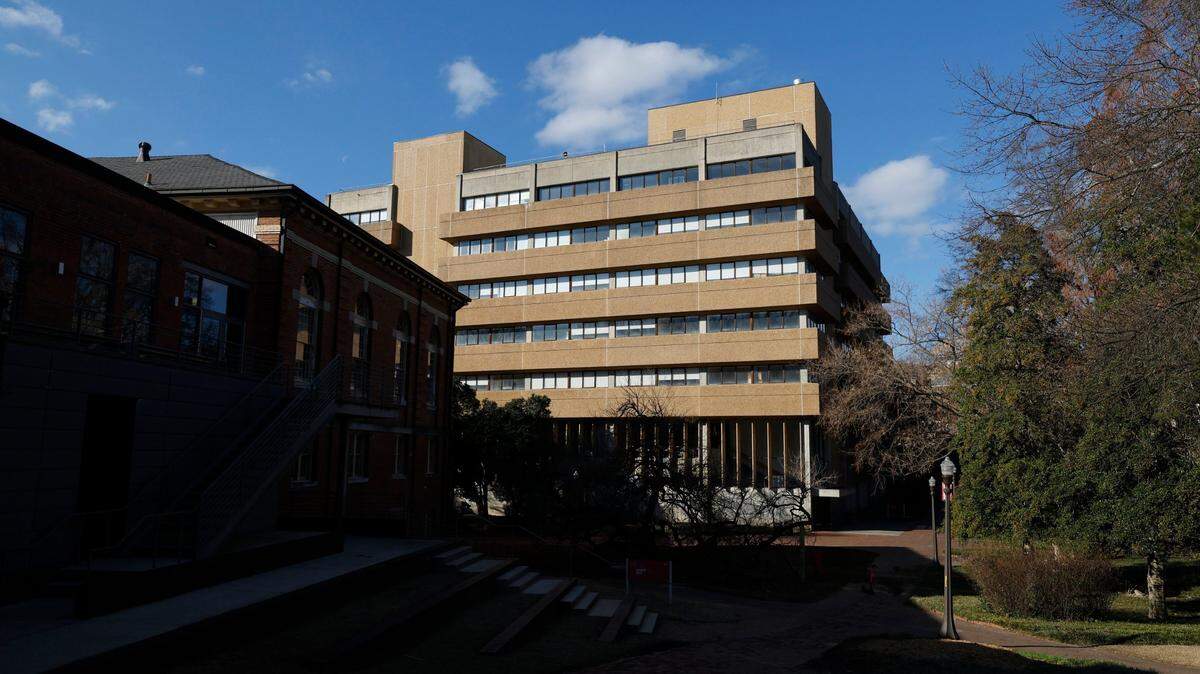
The web of litigation surrounding Poe Hall, the contaminated building that formerly housed NC State University’s education department, continues to grow.
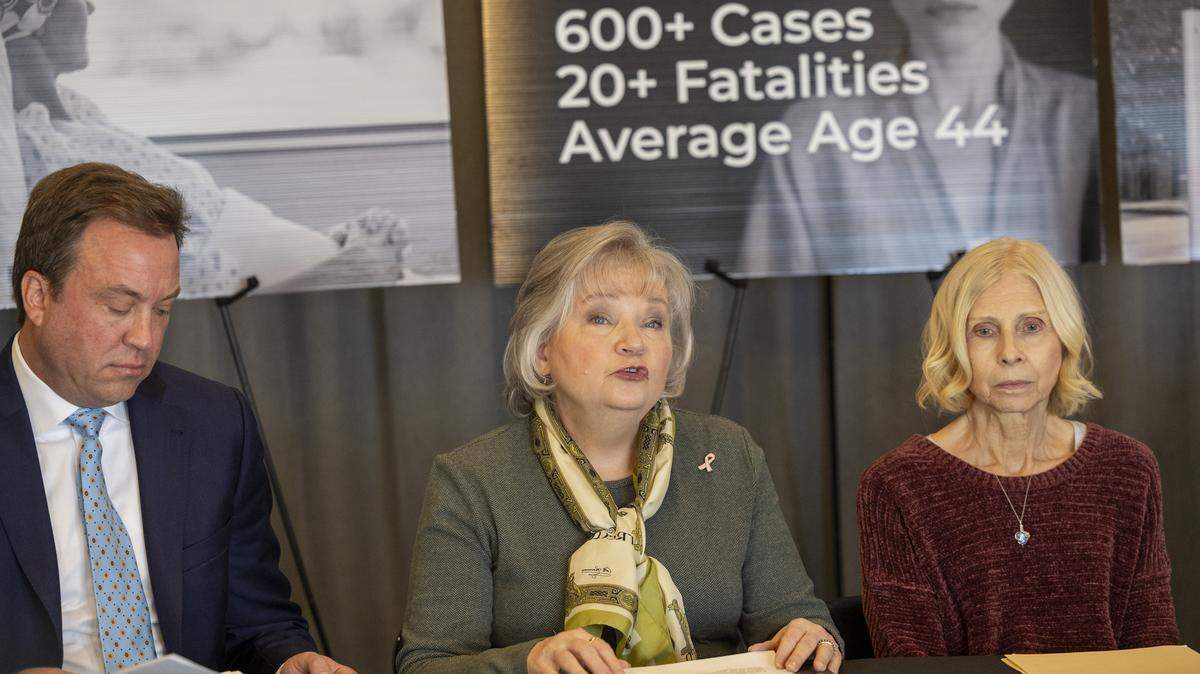
The group of former Poe Hall occupants who sued NC State last month over their breast cancer diagnoses have filed a new lawsuit, this time against Monsanto. The suit alleges that the manufacturer knew PCBs were dangerous as early as the 1930s and deliberately provided PCB-laden materials industrial manufacturers anyway.
Each of the 12 plaintiffs in the case developed breast cancer or other serious illnesses after working or studying in Poe Hall, according to the lawsuit filed Wednesday. The suit contends that PCBs were circulated through the building by the HVAC system and the unwitting ingestion of the chemicals gave occupants cancer. Three of the plaintiffs are now deceased, and represented by their family members.
Monsanto knew this could happen when it sold construction materials to manufacturers the university hired to construct Poe Hall, the lawsuit claims.
“This case arises from deliberate, profit-driven scheme hatched by Monsanto Company ... to manufacture, market, and sell polychlorinated biphenyls (”PCBs”) for use in building materials, despite Monsanto’s longstanding knowledge that PCBs were toxic, persistent, and capable of escaping into the surrounding environment,” the complaint reads.
The same group of sick plaintiffs alleged in a previous lawsuit NC State, too, knew or should have known about the harms of PCBs before buying construction materials. NC State is also suing Monsanto over the company’s internal knowledge about the danger of the chemicals.
Polychlorinated biphenyls, or PCBs, are a group of harmful chemicals banned in 1979 — eight years after the construction of Poe Hall was completed. NC State closed the building in 2023.
The recently filed lawsuit against Monsanto quotes an internal Monsanto presentation from 1970 about PCBs. The lawsuit quotes the presentation saying that “do[ing] nothing was considered unacceptable from legal, moral, customer public relations company policy viewpoint,” but discontinuing PCB production “was considered unacceptable from Divisional viewpoint ... there is too much customer/market need and selfishly too much Monsanto profit to go out.”
But it doesn’t stop there. The lawsuit, which was first reported by WRAL, also attempts to hold Matrix Health and Safety Consultants accountable for the plaintiffs’ illnesses. Matrix began PCB testing at NC State in 2018, and despite finding that buildings were “full of PCB,” the lawsuit says, failed to recommend indoor air quality testing in Poe Hall.
“By the time Poe Hall was closed in 2023 due to confirmed interior PCB contamination, Matrix had been aware for years — based on its own testing across campus — that PCBs were present in multiple occupied NCSU buildings of similar age and that exterior PCB contamination could, and often did, coincide with interior contamination,” the lawsuit reads.
For Monsanto, which was acquired by Bayer Corp. in 2018, the buck ultimately stops with NC State.
“While the Company will vigorously defend the litigation, we have great sympathy for anyone diagnosed with a serious illness,” a statement from the company in response to the suit reads. “The Company believes these claims lack merit and will respond in court in due course. The relevant and reliable science does not support a causal connection between low-level exposure to PCBs and the illnesses alleged in the complaint, and air testing conducted by NC State closest to the time when the building was operational found all of the air samples collected were below EPA’s health-protective guidelines for evaluating PCBs in indoor air.”
“Furthermore, NC State was and remains responsible for the construction and maintenance of Poe Hall. The University knew about the presence of PCBs in the building more than 30 years ago, as evidenced by PCB removal projects it undertook in 1991 and 2010 related to transformer oil and light ballasts which was reinforced by later testing by a university consultant as alleged in the complaint. NC State also should have been aware of EPA’s PCB-related notices regarding best maintenance practices that similarly date back about 30 years. Monsanto discontinued its production of bulk industrial PCBs nearly five decades ago, conducted hundreds of studies on PCB safety, and provided appropriate warnings to its customers based on the state-of-the science at the time.”
NC State declined to comment on Thursday.
A federal investigation of Poe Hall’s health hazards requested by NC State has resumed after it was halted due to reductions in the federal workforce, but results of the study are not yet in.
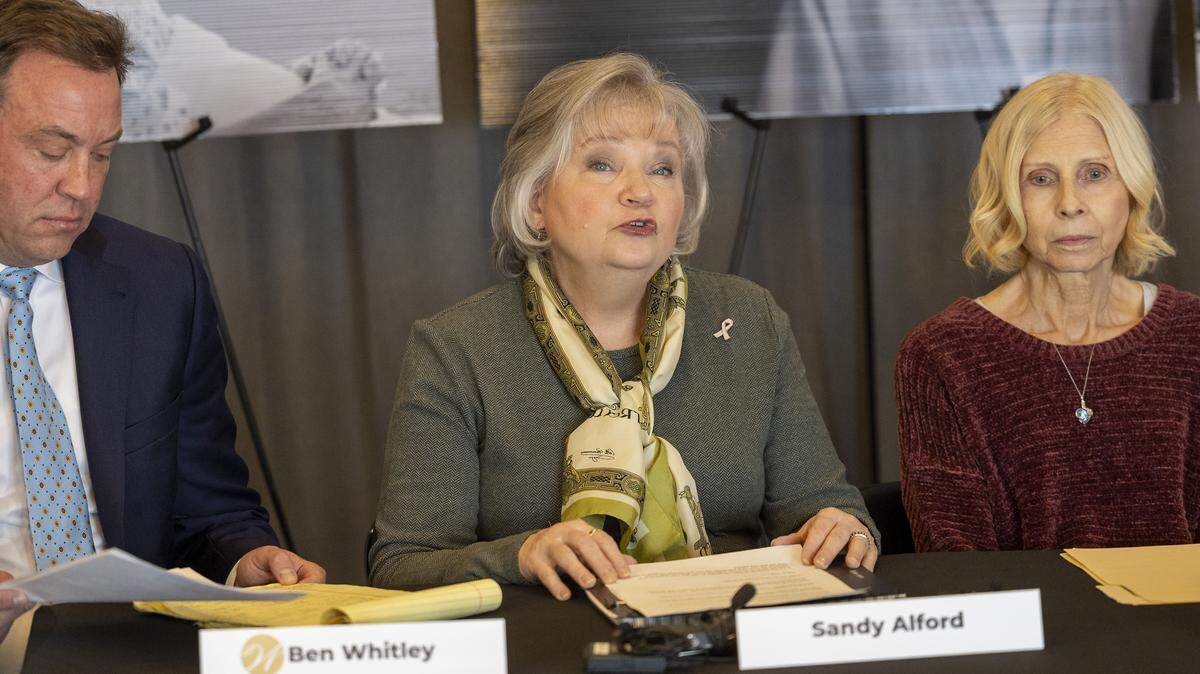
NC State is planning a massive remediation and renovation of Poe Hall, including removal of the HVAC system and all interior and exterior walls. The UNC System Board of Governors allocated more than $3 million for the project in 2024. Some worry, though, that this will amount to a destruction of evidence. In October 2025, former student and employee Sandra Alford — who is also a plaintiff in this case — filed a petition suggesting that evidence may have been, or is currently being, altered or destroyed by NC State.
Attorneys filed the latest lawsuit in Wake County Superior Court, and seek to have it heard in front of a jury. The group of sick plaintiffs said there are more lawsuits to come.
This story was originally published February 5, 2026 at 10:17 AM.
CORRECTION: A previous version of this article misstated to which entity Monsanto sold PCBs.