The 100-county tour, a NC politics favorite, is back for 2022 US Senate race
READ MORE
North Carolina U.S. Senate race
With the November election ahead, the candidates campaign across the state.
Expand All
One hundred. A perfect test score. A great sprint distance. A figure so important it has its own emoji. And, as anyone who studied North Carolina history in the fourth grade remembers, the number of counties in the state.
Perhaps it’s something about the round number that has attracted political candidates for more than 70 years, at least, to the ambitious but achievable goal of visiting them all.
“It’s catchy. It’s something that fits on a bumper sticker. It’s quotable,” said Chris Cooper, a political science professor at Western Carolina University. “It’s tweet-able.”
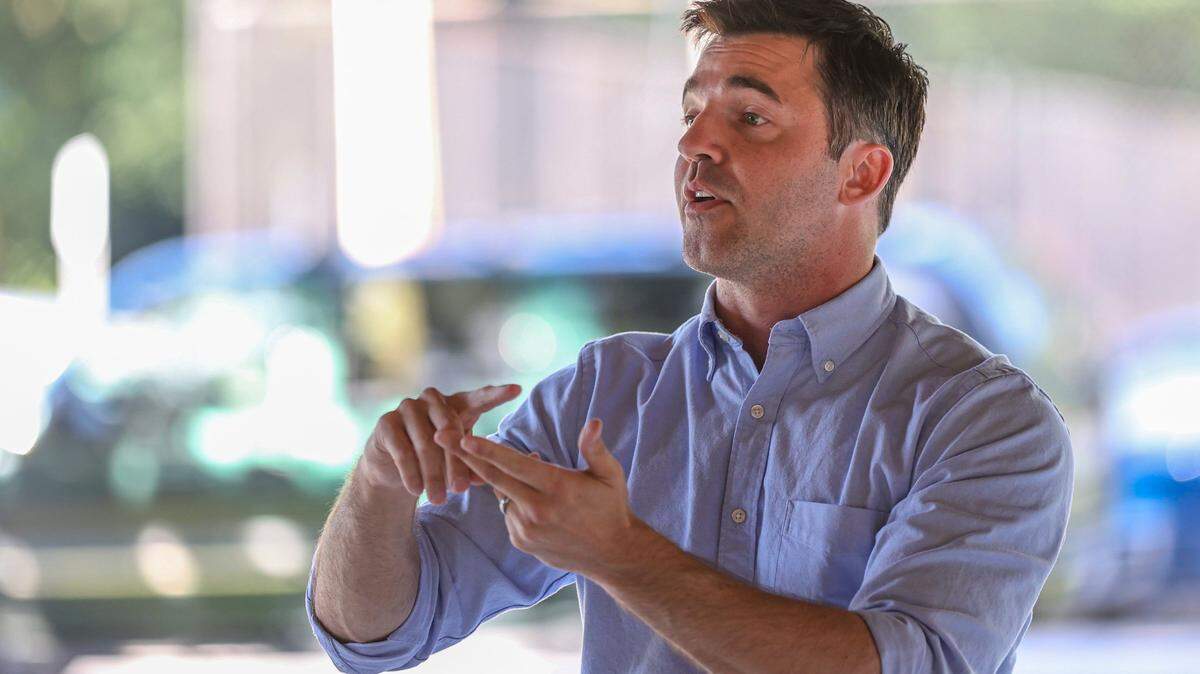
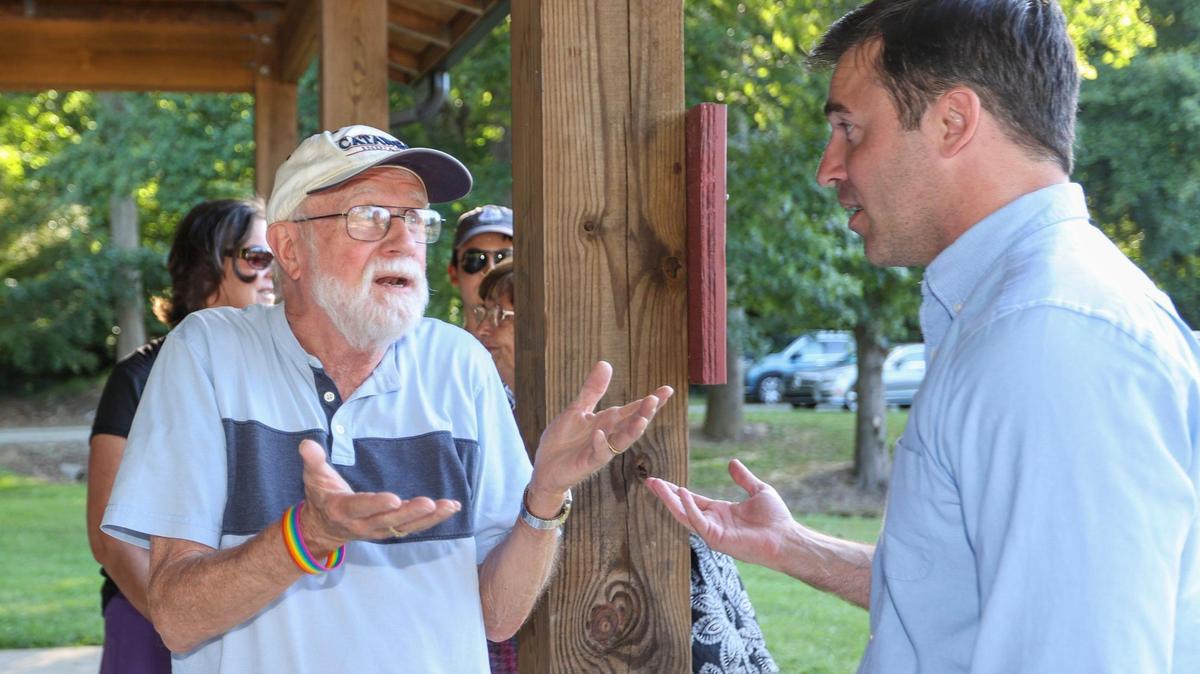
Democratic U.S. Senate candidate Jeff Jackson began his “100 townhalls in 100 counties in 100 days” event in Guilford County on Saturday — one week later than originally planned due to the Colonial Pipeline gas shortage, a reminder of the external events that can derail the best-laid plans.
The final event is Aug. 29 in Mecklenburg County, Jackson’s home county.
“We’re going to rely on faith, optimism and energy,” said Jackson, a state senator who has planned the tour around workdays at the Capitol.
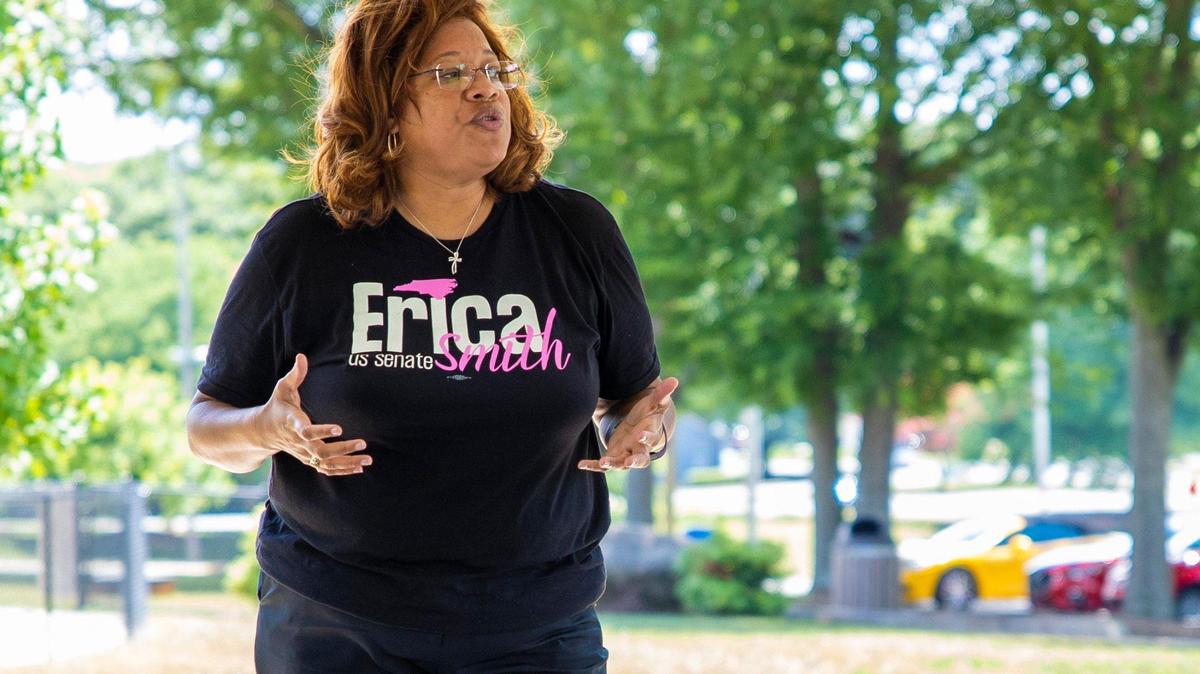
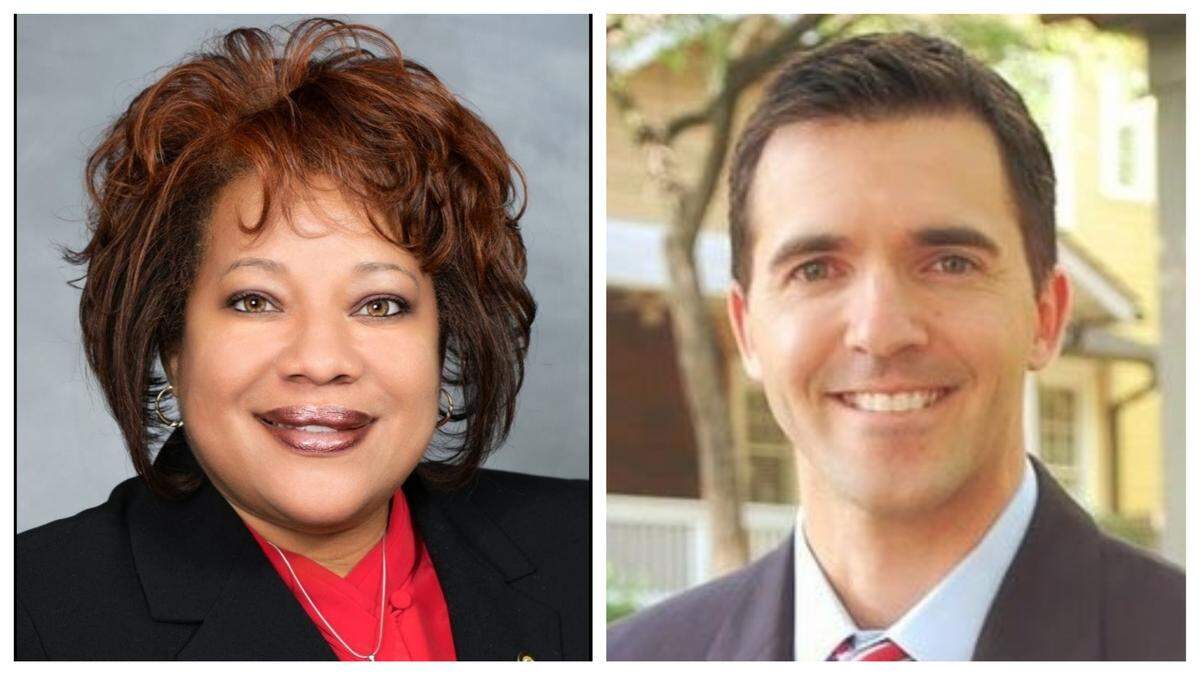
Fellow Democrat Erica Smith is planning a 100-county tour of her own this summer. She said Democrats must compete statewide in order to win a U.S. Senate seat for the first time since 2008.
Democrat Cal Cunningham won just 24 counties and in two of those he earned less than 50% in his 2020 loss to incumbent Republican Sen. Thom Tillis. Just two of the counties Cunningham won were west of Mecklenburg. Just one was on the coast. Cunningham did not do a 100-county tour.
“It’s an absolutely wonderful thing. This is 21st-century Democratic outreach. We can’t afford to continue to lose these rural counties, lose the rural vote. If we’re going to flip North Carolina blue, we can’t afford that,” said Smith, a former state senator.
North Carolina Supreme Court Chief Justice Paul Newby began a 100-county courthouse tour earlier this month. He plans to take two years to complete it.
Such tours have a long history in the state. Cooper searched through newspaper archives to document some of the trips.
Democratic gubernatorial candidate Mayne Albright visited all 100 counties during his 1948 primary bid, making his final stop in Stokes County. He finished third in the primary with 18% of the vote.
Richardson Preyer, a Democratic gubernatorial candidate, finished a 100-county tour in just 41 days in 1964. Preyer lost in a runoff to Democrat Dan Moore, who made the 100-county trek — twice.
Hugh Morton went on a 100-county tour before becoming a candidate for governor in 1972. Morton dropped out before the primary.
JIm Hunt, after winning the Democratic primary for lieutenant governor in 1972, went on a 100-county “Thank You” tour. Hunt won his race and went on to win four terms as governor.
And on and on. Terry Sanford did it in 1986 and 1992.
Ronnie Ansley, a Democrat running for lieutenant governor in 2000, wrote in a letter to the editor in The News & Observer that “North Carolina has not lost the candidates who stop at country and city stores, nor are ‘100-county’ campaign tours history.”
Ansley finished third — but was correct. The tours have continued: John Edwards did it. Elizabeth Dole did it. Republican gubernatorial candidate Fred Smith did it twice, one time with barbecue.
“It’s not going to backfire. It’s not a risky strategy,” Cooper said. “It’s probably pretty smart. It’s also not going to be a difference maker. It’s a way to show some attention and empathy for rural counties.”
Cunningham won the seven most-populous counties in the state and eight of the top 10 in 2020, but it wasn’t enough to win the seat. Democrats have won two of the last 11 U.S. Senate elections in North Carolina and have lost four straight since Kay Hagan’s 2008 victory.
“We can’t win exclusively relying on urban voters,” Smith said. “It should be the standard for any candidate, if they’re serious about representing the entire state, to engage voters where they are. I’ve spent my entire political career meeting voters where they are and bringing them into the political process.”
The 100-county tours come as coronavirus-related restrictions against mass gatherings have been loosened — and candidates, even if they’re not on 100-county tours, are making plenty of in-person appearances or planning them.
The 2022 U.S. Senate primary is scheduled for March 8.
“It’s becoming safer and safer to physically come back together. We want to provide a way for people to do that,” Jackson said. “Isn’t it great to be together?”
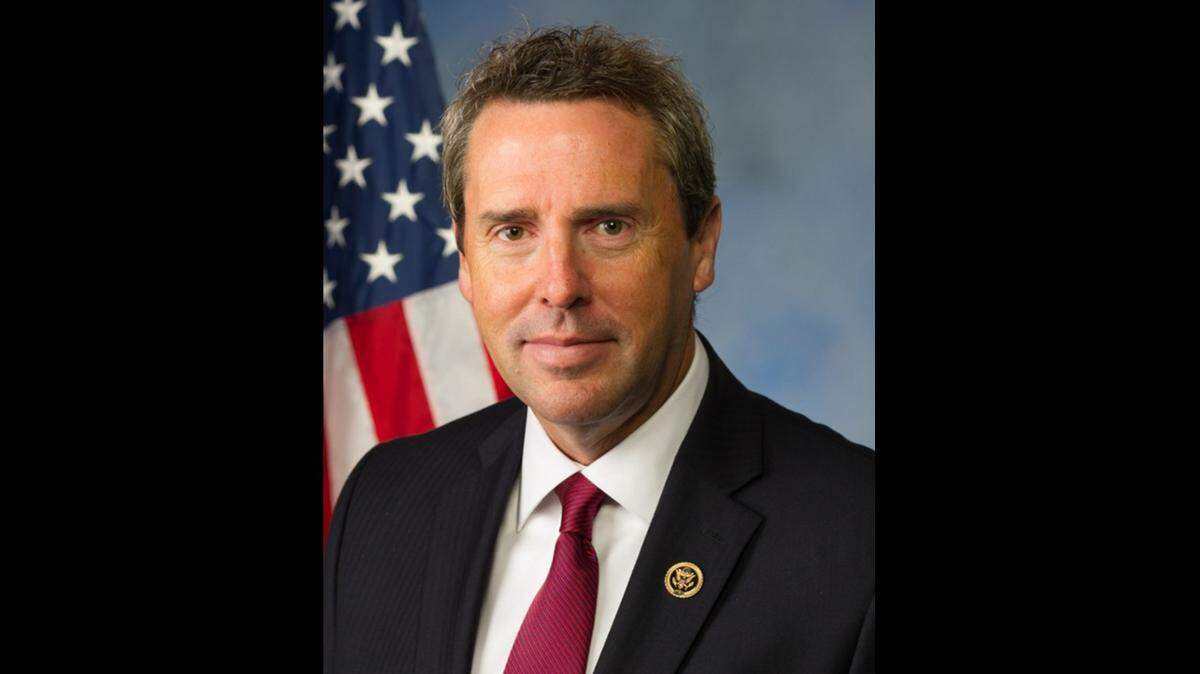
Republican U.S. Senate candidate Mark Walker posts pictures from local events across the state almost daily on his social media and is preaching in churches across the state every Sunday. Walker is a minister. He said he is booked well into the fall and plans to do it into next spring.
Jackson said he hopes that meeting with voters and taking their questions in a town hall format will help combat misinformation and the inclination to believe the worst about candidates. In previous travels for the campaign, Jackson, who entered the race in January, just days after President Joe Biden was inaugurated, hasn’t sensed a waning interest in politics.
“I haven’t found much election fatigue. It’s probably a permanent elevation of interest in politics,” Jackson said. “There’s a greater sense of how politics can affect people’s daily lives.”
BEHIND THE STORY
MOREWho is running for US Senate in 2022?
U.S. Sen. Richard Burr, a Republican, is not running for a fourth term in 2022. North Carolina’s primary is May 17, 2022.
Who’s in?
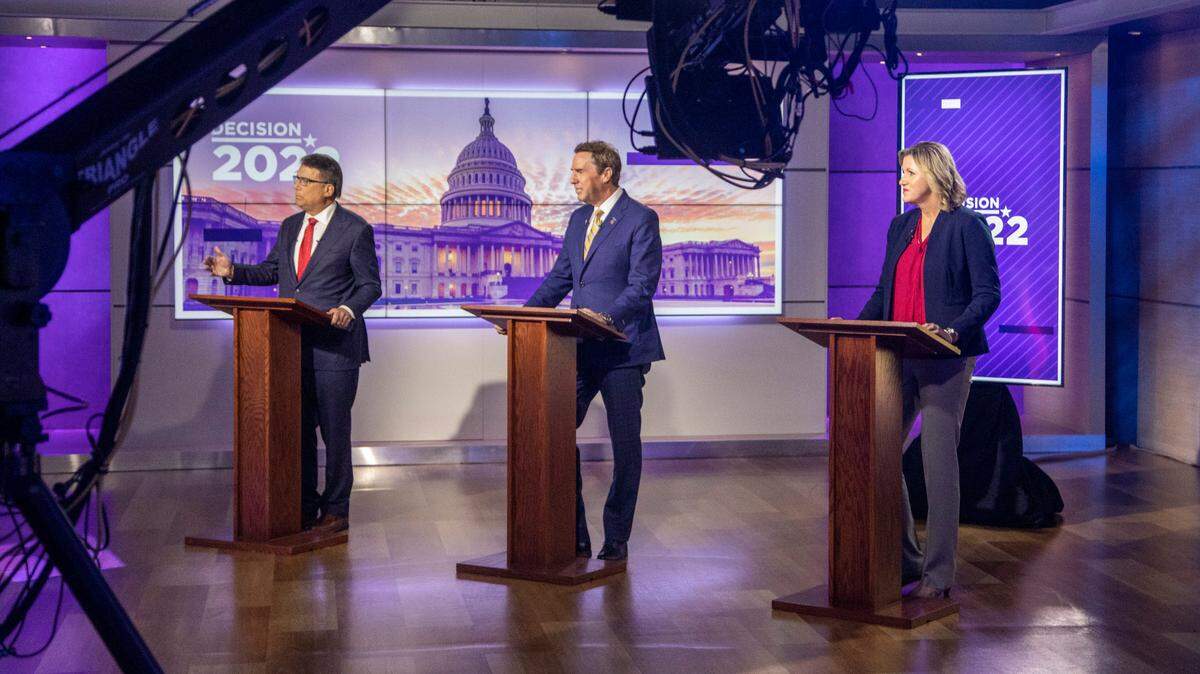
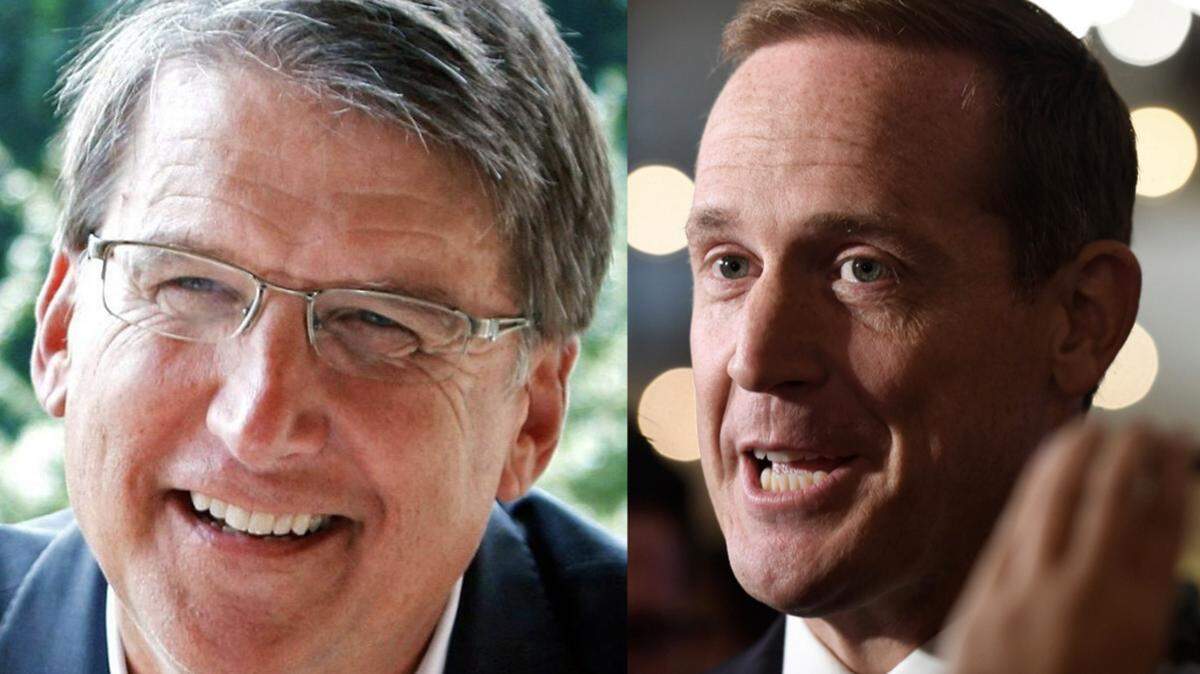
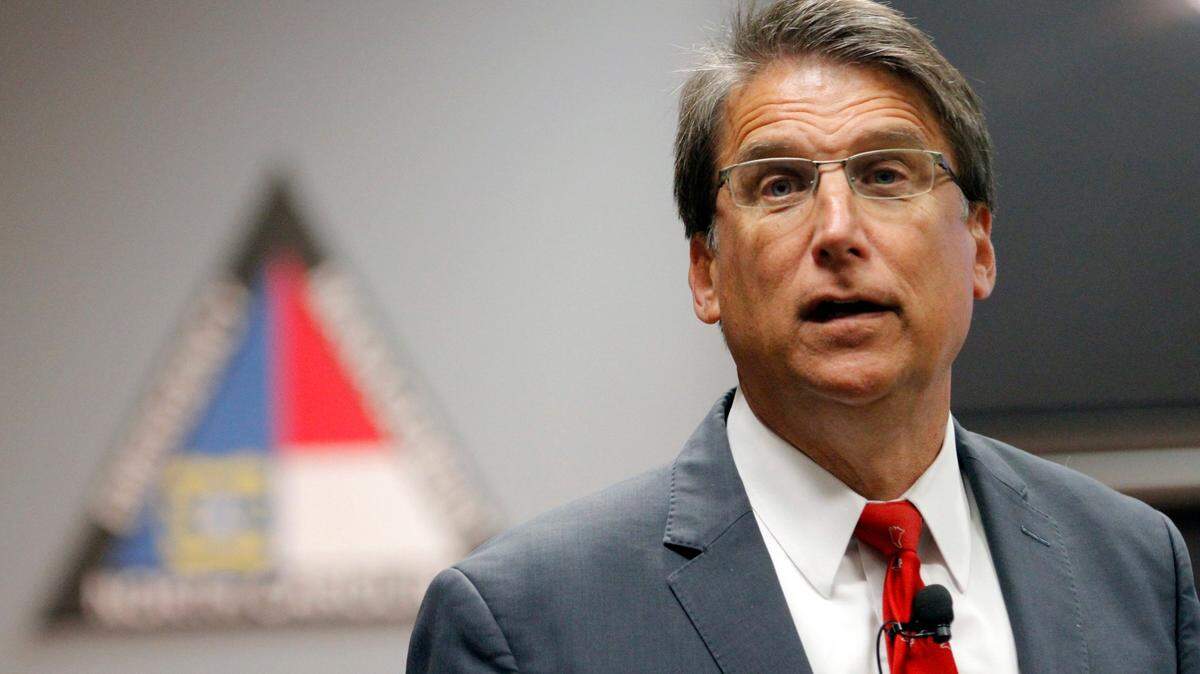
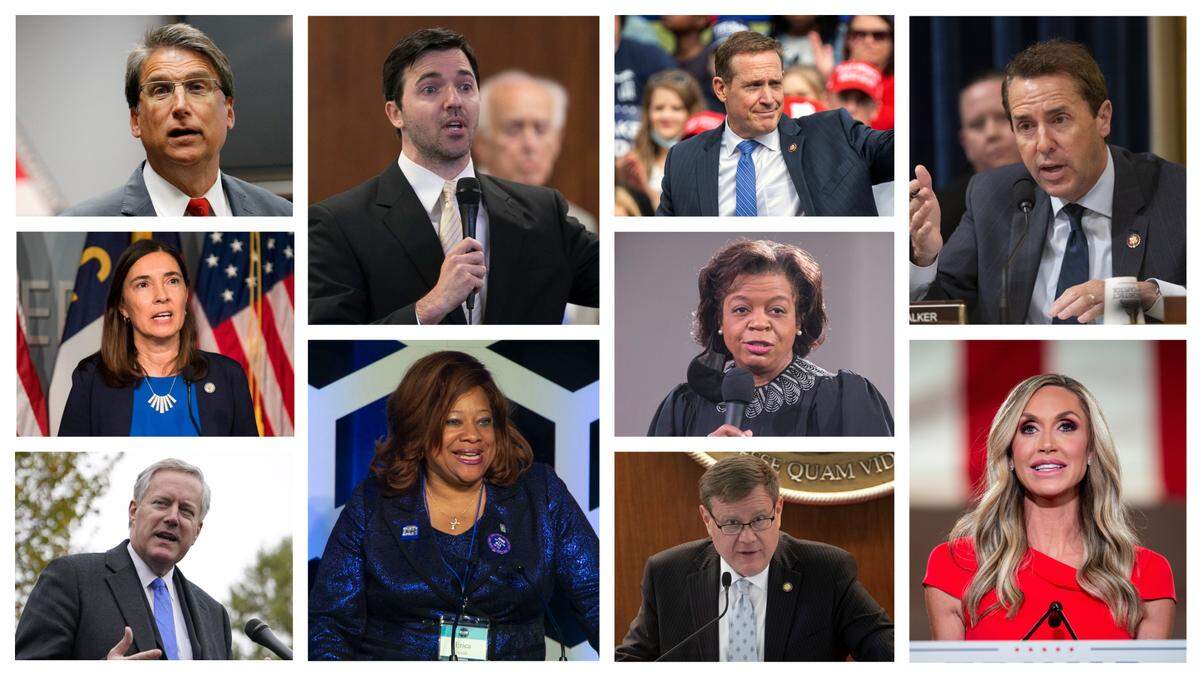
Republicans (in order they will appear on the primary ballot): Marjorie K. Eastman, David Flaherty, Benjamin E. Griffiths, Kenneth Harper, Jr., Pat McCrory, Charles Kenneth Moss, Lichia Sibhatu, Debora Tshiovo, Mark Walker, Jen Banwart, Ms. Lee A. Brian, Leonard L. Bryant, Ted Budd, Drew Bulecza
Democrats (in order they will appear on the primary ballot): James L. Carr, Jr., Robert Colon, Alyssia Rose-Katherine Hammond, Constance (Lov) Johnson, Tobias LaGrone, B. K. Maginnis, Rett Newton, Marcus W. Williams, Greg Antoine, Cheri Beasley, Chrelle Booker
Libertarian: Shannon Bray
Independents (must gather signatures to qualify for November ballot): Kimrey Rhinehardt, Adrien Meadows
For more North Carolina government and politics news, listen to the Under the Dome politics podcast from The News & Observer and the NC Insider. You can find it on Pandora, Spotify, Apple Podcasts, Stitcher, iHeartRadio, Amazon Music, Megaphone or wherever you get your podcasts.
This story was originally published May 23, 2021 at 7:00 AM.
CORRECTION: The story has been updated to correct the gender of a 1948 political candidate, Mayne Albright.