Jeff Jackson drops out of NC’s race for Senate. What it means for Democrats.
READ MORE
North Carolina U.S. Senate race
With the November election ahead, the candidates campaign across the state.
Expand All
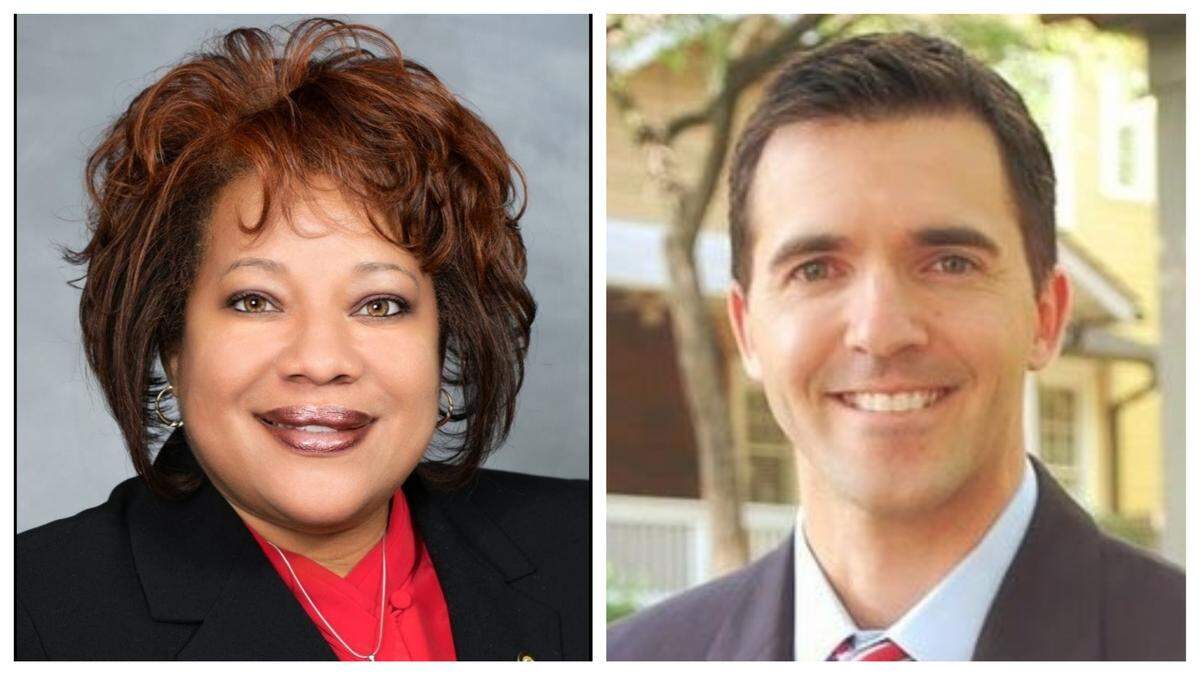
Jeff Jackson is walking away from the U.S. Senate race.
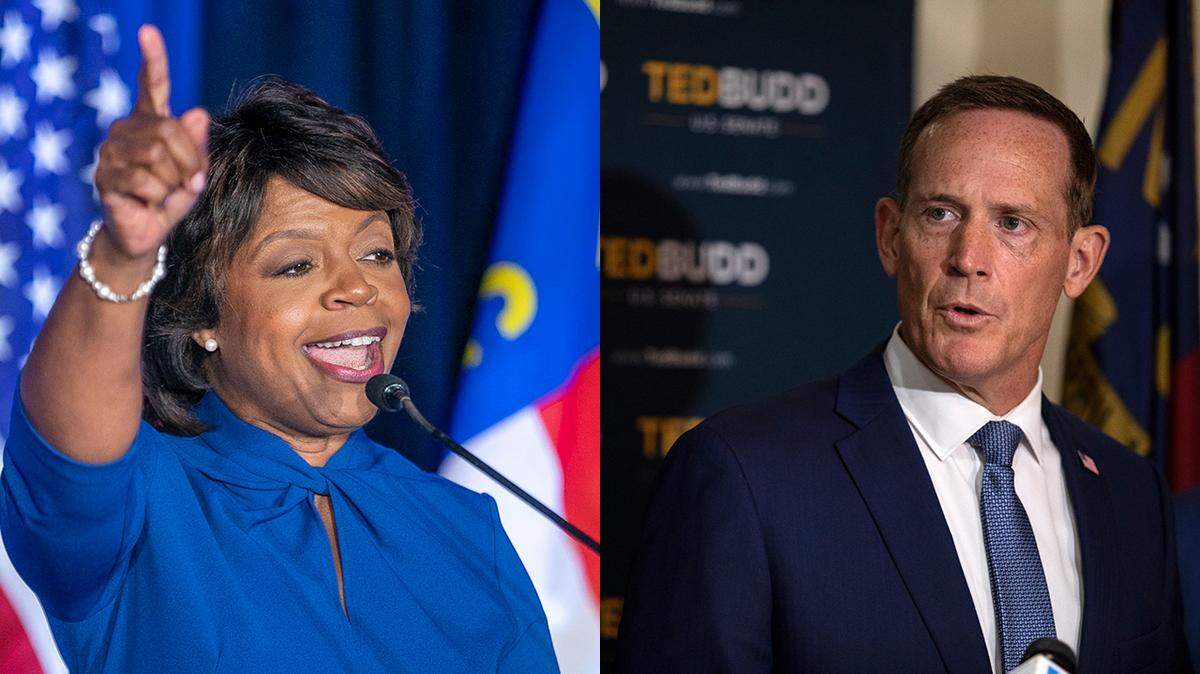
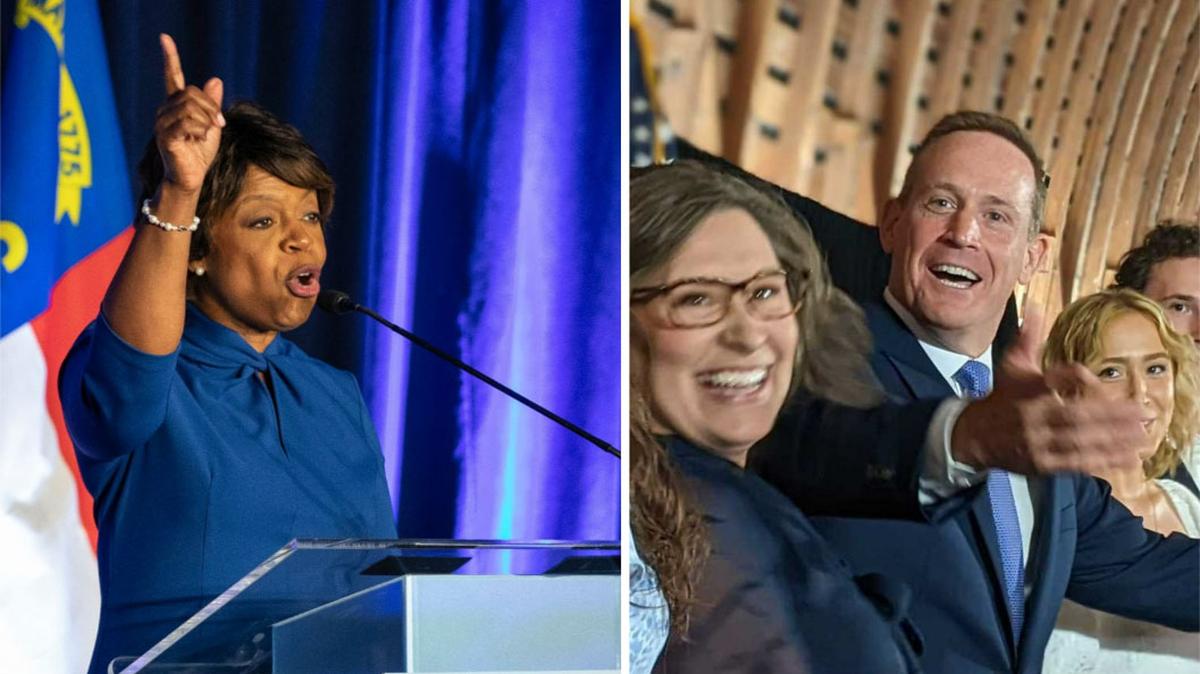
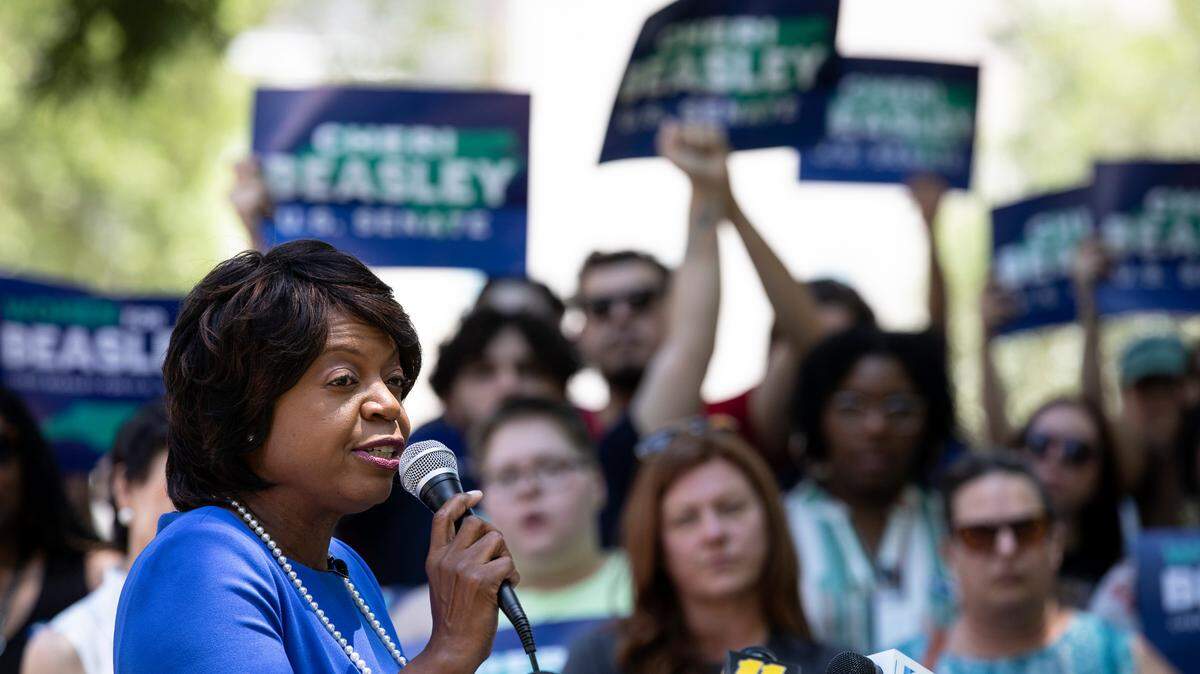
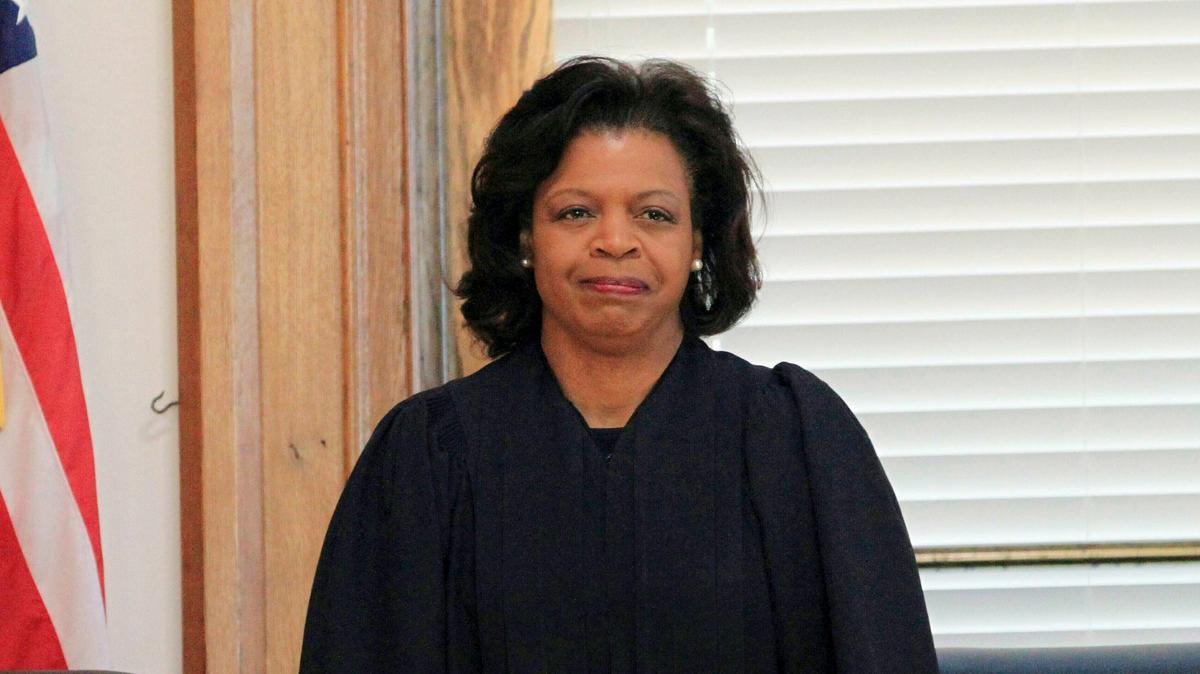
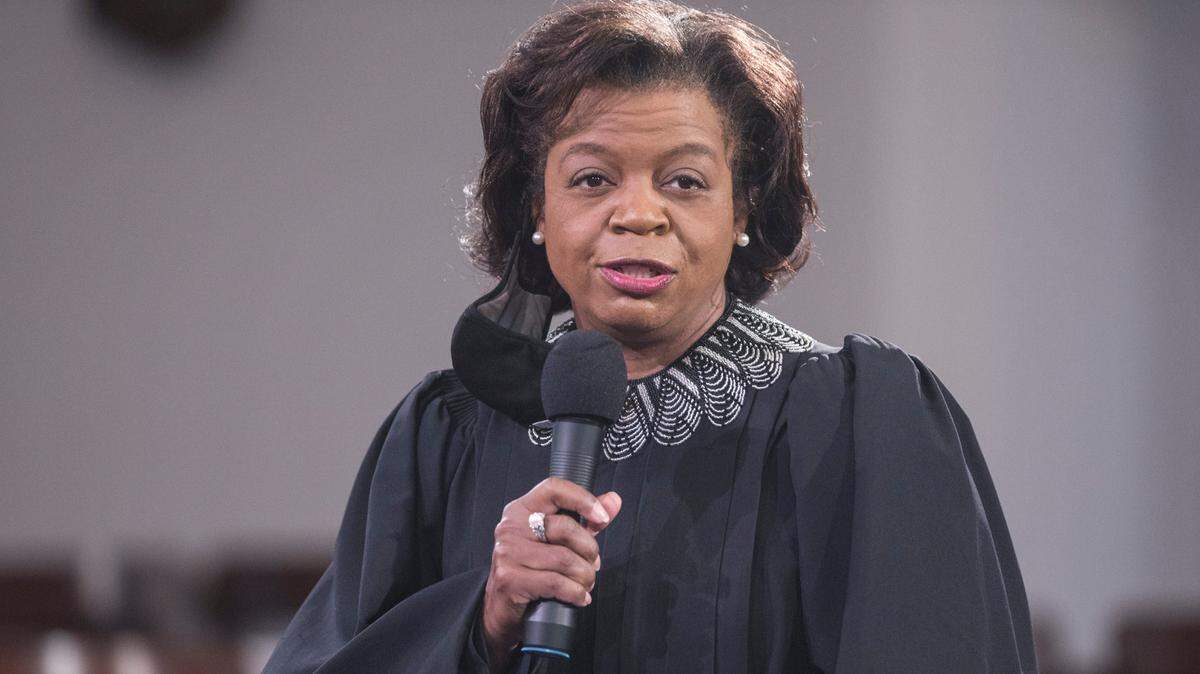
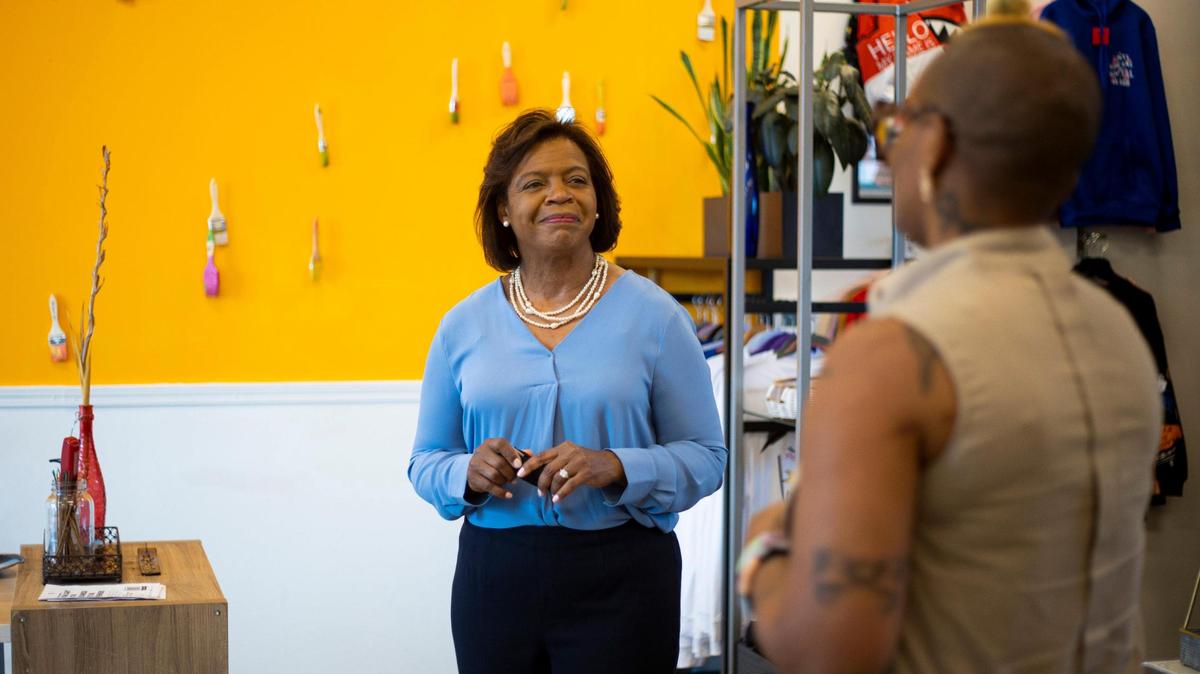
The 39-year-old state senator from Charlotte is the second candidate in recent weeks to make that decision, which leaves former N.C. Supreme Court Justice Cheri Beasley as the biggest-name candidate for the Democratic nomination.
Jackson announced his decision Thursday in a video posted to Twitter and endorsed Beasley.
“Cheri Beasley is consistently leading in the polls,” Jackson said. “She has also served this state honorably for over two decades and has always fought on the side of justice. I’ve also gotten to know her personally and I can tell you she’s wonderful.”
Jackson had announced his campaign in January and campaigned around North Carolina, ensuring he visited all 100 counties. He drew crowds, sometimes even meeting with them in the rain or offering to grab a beer with them in a bar.
Beasley has led a quieter campaign that has ramped up in recent weeks and while she was thought to have been the front-runner, Jackson was a clear threat.
“For Beasley, it means she moves from being the soft front-runner to virtually the only runner,” said Chris Cooper, political science professor at Western Carolina University. “I mean, it’s her race at this point.”
Jackson’s future
Jackson told McClatchy Thursday that he will not seek reelection to the state Senate. He also doesn’t plan to run for U.S. House, saying he supports Rep. Alma Adams, who represents the Charlotte area.
As for a 2024 race, Jackson said he “wouldn’t rule that out.”
Jackson is a captain in the Army National Guard. He enlisted in the military after 9/11, trained at Fort Bragg and deployed to Afghanistan for a year.
He attended UNC-Chapel Hill and later became an assistant district attorney in Gaston County before becoming the second-youngest member of the state Senate.
He and his wife, Marisa, have three children. He has a strong social media presence and he and his family had posted the announcement that he would run in a video that showed his son packing for their road trip across the state.
As rumors of Jackson’s announcement began to circulate in North Carolina’s political circles Wednesday evening, many took to social media to speculate on his strategy and his next career move.
Cooper said it could be that he wanted more time at home or it could be that his campaign had information indicating that he couldn’t win.
“I think it’s equally as likely to be him trying to set himself up for a future run,” Cooper said.
In a written statement, Beasley said Thursday: “Senator Jackson brought attention to the issues important to so many North Carolinians, and I know he will continue to do meaningful work in the state Senate. I’m grateful to have his support in this race.”
Cooper added that Jackson is not known to run negative campaigns and that may have been his only option.
Jackson addressed that in his video, saying that Beasley had always been kind to his family and they never engaged in attacks. He told McClatchy he wanted to ensure that she didn’t spend money on a primary that she would need to defeat the Republicans. He said it was important to get Black voices in the U.S. Senate, which it is currently lacking.
Cooper likewise pointed out that Jackson may have realized he’s a white male running against a Black female for a nomination by a party that is trying to be inclusive and diverse.
“He’s a Democrat and when the Democratic Party establishment runs counter to your interests, it makes sense to try to figure out how to make friends rather than make deeper enemies,” Cooper said, saying this could be a smart long-term strategy for Jackson’s career.
Democrats’ prospects
Cooper said it also allows the Democrats to leave infighting to the Republicans.
“You’d rather not have a competitive primary given the choice, and the fact that Beasley is going to be able to spend the next few months raising money and not responding to attacks is a good day for Cheri Beasley and a good day for the Democratic Party,” Cooper said. “It’s also going to draw a sharper contrast between the Democrats and the Republicans that there’s obviously a bigger national conversation about the state of the Republican Party.”
North Carolina’s U.S. Senate seat is currently held by Republican Richard Burr who announced he would not seek reelection.
Federal Election Commission documents show that Beasley has out-raised Jackson with $1.7 million cash on hand in October compared to Jackson’s $1.2 million.
Before Jackson’s announcement, Cooper said, it would have been a toss up which primary was more interesting but now all eyes will be on the Republicans.
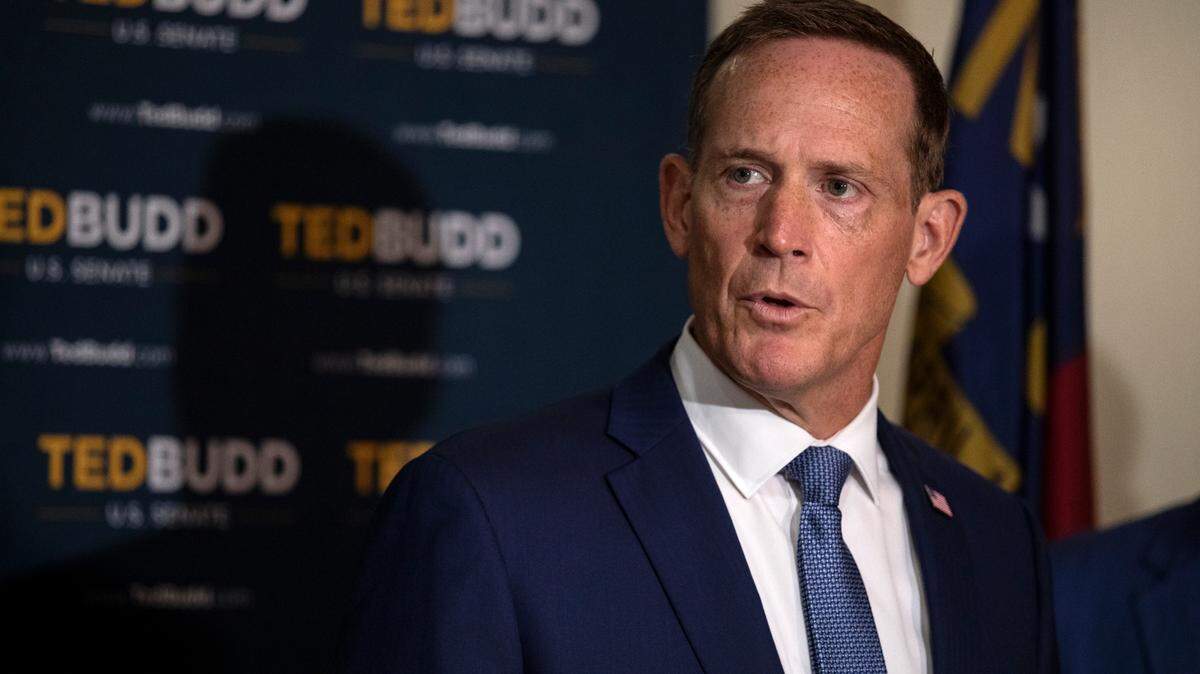
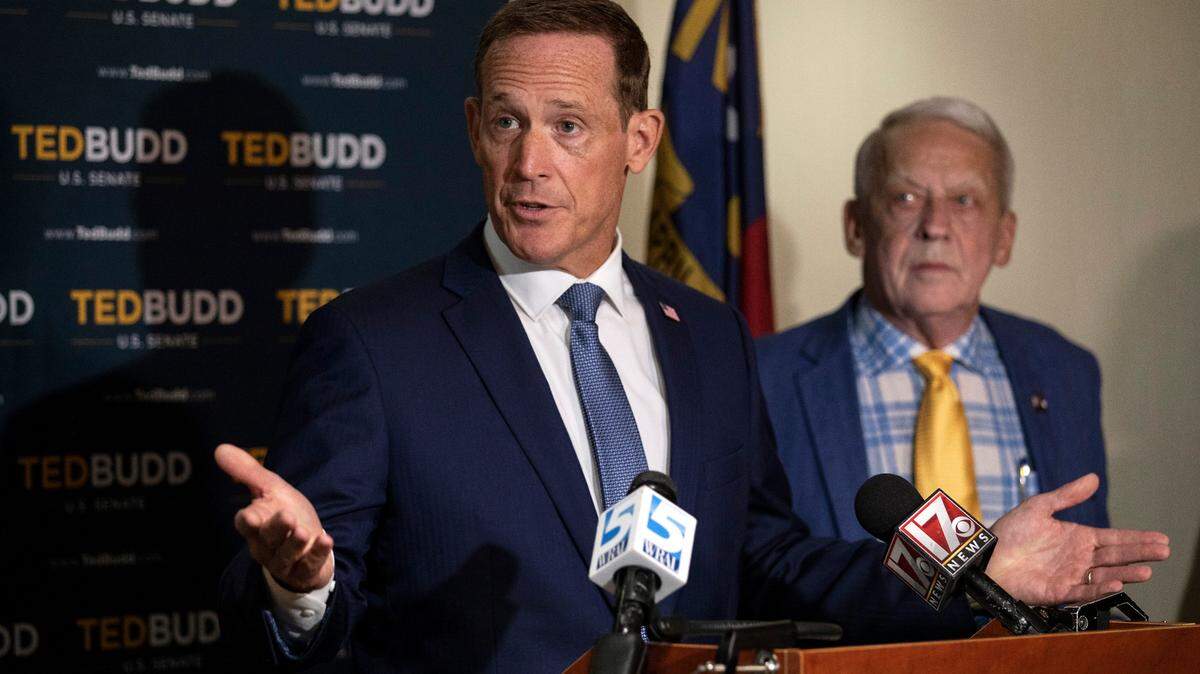
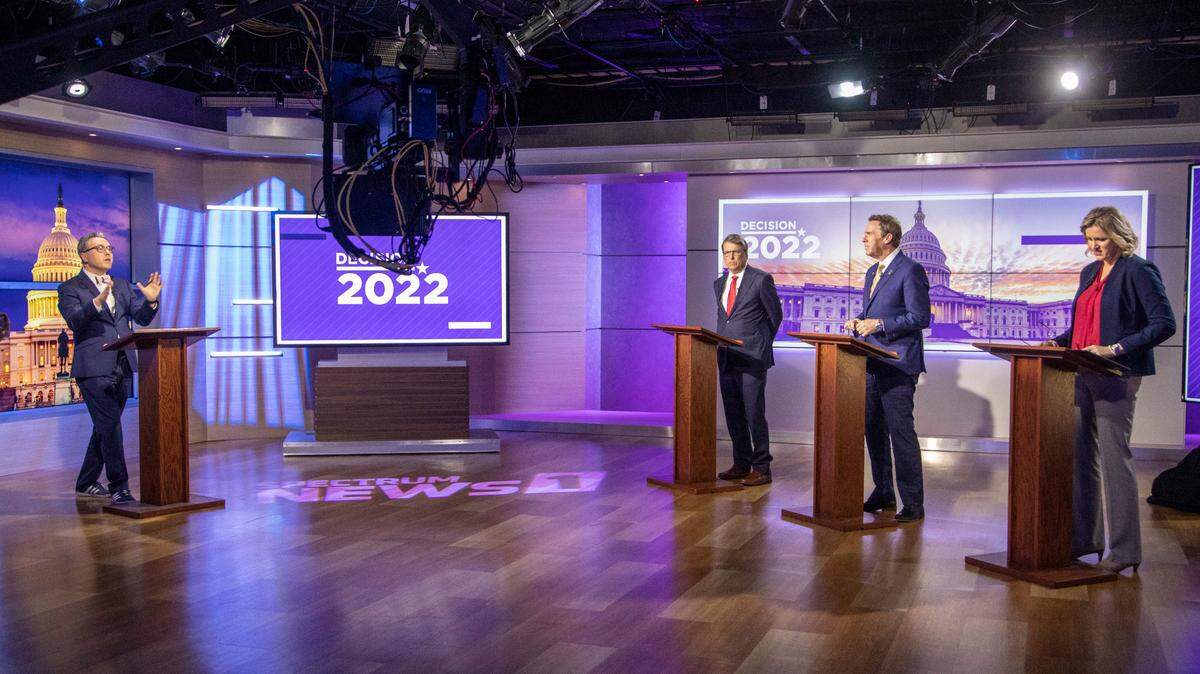
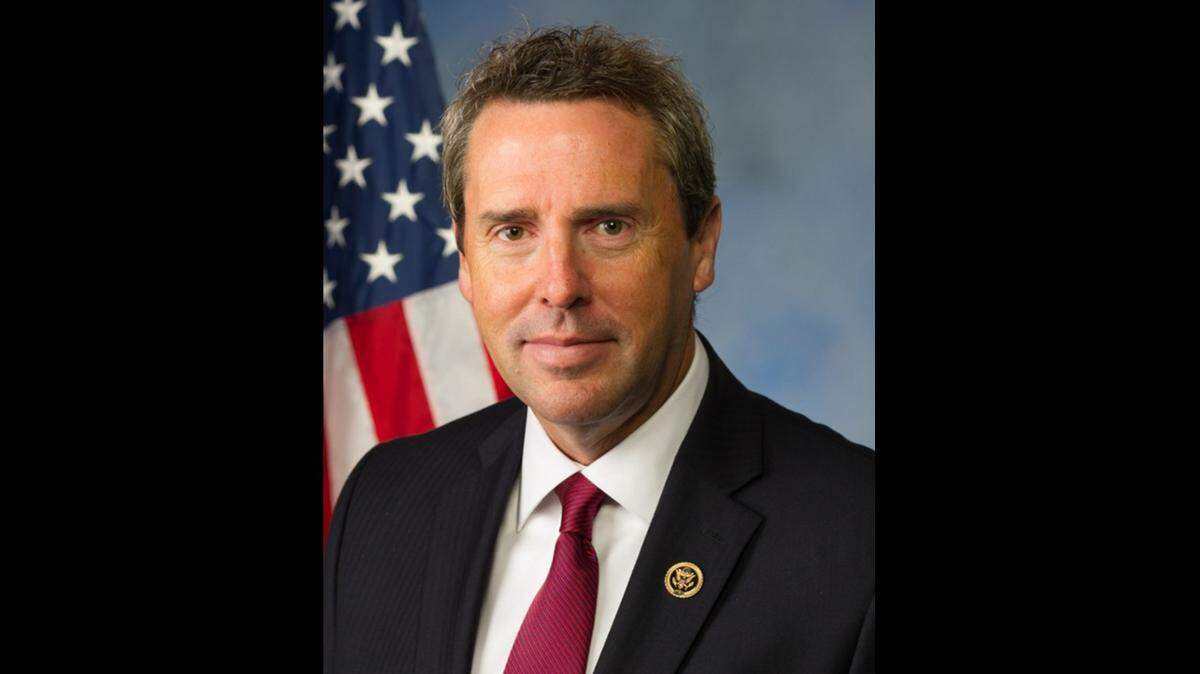
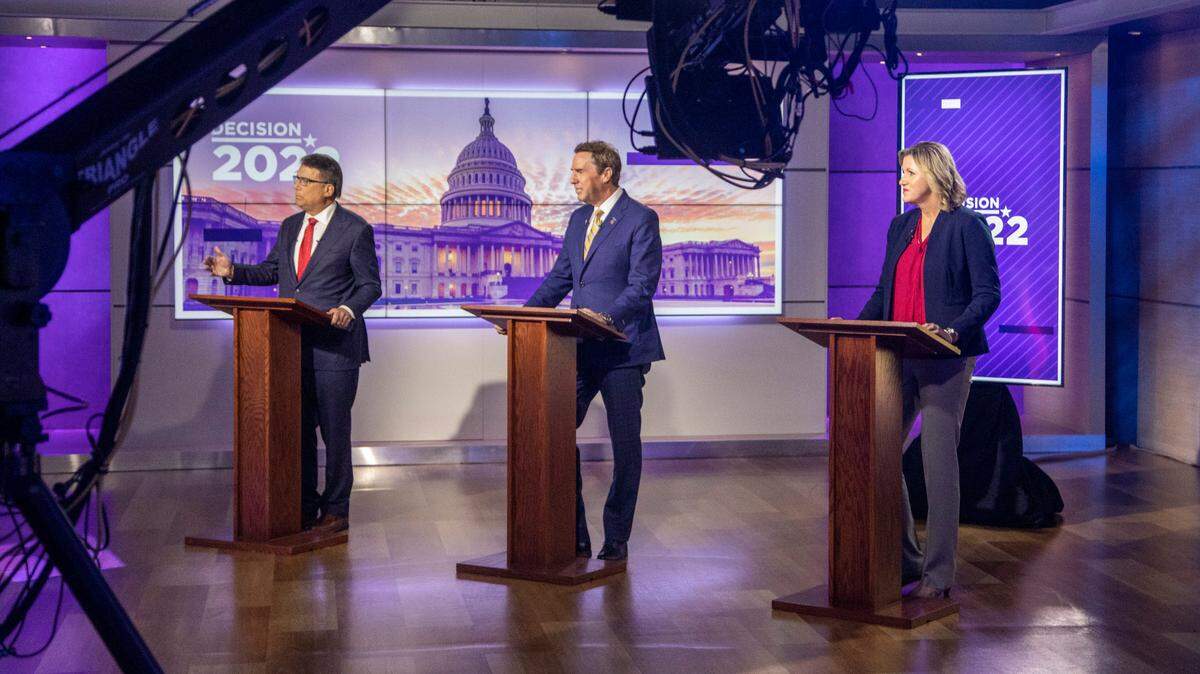
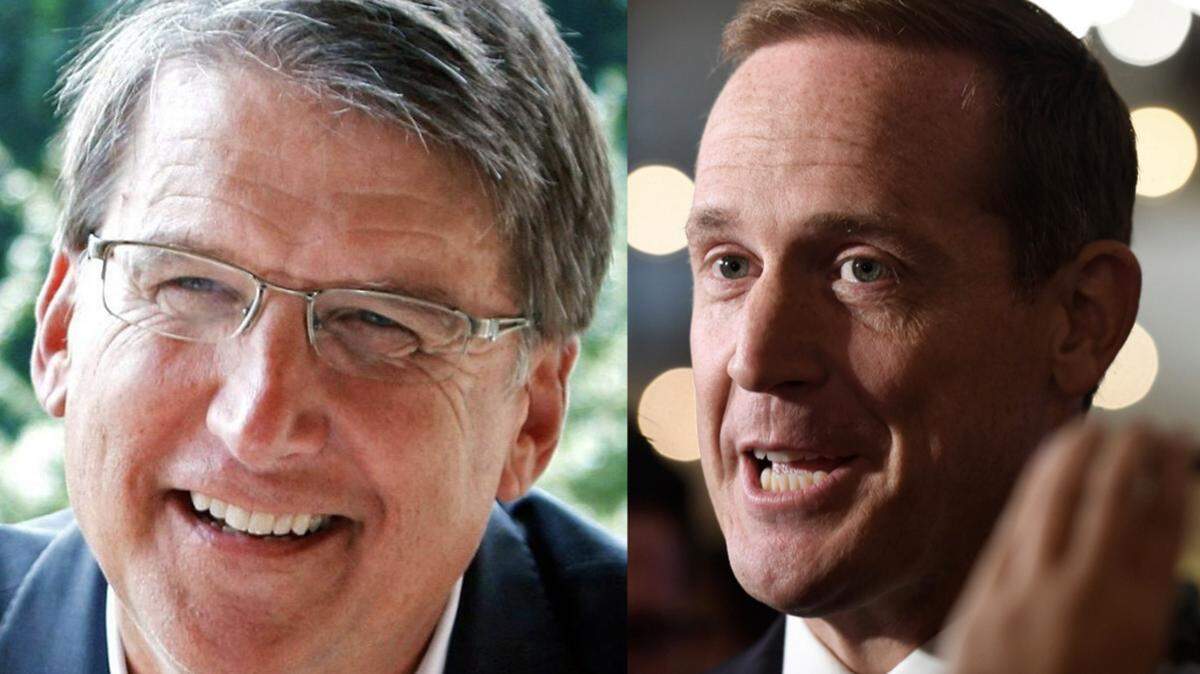
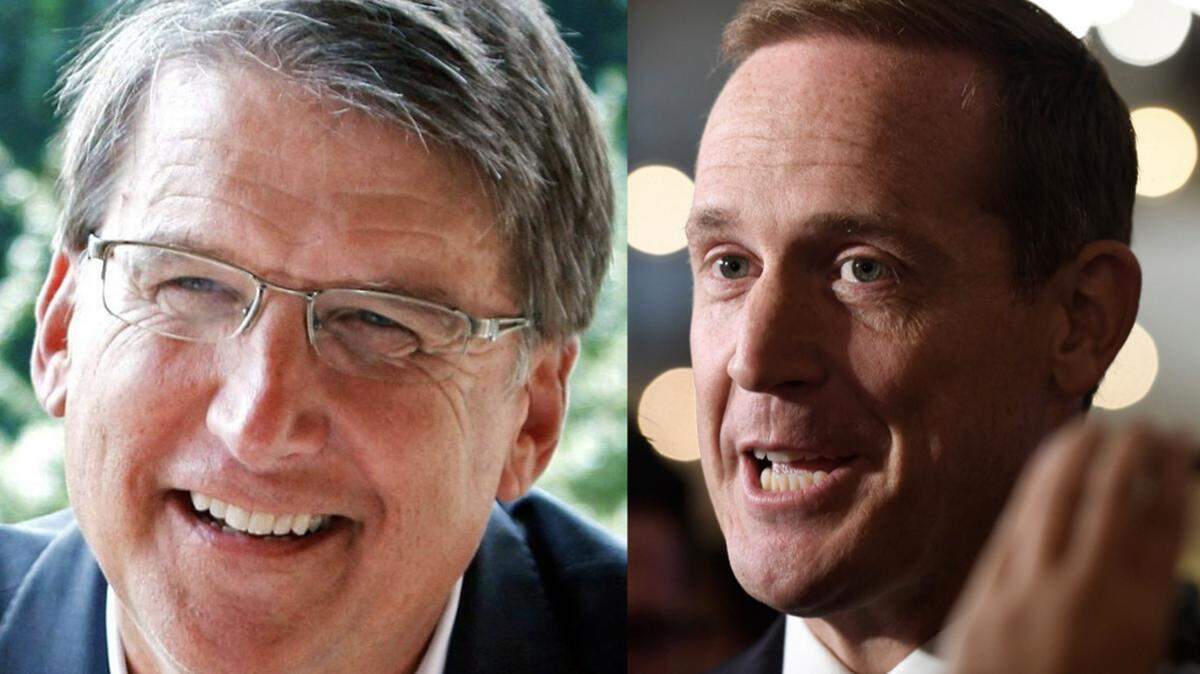
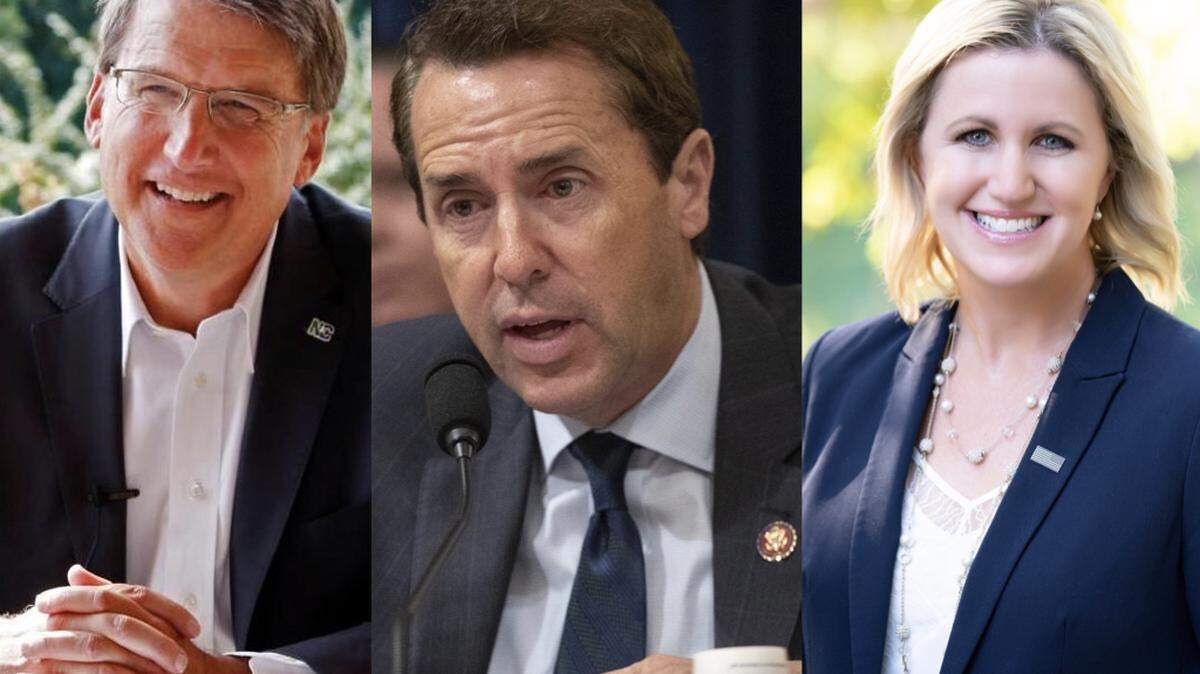
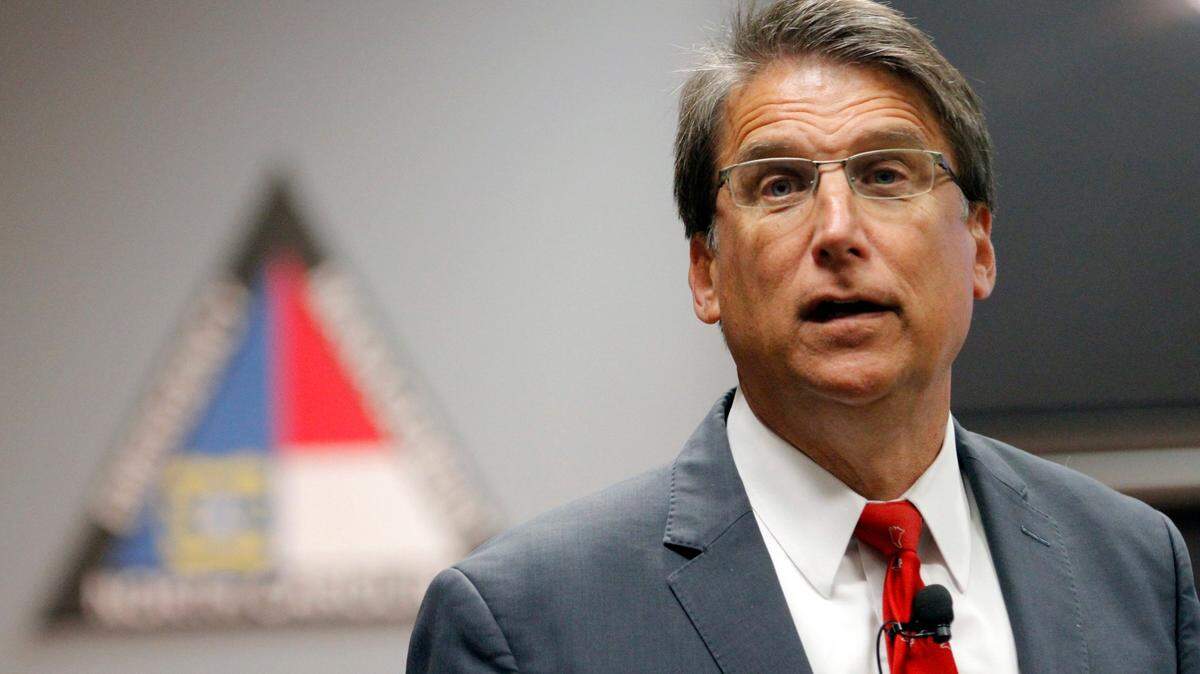
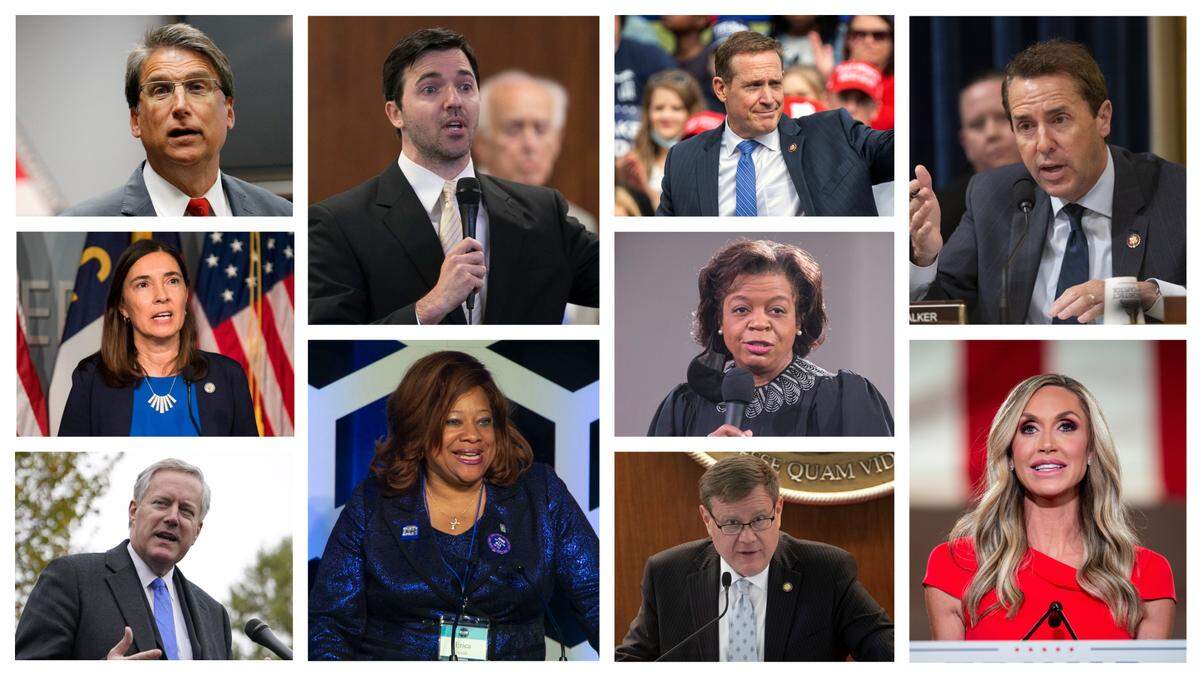
If Beasley wins the nomination she will face off against one of the candidates in the Republican primary, who include former Gov. Pat McCrory, U.S. Rep. Ted Budd and former U.S. Rep. Mark Walker.
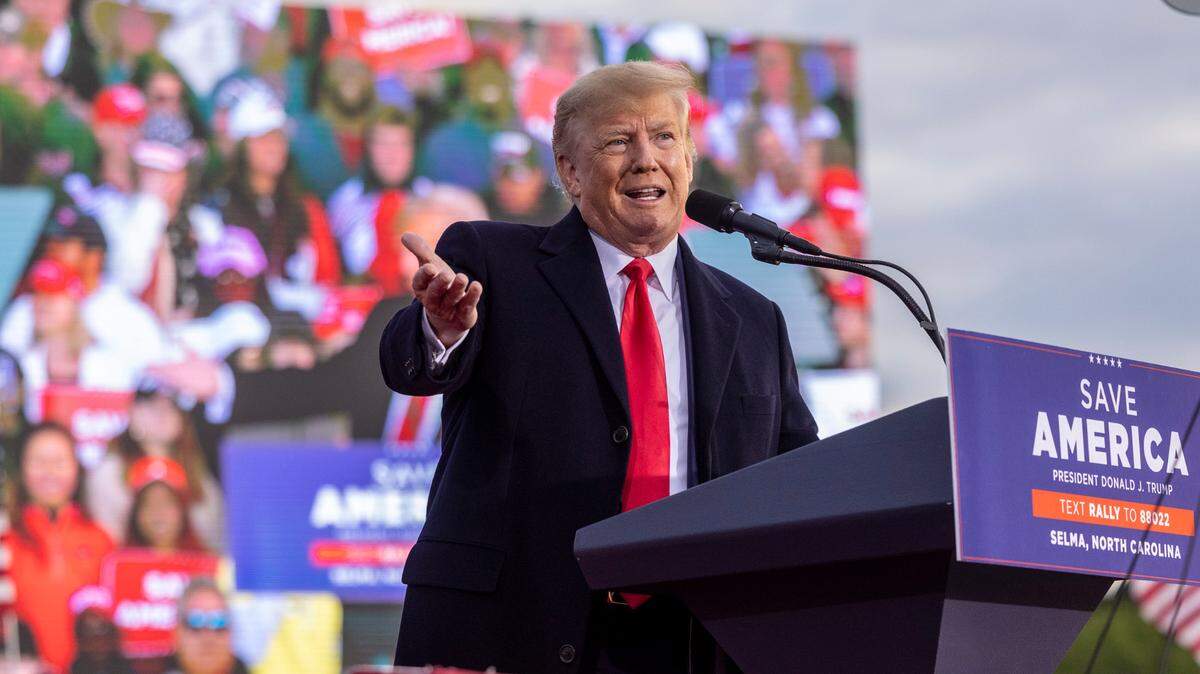
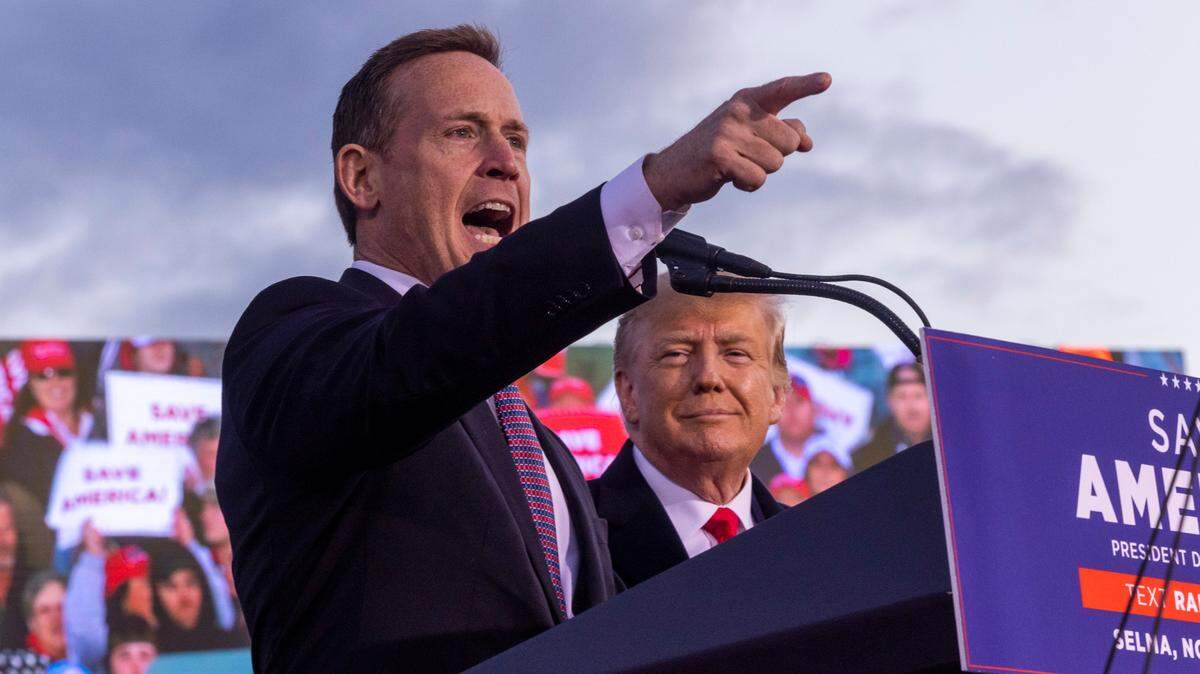
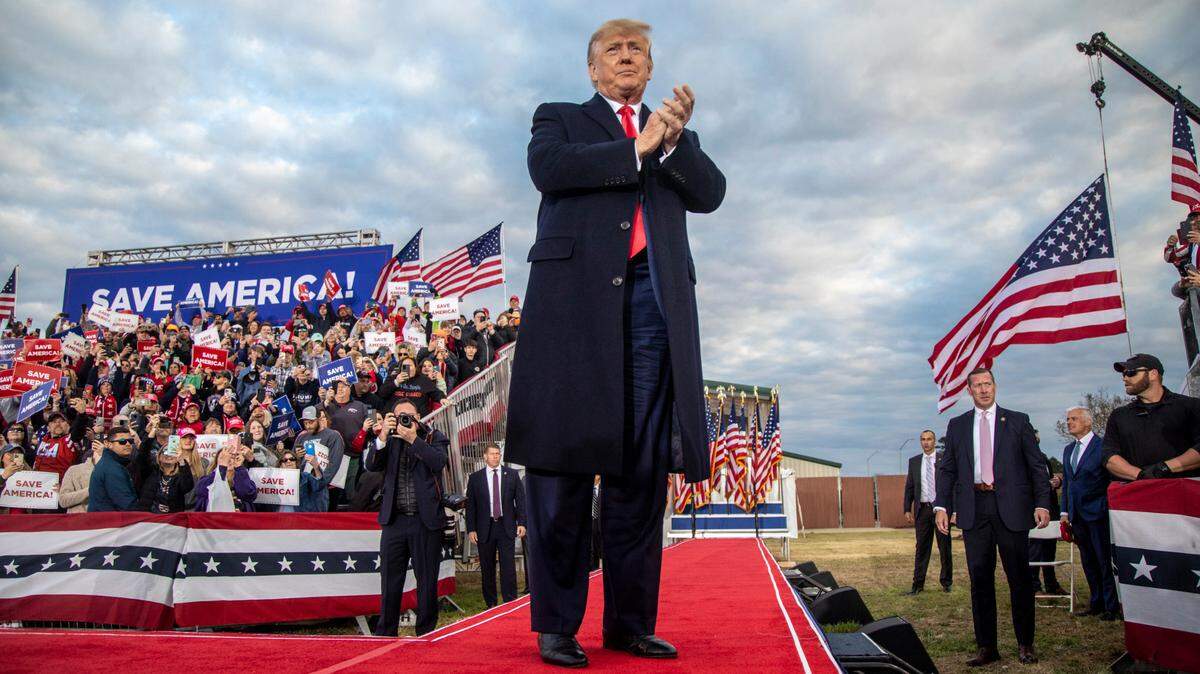
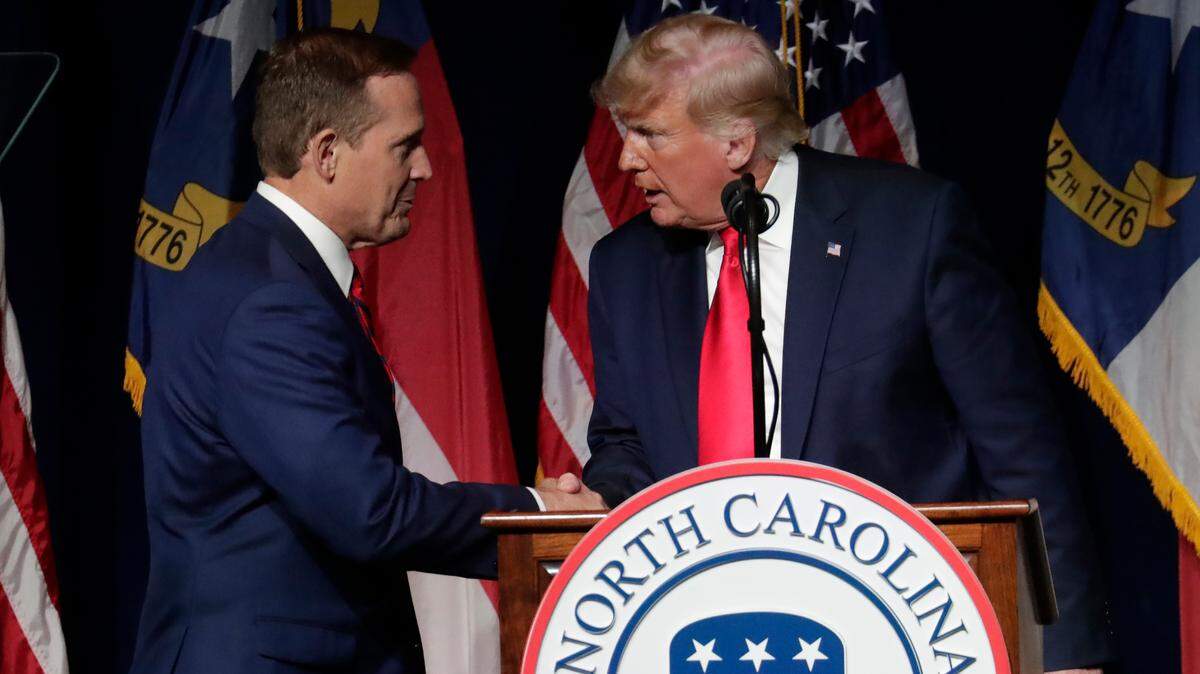
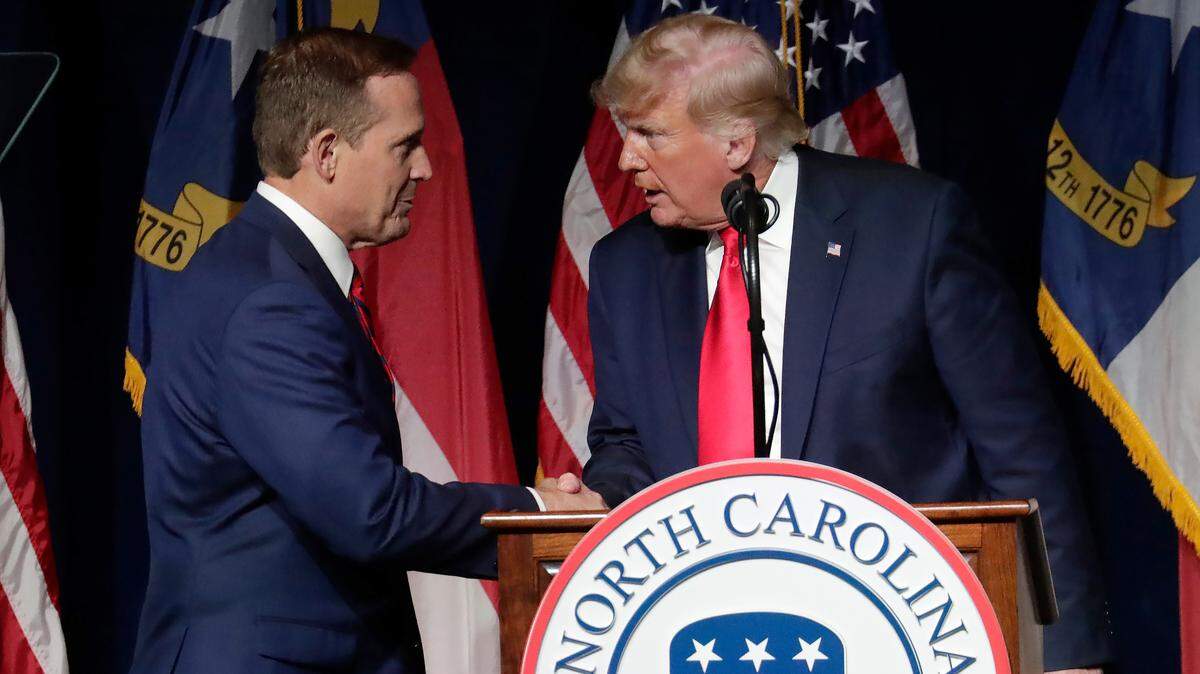
Former President Donald Trump endorsed Budd for U.S. Senate. He has the backing of mega-donor Club for Growth which has been running attack ads against McCrory over the past few weeks.
“Unlike the Republicans in this race, we won’t be participating in a costly and divisive primary,” Jackson said. “If we’re going to flip this seat in November, we need to unite – and we need to unite behind Cheri.”
Walker is also considering leaving the Senate race, to run in the 7th Congressional District, after trailing behind both opponents since Trump’s endorsement. Walker said he would make a decision after the holidays.
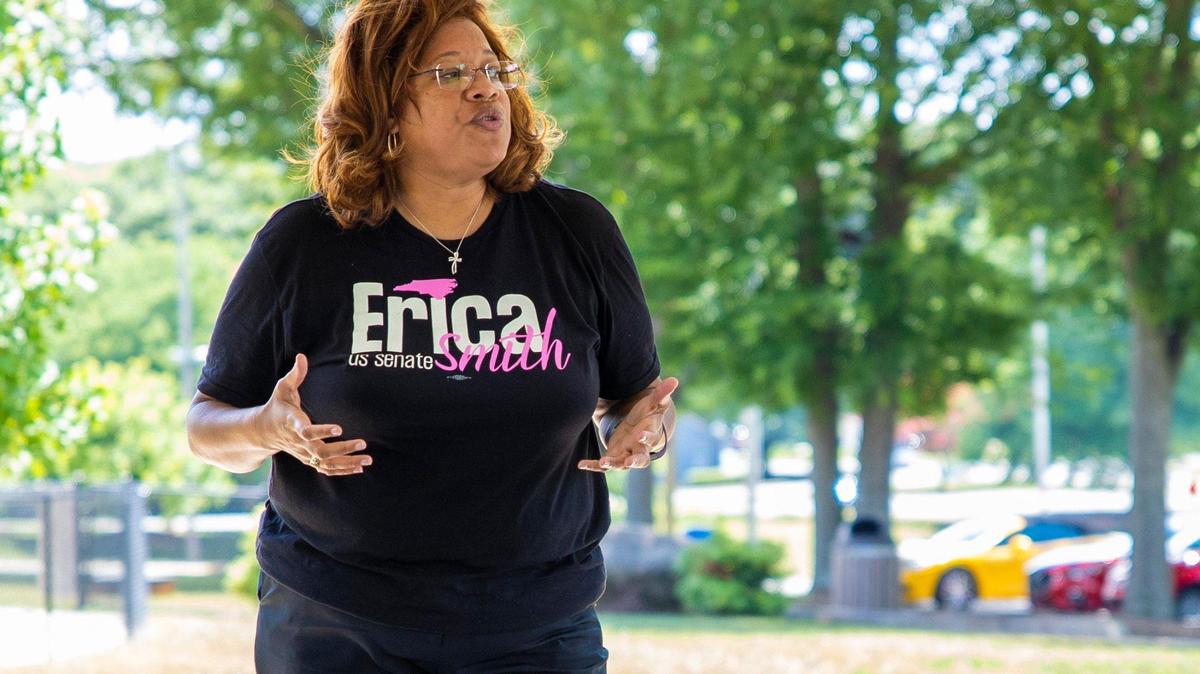
Democratic former state Sen. Erica Smith, who trailed in third in fundraising on the Democratic side, left the race in November after learning that U.S. Rep. G.K Butterfield planned to retire, a decision that followed the release of newly drawn congressional maps that Butterfield said diluted Black voices in Eastern North Carolina. Smith said she would run in his place to continue being a voice for Black, Eastern North Carolina residents.
BEHIND THE STORY
MOREWho is running for US Senate in 2022?
U.S. Sen. Richard Burr, a Republican, is not running for a fourth term in 2022. North Carolina’s primary is May 17, 2022.
Who’s in?
Republicans (in order they will appear on the primary ballot): Marjorie K. Eastman, David Flaherty, Benjamin E. Griffiths, Kenneth Harper, Jr., Pat McCrory, Charles Kenneth Moss, Lichia Sibhatu, Debora Tshiovo, Mark Walker, Jen Banwart, Ms. Lee A. Brian, Leonard L. Bryant, Ted Budd, Drew Bulecza
Democrats (in order they will appear on the primary ballot): James L. Carr, Jr., Robert Colon, Alyssia Rose-Katherine Hammond, Constance (Lov) Johnson, Tobias LaGrone, B. K. Maginnis, Rett Newton, Marcus W. Williams, Greg Antoine, Cheri Beasley, Chrelle Booker
Libertarian: Shannon Bray
Independents (must gather signatures to qualify for November ballot): Kimrey Rhinehardt, Adrien Meadows
Smith also thanked Jackson in a written statement to McClatchy Thursday morning for the campaign he ran.
“Jeff Jackson is an incredible dedicated public servant and North Carolina is a better place because of the campaign he ran and the vision for a better kind of politics he modeled,” she said. “Now, while Republicans sling mud and fight over Trump’s affection and corporate donors, Democrats are united and ready to win up and down the ballot in 2022.”
None of the candidates filed to be on the 2022 primary ballot last week. Filing began on Dec. 6, but the state Supreme Court froze the filing period and moved North Carolina’s election to May 17 from March 8, in order to allow time for court cases alleging that the General Assembly gerrymandered state legislative and the U.S. House districts.
For more North Carolina government and politics news, listen to the Under the Dome politics podcast from The News & Observer and the NC Insider. You can find it at link.chtbl.com/underthedomenc or wherever you get your podcasts.
This story was originally published December 16, 2021 at 9:10 AM.