‘All caved in, babe’: Uncovering the true origin of folk song ‘Swannanoa Tunnel’
AI-generated summary reviewed by our newsroom.
- Researchers link ‘Swannanoa Tunnel’ to an 1870s work song by incarcerated Black laborers.
- A 1939 William Love recording (collected by Frank Brown) uses the hammer cadence.
- Scholars unearthed the song’s origins; Rhiannon Giddens revived it publicly.
READ MORE
Silenced NC railroad restored
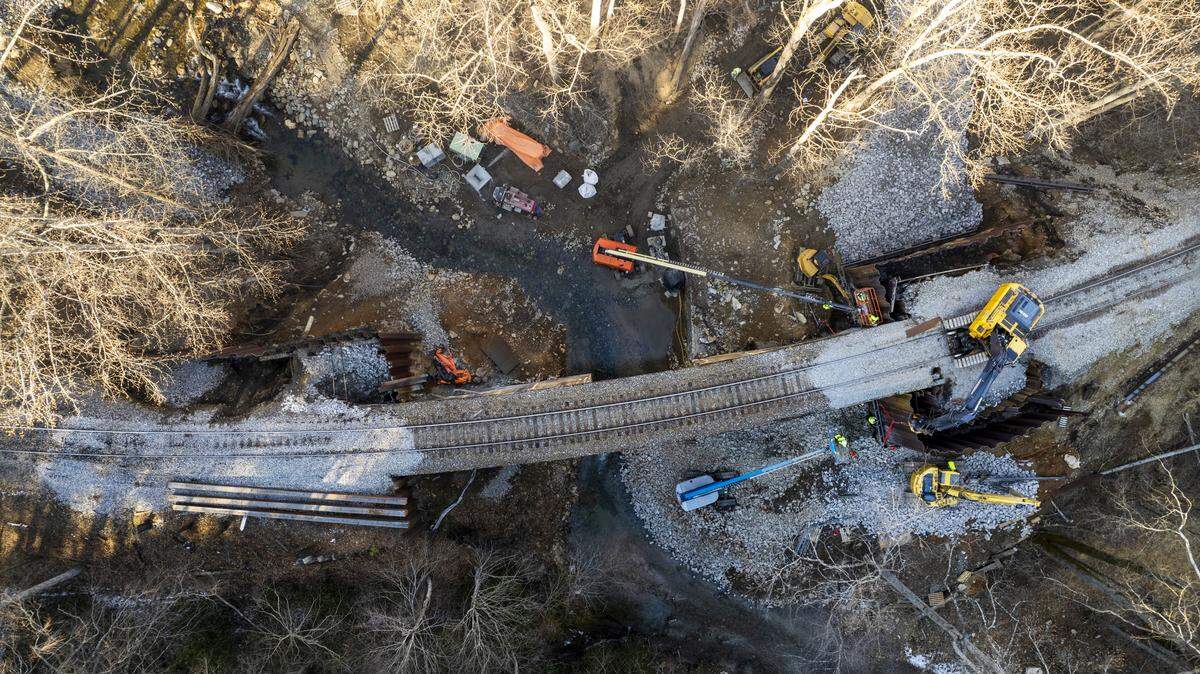
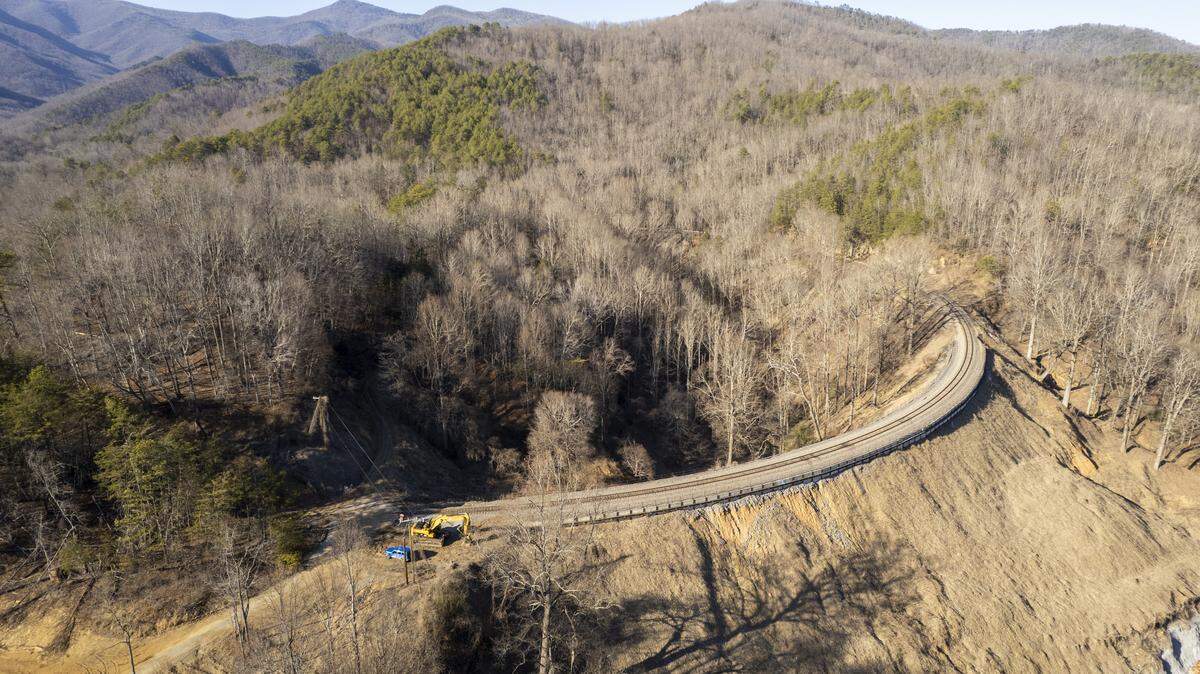
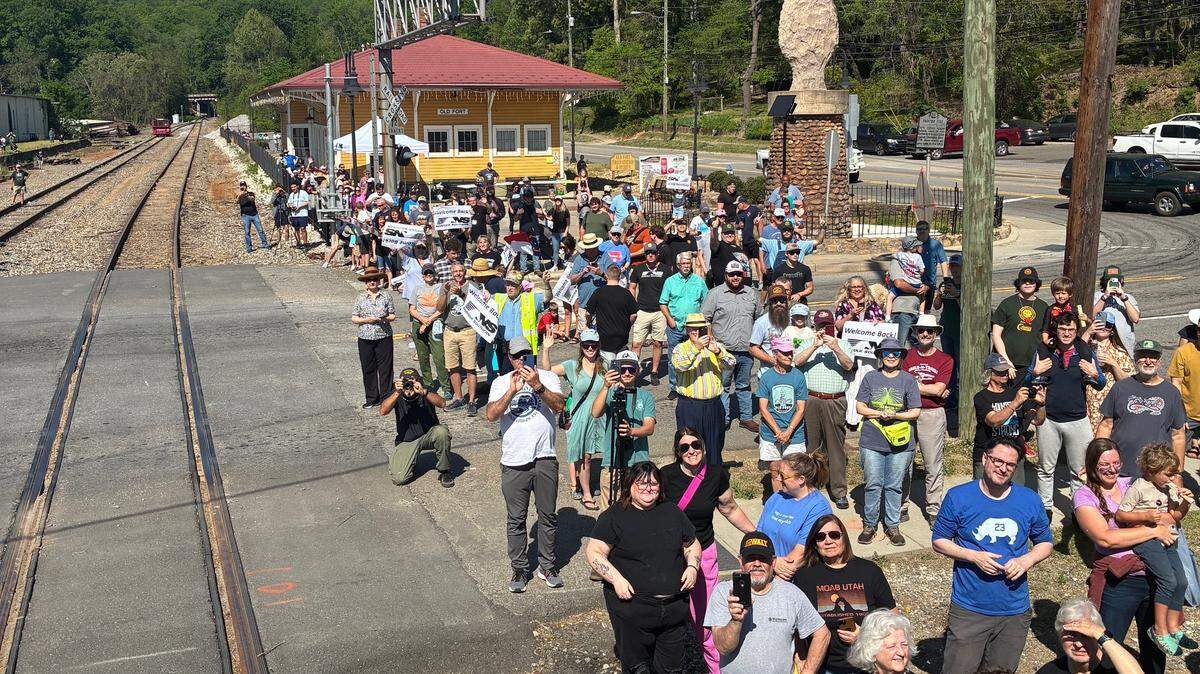
The remnants of Hurricane Helene demolished tracks belonging to three railroads in Western North Carolina in 2024. Soon, trains will travel again on the last 15 miles of track to be restored. This is the story of how the Norfolk Southern railroad line known as the Old Fort Loops was built 145 years ago and is now rebuilt after the destructive storm.
Expand All
Kevin Kehrberg and Jeffrey Keith first sang “Swannanoa Tunnel” as graduate students at the University of Kentucky. They knew it as an old Appalachian folk song about a railroad tunnel in North Carolina that caved in.
It wasn’t until they had each joined the faculty at Warren Wilson College in the town of Swannanoa that they began to uncover the song’s true origins.
“We both had assumed that it was a disaster song,” says Keith, who teaches history. “And then when we realized instead that it was a work song, it was a huge wakeup to us. Then when the story got even more convoluted and disturbing, it had its hooks in us.”
“Swannanoa Tunnel” has been passed down for generations, sung to banjo and guitar by white country and folk musicians. In 1916, Cecil Sharp of London collected a version sung by two white women who lived near the tunnel and described it as a variant of an old English song in his influential book, “English Folk Songs from the Southern Appalachians.”
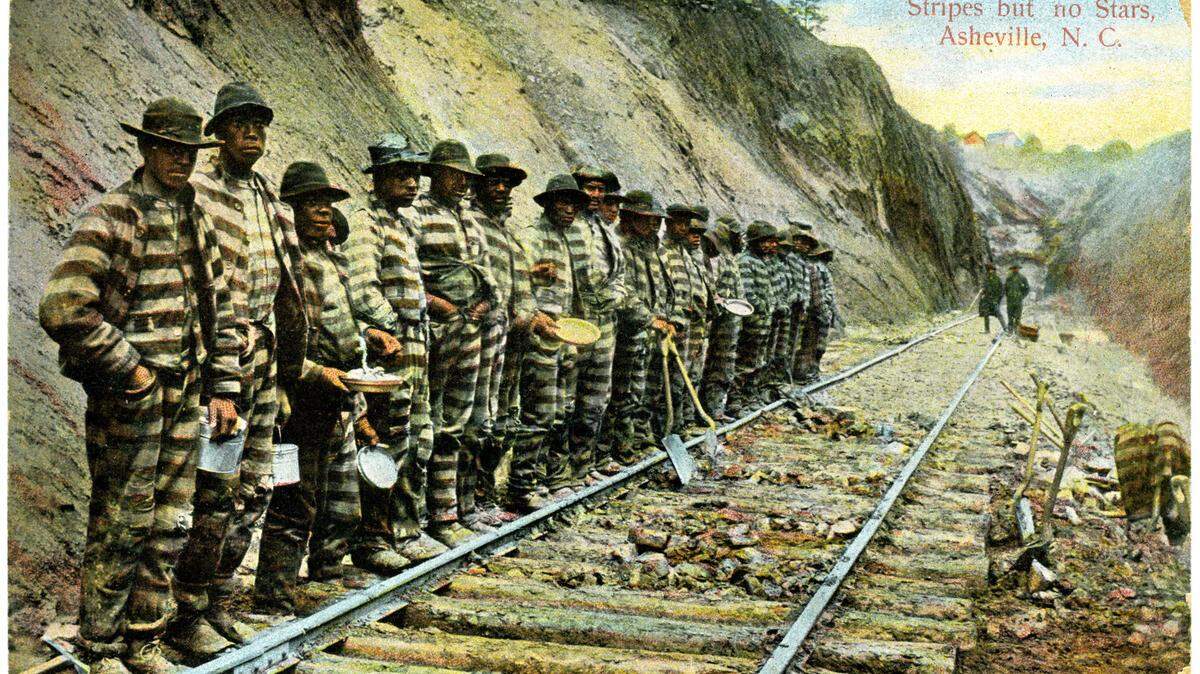
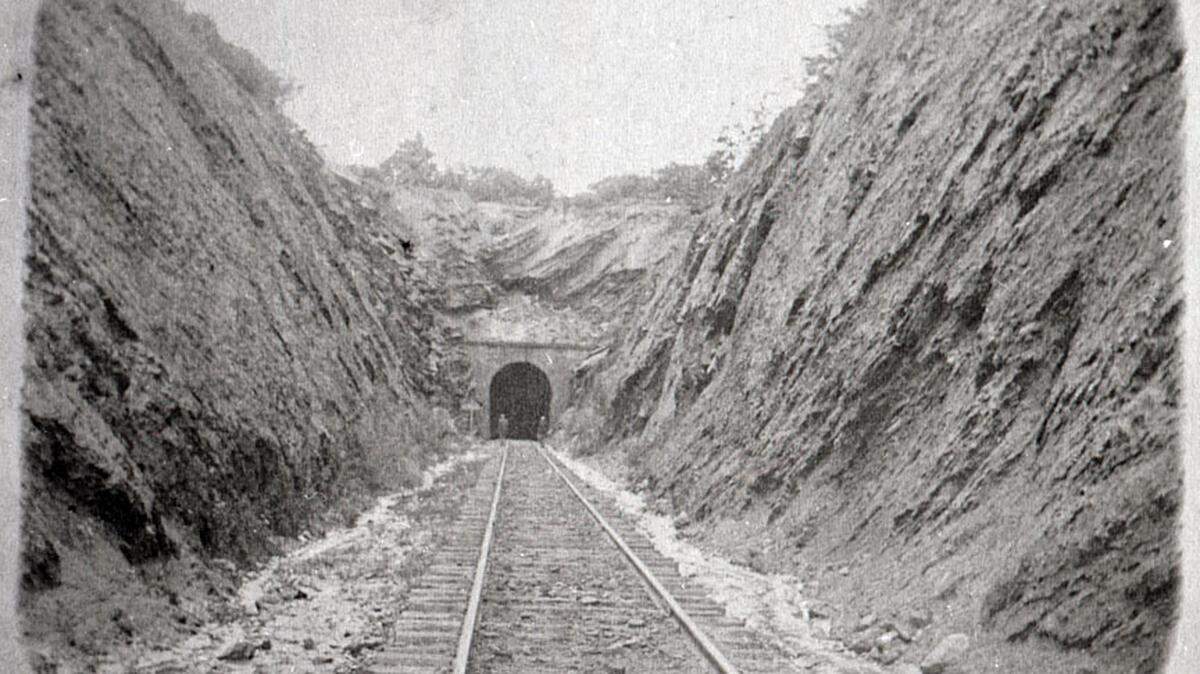
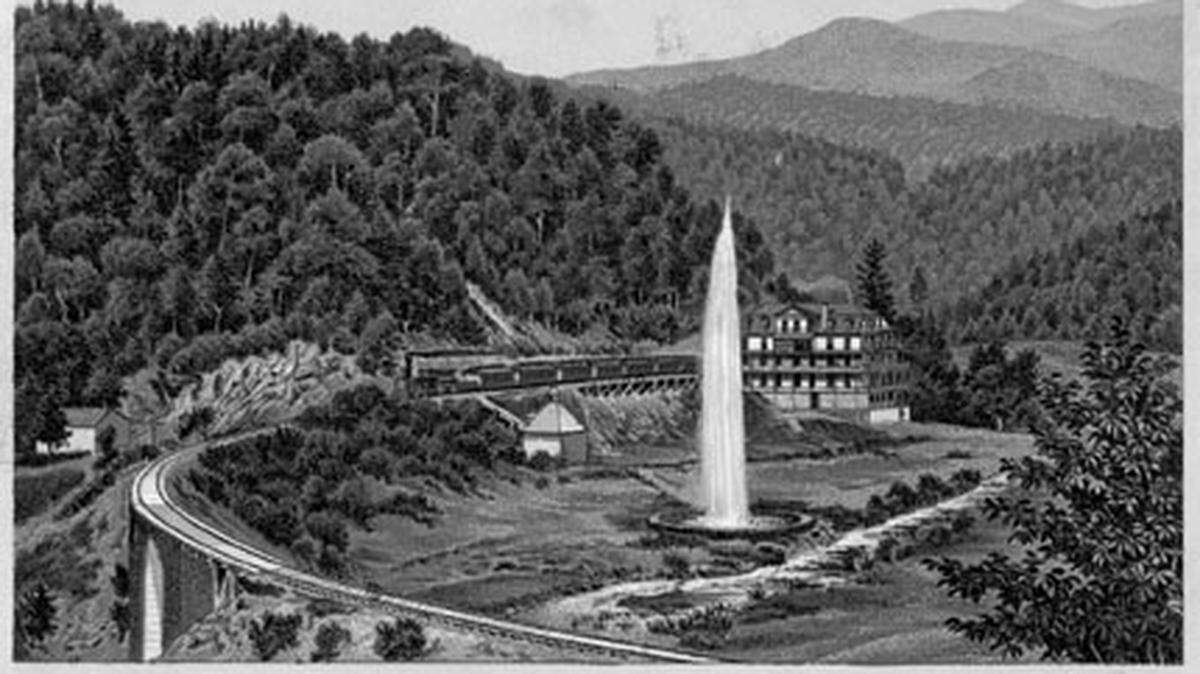
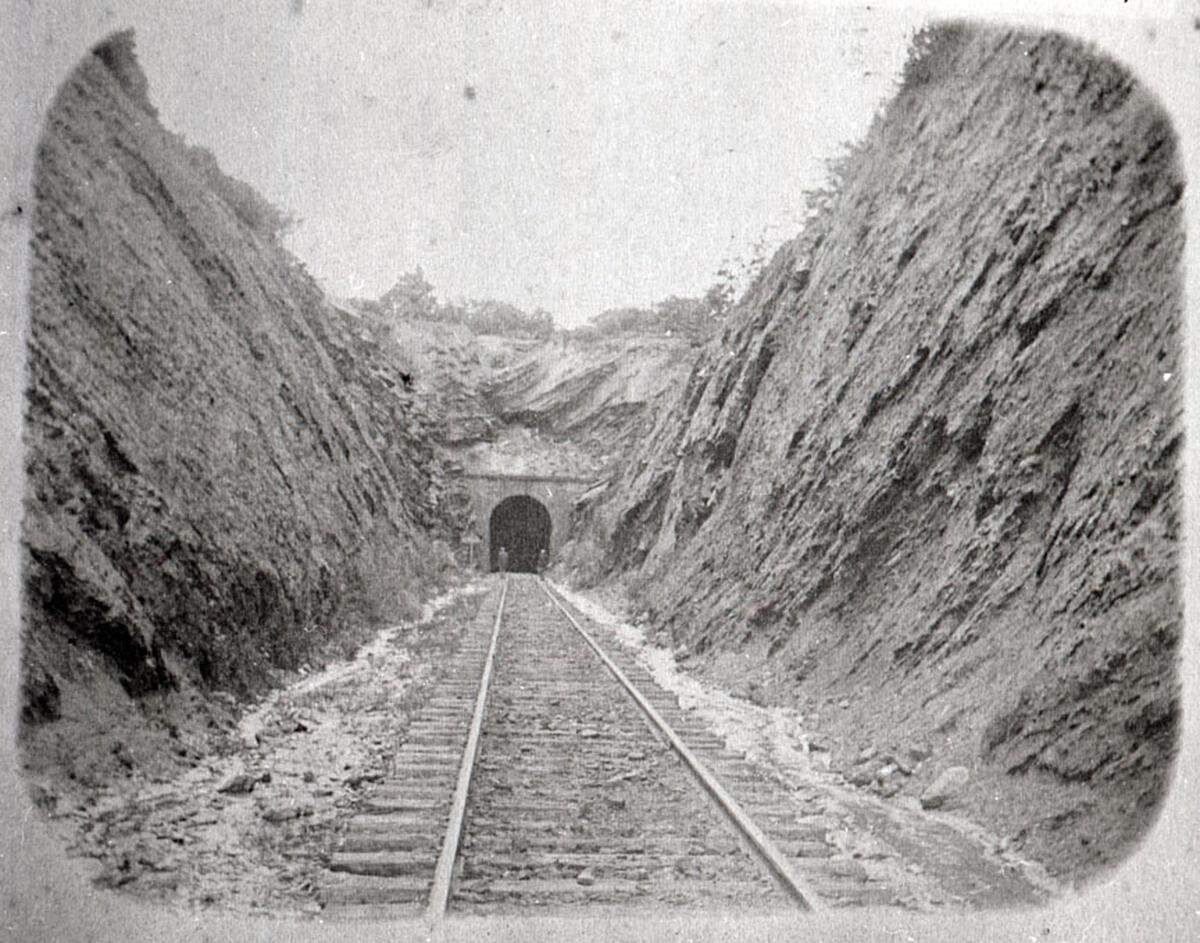
But the song had not come to North Carolina from England. Instead, its origins were in and around the tunnel, built in the 1870s by incarcerated Black men who sang to the rhythm of the hammers they swung into the mountain rock. At least 139 prison laborers, and likely many more, died building the railroad, including as many as 19 when a section of the Swannanoa Tunnel caved in.
Keith and Kehrberg, a musicologist, gradually learned the story after teaching a class together and assigning “Swannanoa Tunnel” to their students. For eight years the two friends collected what they could find about the song, its history and how it had warped into a folk song.
The research brought them to the David M. Rubenstein Rare Book & Manuscript Library at Duke University, where they heard a recording of the song by William Love from 1939. It was the only recording they’d heard by a Black man and the only one to use the original work-song cadence.
“We didn’t hear that until the William Love recording,” Kehrberg said. “Which is why it was such a stunning event for us as researchers.”
Love worked at Duke delivering mail, his granddaughter told Kehrberg and Keith. The recording of him singing a cappella and pounding out the rhythm of the hammer was made by folk song collector Frank Clyde Brown, who also recorded Love singing several other songs.
It’s not clear how Love came to know “Swannanoa Tunnel” as he sang it, Keith said. He was far too young to have worked on the railroad and apparently didn’t have any family in the mountains.
“It was something he was still singing, so it obviously had meaning,” Keith said. “He must have learned it somewhere, and Frank Brown was there to thankfully record it.”
Kehrberg and Keith compiled their findings about “Swannanoa Tunnel” into a lengthy article published by The Bitter Southerner in 2020, under the headline “Somebody Died, Babe: A Musical Cover-up of Racism, Violence & Greed.” Embedded in the text are two recordings of the song, including William Love’s.
The song finds a new audience
That’s where Rhiannon Giddens first heard “Swannanoa Tunnel” sung as it had been intended. Giddens, founding member of the Durham-based Black string band Carolina Chocolate Drops and an influential folk musician, was struck by what Kehrberg and Keith had uncovered.
“I was taken with their impeccable scholarship and their just burning desire to chase the origin of this song, to keep peeling back layers and keep digging deeper and deeper into American history, until they found the only surviving recording of this song by an African American singer,” Giddens said in a film about the song for PBS. “And they discovered that far from the white bluegrass standard that it had become, that it had totally a different origin story.”
Inspired by Love’s recording, Giddens paired “Swannanoa Tunnel” with “Steel-Driving Man,” about the folk hero John Henry, in her American Railroad project with the Silkroad Ensemble, bringing the original work-song version to a wide audience for the first time.
Giddens invited Kehrberg and Keith to the American Railroad performance in Atlanta in November 2024. It was the first time the friends had left the valley after the remnants of Hurricane Helene had devastated their community two months earlier.
“As scholars, sometimes the work you do sits on a shelf and no one sees it,” Kehrberg said. “And when you can do something that another person can take and spread that story to the general public, it’s really thrilling.”
‘Swannanoa Tunnel’ lyrics
Asheville Junction,
Swannanoa Tunnel.
All caved in, babe.
All caved in.
—
Last December
I remember.
Wind blowed cold, babe.
Wind blowed cold.
—
When you hear my
Watchdog howling,
Somebody’s ‘round, babe.
Somebody’s ‘round.
—
When you hear that
Hoot owl squawling,
Somebody died.
Somebody’s dead.
—
I’m going back to
Swannanoa Tunnel.
That’s my home, babe.
That’s my home.
—
Hammer falling
From my shoulders
All day long, babe.
All day long.
This story was originally published March 26, 2026 at 5:00 AM.