NC railroad that ‘couldn’t be built’ is the last section to reopen after Helene
AI-generated summary reviewed by our newsroom.
- Freight service expected to resume over Old Fort Loops in early April. Maybe Amtrak?
- Reconstruction tackled severe landslide and flood damage, and complex track restoration.
- Historic construction used forced Black prison labor; at least 139 died.
READ MORE
Silenced NC railroad restored
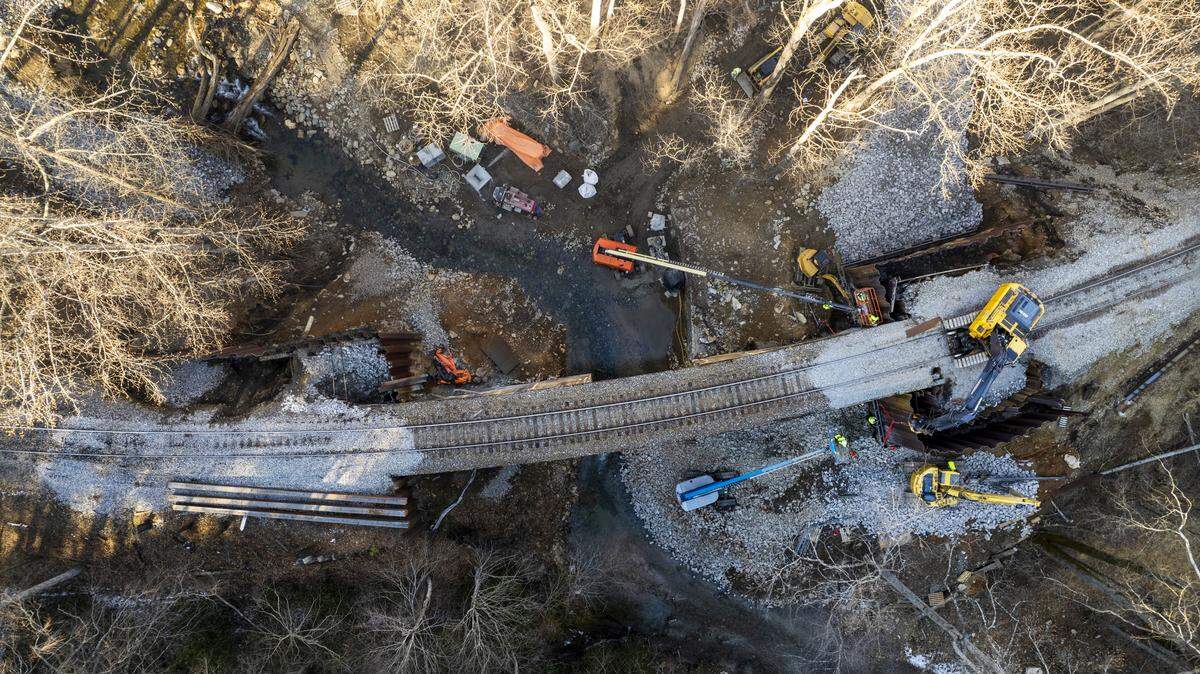
The remnants of Hurricane Helene demolished tracks belonging to three railroads in Western North Carolina in 2024. Soon, trains will travel again on the last 15 miles of track to be restored. This is the story of how the Norfolk Southern railroad line known as the Old Fort Loops was built 145 years ago and is now rebuilt after the destructive storm.
Expand All
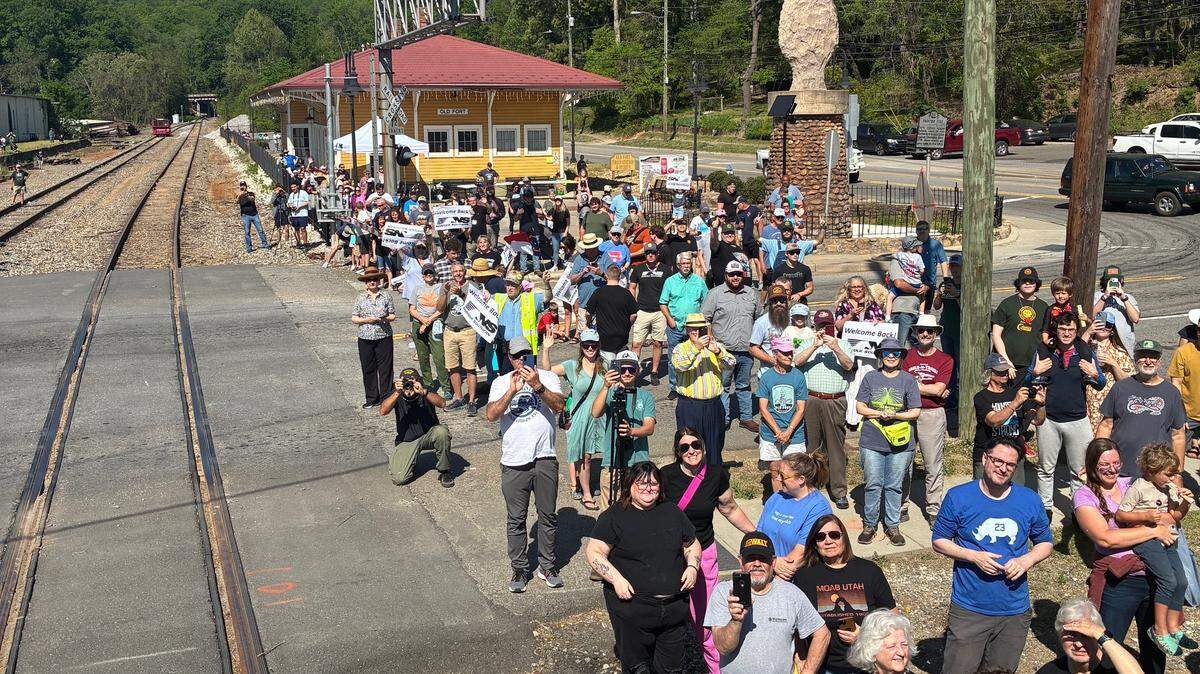
A freight train will soon pass over the Eastern Continental Divide near Old Fort for the first time since Hurricane Helene slammed Western North Carolina a year and a half ago.
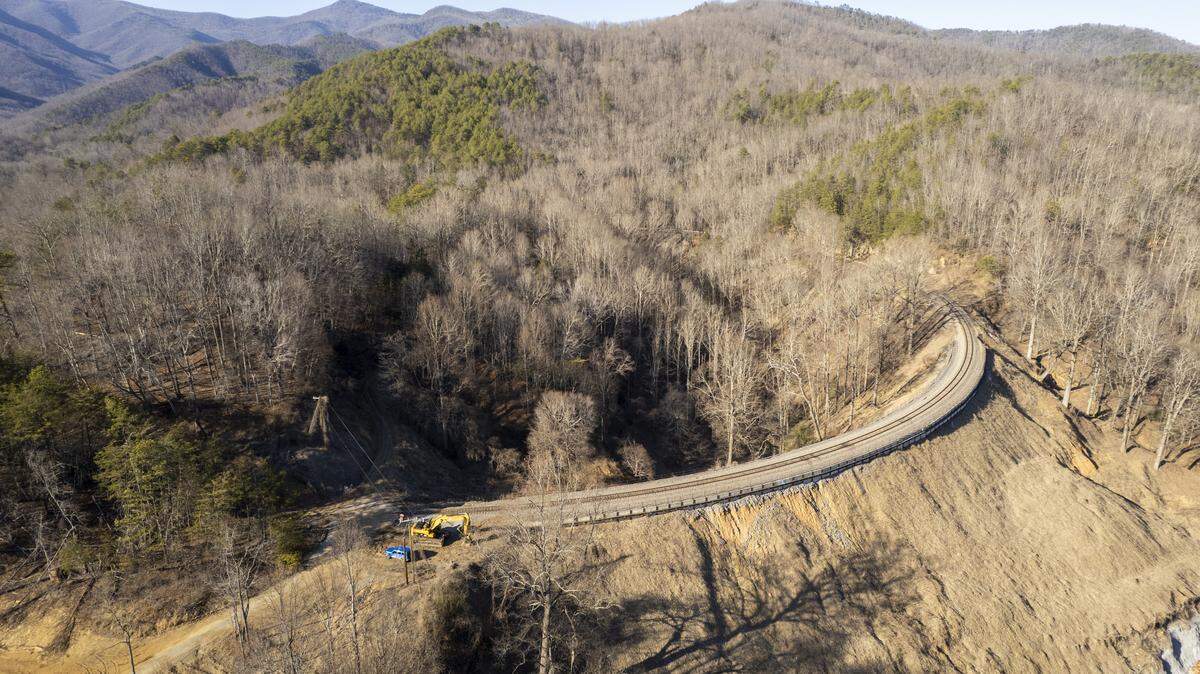
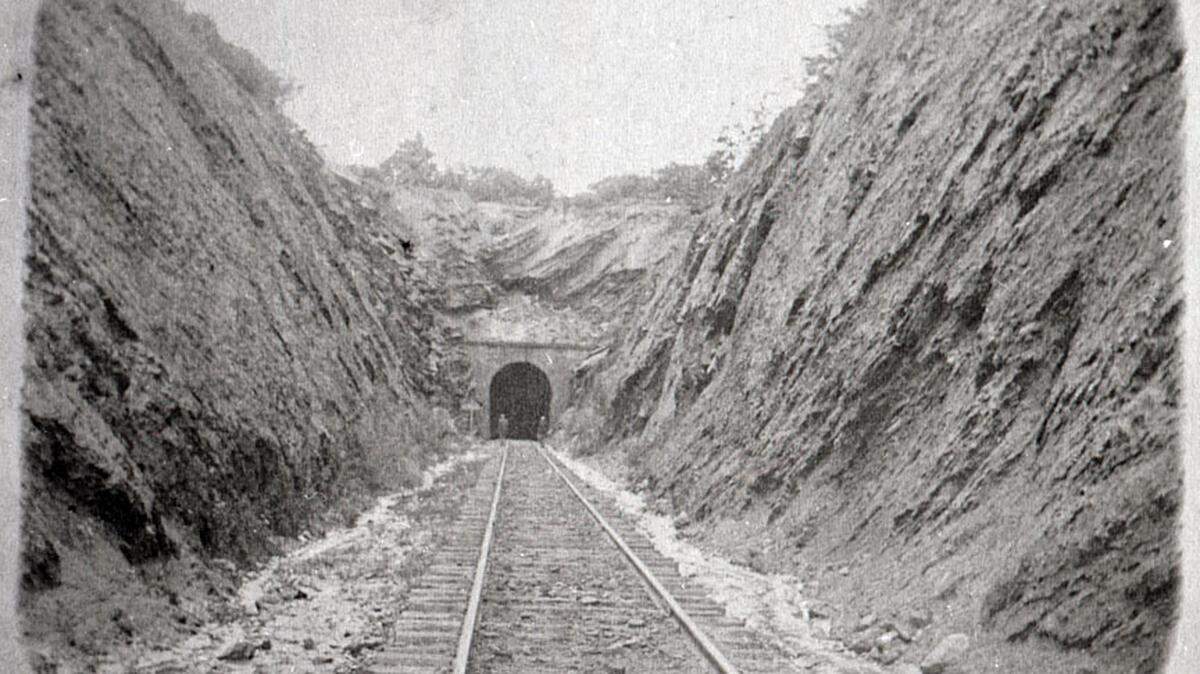
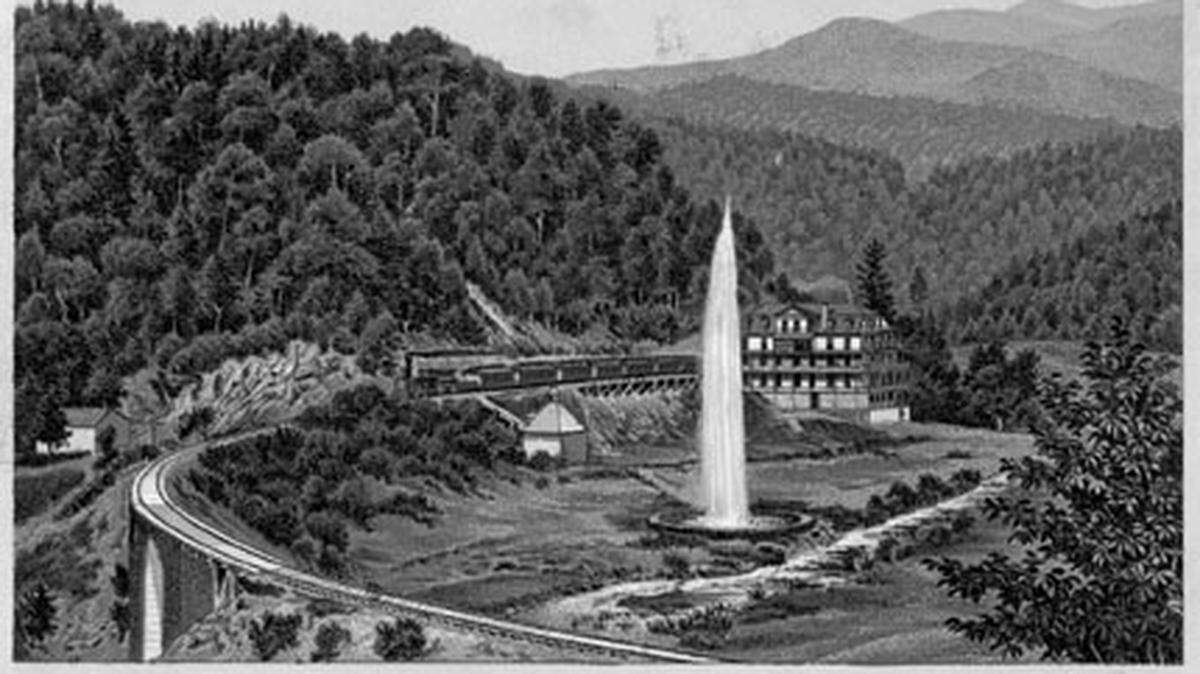
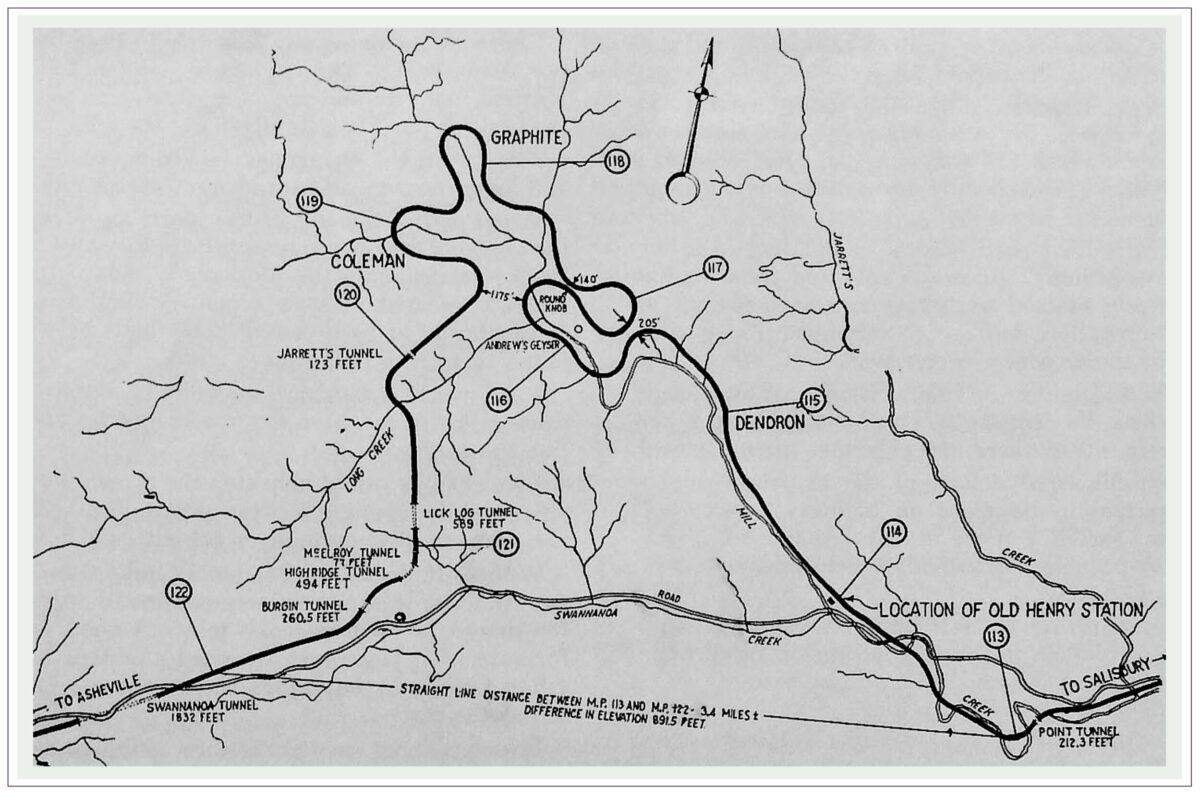
The train will snake through a series of tunnels and switchbacks built more than 145 years ago up and over a gap in the mountains once thought impossible to conquer by rail. The straight-line distance up the mountain from near Old Fort to Swannanoa Gap is about 3 miles; the Old Fort Loops, as this section of railroad is known, twists and turns for 9 miles before emerging from the final tunnel at Ridgecrest.
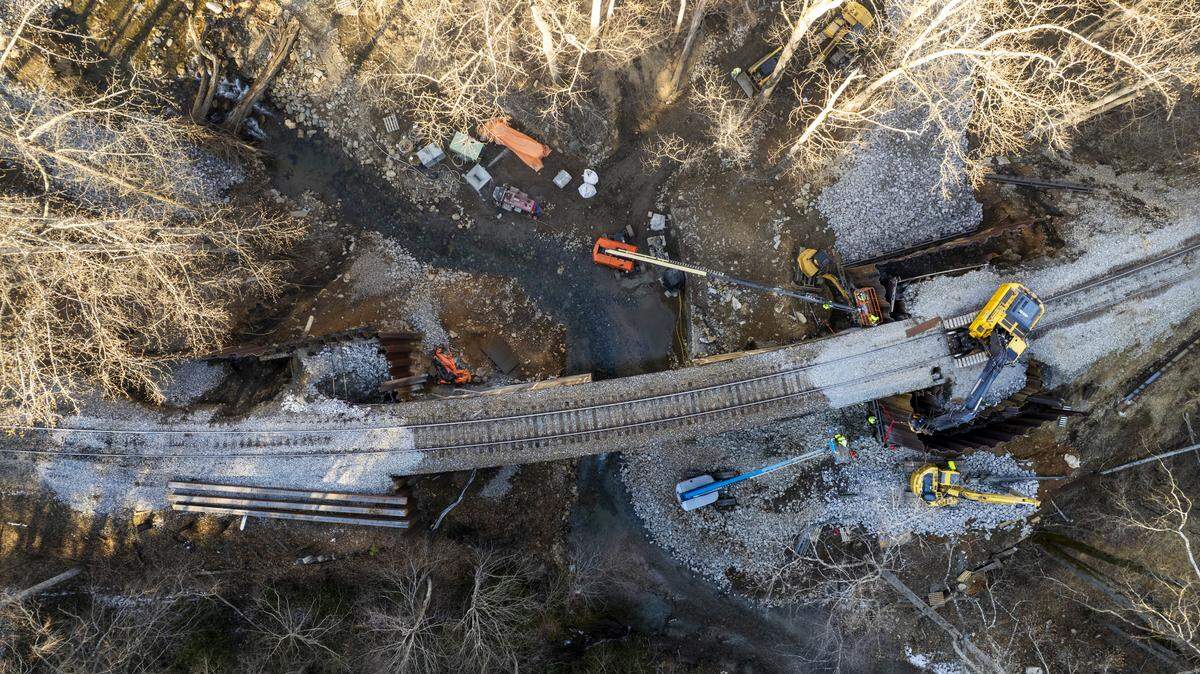
That rugged mountain terrain made the rail line especially vulnerable to Helene, which dropped 2 feet or more of rain on the mountains in a matter of hours. Landslides and flooding destroyed tracks belonging to three railroads throughout the region. The Old Fort Loops proved the most challenging to rebuild and will be the last to reopen.
Alan Johnson, who oversaw the rebuilding as Norfolk Southern’s chief engineer for design and construction, said when he walks along the tracks that sometimes double back on themselves he appreciates what it took to build the Old Fort Loops in the 1870s.
“It’s just an engineering marvel,” Johnson said. “Just to stand up on those loops and look down, it’s just mind-blowing. You’ve got to remind yourself that you’re looking at the same track.”
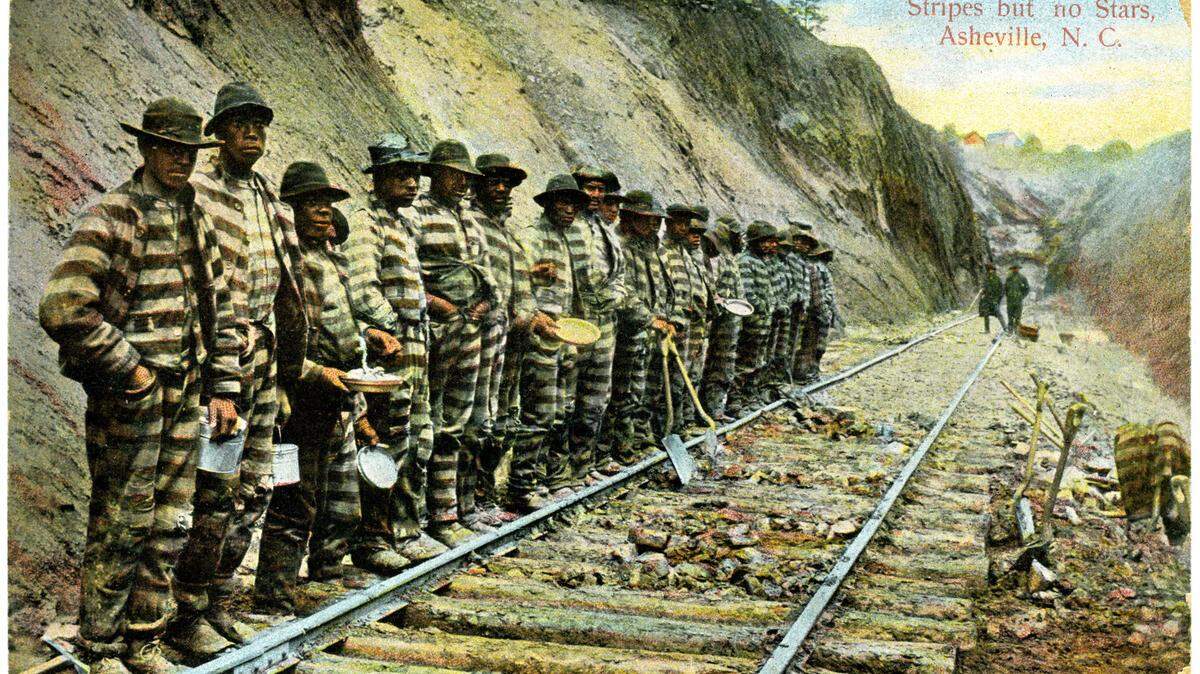
Beyond engineering, it took the labor of thousands of men to dig the tunnels and embankments, fill the ravines and lay the ties and rails. And in recent years, it has emerged that most of those men were Black prison inmates, many arrested on made-up charges in the eastern half of the state and sentenced to build the railroad without pay.
At least 139 workers died over four years of forced labor, a toll recognized by two stone monuments erected along the route in 2021 and 2023. It’s likely the deaths of many more workers were never recorded, says Dan Pierce, a retired history professor at UNC-Asheville who helped lead an effort to place those monuments.
The railroad transformed Western North Carolina
The first train through Swannanoa Gap reached Asheville on Oct. 2, 1880. Almost immediately, people began pouring into the mountains. The population of Asheville nearly quadrupled over the next decade, and by 1900 the city was the third largest in North Carolina, after Wilmington and Charlotte.
“I always say it was the most important infrastructure project in the history of Western North Carolina,” Pierce said. “It transformed Western North Carolina, virtually overnight. It just opened it up to all sorts of development.”
People had been following the creeks up through Swannanoa Gap since before the first Europeans arrived. The paths blazed by Native Americans later became narrow dirt roads for buckboard wagons and stage coaches.
But the Blue Ridge escarpment, the mountain face that divides east from west, was considered too steep for railroads.
In 1837, lawmakers in Raleigh set a goal of building a railroad line from one end of the state to the other; that policy was reaffirmed in 1855. It was a feat many thought would never happen, says Steve Little, the longtime mayor of nearby Marion, who wrote a book about the Old Fort Loops called “Tunnels, Nitro and Convicts: Building the Railroad That Couldn’t Be Built.”
“There were many members of the North Carolina legislature who said, ‘That’s crazy. You can’t go up that mountain,’” Little said. “’Not that we don’t want to, but you can’t do it. It can’t be done. It’s a waste of money.’”
The engineering and the human cost of building the railroad make it the most “historic and exciting” in the Southeastern United States, Little says. Two weeks after Helene, he drove as far as he could west of Old Fort to see what the storm had done to the Old Fort Loops.
“It looked like a ride at the State Fair,” he said. “The tracks were up in the air 10, 12 feet, twisted and the dirt underneath them gone, just gone. And trees everywhere. Some of them under the rails. I was thinking, ‘Can this even be fixed?’”
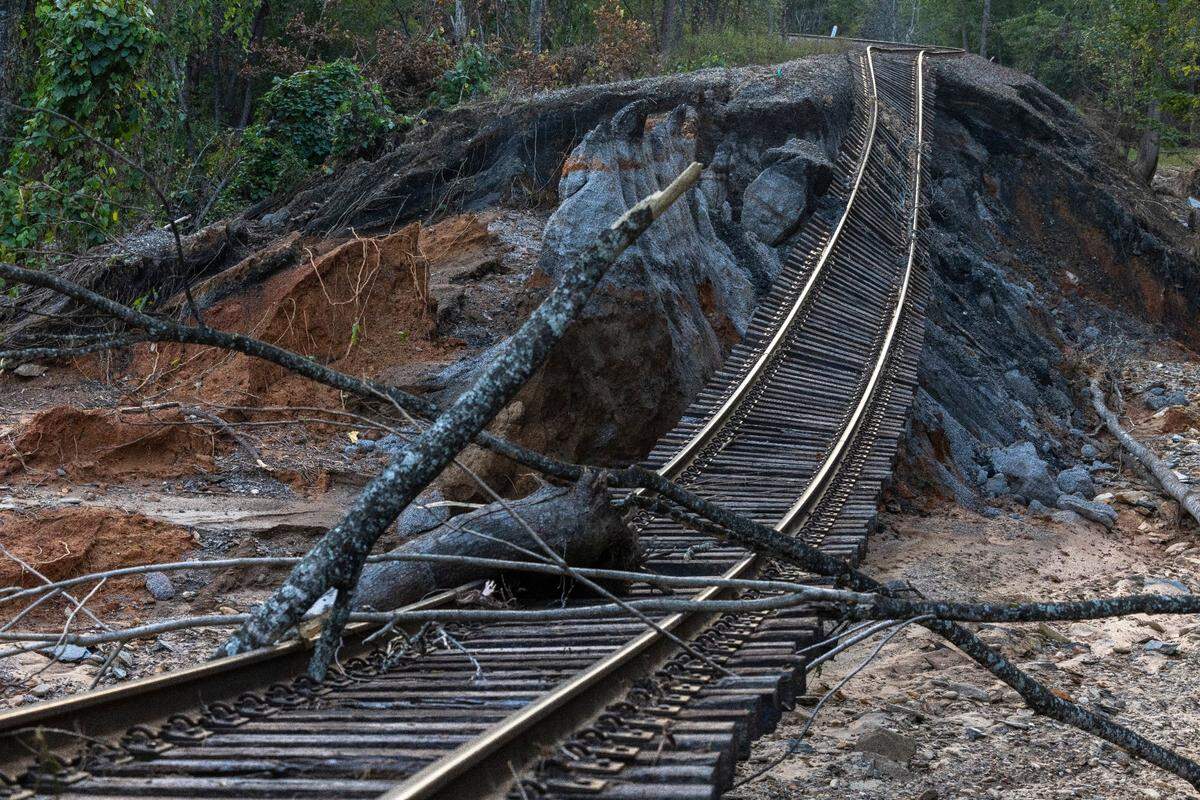
Little was thrilled when Norfolk Southern committed to rebuilding the tracks and looks forward to freight trains rumbling past his law office in Marion again.
He’s also hopeful that Amtrak and the N.C. Department of Transportation will decide to run passenger trains to Asheville through the gap for the first time since 1975. Asheville is the most requested rail destination in North Carolina not yet served by Amtrak, according to NCDOT, which published a study in January on the economic and tourism benefits of restoring passenger service to the mountains.
Norfolk Southern hasn’t set a date for the first train through the Old Fort Loops, but a spokeswoman says it should be sometime in early April.