Helene destroyed a ‘geyser’ built to thrill rail passengers in NC 140 years ago
AI-generated summary reviewed by our newsroom.
- Helene broke pipe along a 2.5-mile stretch, silencing Andrews Geyser in 2024.
- Old Fort notes multi‑mile damage and estimates repairs could cost a few million.
- Town seeks FEMA aid but prioritizes streets and essential infrastructure work.
READ MORE
Silenced NC railroad restored
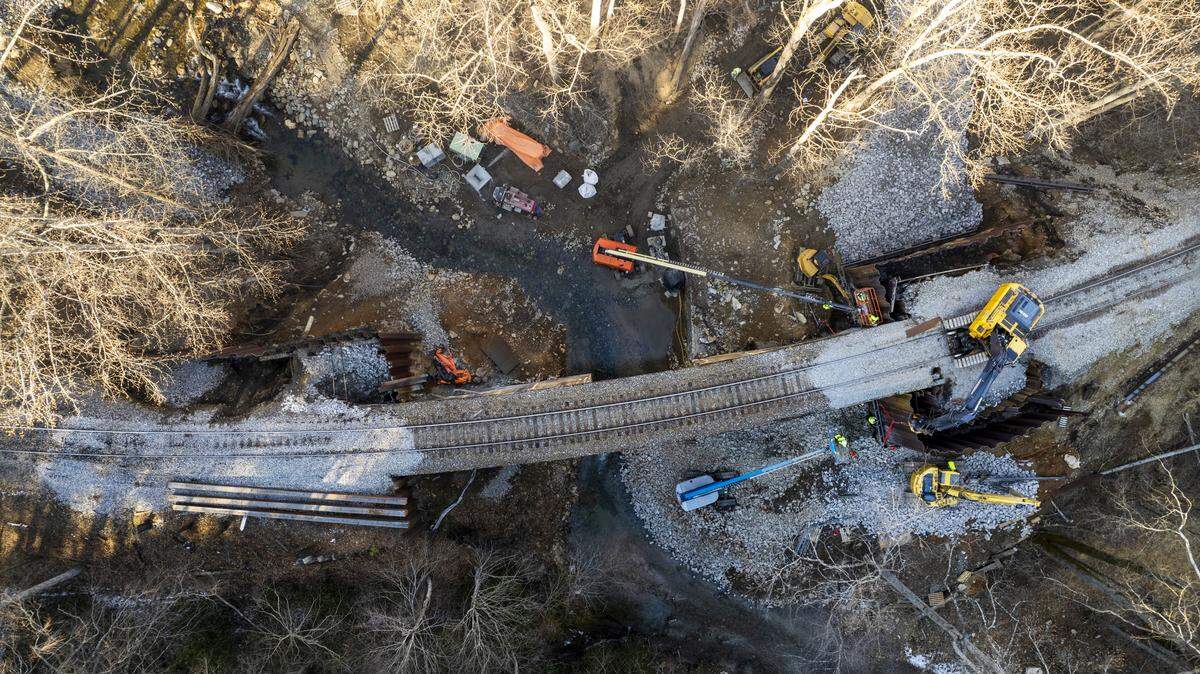
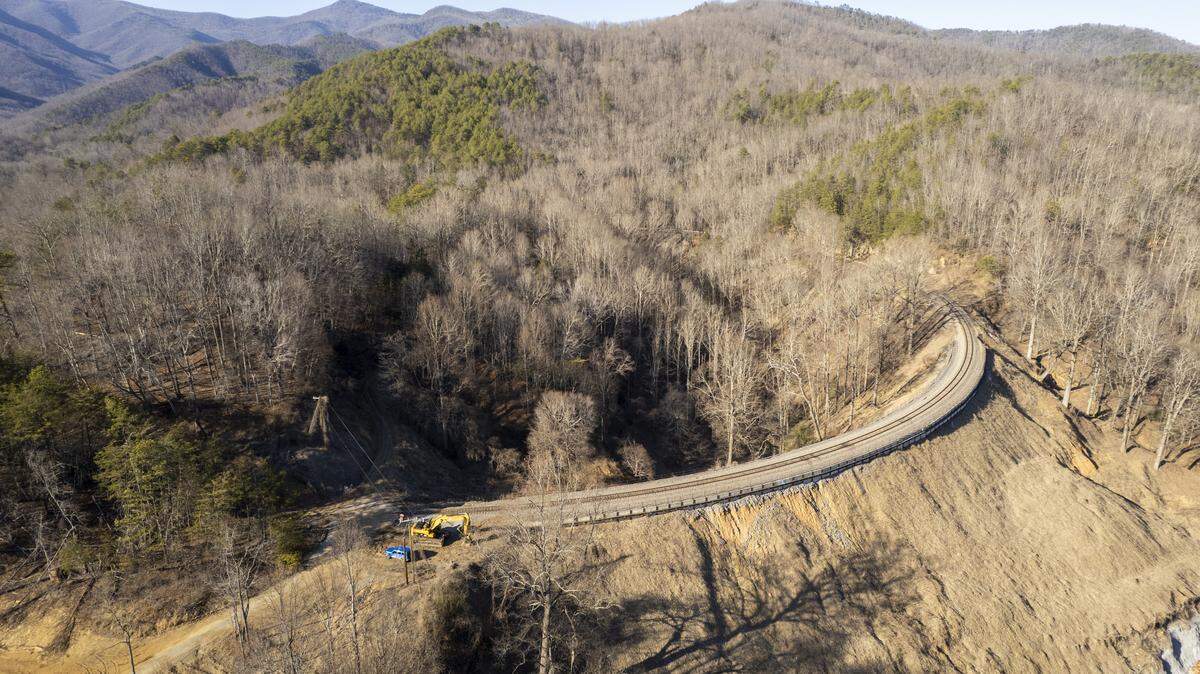
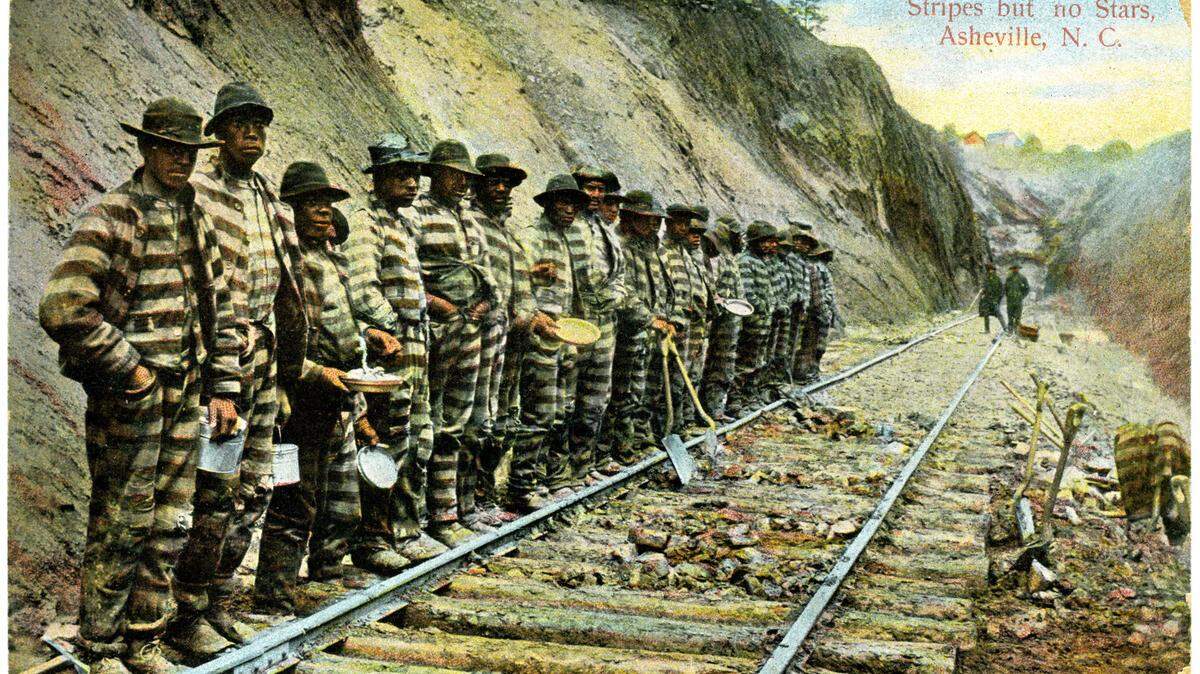
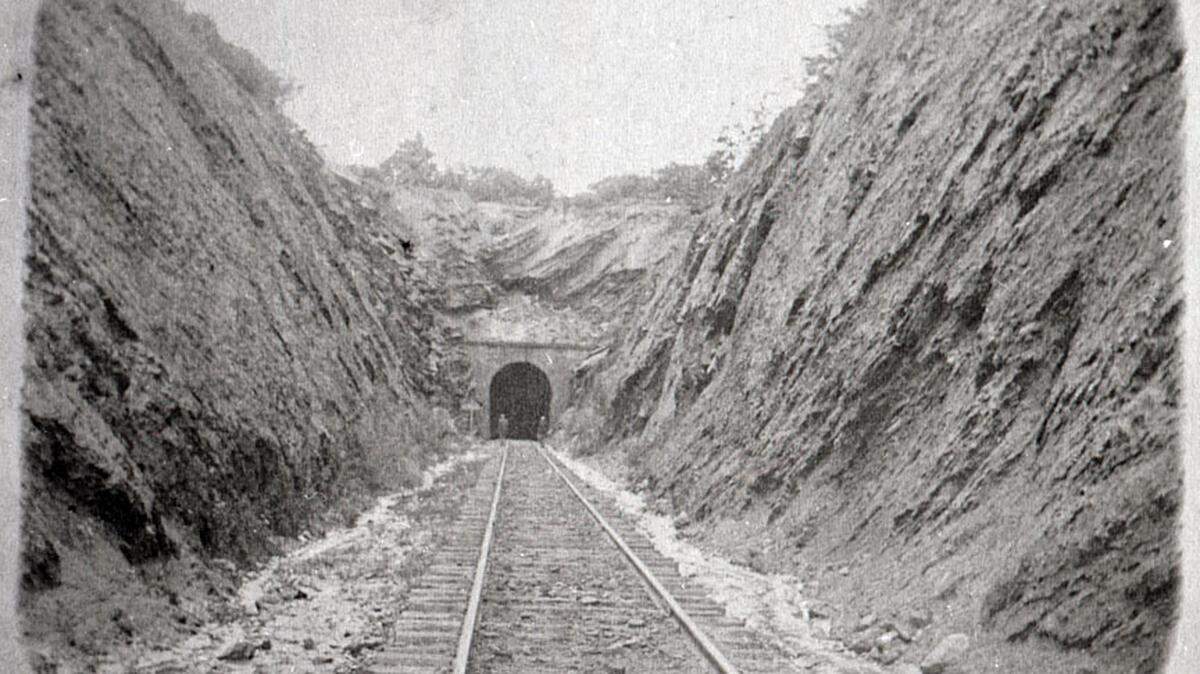
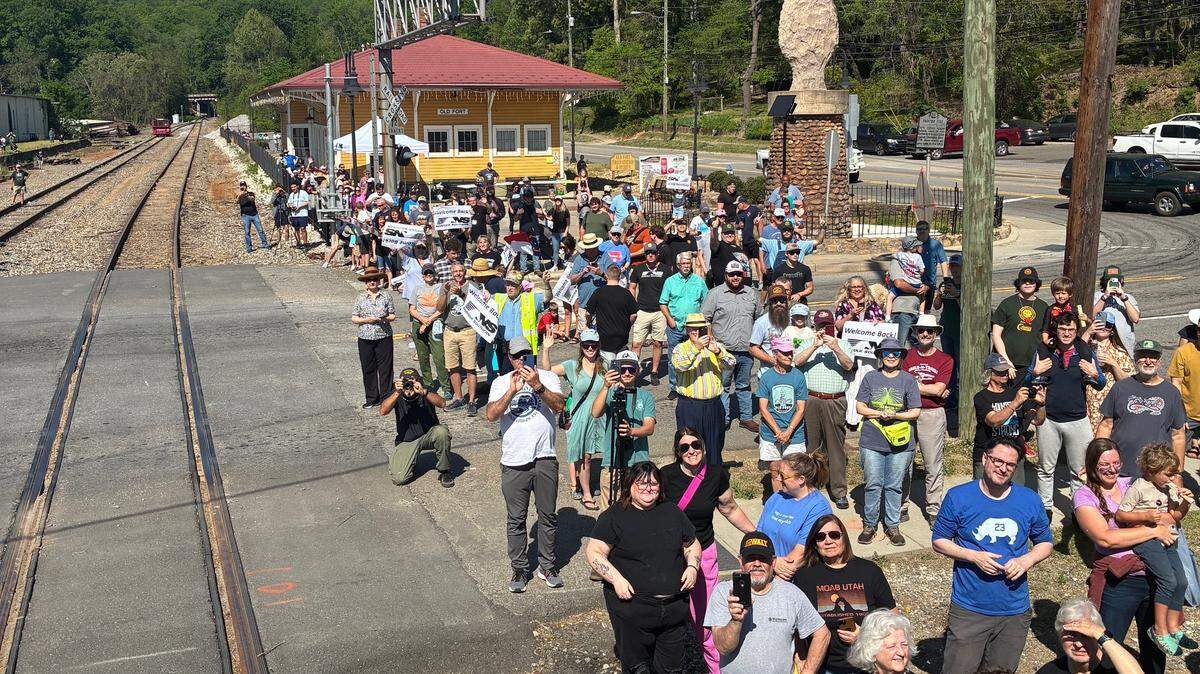
The remnants of Hurricane Helene demolished tracks belonging to three railroads in Western North Carolina in 2024. Soon, trains will travel again on the last 15 miles of track to be restored. This is the story of how the Norfolk Southern railroad line known as the Old Fort Loops was built 145 years ago and is now rebuilt after the destructive storm.
Expand All
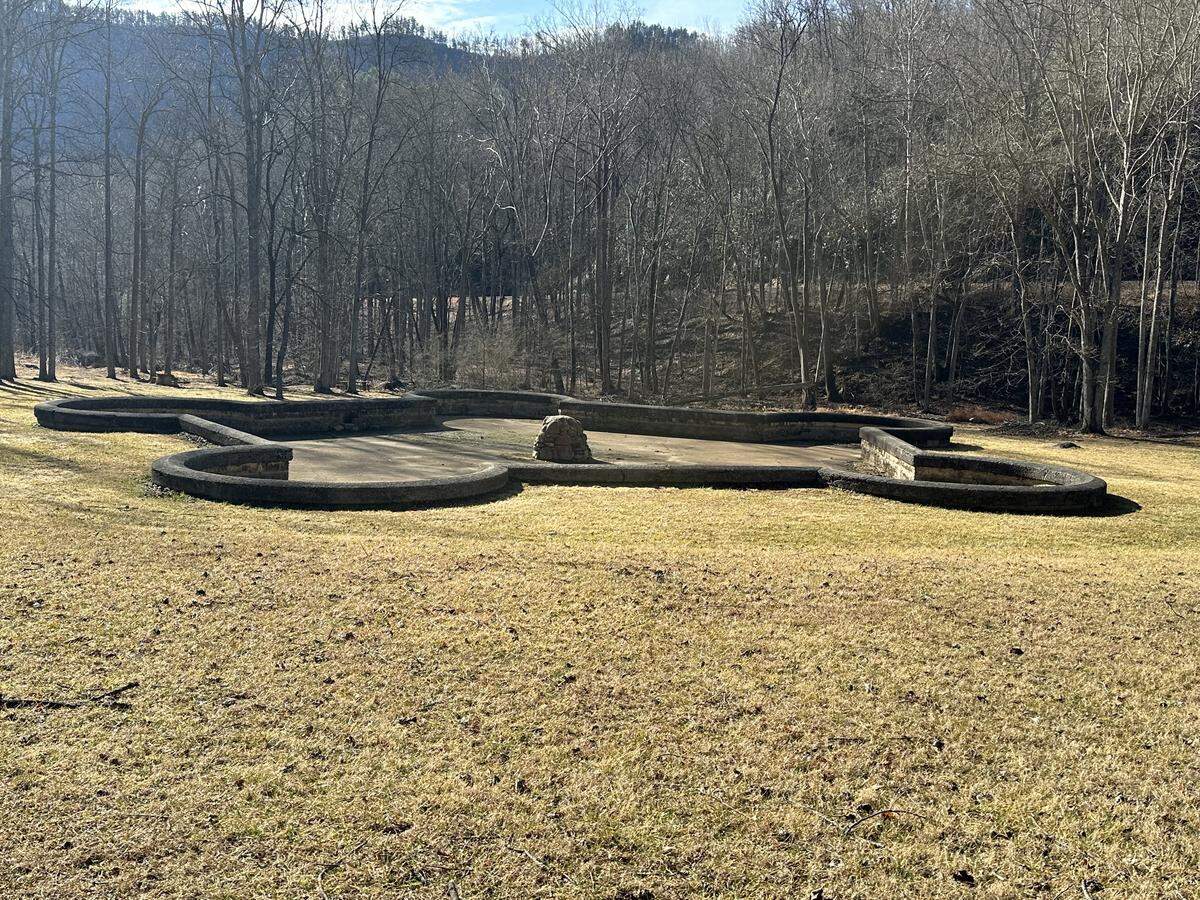
The remnants of Hurricane Helene destroyed not only the railroad line that climbs the mountains near Old Fort, it also extinguished one of area’s top landmarks: Andrews Geyser.
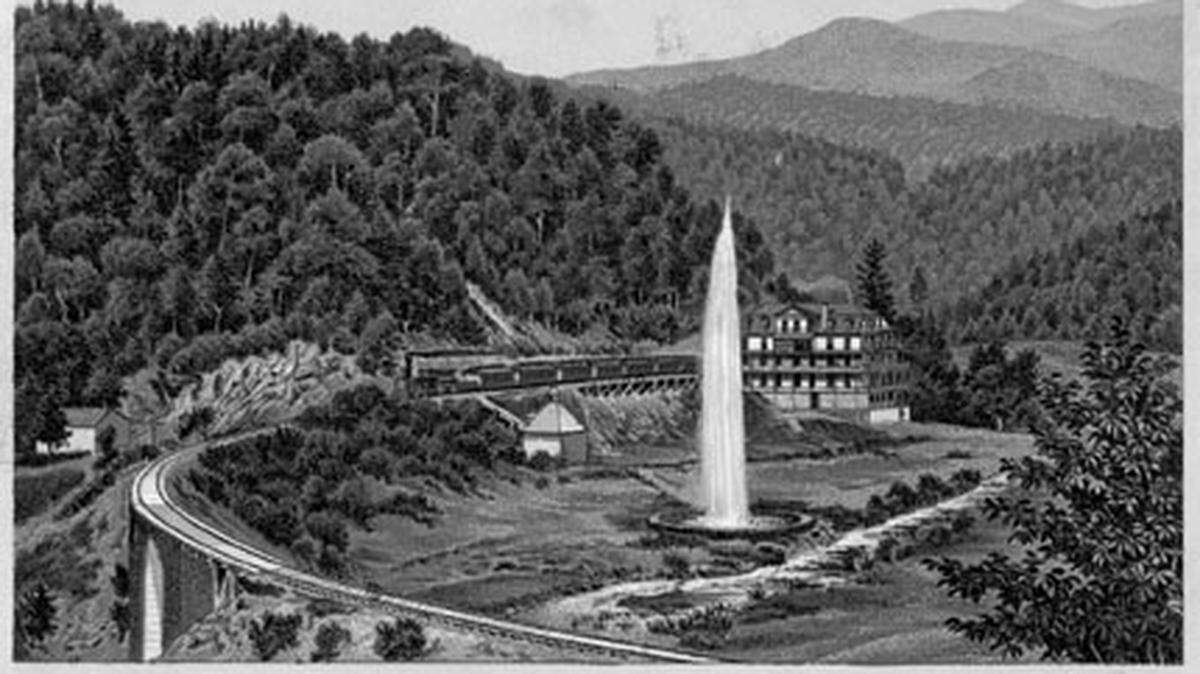
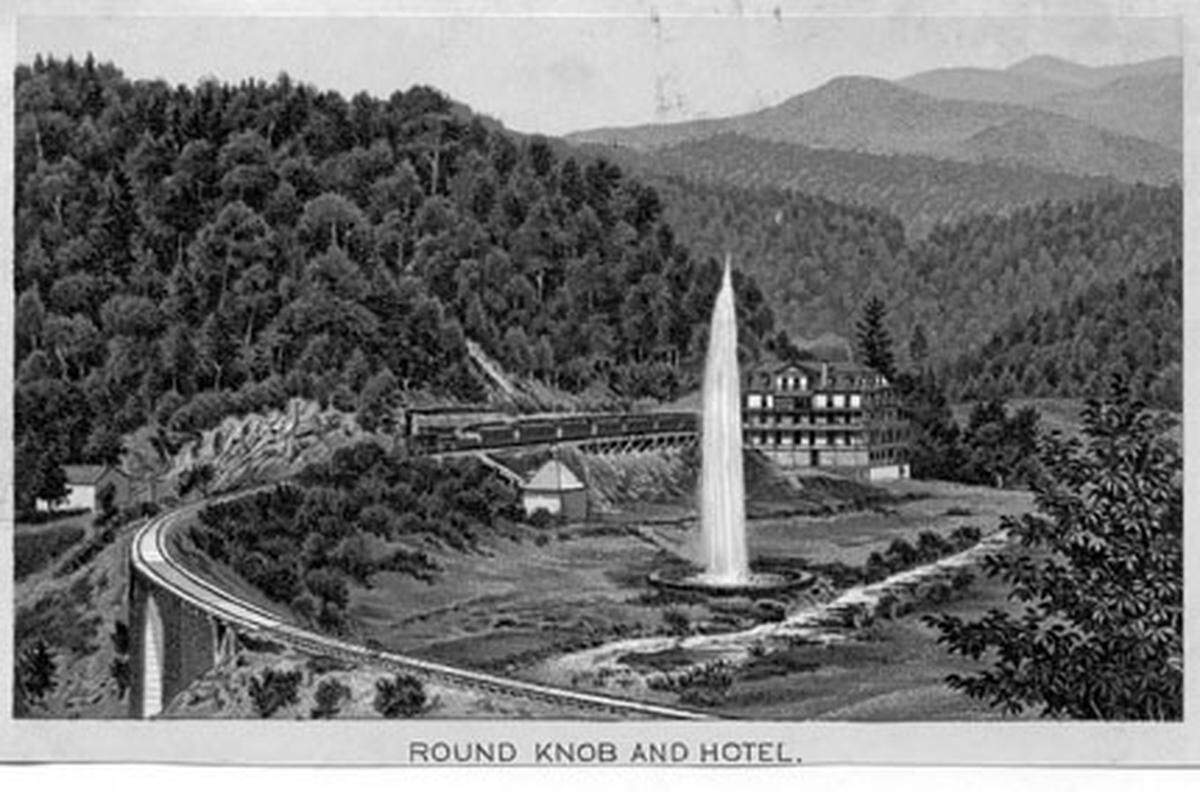
The geyser was actually a fountain, first built around 1885 as a gateway of sorts, letting people on Western North Carolina Railroad trains know they had reached the Blue Ridge Mountains. Water from a pond ran downhill through a 6-inch pipe, before squeezing through a half-inch nozzle that sent it soaring as much as 250 feet into the air.
The geyser and the concrete pool around it have been dry since torrential rain and landslides from Helene broke the pipe in numerous places in September 2024.
The town of Old Fort, which has owned the geyser since the 1970s, sent engineers to inspect the pipeline about a year ago, says Pam Snypes, who was mayor at the time.
“From the feed pond all the way to the geyser, it’s just a mess,” Snypes said. “It’s 2½ miles of missing, broken pipe, trees down across it. It took them six hours to hike 2½ miles, if that tells you anything.”
The geyser was originally on the grounds of the Round Knob Hotel, which the rail line’s builder, James Wilson, opened alongside the tracks in 1884 to serve visitors to the mountains. The railroad’s looping path up and down the Eastern Continental Divide meant passengers could get a glimpse of the water spout from both sides of the train without leaving their seats.
After the Round Knob Hotel burned to the ground in 1903, the geyser fell into disrepair. Seven years later, wealthy New York banker George Fisher Baker restored the fountain, moving it about 75 yards onto property then owned by Southern Railway. Baker named the geyser in honor of his friend, Alexander Boyd Andrews of Raleigh, who was then the railroad’s vice president.
The geyser was featured in postcards and railroad promotions for decades. But it began to slip into obscurity again as highways replaced travel by train.
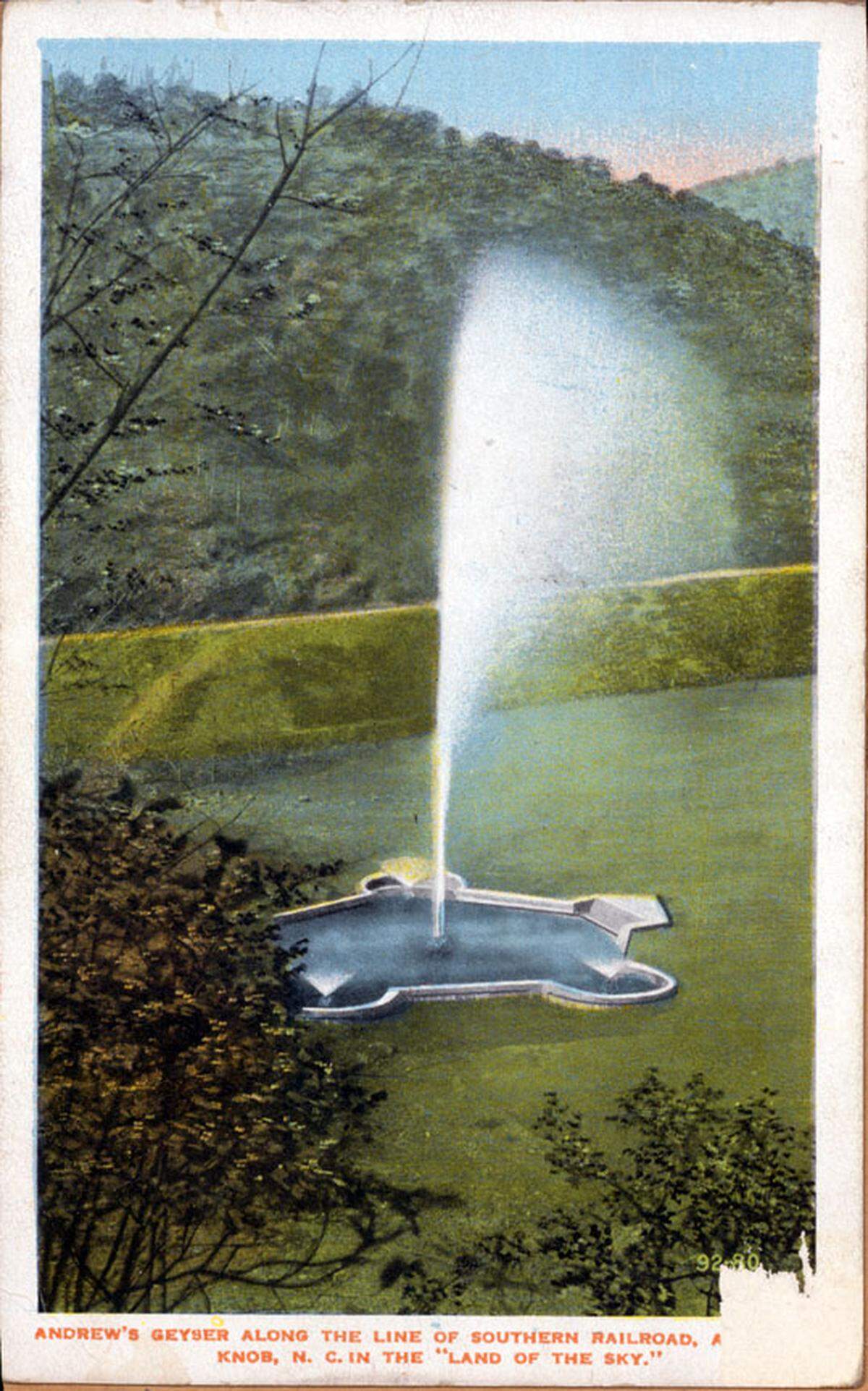
Steve Little recalls the first time he saw the geyser during summer camp at nearby Ridgecrest in 1966. On a field trip down the mountain to look for arrowhead plants, campers came to the clearing, where saplings and bushes obscured the fountain itself.
“You could see water shooting up above all the stuff, the clutter, and I thought, ‘What in the world?’” Little said. “Just amazing.”
Little, a lawyer and the longtime mayor of nearby Marion, was so taken with the geyser that he wrote a book about it. For years before Helene, he says, he was worried something might happen to the pipe that feeds the geyser and that McDowell County would lose one of its main attractions.
Snypes, who served as mayor for 1 1/2 years before stepping down this month, said the geyser and the surrounding park are important to town residents. An aerial photo of the fountain in pre-Helene days tops the town’s Facebook page.
“It’s a beautiful, beautiful area,” Snypes says. “And the geyser is intriguing to watch.”
Will Andrews Geyser be restored?
Old Fort saved the geyser once before. By the time Southern Railway stopped running passenger trains up the mountain to Asheville in 1975, the geyser pipe had broken, and its concrete pool was full of mud. The railroad agreed to deed the property to the town, which got the water flowing again the next year.
It’s not clear how much it will cost to restore the geyser this time. The town estimates it could be a couple million dollars, but that’s before it knows the extent of the damage or the strategy for repairing it, Snypes said. One possibility is finding a new water source closer to the fountain.
Old Fort hopes to get help with repairs from the Federal Emergency Management Agency. The geyser is on the town’s list of FEMA projects, Snypes said.
“This is not a priority, because we are still replacing streets and infrastructure that is a necessity,” she said. “But it is on the scope of work to be done in the future, and there is some talk being generated about it now from FEMA, so hopefully it will be sooner than later.”