Swannanoa Tunnel may be hidden, but not the wrenching story of how it was built
AI-generated summary reviewed by our newsroom.
- NC used prison labor, mostly Black men (and some women), to first build Swannanoa Tunnel
- About 3,000–3,500 inmates worked the railroad under coerced, harsh conditions.
- RAIL Project and memorials document abuses and at least 139 deaths.
READ MORE
Silenced NC railroad restored
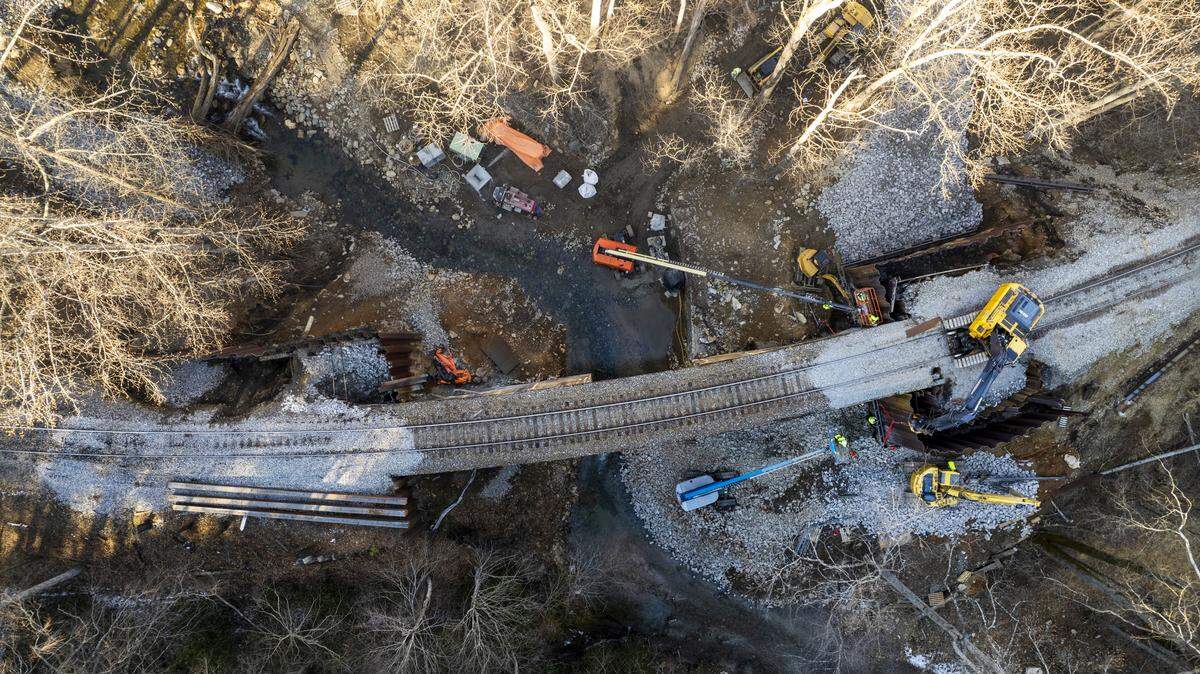
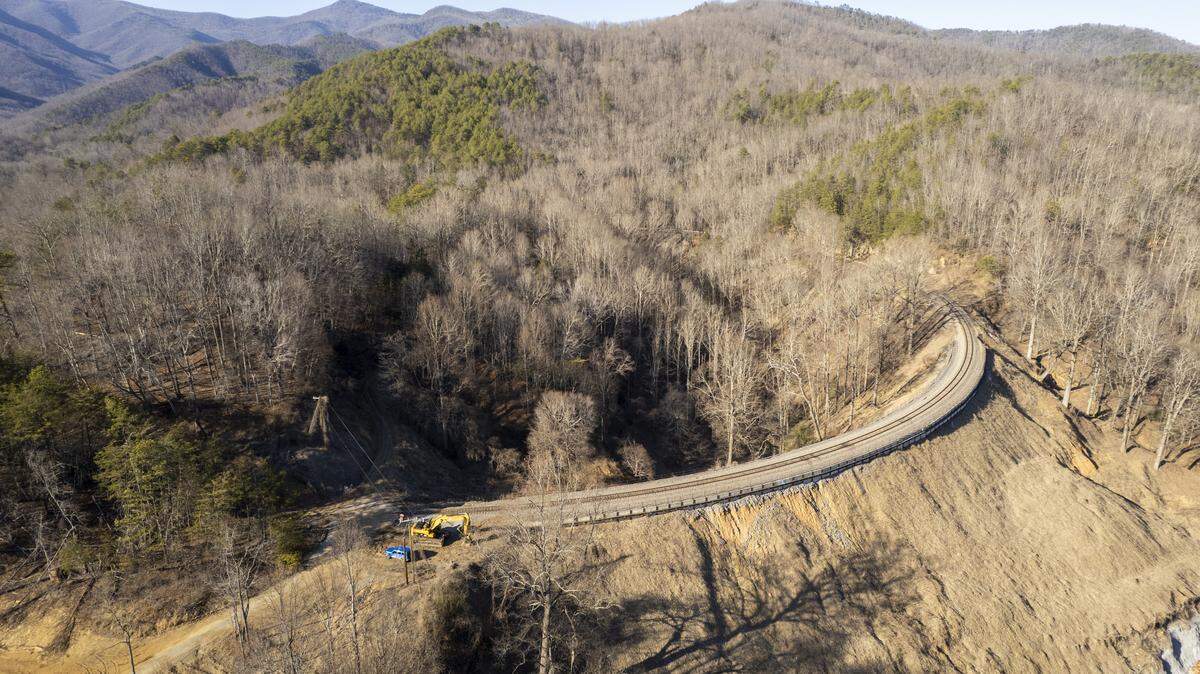
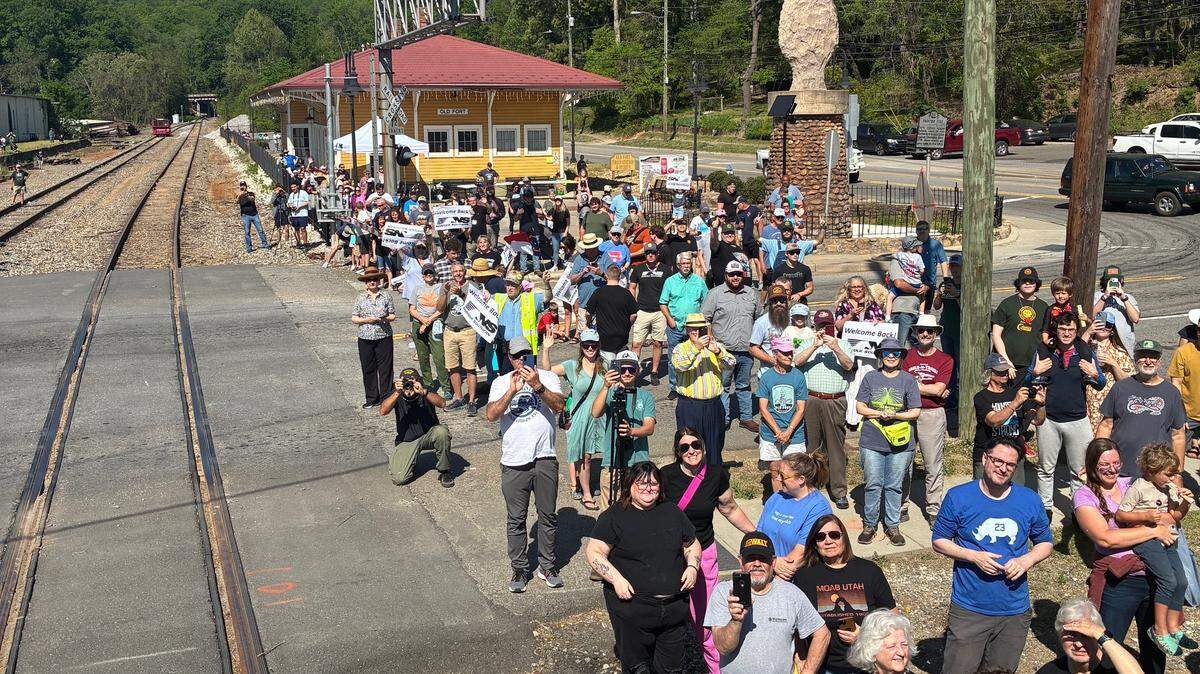
The remnants of Hurricane Helene demolished tracks belonging to three railroads in Western North Carolina in 2024. Soon, trains will travel again on the last 15 miles of track to be restored. This is the story of how the Norfolk Southern railroad line known as the Old Fort Loops was built 145 years ago and is now rebuilt after the destructive storm.
Expand All
Just after Interstate 40 climbs the Blue Ridge Mountains into Buncombe County, it passes over a 147-year-old railroad tunnel that few people on the highway even know exists.
Fewer still know the abuse and suffering it took to build the tunnel or the state of North Carolina’s role in it.
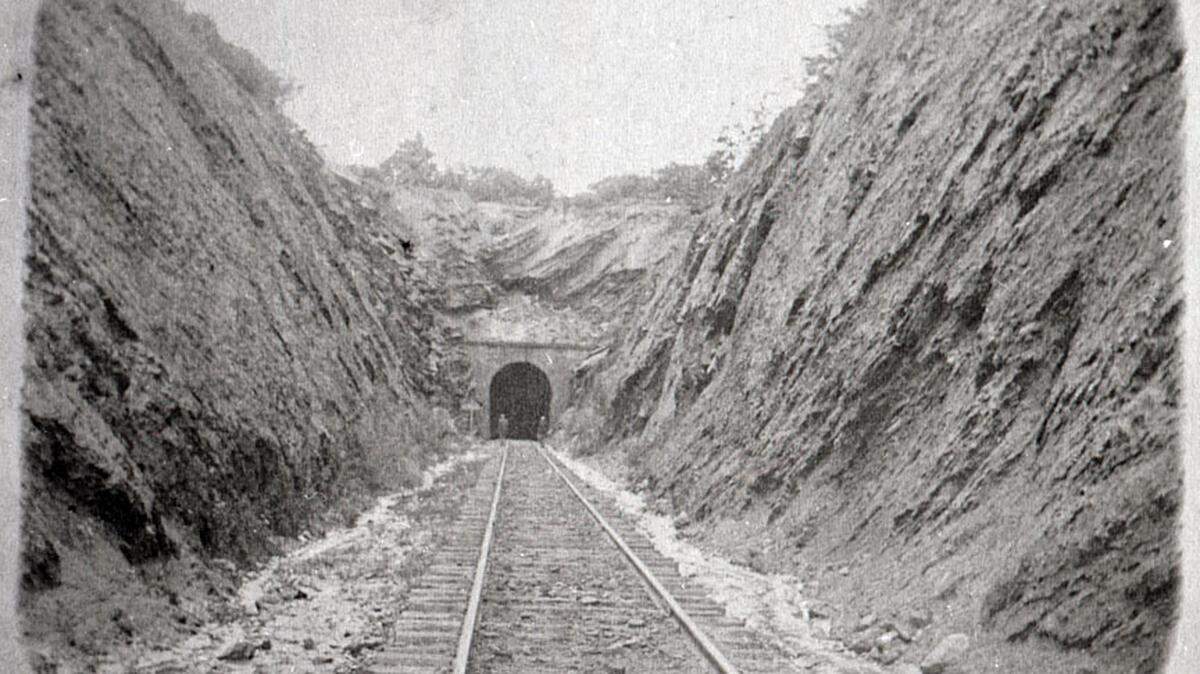
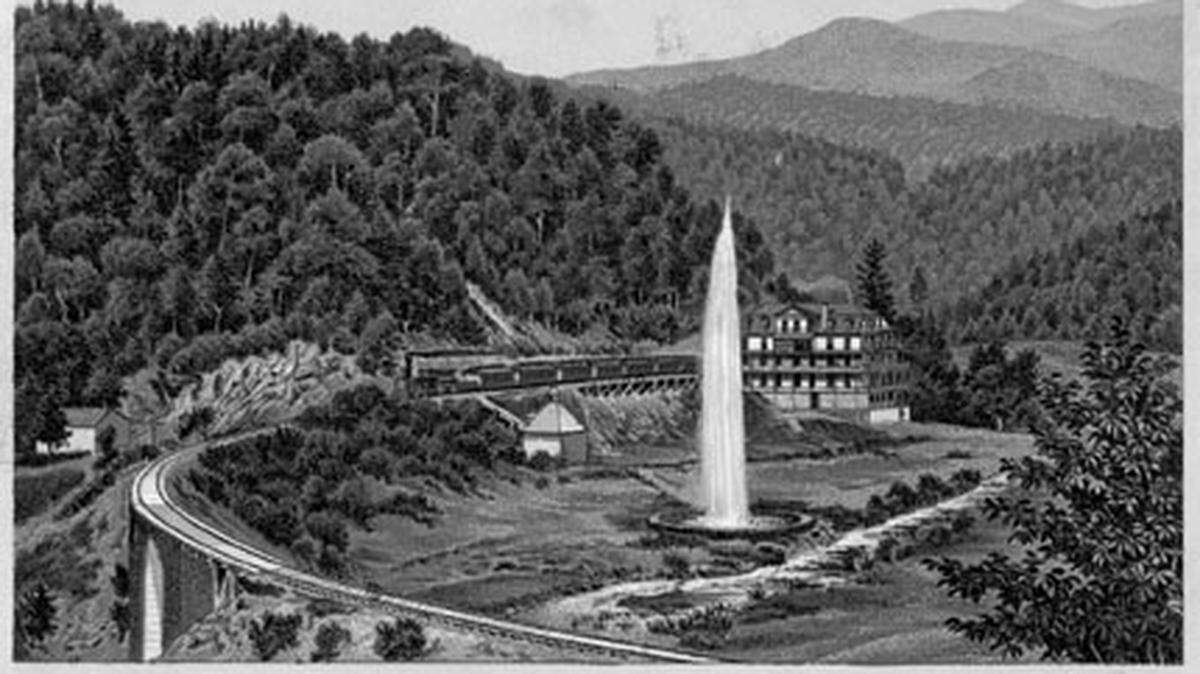
The 1,832-foot Swannanoa Tunnel is the longest of seven built by the Western North Carolina Railroad in the 1870s along the looping path up into the mountains. A state highway historic marker erected in 1955 only hints at the story with the phrase, “Constructed by convict labor.”
“That just always bothered me that there was no real acknowledgement,” says Dan Pierce, a retired history professor at UNC-Asheville. “Just thinking about what it took to build that railroad and the human cost and how these people were treated.”
As early as 1837, North Carolina lawmakers had set a goal of building a railroad from one end of the state to the other. Twenty years later, they got behind a plan to build a branch line from Salisbury up through Swannanoa Gap and Asheville toward Tennessee.
Construction was slowed, first by the Civil War, then an embezzlement scandal. By 1874, the North Carolina Western Railroad Company was bankrupt, its tracks ending at the base of the Blue Ridge near Old Fort.
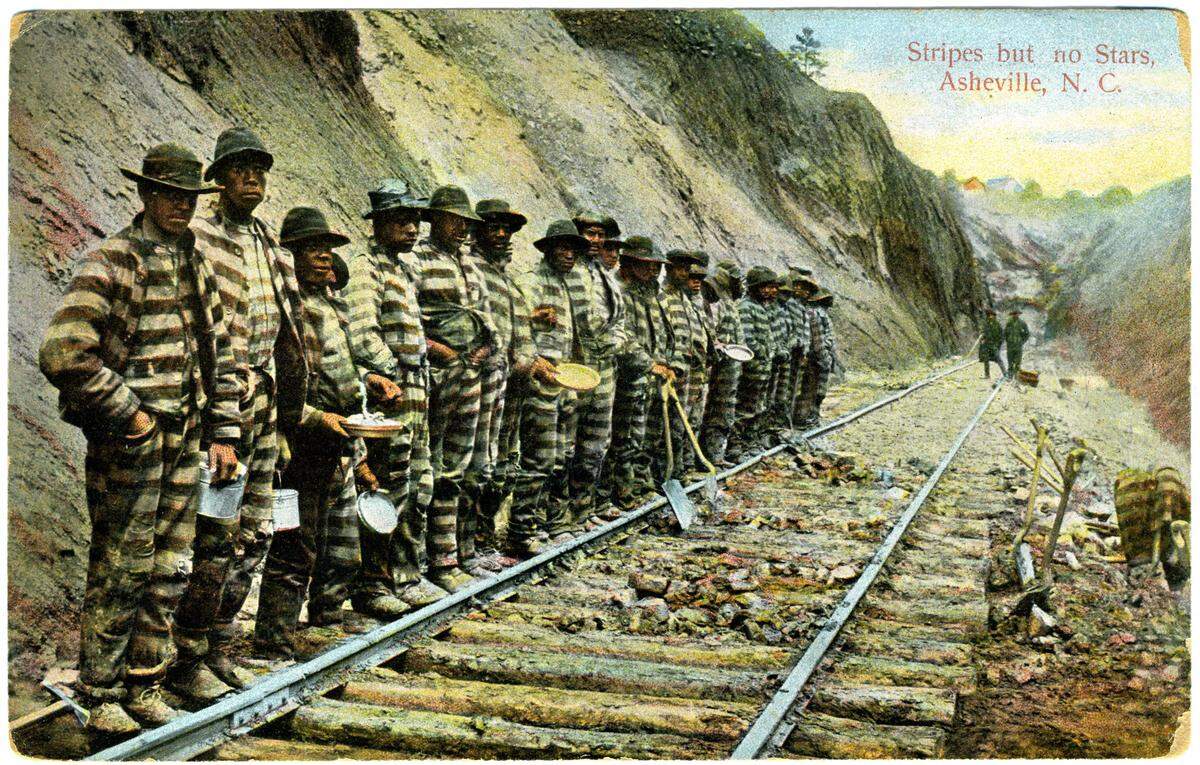
Lawmakers directed the state to buy the bankrupt railroad at auction the next year. Then, looking for a way to get the work done and without spending much money, they authorized the state penitentiary to begin shipping inmates to the mountains. The first 35 left Raleigh in October 1875, chained together in boxcars.
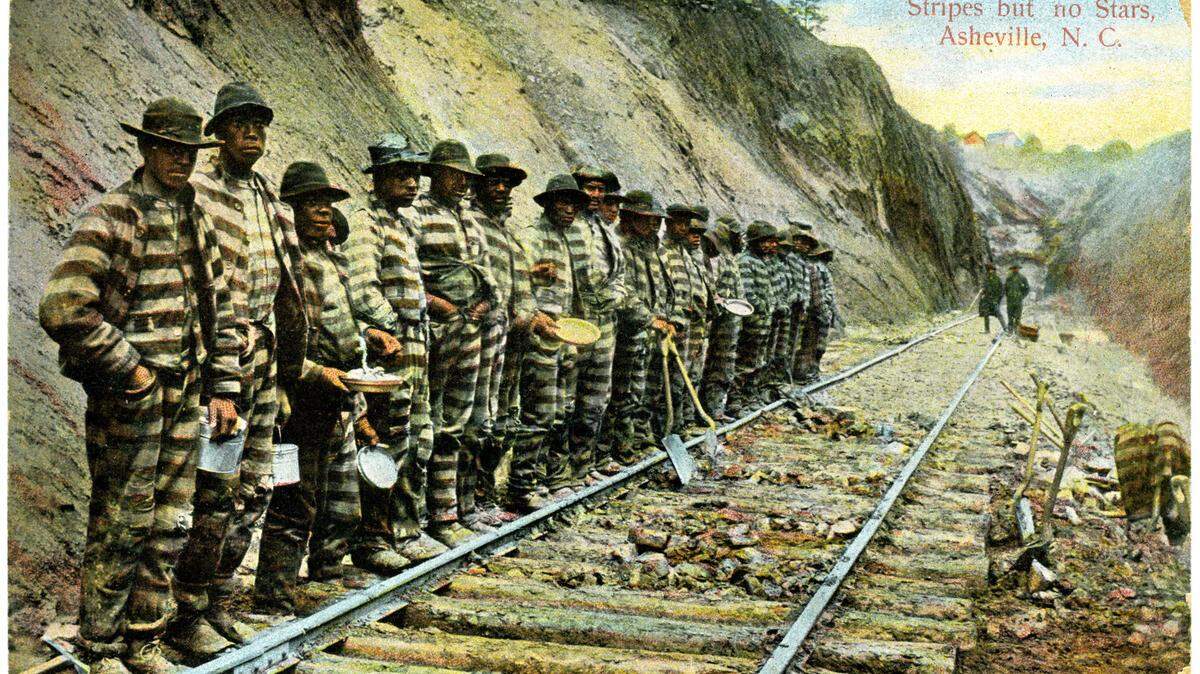
Their initial task was to build the first of several stockades in which they and those who followed would live as they felled trees, blasted tunnels, filled ravines and laid rails. Over four years, an estimated 3,000 to 3,500 inmates, mostly Black men and some women, were sent west to work on the railroad, costing the state only what it took to feed, clothe and guard them.
The use of Black prisoners for labor was an extension of the system of slavery that had been abolished only a decade earlier. When the railroad builders needed workers, local sheriffs were instructed to round up more men, often on made-up charges of vagrancy or larceny, Pierce said.
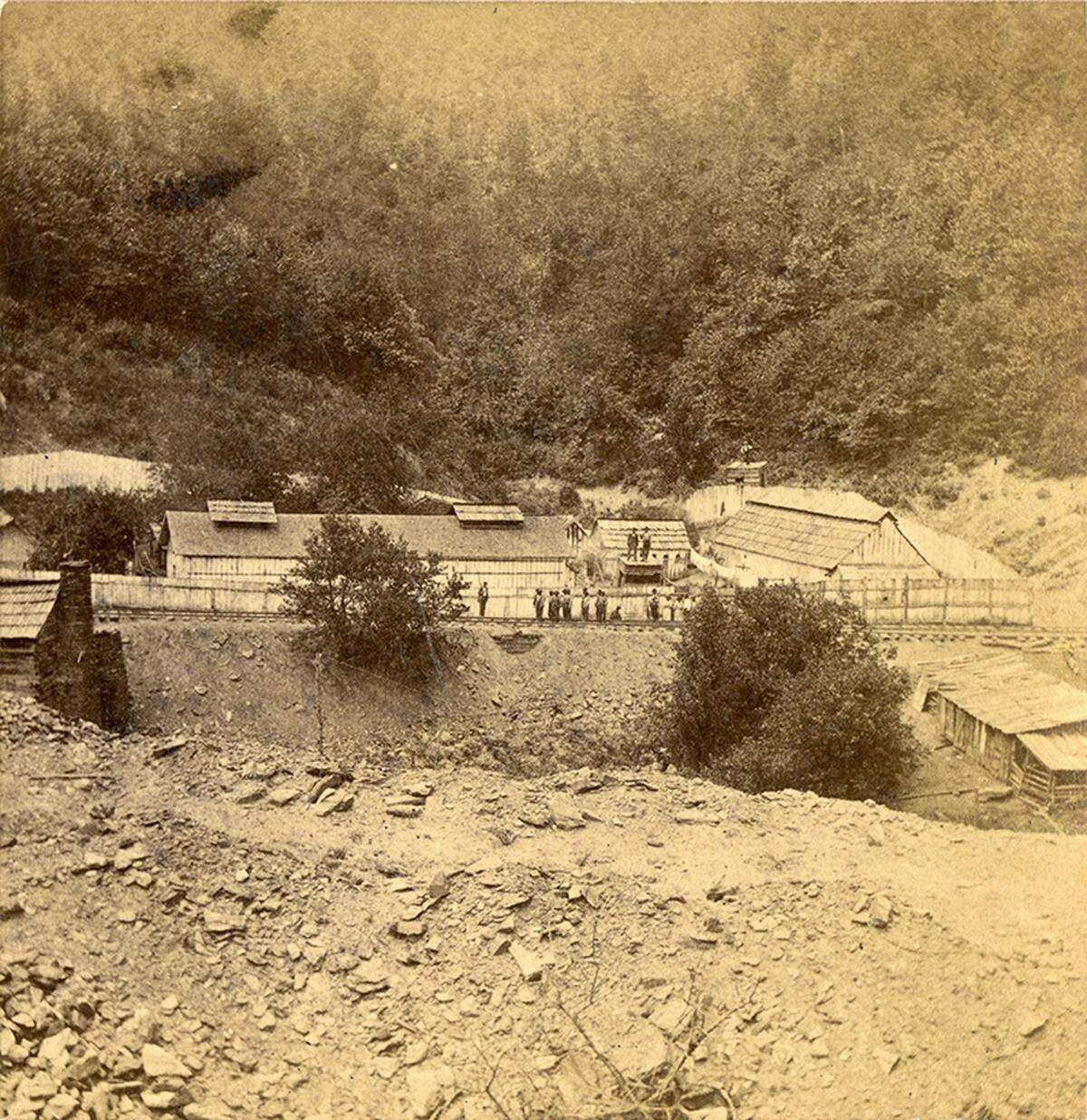
“We found articles from the period that basically said, ‘We’re building this railroad, need to get it done, we got about 500 convicts in the camp, but we need many more. Local prosecutors have been notified,’” Pierce said.
Judges were encouraged to sentence men to hard labor on the railroad, said Steve Little, a lawyer and longtime mayor of Marion who has researched and written about the railroad.
“This wasn’t a wink and a nod,” Little said. “This was publicly stated.”
In 2020, Little and Pierce began an effort to acknowledge and publicize the story of the prison laborers. The Railroad and Incarcerated Labor or RAIL Project pulled together research and created a website, historical displays and two stone memorials, one specifically to inmates who died working on the railroad.
At least 139 died from disease, accidents or while trying to escape. But state records are incomplete, and the toll was likely much higher, Little, Pierce and other researchers say. It’s thought most were buried in unmarked graves along the railroad.
Dragging a locomotive up the stage coach road
Some of those men died digging the Swannanoa Tunnel. Oral histories put the number at 19, Little said, but again records are incomplete. The widely recorded folk song “Swannanoa Tunnel” begins with a reference to a cave-in.
Little said the cave-in followed an almost inconceivable feat not mentioned in the song: the dragging of a locomotive up and over the top of the mountain by hand to aid in construction.
The project engineer and superintendent, James Wilson, decided the building of the tunnel would go faster if men could work from both ends. To help remove blasted rock, Wilson used hundreds of prisoners and teams of oxen to haul a 12-ton steam locomotive up the old stage road on rails spiked into the ground, then lower it to the tunnel entrance on the far side.
Blasting and digging from both sides, the workers met on March 11, 1879. Wilson sent a telegram to Zebulon Vance, who had strongly backed the railroad as governor and only days earlier became a U.S. Senator. Little says it read: “Daylight entered Buncombe County today through Swannanoa Tunnel. Grade and centers meet exactly.”
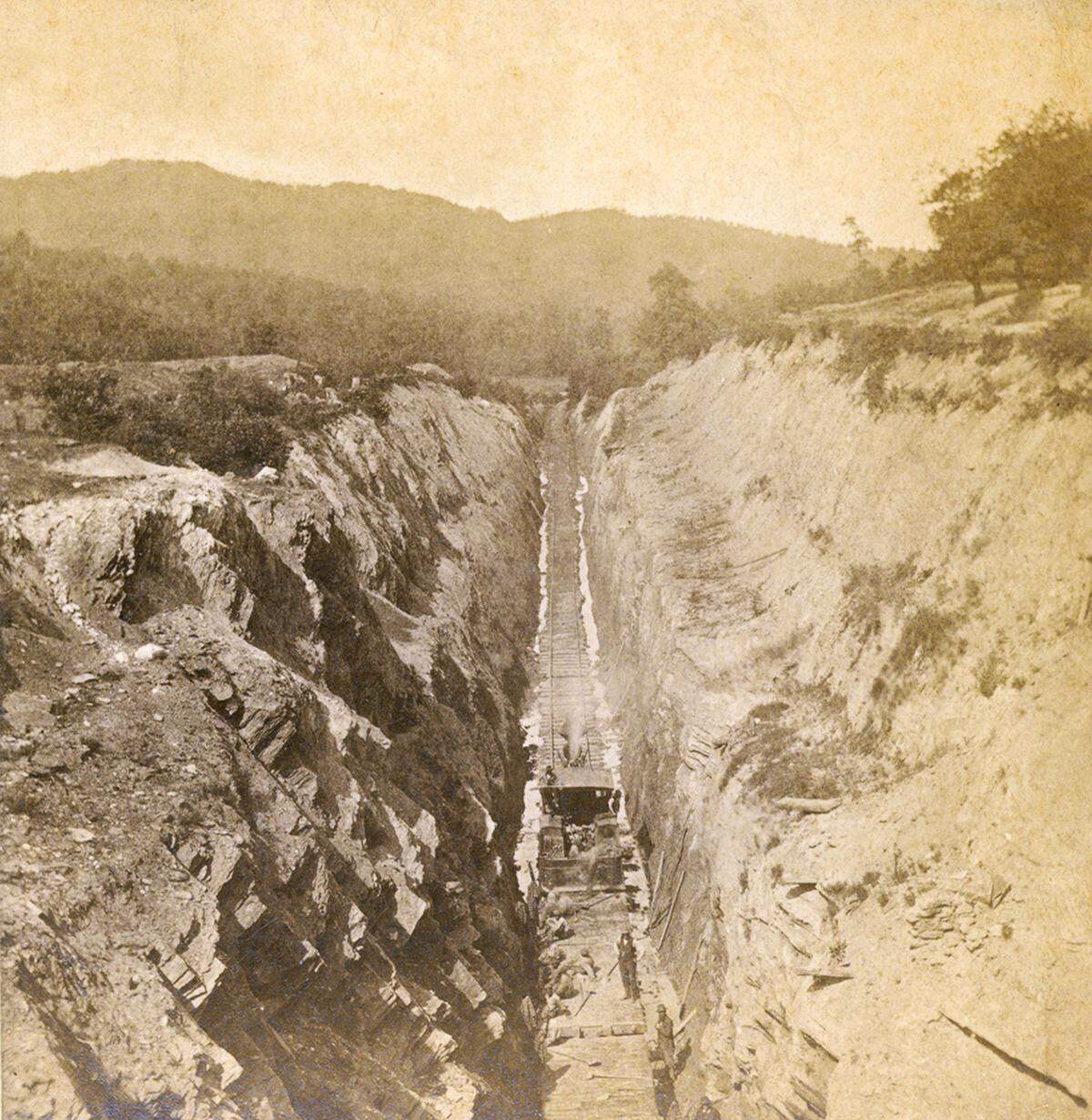
The Swannanoa Tunnel and six others in the area are still used by Norfolk Southern freight trains and are a candidate for Amtrak passenger trains to Asheville. Flooding and landslides caused by the remnants of Hurricane Helene in September 2024 badly damaged this section of railroad, but the tunnels remained unscathed.
Before The RAIL Project, Pierce and Little say few people had any idea who built the railroad that changed the history of Western North Carolina.
“It’s part of who we are. It’s part of our culture,” Little said. “We need to appreciate what we have attained because of that railroad. It opened up Western North Carolina.”