Black families built these Wake County schools. Now that history is being preserved.
READ MORE
Preserving NC’s Black history
Here is The News & Observer’s ongoing coverage of efforts to preserve buildings and sites to share the history of Black people in North Carolina.
Expand All
Former students and the daughter of beloved Holly Springs teachers remembered the schools that gave Black students an education for nearly half a century and the dedicated principal who always advised to “do your best.”
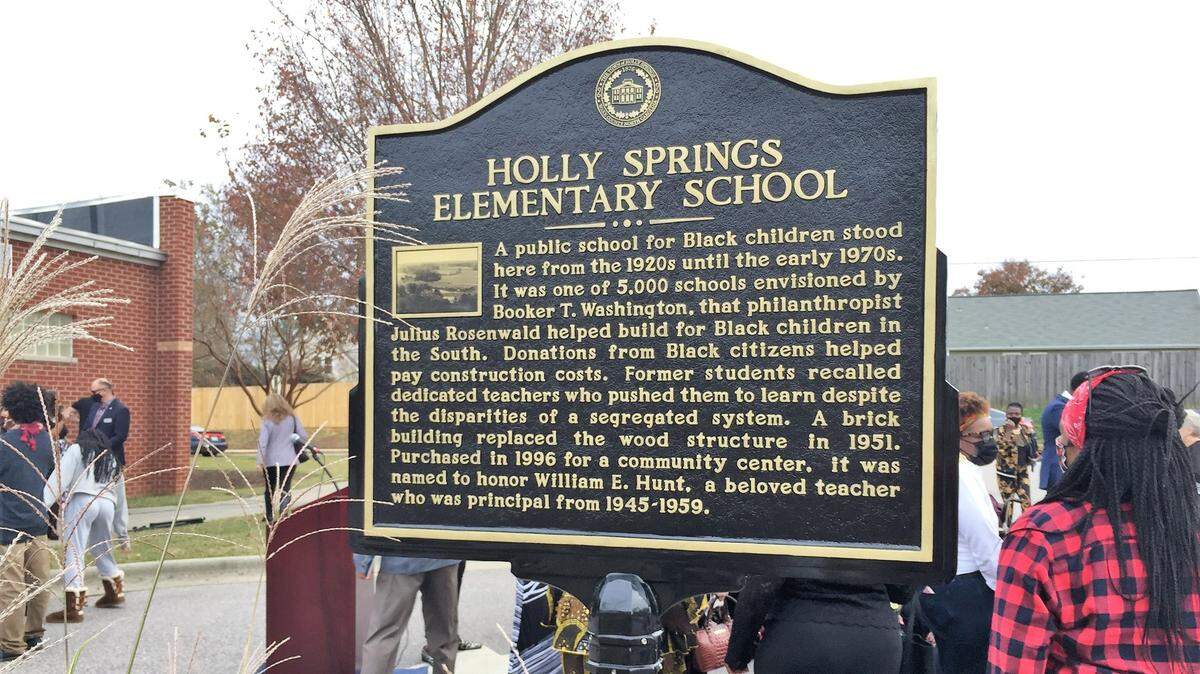
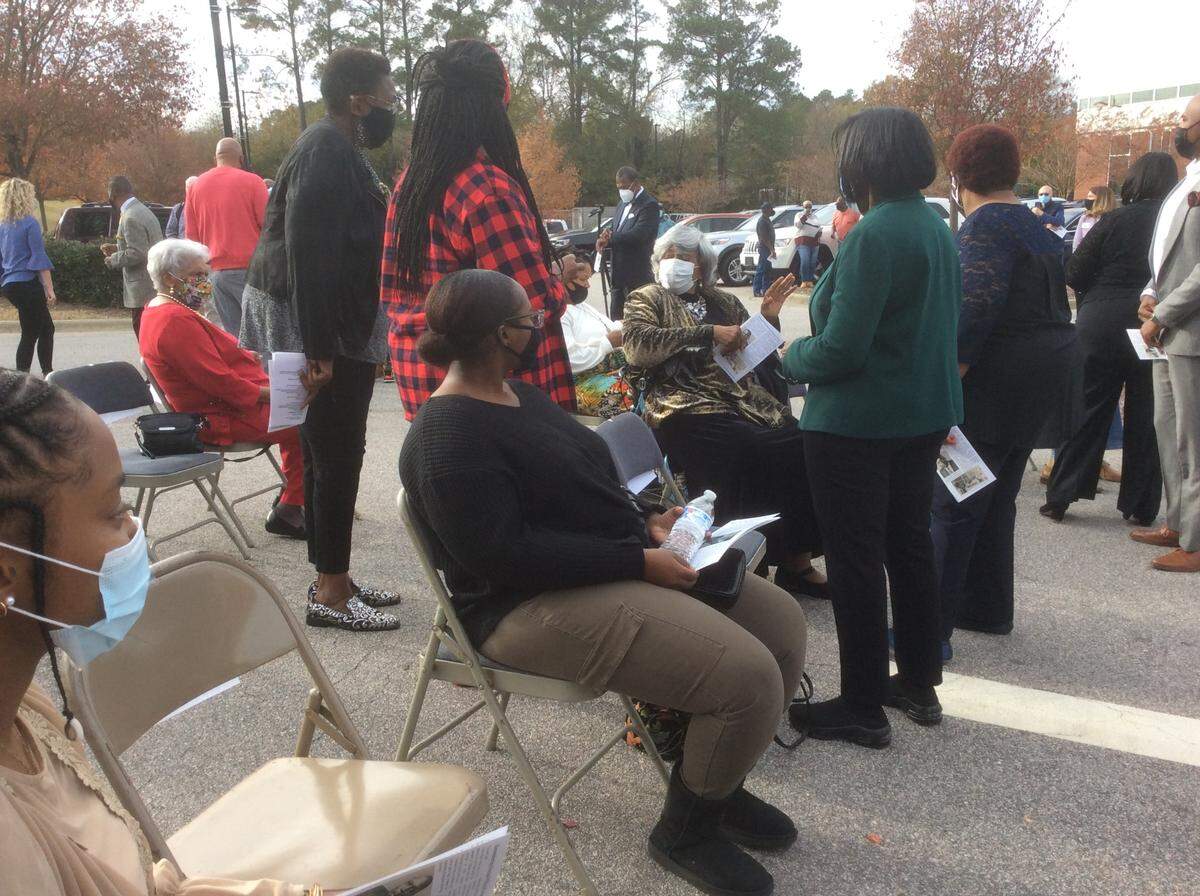
Ann Hunt Smith, daughter of former Holly Springs Elementary School Principal William E. Hunt, told the story of her father’s dedication to his family and his school before a marker to the former school was unveiled Sunday outside the W.E. Hunt Recreation Center on Stinson Avenue.
“Here’s what my daddy would say,” Hunt Smith said as she led the crowd in an African American spiritual. “Do your best, whenever you can. You gotta bring some peace to this troubled land. Keep your hand on that plow. Hold on. Hold on.”
The community, which once was predominantly African American, is growing more diverse as people move in from other parts of the state and the country, former Holly Springs Elementary School student Deborah Beckwith said.
U.S. Census data shows the town quadrupled its population in the last 20 years to more than 40,000 residents, but the percentage of Black residents fell from 22.24% to 12.63%. The town now is over 78% white.
That makes it all the more important to have the marker so future generations can remember, she said.
“We don’t want it forgotten what Holly Springs was,” Deborah Beckwith said. “We don’t want Black people forgotten or the Black history or the heritage there.”
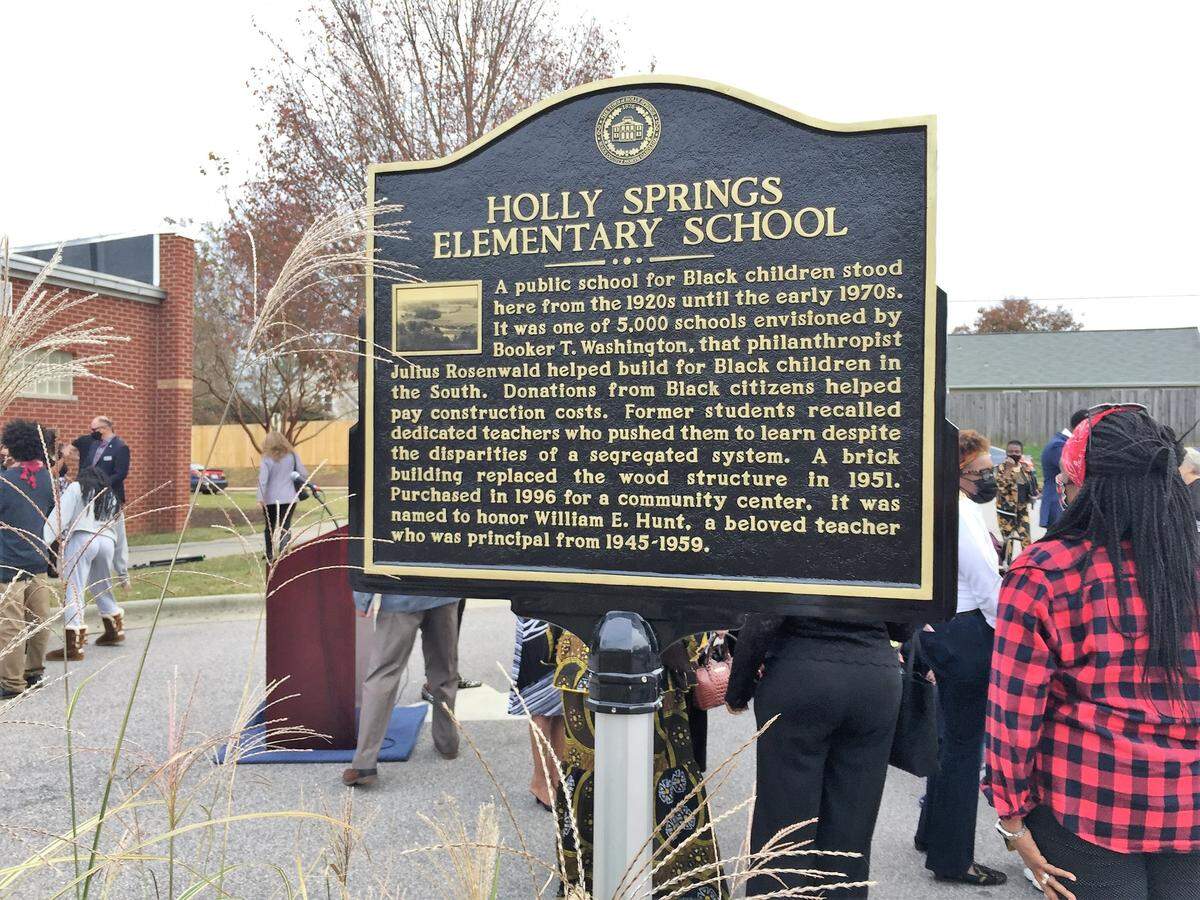
Many alumni attending the event on Sunday hadn’t seen each other in 50 years, said Doris Battle, a former student who researched the schools’ history and advocated for the marker.
It “was a great time to come together,” she said, and they have shared fond stories of their time together and the teachers who made it memorable.
“Everybody I’ve talked to, I think they had the same story. It was just a fun time to learn. We didn’t realize that it was, because the teachers didn’t play, because it was all about learning,” Battle said.
The dedication event can be seen on YouTube at youtu.be/iOc2ZAhOXyQ.
Rosenwald School for black students
Holly Springs Elementary began as a Rosenwald School in 1924 when Black Americans were not allowed to attend white schools, and many Black residents of North Carolina didn’t know how to read.
The school’s namesake — Julius Rosenwald, president of Sears, Roebuck and Co. — was inspired by Booker T. Washington to set up a fund that built schools, publishing houses and other public buildings over roughly 30 years.
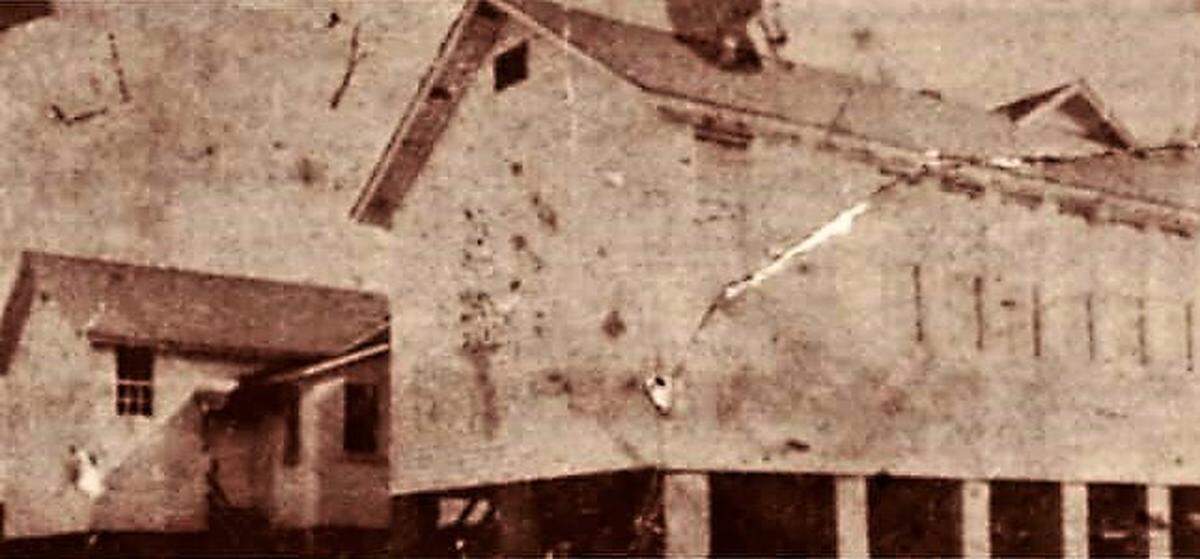
Each community had to provide matching funds for its school’s construction. The Holly Springs community also raised the money to buy the land from the Earp family, Battle said.
The Rosenwald School, one of 21 built in Wake County, replaced classes for Black students that had been held in a Masonic lodge and local churches, according to a history of the town.
The “plank school,” as it was known locally, had four classrooms, an auditorium, and no indoor plumbing. Students kept the school clean, and the boys would fire up the stoves in their classroom each morning with wood and coal gathered the previous day. The fire had to be stoked to keep it going, said former student George Kimble.
They would start the day with the Pledge of Allegiance, the Lord’s Prayer, a Bible verse and the song, “Good Morning to You,” he said. Lunch was typically from a bag, because there wasn’t a cafeteria, he said.
On Fridays, students with a few pennies could give their money to the teacher, and two students would go to Ernie Brewer’s store to pick up apples, oranges and other snacks.
“If you had a quarter, you were rich,” Kimble said, “but that quarter was as hard to get back then as $50 today.”
New Holly Springs school
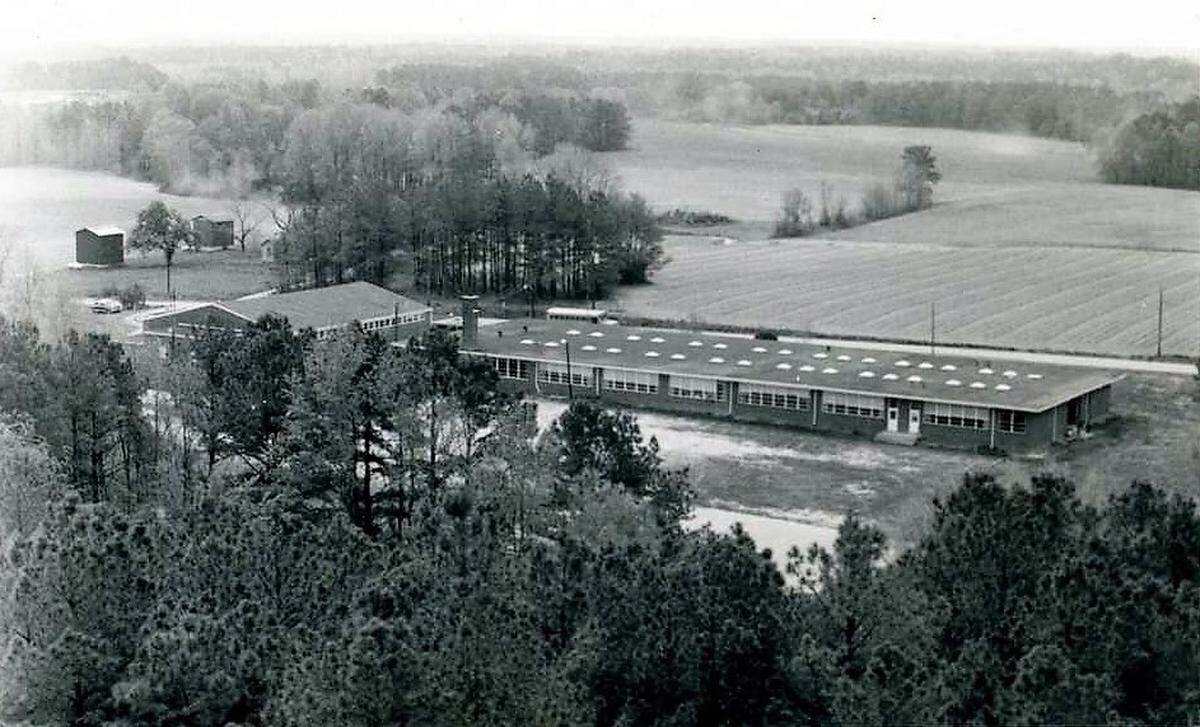
In 1951, the school was replaced with a two-story, brick school with indoor plumbing. The plank school was demolished in 1955 to add classrooms, a gym and a cafeteria.
Students who misbehaved had to shovel coal in the morning, Furman Beckwith said.
“We had steam heat,” he said. “You had to go down in the morning and help the janitor shovel coal into the furnace to get the heat going.”
High school students were bused to consolidated schools in Apex and then-Fuquay Springs, and the elementary school continued to serve younger students until it closed in the 1970s.
The former gym and cafeteria have since been incorporated into the town’s recreation center, named for Hunt, the teacher who served as principal from 1945 until his death in 1959.
Sunday’s event honored Hunt and Parish “Ham” Womble, who was a student at both schools and was instrumental with others in naming the town’s recreation center for Hunt.
Womble, who died in 2018, also served as a Holly Springs town council member and mayor for many years.
Teachers, principal remembered
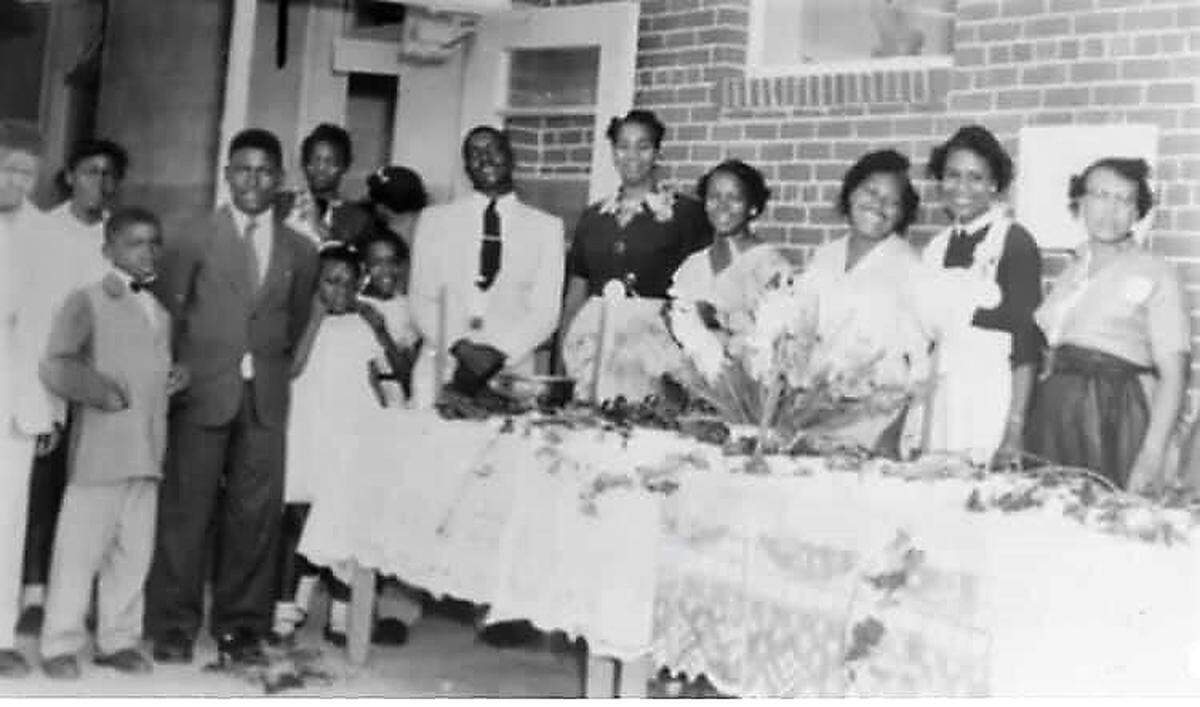
The Hunts lived in Raleigh, but Principal Hunt would stay in a rooming house in Holly Springs during the week, Battle said. He would visit families who relied on their children to help with farming, hoping to encourage them to come to school, she said.
A disciplinarian who carried a long switch, Hunt also was fair and a strong education advocate, former students said.
Hunt “was a man amongst men,” Kimble said. “He loved history. He had a way of making you learn. And he had a way — if you tried to get up and act like you know something you don’t know — he had a way of sitting you down.”
Hunt’s wife Carol Hunt also was a teacher who cared deeply for students, Deborah Beckwith said.
She was the teacher’s pet, and because of her “beautiful penmanship,” Mrs. Hunt would ask her to write things for the class and her bulletin boards, Deborah Beckwith said. One summer, Mrs. Hunt paid for her to attend camp, because her parents, who had 10 children, could not afford it, she said.
“I loved her to death,” she said.
African American community, businesses
Outside of school, students grew up in a community that had many Black-owned businesses and close-knit families and neighbors, Deborah Beckwith said.
The school’s teachers lived in the community, as well, and attended church with their students. They would reach out to their parents if there was an issue, former students said.
“The teachers were very good teachers then. They made you do what you needed to do. They cared about you, they took care of you,” Deborah Beckwith said.
Their education wasn’t equal to what white students were receiving in their schools — from the second-hand books to the used buses — but their teachers made sure it was just as good. Former students said they recalled field trips, May Day celebrations, weekly plays and spelling bees on Fridays.
“It was what we had. We made the best of it, and it served us well,” Furman Beckwith said.
Holly Springs Elementary did have better food than the white school, Battle said, laughing.
“We would get big quantities of food, and the food was just good,” she said. “Everything was homecooked.”
The ceremony would have been the highlight of his father’s 82nd birthday, Parish Womble Jr. said. He recalled how there was not a school in Holly Springs when he and his sister were students and how his father recognized the need. The town now has six schools, he said.
“At the end of the day ... all we have (are) our memories, our histories and the love that we have for the people that meant something to us. What’s better than that?” Womble said.
This story was originally published November 22, 2020 at 5:02 PM.