From reams of handwritten wills and slave transactions come stories of NC’s Black history
READ MORE
Preserving NC’s Black history
Here is The News & Observer’s ongoing coverage of efforts to preserve buildings and sites to share the history of Black people in North Carolina.
Expand All
Henry Harris was a free man of Black and Indigenous heritage when he was charged in 1834 with stealing a chicken in Orange County.
It was just three years after Nat Turner’s deadly rebellion of enslaved people in Virginia, and a pamphlet about a second rebellion was circulating across the South, making white slaveholders fearful and suspicious, and inciting violence against enslaved and free people of color. Southern states passed new laws that further limited who people of color could be and how they could live.
In Orange County, a petition claimed residents were organizing a rebellion at Buck Quarter Creek, long a community of free Black and Indigenous people. To the east lay Hardscrabble Plantation, one of several large plantations enslaving thousands of people between Hillsborough and Durham.
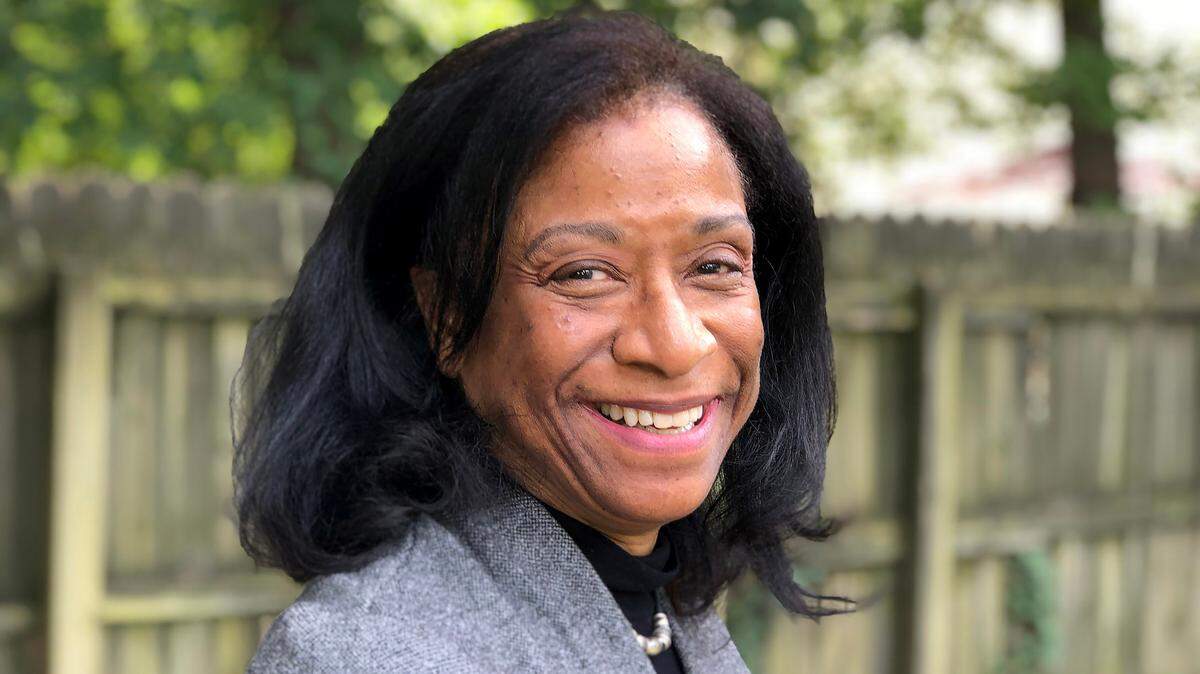
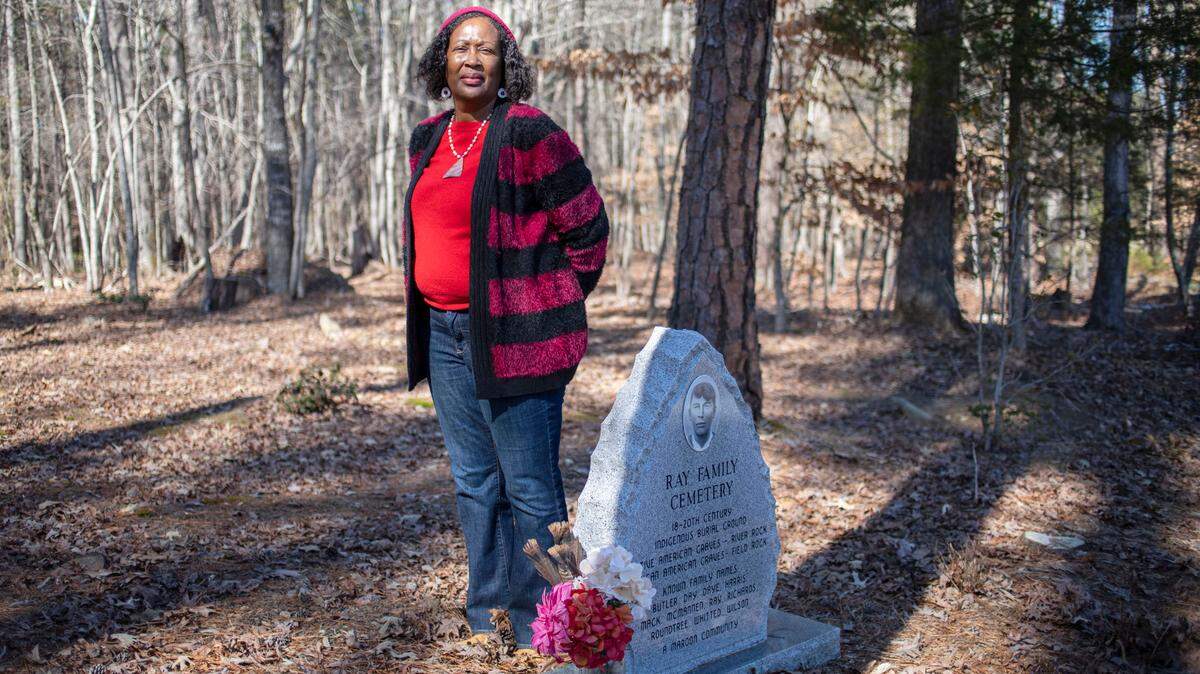
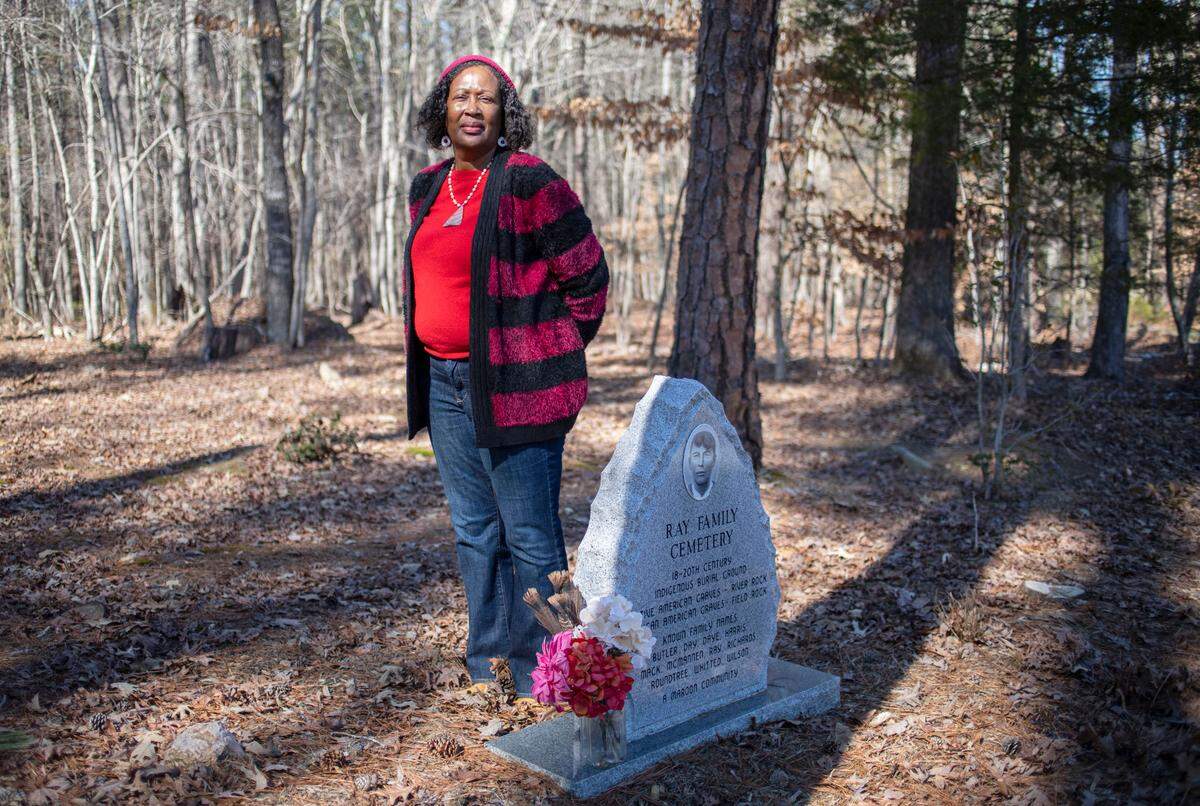
Harris may have been distributing pamphlets about the rumored rebellion, said Beverly Scarlett, a distant niece of Harris and a retired District Court judge who still lives in Buck Quarter.
“That man had no need to steal chickens,” Scarlett said. “I think they were trying to arrest him, so they could search him for those pamphlets, and they probably never found any on his person.”
Harris was acquitted, but as a free man, he could not show papers from his “master” proving he was not a runaway slave. After a year in jail and facing the auction block, he set fire to the building and fled, but was later caught, convicted of arson, and sentenced to die.
That might not be where the story ends, said Scarlett, who worked with Orange County Register of Deeds Mark Chilton to recover bits of court records about Harris from the State Archives in Raleigh. He escaped, she said, and probably hid in Buck Quarter, where his family would have helped him live free.
Enslaved, Indigenous names recorded
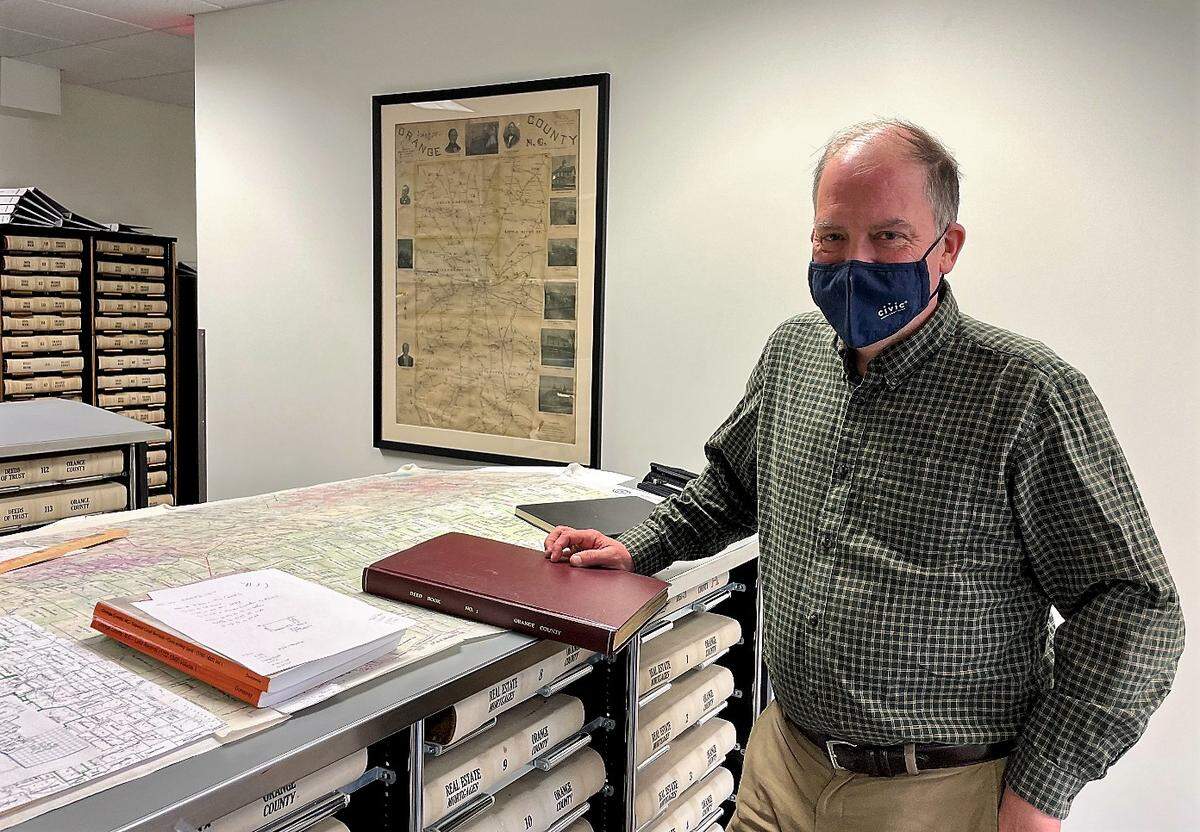
A lot of “great and important” stories have yet to be told about Orange County’s Black and Indigenous people, said Chilton, who worked with college interns and staff to catalog 24,000 pages of hand-written deeds, wills and slave transactions, from 1752 to 1870.
Another roughly 24,000 pages remain, including the Reconstruction period after the Civil War, he said, but so far, they’ve found over 4,000 enslaved people living in Orange County, and over 1,000 enslaved people who had been sold. It’s a fraction of the 100,000 to over 300,000 enslaved people reported in North Carolina from 1790 to 1860, Census records showed.
Chilton has been cross-referencing the names, revealing details he says show how common it was for people of color to be targeted, injured or killed. He continues to post about the work and their findings on an online blog.
It’s part of acknowledging the harm that white people did to people of color, he said.
“If we can’t acknowledge the extent of what happened, then I just don’t see any way that any of us can hope for our country to move past some of that,” Chilton said.
Scarlett agreed, and praised Chilton for his determination.
“He followed it to the end, and I am so grateful, because for me, knowing that these are my people, I get to the point that I have to shut down just to remain calm, and he just continued plugging away ... until he was able to do his blogs, which I think are priceless,” Scarlett said.
Free children put into apprenticeships
Chilton also made a surprising discovery, he said: Court-ordered “apprenticeships” for about 1,400 free children of color and poor white children born out of wedlock before 1868. He has chronicled some of those records in another blog.
Apprenticeships typically started around age 5, although some children were as young as 2, Chilton said. Girls remained apprentices until they turned 18; boys until they turned 21, at which point, they got a small sum of money and a new suit of clothes.
The system was promoted as a way to care for children born out of wedlock or without a father’s guidance, and teach them a trade, Chilton said. But in 1826, the state widened the net to include all free children of color.
He thinks the goal was to destabilize and control Indigenous communities, Chilton said, noting that only 12% of the apprenticeships involved children of color before 1826. Afterward, children of color accounted for 44% of the apprenticeships.
“I can’t say what happened in every county, but I can say from looking at the records what happened in Orange County, which is that the Orange County court apparently decided that no man of color was gainfully employed, that every child of color was up for grabs, and immediately began ordering children into apprenticeships,” Chilton said.
One man of color challenged that system and won, Chilton said, referring to Zedekiah Husbands, who was apprenticed as a boy and later became a landowner and millwright.
In 1828, Husbands asked the court to let him apprentice his nephew after the boy’s master moved away. The judge decided Husbands was not a suitable replacement because of his race, and re-apprenticed the child to a white farmer named John Jones. Husbands and Jones battled in court for years, Chilton said.
“Here was this guy living in a legal system that placed him at huge disadvantages and standing up for his family and fighting in court, and ultimately winning,” Chilton said. “You look through every book on the history of Orange County, and never once is he mentioned, yet I am certain that to free people of color in his time period, he was undoubtedly a hugely important person.”
Tracing the path of ‘Maroon’ ancestors
Better records will help tell the stories of families of color, but there are still challenges because of records that don’t exist, others that hit a dead end after only five generations, and families who secreted their stories away out of fear or shame.
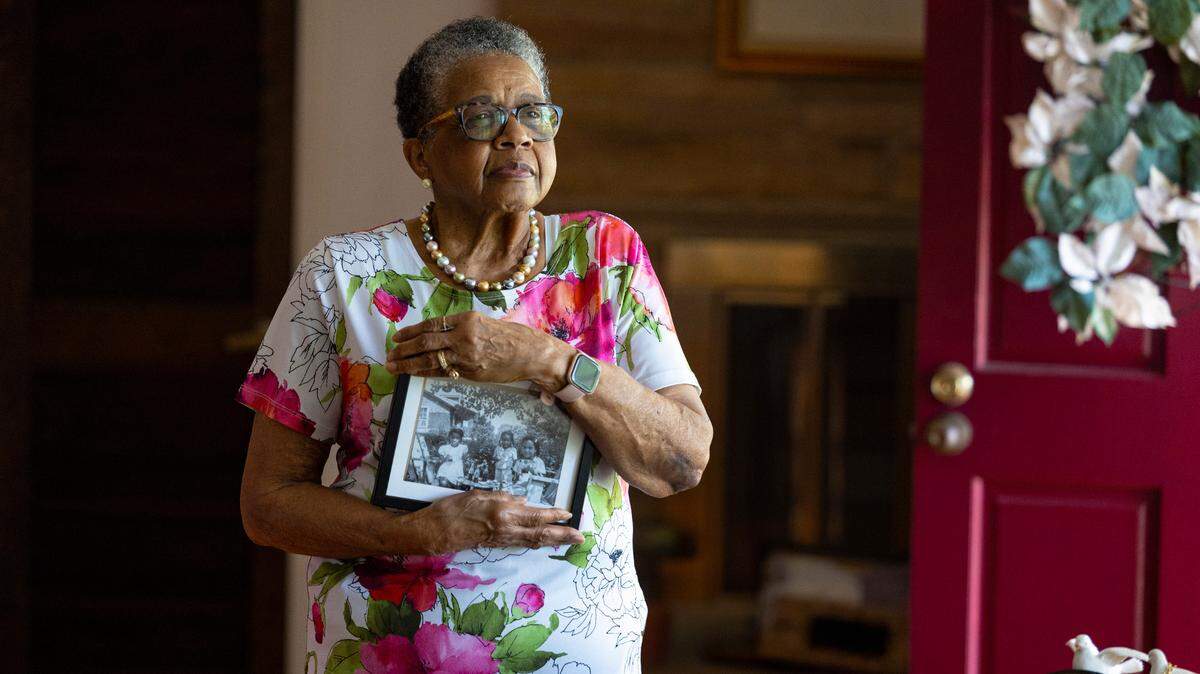
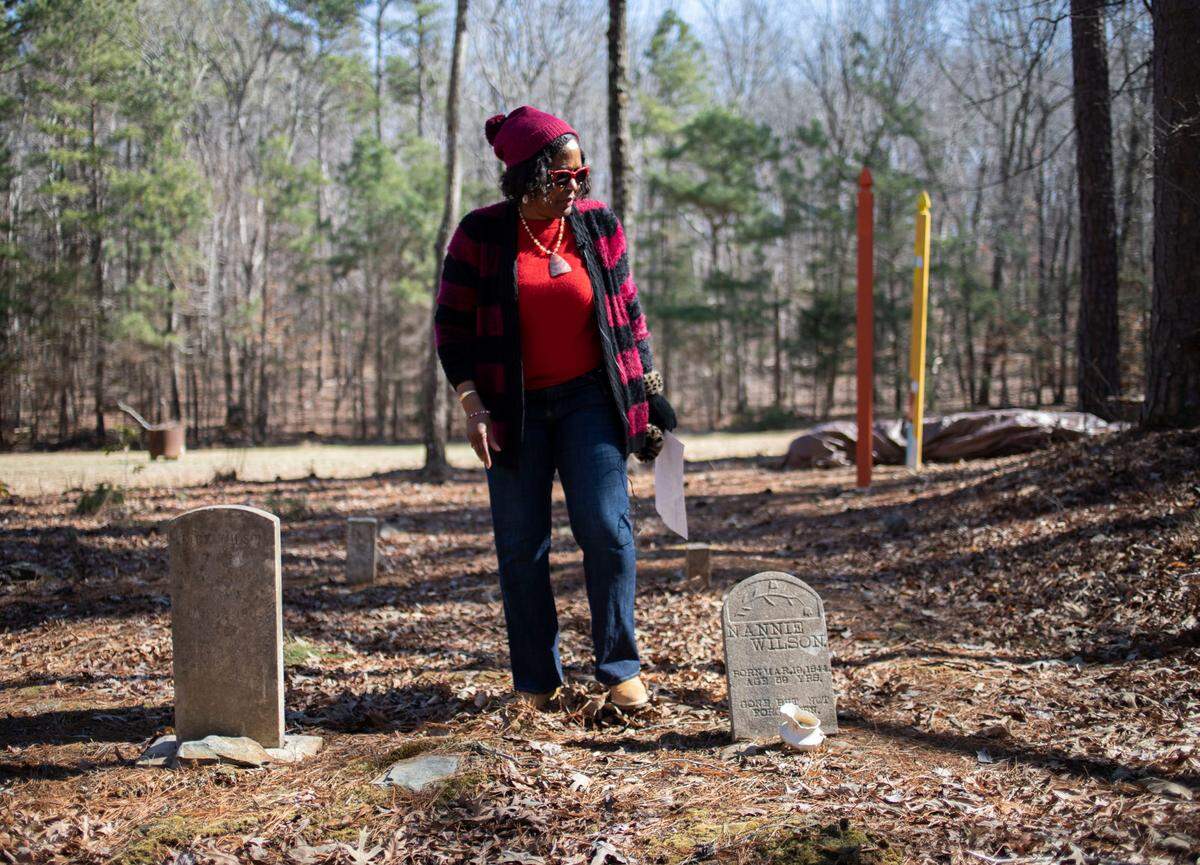
Scarlett started looking for her family’s stories in 1979, after finding a portrait of her maternal great-grandmother Sallie Ray Harris in her mother’s attic. She later used the name of the plantation where her father’s family was enslaved to find a marriage license for her great-grandfather Levi Scarlett. That revealed his mother’s name, “Bunsheba.”
But it was Chilton’s research that led to Bunsheba’s mother, Nancy, and two more children, Madison and Alfred, all of them enslaved.
“Oh my God, I started crying,” Scarlett said.
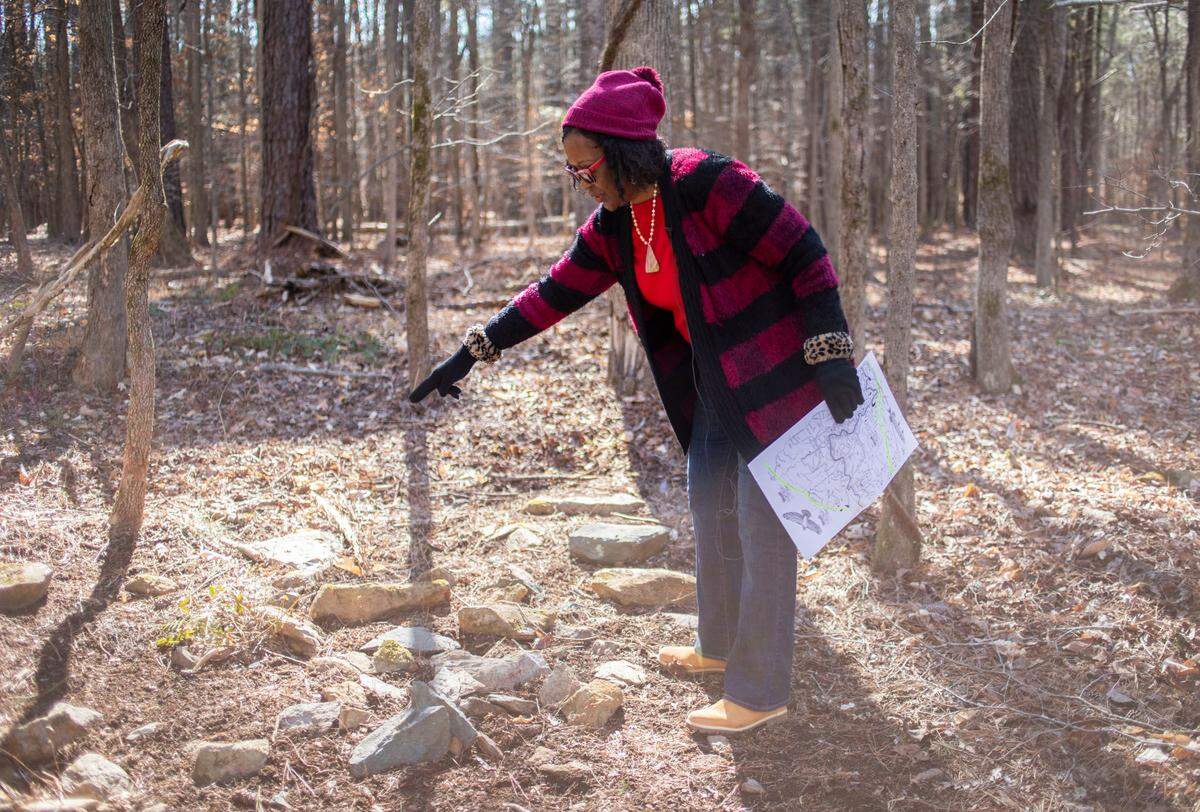
Her “Maroon” family has long lived off St. Mary’s Road, between Hillsborough and Rougemont, on a portion of the Great Trading Path that linked Indigenous villages from Virginia to Georgia.
The word “Maroon,” she said, refers to the free descendants of African and Indigenous heritage, including Caribbean slaves who rebelled against their masters in the early 1500s, before making a life with native tribes in the forests and along the rivers.
The trading paths later became a way for Black and Indigenous people, including her great-great-grandmother, to move about while avoiding scrutiny and the people who were enforcing race laws.
Her family put the portrait of Sallie Ray Harris in the attic, not because they were ashamed of her Tuscarora, Saponi and African heritage, Scarlett said, but because they were afraid it might expose them to violence.
“Or, as my mother said, we got tired of being called ‘mules,’” Scarlett said, a reference to “mulatto,” a derogatory term once used for people of multiracial ancestry.
“You just didn’t talk about it, you didn’t say anything, and wherever somebody fit you in, that’s where you went,” she said.
From slavery to life in Carrboro
Multiple generations of Nellie and Toney Strayhorn’s family recently came together to tell stories and plan the next phase of the work to preserve their Carrboro homeplace.
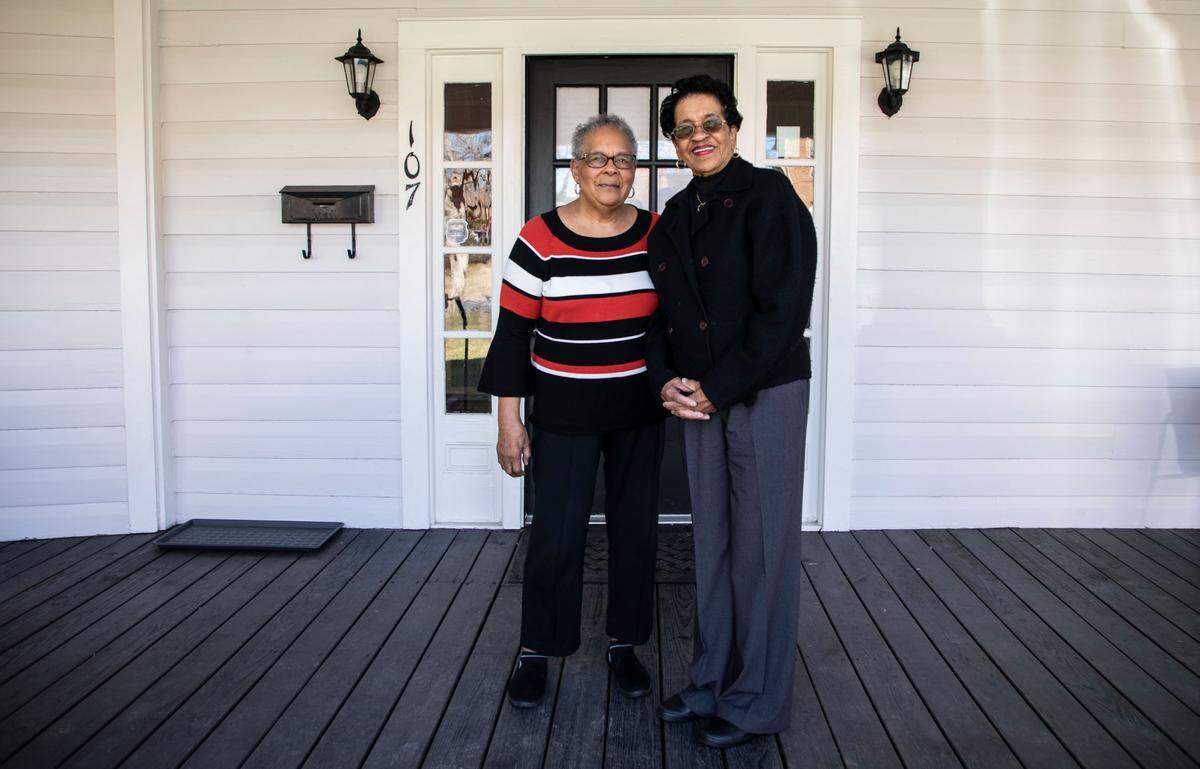
As their grandchildren sorted through photos at the kitchen table, 89-year-old Georgia McCoy Bradsher and 88-year-old Dolores Hogan Clark talked about memories of their great-grandmother Nellie Strayhorn, a former slave.
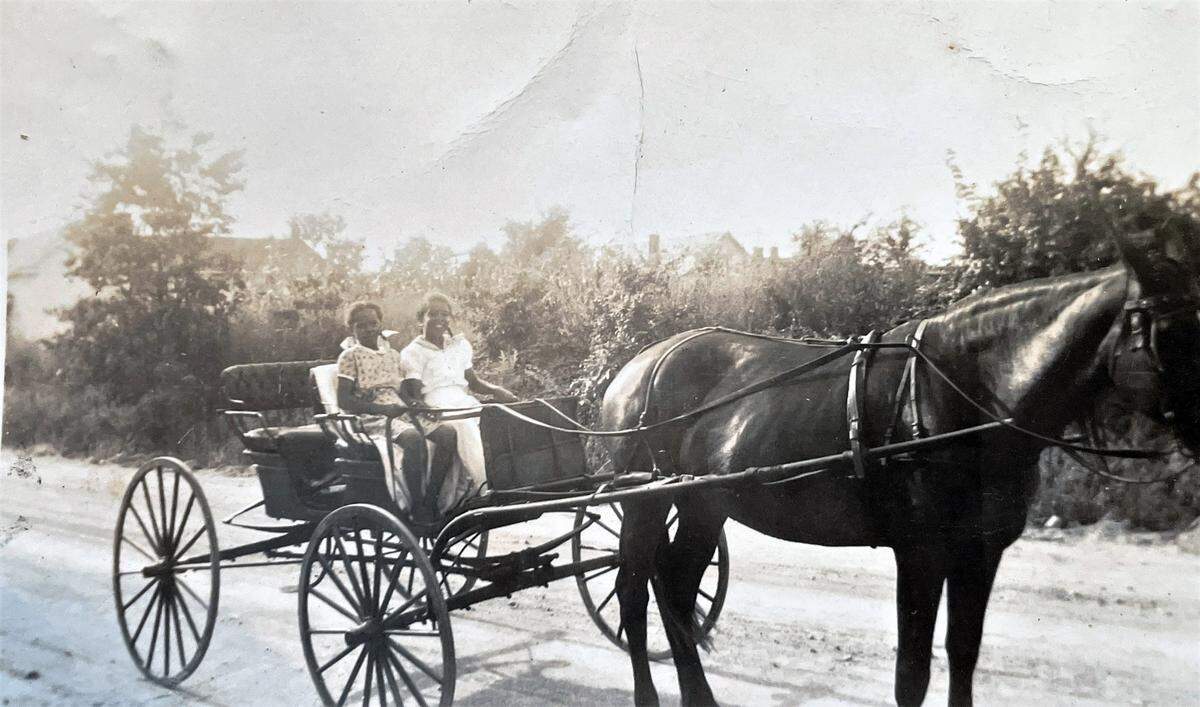
Clark grew up in the house with Strayhorn, and her cousin Bradsher lived next door, with her grandmother Margie Nunn Strayhorn, after her mother and grandfather were killed in a car accident in 1934. The girls spent many hours helping with farm chores, roller skating on Jones Ferry Road and playing ball in the yard.
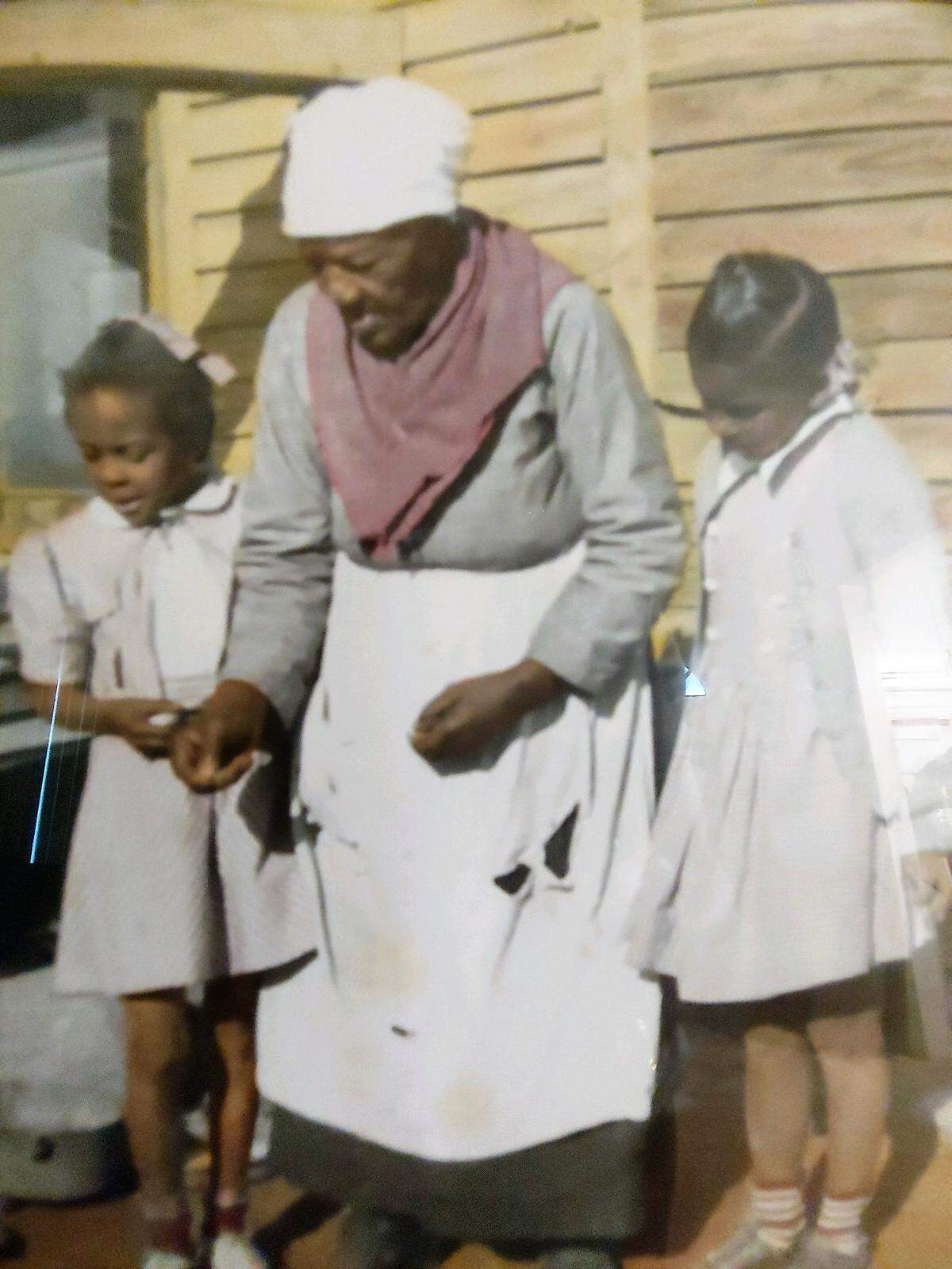
It was a world away from the Wesley Atwater plantation north of Chapel Hill, where Nellie Strayhorn and her siblings grew up, or the Wilson Strowd plantation, where her father was enslaved.
In a 1940s interview, Nellie Strayhorn recalled how, as the oldest, she had to get the children up each day and to the kitchen, where her mother would already be working. From there, Nellie worked in the house or in the fields, plowing rows “same as a man,” she said.
Her master only whipped her once, she said, when she ate an apple from a tree, instead of the ground. When he left for war, Strayhorn and her mother prepared barrels of food to send to the Confederate Army.
Sometimes, she would remark on “how good the breadcrumbs were” that she ate off her master’s plate, Bradsher said.
“A lot of times … especially if I eat a biscuit, I think about how she would eat what I had thrown away,” she said.
Memories for the next generation
Strayhorn was working in the field in 1865 when Union soldiers came by, asking her mother if she knew they were free. They rejoiced, throwing their shovels and hoes into the air, Clark, 88, said in a 2021 video interview.
Strayhorn got a job working for a Chapel Hill attorney, and in 1876, she married Toney Strayhorn, a former slave who was 7 when his mother was sold on the auction block in Hillsborough. His sister also remains a mystery, family said.
The Strayhorns bought 30 acres in Carrboro, clearing the forest land to build a one-room cabin and farm. They were self-sufficient, selling vegetables, milk, butter and cotton to earn extra money, and expanding the house to accommodate their two children.
By day, Toney Strayhorn was a master brick mason, building homes and the church that became the Carrboro Century Center. He learned to read by the moonlight, to avoid attracting the attention of the Ku Klux Klan, and became a minister and a magistrate. He helped to found the county’s first Black church — now First Baptist Church in Chapel Hill.
The Strayhorn legacy was one of kindness, community service and faith, said Clark, who along with Bradsher lamented not asking more questions when their great-grandmother was alive.
“They mean so much to us, and knowing how they survived through all of what they went through, it makes us more aware of how we should give the history to our children and grandchildren. It’s very important that our history stays in our family,” Clark said.
This story was originally published February 21, 2022 at 8:00 AM.