NC county apologizes for role in lynching Black people. New markers to honor victims.
READ MORE
Preserving NC’s Black history
Here is The News & Observer’s ongoing coverage of efforts to preserve buildings and sites to share the history of Black people in North Carolina.
Expand All
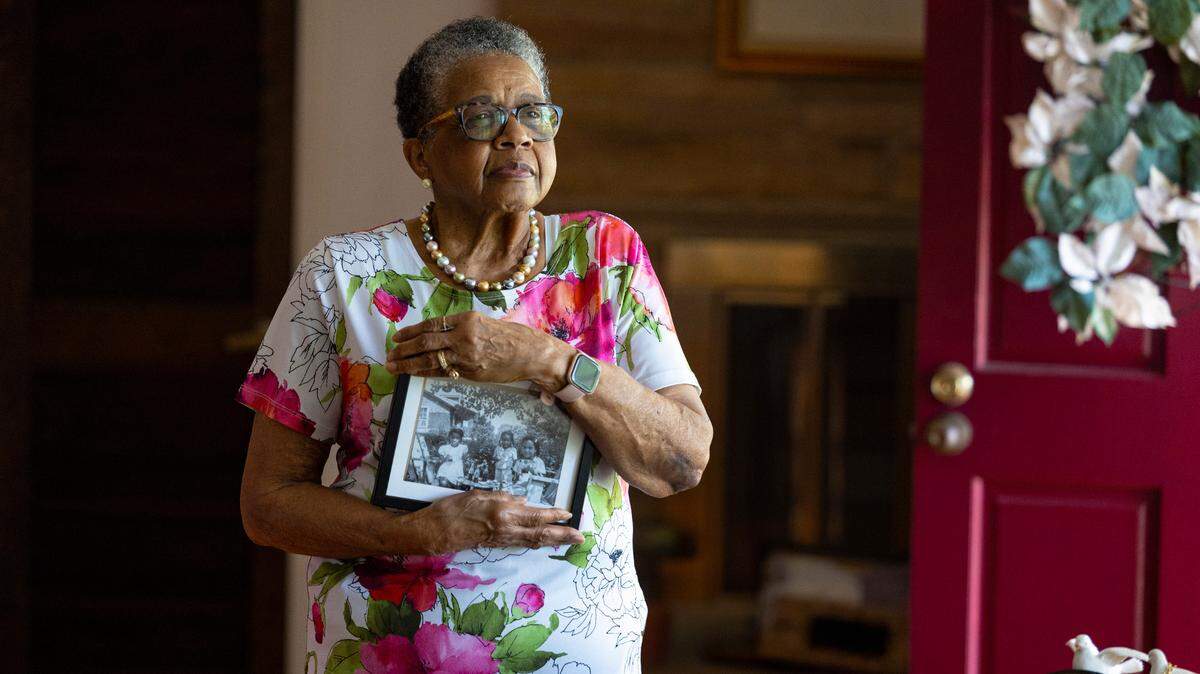
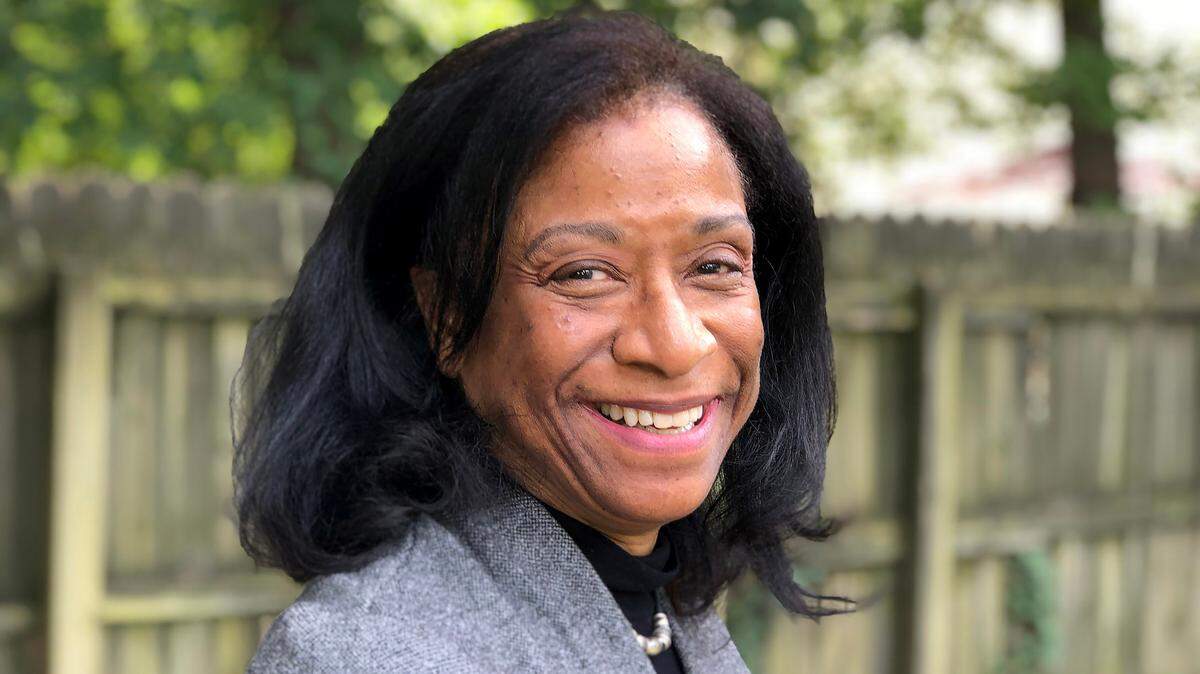
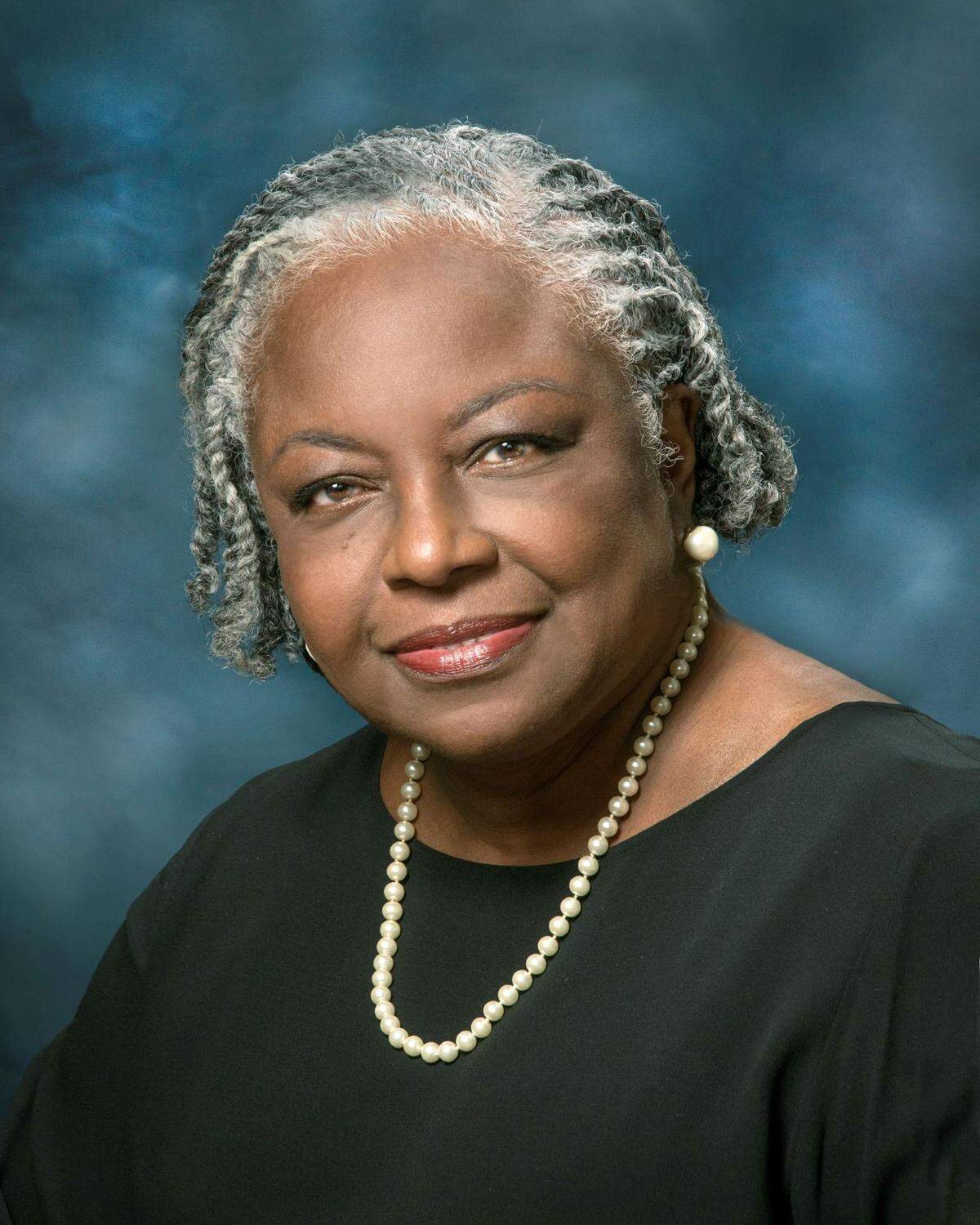
Her mother used to talk about how her own mother kept the front door open each day, hoping that her brother would finally come home, Orange County Commissioner Anna Richards said Tuesday.
He never did. He’d found trouble after looking at someone the wrong way, Richards said, and the family never saw him again.
It’s a story “told countless times by countless families,” said Richards, who is Black, after the Orange County Board of Commissioners voted to erect a marker acknowledging racial terror lynching and to apologize again for elected county officials’ role in perpetrating or condoning “criminal acts of racial terror lynching.”
The vote on Tuesday night was 6-0, with Commissioner Earl McKee absent.
“I appreciate the gesture, and I think there are many people who do,” Richards said.
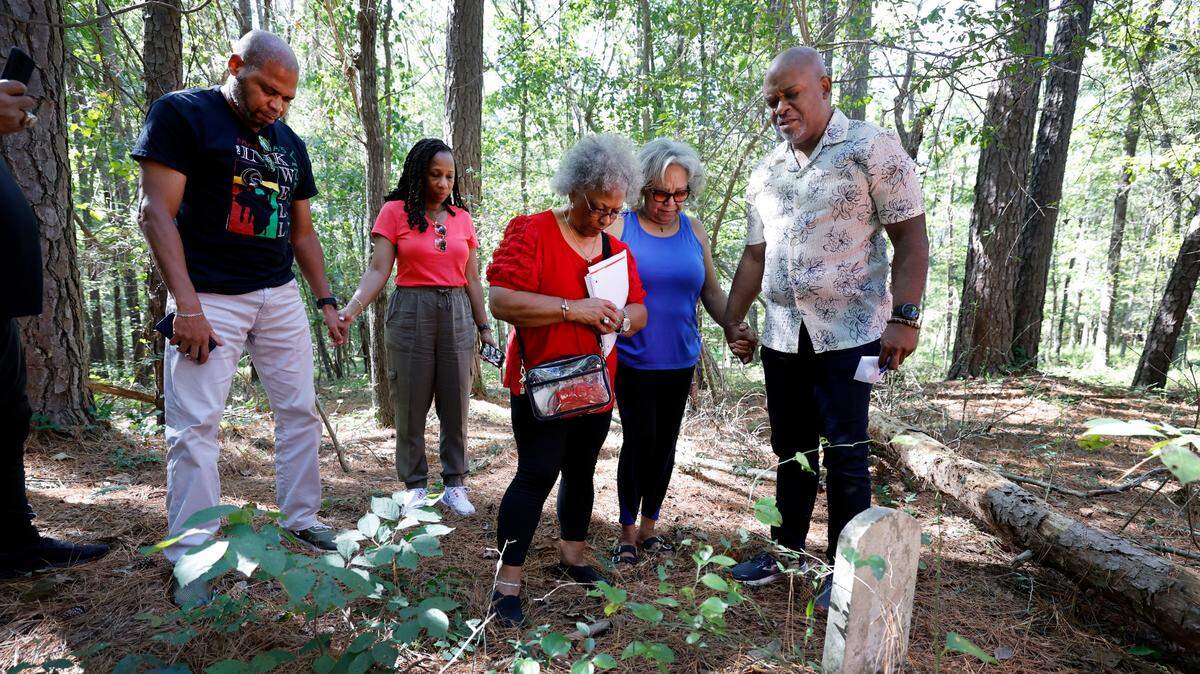
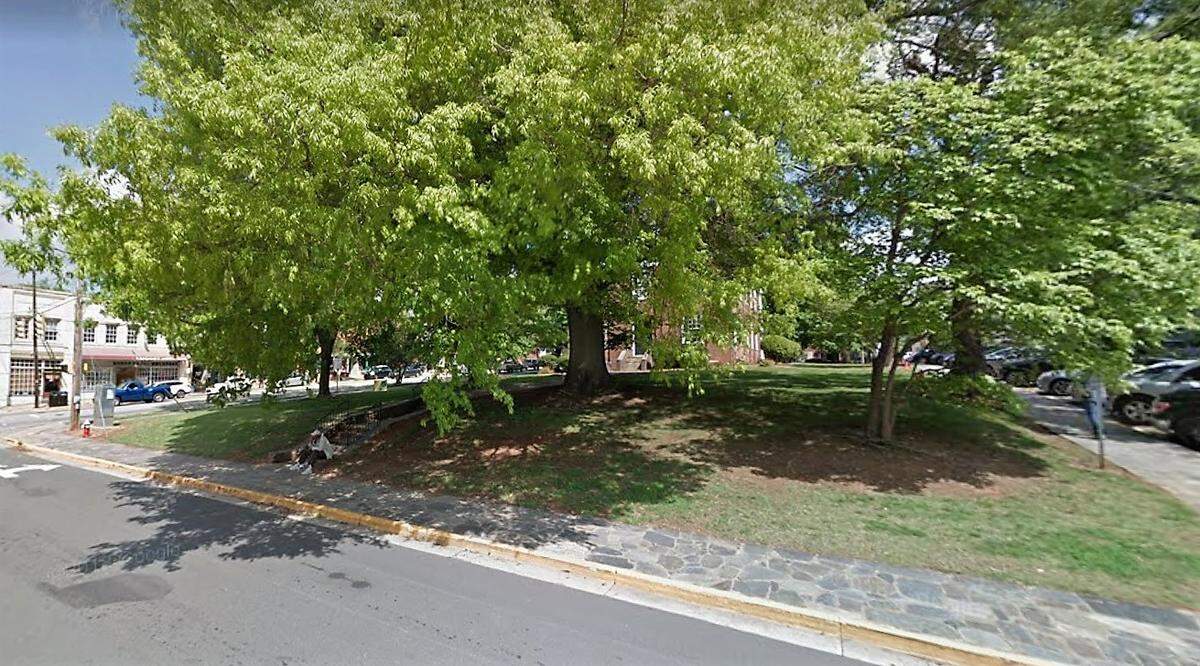
The county will erect a Community Remembrance Project marker acknowledging the violence and its victims on the southeastern corner of the Historical Orange County Courthouse lawn on East Margaret Lane in downtown Hillsborough. Another marker approved earlier this year will go outside Carrboro Town Hall.
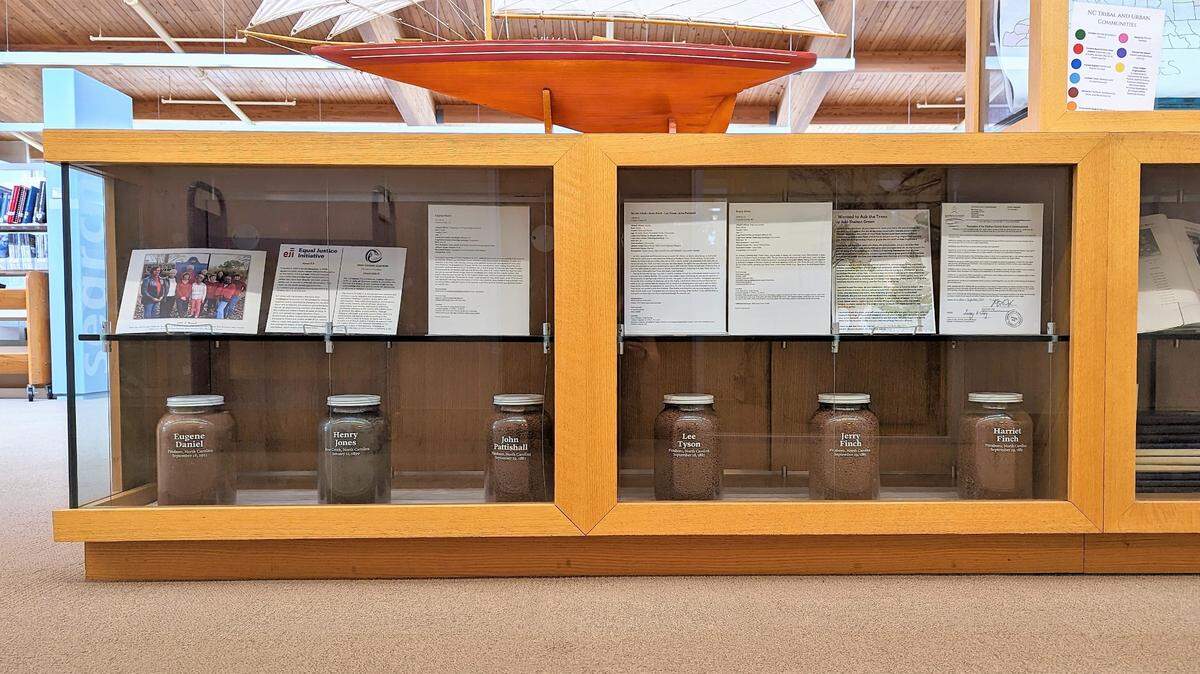
The nonprofit Equal Justice Initiative will produce and supply both markers, a process that could take several months, county staff said. The 42- by 38.5-inch markers will cost about $500 each to install, they said. EJI will replace the markers at no charge if the originals are vandalized or damaged.
Orange County lynching victims
The markers will honor five Orange County lynching victims by name:
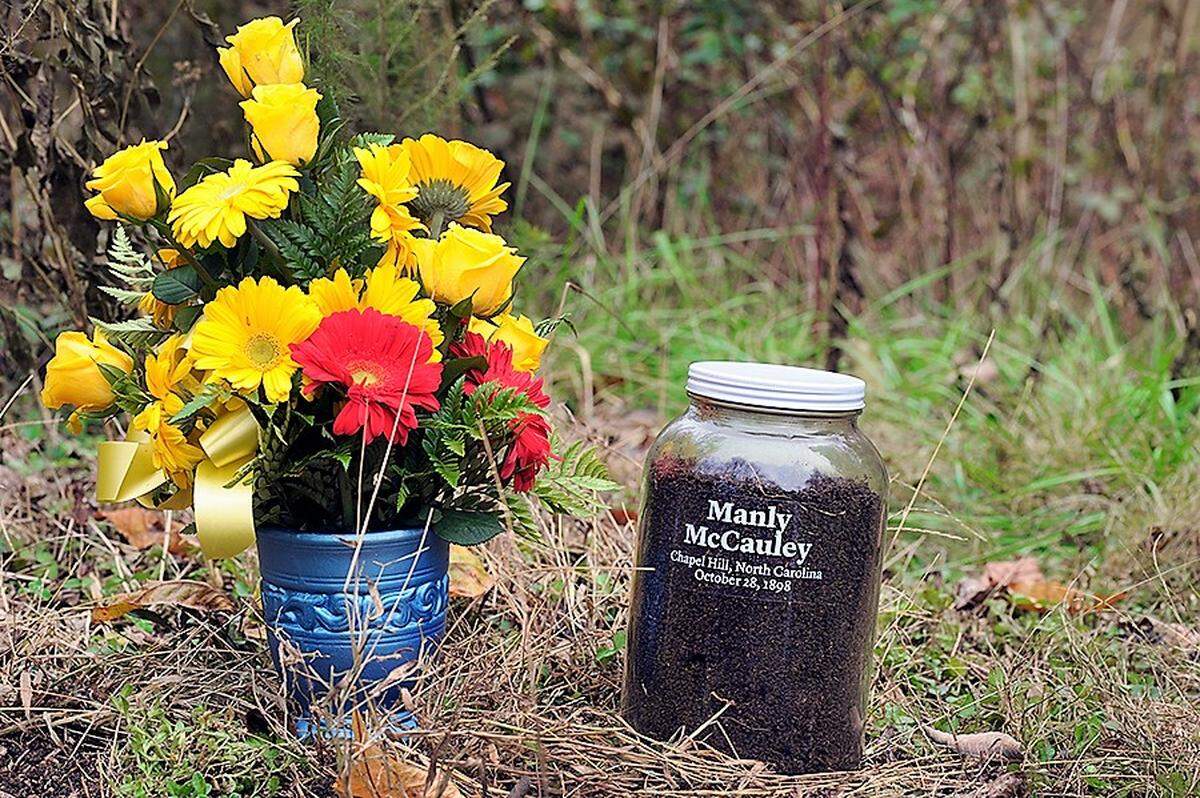
▪ Manley McCauley, an 18-year-old Black man who eloped with a married white woman who lived near Carrboro. McCauley was hanged from a dogwood tree on Oct. 30, 1898, near Hatch and Old Greensboro roads. Four white men were tried and acquitted of his murder.
▪ Daniel Morrow and Jefferson Morrow, Black farmworkers accused of barn burning and insulting women before being lynched by a mob on Aug. 7, 1869. The mob left a note behind identifying themselves as members of the Ku Klux Klan.
▪ Wright Woods, who was accused of making “certain remarks” to a white girl. On Sept. 12, 1869, he was abducted by four white men, killed and found in Little River. A note attached to his foot read: “If the law will not protect virtue, the rope will.”
▪ Cyrus Guy, who was taken by a mob and left hanging from a tree near the intersection of Faucette Mill and Lebanon roads on Dec. 2, 1869. Guy was accused of making “a snide remark to a white woman” and was left hanging from the tree as “a sign for other ‘mulattos’ in the area to know their place,” according to the Orange County Community Remembrance Coalition.
The marker is “long overdue,” said Commissioners Chair Renee Price, who also is Black. She and Richards presented the resolution apologizing for the county’s role. This resolution is different from other resolutions that have been passed on lynching, including one issued in Chatham County last year, because it doesn’t apologize on behalf of others, Price said.
Instead, it calls out the county’s elected officials, including its sheriff, judges and commissioners, who did not attempt to stop the lynchings or prosecute their killers. That violated their oaths of office, Price and Richards said.
It’s a “subtle but important difference,” Richards said.
“We felt that we are not apologizing as this board, but we ‘re expressing our compassion for the folks that were affected by this and their families, and the loss of dignity that they experienced,” Richards said.
They were lynched, she said, “because those in control did not do anything to stop it, and for that, we are very sorry.”
Preserving stories of racial terror
EJI has cataloged more than 6,000 “racial terror” lynchings in 12 Southern states between 1865 and 1950, but historians and others have said that estimate is far too low.
Black men — and less often, other people of other races — were lynched by white individuals, vigilante mobs and law enforcement officers, often to remind them of “their place” in society. They were hanged, but also brutalized, raped and tortured before being killed.
The survivors lived with deep emotional, mental and physical scars, the result of a white campaign to instill fear in Black communities that stunted their social, political and economic mobility for generations.
In North Carolina, more than 173 Black people were officially lynched following the Civil War, according to the A Red Record project at UNC-Chapel Hill.
McCauley, who also will be honored on the Carrboro marker, is among 800 names etched on steel monuments hanging in commemoration of lynching victims at the National Memorial for Peace and Justice in Montgomery, Alabama. His story also will live on in Sonny Kelly’s one-man show, “Haunted,” commissioned last year by the Orange County Community Remembrance Coalition.
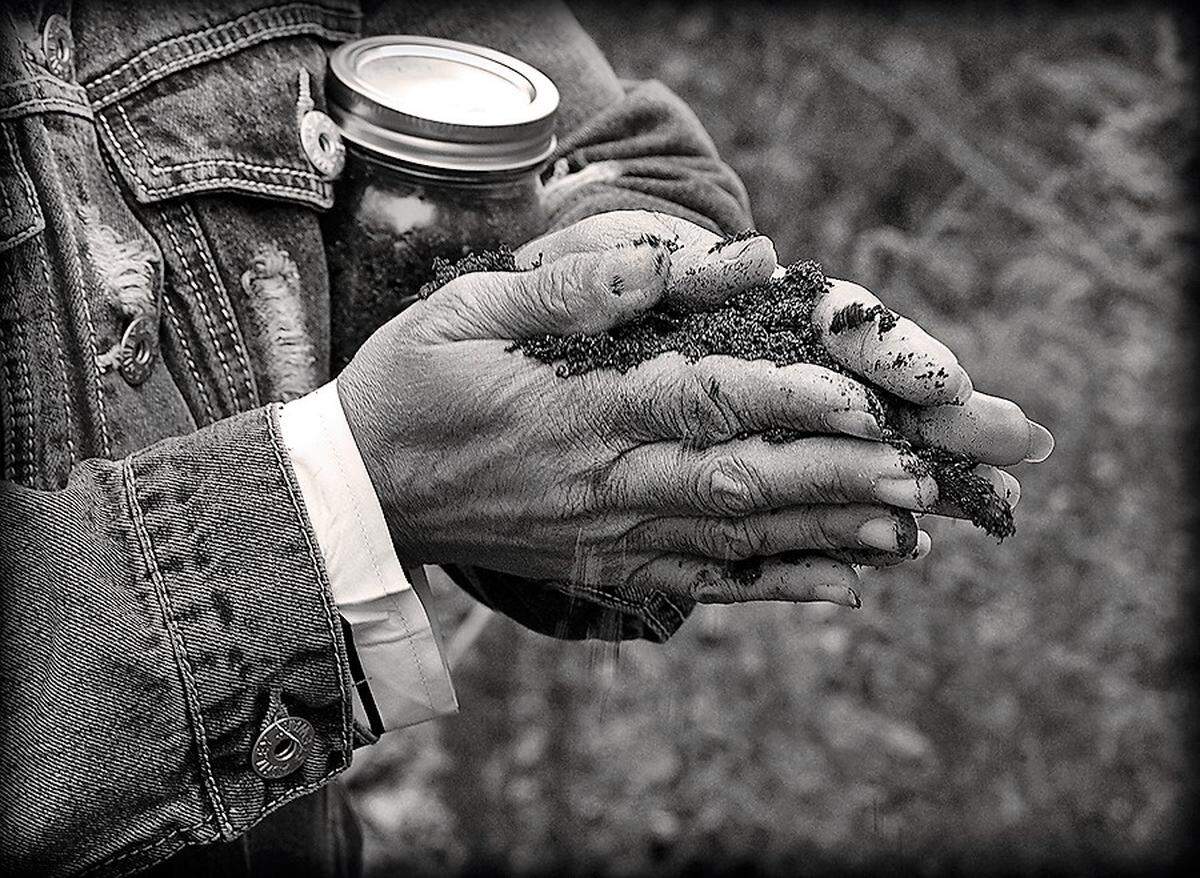
The coalition, founded by Price and retired Orange County chief public defender James Williams, has spent a few years bringing the history of local lynchings to light.
Many stories are being lost to time, save for those preserved as local or family lore, like the Black farming couple whose story was recounted as part of a slave history project in the 1930s.
The couple, identified as Ed and Cindy by the former slave who was interviewed, were at their Orange County home when they were dragged into the woods by masked Klansmen.
The men beat them and threw them into an ice-covered pond, the former slave recalled. Only Ed escaped the pond and survived, according to oral records in the Library of Congress.
Acknowledging the truth of white terror and lynchings is the first step in healing the community, Williams told The News & Observer in a previous interview.
“The fact that we are so uncomfortable is a result of the fact that we haven’t confronted this before,” Williams said. “We’ve always swept it under the rug, or looked away, or pretended or rewritten the actual history of what happened.”
This story was originally published September 21, 2022 at 12:00 PM.