Chatham County collected soil from 6 known lynching sites. Here’s where to see it.
READ MORE
Preserving NC’s Black history
Here is The News & Observer’s ongoing coverage of efforts to preserve buildings and sites to share the history of Black people in North Carolina.
Expand All
The ground where 16-year-old Eugene Daniel was lynched in Chatham County can only be found using a GPS device and a kayak or a tall pair of wading boots.
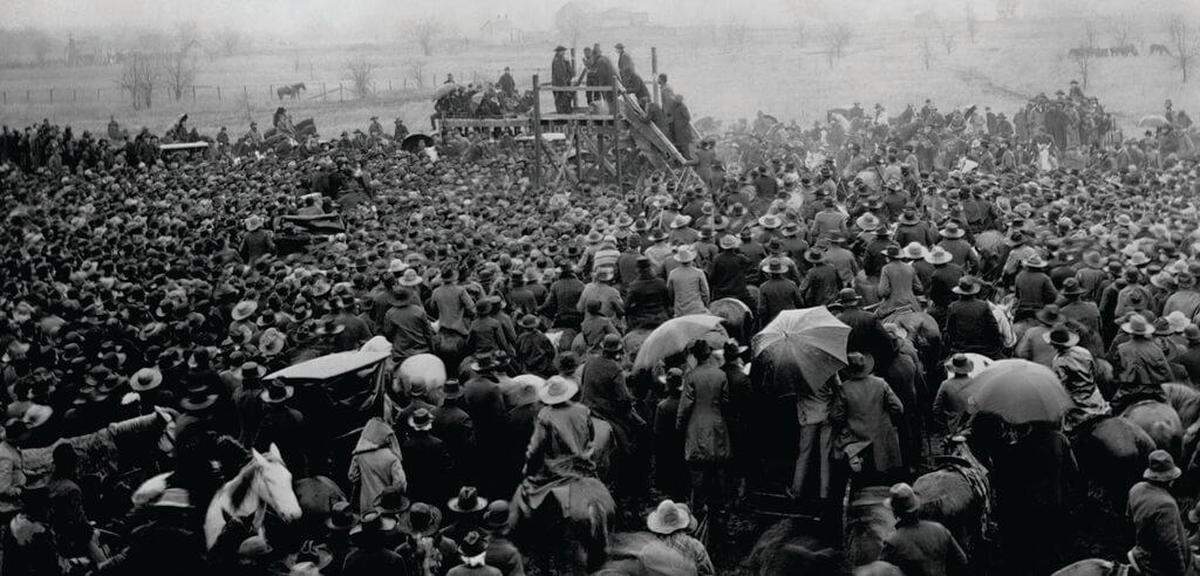
The teenager, accused of trespassing and attempted rape in 1921, was taken from the Pittsboro jail by a mob of 50 men on a Saturday night.
He was hanged with a chain and fatally shot near Moore’s Bridge on the Haw River, and his body became a spectacle viewed by 1,000 people until the coroner removed it at noon on Sunday.
In the 1970s, the construction of Jordan Lake covered the site of Daniel’s racial-terror lynching with water.
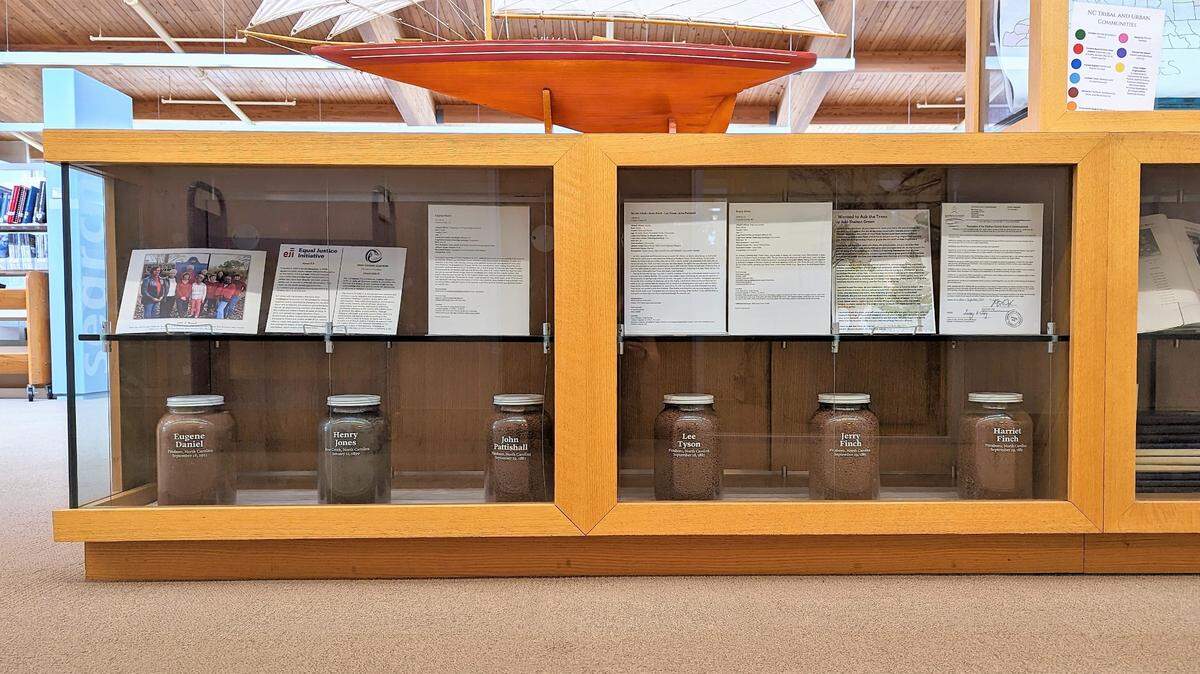
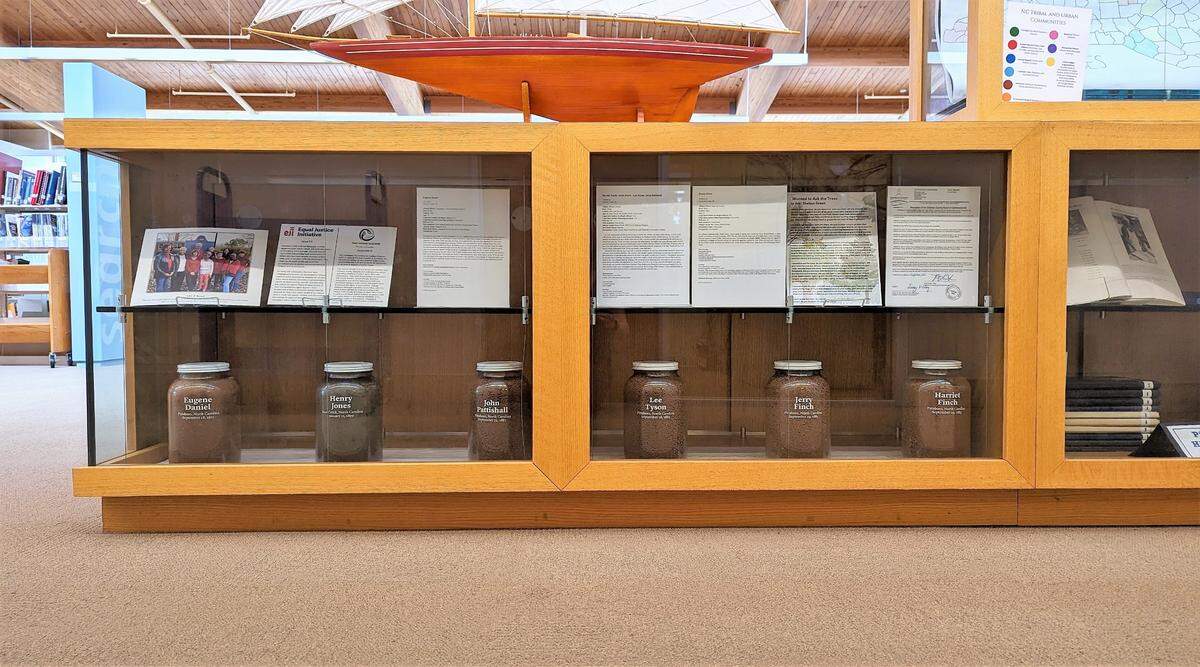
Now Daniel and five others are being honored with a new, permanent exhibit at the Chatham Community Library that could continue to tell their stories for generations.
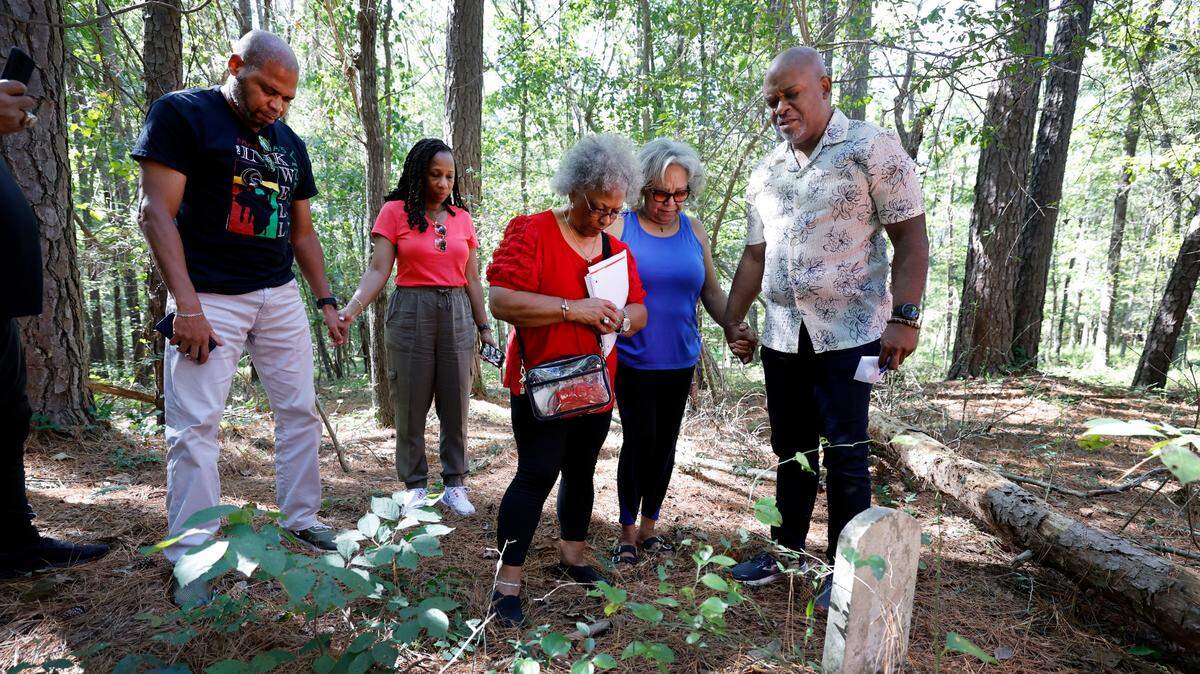
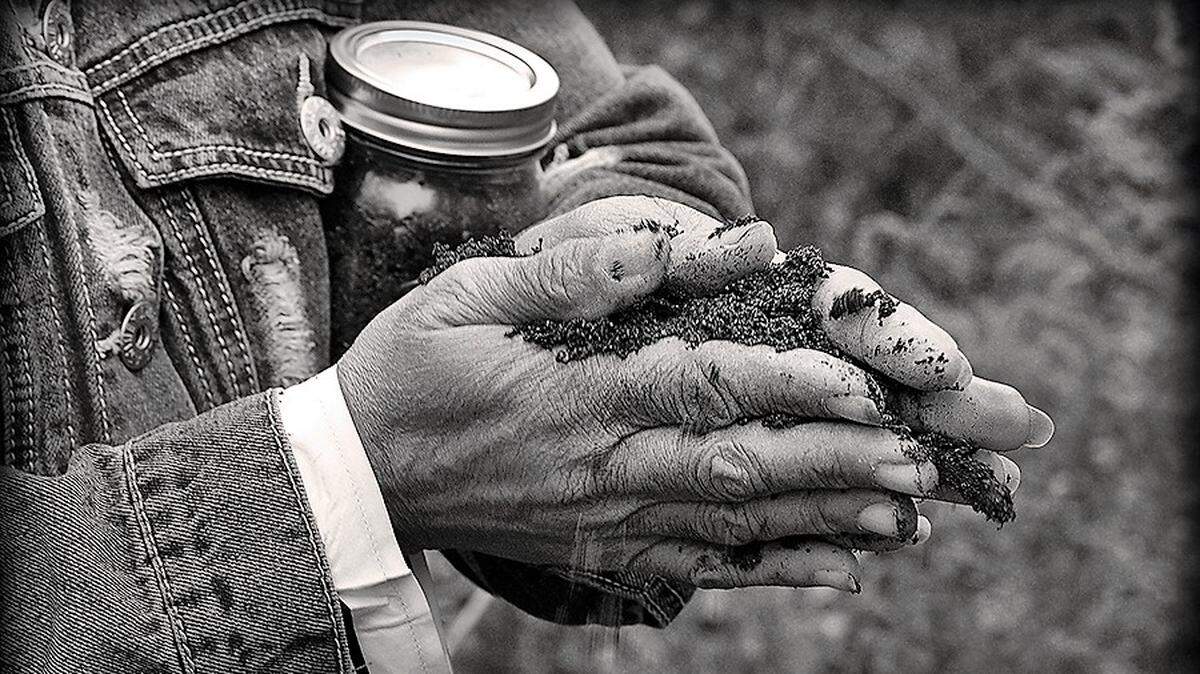
The library worked with Chatham County’s Community Remembrance Coalition to create the display, which houses six jars of soil collected from known lynching sites in Chatham County. The soil from the site of Daniel’s lynching was collected in 2021 at a public ceremony attended by descendants of his parents, many of whom had never met before, according to the Chatham News & Record.
The new library display includes biographical information about him and the other victims, killed between 1885 and 1921, and also includes a congressional acknowledgment of the lynching victims.
Library staff is continuing to create “a small archive of related materials,” county spokeswoman Kara Dudley said.
“The permanent display will be featured in the Chatham Community Library’s September newsletter and will also be highlighted again in February for Black History Month, along with a display of related materials from the collections,” Dudley said in an email. “Ideally, the display would become a destination for K-12 students learning about local history.”
Markers to honor lynching victims
The county erected a marker last year at the Chatham County government annex in Pittsboro to also honor racial-terror victims, many of whom have been lost to history. The six honored in Chatham County, including Daniel, are:
▪ Harriet Finch, tortured by hanging in 1885 by a mob of 26 people near Pittsboro. Finch was accused, along with Jerry Finch, Lee Tyson and John Pattishall in the murders of two white farmers, their relatives and a Black servant.
▪ Jerry Finch, Lee Tyson and John Pattishall. All spent months in jail until they were taken by a mob and killed by hanging in 1885 near Pittsboro. They were accused of murdering the two white farmers, their relatives and a Black servant.
▪ Henry Jones, killed in 1899. He was taken from his home by a mob of 50 people the day after a white widow was found raped and murdered. He was hanged at the site of the murder in southwestern Chatham County.
Chatham County’s marker is one of several Community Remembrance Project markers in North Carolina. The markers, provided by the Equal Justice Initiative, based in Montgomery, Alabama, works with researchers across the nation to collect information about racial terror lynchings and honor the victims.
The group has documented over 4,400 lynchings in 20 states between 1877 and 1950. UNC-Chapel Hill’s “A Red Record” lynching project has documented over 170 lynchings in North Carolina since the Civil War.
Buncombe County and Rowan County have remembrance markers and more are planned for Orange County at the southeastern corner of the Historical Orange County Courthouse lawn in downtown Hillsborough and outside Carrboro Town Hall.
Chatham County’s new racial-terror lynching display can be viewed during Chatham Community Library operating hours at 197 N.C. 87 North in Pittsboro. The display is located toward the back of the building, near the library’s North Carolina and Local History and Genealogy collections.
Dudley said the exhibit was placed in that location because there was available space and the bottom shelves are sturdy enough to support the large, heavy jars of soil. The cabinet can be locked to prevent tampering, she said.
The display was showcased in the library’s main lobby in February in recognition of Black History Month, Dudley said.
This story was originally published August 14, 2023 at 12:48 PM.