Is it a copperhead or a non-venomous lookalike? How to tell the difference in NC
AI-generated summary reviewed by our newsroom.
- Copperheads are venomous snakes found throughout North Carolina.
- The snakes often have brown bodies with darker, hourglass-shaped bands.
- Several species, including racer and rat snakes, are harmless but look like copperheads.
Snakes are slithering around North Carolina — and so are cases of mistaken identity.
“People call me all the time thinking they have rattlesnakes or copperheads, not knowing this is a completely harmless snake that’s good to stay in their yard,” Talena Chavis, owner of the Triangle-based business NC Snake Catcher, previously told The News & Observer.
Before you spot a snake, experts encourage you to get familiar with the species that call North Carolina home. Here are some tips for identifying venomous copperheads and their non-venomous lookalikes.
Which snake species get confused for copperheads?
Of the more than three dozen types of snakes in North Carolina, only six are venomous. Many of them have similar traits, leaving room for potential misidentification.
“People see a snake, and immediately adrenaline shoots up,” Jeff Hall, statewide herpetologist for the N.C. Wildlife Resources Commission, told The N&O in a Friday, May 8 phone interview. “And you know, all bets are off on what (kind).”
The confusion extends to copperheads, the species that the commission said is likely behind more than 90% of the state’s venomous snake bites. Here are some common harmless species people mistake for copperheads, according to experts:
How to identify copperheads
Copperheads, which are found throughout the state, are often more active at night and on warmer days. Unlike some snakes that stay far from people, this species is comfortable living near humans, The N&O previously reported.
While the snakes don’t have a pattern on the top of their heads, the rest of their bodies are brown, gray or pink with darker bands that look like Hershey’s Kisses candies on the sides, according to the wildlife commission and the N.C. State Extension.
“The bands are widest on the side and narrowest at the top,” Hall said. “So when you look at them from the top of the snake, it looks like an hourglass pattern.”
Though not all copperheads look the same, here are other common characteristics to look out for:
- 2 to 3 feet long
- Oval-shaped pupils
- Triangular head with pits near the nostrils
- Green-yellow patches on tails as babies
“Many people refer to their pattern as ‘Hershey Kisses’ however it’s important to note that there are significant variations even within the species when it comes to color and pattern,” Chavis told The N&O in a Friday, May 8 text message. “Often times we see dots between the ‘kisses’ as well as broken saddles where the kiss does not extend fully over the back of the copperhead.”
What do the other species look like?
When figuring out whether a creature is a copperhead, you may not want to rely on the shape of its head. That’s because some non-venomous species mimic the triangular shape when there’s danger, N.C. State University professor Ivana Mali wrote in an online Q&A.
To find out other ways to distinguish copperheads from non-venomous snakes, we gathered information from experts. Here’s a breakdown of characteristics for the common ones:
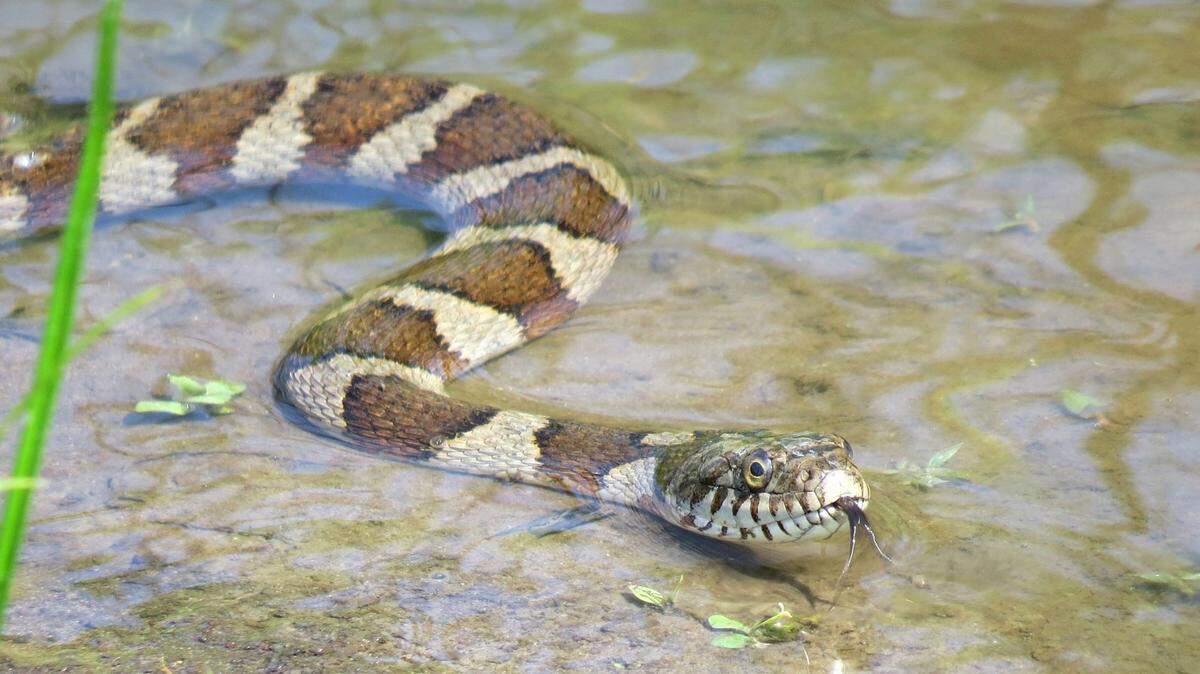
Northern watersnake: reddish brown with blotches on one part of the body and bands on the other
- “If you look at those bands on the first third of the body, they’re actually the opposite of what we see on a copperhead,” Hall said. “So the band is actually widest at the top and narrowest on the side.”
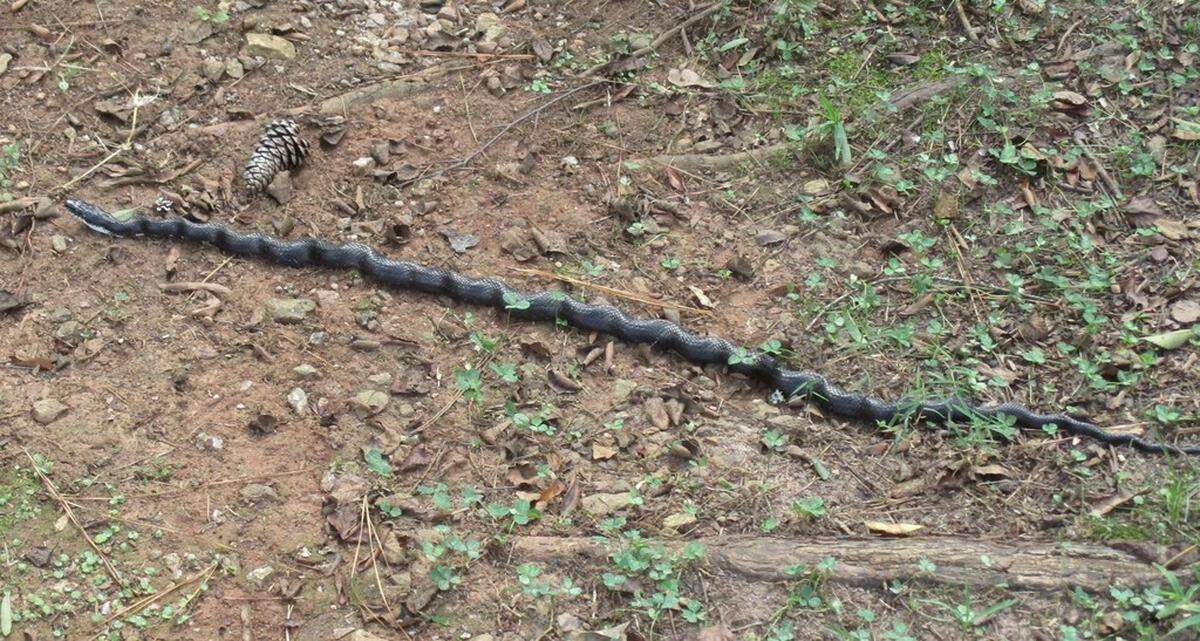
Rat snake: green or black, with 5- to 6-foot body shaped like a loaf of bread
- Chavis has told The N&O black rat snakes aren’t born with solid colored bodies. “They start out with a pattern that darkens overtime,” leading some people to confuse the younger members of the species for copperheads. Also unlike copperheads that stay close to the ground, they’re good at climbing.
Racer snake: black body with white chin, reaching roughly 4 feet long
- “Juvenile black racers typically have brown spots, making them mistakable for a copperhead,” The N&O previously reported. “Adult black racers are slender and black (or dark gray) with smooth scales.”
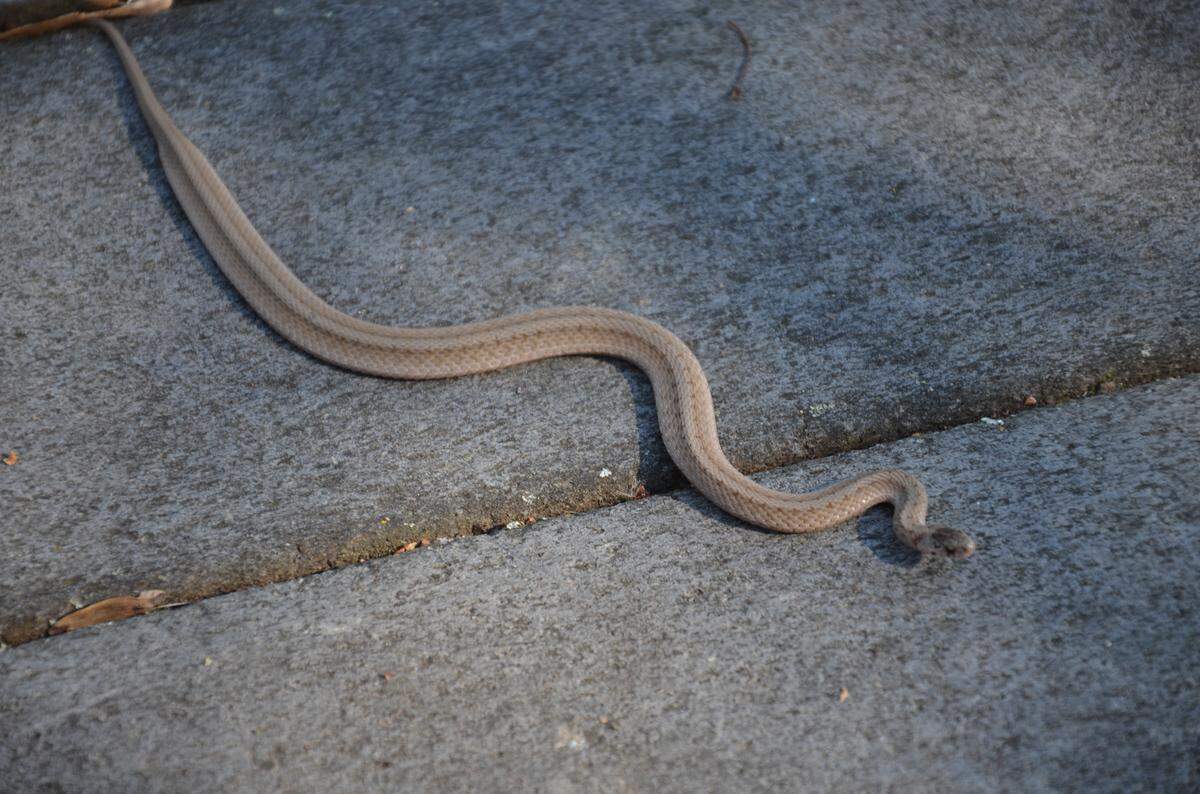
Brown (or dekay) snake: light brown, with red and gray coloring and spots on the sides
- “Every year we receive dozens of calls where people see a full grown dekays snake and think that it is a baby copperhead,” Chavis wrote. “Dekays max out at about 12 to 14 inches long so they look like they are a baby even when they are an adult.”
What to do if you see a copperhead
Copperheads tend to mind their own business but sometimes come near homes. To help stay safe during yard work, you can wear protective gloves and look before reaching under bushes, The N&O previously reported.
If you see one of the snakes, stay calm and keep your distance.
“The best thing you could do is just go back in your house for an hour or something like that, and come back outside,” Hall said. “The snake will have moved on.”
Copperhead bites should be treated seriously and are rarely deadly, The N&O previously reported. If you get bitten, here are some tips from the N.C. Poison Control website:
- Call poison control at 800-222-1222.
- Call 911 for serious symptoms, such as trouble breathing.
- Wash the skin near the bite.
- Take off tight clothes and jewelry.
- Raise the bitten area to heart level and try to keep it still.
- Don’t use ice or a tourniquet.
- Don’t try to remove the venom.