‘What Oberlin once was:’ Elders of Raleigh freedman’s village speak in new exhibit
READ MORE
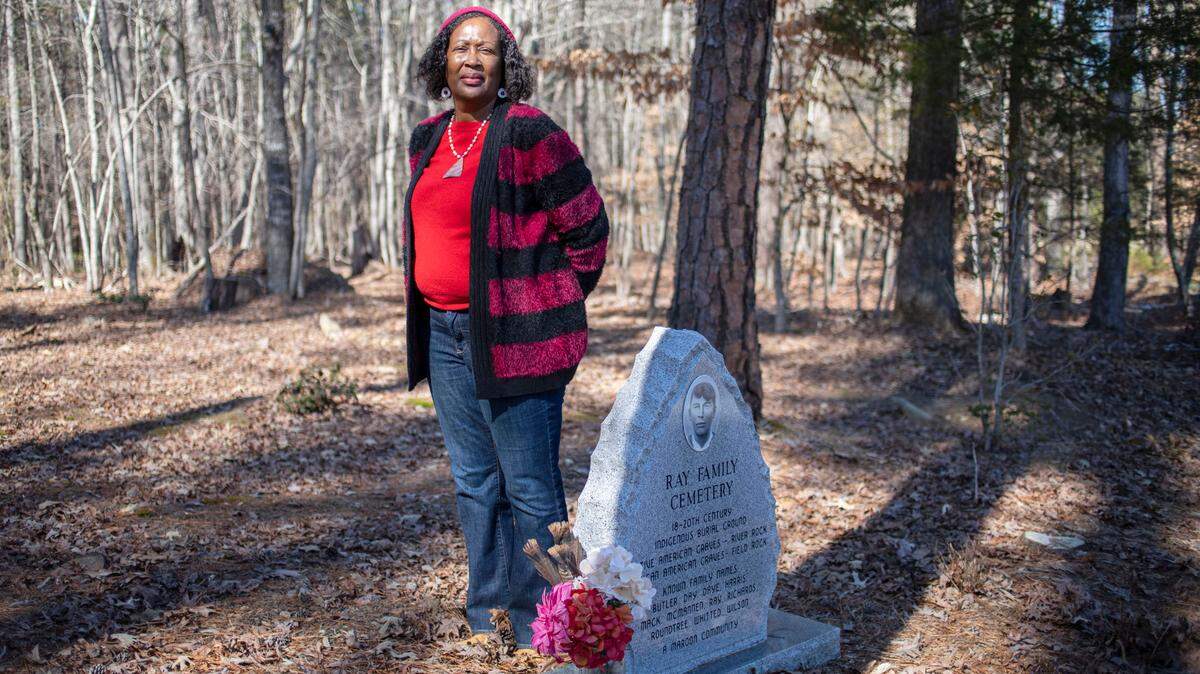
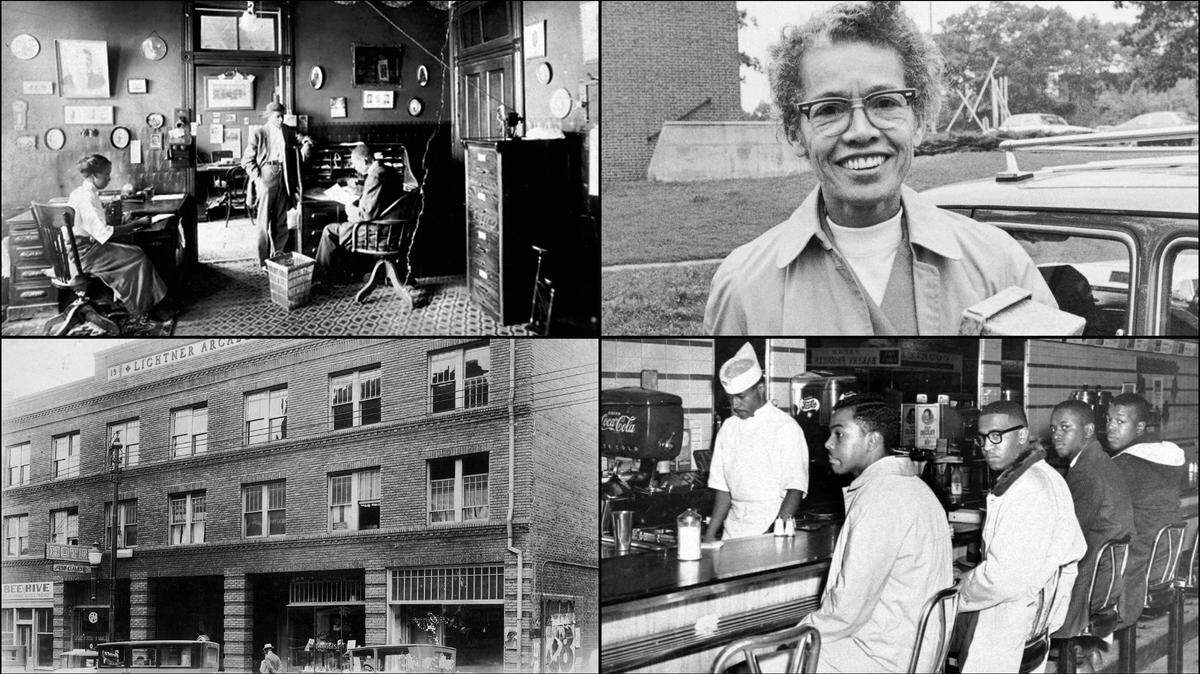
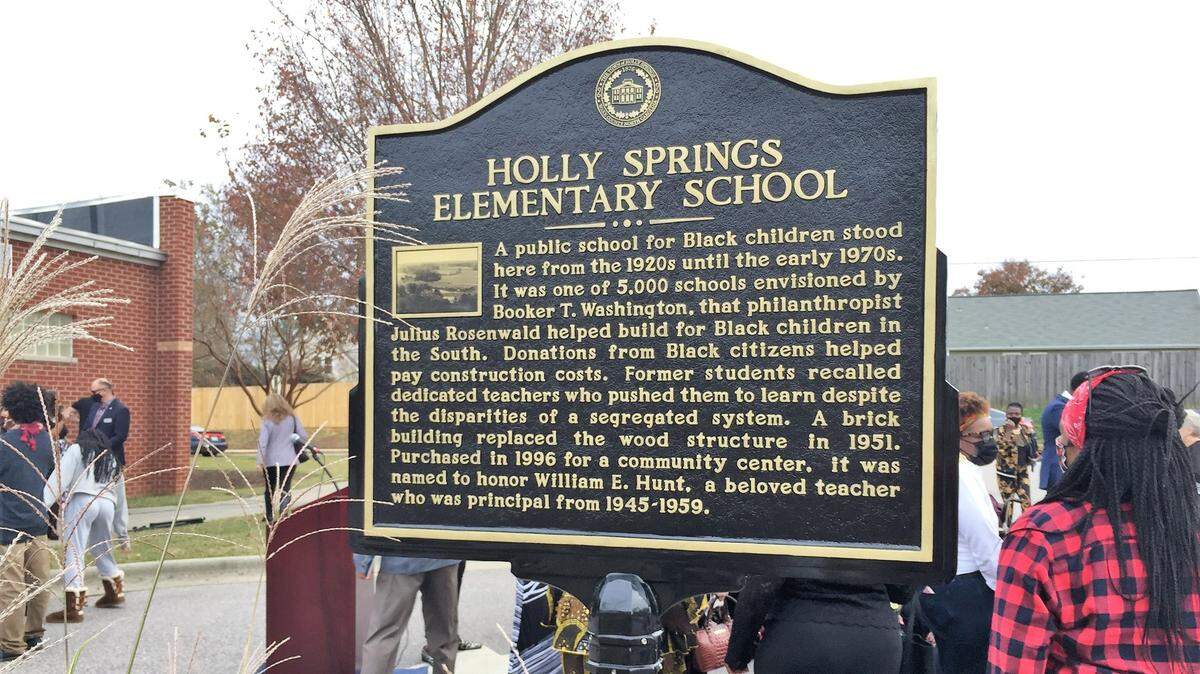
Preserving NC’s Black history
Here is The News & Observer’s ongoing coverage of efforts to preserve buildings and sites to share the history of Black people in North Carolina.
Expand All
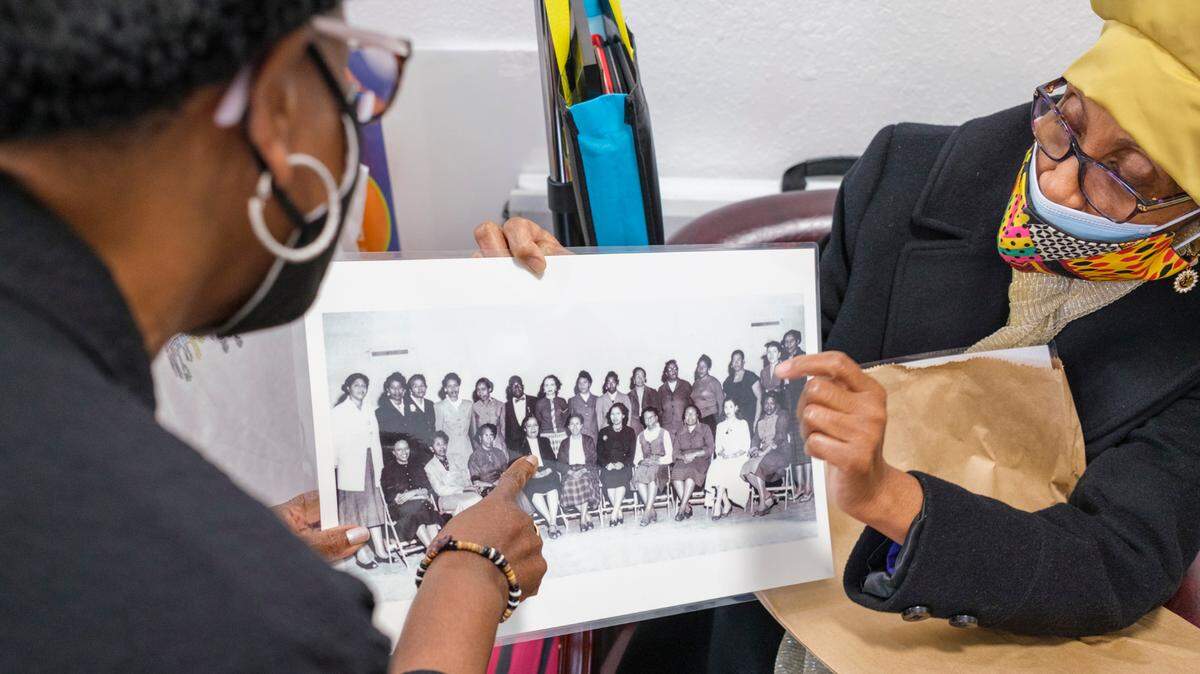
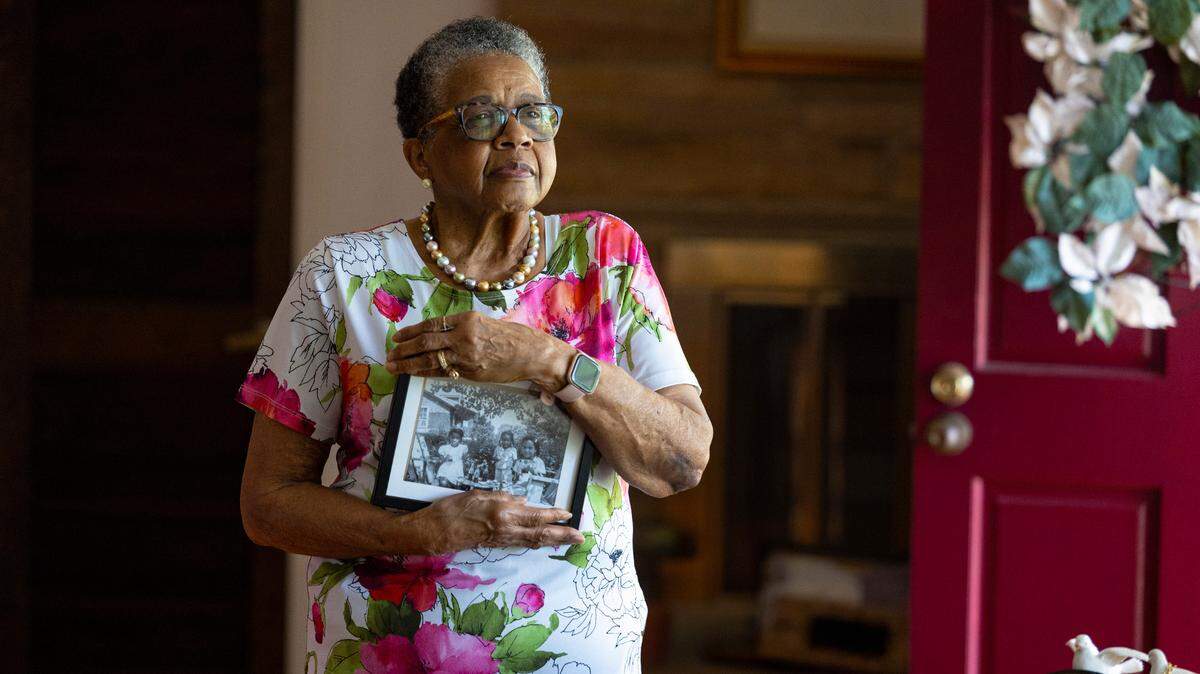
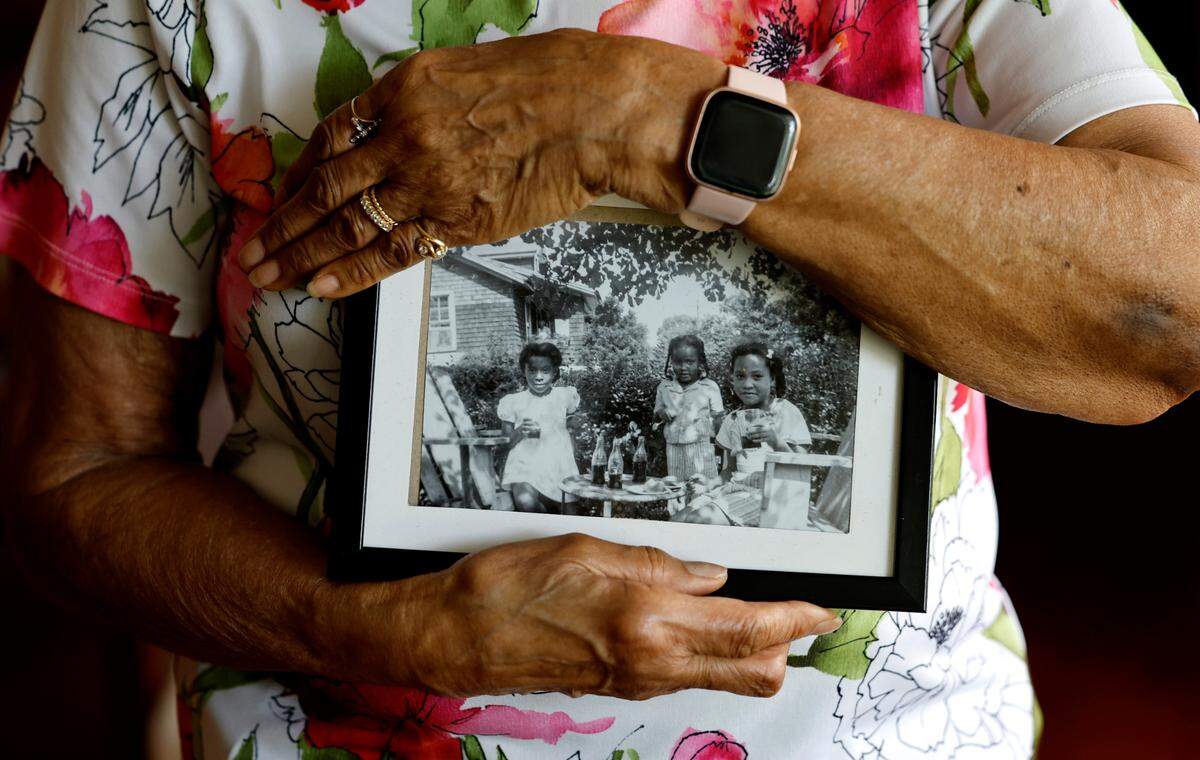
One of the only photos 82-year-old Majorie Tucker Keith has left of the home she grew up in is a black and white picture of a children’s tea party.
She and two friends are on the front porch, a glass of Coca-cola in hand, pretending the fizzy drink is warm tea.
The house most clearly pictured in the photo isn’t even Tucker Keith’s, but rather a side view of her friend’s childhood home. The only part of her own family’s home in the photo is the wrap-around porch they’re on.
The photo doesn’t show the house’s gray-blue exterior with concrete steps that led up to the front door, or the garden overflowing with apple, pear and peach trees. It’s also missing the fresh peas and butterbeans she and her family sat around late at night shelling, the water spigot she used to tote water back and forth to wash with and the two-bed room that she, her sister and great grandmother shared.
But these scenes, which she can describe just like the 1950s were yesterday, are alive in Tucker Keith’s memory And now memories of her childhood like those are alive in an oral history exhibit in downtown Raleigh called “The Voices of Oberlin.”
“If somebody comes and just rides through there, they think ‘well this is just another neighborhood,’ but the history that is behind it is important,” Tucker Keith said. “I want people to know, and I think they should know, what Oberlin once was.”
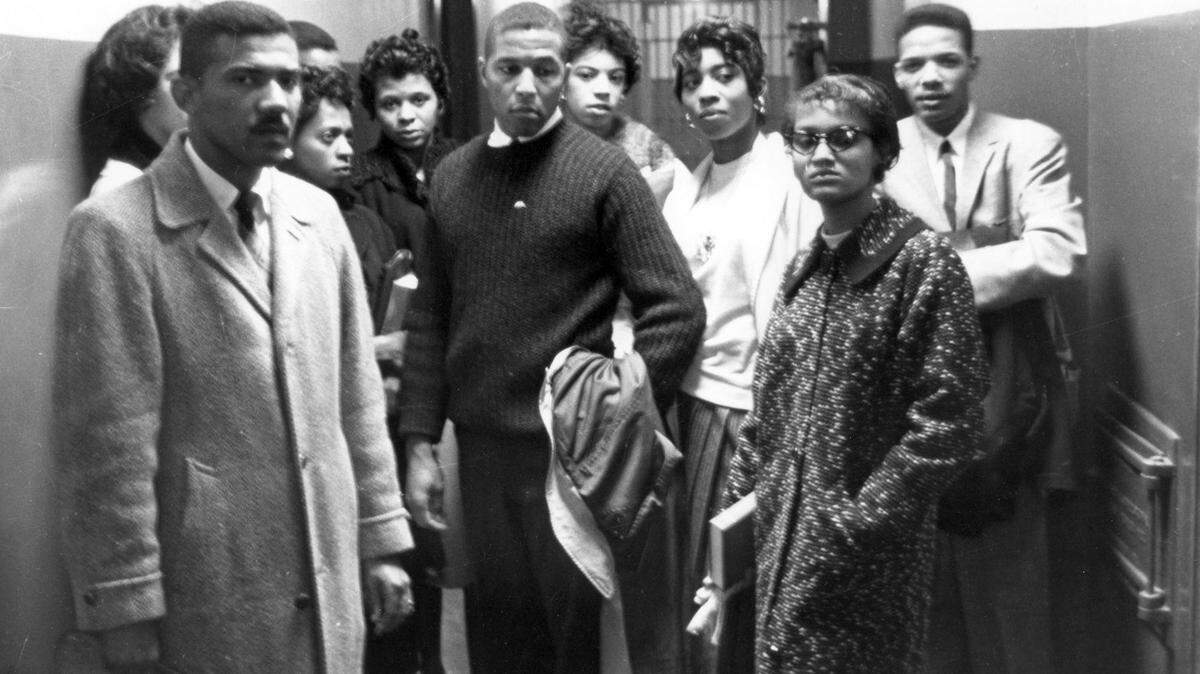
The Voices of Oberlin is a collection of stories from the elders of Oberlin Village, one of the largest and longest surviving Black freedman’s villages in North Carolina. It dates all the way back to 1858 when Jesse Pettiford, a free Black man, bought 16 acres of land for $160. The community would go on to thrive for decades, through the reconstruction era and civil rights movement.
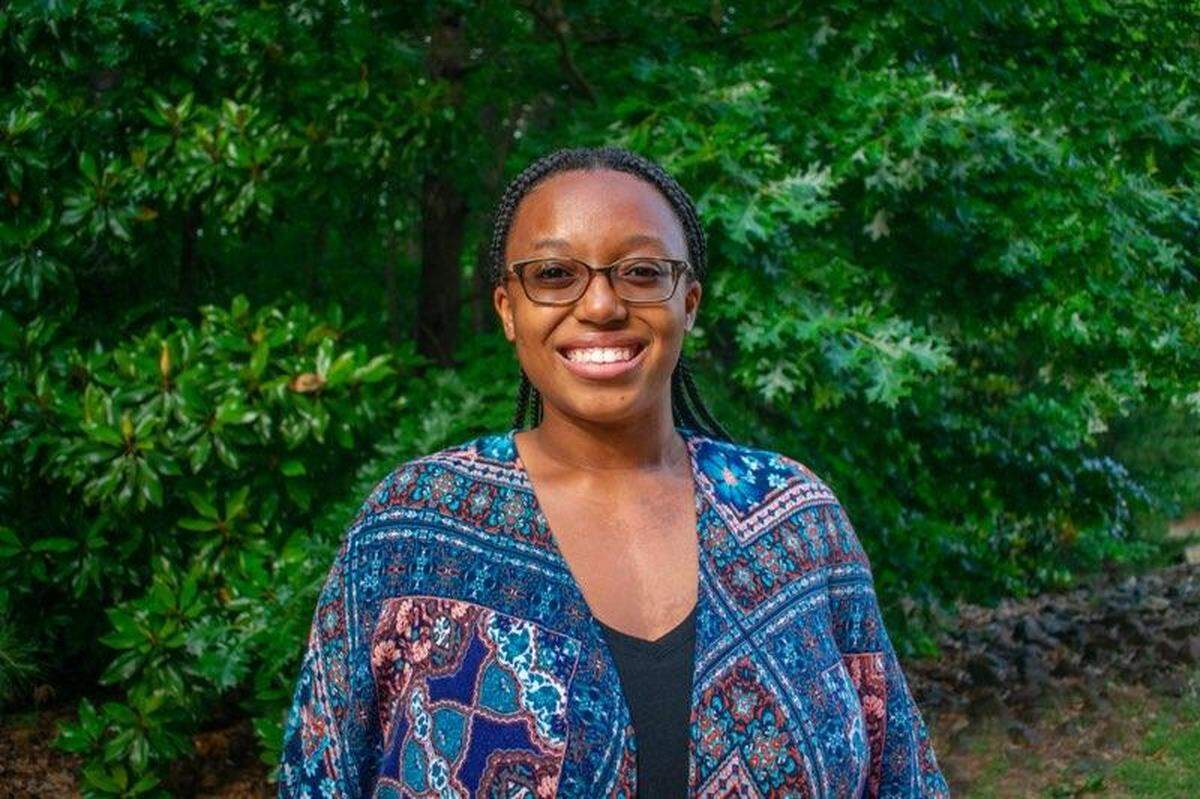
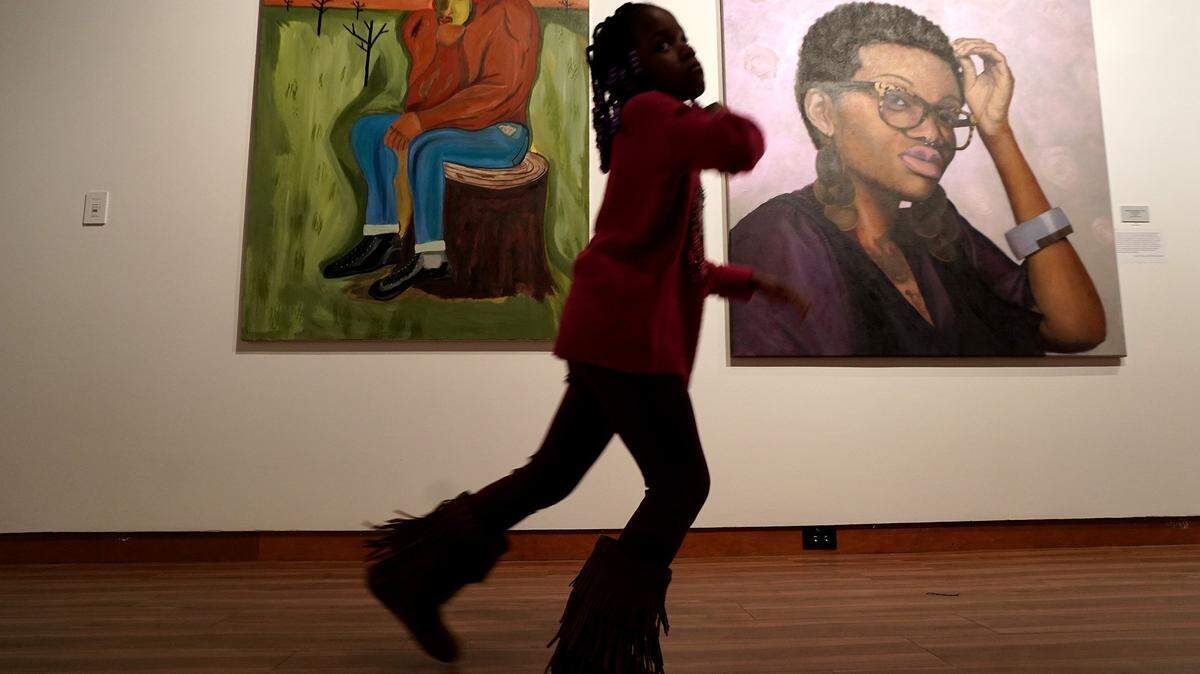
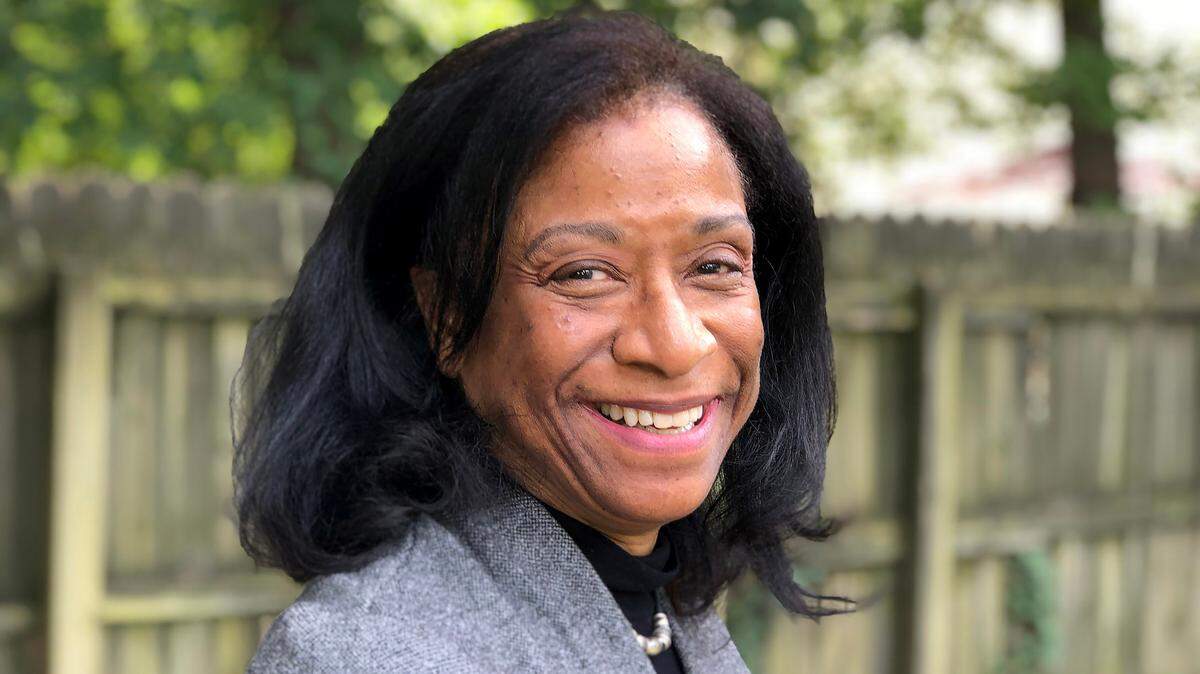
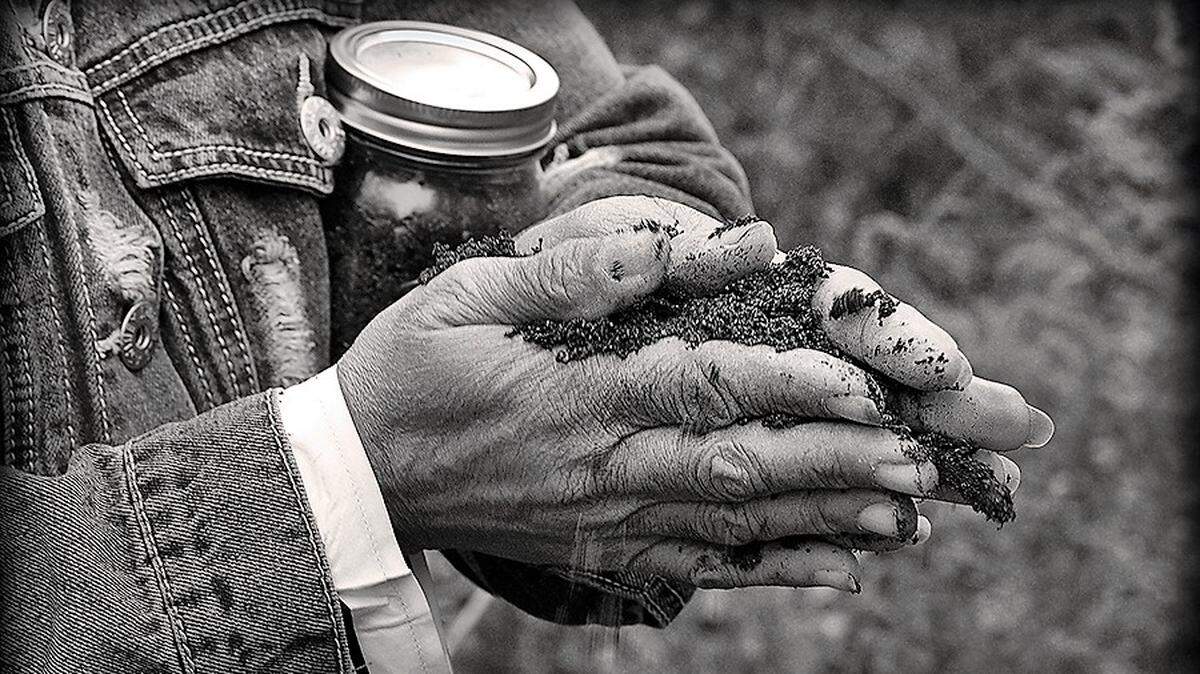
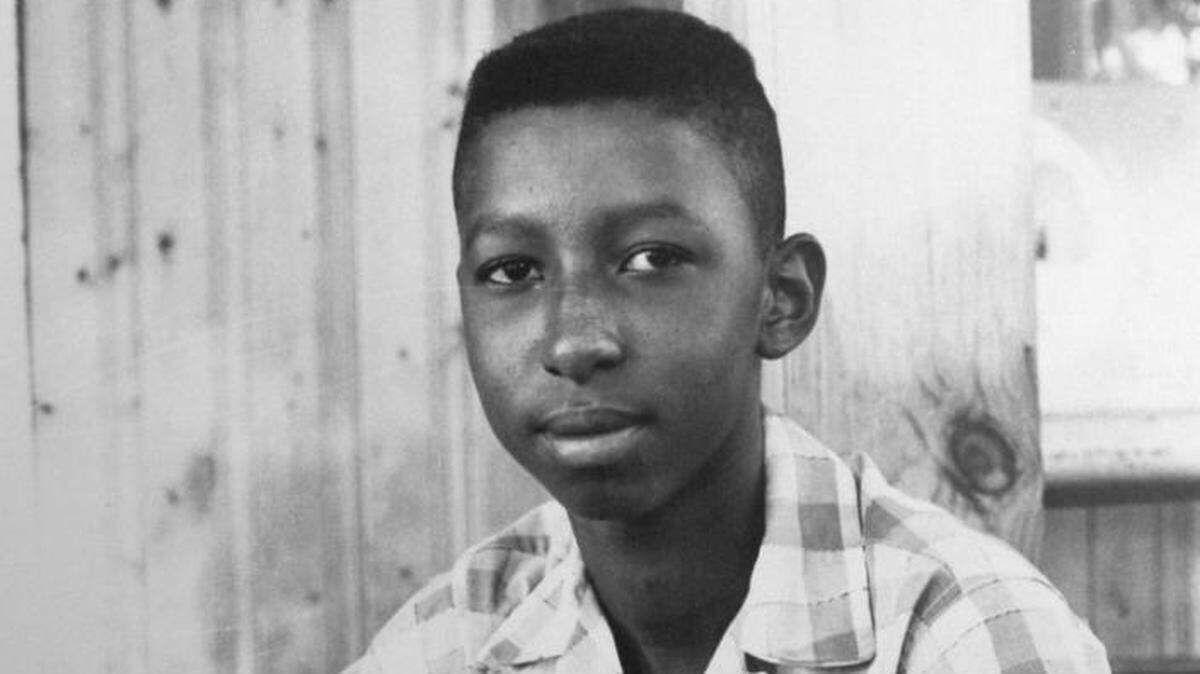
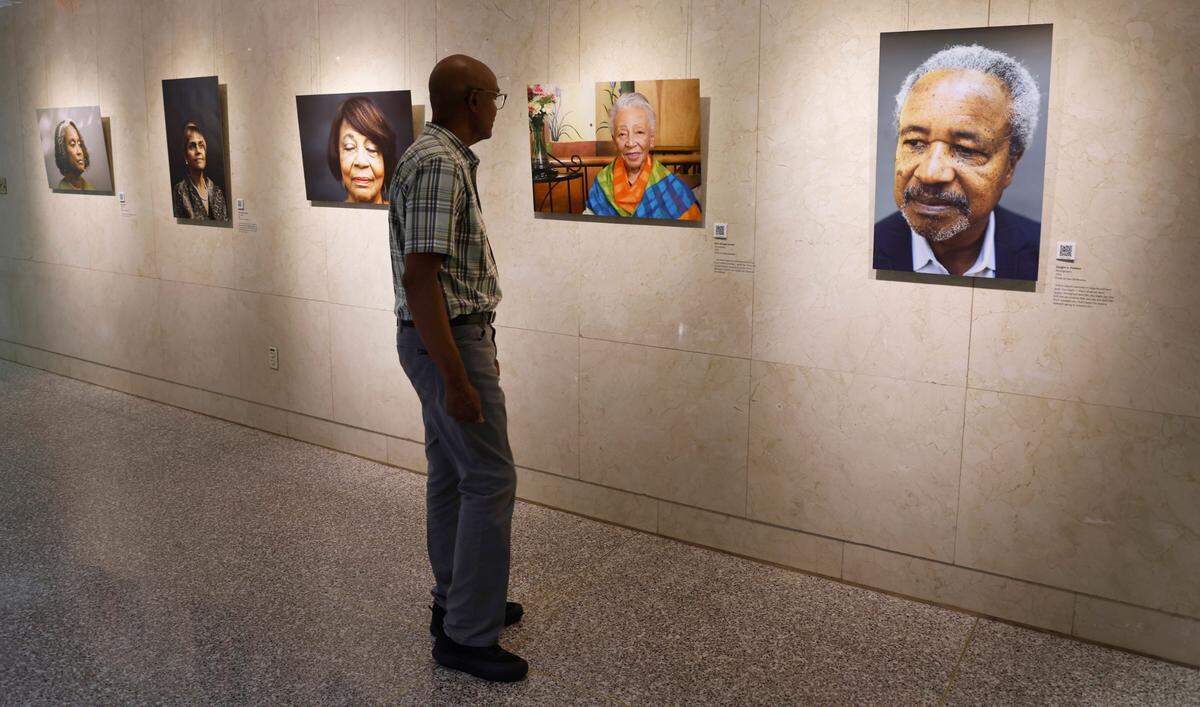
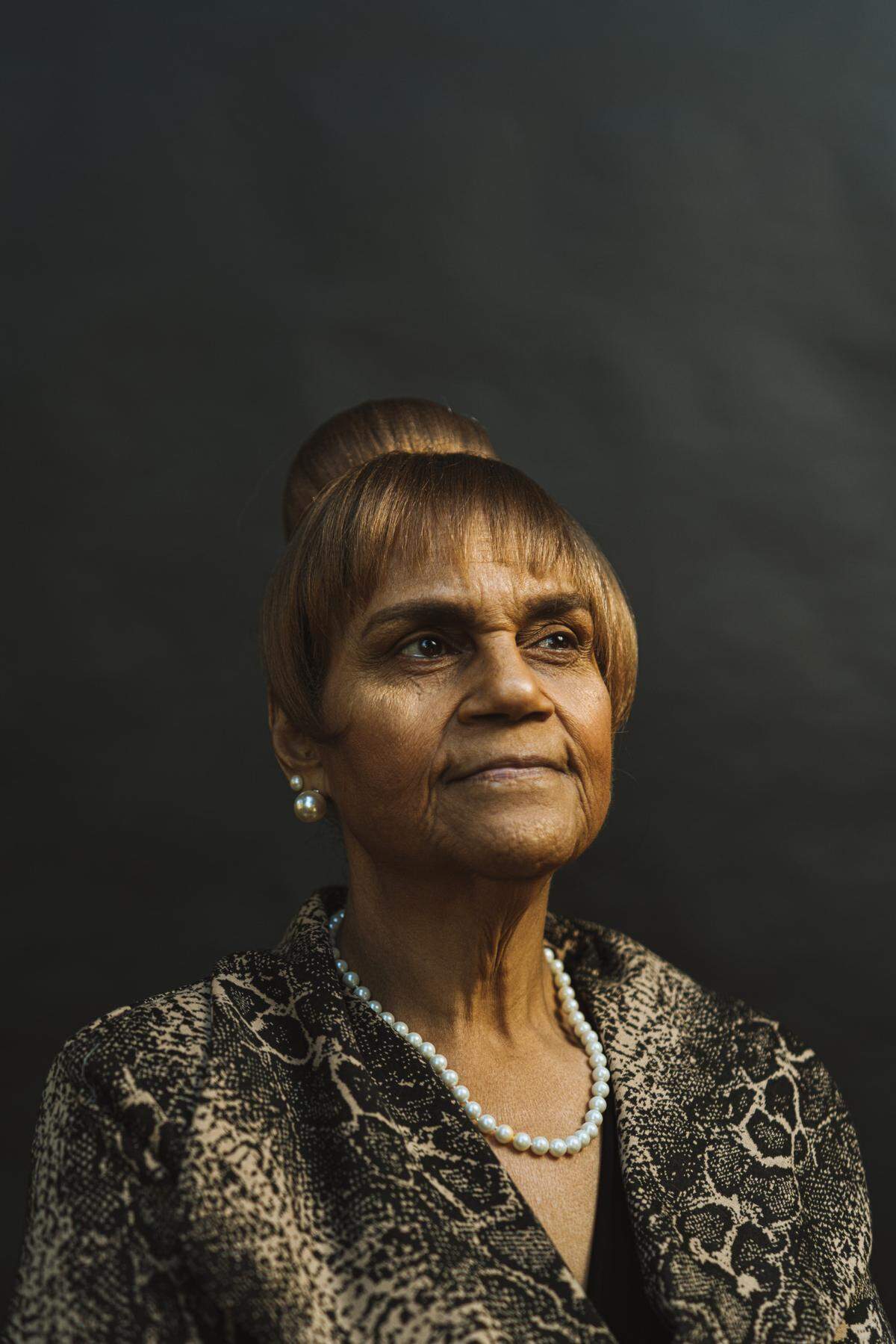
The exhibit in the Raleigh Municipal building’s Block Gallery on West Hargett Street contains portraits of 20 elders paired with quotes from their oral histories and QR codes linking to the audio collective online. Michael Williams, founder of the Black on Black Project, did the interviews for the oral histories.
“You hear people like Mrs. Andrea Fields saying that Oberlin was a community of change and that just because it doesn’t exist anymore, doesn’t mean it shouldn’t be remembered as one of the premiere communities in the state of North Carolina,” Williams said.
Each elder offers a unique perspective, with some members born as early as the 1930s and ‘40s, and others from later on in the ‘60s and ‘70s.
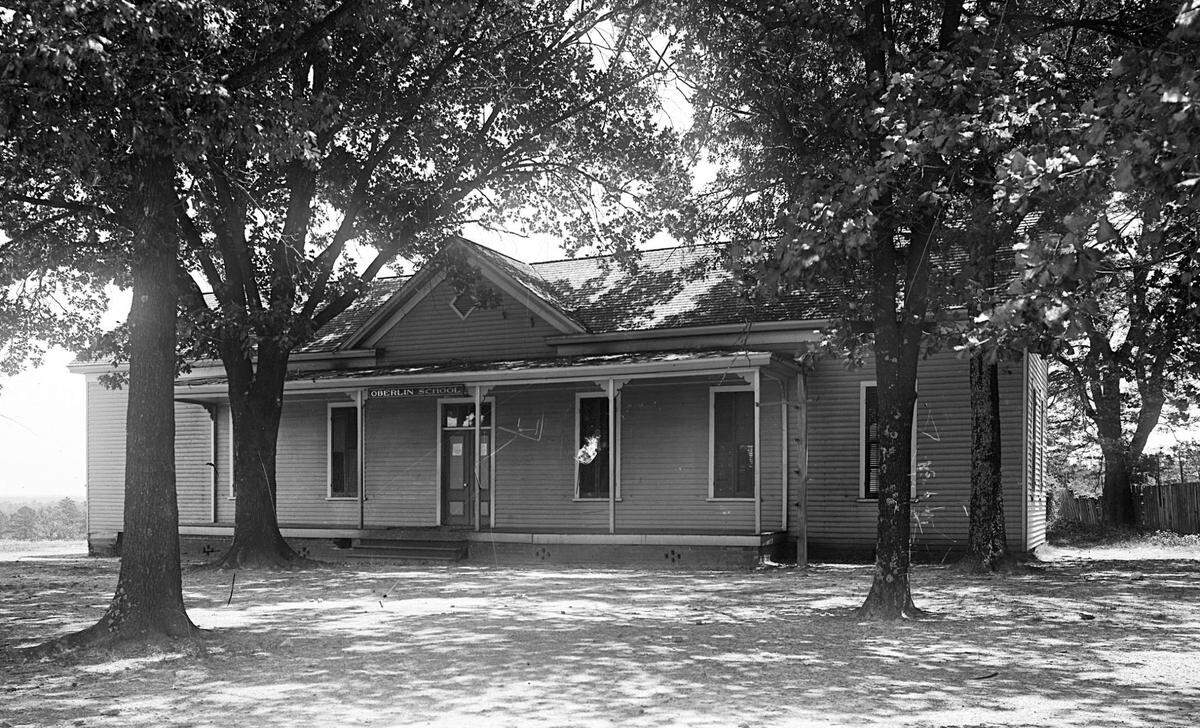
Edith Jenkins Debnam was born somewhere in the middle, in 1951. She and others integrated the local schools when they moved from the all-Black Oberlin School into what had been the all-white Daniels Middle School (which has since been renamed to Oberlin Magnet Middle School).
“It was a big change,” Jenkins Debnam said. “At the [Oberlin] school, I felt the closeness because I was with my own. But then when I went to Daniels, there were only two Black students in [my] class [out of] 20 students. Sometimes I was the only one in the class by myself.”
In 1966, the Oberlin School was permanently closed by the Raleigh school board, and eight years later it was demolished. Developments, such as The Village District (formerly Cameron Village) and along Wade Avenue, brought changes that led to the demolition of other historic buildings from Oberlin Village and childhood homes like Tucker Keith’s.
Even though the village in West Raleigh as it once was is gone, Williams said the rich history within those spaces flourishes.
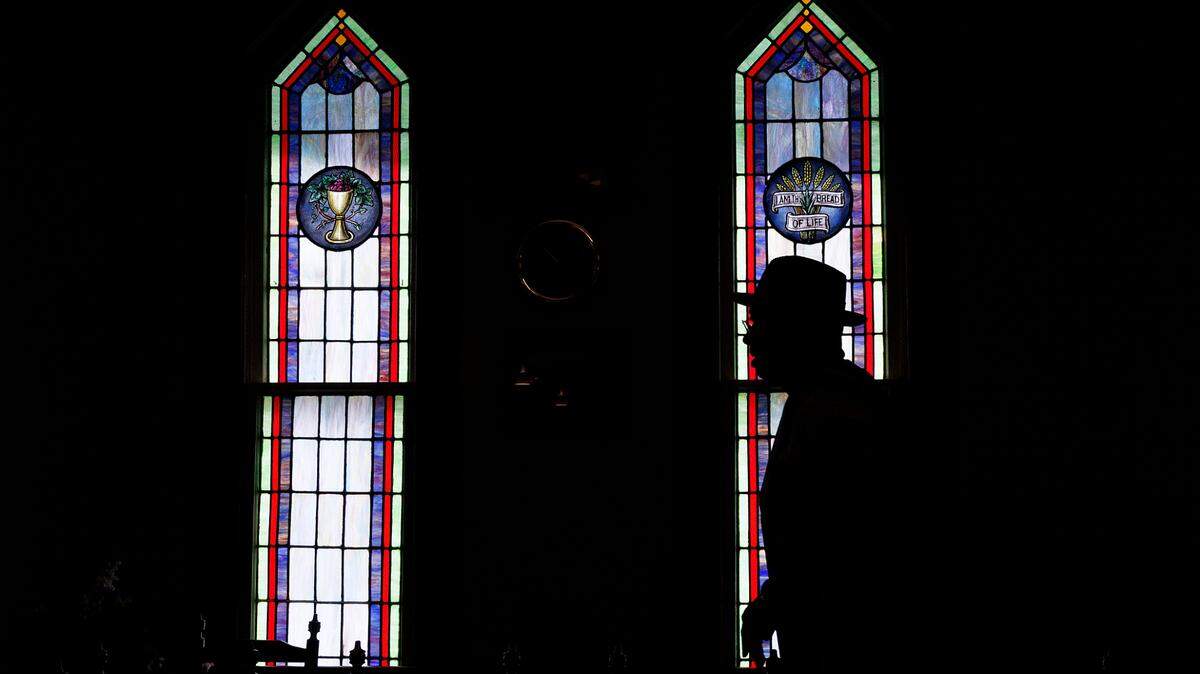
“When you listen to these stories from Oberlin, you hear about elders who remember people who would’ve been elders to them,” Williams said. “You hear about walking to church on Sundays. You hear about going to Black-owned barber shops and beauty salons; the Black-owned store. You hear about all these different Black institutions that are no longer there, but it doesn’t mean the spirit of those institutions doesn’t exist.”
While the youth around him spent Sundays after church riding their bicycles and playing outside, Alexander Kelley spent it sitting on front porch steps of the elders. They’d pour themselves a fresh cup of coffee and get him some homemade cookies or cake to eat, and he’d ask them questions.
“How was life for you when you were a little girl?” he’d ask one.
“Tell me about the neighborhood back then,” he’d tell another.
And as they spoke, telling him stories of a neighborhood before his time, he listened.
“What we did is connect from old to young,” he said. “It was just so fabulous back then, we just didn’t know what a gold mine we had. It’s just a gift. If you get that gift where you can sit down with an older person and they will talk with you and tell you their old ways, you got a gold mine.”
.jpg "AlexanderKelly_PhotobyTeresaMoore (1).jpg")
Now, Kelley is hoping his story about the Oberlin Village that once was does the same for the youth of today.
“The little ones that are coming on, they don’t have any clue to Oberlin. They just have no clue of how beautiful it really was,” he said. “I hope they get a little bit of the life that was back in those days and feel it. A feeling of love, understanding, sweetness.”
Williams said this is the purpose of the exhibit: to both preserve history for the future and create a space for new intergenerational conversation.
“What better way for these elders to speak to younger generations and speak to their contemporaries than them talking directly?” Williams said. “It’s really important to listen to people who lived during a time in which most of us did not. They can give you context ... that will help you understand the times that you are living in and how we got here.”
The exhibit will be up in the Block Gallery until Sept. 22, 2023 and visitors can view it Monday - Friday from 8:30 am to 5:30 pm. On Thursday, Raleigh Arts will host an exhibit reception starting at 5:30 pm in the Block Gallery featuring the “Voices of Oberlin” elders, curators and photographers.
Tucker Keith said she expects seeing the exhibit for the first time to be a magical and emotional time.
“You need to come out and look and see and hear the stories, because everybody’s story is different,” she said. “It makes you appreciate what has been and where we are today. Just come see and hear the stories of how our people survived and the knowledge that they had.”
The Voices of Oberlin Exhibit Reception
When: Thursday, June 29, 5:30 to 7:30 p.m.
Where: The Block Gallery, inside the Raleigh Municipal Building at 222 W Hargett St., Raleigh, NC 27601
Parking: Parking is available in the Municipal Building Parking Deck, 201 W Morgan St., Raleigh
Details: A meet and greet with the community members, curators and photographers. This event is free.
This story was originally published June 27, 2023 at 8:00 AM.