Orange County 2026 primary: Here are the challenges the commissioner candidates see

AI-generated summary reviewed by our newsroom.
- Spotlighting candidates’ concerns can reveal values, priorities and governance.
- Democratic winners in at-large and District 2 will face Republicans in November.
- Act on work-group recommendations to fix processes and outreach before revaluation.
READ MORE
NC Primary Election 2026
North Carolina’s primary election is March 3, 2026, with early voting starting Feb. 11, 2026. Here are stories on candidates, voting and issues to help voters as they head to the polls.
Expand All
Voters often want to hear about issues they think are important, but turning the spotlight on a candidate’s concerns can often reveal more about their values, priorities and ability to govern.
Six Democrats and two Republicans are running for Orange County Board of Commissioner seats in District 1, District 2 and the at-large district.
Only voters who live in a district get to vote for that district’s representative in the primary. All county voters get to cast ballots in the at-large race.
There are no Republicans running in District 1. The Democratic primary winners in the District 2 and at-large races will face Republican challengers in the Nov. 3 general election.
The News & Observer asked the candidates to talk about a problem or challenge affecting Orange County and how they would start to address it.
Find more information about Orange County’s primary here, and full election coverage at this link.
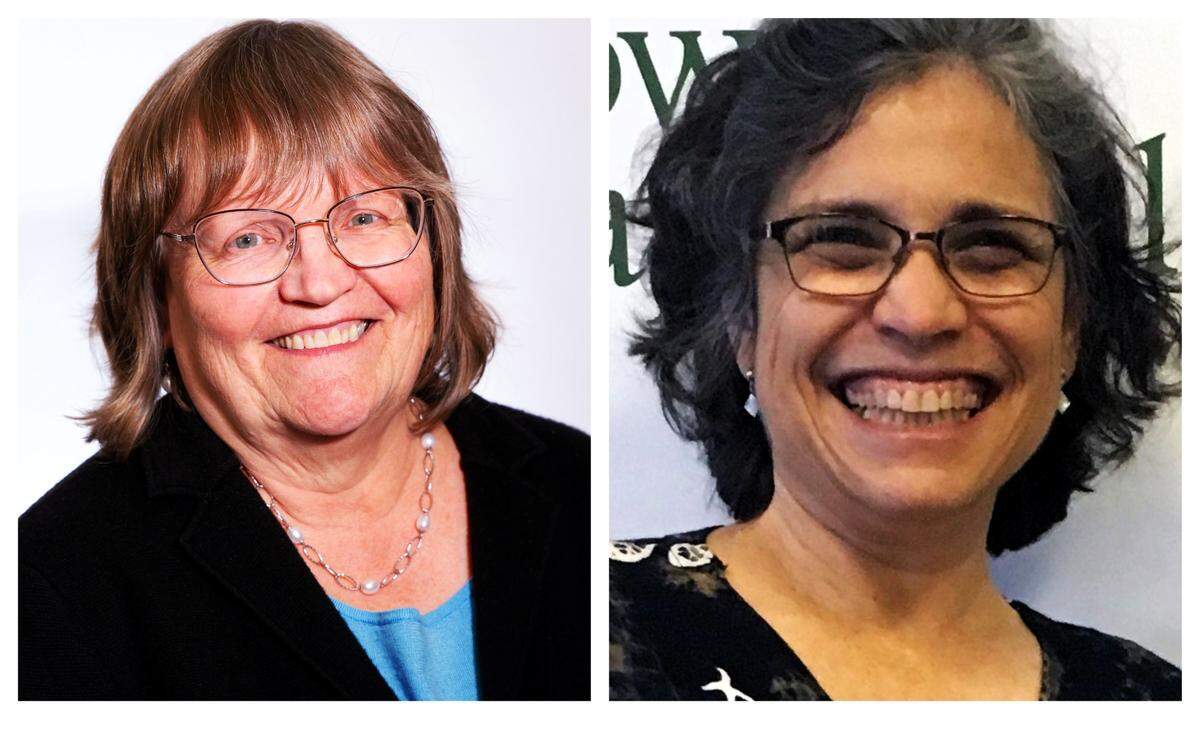
District 1
Jamezetta Bedford: She cited three challenges facing the county:
Fair elections: The Board of Elections added a full-time person this year and still uses paper ballots, she said, recommending more poll-watchers and better security for elections staff and the Hillsborough office, particularly when moving ballots.
Federal policy decisions: The county should use its money to help affected residents, from covering delayed federal SNAP food benefits to supporting flood victims if FEMA doesn’t step up, Bedford said. “If this is ever a year for an emergency, not to spend it all, but to have some that we might have to spend on residents who pay these taxes, this is the time,” she said.
Protecting residents: “We need to be ready again to alert people, work with the nonprofits [and] businesses shut down if ICE returns,” Bedford said, or to stand up to “the Trump regime and the unconstitutional assaults on our rights.”
Maria Palmer: She cited three challenges facing the county:
Transportation: The Chapel Hill and Orange County bus systems don’t serve everyone or every neighborhood, and getting somewhere can take hours compared to minutes in a car, she said. Better, safer bike and pedestrian amenities are also needed.
Lack of rural utilities: Water and sewer around Hillsborough and on N.C. 86 south to Chapel Hill could allow dense housing on bus routes and protect rural areas from sprawl, she said.
Protecting civil rights: There are 70,000 people in ICE detention, including Orange County residents, Palmer said, but leaders fear “Chapel Hill, Orange County and Carrboro have targets on their back.”
“The least we can do is say we will respect the Constitution. We won’t allow a gestapo-style [force] illegally breaking into our homes,” Palmer said. “If Chapel Hill is afraid to speak up, with the community support that our council members have, can you imagine in small towns the fear that people are living under?”

District 2
Earl McKee: He noted two county challenges:
Broadband internet: The county has “done an admirable job” getting broadband internet service to most of the county, McKee said, recalling how he had to drive to Hillsborough for virtual meetings during the COVID pandemic and rural parents had to sit in their cars in parking lots, so children could attend school online.
The homes that still lack broadband access should be helped, regardless of the cost, he said.
Education and future careers: Providing “a viable education” comes down to cost vs. benefit, McKee said. One option is funding more tutors or specialized help in the schools, he said.
“A child that is not being helped, that is having learning difficulty … is at a dead end,” he said.
“[Artificial intelligence] scares me to death, it really does, and the next-generation AI, I am terrified of [it]. It will take away a lot of your lower-level, tech jobs, and there’s no jobs in the mill to replace it,” he said.
Beth Bronson: The county needs to build infrastructure that will meet its goals, and collaborate more closely with its towns, Bronson said, “especially as we think about our land use for the next 30 years.”
It’s not just water and wastewater utilities, but also planning for “growth corridors” on busy roads like U.S. 70, N.C. 54 and N.C. 86, she said. It’s working with neighbors in Durham and Alamance counties, she said.
The county’s current trajectory fuels traffic, affordability issues, and more pressure on property taxes, she said.
“I am saying to start holding municipalities accountable for their intended growth, and also Orange County being a lot more open to how we can start growing together,” including in collaboration with Alamance and Durham counties, she said.
There are “so many more possibilities if we just stop thinking about” Orange County in isolation and more from the view that it will be part of a major metropolitan region, she said.
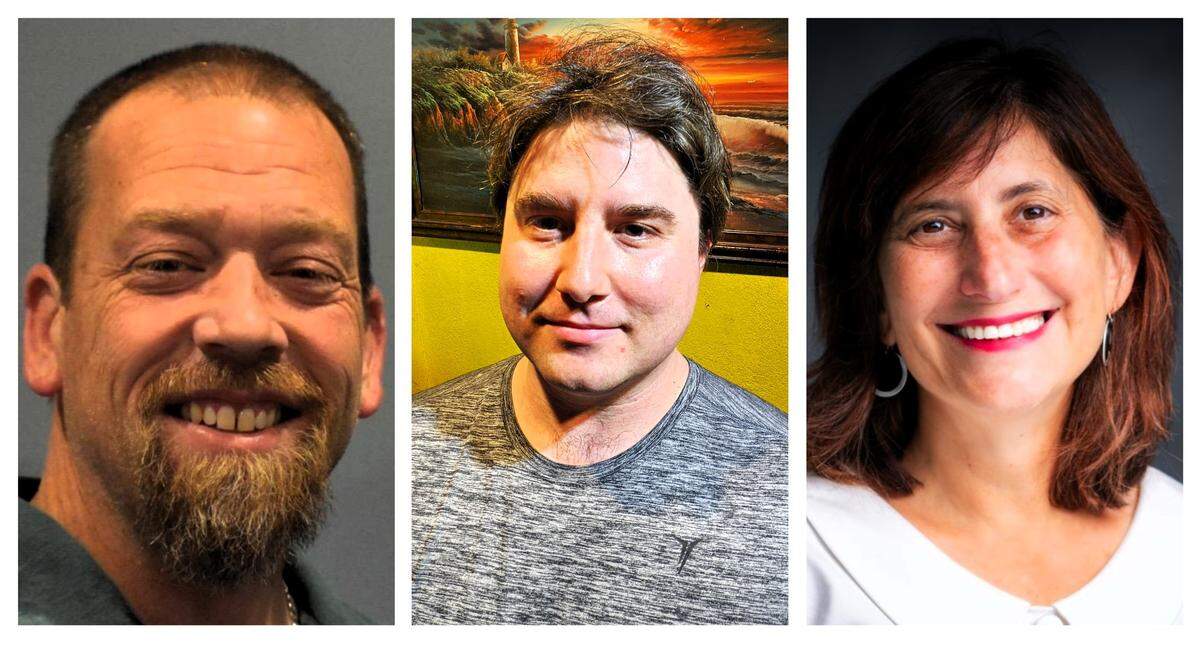
At-Large District
Adam Beeman: He sees three challenges for the county:
No wastewater plan: The county should work with Hillsborough to invest in its wastewater treatment capacity, he said. Adding utilities to major corridors will also expand growth around towns, create economic development areas, and preserve rural land.
Giving Mebane control: Orange County worked with Mebane to install water and sewer lines in the Buckhorn economic development district in western Orange County. Mebane now annexes and approves commercial plans, giving Orange County residents no say in what happens, he said.
Becoming a bedroom community: The county is unique as home to tax-exempt entities, such as UNC Health, UNC-Chapel Hill and Duke Forest, but that puts more tax burden on homeowners and renters, he said, pushing out lower-income residents.
“Once all the land around us in [other] counties is pretty much consumed, and we still have all this wide open land, it’s going to drive the cost up through the roof in this county,” Beeman said. ”You’re going to have a hard time stopping [developers from] doing the very thing that you’re allowing now with these private septic fields … Control the growth. Have a plan.”
Karen Stegman: The county’s method for valuing property and “the identification of serious inequities in the process” is one of its biggest challenges, Stegman said.
Social-justice advocates and residents of historically Black neighborhoods first identified the issue after the 2021 revaluation, and she thought it was addressed, she said.
“But after the fact, with a lot of work and data collection, analysis and advocacy from the community, it became very clear that it was not, in fact, fixed,” she said. “There are systemic inequities in the process that are specifically harming historically Black and brown neighborhoods in our county.”
She noted a county work group now studying the problem to recommend changes.
“It’s really, really important that we hear those recommendations, and we act on them and make sure that is done before the next revaluation,” she said, “and fix our process to make sure it doesn’t happen, and strengthen the communication and feedback loop between the communities and the county on these issues.”
Jeffrey Hoagland: The county doesn’t make it easy for residents to find out what’s going on or to get involved in their local government, Hoagland said.
The county website is hard to navigate, and board meeting minutes and agendas should be easier to find, he said. County staff and commissioners could also benefit from spending more time in neighborhoods talking with residents about their concerns, what is happening, and when a particular meeting could be held, he said.
“The best way I know is just go out and talk to people, because that’s the easiest way you can show them in person how things work,” Hoagland said. “As far as the group-type setting … that involves people actually looking [for information], and if they don’t know they need to go look, it’s almost impossible to find.”
This story was originally published February 16, 2026 at 7:00 AM.







.JPG)