She had an unplanned pregnancy. Now she’s helping others navigate their choices.
READ MORE
Abortion in North Carolina
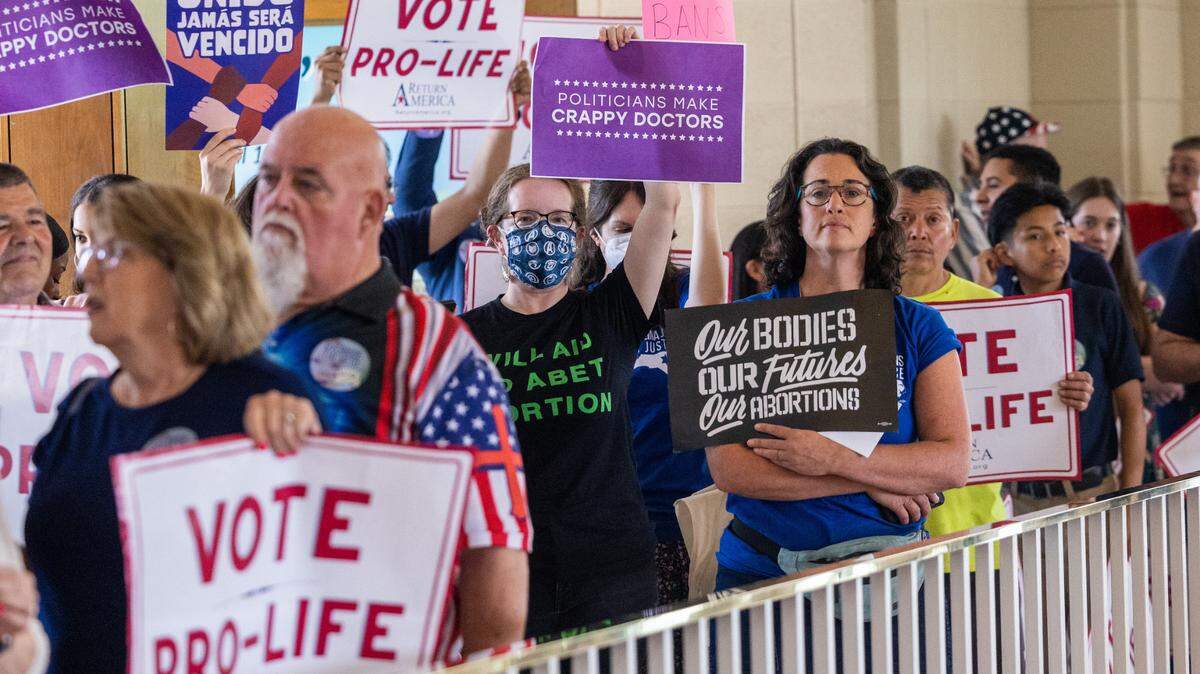
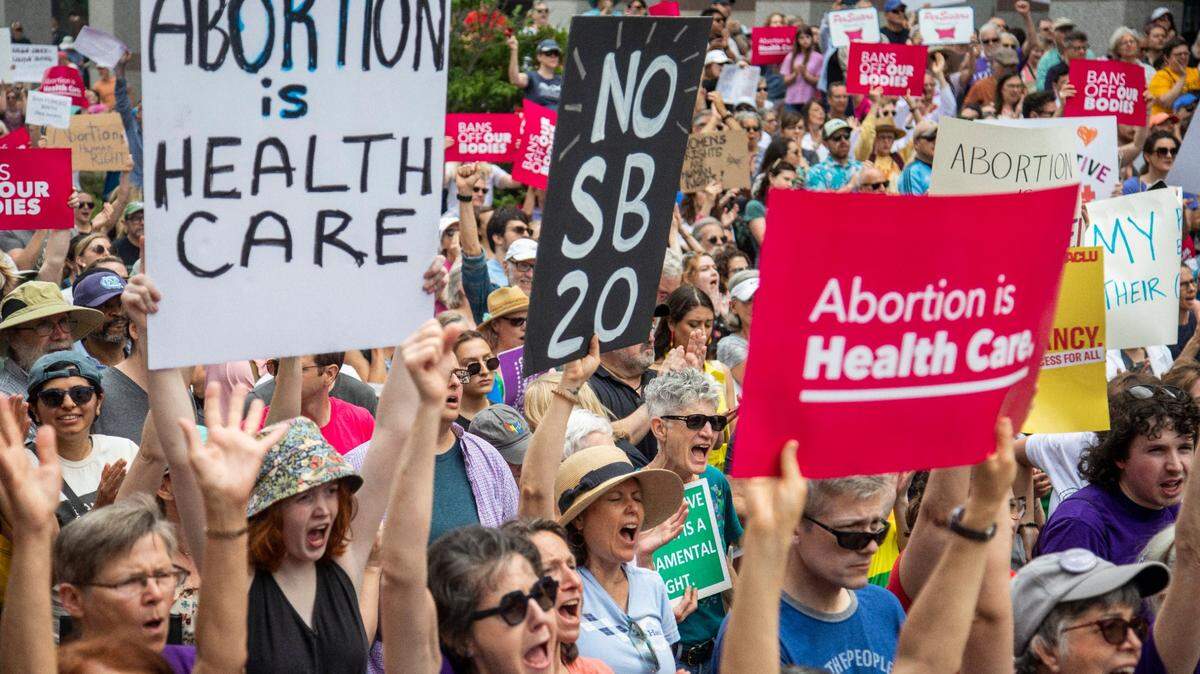
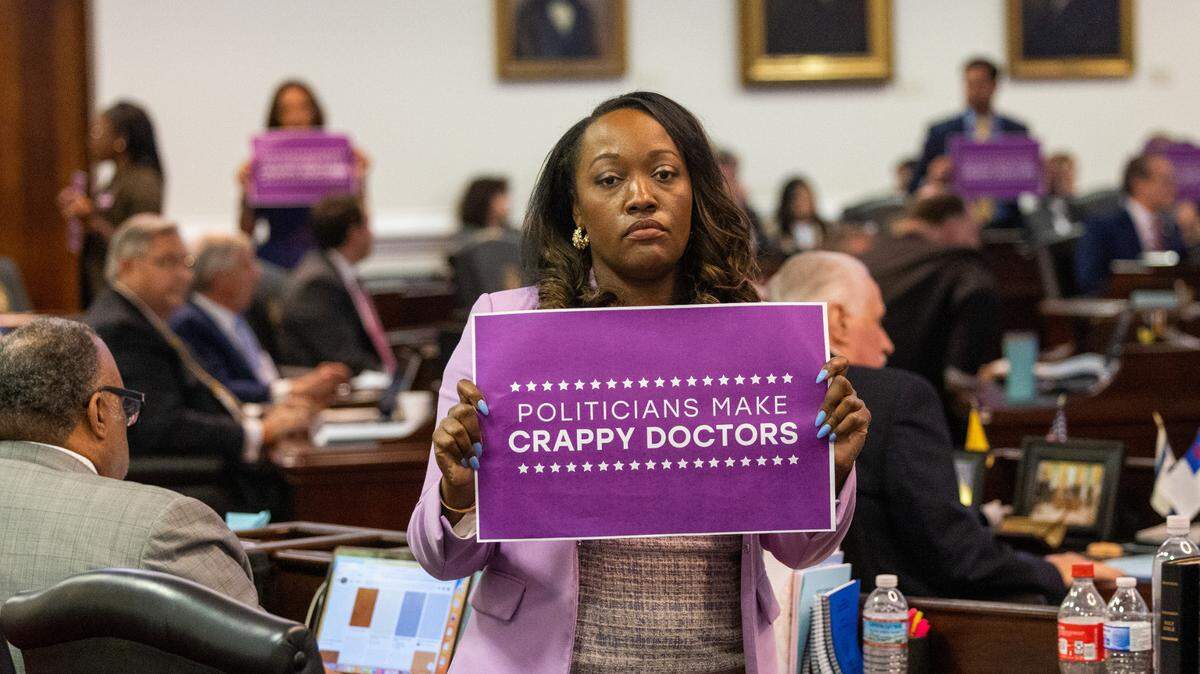
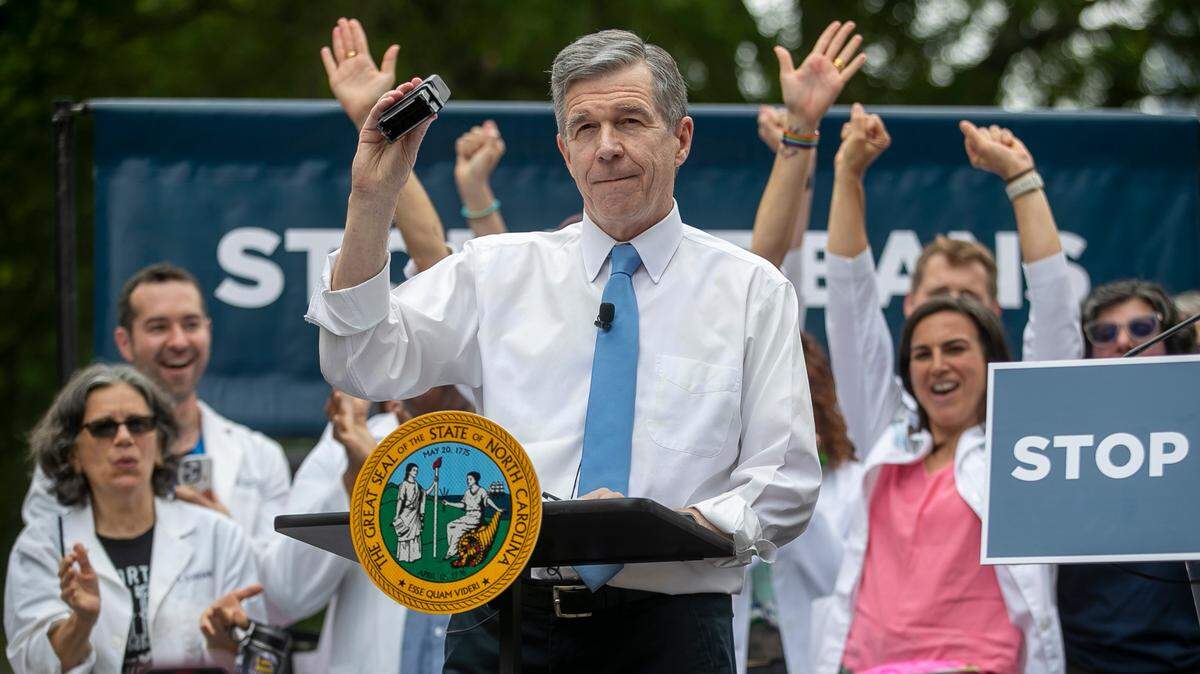
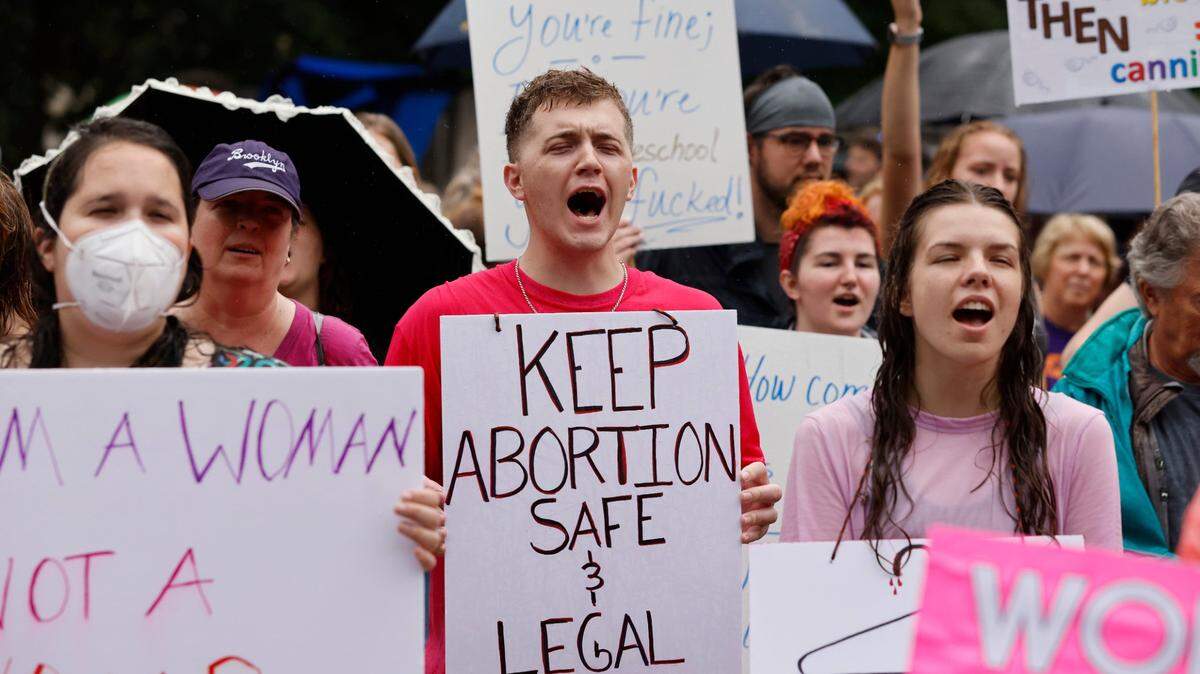
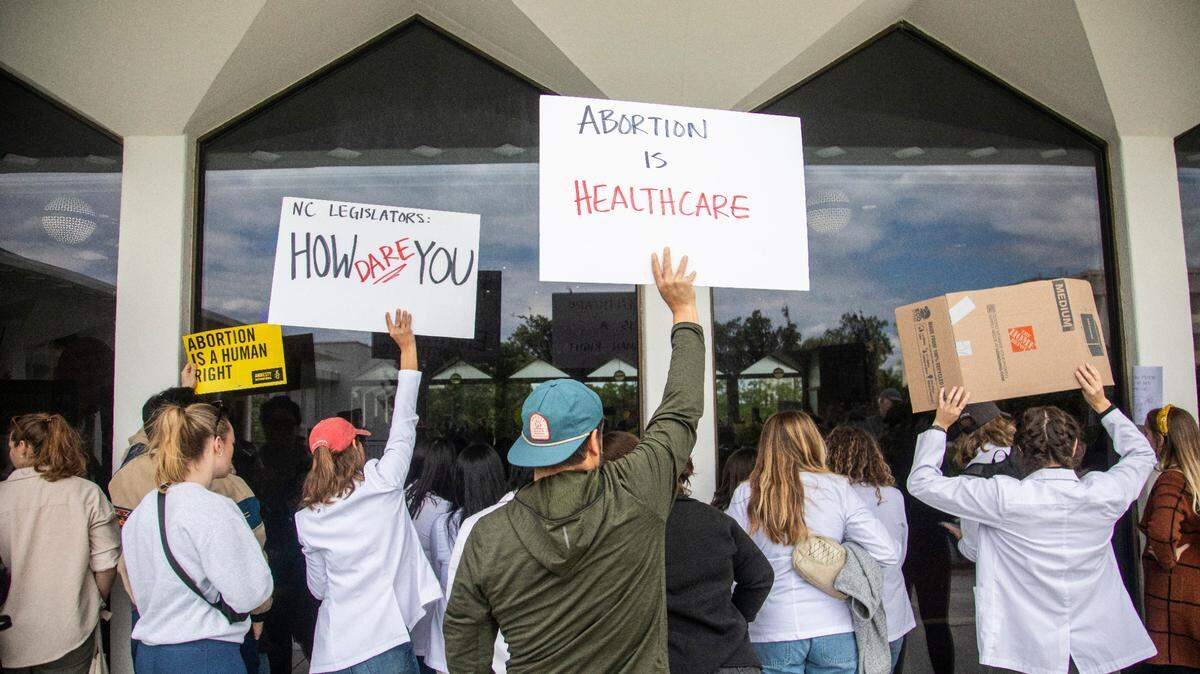
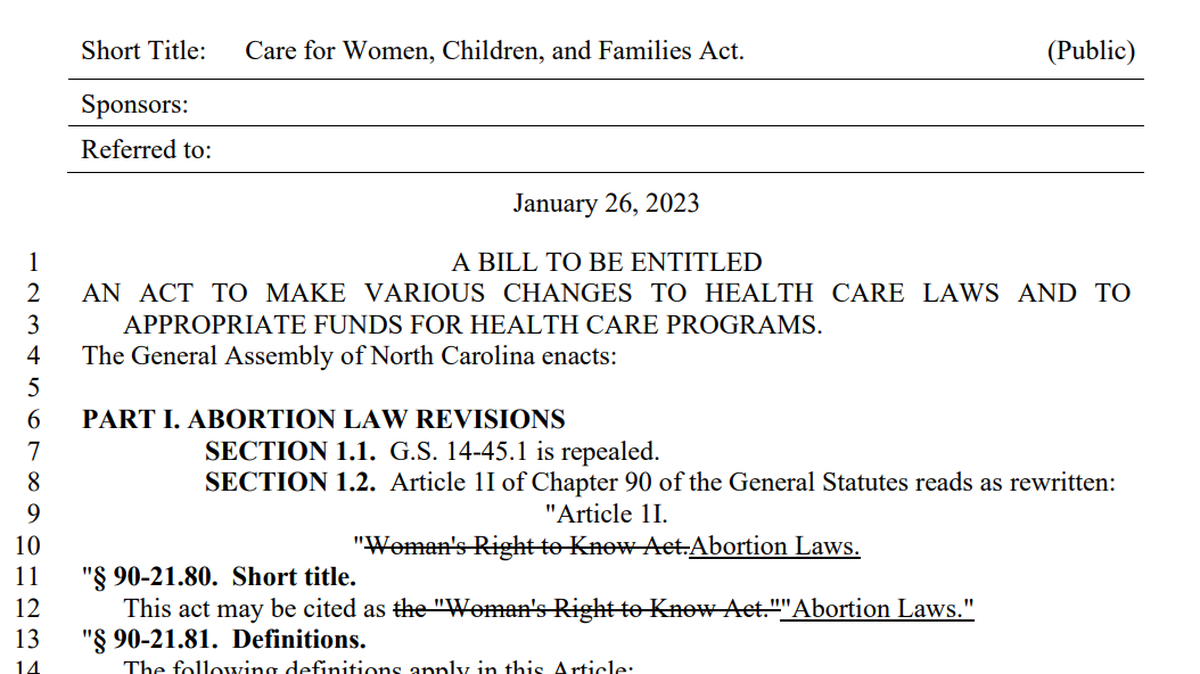
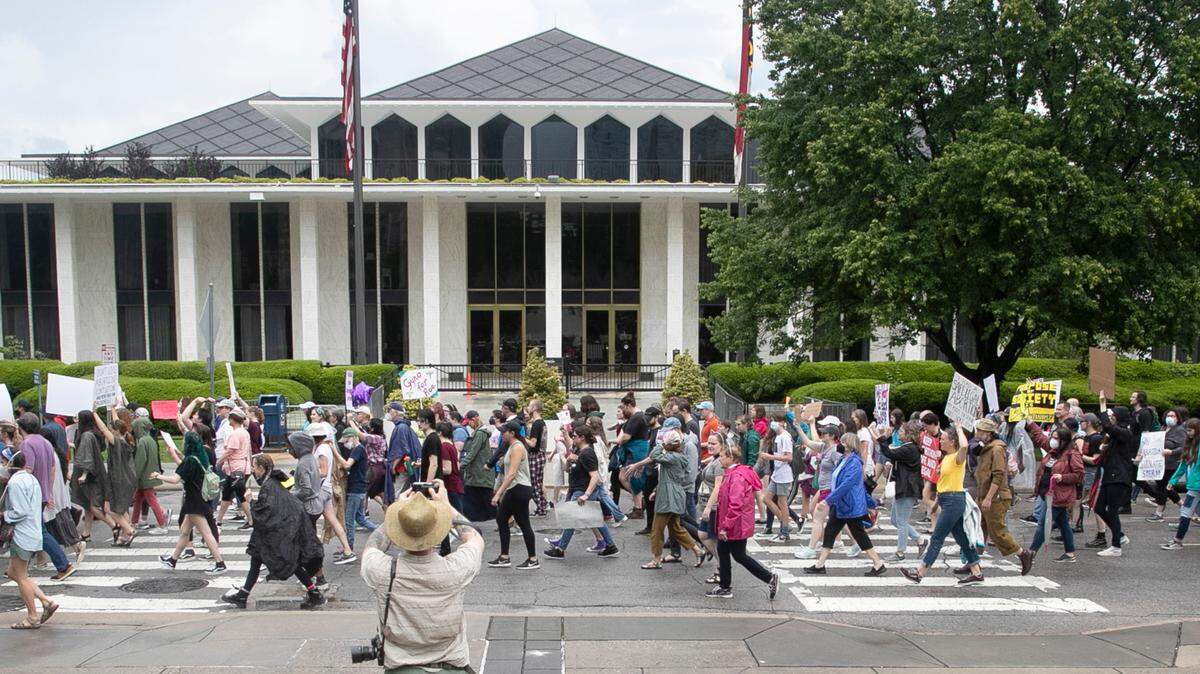
Republicans in the North Carolina state legislature passed a law that implements new abortion restrictions. What does that mean for access to abortion? Read coverage on the issue from The News & Observer and The Charlotte Observer.
Expand All
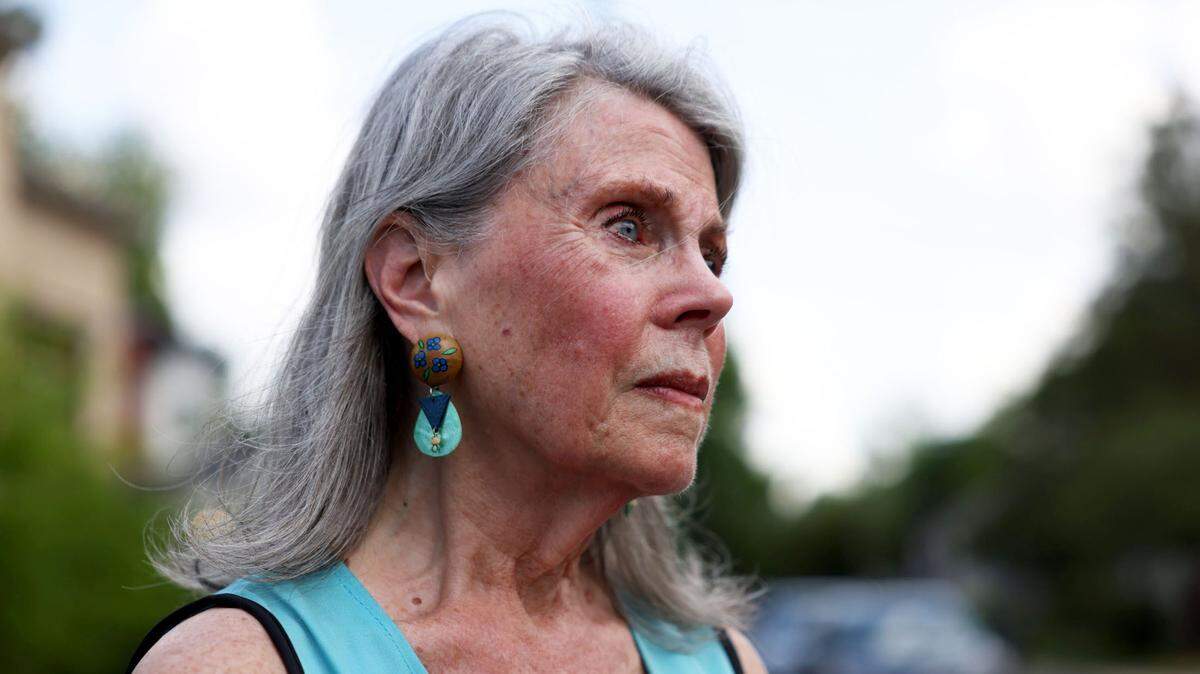
Tonya Baker Nelson walked into the Harnett County Health Department one day when she was in her early twenties to get a refill for her birth control prescription. Unaware of how her life was going to change, she walked out a short while later in shock.
She went and sat in her car, and tried to process what had happened.
A doctor had just informed her she was pregnant. Nelson didn’t understand why she needed to take a pregnancy test in the first place; the doctor said it was standard for anyone seeking birth control. Nelson told the doctor to check again with another pregnancy test, and another after that.
The tests came back positive each time. Not more than five minutes after the third test came back, the doctor sent her to another room, where a woman asked when Nelson wanted to schedule her “procedure,” and told her how much it would cost.
“I remember saying to her, ‘Are you just going to talk to me about an abortion?’ And she said yes. And I said, ‘Well, this conversation is over.’ And I got up and walked out, and something clicked,” Nelson recalls.
That early experience with an unplanned pregnancy only strengthened Nelson’s opposition to abortion, and would later inspire her to open her own pregnancy centers to help people struggling with the prospect of pregnancy and the early years of parenting. Now, as the U.S. Supreme Court appears poised to strike down Roe v. Wade, Nelson is optimistic that abortion will be curtailed or outright banned in many more states, including here in North Carolina.
Nelson, 49, felt strongly about abortion from a young age. Growing up in the 1980s, Nelson was around 10 or 11 when she heard the term “abortion” and asked her parents what it meant. Her reaction was to immediately ask them: “How is this legal?”
Although they were strong, her convictions were still tested when she was faced with her own unplanned pregnancy. The scariest thing was wrapping her head around the choice the father of her daughter had laid out for her: “It’s either me or the baby.”
“It was pretty hard for about six months, because it was (a) constant barrage of, ‘You have to have this abortion, this is going to ruin our lives, you have to do this, talk to this person, talk to my mom, talk to my friend who’s a nurse, you know, let her explain,’” Nelson says. “I remember that vividly. ‘Let her explain, you know, what an abortion is, to you.’ And I was like, ‘I know what an abortion is.’”
Ultimately, Nelson told her partner, “Well, if you got to go, I guess you got to go.”
A support system for pregnant people
Nelson gave birth to her daughter, Sonny Joy, in 1996, and raised her on her own. Nelson struggled financially, and the two of them lived in a tiny, subsidized apartment for several years. Despite the hardships, Nelson, who now lives with her family in Fuquay-Varina, says she “loved every second of it, because it was me and my baby.”
In 2005, Nelson opened her first Hand of Hope Pregnancy Center. She came up with the idea a few years earlier, during Bible study at church. Nelson’s group was brainstorming needs that had to be met in their community, and Nelson thought of a pregnancy center. There were at least four other women in her group who had also had unplanned pregnancies.
Raising enough money to get the center off the ground and running even only part-time was daunting at first. “Our very first annual budget was $12,000,” Nelson said. “I remember thinking, where in the name of God am I going to get $12,000?”
Nelson and her husband paid many of the initial costs out of their own pockets, with some help from her brother’s family, and a friend. They also held a series of “miniature fundraisers” — small parties and get-togethers with their neighbors and friends where they raised more money over coffee and dessert.
Hand of Hope is a ministry, and describes itself as a “Christian center.” On its website, Hand of Hope says its mission is to “affirm the value of life from conception by compassionately sharing the gospel of Jesus Christ.” That entails helping people navigate unplanned pregnancies, providing them with emotional and spiritual guidance if they have an abortion or miscarriage, and encouraging abstinence until marriage.
Today, Hand of Hope operates three pregnancy centers in the Triangle: one in Fuquay-Varina, one in Raleigh, and one in Fayetteville.
One of the first things new clients receive when they first come into a center is a pregnancy test. Another is an ultrasound. The ultrasound isn’t required, but Nelson says most clients choose to have one.
“A picture’s worth a thousand words,” Nelson says. “So, she realizes that she’s pregnant with a baby. … She just hasn’t made the connection yet that she’s pregnant with her baby.”
During those initial visits, clients are also educated about what Nelson says are some of the possible physical complications and emotional and spiritual consequences of having an abortion.
Nelson says clients guide the conversation when it comes to spirituality. If someone wants to talk about “what does God say about abortion,” they can. But if a client doesn’t want to discuss their religious beliefs, and only wants information about abortion, and the pregnancy test and ultrasound, that’s fine, too.
Some clients bring the belief that having an abortion means “God will never forgive me and I won’t get to go to heaven” — a notion that Nelson says is “absolutely not true.”
“I can promise you that’s going to make quite a few Christians mad, but that’s OK, they can get mad, because that’s not true,” Nelson said. “An abortion does not keep you out of heaven, and an abortion does not send you to hell.”
Ultimately, some clients decide to terminate their pregnancy, but that doesn’t always mean their visits to Hand of Hope are over.
“We tell our girls, you are welcome here regardless of the decision you make, because right now it still is legal,” Nelson says, of abortion. “And you know, lord willing, it will be illegal soon, but right now it is still legal.”
A changed life for mother who was thinking of abortion
For Katie Shaw, counseling was a much-needed respite from the overwhelming decision in front of her. Shaw had initially decided to have an abortion but heard of Hand of Hope at church and visited the center in Fuquay-Varina when she was six weeks pregnant, in the fall of 2017.
“I was scared to death; I was going to be a single mom, and I did not know how I was going to do it,” Shaw said of her unplanned pregnancy. “I could not see myself doing it on my own. It just seemed so overwhelming, and I was just so worried that it was going to mess up everything.”
Shaw, currently in her 20s, didn’t have much by way of support. She was keen on having her daughter’s father involved, but he wasn’t interested.
“I’ll never forget his words to me. He said, ‘I have closed the door on that situation,’” Shaw said.
Her family was very supportive once she told them, which was only five months into her pregnancy. Until then, she hadn’t been able to bring herself to tell anyone.
The staff at Hand of Hope ended up being the support system she needed. Shaw came in every Wednesday. She received parenting classes, sat in on Bible studies, and spent her “baby boutique bucks” on diapers, wipes, a stroller, and a car seat.
As the weeks went by, Shaw continued to wrestle with whether she should get an abortion. In her heart, she knew she wanted to be a mother. But in her mind, she harbored serious doubts about whether she’d be able to raise a child on her own.
“I was so broken, I had no self-esteem, no self-worth, I mean, I was just beat down,” Shaw says. “And every week, I would come in and they just surrounded me with love. And they said, you know, ‘You can do this.’”
Shaw continued coming in even after her daughter, Gemma, was born. When the pandemic shut everything down in early 2020, Hand of Hope staff stayed in touch with Shaw over the phone.
Today, Shaw is grateful to Hand of Hope for guiding and convincing her that she had it in her to raise her daughter, Gemma, who is now 3-and-a-half years old.
“I have direction, I have purpose, I am fulfilled, I know where I’m going — it can be the worst of days, but as long as I have that little girl, and she’s OK, I’m OK,” Shaw says.
What comes next for abortion in NC
As someone who feels strongly that Roe was wrongly decided and has been praying for abortion to be banned for decades, Nelson was “ecstatic” to find out that the Supreme Court appeared to be on the brink of striking down both Roe and the subsequent decision Planned Parenthood v. Casey.
“Oh dear God, please let this be true,” was Nelson’s first thought when she heard the news. Her second thought was, “Oh, finally, it’s about time.”
Going forward, Nelson sees two roles for herself in helping shape the future of abortion in North Carolina. The first role is at the individual level.
“You win the war on abortion one heart at a time,” Nelson says.
That means continuing to help Hand of Hope clients with their pregnancies. In anticipation of Roe being overturned, Nelson has already begun hiring more staff and is preparing “to get a whole lot busier.”
The second role is at the legislative level, which means engaging lawmakers in the General Assembly and advocating for them to pass the strongest possible restrictions on abortion.
Nelson doesn’t believe there’s enough support for a complete ban on abortions with no exceptions — the policy she most wants to see enacted — and recognizes that even among opponents of abortions, she is probably in a minority. In the meantime, she thinks it’s important that lawmakers limit abortion as much as they can, even if that entails legislation that is less restrictive than she prefers.
Those bills could be modeled on the law passed in Texas last year that bans abortions in some cases after just six weeks of pregnancy, or the Mississippi law at the heart of the case currently before the Supreme Court, which bans abortions after around 15 weeks, Nelson said.
“There are things that we can do to put some stronger protective measures around that baby, and also help those parents.”
This story was originally published June 12, 2022 at 6:00 AM.

.jpg)