What is an abortion? An ectopic pregnancy? Learn about reproductive health in this guide.
READ MORE
Abortion in North Carolina
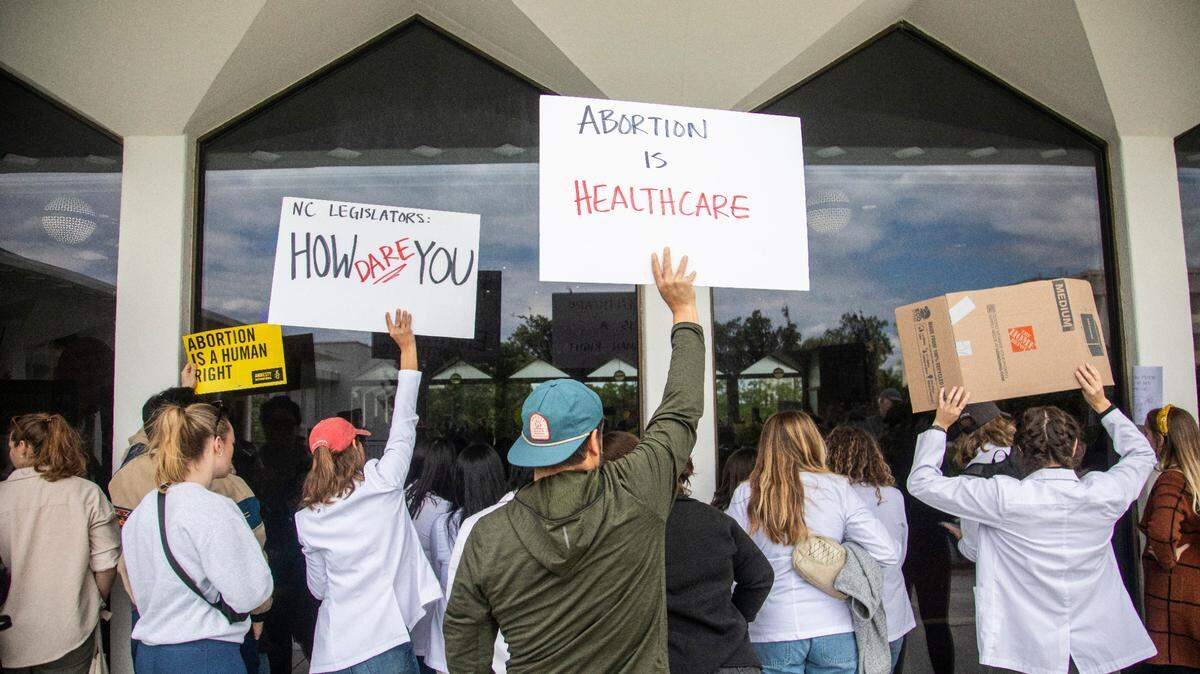
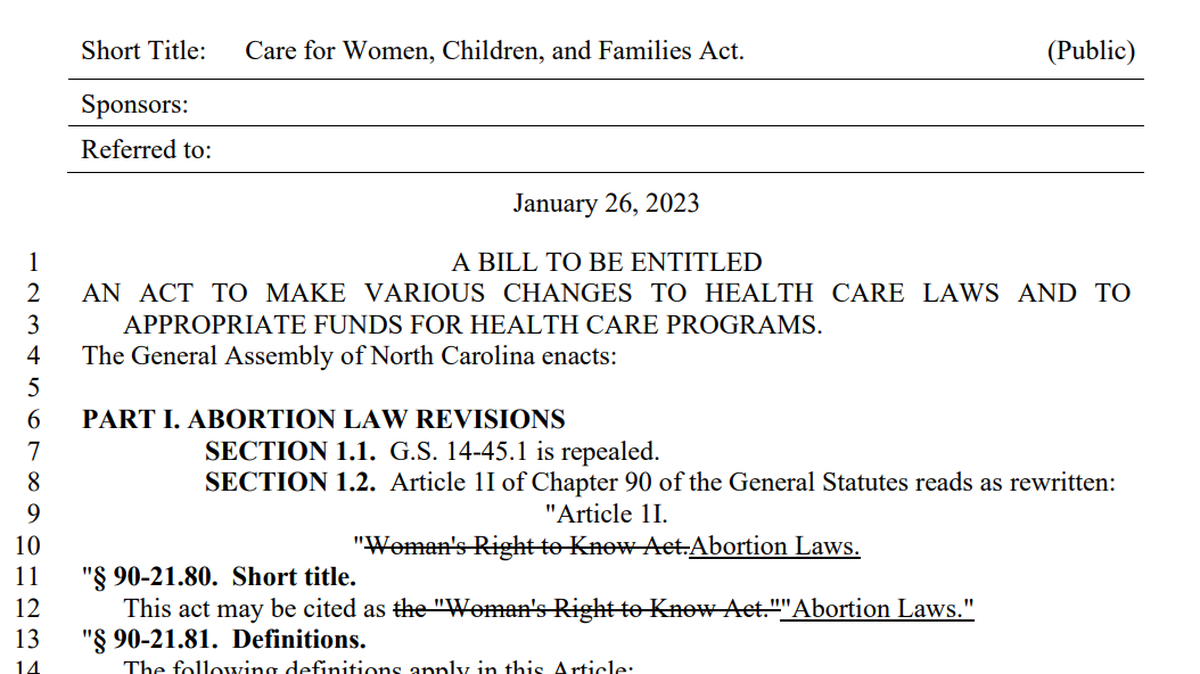
Republicans in the North Carolina state legislature passed a law that implements new abortion restrictions. What does that mean for access to abortion? Read coverage on the issue from The News & Observer and The Charlotte Observer.
Expand All
North Carolina Republican lawmakers are introducing a bill this week that will restrict abortions to 12 weeks, with exceptions.
Abortions have been legal across the nation since the Supreme Court’s famous 1973 decision. In North Carolina, abortions are currently banned after 20 weeks of pregnancy, with an exception for medical emergencies.
But since the U.S. Supreme Court overturned Roe V. Wade in 2022, North Carolina has become an abortion destination for Southern women.
While most people have probably heard of abortion, other procedures and terms related to pregnancy might be unfamiliar. The News & Observer and The Charlotte Observer have put together this glossary of common reproductive health topics and terms.
Abortion
Abortion is a deliberate termination of a pregnancy. There are two types of abortions: surgical and medication.
Surgical abortions
Surgical abortions are conducted by a medical provider. The procedure involves dilating the cervix and using a small suction tube or device to remove the pregnancy tissue from the uterus, according to Mount Sinai Medical Center. Any remaining tissue can be removed using a surgical tool called a curette. Surgical abortions are usually conducted with a sedative or with local anesthesia that numbs the cervix.
Medication abortions
These are performed using medication and don’t require surgery or anesthesia. They can be started either at a doctor’s office, medical facility, or at home. Patients may need follow-up visits to make sure there aren’t any complications.
There are certain limitations on when parents can have a safe medication abortion. Anyone who has been pregnant for more than nine weeks should not try to have a medication abortion, according to the Mayo Clinic. Medication abortions also aren’t possible if you’re using an intrauterine device (a form of birth control); have certain medical conditions including bleeding disorders or severe liver, kidney, or lung disease; or take blood thinners like aspirin.
The most common medications used are mifepristone and misoprostol. Taking mifepristone blocks the hormone progesterone, which keeps the lining of the uterus thin and prevents it from carrying the developing embryo and allowing it to grow, according to the Mayo Clinic. Misoprostol, which is taken hours or even days after mifepristone, causes the uterus to contract and expel the embryo.
The same medications can be used to help a person’s body expel tissue after a miscarriage, according to American Family Physician.
Ectopic pregnancy
An ectopic pregnancy occurs when a fertilized egg fails to implant inside the uterus. Instead, it grows outside of it, most commonly in a fallopian tube, which can’t sustain a growing embryo. Ectopic pregnancies can cause bleeding and is a life-threatening condition that need to be treated immediately, according to the Cleveland Clinic.
Pregnancies that are ectopic can’t be carried to term, and can cause major complications if not treated, including damage to the fallopian tube or other organs, internal bleeding, or even death.
Viability
The term “viability” is usually used to refer to the stage of fetal development at which a fetus would be able to survive outside of the uterus.
Trimester
Pregnancies, which are considered full-term at around 40 weeks, occur in three trimesters, each of which lasts about 12 to 13 weeks. Each trimester marks a different stage of fetal development, and pregnant people can expect to experience different kinds of symptoms during each part of the pregnancy, according to the University of California San Francisco Medical Center.
The first trimester (0 to 13 weeks) is the most important stage of embryonic and fetal development, according to UCSF. This is when the body structure and organs begin to develop. It’s also when most miscarriages and birth defects happen.
Development continues during the second trimester (14 to 26 weeks). Between 16 and 20 weeks is usually when pregnant people can feel the fetus’ first movements coming from within the uterus.
The third trimester (27 to 40 weeks), is the final stage of pregnancy, leading up to delivery.
Fertilization
Fertilization can occur after sexual intercourse, when the sperm and egg travel through the female reproductive system and join in the fallopian tubes to form a zygote, according to the Cleveland Clinic. A zygote then travels to the uterus and continues developing until it has formed into an embryo about two weeks after conception. The embryo becomes a fetus at about eight weeks of pregnancy.
The ‘morning-after pill’
Plan B refers to the so-called “morning-after pill,” a form of emergency contraception that can be used to prevent pregnancy after having unprotected sex, including when birth control fails or is forgotten, or after a sexual assault.
The pills prevent pregnancy by preventing or delaying ovulation. The pills do not abort an implanted pregnancy, according to the Mayo Clinic.
There are two types of morning-after pills: one that contains levonorgestrel and is also known as “Plan B One-Step,” and another that contains ulipristal acetate, and is known under the brand name “Ella,” according to the Mayo Clinic. Plan B One-Step pills can be purchased over-the-counter, whereas Ella pills require a doctor’s prescription.
Dilation and curettage
Also called a D&C, a dilation and curettage is a minor surgical procedure performed in a doctor’s office or another medical setting to remove tissue from the uterus.
The procedure involves dilating the cervix and using a curette, a small, thin surgical tool, to scrape any tissue from the uterine wall, according to the Cleveland Clinic. A D&C is usually performed when a pregnant person has had a miscarriage or has remaining tissue that needs to be removed after a surgical abortion. After the tissue has been removed, a sample can be analyzed by a lab.
Miscarriage
A miscarriage occurs when a fetus does not survive before the 20th week of pregnancy. Most miscarriages happen because the fetus is not developing normally. Around 50% of miscarriages happen because a fetus develops with too many or too few chromosomes, according to the Mayo Clinic.
In some cases, health conditions can also lead to a pregnancy ending in a miscarriage. These include uncontrolled diabetes, hormonal problems, certain infections, thyroid disease, or problems with the uterus or cervix.
Certain risk factors can also increase the likelihood of a miscarriage. These include age (people older than 35 have a higher risk of miscarriage than those who are younger); having had a previous miscarriage; smoking, drinking alcohol or using illicit drugs during pregnancy; or being under or over your recommended weight, according to the Mayo Clinic.
The same medications used in a medical abortion, mifepristone and misoprostol, can also be used to help a person’s body expel tissue after a miscarriage, according to American Family Physician.
Missed miscarriage
A missed miscarriage is when an embryo or fetus does not survive in the uterus but a pregnant person does not experience any symptoms. In these situations, tissues from the placenta or embryo remain in the uterus but the embryo never forms, or fails to survive, according to the Mayo Clinic.
This story was originally published June 12, 2022 at 6:00 AM.






























.jpg)