3 abortions have fueled this NC woman’s fight for abortion access
READ MORE
Abortion in North Carolina
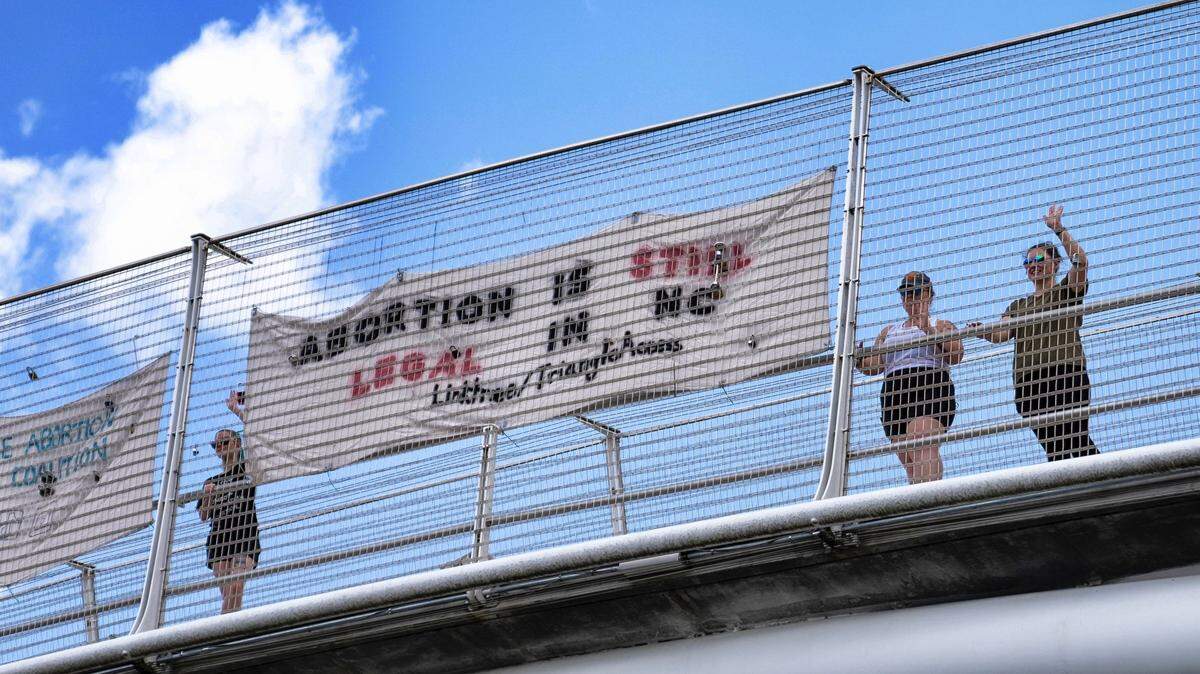
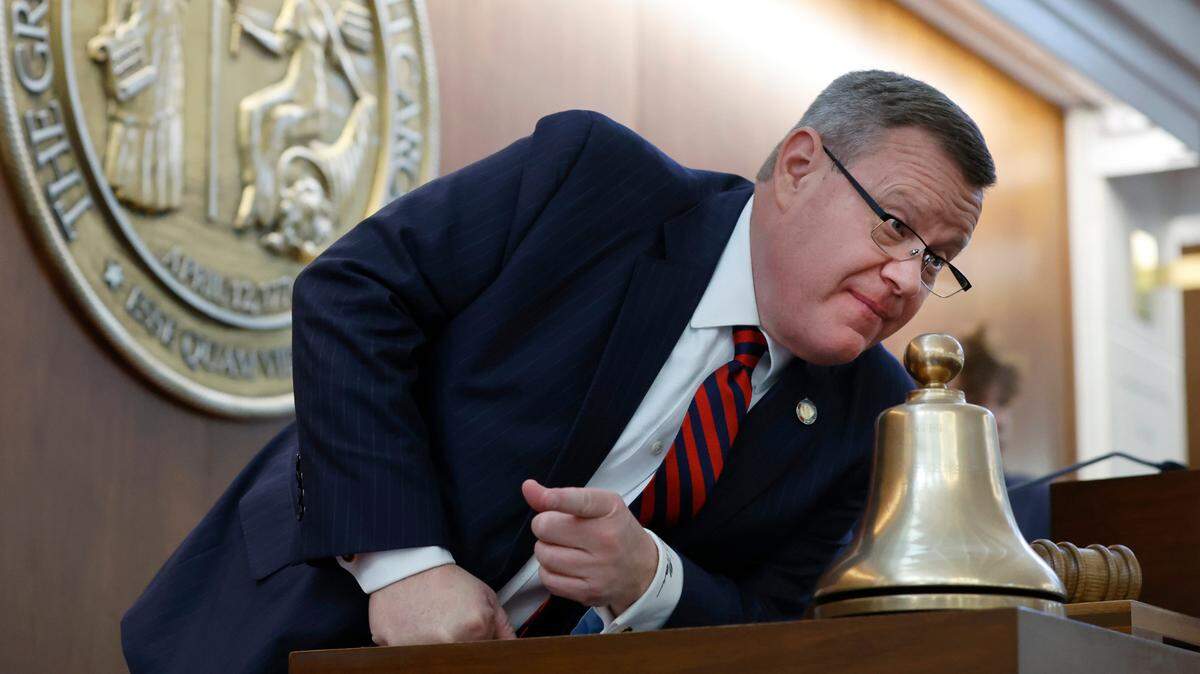
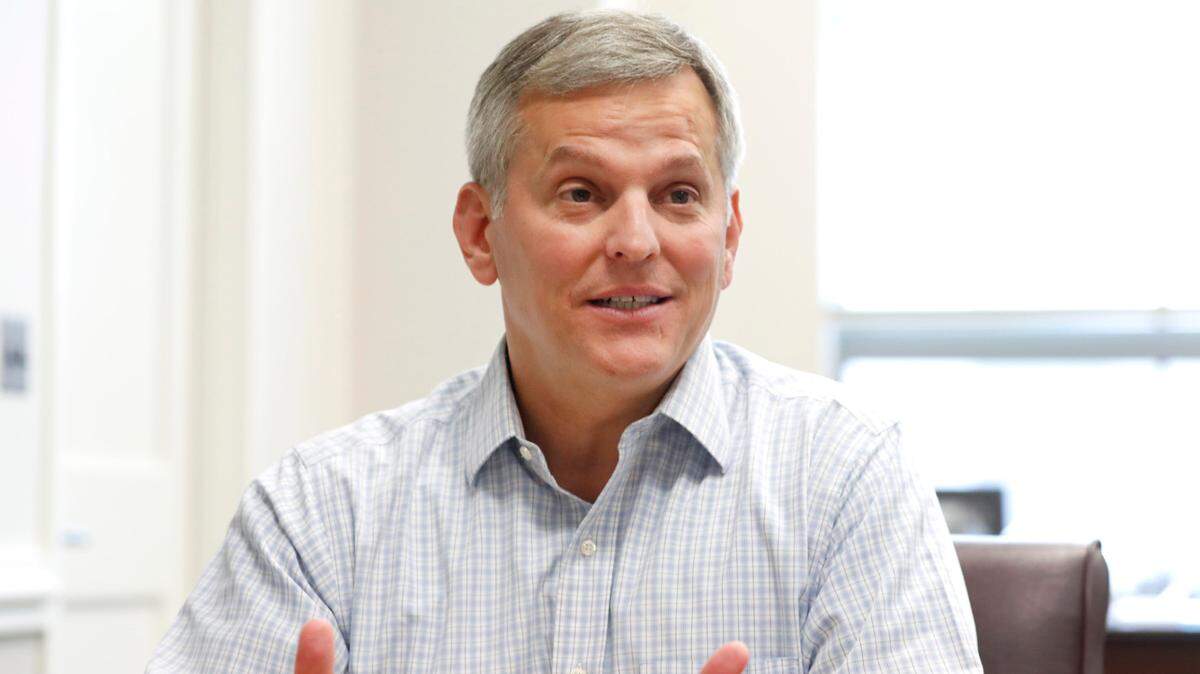
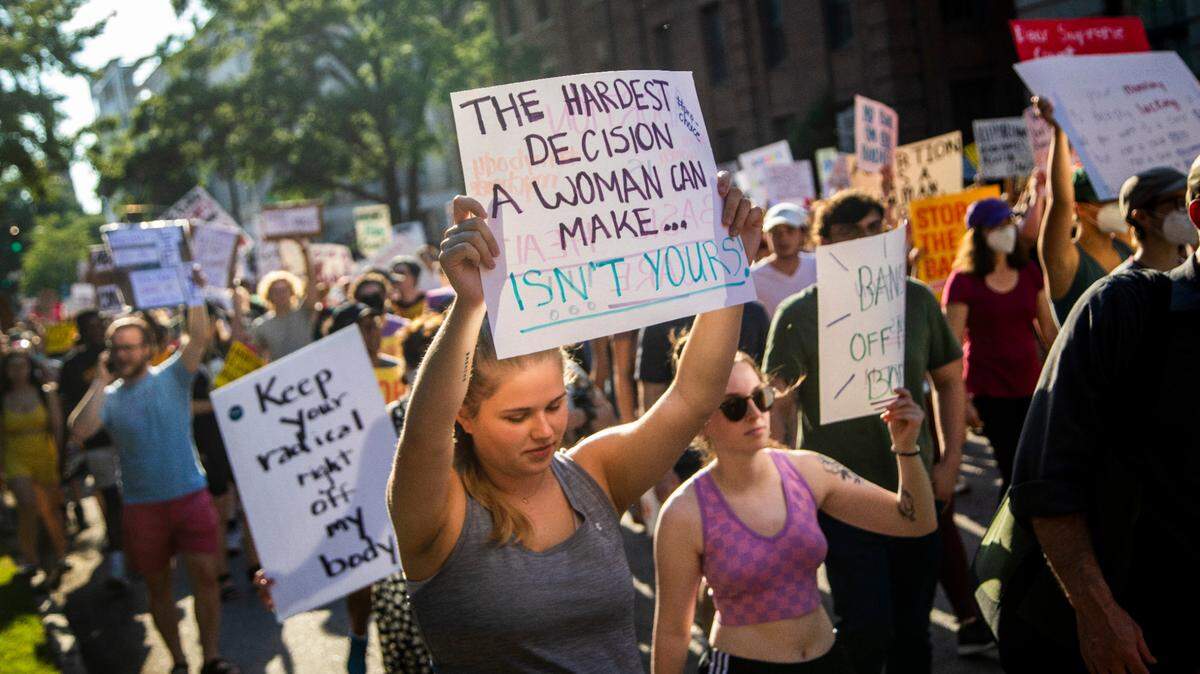
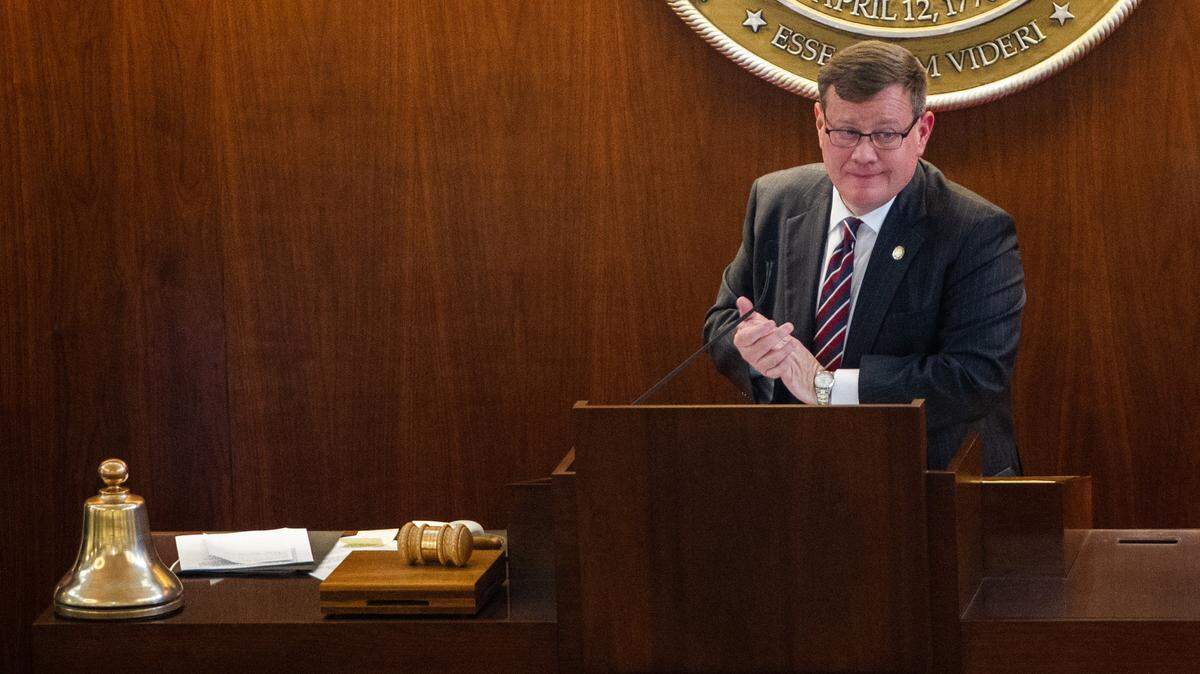
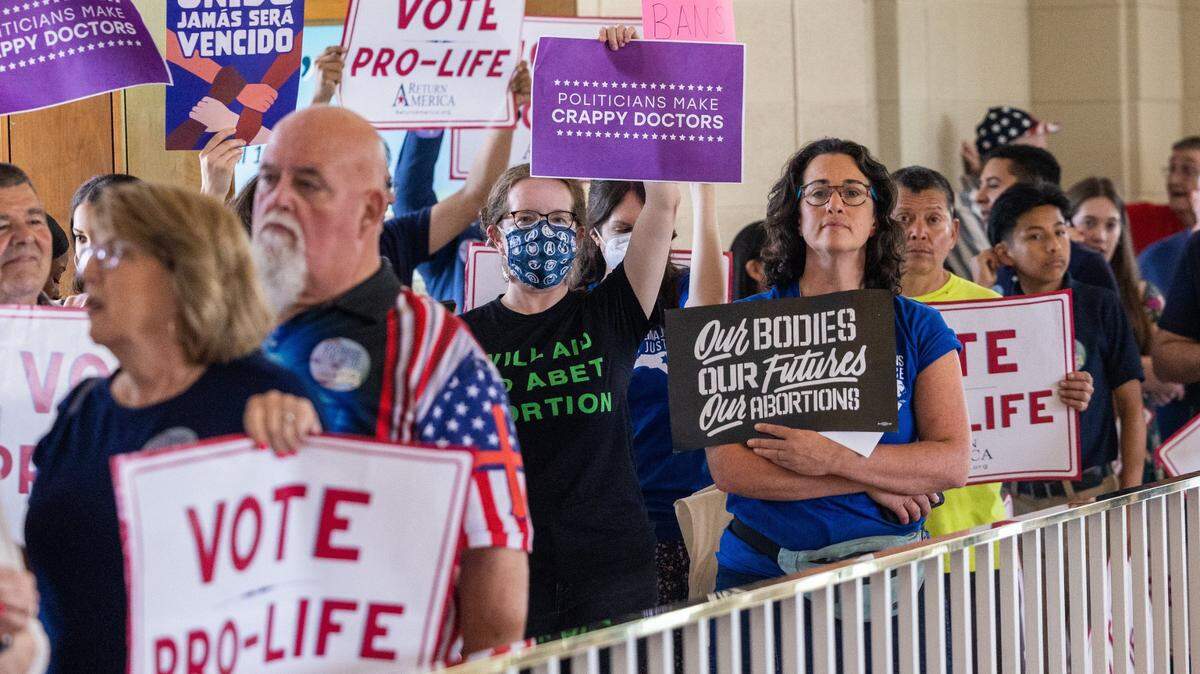
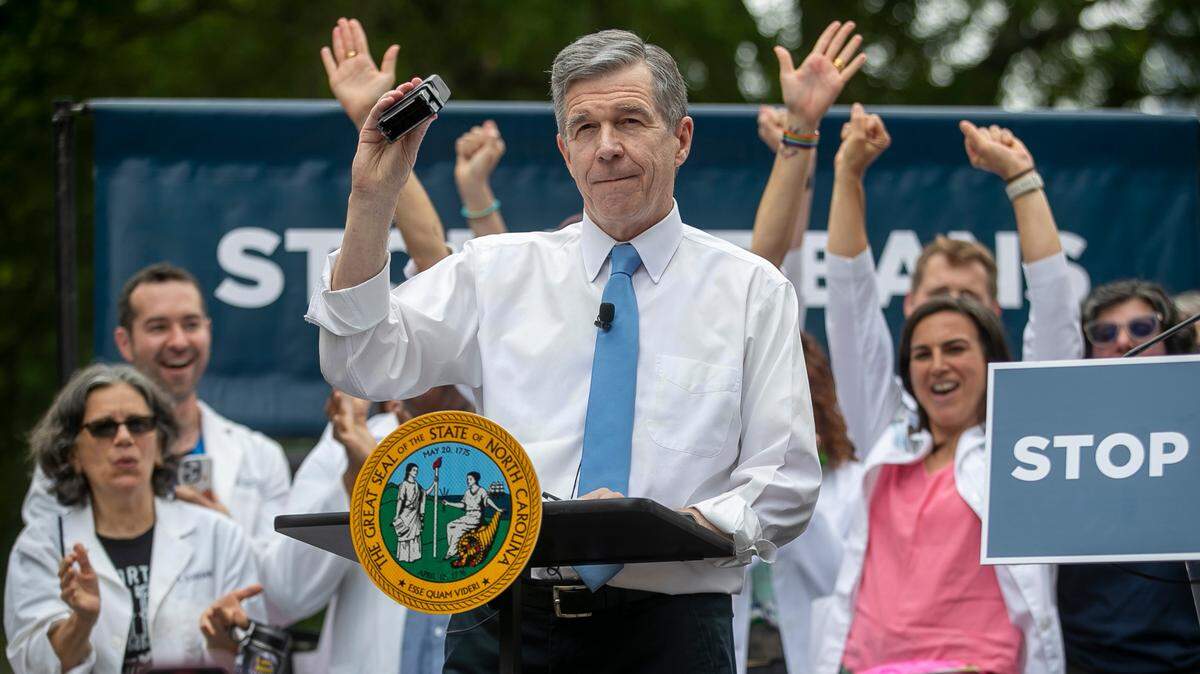
Republicans in the North Carolina state legislature passed a law that implements new abortion restrictions. What does that mean for access to abortion? Read coverage on the issue from The News & Observer and The Charlotte Observer.
Expand All
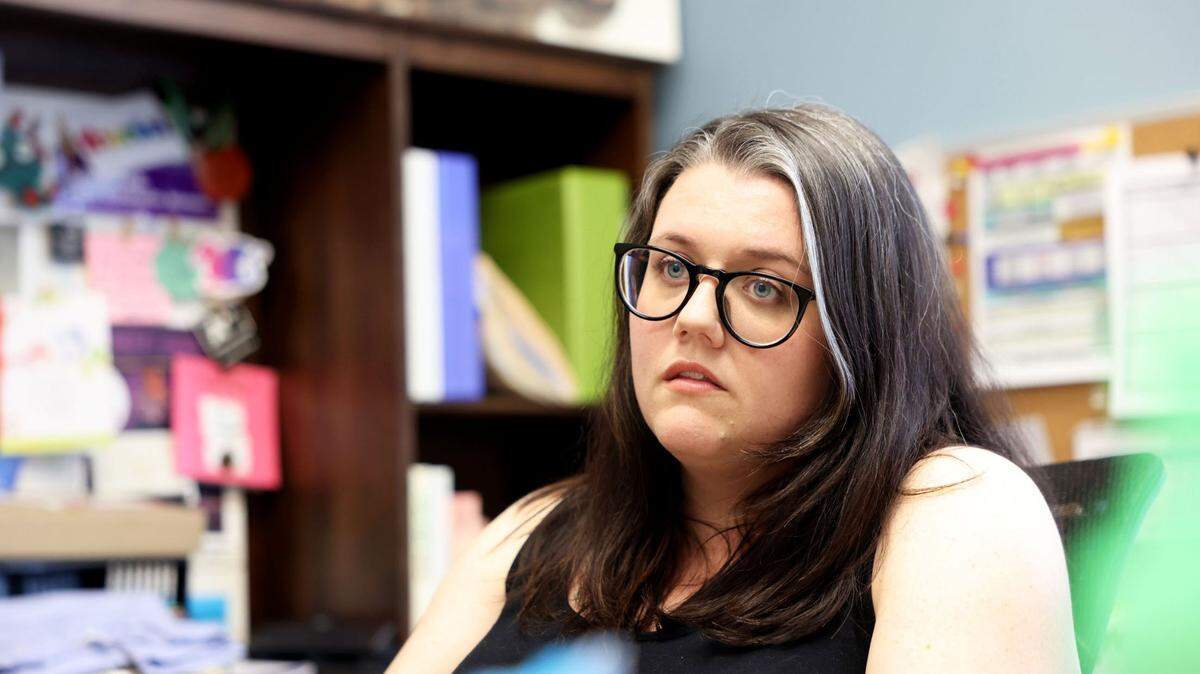
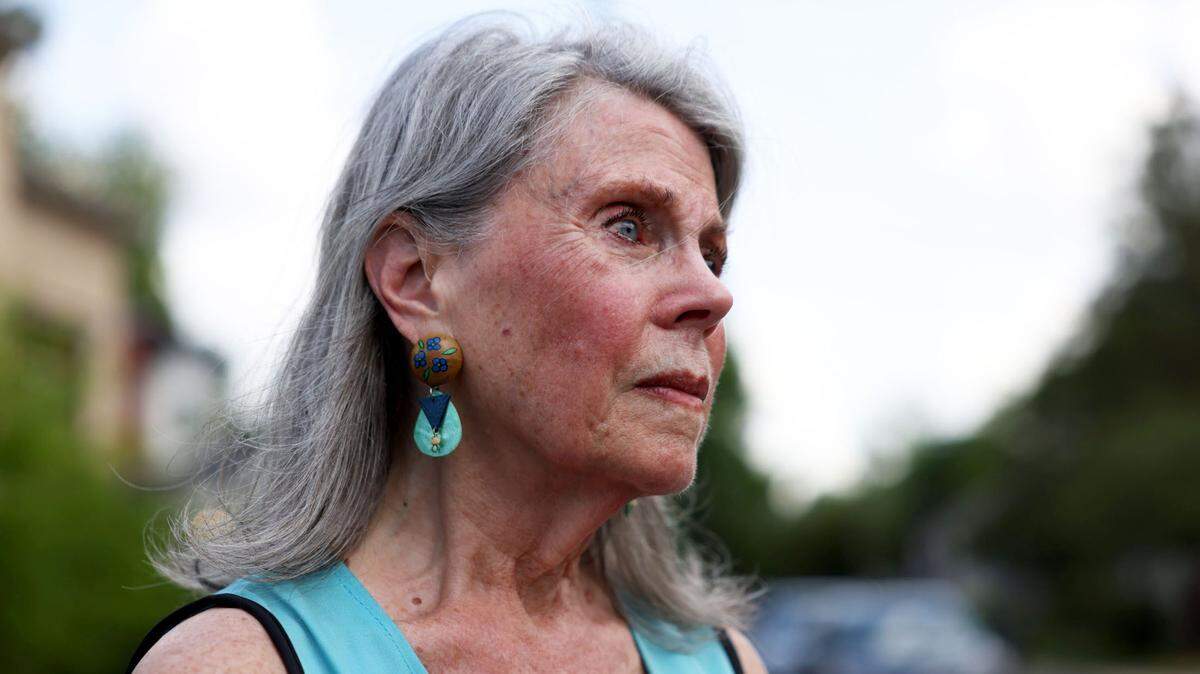
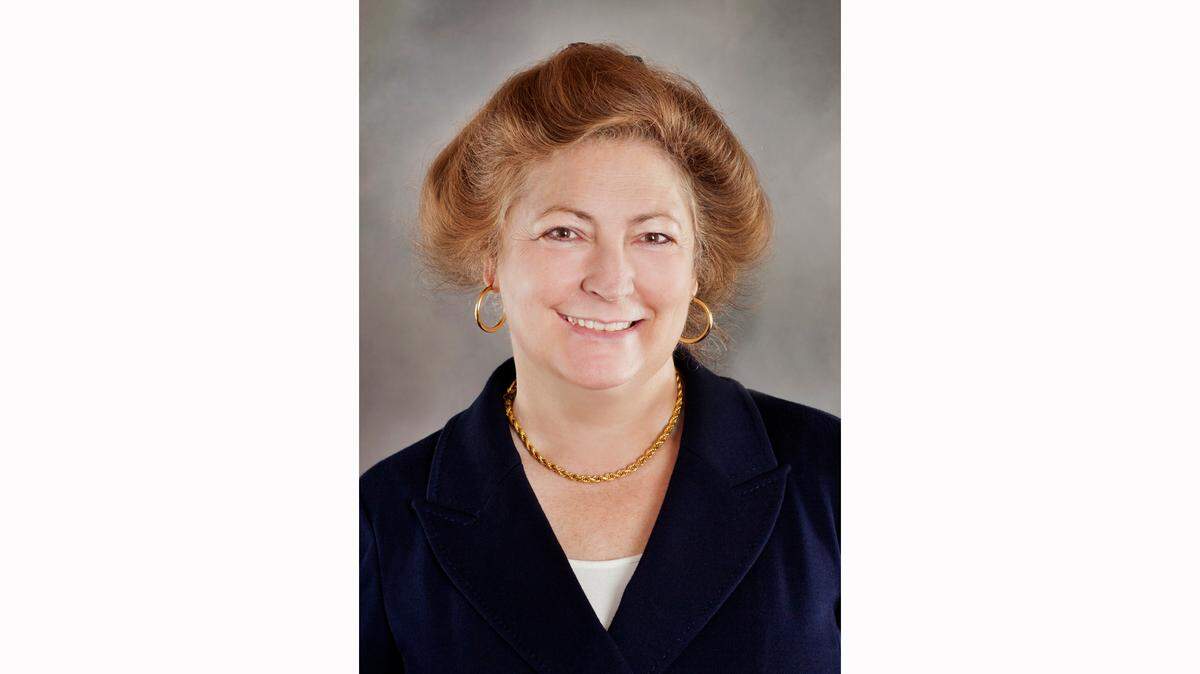
Three abortions paved the way for Marcie Shealy to bring abortion services to Planned Parenthood’s Charlotte clinic three years ago.
One abortion she wanted. Another termination saved her life. And a third — not her own — was a family secret that angers her to this day.
Now, with those services in danger of being restricted, she can’t help but think of how each of those abortions changed her life, and how much work she’ll have to do to keep them legal for North Carolina residents.
It’s simultaneously surreal and unsurprising, Shealy said. Her teenage self assumed that everyone considered abortion normal. But the past decade of politics left her feeling pessimistic that her daughter would have as much access to an abortion as she and her mother did.
Decades after those abortions and after moving to North Carolina, she watched the United States Supreme Court add more and more conservative justices. She saw later generations of women facing more hurdles to abortion access and decided to join Planned Parenthood as a philanthropy director in 2013.
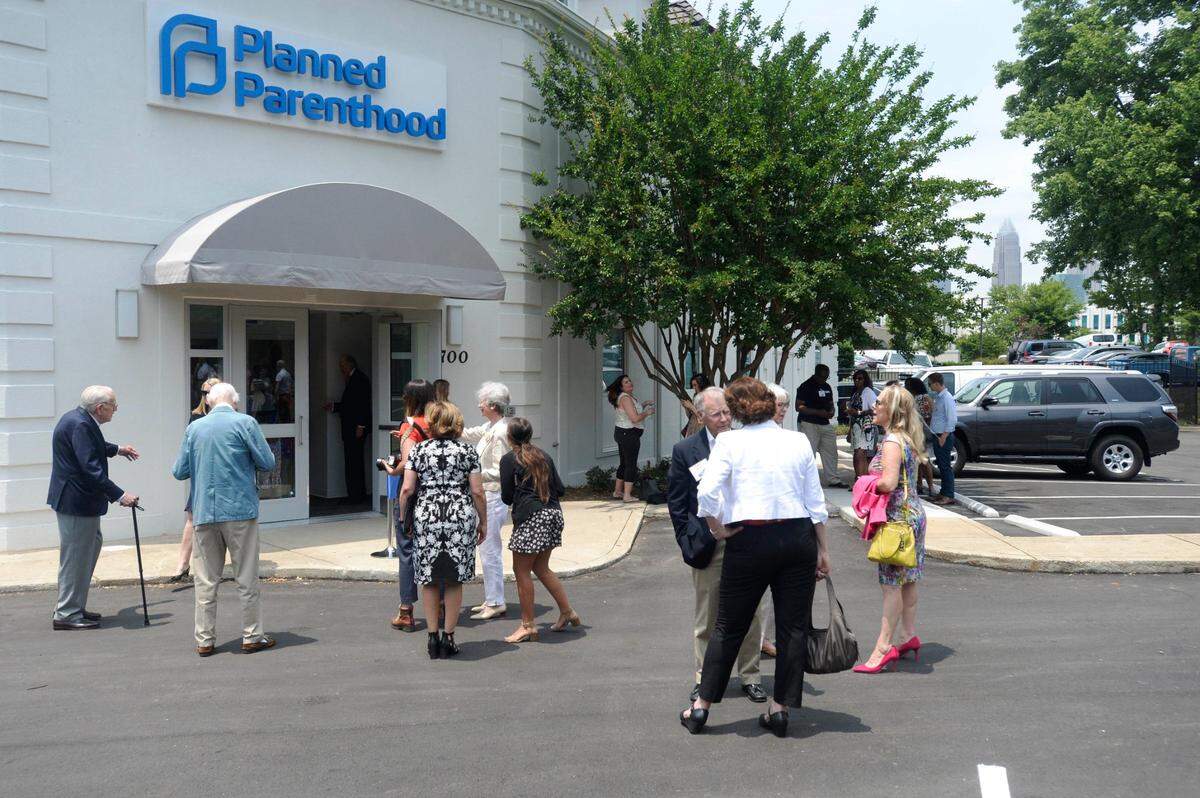
Shealy’s work with Planned Parenthood South Atlantic (PPSA) allowed Charlotte to open a new clinic in 2019, a multi-million dollar building that was paid for largely through her own fundraising. The new clinic in the Cherry neighborhood made it possible for her colleagues to perform abortions in the Queen City for the first time in years.
She retired shortly after the new clinic opened, but says that her work is far from done.
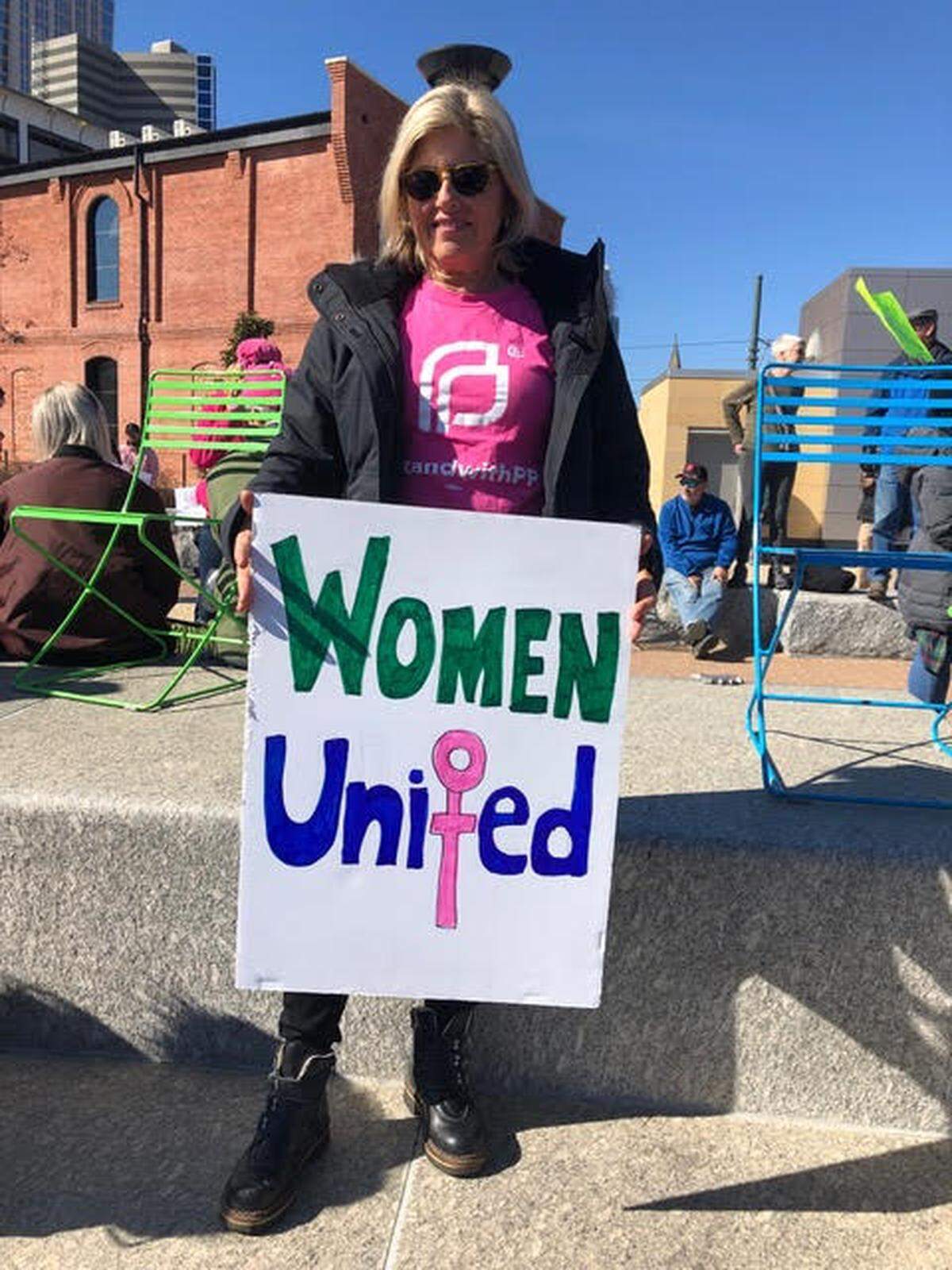
‘No hesitation’
Shealy was 19 when she had her first abortion. She was a newly single college sophomore in upstate New York who didn’t think twice about ending the unplanned pregnancy in 1977.
“There was no hesitation,” Shealy said.
She knew immediately that she’d get an abortion after she learned she was pregnant, never pausing to feel uneasy about the choice. Her boyfriend broke up with her when he learned of the pregnancy; she was determined to continue her design classes and couldn’t see a way to do so while pregnant. By then, Roe v. Wade had been in effect for four years. In the years leading up to the landmark Supreme Court decision, her mother and older sister had marched through downtown Buffalo, New York, for abortion rights. At 15, Shealy said she was too young to join them, but later visited Planned Parenthood as a high school curious about birth control options.
The most difficult step to getting the abortion was paying for the appointment and a two-hour drive to the nearest clinic, which sat across the border with Vermont, Shealy said. Her classmates pooled the money, and a friend skipped class to drive her. The next day, she was back in class.
The procedure went according to plan. She continued her studies, earned her degree and a decade later, she was a successful textile designer who was carving out a life in Manhattan and just beginning to date a handsome co-worker.
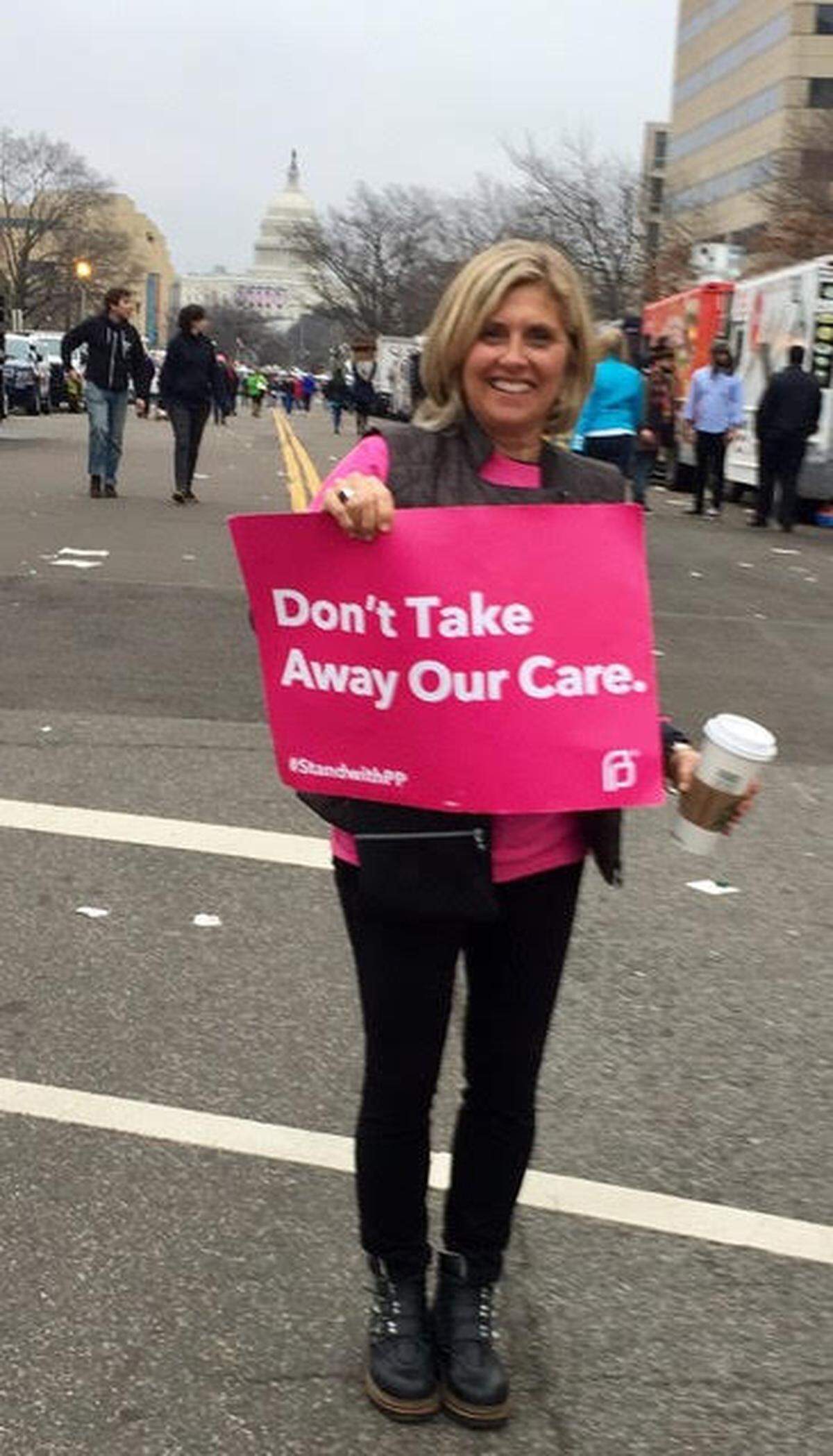
‘It did change our lives’
Over a Memorial Day weekend in the late 1980s, she brought that co-worker as her date to a friend’s wedding in Martha’s Vineyard. On the drive back, Shealy began bleeding. Not knowing that she’d been pregnant in the first place, she insisted on going to work the next morning before the hemorrhaging forced her to rush to a doctor, and then the hospital.
Shealy doesn’t remember much of what happened that day, she said, but her now-husband does. Hours later, she was conscious and recovering from an emergency dilation and curettage procedure to save her life. She’d had an ectopic pregnancy, they learned, which ruptured and almost bled her dry.
Even today, doctors have no way of salvaging such cases, in which the embryo implants into the fallopian tube instead of the uterus. If left untreated, they generally kill the parent. Activists debate whether to call the procedure an abortion because the pregnancy is not viable and it’s necessary to save the parent’s life. Shealy calls her procedure an abortion.
Marcie and Torrence hadn’t even realized she was pregnant. In retrospect, she thinks she was about two months along.
Shealy spent a week in the hospital, with her soon-to-be-serious boyfriend nursing her back to health.
“I think that’s the time that we went from being casually dating to being in love, or at least I was,” Torrence Shealy said. “It took it from being a great relationship to something different, because we said this could’ve — it did — change our lives.”
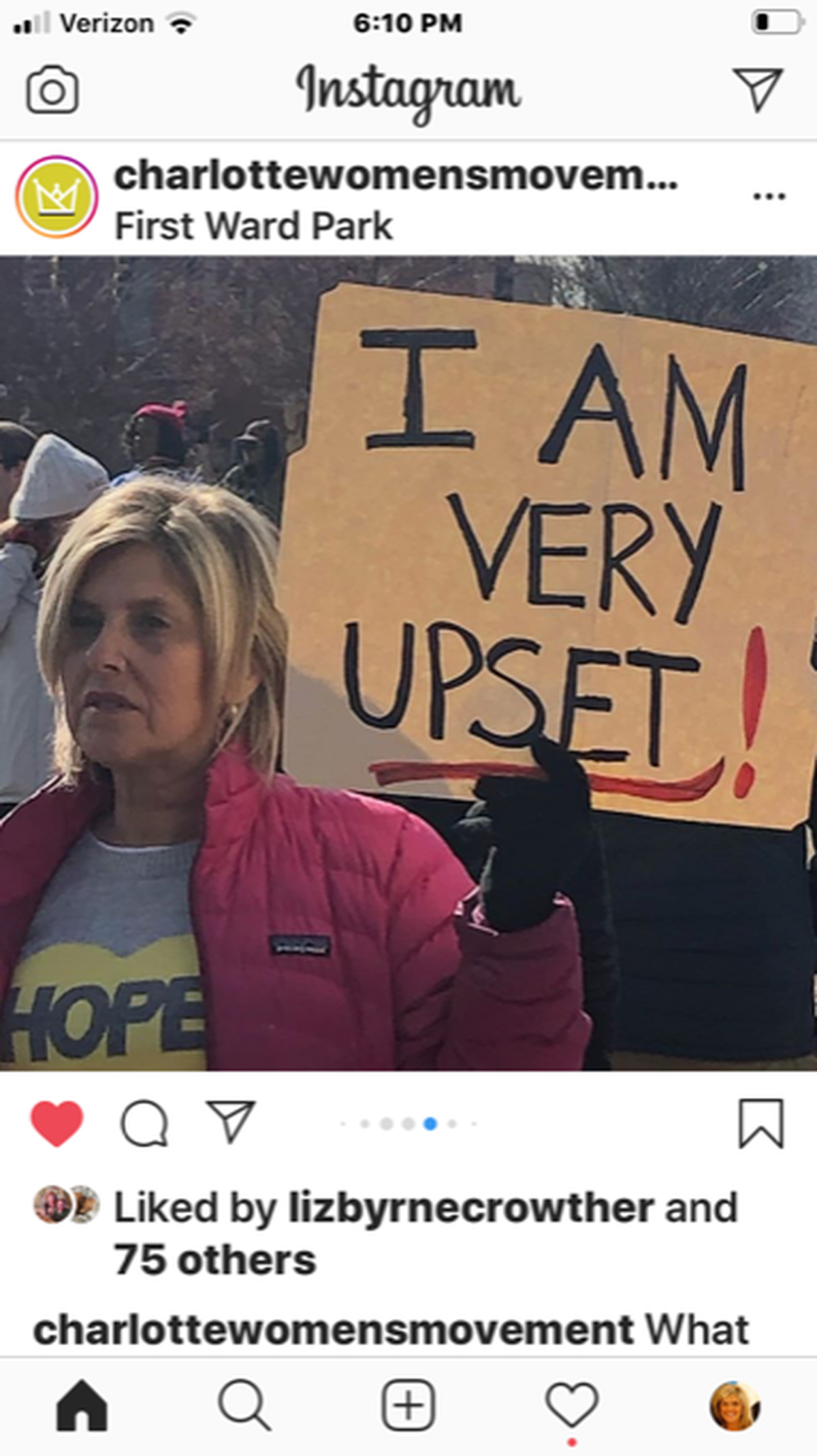
Coming to Charlotte
Within a few years, the pair moved to Charlotte and got married. Eager to become a mother, Shealy got pregnant with twins a few years later, and gave birth to Grace and Trevor in 1996.
She never stopped crusading for reproductive health, especially when it came to her children.
Moments that mortified them as kids — including but very much not limited to Shealy showering their friends with condom assortments as graduation party favors — are now proof of her care for them, Shealy says.
But Shealy doesn’t like to sit with risk. It’s why she got her first abortion, and why she underwent a double mastectomy in 2010 rather than face the possibility of spreading cancer.
And it’s why, when President Obama made health care a cornerstone of his presidential campaign, she quit her work as a designer to pitch in.
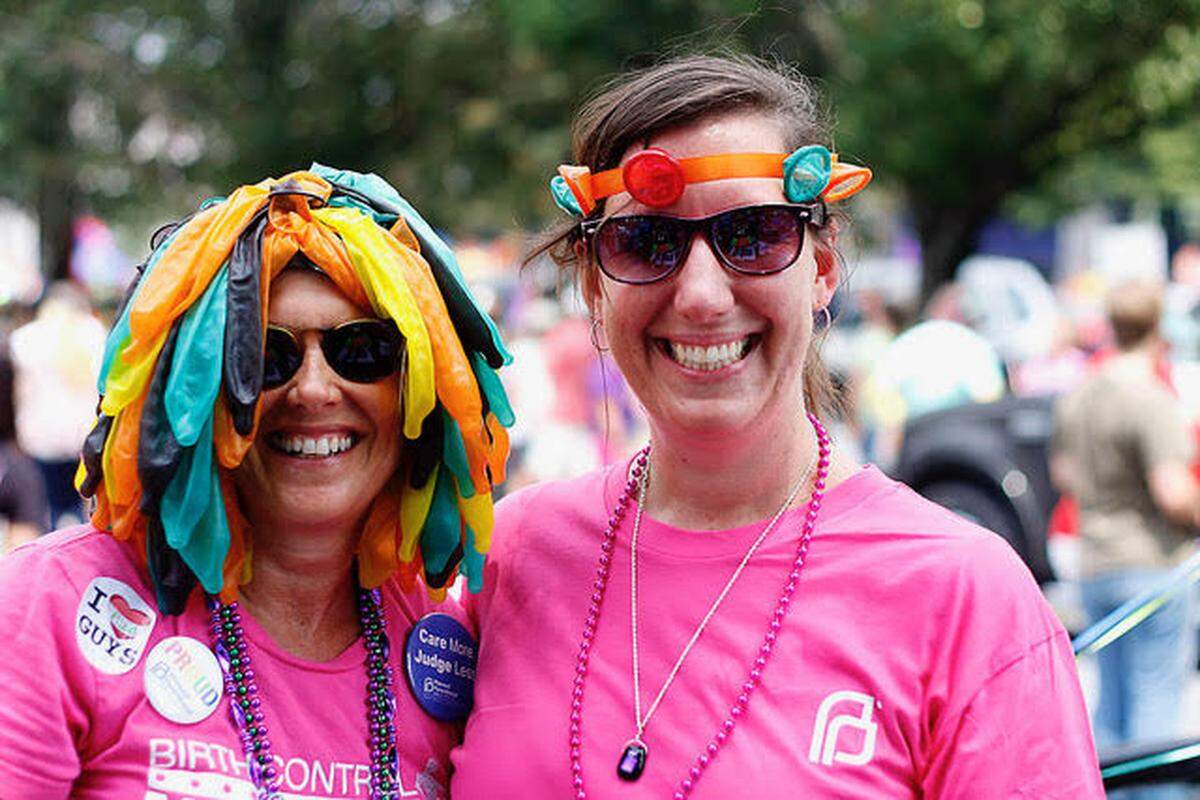
Joining Planned Parenthood
Shealy’s always been political, she said, but it was health care access that inspired her to activism.
The issue had been important to Shealy’s family, in which several women have been diagnosed with the breast cancer that killed her big sister in the 1980s, she said.
As Obama declared a second victory in 2012, Shealy knew she’d need a new outlet for her new experience in fundraising. The Affordable Care Act had been in effect for more than two years, and the twins were nearing adulthood.
So when friends suggested Shealy apply for PPSA’s philanthropy director position, she figured she was unqualified but decided to try. She started in January 2013, and wouldn’t leave until retiring in 2020.
The straightforward way in which she had gotten her own abortions was itself a privilege, Shealy said. And, three decades after her first abortion, North Carolina had passed laws that required mandatory ultrasounds and waiting periods. Abortions in North Carolina were harder to offer than they had been just after Roe v. Wade was decided.
“(Abortion) is a medical procedure,” Shealy said. “It’s health care.”
Mom’s abortion
When Shealy told her mother that she’d accepted the role at PPSA, Joyce Siegel told her she was proud. And then she told her a secret.
Shealy was the baby of the Siegel family, born decades after her older sister and two brothers. They lived comfortably but not extravagantly on the proceeds from her father’s family business and her mother’s teaching salary.
But the Siegels couldn’t afford a fifth child, Shealy said.
Desperate for an abortion in the 1950s, Joyce Siegel saw just one safe option: getting doctors to declare her mentally incompetent so that a doctor would be allowed to perform an abortion.
It was a mortifying process, Shealy said, which her mother never spoke about publicly for fear of embarrassing her husband. But with both members of the couple since deceased — Joyce died in September 2020, and her husband, Marvin, died a year later — Shealy wants people to know what abortion access used to look like.
“That one, my mom’s, gave me all I had,” Shealy said. “And then I had two abortions, and one changed my life, and one saved my life.”
What’s to come
While Shealy’s already left PPSA, its current leaders say the building she financed will be a lifeline as they prepare for a post-Roe v. Wade practice. Nestled near the border of states with stricter abortion laws and a quick drive from a bustling airport, they expect the new building to be a destination for local and out-of-state patients seeking abortions.
Planned Parenthood says they haven’t tracked the exact number of abortions they’ve performed in the new clinic, but Black insists that Shealy holds some responsibility for each of the 13,510 patients who’ve visited the center for reproductive appointments since 2019.
Because the old clinic building didn’t meet North Carolina’s requirements for providing abortions — like elevators that couldn’t accommodate stretchers — the Charlotte team couldn’t perform abortions until three years ago.
“She was like a hummingbird with her energy and her enthusiasm — and always in heels, looking amazing,” PPSA President Jenny Black said. Shealy zipped her Mini Cooper to court philanthropists. Most of her funding came from local donors, a rarity for clinics, PPSA philanthropy director Nikki Harris said.
Shealy’s only visited the clinic once since retiring. She wants to leave room for the new team to plan, which Black said has included a focus on efficient visits and expanded schedules more than any changes to the building.
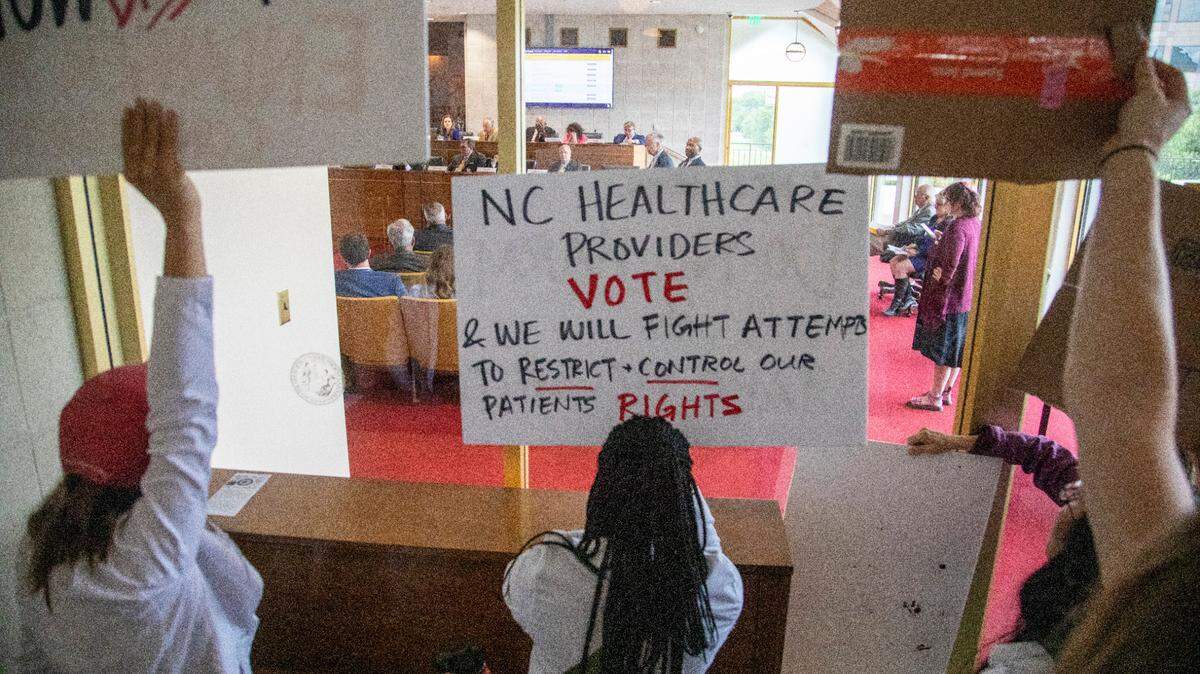
A recent trip to see family in New York interrupted what has become Shealy’s usual morning routine of late: calling lawmakers to weigh in on proposed legislation. But an email about a medical care bill snapped her back into action this past week.
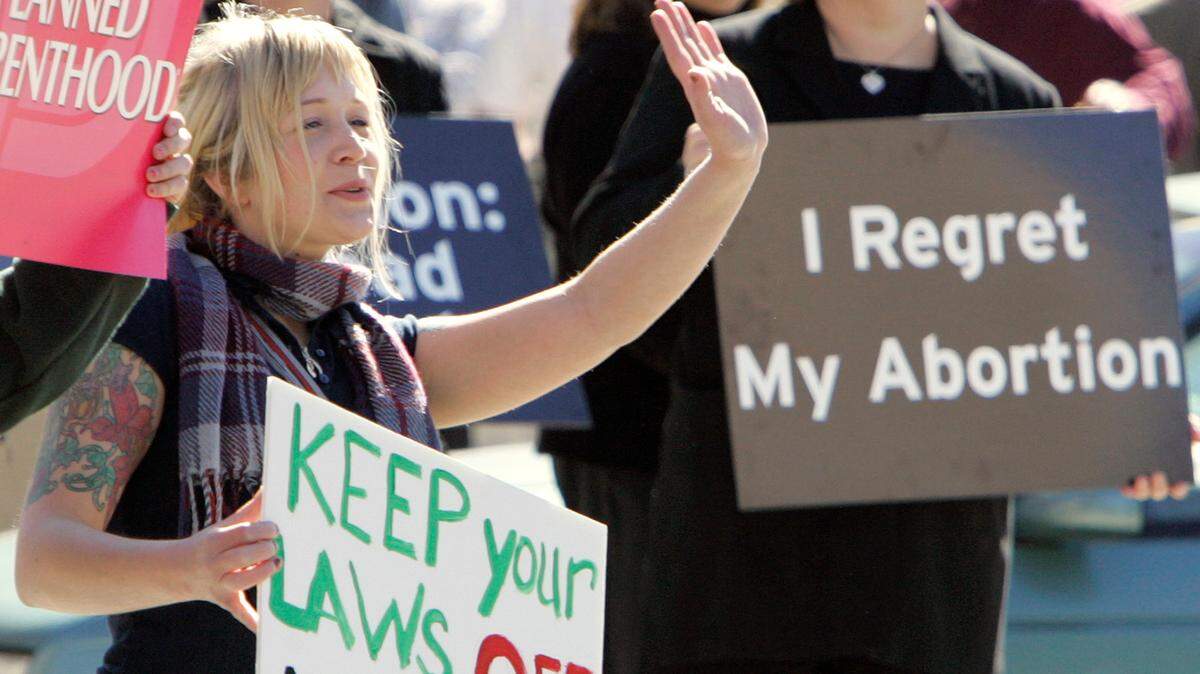
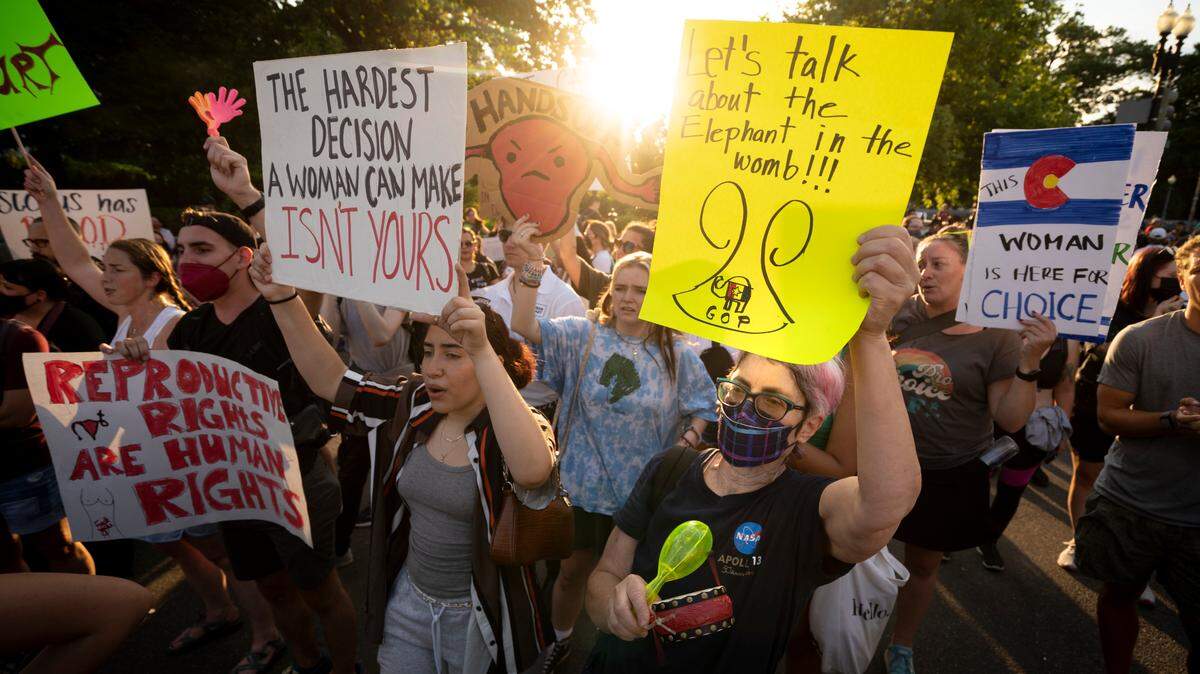
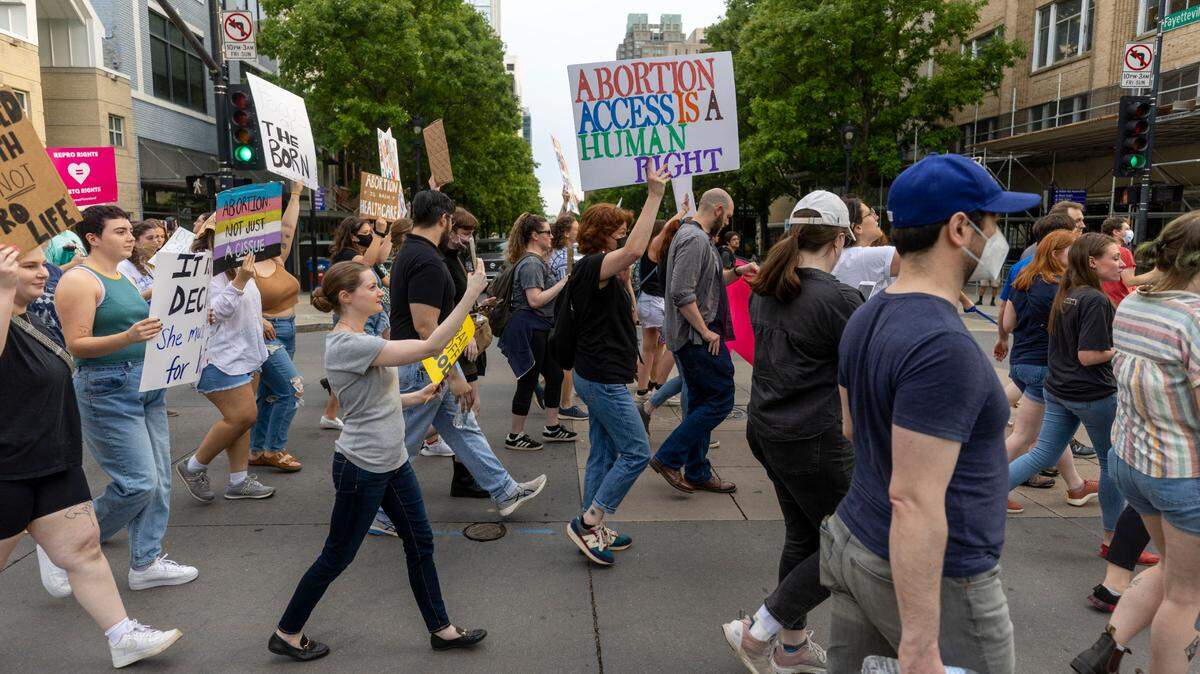
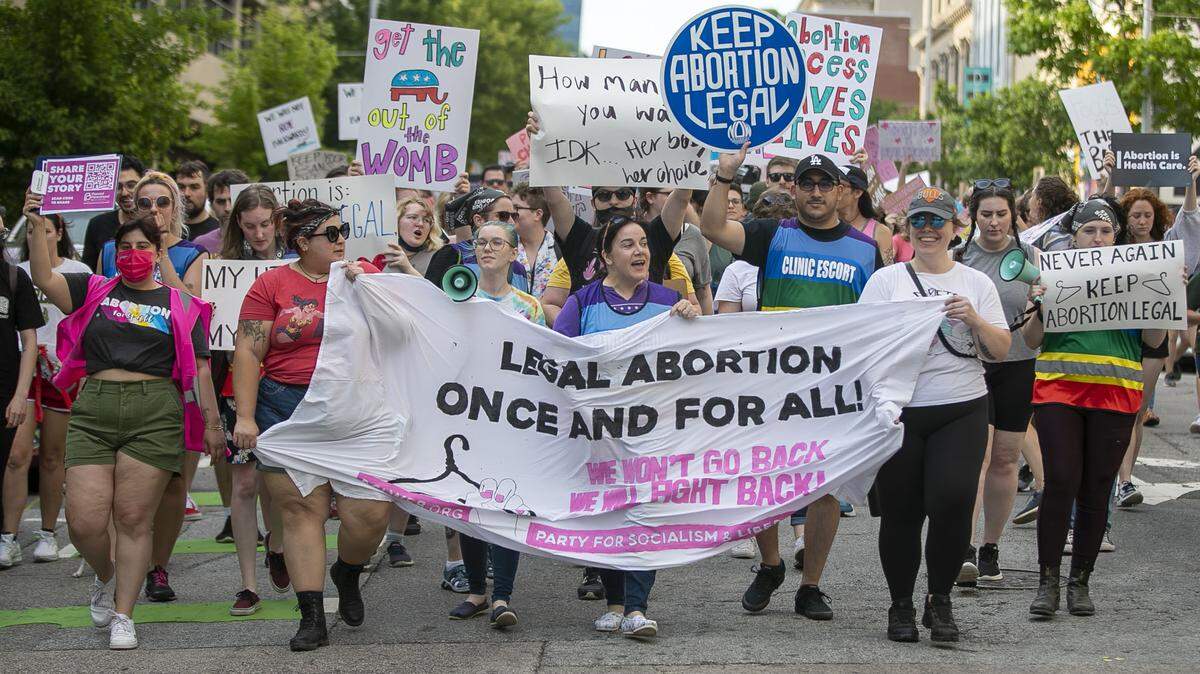
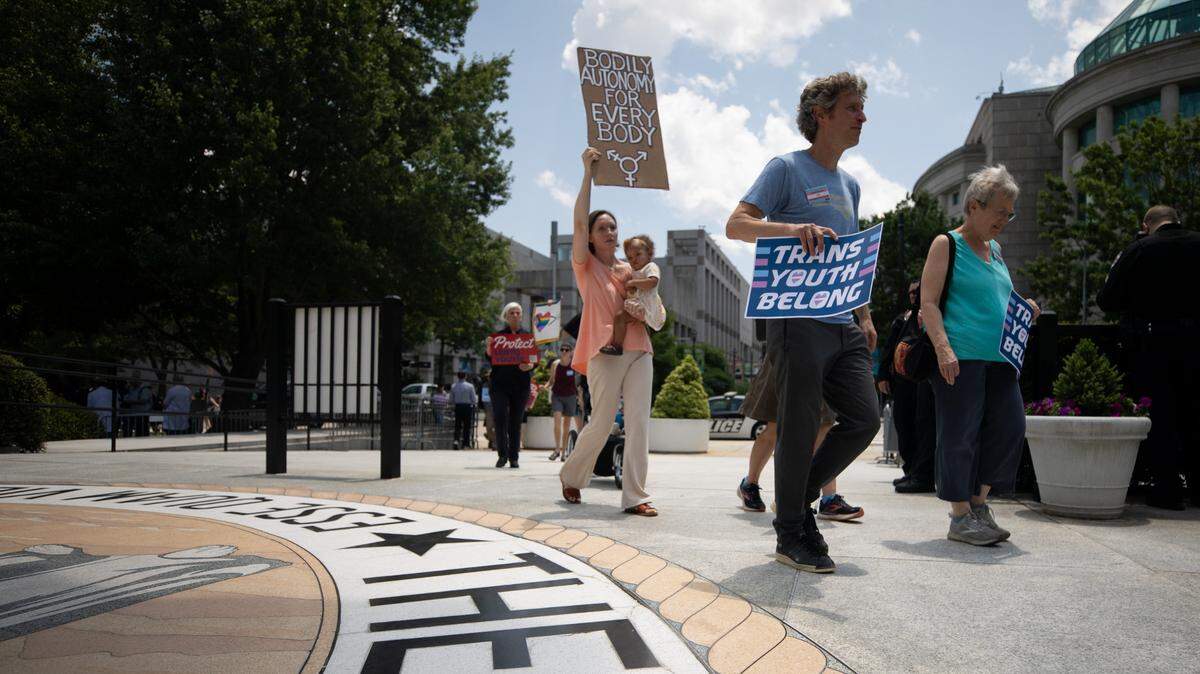
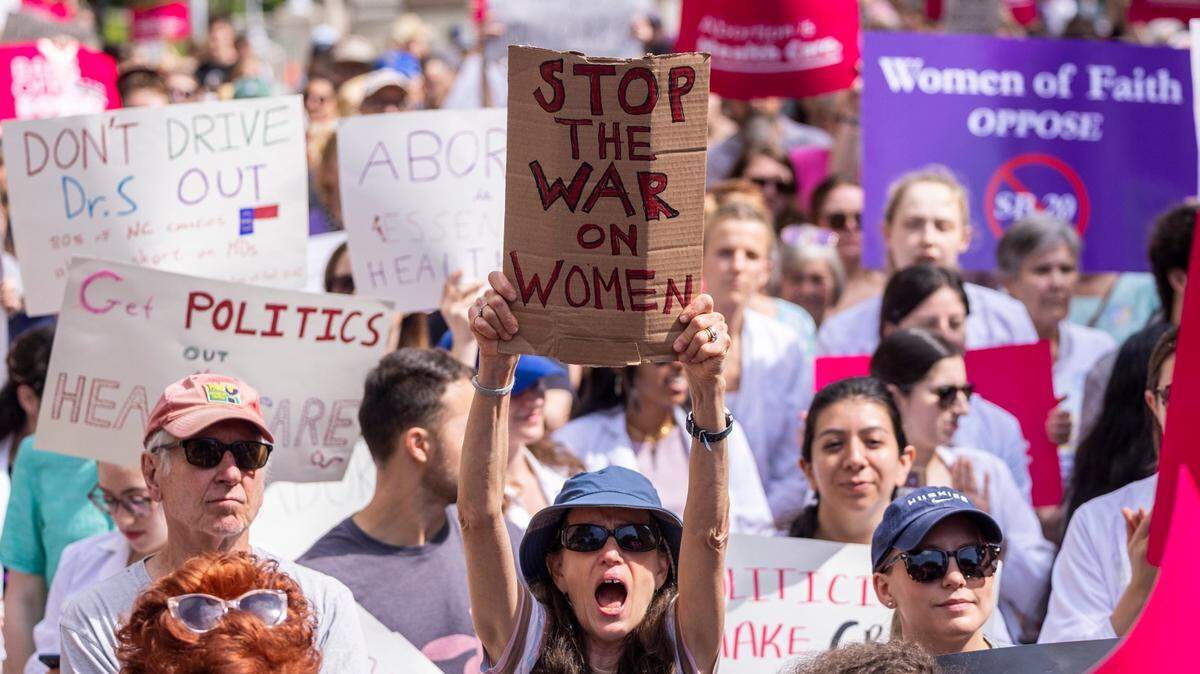
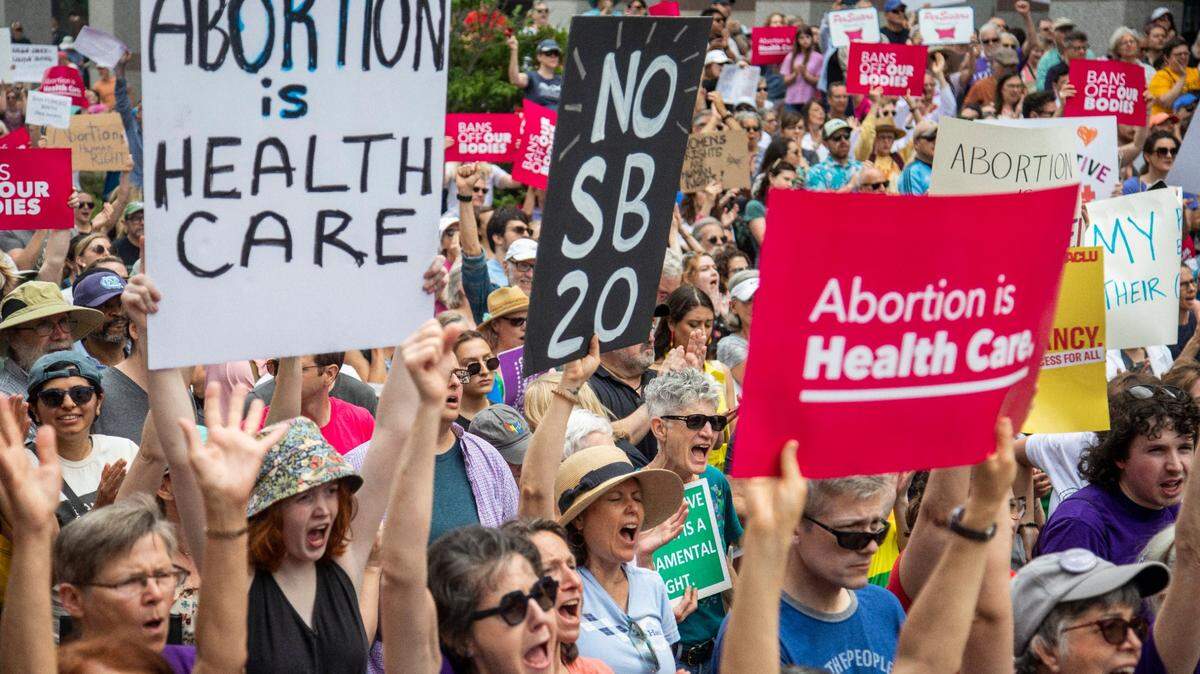
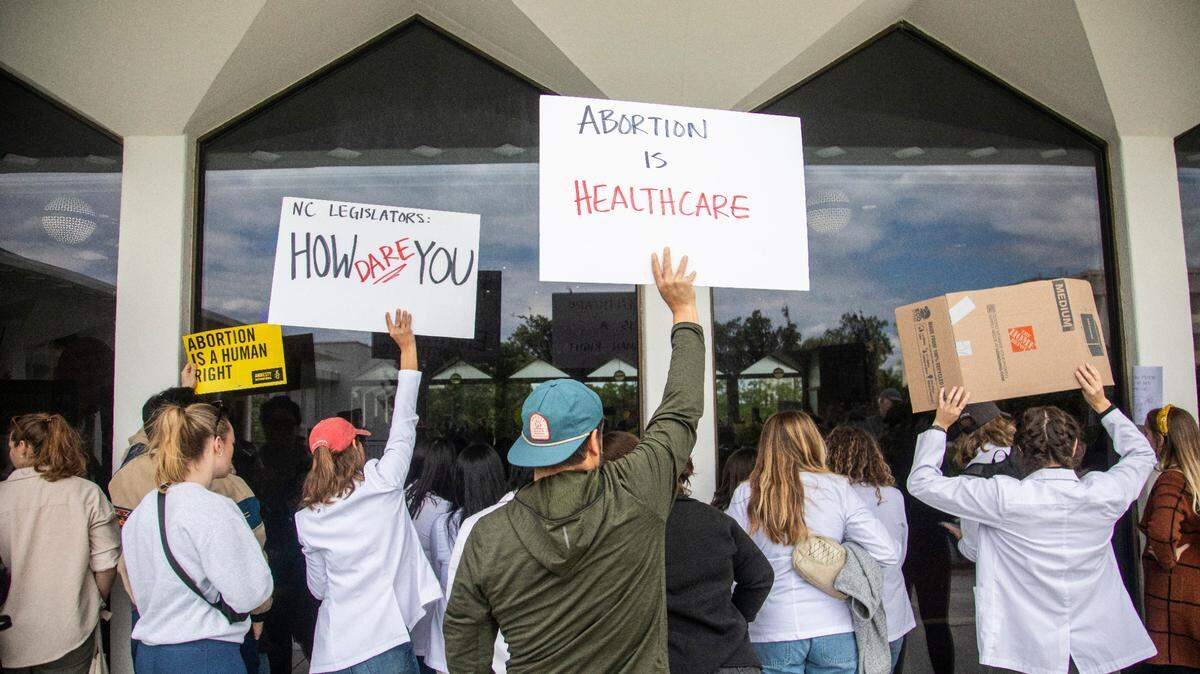
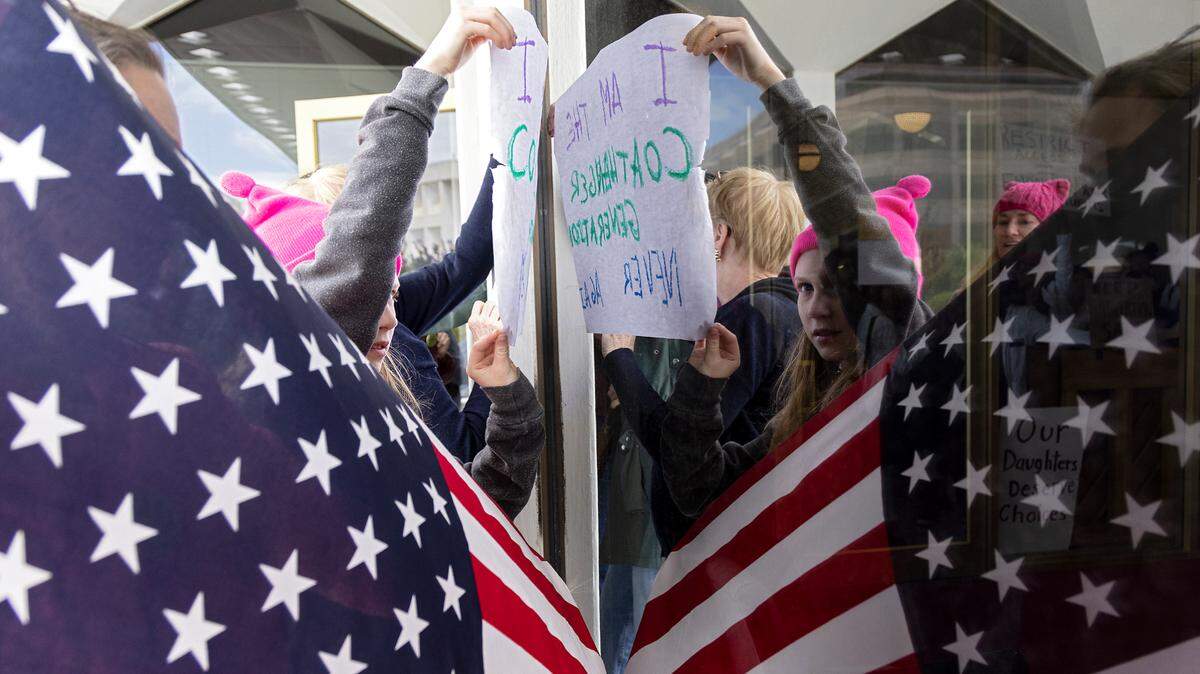
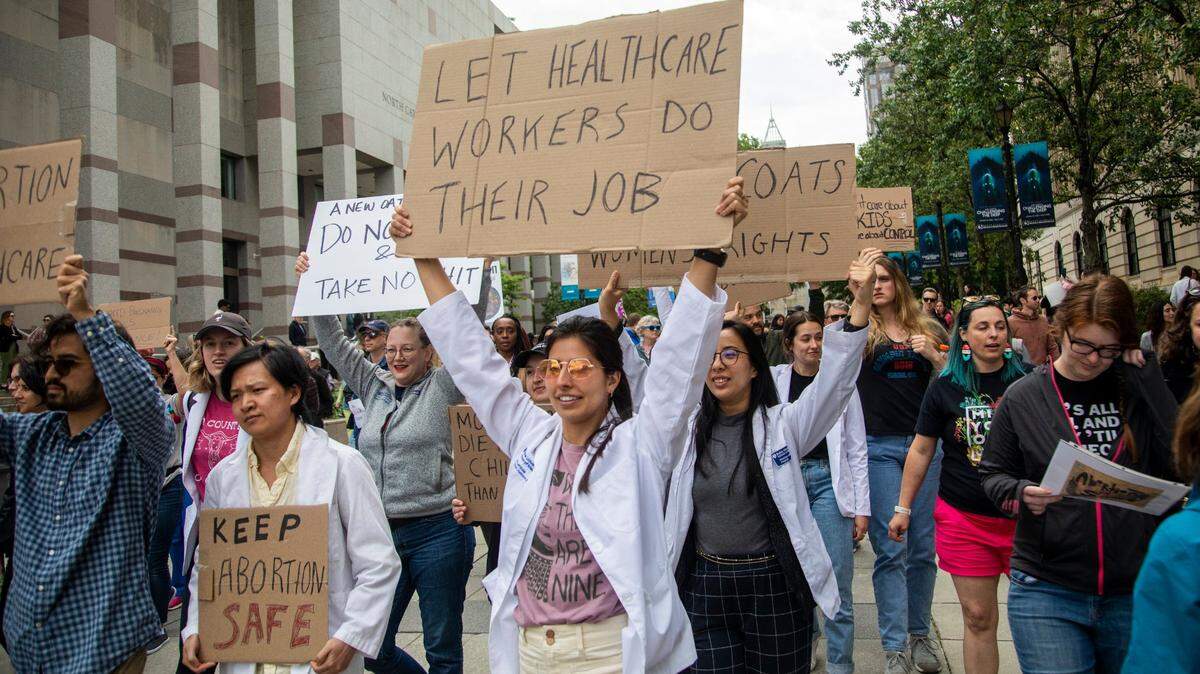
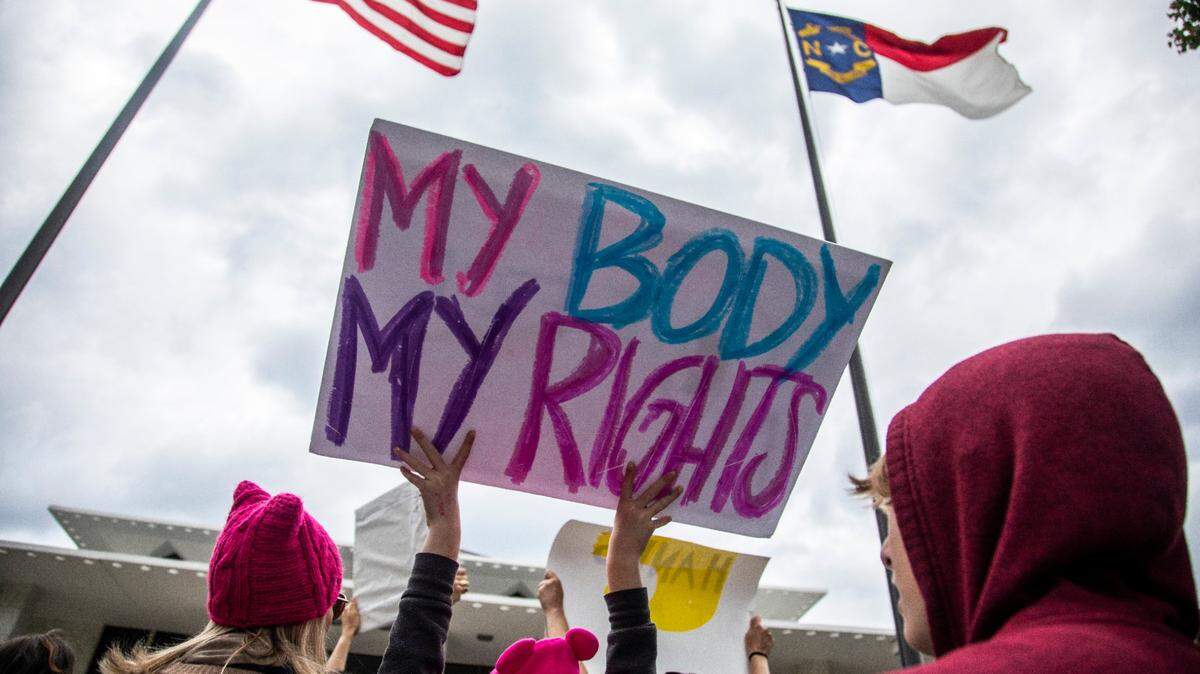
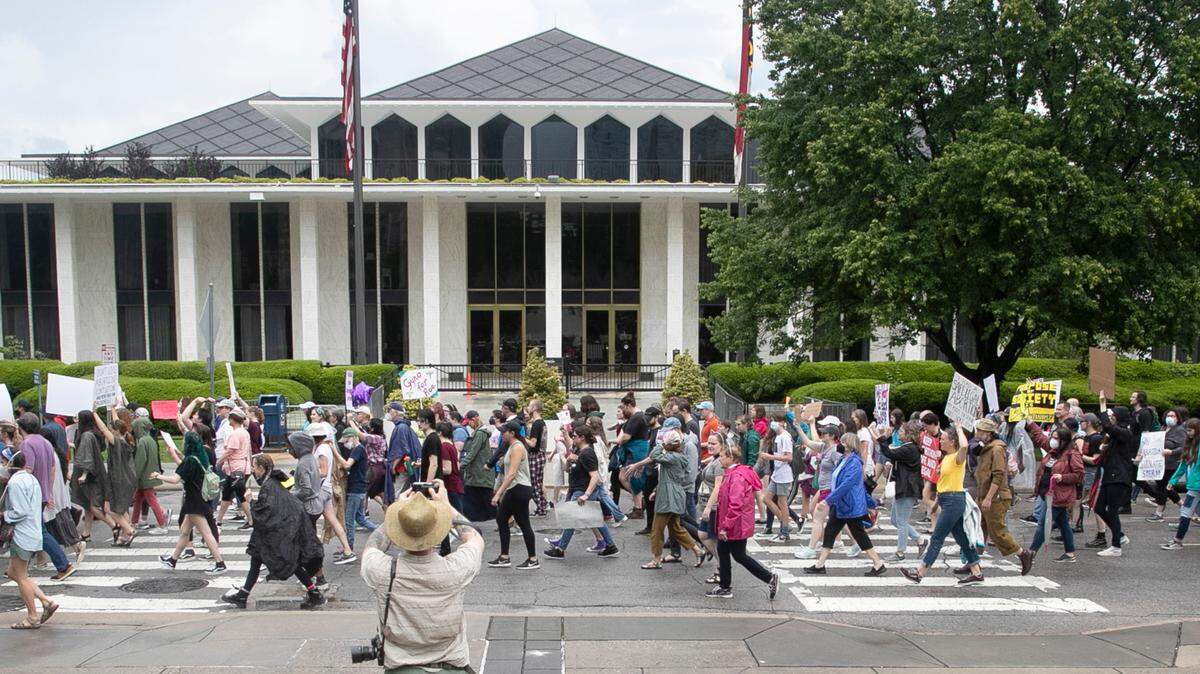
She’ll keep on marching and fundraising, she says, but focus on voting issues. For now, that means continuing to attend marches and rallies for abortion rights, and campaigning for judges and politicians she expects to oppose future abortion restrictions in North Carolina.
“I don’t know what the hell we’re going to do,” Shealy said. “But we’re going to do it.”
This story was originally published June 12, 2022 at 6:00 AM with the headline "3 abortions have fueled this NC woman’s fight for abortion access."
.jpg)