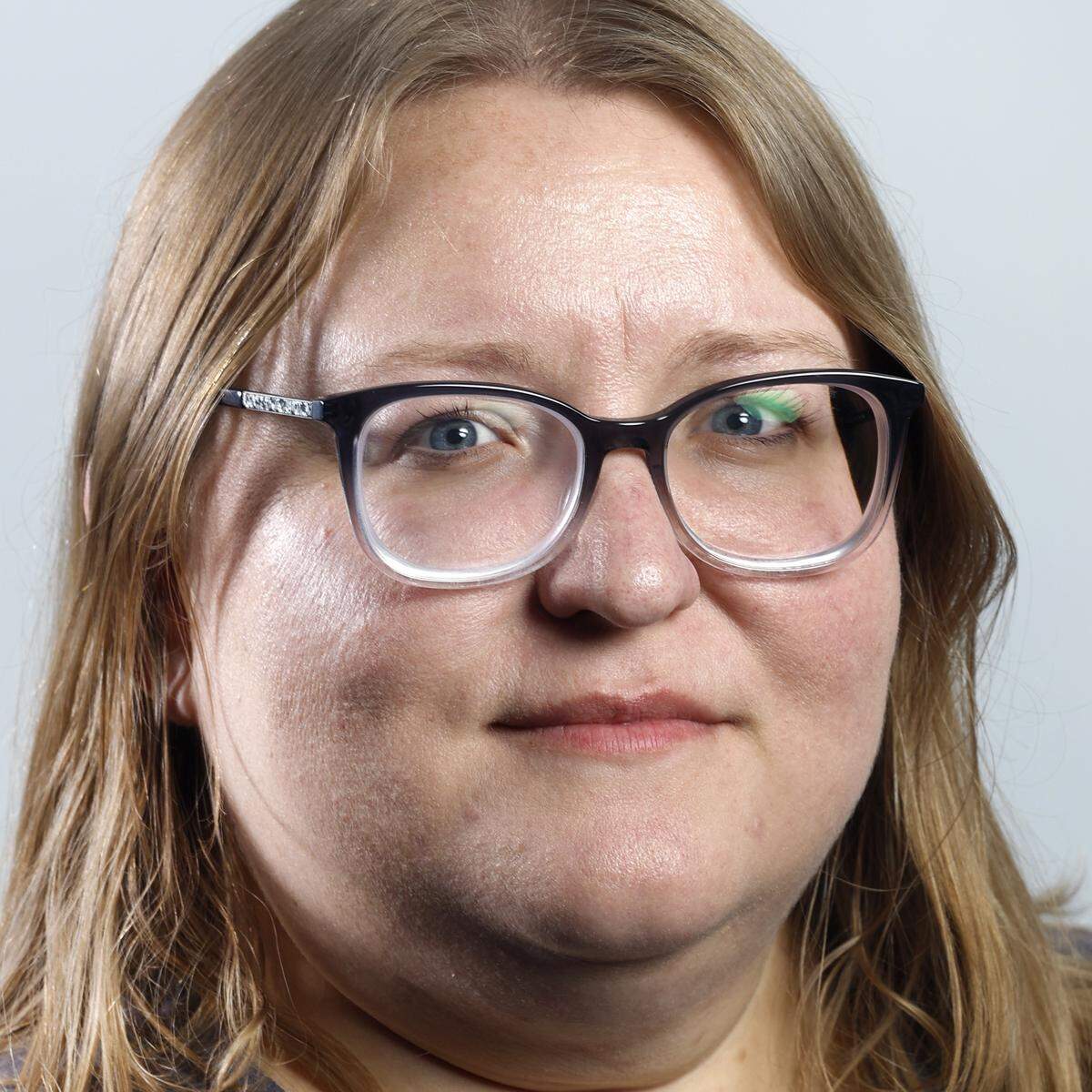
James Bledsoe, candidate for Raleigh City Council
READ MORE
RAL-City-Primary
Six candidates are running for two at-large seats on the Raleigh City Council. Four candidates are running for the council’s District C seat. Here are the answers from those candidates that responded to our questionnaire.
Expand All
The News & Observer is publishing questionnaires for the Raleigh City Council at-large race on the March 3, 2026, primary ballot to help voters learn where the candidates stand on important policy issues,
Six candidates are seeking two at-large seats on the council, including one incumbent. The four candidates with the most votes will move on to the Nov. 3 general election.
City Council races are nonpartisan, and all Raleigh residents can vote in the at-large race.
Here are responses from James Bledsoe.
- Name: James Bledsoe
- Age: 39
- Occupation and employer: IT Manager at North Carolina Department of Public Safety
- Education: BS Criminal Justice, Cybersecurity pathway at Wake Technical Community College, and Commercial Brewer
- Endorsement (limited to three): Wake GOP; Veterans Party of NC; Veterans For America First
- Previous political or civic experience (limited to three): Previous Raleigh campaigns; VPNC for 11 years.
- Campaign website: electjamesbledsoe.com
- What is your favorite locally owned restaurant either in the city or within your district? It’s a toss-up between Frank’s Pizza and Mike’s Pizza. Both are locally owned, long-standing favorites in District C, and exactly the kind of small businesses that give our neighborhoods character and keep our local economy strong.
- What is a piece of media (podcast, TV series, video game, book) that you recently finished and enjoyed? I’ve been listening to “History That Doesn’t Suck” by Professor Greg Jackson for a couple of years. I even saw him live in January at Raleigh’s Fletcher Opera Theater. I love history, and this podcast makes it engaging, insightful and full of perspective on how the past shapes the world we live in today.
How do you identify your political ideology?
I identify as a constitutional orthodoxist and a centrist. I believe the Constitution should be followed as written, not reinterpreted to fit political trends. I don’t align with rigid party ideology and focus instead on practical, lawful solutions, fiscal accountability and policies that work for Raleigh residents rather than political agendas.
What perspective or life experience would you bring that’s missing from the Raleigh City Council now?
Raleigh City Council currently lacks representation from veterans, centrists and right-leaning residents. I bring experience shaped by military service, real-world operational leadership and working within structured systems where accountability and results matter. That perspective emphasizes constitutional limits, fiscal discipline and practical problem-solving — viewpoints shared by many Raleigh residents but missing from the current council dynamic.
Do you think the current City Council has put Raleigh on the right path?
No. Raleigh is facing an $18 million shortfall this year, yet the current council spent $35 million on a pay study and over $6 million on a failed Six Forks Road expansion. That’s not responsible budgeting. We need leadership that focuses on core services, accountability and results that actually benefit residents, not experiments or wasted money.
Has Raleigh’s growth outpaced its infrastructure?
Yes. Raleigh’s rapid growth has outpaced its infrastructure — from roads and public services to green space and the loss of oaks in the City of Oaks. Having served in the Army Corps of Engineers, I know what it takes to plan, build and maintain critical systems. Growth must match the resources, services and protections residents depend on.
Should it be possible to live in Raleigh without owning a car?
Yes. Living in Raleigh without a car is possible, but still challenging for most residents. I support making walking, biking and public transit easier and more reliable so people have real options for getting around, while still recognizing that most neighborhoods and commutes currently require a vehicle.
Do you support Raleigh’s bus rapid transit efforts?
Yes. I support Raleigh’s bus rapid transit efforts as a way to make public transportation faster, more reliable and convenient for residents. Expanding effective transit options helps reduce traffic congestion, improves mobility for those without cars and supports smarter, more walkable neighborhoods, all while complementing the city’s growth.
Does the city need more police officers?
Yes. Raleigh has capped its police force at 800 officers since 2002 and has been about 30% understaffed for years. Increasing staffing is essential to ensure timely responses, protect neighborhoods and maintain public safety, rather than stretching a limited force across a growing city.
Would you vote to increase the salary of the city’s first responders, including police, fire and 911 call takers?
Yes. I support increasing the salaries of first responders, including police, fire, and 911 call takers. Raleigh spent $35 million on a pay study instead of directly funding these critical positions. That money could have gone to raise pay for the people actually protecting our neighborhoods. We need to prioritize those on the front lines, not consultants, and ensure staffing and compensation reflect the city’s responsibilities.
Is the city doing enough to support small businesses?
No. Raleigh is not doing enough to support small businesses. Excessive regulations, red tape and the rising cost of operating in the city make it difficult for businesses to thrive. This is evident in the number of long-standing local businesses that have shuttered their doors. We need policies that reduce unnecessary barriers, lower costs, and help small businesses succeed while maintaining fair standards.
Do you support Raleigh’s missing middle policies that make it easier to build townhomes, backyard cottages and duplexes? If not, what changes would you make?
Yes. I support missing middle policies that make it easier to build townhomes, backyard cottages, and duplexes. These developments help increase housing supply and affordability without drastically changing neighborhood character. I would also ensure that new housing is paired with infrastructure, green space and essential services so growth is responsible and benefits all residents.
On Jan. 20, 2026, the Raleigh City Council approved a rezoning to allow buildings up to 37 stories in parts of North Hills. Would you have voted in favor of this rezoning case?
Yes. I would have voted in favor of the North Hills rezoning, but I wish such tall developments were located in areas better suited for high density. Growth should be balanced with infrastructure, green space and neighborhood character, ensuring that we expand responsibly without overwhelming existing communities.
On Oct. 7, 2025, the Raleigh City Council approved a rezoning to allow buildings up to 27 stories at the intersection of Peace and West streets. Would you have voted in favor of this rezoning case?
Yes. I would have voted in favor of the Peace and West rezoning, but I believe such tall developments should be strategically located to fit the surrounding area. Growth should be responsible and balanced, paired with infrastructure, green space and community input to ensure downtown expansion strengthens neighborhoods without overwhelming them.
Are there specific policies you would enact or change to protect the city’s tree canopy?
Yes. I would update city code to require that new developments plant North Carolina native trees, including oaks, instead of just whatever is cheapest or fastest to grow. This ensures we protect our tree canopy, preserve neighborhood character and grow responsibly. By tying tree requirements to development, we can maintain Raleigh’s identity as the City of Oaks while accommodating growth.
Are there specific policies you would enact or change to protect the city’s water supply?
Yes. I would strengthen policies to protect Raleigh’s water supply, including watershed protection and land conservation in Falls Lake and Swift Creek to keep pollutants out of reservoirs, expanding water conservation and efficiency programs, and working with partners like the Army Corps of Engineers to ensure adequate supply for the future while protecting both quantity and quality as the city grows.
Has Raleigh become too expensive for too many?
Yes. Raleigh has become too expensive for many residents. Housing, property taxes and the rising cost of living are pricing out long-time residents. I support policies to make housing more affordable, reduce unnecessary regulations and implement targeted property tax relief, like my $45k reduction plan for first responders, veterans and single-home owners, so people can continue living and thriving in the City of Oaks.
Are there specific new strategies you would like the city to implement to increase affordable housing?
Yes. I support strategies that make housing genuinely affordable, including reducing unnecessary regulations, easing development barriers, and encouraging “missing middle” housing like duplexes and backyard cottages. Expanding supply responsibly and cutting red tape helps lower costs for buyers and renters without relying on additional subsidies, keeping Raleigh accessible for residents at all income levels.
City leaders are considering an affordable housing bond on the ballot this November. Would you vote in favor of an affordable housing bond?
No. I would not vote for an affordable housing bond. Raleigh already carries roughly $2.1 billion in debt for City Hall, water/sewer, and other projects. Borrowing more increases long-term obligations for taxpayers. Instead, we should focus on reducing costs and regulatory barriers to make housing affordable without adding more taxes or debt.
Would you support expanding the city’s Bringing Neighbors Home pilot program?
Yes. I support expanding Bringing Neighbors Home because it focuses on placing people in permanent housing and tracking outcomes like housing retention, reduced emergency services use, and improvements in stability. Success shouldn’t be measured by handouts, but by how many individuals stay housed long term and reduce reliance on costly crisis systems. I want clear metrics and accountability tied to results before scaling further.
Are there specific strategies you would like the city to implement to increase market-rate housing?
Yes. I support strategies to increase market-rate housing by reducing unnecessary regulations, streamlining permitting, and encouraging “missing middle” development like duplexes, townhomes and backyard cottages. Expanding supply responsibly helps lower costs naturally, supports diverse neighborhoods and ensures growth doesn’t price out long-time residents while maintaining infrastructure, green space, and neighborhood character.
What issue personally motivated you to run for office, and what would you do about it if elected?
I ran because I see Raleigh City Council repeatedly failing to fix the same issues year after year. First responders remain understaffed while the city spends millions on studies and increases our $2 billion debt. Housing continues to become less affordable, and veterans are overlooked, as with the denied Veterans Day Parade. If elected, I will prioritize first responder pay and staffing, restore fiscal discipline, expand responsible housing options, protect our neighborhoods and tree canopy, and honor veterans, ensuring council delivers results for the people.
Are there specific programs or services the city should add? If yes, please provide examples.
Yes. Raleigh should focus on programs that deliver measurable results. Examples include expanding first responder pay and staffing, supporting veterans, protecting our tree canopy and watersheds, and making housing more affordable through deregulation and missing middle development. My $45,000 property tax reduction plan helps first responders, veterans, and long-time residents, reducing the burden on residents while ensuring city programs are accountable, well-managed and effective.
Are there specific programs or services that should be cut? If yes, please provide examples.
Yes. Raleigh should cut programs that waste taxpayer dollars or fail to deliver results. Examples include the $35 million pay study that could have gone to first responders, the $6 million spent on the failed Six Forks widening project, and the $1.5 million art holdover for first responders. I would also scrutinize high-salary administrative positions and other non-essential expenditures to ensure the city prioritizes public safety, infrastructure, neighborhoods, and essential services that benefit residents.
What specific changes would you make to ensure the safety of bus riders, drivers and community members on buses, at bus stops and at the downtown transit center?
I would improve safety for bus riders, drivers, and the community by: placing transit safety officers on high-traffic routes and at the downtown transit center, installing brighter LED lighting and shelters at stops, adding security cameras and emergency call buttons on buses and at major stops, and training drivers in de-escalation and emergency response. I would also implement real-time reporting tools so riders and staff can quickly report safety concerns, and coordinate with local police for rapid response when needed.