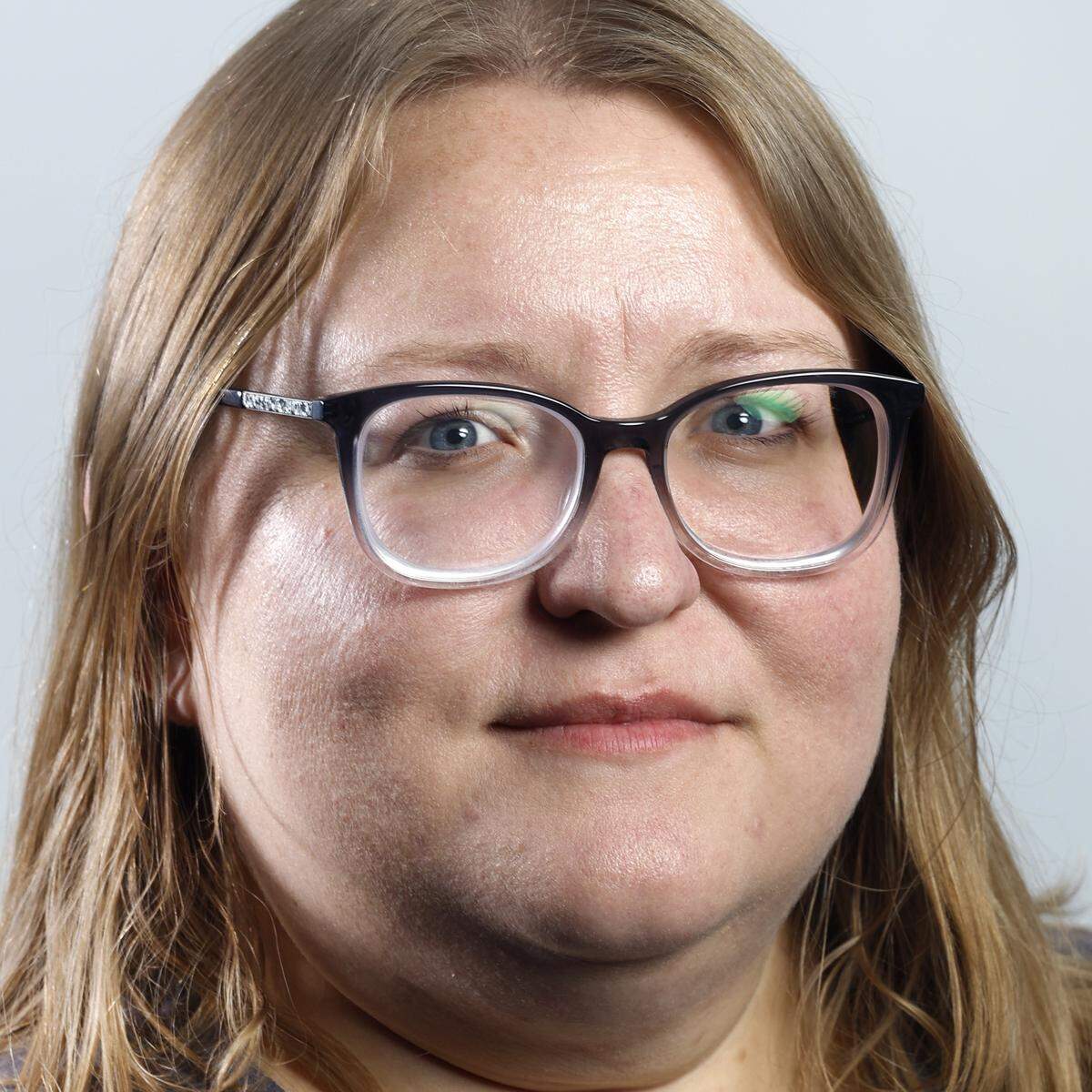
Cameron Zamot, candidate for Raleigh City Council
READ MORE
RAL-City-Primary
Six candidates are running for two at-large seats on the Raleigh City Council. Four candidates are running for the council’s District C seat. Here are the answers from those candidates that responded to our questionnaire.
Expand All
The News & Observer is publishing questionnaires for the Raleigh City Council at-large race on the March 3, 2026, primary ballot to help voters learn where the candidates stand on important policy issues,
Six candidates are seeking two at-large seats on the council, including one incumbent. The four candidates with the most votes will move on to the Nov. 3 general election.
City Council races are nonpartisan, and all Raleigh residents can vote in the at-large race.
Here are responses from Cameron Zamot.
- Name: Cameron Zamot
- Age: 28
- Occupation and employer: Owner of The Bike Library — Barista & Bike Mechanic
- Education: BS, Mechanical Engineering, University of Florida; MBA, University of Arizona
- Endorsement (limited to three): n/a
- Previous political or civic experience (limited to three): Senior Transit Planner (Bus Rapid Transit) City of Raleigh;
- Campaign website: cameronforcouncil.org
- What is your favorite locally owned restaurant either in the city or within your district? My own, The Bike Library! But only if a coffee shop count as a restaurant. I put a lot of love into building this place by hand with the help of many friends. It taught me a lot about decision making, action-orientation, negotiation, and the transformative power of community. I support women-owned businesses like The Left Hook and BE Bakery, minority owned businesses like Tepuy Donuts and Ghostpepper Industries, and feature products from local legends like Trophy Brewing and Oak City Customs.
- What is a piece of media (podcast, TV series, video game, book) that you recently finished and enjoyed? Dr. Ross Bassett, a good friend and investor in The Bike Library, recently gifted the shop a few copies of “Life After Cars.” It’s a book about the damage, isolation and everyday violence we’ve come to accept as normal in car-dependent societies. In fact, as I read the final pages of the book while on a train back from Thanksgiving in Tampa, I made up my mind to run for City Council because I was so inspired to help our wonderful city break the chains of car-dependency.
How do you identify your political ideology?
Independent, non-partisan.
What perspective or life experience would you bring that’s missing from the Raleigh City Council now?
If elected, I will be the only person under age 30, the only person to commute to work on a bike every day, one of few former City staffers and the only councillor with military experience. I was in middle school during the ‘08 financial crisis, a freshman in college when Trump was first elected and a senior in college when COVID hit. My post-college life has been shaped by the post-pandemic landscape, and the nature of my business means I’m constantly in touch with residents in the community.
Do you think the current City Council has put Raleigh on the right path?
Yes. We have made strides in stormwater, housing and transportation. Most council members are doing a good job pointing our city in a direction that will facilitate good growth. With Jonathan Lambert-Melton leaving to run the county commission, I want to step in and continue his work as a pro-transit, pro-density voice on Council.
Has Raleigh’s growth outpaced its infrastructure?
Yes. People actively avoid going downtown because it’s a pain to get there. Longtime residents are getting displaced because it’s easier to steamroll a low-income neighborhood than it is to build density in wealthy, white neighborhoods.
Should it be possible to live in Raleigh without owning a car?
Yes. I really appreciate this question, but it reveals a hidden bias that car ownership in Raleigh is a given. It is already possible (yes, right now!) to live in Raleigh without a car: there are those who can’t afford car ownership, have medical conditions preventing them from obtaining a driver’s license, or simply choose not to drive — like myself.
Do you support Raleigh’s bus rapid transit efforts?
Yes. I worked on the BRT team. I heard contractors tell me behind closed doors that the reason they wouldn’t bid on the project was because of a problematic track record of not getting paid on time by the city. I sat in on discussions about how the New Bern bus shelters would be “breakaway” so as to not damage a car crashing into them. So yes: I support BRT, but I saw behind the curtain and it wasn’t all pretty. That’s why I’m running!
Does the city need more police officers?
No. The city needs to retain police officers before trying to add headcount. The 11% raise was insufficient. The Fire Department is the department badly needing more headcount.
Would you vote to increase the salary of the city’s first responders, including police, fire and 911 call takers?
In my endorsement interview with RPPD/Teamsters Local 391, the quote that stood out was a gentleman that told me “RPD used to be a prestigious department, now guys leave for Apex and Holly Springs and Wake Forest as soon as they get out of training.” It is my understanding that they leave for better pay.
Is the city doing enough to support small businesses?
No. As a small business owner, I have not received direct support from the city. I received a small amount of support from the Downtown Raleigh Alliance.
Do you support Raleigh’s missing middle policies that make it easier to build townhomes, backyard cottages and duplexes? If not, what changes would you make?
Yes. I do support these policies because they are often the only way people can find attainable housing in a market where homeownership is increasingly out of reach. I believe these policies should be expanded to include quadplexes and ACUs (auxiliary commercial units.)
On Jan. 20, 2026, the Raleigh City Council approved a rezoning to allow buildings up to 37 stories in parts of North Hills. Would you have voted in favor of this rezoning case?
Yes. The city needs density in certain areas -- not everywhere, but in certain areas. This part of the city is a good candidate for additional density, considering the context. Although we need gentle density built into neighborhoods, we do need some pockets of bona-fide density. I have heard neighbors’ complaints that the real issue is with hypocrisy on Council, not necessarily the outcome itself.
On Oct. 7, 2025, the Raleigh City Council approved a rezoning to allow buildings up to 27 stories at the intersection of Peace and West streets. Would you have voted in favor of this rezoning case?
Yes. It is a walkable neighborhood and the developer has plans to protect the creek. 27 stories worth of housing in this area will have an overall smaller environmental and infrastructural (electrical, sewer, stormwater) impact than the same amount of housing in a single-family neighborhood.
Are there specific policies you would enact or change to protect the city’s tree canopy?
Yes. I would structure a carrot-and-stick incentive structure as it relates to removing trees. If developers leave trees intact, they get a bonus. If they tear down trees, they pay a penalty to the affordable housing fund .
Are there specific policies you would enact or change to protect the city’s water supply?
Yes. Allow permeable paving materials to be used when building sidewalks, roadways, and neighborhood streets.
Has Raleigh become too expensive for too many?
Yes. I moved here making $68,000 in a remote job and couldn’t find a place to live within my budget. The only places I could find for less than $1,000 were listed on online forums and were broadly low quality. It’s easy to find 4,000 square foot single family homes in Raleigh, but increasingly difficult to find small, affordable units. Raleigh’s development ordinance must be changed to allow smaller dwelling sizes everywhere in town by-right.
Are there specific new strategies you would like the city to implement to increase affordable housing?
Yes. Collaborate with the North Carolina General Assembly to classify quadplexes as attached homes rather than apartments, which would result in much lower building costs. Then, create incentives to developers who make one of the four units affordable. Making this easy for developers will result in more of these types of units being built which, at scale, will result in 25% affordable housing for this type of unit.
City leaders are considering an affordable housing bond on the ballot this November. Would you vote in favor of an affordable housing bond?
Yes. I would vote in favor, but I would not initiate it.
Would you support expanding the city’s Bringing Neighbors Home pilot program?
Yes, but I would want to see it partnered with robust mental health assistance and programming.
Are there specific strategies you would like the city to implement to increase market-rate housing?
Yes. We need to update the Unified Development Ordinance to reduce minimum lot size requirements per unit, specifically in R-4 through R-10 lots for all development options. We also need to opt into the NC-legislated exempt plat option, which would allow easier subdivision of small lots. My goal is to make housing affordable. That goal will be accomplished through increasing supply — the easiest way to do this is to enable smaller developments.
What issue personally motivated you to run for office, and what would you do about it if elected?
When I moved to Raleigh, I was making $68,000 a year and couldn’t find a place that fit my budget. I didn’t have a car, so I rode my bike around town and realized we can do more to create better infrastructure for cyclists. I worked for the city as a Senior Transit Planner and thought I would finally be able to make good change -- but I felt muzzled and limited in what I could do. The solutions to all these problems -- affordable housing, better bike/pedestrian infrastructure, and staff culture -- are all found in elected officials who have the vision to dream and the energy to execute.
Are there specific programs or services the city should add? If yes, please provide examples.
The Vision Zero group (responsible for reducing traffic injuries and fatalities) should become its own department. By raising it to the same status as other city departments and bringing it out of the Transportation department, it will come out of conflict with the Transportation department goals. As it stands - VZ’s mission of reducing traffic violence comes second to Transportation’s goals of efficient movement of people and goods, often via vehicular means. Elevating VZ signifies a strong city commitment to safety of all residents, whether inside a vehicle or on the sidewalk.
Are there specific programs or services that should be cut? If yes, please provide examples.
Leaf Collection.
What specific changes would you make to ensure the safety of bus riders, drivers and community members on buses, at bus stops and at the downtown transit center?
A major part of my platform is an overhaul of the transit system. We need to move to a zonal system and away from a hub-and-spoke system centered at GoRaleigh station. GoRaleigh station is the end point of the majority of lines in town which, combined with its low-cost or free fare system, leads it to be a catch basin for undesirable activity, tainting each line that comes through that station. There really is no need to run every line through GRS -- in fact, we can serve all residents better (and make our transit system a realistic option for more folks) by moving to a zonal system. This will relieve pressure on GoRaleigh Station/Moore Square, reduce the number of problematic incidents on buses, and serve the overall population better than the current system. This is all possible with political will -- but it hasn’t happened yet!