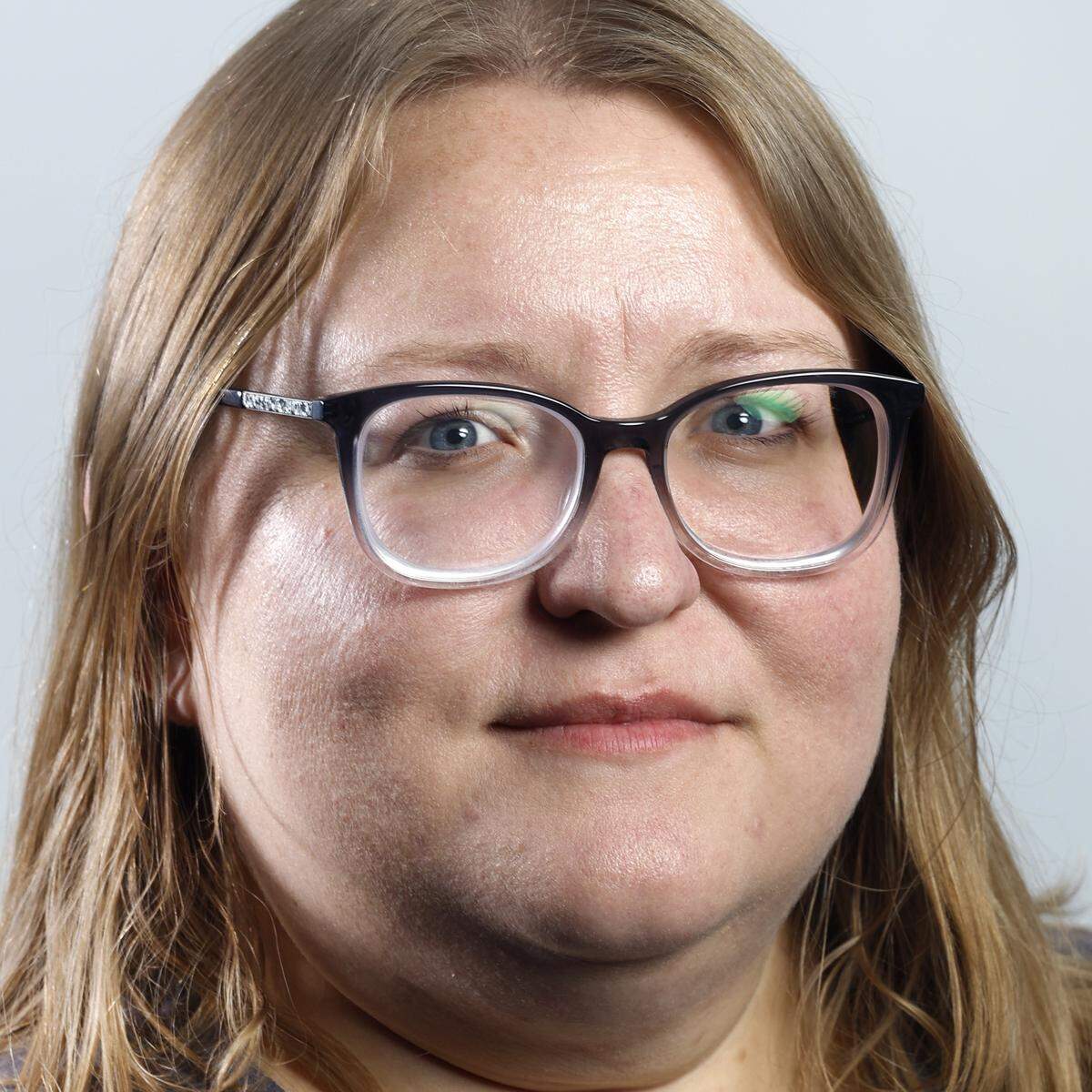
Sana Siddiqui, candidate for Raleigh City Council
READ MORE
RAL-City-Primary
Six candidates are running for two at-large seats on the Raleigh City Council. Four candidates are running for the council’s District C seat. Here are the answers from those candidates that responded to our questionnaire.
Expand All
The News & Observer is publishing questionnaires for the Raleigh City Council at-large race on the March 3, 2026, primary ballot to help voters learn where the candidates stand on important policy issues,
Six candidates are seeking two at-large seats on the council, including one incumbent. The four candidates with the most votes will move on to the Nov. 3 general election.
City Council races are nonpartisan, and all Raleigh residents can vote in the at-large race.
Here are responses from Sana Siddiqui.
- Name: Sana Siddiqui
- Age: 42
- Occupation and employer: Small Business Owner/Product Manager
- Education: Biological & Agricultural Engineering from NC State University
- Endorsement (limited to three): Progressive Democrats of Wake County; College Democrats at NC State University; Christina Jones - Raleigh City Councilmember
- Previous political or civic experience (limited to three): 1) Served on Raleigh Hispanic & Immigrant Affairs Advisory Board. Currently serving on the Environmental Advisory Board and Human Relations Commission (2) Advisory Board Member, NC State University Department of Bio & Ag. Engineering. (3) Host of First Friday Market & Movie Night at Moore Square since 2022, a monthly series held in partnership with the city of Raleigh.
- Campaign website: sana4raleigh.com
- What is your favorite locally owned restaurant either in the city or within your district? It’s hard for me to pick just one because through my digital platform Get2KnowRaleigh I’ve gotten to know and work with so many locally owned spots. But Sake House in North Raleigh is a longtime favorite, I’ve been going there for over 15 years. Their entire team knows me and my order, and I’ve been ordering the same item for years.
- What is a piece of media (podcast, TV series, video game, book) that you recently finished and enjoyed? “Inspired Voices,” a podcast by local creator Oliver Riera. He highlights small businesses, creators, and people making a real impact in our community. I appreciate how he uses the platform to tell local stories and support the people who are doing the work on the ground.
How do you identify your political ideology?
Democrat, with a pragmatic and community-centered approach
What perspective or life experience would you bring that’s missing from the Raleigh City Council now?
I have experience in both large institutions and grassroots community spaces. I’ve held leadership roles in global organizations and also built a small business, sold at local markets, served on city advisory boards, and partnered with the City on community events. That gives me a practical, implementation-focused perspective and an understanding of how decisions affect residents, small businesses, and city staff across Raleigh.
Do you think the current City Council has put Raleigh on the right path?
Yes. Raleigh is moving in the right direction and growing because people want to be here. However, this growth must be managed more responsibly, with stronger coordination between housing, infrastructure and services. We need to keep Raleigh affordable, support small businesses and ensure city staff are paid competitively so the city can serve residents effectively.
Has Raleigh’s growth outpaced its infrastructure?
Yes, growth has outpaced infrastructure in Raleigh. The city has identified $960 million in stormwater needs that must be prioritized, and transportation infrastructure requires significant improvement. As we add density, we must ensure roads, transit, stormwater and public services can support it while preventing displacement of long-term residents.
Should it be possible to live in Raleigh without owning a car?
Yes. Raleigh’s size and layout make full walkability a long-term goal, but we can make it more possible in the near term through better transit, safer pedestrian infrastructure and ADA-accessible design. More frequent and reliable service, along with transit stops within a reasonable distance of where people live and work, will make car-free living more realistic.
Do you support Raleigh’s bus rapid transit efforts?
Yes. I support BRT as a much-needed improvement to our transportation system. As the project moves forward, we must manage construction impacts on residents and small businesses with clear timelines, coordination and support. Corridor rezonings and added density should include affordability measures, protections against displacement and preservation of naturally occurring affordable housing and the tree canopy.
Does the city need more police officers?
Yes. Raleigh’s population has grown significantly, but police staffing has not kept pace with service demand. We need staffing levels that reflect current needs, along with stronger retention through competitive pay, training, and working conditions. Building community trust requires transparency, clear oversight, and consistent incident review. Supporting officers and maintaining accountability must go hand in hand.
Would you vote to increase the salary of the city’s first responders, including police, fire and 911 call takers?
Yes. Raleigh needs to invest in its workforce. The city has grown much faster than staffing across emergency response and other frontline services. Competitive pay, adequate staffing and sustainable workloads are key to retaining skilled first responders and maintaining service quality. Retention also reduces turnover and the expense of recruiting and training new employees.
Is the city doing enough to support small businesses?
No. The city has programs to support small businesses, but we need to do more. They need faster, clearer approvals so they can open sooner, and that requires more dedicated staff. We should audit current support systems, including permitting and existing tools, to identify bottlenecks and fix them. We should also improve grant outreach and explore tools that help stabilize commercial corridors and prevent displacement of long-standing local businesses.
Do you support Raleigh’s missing middle policies that make it easier to build townhomes, backyard cottages and duplexes? If not, what changes would you make?
Yes. I support Missing Middle as a tool to expand housing options across the city. We should pair it with clearer design standards, infrastructure alignment and affordability considerations so new development fits within existing neighborhoods while increasing supply responsibly.
On Jan. 20, 2026, the Raleigh City Council approved a rezoning to allow buildings up to 37 stories in parts of North Hills. Would you have voted in favor of this rezoning case?
No. Based on what is publicly available, I would not have supported this rezoning at that time. For a project of this scale, I would want the City Council’s transportation committee’s analysis, a clear infrastructure and mobility plan and a detailed review of Comprehensive Plan and land-use map alignment before a final vote.
On Oct. 7, 2025, the Raleigh City Council approved a rezoning to allow buildings up to 27 stories at the intersection of Peace and West streets. Would you have voted in favor of this rezoning case?
No. This was a downtown-edge project where height and transition to surrounding neighborhoods are key considerations. For a project of this scale, I would look for step-downs in height, a mobility plan and a clear transition strategy before supporting it, since these decisions set precedents for future rezonings.
Are there specific policies you would enact or change to protect the city’s tree canopy?
Yes. As Raleigh grows, infrastructure must keep pace. Stormwater capacity, flood risk and tree‑canopy preservation should be central to rezoning and development decisions, especially in areas with a history of flooding. It’s easier to preserve existing trees than replace them later. Rezonings should include clear guidelines that limit unnecessary tree removal and require replanting when removal is unavoidable.
Are there specific policies you would enact or change to protect the city’s water supply?
Yes. We need to be more intentional about how and where we grow in order to protect Raleigh’s water supply. We need stronger stormwater management, protection of our water supply watersheds, and preservation of tree canopy and green space that help filter runoff. Long-term planning should align development with infrastructure capacity so growth doesn’t compromise water quality.
Has Raleigh become too expensive for too many?
Yes, housing costs have risen faster than incomes for many residents. Most current policies focus on households at 80% area median income, but displacement risk is highest at 30–50% AMI, where we need more targeted strategies. City staffing has not kept pace with growth, and the people who serve Raleigh are not paid competitively enough to live here comfortably.
Are there specific new strategies you would like the city to implement to increase affordable housing?
Yes. We should consider affordability in every rezoning and integrate it across the city rather than concentrating it in a few areas. We need targeted strategies for households at highest displacement risk, especially those at 30% to 50% area median income, including preserving naturally occurring affordable housing. The city also has tens of thousands of approved but unbuilt units, and we should work with developers to identify financing, permitting, and infrastructure bottlenecks so those projects move forward.
City leaders are considering an affordable housing bond on the ballot this November. Would you vote in favor of an affordable housing bond?
Yes. I support putting another affordable housing bond before voters, with clear communication and strong accountability. The current council should review the 2020 bond’s results and address remaining gaps. A 2026 bond should focus on deeper affordability, longer affordability periods and moving projects forward. We must also preserve existing affordable housing and invest in infrastructure so growth doesn’t burden current residents.
Would you support expanding the city’s Bringing Neighbors Home pilot program?
Yes. Bringing Neighbors Home is a promising pilot, and I support continuing it while reviewing outcomes and identifying gaps. If the data shows it is helping people transition into permanent housing, we should work with Wake County and nonprofit partners to expand it strategically and use housing funds in a way that balances immediate needs with long-term affordability.
Are there specific strategies you would like the city to implement to increase market-rate housing?
Yes. Market-rate housing will continue as Raleigh grows. We should focus higher density in transit-served areas to lower transportation costs and encourage walkability while coordinating with infrastructure capacity. We also need faster, more predictable permitting, including adding staff where needed. Affordability should be part of these discussions so increased supply benefits more residents.
What issue personally motivated you to run for office, and what would you do about it if elected?
I am a long time Raleigh resident, and I have watched the city become less affordable for the people who built their lives here, including small business owners, city staff and working families. I have spent years working with the city through advisory boards and community initiatives and have seen how decisions about housing, infrastructure and staffing affect daily life. At the same time, many residents feel disconnected from city processes and don’t know how decisions are made or how to engage. If elected, I would focus on aligning housing with infrastructure, improving permitting and staffing so projects move forward, and creating more intentional, accessible ways for residents to participate in decision-making.
Are there specific programs or services the city should add? If yes, please provide examples.
Yes. Raleigh already offers small business, housing and workforce programs, but they can be difficult for residents to find and navigate. We should improve multilingual, neighborhood-based outreach and create clearer, centralized information so people understand what services exist and how to access them. I would also review current programs to identify gaps and determine where additional staffing or expanded services are needed, and strengthen coordination with Wake Tech and local partners to better align workforce development with city needs.
Are there specific programs or services that should be cut? If yes, please provide examples.
Rather than naming specific programs to cut, I believe the city should regularly review programs to see what is working, where there is duplication and whether they still meet current needs. If something is not delivering results or overlaps with work being done by the county or nonprofit partners, we should look at restructuring it. We do not always have to eliminate a program entirely, but we can redirect some of its resources to higher-impact priorities if the data supports that.
What specific changes would you make to ensure the safety of bus riders, drivers and community members on buses, at bus stops and at the downtown transit center?
A big part of transit safety is how people get to and from bus stops. Sidewalks, crosswalks, lighting, and ADA-compliant routes are basic infrastructure that affect daily mobility. For example, Raleigh’s pavement markings program, which includes crosswalk striping and ADA markings, runs on a relatively small budget compared to peer cities, and expanding this work would improve safety right away. I also support land-use policies that encourage housing near transit, jobs, and commercial centers so people can walk, use transit more reliably, and lower transportation costs. We should also strengthen our partnership with the contractors that operate bus service to ensure drivers feel safe, have balanced working conditions, and that incidents are consistently reported, reviewed, and used to improve operations.