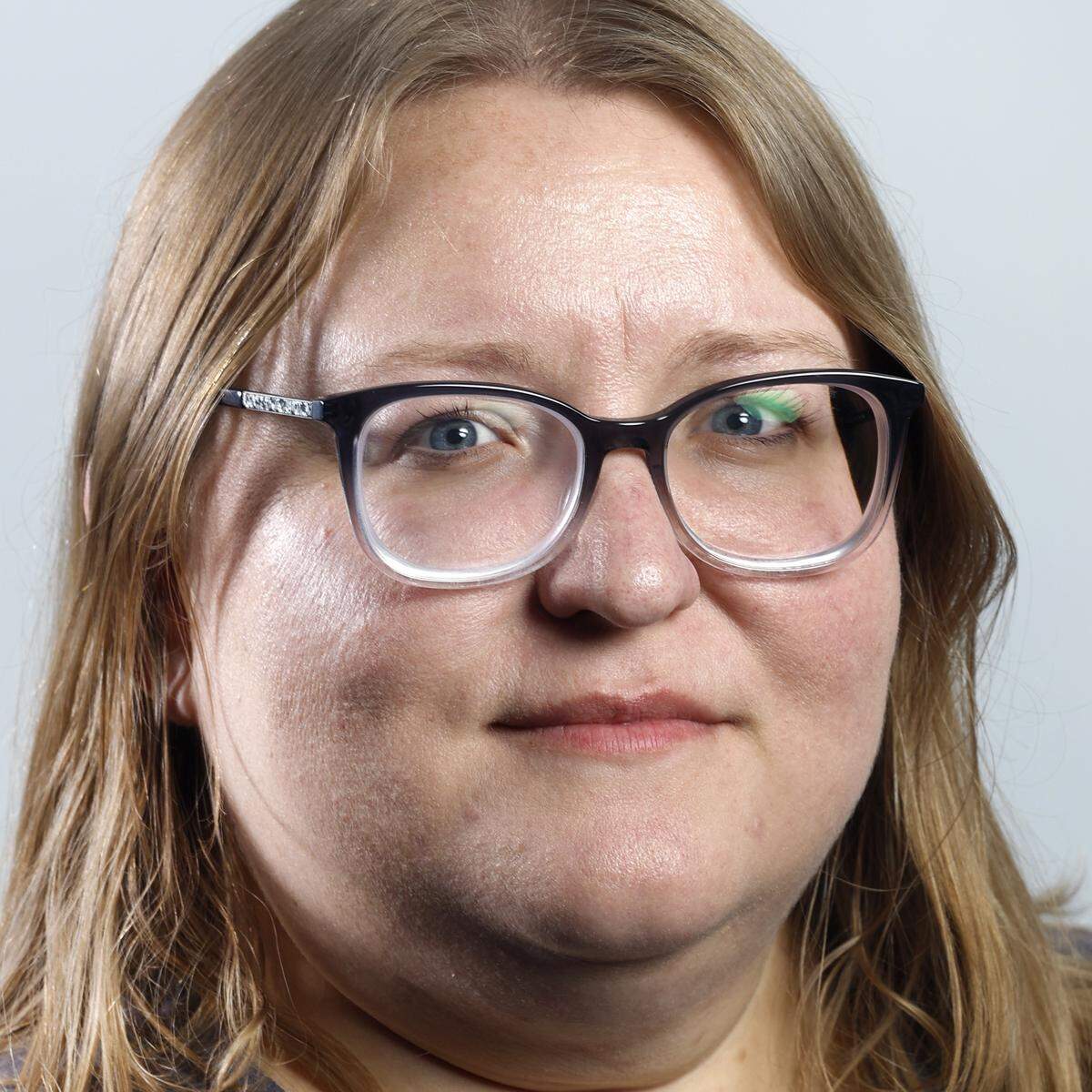
Joshua Bradley, candidate for Raleigh City Council
READ MORE
RAL-City-Primary
Six candidates are running for two at-large seats on the Raleigh City Council. Four candidates are running for the council’s District C seat. Here are the answers from those candidates that responded to our questionnaire.
Expand All
The News & Observer is publishing questionnaires for the Raleigh City Council at-large race on the March 3, 2026, primary ballot to help voters learn where the candidates stand on important policy issues,
Six candidates are seeking two at-large seats on the council, including one incumbent. The four candidates with the most votes will move on to the Nov. 3 general election.
City Council races are nonpartisan, and all Raleigh residents can vote in the at-large race.
Here are responses from Joshua Bradley.
- Name: Joshua Bradley
- Age: 51
- Occupation and employer: Hotel accountant
- Education: Some college (went to North Carolina State University until I could not afford it)
- Endorsement (limited to three): Triangle Labor Council; Wake County Voter Education Coalition; Livable Raleigh
- Previous political or civic experience (limited to three): I am the former co-chair of the NC Triangle Local of the Socialist Party USA and I am currently on the National Committee. I have organized with the NC Green Party (and am a member). I was a part of Occupy Raleigh.
- Campaign website: bradleyforraleighworkers.com
- What is your favorite locally owned restaurant either in the city or within your district? Hady’s Restaurant on Martin St. Very good food.
- What is a piece of media (podcast, TV series, video game, book) that you recently finished and enjoyed? I re-read “The Player of Games” by Iain M Banks (A part of the Culture Series). It is a great book for those who read science fiction. I would enthusiastically recommend the book and the series.
How do you identify your political ideology?
Socialist/Ecosocialist
What perspective or life experience would you bring that’s missing from the Raleigh City Council now?
I would bring a leftist working class perspective. Decades of neoliberal leadership has gentrified the city, pushed people in to the streets and made developers rich at the expense of the workers and the poor.
Do you think the current City Council has put Raleigh on the right path?
No. For 60 years property development has reigned supreme in the decisions and actions of the Raleigh City Council, with mayors and council members having close ties to developers through employment, campaign donations or being developers outright. This has skewed zoning decisions, budgets and planning to cope with development rather than manage development. The result is continuous traffic challenges, increasing homelessness, gentrification and over-policing.
Has Raleigh’s growth outpaced its infrastructure?
Yes. Cost overruns are preventing the completion of projects. Housing affordability for the working class and poor have all but disappeared.
Should it be possible to live in Raleigh without owning a car?
Yes. The city has planned for the car, failing to create public transportation for the majority of the population. This problem is a class issue. Public transport has been portrayed as a burden, used by people of low economic status. Cars portray success and economic status. Our roads and highways will support mass transportation, and it deserves investment. We must counter these cultural and economic messages, and show that it is possible to develop wide-spread and widely used mass transportation.
Do you support Raleigh’s bus rapid transit efforts?
Yes. I support bus rapid transit, but the Transit Overlay District will displace the very people who ride buses. Transit should be built around its users, not developers. Unfortunately, these BRT corridors will gentrify and become unaffordable to working-class riders. Wealthier residents rarely use buses in numbers that could sustain a line after pushing out those who would. This risks wasting public money that could instead expand service for those who need it most.
Does the city need more police officers?
No. The city needs to re-orient policing away from property protection and law enforcement to seeking the best possible outcome in police encounters with the public. Funding is needed for unarmed, trained responders in de-escalation of situations involving mental health assessment, drug addiction and domestic violence, with arrest and incarceration as the last resort. Armed police should be fewer in number, and only used in situations where non-violent response has ceased to be an option.
Would you vote to increase the salary of the city’s first responders, including police, fire and 911 call takers?
Yes, for EMS, Fire, and 911 call takers. Any police increases should be paid out of the existing police budget.
Is the city doing enough to support small businesses?
Yes. I am more concerned about the workers in the city. If small businesses are unable to pay their workers a living wage they should not get support from the city. Businesses are already well represented in city government. Workers who are housing, food secure and have access to quality health care are good for business.
Do you support Raleigh’s missing middle policies that make it easier to build townhomes, backyard cottages and duplexes? If not, what changes would you make?
No. The root problem is unaffordable housing. Housing must be affordable by people who make minimum income. For people making $7.25/hour, this would be $377.00/month, including utilities. Blanket “missing middle” housing policies fail accessible low-income housing. The city should use its own land and resources to build housing. However, I do not believe in an “either” “or” approach to housing, and instead commit to taking a multifaceted approach to the housing crisis.
On Jan. 20, 2026, the Raleigh City Council approved a rezoning to allow buildings up to 37 stories in parts of North Hills. Would you have voted in favor of this rezoning case?
No. This rezoning repeated the same pattern: massive height, massive profit and zero binding affordability. The city doesn’t even have the fire‑safety capacity to manage 40‑story buildings, yet the proposal offered no plan to address that gap. A $1 million “donation” to the housing fund is not a housing strategy—it’s a PR strategy. If a project doesn’t protect residents, strengthen infrastructure or deliver deeply affordable housing, it shouldn’t be approved.
On Oct. 7, 2025, the Raleigh City Council approved a rezoning to allow buildings up to 27 stories at the intersection of Peace and West streets. Would you have voted in favor of this rezoning case?
No. The West Street Tower violated the Comprehensive Plan with no benefit to working people. It is a subsidy to luxury developers. A one‑time $1.2 million payment into the housing fund doesn’t come close to the long‑term harm created by pricing out the very people who make this city run. I would support similar density only if at least 10% of units housed the unhoused and another 15% were deeply affordable to households under 35% area median income.
Are there specific policies you would enact or change to protect the city’s tree canopy?
Yes. Stop allowing every speculative developer with deep pockets to remove tree cover. Global warming is real, and the loss of the canopy ecological benefits - cooler air, moisture retention, reduced heat island effects, bird habitat and function as a carbon sink - is far greater than the benefits to the city from short-term jobs leaving long-term problems. We must position the city to cope with the coming environmental changes, and keeping tree cover is a critical part of planning for that future.
Are there specific policies you would enact or change to protect the city’s water supply?
Yes. Few people realize the precarity of the world-wide supply of fresh, clean water. Only 3% of all the water in the world is fresh water, necessary for life. Raleigh must prioritize water conservation, educating the city’s people about the pressures our water supply faces from population pressure and global heating. Development decisions must recognize that there is a limit to our available water, and that there is not a more precious resource.
Has Raleigh become too expensive for too many?
Yes. Almost 43% of Raleigh households make under $75,000/year. A family of four at 60% AMI ($79,620) cannot afford the average 3-bedroom rent ($2,677–$3,892). The average rent for a one bedroom is just under $1,500/month (outside of downtown). A worker would need to earn $60,000/year to not be housing insecure. (no more than 30% of income to rent and utilities). The Raleigh median income for single individuals is around $45,600 per year.
Are there specific new strategies you would like the city to implement to increase affordable housing?
Yes. The city owns land and resources, and could act as a general contractor to develop housing accessible to people earning at 35% AMI. Along the way we should develop a cooperative construction company that could be left as a viable cooperative business in the area afterward. This company could act as a guild that provides job training in construction, for all trades.
City leaders are considering an affordable housing bond on the ballot this November. Would you vote in favor of an affordable housing bond?
Yes. All avenues must be used to provide housing and services to those who need it most.
Would you support expanding the city’s Bringing Neighbors Home pilot program?
Yes. It needs to be funded and expanded to cover all those who are unhoused. The purpose of any city, county, state or country is to ensure all of their people are able to live and thrive. Getting people out of the woods and into housing is a moral obligation of the city.
Are there specific strategies you would like the city to implement to increase market-rate housing?
No. Developers are already building market rate housing.
What issue personally motivated you to run for office, and what would you do about it if elected?
The rapid and continuous gentrification of the city for the last 20 years. It has created an exponential growth of homelessness and threatens to erase the history and cultural heritage of large parts of the city, especially in southeast Raleigh. Wages for workers have remained relatively flat and the constant influx of new residents is causing a strain on the infrastructure and education system.
Are there specific programs or services the city should add? If yes, please provide examples.
1. Fully fund and deploy a civilian alternative response unit, operating independently of police to address crisis situations with appropriate expertise. 2. Offer free, citywide public training in crisis intervention, first aid, and navigating city services—empowering residents to support one another. 3. Institutionalize regular consultations with city worker unions to ensure employee voices meaningfully inform workplace and operational decisions. 4. Establish and sustain city-funded public health clinics that deliver basic medical care to all Raleigh residents, regardless of income or insurance status.
Are there specific programs or services that should be cut? If yes, please provide examples.
The city should cut the Flock Safety cameras and the drone surveillance budget. The city should not give grants to private for-profit businesses.
What specific changes would you make to ensure the safety of bus riders, drivers and community members on buses, at bus stops and at the downtown transit center?
In the short term, the city should hire social workers with training in helping people in crisis for the times and routes that report trouble. In the medium term, the city needs to ensure that there is enough shelter space available for those who are unhoused in bad weather conditions and extreme heat/cold. In the long term, the city needs to provide housing and services to those most in need.