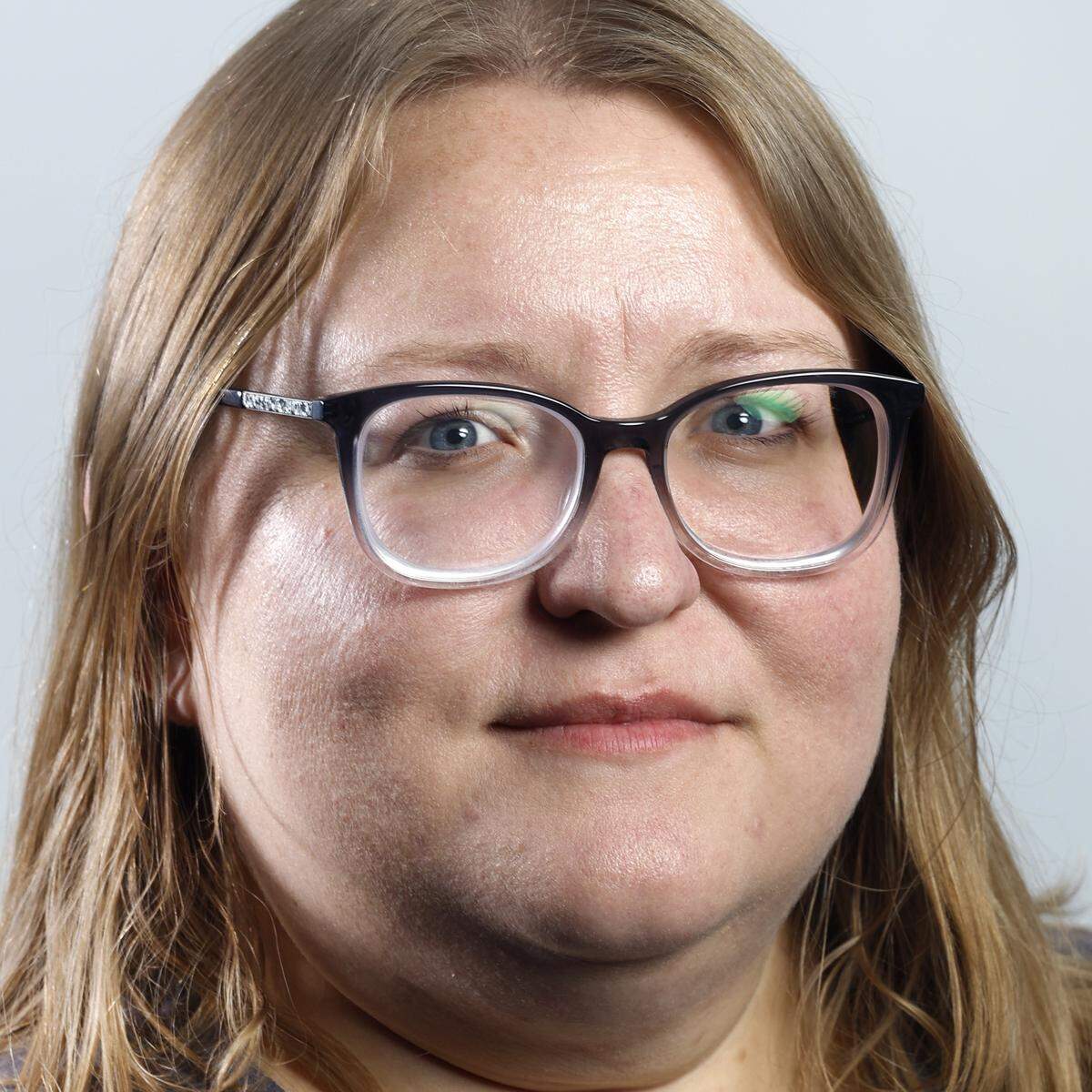
Clark Rinehart, candidate for Raleigh City Council
READ MORE
RAL-City-Primary
Six candidates are running for two at-large seats on the Raleigh City Council. Four candidates are running for the council’s District C seat. Here are the answers from those candidates that responded to our questionnaire.
Expand All
The News & Observer is publishing questionnaires for the Raleigh City Council at-large race on the March 3, 2026, primary ballot to help voters learn where the candidates stand on important policy issues,
Six candidates are seeking two at-large seats on the council, including one incumbent. The four candidates with the most votes will move on to the Nov. 3 general election.
City Council races are nonpartisan, and all Raleigh residents can vote in the at-large race.
Here are responses from Clark Rinehart.
- Name: Clark Rinehart
- Age: 39
- Occupation and employer: Social Entrepreneur; Self-Employed
- Education: BS 2009 in Industrial Engineering (Minor in Econ) from the University of Miami; MDiv 2012 from Duke Divinity School; ThM 2016 from Duke Divinity School
- Endorsement (limited to three): NC State College Dems; Citizens for A Safe and Secure Raleigh (CSSR); RPPA/Teamsters Local 391
- Previous political or civic experience (limited to three): City of Raleigh DMV Project Working Group Member; Former Interim Executive Director of Innovate Raleigh; Interim Executive Director of Chapel Hill Downtown Partnership
- Campaign website: clarkforraleigh.com
- What is your favorite locally owned restaurant either in the city or within your district? Stanbury on North Blount Street. It is a nice walk from our house in District C through Oakwood and is a special-occasion spot for my wife, Laura, and I. Every cocktail and meal that I’ve had there has been incredible.
- What is a piece of media (podcast, TV series, video game, book) that you recently finished and enjoyed? I probably consume too much media. For podcasts, I’m always listening to 99% Invisible, Smartless, UCLA Housing Voice, The Daily, The Ezra Klein Show, What Trump Can Teach Us About Con Law, and The Bowery Boys. A recent TV series would be the latest season of “Only Murders in the Building.” I play NCAA College Football ‘26 with my son, Beau, when I can. And, lastly, I enjoyed reading “Building Optimism: Why Our World Looks the Way it Does,” and “How to Make it Better” by Coby Lefkowitz.
How do you identify your political ideology?
I identify my political ideology as a center-left Democrat – holding both a progressive and pragmatic posture. That is to say, I would back smart growth, affordable and attainable housing, multimodal public transit expansion and investments in climate resilience. Additionally, I would support small businesses and workers, invest in parks and public safety reform, and seek practical, community-driven solutions that balance denser development with equity and neighborhood character.
What perspective or life experience would you bring that’s missing from the Raleigh City Council now?
I would bring unique multi-disciplinary experience and expertise, along with a multi-sector point of view to the Council, which I think is needed for a citywide Councilor. More specifically, I am inherently curious, entrepreneurial and want to see more innovative solutions enacted in local government. My background in the small business and entrepreneurial ecosystem in Raleigh gives me a distinctive perspective on community engagement, community development, and economic development work.
Do you think the current City Council has put Raleigh on the right path?
Yes. The City Council has made meaningful progress on housing reform, multimodal transit, public parks and economic development. While not perfect, the overall direction – embracing smart growth strategies, focusing on quality of life for neighbors and long-range investments – has positioned Raleigh well. We must now focus on implementation and accountability to build on this strong foundation and ensure that all neighbors are participating in the economic prosperity of our city.
Has Raleigh’s growth outpaced its infrastructure?
Yes. I’m in between on this one. In some ways, I think yes and others no. Rapid growth in Raleigh has certainly strained roadways, transit system, housing affordability, stormwater and public facilities among other areas. We need stronger coordination between rezoning, capital improvement planning, and ongoing infrastructure funding to ensure growth pays for growth and neighborhoods are not left behind or completely overrun.
Should it be possible to live in Raleigh without owning a car?
Yes. Raleighites should have real multimodal transportation choices that are efficient, reliable and affordable in a city of our size. Expanding our public transit, walkability and bike infrastructure reduces costs for families, lowers congestion, and supports a more sustainable, green, and connected city.
Do you support Raleigh’s bus rapid transit efforts?
Yes. Bus Rapid Transit is a smart, cost-effective investment that will connect people to life-giving and living-wage jobs and affordable housing while shaping walkable development along major corridors. It’s essential to our long-term mobility strategy and I would like to see ongoing investments in multimodal transit across the city.
Does the city need more police officers?
Yes. We need adequate staffing for RPD to maintain reasonable response times, strengthen community policing and ensure our neighborhoods are safe and secure. At the same time, I believe we should continue investing in co-responder and violence prevention programs. I also believe that there should continue to be strong accountability and transparency measures put in place.
Would you vote to increase the salary of the city’s first responders, including police, fire and 911 call takers?
Yes. Competitive compensation is critical to recruit and retain skilled police officers, firefighters and 911 call takers who serve our community every day. Even with the recent salary increases, I think more investment needs to be made in these vital community services and those who serve our city.
Is the city doing enough to support small businesses?
No. Raleigh has great city staff working to support small businesses every day, but I would argue that we need more investments in order to ensure this community remains vibrant. I believe we can always do more for small businesses, especially by streamlining permitting, expanding technical assistance and improving access to capital. As I have in the past, I would focus efforts on expanding support for minority- and women-owned businesses.
Do you support Raleigh’s missing middle policies that make it easier to build townhomes, backyard cottages and duplexes? If not, what changes would you make?
Yes, I do support Raleigh’s missing middle policies that make it easier to build more housing types in more places. Allowing duplexes, accessory dwelling units and townhomes along with other housing types, increases housing options for neighbors and helps stabilize prices. I also support thoughtful design standards and infrastructure planning to ensure compatibility with existing neighborhoods.
On Jan. 20, 2026, the Raleigh City Council approved a rezoning to allow buildings up to 37 stories in parts of North Hills. Would you have voted in favor of this rezoning case?
Yes. As I have mentioned elsewhere, I didn’t do the amount of community engagement and listening work that I would have wanted to if I was on City Council and making this decision on a major rezoning case. This is vital work for my decision making process. Nevertheless, in a designated growth center with transit access, I believe additional height can support housing supply, green space, and overall economic vitality.
On Oct. 7, 2025, the Raleigh City Council approved a rezoning to allow buildings up to 27 stories at the intersection of Peace and West streets. Would you have voted in favor of this rezoning case?
Yes. Similarly, As I have mentioned elsewhere, I didn’t do the amount of community engagement and listening work that I would have wanted to if I was on City Council and making this decision on a major rezoning case. This is vital work for my decision making process. Downtown density supports walkability, small business vibrancy, and multimodal transit. From my perspective, concentrating density and overall building heights in urban areas reduces other negative externalities citywide.
Are there specific policies you would enact or change to protect the city’s tree canopy?
Yes. I support stronger tree conservation standards, incentives for preservation during development and expanded tree planting, specifically native trees, in underserved and more areas across the city.
Are there specific policies you would enact or change to protect the city’s water supply?
Yes. We should strengthen watershed protections, expand green stormwater infrastructure, and continue to carefully review development near critical water supply areas.
Has Raleigh become too expensive for too many?
Yes. Rising housing costs are outpacing wages and pushing more neighbors to the margins. Work has been done by Council recently to increase housing supply and lower rents, but there is still work to be done. Teachers, service workers, first responders, city employees and young families are increasingly priced out, and we must act quickly to expand affordability.
Are there specific new strategies you would like the city to implement to increase affordable housing?
Yes. I support land banking, public-private partnerships (particularly with larger land owners like faith-based nonprofits), leveraging city-owned land and expanding gap financing tools to produce and preserve mixed-income housing.
City leaders are considering an affordable housing bond on the ballot this November. Would you vote in favor of an affordable housing bond?
Yes. An affordable housing bond, in the neighborhood of $125 million or more, would provide dedicated funding to build and preserve affordable homes along with leveraging additional state and federal resources.
Would you support expanding the city’s Bringing Neighbors Home pilot program?
Yes. Housing-first approaches have proven effective in reducing chronic homelessness and connecting residents to supportive services, so I would support expanding Bringing Neighbors Home along with other programs.
Are there specific strategies you would like the city to implement to increase market-rate housing?
Yes. In my opinion, we need more housing of all types. I haven’t spent a lot of time focusing on market-rate strategies because the market has been producing those units fairly consistently to date. In general, I believe we should streamline approvals, allow more housing near transit and job centers and reduce unnecessary regulatory barriers to responsibly increase overall supply.
What issue personally motivated you to run for office, and what would you do about it if elected?
There wasn’t one specific issue that motivated me to run for local office. It was a combination of different factors that led me to raise my hand for a citywide seat on Council. If I had to pick a top issue that inspired me to run the most, I would say it is land use and zoning because of the affordability crisis that we’re facing right now. I believe we have started to make headway through zoning reform and ensuring that we can build more housing, of more types, in more places across Raleigh. But, there is still work to be done. If I have the privilege of being elected, I would continue to focus on policies that will make our community more affordable for more neighbors. As someone raising small children in Raleigh, I hope that we can do right by ensuring that when the next generation grows up, we would have successfully nurtured not only them, but also a great city that they can afford to continue to live in and raise a family in, if they so choose.
Are there specific programs or services the city should add? If yes, please provide examples.
I believe Raleigh should continue to focus on practical, results-driven programs that strengthen neighborhoods and support everyday working families. One service that I would consider adding is a small-business support hub and resource center to help local entrepreneurs navigate permits, have better access to micro-loans to get started, and, in the end, create more good-paying jobs in our city. Another idea for an additional program would be investing in more youth and workforce initiatives -- summer jobs and additional apprenticeship pipelines with Wake Tech. Investing in small business vibrancy along with life-giving and living-wage jobs for this generation and the next are both top priorities of mine.
Are there specific programs or services that should be cut? If yes, please provide examples.
I don’t believe in cutting for the sake of cutting -- but I do believe in accountability. In Raleigh, we should regularly audit programs to ensure they’re delivering measurable results. If a program consistently underperforms or duplicates county or state services, we should consolidate or redirect those funds. For example, one area I would consider cutting is consultant-heavy studies that don’t lead to implementation. My priority is protecting core services – public safety, parks, transit, and housing -- while trimming inefficiencies and reinvesting savings into programs that directly benefit residents.
What specific changes would you make to ensure the safety of bus riders, drivers and community members on buses, at bus stops and at the downtown transit center?
I believe safety and security on our transit system must be proactive, visible and community-centered. First, I would increase trained, unarmed transit ambassadors on buses and at key stops to de-escalate conflicts and connect riders to services (as needed). Second, I support better along with additional lighting, cameras, and real-time monitoring at high-traffic stops and at the GoRaleigh Station. Third, we should strengthen coordination between transit staff, social workers and RPD when appropriate — focusing on mental health response and clear, consistent enforcement of rules. Lastly, improving service reliability reduces crowding and wait times, which I believe directly improves safety for riders and drivers alike.