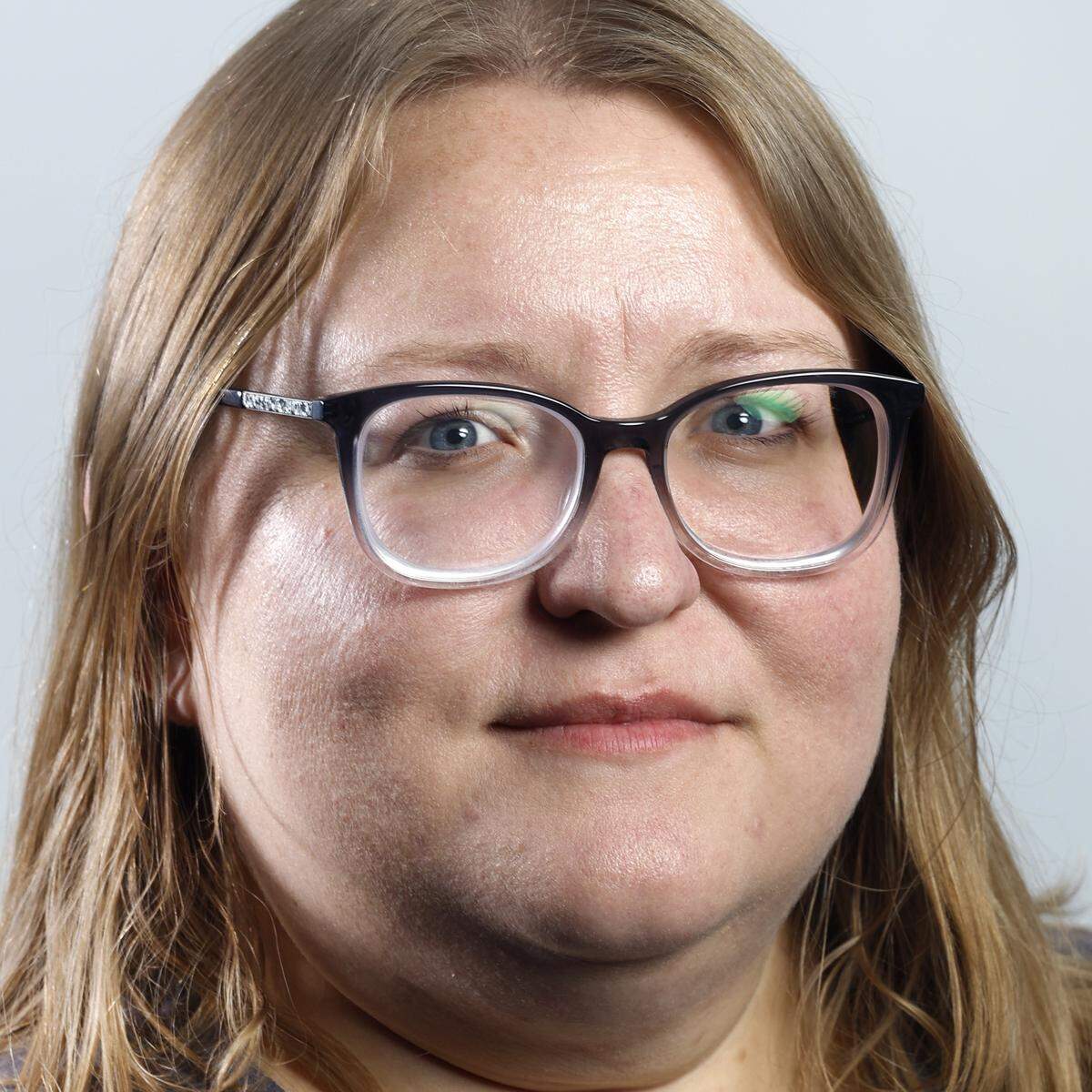
Diana Powell, candidate for Raleigh City Council
READ MORE
RAL-City-Primary
Six candidates are running for two at-large seats on the Raleigh City Council. Four candidates are running for the council’s District C seat. Here are the answers from those candidates that responded to our questionnaire.
Expand All
The News & Observer is publishing questionnaires for the Raleigh City Council District C race on the March 3, 2026, primary ballot to help voters learn where the candidates stand on important policy issue.,
Four candidates, including the incumbent, are seeking the District C District, which covers Southeast Raleigh. The two candidates with the most votes will move on to the Nov. 3 general election. City Council races are nonpartisan.
Candidates and voters must reside in the district to vote.
Here are responses from Diana Powell.
- Name: Diana Powell
- Age: 62
- Occupation and employer: Nonprofit
- Education: Colorado Technical University
- Endorsement (limited to three): n/a
- Previous political or civic experience (limited to three): Worked on many candidates campaign teams. Community organizer for Second Chance Alliance.
- Campaign website: Under construction
- What is your favorite locally owned restaurant either in the city or within your district? Raleigh Soul Kitchen
- What is a piece of media (podcast, TV series, video game, book) that you recently finished and enjoyed? Hood-Minted by “Monte” Montague, Jr.
How do you identify your political ideology?
My ideology is shaped by years of advocacy, collaboration and direct service to families across Southeast and East Raleigh, and I am committed to policies that expand opportunity, strengthen trust and keep our communities thriving.
What perspective or life experience would you bring that’s missing from the Raleigh City Council now?
I bring a perspective that is deeply rooted in lived experience, long-term community advocacy and direct service to families who are too often left out of policy conversations. As someone who has worked for decades in Southeast and East Raleigh — supporting returning citizens, stabilizing families in crisis, and navigating systems alongside residents
Do you think the current City Council has put Raleigh on the right path?
No. The poor and underserved has been left out.
Has Raleigh’s growth outpaced its infrastructure?
Yes. Especially transportation, stormwater systems and public services in historically overlooked areas. District C residents feel this daily through traffic congestion, flooding and strained public resources. We must align development with intentional investment in infrastructure that supports all communities.
Should it be possible to live in Raleigh without owning a car?
Yes. A growing city like Raleigh should make it possible to live, work and move around without needing to own a car. Reliable transit, safe sidewalks, protected bike lanes and connected neighborhoods are essential — especially for seniors, youth, workers and families who depend on alternatives. Expanding these options strengthens equity, reduces congestion and supports a more accessible, affordable Raleigh
Do you support Raleigh’s bus rapid transit efforts?
No. I support improving transit options, I have concerns about the current BRT approach. Many District C neighborhoods still lack basic bus frequency, safe stops and reliable service. Before investing in large‑scale projects, we must strengthen the existing system so residents who rely on transit every day see real, immediate improvements.
Does the city need more police officers?
Yes. Raleigh needs to fill critical vacancies to ensure timely response and reduce strain on current officers. But adding officers alone is not enough — we must pair staffing with strong accountability, community‑based policing, and expanded civilian and co‑responder roles. Public safety improves when residents trust the system and officers have the support, training, and resources they need.
Would you vote to increase the salary of the city’s first responders, including police, fire and 911 call takers?
Yes. Competitive pay is essential for recruiting and retaining the police officers, firefighters and 911 call takers who keep our city safe. These roles carry high stress and high responsibility, and Raleigh must offer salaries that reflect that reality while ensuring we maintain strong accountability and community trust.
Is the city doing enough to support small businesses?
No. Many small and neighborhood‑based businesses — especially in Southeast and East Raleigh — still struggle to access resources, navigate permitting and secure affordable commercial space. The city must expand support, simplify processes, and invest more intentionally in the entrepreneurs who keep our communities strong.
Do you support Raleigh’s missing middle policies that make it easier to build townhomes, backyard cottages and duplexes? If not, what changes would you make?
Yes. I support the goal of expanding housing options, but Raleigh’s current Missing Middle policies need adjustments. Growth must be paired with stronger infrastructure planning, neighborhood input and affordability requirements. I would refine the policy to ensure new housing benefits existing residents and does not overwhelm communities already facing strain.
On Jan. 20, 2026, the Raleigh City Council approved a rezoning to allow buildings up to 37 stories in parts of North Hills. Would you have voted in favor of this rezoning case?
No. I support responsible growth, but this rezoning moved forward without sufficient attention to infrastructure capacity, traffic impacts, housing affordability and the broader equity concerns raised by residents. Raleigh must ensure that large‑scale height increases are paired with clear community benefits and infrastructure planning that keeps pace with development.
On Oct. 7, 2025, the Raleigh City Council approved a rezoning to allow buildings up to 27 stories at the intersection of Peace and West streets. Would you have voted in favor of this rezoning case?
No. While I support thoughtful development, this rezoning raised concerns about traffic impacts, infrastructure capacity, and affordability commitments in an already high‑pressure area. Large height increases must come with clear community benefits, stronger planning and protections to ensure growth does not overwhelm surrounding neighborhoods.
Are there specific policies you would enact or change to protect the city’s tree canopy?
Yes. I would strengthen preservation requirements during rezonings, expand tree‑save standards in vulnerable neighborhoods, and prioritize replanting in areas with the lowest canopy. I also support tying major development approvals to clear tree‑impact analyses and investing in green infrastructure that protects mature trees and reduces heat and flooding.
Are there specific policies you would enact or change to protect the city’s water supply?
Yes. I would strengthen protections around drinking‑water sources, expand stormwater upgrades in flood‑prone areas, and require stricter runoff controls for new development. Raleigh must also invest in green infrastructure, enforce pollution safeguards, and prioritize watershed restoration to ensure long‑term water quality and resilience.
Has Raleigh become too expensive for too many?
Yes. Rising housing costs, higher taxes and increasing everyday expenses have made Raleigh unaffordable for too many longtime residents, working families and seniors. We need stronger affordability protections, more diverse housing options, and policies that ensure growth doesn’t push people out of the communities they’ve built.
Are there specific new strategies you would like the city to implement to increase affordable housing?
Yes. Raleigh needs stronger, more targeted tools to expand affordability. I support increasing funding for nonprofit and mission‑driven developers, preserving naturally occurring affordable housing, tying major rezonings to clear affordability commitments and expanding rental assistance so working families can remain in their communities.
City leaders are considering an affordable housing bond on the ballot this November. Would you vote in favor of an affordable housing bond?
Yes. Raleigh needs dedicated, long‑term funding to preserve and build affordable housing. I would support a bond that prioritizes anti‑displacement strategies, nonprofit and mission‑driven developers, and homes that working families, seniors, and longtime residents can truly afford
Would you support expanding the city’s Bringing Neighbors Home pilot program?
Yes. Bringing Neighbors Home is a promising tool for helping residents return to stable housing. I support expanding the program with stronger wraparound services, deeper partnerships with nonprofits, and a focus on residents who face the greatest barriers to securing long‑term housing.
Are there specific strategies you would like the city to implement to increase market-rate housing?
Yes. Raleigh can increase market‑rate housing by focusing growth along major corridors and transit routes, streamlining permitting for well‑planned projects, and ensuring infrastructure keeps pace. I also support encouraging mixed‑use development and removing barriers that slow construction while still protecting neighborhoods and affordability.
What issue personally motivated you to run for office, and what would you do about it if elected?
I was motivated to run because too many families in Southeast and East Raleigh feel unheard and left behind as the city grows. My work with returning citizens, vulnerable residents and neighborhoods facing displacement showed me how deeply people need a voice at City Hall. If elected, I will focus on equitable investment, stronger infrastructure and policies that protect longtime residents while ensuring every community has a real seat at the table. Because of my lived and shared experience as I have worked with so many families and friends. It’s so important that this city has a respresentive that’s present and accountable.
Are there specific programs or services the city should add? If yes, please provide examples.
Raleigh should expand community‑based mental‑health services, add more re‑entry and workforce programs for returning citizens, and strengthen neighborhood‑level support for seniors and families. I also support creating mobile service teams that bring resources directly into underserved communities, reducing barriers and improving access.
Are there specific programs or services that should be cut? If yes, please provide examples.
Yes. Raleigh should evaluate and scale back programs that do not directly improve safety, housing stability or infrastructure. Low‑impact or duplicative initiatives should be reduced so we can redirect funding toward core services like youth programs and mental health that delivers real value to residents.
What specific changes would you make to ensure the safety of bus riders, drivers and community members on buses, at bus stops and at the downtown transit center?
I would strengthen safety by increasing staff presence at key stops and the transit center, improving lighting and visibility, and expanding mental‑health crisis response teams that can support riders without relying solely on police. I also support upgrading cameras, designing safer shelters, and improving coordination between transit staff, social‑service providers, and community partners to keep riders and drivers safe.