Can you keep copperheads away from your home? NC experts share tips to stay safe
AI-generated summary reviewed by our newsroom.
- Copperheads are found statewide and are more active in warm months.
- Many bites from the venomous snakes happen when people try to touch or kill them.
- Homeowners can reduce snake encounters by cleaning up their yards and giving them space.
This is the time of year when nature treats us to higher temperatures, longer days — and yes, snakes.
The reptiles — which tend to be more active during warm months — play an important role in the North Carolina ecosystem. But some residents may wonder whether there are ways to keep venomous copperheads and other snakes from slithering near their homes.
“You’re probably not going to prevent them, but you might minimize the chance that they’re going to want to hang out,” Jeff Hall, statewide herpetologist with the N.C. Wildlife Resources Commission, told The News & Observer in a May 8 phone interview. “Copperheads might still go through your yard on the way to something else.”
Though you may not be able to prevent snake activity, you can take steps to try to reduce the likelihood of encountering them. Below, we explain some tips experts have shared with us.
Be careful in your yard
You’re likely to see snakes near your North Carolina home, unless you live in a high-rise building or have a paved yard, The N&O previously reported.
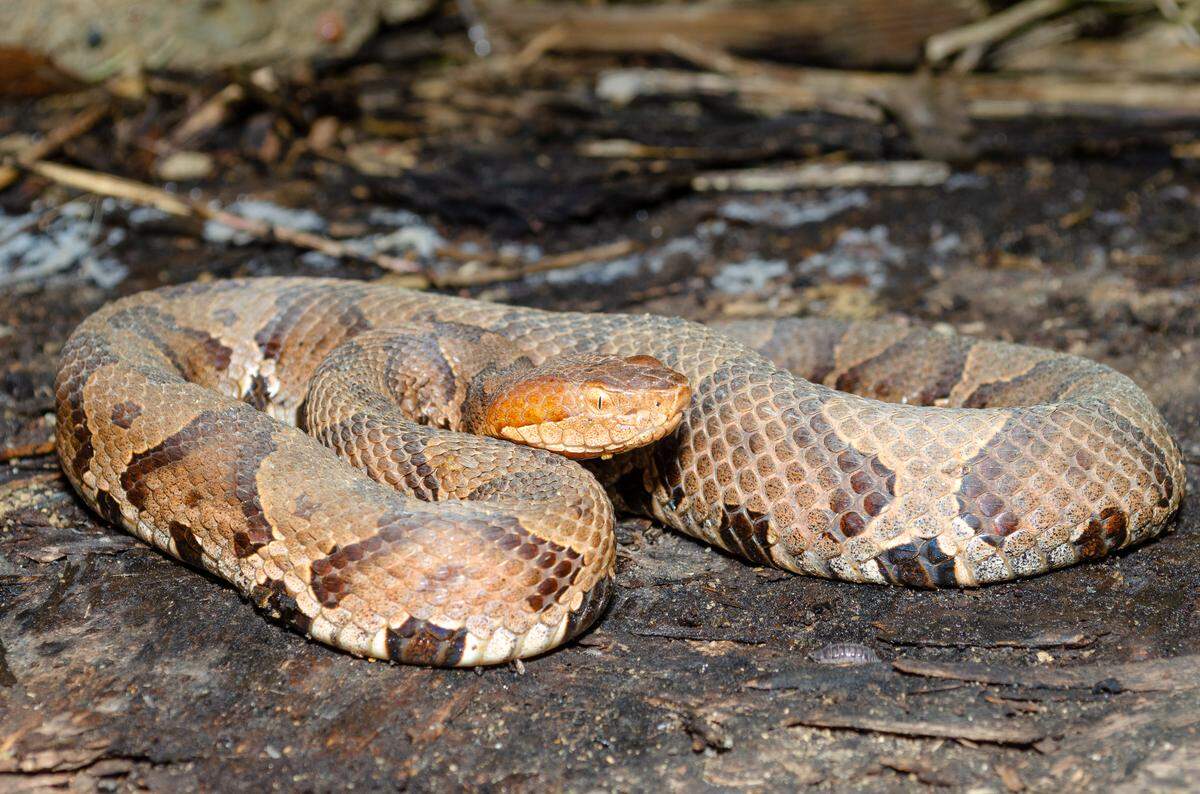
When it comes to venomous copperheads, wildlife officials say people sometimes are bitten “when a hand or foot is carelessly placed on or very close to one.” The snakes are brown with an hourglass pattern, which can make them hard to spot in nature.
Here are some measures you can take to stay safe outside your home:
- Don’t walk barefoot at night.
- Avoid walking through thick foliage.
- Look before reaching into brush or log piles.
- Wear gloves while doing yard work.
Try to tidy up
Snakes eat rodents, helping to balance the pest population. So, it’s no surprise that snakes tend to go places where they may find prey. Rodents may be attracted to food, thick vegetation or small crevices, according to Falyn Owens, a wildlife extension biologist with the commission.
Here are some steps you can take to make your outdoor space less inviting to the tiny mammals:
- Remove bird seed or pet food.
- Mow your lawn often.
- Eliminate ground cover, such as ivy or dried leaves.
- Cut back bushes.
- Clean up piles of logs, brush or bricks.
“If you have a part of your yard where you definitely, definitely don’t like any snakes, you probably want to maintain it as really short mowed grass or maybe even a patio or something like that, because that’s just not going to offer much for snakes,” Owens told The N&O in an April 8 phone interview.
Don’t touch snakes
Copperheads are found throughout the state and live closer to humans compared to some other species.
“Rest assured, if you do encounter one, it doesn’t want anything to do with you and just wants to be left alone,” Owens previously told The N&O.
Copperheads tend to mind their own business. Still, the wildlife commission estimates the species is behind more than 90% of the state’s venomous snake bites, many of which happen when people try to touch or kill the snakes.
Here are some steps you can take if you see a slithering visitor:
- Stay calm and leave the snake alone.
- Keep your distance.
- Go into your house for about an hour.
- Spray the snake from a safe distance with a water hose.
But one action you may want to skip is using a leaf blower to try to scare the snake.
“Snakes don’t have external ears, meaning they can’t really hear sounds carried through the air quite like we can,” Owens previously told The N&O. “Snakes ‘hear’ mostly through vibrations in the ground.”