NC copperheads may be closer than you think. When & where you could see them
AI-generated summary reviewed by our newsroom.
- Copperheads are found throughout North Carolina and are comfortable living near people.
- The venomous snakes are more active on warmer days and at night.
- Homeowners can take steps to make their yards less inviting to copperheads.
Whether you’re a fan or a little freaked out, copperheads are here to stay.
The venomous species is found throughout North Carolina, so one may be closer than you realize, The Charlotte Observer previously reported.
Though some other snakes stay far from people, copperheads “are happy to live around humans in natural and even disturbed areas around neighborhoods. Thus, copperheads are the most often encountered venomous snake species in the state,” Matt Bertone, director and entomologist at the Plant Disease and Insect Clinic at N.C. State University, previously told The News & Observer.
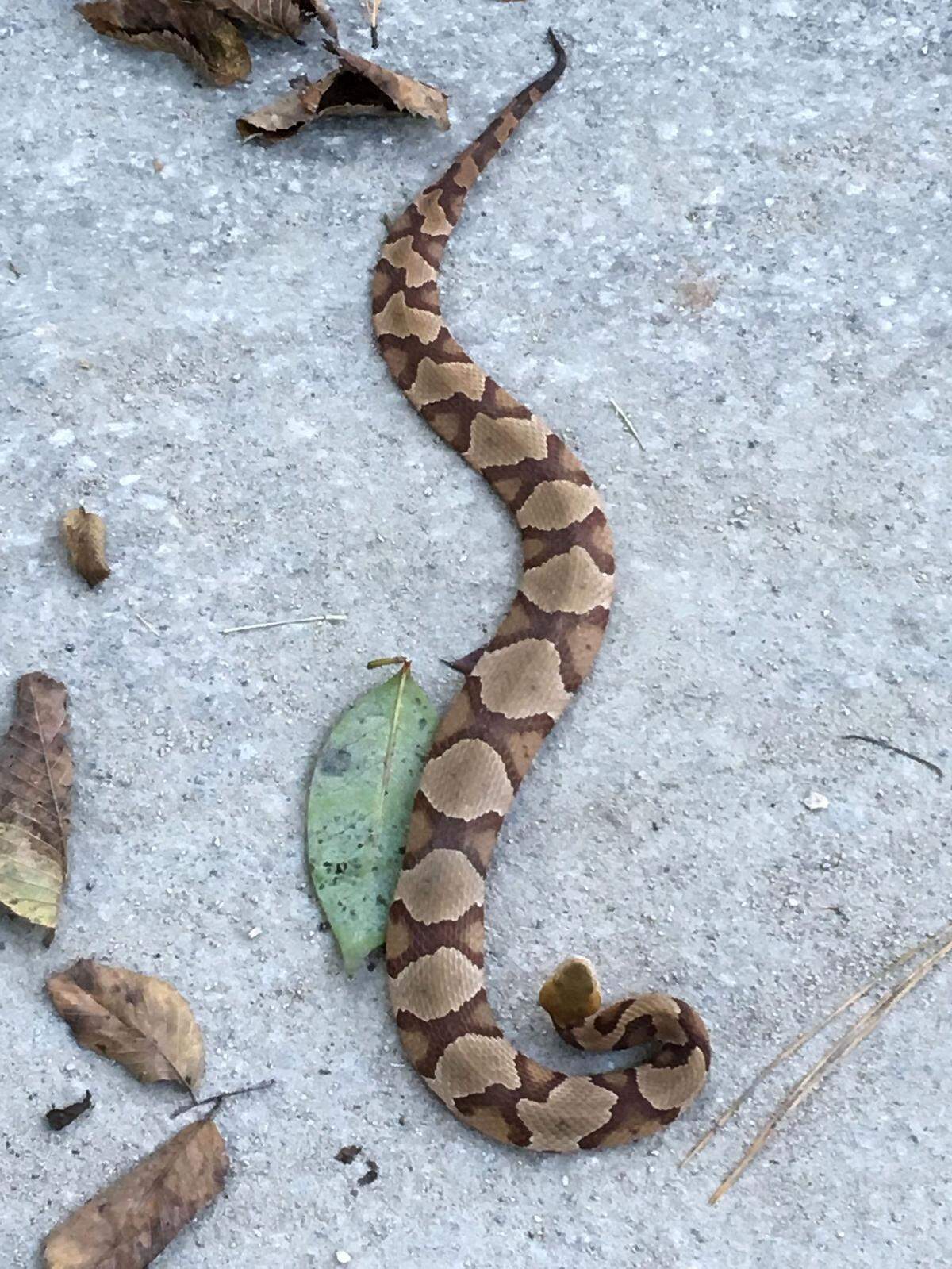
In fact, the N.C. Wildlife Resources Commission estimates the species is behind more than 90% of the state’s venomous snake bites. Still, copperheads — known for having hourglass-shaped patterns on their bodies — tend to mind their own business.
We turned to experts to find out where and when you’re most likely to see a copperhead. Here’s what to know about where the snakes live, how to avoid them and what to do if you see one.
When are copperheads active?
Copperheads are cold-blooded, and they move around more when temperatures rise above 60 degrees. Though their behavior doesn’t line up with exact dates on the calendar, they start becoming more active in the spring.
“And as it stays warm, they are going to continue to be active through the summer and into the fall,” Falyn Owens, wildlife extension biologist with the wildlife commission, previously told The N&O.
The snakes’ activity level also increases at night, when they search for food and mates. They’re still around when the sun comes out, often in places that offer shelter, Owens said.
Where do copperheads live?
Copperheads like being in the woods so they can find prey. But they have shown the ability to adapt to other habitats.
“They do pretty well in mature suburban areas, especially if there’s a lot of very mature landscaping.” Owens previously told The Charlotte Observer. “Even in an urban area, there could be a parking lot that has bushes and trees and tall grass that hasn’t been mowed, so that could be good habitat for a copperhead.”
Also, some homeowners enjoy having high grasses, bushes and other plants in their yards. Those landscaping choices can be inviting for copperheads.
“All those kinds of things are going to be things that will potentially attract wildlife a little bit more,” Jeff Hall, statewide herpetologist with the wildlife commission, told The N&O in a May 8 phone interview. “And so just with all those other wildlife, you’ll potentially have more snakes, which certainly could include copperheads.”
Sometimes, copperheads are spotted basking on rock faces or spending time in ground cover, such as dried leaves. You also may see them hiding in piles of logs, sawdust or other materials, according to the wildlife commission.
How can you avoid copperhead encounters?
In North Carolina, snakes are probably going to come near your home, unless you have your yard paved over or live in a high-rise building. But you may be able to reduce your chances of encountering them if you take safety measures or make your outdoor space less inviting, The N&O previously reported.
While doing yard work, people are urged to wear gloves and look before reaching under brush. Here are other copperhead-related tips that experts have shared:
- Don’t walk barefoot or through thick vegetation.
- Mow your lawn often.
- Cut back bushes near your home.
- Remove bird seed or pet food, which can attract the rodents that copperheads eat.
“You’re probably not going to prevent them, but you might minimize the chance that they’re going to want to hang out,” Hall said. “Copperheads might still go through your yard on the way to something else.”
What to do if you see a copperhead
If you see a copperhead, it’s best to keep your distance. North Carolina experts say many bites happen when people try to touch or kill the snakes.
Copperhead bites should be treated right away and are deadly in rare instances. Bites can cause pain and swelling, though you should call 911 if you have trouble breathing or other serious symptoms, The N&O and The Observer previously reported.
Here are other snake bite tips that N.C. Poison Control shared on its website:
- Call poison control at 800-222-1222.
- Sit down and remain calm.
- Wash the skin and take off clothes and jewelry near the bite.
- Raise the bitten area to heart level and avoid moving it.
- Don’t apply ice or a tourniquet.
- Don’t try to take out the venom.