‘It reinstills your faith in people.’ What Western NC lawmakers say about Helene aftermath
READ MORE
Hurricane Helene Aftermath
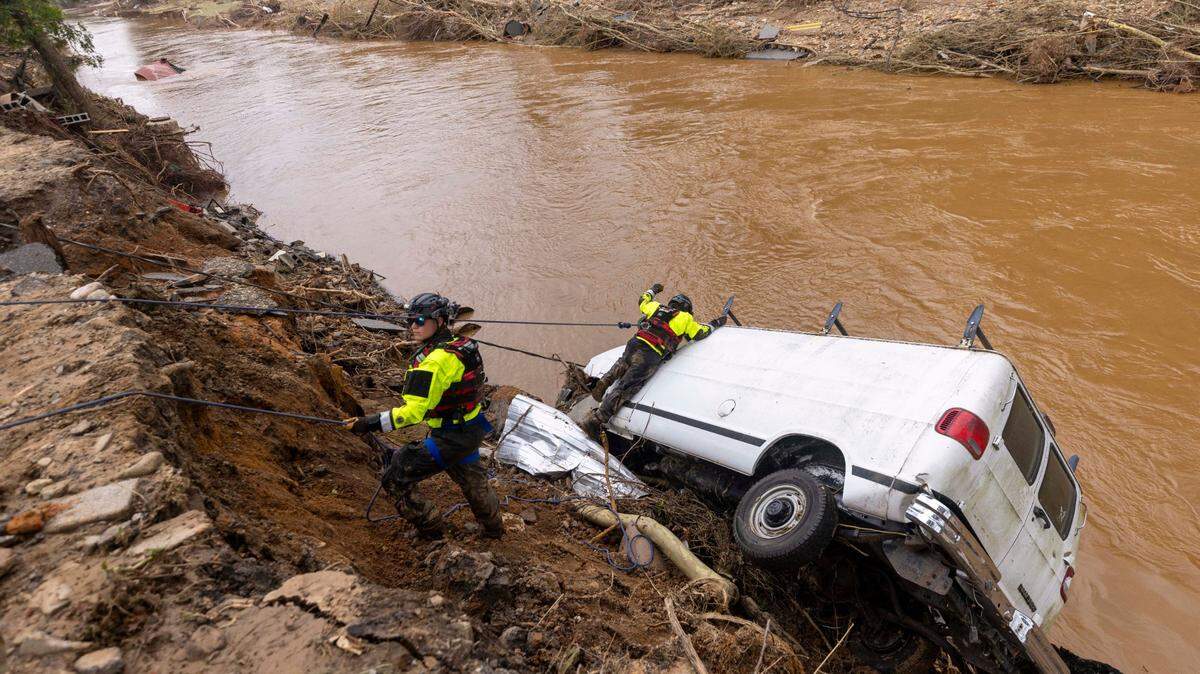
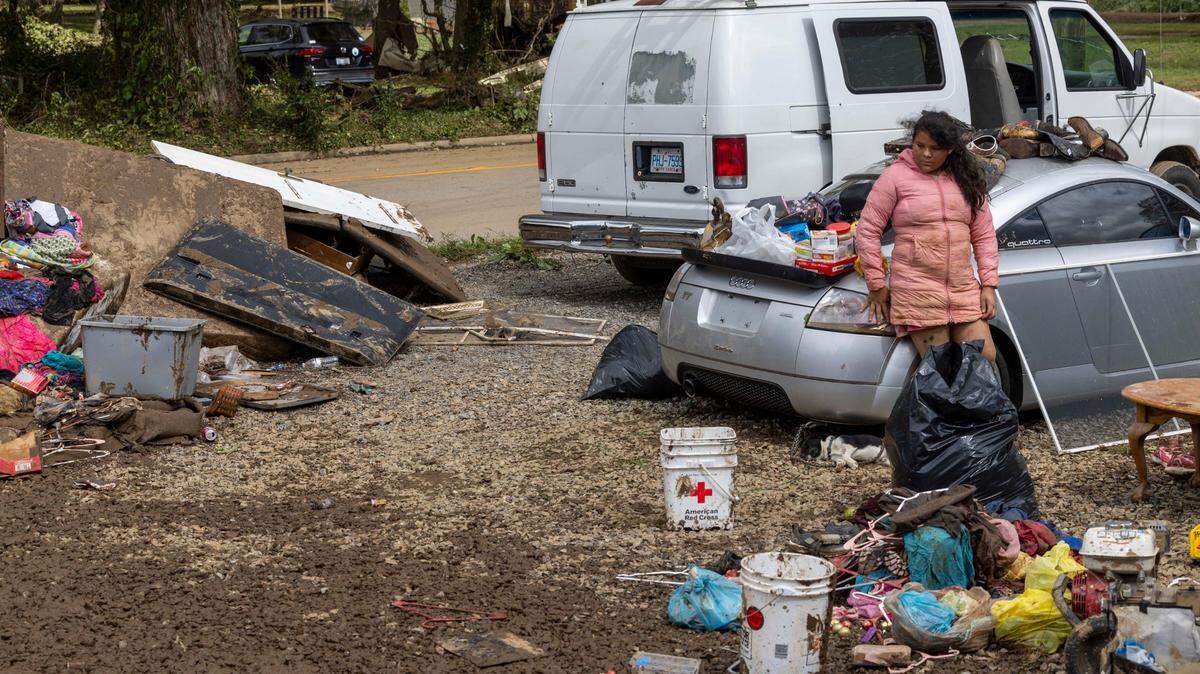
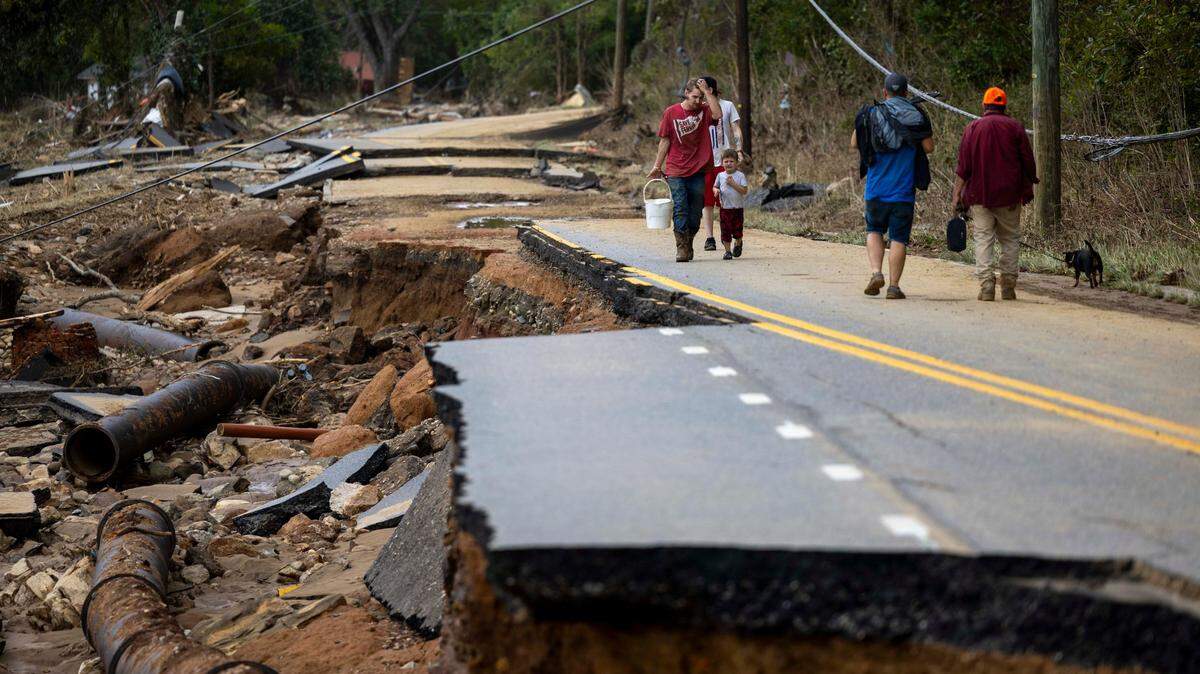
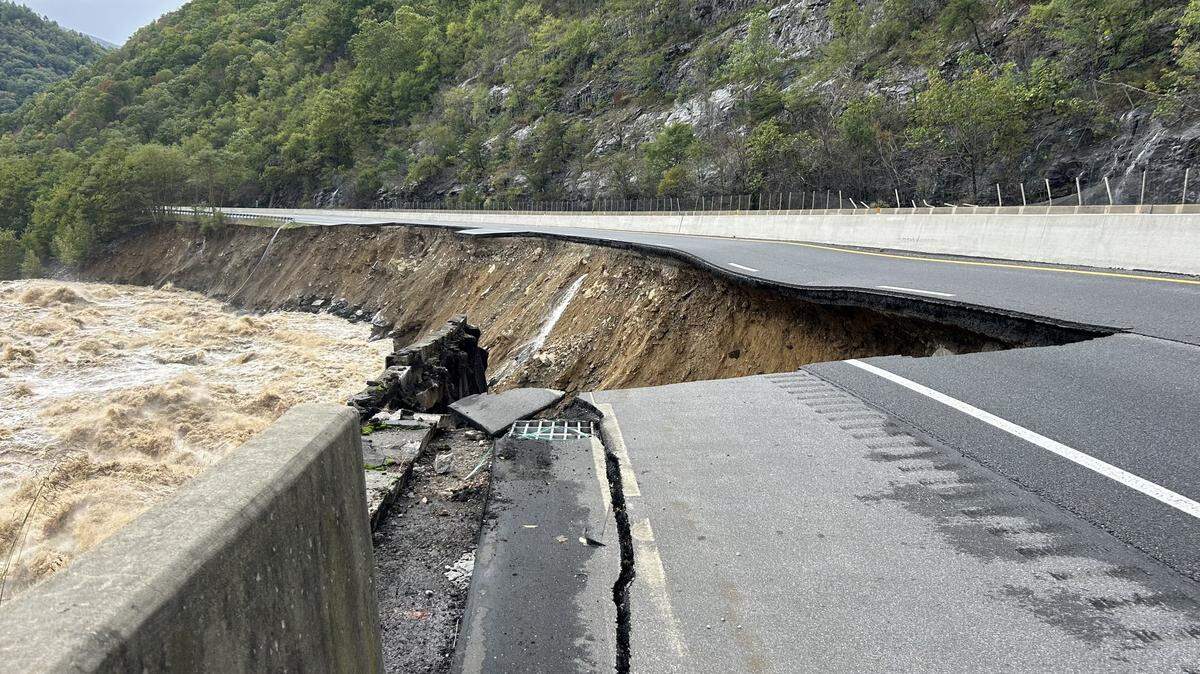
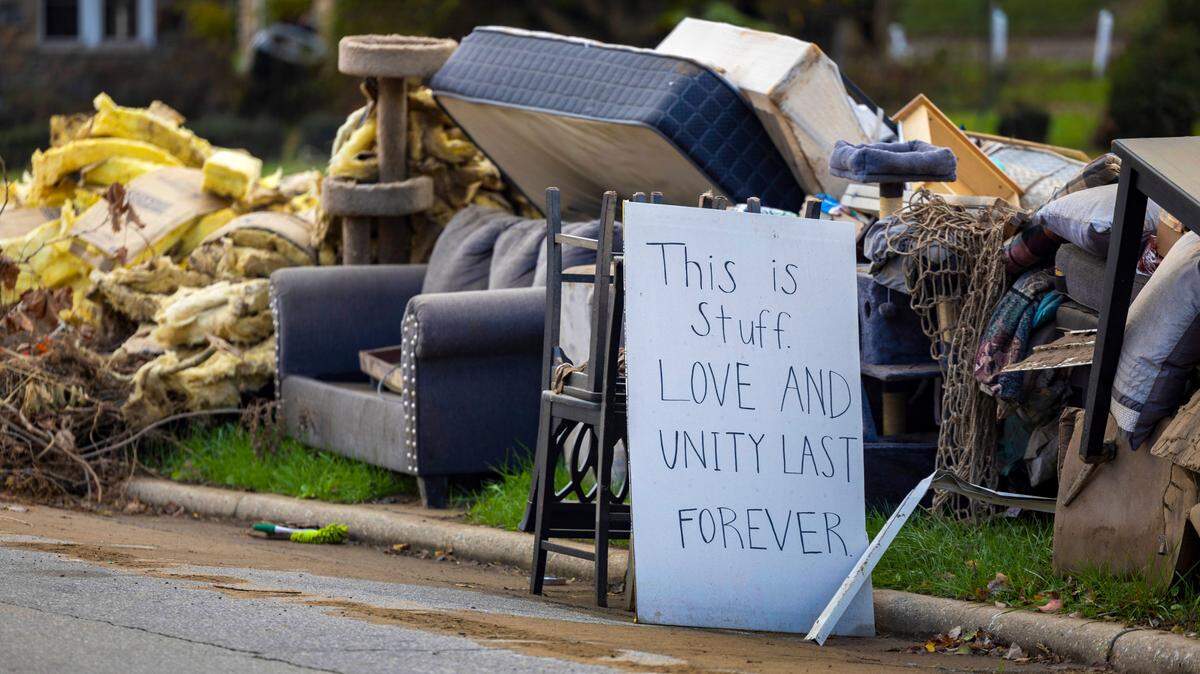
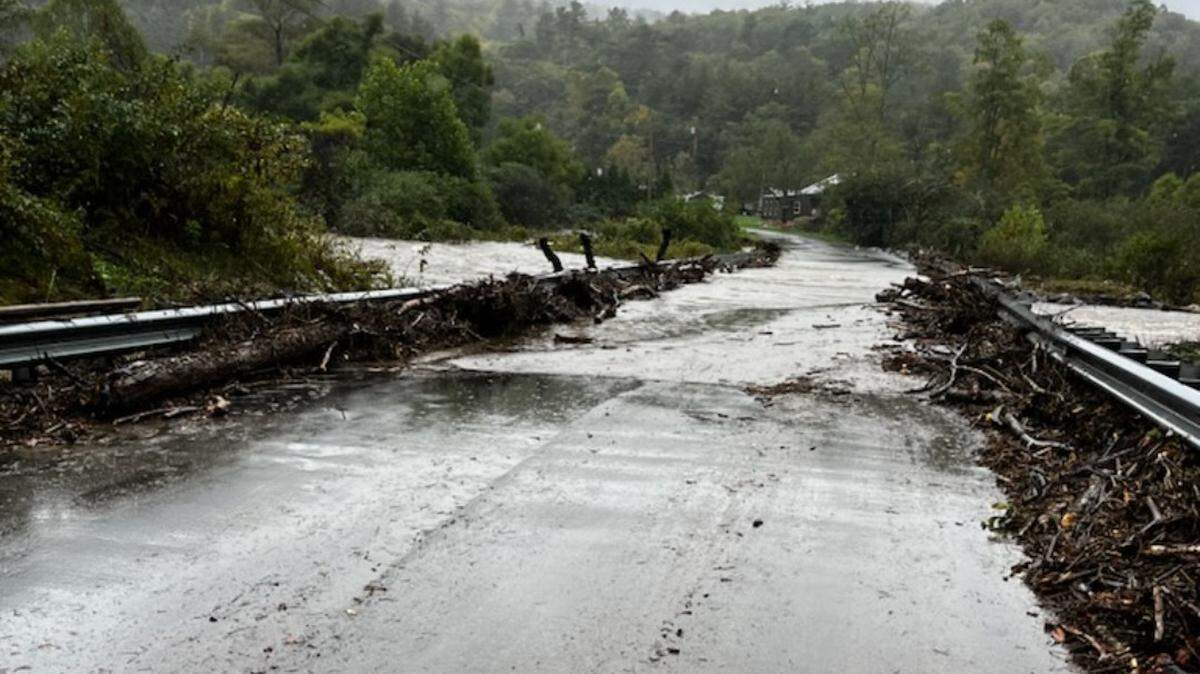
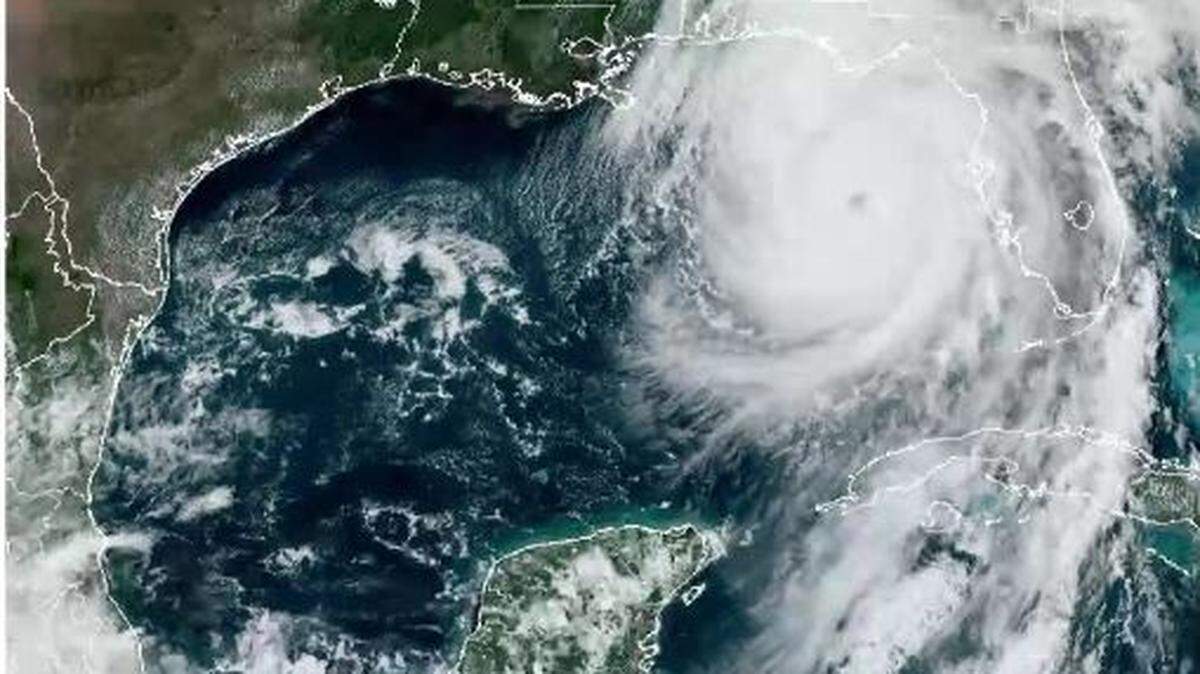
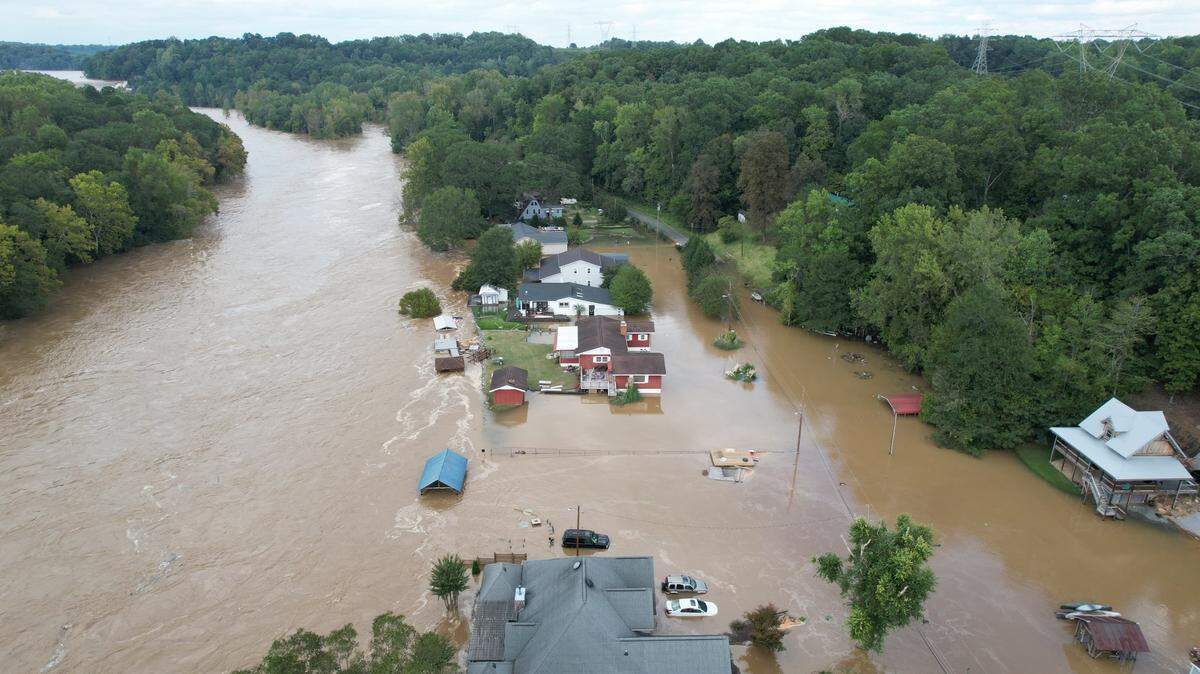
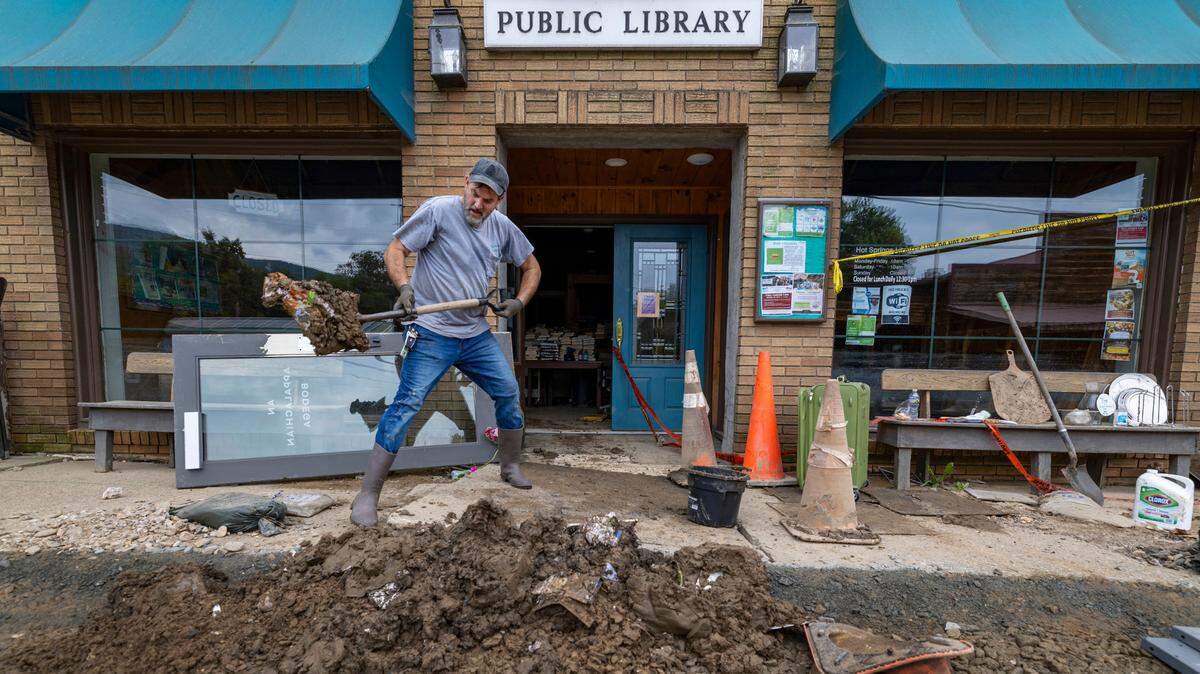
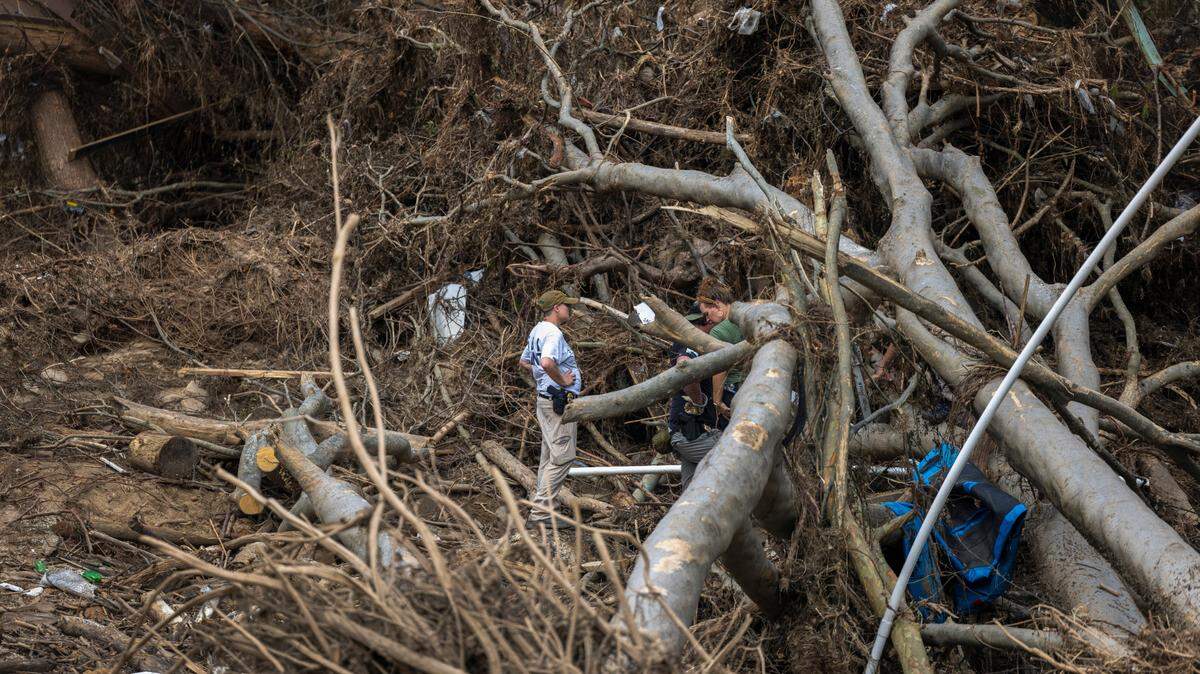
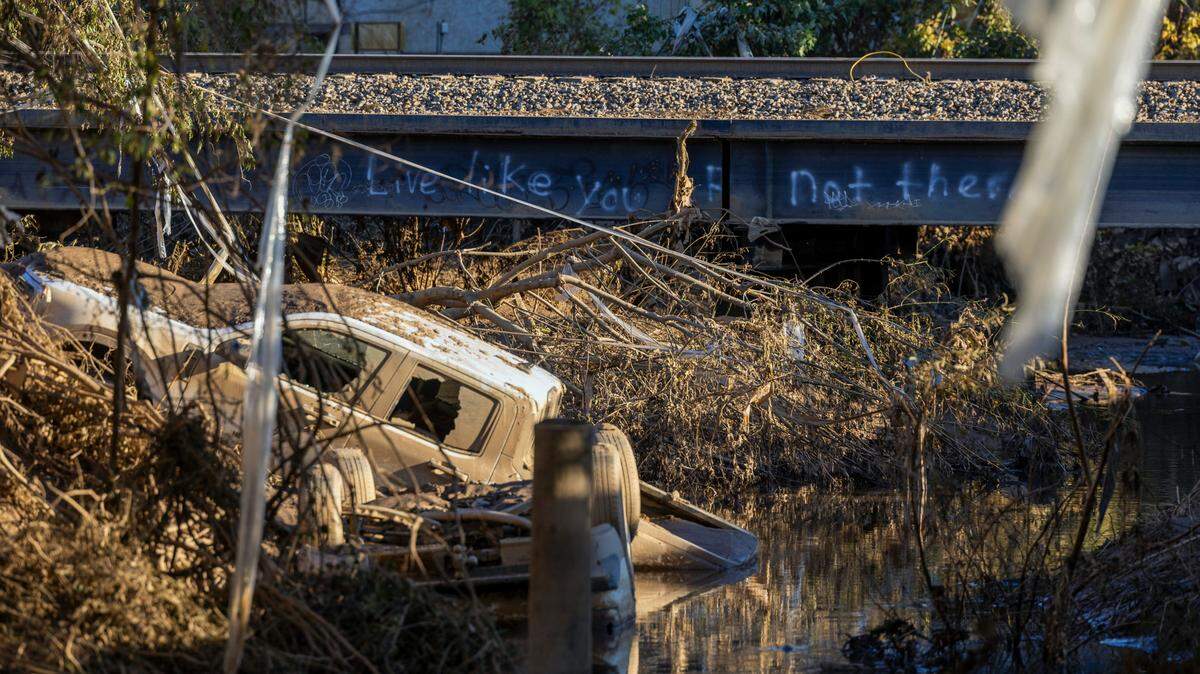
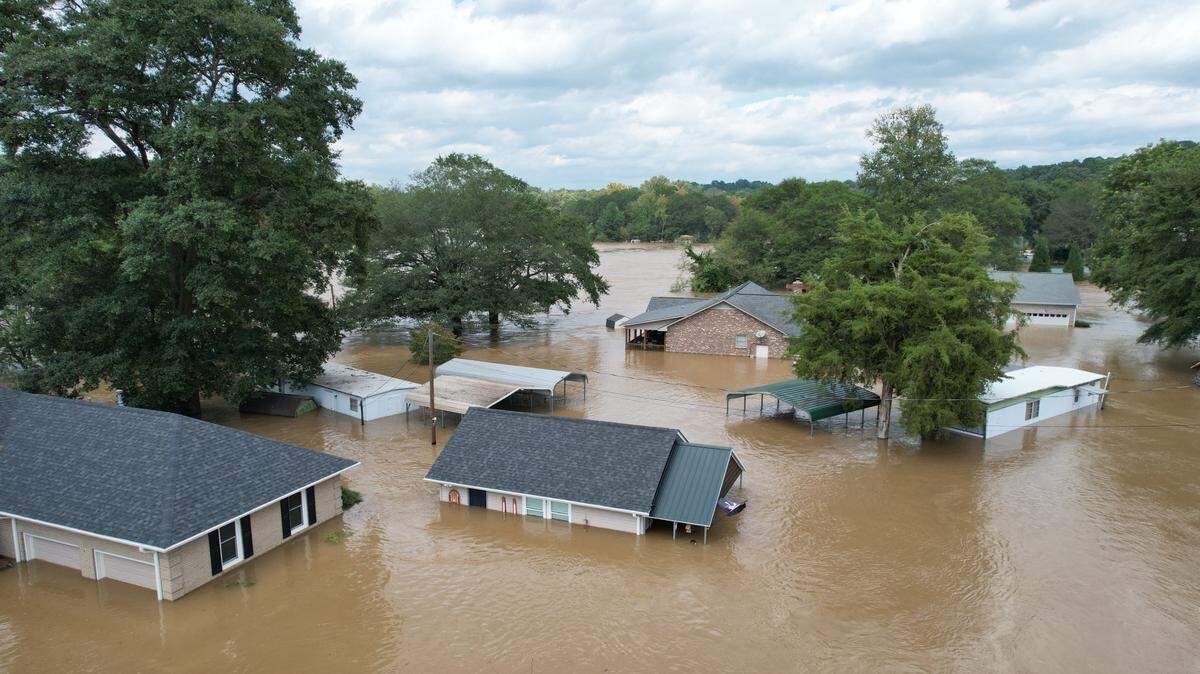
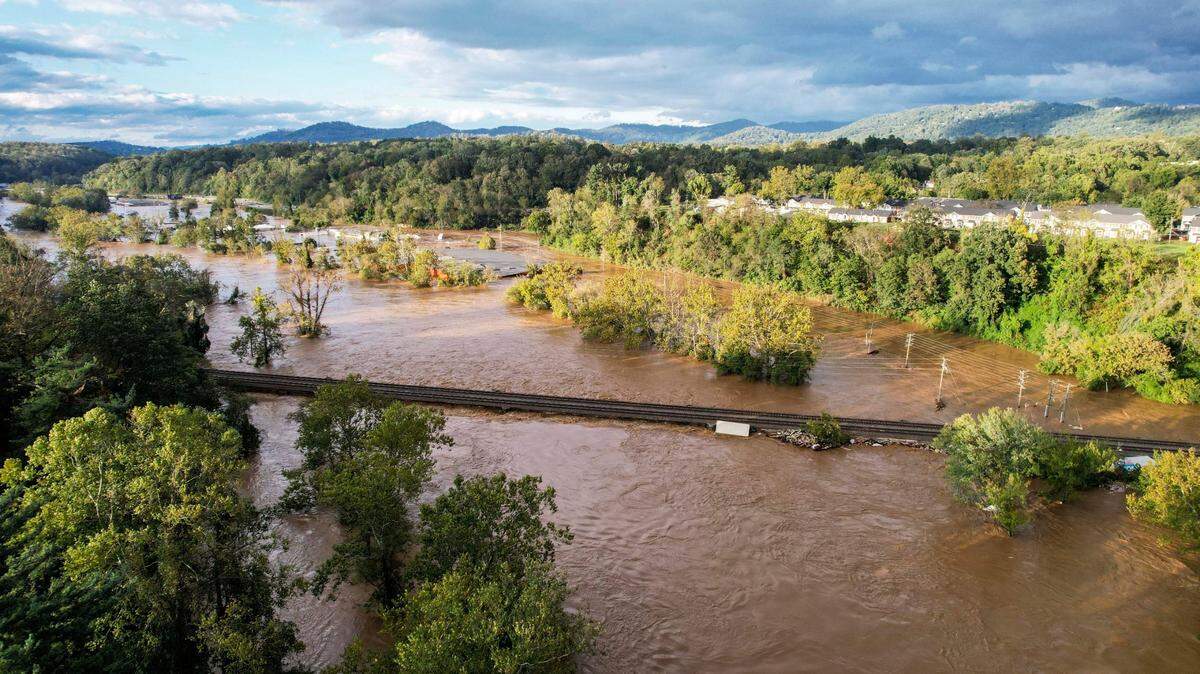
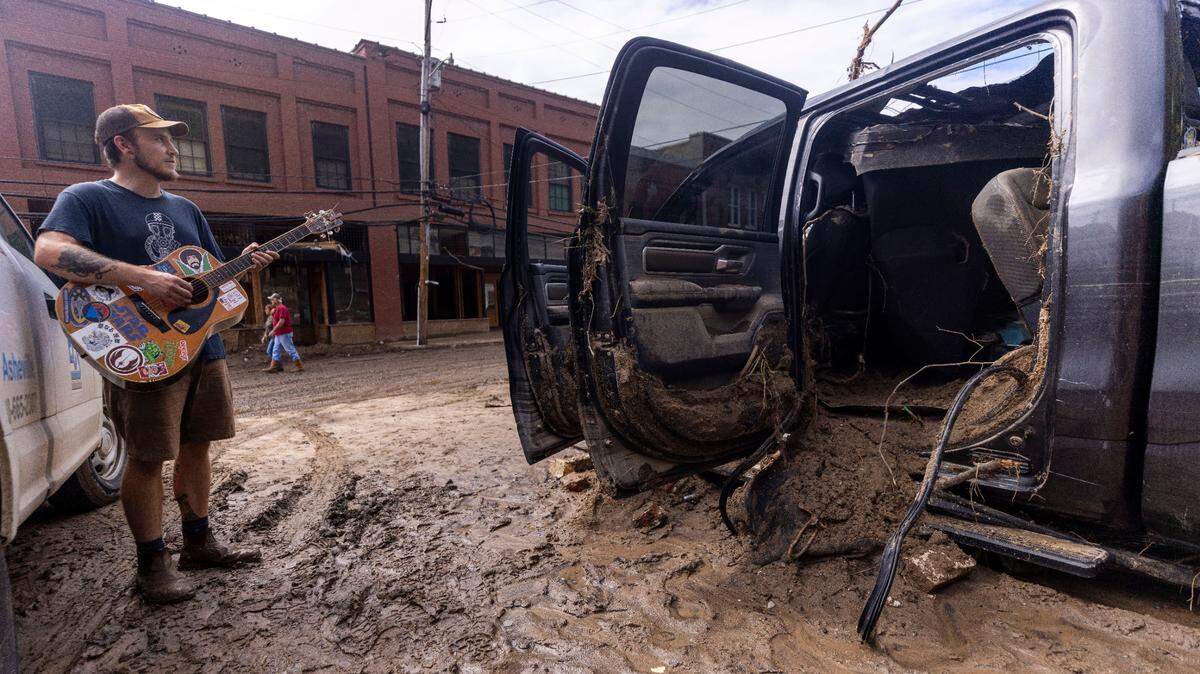
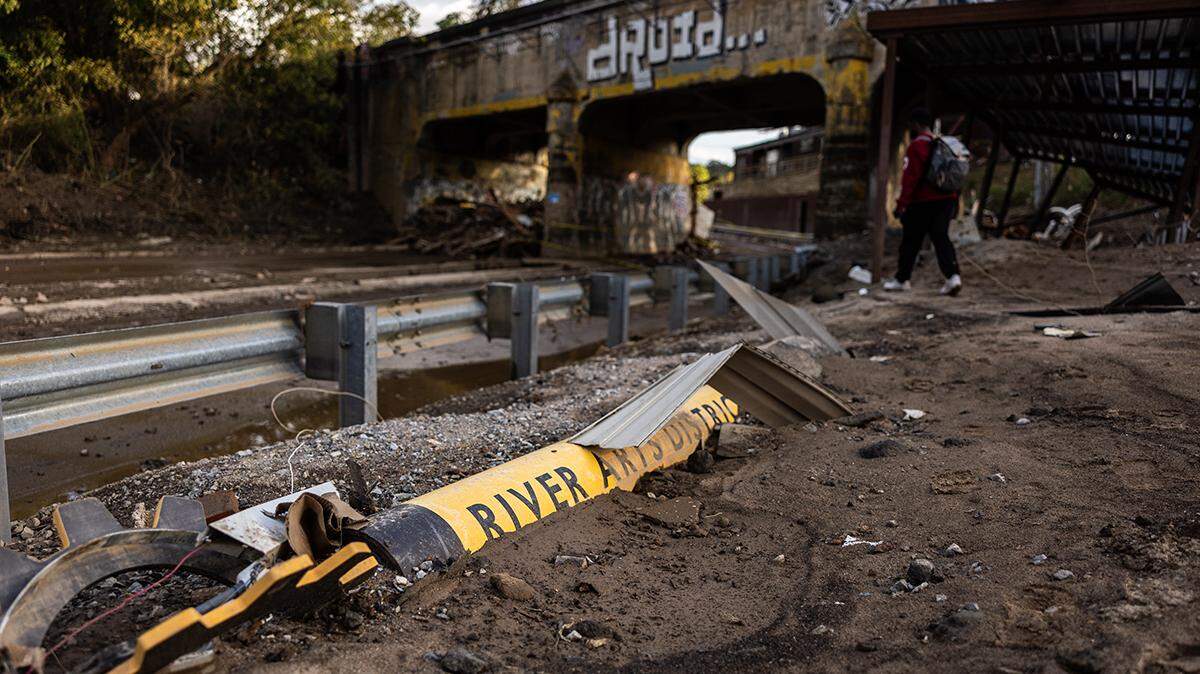
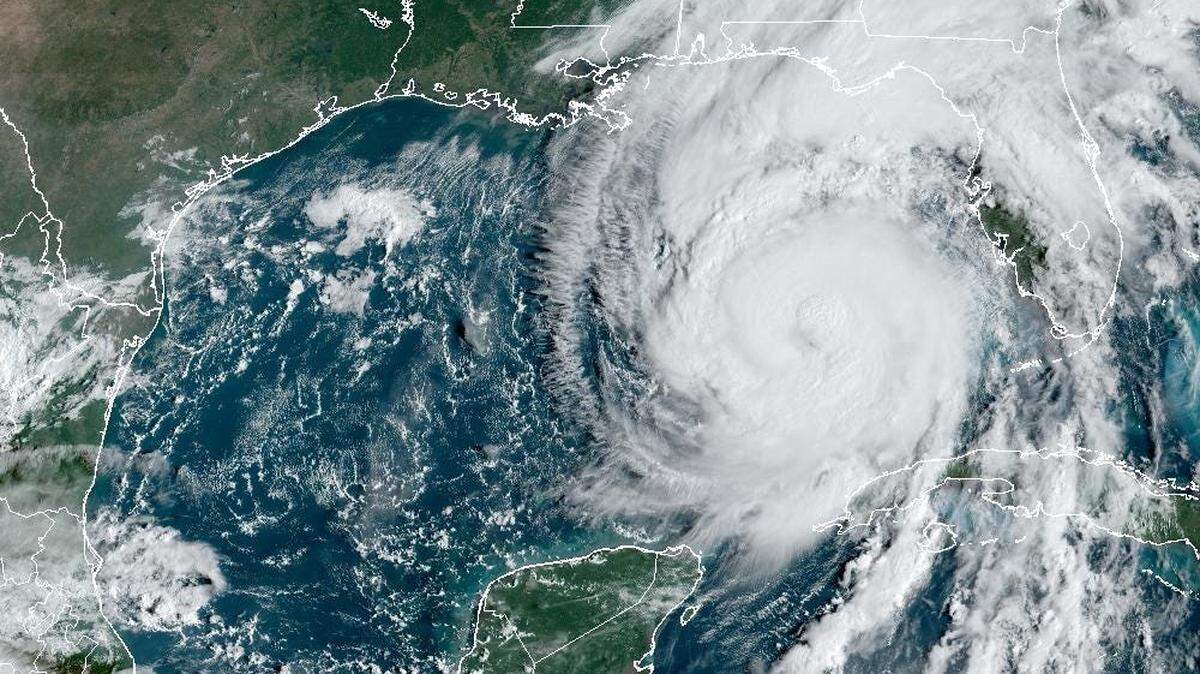
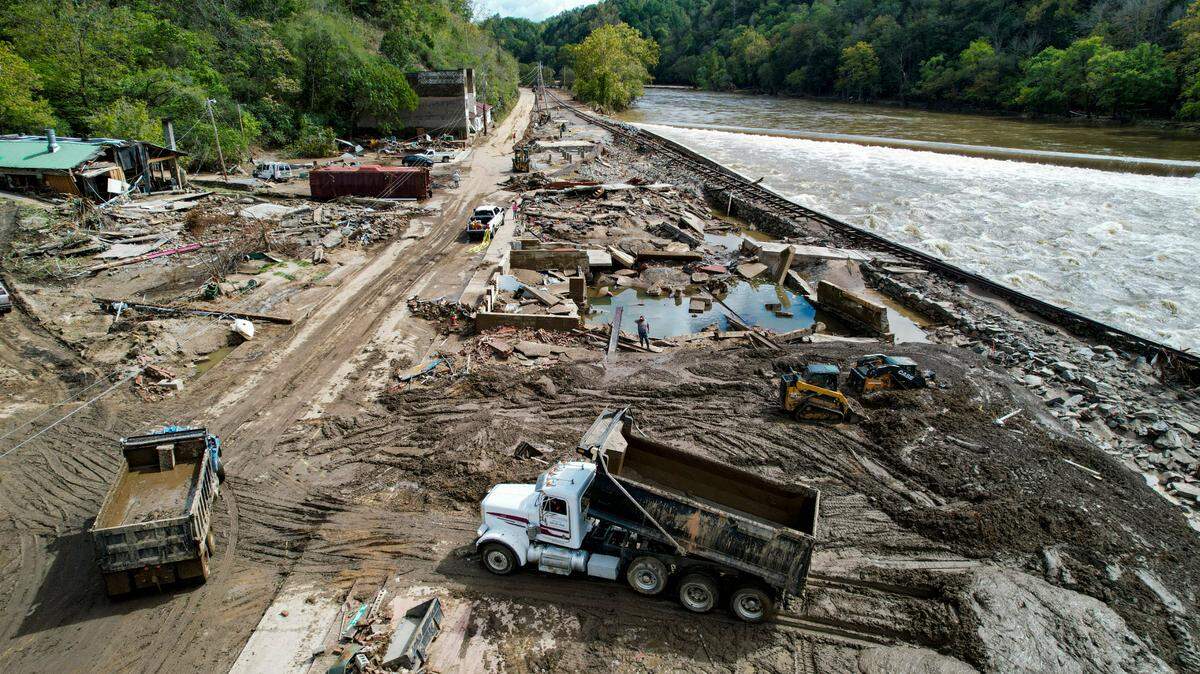
Hurricane Helene swept across the Southeast, causing major flooding and destruction throughout North Carolina. Here is ongoing coverage from The News & Observer and The Charlotte Observer about Hurricane Helene and the aftermath, particularly in Western North Carolina.
Expand All
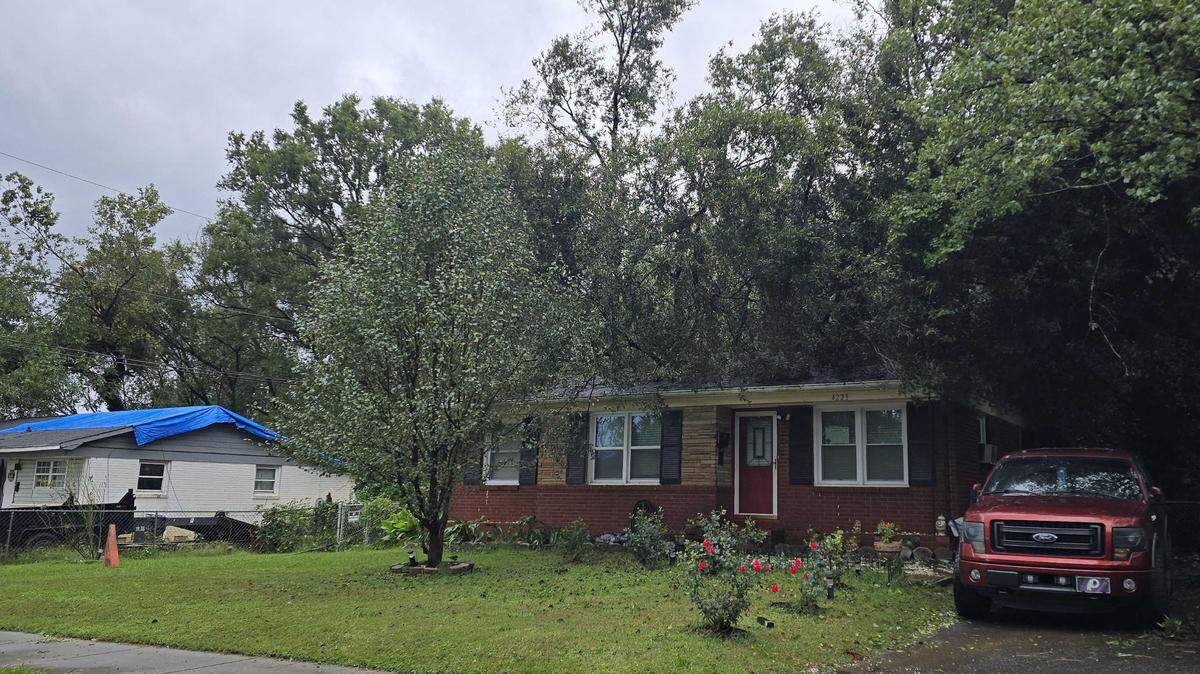
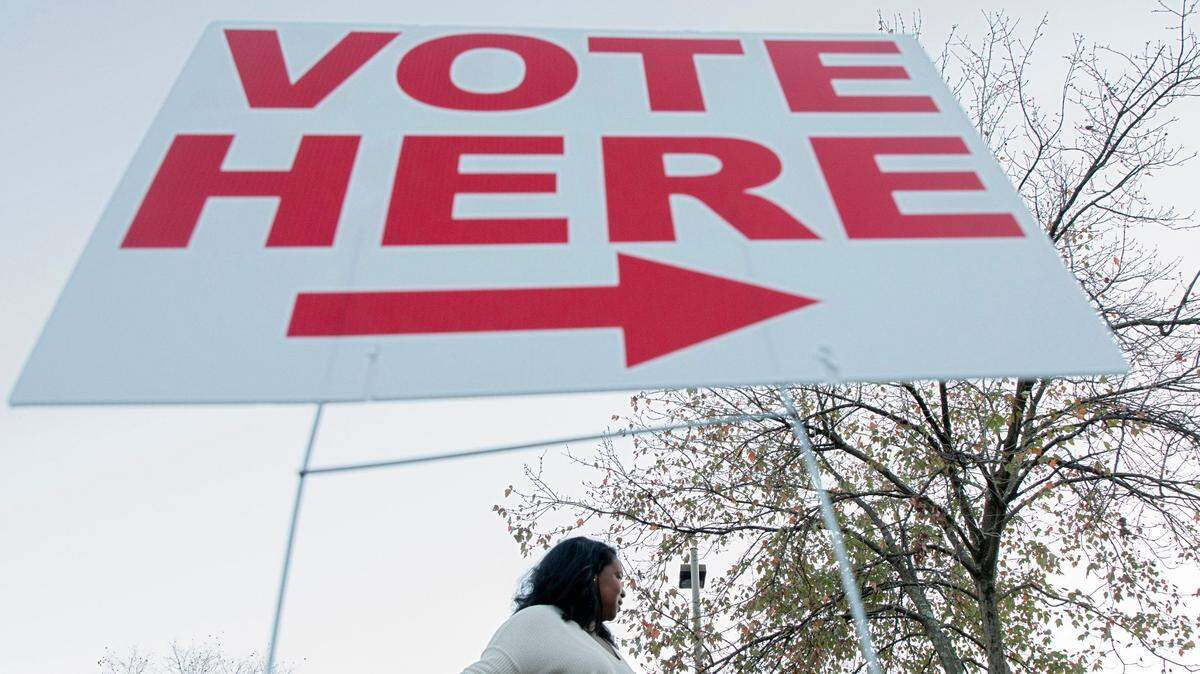
As North Carolina’s 170 state lawmakers returned to Raleigh on Wednesday to pass a Hurricane Helene relief package, they brought stories of what they’ve seen, and what they want, in their devastated districts.
Here’s what many in the self-described “mountain delegation” have said about Helene, and the response so far:
‘A very isolating event’
▪ Republican Rep. Tim Moffitt, who represents Henderson, Polk and Rutherford counties:
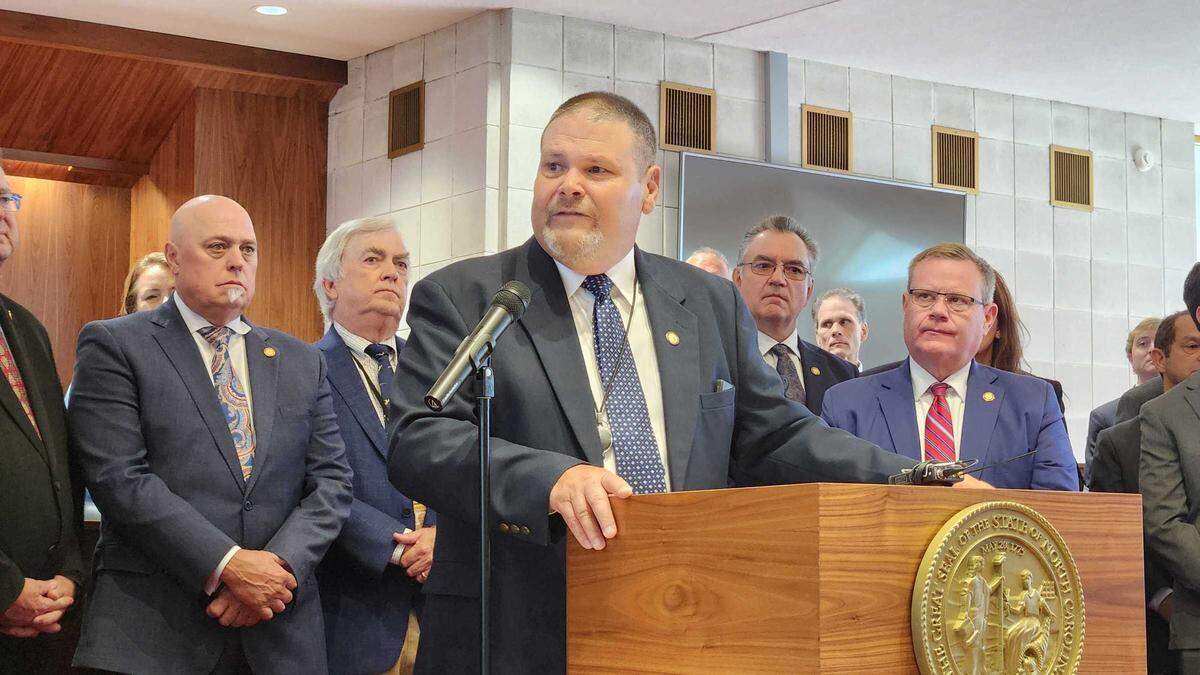
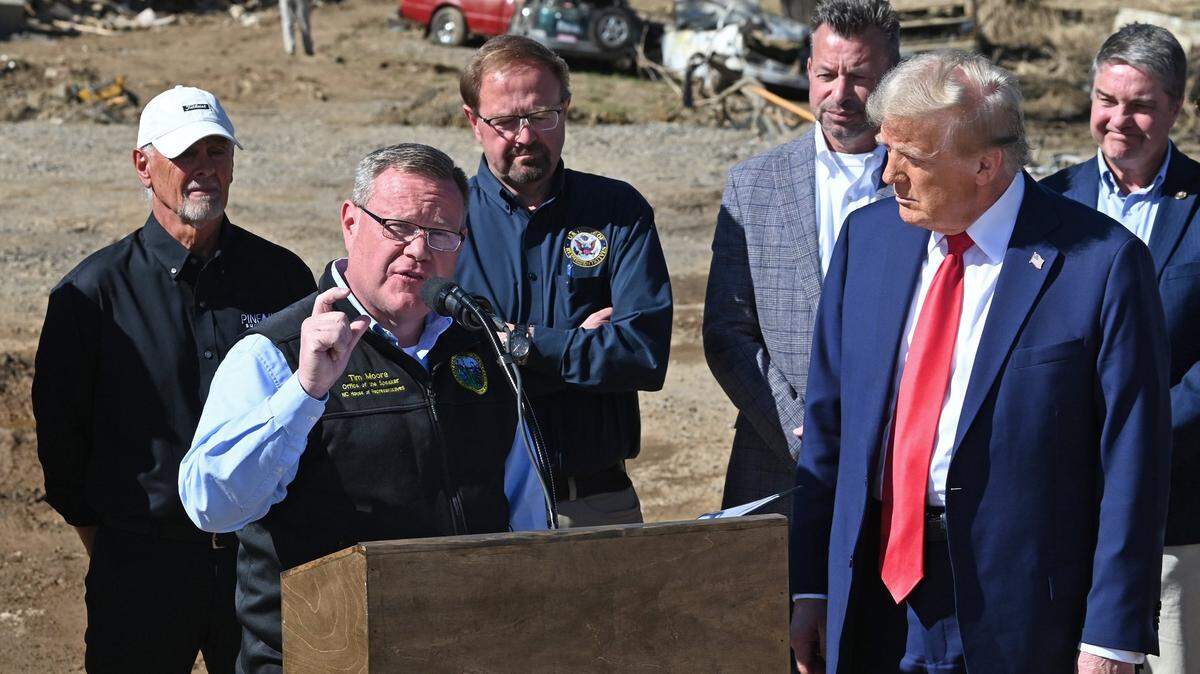
“We’ve often complained here in Raleigh as the mountain delegation, that the mountains are often forgotten, that we’re often overlooked, and that the rest of the state tends to be the beneficiary of all the efforts that begin here in Raleigh,” Moffitt told reporters on Wednesday.
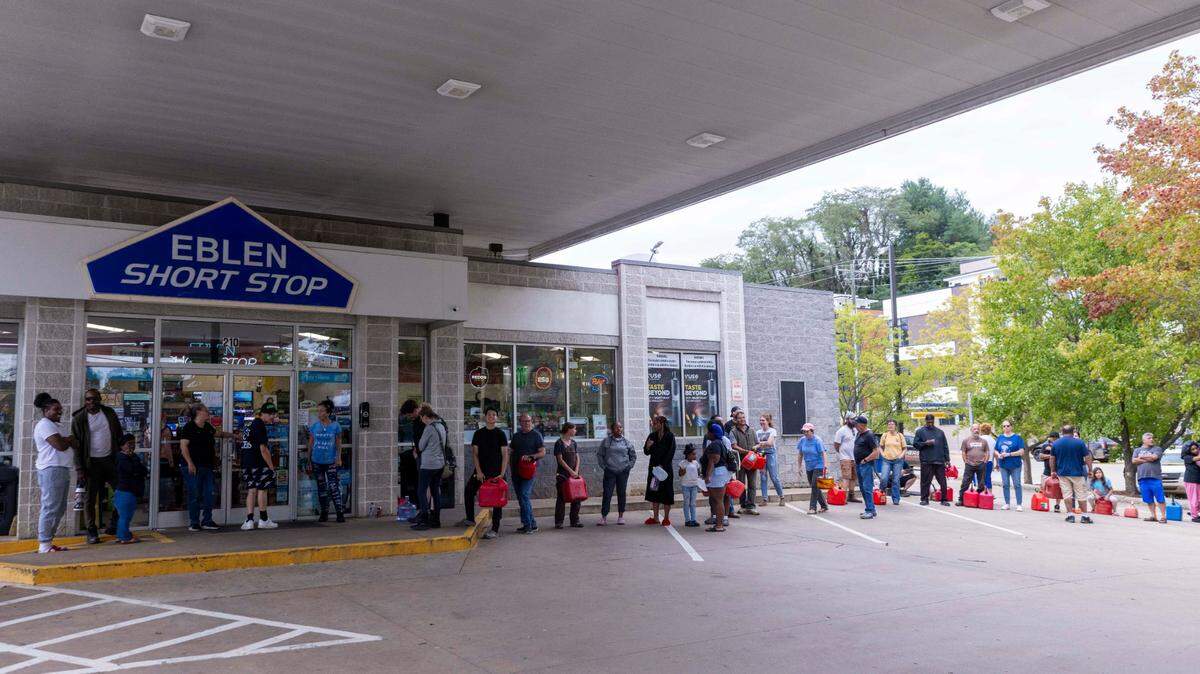
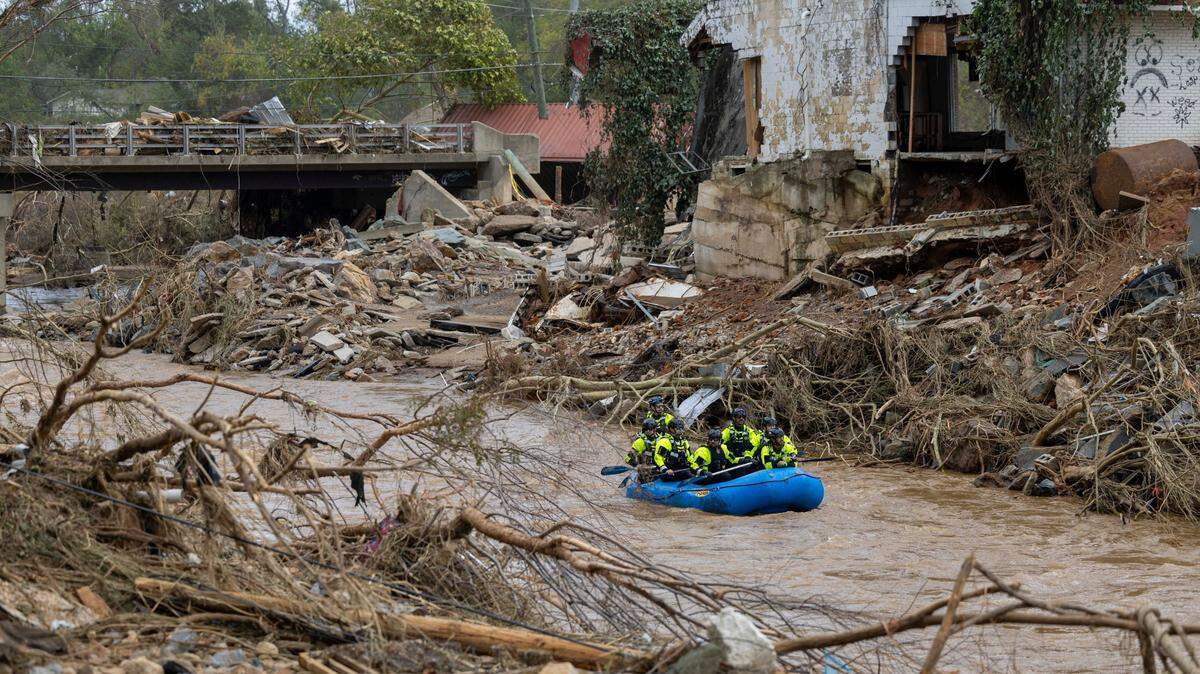
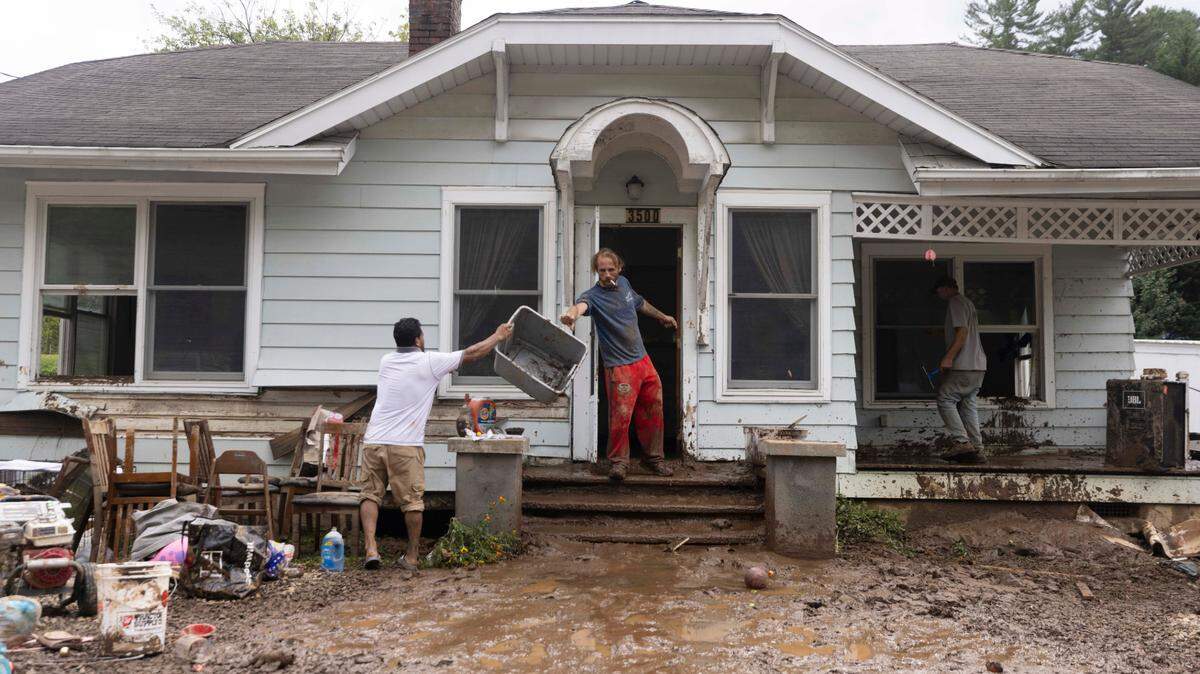
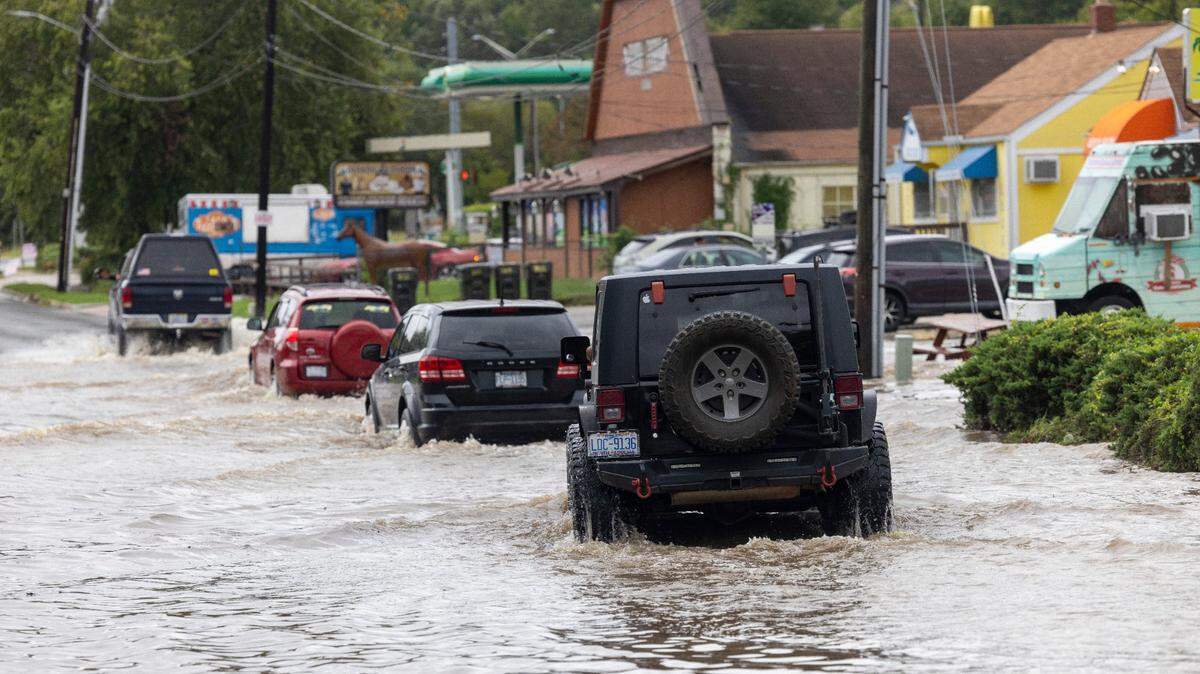
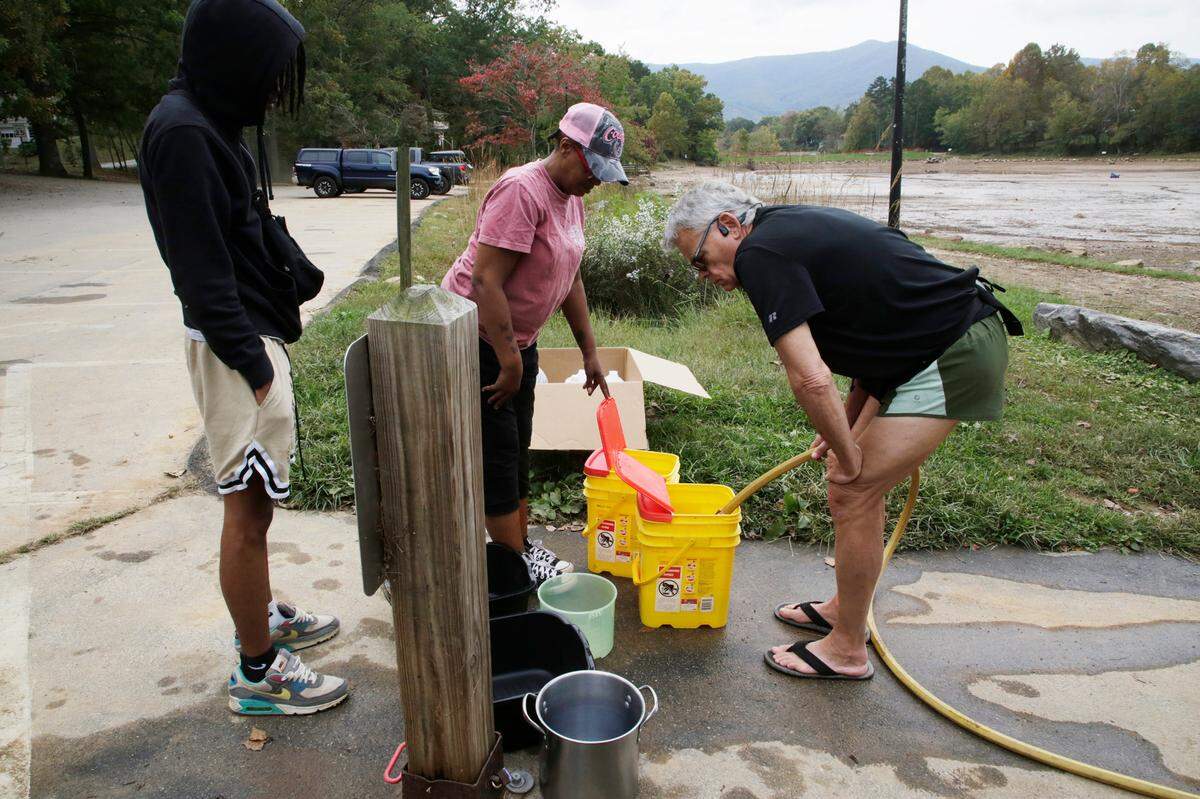
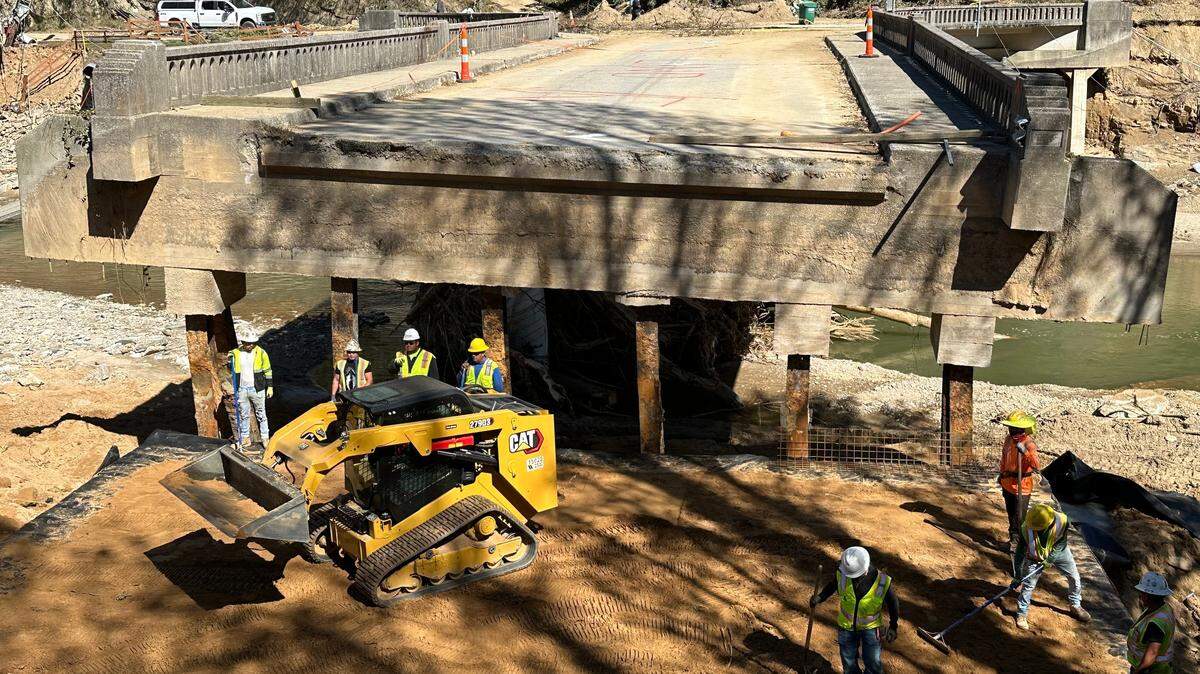
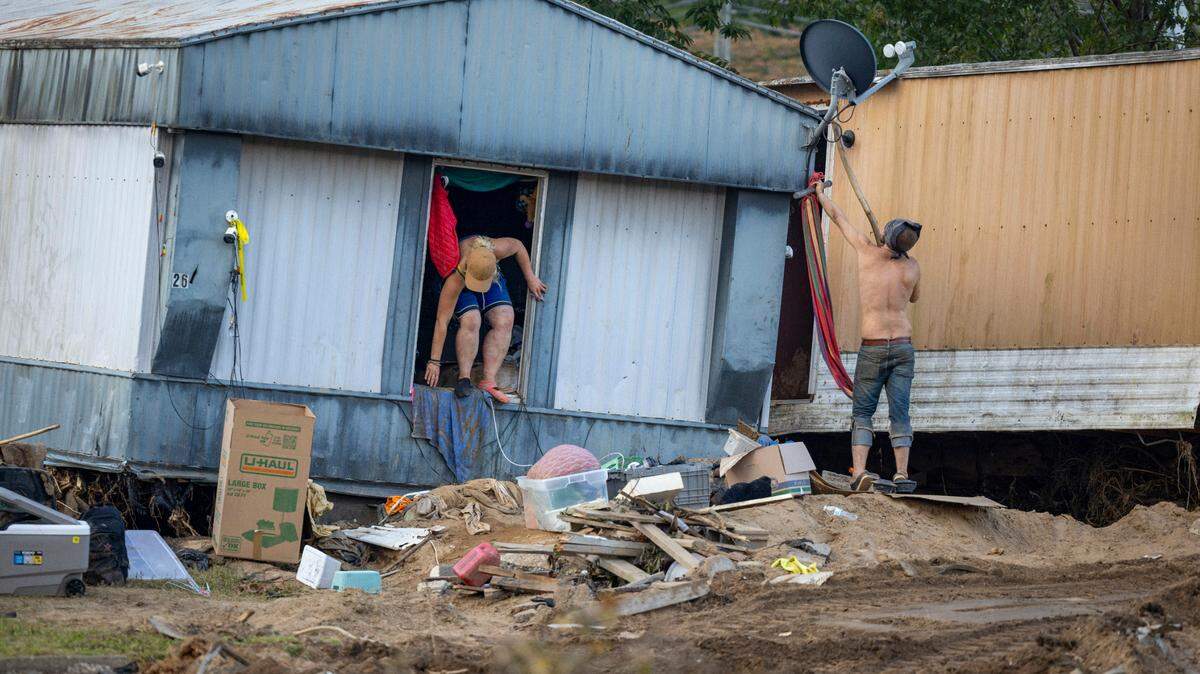
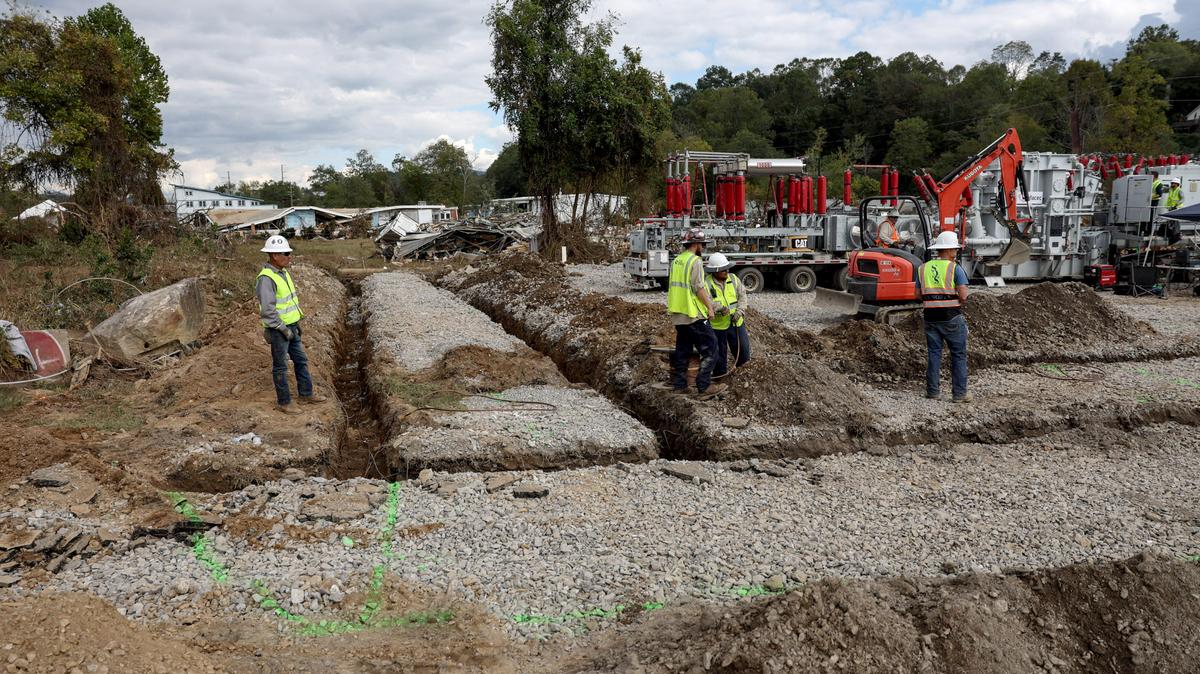
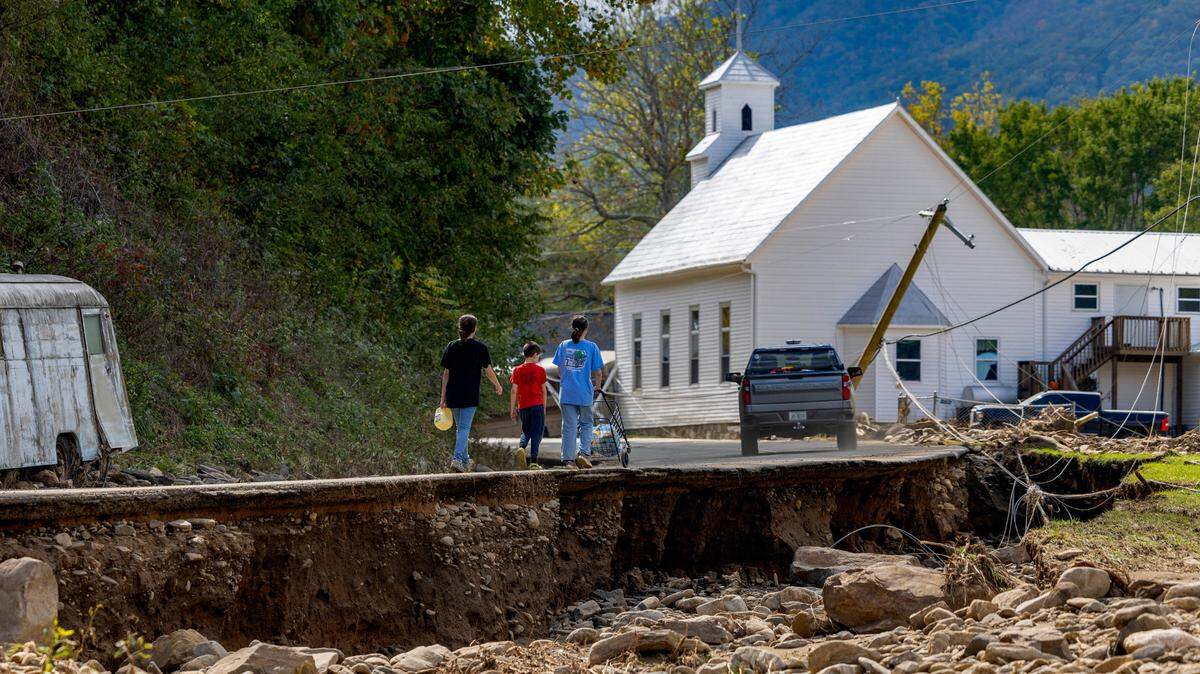
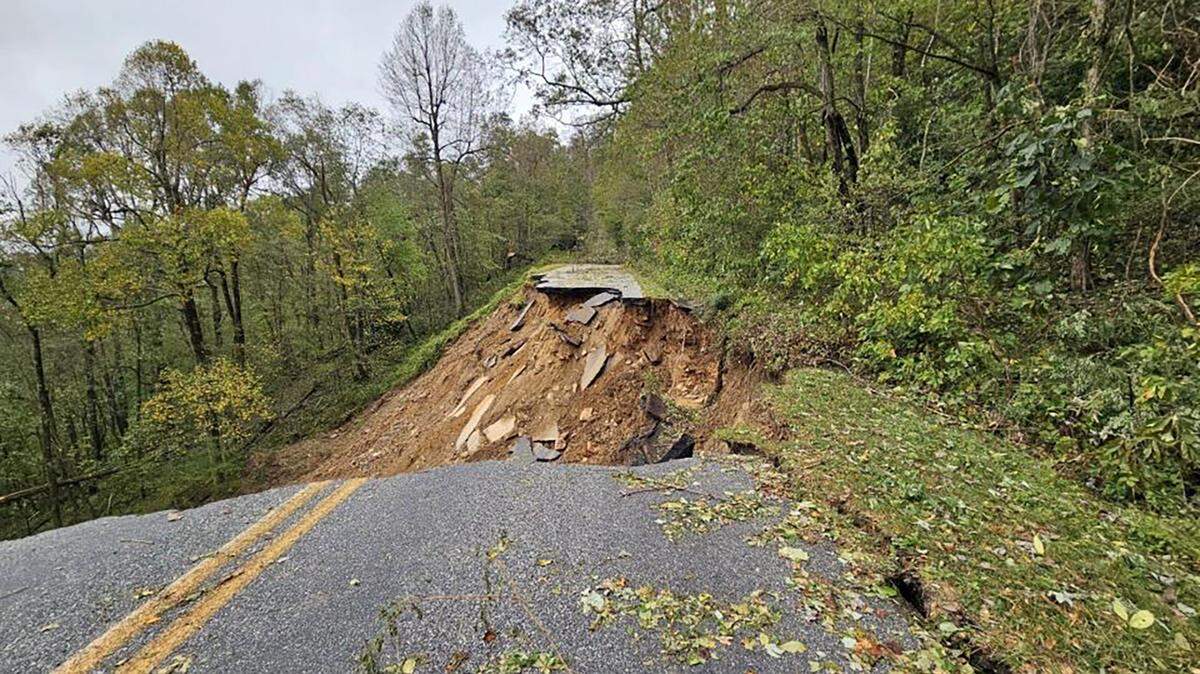
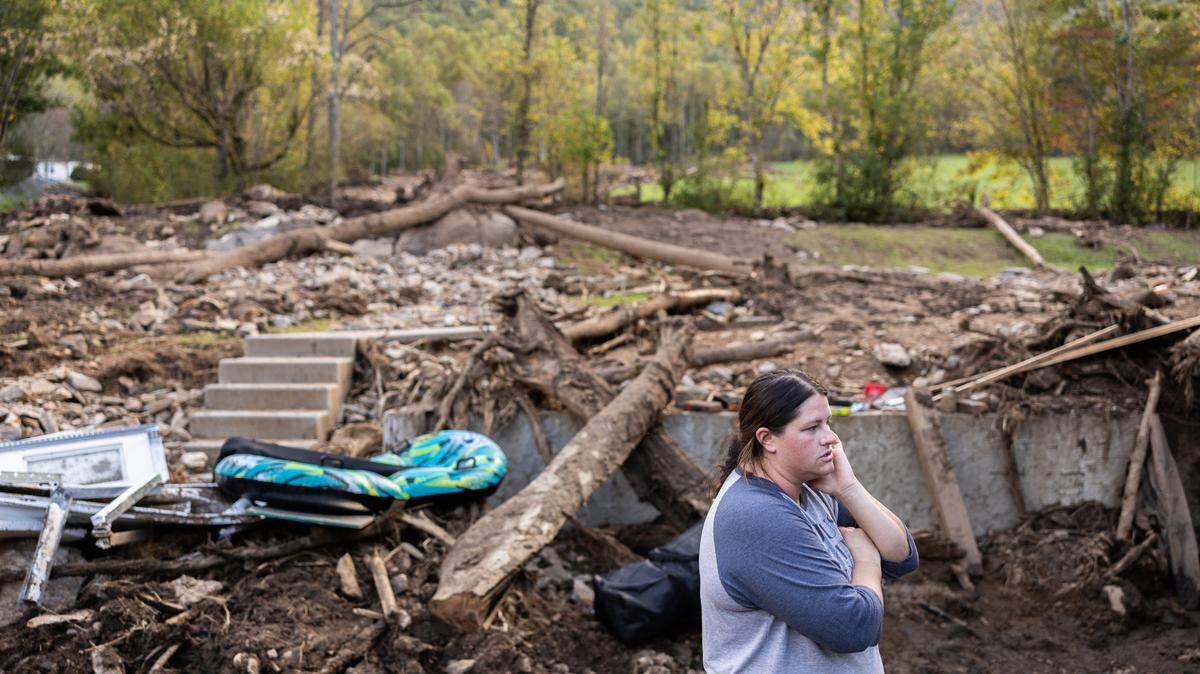
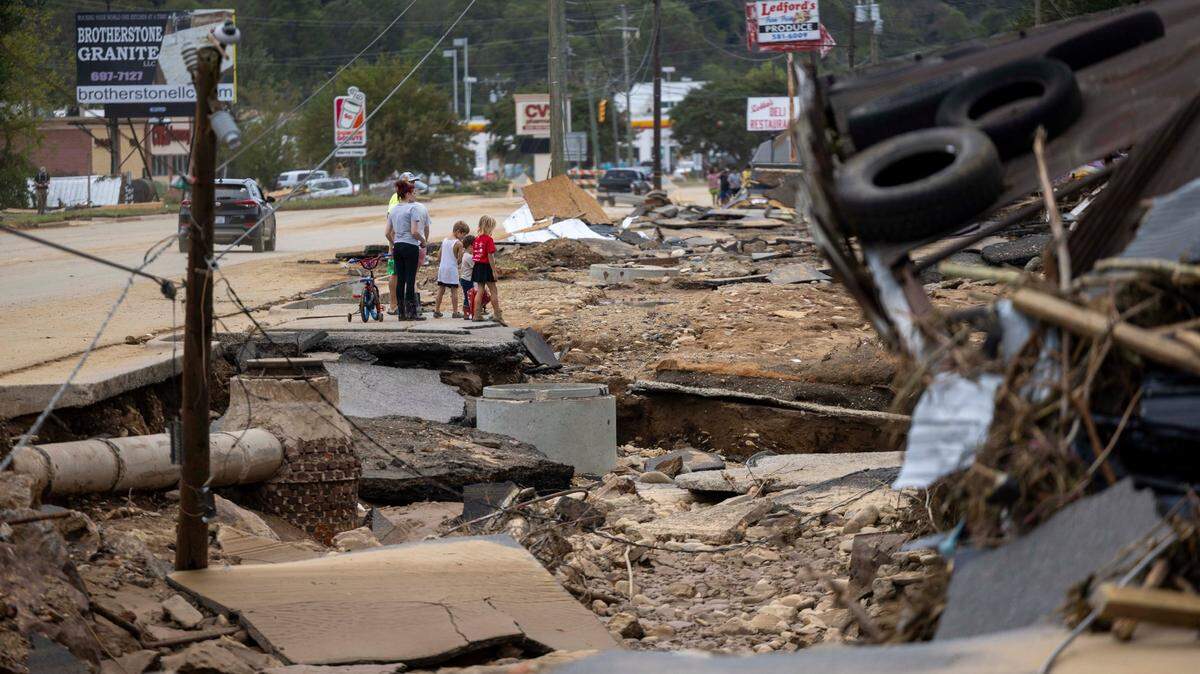
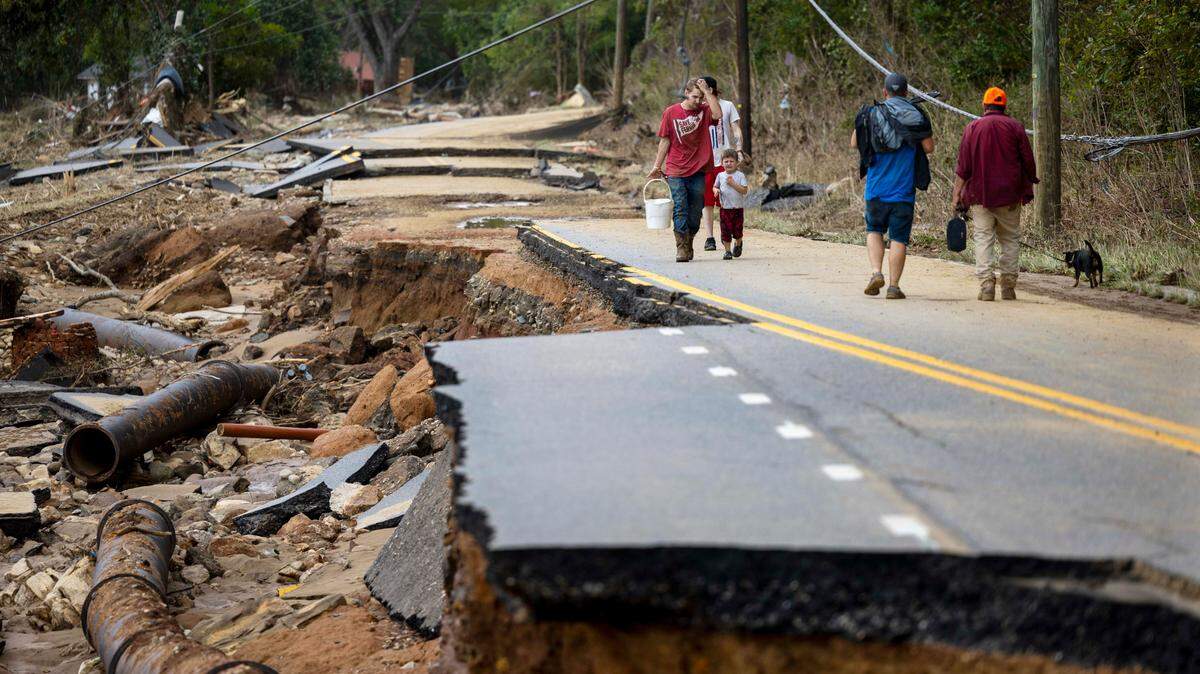
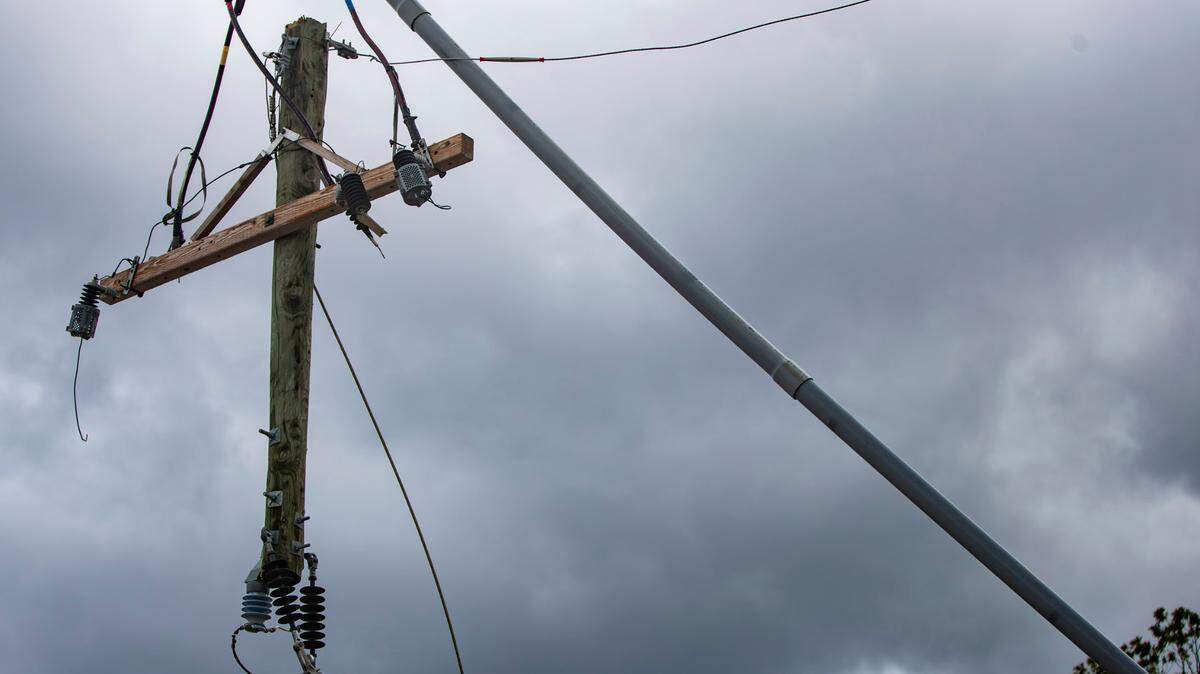
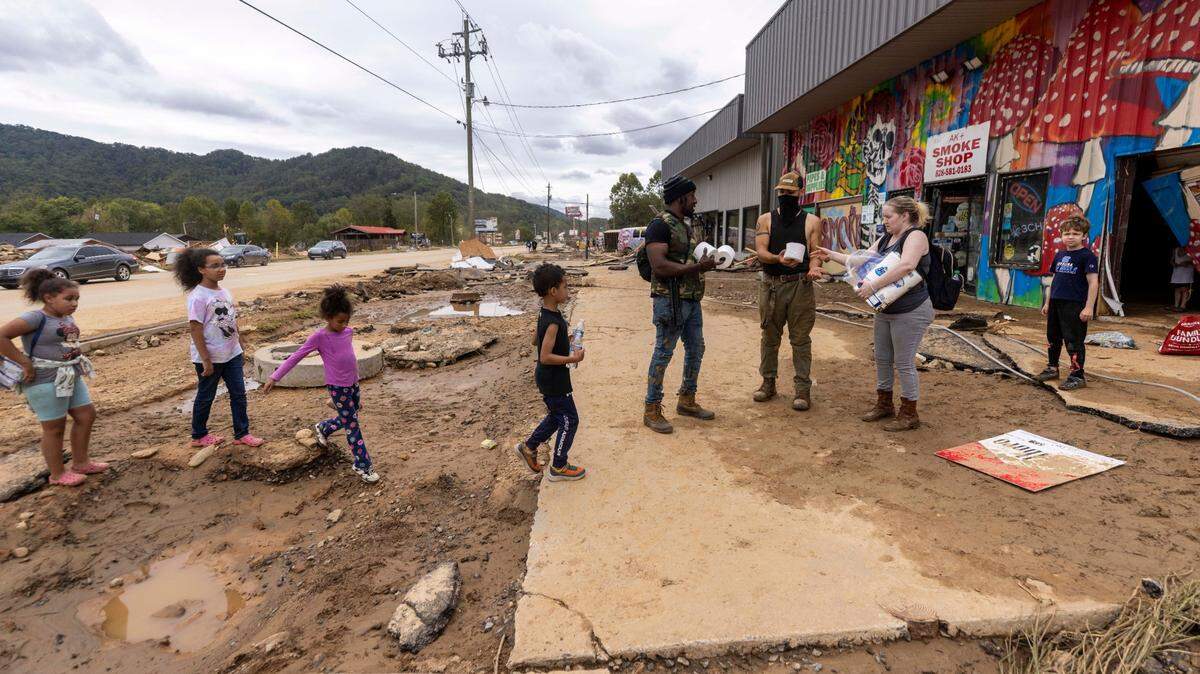
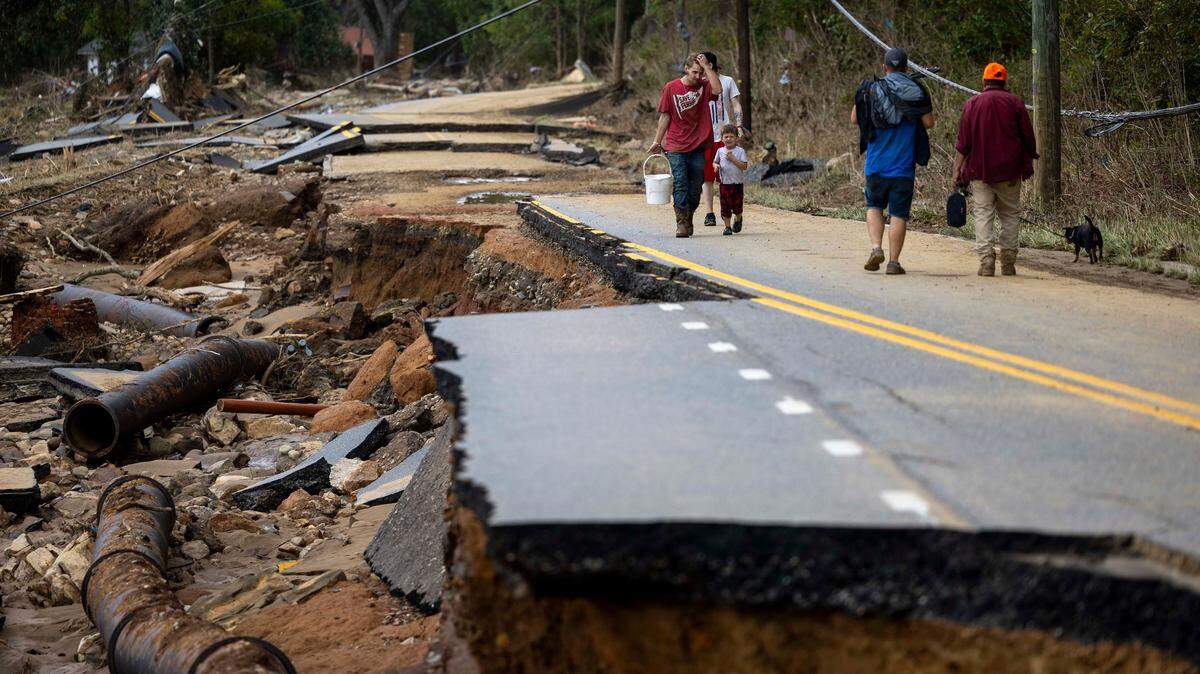
“We’re different: We’re mountain folks, we’re tough, we’re resilient, and we’re uncomfortable in the spotlight, but it is needed. When you wake up, there’s a total collapse of telecommunications, your power, your water, your sewer, your roads and your bridges. It is a very isolating event. This is something that is beyond description,” he said.
.JPG "RAL_100124-HELENE-KLM-07 (1).JPG")
On the Senate floor, Moffitt spoke extensively to thank everyone from both the public and private sectors for their help.
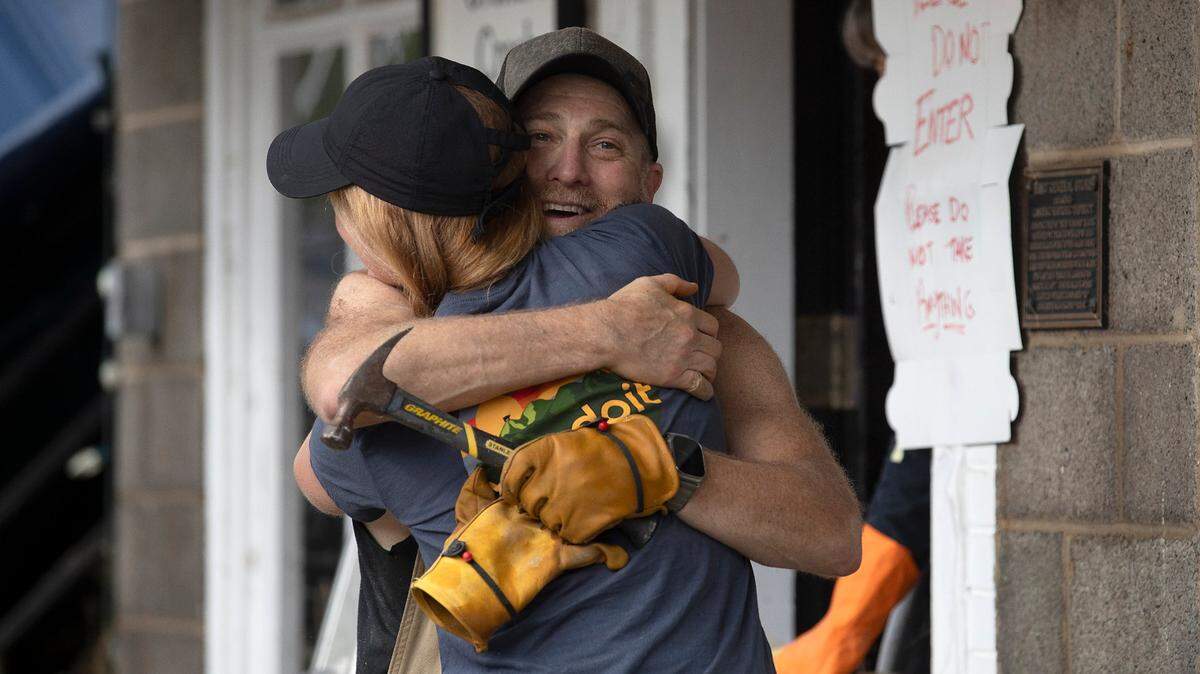
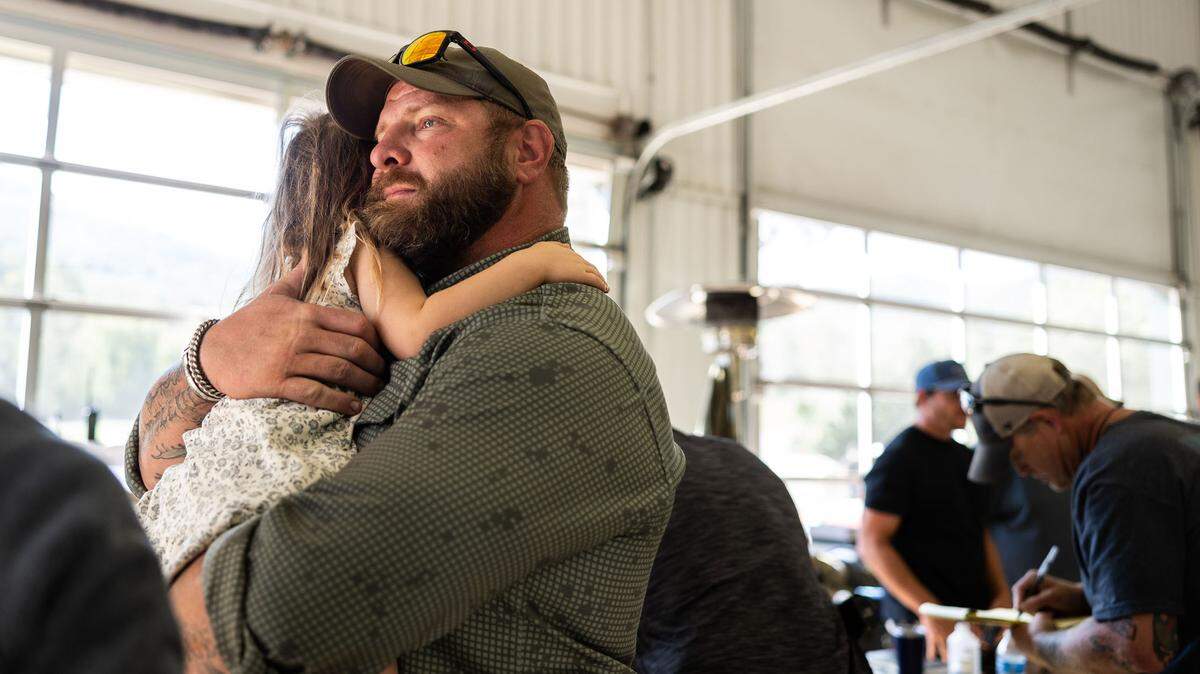
“It reinstills your faith in people,” he said.
Moffitt talked about what happened right after the storm, for those left on their own and determining who they’ll rely on for help.
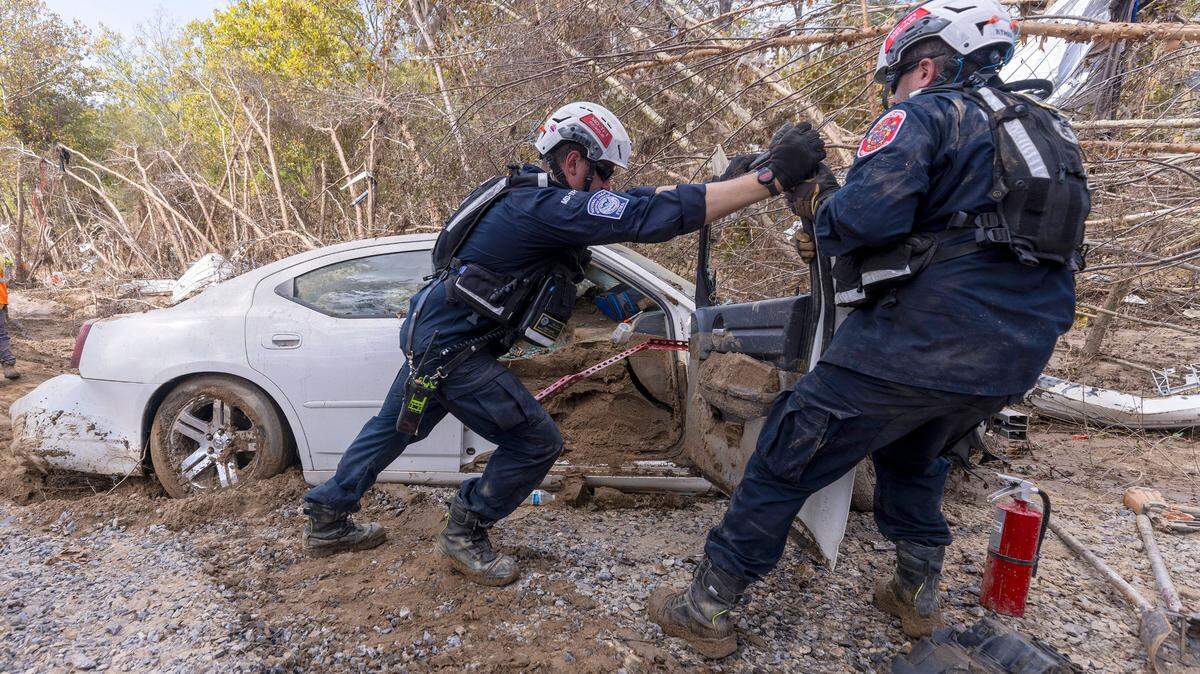
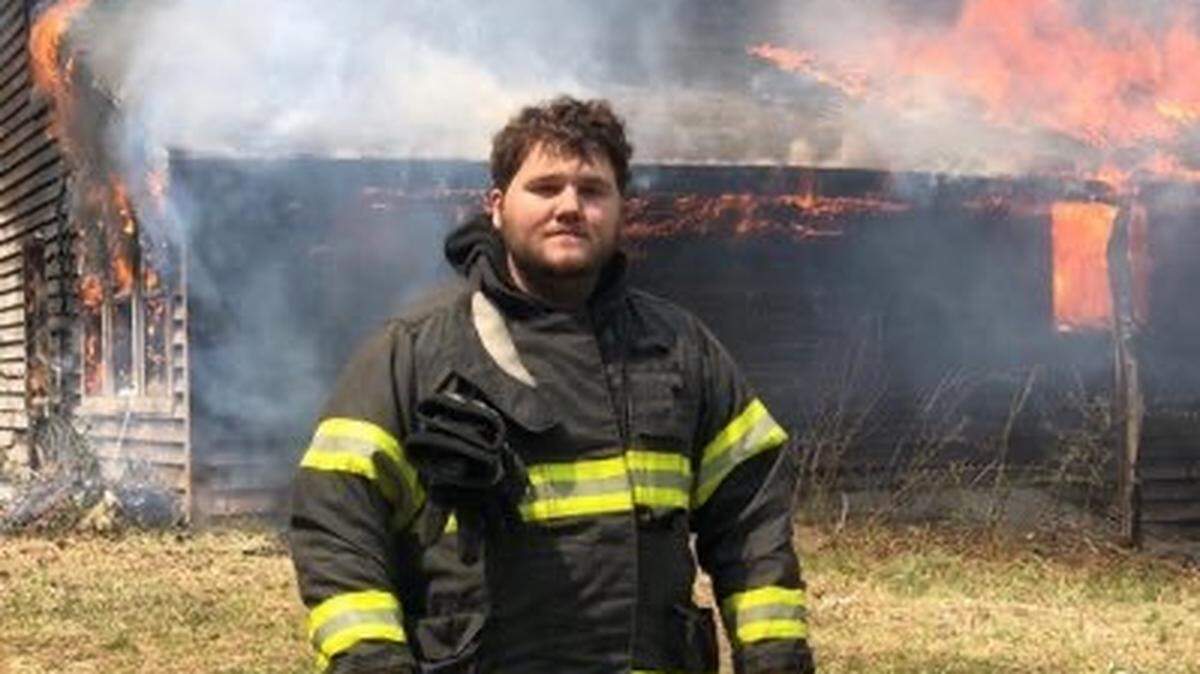
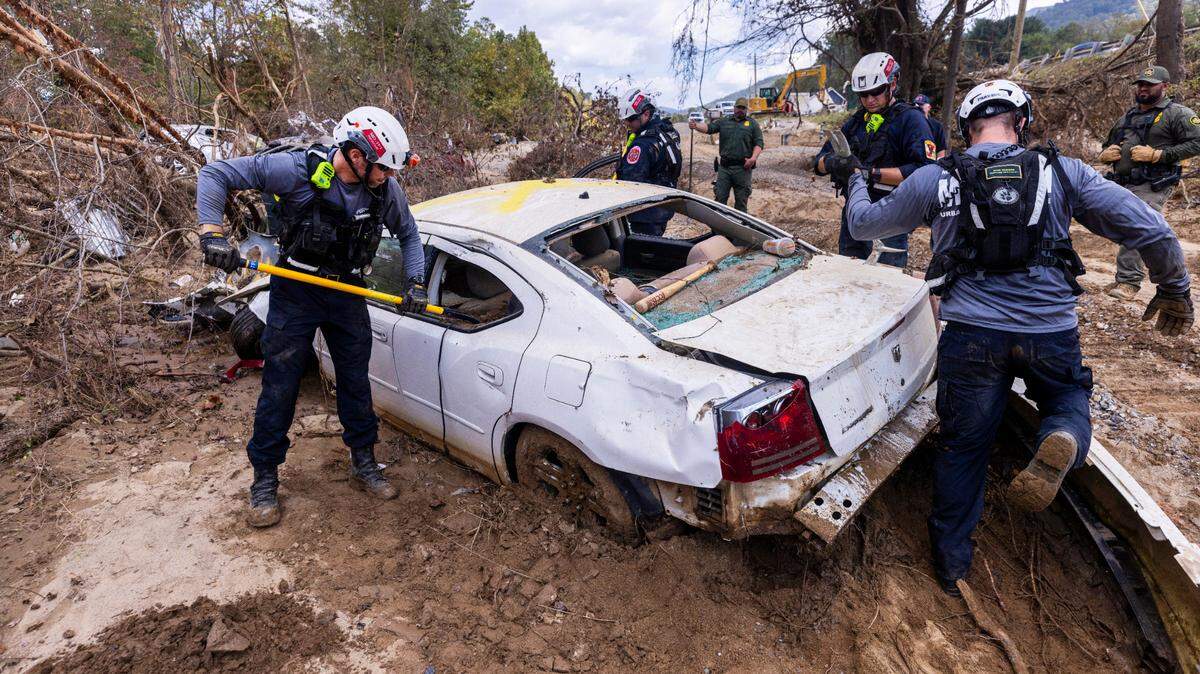
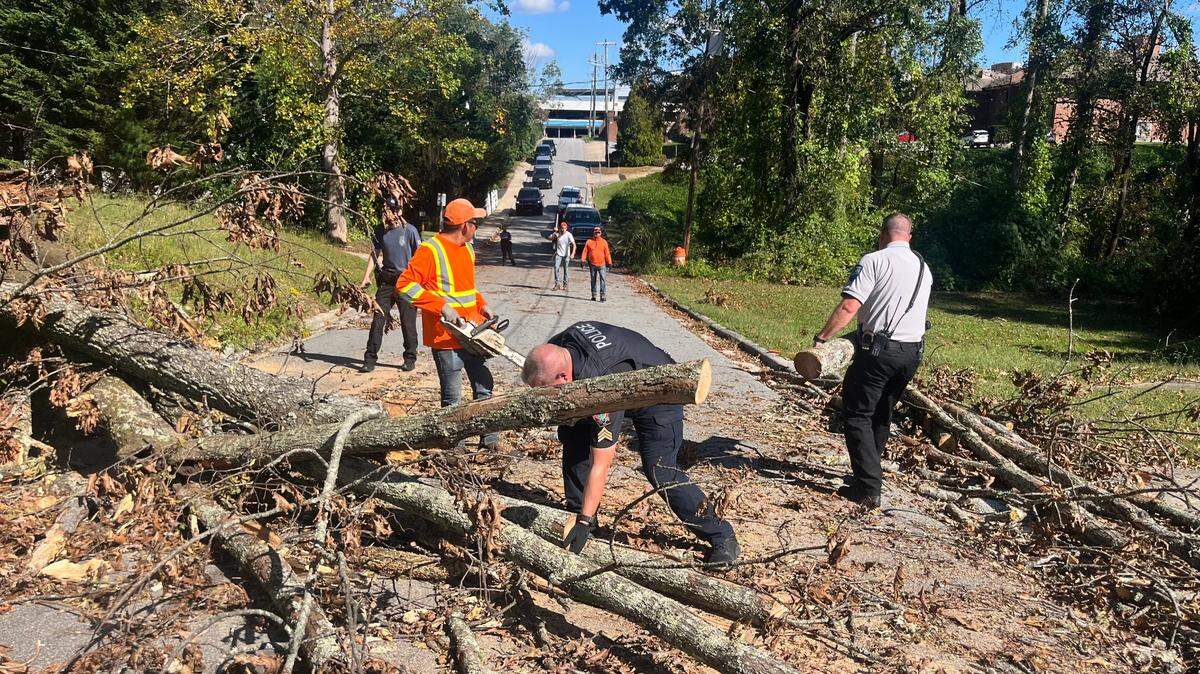
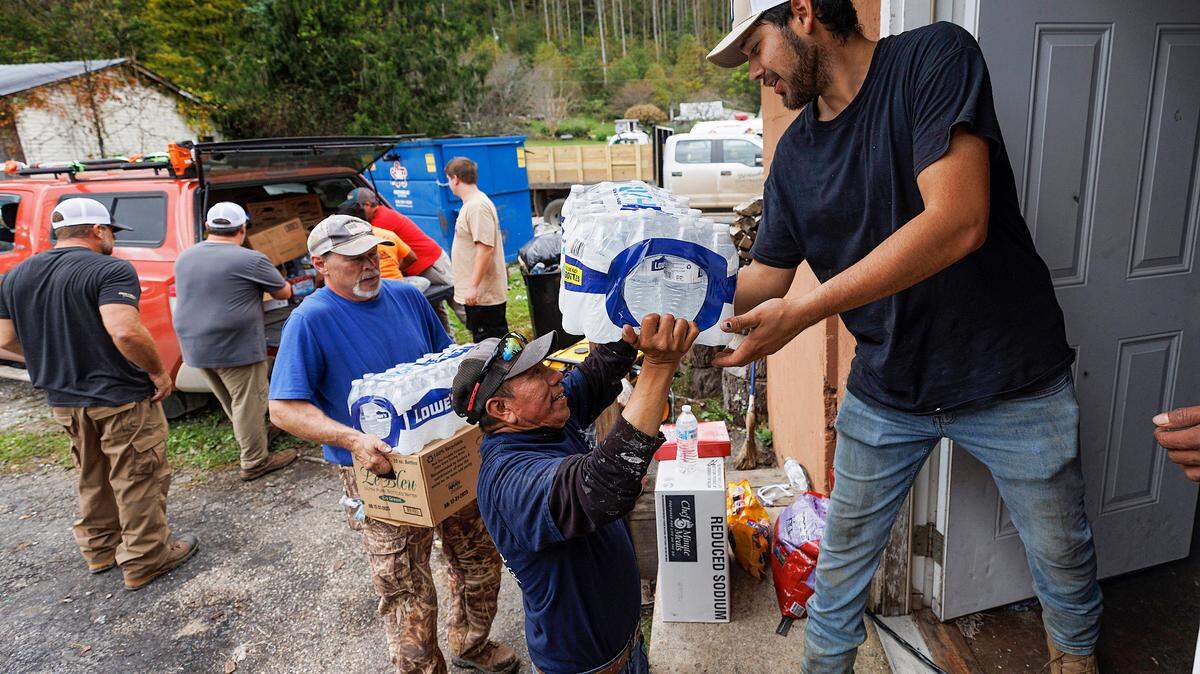
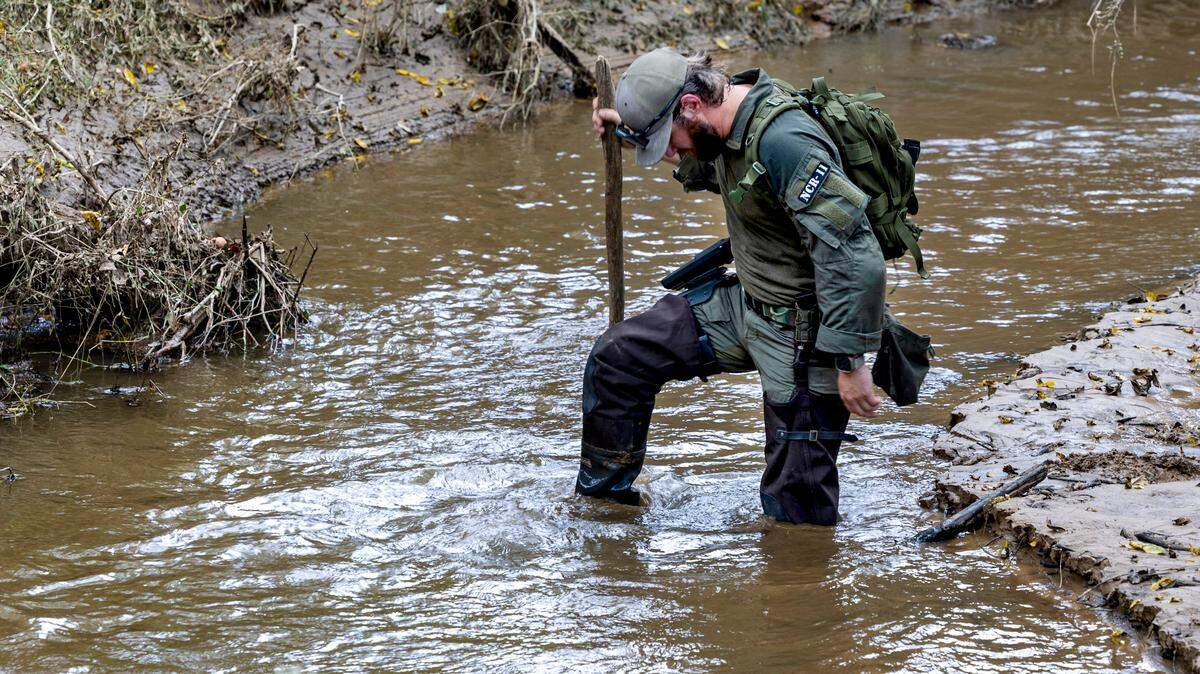
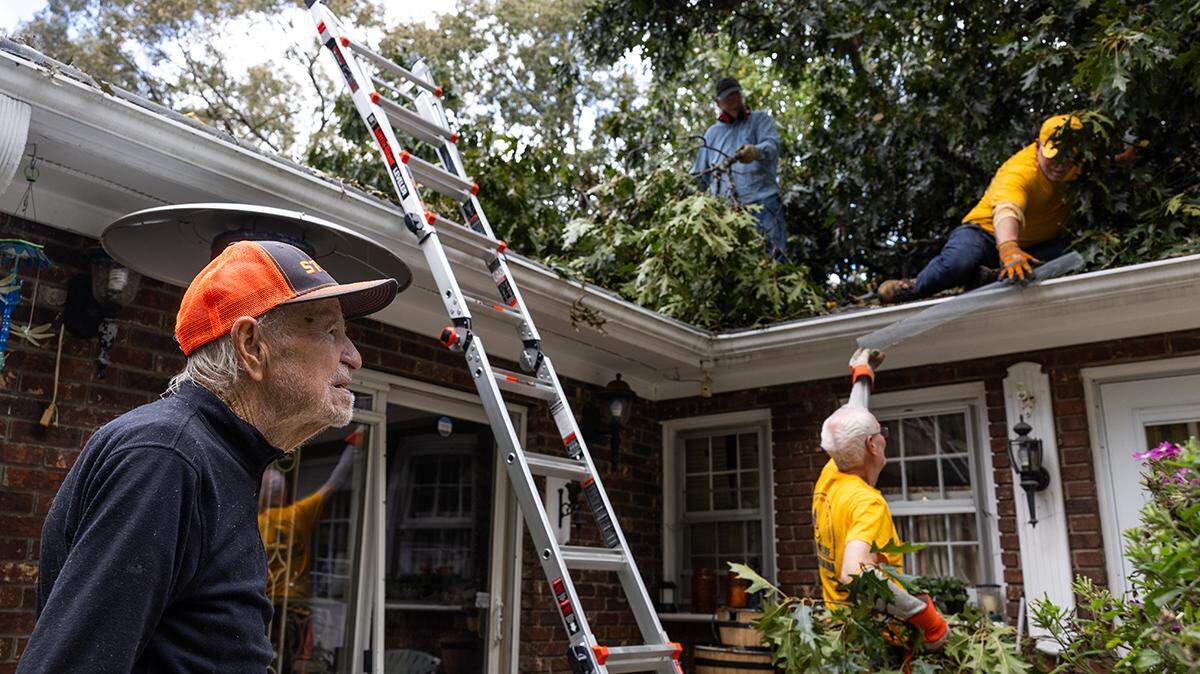
“So who are you going to rely on? Go up in the mountains. Go listen to rednecks just like me. They’re the first wave of first responders, with the chainsaws and with the 4-wheelers, and they’re out in the hills and the hollers and they’re checking on their neighbors. They’re the ones that have the skid steers and the miniature trackhoes. They deploy themselves, and they get out there and they start working with their neighbors. And this is all while our first responders, our volunteer fire departments, our sheriff’s departments are really trying to assess the scope of the need and how they’re going deploy their assets in order to best serve our citizens,” Moffitt said.
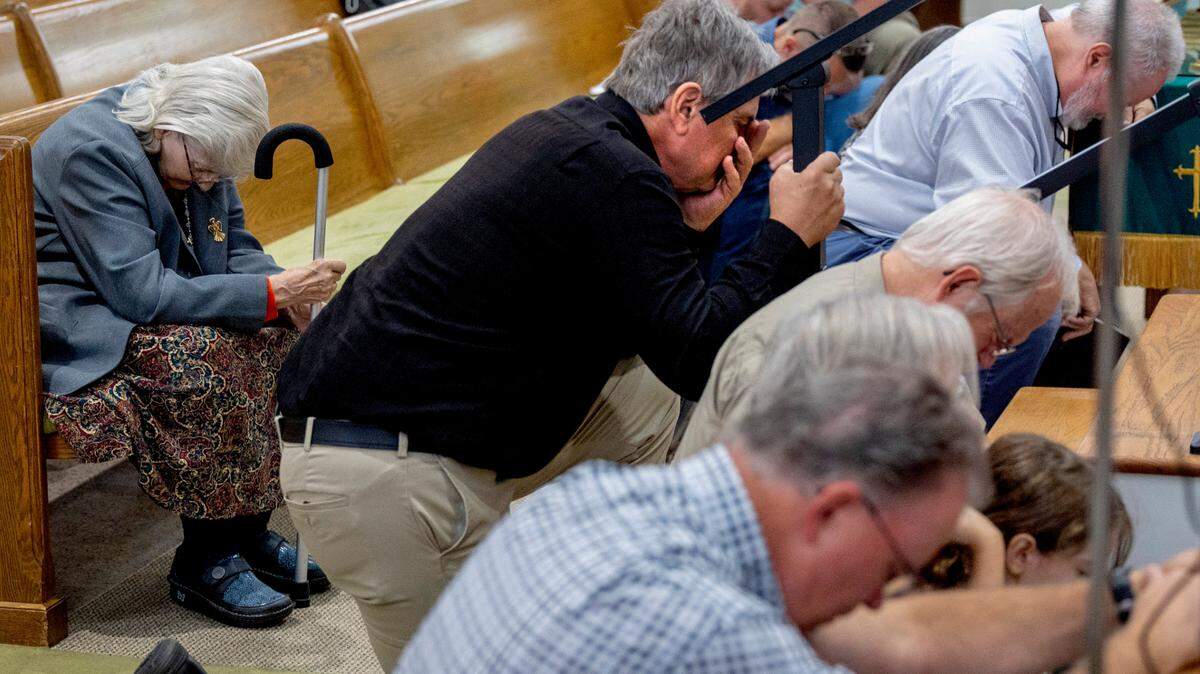
Others in the first wave included the faith community, he said, and local churches rose to the occasion.
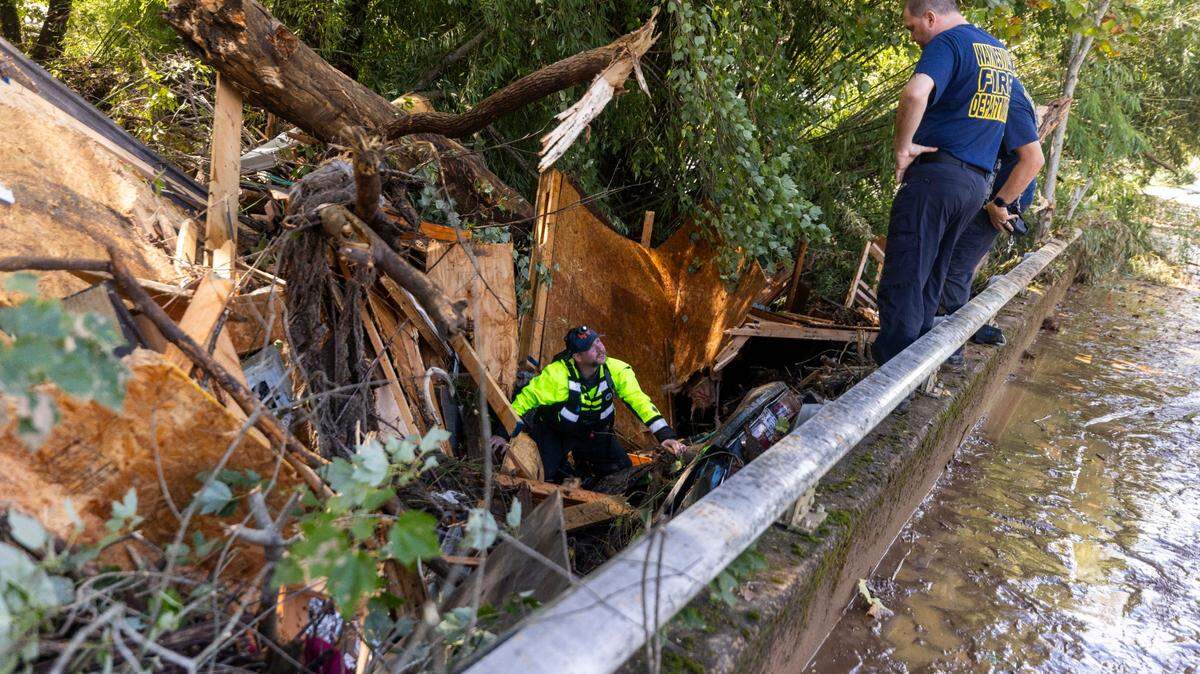
“So all of this is going on while the bigger picture is starting to come together. So heartfelt gratitude for all of our our unofficial first responders, and thank you for being there. Our sheriffs and our deputies, they did a great job. Our volunteer fire departments, they did a great job, and they’re still doing a great job, and we’re doing our best to relieve them with volunteers from other parts of the state and other parts of the nation,” he said.
Water treatment ‘unsalvageable’
▪ Republican Sen. Ralph Hise of Alleghany, Ashe, Avery, Caldwell, Haywood, Madison, Mitchell, Watauga and Yancey counties:
“This is by far the most devastating thing I’ve ever experienced. Many of the areas I represent — all the counties I represent — have been devastated by the storm,” Hise said.
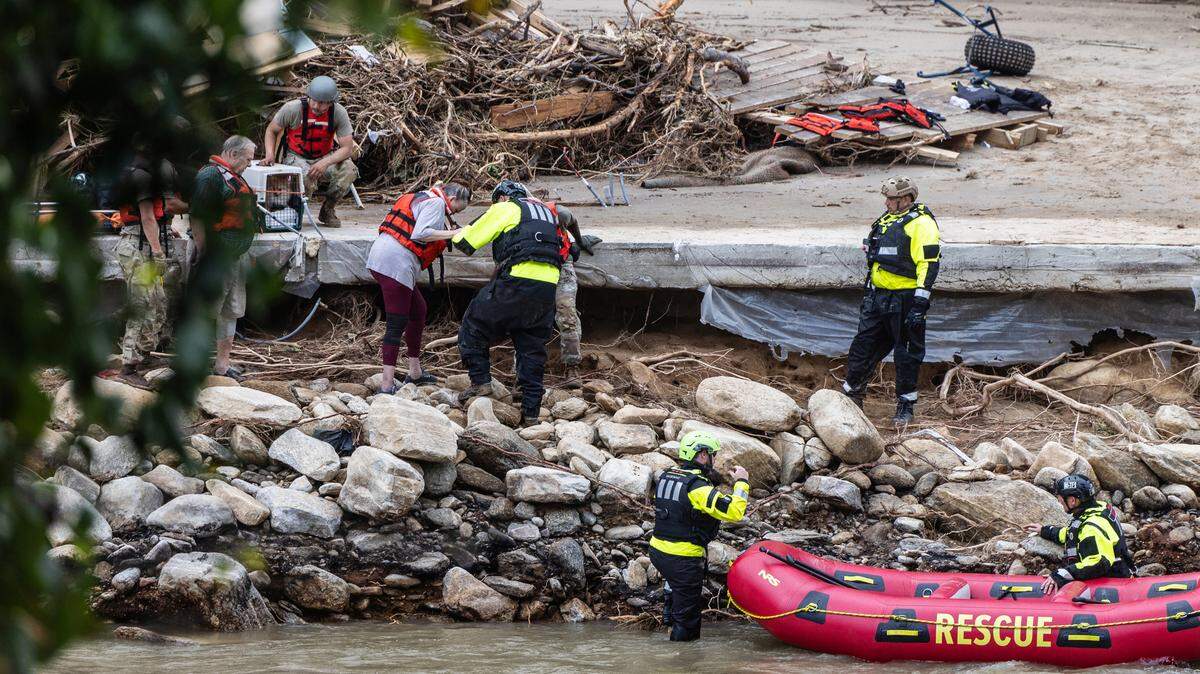
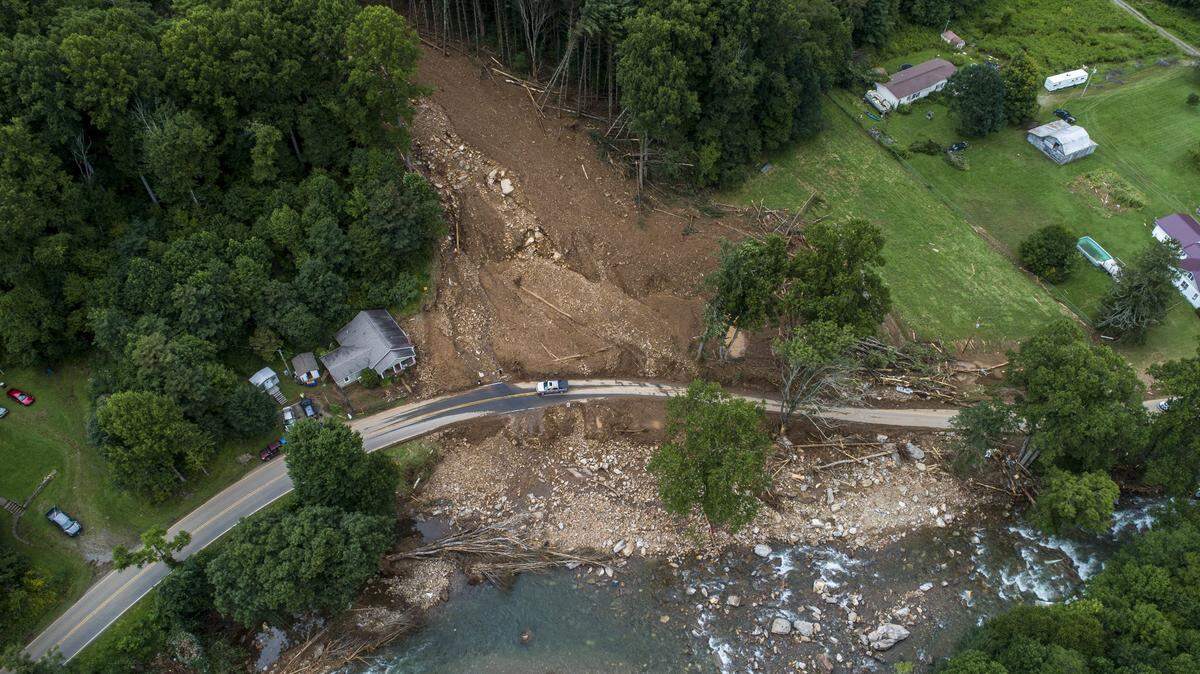
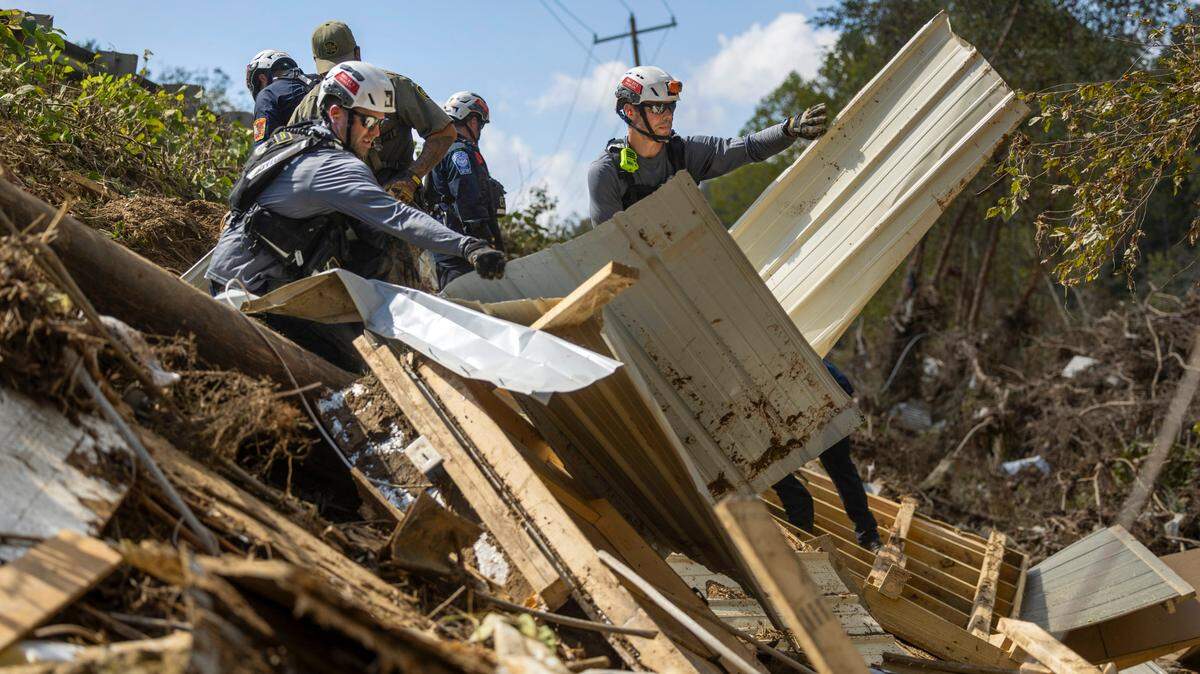
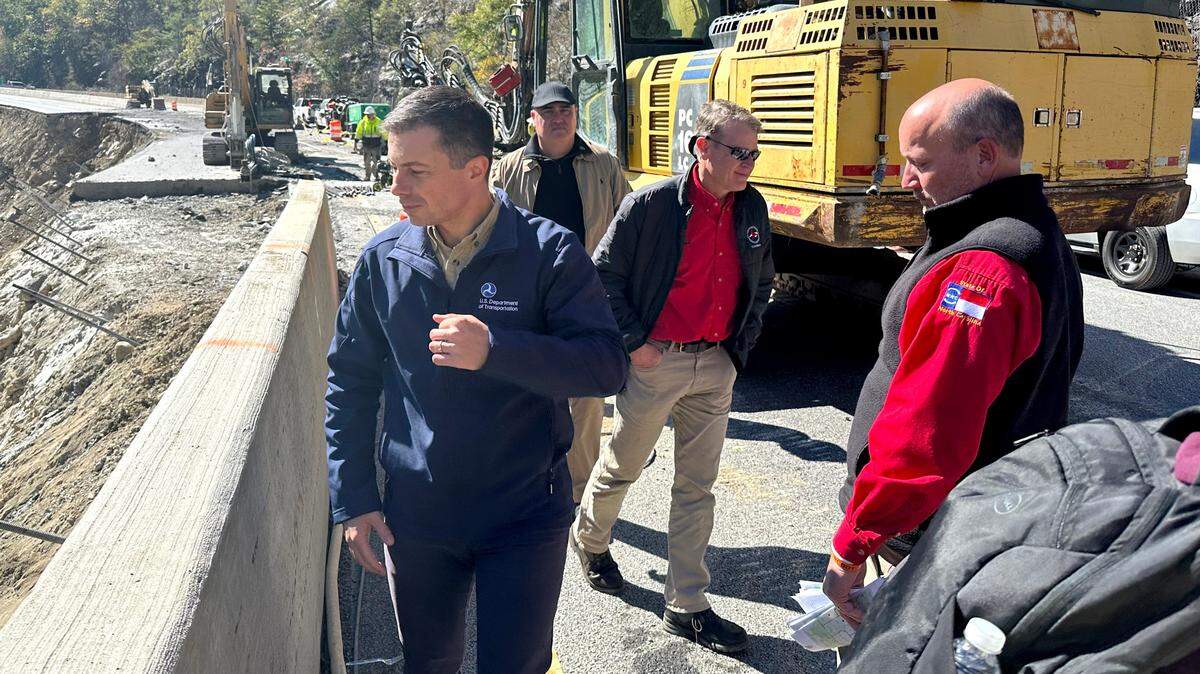
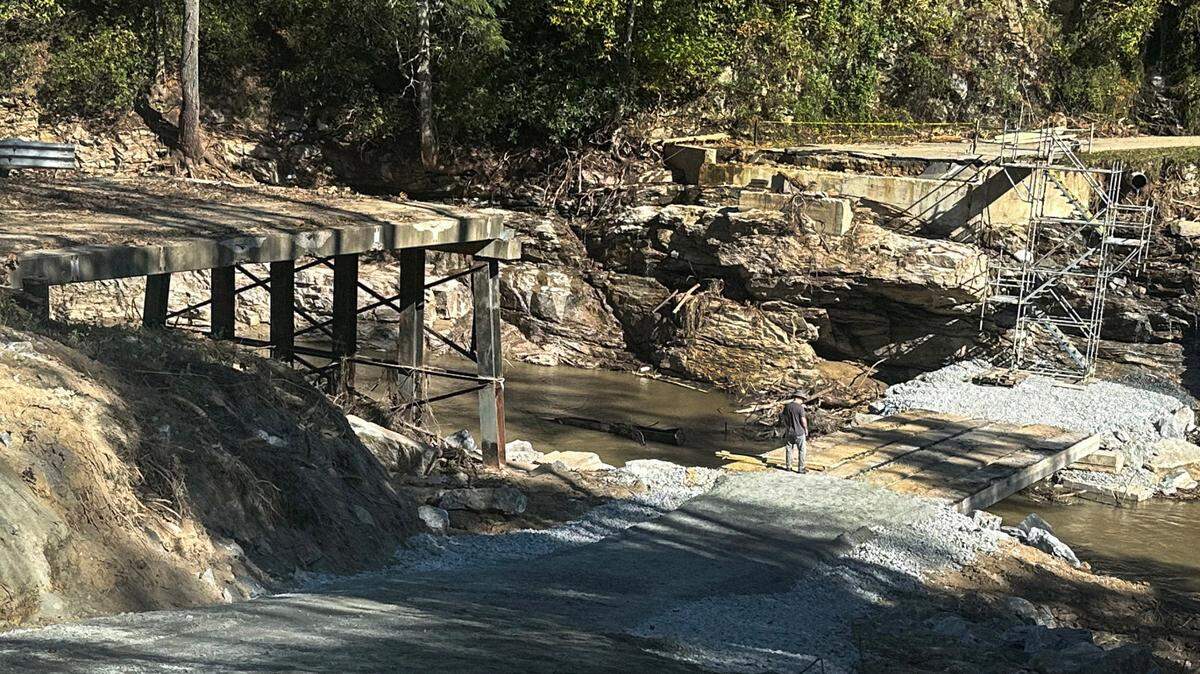
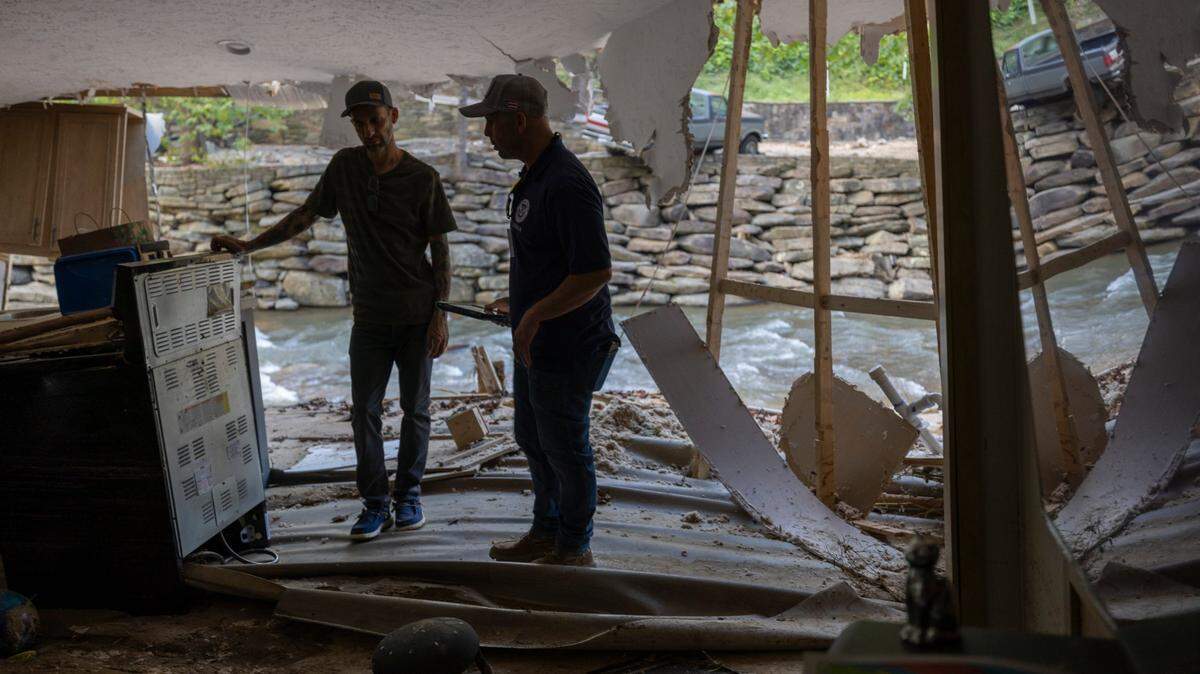
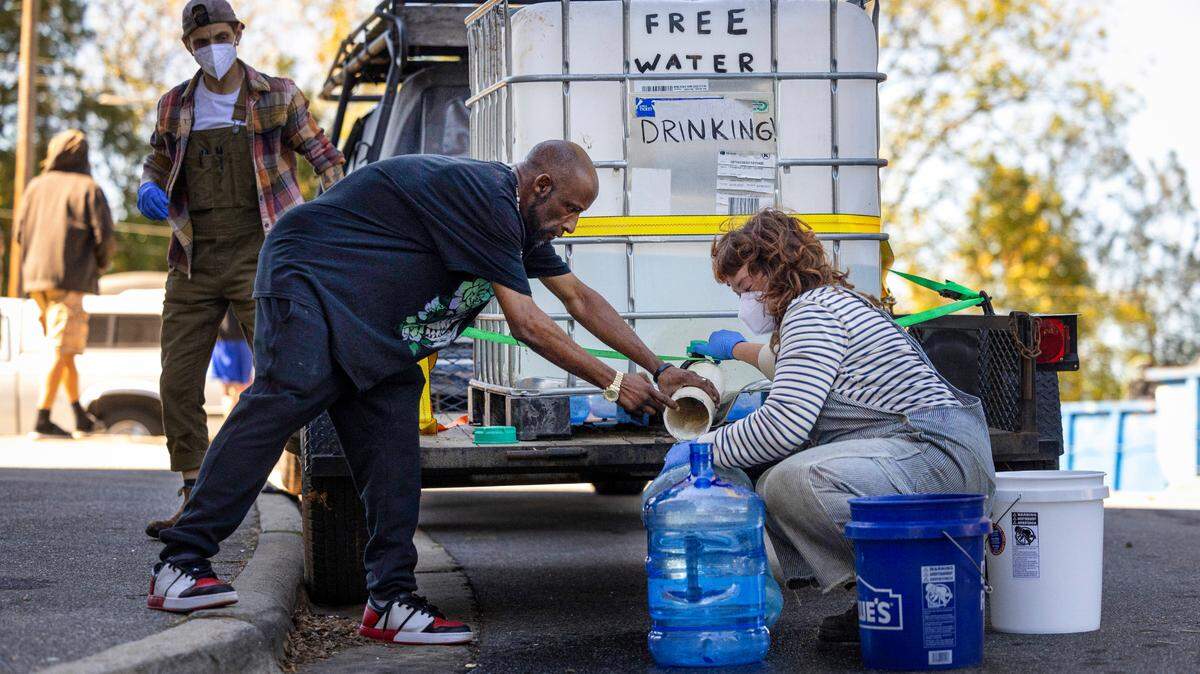
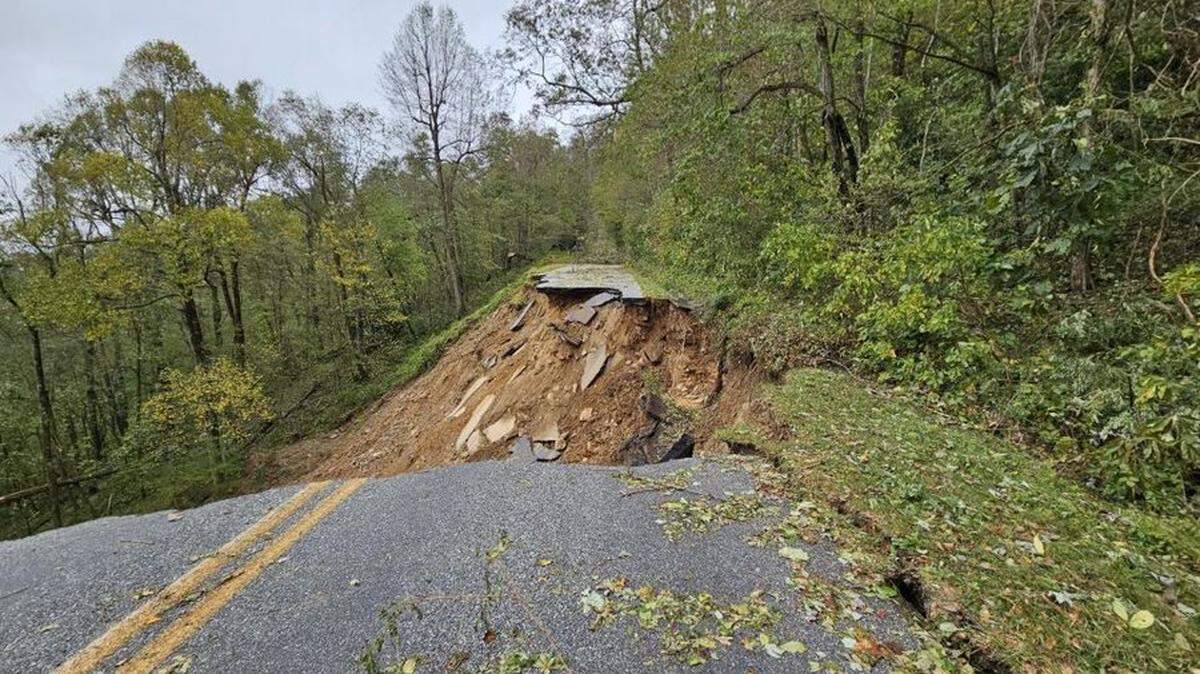
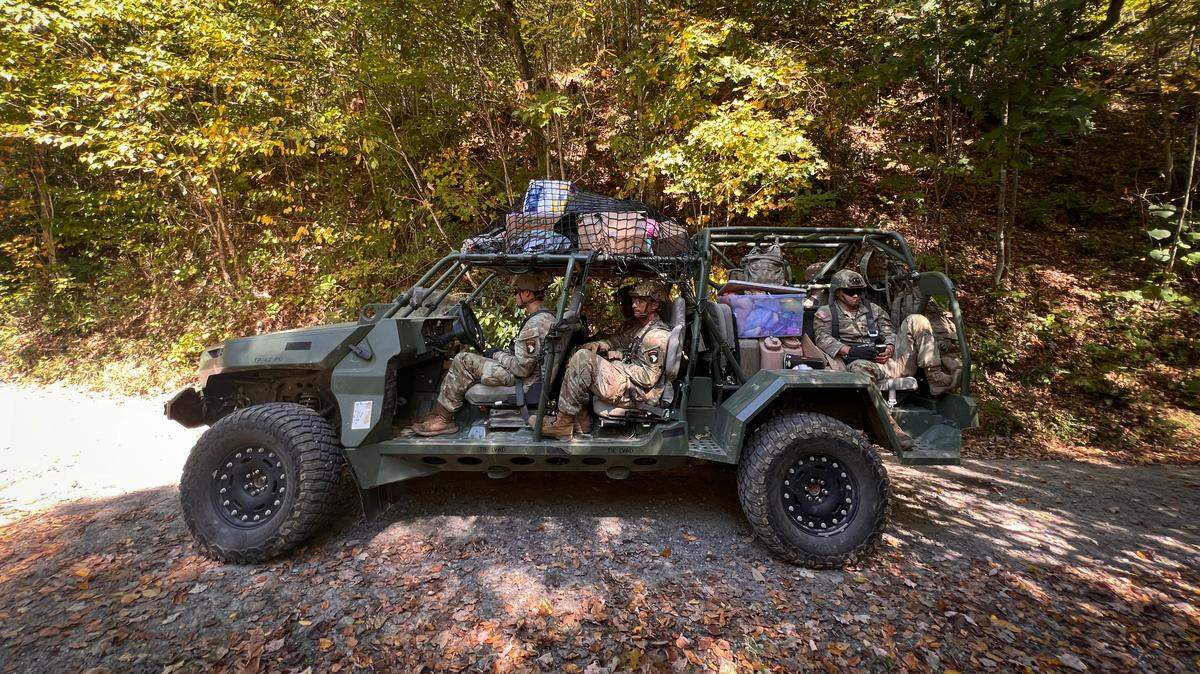
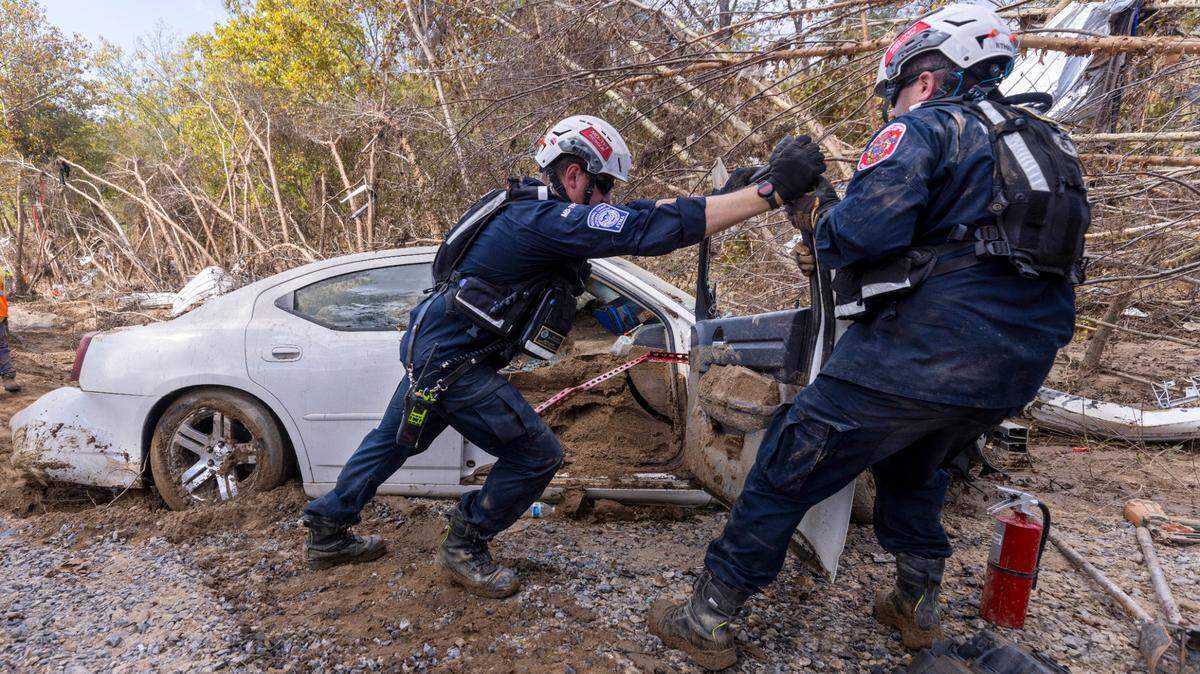
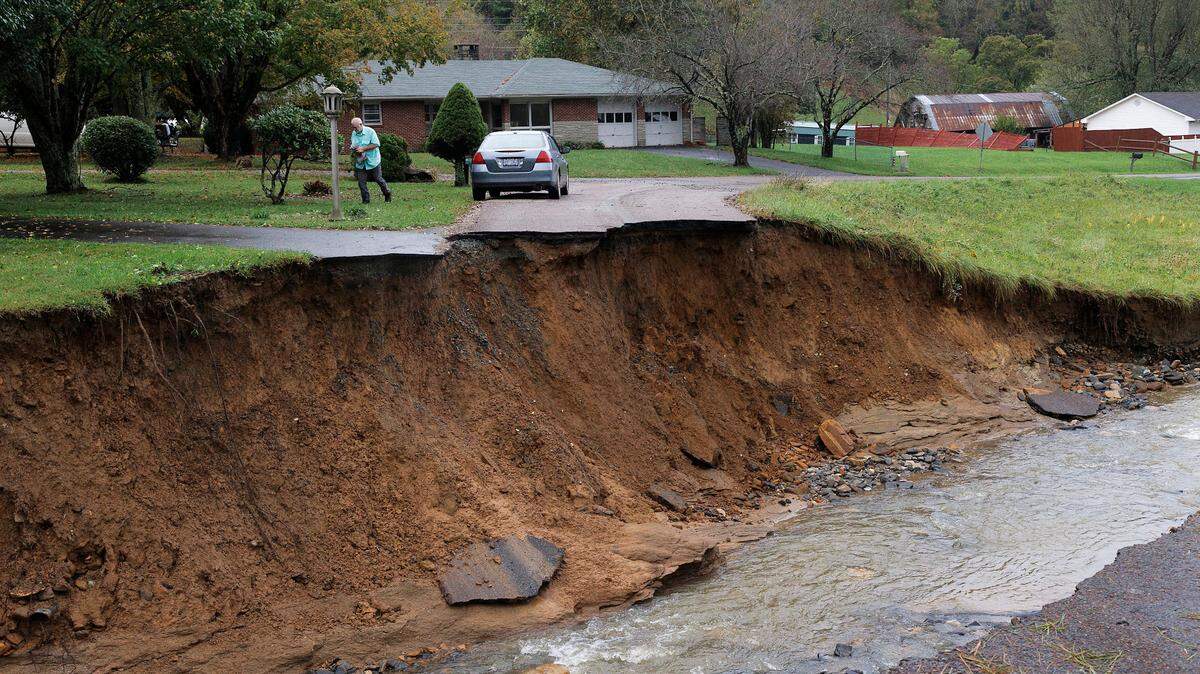
“We’ve had entire counties without water, power, sewer, cell service. We’ve been trying to rescue areas — there’s still areas you can’t access unless you’re on a motorcycle, unless you’re on side-by-sides, communities that are tied off. We’ve had an incredible outpouring from so many communities across the state and others, but we’re in a long term recovery ... Mitchell County, the water treatment system for the entire county, both towns — it’s gone. It does not exist. It’s unsalvageable. It’s a four-year process to put a water treatment plant back in. We don’t have a temporary solution to these things right now.”
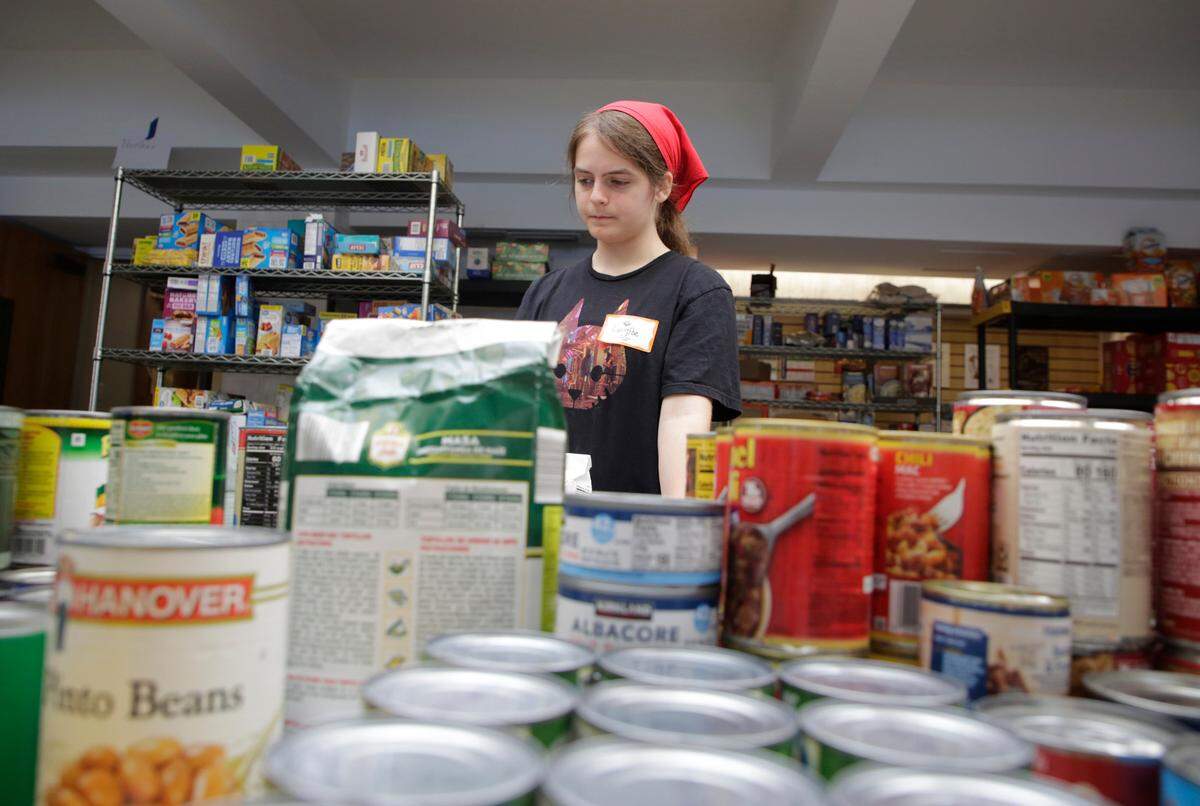
“People at the fire departments every day are having the first hot meal they’ve had in more than two weeks. We have a lot of things to ask for. I’m excited to be here today to see that we’re asking as a community for the support of the state, and that the state of North Carolina is stepping up to do that initially. And so there’s a lot of distrust in the areas I have, but I hope we can begin to show that North Carolina is stepping up with responsibility, and we are here,” Hise said.
‘FEMA showed up’
▪ Democratic Sen. Julie Mayfield of Buncombe County:
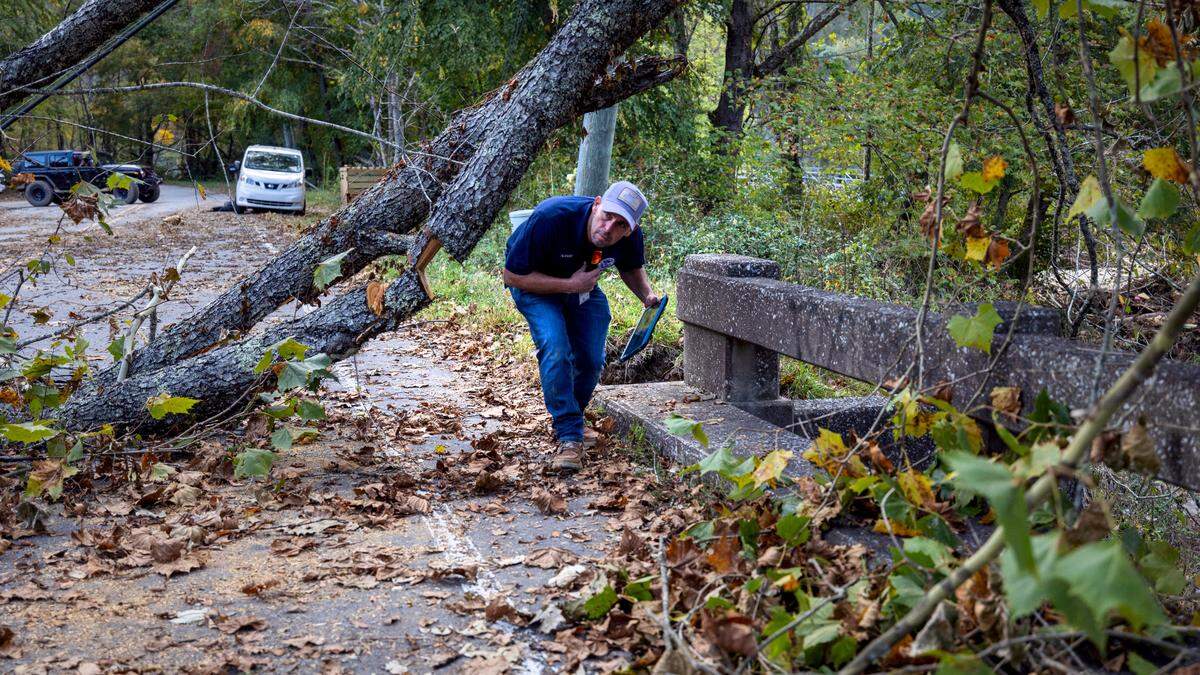
Mayfield said during the Senate floor debate that “nothing happens as fast as you want it to. And the first couple of days were terrifying because things weren’t coming.”
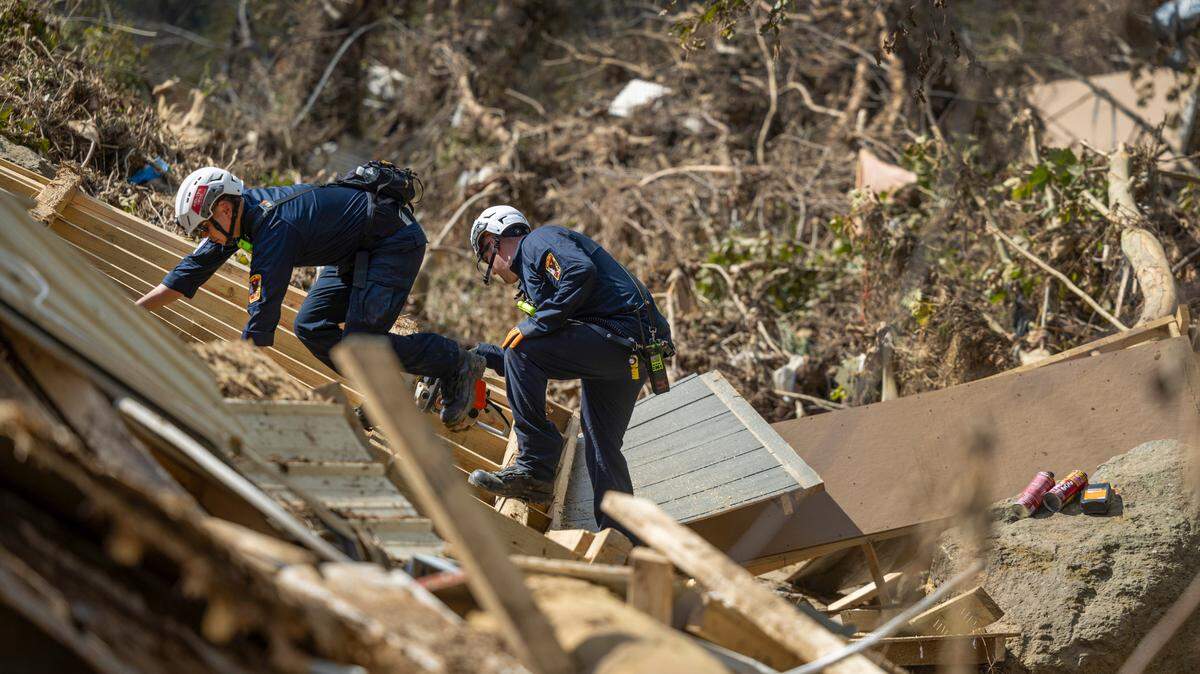
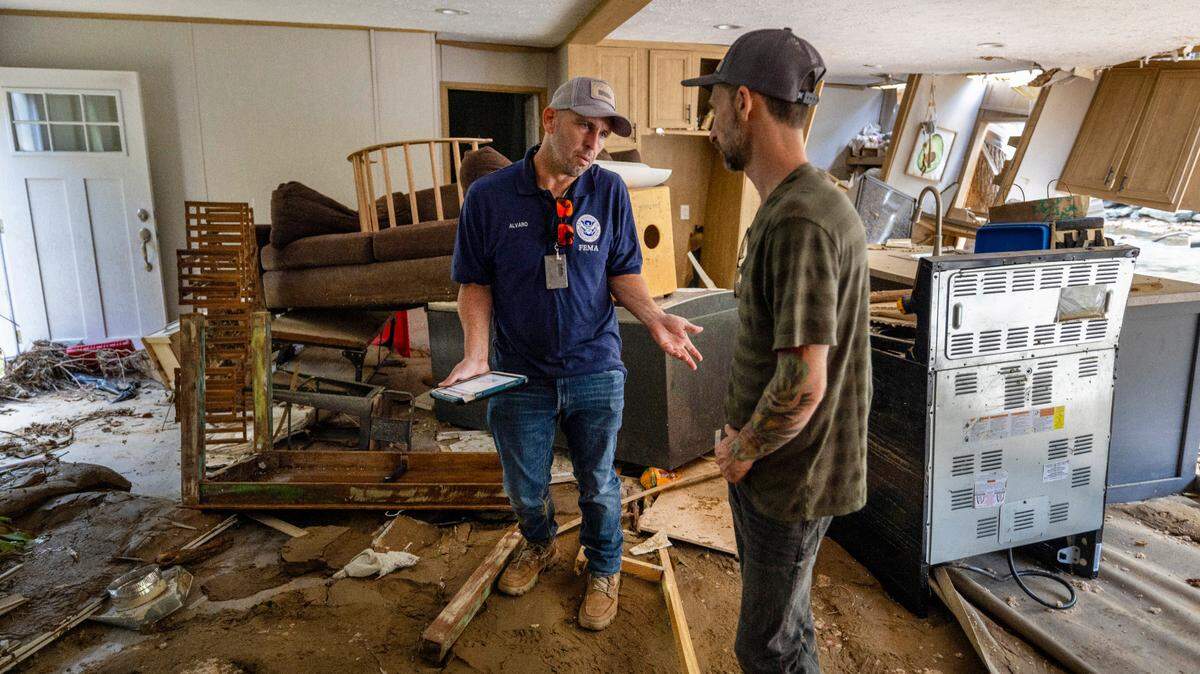
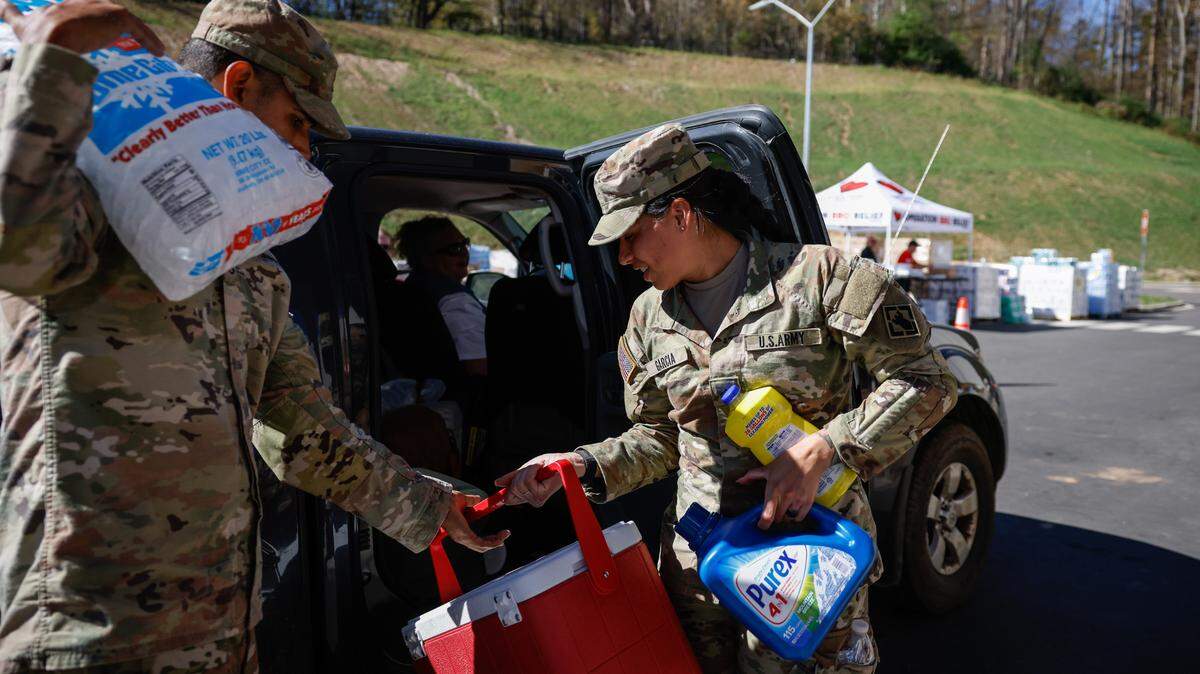
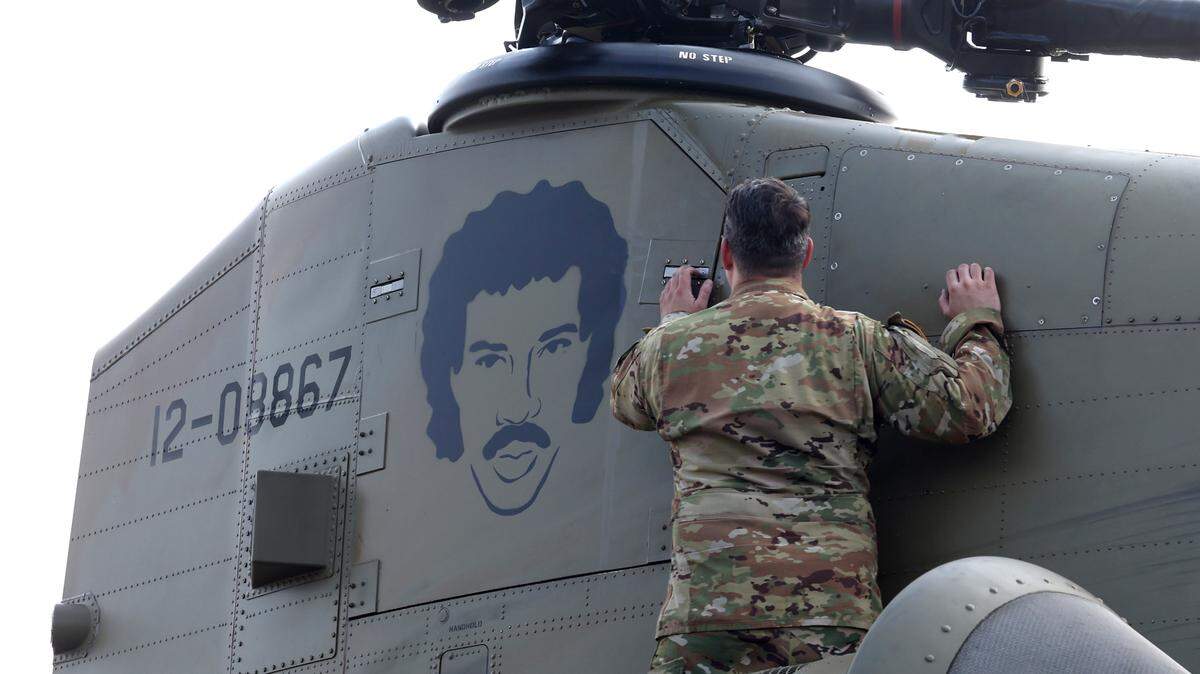
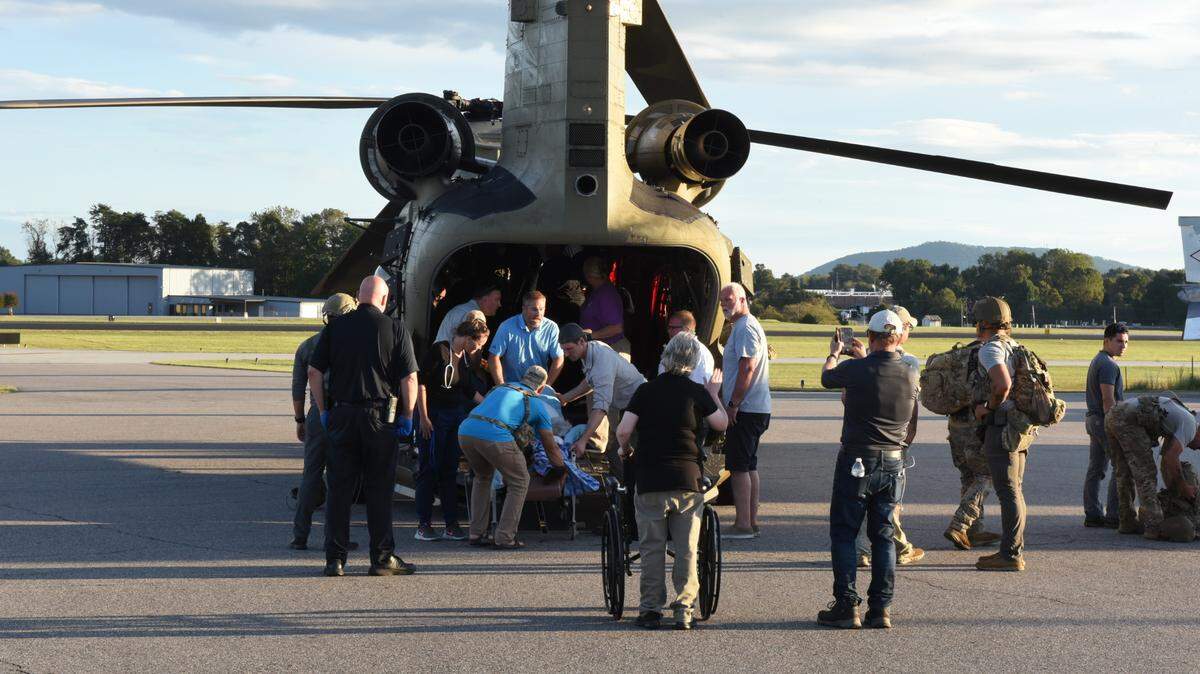
“But then they did start to come, and the National Guard is there, pulling people out of houses. And that’s still happening, still happening. FEMA showed up. And despite what you read on the internet, and don’t believe any of it, FEMA is everywhere,” Mayfield said.
People living ‘up to the best versions of themselves’
▪ Democratic Rep. Caleb Rudow of Buncombe County:
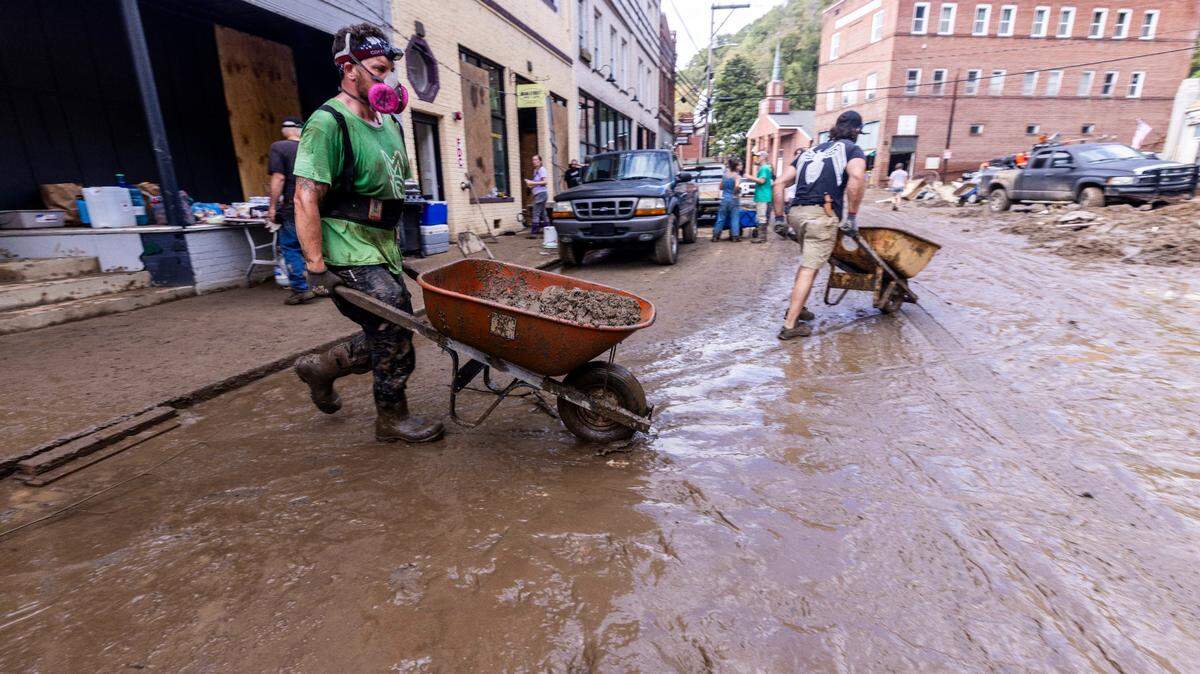
“There have been a few moments in my life when I’ve been able to see people live up to the best versions of themselves, to step up to a tremendous challenge, to, regardless of the odds, run into danger to save the neighbor, and that is what I saw so many times over the past 12 days,” Rudow said on the House floor.
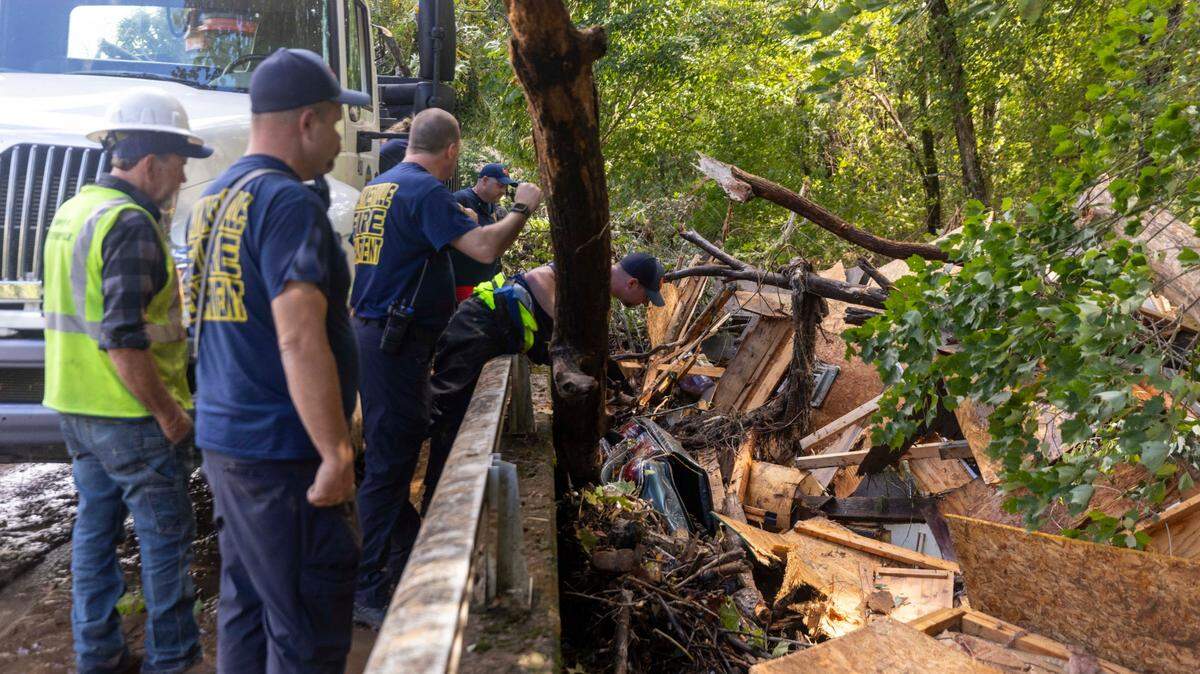
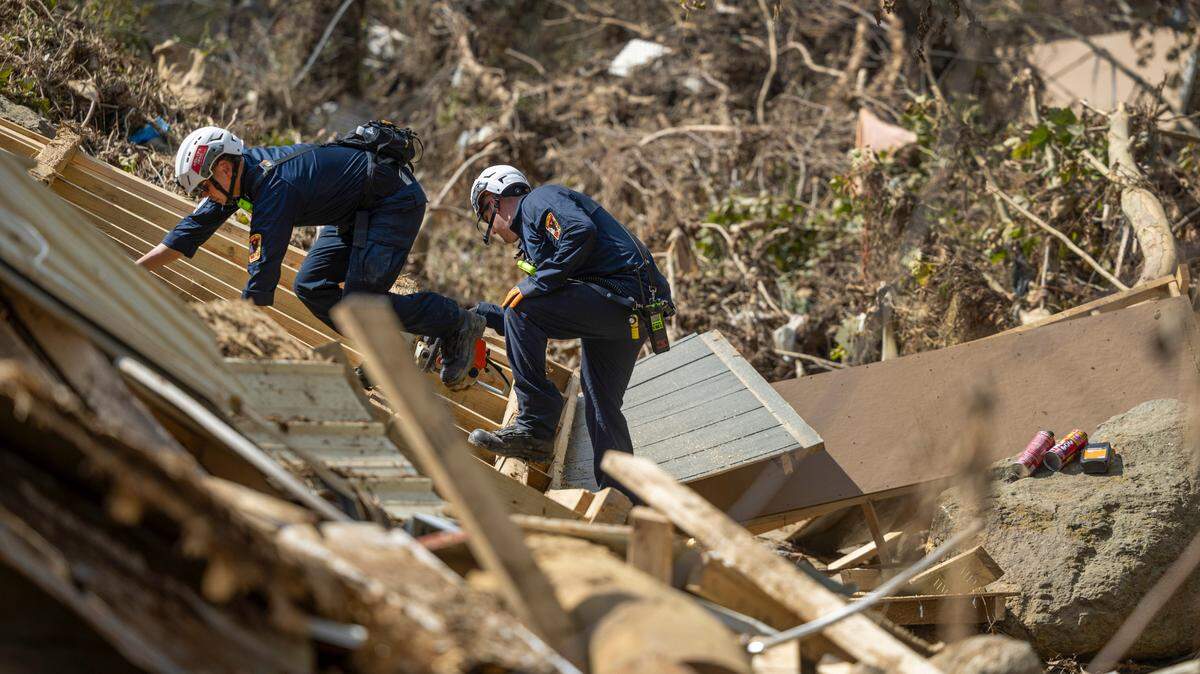
“I saw neighbors helping neighbors. I saw first responders perform acts of heroism that were just incredible. I saw communities come together. I saw people drive from all over this country, and all over the world, to come and help us.”
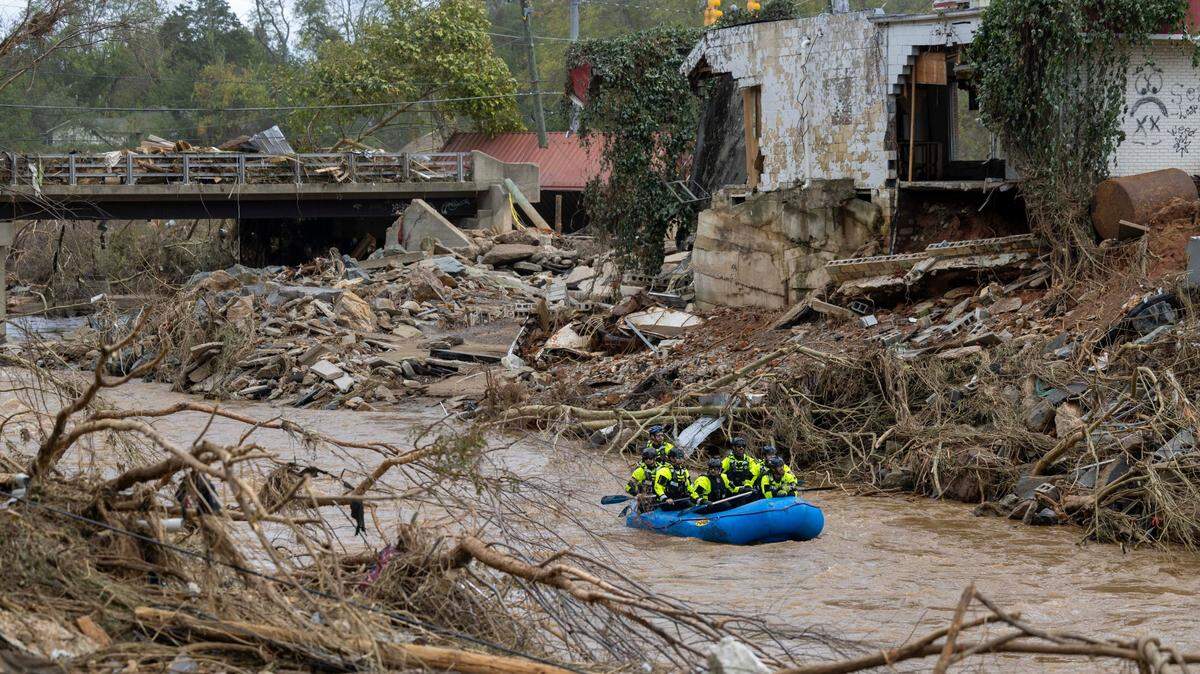
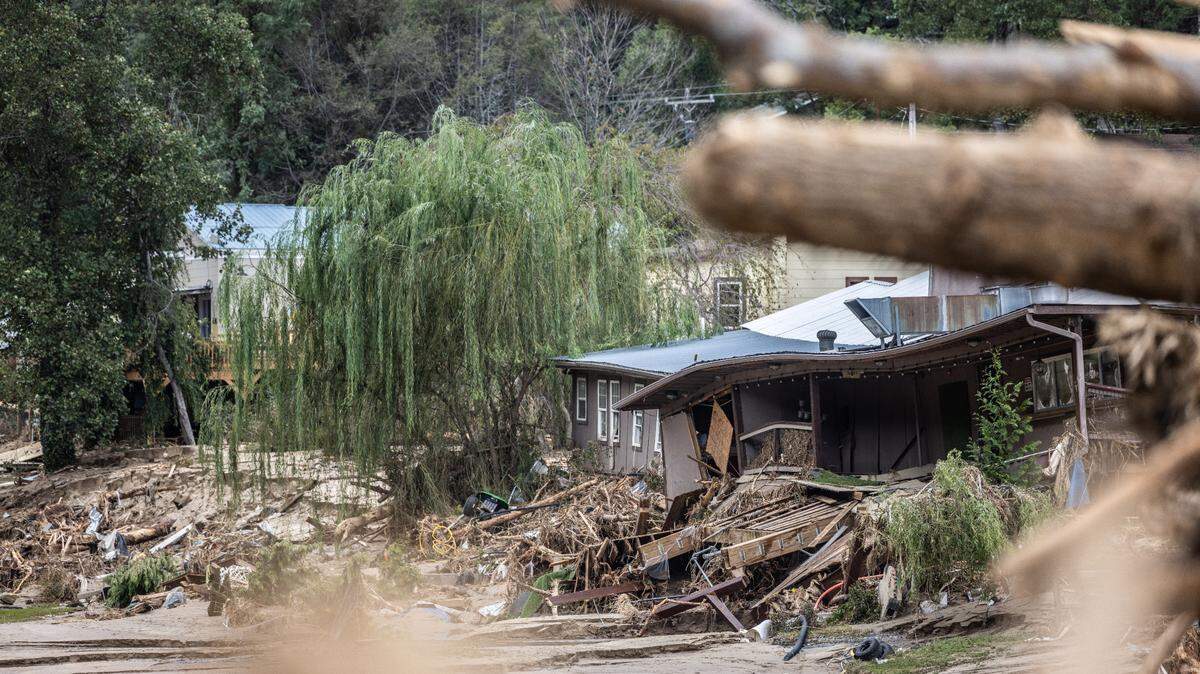
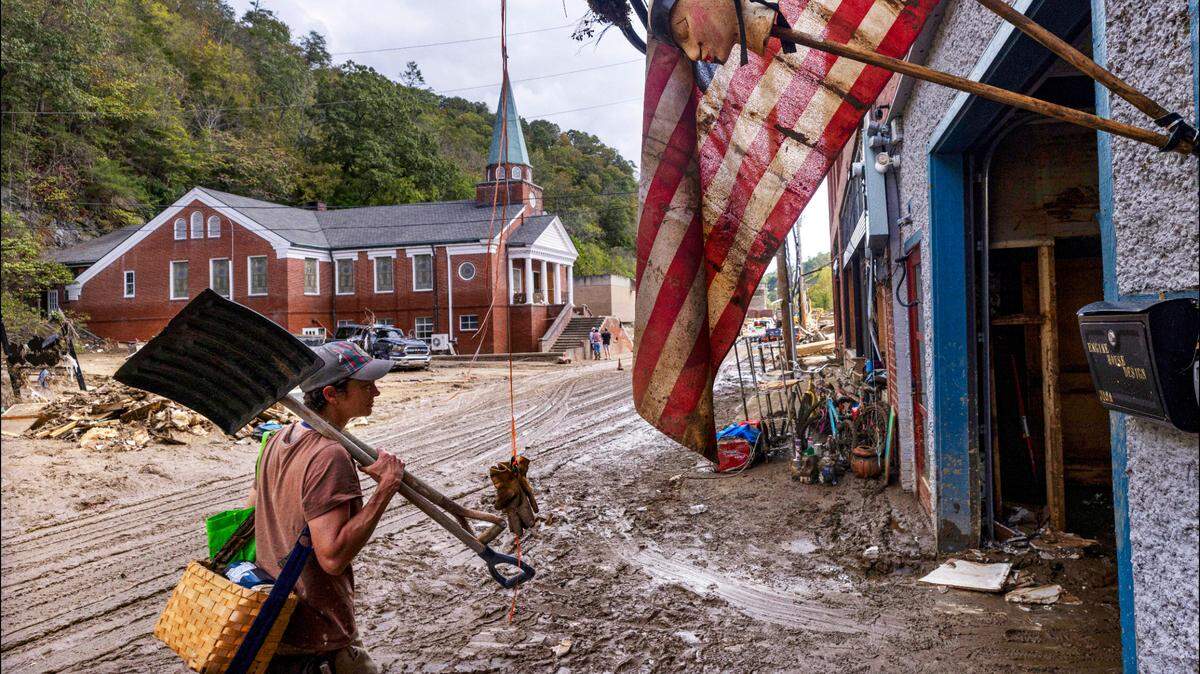
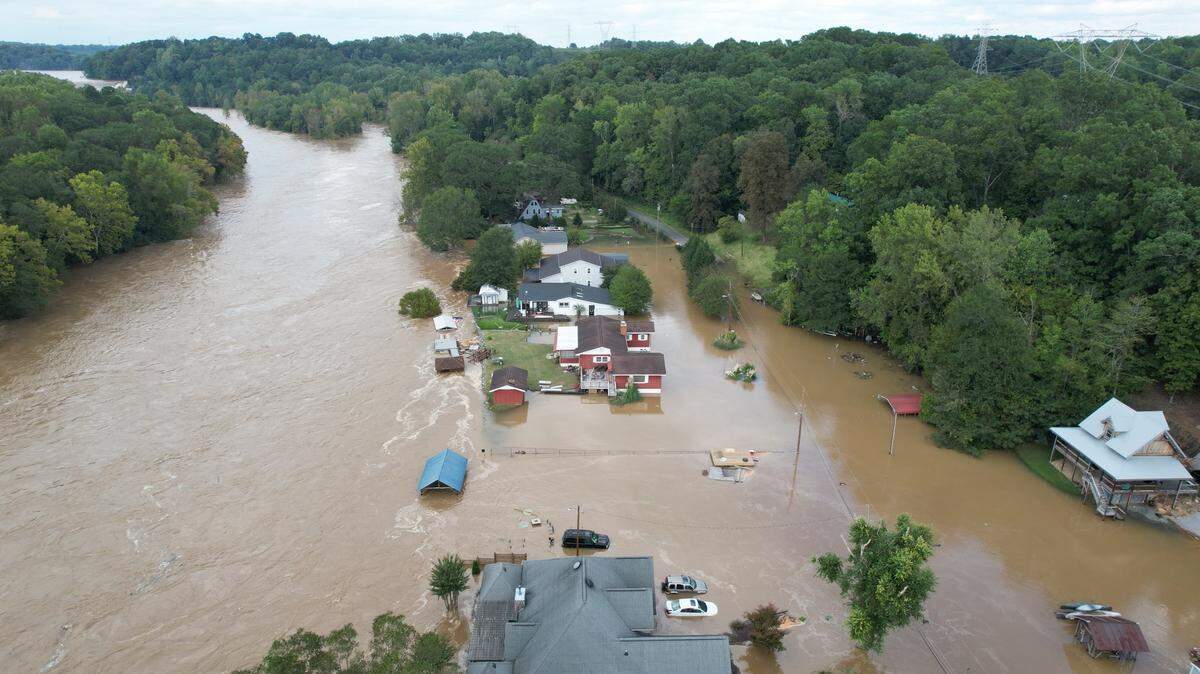
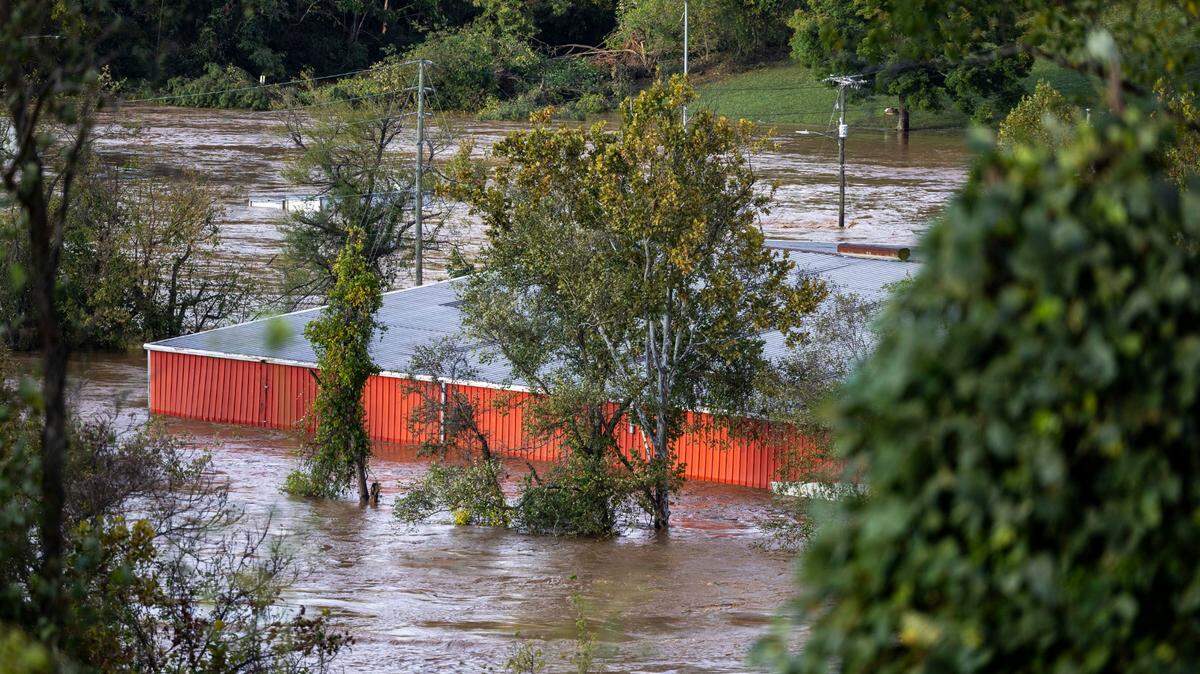
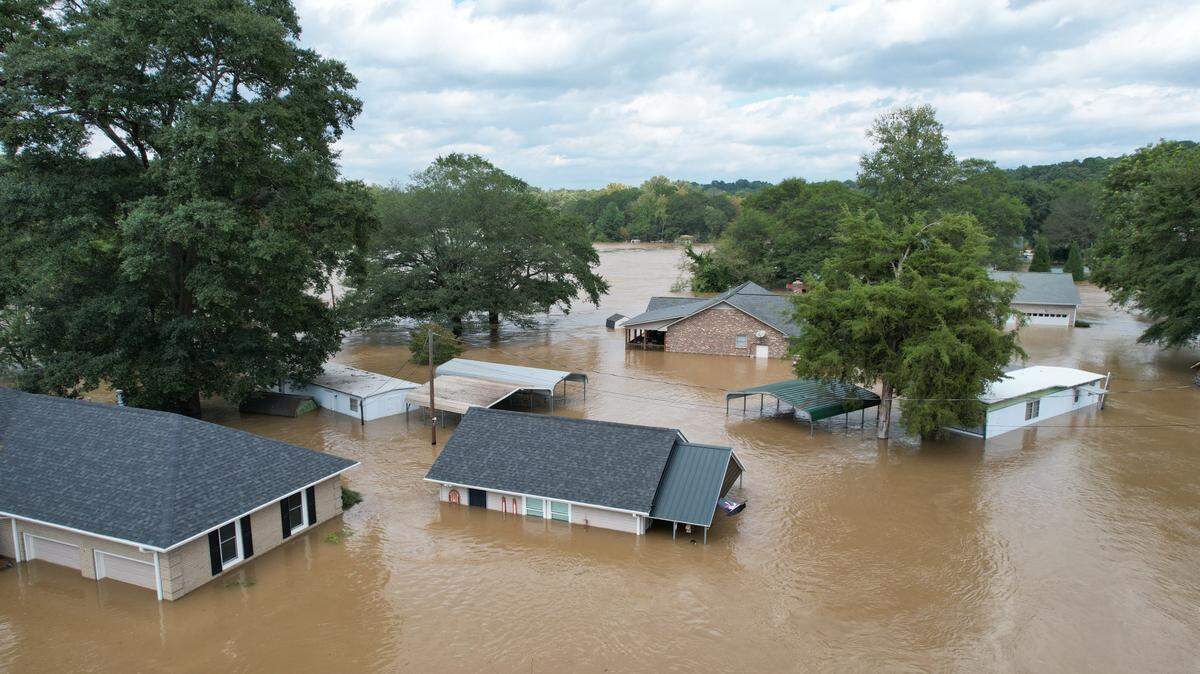
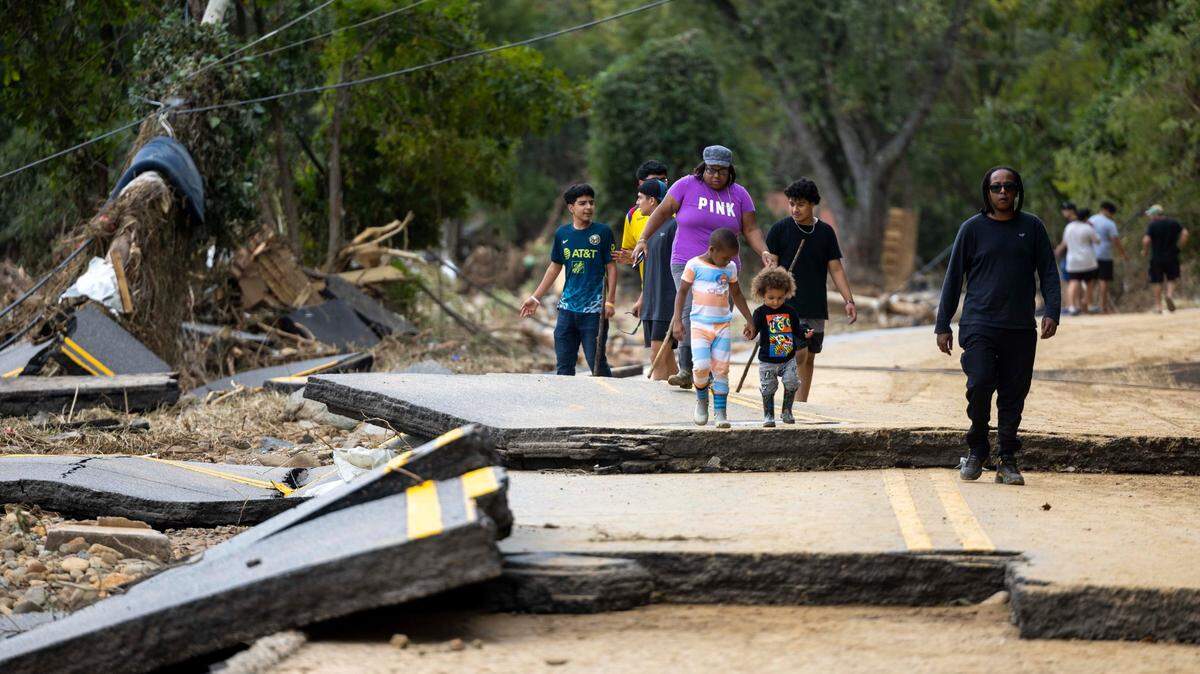
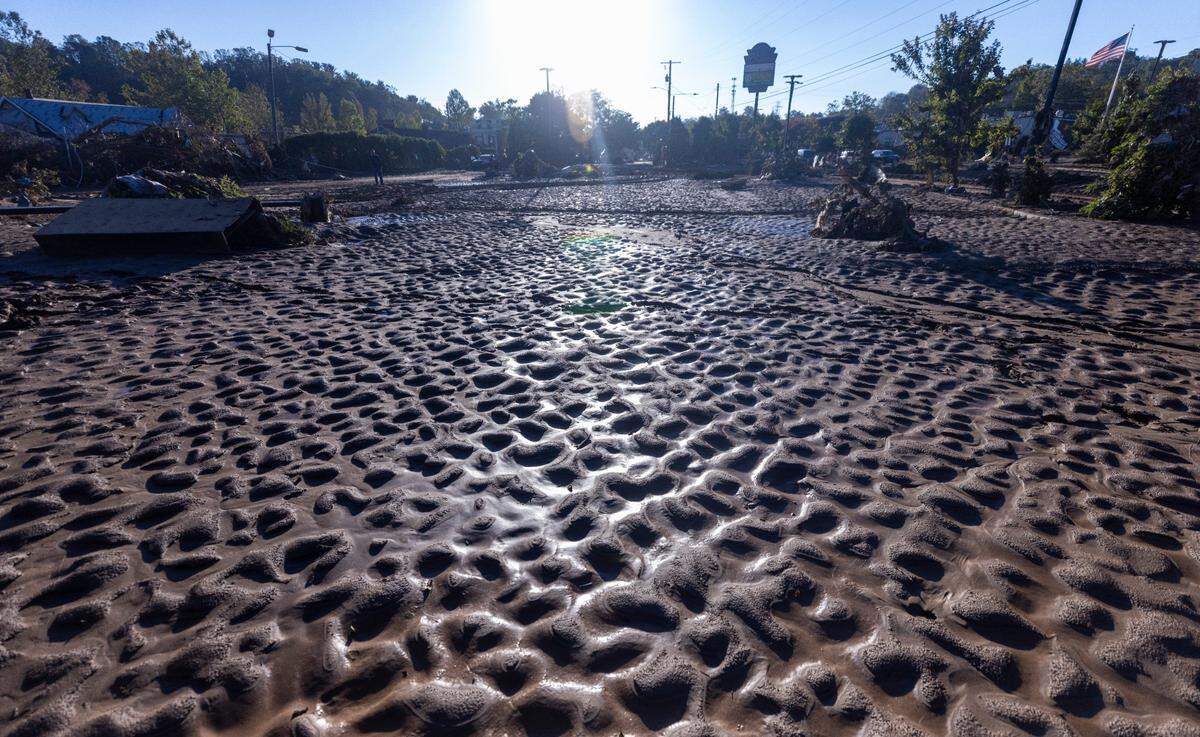
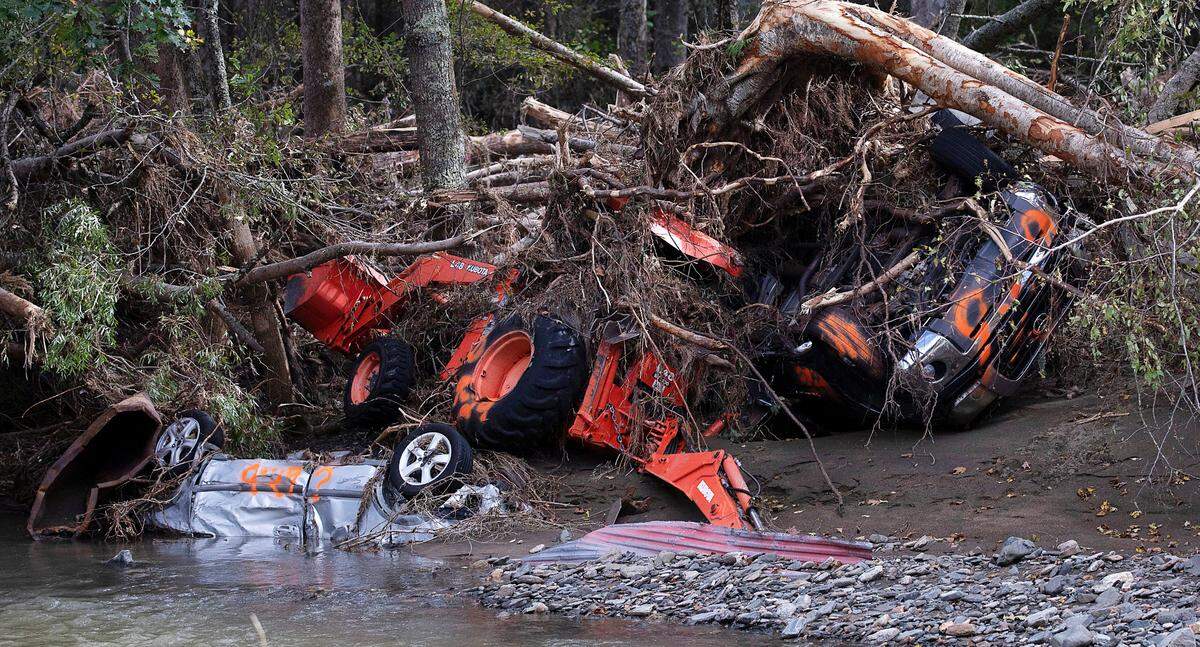
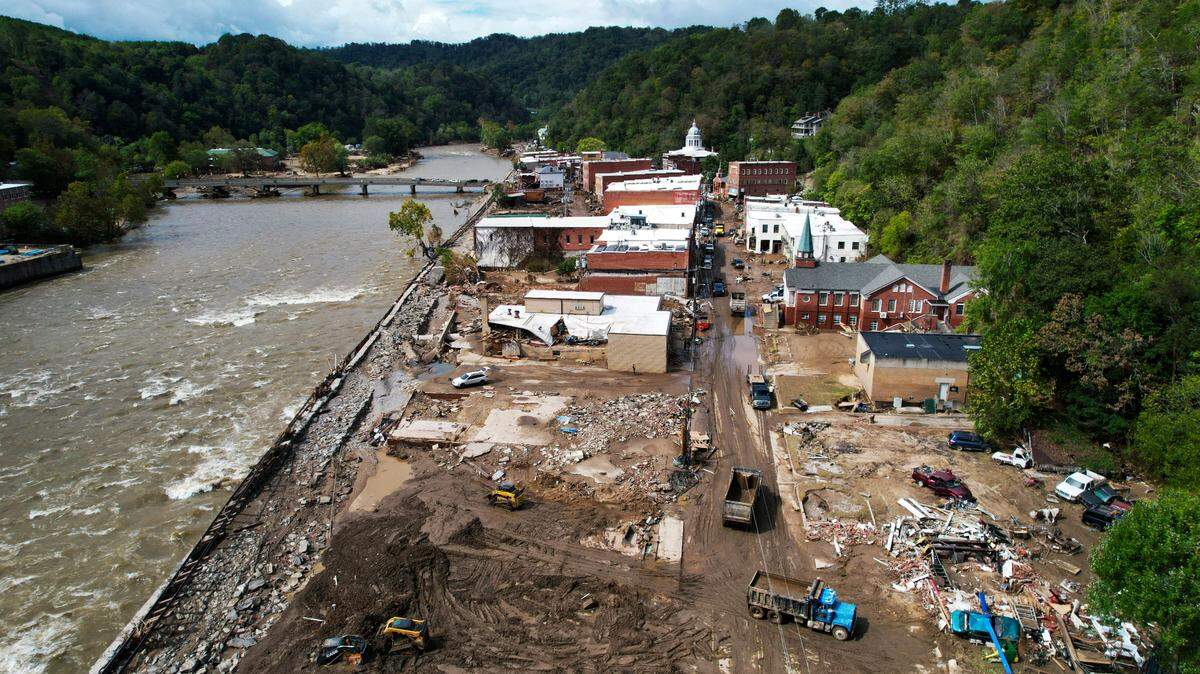
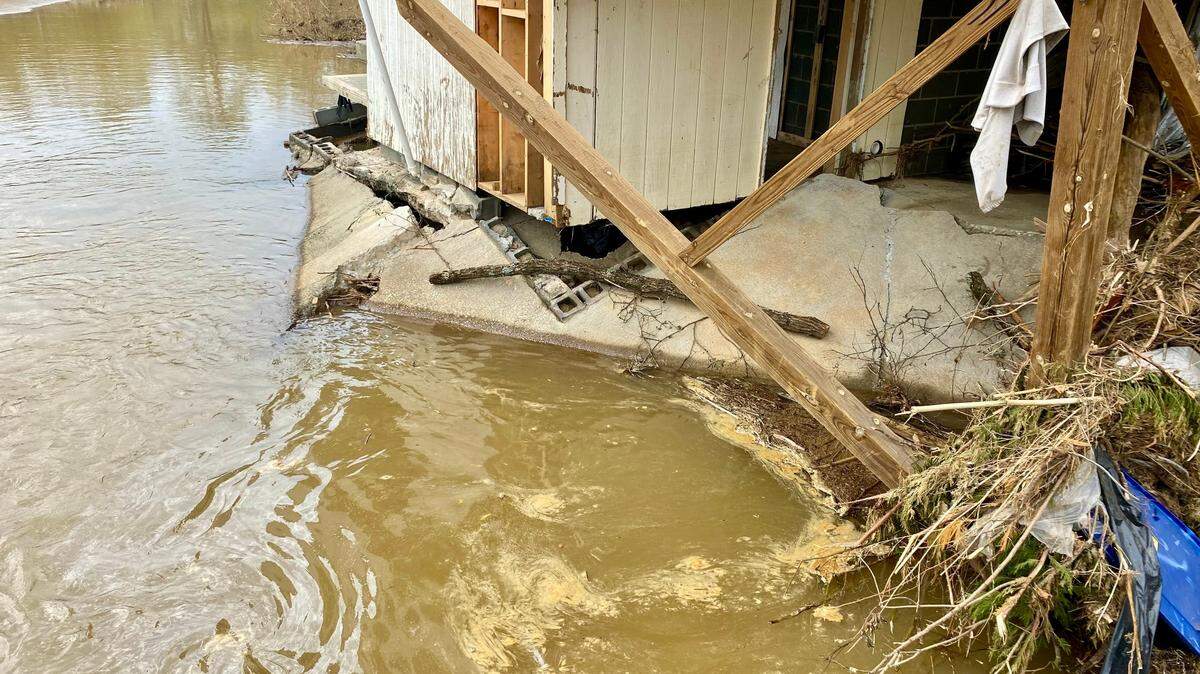
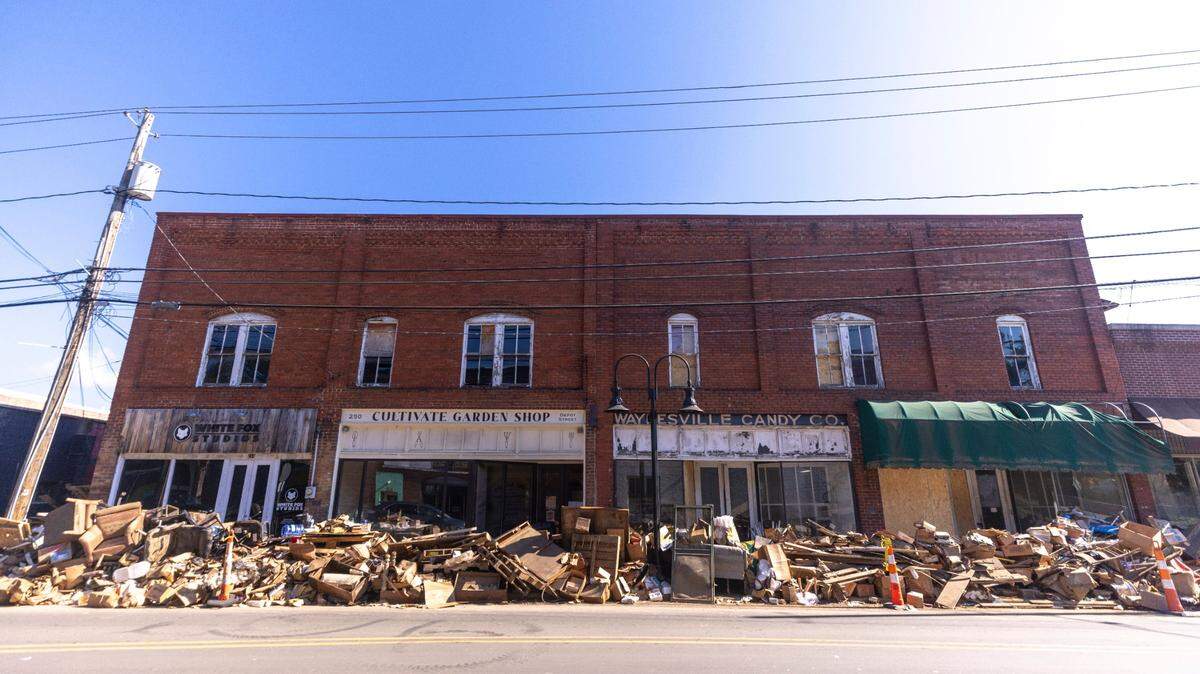
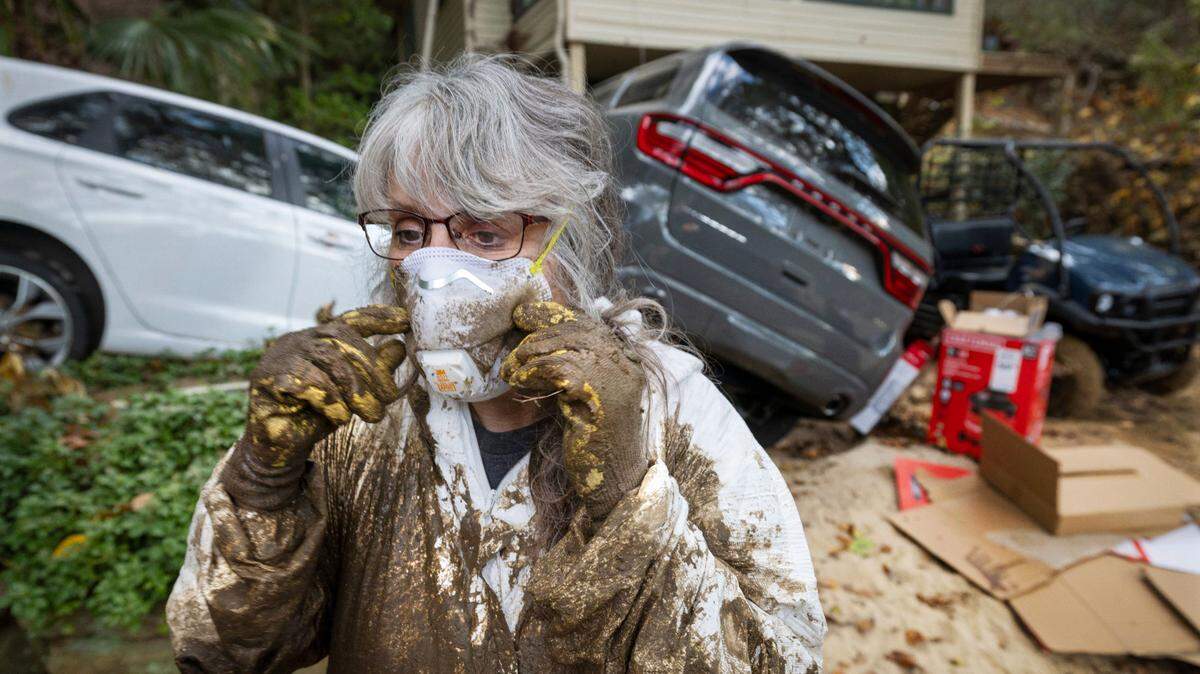
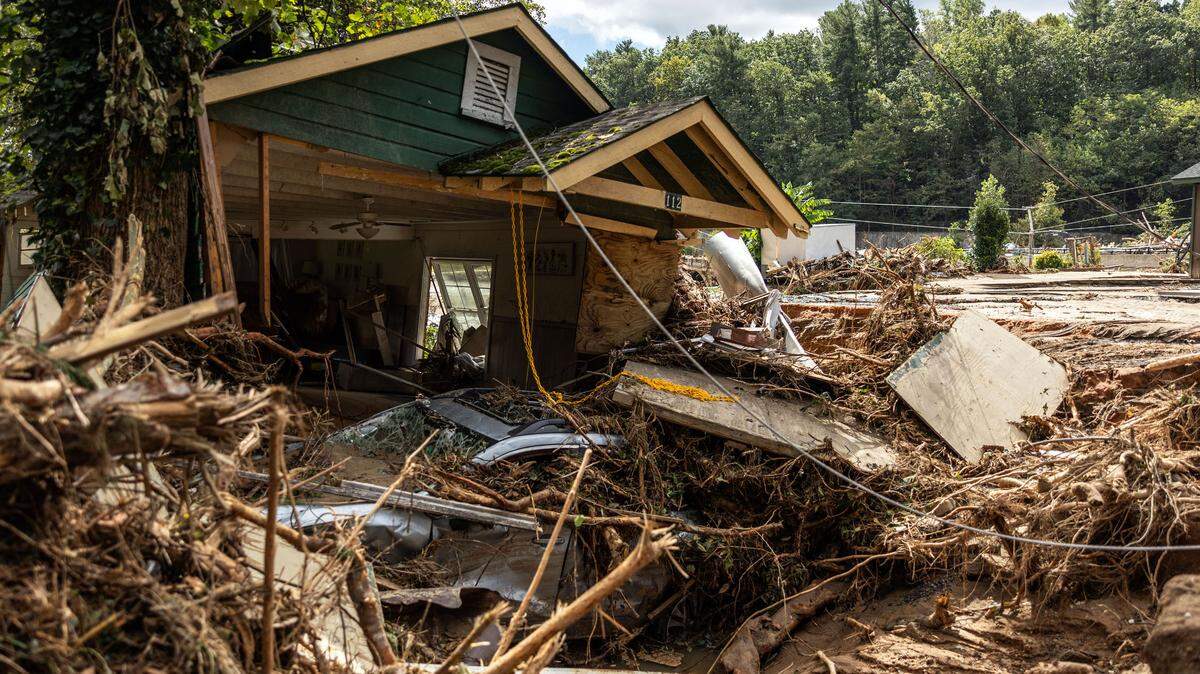
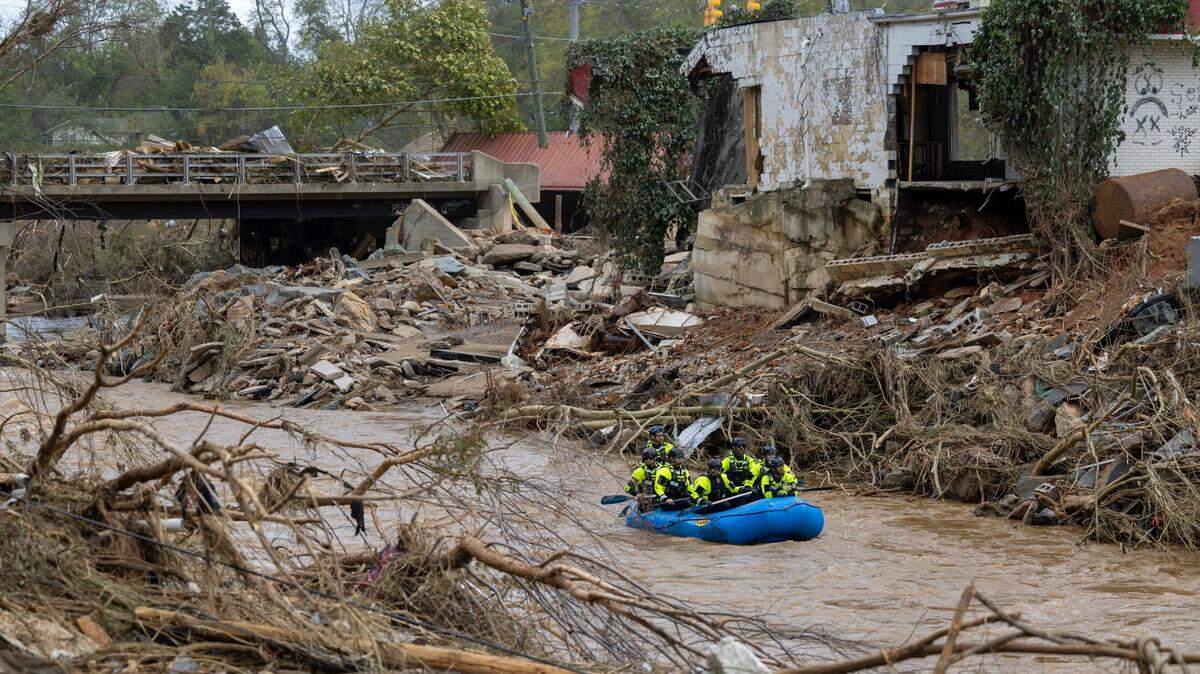
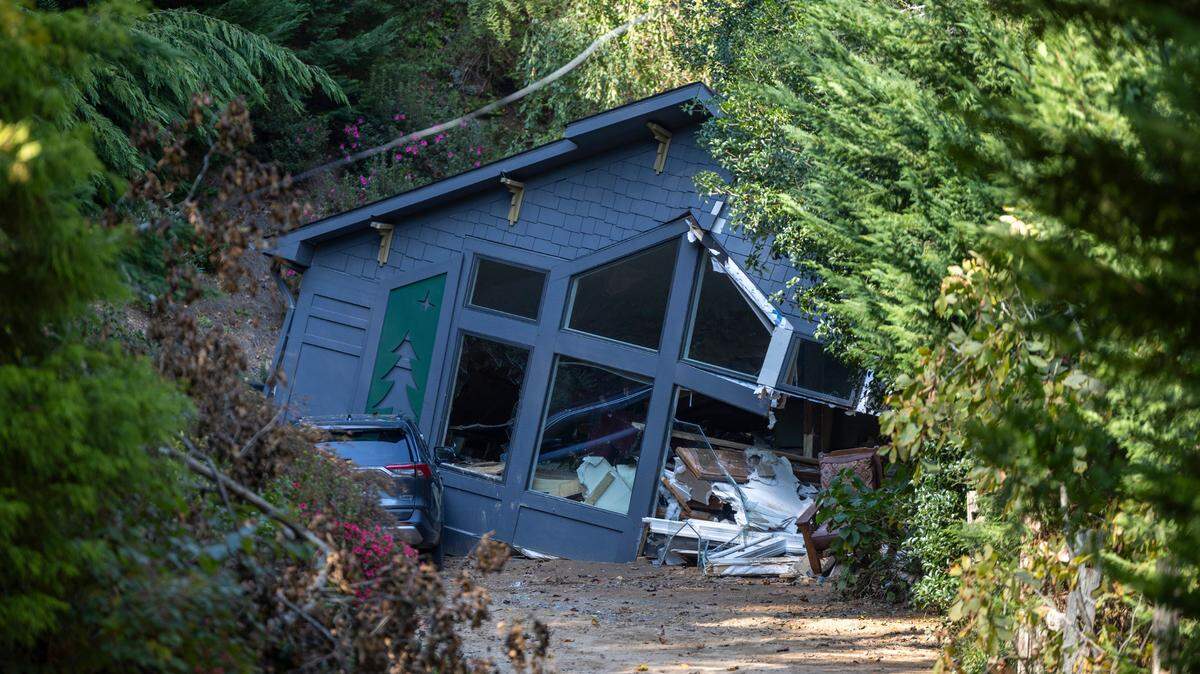
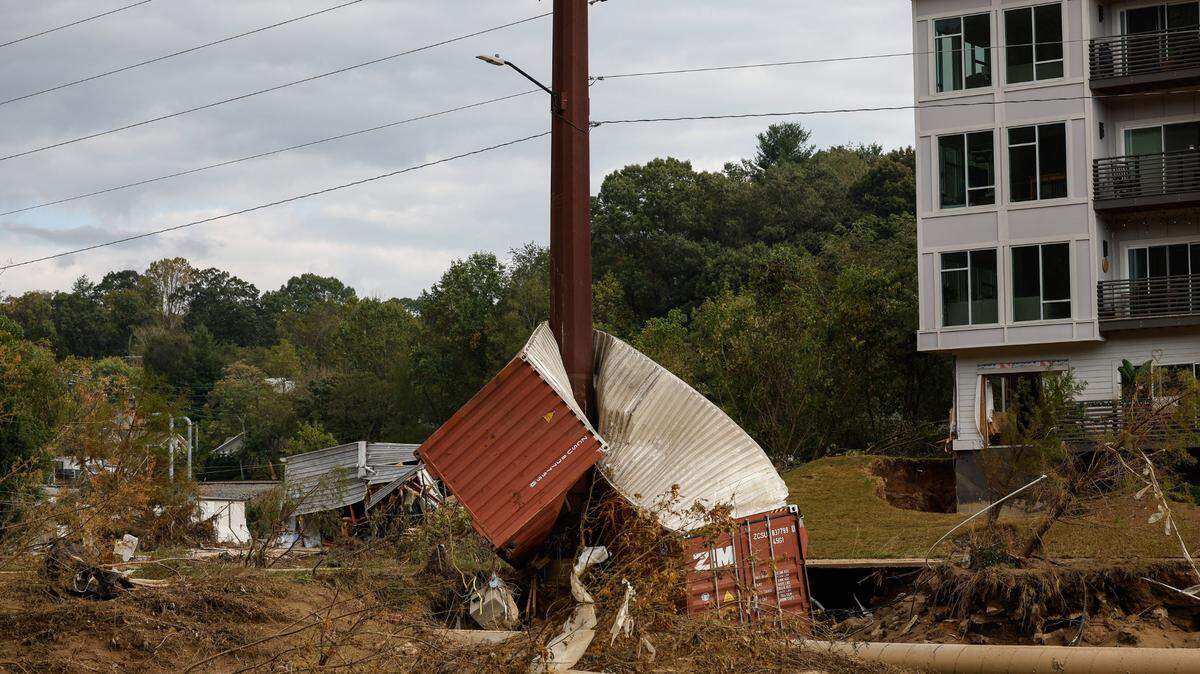
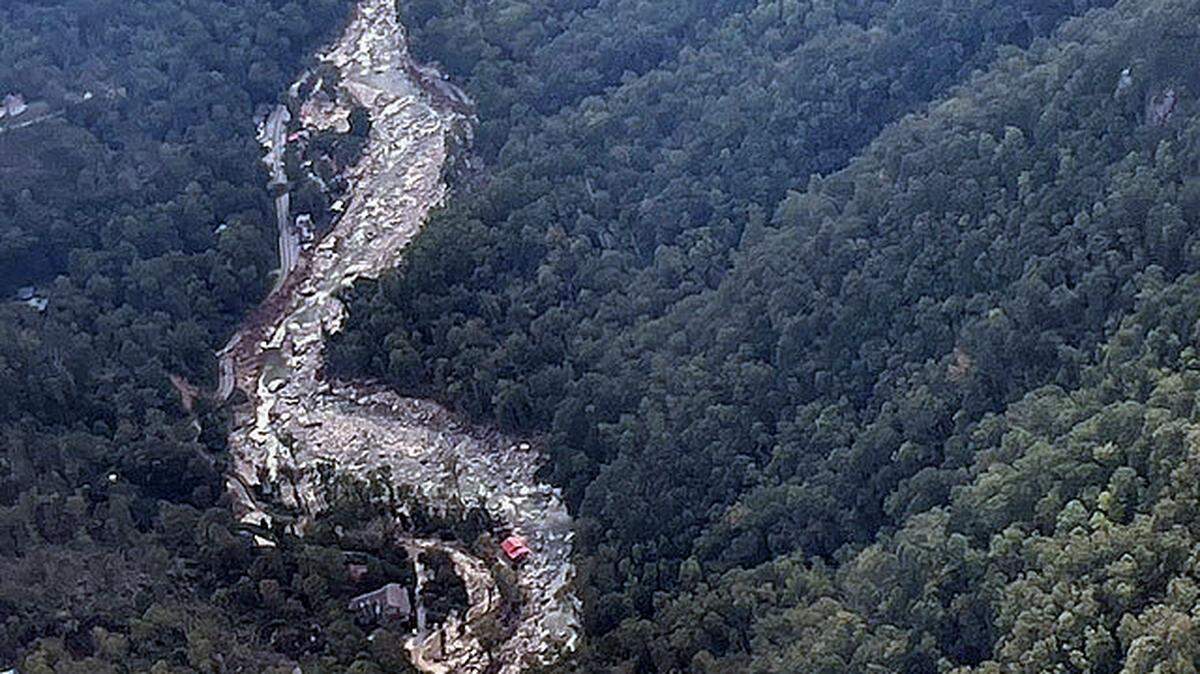
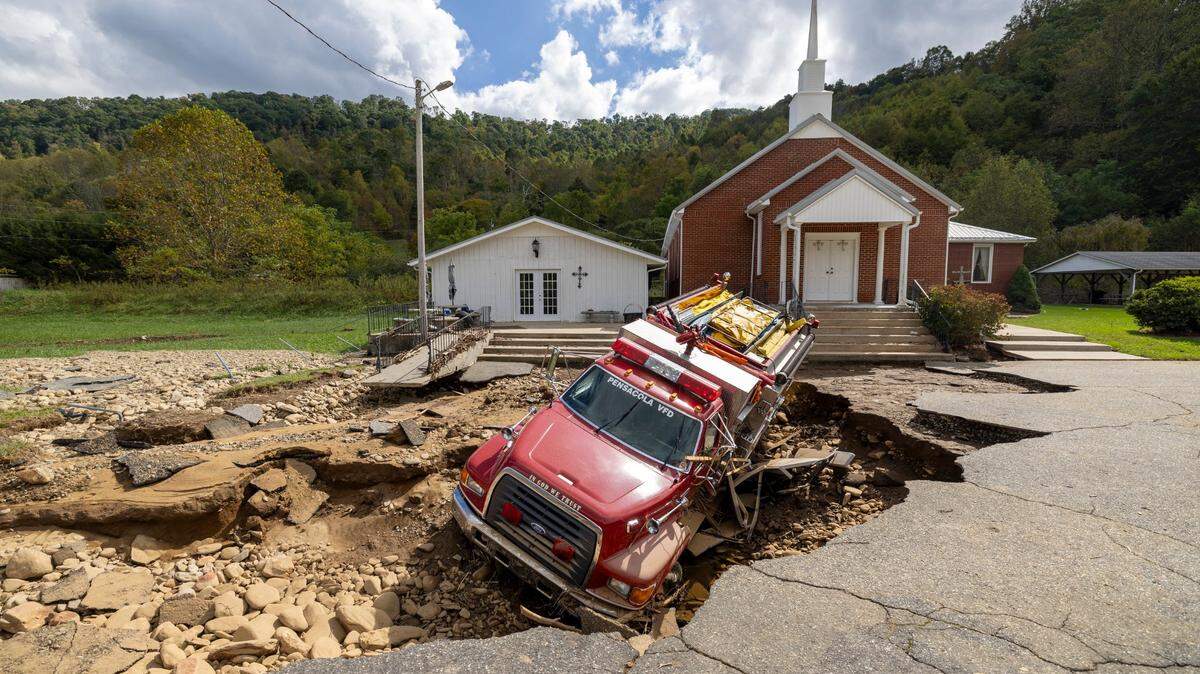
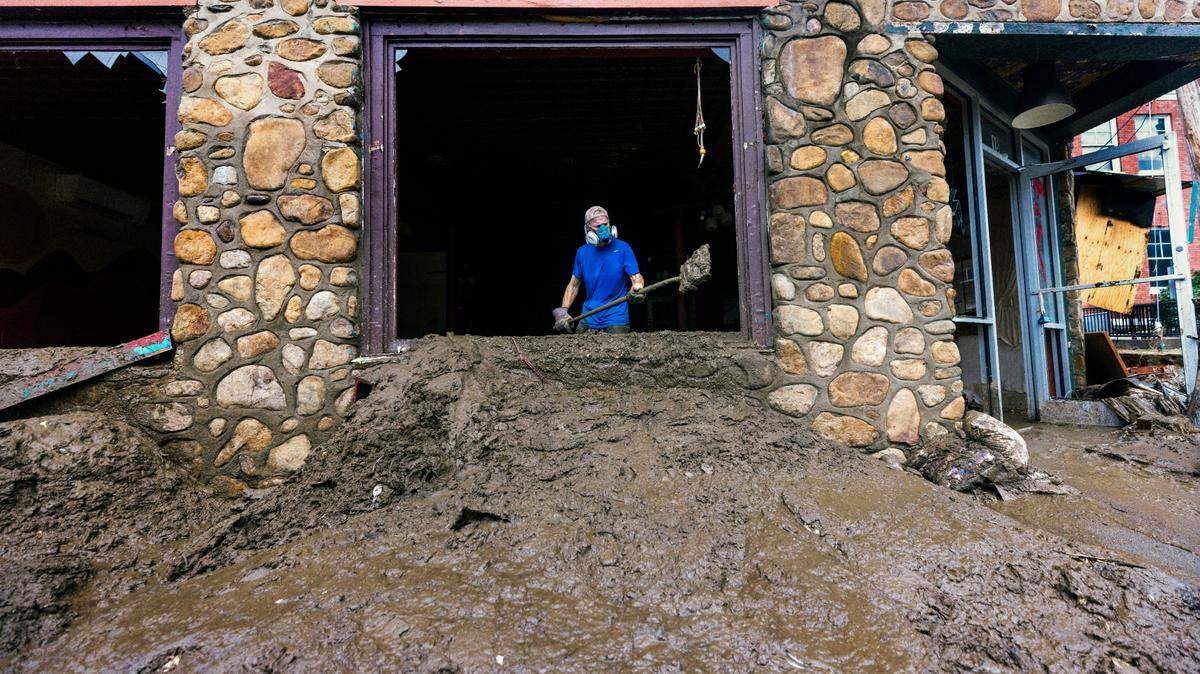
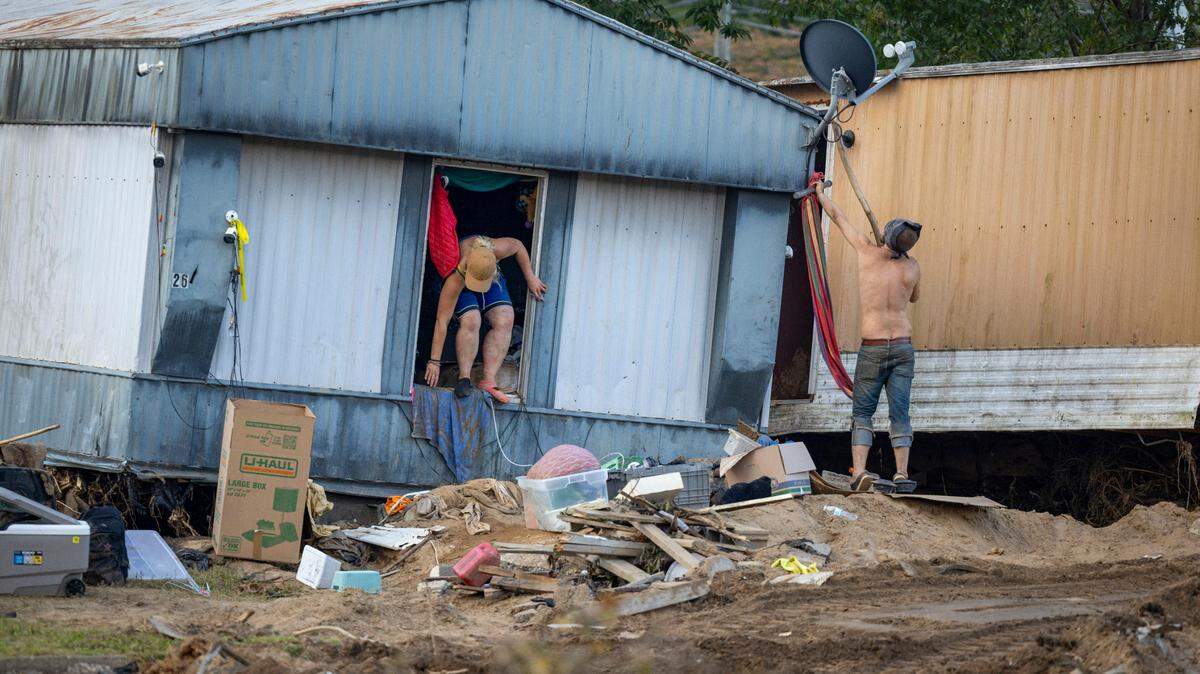
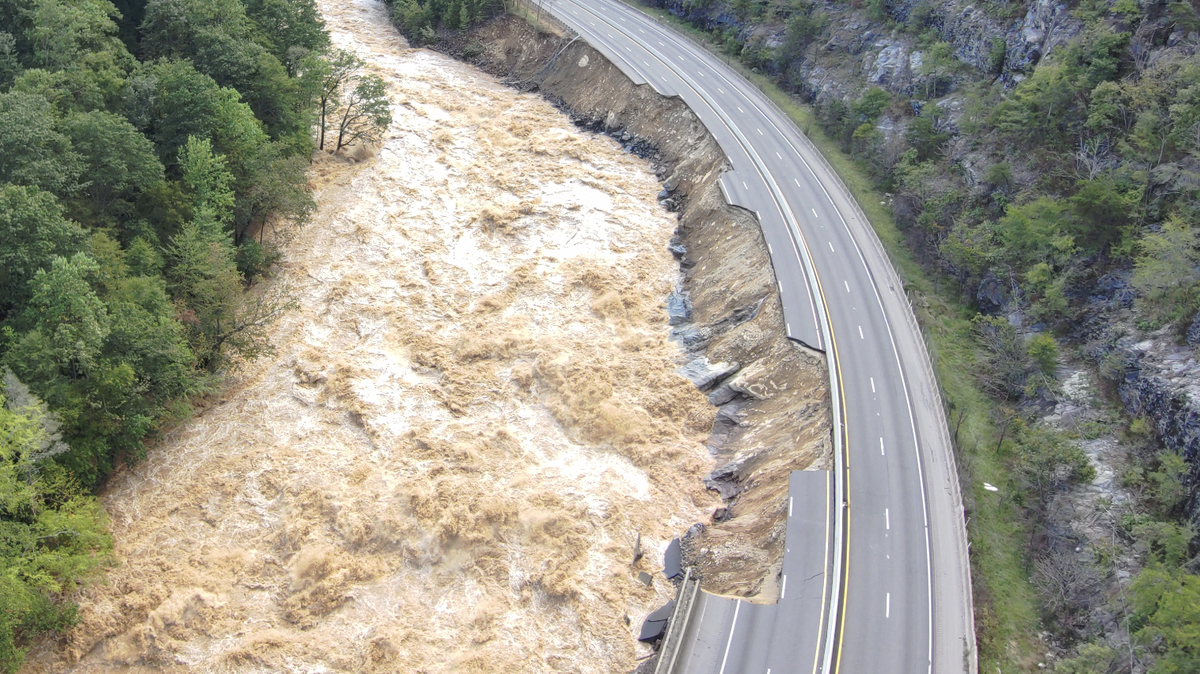
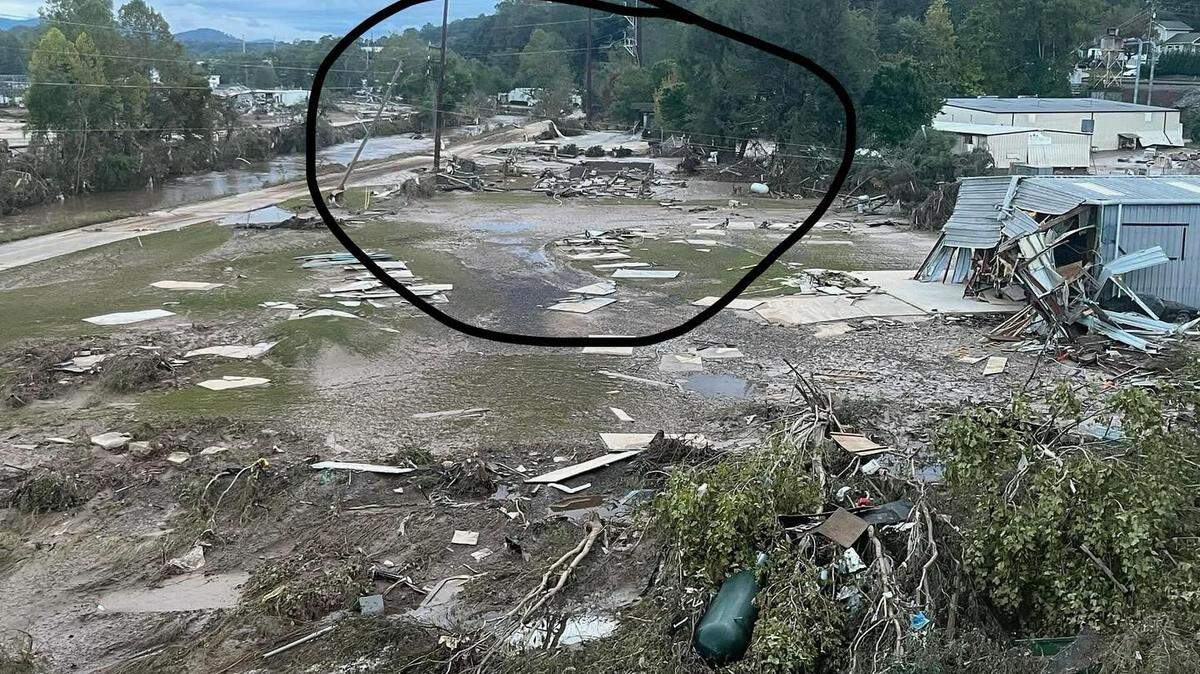
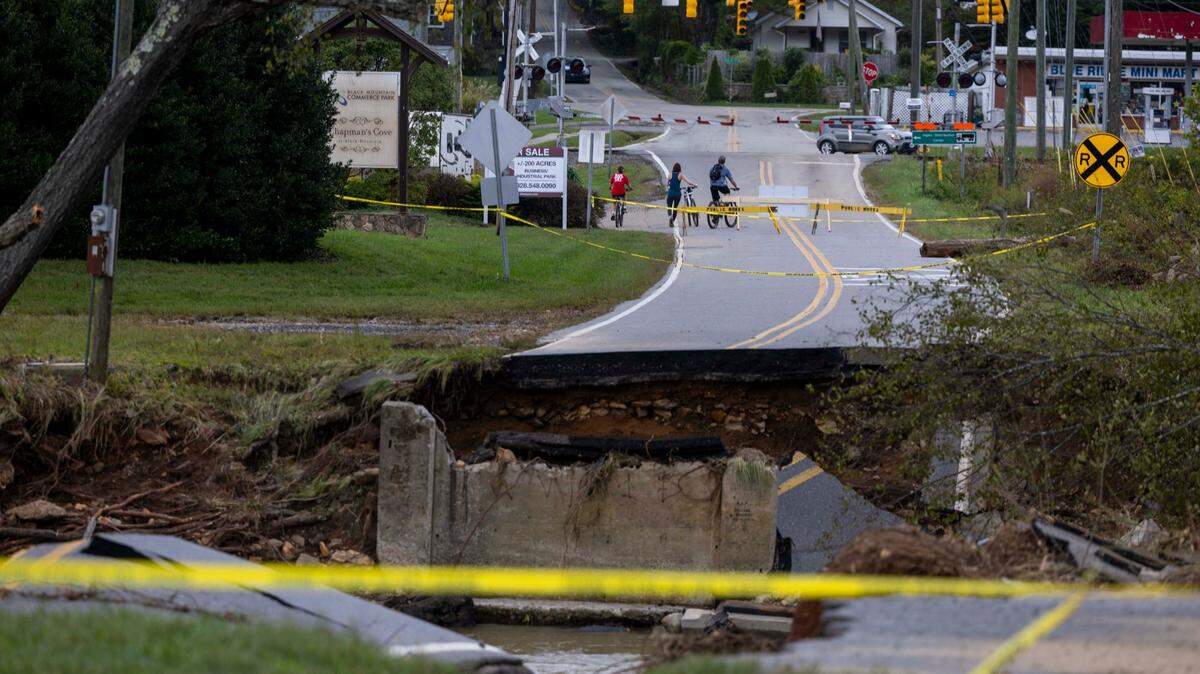
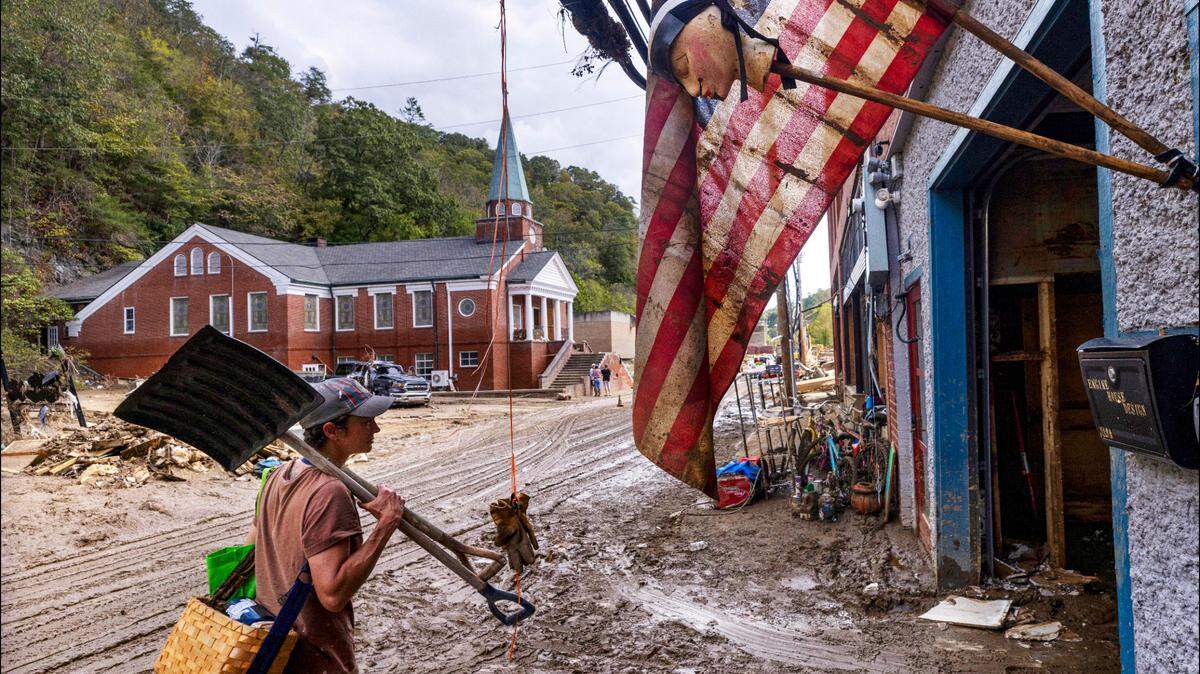
Rudow said the photos of the destruction “don’t do it justice,” and “don’t show the terrifying power of this storm.” He said that in some areas, flood waters rose 25 feet above normal levels.
As a point of illustrating that to his colleagues, Rudow told lawmakers to look up at the the blinds above the gallery in the House chamber.
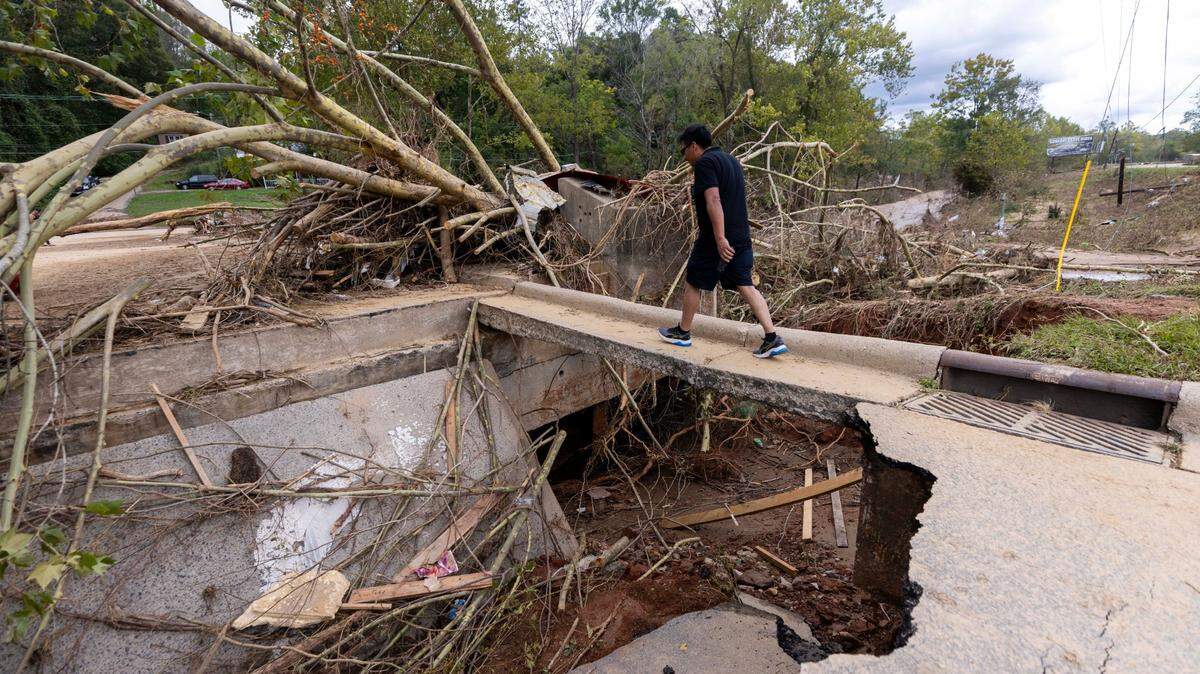
“If you look, right up there to the top of those blinds, that is 25 feet high,” Rudow said. “And you imagine that power in a river moving downstream, and that is a pressure washer that washes away houses, blows houses into bridges, that takes out the bridges, that destroys people’s lives.”
Heating, housing solutions needed
▪ Republican Rep. Dudley Greene of Avery, McDowell, Mitchell and Yancey counties:
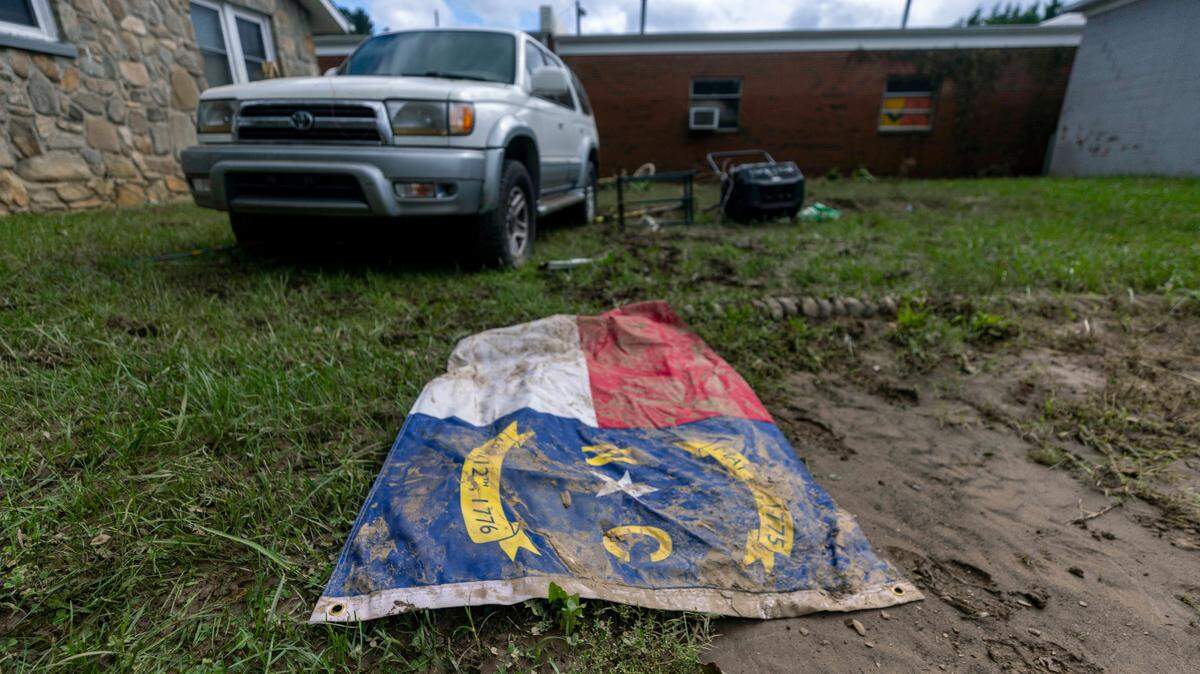
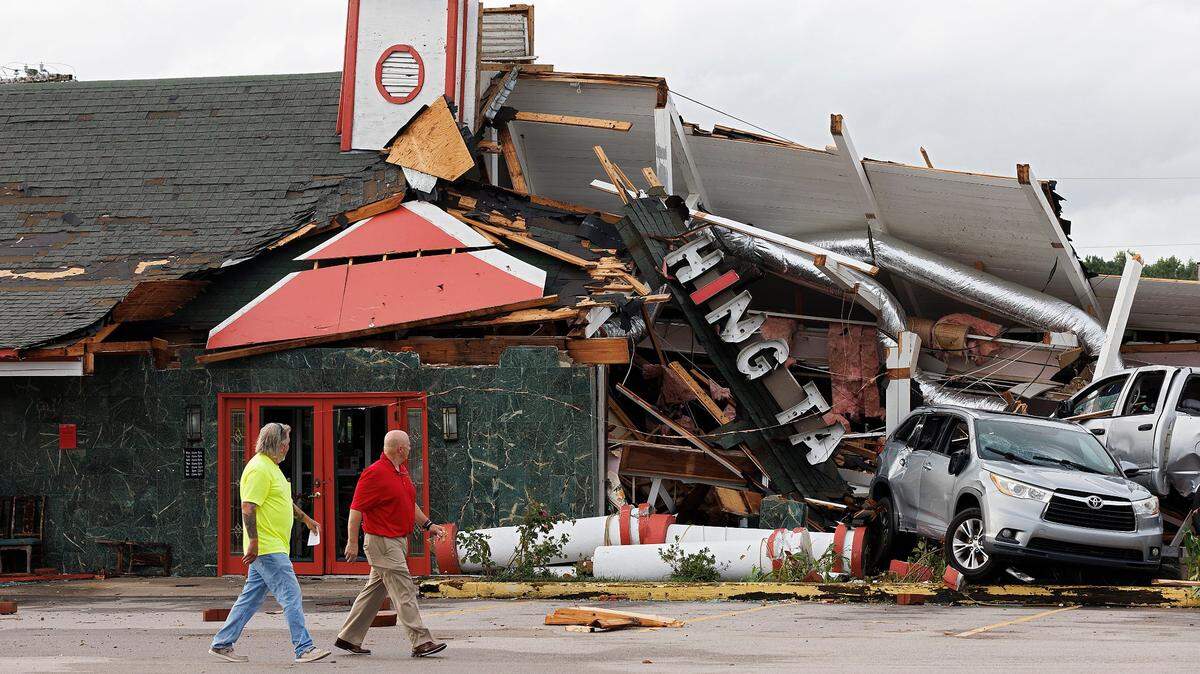
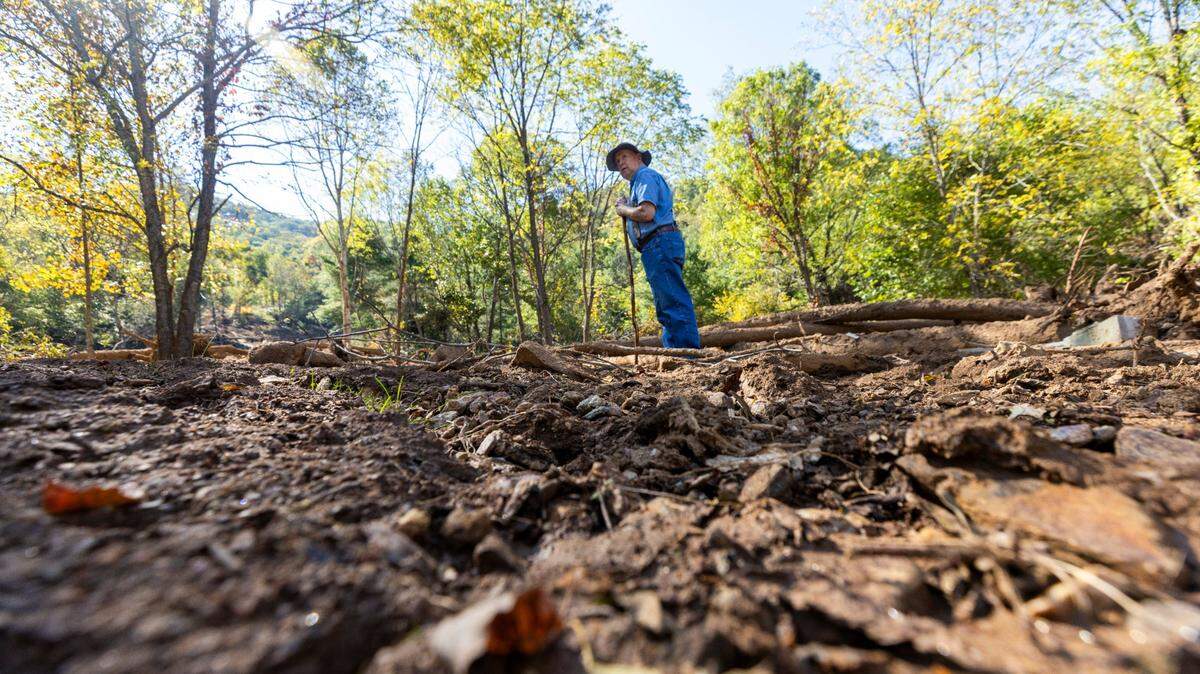
“There was not a corner of my district that wasn’t impacted, if not decimated, by this storm,” Greene said.
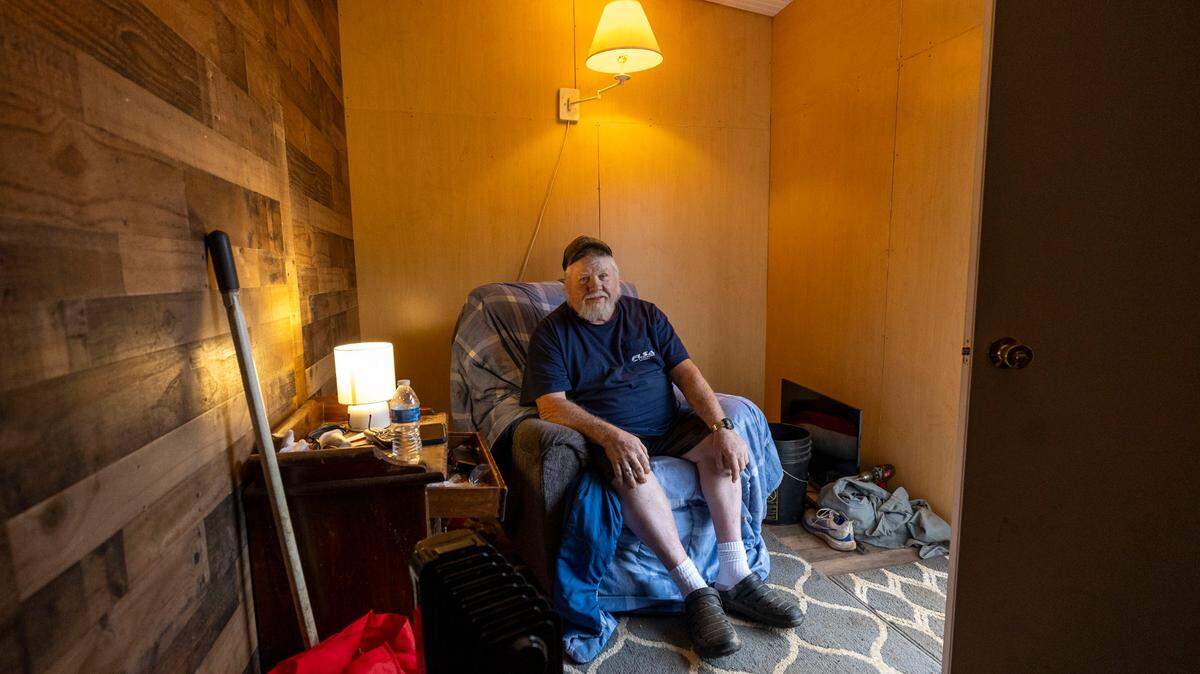
“The injury has occurred, hopefully we are starting to get the bleeding stopped up that way. And this will be the first step for healing to begin. .... We still have people in shelters, so we’re starting to look for what’s a housing solution for folks up there, what’s a heating solution for folks up there,” he said.
‘Thank God we have the rainy day fund’
▪ Republican Sen. Kevin Corbin of Cherokee, Clay, Graham, Haywood, Jackson, Macon, Swain and Transylvania counties:
“I thank God we have the rainy day fund. I thank God it’s there,” Corbin said during the Senate floor debate on the bill. “We have over $4 billion in the rainy day fund, because in Western North Carolina, we had a rainy day. That’s what it’s for,” Corbin said.
The $273 million Hurricane Helene relief bill uses money from the Savings Reserve fund, which is also known as the rainy day fund.
‘Start their lives over again’
▪ Republican Rep. Jennifer Balkcom, Henderson County:
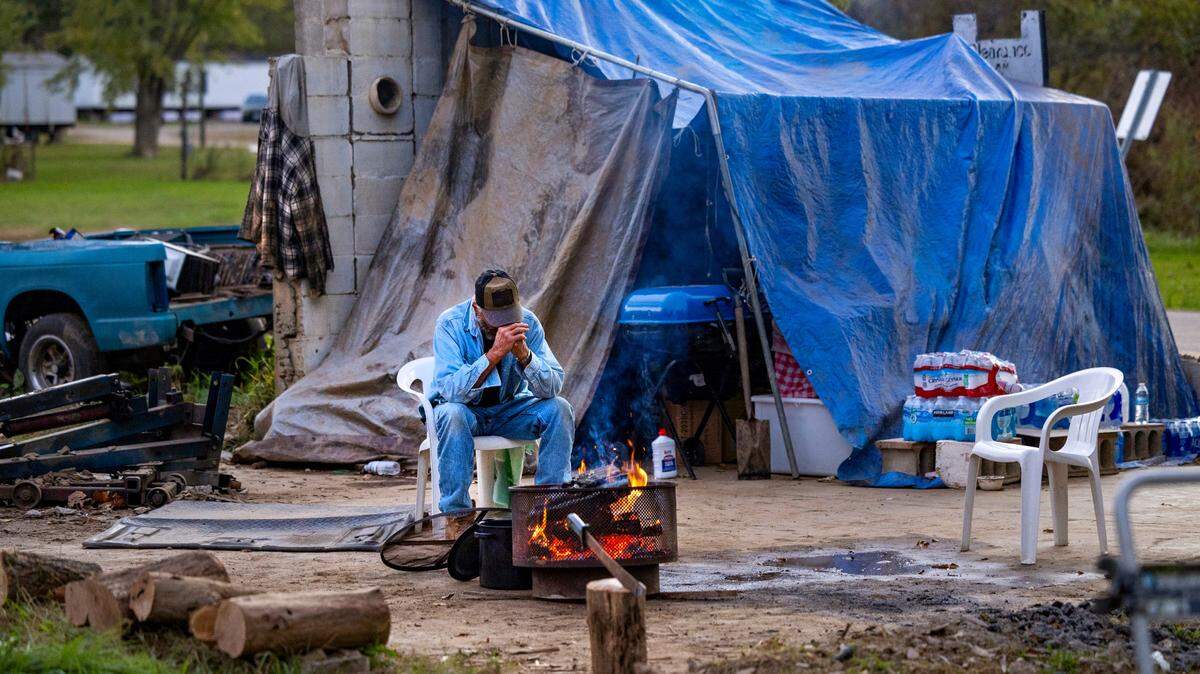
“Back home, people are trying to start their lives over again,” Balkcom said Wednesday.
“The lives in the mountains are different. We’re strong, we’re resilient. We will rebuild, absolutely, and a lot of times we hate asking for help. I know that myself, and I promise I wasn’t going to cry, but people are still needing help, even though they don’t ask for it. And this is just a start. This is a start to help give people what they need. Our community has come together. It’s been such a blessing to see the strength that is out in Western North Carolina,” she said.
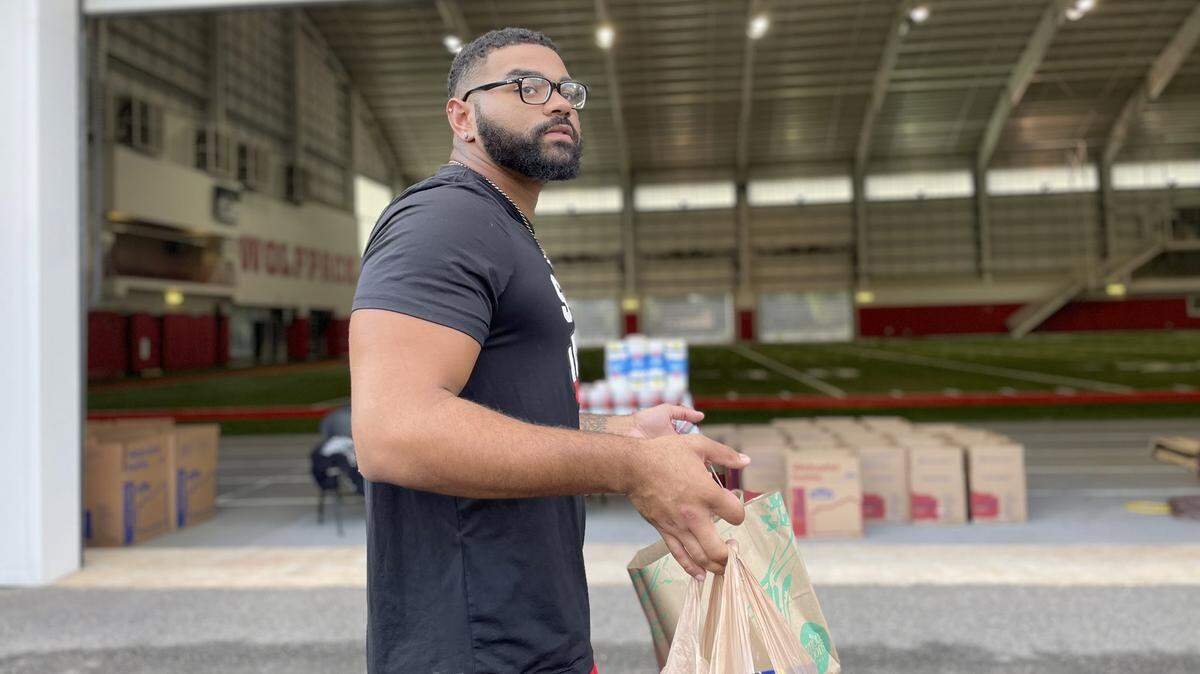
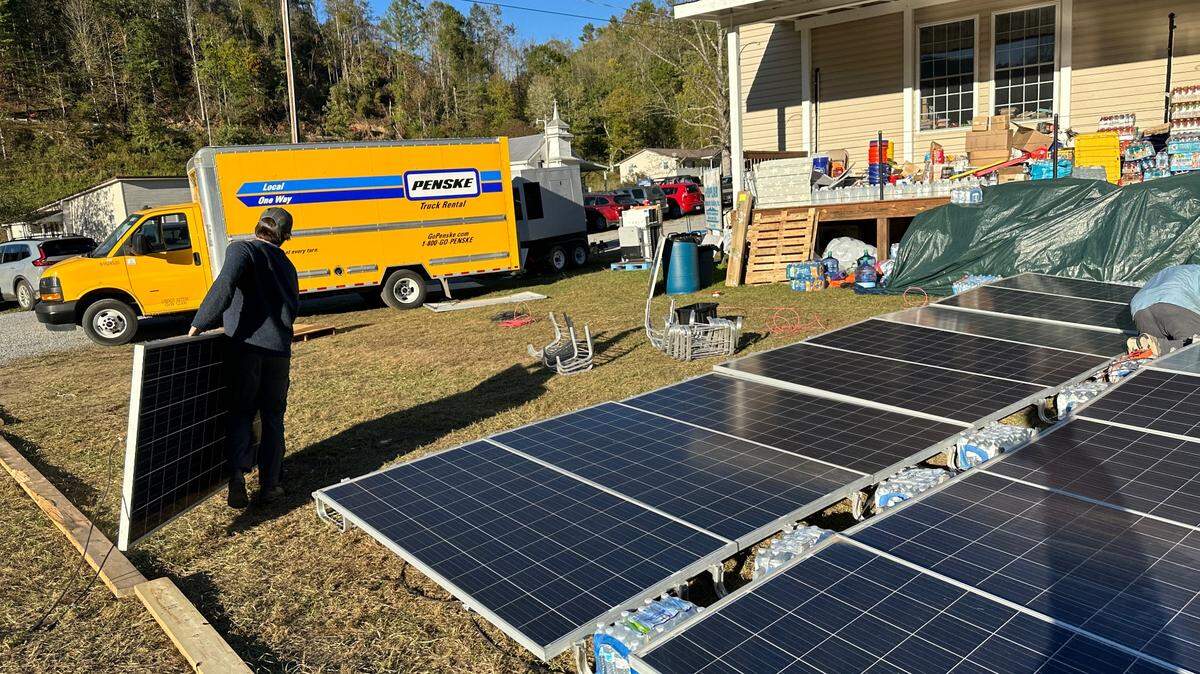
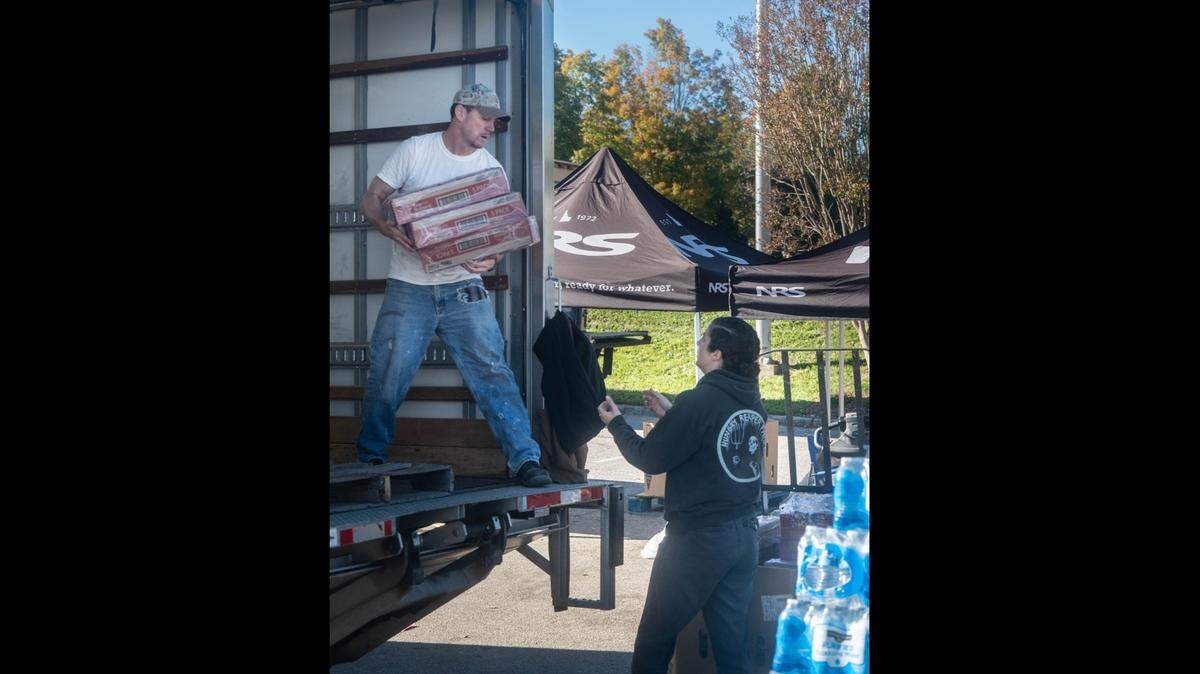
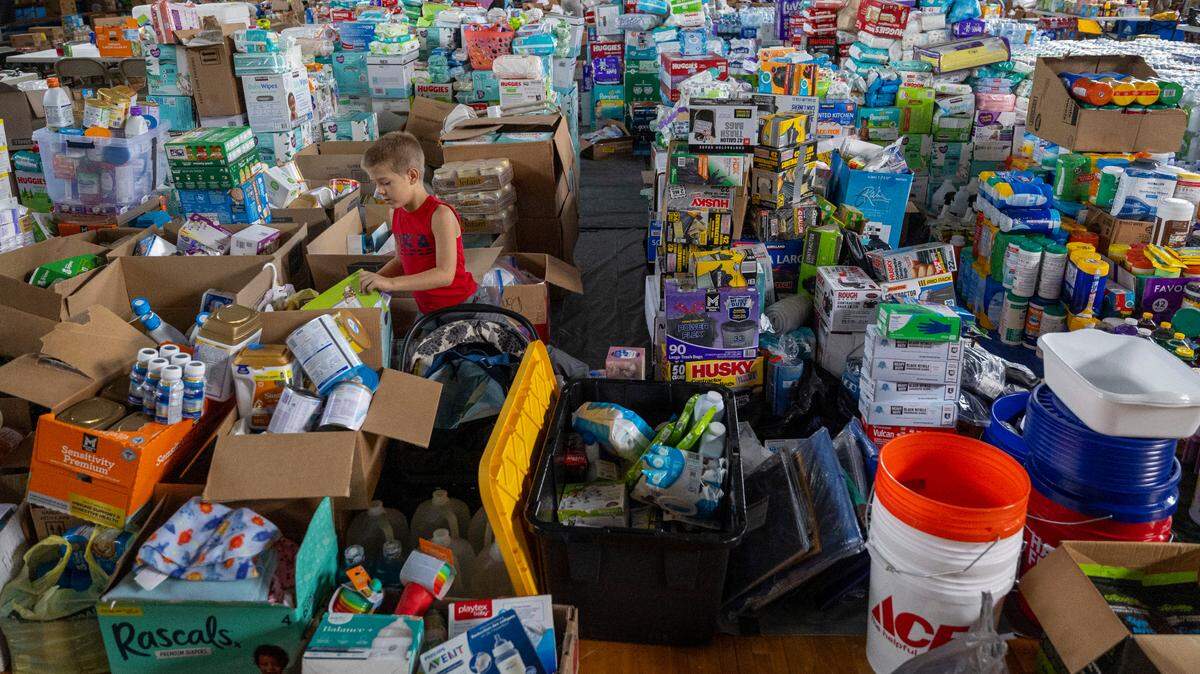
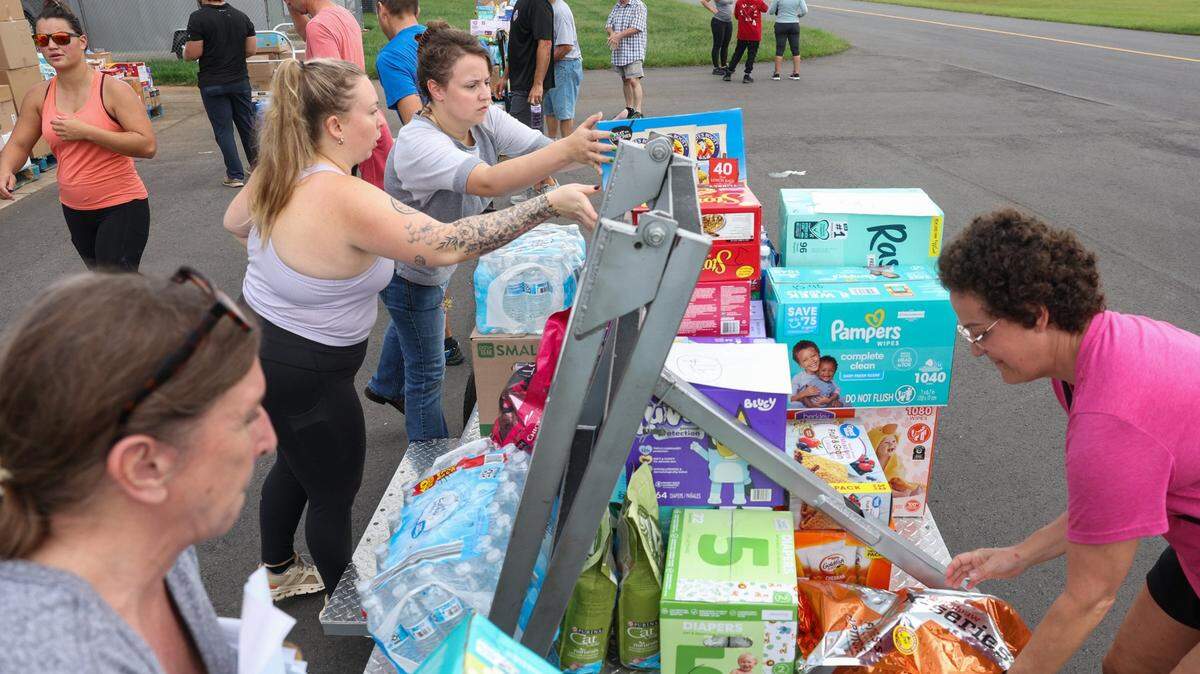
She thanked everyone across the state who has helped, including those who sent supplies.
‘Need to show folks that the government has their back’
▪ Democratic Rep. Lindsey Prather of Buncombe County:
Prather praised the response and coordination by officials at all levels of government.
She said lawmakers were in touch with and receiving updates from Gov. Roy Cooper, FEMA, the N.C. Department of Health and Human Services, and the military, but she highlighted officials at the local level too, including the Buncombe County emergency management director, local fire chiefs, and volunteers.
“This is personal, and y’all know that,” Prather said. “Western North Carolina is a special place, unlike any other. The people are creative, and caring, and resourceful, and resilient. The mountains are homey, and lush, and life-giving. Each little community has its own character and style, but we are all mountain folk.”
Prather said everyone had stepped up to help however they could, including local radio stations that provided news, but also some “musical levity” to their communities, restaurants that immediately began to give away what they could, and neighbors who checked in on each other before emergency officials could even reach them.
“We need to show folks that the government has their back, right now, at the time they need it most,” she said. “Not just in my district, but in all of Western North Carolina, the vacation land that people watched get ravaged on TV.”
“It’s a permanent home to many, many people. Please don’t forget us.”
This story was originally published October 10, 2024 at 5:00 AM.
.jpg)



.jpg)
.jpeg)
.JPG)








.JPG)