Federal aid is available for North Carolinians affected by Helene. Here’s how to apply.
READ MORE
Hurricane Helene Aftermath
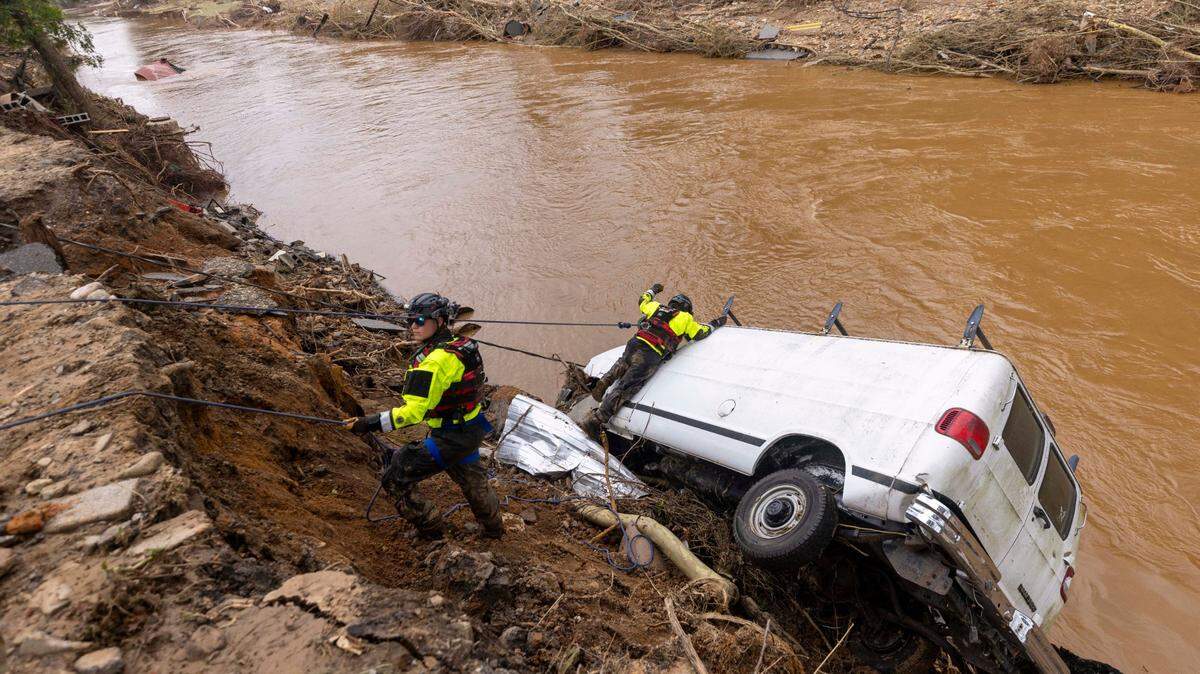
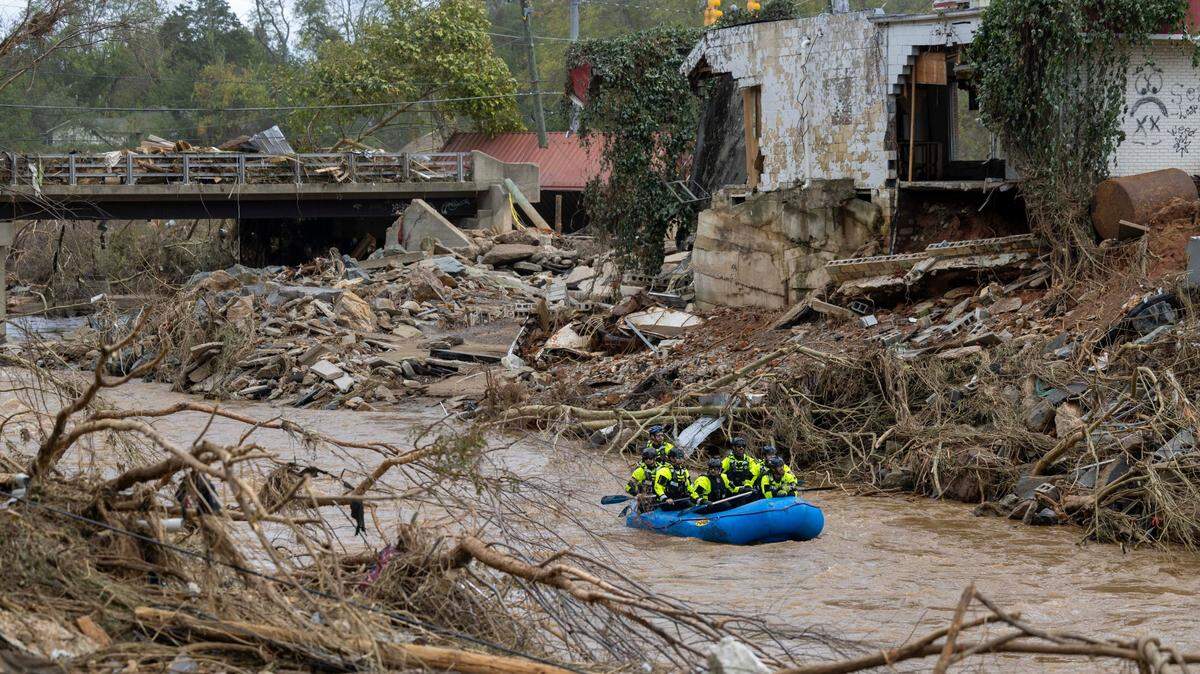
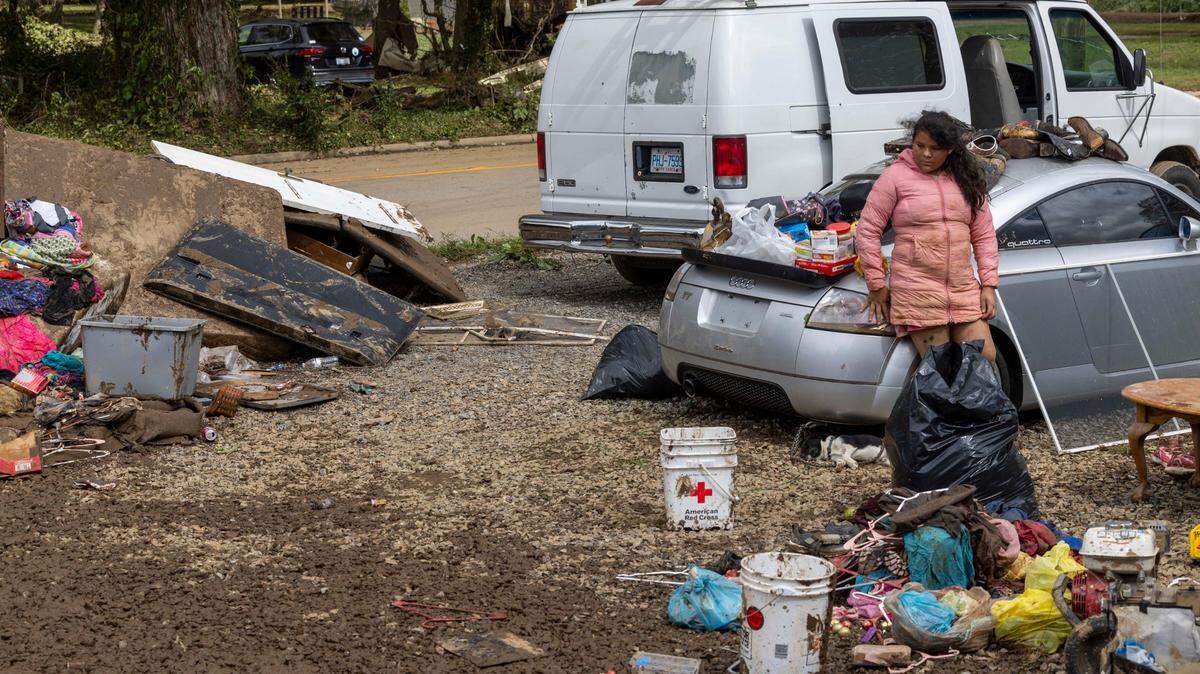
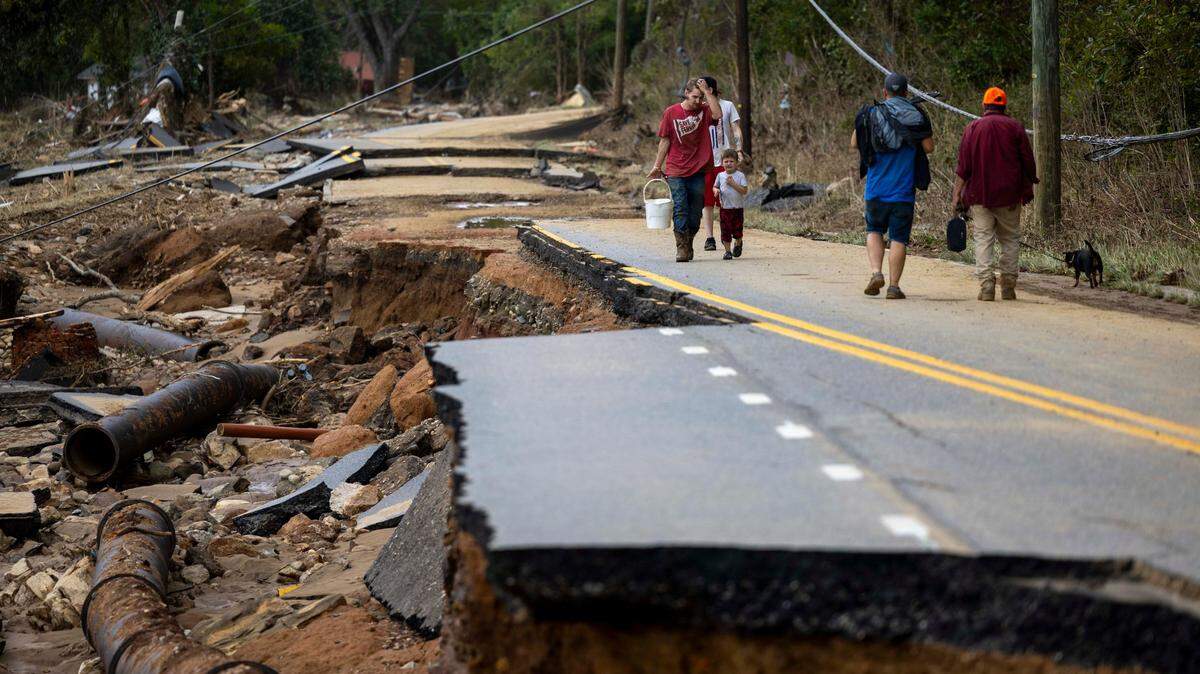
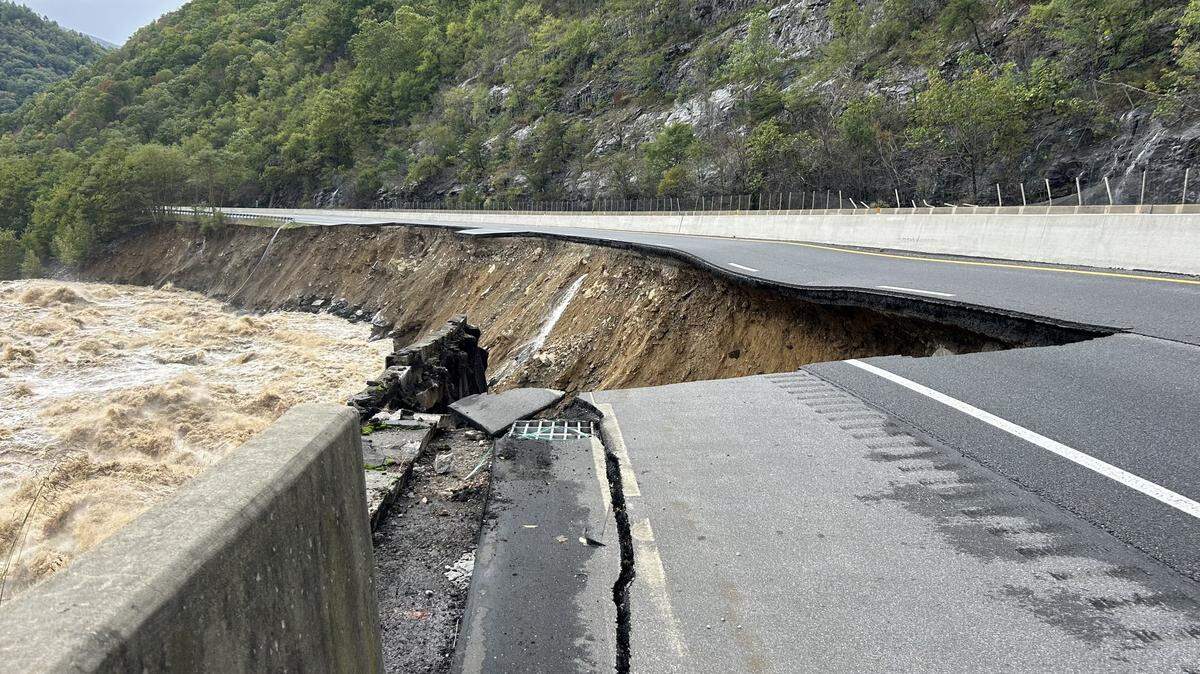
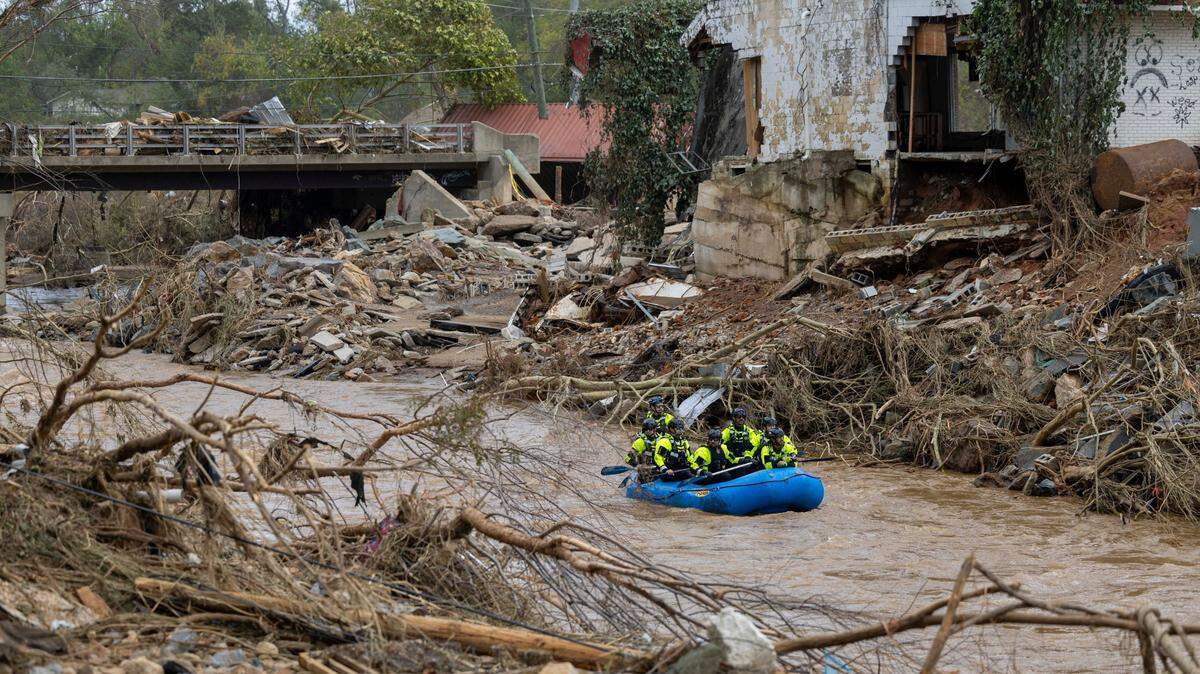
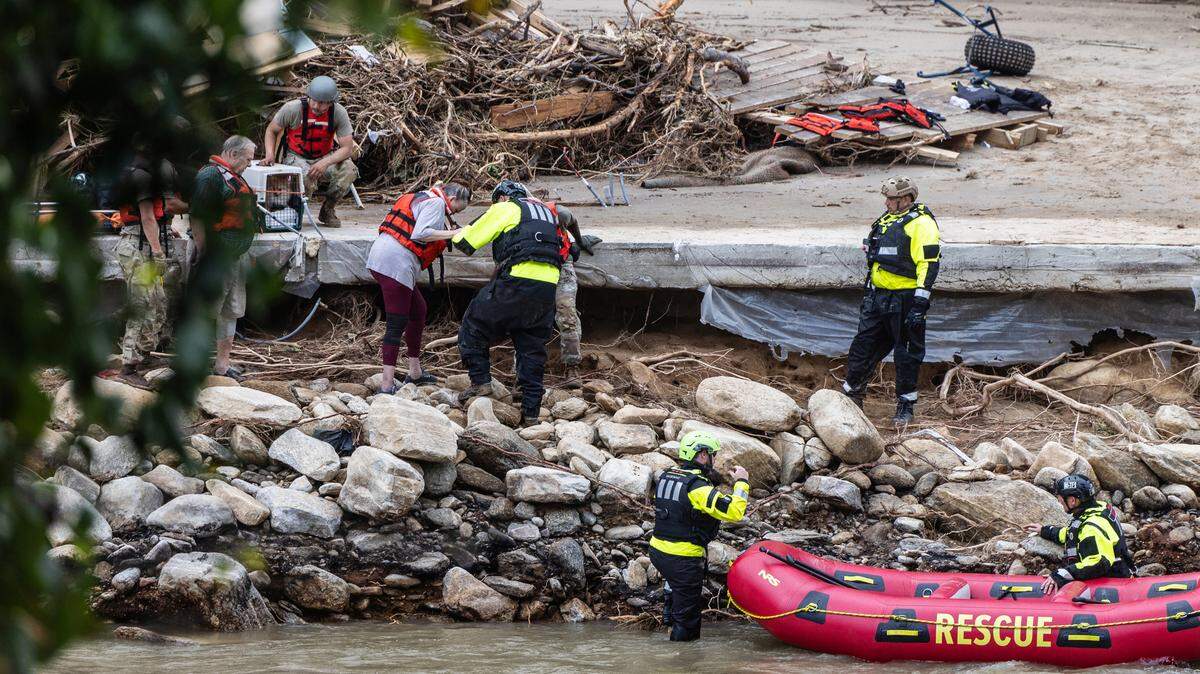
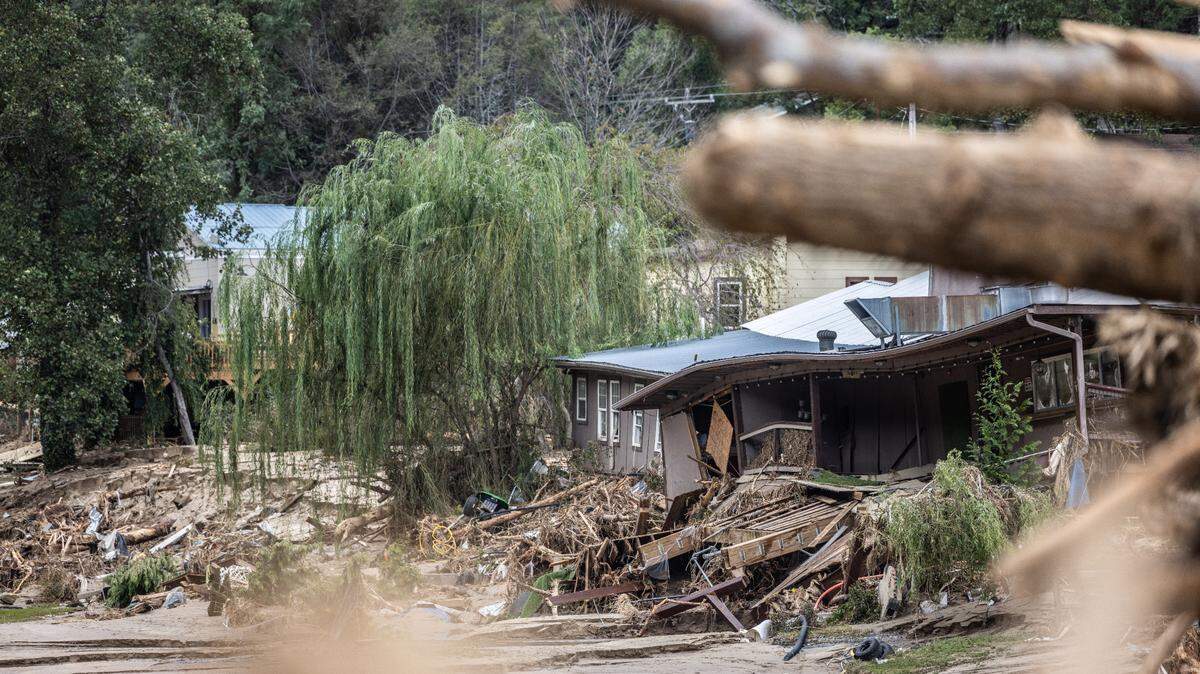
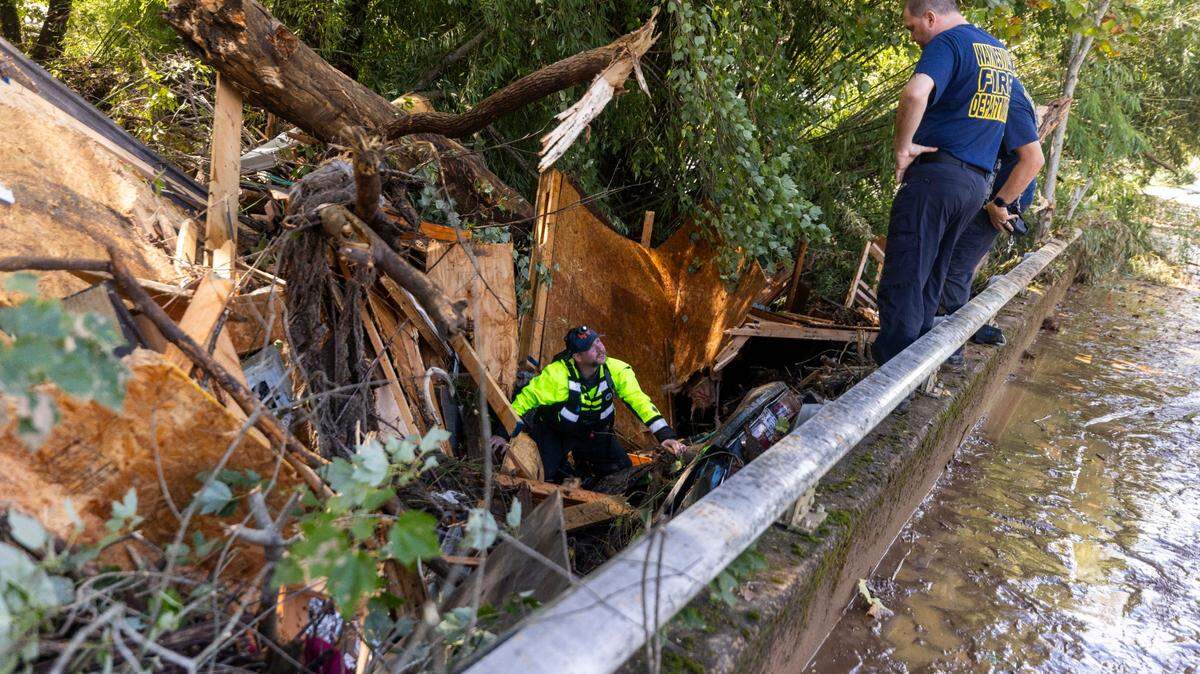
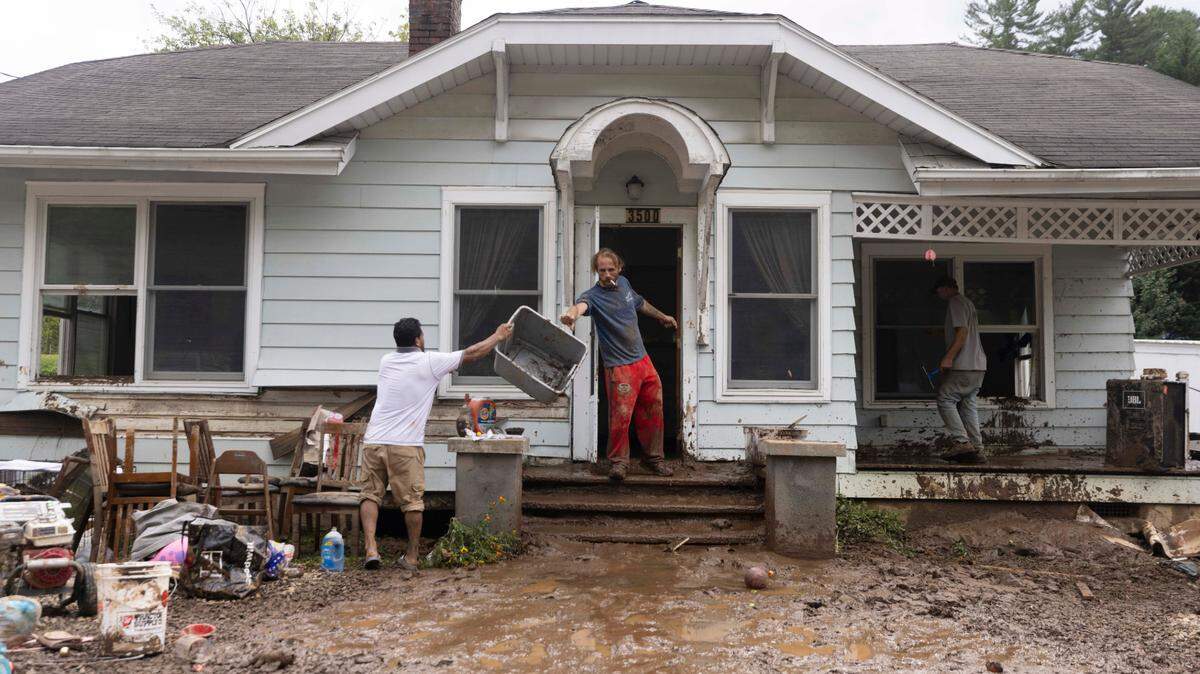
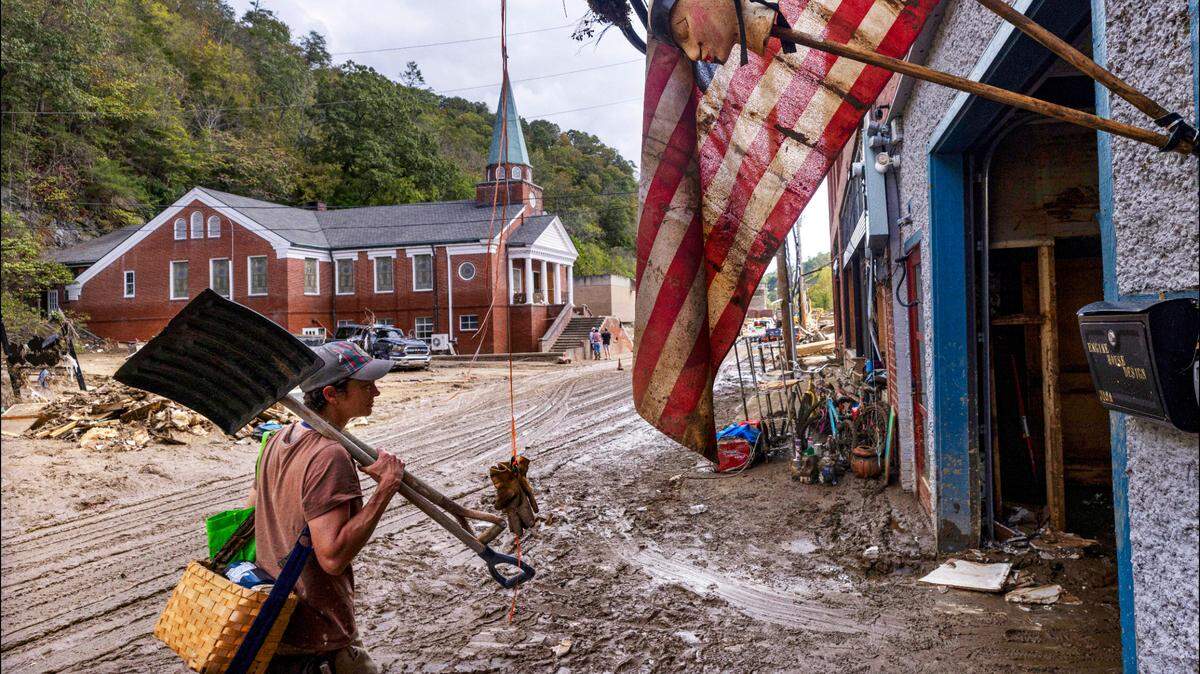
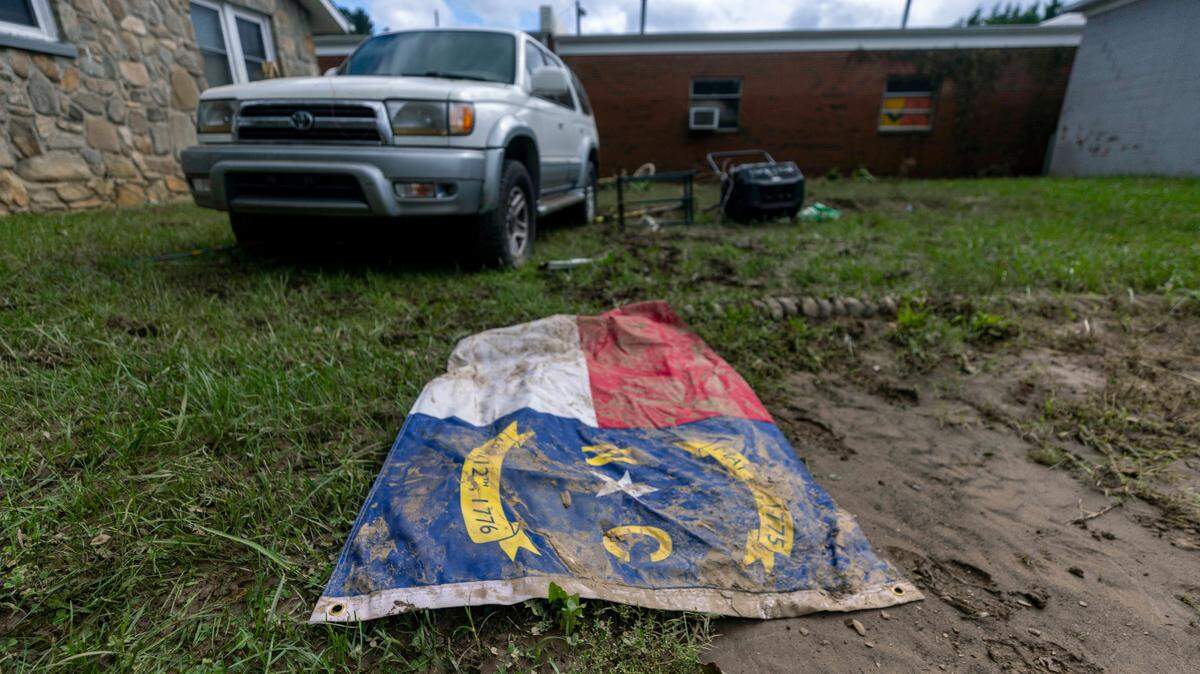
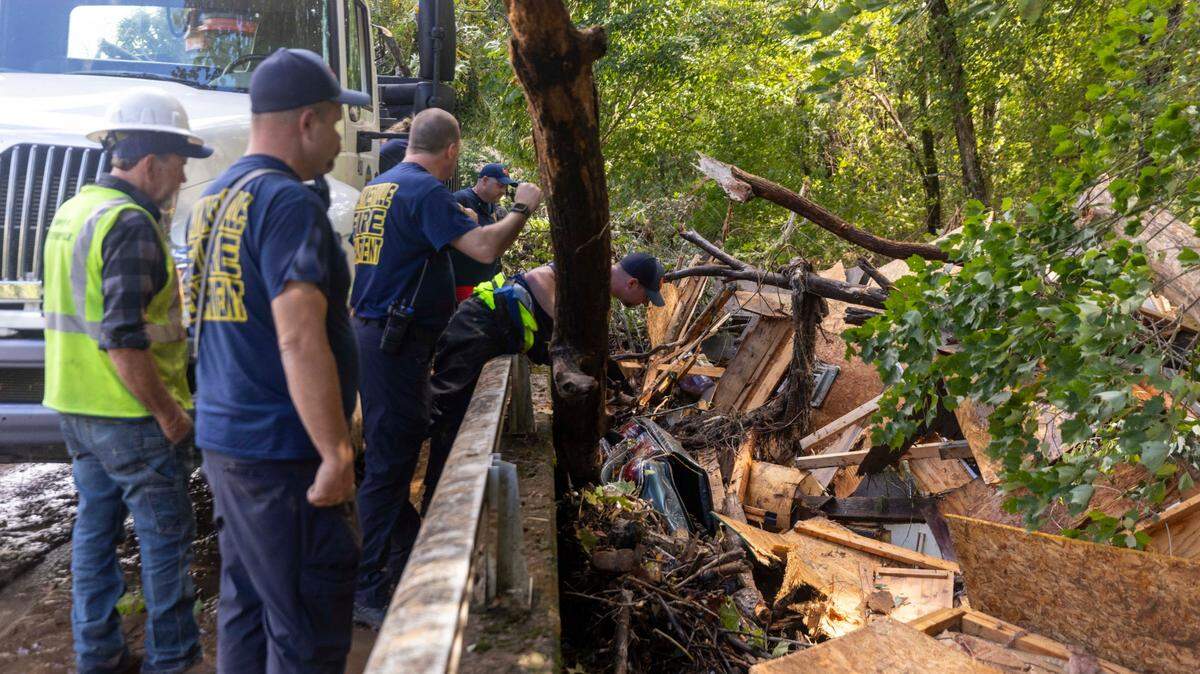
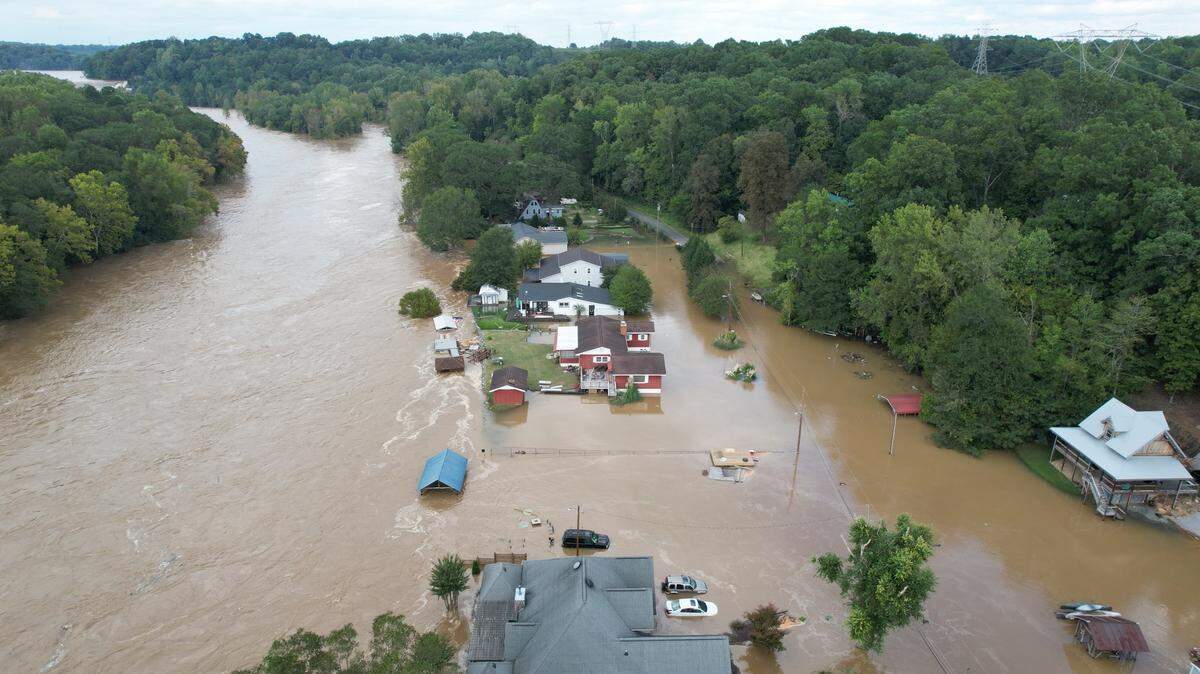
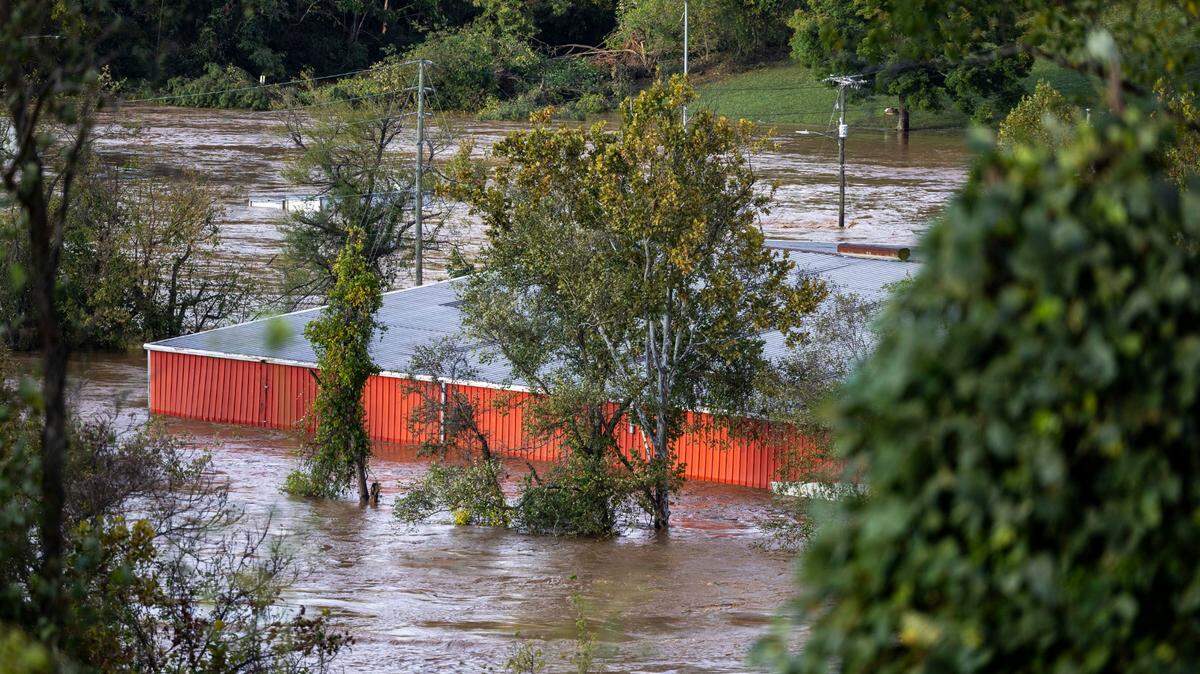
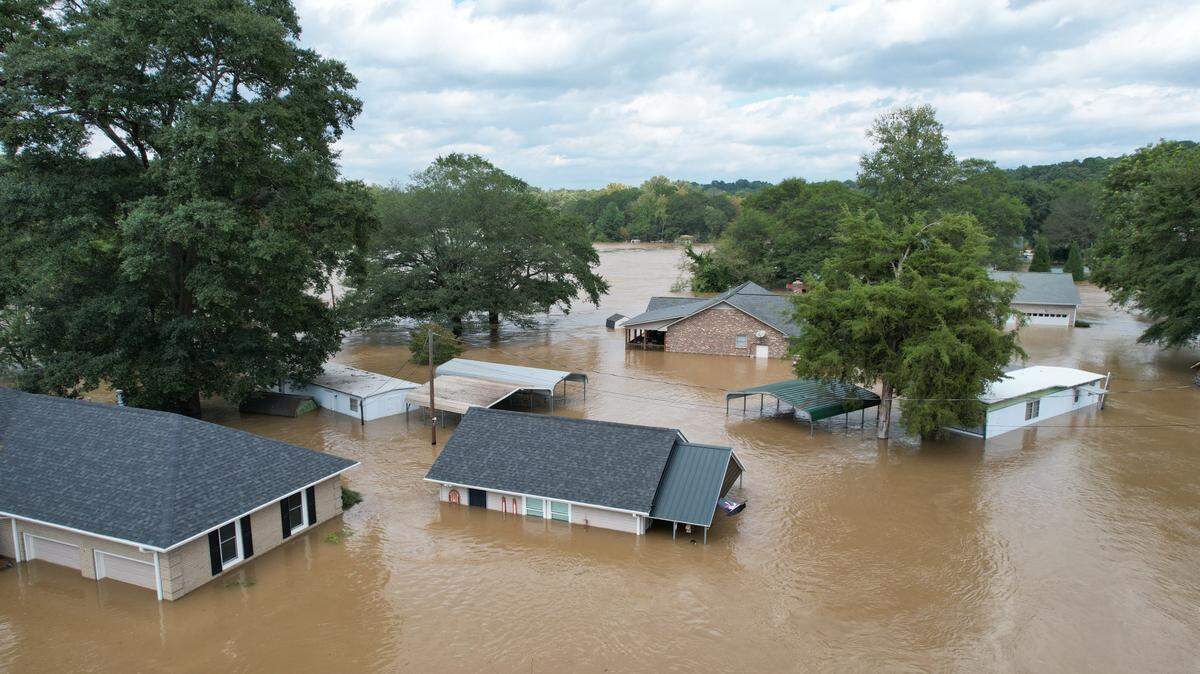
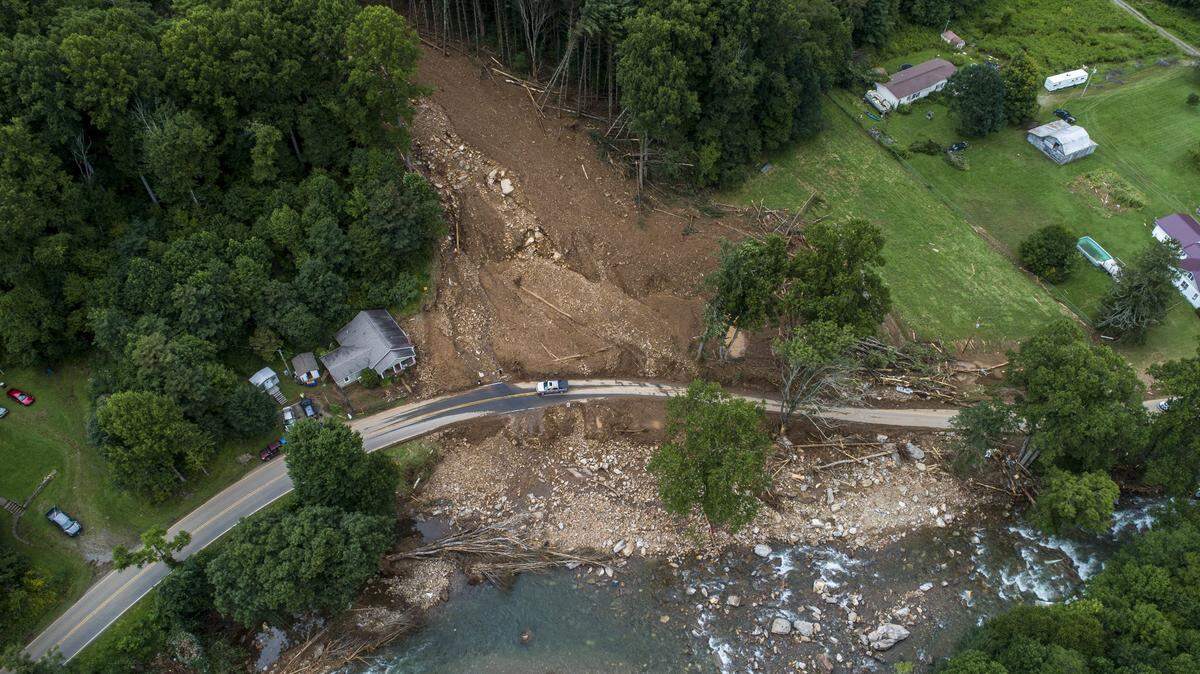
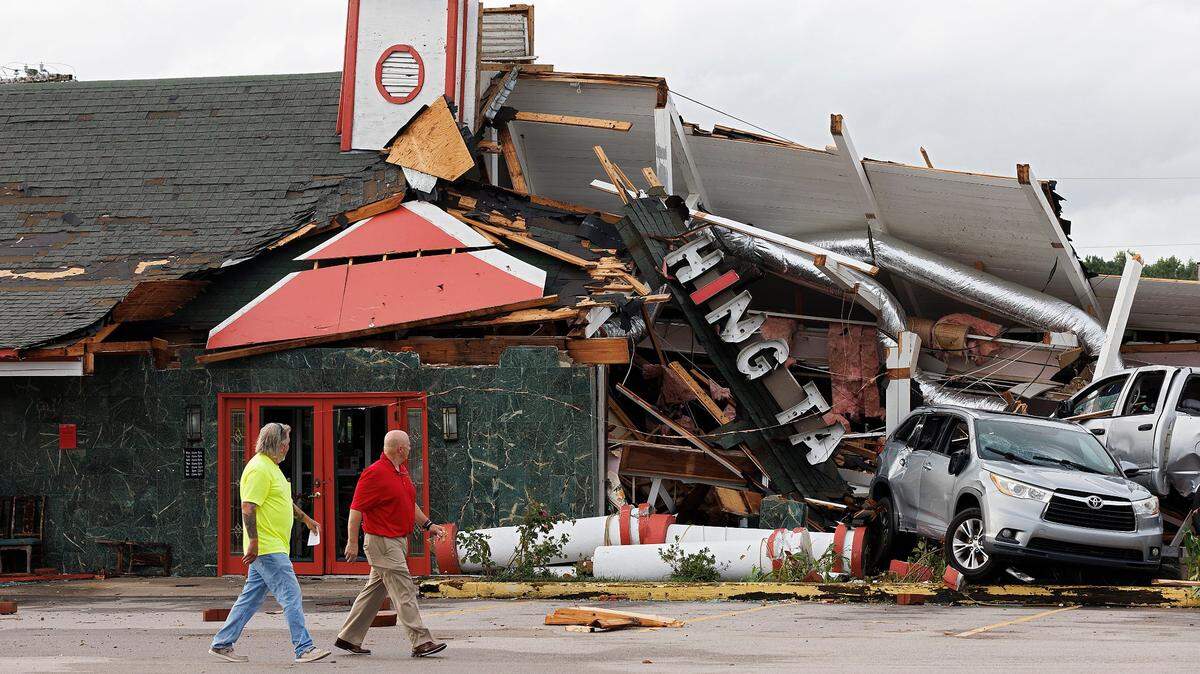
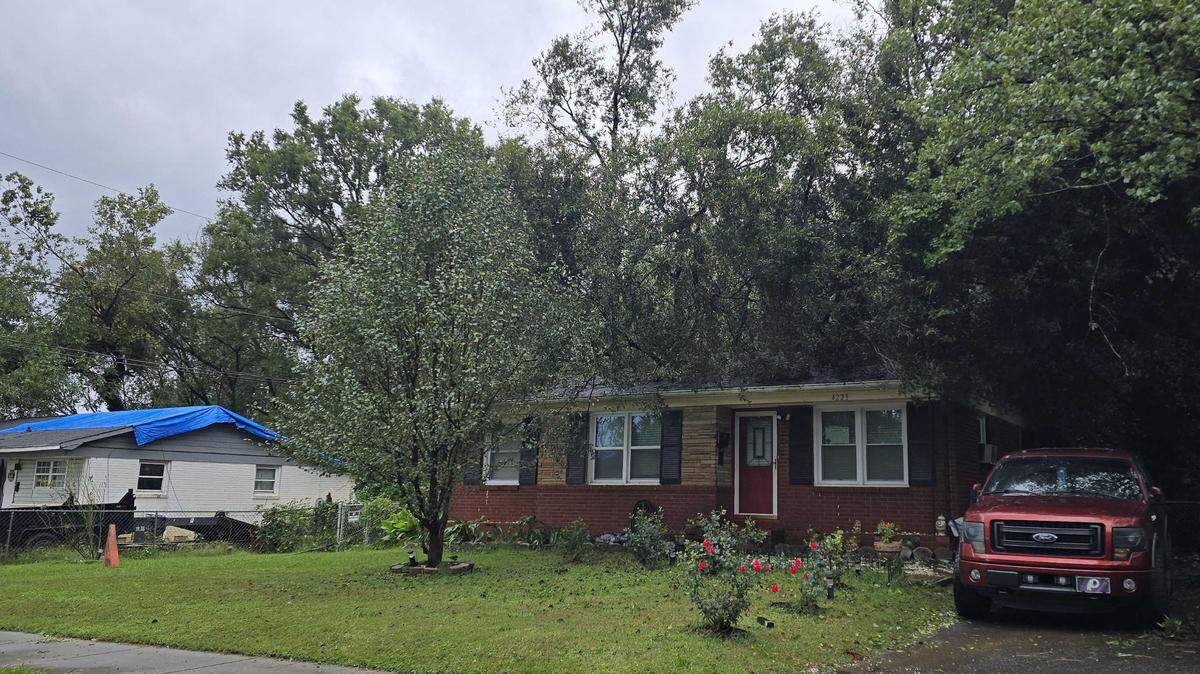
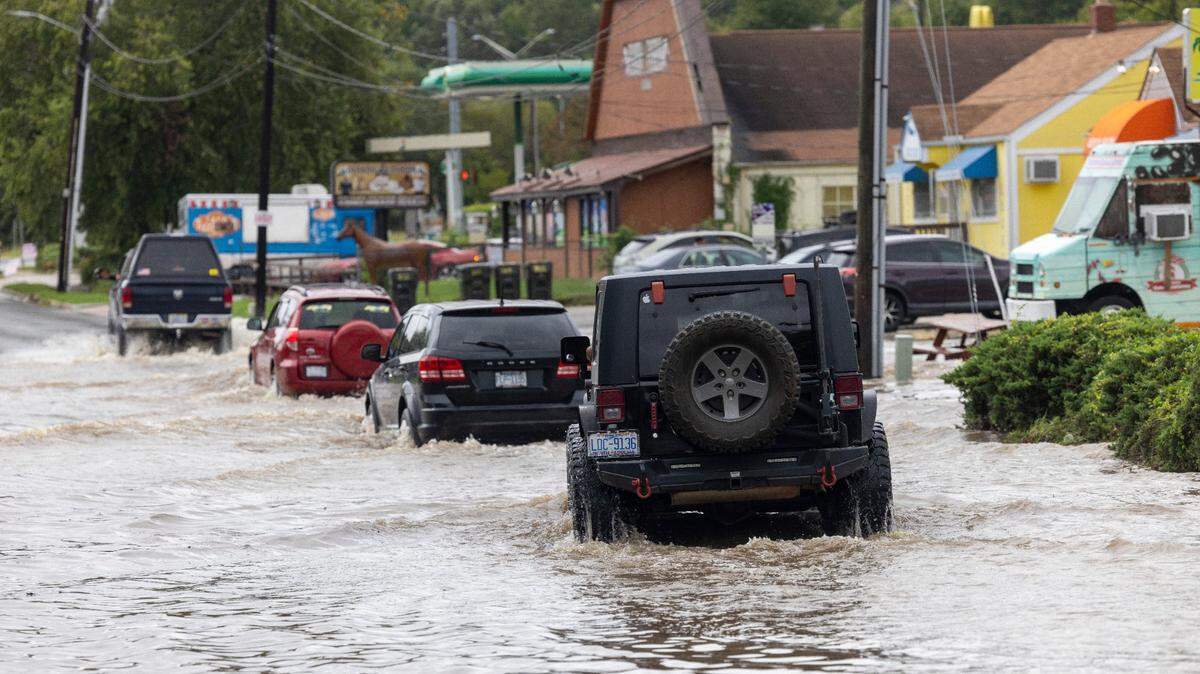
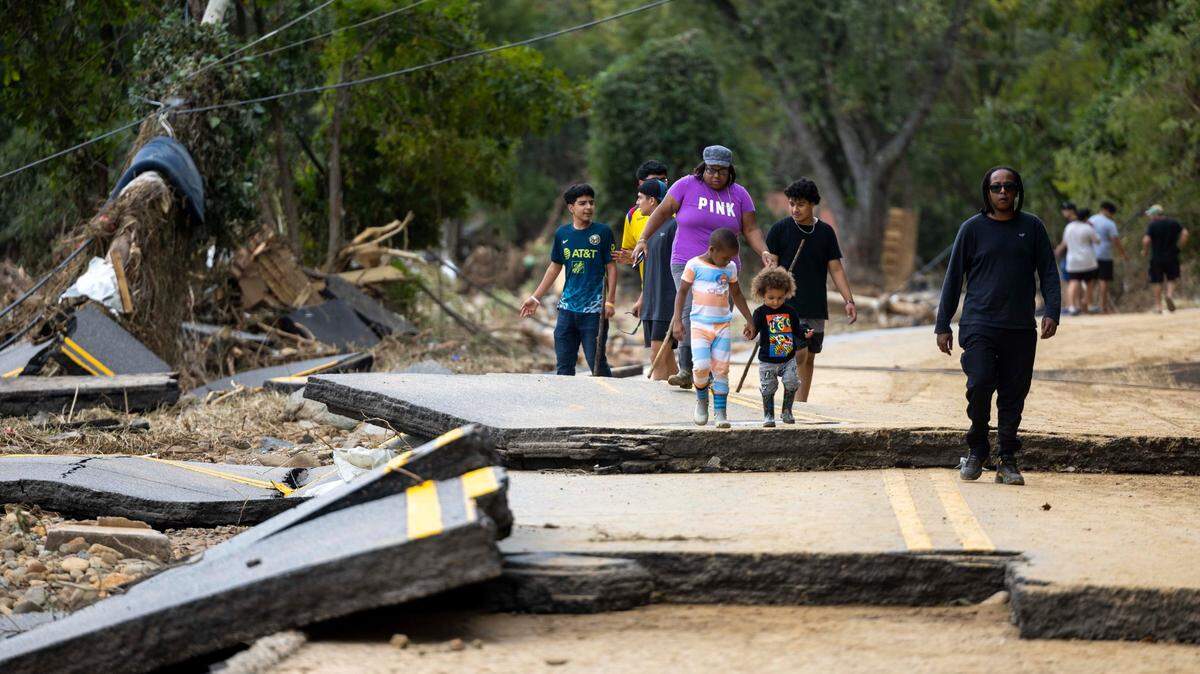
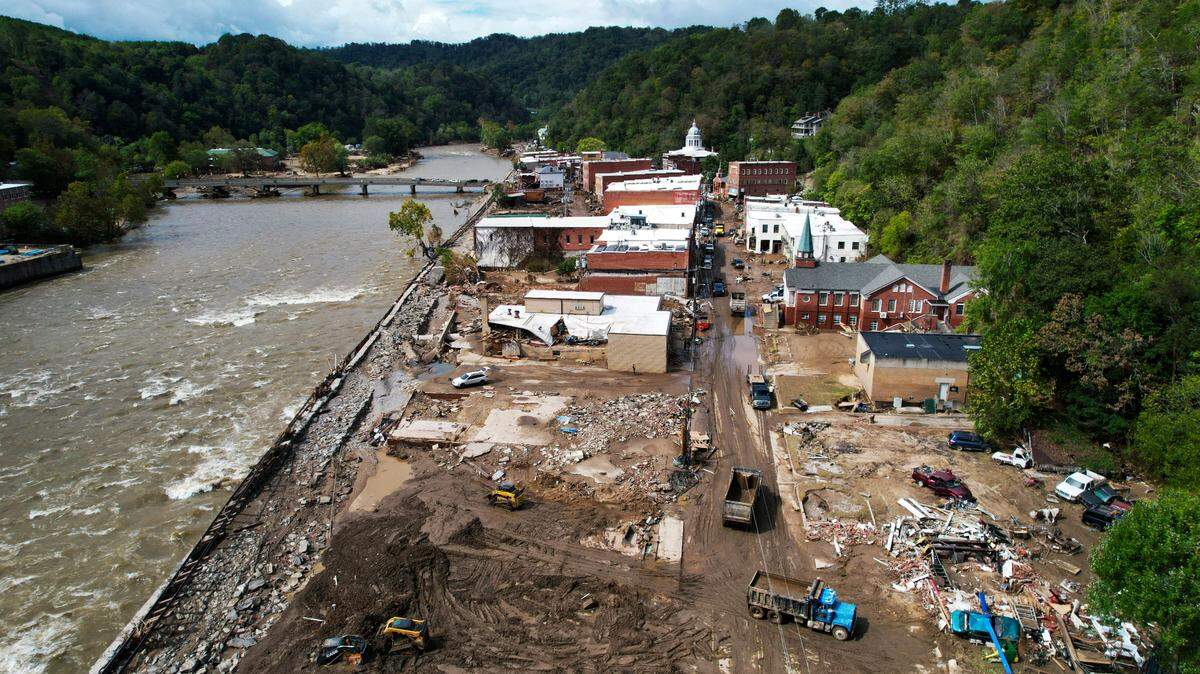
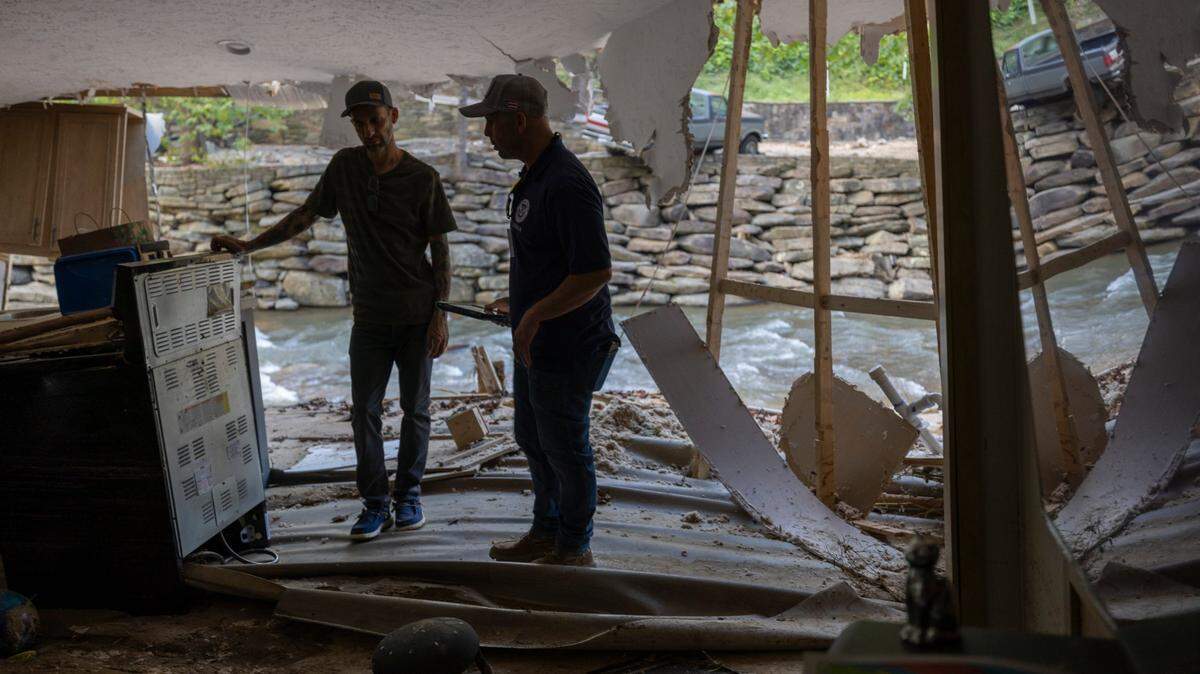
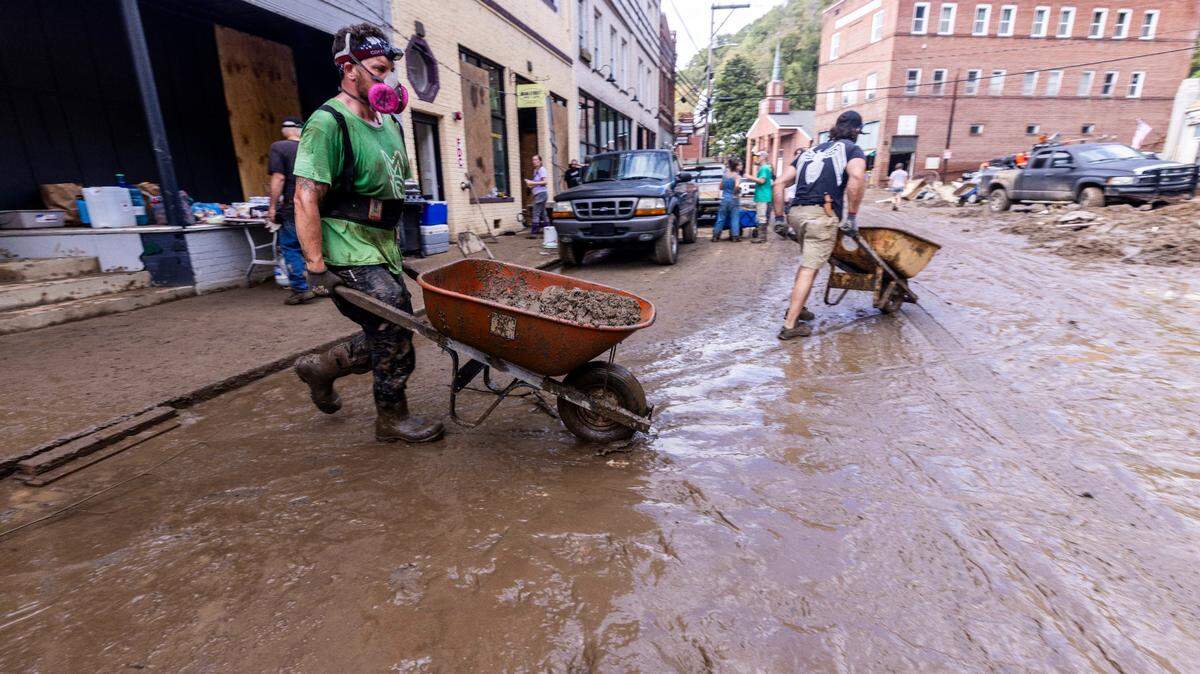
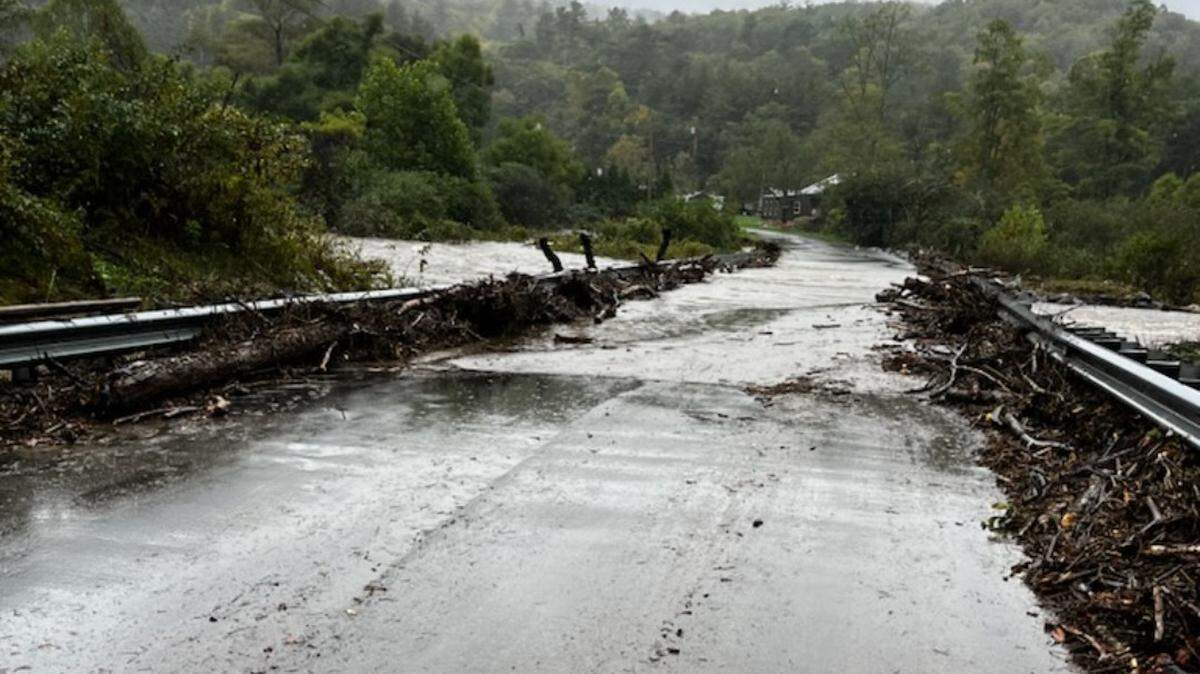
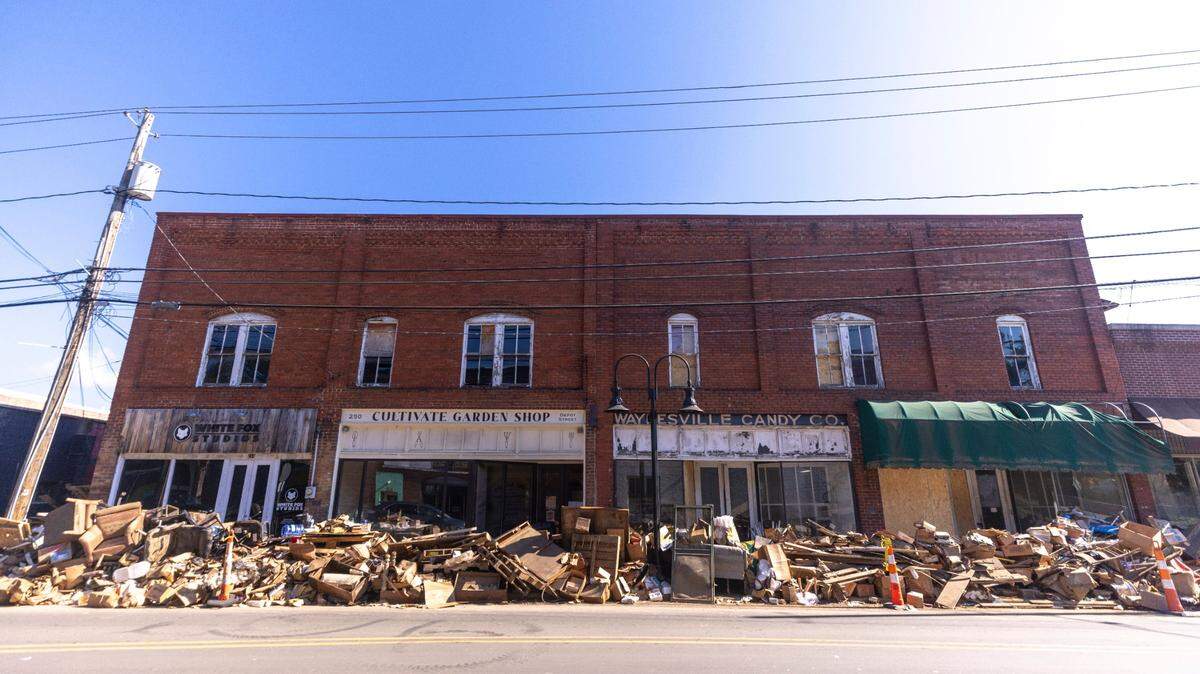
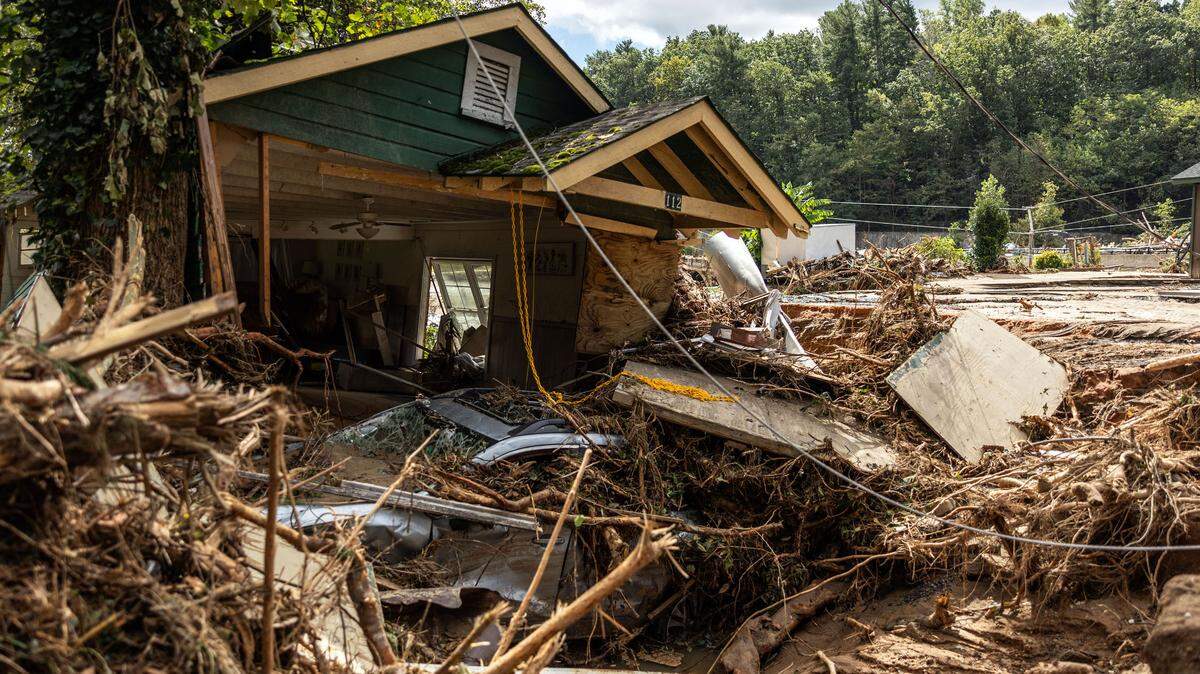
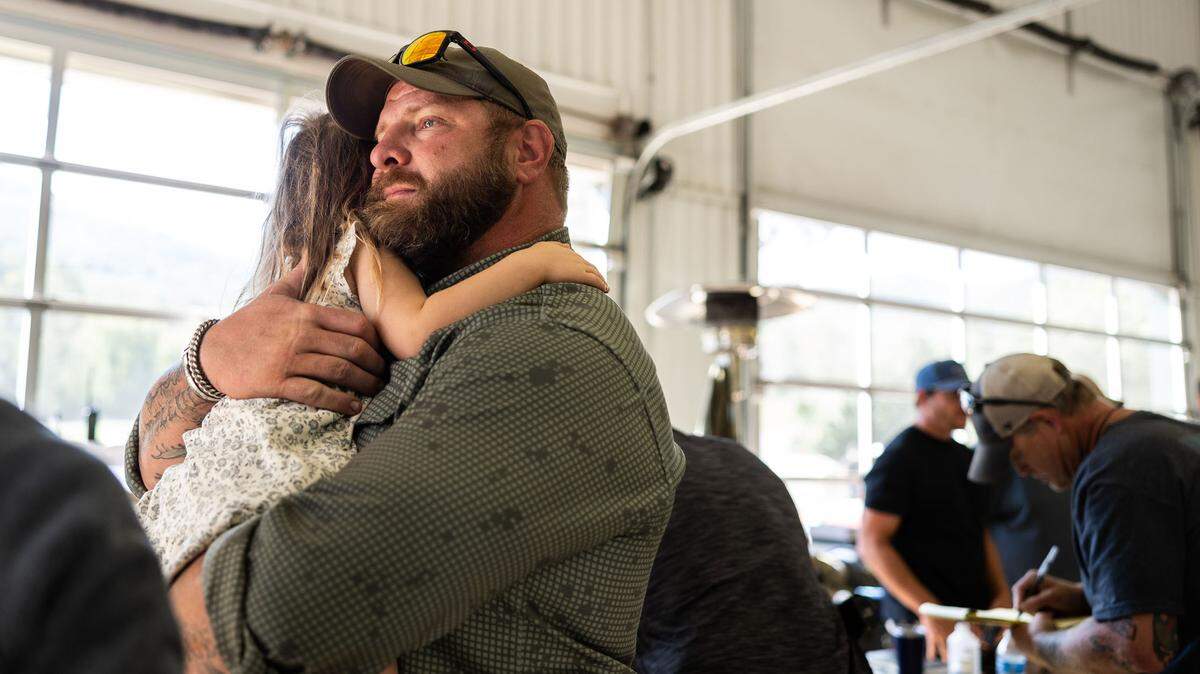
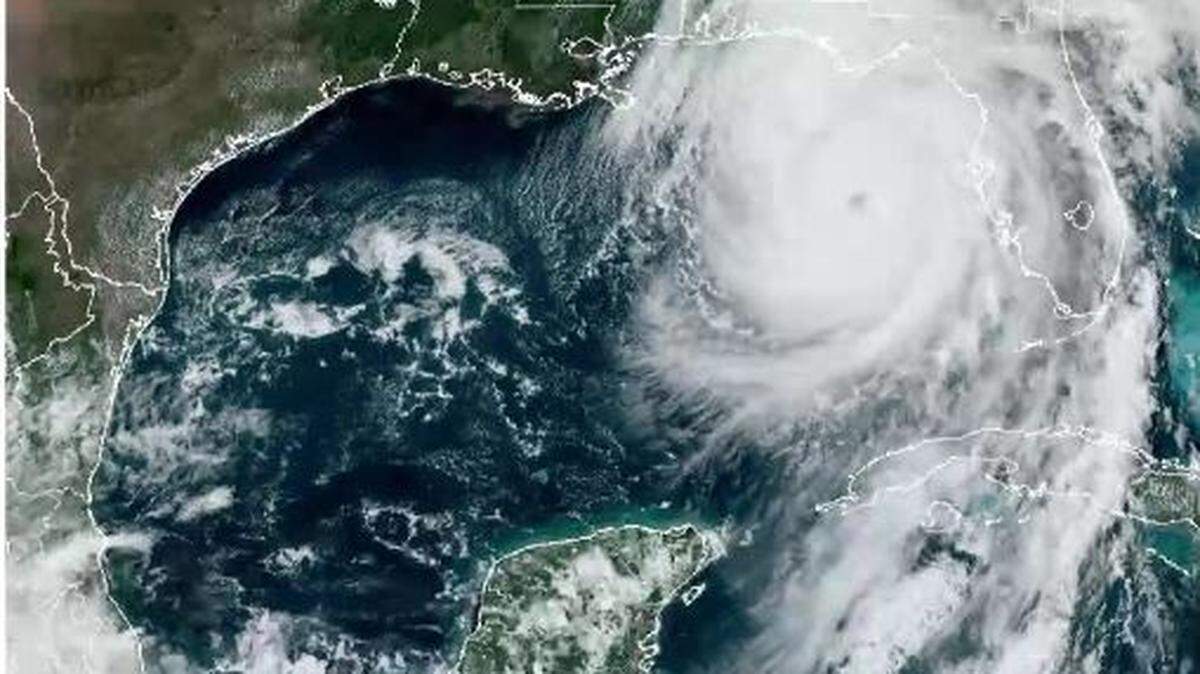
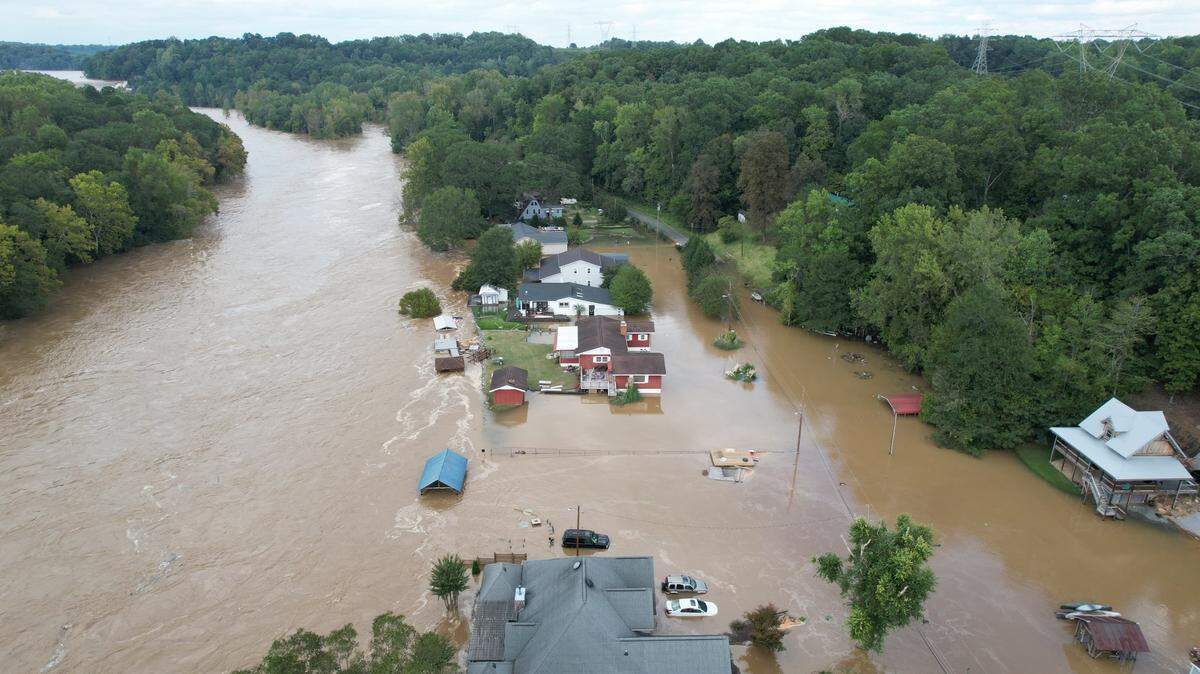
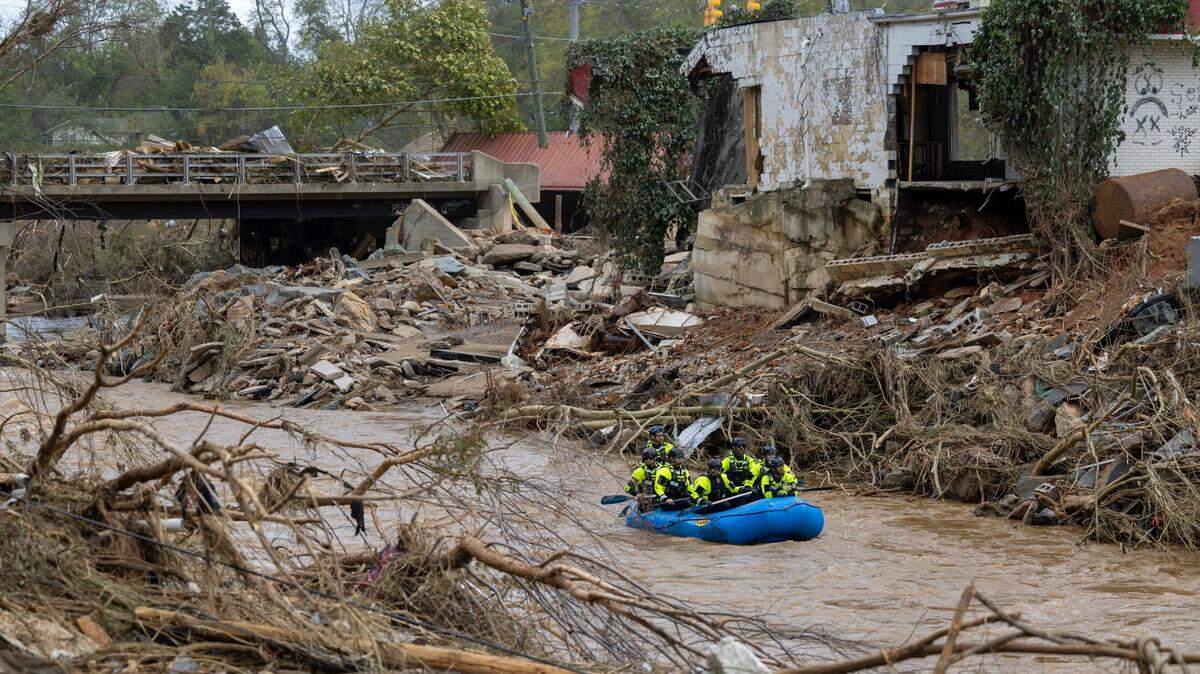
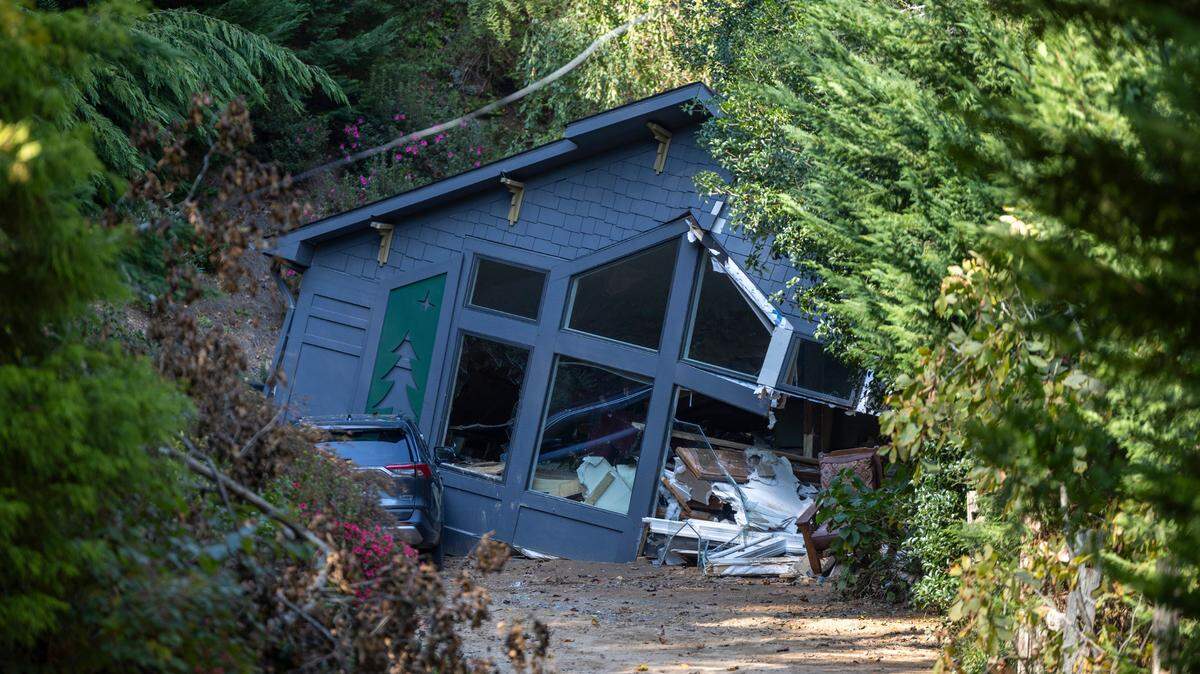
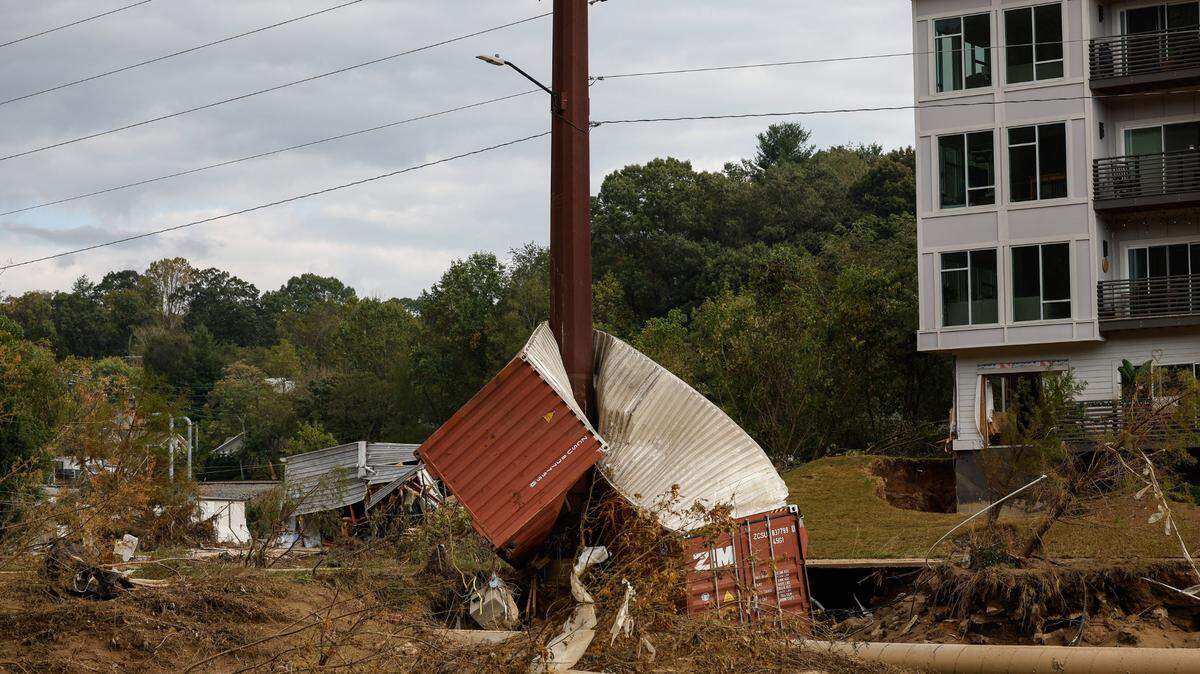
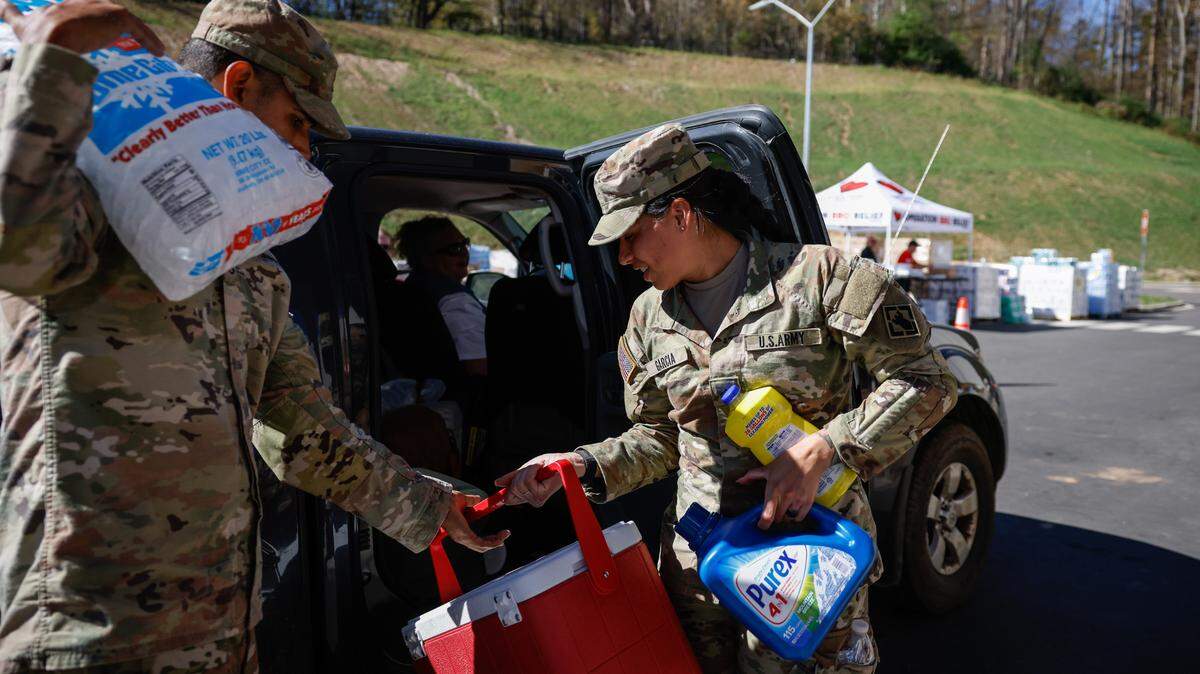
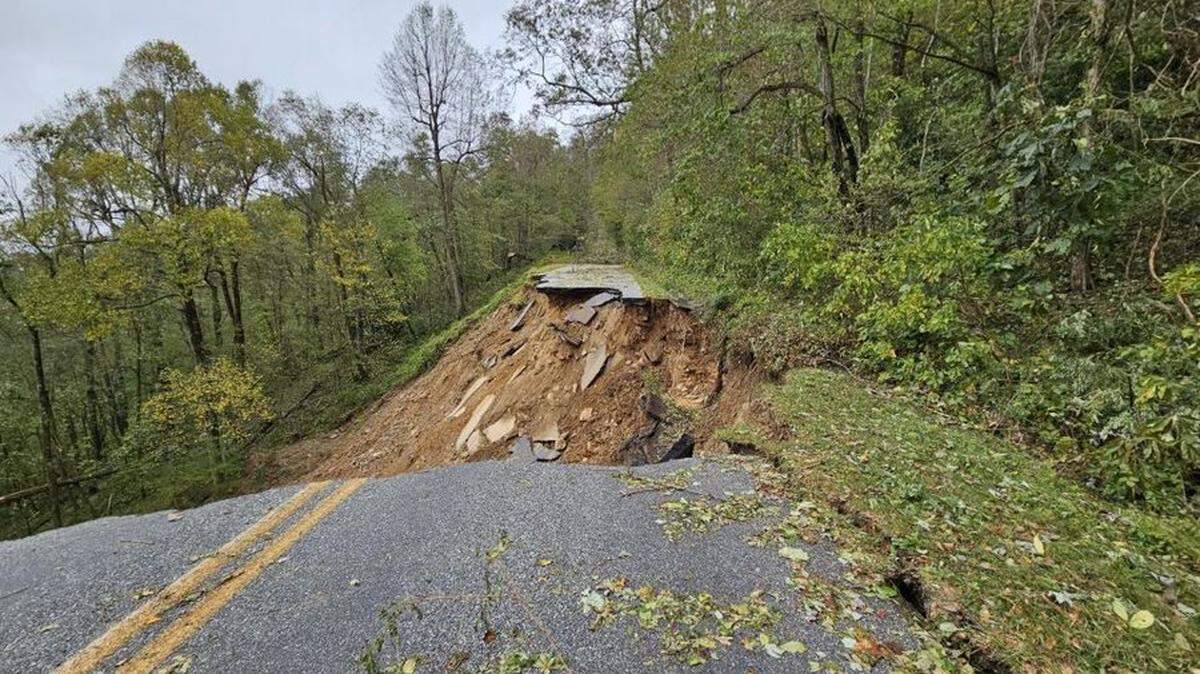
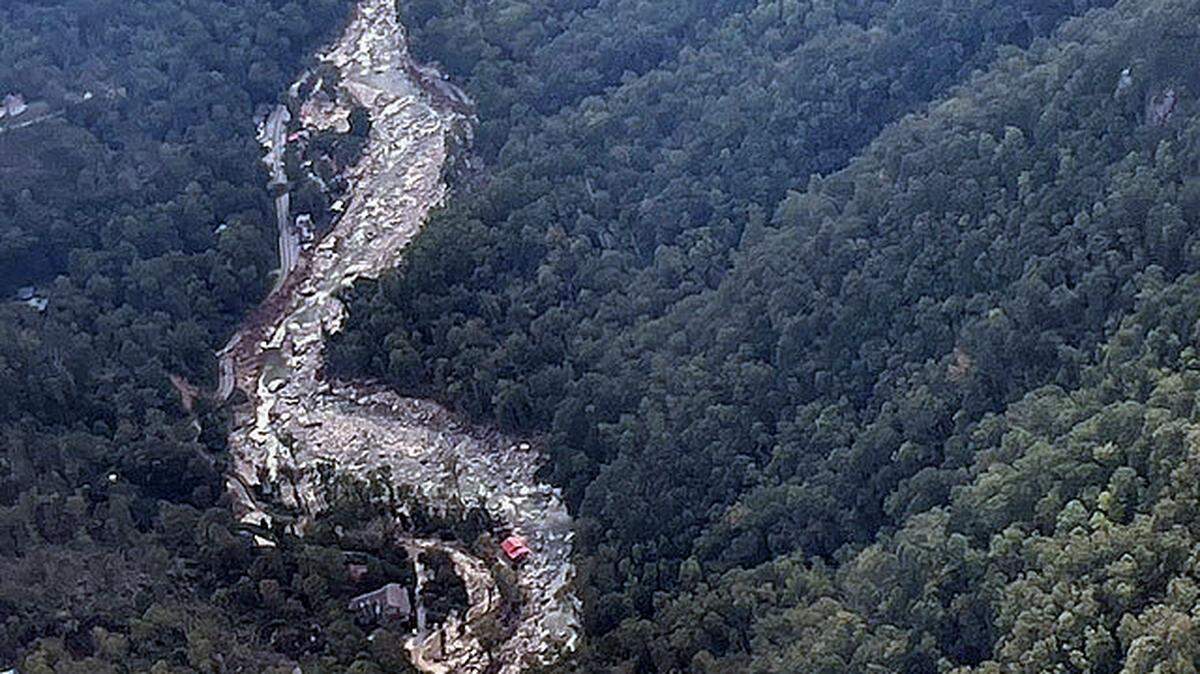
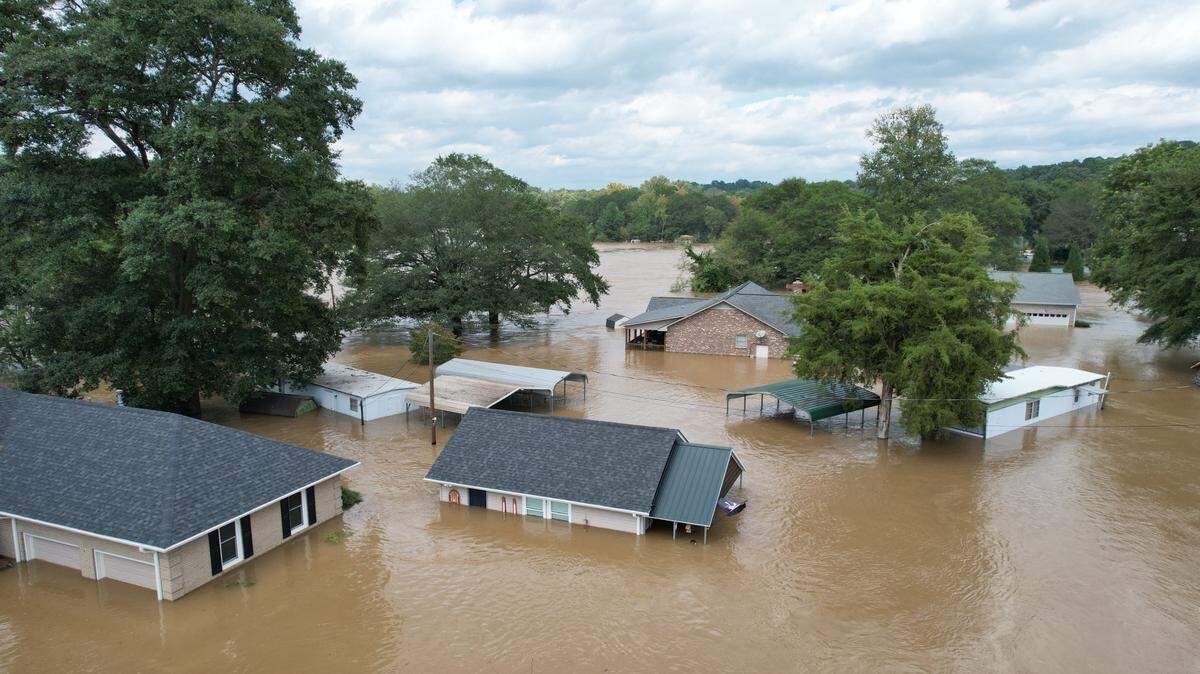
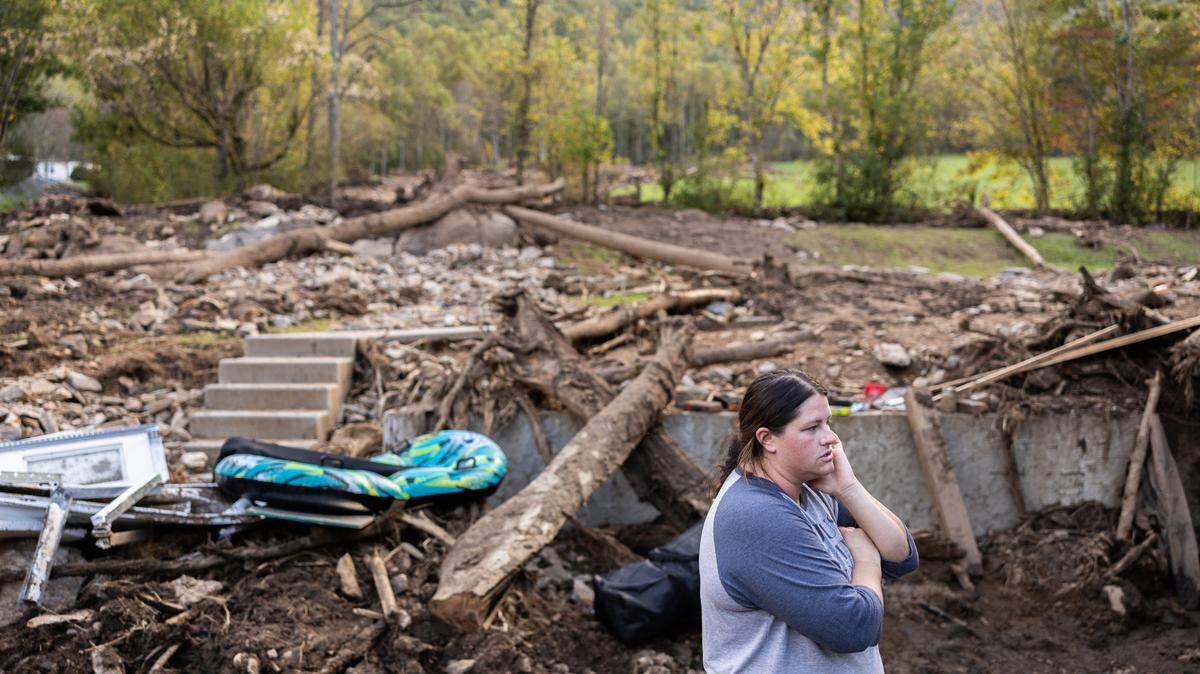
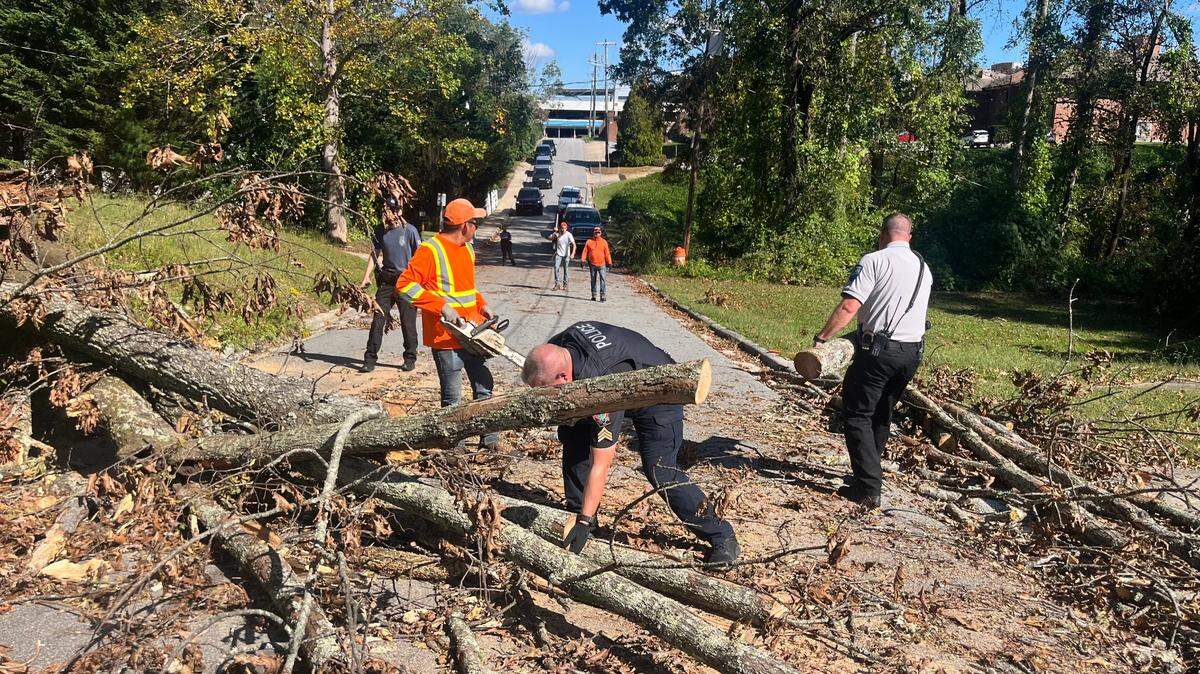
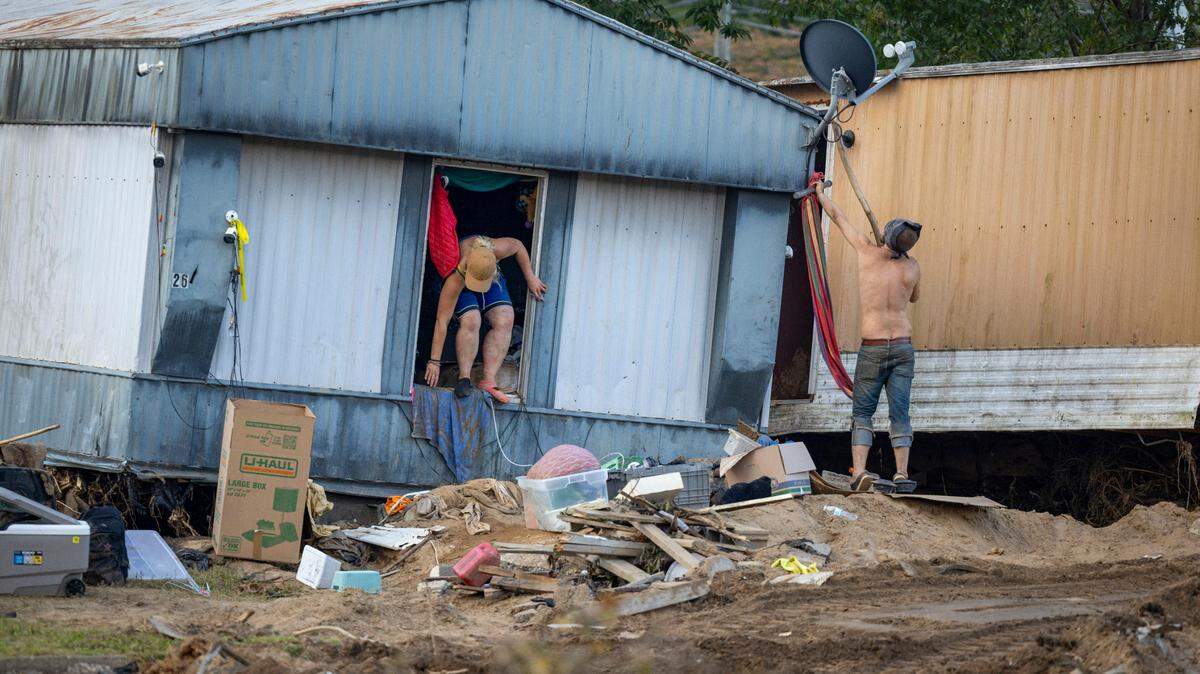
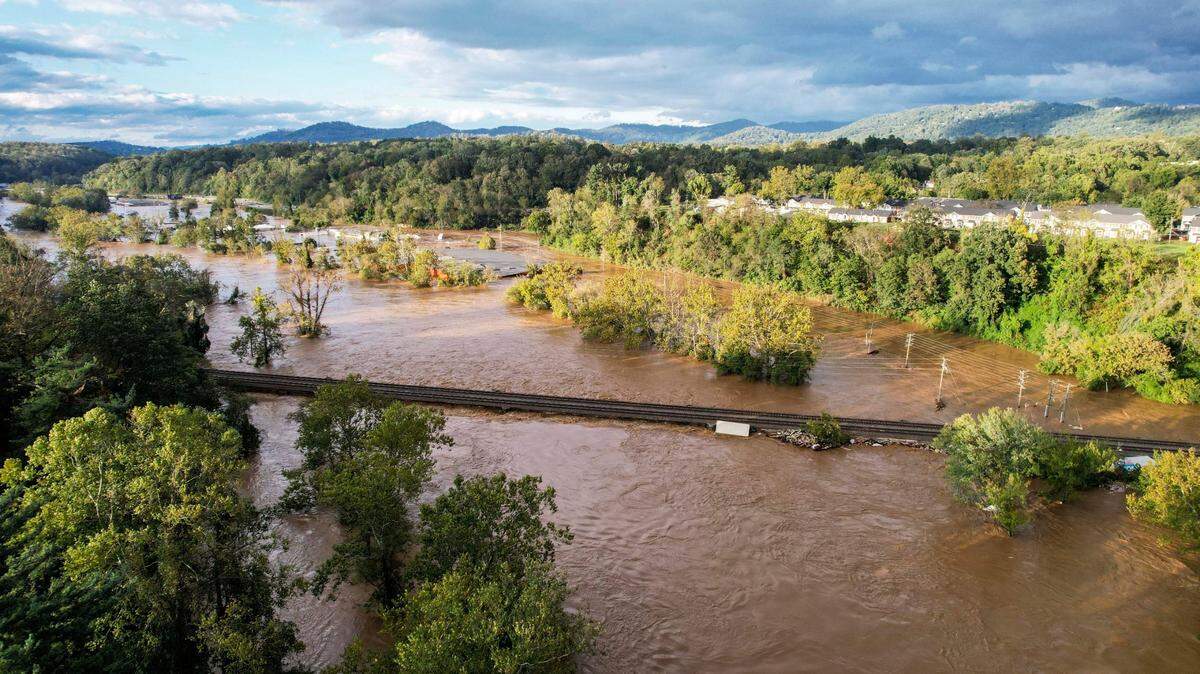
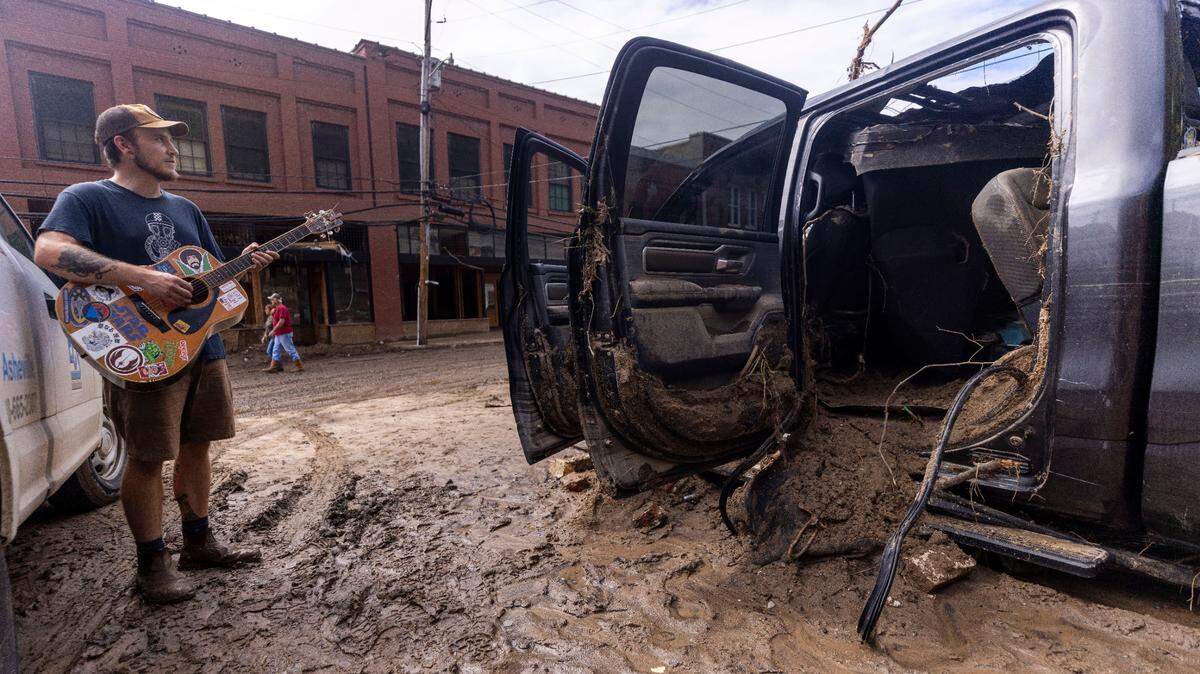
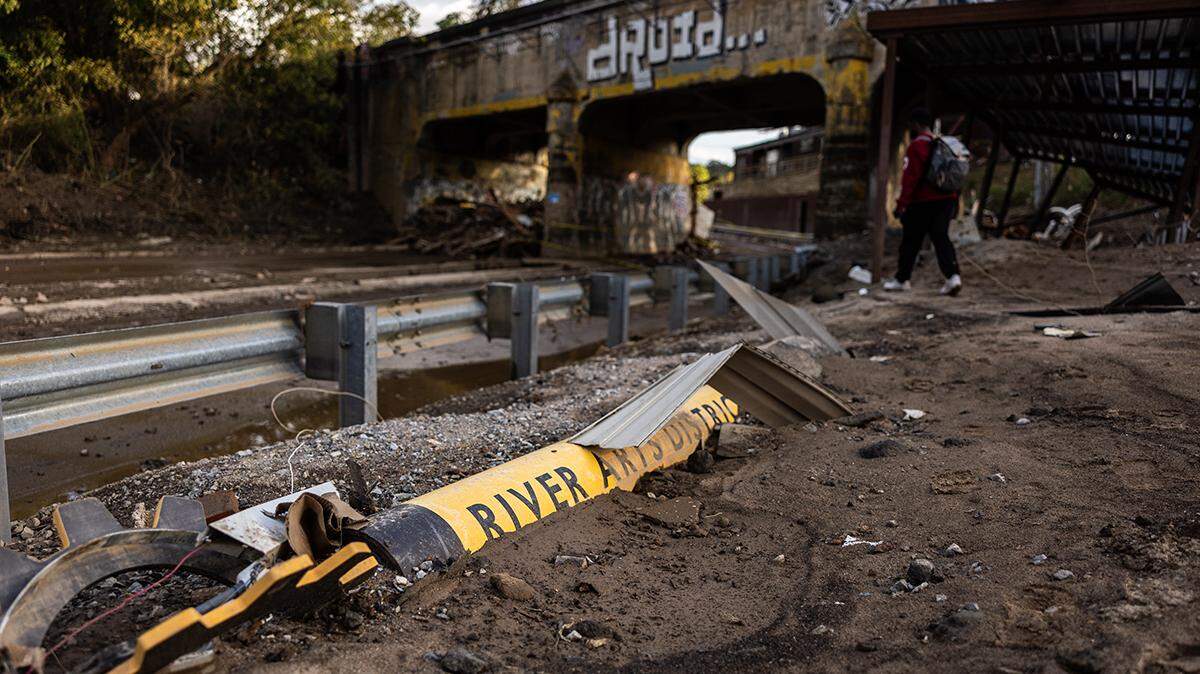
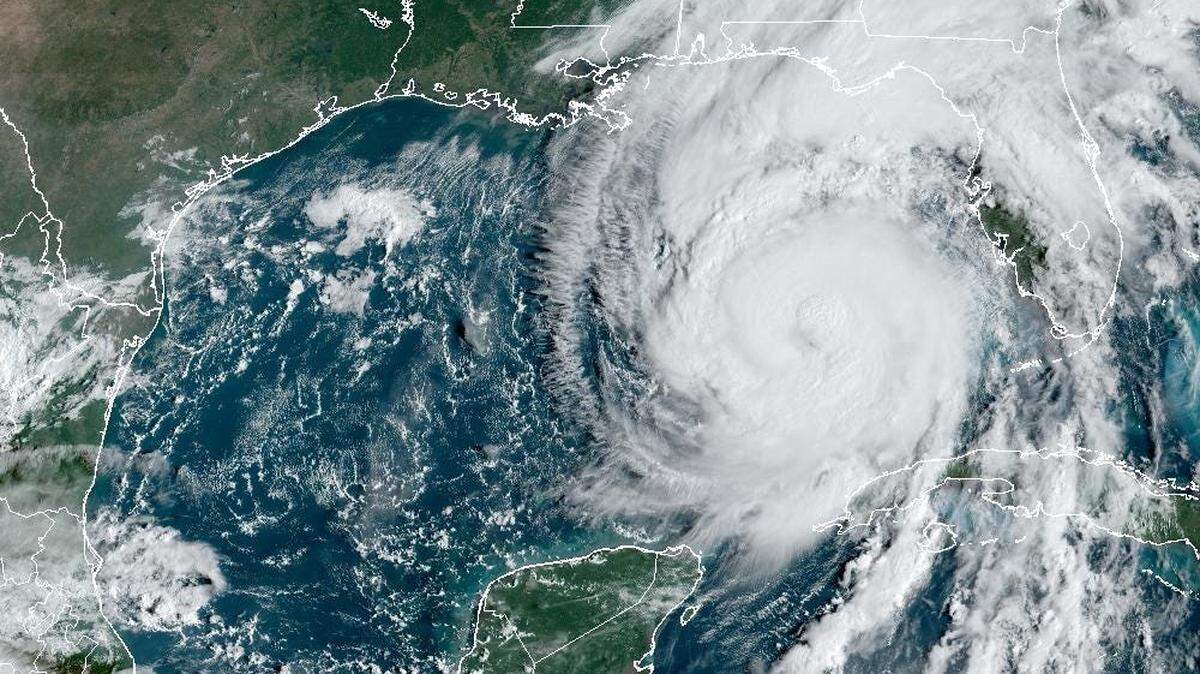
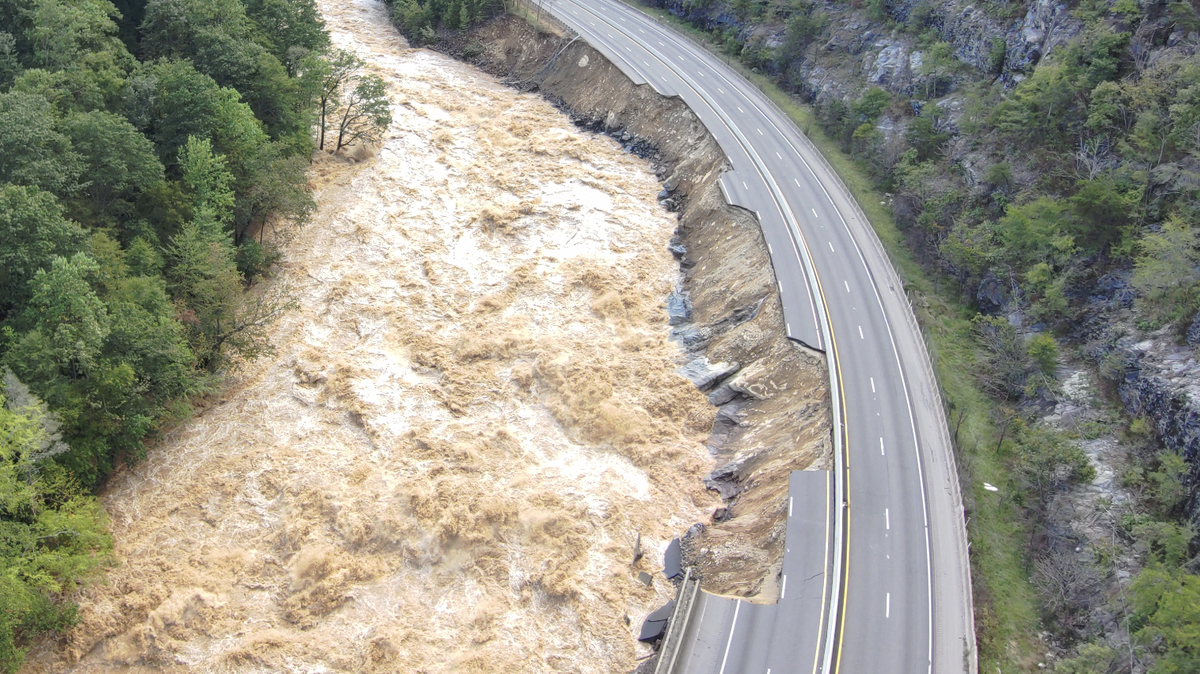
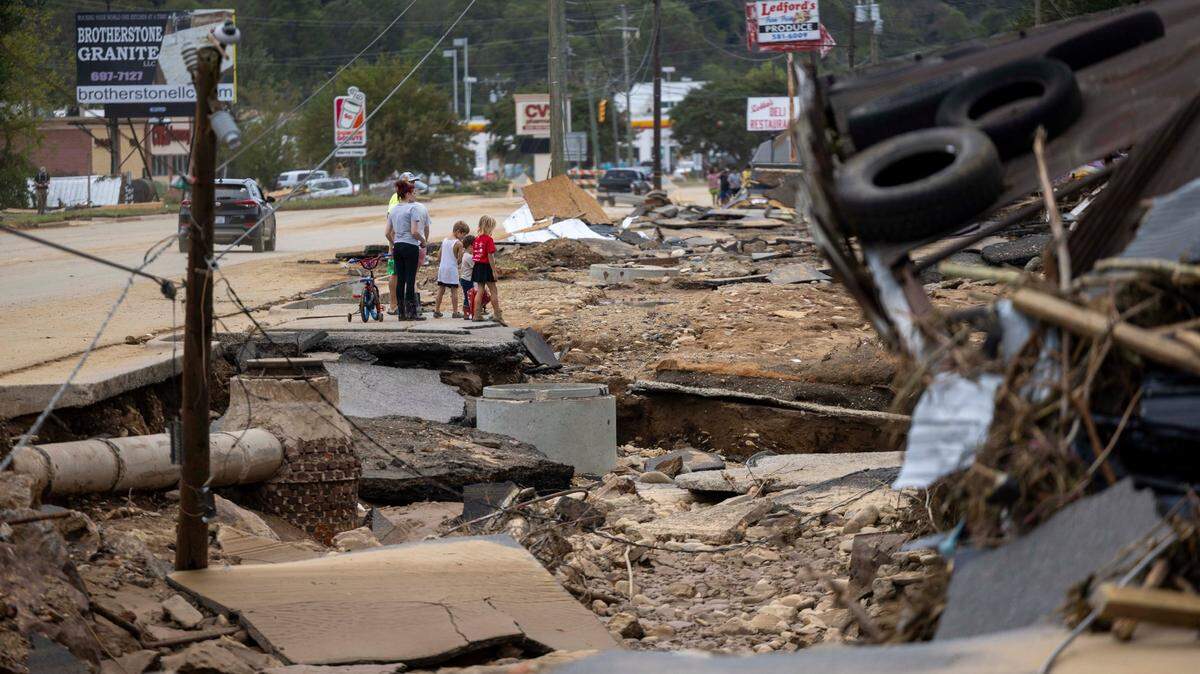
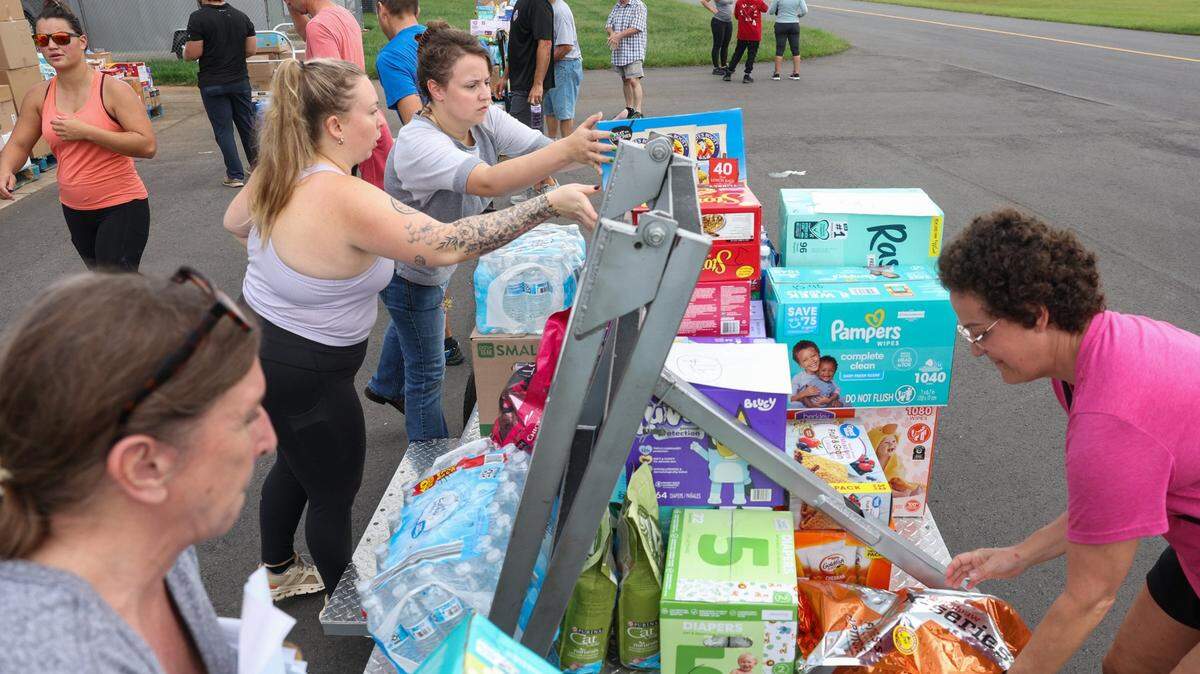
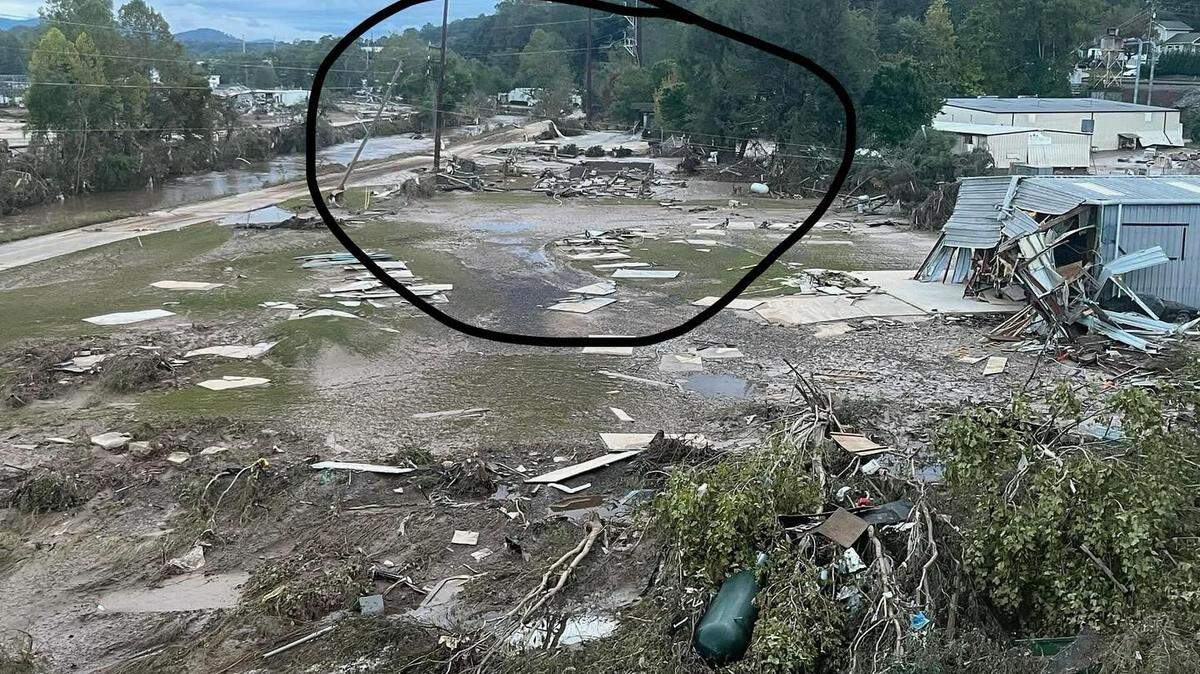
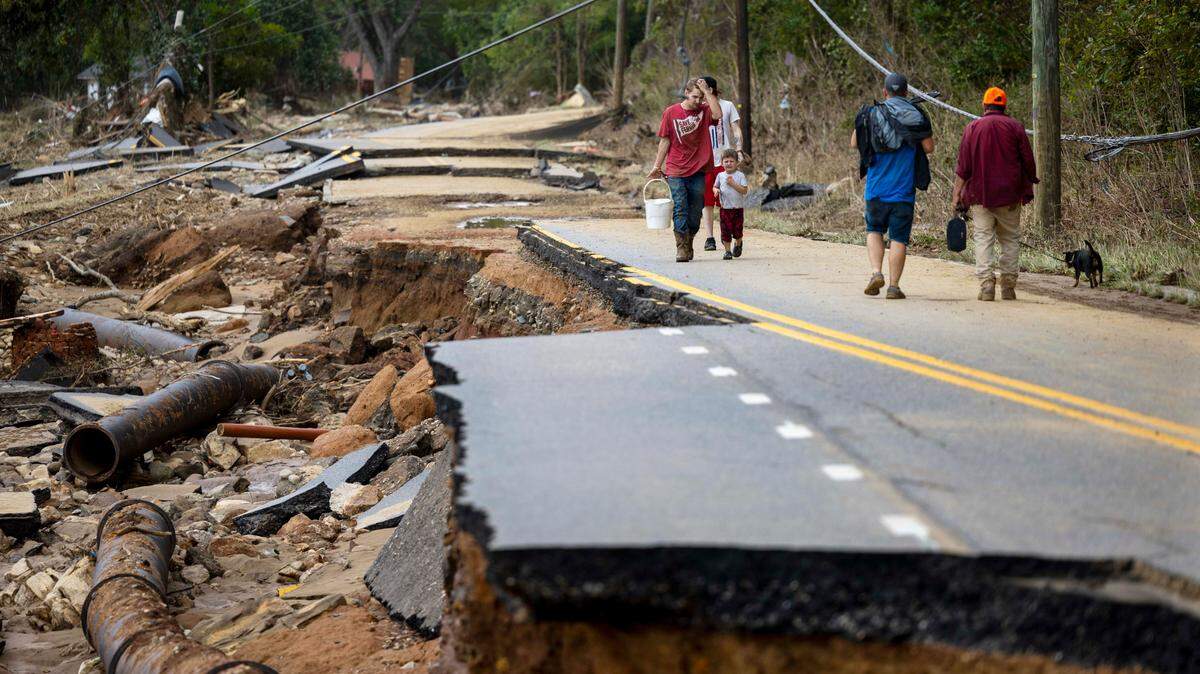
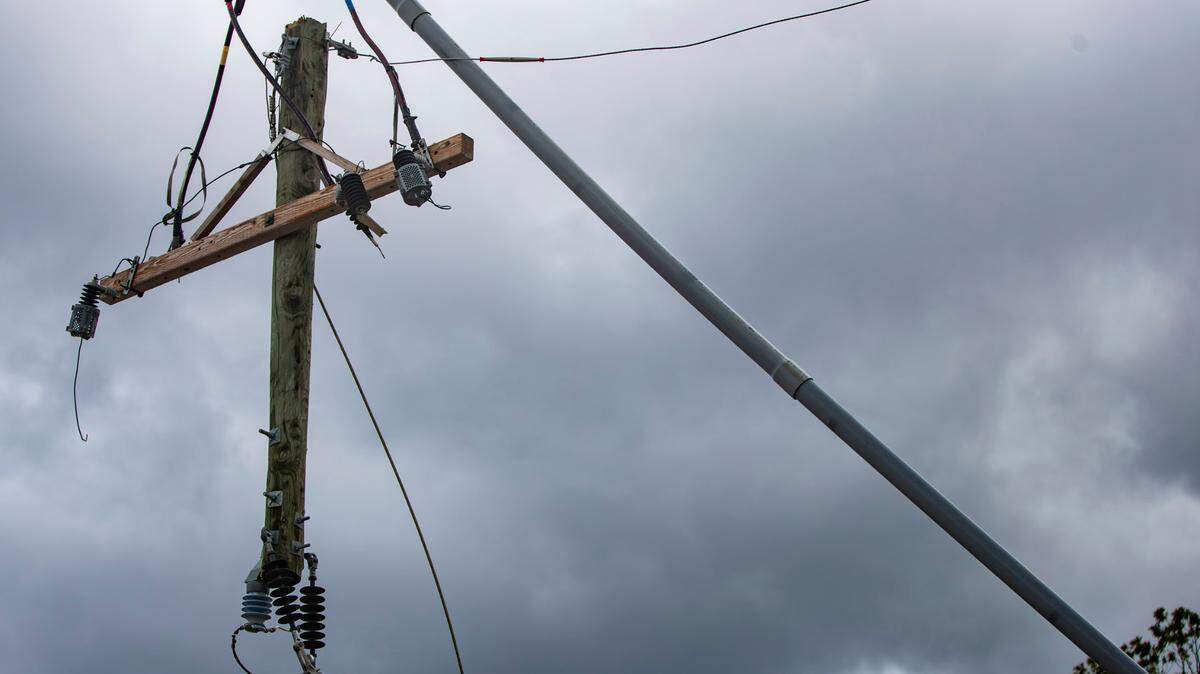
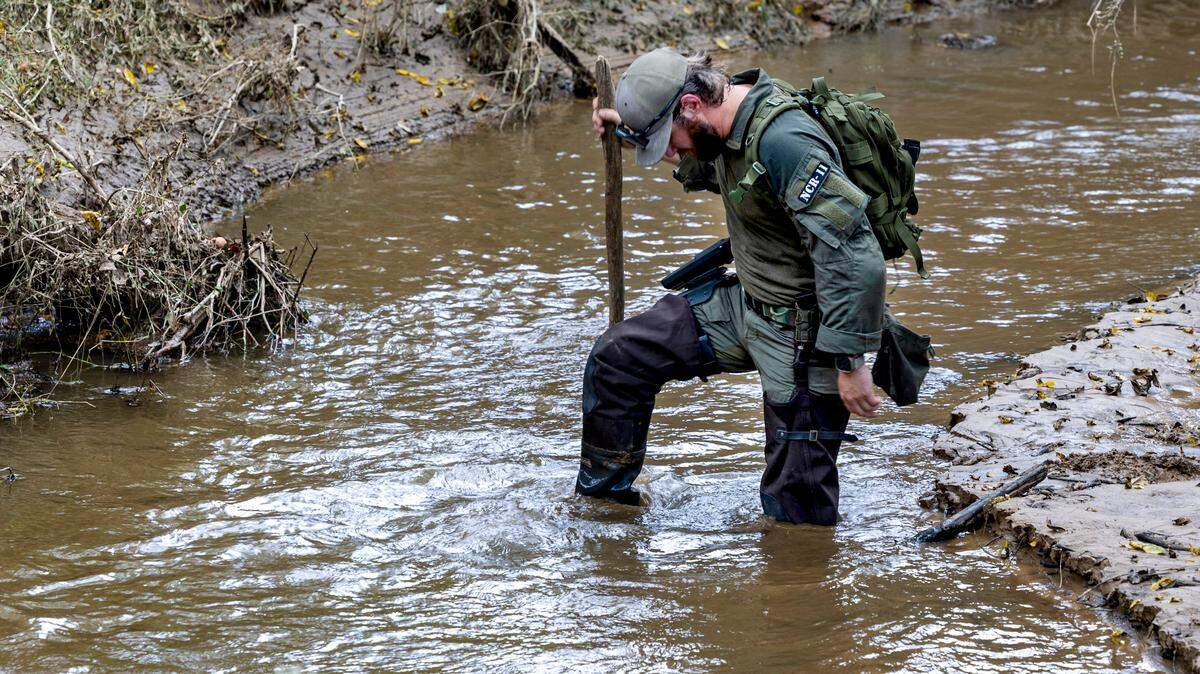
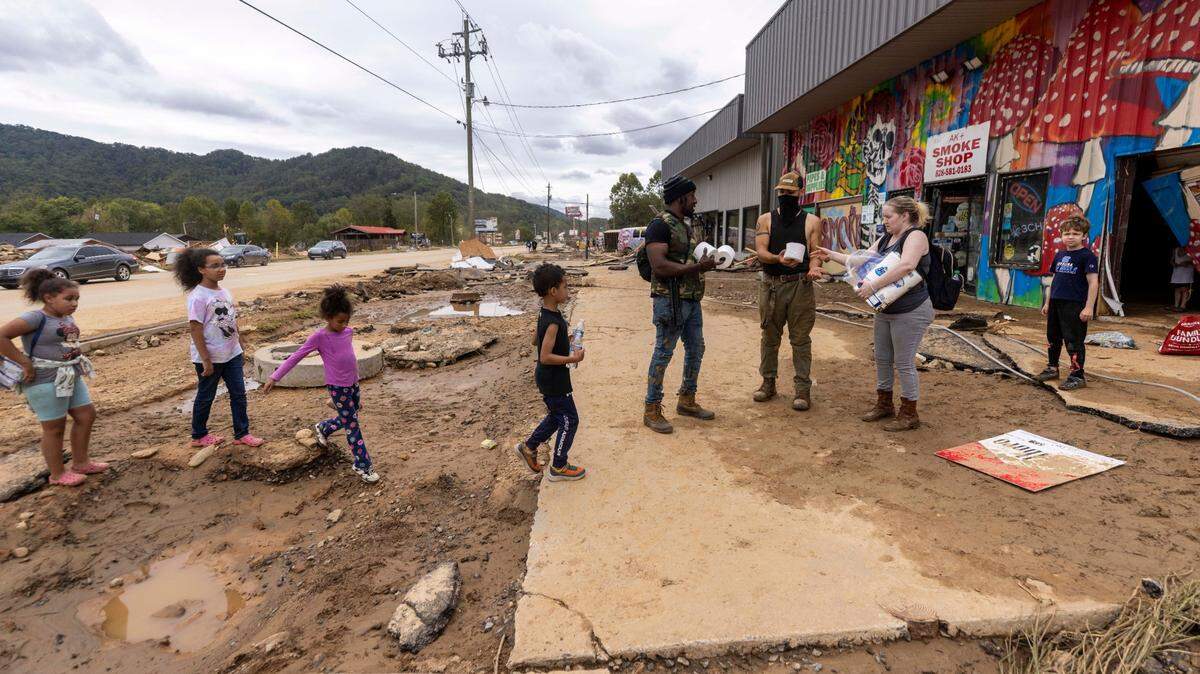
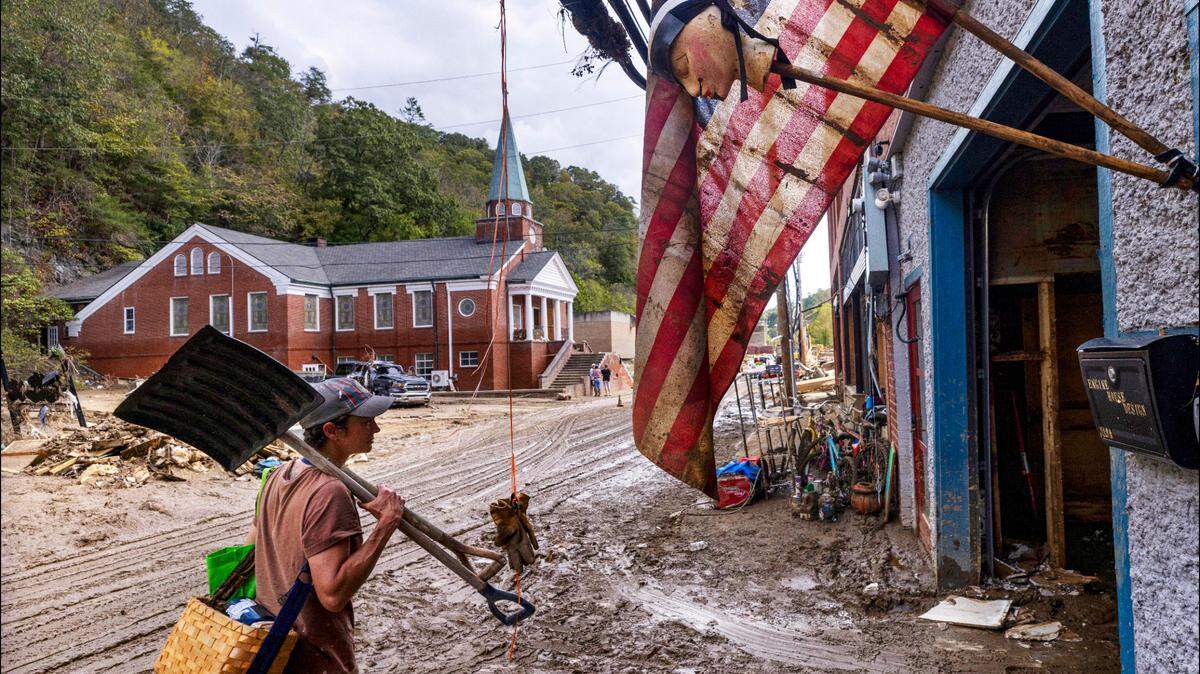
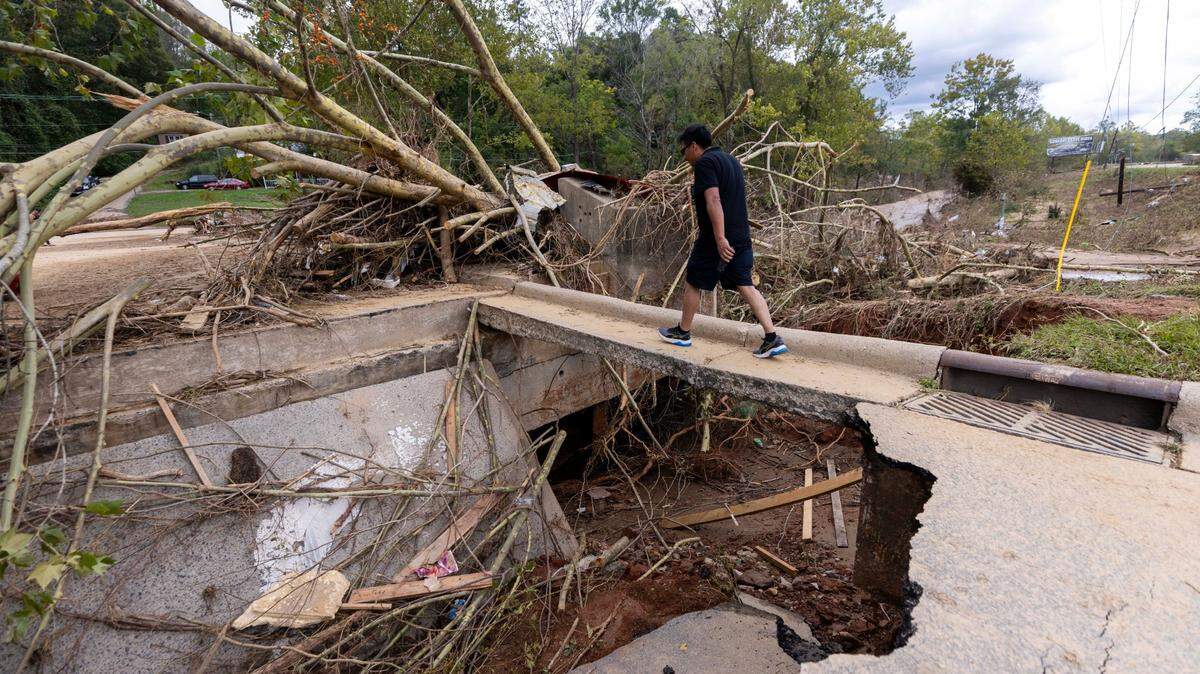
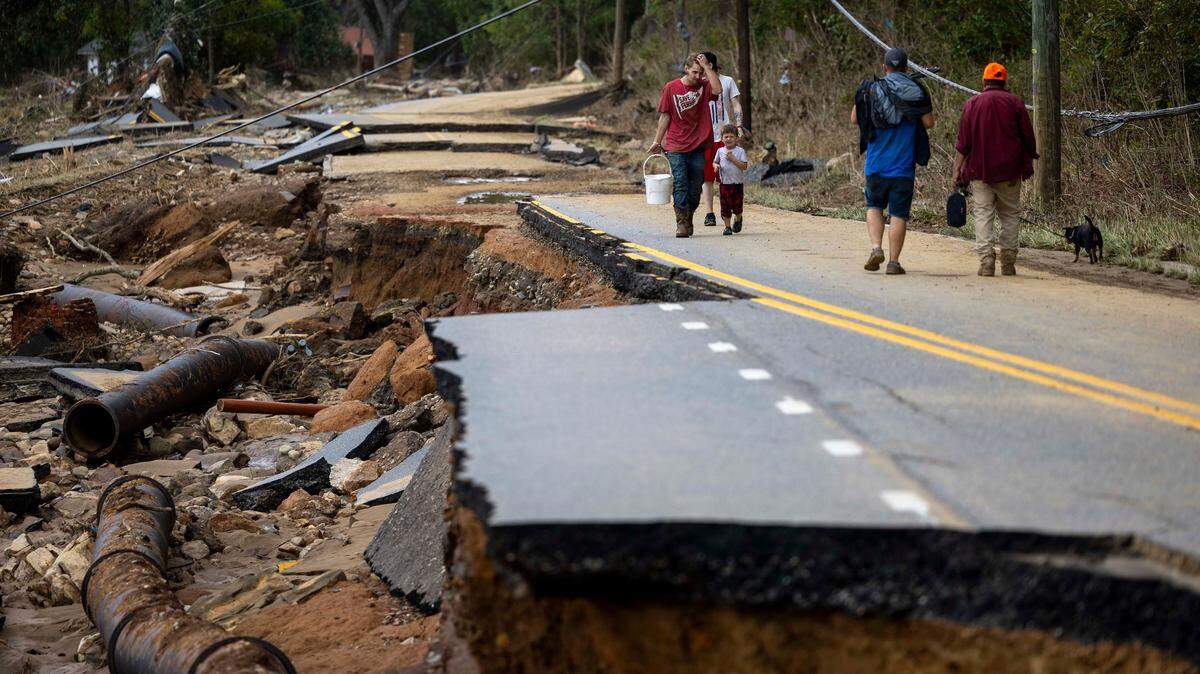
Hurricane Helene swept across the Southeast, causing major flooding and destruction throughout North Carolina. Here is ongoing coverage from The News & Observer and The Charlotte Observer about Hurricane Helene and the aftermath, particularly in Western North Carolina.
Expand All
When a hurricane such as Helene strikes, one of the first forms of federal aid available is through FEMA, the Federal Emergency Management Agency.
This agency provides disaster assistance before, during and after a disaster, including via help for individuals and families affected.
Events declared disasters by the president are eligible for help from FEMA, and North Carolina Gov. Roy Cooper requested a major disaster declaration. President Joe Biden approved the declaration.
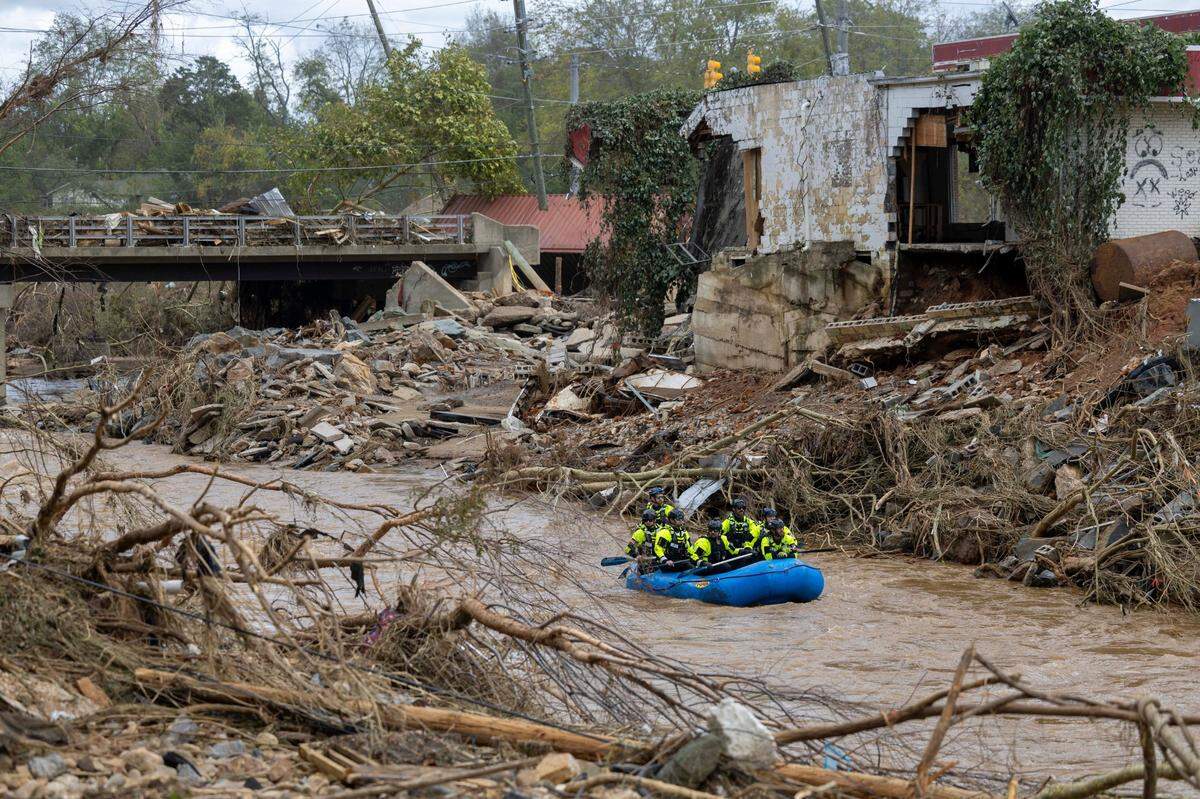
Federal help is available for 39 counties and the Eastern Band of Cherokee Indians, and on Dec. 30, FEMA extended the deadline to apply until Feb. 6.
The declaration means that FEMA can expedite help for the state, reimburse local governments, state agencies and nonprofits for funds spent on repairs and provide individual assistance for people affected.
Forms of aid for individuals through FEMA can include funds for temporary housing (for rental assistance or covering hotel costs), repairs and rebuilding of homes, or other needs such as medical expenses, damage to an essential vehicle, funeral expenses, child care expenses and more.
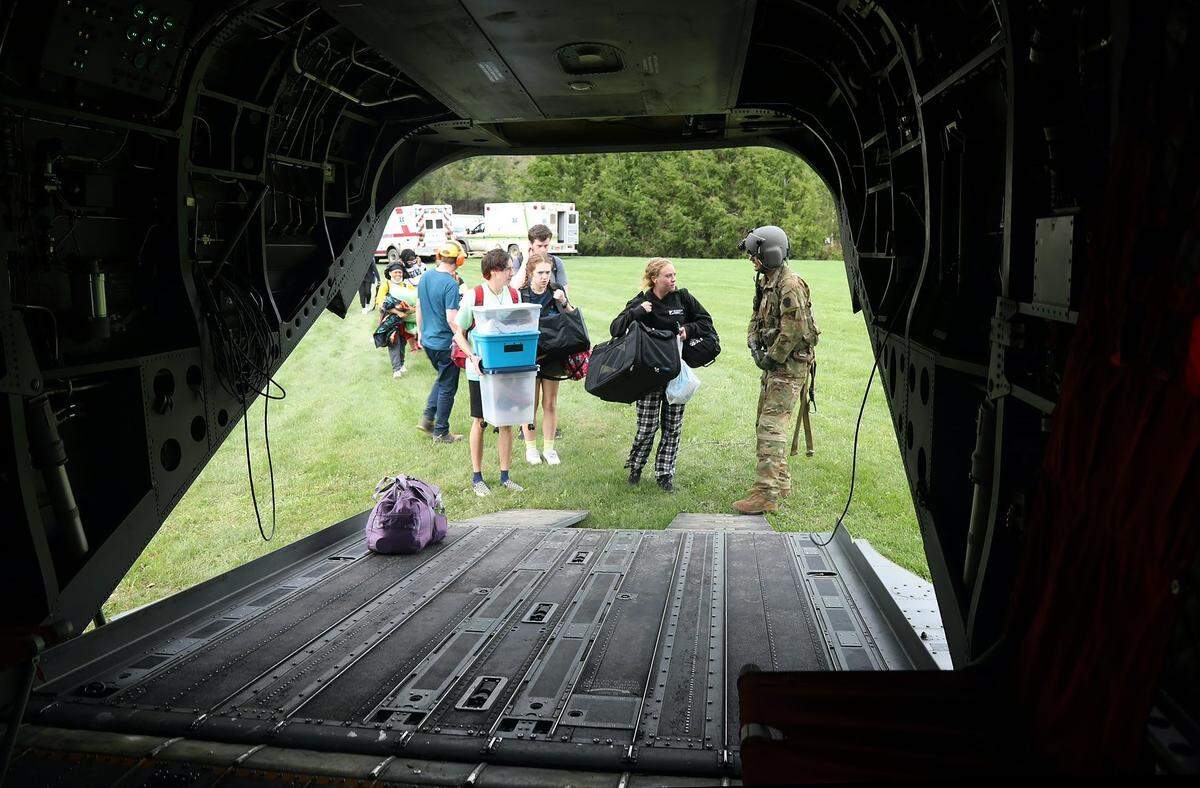
The counties approved for aid are Alexander, Alleghany, Ashe, Avery, Buncombe, Burke, Cabarrus, Caldwell, Catawba, Cherokee, Clay, Cleveland, Forsyth, Gaston, Graham, Haywood, Henderson, Iredell, Jackson, Lee, Lincoln, Macon, Madison, McDowell, Mecklenburg, Mitchell, Nash, Polk, Rowan, Rutherford, Stanly, Surry, Swain, Transylvania, Union, Watauga, Wilkes, Yadkin and Yancey, according to FEMA.
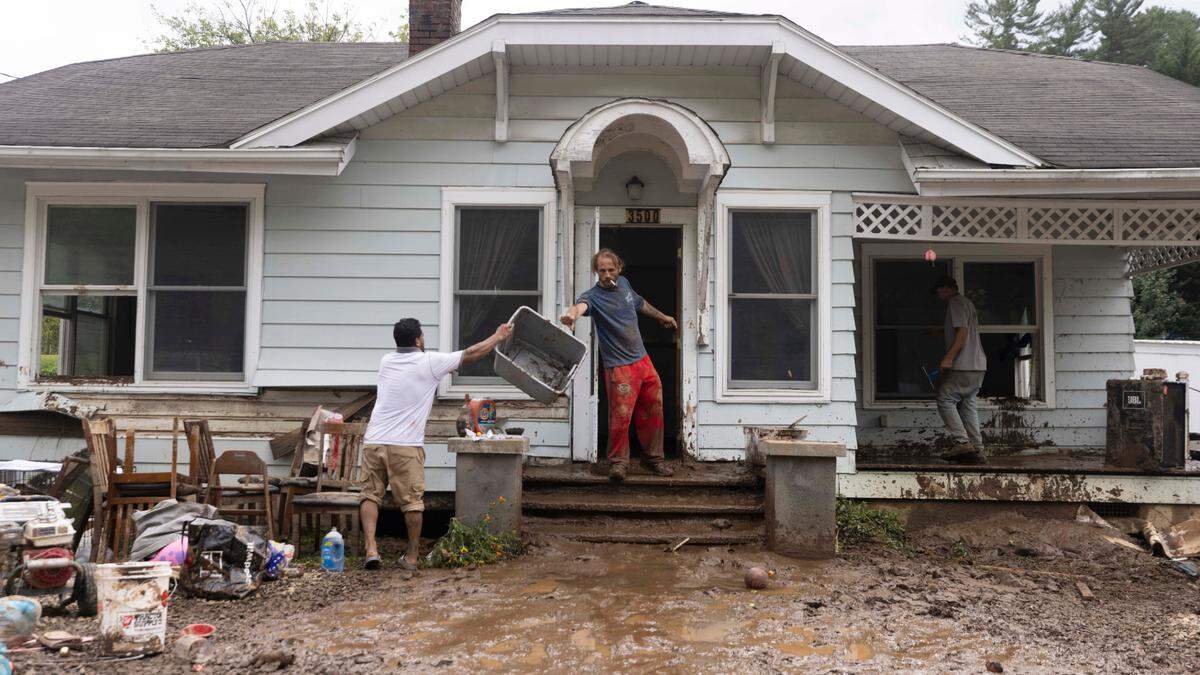
How to apply for FEMA assistance
As for how to apply for individual aid, there are multiple ways you can do so.
- Online at DisasterAssistance.gov.
- Via the FEMA App
- By calling the FEMA helpline at 800-621-3362 from 7 a.m. to 11 p.m. ET daily.
If you use a video relay service, captioned telephone service, or other communication services, you should provide FEMA the specific number assigned for that service.
FEMA does not provide aid for losses already covered by insurance, so the agency recommends immediately filing a claim with your insurance company if you have insurance. You do not need to file your insurance claim before applying for FEMA aid, but will be required to provide FEMA with insurance settlement details or denials for some forms of assistance, according to the FEMA website.
Be sure to take pictures of damage to your home and personal property before any cleanup or repairs. Document all the information you can.
FEMA aid is available for U.S. citizens, noncitizen nationals, or qualified noncitizens such as legal permanent residents, refugees and more.
Renters and small business owners may also be eligible for federal help through the U.S Small Business Administration (SBA), which provides disaster loans.
What is needed for the application
For the FEMA application, here’s what you need:
- Social Security number
- Annual household income
- Contact information such as your phone number, mailing address, email address and the damaged home address
- Bank account information
- Insurance information
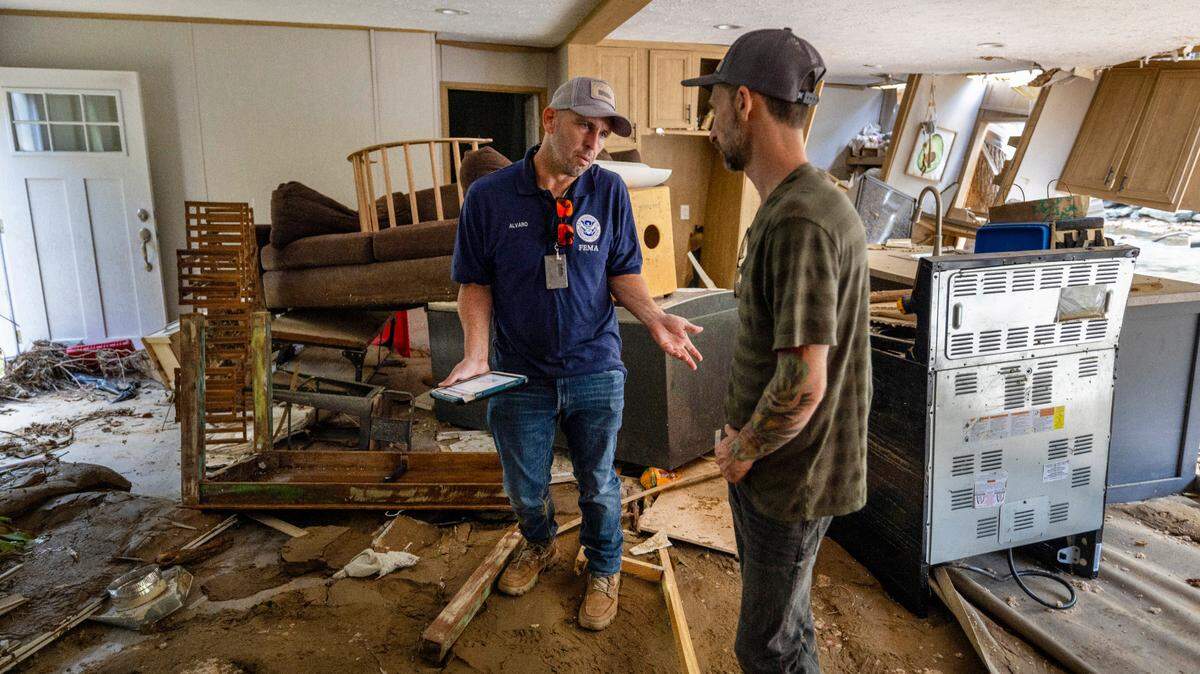
After applying for aid, an inspection might be required, in which a FEMA employee comes to survey damage to your home and personal property. FEMA may also request more information. After the review, FEMA will notify you of any aid you are eligible for. You can appeal the decision.
For more immediate emergency assistance, contact 911.
For shelter, visit the American Red Cross, or Salvation Army, or by texting SHELTER and your zip code (for example, “SHELTER 01234”) to 4FEMA (43362).
For local aid options, call 2-1-1.
FEMA is just one form of federal aid. More aid is often provided by other agencies, including through the U.S. Department of Housing and Urban Development. Be sure to be on the lookout for other federal aid and other local and statewide aid that may become available.
This story was originally published September 30, 2024 at 1:33 PM.







.jpg)



.jpeg)
.JPG)

















.JPG)