Areas hardest hit by Helene flooding in NC are the least likely to have flood insurance
READ MORE
Hurricane Helene Aftermath
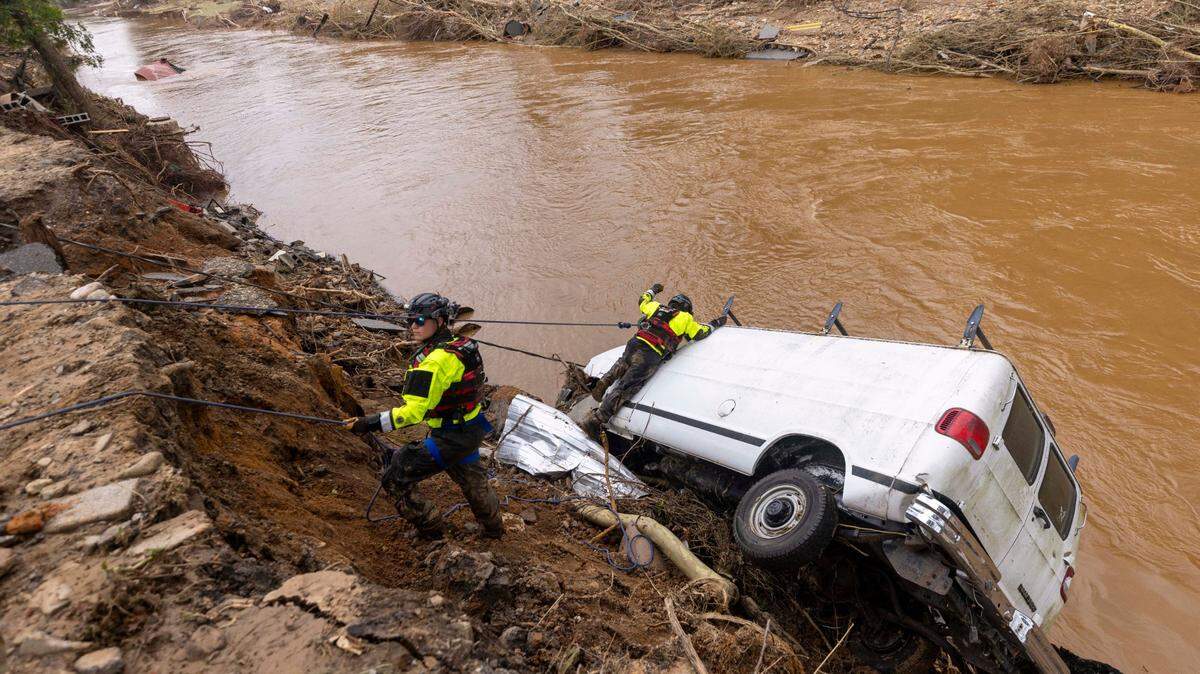
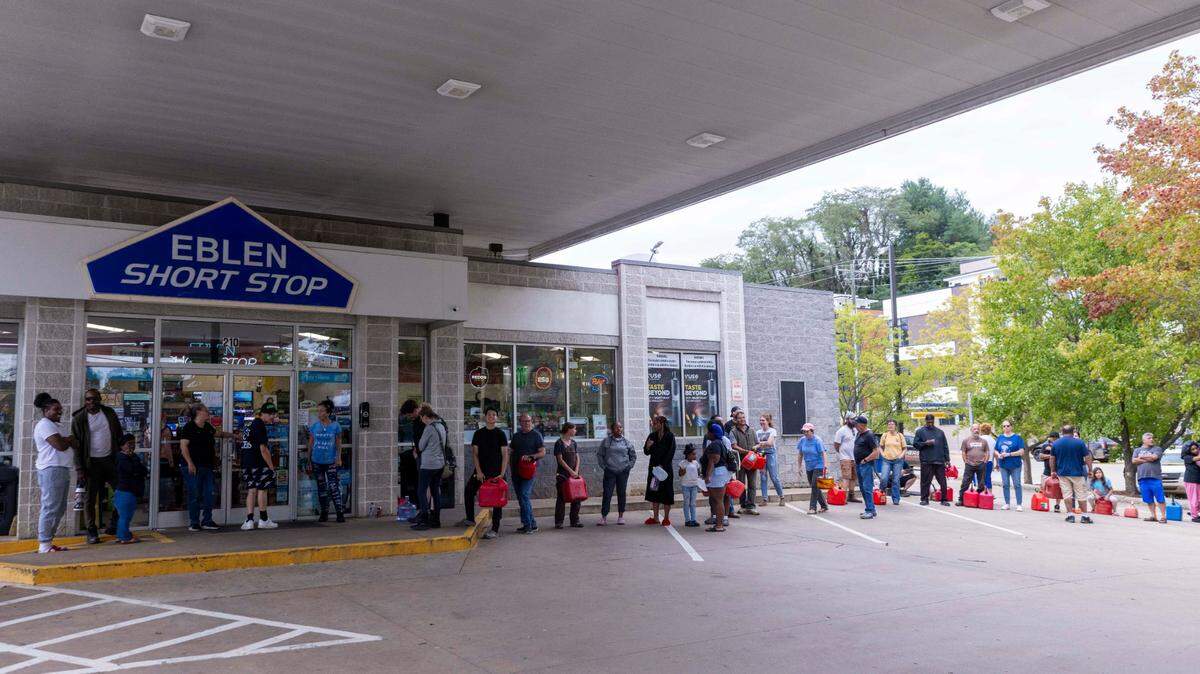
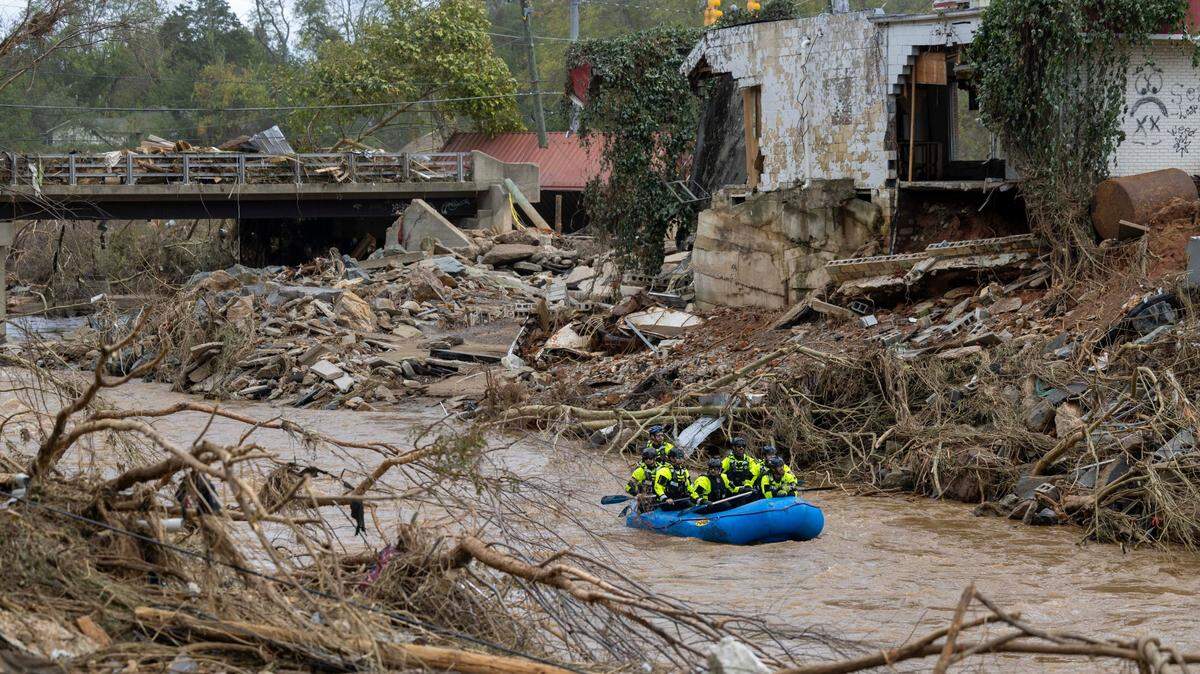
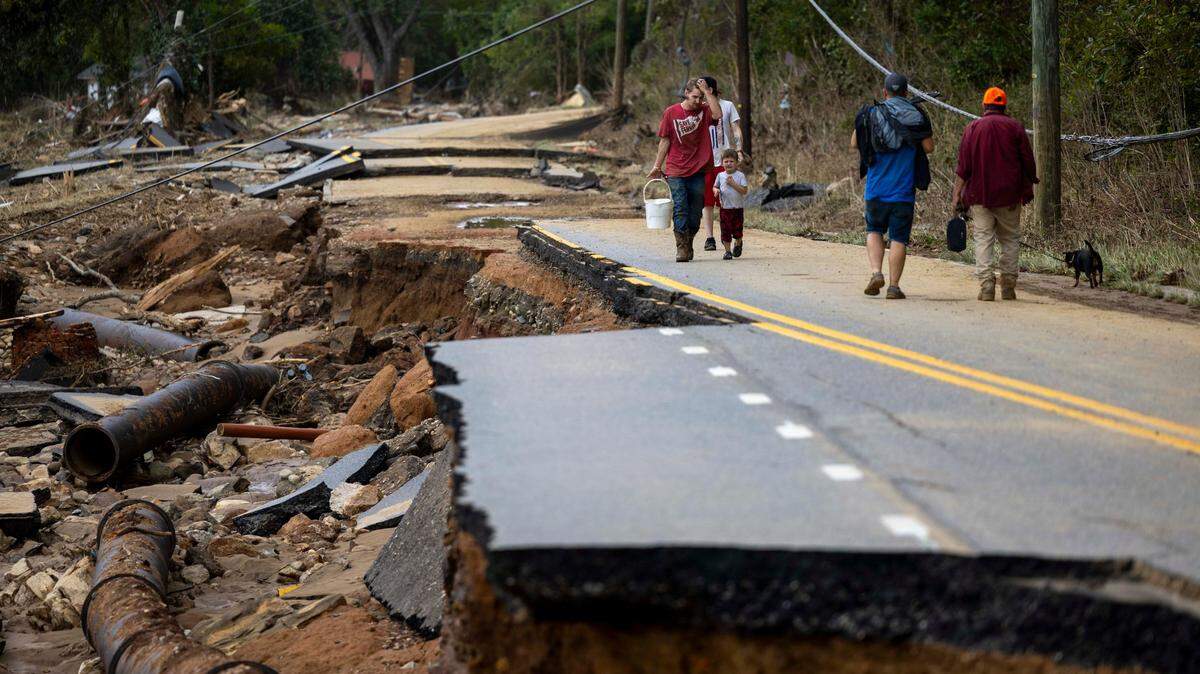
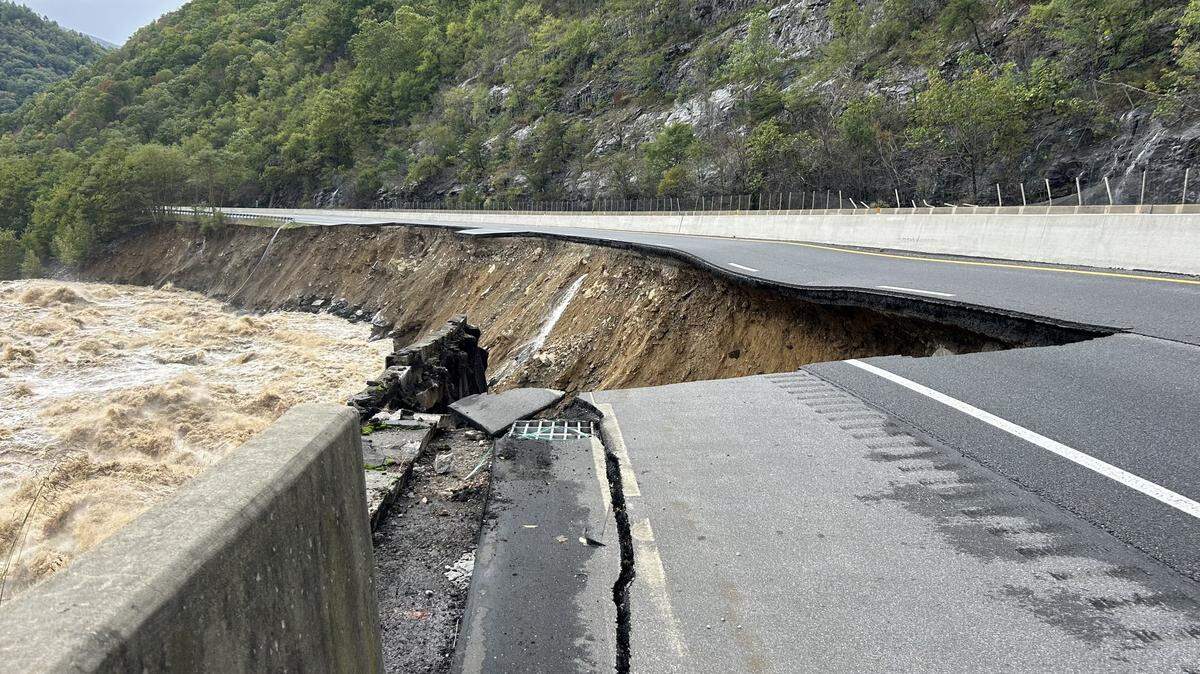
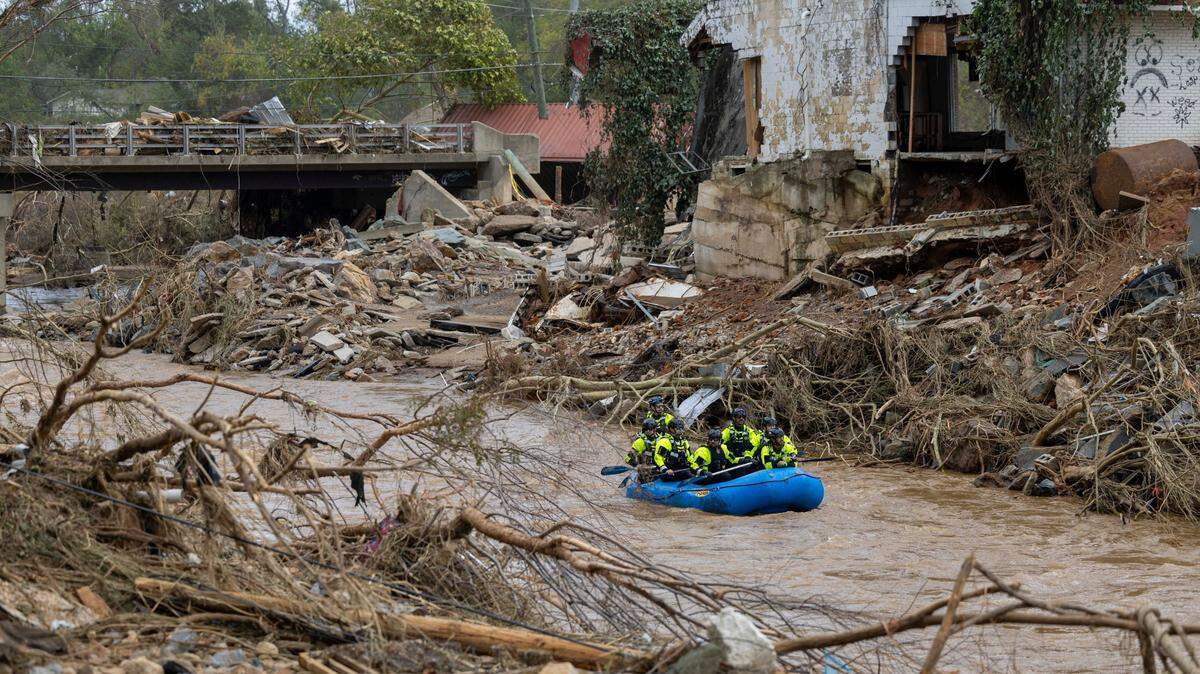
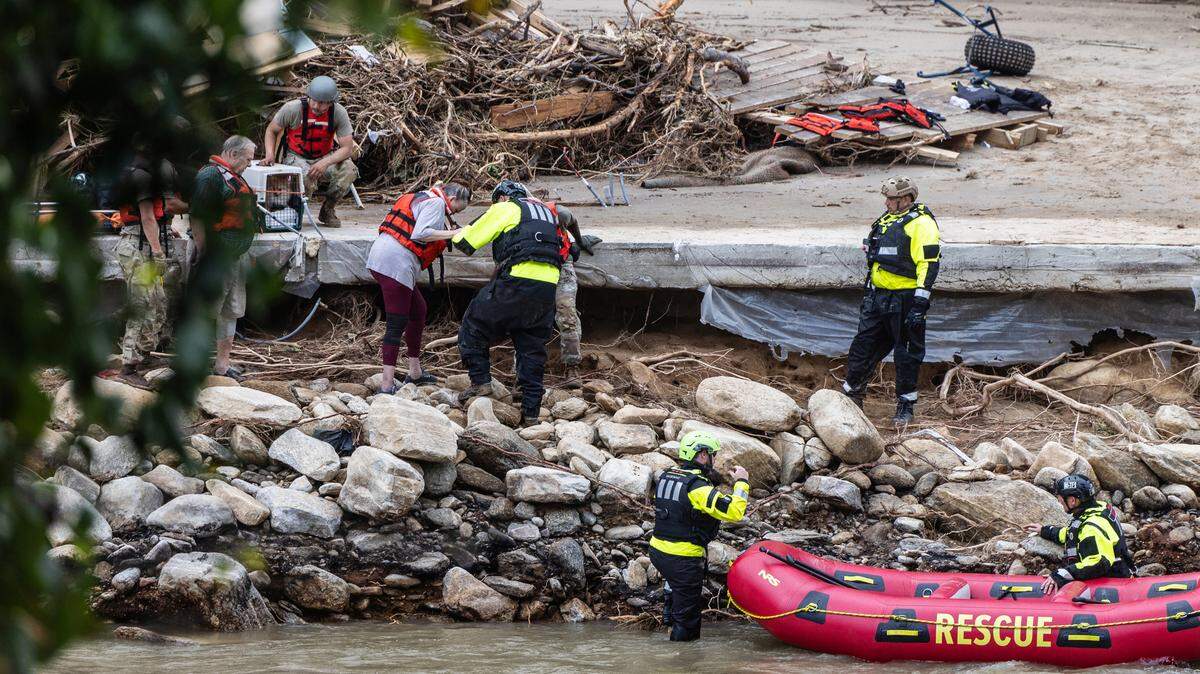
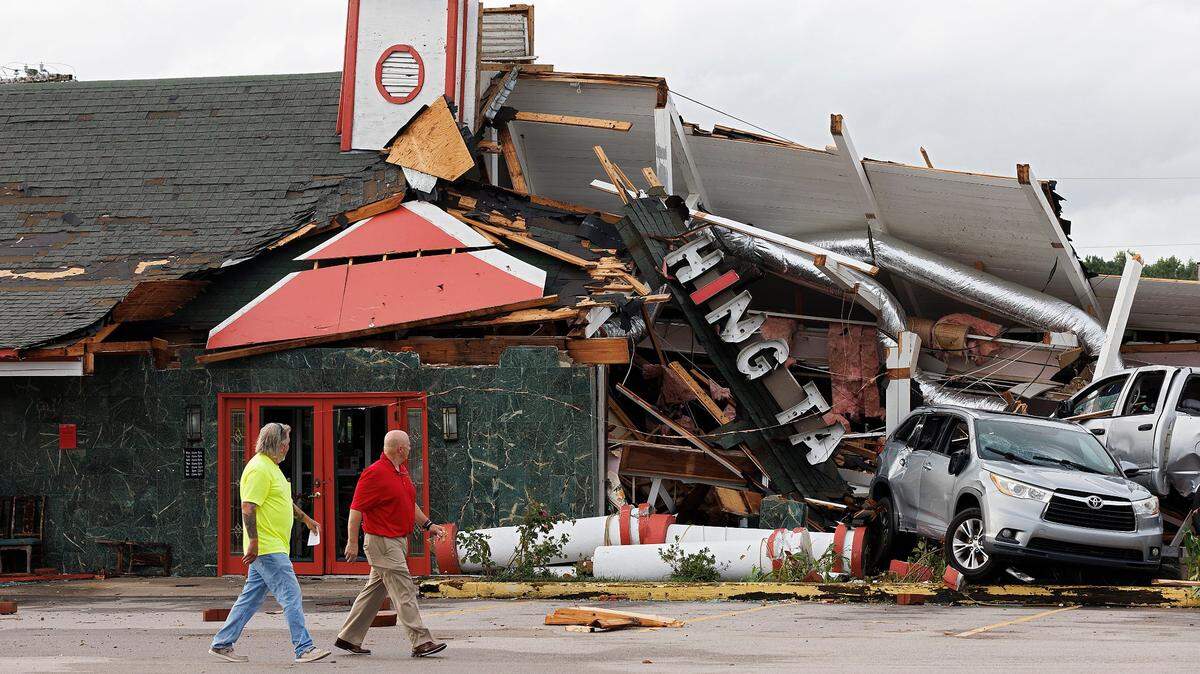
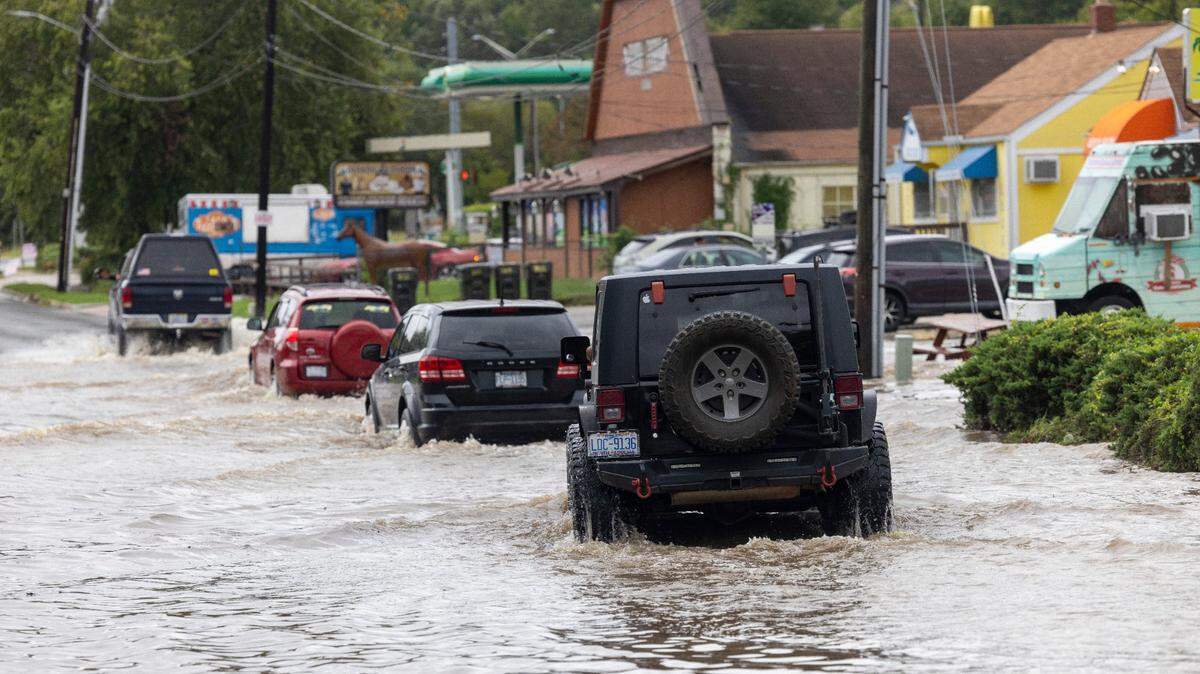
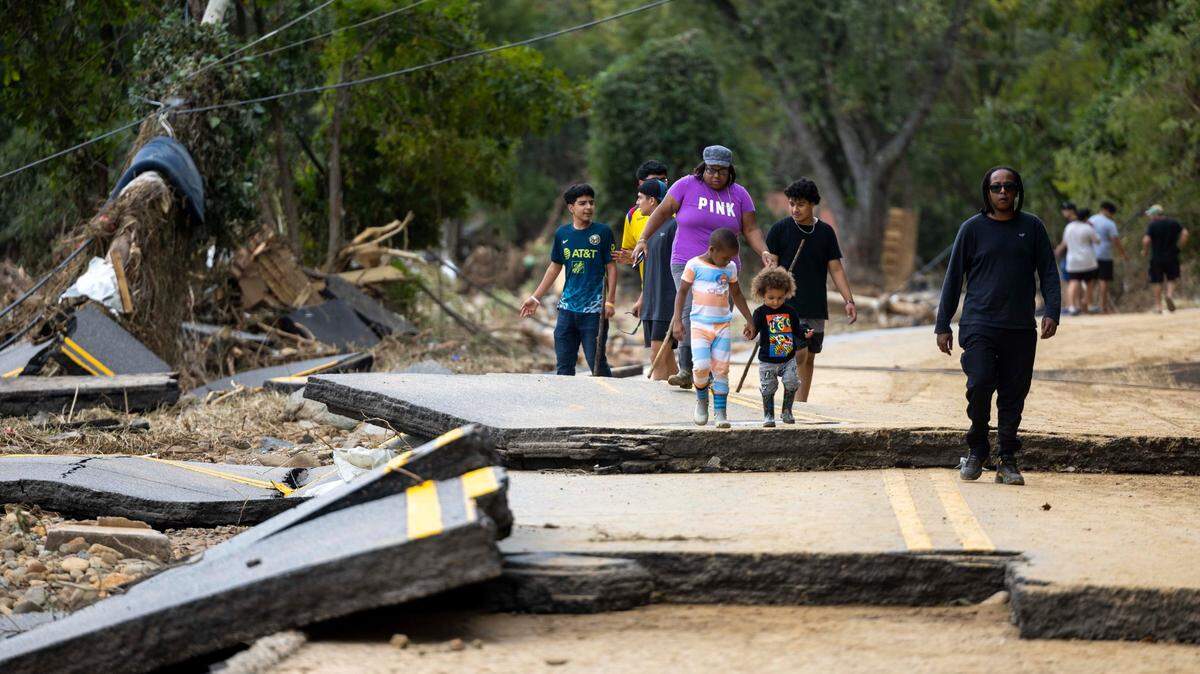
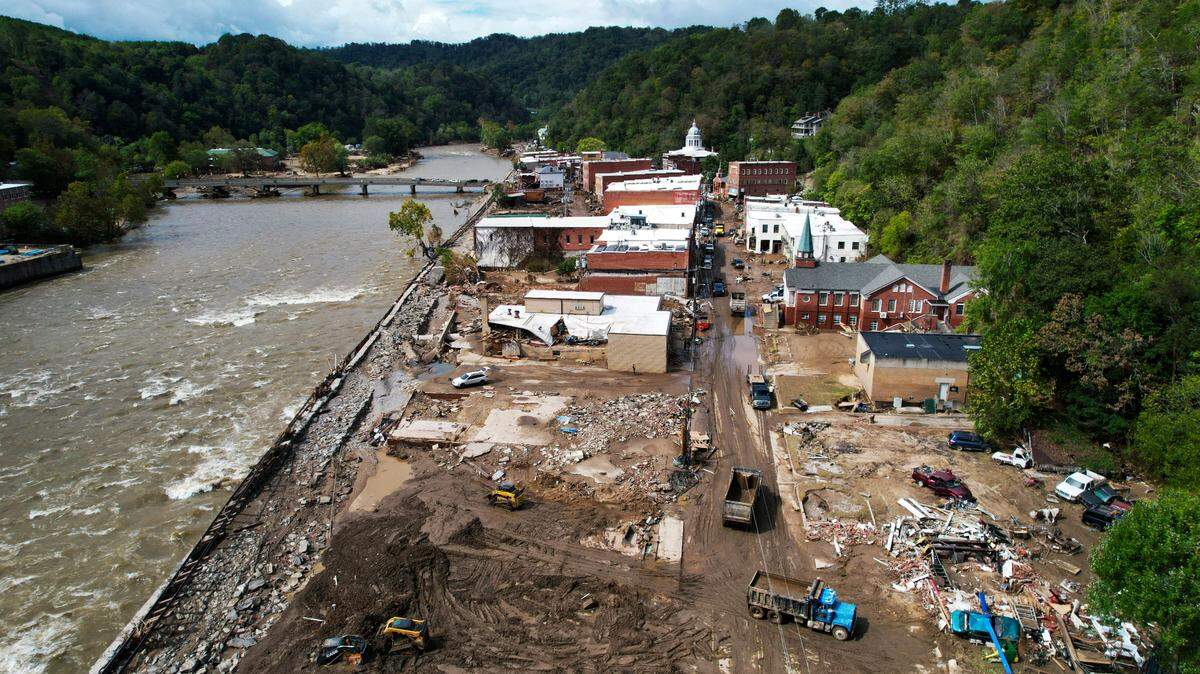
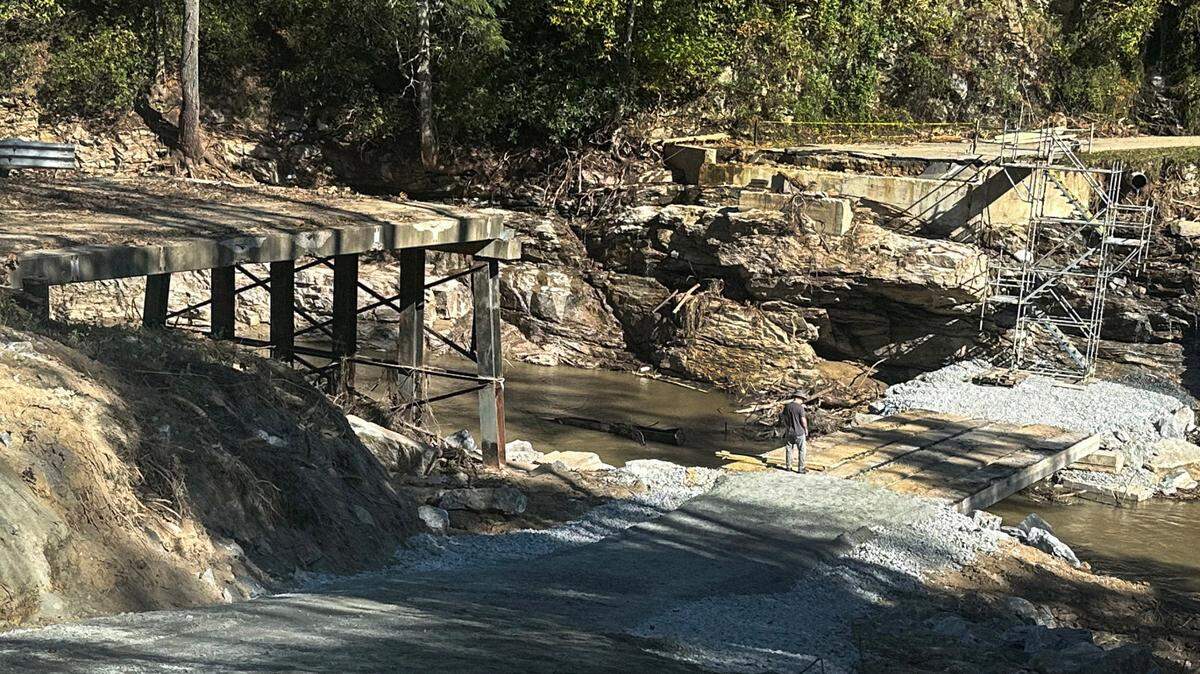
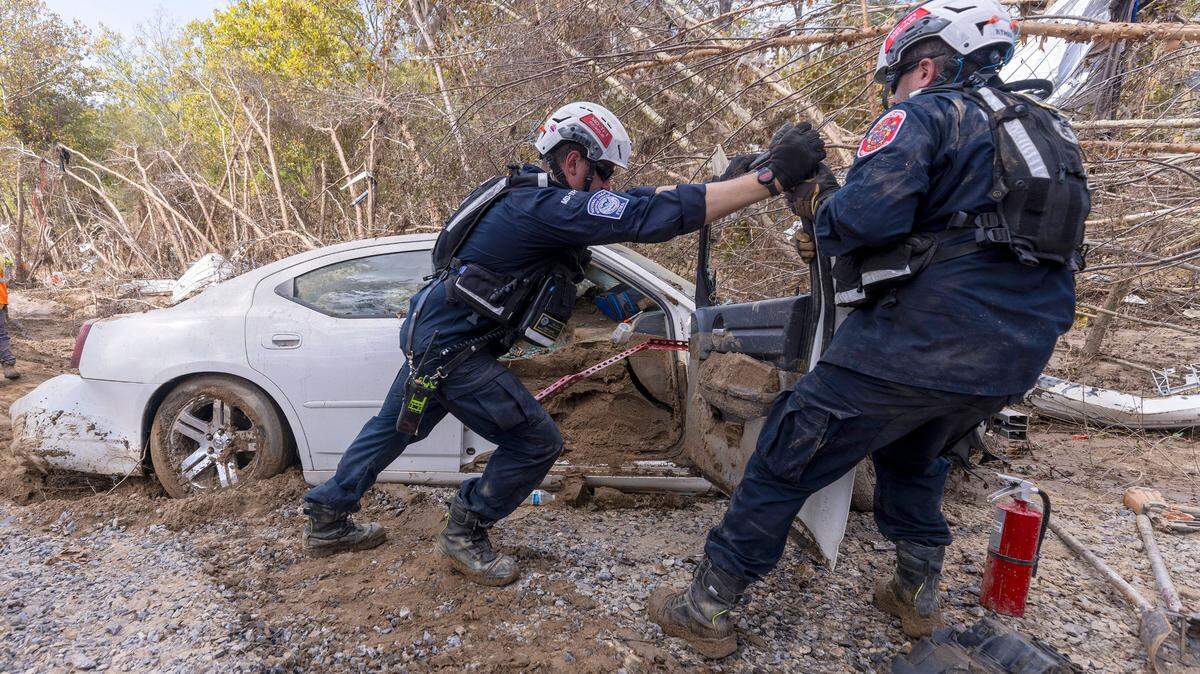
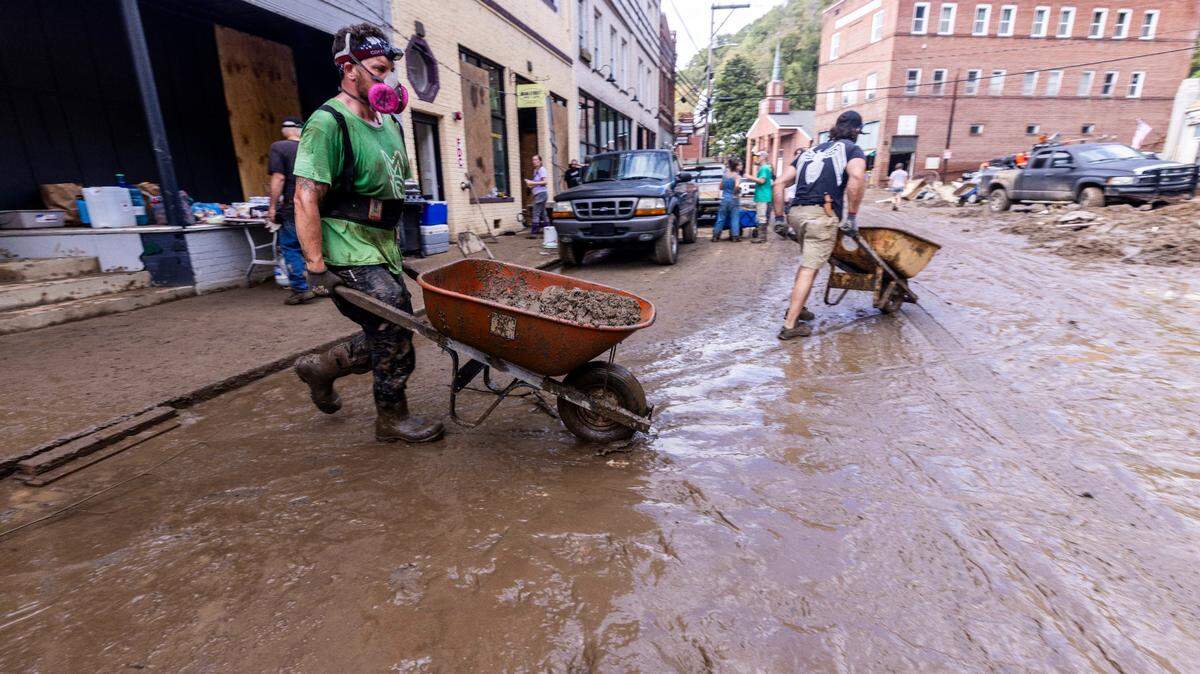
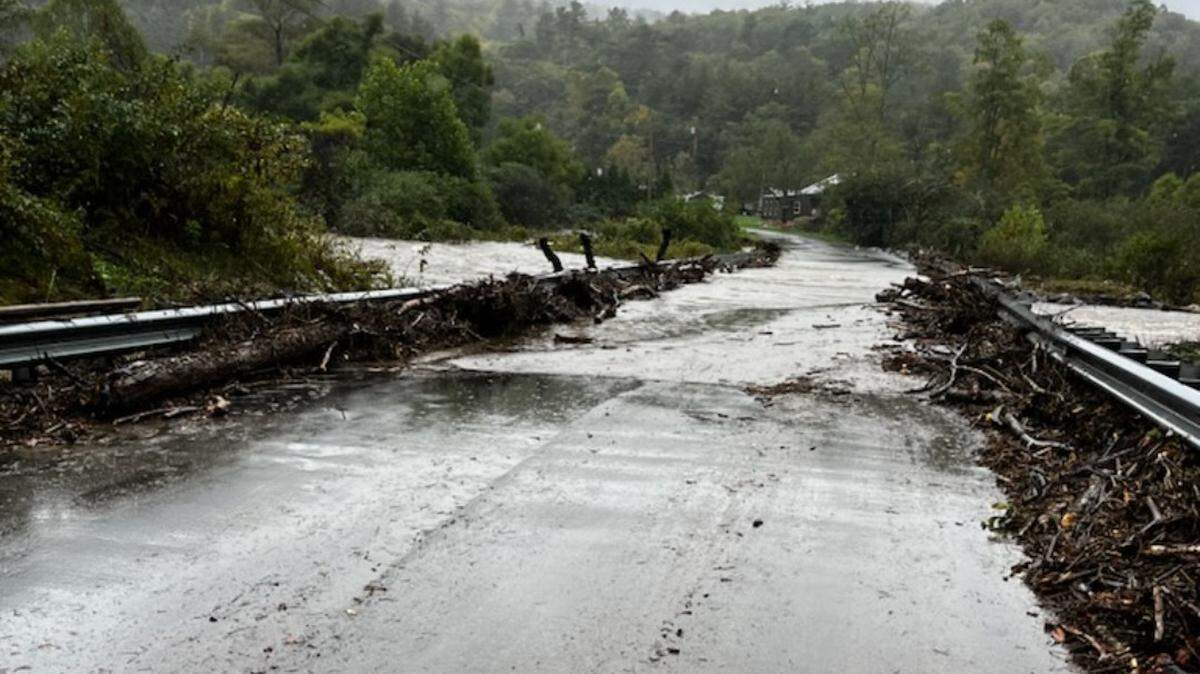
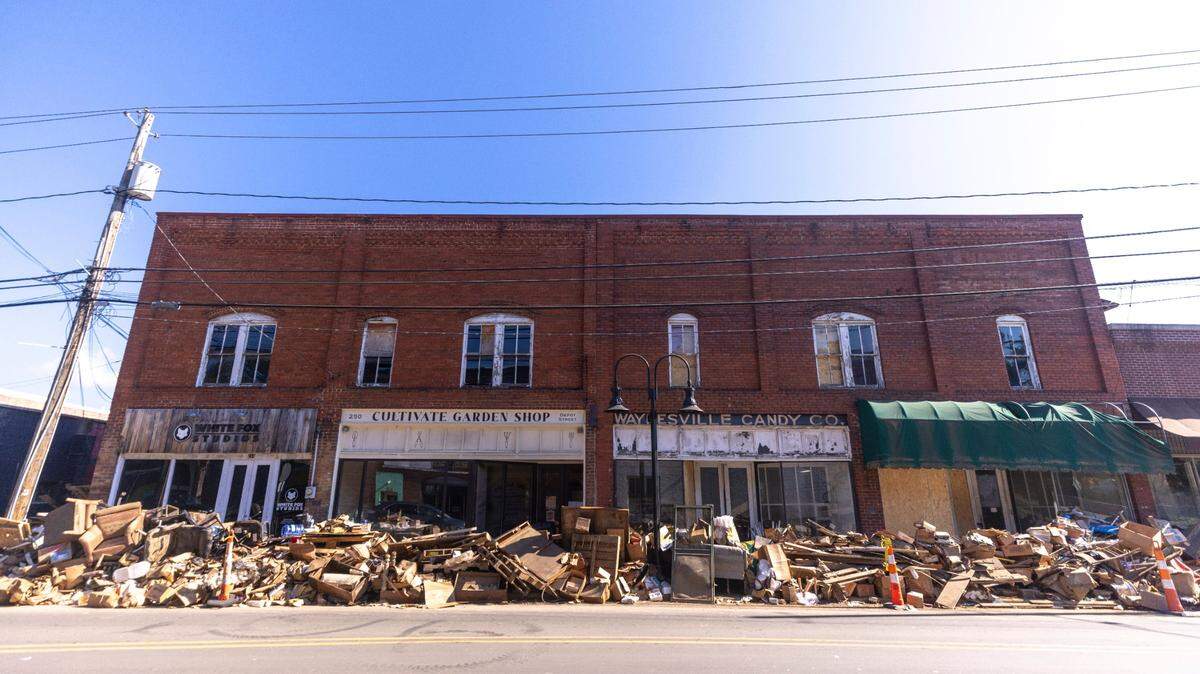
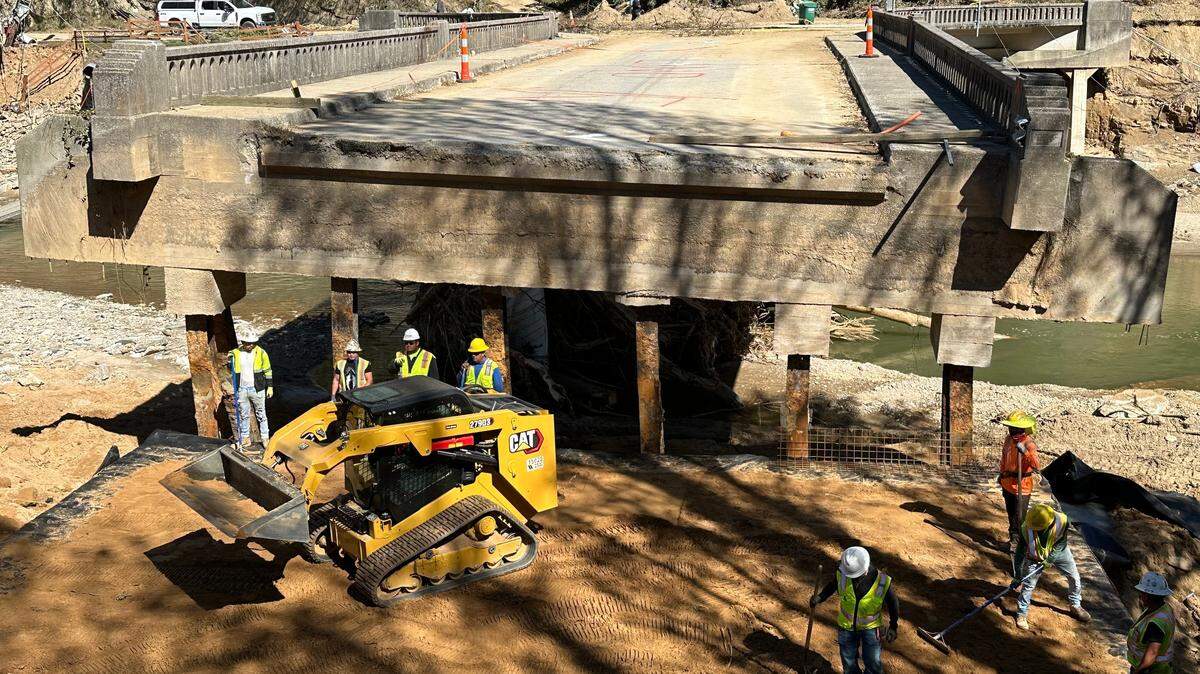
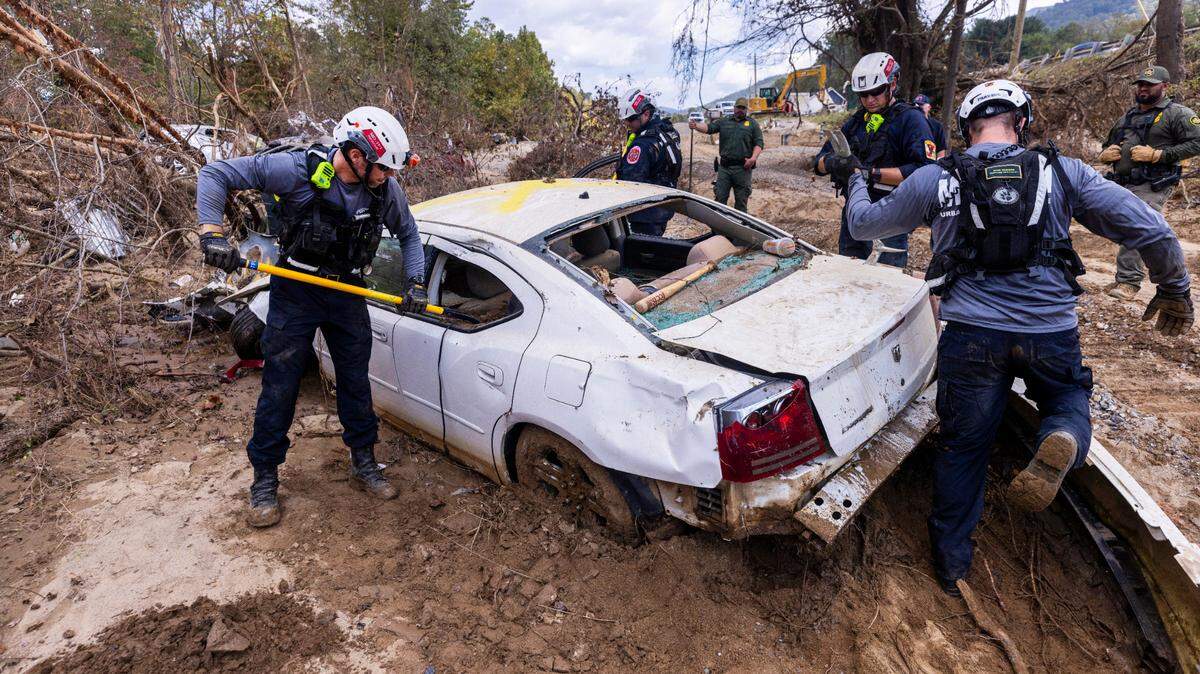
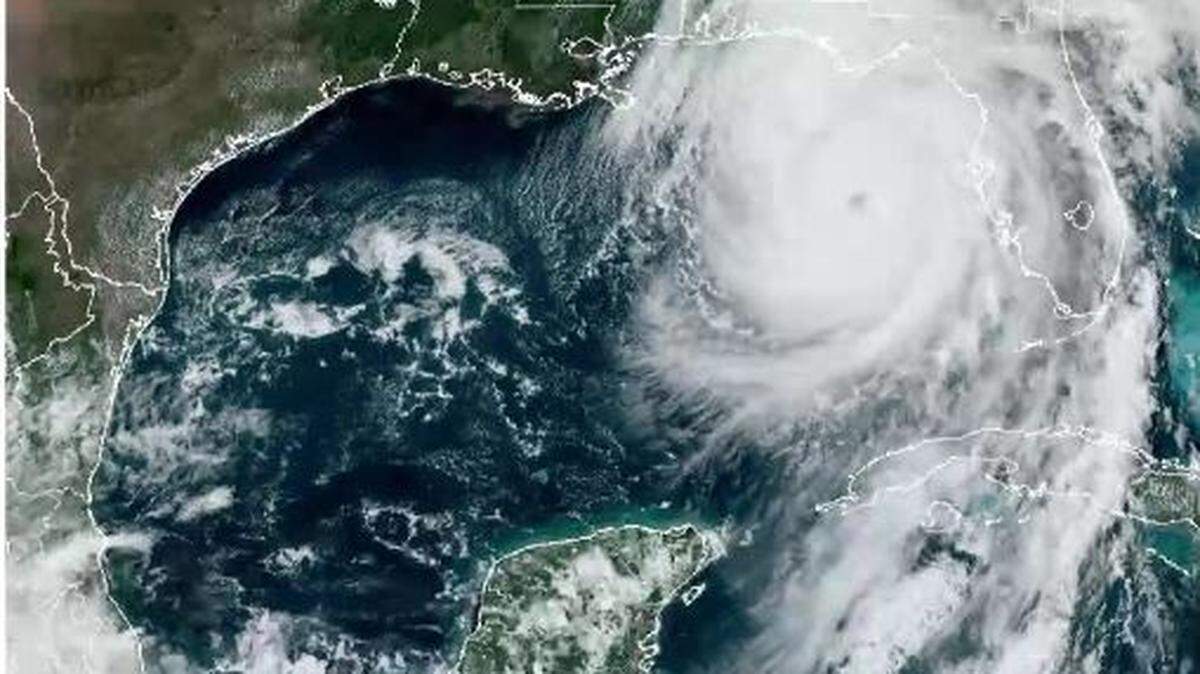
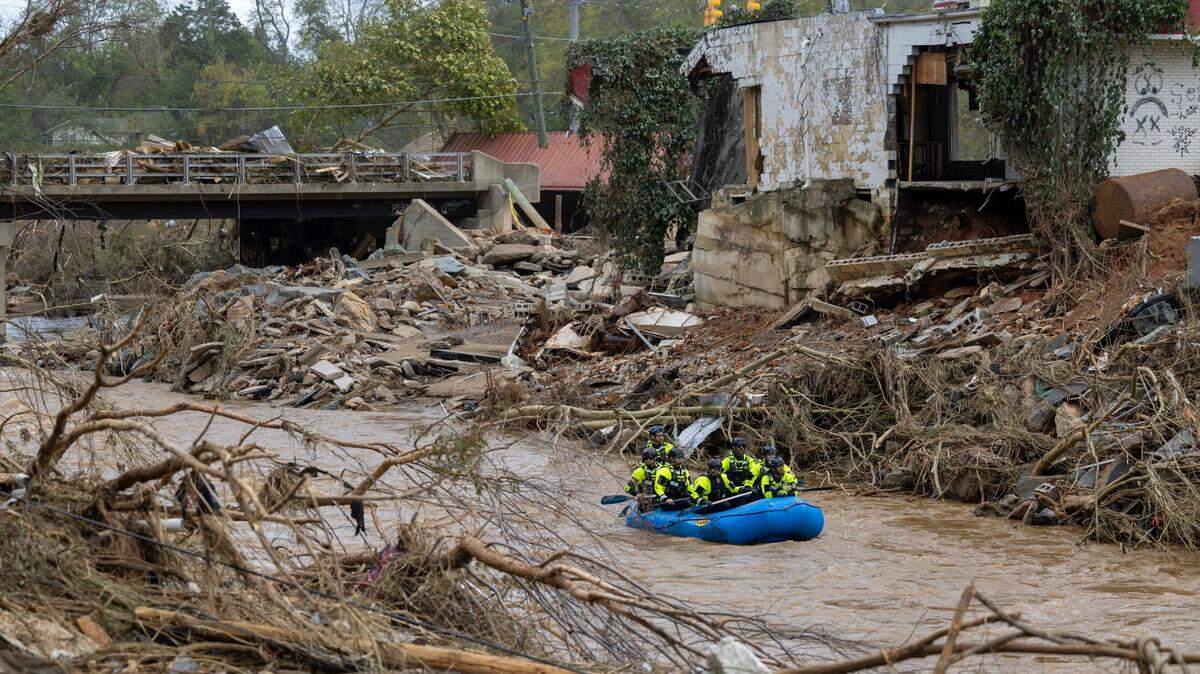
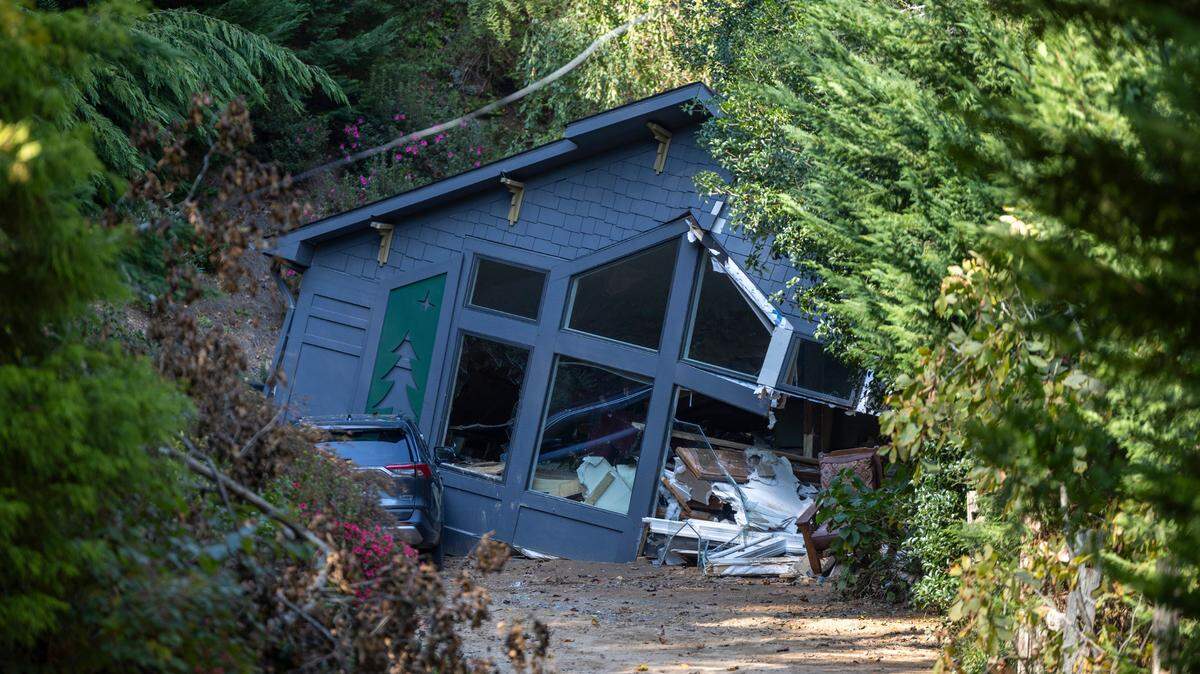
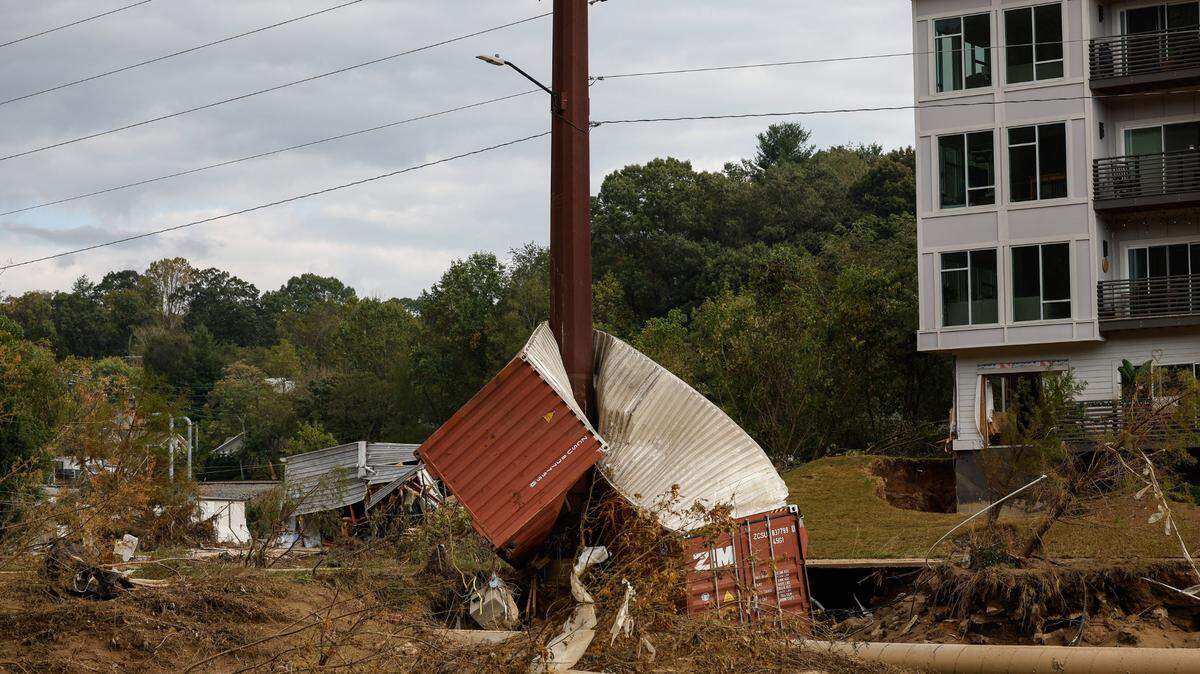
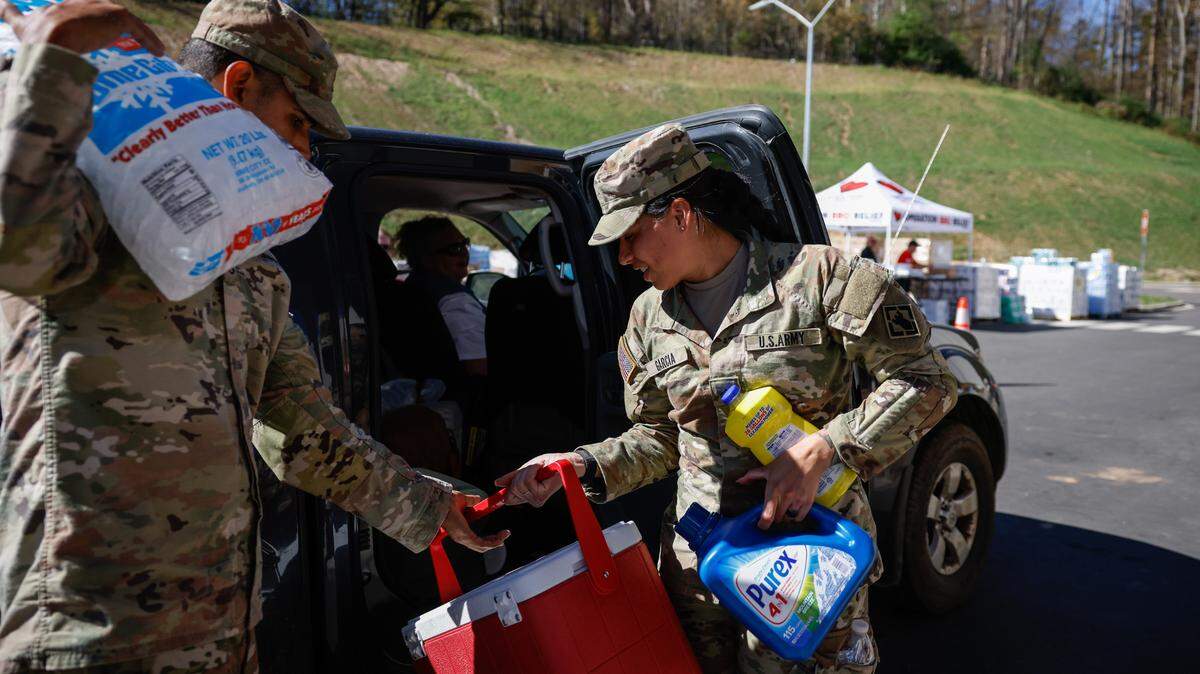
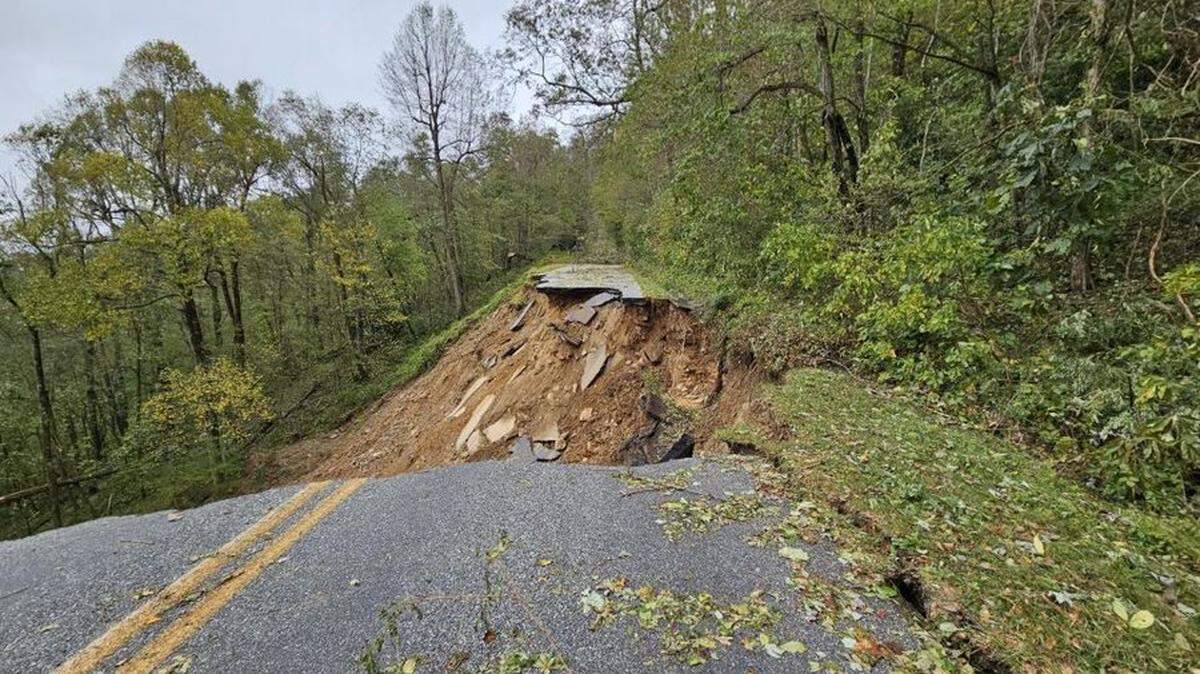
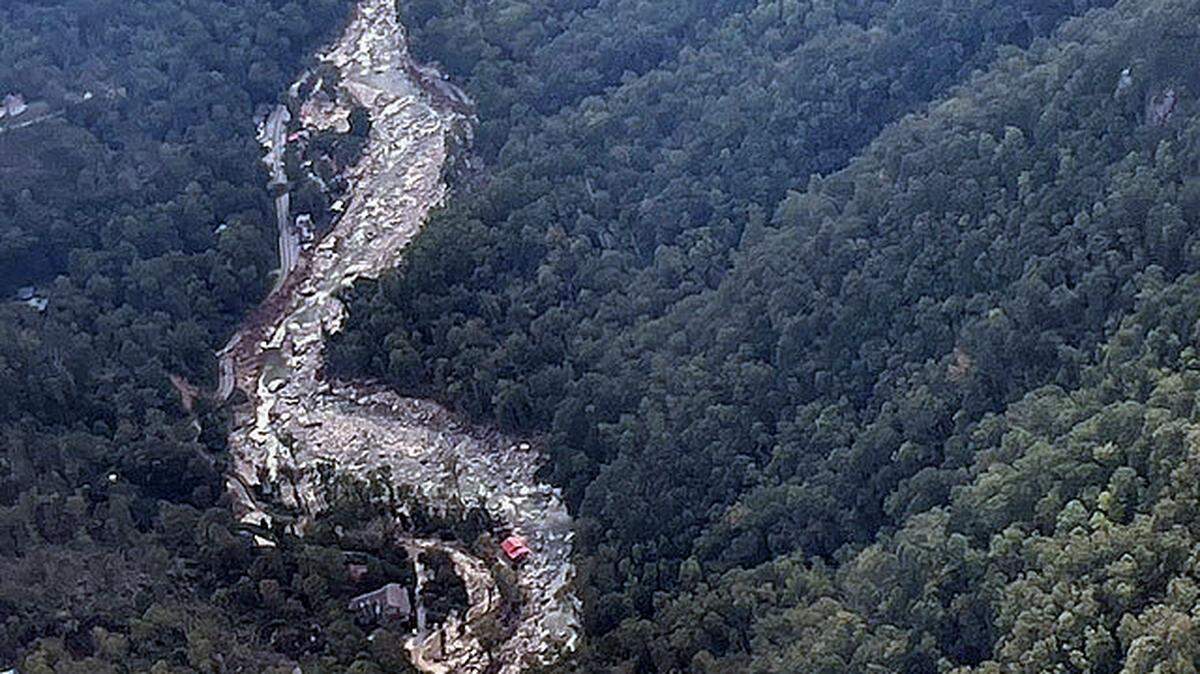
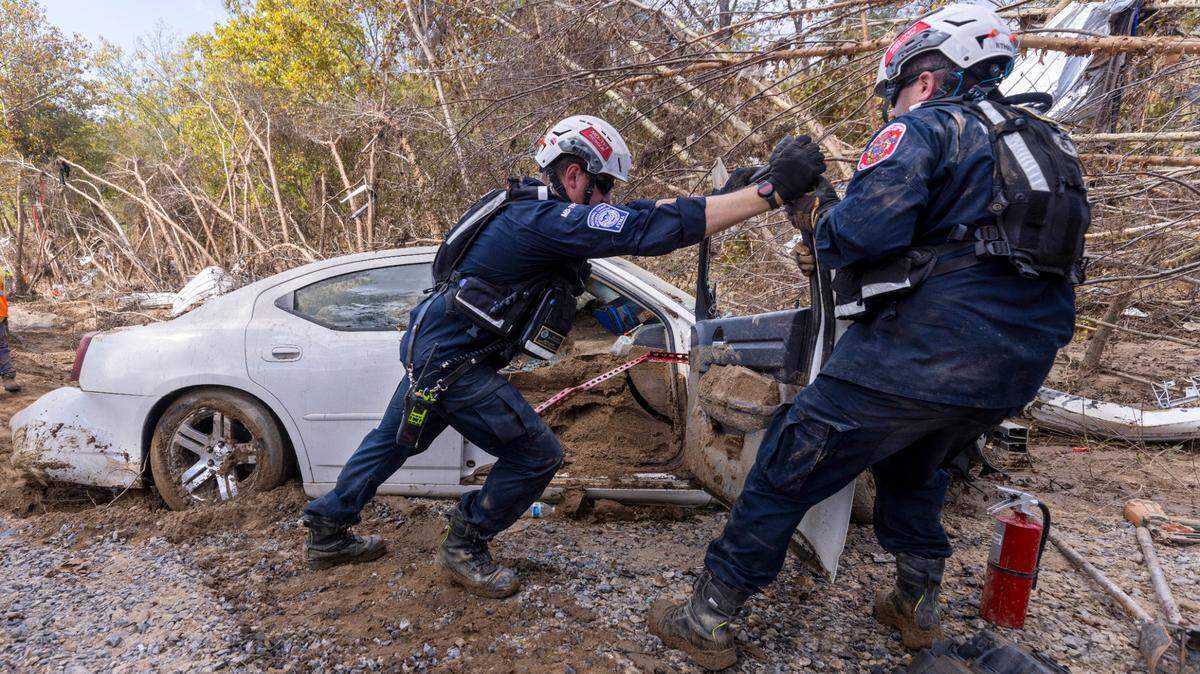
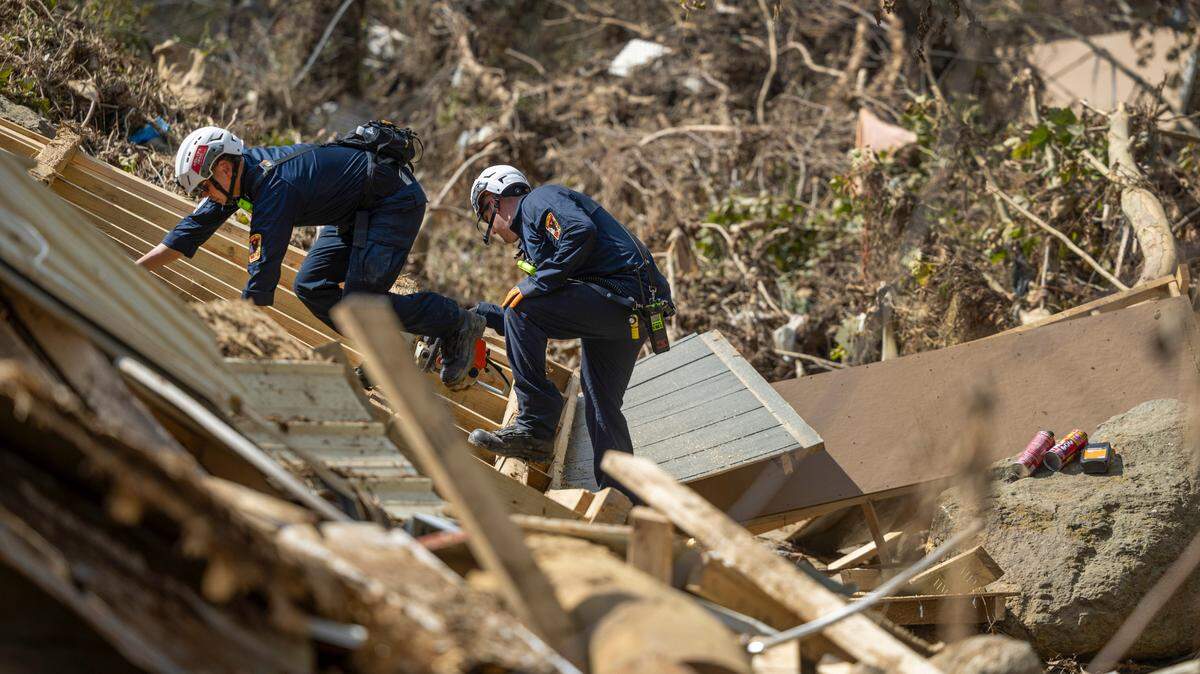
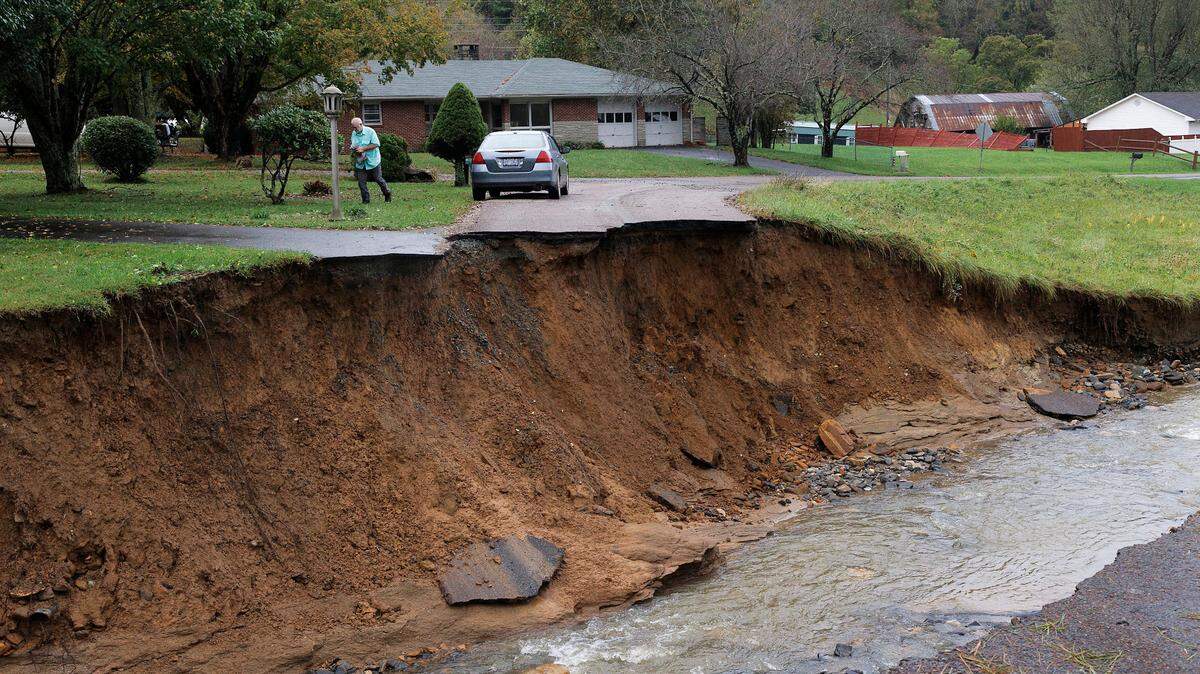
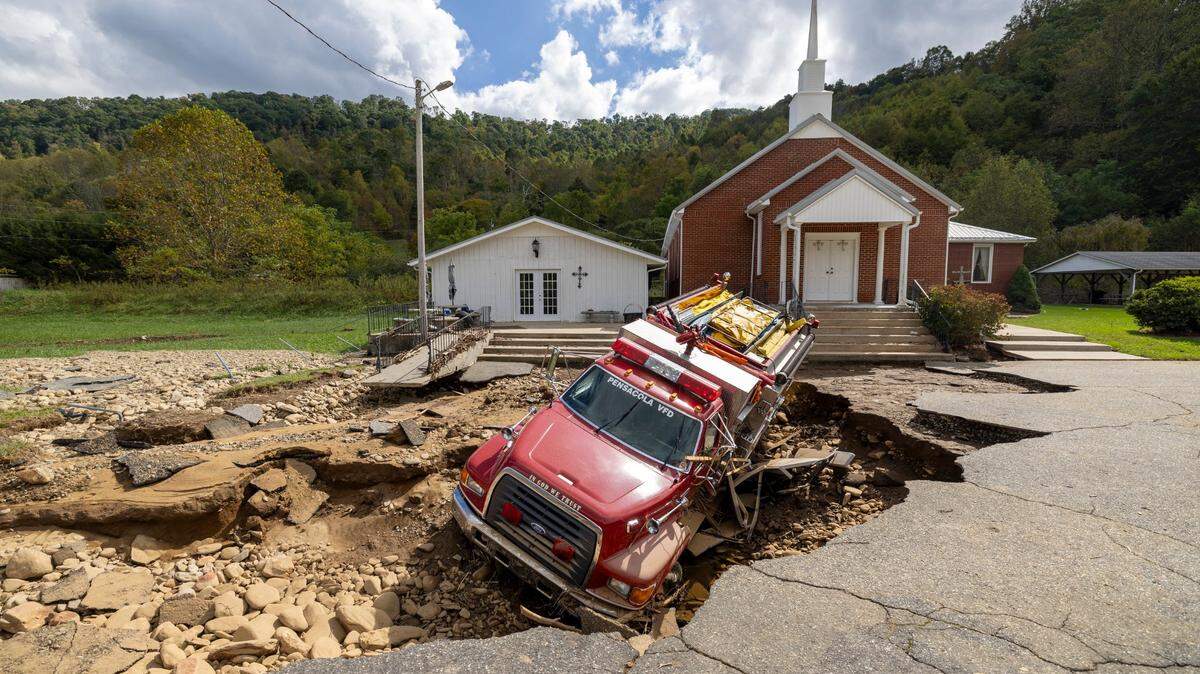
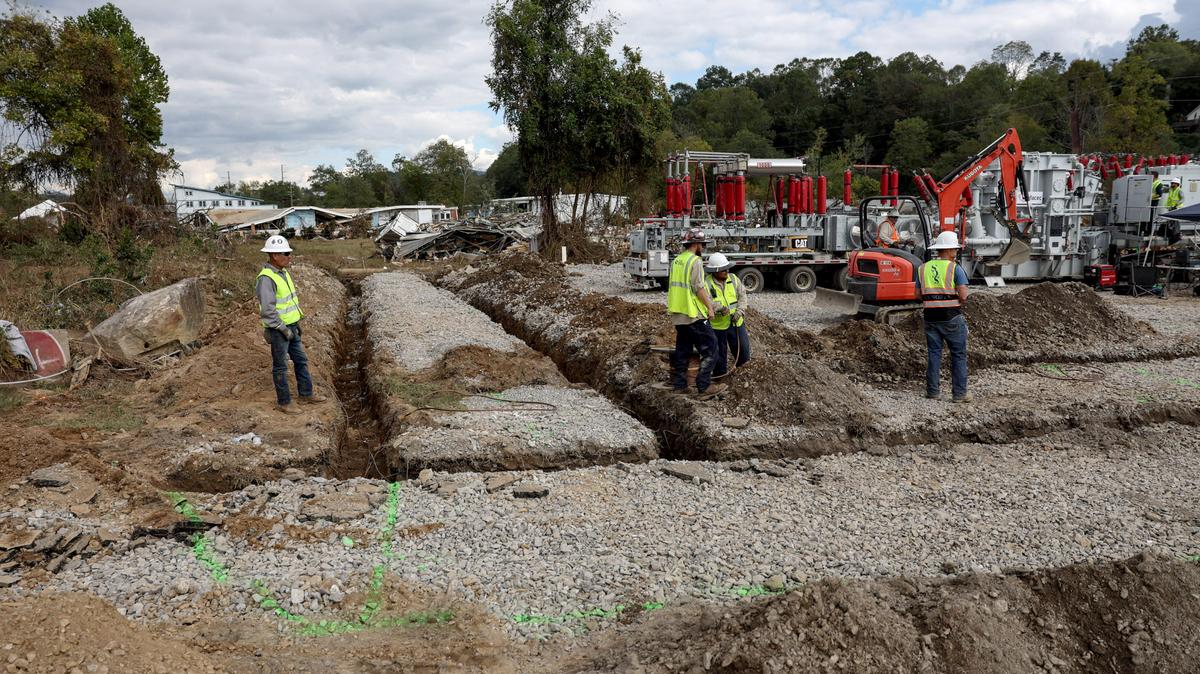
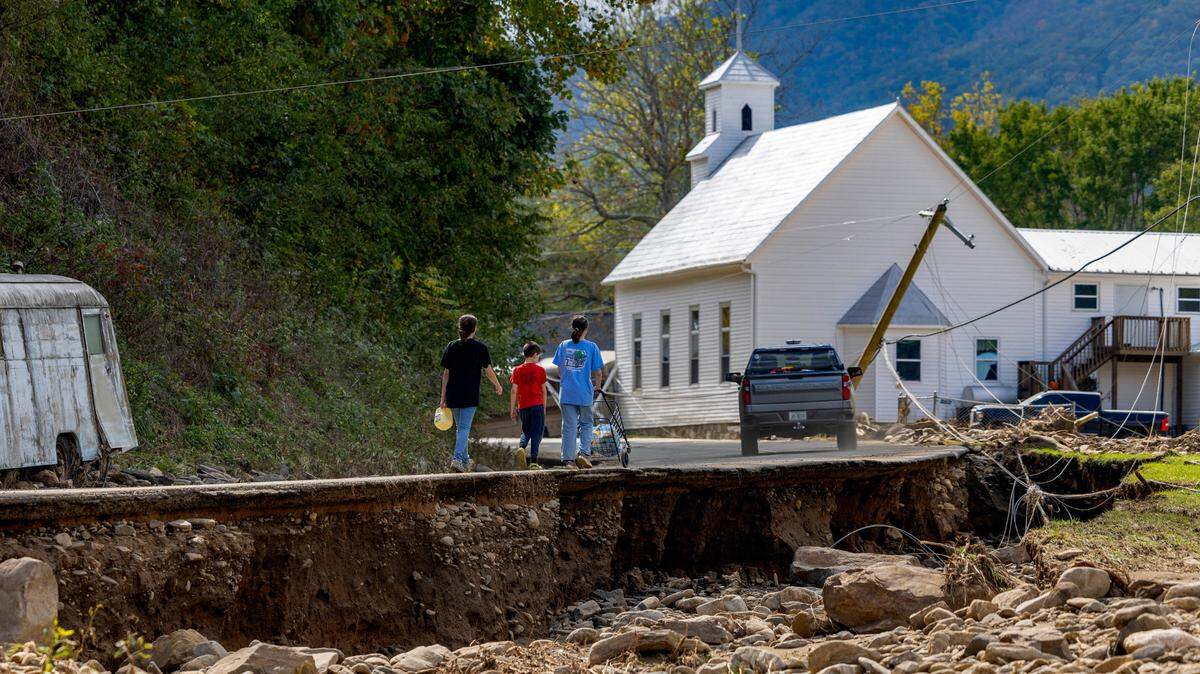
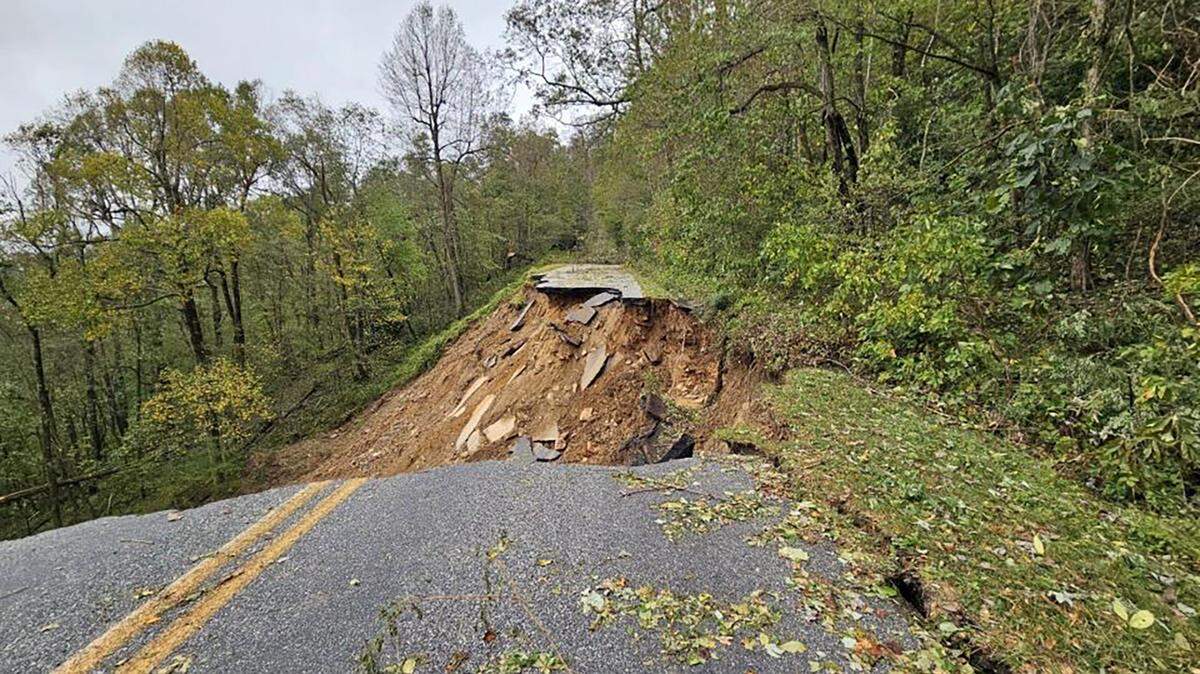
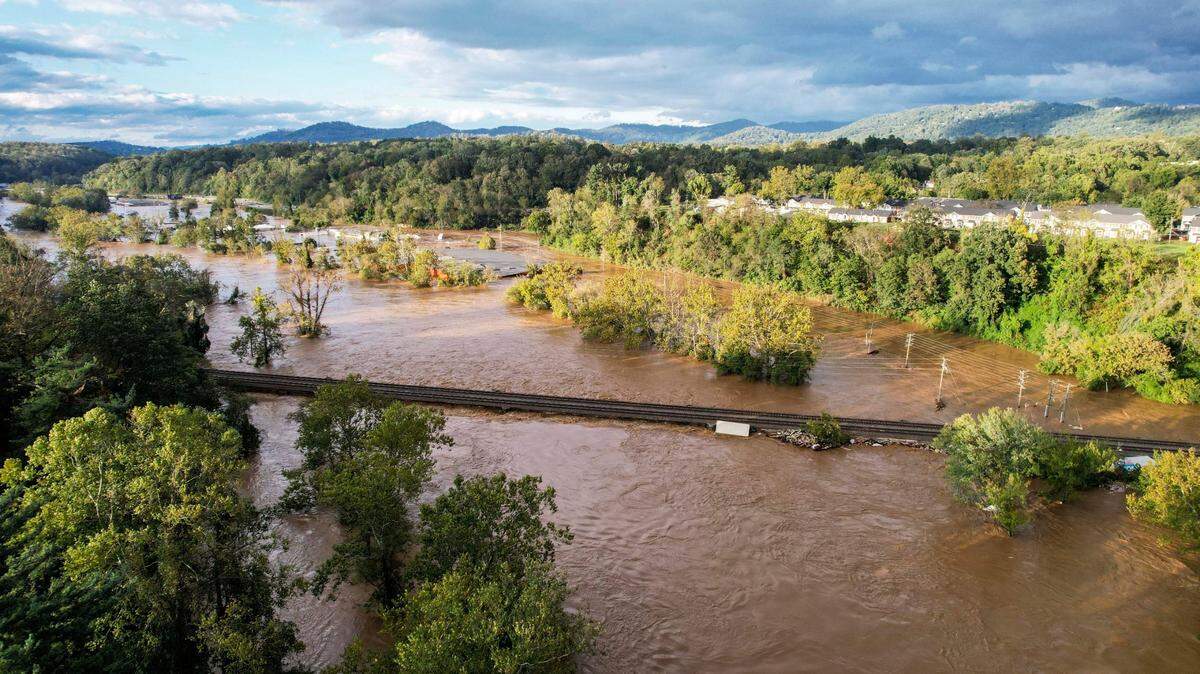
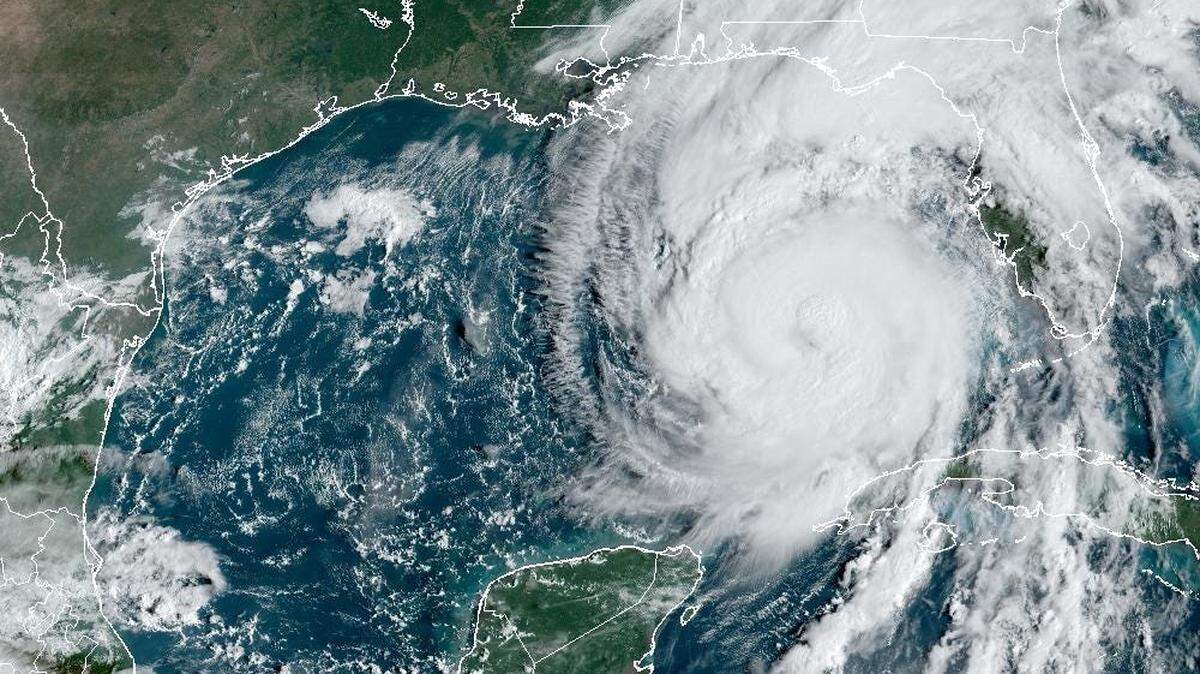
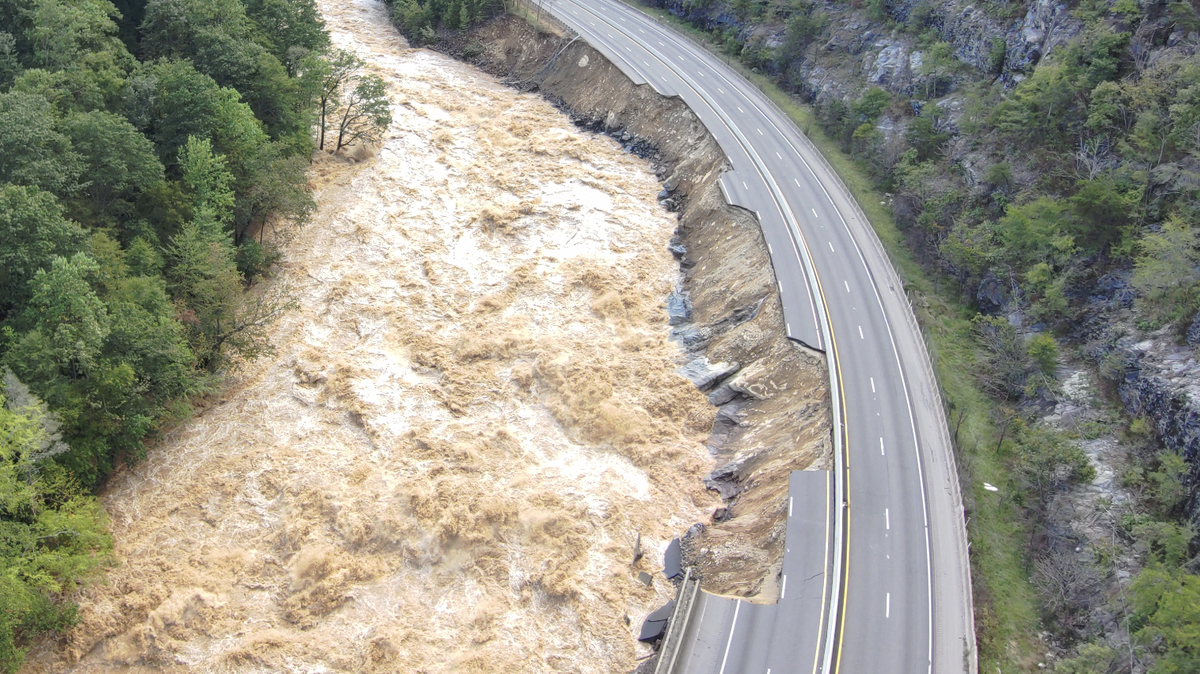
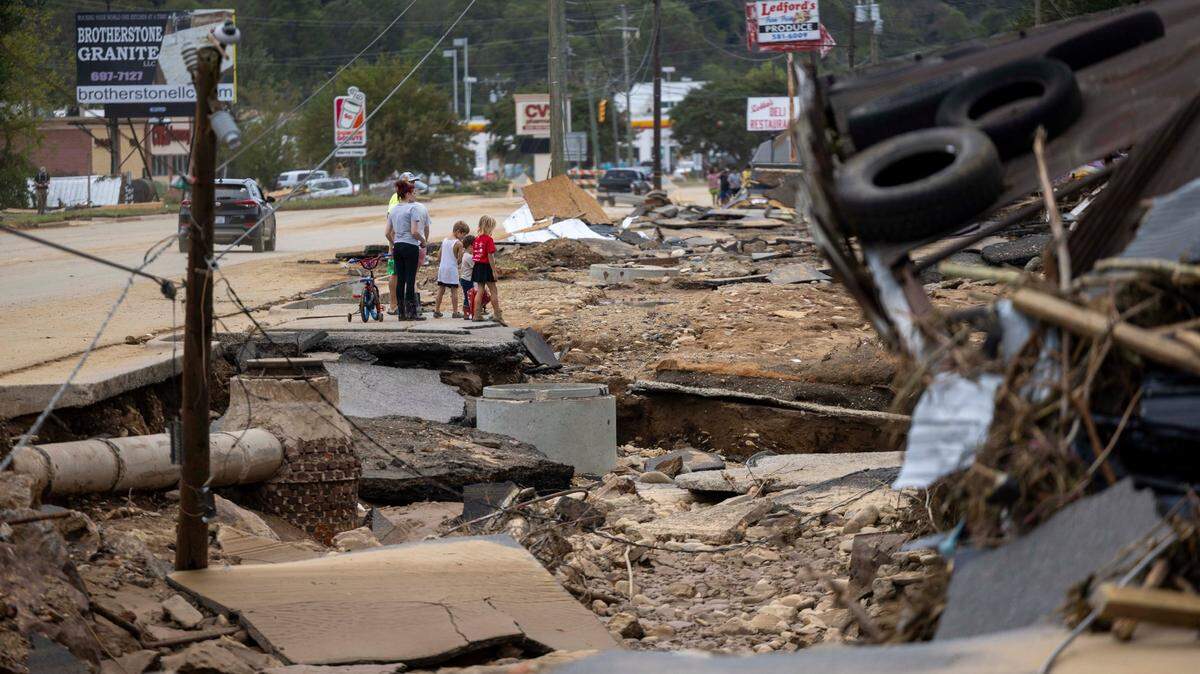
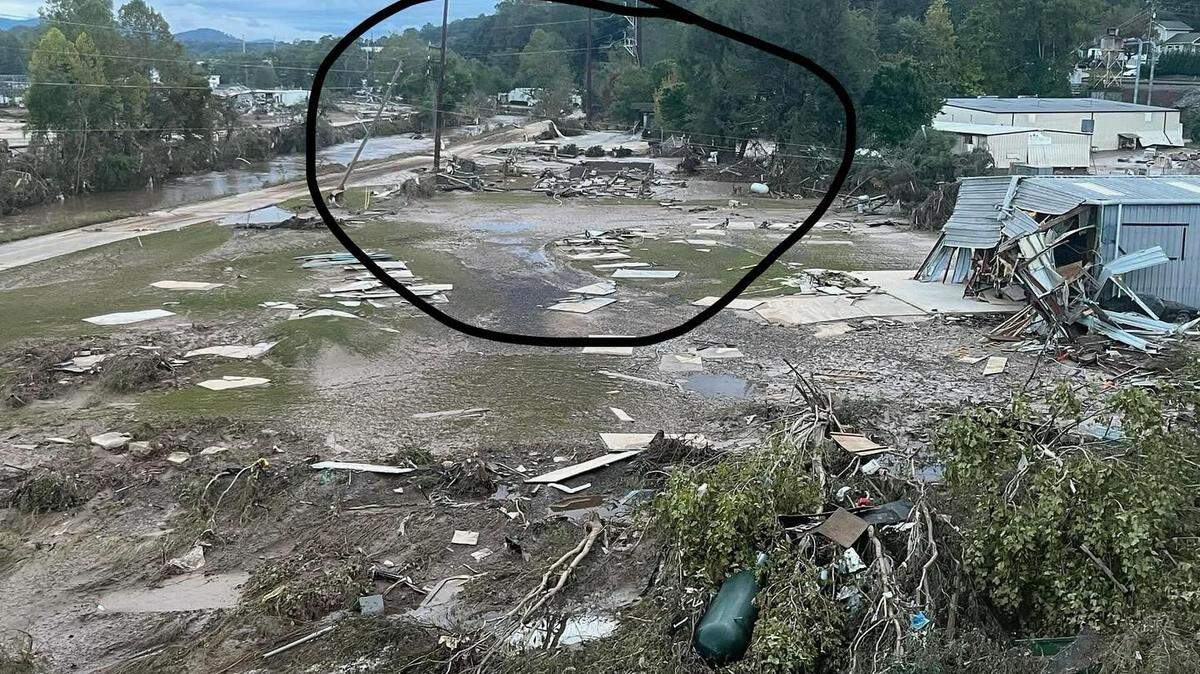
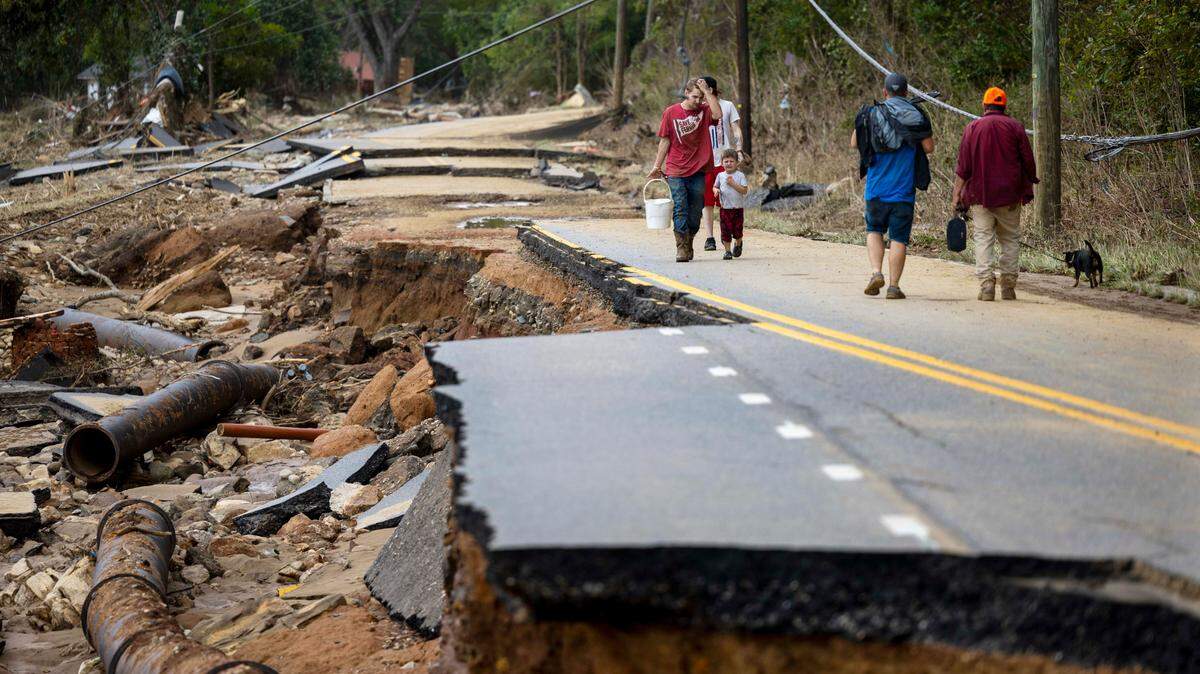
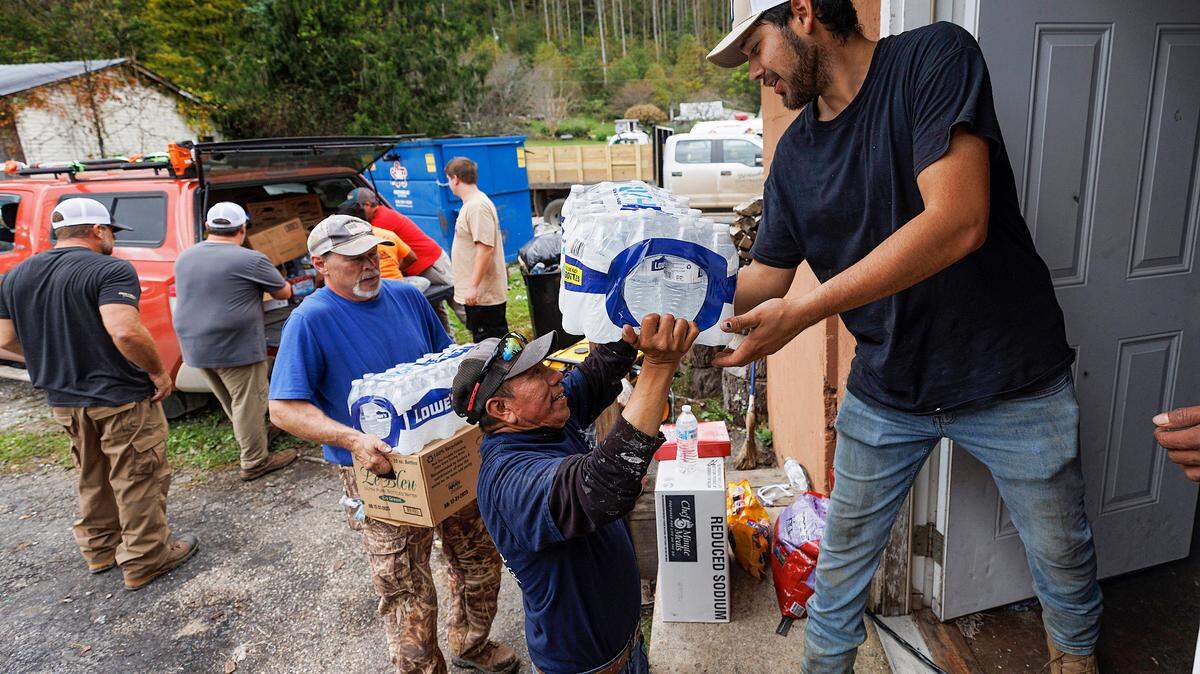
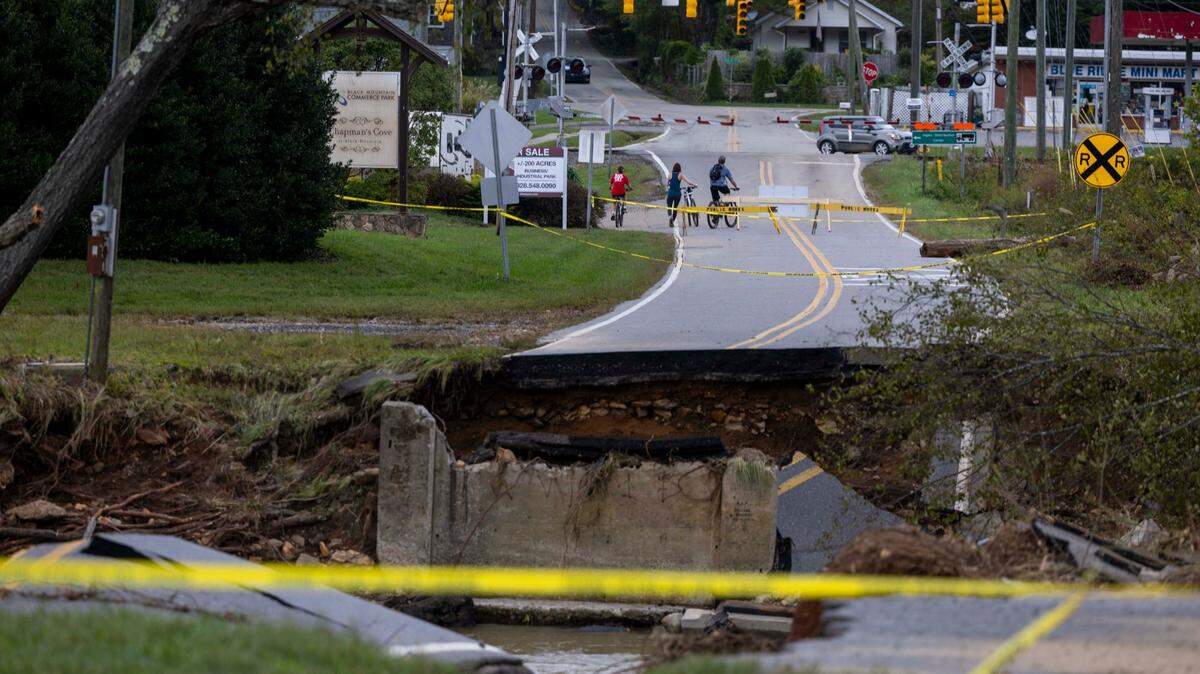
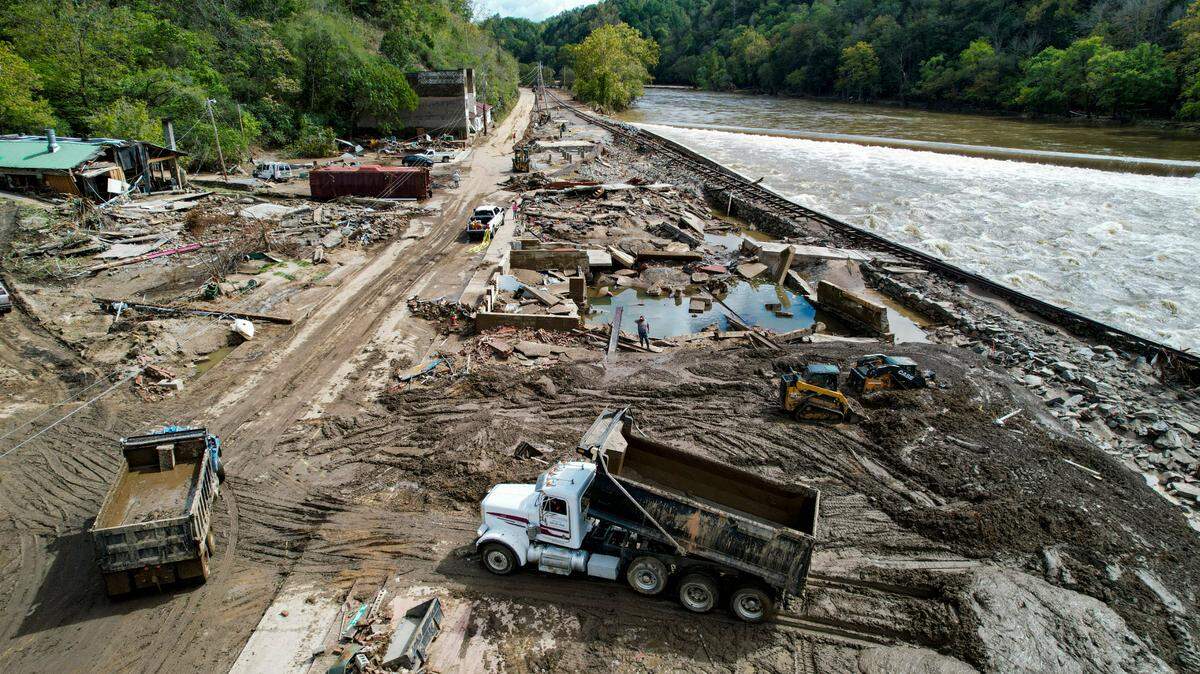
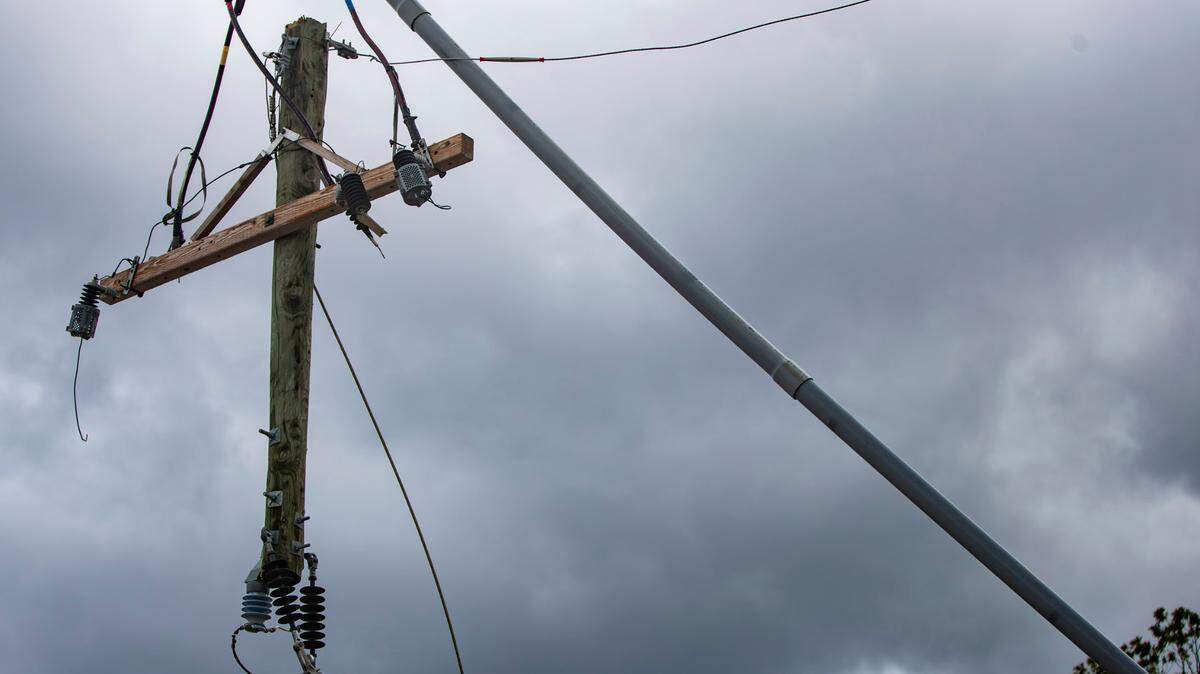
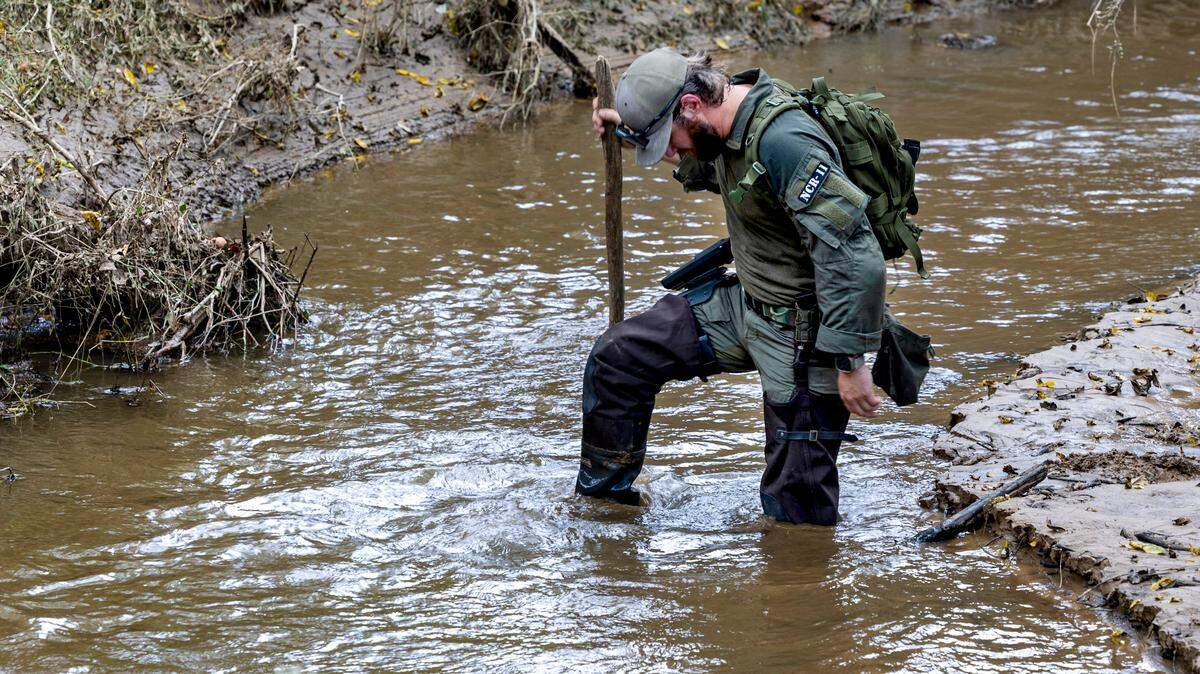
Hurricane Helene swept across the Southeast, causing major flooding and destruction throughout North Carolina. Here is ongoing coverage from The News & Observer and The Charlotte Observer about Hurricane Helene and the aftermath, particularly in Western North Carolina.
Expand All
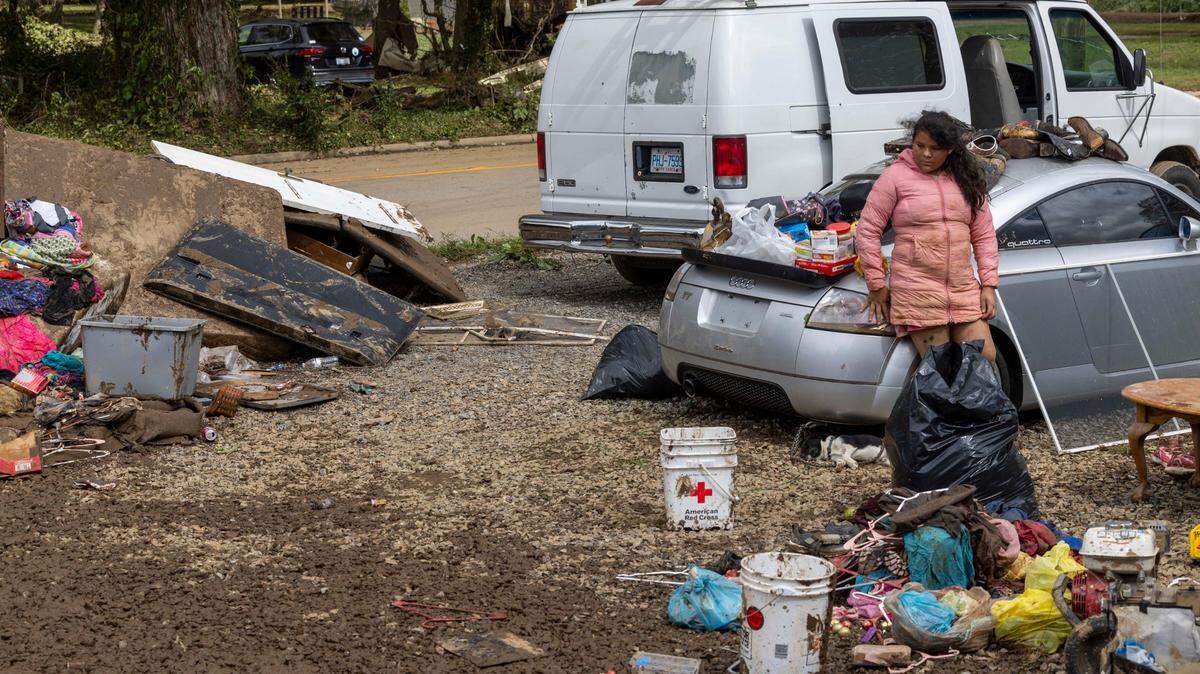
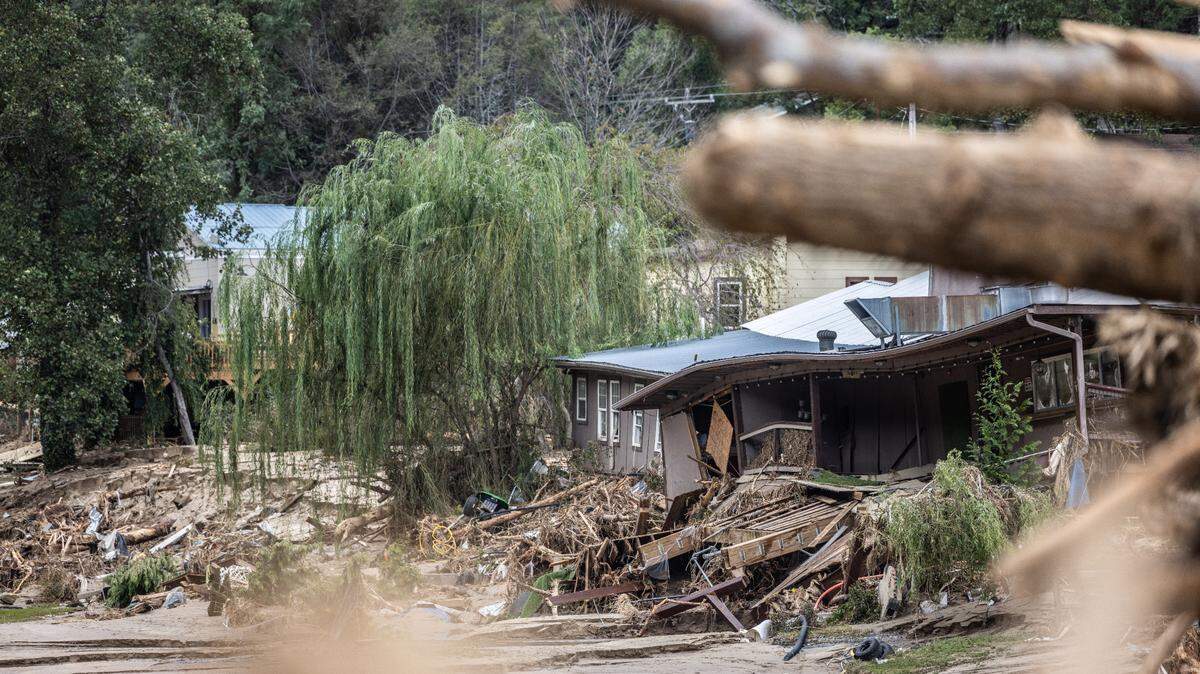
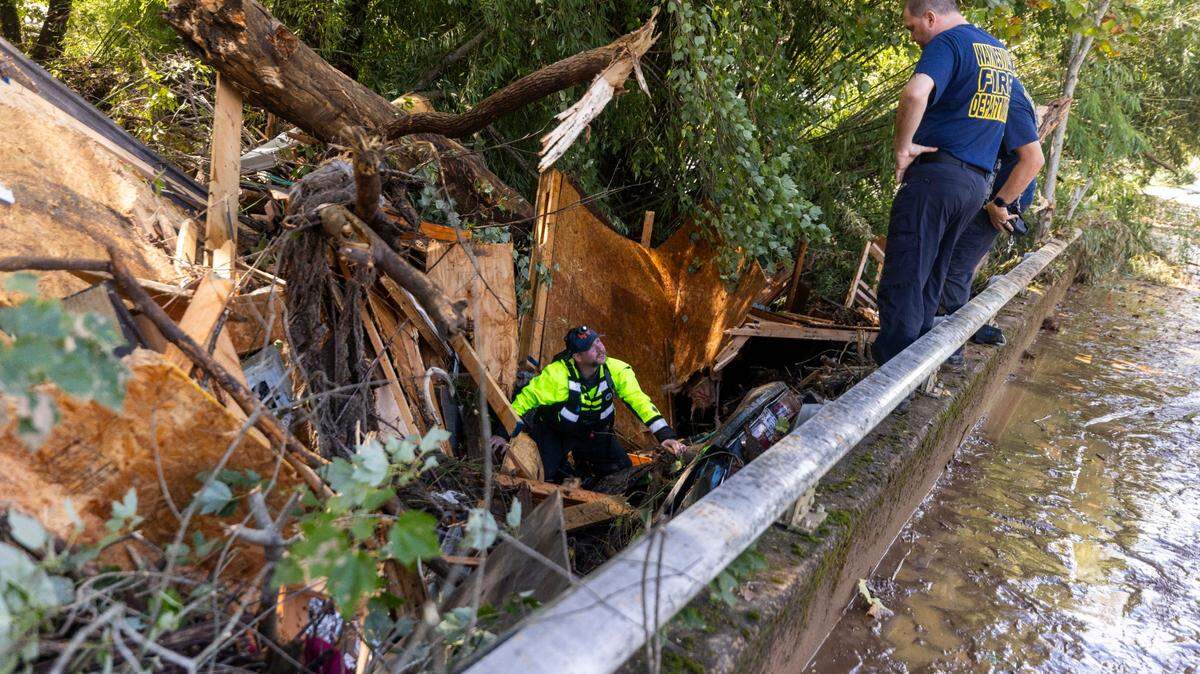
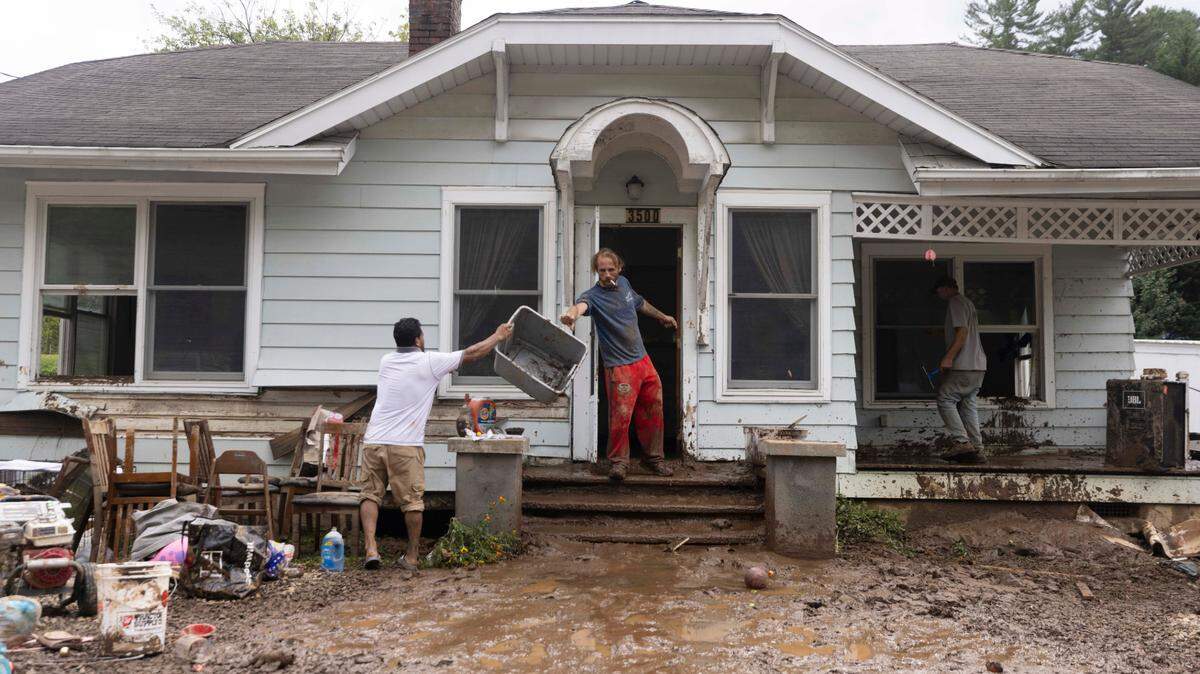
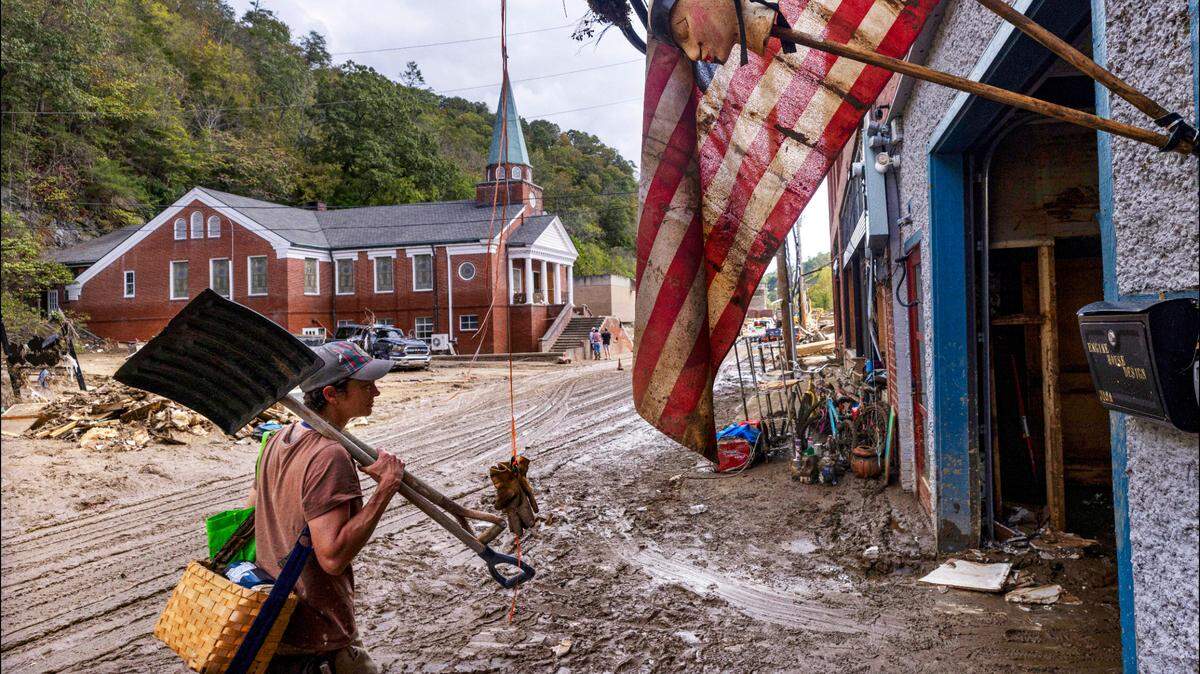
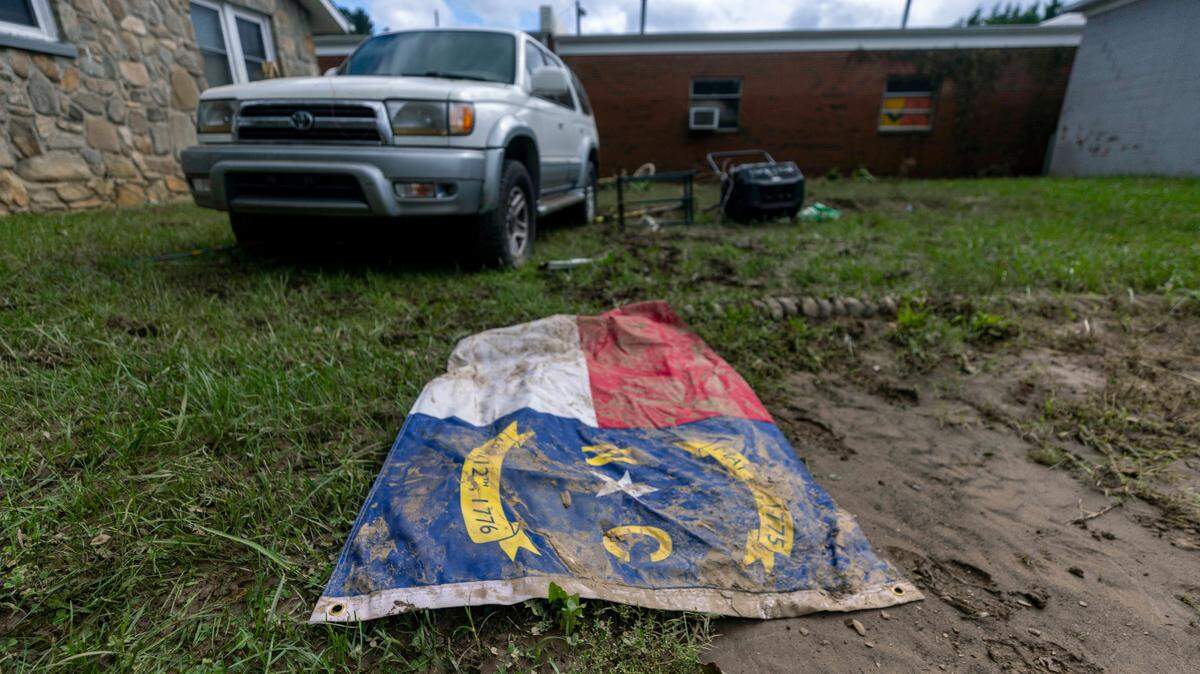
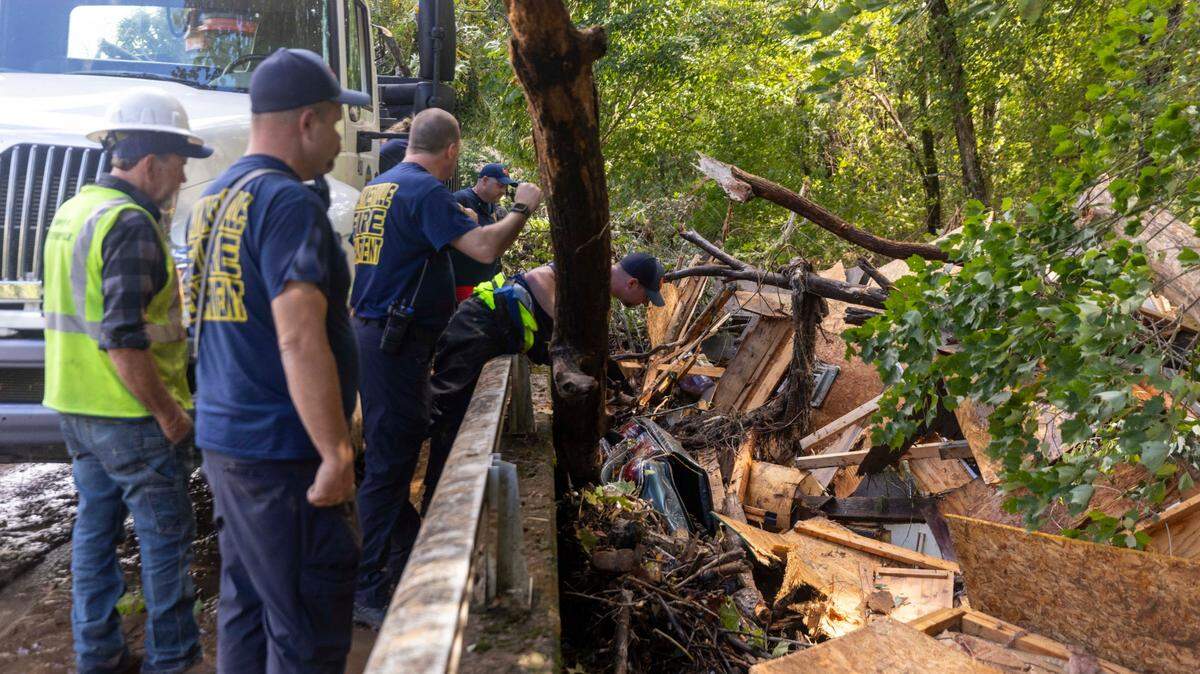
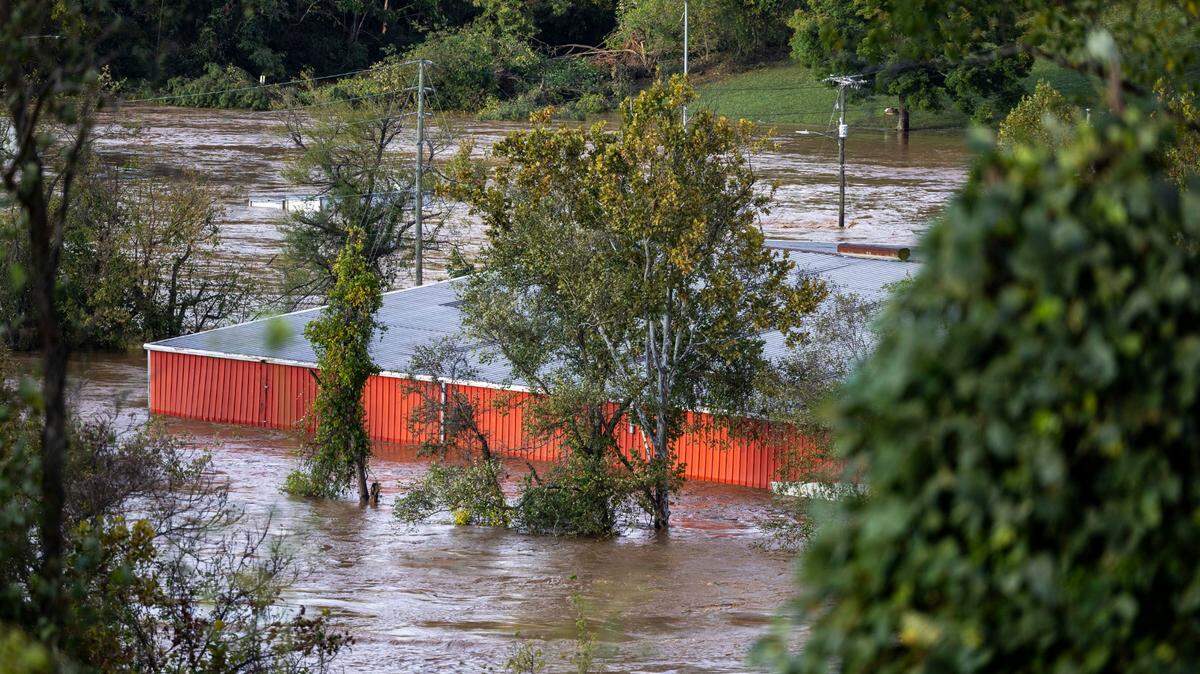
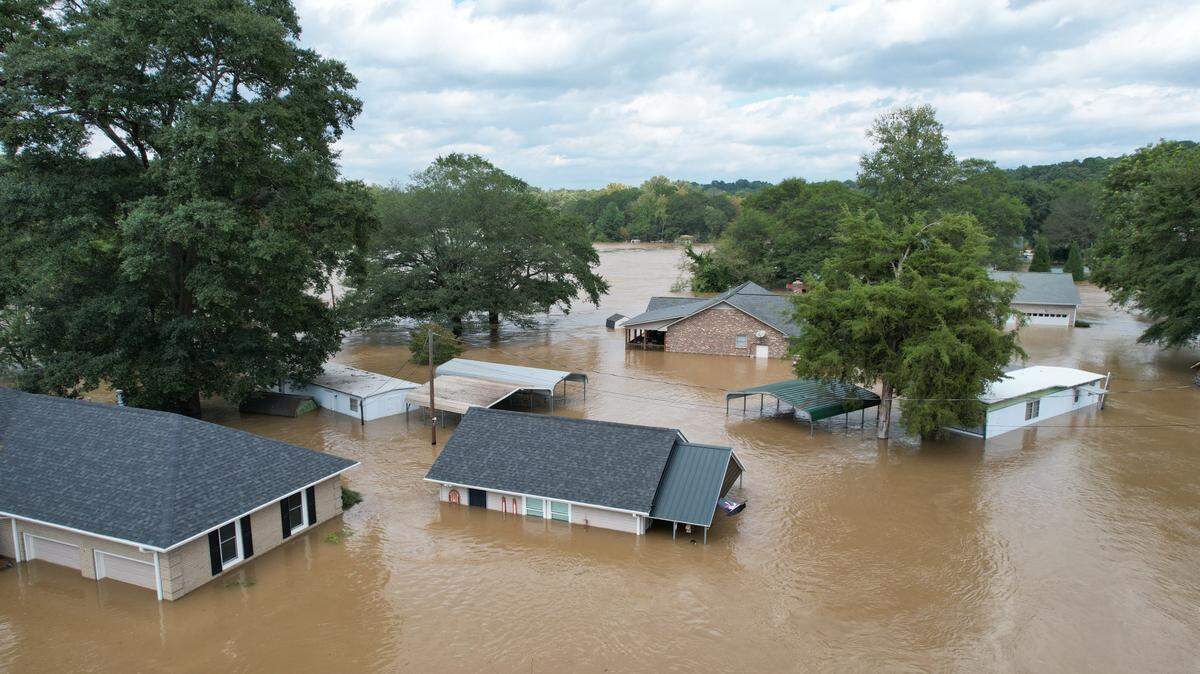
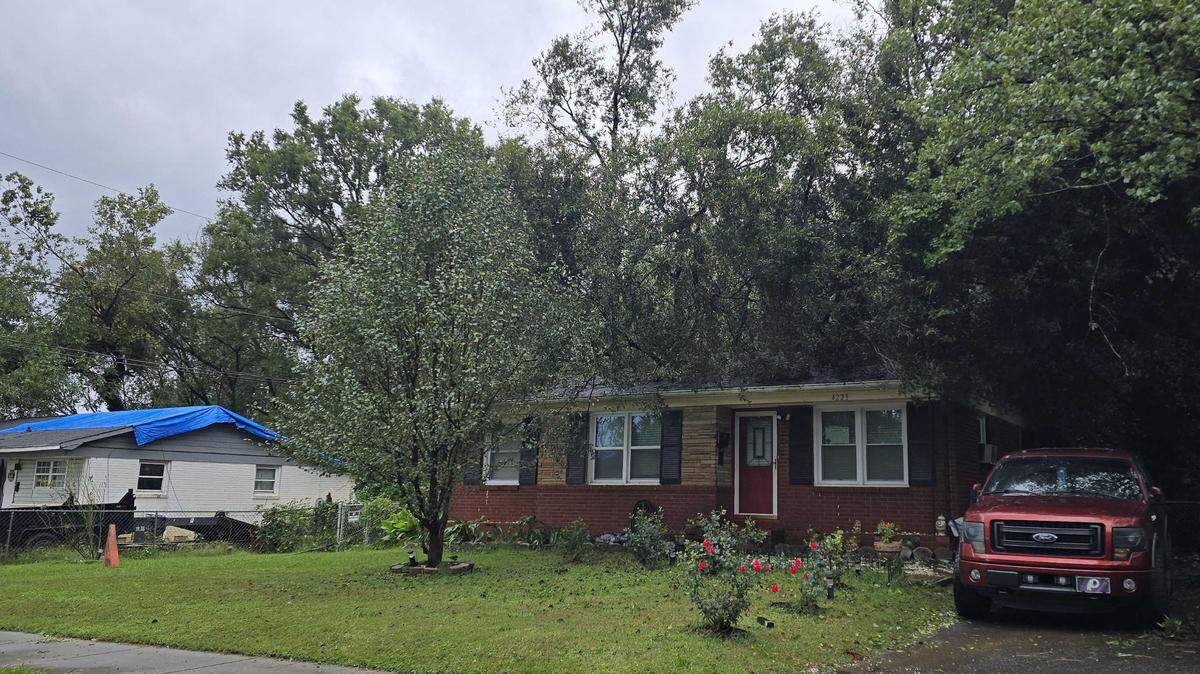
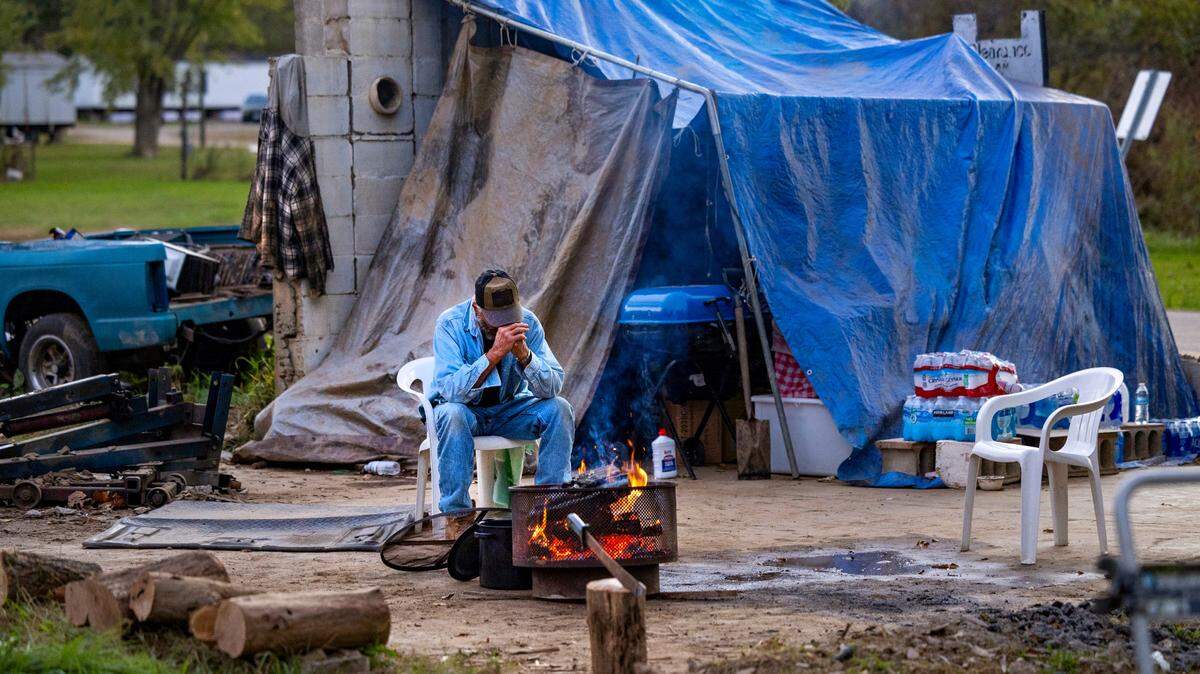
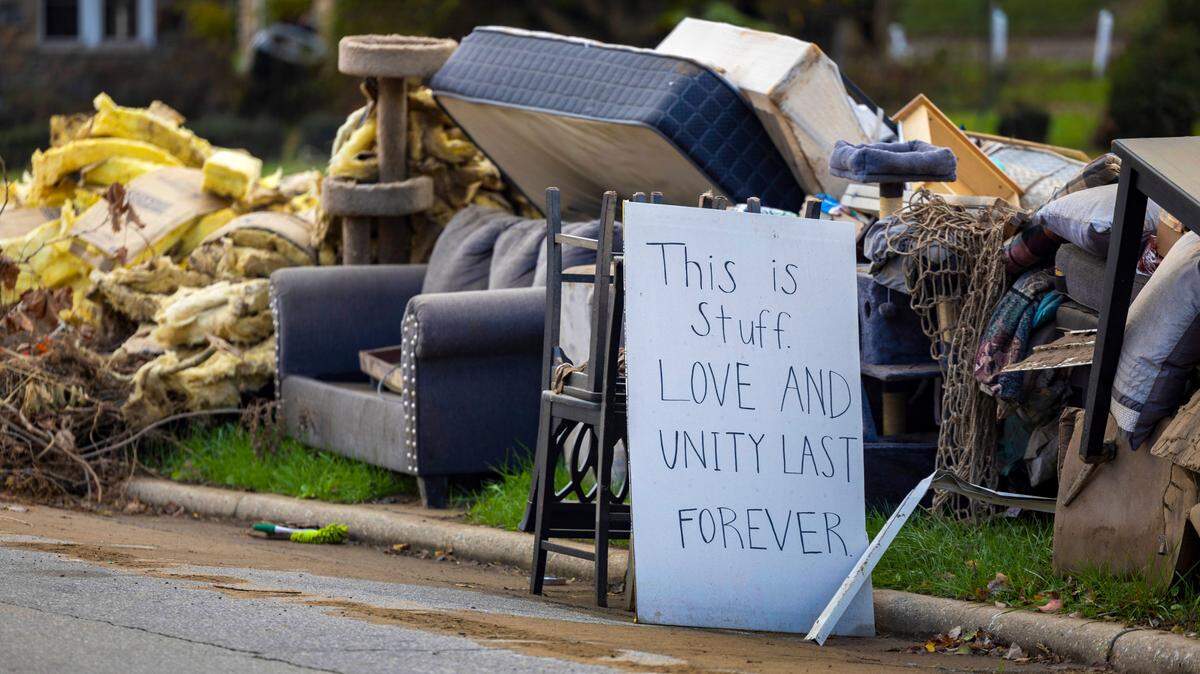
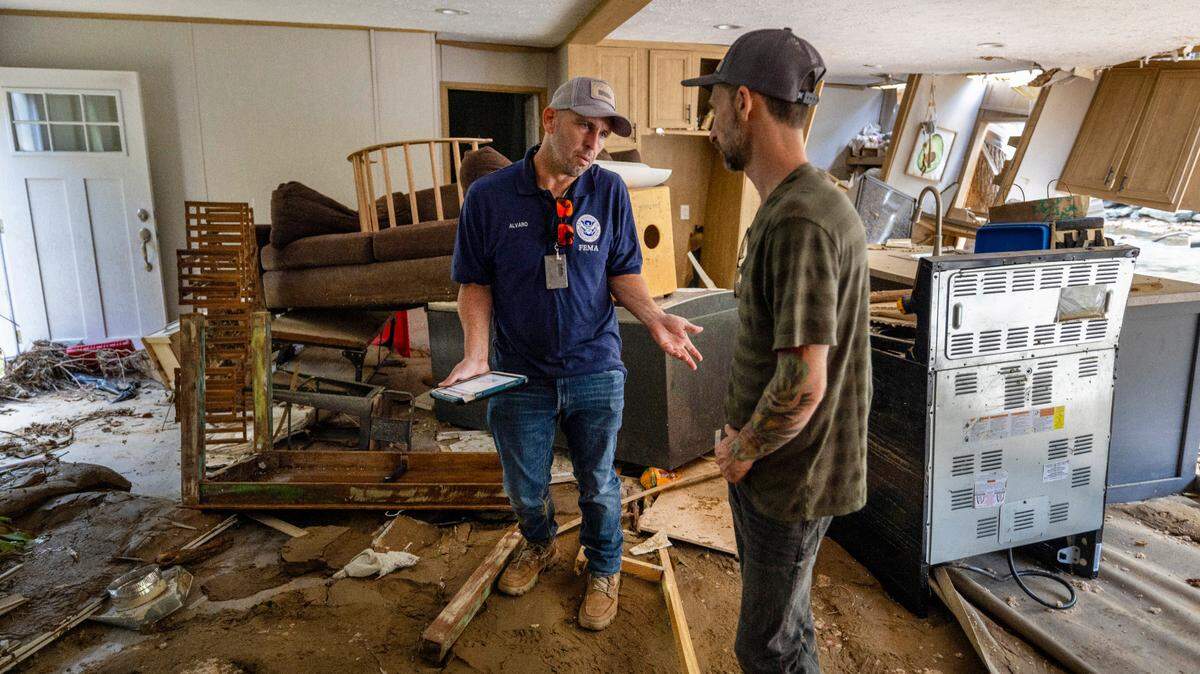
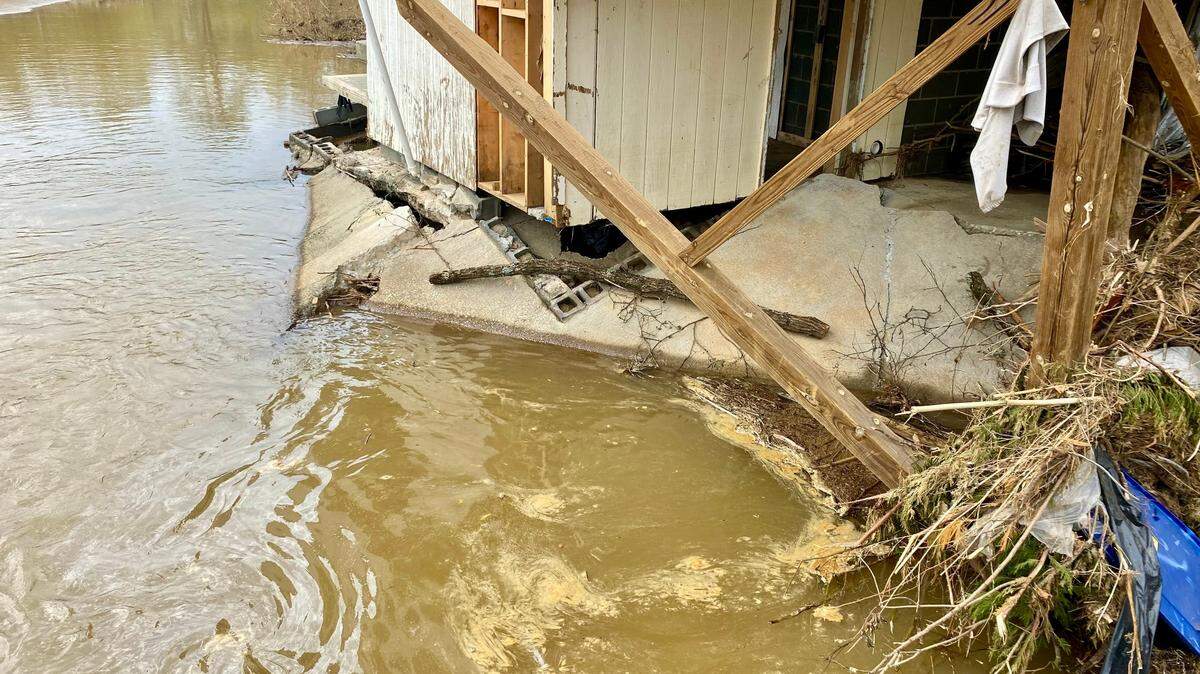
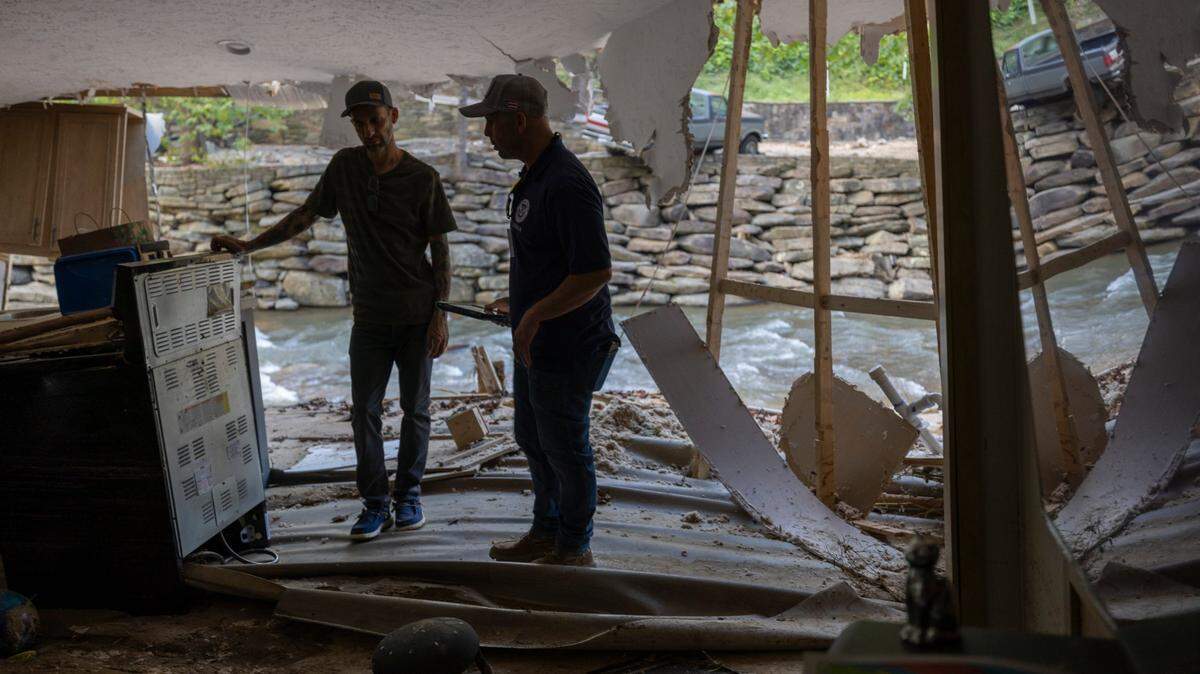
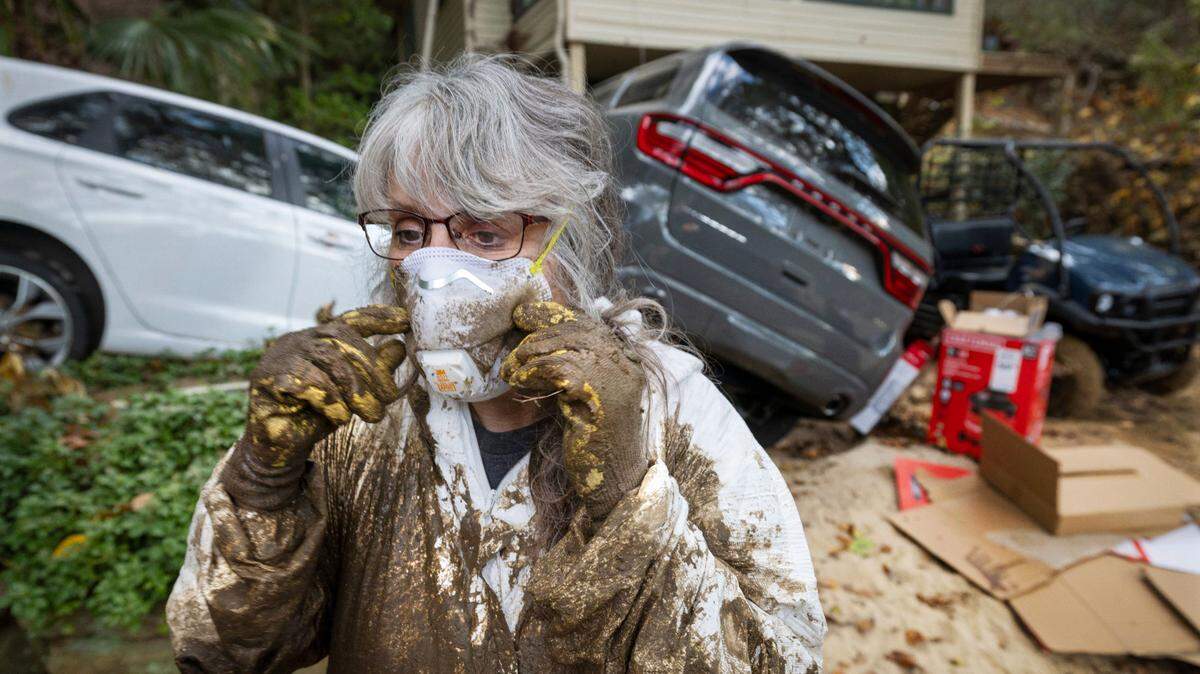
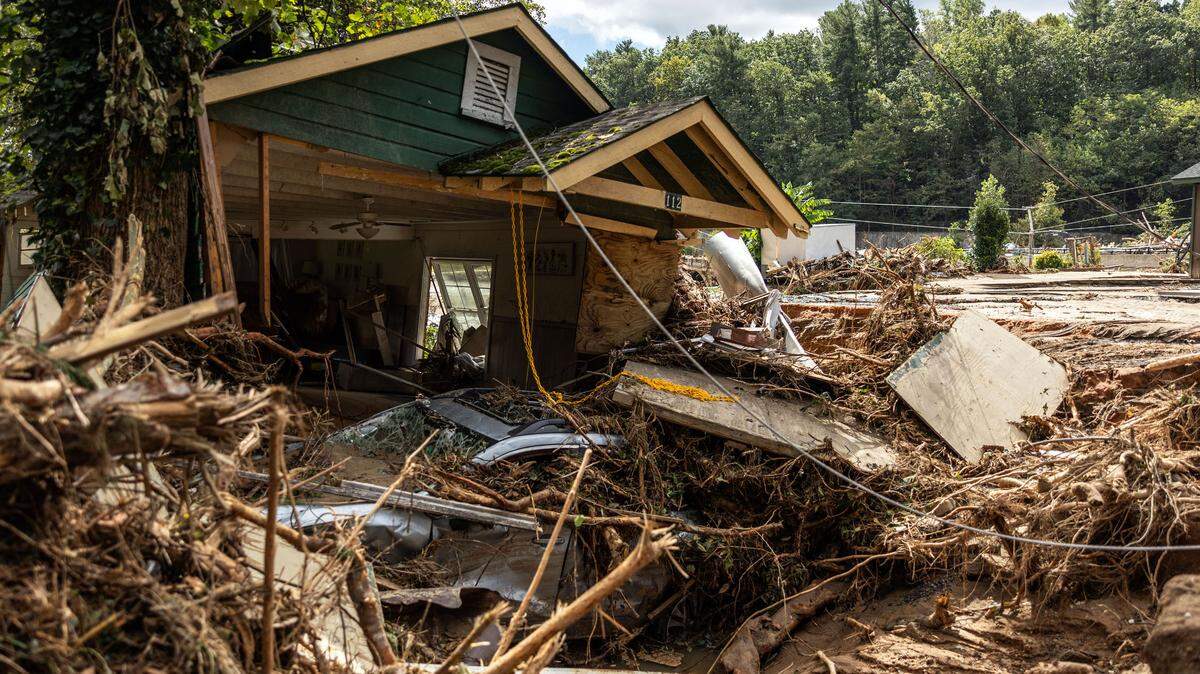
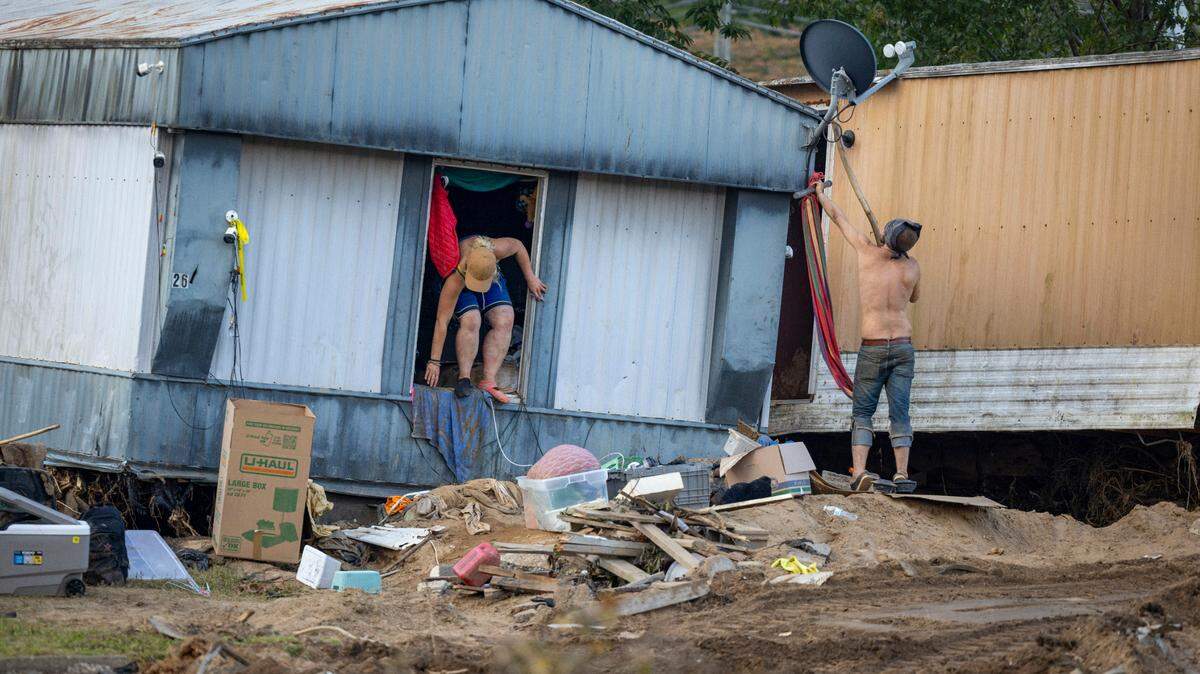
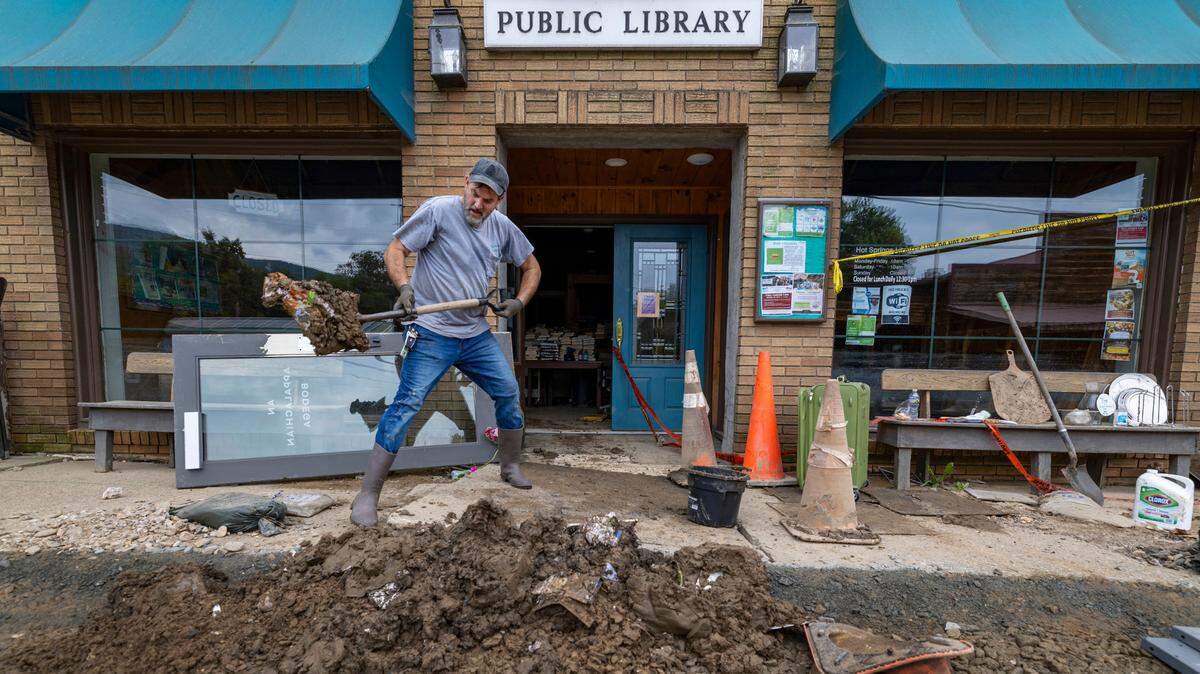
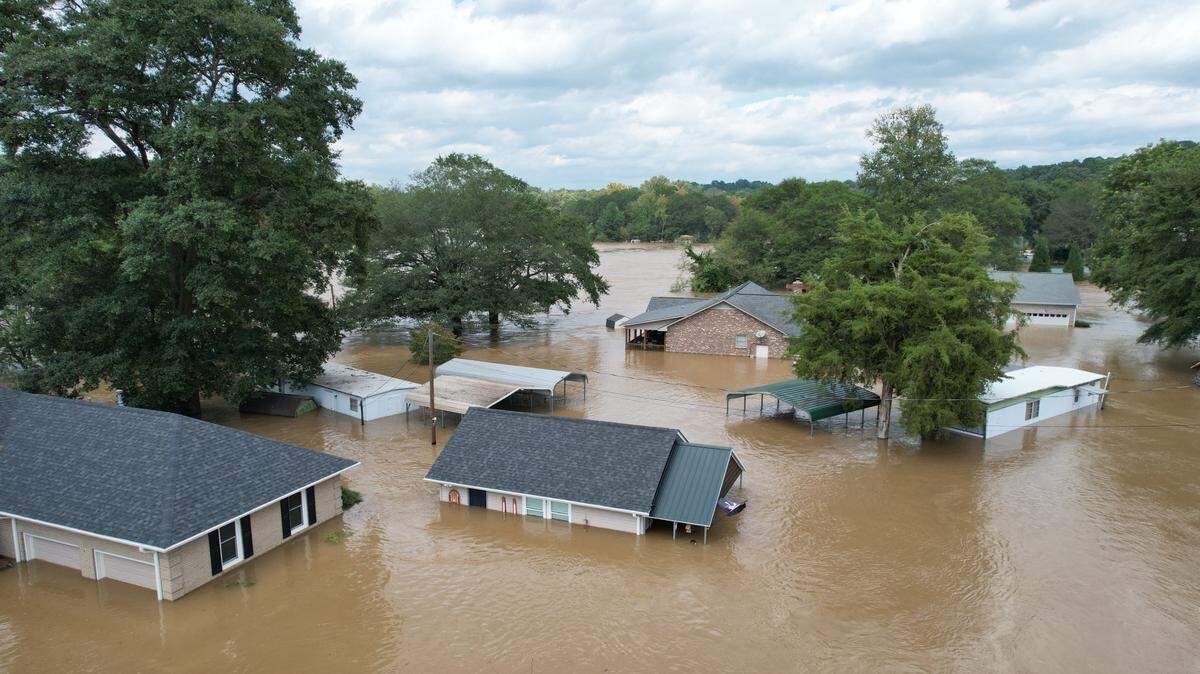
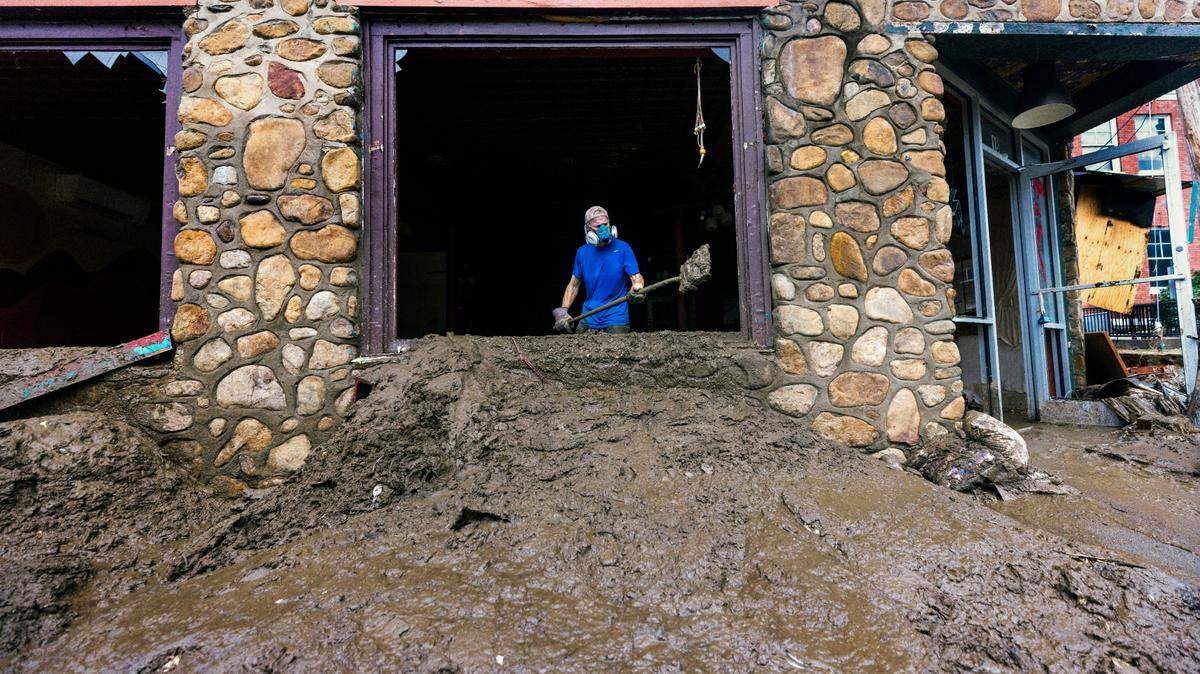
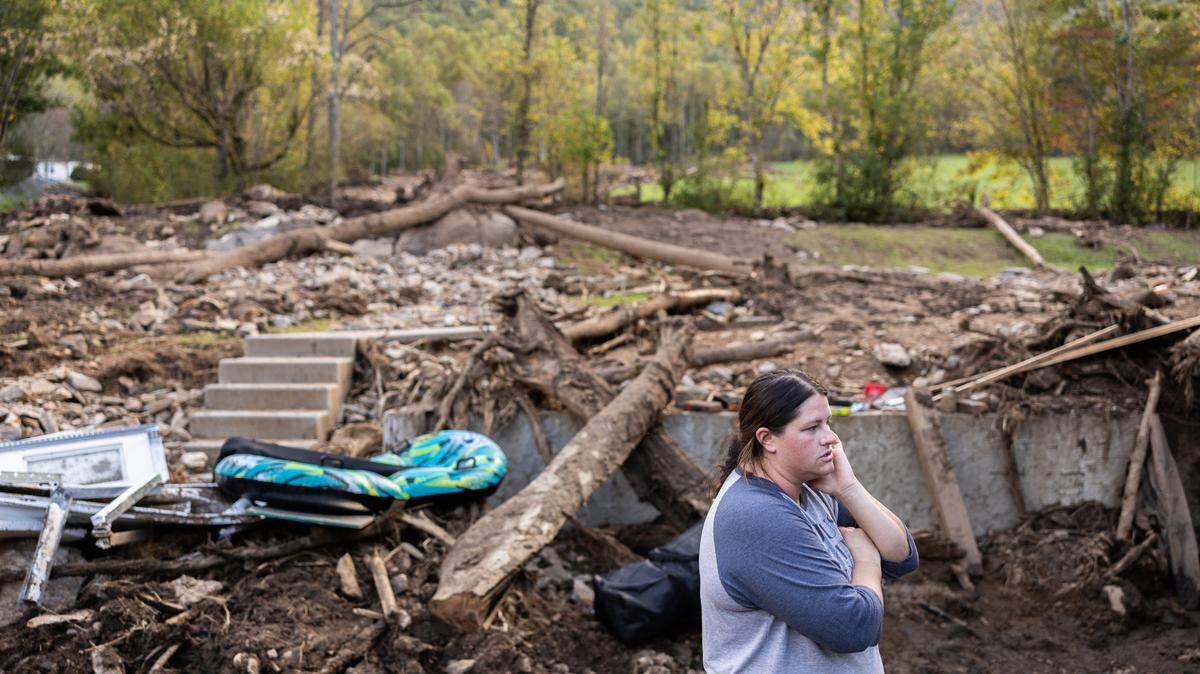
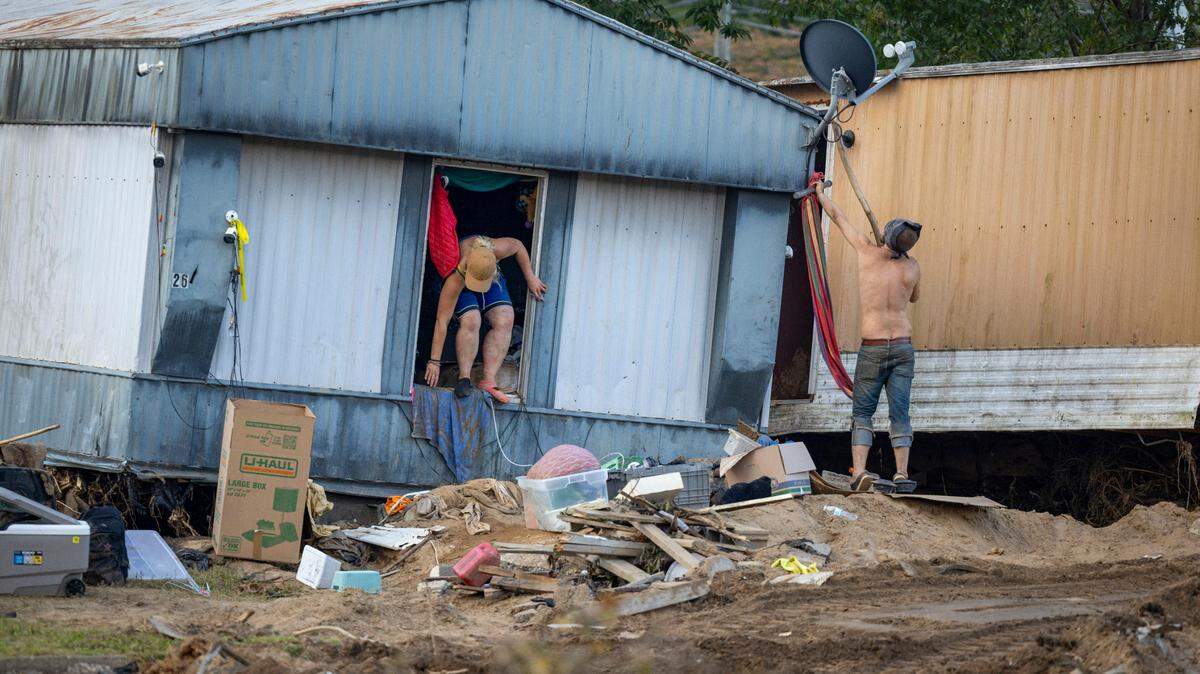
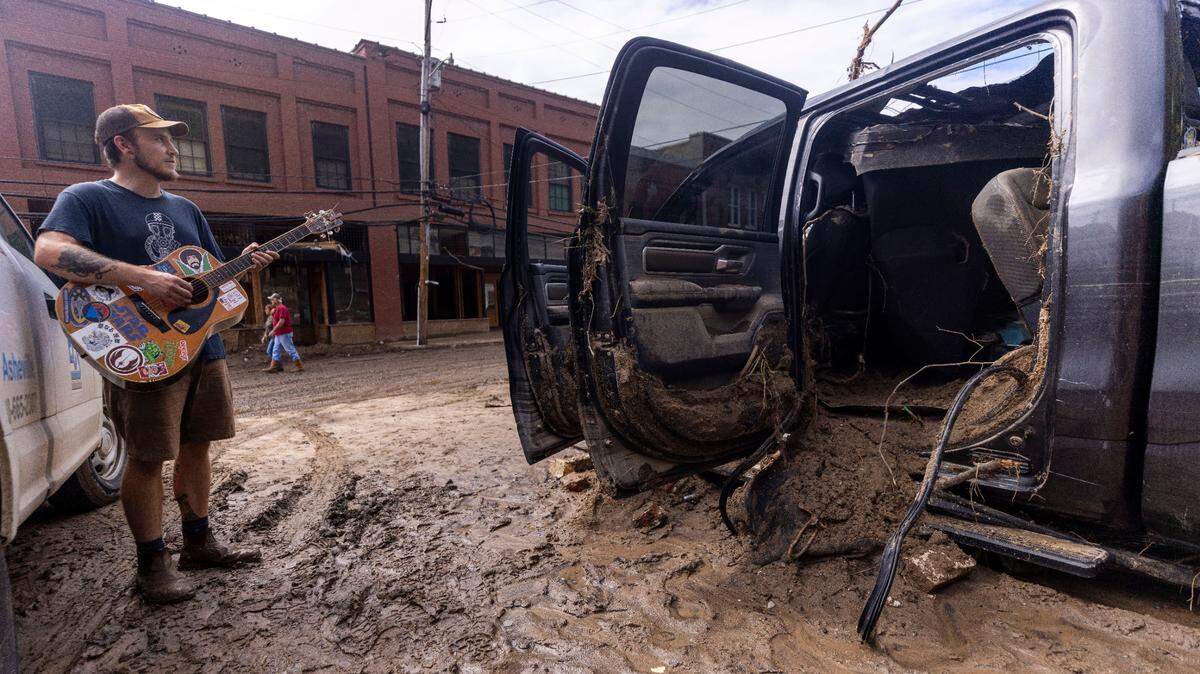
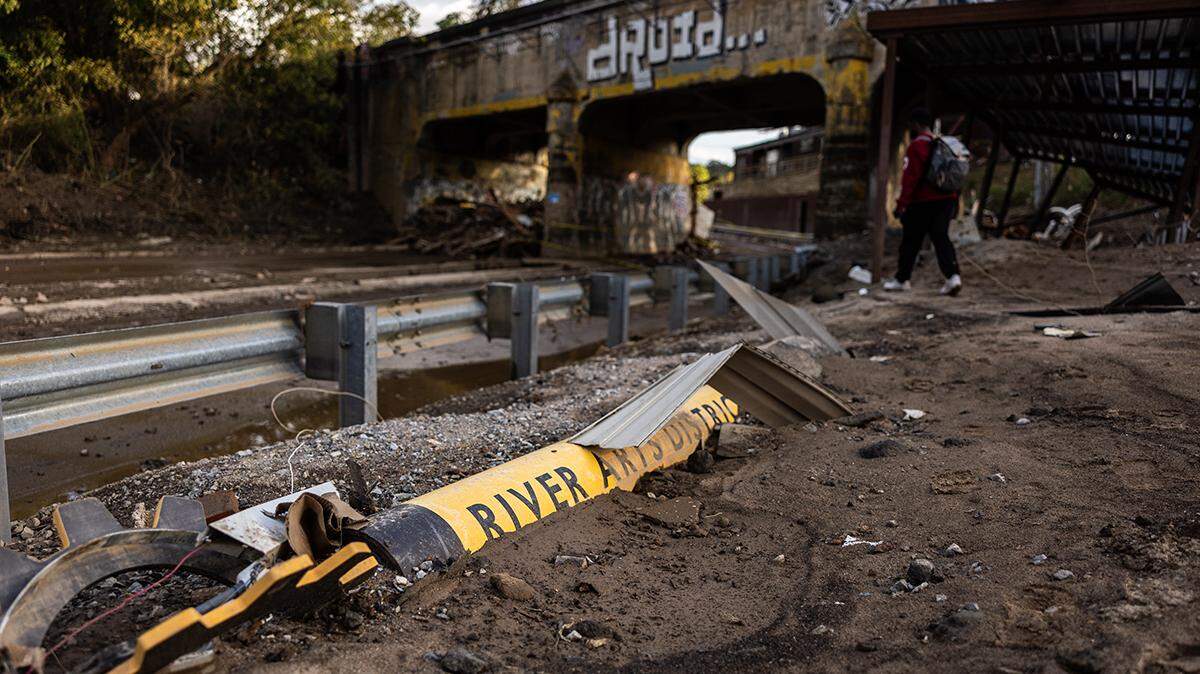
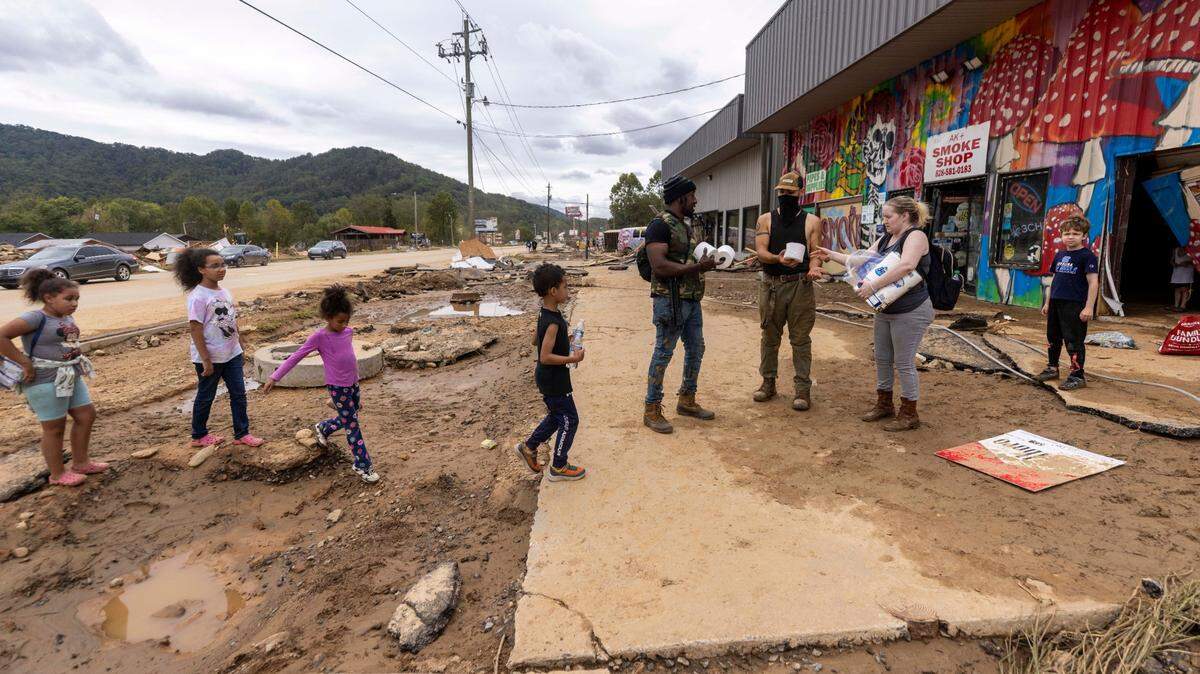
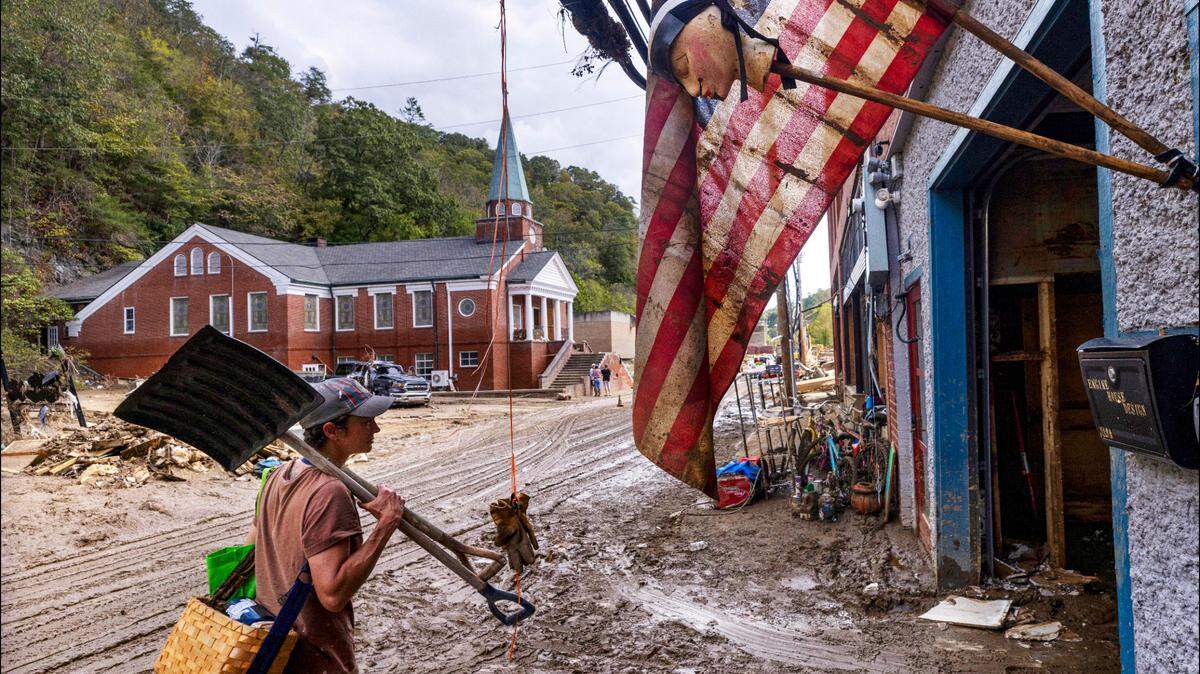
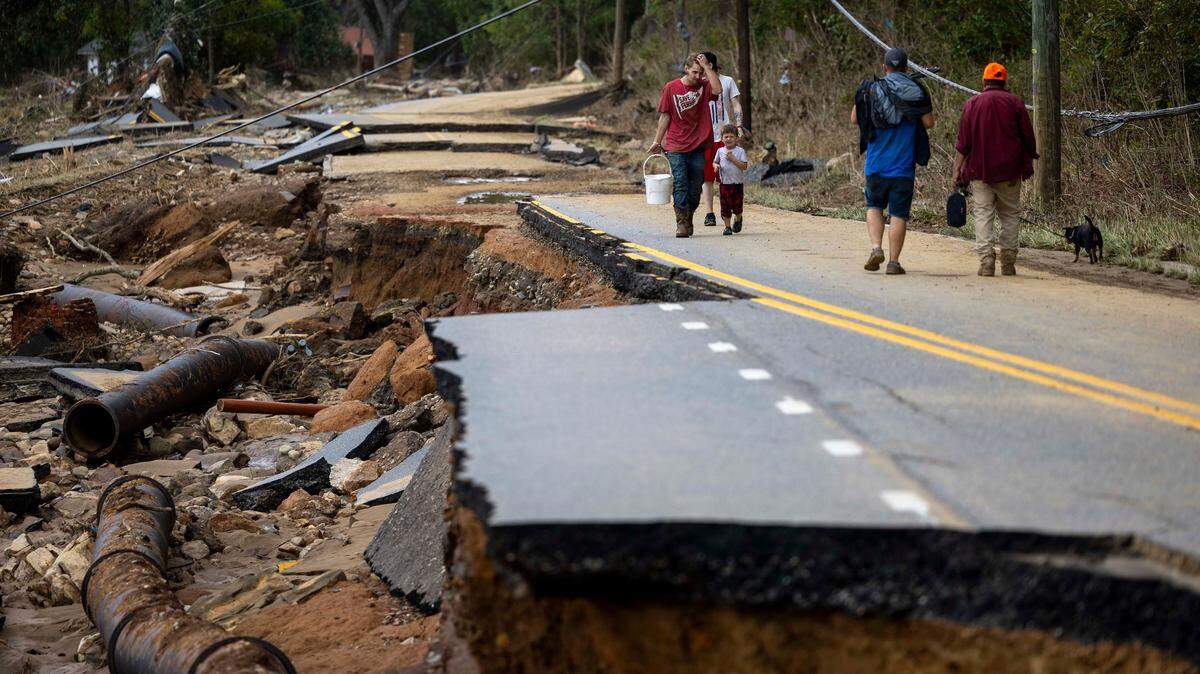
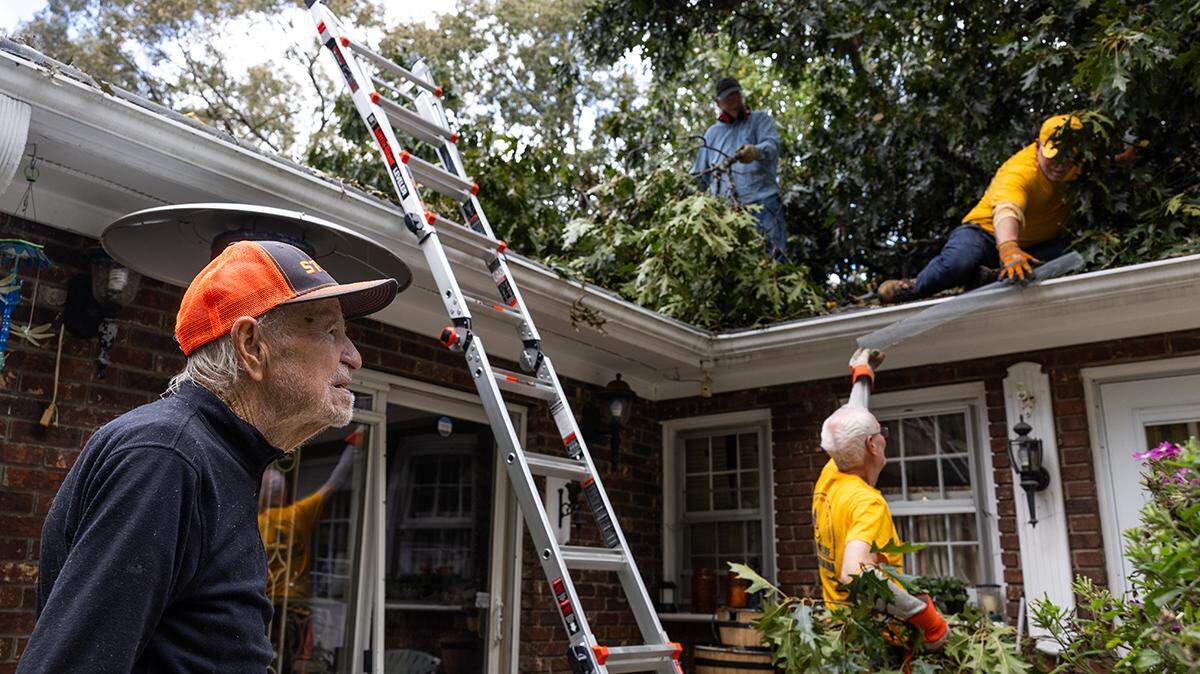
In addition to losing their homes and belongings, thousands of residents in Helene-ravaged Western North Carolina are facing another hard reality: They may not be covered by their insurance policies.
Less than 1% of households in the state’s hardest-hit inland counties are protected by the National Flood Insurance Program (NFIP), according to an N&O analysis of Census Bureau and NFIP data.
In Buncombe County, home of Asheville, only 0.7% of the county’s 137,000 housing units have flood insurance, data shows.
By contrast, some 44.3% of Dare County households on the Outer Banks have coverage.
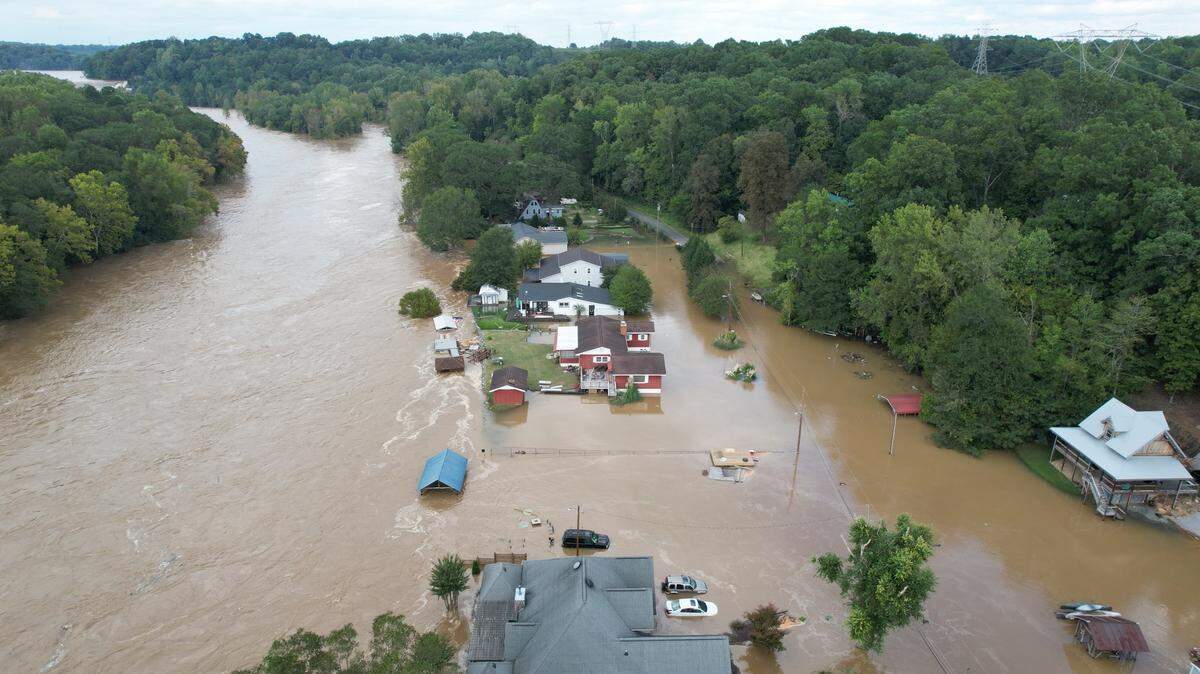
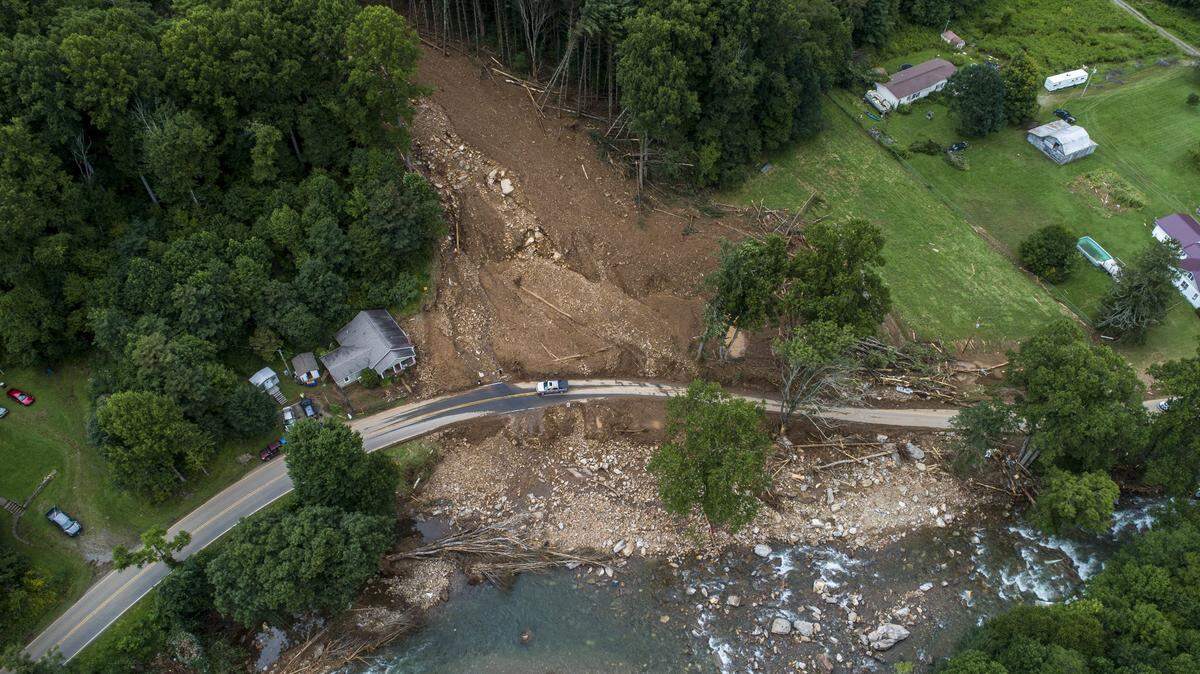
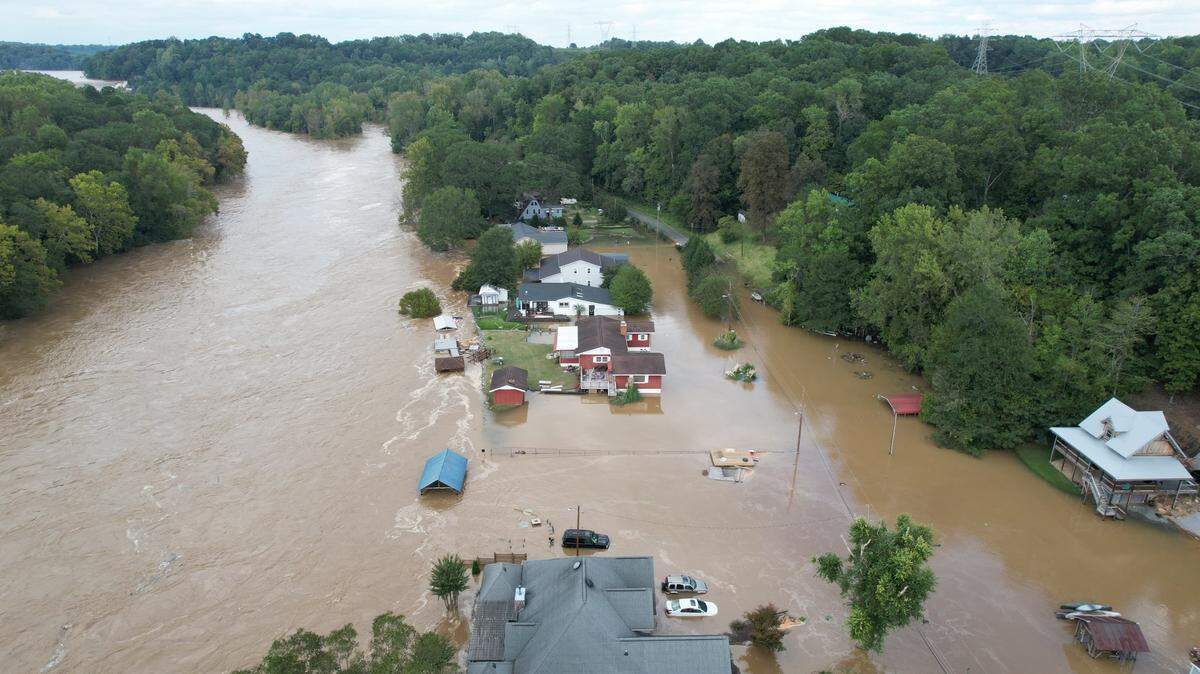
The result: Many of the million-plus people living in the declared disaster area likely don’t have protection for the damage they’ve suffered. Standard homeowners’ policies do not cover flooding, landslides or anything caused by moving water.
The lack of flood insurance is “a huge problem,” State Insurance Commissioner Mike Causey told the N&O. “We had flood education classes around the state in 2019. That education effort increased the number of flood policies by 25% but we’re still just scratching the surface.”
The lack of coverage will make recovery complicated. And the threat isn’t going away.
Citing climate change, “more devastating weather events are coming,” state Sen. Natasha Marcus, the Democratic nominee for state insurance commissioner, said this week. “Many will face hurdles due to gaps in their insurance coverage.”
The NFIP, managed by the Federal Emergency Management Agency, accounts for more than 95% of the nation’s flood insurance policies.
Some lenders require it for homes in high-risk zones. Outside those areas, it’s optional but often wise. Still, many remain unprotected. In North Carolina, less than 3% of households are protected with flood insurance, NFIP data shows.
Part of the problem, say experts, is that many homeowners underestimate the risk.
Georgina Sanchez, a research associate at NC State’s Center for Geospatial Analytics, faults FEMA’s existing flood maps that show where people are required to buy flood insurance.
She said these maps often fail to account for intense rain events and sea level rise. They’re also not quickly updated.
“FEMA’s designation of high-risk flood zones can mislead communities and encourage development that borders the floodplain, resulting in greater damages when flood events exceed design levels,” Sanchez said in an NC State news publication.
This story was originally published October 5, 2024 at 7:00 AM.








.jpg)


.jpeg)

.JPG)




















.JPG)