‘We will rebuild’ I-40 in Pigeon River Gorge, NCDOT tells Buttigieg. But how?
READ MORE
Hurricane Helene Aftermath
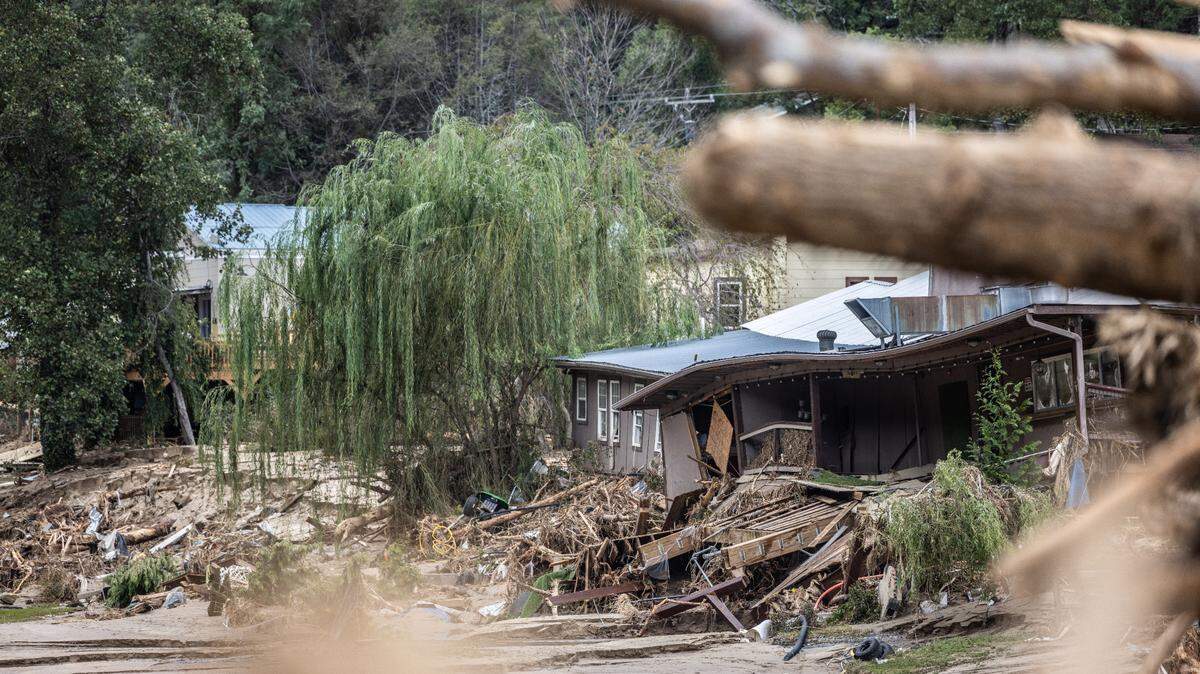
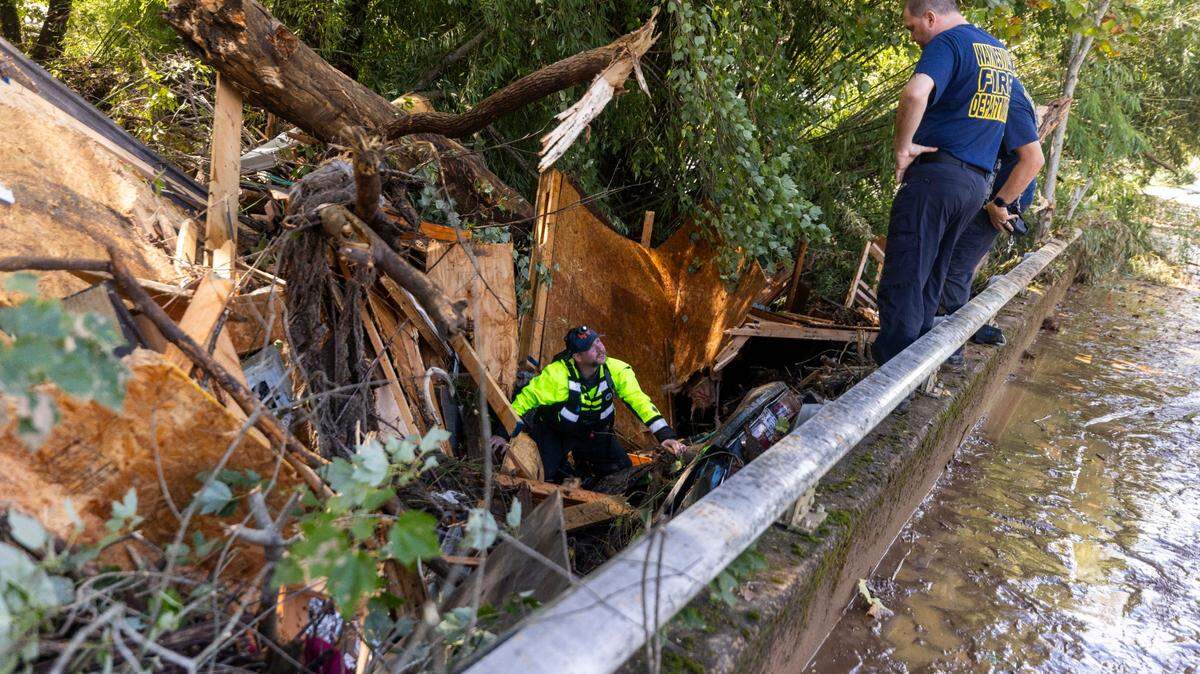
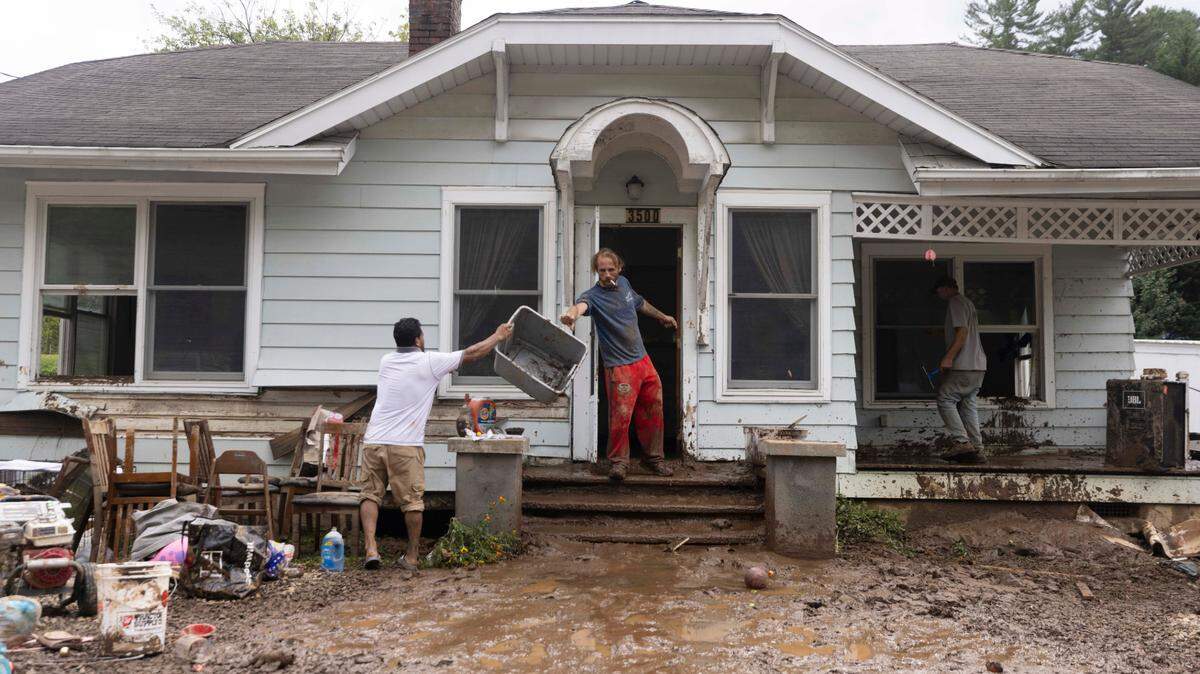
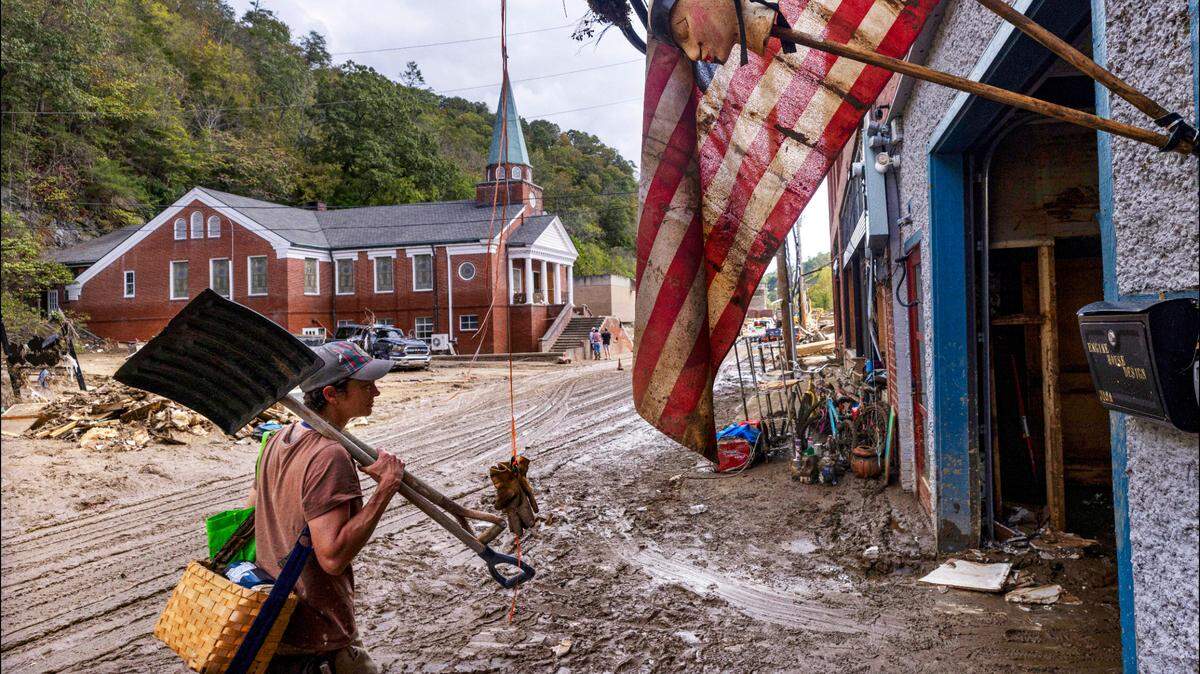
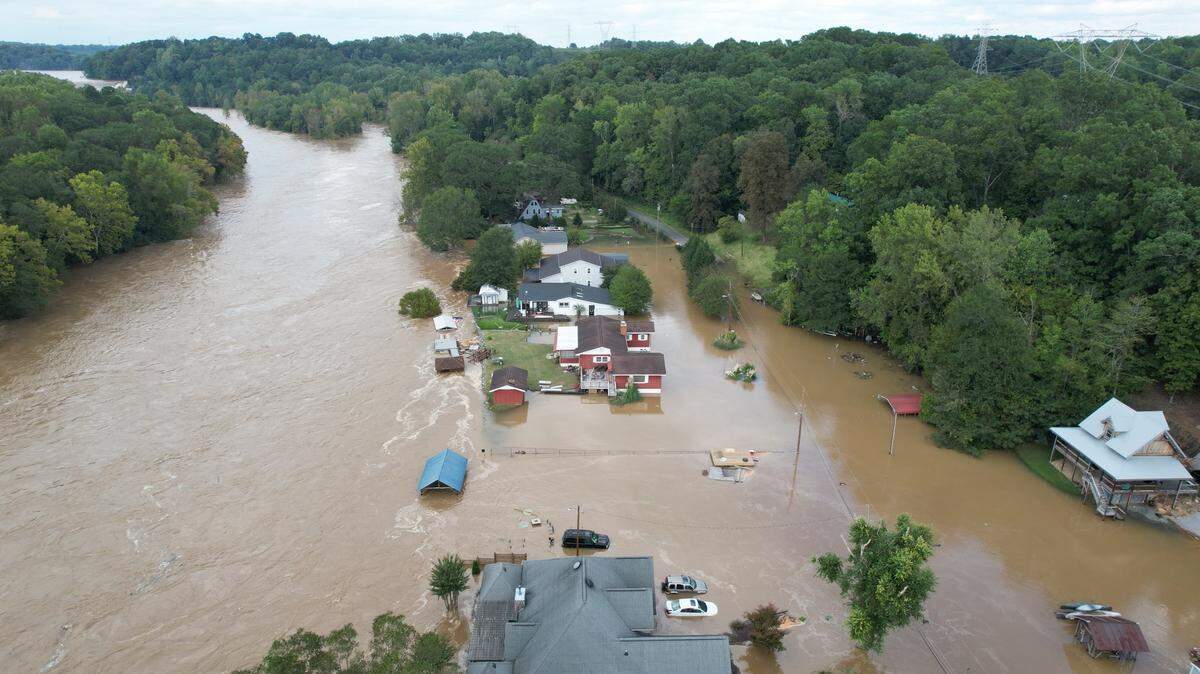
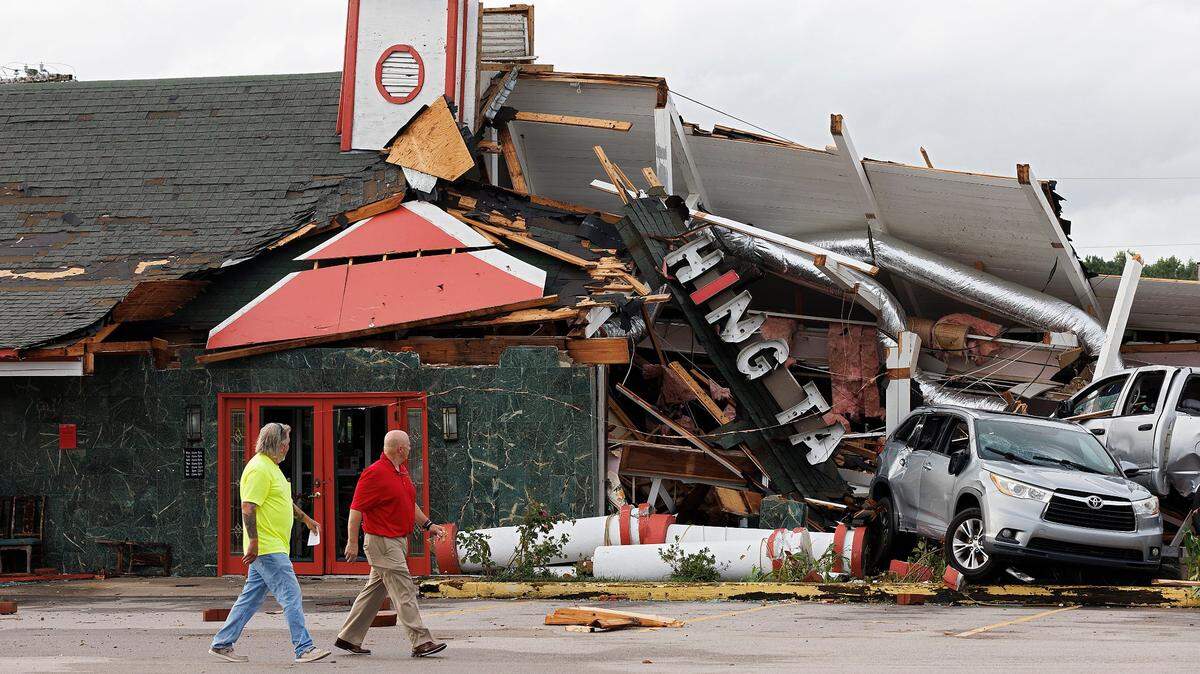
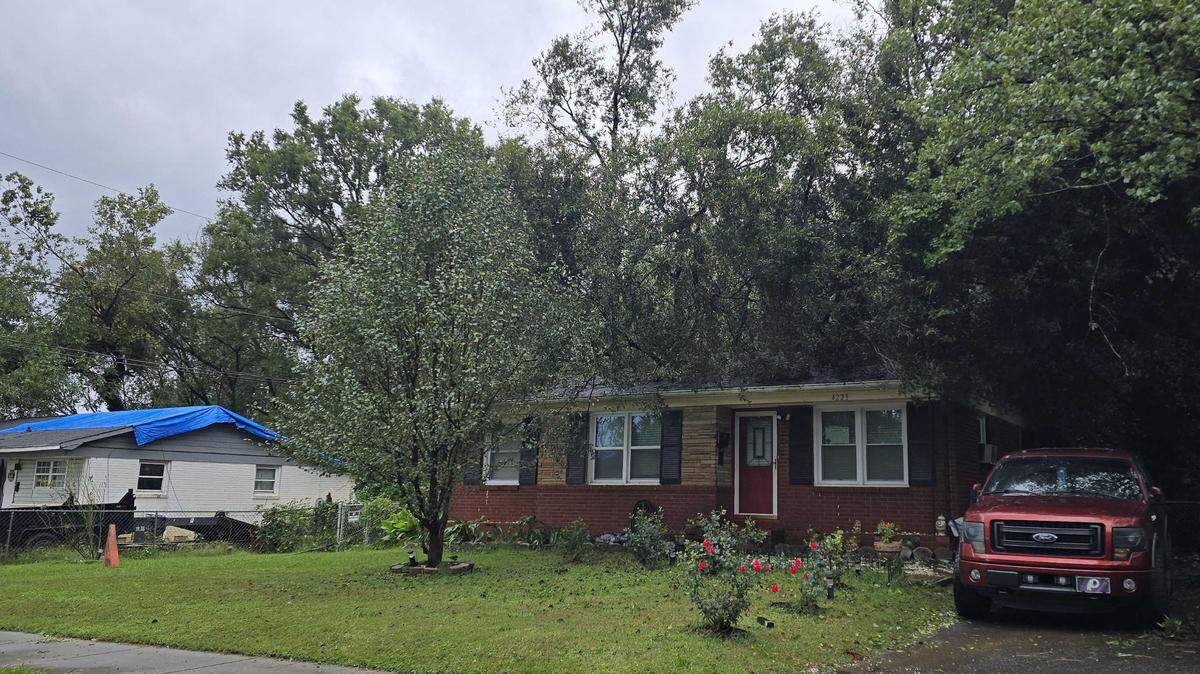
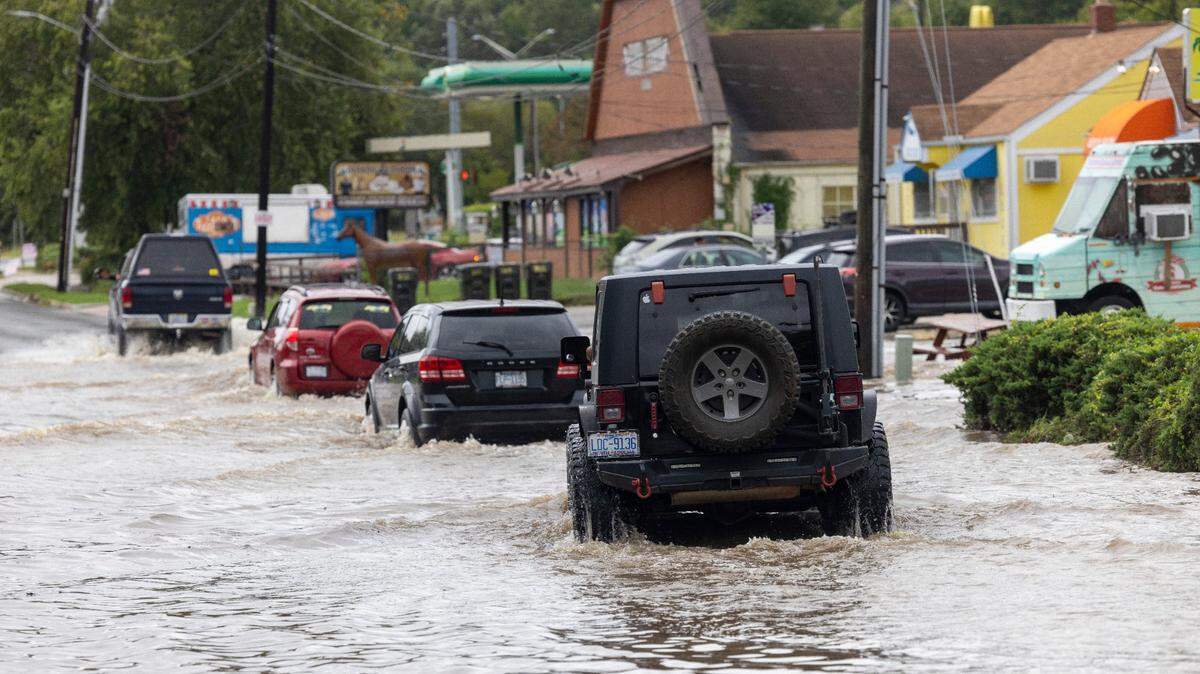
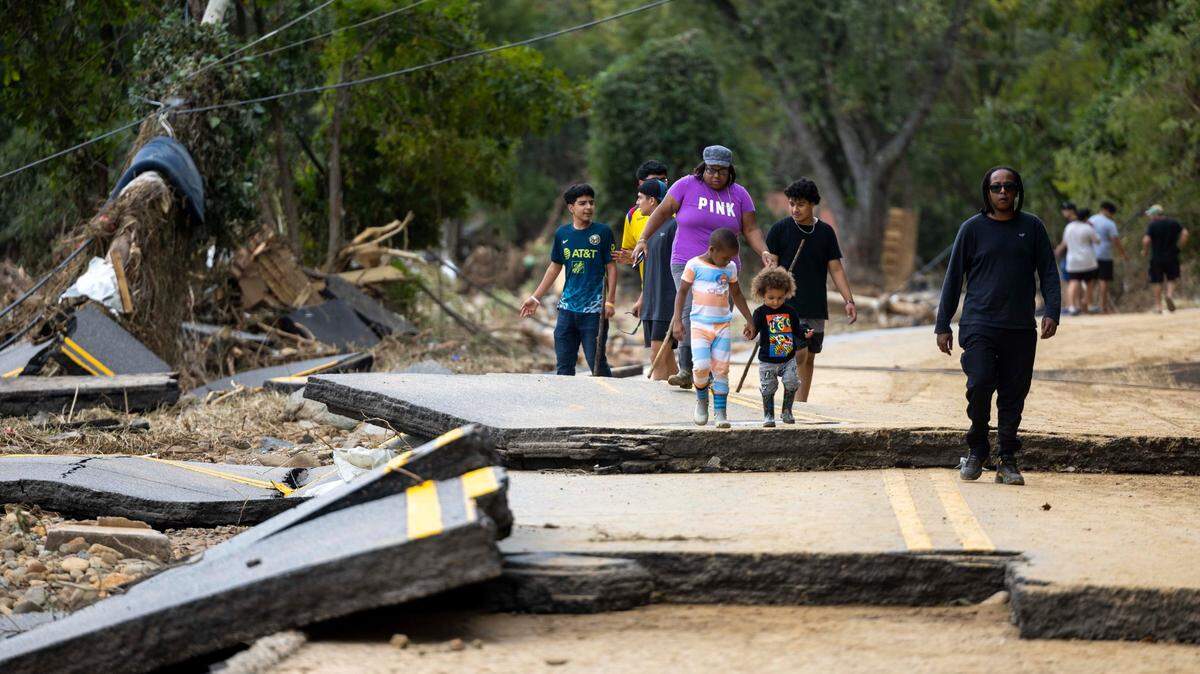
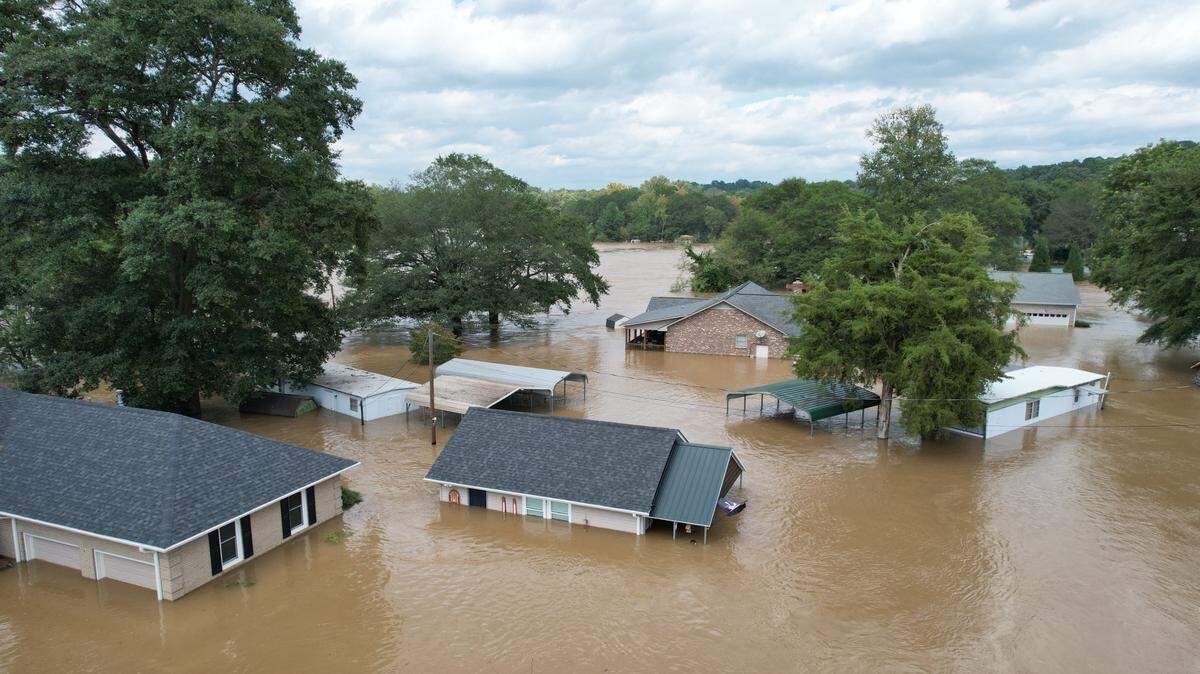
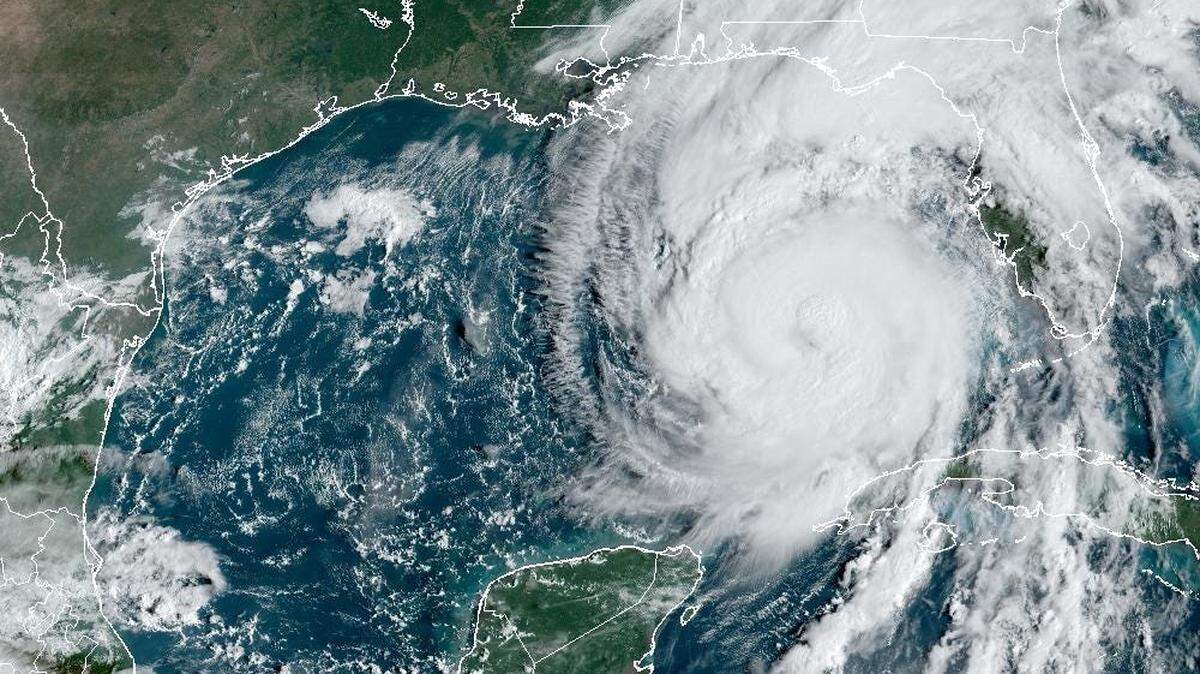
Hurricane Helene swept across the Southeast, causing major flooding and destruction throughout North Carolina. Here is ongoing coverage from The News & Observer and The Charlotte Observer about Hurricane Helene and the aftermath, particularly in Western North Carolina.
Expand All
Like many Americans, U.S. Transportation Secretary Pete Buttigieg saw pictures of what the remnants of Hurricane Helene did to Interstate 40 in Western North Carolina’s Pigeon River Gorge.
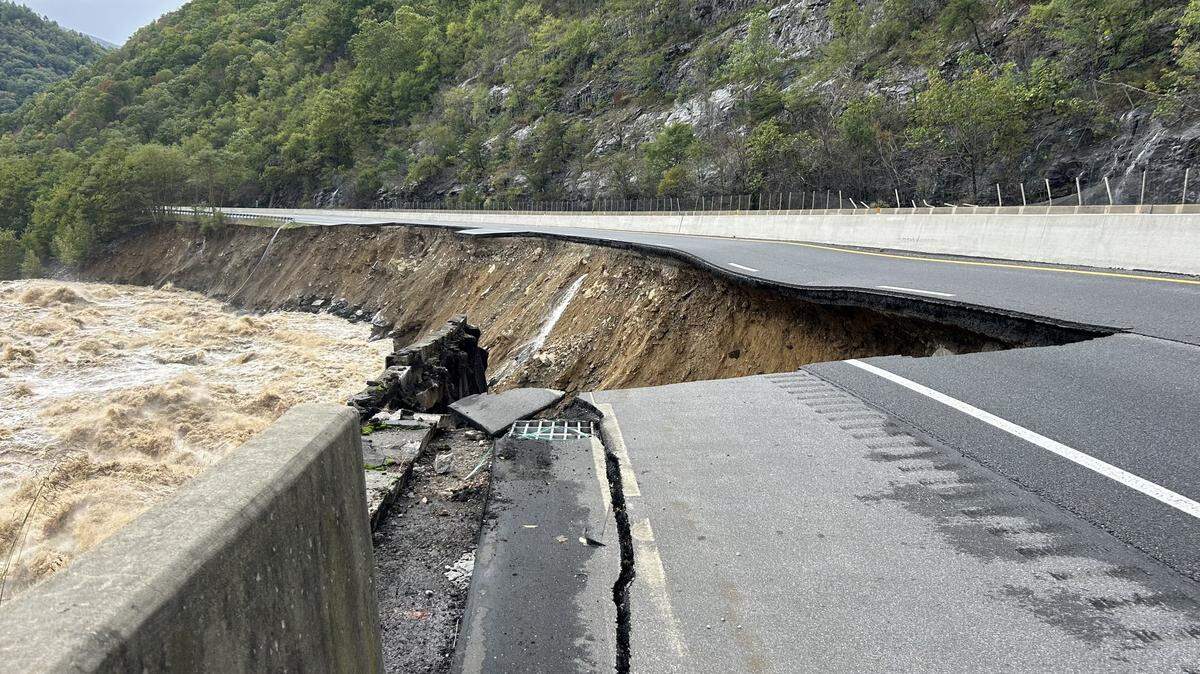
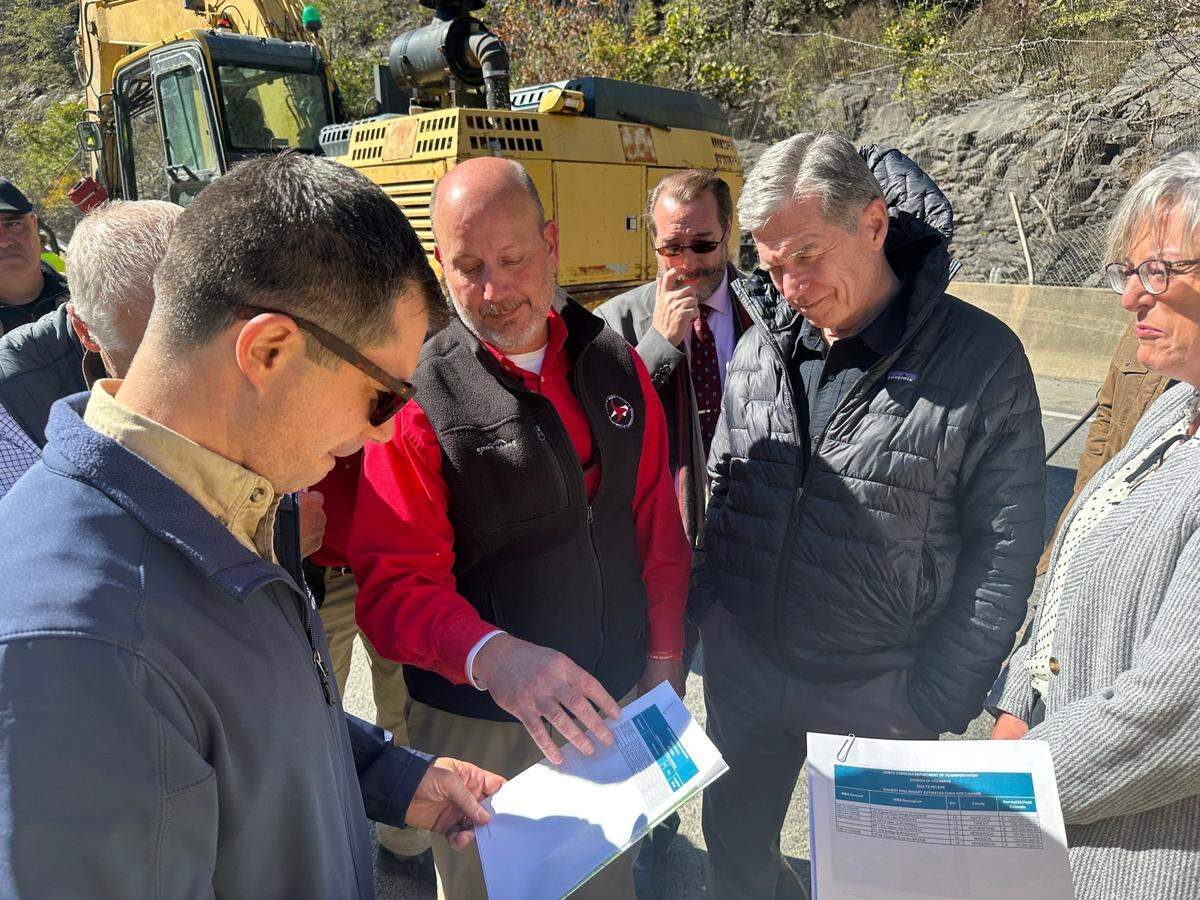
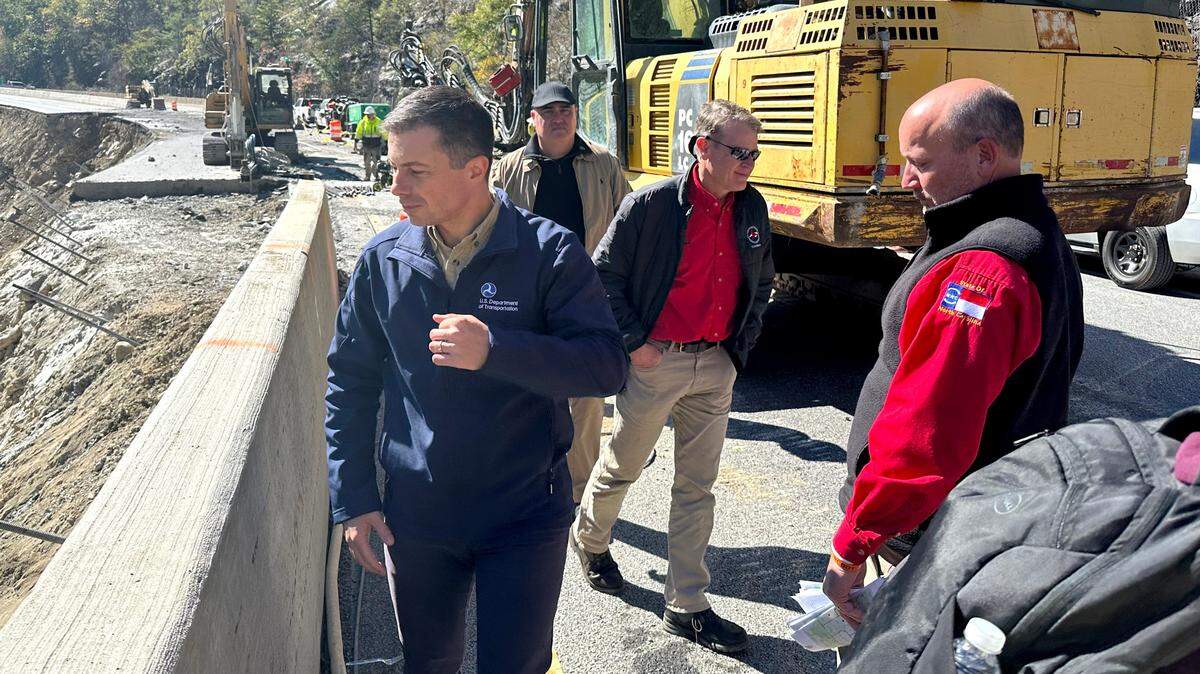
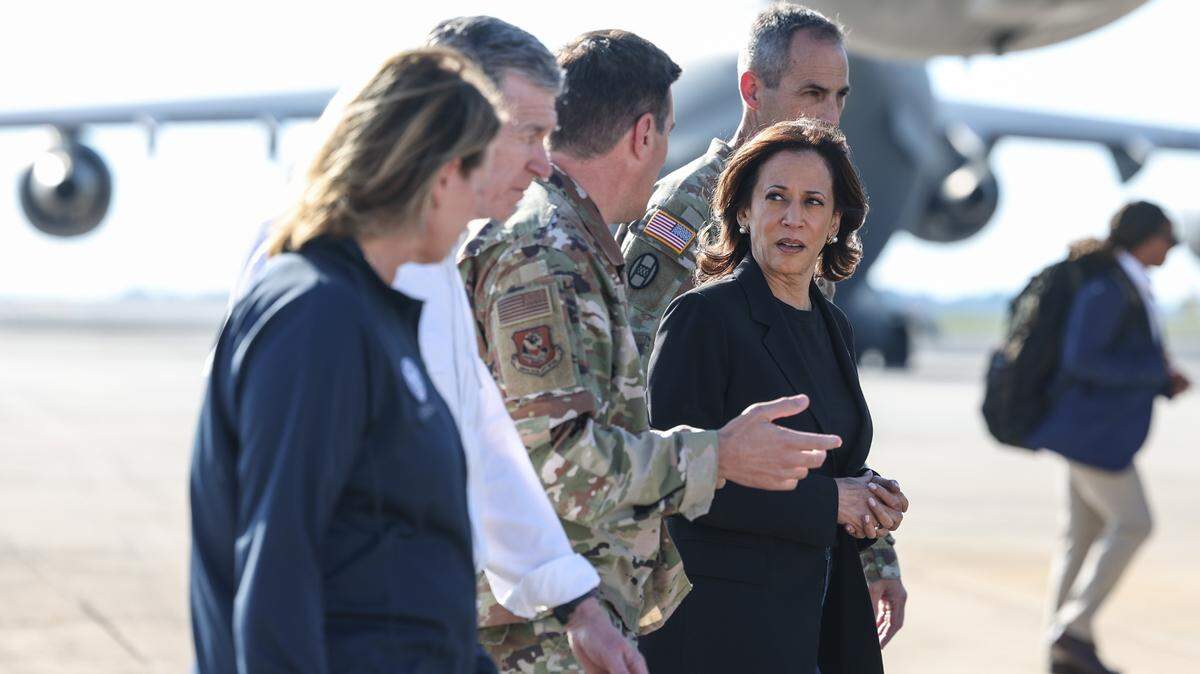
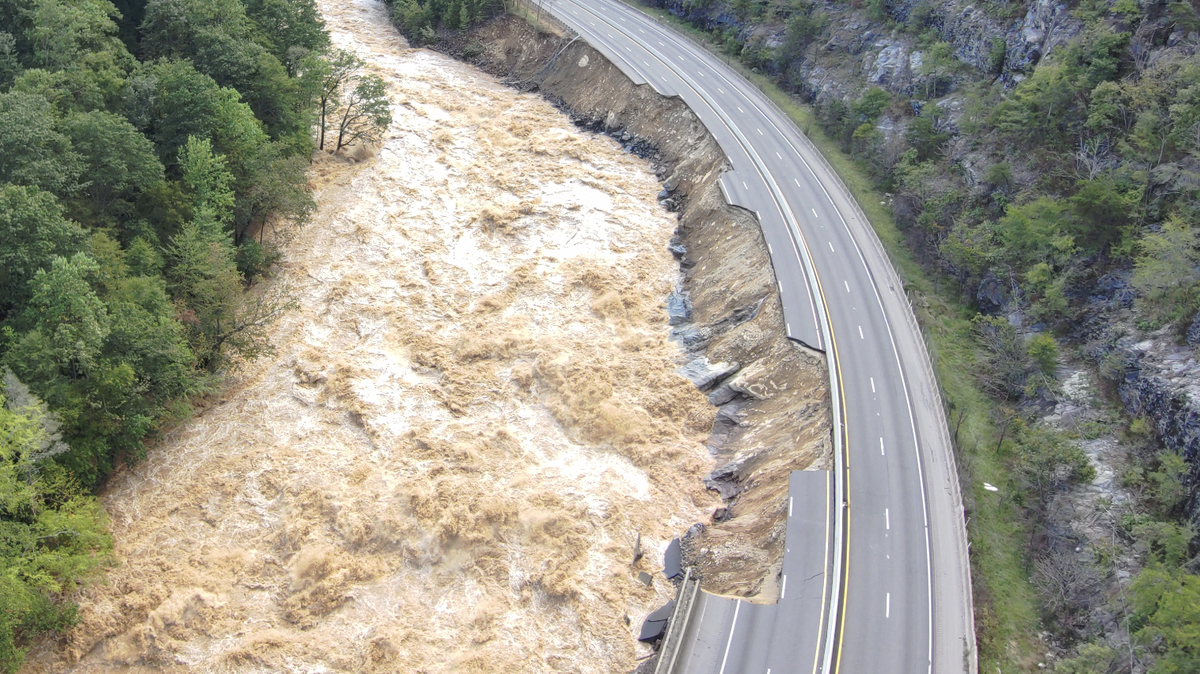
On Thursday, he came to the gorge to see first hand. With Gov. Roy Cooper, U.S. Sen. Thom Tillis and state officials, he looked over the concrete highway median into the abyss where the river had washed the eastbound lanes away.
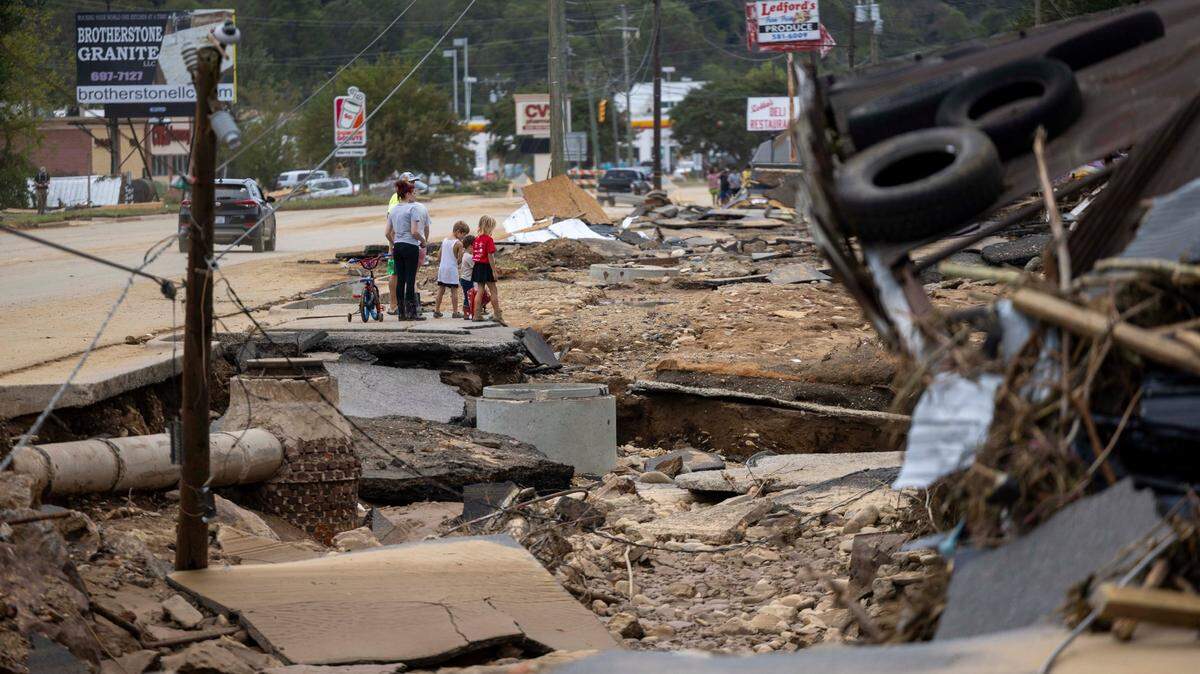
“It’s one thing to see a photo,” Buttigieg said. “It’s another to stand here and look at just the shocking, destructive power of this storm. It’s almost impossible to believe that water and wind alone could have torn apart rock and asphalt and the literal ground near where we’re standing.”
Of all the rebuilding challenges ahead, the reconstruction of the eastbound lanes of I-40 through the gorge will be among the most complex and expensive. The N.C. Department of Transportation’s preliminary estimate puts the cost at $1 billion.
On his first tour of Western North Carolina since the storm, Buttigieg pledged federal support to “make sure that funding is not a barrier.”
State officials don’t yet know how long it will take to rebuild I-40 through the gorge and restore the main highway connection between North Carolina and Tennessee. But standing next to Buttigieg on Thursday, N.C. Transportation Secretary Joey Hopkins pledged that it would happen.
“Not rebuilding is not an option,” Hopkins said. “We will rebuild. The question is how.”
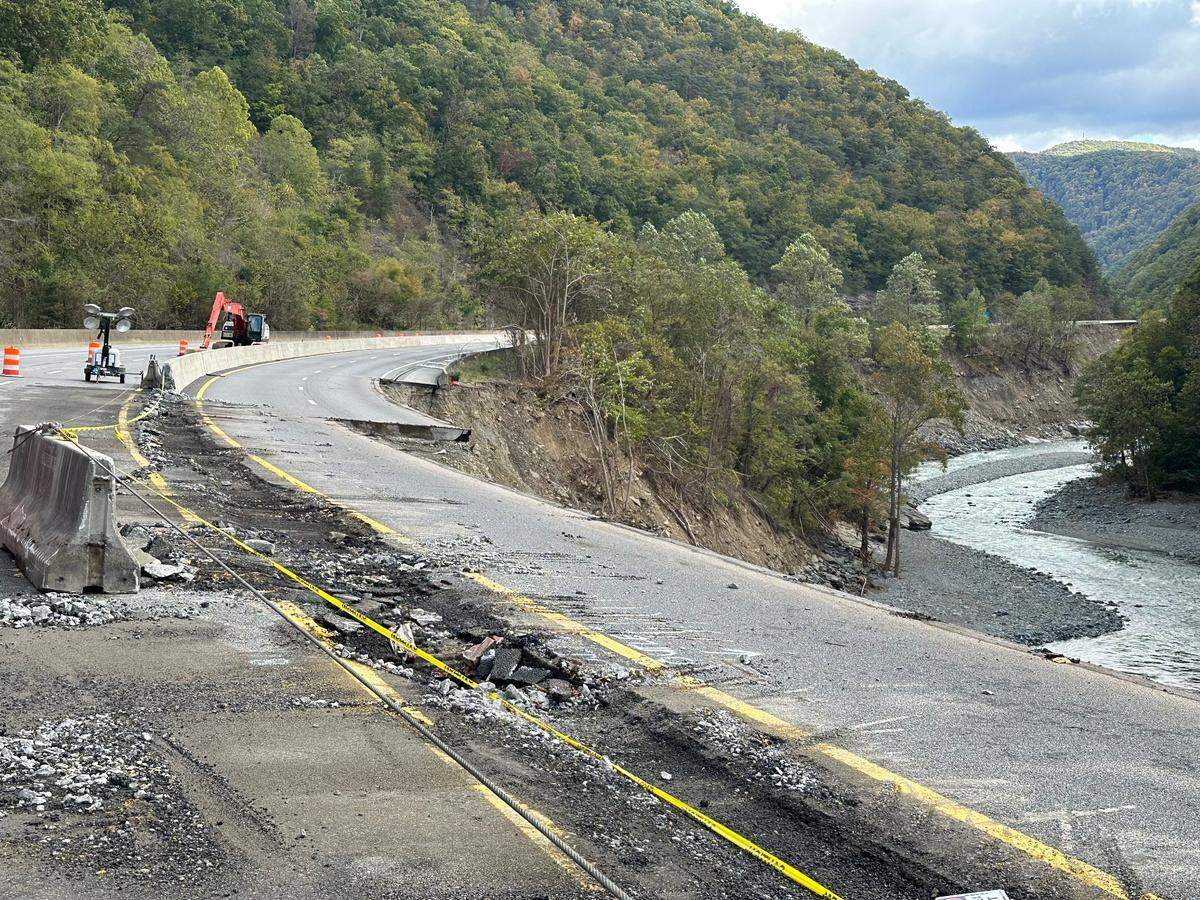
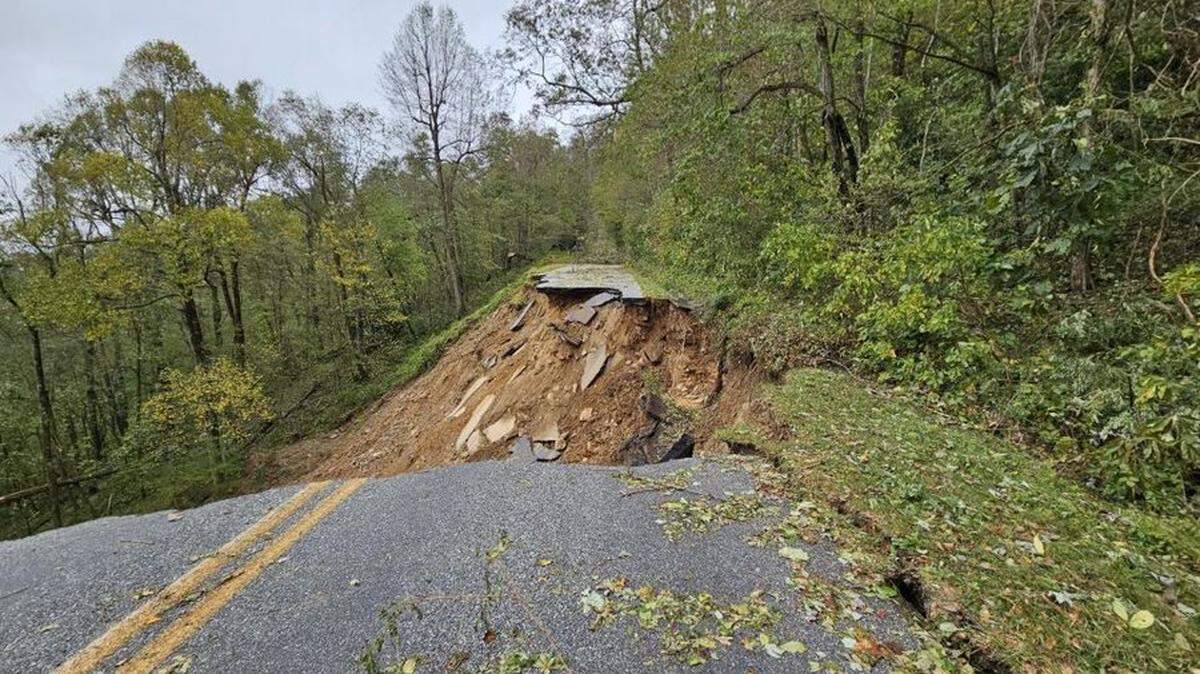
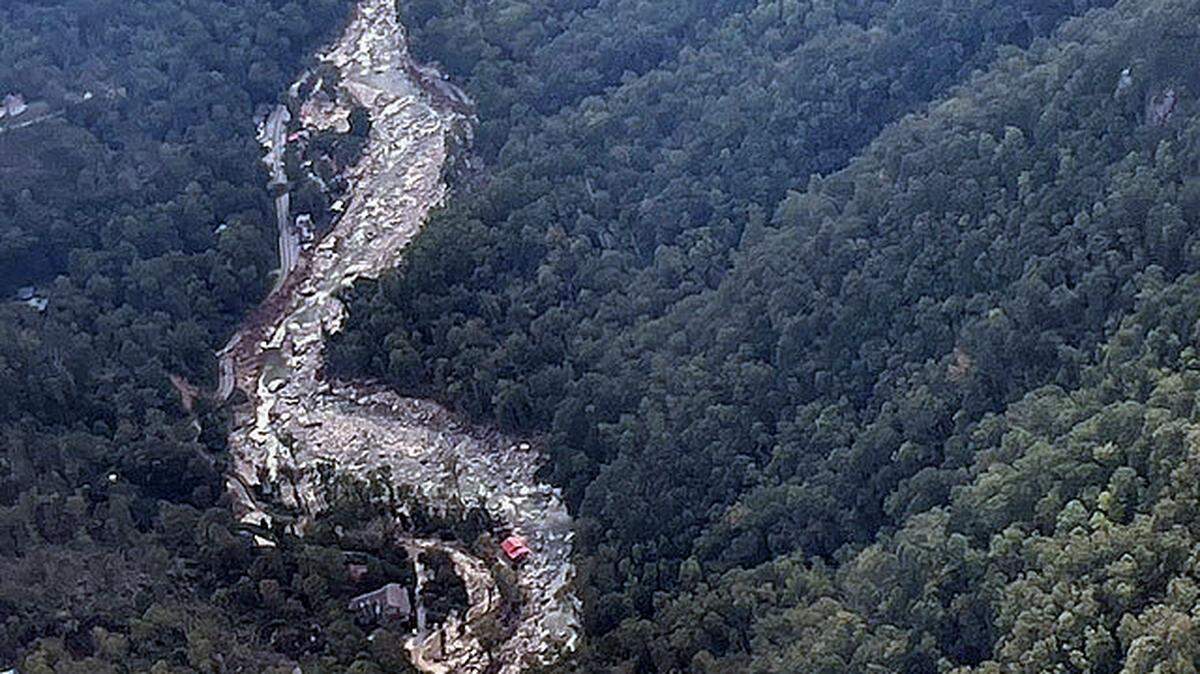
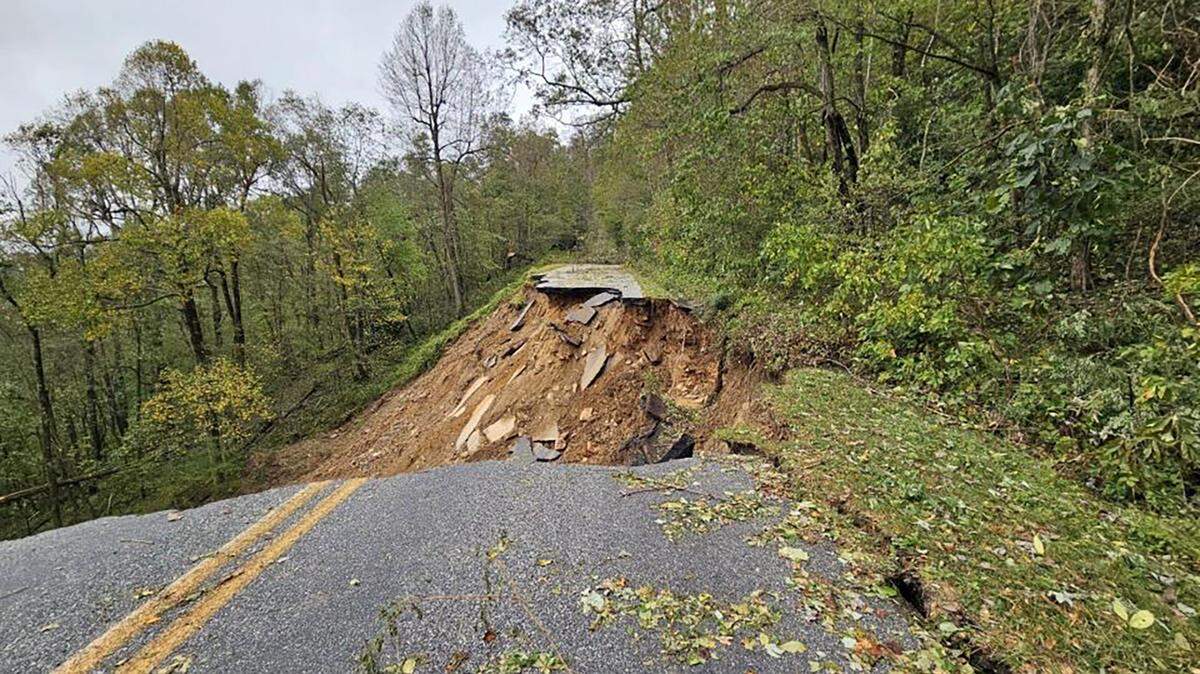
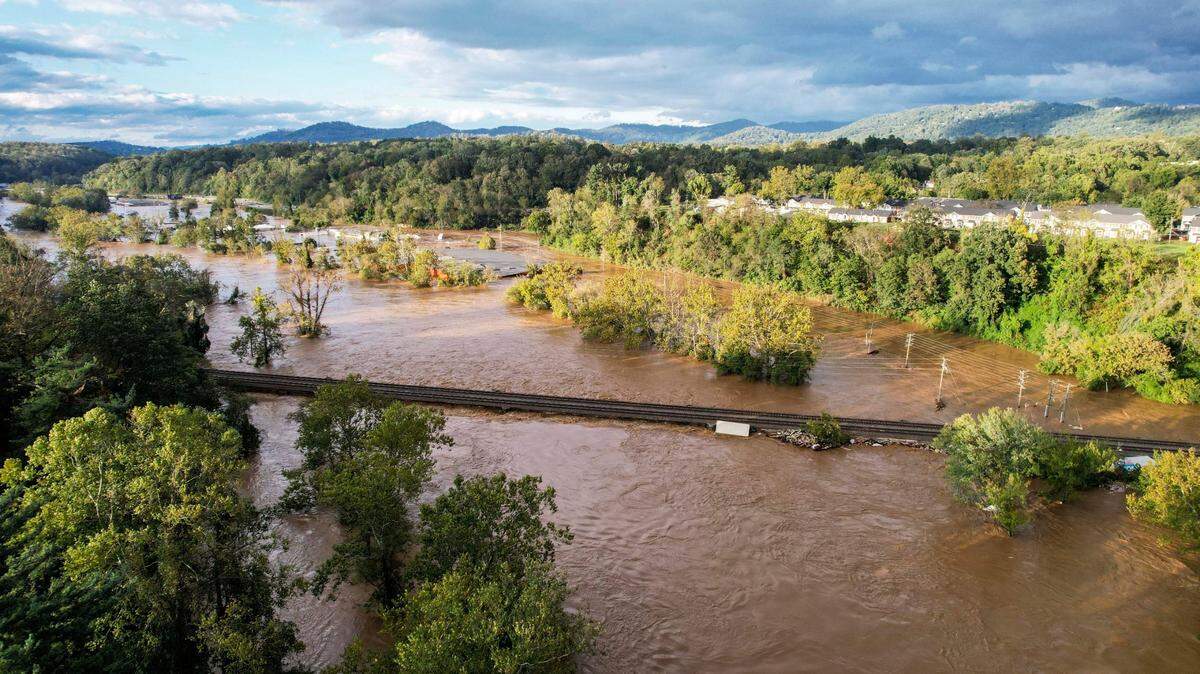
The eastbound lanes of I-40 began to disappear just before noon on Sept. 27, as the remnants of Helene moved out of Western North Carolina. The swollen Pigeon River carved into the earth along the highway, swallowing trees, then the guardrail and the paved shoulder. In several places, one or both of the travel lanes are also gone.
The westbound lanes are intact, though cracks have developed in the pavement in spots. The NCDOT and its contractors are keeping an eye on those, looking for any signs of movement, says Wanda Payne, NCDOT’s top engineer in the region.
“We’re actively monitoring the cracks to make sure we don’t lose anything else,” Payne told Buttigieg.
Stabilizing the westbound lanes is the first step in restoring the highway. Contractors are using a technique called “soil nailing,” essentially driving reinforced steel bars up to 20 feet long into the side of the gorge under the road to keep it from eroding further.
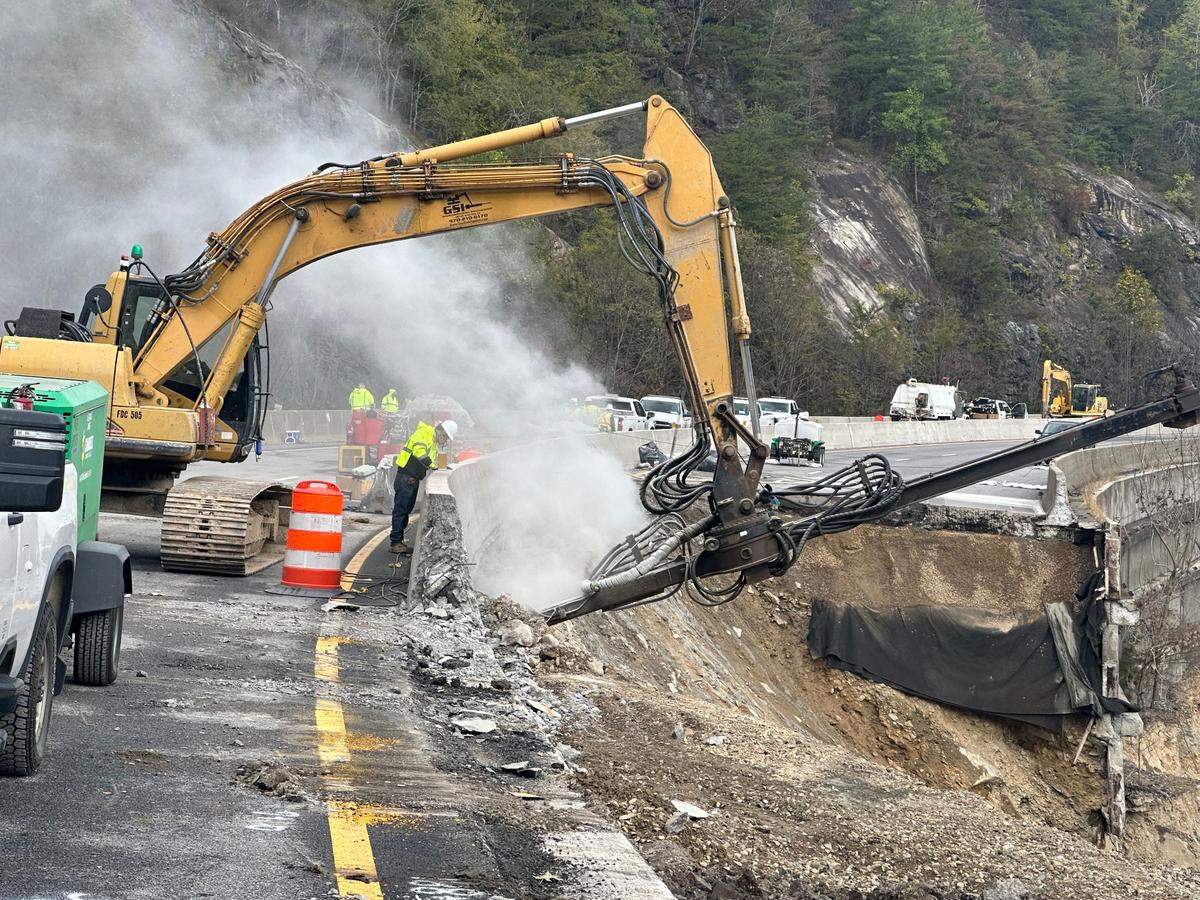
The $8 million contract with Wright Brothers Construction of Charleston, Tennessee, and Colorado-based GeoStabilization International requires that work to be done by Jan. 4, with incentives if they can finish sooner, said Daniel Ross, NCDOT’s engineer overseeing the project. Once they’re done, work on the eastbound side can begin in earnest.
It’s not clear yet how the road will be rebuilt. Hopkins said NCDOT has identified teams of designers and construction contractors and asked them to come up with proposals, along with estimated costs and timelines.
“I’m sure we’ll see some different ideas,” he said.
The basic challenge, Payne said, is to reconnect the highway from the Tennessee line to the tunnels near mile marker 4. There may be different solutions at different points along the way, including walls, viaducts and shifting lanes back from the river’s edge.
“I think we have a lot of options,” she said.
Hopkins said he hopes NCDOT will choose a design and construction team in the next few weeks.
Could the westbound lanes reopen to traffic?
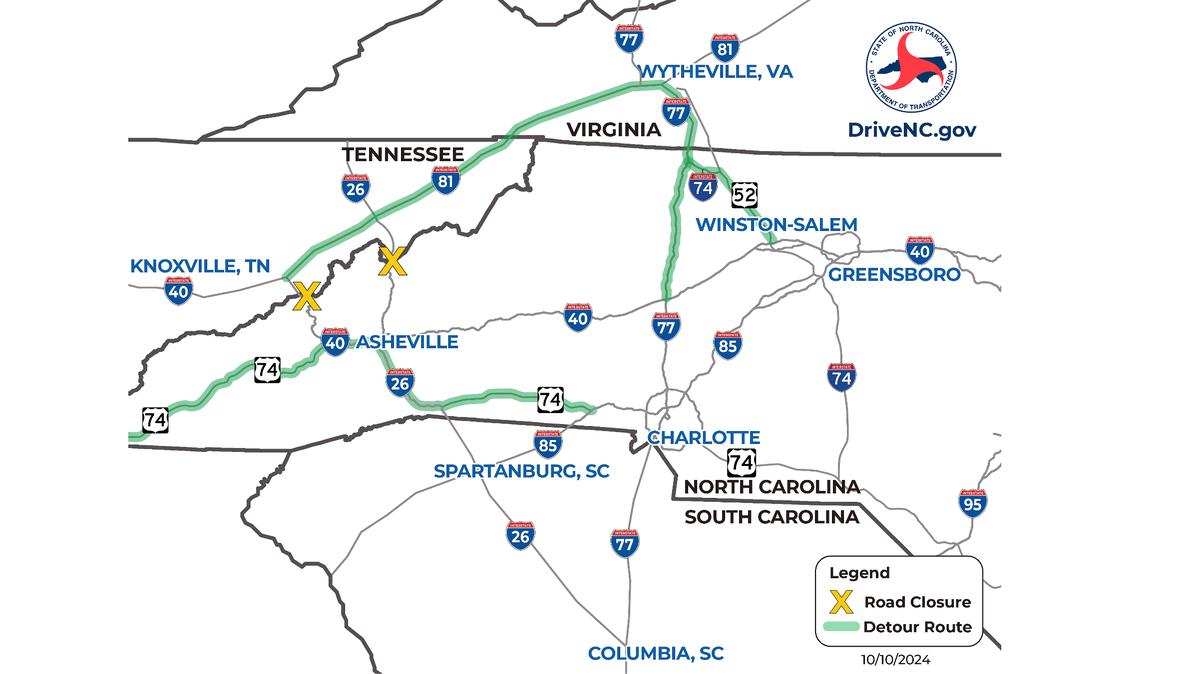
The Pigeon River also tore away parts of eastbound I-40 in Tennessee, though the damage was not as extensive. The state transportation department has converted the two westbound lanes to two-way traffic between the North Carolina line and Exit 447, a distance of about 4 miles.
But it’s too soon to tell whether NCDOT can put traffic on the westbound lanes on the North Carolina side once they’re stabilized.
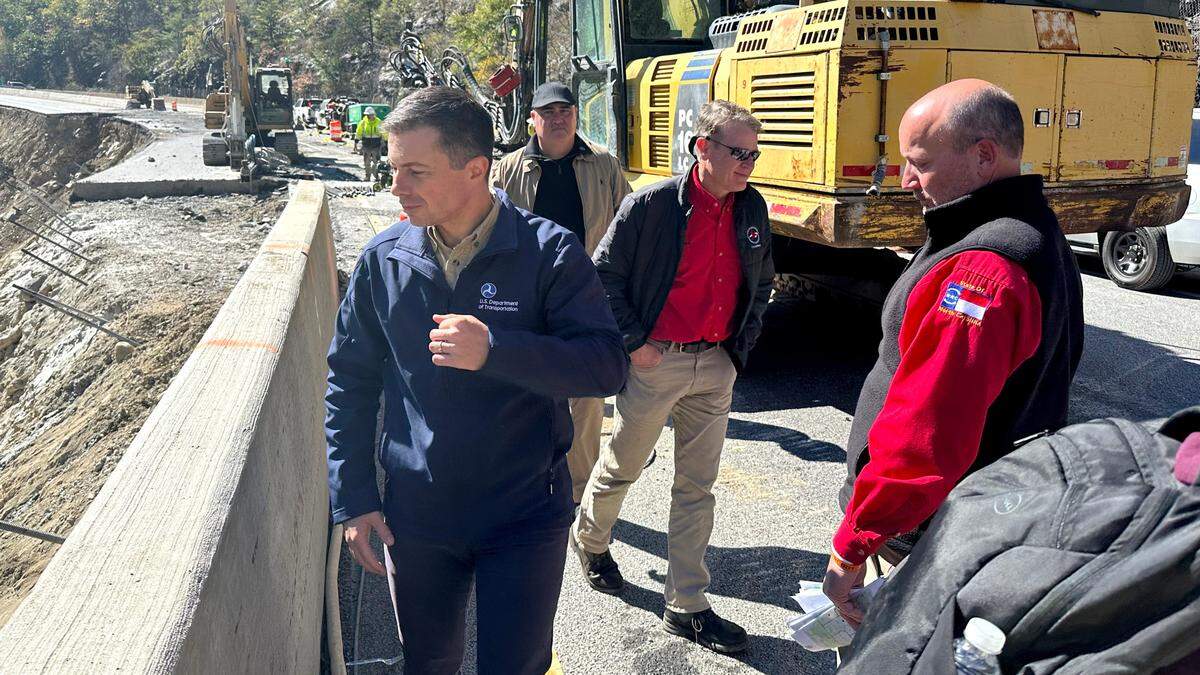
In several places, all that separates those lanes from the river is the median barrier, like the spot Buttigieg visited Thursday. Ross, the project engineer, said it’s likely contractors will need at least one of the westbound lanes for trucks and construction equipment to rebuild the highway.
Meanwhile, an alternate route between the two states, Interstate 26, remains closed after floodwaters knocked down twin spans that carried the highway over the Nolichucky River in Erwin, Tennessee, about 40 miles from the state line.
There’s no timeline set for rebuilding the bridges and fully reopening the highway, said Mark Nagi, spokesman for the Tennessee Department of Transportation.
But TDOT hopes to get one lane open in each direction to through traffic by the end of November, Nagi said. The bridge spans that fell are close to the river bank, and TDOT plans to create a temporary roadway by filling the area on the westbound side with stone and paving over it.
When the eastbound span is rebuilt, traffic will shift and the temporary road will be replaced with a new westbound bridge.
This story was originally published October 18, 2024 at 12:12 PM.









.jpg)



.jpeg)
.JPG)

















.JPG)